

The CAFA challenge reports improved protein function prediction and new functional annotations for hundreds of genes through experimental screens
Open accessPublished version of a preprint
The DOI matches its Crossref record; 69 of the 69 references it cites were found in a registry or an index.
Abstract
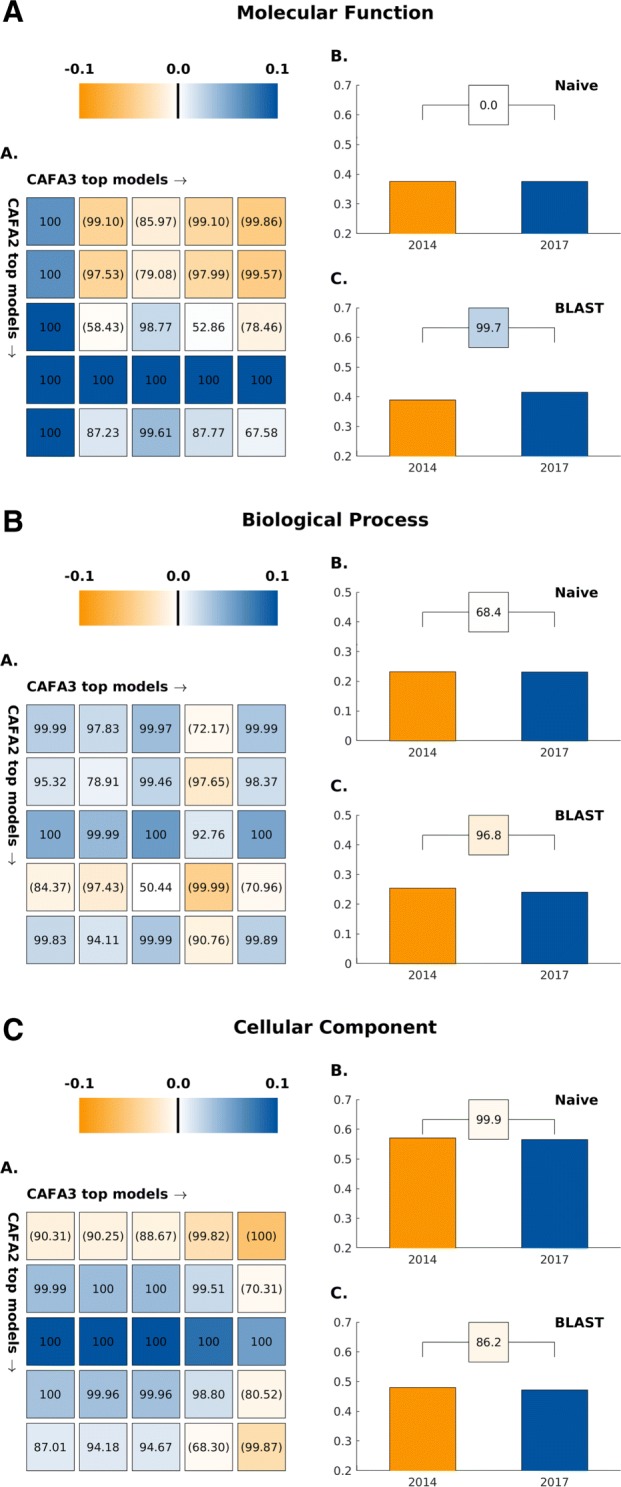
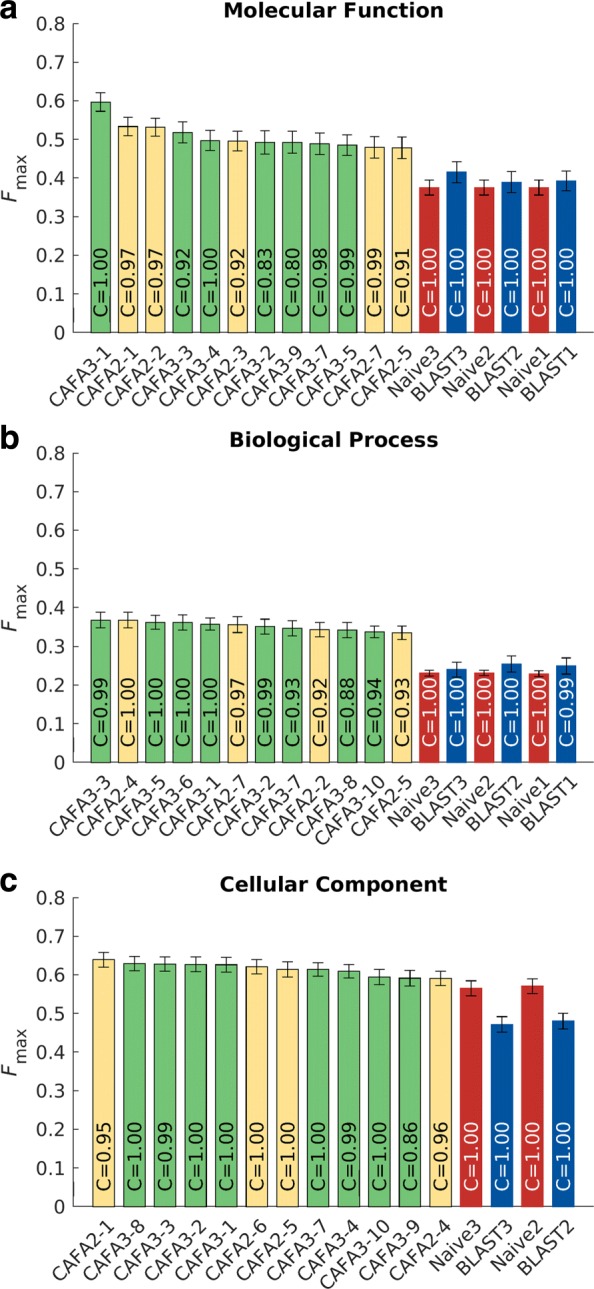
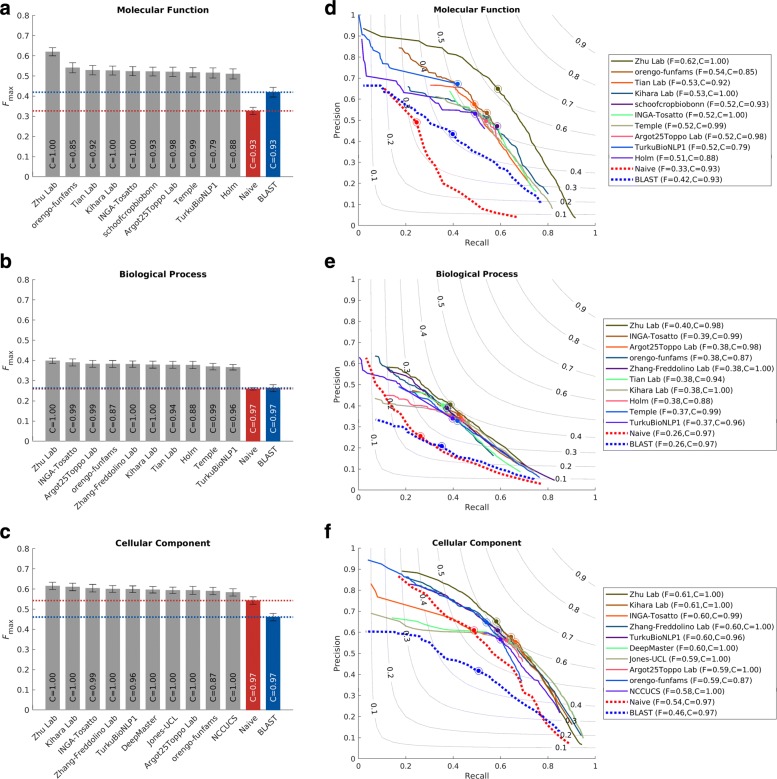
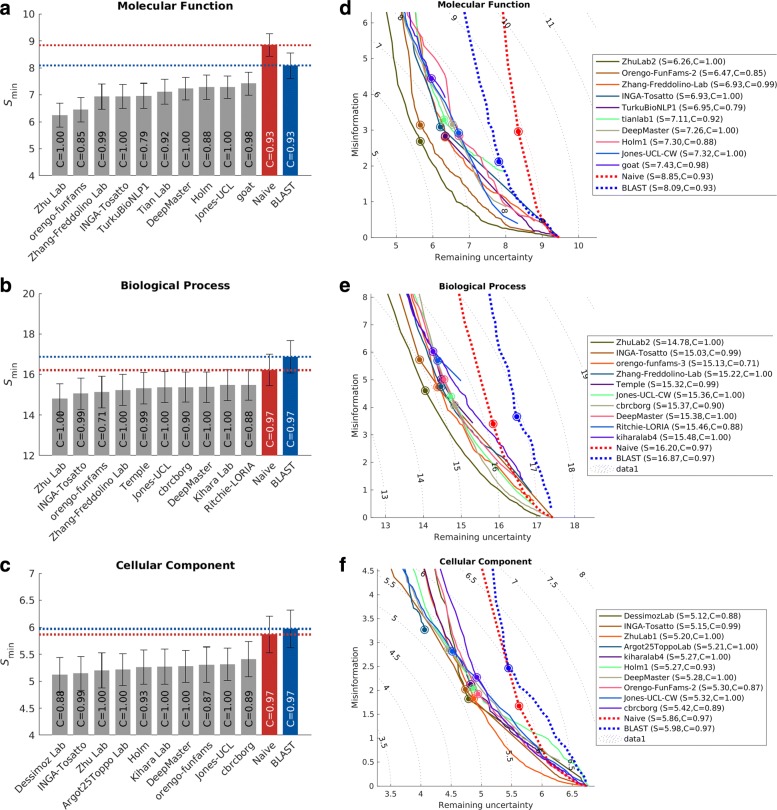
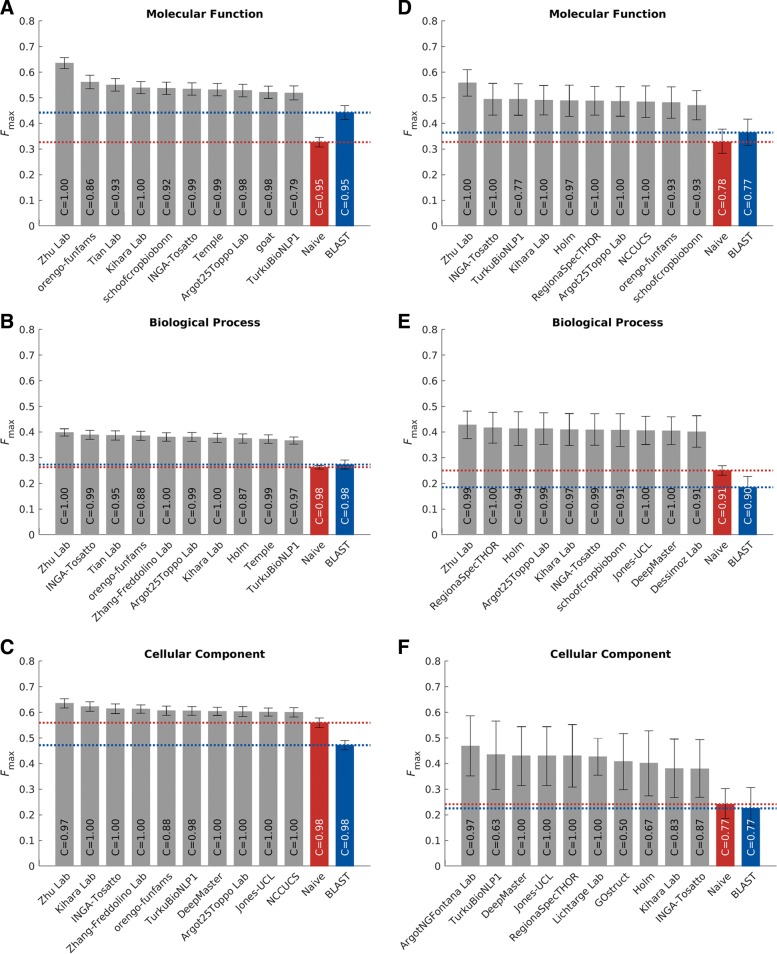
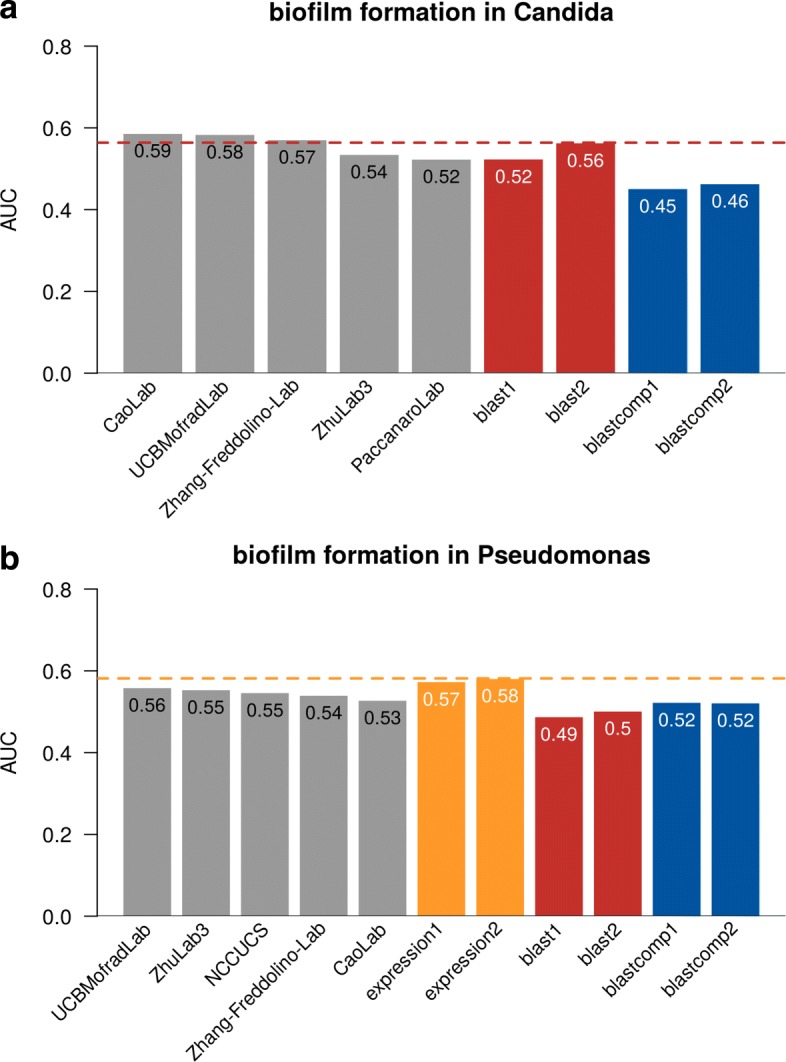
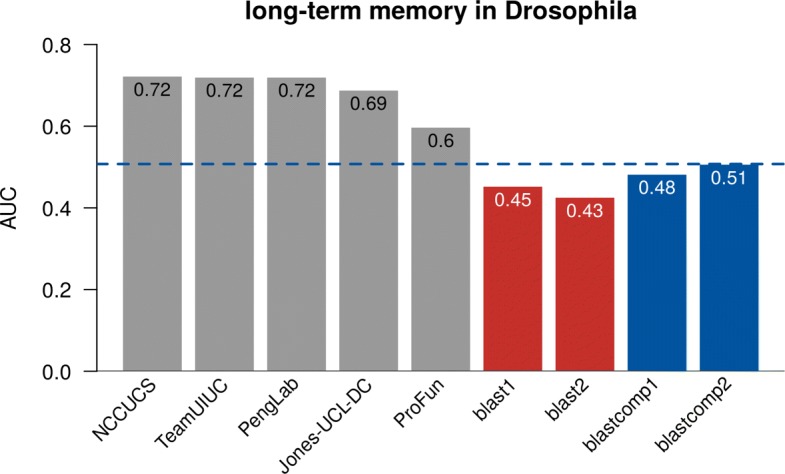
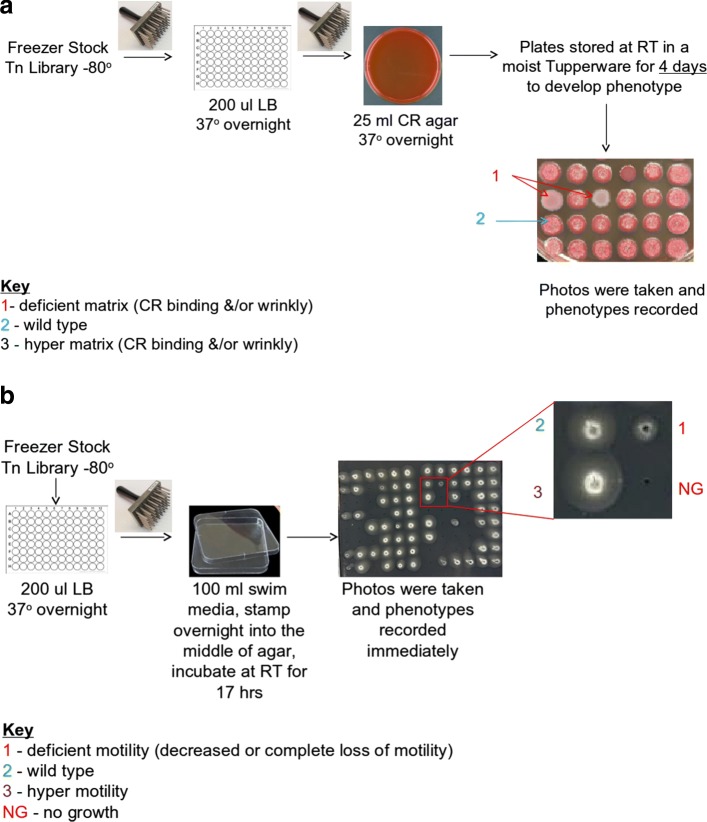
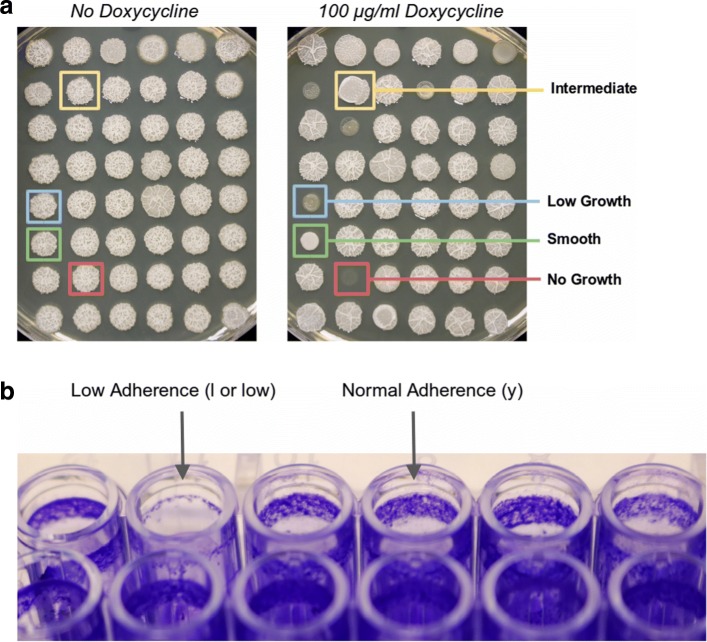
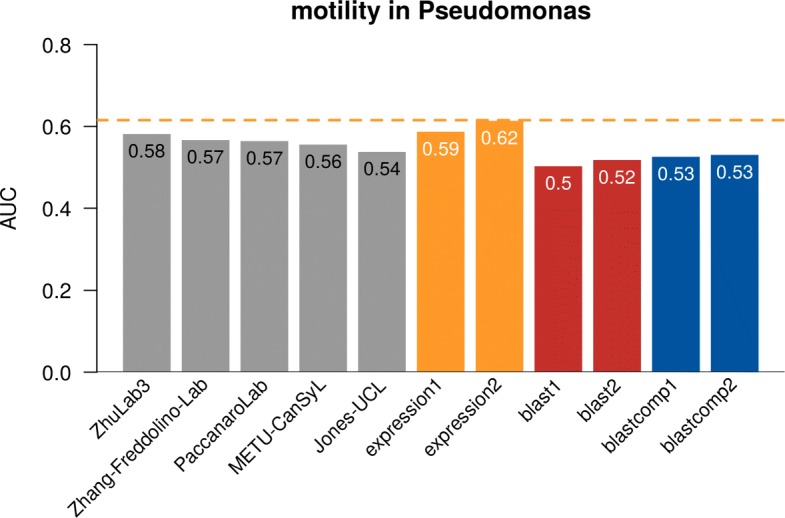
Background: The Critical Assessment of Functional Annotation (CAFA) is an ongoing, global, community-driven effort to evaluate and improve the computational annotation of protein function. Results: Here, we report on the results of the third CAFA challenge, CAFA3, that featured an expanded analysis over the previous CAFA rounds, both in terms of volume of data analyzed and the types of analysis performed. In a novel and major new development, computational predictions and assessment goals drove some of the experimental assays, resulting in new functional annotations for more than 1000 genes. Specifically, we performed experimental whole-genome mutation screening in Candida albicans and Pseudomonas aureginosa genomes, which provided us with genome-wide experimental data for genes associated with biofilm formation and motility. We further performed targeted assays on selected genes in Drosophila melanogaster , which we suspected of being involved in long-term memory. Conclusion: We conclude that while predictions of the molecular function and biological process annotations have slightly improved over time, those of the cellular component have not. Term-centric prediction of experimental annotations remains equally challenging; although the performance of the top methods is significantly better than the expectations set by baseline methods in C. albicans and D. melanogaster , it leaves considerable room and need for improvement. Finally, we report that the CAFA community now involves a broad range of participants with expertise in bioinformatics, biological experimentation, biocuration, and bio-ontologies, working together to improve functional annotation, computational function prediction, and our ability to manage big data in the era of large experimental screens.
Overview
The claims and statistics of this paper haven’t been checked yet.
Free: it reads the open-access text and checks the first 5 claims that cite a source we can check. Create a free account to check every claim.
Integrity signals
Registry
Cites
Statistics
Figures
Verification
Claims the paper makes
The claims and statistics of this paper haven’t been checked yet.
Free: it reads the open-access text and checks the first 5 claims that cite a source we can check. Create a free account to check every claim.
Claims other papers make about this one
Each is checked against this paper’s own text: does it say what the citing paper says it does?
The check wasn’t confident either way, so it gives no verdict — never disputed.
In the citing paper
“This pipeline has been shown to accurately assign functions for many proteins in microbes22 and in humans25 and is among the top predictors in the most recent Critical Assessment of Function Annotation round 3 (CAFA3) and CAFA PI competitions.26”
From Functions of Essential Genes and a Scale-Free Protein Interaction Network Revealed by Structure-Based Function and Interaction Prediction for a Minimal Genome (2021) · cites this paper as [26]
Experimental — accuracy not yet measured
Self-check
Percentages, sums and reported differences re-computed from the paper’s own numbers.
The self-check needs the paper’s full text.
Citations
Cites
Gapped BLAST and PSI-BLAST: a new generation of protein database search programs
Altschul, S. (1997) · Nucleic Acids Research · doi:10.1093/nar/25.17.3389 · Cited by 73,302
Gene Ontology: tool for the unification of biology
Ashburner, M., Ball, C. A., Blake, J. A., Botstein, D., Butler, H., Cherry, J. M., Davis, A. P., Dolinski, K., Dwight, S. S., Eppig, J. T., et al. (2000) · Nature Genetics · doi:10.1038/75556 · Cited by 43,206
STRING v10: protein–protein interaction networks, integrated over the tree of life
Szklarczyk, D., Franceschini, A., Wyder, S., Forslund, K., Heller, D., Huerta-Cepas, J., Simonovic, M., Roth, A., Santos, A., Tsafou, K. P., et al. (2015) · Nucleic Acids Research · doi:10.1093/nar/gku1003 · Cited by 10,436
UniProt: the Universal Protein knowledgebase
Apweiler, R. (2004) · Nucleic Acids Research · doi:10.1093/nar/gkh131 · Cited by 7,498
Mass spectrometry-based proteomics
Aebersold, R., & Mann, M. (2003) · Nature · doi:10.1038/nature01511 · Cited by 6,955
UniProt: the universal protein knowledgebase
The UniProt Consortium (2017) · Nucleic Acids Research · doi:10.1093/nar/gkw1099 · Cited by 4,436
Coming of age: ten years of next-generation sequencing technologies
Goodwin, S., McPherson, J. D., & McCombie, W. R. (2016) · Nature Reviews Genetics · doi:10.1038/nrg.2016.49 · Cited by 4,352
Assigning protein functions by comparative genome analysis: Protein phylogenetic profiles
Pellegrini, M., Marcotte, E. M., Thompson, M. J., Eisenberg, D., & Yeates, T. O. (1999) · Proceedings of the National Academy of Sciences · doi:10.1073/pnas.96.8.4285 · Cited by 1,585
Network‐based prediction of protein function
Sharan, R., Ulitsky, I., & Shamir, R. (2007) · Molecular Systems Biology · doi:10.1038/msb4100129 · Cited by 1,074
Mostafavi, S., Ray, D., Warde-Farley, D., Grouios, C., & Morris, Q. (2008) · Genome Biology · doi:10.1186/gb-2008-9-s1-s4 · Cited by 1,055
Cited by
Items 101–200 of 491
HPOLabeler: improving prediction of human protein–phenotype associations by learning to rank
Liu, L., Huang, X., Mamitsuka, H., & Zhu, S. (2020) · Bioinformatics · doi:10.1093/bioinformatics/btaa284 · Cited by 30
Self-citationGenome annotation of disease-causing microorganisms
Dong, Y., Li, C., Kim, K., Cui, L., & Liu, X. (2021) · Briefings in Bioinformatics · doi:10.1093/bib/bbab004 · Cited by 28
Biological impact of mutually exclusive exon switching
Lam, S. D., Babu, M. M., Lees, J., & Orengo, C. A. (2021) · PLoS Computational Biology · doi:10.1371/journal.pcbi.1008708 · Cited by 30
Self-citationComputational approaches to predict protein functional families and functional sites
Rauer, C., Sen, N., Waman, V., Abbasian, M., & Orengo, C. A. (2021) · Current Opinion in Structural Biology · doi:10.1016/j.sbi.2021.05.012 · Cited by 30
“Furthermore, the lack of standard benchmarks for comparing different methods and of recognised assessments (like CASP[96] and CAFA[10–12]) makes it hard to determine which features or strategies bring the most sensitivity and accuracy.”
BackgroundSelf-citationProtein function prediction with gene ontology: from traditional to deep learning models
Vu, T. T. D., & Jung, J. (2021) · PeerJ · doi:10.7717/peerj.12019 · Cited by 39
Multilingual translation for zero-shot biomedical classification using BioTranslator
Xu, H., Woicik, A., Poon, H., Altman, R. B., & Wang, S. (2023) · Nature Communications · doi:10.1038/s41467-023-36476-2 · Cited by 48
“We fi rst show that BioTranslator can annotate proteins to a novel function by only using the textual description of this function, suggesting the possibility to expand the Gene Ontology (GO) and its annotations using text 13,43,44 .”
Current successes and remaining challenges in protein function prediction
Jeffery, C. J. (2023) · Frontiers in Bioinformatics · doi:10.3389/fbinf.2023.1222182 · Cited by 32
“The most recent CAFA project also included both computational predictions and mutational screening in Candida albicans and Pseudomonas aureginosa to obtain information about proteins with roles in biofilm formation andmotility (Zhou et al., 2019).”
BackgroundSelf-citationZhang, C., Zheng, W., Cheng, M., Omenn, G. S., Freddolino, P. L., & Zhang, Y. (2021) · Journal of Proteome Research · doi:10.1021/acs.jproteome.0c00359 · Cited by 27
Self-citationClustering FunFams using sequence embeddings improves EC purity
Littmann, M., Bordin, N., Heinzinger, M., Schütze, K., Dallago, C., Orengo, C., & Rost, B. (2021) · Bioinformatics · doi:10.1093/bioinformatics/btab371 · Cited by 26
Self-citationFLAb: Benchmarking deep learning methods for antibody fitness predictionPreprint
Chungyoun, M., Ruffolo, J. A., & Gray, J. J. (2024) · bioRxiv (Cold Spring Harbor Laboratory) · doi:10.1101/2024.01.13.575504 · Cited by 44
“The Critical Assessment of Function Annotation (CAFA) aims to assign gene ontology classes to proteins [33].”
MethodHigh throughput and quantitative enzymology in the genomic era
Mokhtari, D. A., Appel, M. J., Fordyce, P. M., & Herschlag, D. (2021) · Current Opinion in Structural Biology · doi:10.1016/j.sbi.2021.07.010 · Cited by 27
“…prediction challenges exist, these contests typically use in vivo coarse phenotypic data ( e.g., whether or not particular mutations are deleterious) as targets, reflecting the absence of and need for large-scale in vitro quantitative measurements of specific functional parameters [118,119].”
BackgroundSwenson, N., Krishnapriyan, A. S., Buluç, A., Morozov, D., & Yelick, K. (2020) · arXiv (Cornell University) · doi:10.48550/arxiv.2010.16027 · Cited by 29
“The Critical Assessment of protein Function Annotation (CAFA), a recurring challenge that benchmarks different computational approaches, has shown that machine learning and statistical algorithms outperform alignment-based techniques, such as BLAST, or homology transfer methods [2, 3].”
BackgroundCATH functional families predict functional sites in proteins
Das, S., Scholes, H. M., Sen, N., & Orengo, C. A. (2020) · Bioinformatics · doi:10.1093/bioinformatics/btaa937 · Cited by 25
“…prediction pipelines based on FunFams have been consistently ranked among the best function prediction methods by the international CAFA competition (Jiang et al., 2016; Radivojac et al., 2013) and more recently have been amongst the top 5 best performing methods (CAFA3; (Zhou et al., 2019)).”
MethodSelf-citationPanis, F., & Rompel, A. (2022) · Environmental Science & Technology · doi:10.1021/acs.est.2c03770 · Cited by 28
Deep_CNN_LSTM_GO: Protein function prediction from amino-acid sequences
Elhaj-Abdou, M. E. M., El-Dib, H., El-Helw, A., & El-Habrouk, M. (2021) · Computational Biology and Chemistry · doi:10.1016/j.compbiolchem.2021.107584 · Cited by 27
Insights into the inner workings of transformer models for protein function prediction
Wenzel, M. A., Grüner, E., & Strodthoff, N. (2024) · Bioinformatics · doi:10.1093/bioinformatics/btae031 · Cited by 27
“…by the scientific community in systematic performance benchmarks, e.g. for function annotation (CAFA, Radivojac et al. 2013, Jiang et al. 2016, Zhou et al. 2019), for structure prediction (CASP, Kryshtafovych et al. 2019, 2021), or for several semi-supervised tasks (Rao et al. 2019, Fenoy et…”
BackgroundA review on Gene Ontology evaluations
Pitarch, B., Chagoyen, M., Ranea, J. A. G., & Pazos, F. (2025) · Database · doi:10.1093/database/baaf058 · Cited by 29
“Initiatives such as the CAFA challenge (Critical Assessment for Functional Annotation) [ 47 ], which benchmark protein function prediction methods, can also inform GO evaluations.”
Large-scale predicting protein functions through heterogeneous feature fusion
Zheng, R., Huang, Z., & Deng, L. (2023) · Briefings in Bioinformatics · doi:10.1093/bib/bbad243 · Cited by 25
“This method,called ’naive’ in CAFA, is used as a baseline for comparing methods [43].”
InfluentialIn silico protein function prediction: the rise of machine learning-based approaches
Chen, J., Gu, Z., Lai, L., & Pei, J. (2023) · Medical Review · doi:10.1515/mr-2023-0038 · Cited by 28
Zhang, C., Lane, L., Omenn, G. S., & Zhang, Y. (2019) · Journal of Proteome Research · doi:10.1021/acs.jproteome.9b00537 · Cited by 22
Self-citationOrthrus: toward evolutionary and functional RNA foundation models
Fradkin, P., Shi, R. “., Dalal, T., Isaev, K., Frey, B. J., Lee, L. J., Morris, Q., & Wang, B. (2026) · Nature Methods · doi:10.1038/s41592-026-03064-3 · Cited by 22
“GO terms are a hierarchical classification system used for assigning function to genes and their products 68–70 .”
Deep embeddings to comprehend and visualize microbiome protein space
Odrzywolek, K., Karwowska, Z., Majta, J., Byrski, A., Milanowska-Zabel, K., & Kosciolek, T. (2022) · Scientific Reports · doi:10.1038/s41598-022-14055-7 · Cited by 22
Kulmanov, M., & Hoehndorf, R. (2020) · PLoS Computational Biology · doi:10.1371/journal.pcbi.1008453 · Cited by 25
Self-citationPividori, M., Lu, S., Li, B., Su, C., Johnson, M. E., Wei, W., Feng, Q., Namjou, B., Kiryluk, K., Kullo, I. J., et al. (2023) · Nature Communications · doi:10.1038/s41467-023-41057-4 · Cited by 29
Self-citationTan, Y., Li, M., Zhou, Z., Tan, P., Yu, H., Fan, G., & Liang, H. (2024) · Journal of Cheminformatics · doi:10.1186/s13321-024-00884-3 · Cited by 36
“In tandem with CASP, the Critical Assessment of Functional Annotation (CAFA) challenge [63] has been established to evaluate the prediction of protein functions.”
MethodDeep embeddings to comprehend and visualize microbiome protein space
Odrzywolek, K., Karwowska, Z., Majta, J., Byrski, A., Milanowska-Zabel, K., & Kosciolek, T. (2021) · doi:10.1101/2021.07.21.452490 · Cited by 22
Assessing the role of evolutionary information for enhancing protein language model embeddings
Erckert, K., & Rost, B. (2024) · Scientific Reports · doi:10.1038/s41598-024-71783-8 · Cited by 23
“( h ) per-protein F max score for GO term prediction on the CAFA3 dataset 50 (BPO: biological process ontology; MFO: molecular function ontology; CCO: cellular component) (methods: DomFun 51 , goPredSim 52 , GOLabeler 53 ).”
Self-citationProtein functional site annotation using local structure embeddings
Derry, A., Tartici, A., & Altman, R. B. (2025) · Proceedings of the National Academy of Sciences · doi:10.1073/pnas.2513219122 · Cited by 26
Deep learning program to predict protein functions based on sequence information
Ko, C. W., Huh, J., & Park, J. (2022) · MethodsX · doi:10.1016/j.mex.2022.101622 · Cited by 26
Isoform function prediction by Gene Ontology embedding
Qiu, S., Yu, G., Lü, X., Domeniconi, C., & Guo, M. (2022) · Bioinformatics · doi:10.1093/bioinformatics/btac576 · Cited by 21
Benchmarking gene ontology function predictions using negative annotations
Vesztrocy, A. W., & Dessimoz, C. (2020) · Bioinformatics · doi:10.1093/bioinformatics/btaa466 · Cited by 22
Self-citationDeORFanizing Candida albicans Genes using Coexpression
O’Meara, T. R., & O’Meara, M. J. (2021) · mSphere · doi:10.1128/msphere.01245-20 · Cited by 20
“This can be achieved, for example, through unsupervised network sparsification (51) or supervised machine learning for a given gene function prediction task (52).”
LambdaPP : Fast and accessible protein‐specific phenotype predictions
(2022) · doi:10.1002/pro.4524 · Cited by 19
“Replicating CAFA3 (80), goPredSim reached Fmax(BPO)=38±2%, MFO: 52±3%, and CCO: 59±2% using ProtT5 embeddings (12; 39).”
Self-citationAssigning protein function from domain-function associations using DomFun
Rojano, E., Jabato, F. M., Perkins, J. R., Caballero, J., García-Criado, F., Sillitoe, I., Orengo, C. A., Ranea, J. A. G., & Seoane, P. (2022) · BMC Bioinformatics · doi:10.1186/s12859-022-04565-6 · Cited by 19
“The CAFA 3 training set contains 98,567 proteins from multiple organisms, of which 50,813 had annotations in GOBP, 35,086 in GOMF and 49,328 in GOCC [22].”
BackgroundMethodResultInfluentialSelf-citationHierarchical deep learning for predicting GO annotations by integrating protein knowledge
Merino, G., Saidi, R., Milone, D. H., Stegmayer, G., & Martin, M. (2022) · Bioinform. · doi:10.1093/bioinformatics/btac536 · Cited by 22
Self-citationBroad functional profiling of fission yeast proteins using phenomics and machine learning
Rodríguez-López, M., Bordin, N., Lees, J., Scholes, H., Hassan, S., Saintain, Q., Kamrad, S., Orengo, C., & Bähler, J. (2023) · eLife · doi:10.7554/elife.88229.3 · Cited by 18
Self-citationEnzyme functional classification using artificial intelligence
Kim, H. R., Ji, H., Kim, G. B., & Lee, S. Y. (2025) · Trends in biotechnology · doi:10.1016/j.tibtech.2025.03.003 · Cited by 21
Computational function prediction of bacteria and phage proteins
Grigson, S. R., Bouras, G. S., Dutilh, B. E., Olson, R., & Edwards, R. A. (2025) · Microbiology and Molecular Biology Reviews · doi:10.1128/mmbr.00022-25 · Cited by 27
“The Critical Assessment of Functional Annotation (CAFA) provides a framework for benchmarking predictive methods by inviting participants to predict the functions of unknown proteins using GO terms (218–220).”
Antimicrobial peptides with cell-penetrating activity as prophylactic and treatment drugs
del Rio, G., Perez, M. A. T., & Brizuela, C. A. (2022) · Bioscience Reports · doi:10.1042/bsr20221789 · Cited by 18
Wu, J., Qing, H., Ouyang, J., Zhou, J., Gao, Z., Mason, C. E., Liu, Z., & Shi, T. (2023) · Briefings in Bioinformatics · doi:10.1093/bib/bbad311 · Cited by 19
“In thisstudy,weappliedthesame strategy used intheCAFA3chal-lenge [ 33] to evaluate the performance of our model.”
InfluentialPartial order relation–based gene ontology embedding improves protein function prediction
Li, W., Wang, B., Dai, J., Kou, Y., Chen, X., Pan, Y. F., Hu, S., & Xu, Z. Z. (2024) · Briefings in Bioinformatics · doi:10.1093/bib/bbae077 · Cited by 23
Huang, Z., Chen, S., He, K., Yu, T., Fu, J., Gao, S., & Li, H. (2024) · Horticulture Research · doi:10.1093/hr/uhae082 · Cited by 21
Metric learning on expression data for gene function prediction
Makrodimitris, S., Reinders, M. J. T., & van Ham, R. C. H. J. (2019) · Bioinformatics · doi:10.1093/bioinformatics/btz731 · Cited by 18
DMIL-IsoFun: predicting isoform function using deep multi-instance learning
Yu, G., Zhou, G., Zhang, X., Domeniconi, C., & Guo, M. (2021) · Bioinformatics · doi:10.1093/bioinformatics/btab532 · Cited by 19
A Semi-Supervised Autoencoder-Based Approach for Protein Function Prediction
Dhanuka, R., Tripathi, A., & Singh, J. P. (2022) · IEEE Journal of Biomedical and Health Informatics · doi:10.1109/jbhi.2022.3163150 · Cited by 18
“The proposed model’s performance is evaluated with evaluation measures of Critical Assessment of Functional Annotation (CAFA) [55]: F max , average recall, average precision and area under the precision-recall curve (AUPR).”
MethodWei2GO: weighted sequence similarity-based protein function prediction
Reijnders, M. J. M. F. (2022) · PeerJ · doi:10.7717/peerj.12931 · Cited by 20
LambdaPP: Fast and accessible protein-specific phenotype predictions
Olenyi, T., Marquet, C., Heinzinger, M., Kröger, B., Nikolova, T., Bernhofer, M., Sändig, P., Schütze, K., Littmann, M., Mirdita, M., et al. (2022) · doi:10.1101/2022.08.04.502750 · Cited by 18
Self-citationYan, H., Wang, S., Liu, H., Mamitsuka, H., & Zhu, S. (2024) · Bioinformatics · doi:10.1093/bioinformatics/btae401 · Cited by 23
“In CAFA5, the organizers provided a large number of protein sequences (test superset), which consists of around 140 000 proteins, where around 92% of these proteins have annotated literature.”
BackgroundInfluentialSelf-citationProTranslator: Zero-Shot Protein Function Prediction Using Textual Description
Xu, H., & Wang, S. (2022) · Lecture notes in computer science · doi:10.1007/978-3-031-04749-7_17 · Cited by 30
A Deep Learning Framework for Predicting Protein Functions With Co-Occurrence of GO Terms
Li, M., Shi, W., Zhang, F., Zeng, M., & Li, Y. (2022) · IEEE Transactions on Computational Biology and Bioinformatics · doi:10.1109/tcbb.2022.3170719 · Cited by 17
“Inspired by Critical Assessment of Functional Annotation (CAFA) [33], the protein datas is divided into training dataset and test dataset according to the annotation time stamps.”
MethodSelf-citationZhang, C., & Freddolino, L. (2024) · Briefings in Bioinformatics · doi:10.1093/bib/bbae349 · Cited by 16
“Fmax was the main evaluation metric for Critical Assessment of Function Annotation (CAFA) challenges round 1, 2, and 3 [33], and is defined as Here, pr ( t ) and re ( t ) are the precision and recall, respectively, at the prediction score threshold t .”
MethodSelf-citationWang, W., Shuai, Y., Yang, Q., Zhang, F., Zeng, M., & Li, M. (2024) · Briefings in Bioinformatics · doi:10.1093/bib/bbae050 · Cited by 22
“Following the Critical Assessment of Function Annotation challenge [53] (CAFA), protein information and their corresponding functions are collected from the UniProt/Swiss-Prot [54] The hierarchical structure of the GO terms is retrieved from GO (released on 4 December 2022).”
MethodSelf-citationProtein function prediction through multi-view multi-label latent tensor reconstruction
Armah-Sekum, R. E., Szedmák, S., & Rousu, J. (2024) · BMC Bioinformatics · doi:10.1186/s12859-024-05789-4 · Cited by 18
“Evaluation is done using robust and standardized metrics developed by the community [15, 17, 44].”
MethodResultInfluentialBoadu, F., & Cheng, J. (2024) · Bioinformatics Advances · doi:10.1093/bioadv/vbae120 · Cited by 20
“…weighted F max , and S min of measuring the uncertain/missing information in function predictions (Clark and Radivojac 2013, Jiang et al. 2016, Zhou et al. 2019, Paolis 2023, Piovesan et al. 2024) (see the detailed definition of the evaluation metrics and summary of the baseline methods in…”
Self-citationPlyusnin, I., Holm, L., & Törönen, P. (2019) · PLoS Computational Biology · doi:10.1371/journal.pcbi.1007419 · Cited by 17
“Standard data sets, such as the MouseFunc project [4] and CAFA competitions [2, 3, 5], are starting to emerge.”
BackgroundMethodSelf-citationAlthagafi, A., Alsubaie, L., Kathiresan, N., Mineta, K., Aloraini, T., Mutairi, F. A., Alfadhel, M., Gojobori, T., Alfares, A. A., & Hoehndorf, R. (2021) · Bioinformatics · doi:10.1093/bioinformatics/btab859 · Cited by 16
“Several deep learning methods are now available that can predict phenotypes (Zhou et al. , 2019; Kulmanov and Hoehndorf, 2020) or associate phenotypes with different types of information available for genes, including functions of gene products and site of expression (Chen et al. , 2020; Smaili et…”
BackgroundSelf-citationGu, S., & Milenković, T. (2020) · PLoS ONE · doi:10.1371/journal.pone.0234978 · Cited by 18
“A variety of approaches entered in the Critical Assessment of Functional Annotation (CAFA) challenge [55] fall under this category.”
Predicting functions of uncharacterized gene products from microbial communities
Zhang, Y., Bhosle, A., Bae, S., Eckenrode, K. B., Huang, X., Tang, J., Lavrentovich, D. O., Awad, L., Ji, H., Wang, Y., et al. (2025) · Nature Biotechnology · doi:10.1038/s41587-025-02813-7 · Cited by 19
“Computational strategies for protein function prediction have a long history, especially in microbial isolate genomes 17–19 , and they have gained popularity with the exponential growth of sequence data 20–22 .”
InfluentialSelf-citationEvolutionary Context-Integrated Deep Sequence Modeling for Protein Engineering
Luo, Y., Vo, L. T., Ding, H., Su, Y., Liu, Y., Qian, W. W., Zhao, H., & Peng, J. (2020) · Lecture notes in computer science · doi:10.1007/978-3-030-45257-5_30 · Cited by 18
Self-citationBENZ WS: the Bologna ENZyme Web Server for four-level EC number annotation
Baldazzi, D., Savojardo, C., Martelli, P. L., & Casadio, R. (2021) · Nucleic Acids Research · doi:10.1093/nar/gkab328 · Cited by 18
“These difficulties may hamper the EC direct association to the protein sequence and rather suggest a direct prediction of GO terms, like in the CAFA experiments (3).”
InfluentialSelf-citationFine-tuning protein embeddings for functional similarity evaluation
Dickson, A. M., & Mofrad, M. R. K. (2024) · Bioinformatics · doi:10.1093/bioinformatics/btae445 · Cited by 16
Self-citationInterLabelGO+: unraveling label correlations in protein function prediction
Liu, Q., Zhang, C., & Freddolino, L. (2024) · Bioinformatics · doi:10.1093/bioinformatics/btae655 · Cited by 21
“This performance is significantly higher than the CAFA5 version of InterLabelGO ( wF max of 0.5604), due to the incorporation of the dynamic weighting scheme in our final version of the pipeline.”
InfluentialSelf-citationZhang, Y., Zheng, L., You, N., Hu, W., Jiang, W., Lu, M., Xu, H., Dai, H., Fu, T., & Zhou, Y. (2025) · Journal of Pharmaceutical Analysis · doi:10.1016/j.jpha.2025.101255 · Cited by 18
“First, based on the CAFA dataset [27], over 90,000 protein sequences from UniProt [28] were obtained.”
Self-citationKlaus, M., Zurek, P. J., Kamiński, T. S., Pushpanath, A., Neufeld, K., & Hollfelder, F. (2021) · ChemBioChem · doi:10.1002/cbic.202100322 · Cited by 15
The field of protein function prediction as viewed by different domain scientists
Ramola, R., Friedberg, I., & Radivojac, P. (2022) · Bioinformatics Advances · doi:10.1093/bioadv/vbac057 · Cited by 16
Self-citationPhylogenetic profiling in eukaryotes comes of age
Moi, D., & Dessimoz, C. (2023) · Proceedings of the National Academy of Sciences · doi:10.1073/pnas.2305013120 · Cited by 17
“…its value, it is essential to establish clear standards, practices, and com - munity competitions similar to the Critical Assessment of pro - tein Structure Prediction (CASP) (15), the Critical Assessment of Functional Annotation (CAFA) (16), or the Quest for Orthologs benchmarking efforts (17).”
BackgroundSelf-citationLiu, Y., Hsu, T.-W., Chang, C., Liao, W., & Chang, J. (2020) · BMC Bioinformatics · doi:10.1186/s12859-020-03556-9 · Cited by 15
Self-citationSchelkunov, M. I., NURALIEV, M. S., & Logacheva, M. D. (2021) · PeerJ · doi:10.7717/peerj.12106 · Cited by 16
CAFA-evaluator: a Python tool for benchmarking ontological classification methods
Piovesan, D., Zago, D., Joshi, P., Kaluza, M. C. D. P., Mehdiabadi, M., Ramola, R., Monzón, A. M., Reade, W., Friedberg, I., Predrag Radivojac, A., et al. (2024) · Bioinformatics Advances · doi:10.1093/bioadv/vbae043 · Cited by 20
“The software has been tested against CAFA2 and CAFA3 data, replicating the exact results provided in their corresponding publications (Jiang et al. 2016, Zhou et al. 2019).”
MethodSelf-citationShao, J., Chen, J., & Liu, B. (2024) · IEEE Transactions on Neural Networks and Learning Systems · doi:10.1109/tnnls.2024.3419250 · Cited by 17
“NetGO [26], [36], a function prediction method that combines multiple paired score using the learning to rank algorithm [37], surpasses the performance of the top-performing method, GOLabeler [38], in the CAFA3 [39] competition [40].”
TripletProt: Deep Representation Learning of Proteins Based On Siamese Networks
Nouranı, E., Asgari, E., McHardy, A. C., & Mofrad, M. R. K. (2021) · IEEE Transactions on Computational Biology and Bioinformatics · doi:10.1109/tcbb.2021.3108718 · Cited by 18
“Protein structure prediction [5], [6], function prediction [7]–[10] and semantic search [11] are promising state-of-the-art applications of deep networks in protein informatics.”
BackgroundSelf-citationKamenetzky, L., Maldonado, L. L., & Cucher, M. A. (2021) · Parasitology Research · doi:10.1007/s00436-021-07346-x · Cited by 15
Fixing Bias in Reconstruction-based Anomaly Detection with Lipschitz Discriminators
Tong, A., Wolf, G., & Krishnaswamy, S. (2021) · Journal of Signal Processing Systems · doi:10.1007/s11265-021-01715-6 · Cited by 21
EnsembleFam: towards more accurate protein family prediction in the twilight zone
Kabir, M. N., & Wong, L. (2022) · BMC Bioinformatics · doi:10.1186/s12859-022-04626-w · Cited by 14
“Along with these, the Continuous Assessment of Functional Annotation (CAFA) [30] competition also introduces many different function prediction methods to predict Gene Ontology [31] terms.”
MethodNetwork-Based Methods for Approaching Human Pathologies from a Phenotypic Point of View
Ranea, J. A. G., Perkins, J. R., Chagoyen, M., Díaz-Santiago, E., & Pazos, F. (2022) · Genes · doi:10.3390/genes13061081 · Cited by 14
KinFams: De-Novo Classification of Protein Kinases Using CATH Functional Units
Adeyelu, T., Bordin, N., Waman, V. P., Sadlej, M., Sillitoe, I., Moya-Garcia, A. A., & Orengo, C. A. (2023) · Biomolecules · doi:10.3390/biom13020277 · Cited by 16
“CATH-FunFams have been endorsed in-silico [26,27] and by blind independent assessment in CAFA, in which CAFA-FunFams were recently highly ranked for prediction of molecular function [28].”
MethodSelf-citationLite-SeqCNN: A Light-Weight Deep CNN Architecture for Protein Function Prediction
Kumar, V., Deepak, A., Ranjan, A., & Prakash, A. (2023) · IEEE Transactions on Computational Biology and Bioinformatics · doi:10.1109/tcbb.2023.3240169 · Cited by 15
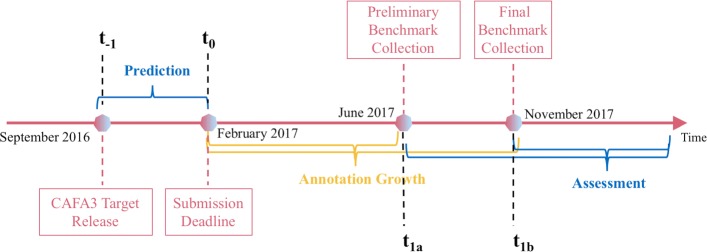
“The CAFA3 dataset [37] used in [5] consists of the training set with experimental annotations known before September 2016 and the test set with experimental annotations acquired between September 2016 and November 2019.”
MethodGong, W., Guerler, A., Zhang, C., Warner, E., Li, C., & Zhang, Y. (2021) · Journal of Molecular Biology · doi:10.1016/j.jmb.2021.166944 · Cited by 13
Self-citationDecoding functional proteome information in model organisms using protein language models
Barrios-Núñez, I., Martínez-Redondo, G. I., Medina-Burgos, P., Cases, I., Fernández, R., & Rojas, A. M. (2024) · NAR Genomics and Bioinformatics · doi:10.1093/nargab/lqae078 · Cited by 13
“Nevertheless, ML meth-ods are truly gaining protagonism in this area, as witnessed in the last published CAFA3 ( 19 ) in which an ML-based ensemble method ( 23 ) performed better than the rest of the meth-ods across three challenges, unfortunately using a tool that is no longer available.”
MethodSANA: cross-species prediction of Gene Ontology GO annotations via topological network alignment
Wang, S., Atkinson, G. R. S., & Hayes, W. B. (2022) · npj Systems Biology and Applications · doi:10.1038/s41540-022-00232-x · Cited by 15
PSPGO: Cross-Species Heterogeneous Network Propagation for Protein Function Prediction
Wu, K., Wang, L., Liu, B., Liu, Y., Wang, Y., & Li, J. (2022) · IEEE Transactions on Computational Biology and Bioinformatics · doi:10.1109/tcbb.2022.3215257 · Cited by 13
“Different from the above label transfer or propagation methods, GOLabeler [12], one of the best methods in CAFA3 [4], integrates different sequence information into a feature vector, then uses the learning to rank algorithm to predict GO terms.”
BackgroundMethodInfluentialSelf-citationDohan, D., Gane, A., Bileschi, M. L., Belanger, D., & Colwell, L. J. (2021) · ACM SIGKDD Conference on Knowledge Discovery and Data Mining (KDD) · doi:10.1145/3447548.3467163 · Cited by 15
“An additional line of work [33, 61, 62] benchmarks various protein sequence embeddings on the CAFA benchmark [64], though BERT and related architectures are not considered.”
BackgroundHierarchical Protein Function Prediction with Tail-GNNsPreprint
Spalević, S. M., Veličković, P., Kovačević, J., & Nikolić, M. (2020) · arXiv (Cornell University) · doi:10.48550/arxiv.2007.12804 · Cited by 13
“The architectural hyperparameters were determined based on the validation set performance, using the F 1 score—a suitable measure for imbalanced label problems, which is also commonly used for evaluating models in CAFA challenges (Zhou et al., 2019).”
InfluentialDecoding functional proteome information in model organisms using protein language models
Barrios-Núñez, I., Martínez-Redondo, G. I., Medina-Burgos, P., Cases, I., Fernández, R., & Rojas, A. M. (2024) · doi:10.1101/2024.02.14.580341 · Cited by 13
ProtGO: universal protein function prediction utilizing multi-modal gene ontology knowledge
Wang, B., Geng, Y.-A., Cheng, X., Chen, B., Bei, Z., Wang, W., Tang, J., & Song, L. (2025) · Bioinformatics · doi:10.1093/bioinformatics/btaf390 · Cited by 15
“Established in 1998, the Gene Ontology (GO) knowledge base (Zhou et al. 2019) serves as an authoritative bioinformatics resource for describing gene product function, providing the world’s most comprehensive framework for systematically annotating across diverse species.”
de Crécy‐Lagard, V., Dias, R., Sexson, N., Friedberg, I., Yuan, Y., & Swairjo, M. A. (2025) · G3 Genes Genomes Genetics · doi:10.1093/g3journal/jkaf169 · Cited by 19
“Models have been developed to link protein sequences directly to vocabularies such as GO terms (Radivojac et al. 2013; Jiang et al. 2016; Zhou et al. 2019) or EC (EC classification) numbers (Hamamsy et al. 2023 ).”
Self-citationEmpowering biological knowledgebases: advances in human-in-the-loop AI-driven literature curation
Wood, V., Jeffryes, M., Green, A., Blum, M., Orchard, S. E., Panni, S., Quaglia, F., Rodriguez‐Esteban, R., Seager, J., Tosatto, S. C. E., et al. (2026) · Bioinformatics Advances · doi:10.1093/bioadv/vbag028 · Cited by 16
“International community challenges such as BioCreative and CAFA have been instrumental in evaluating and advancing text-mining and AI-based biocuration methods (Wang et al. 2016, Zhou et al. 2019).”
Self-citationQiu, X.-Y., Wu, H., & Shao, J. (2022) · Computers in Biology and Medicine · doi:10.1016/j.compbiomed.2022.105938 · Cited by 12
Predicting Functions of Uncharacterized Human Proteins: From Canonical to Proteoforms
Poverennaya, E. V., Kiseleva, O. I., Romanova, A., & Pyatnitskiy, M. A. (2020) · Genes · doi:10.3390/genes11060677 · Cited by 12
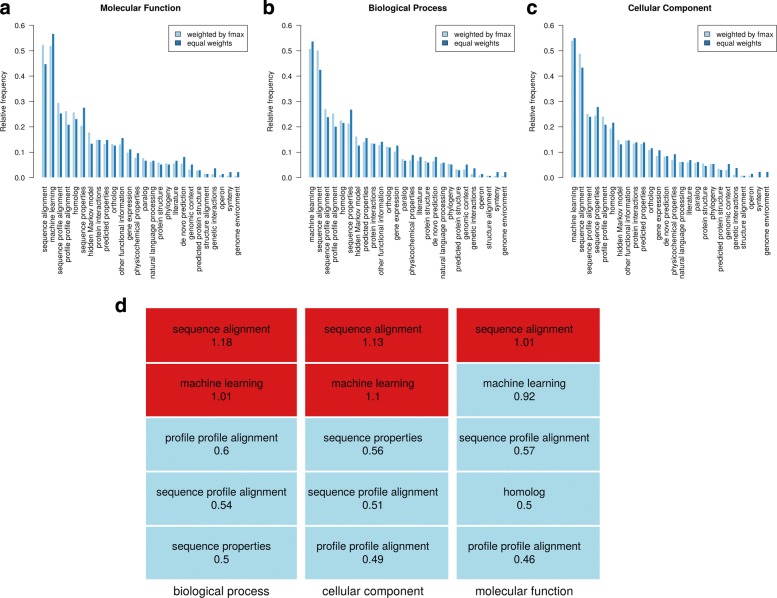
“Furthermore, the keyword analysis of CAFA3 participating methods showed that protein interaction is equally important across all 3 GO ontologies [10].”
MethodContactPFP: Protein Function Prediction Using Predicted Contact Information
Kagaya, Y., Flannery, S. T., Jain, A., & Kihara, D. (2022) · Frontiers in Bioinformatics · doi:10.3389/fbinf.2022.896295 · Cited by 13
“We selected PFP, ESG, and Phylo-PFP because they are sequence-based methods that performed well in CAFA challenges (Radivojac et al., 2013; Jiang et al., 2016; Zhou et al., 2019).”
MethodSelf-citationLearning sequence, structure, and function representations of proteins with language modelsPreprint
Hamamsy, T., Barot, M., Morton, J. T., Steinegger, M., Bonneau, R., & Cho, K. (2023) · bioRxiv (Cold Spring Harbor Laboratory) · doi:10.1101/2023.11.26.568742 · Cited by 19
Self-citationPANDA-3D: protein function prediction based on AlphaFold models
Zhao, C., Liu, T., & Wang, Z. (2024) · NAR Genomics and Bioinformatics · doi:10.1093/nargab/lqae094 · Cited by 13
“We evaluated the methods using both protein-and term-centric evaluation measures, which were what the official assessment measures used in C AFA2, C AFA3 and C AFA-π ( 7 ,11 ).”
Self-citationAutoregressive enzyme function prediction with multi-scale multi-modality fusion
Rong, D., Zhong, B., Zheng, W., Hong, L., & Liu, N. (2025) · Briefings in Bioinformatics · doi:10.1093/bib/bbaf476 · Cited by 14
“…the ability to experimentally determine the EC numbers of enzymes is significantly lagging behind the rapid pace at which enzyme data is being generated [6], for the experimental determination of function is a complex, time-consuming, and resource-intensive process that involves multiple steps [7].”
Computational strategies for cross-species knowledge transfer
Yuan, H., Mancuso, C. A., Johnson, K. A., Braasch, I., & Krishnan, A. (2025) · Nature Methods · doi:10.1038/s41592-025-02931-9 · Cited by 12
“Recent discoveries of such cross-species gene pairs were evidenced by large-scale computational competitions such as the sbv IMPROVER Species Translation Challenge 19 and the Critical Assessment of Protein Function Annotation Challenge 20–23 .”
Prioritizing genomic variants through neuro-symbolic, knowledge-enhanced learning
Althagafi, A., Zhapa-Camacho, F., & Hoehndorf, R. (2024) · Bioinformatics · doi:10.1093/bioinformatics/btae301 · Cited by 17
Self-citationZhang, C., Liu, Q., & Freddolino, L. (2026) · Genomics Proteomics & Bioinformatics · doi:10.1093/gpbjnl/qzag018 · Cited by 11
Self-citationZhu, Y., Zhang, C., Liu, Y., Omenn, G. S., Freddolino, P. L., Yu, D., & Zhang, Y. (2022) · Genomics Proteomics & Bioinformatics · doi:10.1016/j.gpb.2022.03.001 · Cited by 12
“This was supported by the third Critical Assessment of Protein Function Annotation challenge (CAFA3), which showed that expression profile has a great potential to improve prediction performance [19].”
InfluentialSelf-citationSmith, B. J., Zhao, C., Dubinkina, V. B., Jin, X., Zahavi, L., Shoer, S., Anderson, J. M., Segal, E., & Pollard, K. S. (2025) · Genome Research · doi:10.1101/gr.279543.124 · Cited by 13
“Another major barrier to interpreting gene content estimates by StrainPGC or other methods is the sparsity of robust genetic, biochemical, structural, and experimental characterization of gene products (Zhou et al. 2019).”
Self-citationLee, A. J., Doing, G., Neff, S. L., Reiter, T., Hogan, D. A., & Greene, C. S. (2023) · mSystems · doi:10.1128/msystems.00342-22 · Cited by 10
“functions that can be experimentally verified (70).”
Self-citationLiu, Y., He, R., Qu, Y., Zhu, Y., Li, D., Ling, X., Xia, S., Li, Z., & Li, D. (2022) · Cells · doi:10.3390/cells11162485 · Cited by 12
Self-citation
Metadata
- Authors
- Zhou, N., Jiang, Y., Bergquist, T. R., Lee, A. J., Kacsoh, B. Z., Crocker, A. W., Lewis, K. A., Georghiou, G., Nguyen, H. N., Hamid, M. N., Davis, L., Dogan, T., Atalay, V., Rifaioglu, A. S., Dalkıran, A., Cetin Atalay, R., Zhang, C., Hurto, R. L., Freddolino, P. L., Zhang, Y., Bhat, P., Supek, F., Fernández, J. M., Gemovic, B., Perovic, V. R., Davidović, R. S., Sumonja, N., Veljkovic, N., Asgari, E., Mofrad, M. R. K., Profiti, G., Savojardo, C., Martelli, P. L., Casadio, R., Boecker, F., Schoof, H., Kahanda, I., Thurlby, N., McHardy, A. C., Renaux, A., Saidi, R., Gough, J., Freitas, A. A., Antczak, M., Fabris, F., Wass, M. N., Hou, J., Cheng, J., Wang, Z., Romero, A. E., Paccanaro, A., Yang, H., Goldberg, T., Zhao, C., Holm, L., Törönen, P., Medlar, A. J., Zosa, E., Borukhov, I., Novikov, I., Wilkins, A., Lichtarge, O., Chi, P.-H., Tseng, W.-C., Linial, M., Rose, P. W., Dessimoz, C., Vidulin, V., Dzeroski, S., Sillitoe, I., Das, S., Lees, J. G., Jones, D. T., Wan, C., Cozzetto, D., Fa, R., Torres, M., Warwick Vesztrocy, A., Rodriguez, J. M., Tress, M. L., Frasca, M., Notaro, M., Grossi, G., Petrini, A., Re, M., Valentini, G., Mesiti, M., Roche, D. B., Reeb, J., Ritchie, D. W., Aridhi, S., Alborzi, S. Z., Devignes, M.-D., Koo, D. C. E., Bonneau, R., Gligorijević, V., Barot, M., Fang, H., Toppo, S., Lavezzo, E., Falda, M., Berselli, M., Tosatto, S. C. E., Carraro, M., Piovesan, D., Ur Rehman, H., Mao, Q., Zhang, S., Vucetic, S., Black, G. S., Jo, D., Suh, E., Dayton, J. B., Larsen, D. J., Omdahl, A. R., McGuffin, L. J., Brackenridge, D. A., Babbitt, P. C., Yunes, J. M., Fontana, P., Zhang, F., Zhu, S., You, R., Zhang, Z., Dai, S., Yao, S., Tian, W., Cao, R., Chandler, C., Amezola, M., Johnson, D., Chang, J.-M., Liao, W.-H., Liu, Y.-W., Pascarelli, S., Frank, Y., Hoehndorf, R., Kulmanov, M., Boudellioua, I., Politano, G., Di Carlo, S., Benso, A., Hakala, K., Ginter, F., Mehryary, F., Kaewphan, S., Björne, J., Moen, H., Tolvanen, M. E. E., Salakoski, T., Kihara, D., Jain, A., Šmuc, T., Altenhoff, A., Ben-Hur, A., Rost, B., Brenner, S. E., Orengo, C. A., Jeffery, C. J., Bosco, G., Hogan, D. A., Martin, M. J., O’Donovan, C., Mooney, S. D., Greene, C. S., Radivojac, P., & Friedberg, I.
- Affiliations
- Iowa State University (US)
- Indiana University Bloomington (US)
- University of Washington (US)
- University of Pennsylvania (US)
- Dartmouth College (US)
- European Bioinformatics Institute (GB)
- Middle East Technical University (TR)
- University of Michigan (US)
- Institució Catalana de Recerca i Estudis Avançats (ES)
- Barcelona Supercomputing Center (ES)
- University of Belgrade (RS)
- Helmholtz Centre for Infection Research (DE)
- University of California, Berkeley (US)
- National Research Council (IT)
- University of Bologna (IT)
- University of Bonn (DE)
- Montana State University (US)
- University of Bristol (GB)
- Université Libre de Bruxelles (BE)
- MRC Laboratory of Molecular Biology (GB)
- University of Kent (GB)
- University of Missouri (US)
- University of Miami (US)
- Royal Holloway University of London (GB)
- Ollscoil na Gaillimhe – University of Galway (IE)
- Technical University of Munich (DE)
- University of Southern Mississippi (US)
- University of Helsinki (FI)
- Compugen (Israel) (IL)
- Baylor College of Medicine (US)
- National Tsing Hua University (TW)
- San Diego Supercomputer Center (US)
- SIB Swiss Institute of Bioinformatics (CH)
- Jožef Stefan Institute (SI)
- University College London (GB)
- Oxford Brookes University (GB)
- The Francis Crick Institute (GB)
- Spanish National Cancer Research Centre (ES)
- University of Milan (IT)
- Centre National de la Recherche Scientifique (FR)
- New York University (US)
- Flatiron Institute (US)
- Simons Foundation (US)
- Centre for Human Genetics (GB)
- University of Padua (IT)
- University of California, Riverside (US)
- Temple University (US)
- Brigham Young University (US)
- University of Reading (GB)
- University of California, San Francisco (US)
- Fondazione Edmund Mach (IT)
- Fudan University (CN)
- Cincinnati Children's Hospital Medical Center (US)
- Pacific Lutheran University (US)
- National Chengchi University (TW)
- Okinawa Institute of Science and Technology Graduate University (JP)
- Tel Aviv University (IL)
- King Abdullah University of Science and Technology (SA)
- Politecnico di Torino (IT)
- University of Turku (FI)
- Purdue University West Lafayette (US)
- Ruđer Bošković Institute (HR)
- University of Illinois Chicago (US)
- Alex's Lemonade Stand Foundation (US)
- Corresponding author
- Friedberg, Iddo
- ORCID
- Jiang, Yuxiang
- Bergquist, Timothy R.
- Kacsoh, Balint Z.
- Crocker, Alex W.
- Lewis, Kimberley A.
- Georghiou, George
- Hamid, Md Nafiz
- Atalay, Volkan
- Dalkıran, Alperen
- Zhang, Chengxin
- Zhang, Yang
- Supek, Fran
- Fernández, José M.
- Davidović, Radoslav S.
- Asgari, Ehsaneddin
- Mofrad, Mohammad R.K.
- Profiti, Giuseppe
- Savojardo, Castrense
- Martelli, Pier Luigi
- Casadio, Rita
- Boecker, Florian
- Schoof, Heiko
- Kahanda, Indika
- McHardy, Alice C.
- Renaux, Alexandre
- Saidi, Rabie
- Gough, Julian
- Freitas, Alex A.
- Antczak, Magdalena
- Wass, Mark N.
- Hou, Jie
- Cheng, Jianlin
- Wang, Zheng
- Romero, Alfonso E.
- Paccanaro, Alberto
- Yang, Haixuan
- Zhao, Chenguang
- Holm, Liisa
- Törönen, Petri
- Medlar, Alan J.
- Zosa, Elaine
- Borukhov, Itamar
- Novikov, Ilya
- Lichtarge, Olivier
- Chi, Po-Han
- Rose, Peter W.
- Dessimoz, Christophe
- Vidulin, Vedrana
- Sillitoe, Ian
- Das, Sayoni
- Lees, Jonathan Gill
- Jones, David T.
- Wan, Cen
- Cozzetto, Domenico
- Fa, Rui
- Torres, Mateo
- Tress, Michael L.
- Frasca, Marco
- Notaro, Marco
- Grossi, Giuliano
- Petrini, Alessandro
- Valentini, Giorgio
- Mesiti, Marco
- Roche, Daniel B.
- Reeb, Jonas
- Ritchie, David W.
- Aridhi, Sabeur
- Devignes, Marie-Dominique
- Koo, Da Chen Emily
- Bonneau, Richard
- Gligorijević, Vladimir
- Barot, Meet
- Fang, Hai
- Toppo, Stefano
- Lavezzo, Enrico
- Falda, Marco
- Berselli, Michele
- Tosatto, Silvio C.E.
- Carraro, Marco
- Piovesan, Damiano
- Zhang, Shanshan
- Jo, Dane
- Suh, Erica
- Omdahl, Ashton R.
- McGuffin, Liam J.
- Babbitt, Patricia C.
- Yunes, Jeffrey M.
- Fontana, Paolo
- Zhang, Feng
- Zhu, Shanfeng
- You, Ronghui
- Zhang, Zihan
- Tian, Weidong
- Cao, Renzhi
- Chang, Jia-Ming
- Liao, Wen-Hung
- Pascarelli, Stefano
- Hoehndorf, Robert
- Kulmanov, Maxat
- Politano, Gianfranco
- Benso, Alfredo
- Hakala, Kai
- Ginter, Filip
- Mehryary, Farrokh
- Kaewphan, Suwisa
- Björne, Jari
- Moen, Hans
- Tolvanen, Martti E.E.
- Kihara, Daisuke
- Jain, Aashish
- Šmuc, Tomislav
- Altenhoff, Adrian
- Rost, Burkhard
- Brenner, Steven E.
- Orengo, Christine A.
- Jeffery, Constance J.
- Bosco, Giovanni
- Hogan, Deborah A.
- Martin, Maria J.
- O’Donovan, Claire
- Mooney, Sean D.
- Greene, Casey S.
- Friedberg, Iddo
- Venue
- Genome Biology
- Published
- 2019-11-19
- Volume
- 20
- Issue
- 1
- Pages
- 244-244
- ISSN
- 1465-6906 (ISSN-L)
- 1474-760X
- PMC
- PMC6864930
- OpenAlex
- W2989608901
- Semantic Scholar
- b213335fb27fc14193498032bdc6392ffd0242b8
- Cited by
- 452
- References
- 68
- Citations by year
- 2026: 50 · 2025: 71 · 2024: 73 · 2023: 61 · 2022: 66 · 2021: 75 · 2020: 42 · 2019: 13
- FWCI
- 16.21
- Type
- journal article
- Language
- en
- Open access
- gold
- doi.org
- Licence
- cc-by
- creativecommons.org/licenses/by/4.0 (tdm)
- creativecommons.org/licenses/by/4.0 (vor)
- Locations
- Genome biology (publishedVersion, cc-by)
- PubMed Central (publishedVersion, cc-by)
- PubMed (publishedVersion)
- SERVAL (Université de Lausanne) (publishedVersion, cc-by)
- CentAUR (University of Reading) (acceptedVersion, public-domain)
- Kent Academic Repository (University of Kent) (acceptedVersion, public-domain)
- Edinburgh Research Explorer (University of Edinburgh) (acceptedVersion, public-domain)
- Deep Blue (University of Michigan) (submittedVersion, public-domain)
- PORTO@Iris (submittedVersion, cc-by)
- IRIS (submittedVersion, cc-by)
- CINECA IRIS Institutional Research Information System (Fondazione Edmund Mach) (submittedVersion, cc-by)
- UTUPub (University of Turku) (submittedVersion, cc-by)
- Padua Research Archive (University of Padova) (submittedVersion, cc-by)
- UTUPub (University of Turku) (submittedVersion, public-domain)
- HAL (submittedVersion)
- Archivio Istituzionale della Ricerca (Universita Degli Studi Di Milano) (submittedVersion, cc-by)
- Archivio istituzionale della ricerca (Alma Mater Studiorum Università di Bologna) (submittedVersion, cc-by)
- DOAJ (DOAJ: Directory of Open Access Journals) (submittedVersion, cc-by-sa)
- eScholarship (California Digital Library) (submittedVersion, cc-by)
- Työväentutkimus Vuosikirja (submittedVersion)
- OpenMETU (Middle East Technical University) (submittedVersion, cc-by-nc-nd)
- mediaTUM (Technical University of Munich) (submittedVersion, other-oa)
- HZI (Helmholtz Centre for Infection Research) (submittedVersion, cc-by-nc-sa)
- King Abdullah University of Science and Technology Repository (King Abdullah University of Science and Technology) (submittedVersion, cc-by)
- King Abdullah University of Science and Technology Repository (King Abdullah University of Science and Technology) (submittedVersion, other-oa)
- Bristol Research (University of Bristol) (submittedVersion, cc-by)
- VinaR (Institute of Nuclear Sciences "Vinča") (submittedVersion, cc-by)
- VUBIR (Vrije Universiteit Brussel) (submittedVersion)
- Repository for Publications and Research Data (ETH Zurich) (submittedVersion, cc-by)
- ETH Zürich Research Collection (cc-by)
- Funders
- National Science Foundation (DBI 1458359)
- Topics
- Life Sciences › Biochemistry, Genetics and Molecular Biology › Molecular Biology › Bioinformatics and Genomic Networks
- Life Sciences › Biochemistry, Genetics and Molecular Biology › Molecular Biology › Genomics and Phylogenetic Studies
- Health Sciences › Medicine › Health Informatics › Biomedical Text Mining and Ontologies
- Keywords
- protein function prediction, functional annotation, Candida albicans, biofilm formation, bacterial motility, Drosophila melanogaster, long-term memory, biological process annotation
- MeSH terms
- Animals, Candida albicans, Drosophila melanogaster, Humans, Locomotion, Pseudomonas aeruginosa, Genome, Bacterial, Genome, Fungal, Biofilms, Memory, Long-Term, Molecular Sequence Annotation
About these checks
Registry, retraction, Cites and statistics results are computed, not judged, with one exception: a printed reference that no index lists is read once by a model before it counts as a citation error. Claims are extracted by a model and kept only when their quote appears verbatim in the text; each cited source is then checked, with a model’s help, for whether it says what the claim relies on. Those verdicts can be wrong — read the claim’s quote and the cited source before relying on one.
Statistics and arithmetic are recomputed, not judged.
Confidence bands are shown only for fields calibrated on our annotated test set. None is calibrated yet, so no band is shown.
What counts as a claim ›How we measure confidence ›How we check this ›
Are you an author, or do you see a problem with this page? Request a review
Data sources
Bibliographic data: Semantic Scholar, OpenAlex, Crossref.
Contains information from the Semantic Scholar Academic Graph Datasets, made available under the ODC Attribution License (ODC-BY 1.0).
Semantic Scholar’s data is described in: Kinney, R., et al. (2023). The Semantic Scholar Open Data Platform. arXiv:2301.10140.
