

The CAFA challenge reports improved protein function prediction and new functional annotations for hundreds of genes through experimental screens
Open accessPublished version of a preprint
The DOI matches its Crossref record; 69 of the 69 references it cites were found in a registry or an index.
Abstract
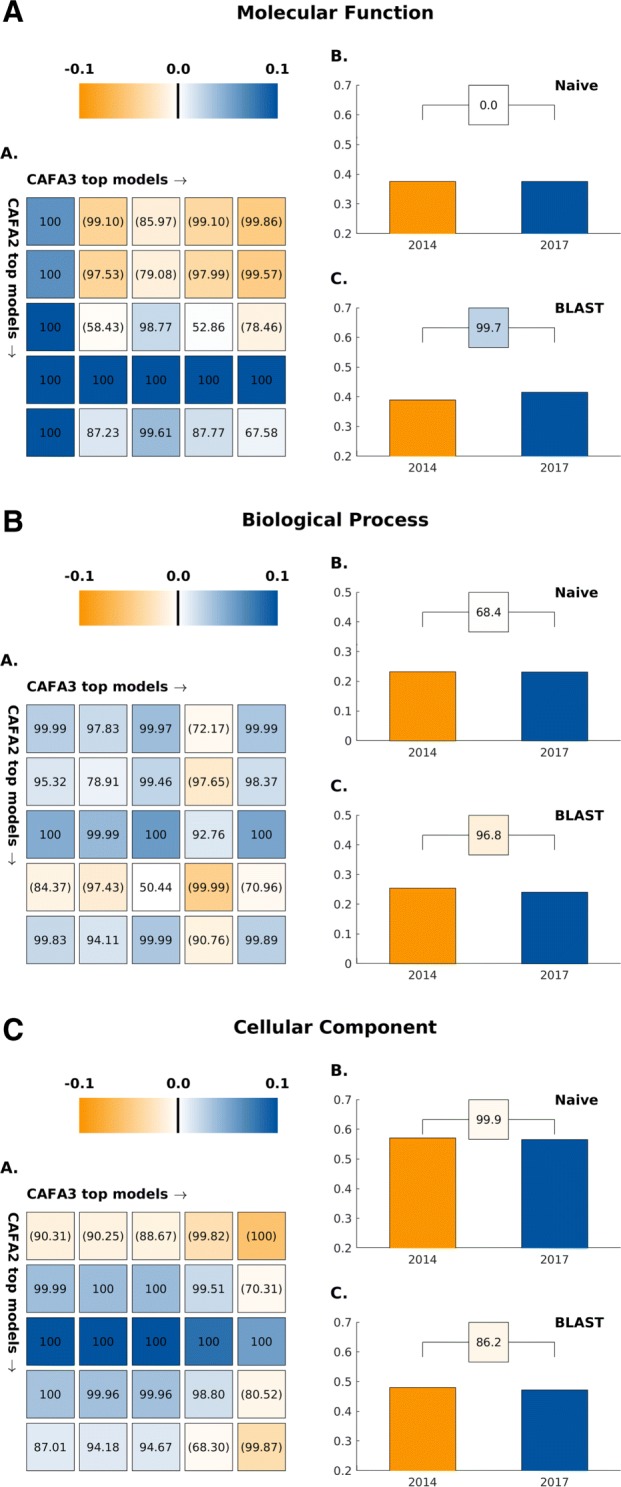
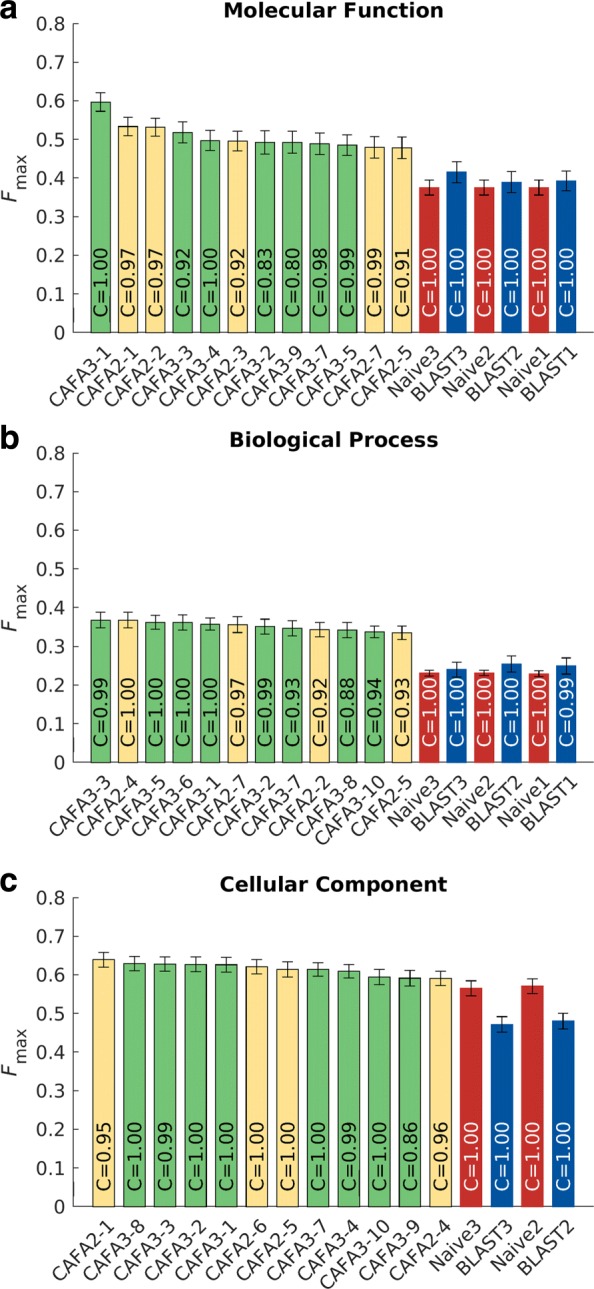
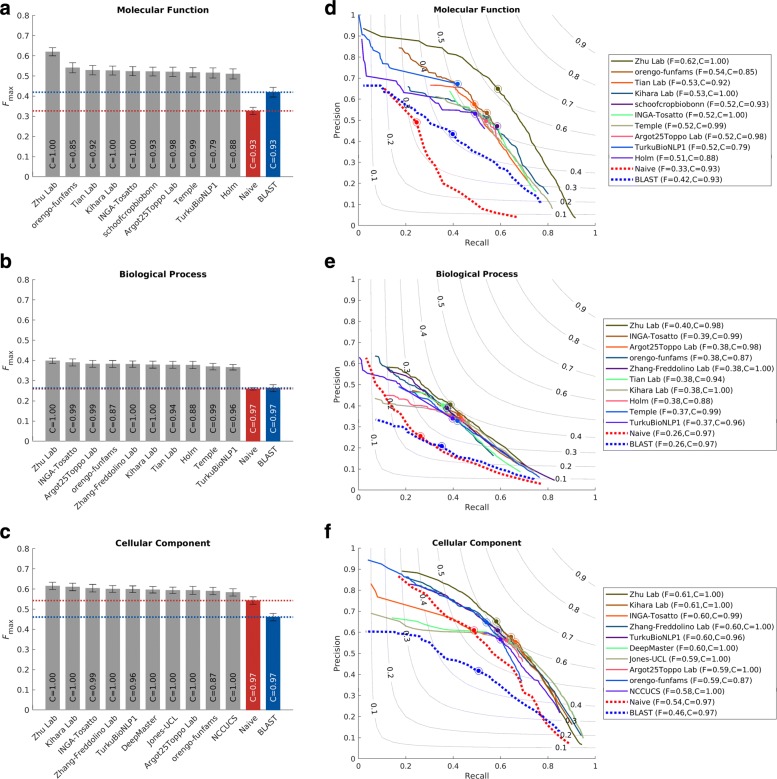
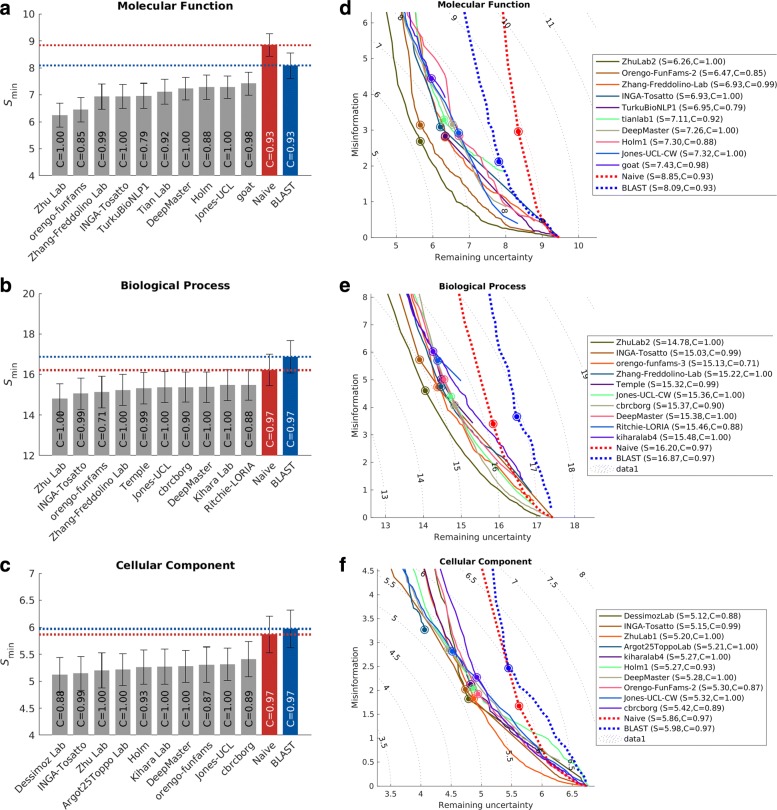
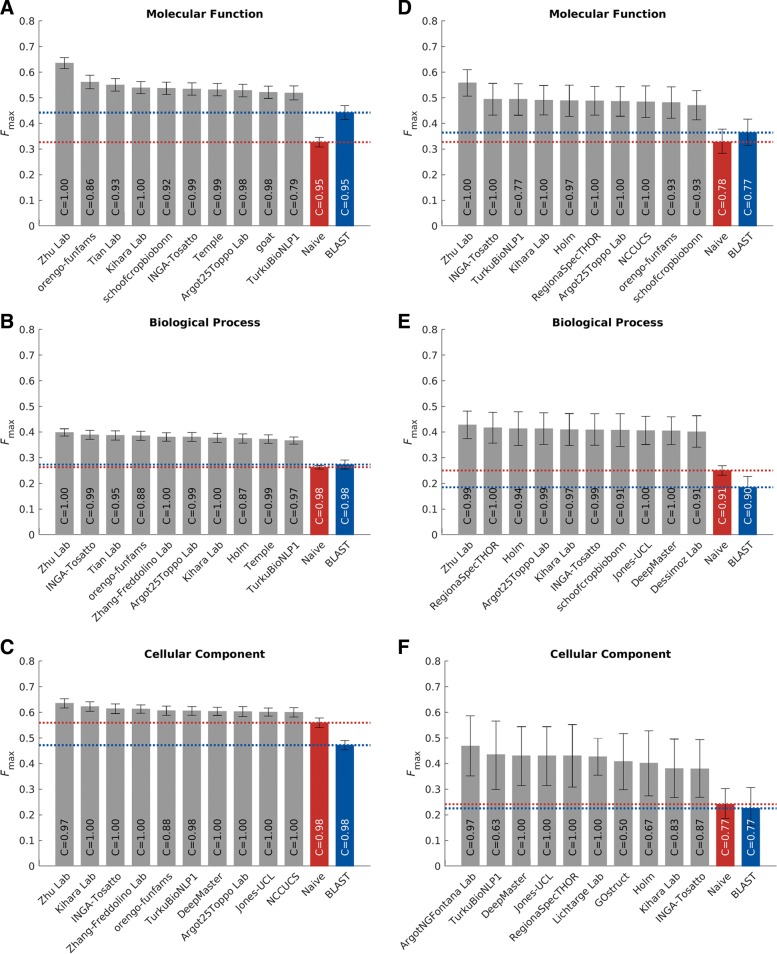
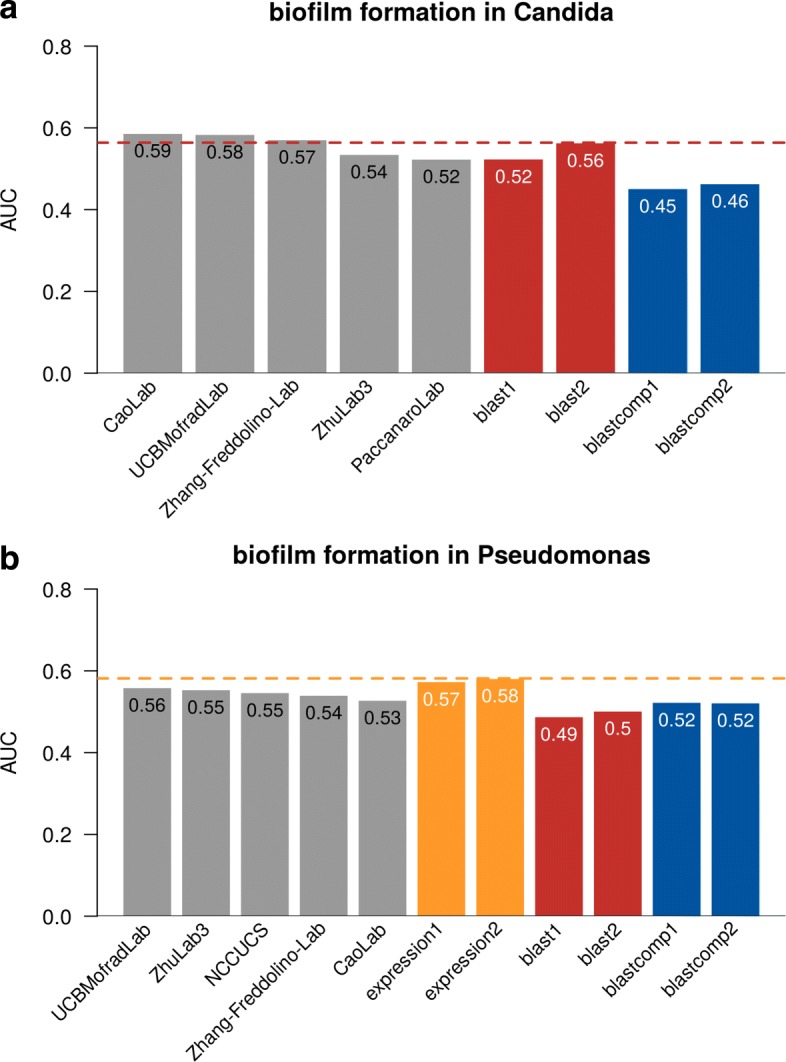
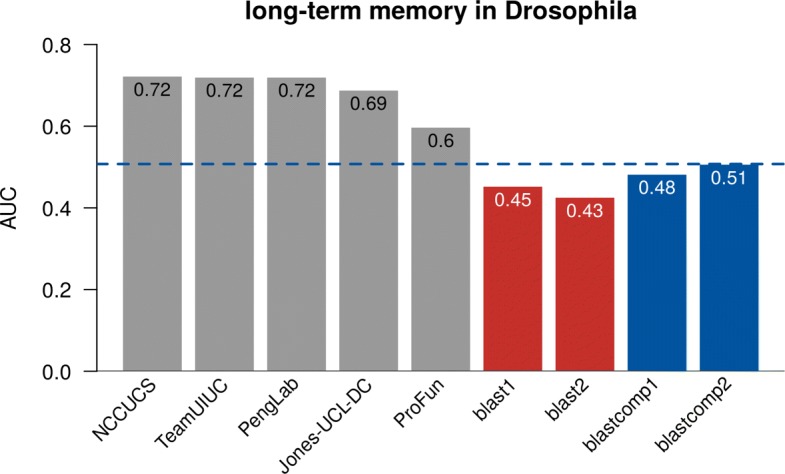
Background: The Critical Assessment of Functional Annotation (CAFA) is an ongoing, global, community-driven effort to evaluate and improve the computational annotation of protein function. Results: Here, we report on the results of the third CAFA challenge, CAFA3, that featured an expanded analysis over the previous CAFA rounds, both in terms of volume of data analyzed and the types of analysis performed. In a novel and major new development, computational predictions and assessment goals drove some of the experimental assays, resulting in new functional annotations for more than 1000 genes. Specifically, we performed experimental whole-genome mutation screening in Candida albicans and Pseudomonas aureginosa genomes, which provided us with genome-wide experimental data for genes associated with biofilm formation and motility. We further performed targeted assays on selected genes in Drosophila melanogaster , which we suspected of being involved in long-term memory. Conclusion: We conclude that while predictions of the molecular function and biological process annotations have slightly improved over time, those of the cellular component have not. Term-centric prediction of experimental annotations remains equally challenging; although the performance of the top methods is significantly better than the expectations set by baseline methods in C. albicans and D. melanogaster , it leaves considerable room and need for improvement. Finally, we report that the CAFA community now involves a broad range of participants with expertise in bioinformatics, biological experimentation, biocuration, and bio-ontologies, working together to improve functional annotation, computational function prediction, and our ability to manage big data in the era of large experimental screens.
Overview
The claims and statistics of this paper haven’t been checked yet.
Free: it reads the open-access text and checks the first 5 claims that cite a source we can check. Create a free account to check every claim.
Integrity signals
Registry
Cites
Statistics
Figures
Verification
Claims the paper makes
The claims and statistics of this paper haven’t been checked yet.
Free: it reads the open-access text and checks the first 5 claims that cite a source we can check. Create a free account to check every claim.
Claims other papers make about this one
Each is checked against this paper’s own text: does it say what the citing paper says it does?
The check wasn’t confident either way, so it gives no verdict — never disputed.
In the citing paper
“This pipeline has been shown to accurately assign functions for many proteins in microbes22 and in humans25 and is among the top predictors in the most recent Critical Assessment of Function Annotation round 3 (CAFA3) and CAFA PI competitions.26”
From Functions of Essential Genes and a Scale-Free Protein Interaction Network Revealed by Structure-Based Function and Interaction Prediction for a Minimal Genome (2021) · cites this paper as [26]
Experimental — accuracy not yet measured
Self-check
Percentages, sums and reported differences re-computed from the paper’s own numbers.
The self-check needs the paper’s full text.
Citations
Cites
Gapped BLAST and PSI-BLAST: a new generation of protein database search programs
Altschul, S. (1997) · Nucleic Acids Research · doi:10.1093/nar/25.17.3389 · Cited by 73,302
Gene Ontology: tool for the unification of biology
Ashburner, M., Ball, C. A., Blake, J. A., Botstein, D., Butler, H., Cherry, J. M., Davis, A. P., Dolinski, K., Dwight, S. S., Eppig, J. T., et al. (2000) · Nature Genetics · doi:10.1038/75556 · Cited by 43,206
STRING v10: protein–protein interaction networks, integrated over the tree of life
Szklarczyk, D., Franceschini, A., Wyder, S., Forslund, K., Heller, D., Huerta-Cepas, J., Simonovic, M., Roth, A., Santos, A., Tsafou, K. P., et al. (2015) · Nucleic Acids Research · doi:10.1093/nar/gku1003 · Cited by 10,436
UniProt: the Universal Protein knowledgebase
Apweiler, R. (2004) · Nucleic Acids Research · doi:10.1093/nar/gkh131 · Cited by 7,498
Mass spectrometry-based proteomics
Aebersold, R., & Mann, M. (2003) · Nature · doi:10.1038/nature01511 · Cited by 6,955
UniProt: the universal protein knowledgebase
The UniProt Consortium (2017) · Nucleic Acids Research · doi:10.1093/nar/gkw1099 · Cited by 4,436
Coming of age: ten years of next-generation sequencing technologies
Goodwin, S., McPherson, J. D., & McCombie, W. R. (2016) · Nature Reviews Genetics · doi:10.1038/nrg.2016.49 · Cited by 4,352
Assigning protein functions by comparative genome analysis: Protein phylogenetic profiles
Pellegrini, M., Marcotte, E. M., Thompson, M. J., Eisenberg, D., & Yeates, T. O. (1999) · Proceedings of the National Academy of Sciences · doi:10.1073/pnas.96.8.4285 · Cited by 1,585
Network‐based prediction of protein function
Sharan, R., Ulitsky, I., & Shamir, R. (2007) · Molecular Systems Biology · doi:10.1038/msb4100129 · Cited by 1,074
Mostafavi, S., Ray, D., Warde-Farley, D., Grouios, C., & Morris, Q. (2008) · Genome Biology · doi:10.1186/gb-2008-9-s1-s4 · Cited by 1,055
Cited by
Items 401–491 of 491
Computational Tools for Protein-Protein Interaction Prediction and Analysis
Bell, E. F. (2022) · Deep Blue (University of Michigan) · doi:10.7302/6926
Broad functional profiling of fission yeast proteins using phenomics and machine learningPreprint
Rodríguez‐López, M., Bordin, N., Lees, J., Scholes, H. M., Hassan, S., Saintain, Q., Kamrad, S., Orengo, C. A., & Bähler, J. (2023) · eLife · doi:10.7554/elife.88229.1 · Cited by 3
Self-citationMaría, R.-L., Bordin, N., Jon, L., et al. (2023) · eLife · doi:10.7554/elife.88229.1.sa2
María, R.-L., Nicola, B., Jon, L., et al. (2023) · eLife · doi:10.7554/elife.88229.1.sa0
María, R.-L., Bordin, N., Jon, L., et al. (2023) · eLife · doi:10.7554/elife.88229.1.sa1
Tarhan, Ç., Çalıcı, S. Z., & Özden, B. (2023) · European Journal of Biology · doi:10.26650/eurjbiol.2023.1372233
Wan, C. (2023) · IEEE International Conference on Bioinformatics and Biomedicine (BIBM) · doi:10.1109/bibm58861.2023.10385448 · Cited by 1
“The well-known Gene Ontology (GO) [10] has been widely used in bioinformatics, e.g. for gene function prediction [12]–[14], genome-wide association studies [15], [16], etc.”
MethodSelf-citationOliveira, G. B., Pedrini, H., & Dias, Z. (2023) · Figshare · doi:10.6084/m9.figshare.23434921
PF2PI: Protein Function Prediction Based on AlphaFold2 Information and Protein-Protein Interaction
Li, R., Jiao, P., & Li, J. (2024) · Lecture notes in computer science · doi:10.1007/978-981-97-5692-6_25
Protein Structure Classification in the Era of AlphaFold2
Waman, V., Dawson, N. L., Das, S., Lees, J., & Orengo, C. A. (2024) · Elsevier eBooks · doi:10.1016/b978-0-323-95502-7.00047-6
Self-citationTRGOA: Topological-Aware Residue-Gene Ontology Attention Network for Protein Function Prediction
Zhang, Q., Yang, F., Huang, W., Feng, J. Q., & Liu, J. (2025) · IEEE Transactions on Computational Biology and Bioinformatics · doi:10.1109/tcbbio.2025.3527211 · Cited by 1
“We assess the performance of our model TRGOA on the PDB-cdhit test set by comparing it with Naive [38], Blast [24], DeepGO [14], ResNet [17], [41], DeepFRI [18], GAT-GO [17] and SLPFA [7].”
Hou, L., Qin, H., Zhang, X., & Zhang, Y. (2024) · IEEE International Symposium on Parallel and Distributed Processing with Applications (ISPA) · doi:10.1109/ispa63168.2024.00242
“This may be attributed to the following factors: (i) Compared to MF and CC, BP contains a richer set of GO terms and has a deeper hierarchical structure; (ii) the BP terms are considered to be more abstract in nature than MF and CC terms[3], [21], [22].”
Self-citationNeal, M. L., Choudhry, S. K., & Aitchison, J. D. (2025) · NAR Genomics and Bioinformatics · doi:10.1093/nargab/lqaf008
“However, generating visualizations requires the gplots and”
Varghese, D. M., Athulya, T., Mohani, V. K., & Ahmad, S. (2025) · Methods in molecular biology · doi:10.1007/978-1-0716-4623-6_13
Boadu, F., Lee, A., & Cheng, J. (2012) · Methods in molecular biology · doi:10.1007/978-1-0716-4623-6_6
Self-citationCases, I., Martínez‐Redondo, G. I., Fernández, R., & Rojas, A. M. (2025) · Methods in molecular biology · doi:10.1007/978-1-0716-4623-6_8 · Cited by 1
NetGO 3.0: A Recent Protein Function Prediction Tool Based on Protein Language Model
Wang, S., Liu, H., You, R., Liu, Y., Xiong, Y., & Zhu, S. (2025) · Methods in molecular biology · doi:10.1007/978-1-0716-4662-5_7
Self-citationDuan, H., Li, Z., Wu, Y., Ren, B., Chen, W. Q., Wang, F., Lan, D., Wang, Y., & Xia, L. C. (2025) · Lecture notes in computer science · doi:10.1007/978-981-95-0695-8_18
Rukmini, A., Ray, P. P., & Dash, P. (2025) · Asian Journal of Biotechnology and Bioresource Technology · doi:10.9734/ajb2t/2025/v11i3247
Papadopoulos, F., Sánchez-Elsner, T., Niranjan, M., & Heinson, A. (2025) · PLoS ONE · doi:10.1371/journal.pone.0325531
“Given the classification results, it is not surprising to see Hist-8000 encoding more information about protein sequence similarity than the SoT method, as sequence similarity is a minor but useful factor for determining several protein properties [4].”
InfluentialProtein Function Annotation with Machine Learning
Li, J., & Han, Y. (2025) · Wiley eBooks · doi:10.1002/9783527842346.ch08
MkAtt-SDN2GO: Multi-kernel Attentive-SDN2GO Network for Protein Function Prediction in HumansPreprint
Jhawar, K., Bhatt, T., Sunil, R. S., & Wang, L. (2025) · bioRxiv (Cold Spring Harbor Laboratory) · doi:10.1101/2025.11.02.686093
“Following the Critical Assessment of Functional Annotation (CAFA) protocol Zhou et al. [2019], we assessed performance with several complementary measures.”
McGreig, J. E. (2021) · Kent Academic Repository (University of Kent) · doi:10.22024/unikent/01.02.103027
Zhang, F., Naeem, M., Yu, B., Liu, F., & Ju, J. (2024) · Figshare · doi:10.6084/m9.figshare.26729704
Self-citationZheng, L., Shi, S., Lu, M., Fang, P., Pan, Z., Zhang, H., Zhou, Z., Zhang, H., Mou, M., Huang, S., et al. (2024) · Figshare · doi:10.6084/m9.figshare.25132187
Self-citationPoudel, S., Cope, A. L., O’Dell, K. B., Guss, A. M., Seo, H., Trinh, C. T., & Hettich, R. L. (2021) · Figshare · doi:10.6084/m9.figshare.14570014
Zheng, L., Shi, S., Lu, M., Fang, P., Pan, Z., Zhang, H., Zhou, Z., Zhang, H., Mou, M., Huang, S., et al. (2024) · Figshare · doi:10.6084/m9.figshare.25132066
Self-citationTavis, S. L., & Hettich, R. L. (2024) · Figshare · doi:10.6084/m9.figshare.26691841
Additional file 1 of Open problems in human trait genetics
Brandes, N., Weissbrod, O., & Linial, M. (2022) · Figshare · doi:10.6084/m9.figshare.20105484
Self-citationAdditional file 2 of Cross-phyla protein annotation by structural prediction and alignment
Ruperti, F., Παπαδόπουλος, Ν., Musser, J. M., Mirdita, M., Steinegger, M., & Arendt, D. (2024) · Figshare · doi:10.6084/m9.figshare.26589087
Tavis, S. L., & Hettich, R. L. (2024) · Figshare · doi:10.6084/m9.figshare.25389928
Tavis, S. L., & Hettich, R. L. (2024) · Figshare · doi:10.6084/m9.figshare.25389418
Armah-Sekum, R. E., Szedmák, S., & Rousu, J. (2024) · Figshare · doi:10.6084/m9.figshare.25744309
Additional file 1 of Cross-phyla protein annotation by structural prediction and alignment
Ruperti, F., Παπαδόπουλος, Ν., Musser, J. M., Mirdita, M., Steinegger, M., & Arendt, D. (2024) · Figshare · doi:10.6084/m9.figshare.26589084
Tavis, S. L., & Hettich, R. L. (2024) · Figshare · doi:10.6084/m9.figshare.26691838
Poudel, S., Cope, A. L., O’Dell, K. B., Guss, A. M., Seo, H., Trinh, C. T., & Hettich, R. L. (2021) · Figshare · doi:10.6084/m9.figshare.14570038
On analysis of protein function and variation
Antczak, M. (2021) · Kent Academic Repository (University of Kent) · doi:10.22024/unikent/01.02.92176
Self-citationAdditional file 1 of Gene Ontology Meta Annotator for Plants (GOMAP)
Wimalanathan, K., & Lawrence-Dill, C. J. (2021) · Figshare · doi:10.6084/m9.figshare.14677139
Tavis, S. L., & Hettich, R. L. (2024) · Figshare · doi:10.6084/m9.figshare.26691844
Genome Annotation Using Average Mutual Information
Newcomb, G. (2021) · Lincoln (University of Nebraska)
Deep Learning approaches for the functional inference of unknown proteins: Argot 3.0
Bianca, F. (n.d.) · Padua Research Archive (University of Padova)
Ispano, E. (n.d.) · Padua Research Archive (University of Padova)
Klinik teşhis ve bilgi keşfi için ekzom sekanslama verilerine dayalı bütünleşik bir sistem
Shojaei, M. (2023) · OpenMETU (Middle East Technical University)
Text Mining Approaches for Protein Function Annotation: Challenges and Opportunities
Hong, W., & Zhang, C. (2025) · Synthetic biology and engineering · doi:10.70322/sbe.2025.10022
Self-citationFan, X., & Jiang, C. (2025) · IEEE International Conference on Bioinformatics and Biomedicine (BIBM) · doi:10.1109/bibm66473.2025.11356835
“This setting follows the evaluation framework of the CAFA [8].”
Piyatissa, M. A. S. U., Weeraman, J., Sridaran, A., Silva, M. R. P. D., Tirimanne, T. L. S., & Fernando, P. (2026) · BMC Plant Biology · doi:10.1186/s12870-026-08608-5
“This aligns with the observation that evaluation behavior in protein function prediction is known to depend on annotation density and metric choice, as highlighted in community benchmarking efforts [96, 98].”
Wang, P. (2026) · Journal of Bioinformatics and Computational Biology · doi:10.1142/s0219720026500046
Li, P., Wang, W., & Yu, D. (2026) · Journal of Chemical Information and Modeling · doi:10.1021/acs.jcim.6c00101
Buton, N. (2023) · theses.fr (ABES) · doi:10.70675/fe334370z7f12z4f52z9b72zc9196d7a0989 · Cited by 1
Structure-aware protein function prediction at isoform resolutionPreprint
Jiang, F., Zhao, R., Liang, F., Zhao, X., Cui, T., Tang, Z., Zhang, Y. S., Chen, D., Xu, M., Shuai, Y., et al. (2026) · bioRxiv (Cold Spring Harbor Laboratory) · doi:10.64898/2026.04.24.720502 · Cited by 1
“We followed the CAFA time-delayed no-knowledge (TDNK) protocol, in which models are trained only on annotations available before a fixed historical cutoff and evaluated on annotations that became available later (Radivojac et al., 2013; Jiang et al., 2016; Zhou et al., 2019).”
Self-citationOn the state of protein function prediction: a report on the fourth CAFA challengePreprint
Ramola, R., Kaluza, M. C. D. P., Piovesan, D., Peng, Y., Joshi, P., Mehdiabadi, M., Quaglia, F., Pancsa, R., Chemes, L. B., Ahn, H., et al. (2026) · bioRxiv (Cold Spring Harbor Laboratory) · doi:10.64898/2026.05.06.722942
Self-citationZeballos-Gorón, S., Salinas, G., & Obregón, F. P. (2026) · bioRxiv (Cold Spring Harbor Laboratory) · doi:10.64898/2026.05.29.728242
CB-Search: a method for searching for similar protein motifs with biased compositions
Jarnot, P. (2026) · BMC Bioinformatics · doi:10.1186/s12859-026-06509-w
“This is a common issue with biological data; while some benchmark datasets are created for critical assessment of new methods, such a solution is not currently available for motifs with biased compositions [47, 48].”
A Hybrid Taxonomy-Aware Efficient Framework for Protein Function Prediction
Haque, M. N., Akter, A., Rahman, M. M., Tanvir, M. I., Mozumder, A.-A., Trisha, A. J., & Dhoom, T. (2026) · IEEE International Conference on Quantum Photonics, Artificial Intelligence & Networking (QPAIN) · doi:10.1109/qpain69676.2026.11546445
“The rapid expansion of Next-Generation Sequencing (NGS) has led to an exponential growth in known protein sequences, yet our ability to experimentally determine their biological functions remains a significant bottleneck [1].”
Prediction of GO Terms Based on Partitioning PPI Networks Into Highly Connected Components
Grbić, M., Gemović, B., Vračević, S., Davidović, R., Matić, D., & Kartelj, A. (2026) · IEEE Transactions on Computational Biology and Bioinformatics · doi:10.1109/tcbbio.2026.3706474
“Althoughtheaccuracyofthemethod,obtainedthroughF1 measure,islowerthanthehighestperformingmethodsde-velopedfortheCAFAchallenge[16],itcanbringnoveltyto thefunctionalproteinannotationfieldandcomplementother attemptstopredictbiologicalprocesses,molecularfunctions andcellularlocalizationofproteins.”
Self-citationChung, V., Chai, R., Swan, H. A., Diaz, M., Bynum, S., Hindman, A., Albrecht, J. W., Mangul, S., Varma, S., Hodgson, J., et al. (2026) · Patterns · doi:10.1016/j.patter.2026.101595 · Cited by 1
ProLoc: Text-guided Localization of Protein Functional RegionsPreprint
Liu, P., Fan, J., Pan, M., & Zhang, J. (2026) · bioRxiv (Cold Spring Harbor Laboratory) · doi:10.64898/2026.06.24.733131
“This task differs from standard protein function prediction because it requires locating the residues associated with a given functional description, rather than only assigning a protein-level functional label (Radivojac et al., 2013; Zhou et al., 2019).”
BetaDescribe: Providing rich descriptions from protein sequences
Dotan, E., Lyubman, I., Ehrlich, M., Bacharach, E., Pupko, T., & Belinkov, Y. (2026) · Proceedings of the National Academy of Sciences · doi:10.1073/pnas.2537345123 · Cited by 1
How not to be seen: predicting unseen enzyme functions using contrastive learning
Ma, X., Joshi, P., Friedberg, I., & Li, Q. (2026) · Bioinformatics · doi:10.1093/bioinformatics/btag215
“2013, Friedberg and Radivojac 2017, Zhou et al .”
Self-citationLi, Y., Luo, J., & Wu, J. (2026) · Lecture notes in computer science · doi:10.1007/978-981-92-2859-1_28
M2GO: Multimodal protein function prediction via heterogeneous expert interaction
Luo, X., Ruli, Z., Chen, P., Jin, X., Pan, B., Zhang, B., & Liu, C. (2026) · Pattern Recognition · doi:10.1016/j.patcog.2026.114434
Fei, X., Gu, J., Zhou, C., Liu, Y., Li, Z., & Kang, Y. (2026) · Journal of Chemical Information and Modeling · doi:10.1021/acs.jcim.6c00969
Self-citationTriView-GO: A Hierarchy-Aware Multi-view Framework for Protein Function Prediction
Ma, T., & Zhu, P. (2026) · Lecture notes in computer science · doi:10.1007/978-981-92-3498-1_32
TEDlm: domain-centric protein language models with optional structural pre-trainingPreprint
Wei, T., Kandathil, S. M., Buchan, D. W. A., & Jones, D. T. (2026) · bioRxiv (Cold Spring Harbor Laboratory) · doi:10.64898/2026.07.09.737428
“For TEDlm3D models, we additionally evaluated a supervised contact head: a single forward pass through the model We evaluated the model’s ability to generalize functional relationships using a modified, stringent, zero-388 shot style of the CAFA3 benchmark 32 .”
Self-citationWASP: a pipeline for functional annotation prediction based on AlphaFold structural models
Missier, G. D., Shabestary, K., & Ledesma‐Amaro, R. (2026) · Nature Communications · doi:10.1038/s41467-026-75956-z
“Over the past decade, the Critical Assessment of Functional Annotation (CAFA) community challenge has reported notable advancements in protein function prediction algorithms 15 .”
ARF-GNN: Adaptive receptive field graph neural network for protein function prediction
Hui, Z., Lu, W., Xia, Y., Lu, Y., Xu, Y., Shen, Y., Chen, J., Wu, H., & Hao, Y. (2026) · Computational Biology and Chemistry · doi:10.1016/j.compbiolchem.2026.109286
LAFA: a framework for reproducible l ongitudinal a ssessment of protein f unction a nnotation models
Phan, A., Wang, Y., Boadu, F., Cheng, J., Predrag Radivojac, A., & Friedberg, I. (2026) · Bioinformatics Advances · doi:10.1093/bioadv/vbag221
“2013, Zhou et al .”
Self-citationWaldock, W. J., Wang, G., Darzi, A. W., de la Fuente‐Núñez, C., & Ashrafian, H. (2026) · Frontiers in Bioinformatics · doi:10.3389/fbinf.2026.1894725
EIHR-PROT: explicit modelling of homology reliability for protein function prediction
Jonathan, O., & Uwidia, O. E. (2026) · BMC Bioinformatics · doi:10.1186/s12859-026-06722-7
Roca‐Martínez, J., Martel, H. N. L., Yin, J., Do, H. D., Le, V. T. B., Bordin, N., Rauer, C., Orengo, C. A., & Kuhn, M. L. (2026) · Structure · doi:10.1016/j.str.2026.07.015
Self-citationCell Type-Specific Isoform Function Prediction by Multiplex Heterogeneous Network
Gu, T., Luo, H., Wang, Y., Wang, M., Wang, J., Yan, Z., & Yu, G. (2026) · IEEE Transactions on Computational Biology and Bioinformatics · doi:10.1109/tcbbio.2026.3728504
“We report four evaluation metrics [32]: AUROC (Area Under the Receiver Operating-characteristic Curve), AUPRC (Area Under the Precision-Recall Curve), Fmax (Maximum F-measure), and S min (Minimum Semantic Distance).”
Bidirectional Semantic Proximity for Protein-GO Association on Heterogeneous Biological NetworksPreprint
wang, P. (2026) · Research Square · doi:10.21203/rs.3.rs-10668899/v1
Gene function prediction from bulk coexpression is bounded by cell-type-level signalPreprint
Adrian-Hamazaki, A., & Pavlidis, P. (2026) · bioRxiv (Cold Spring Harbor Laboratory) · doi:10.64898/2026.08.31.748380
Protein Function Prediction Based on Graph Neural Networks and Multi-Modal Data Fusion
Ma, H., Chen, X., Wang, Z., Lyu, Y., Zhao, Y., & Yu, C. (2026) · Proceedings of the 2026 2nd Symposium on Computational Biology and Systems Biology · doi:10.1145/3833526.3833529
“Among them, 𝐹 max and 𝑆 min are regarded as the primary evaluation metrics in the CAFA system and are widely used[18].”
Self-citationArchitectural good practices for reproducible benchmarking in protein machine learning
Vinuesa, J. A. G. , Villegas, D. F., Soto-García, M., Cadet, X. F., Davari, M. D., Cadet, F., Asenjo, J. A., Uribe-Paredes, R., & Medina-Ortiz, D. (2026) · Frontiers in Bioinformatics · doi:10.3389/fbinf.2026.1925740 · Cited by 1
“…family-level, temporal, and structure-aware partitions preserve different relationships between development and evaluation data and therefore support different performance claims (Ferrer Florensa et al., 2024; Petti and Eddy, 2022; Zhou et al., 2019; Aguilera-Puga and Plisson, 2024).”
GoCo: structure-guided conformal calibration for error-controlled Gene Ontology annotation releasePreprint
Wang, C., Shao, Y., & Liu, P. (2026) · arXiv (Cornell University) · doi:10.48550/arxiv.2610.32990
Chen, Y., Wang, X., Gao, Y., & Zhu, S. (2026) · Research Square · doi:10.21203/rs.3.rs-10539370/v1
Self-citationPannu, J. S., Green, K., & Vedanayagam, J. (2026) · bioRxiv (Cold Spring Harbor Laboratory) · doi:10.64898/2026.09.11.750891
Scaling Functional Annotation Across Proteomes, Pangenomes and Metagenomes with Sma3s v3Preprint
Rubio, A., Alcalá, J. L. G.-J., Luque-Jiménez, E., Dominguez, A. M., Dopazo, J., Pérez‐Pulido, A. J., & Casimiro‐Soriguer, C. S. (2026) · bioRxiv (Cold Spring Harbor Laboratory) · doi:10.64898/2026.09.14.748778
“CAFA exercises have demonstrated that the automated function prediction domain remains to be significantly enhanced, even for the most efficacious methods 40 .”
san, S. (2026) · SSRN Electronic Journal · doi:10.2139/ssrn.7519214
Zheng, R., Yu, W., Yang, Q., Zhao, Z., He, W., Qu, S., Li, T., & Wang, W. (2026) · Molecules · doi:10.3390/molecules31203679
He, J. (2026) · International Conference on Big Data and Intelligent Medicine (BDIMed) · doi:10.1145/3816325.3843649
“Evaluation uses CAFA-style protein-centric metrics [13], including Fmax and Smin, together with micro-AUPR, AUROC, and LRAP as complementary ranking metrics.”
FAIRsharing Team (2015) · FAIRsharing.org · doi:10.25504/fairsharing.xgcyyn
Liu, J., Chen, X., Huang, K., Wang, M., Sun, Z., & Guan, X. (2026) · Food Chemistry · doi:10.1016/j.foodchem.2026.151790
Majidi, F. (2026) · Research Square · doi:10.21203/rs.3.rs-11188049/v1
Broad functional profiling of fission yeast proteins using phenomics and machine learning
Rodríguez-López, M., Bordin, N., Lees, J., Scholes, H., Hassan, S., Saintain, Q., Kamrad, S., Orengo, C., & Bähler, J. (2023) · doi:10.7554/elife.88229.2
Self-citation
Metadata
- Authors
- Zhou, N., Jiang, Y., Bergquist, T. R., Lee, A. J., Kacsoh, B. Z., Crocker, A. W., Lewis, K. A., Georghiou, G., Nguyen, H. N., Hamid, M. N., Davis, L., Dogan, T., Atalay, V., Rifaioglu, A. S., Dalkıran, A., Cetin Atalay, R., Zhang, C., Hurto, R. L., Freddolino, P. L., Zhang, Y., Bhat, P., Supek, F., Fernández, J. M., Gemovic, B., Perovic, V. R., Davidović, R. S., Sumonja, N., Veljkovic, N., Asgari, E., Mofrad, M. R. K., Profiti, G., Savojardo, C., Martelli, P. L., Casadio, R., Boecker, F., Schoof, H., Kahanda, I., Thurlby, N., McHardy, A. C., Renaux, A., Saidi, R., Gough, J., Freitas, A. A., Antczak, M., Fabris, F., Wass, M. N., Hou, J., Cheng, J., Wang, Z., Romero, A. E., Paccanaro, A., Yang, H., Goldberg, T., Zhao, C., Holm, L., Törönen, P., Medlar, A. J., Zosa, E., Borukhov, I., Novikov, I., Wilkins, A., Lichtarge, O., Chi, P.-H., Tseng, W.-C., Linial, M., Rose, P. W., Dessimoz, C., Vidulin, V., Dzeroski, S., Sillitoe, I., Das, S., Lees, J. G., Jones, D. T., Wan, C., Cozzetto, D., Fa, R., Torres, M., Warwick Vesztrocy, A., Rodriguez, J. M., Tress, M. L., Frasca, M., Notaro, M., Grossi, G., Petrini, A., Re, M., Valentini, G., Mesiti, M., Roche, D. B., Reeb, J., Ritchie, D. W., Aridhi, S., Alborzi, S. Z., Devignes, M.-D., Koo, D. C. E., Bonneau, R., Gligorijević, V., Barot, M., Fang, H., Toppo, S., Lavezzo, E., Falda, M., Berselli, M., Tosatto, S. C. E., Carraro, M., Piovesan, D., Ur Rehman, H., Mao, Q., Zhang, S., Vucetic, S., Black, G. S., Jo, D., Suh, E., Dayton, J. B., Larsen, D. J., Omdahl, A. R., McGuffin, L. J., Brackenridge, D. A., Babbitt, P. C., Yunes, J. M., Fontana, P., Zhang, F., Zhu, S., You, R., Zhang, Z., Dai, S., Yao, S., Tian, W., Cao, R., Chandler, C., Amezola, M., Johnson, D., Chang, J.-M., Liao, W.-H., Liu, Y.-W., Pascarelli, S., Frank, Y., Hoehndorf, R., Kulmanov, M., Boudellioua, I., Politano, G., Di Carlo, S., Benso, A., Hakala, K., Ginter, F., Mehryary, F., Kaewphan, S., Björne, J., Moen, H., Tolvanen, M. E. E., Salakoski, T., Kihara, D., Jain, A., Šmuc, T., Altenhoff, A., Ben-Hur, A., Rost, B., Brenner, S. E., Orengo, C. A., Jeffery, C. J., Bosco, G., Hogan, D. A., Martin, M. J., O’Donovan, C., Mooney, S. D., Greene, C. S., Radivojac, P., & Friedberg, I.
- Affiliations
- Iowa State University (US)
- Indiana University Bloomington (US)
- University of Washington (US)
- University of Pennsylvania (US)
- Dartmouth College (US)
- European Bioinformatics Institute (GB)
- Middle East Technical University (TR)
- University of Michigan (US)
- Institució Catalana de Recerca i Estudis Avançats (ES)
- Barcelona Supercomputing Center (ES)
- University of Belgrade (RS)
- Helmholtz Centre for Infection Research (DE)
- University of California, Berkeley (US)
- National Research Council (IT)
- University of Bologna (IT)
- University of Bonn (DE)
- Montana State University (US)
- University of Bristol (GB)
- Université Libre de Bruxelles (BE)
- MRC Laboratory of Molecular Biology (GB)
- University of Kent (GB)
- University of Missouri (US)
- University of Miami (US)
- Royal Holloway University of London (GB)
- Ollscoil na Gaillimhe – University of Galway (IE)
- Technical University of Munich (DE)
- University of Southern Mississippi (US)
- University of Helsinki (FI)
- Compugen (Israel) (IL)
- Baylor College of Medicine (US)
- National Tsing Hua University (TW)
- San Diego Supercomputer Center (US)
- SIB Swiss Institute of Bioinformatics (CH)
- Jožef Stefan Institute (SI)
- University College London (GB)
- Oxford Brookes University (GB)
- The Francis Crick Institute (GB)
- Spanish National Cancer Research Centre (ES)
- University of Milan (IT)
- Centre National de la Recherche Scientifique (FR)
- New York University (US)
- Flatiron Institute (US)
- Simons Foundation (US)
- Centre for Human Genetics (GB)
- University of Padua (IT)
- University of California, Riverside (US)
- Temple University (US)
- Brigham Young University (US)
- University of Reading (GB)
- University of California, San Francisco (US)
- Fondazione Edmund Mach (IT)
- Fudan University (CN)
- Cincinnati Children's Hospital Medical Center (US)
- Pacific Lutheran University (US)
- National Chengchi University (TW)
- Okinawa Institute of Science and Technology Graduate University (JP)
- Tel Aviv University (IL)
- King Abdullah University of Science and Technology (SA)
- Politecnico di Torino (IT)
- University of Turku (FI)
- Purdue University West Lafayette (US)
- Ruđer Bošković Institute (HR)
- University of Illinois Chicago (US)
- Alex's Lemonade Stand Foundation (US)
- Corresponding author
- Friedberg, Iddo
- ORCID
- Jiang, Yuxiang
- Bergquist, Timothy R.
- Kacsoh, Balint Z.
- Crocker, Alex W.
- Lewis, Kimberley A.
- Georghiou, George
- Hamid, Md Nafiz
- Atalay, Volkan
- Dalkıran, Alperen
- Zhang, Chengxin
- Zhang, Yang
- Supek, Fran
- Fernández, José M.
- Davidović, Radoslav S.
- Asgari, Ehsaneddin
- Mofrad, Mohammad R.K.
- Profiti, Giuseppe
- Savojardo, Castrense
- Martelli, Pier Luigi
- Casadio, Rita
- Boecker, Florian
- Schoof, Heiko
- Kahanda, Indika
- McHardy, Alice C.
- Renaux, Alexandre
- Saidi, Rabie
- Gough, Julian
- Freitas, Alex A.
- Antczak, Magdalena
- Wass, Mark N.
- Hou, Jie
- Cheng, Jianlin
- Wang, Zheng
- Romero, Alfonso E.
- Paccanaro, Alberto
- Yang, Haixuan
- Zhao, Chenguang
- Holm, Liisa
- Törönen, Petri
- Medlar, Alan J.
- Zosa, Elaine
- Borukhov, Itamar
- Novikov, Ilya
- Lichtarge, Olivier
- Chi, Po-Han
- Rose, Peter W.
- Dessimoz, Christophe
- Vidulin, Vedrana
- Sillitoe, Ian
- Das, Sayoni
- Lees, Jonathan Gill
- Jones, David T.
- Wan, Cen
- Cozzetto, Domenico
- Fa, Rui
- Torres, Mateo
- Tress, Michael L.
- Frasca, Marco
- Notaro, Marco
- Grossi, Giuliano
- Petrini, Alessandro
- Valentini, Giorgio
- Mesiti, Marco
- Roche, Daniel B.
- Reeb, Jonas
- Ritchie, David W.
- Aridhi, Sabeur
- Devignes, Marie-Dominique
- Koo, Da Chen Emily
- Bonneau, Richard
- Gligorijević, Vladimir
- Barot, Meet
- Fang, Hai
- Toppo, Stefano
- Lavezzo, Enrico
- Falda, Marco
- Berselli, Michele
- Tosatto, Silvio C.E.
- Carraro, Marco
- Piovesan, Damiano
- Zhang, Shanshan
- Jo, Dane
- Suh, Erica
- Omdahl, Ashton R.
- McGuffin, Liam J.
- Babbitt, Patricia C.
- Yunes, Jeffrey M.
- Fontana, Paolo
- Zhang, Feng
- Zhu, Shanfeng
- You, Ronghui
- Zhang, Zihan
- Tian, Weidong
- Cao, Renzhi
- Chang, Jia-Ming
- Liao, Wen-Hung
- Pascarelli, Stefano
- Hoehndorf, Robert
- Kulmanov, Maxat
- Politano, Gianfranco
- Benso, Alfredo
- Hakala, Kai
- Ginter, Filip
- Mehryary, Farrokh
- Kaewphan, Suwisa
- Björne, Jari
- Moen, Hans
- Tolvanen, Martti E.E.
- Kihara, Daisuke
- Jain, Aashish
- Šmuc, Tomislav
- Altenhoff, Adrian
- Rost, Burkhard
- Brenner, Steven E.
- Orengo, Christine A.
- Jeffery, Constance J.
- Bosco, Giovanni
- Hogan, Deborah A.
- Martin, Maria J.
- O’Donovan, Claire
- Mooney, Sean D.
- Greene, Casey S.
- Friedberg, Iddo
- Venue
- Genome Biology
- Published
- 2019-11-19
- Volume
- 20
- Issue
- 1
- Pages
- 244-244
- ISSN
- 1465-6906 (ISSN-L)
- 1474-760X
- PMC
- PMC6864930
- OpenAlex
- W2989608901
- Semantic Scholar
- b213335fb27fc14193498032bdc6392ffd0242b8
- Cited by
- 452
- References
- 68
- Citations by year
- 2026: 50 · 2025: 71 · 2024: 73 · 2023: 61 · 2022: 66 · 2021: 75 · 2020: 42 · 2019: 13
- FWCI
- 16.21
- Type
- journal article
- Language
- en
- Open access
- gold
- doi.org
- Licence
- cc-by
- creativecommons.org/licenses/by/4.0 (tdm)
- creativecommons.org/licenses/by/4.0 (vor)
- Locations
- Genome biology (publishedVersion, cc-by)
- PubMed Central (publishedVersion, cc-by)
- PubMed (publishedVersion)
- SERVAL (Université de Lausanne) (publishedVersion, cc-by)
- CentAUR (University of Reading) (acceptedVersion, public-domain)
- Kent Academic Repository (University of Kent) (acceptedVersion, public-domain)
- Edinburgh Research Explorer (University of Edinburgh) (acceptedVersion, public-domain)
- Deep Blue (University of Michigan) (submittedVersion, public-domain)
- PORTO@Iris (submittedVersion, cc-by)
- IRIS (submittedVersion, cc-by)
- CINECA IRIS Institutional Research Information System (Fondazione Edmund Mach) (submittedVersion, cc-by)
- UTUPub (University of Turku) (submittedVersion, cc-by)
- Padua Research Archive (University of Padova) (submittedVersion, cc-by)
- UTUPub (University of Turku) (submittedVersion, public-domain)
- HAL (submittedVersion)
- Archivio Istituzionale della Ricerca (Universita Degli Studi Di Milano) (submittedVersion, cc-by)
- Archivio istituzionale della ricerca (Alma Mater Studiorum Università di Bologna) (submittedVersion, cc-by)
- DOAJ (DOAJ: Directory of Open Access Journals) (submittedVersion, cc-by-sa)
- eScholarship (California Digital Library) (submittedVersion, cc-by)
- Työväentutkimus Vuosikirja (submittedVersion)
- OpenMETU (Middle East Technical University) (submittedVersion, cc-by-nc-nd)
- mediaTUM (Technical University of Munich) (submittedVersion, other-oa)
- HZI (Helmholtz Centre for Infection Research) (submittedVersion, cc-by-nc-sa)
- King Abdullah University of Science and Technology Repository (King Abdullah University of Science and Technology) (submittedVersion, cc-by)
- King Abdullah University of Science and Technology Repository (King Abdullah University of Science and Technology) (submittedVersion, other-oa)
- Bristol Research (University of Bristol) (submittedVersion, cc-by)
- VinaR (Institute of Nuclear Sciences "Vinča") (submittedVersion, cc-by)
- VUBIR (Vrije Universiteit Brussel) (submittedVersion)
- Repository for Publications and Research Data (ETH Zurich) (submittedVersion, cc-by)
- ETH Zürich Research Collection (cc-by)
- Funders
- National Science Foundation (DBI 1458359)
- Topics
- Life Sciences › Biochemistry, Genetics and Molecular Biology › Molecular Biology › Bioinformatics and Genomic Networks
- Life Sciences › Biochemistry, Genetics and Molecular Biology › Molecular Biology › Genomics and Phylogenetic Studies
- Health Sciences › Medicine › Health Informatics › Biomedical Text Mining and Ontologies
- Keywords
- protein function prediction, functional annotation, Candida albicans, biofilm formation, bacterial motility, Drosophila melanogaster, long-term memory, biological process annotation
- MeSH terms
- Animals, Candida albicans, Drosophila melanogaster, Humans, Locomotion, Pseudomonas aeruginosa, Genome, Bacterial, Genome, Fungal, Biofilms, Memory, Long-Term, Molecular Sequence Annotation
About these checks
Registry, retraction, Cites and statistics results are computed, not judged, with one exception: a printed reference that no index lists is read once by a model before it counts as a citation error. Claims are extracted by a model and kept only when their quote appears verbatim in the text; each cited source is then checked, with a model’s help, for whether it says what the claim relies on. Those verdicts can be wrong — read the claim’s quote and the cited source before relying on one.
Statistics and arithmetic are recomputed, not judged.
Confidence bands are shown only for fields calibrated on our annotated test set. None is calibrated yet, so no band is shown.
What counts as a claim ›How we measure confidence ›How we check this ›
Are you an author, or do you see a problem with this page? Request a review
Data sources
Bibliographic data: Semantic Scholar, OpenAlex, Crossref.
Contains information from the Semantic Scholar Academic Graph Datasets, made available under the ODC Attribution License (ODC-BY 1.0).
Semantic Scholar’s data is described in: Kinney, R., et al. (2023). The Semantic Scholar Open Data Platform. arXiv:2301.10140.
