

The CAFA challenge reports improved protein function prediction and new functional annotations for hundreds of genes through experimental screens
Open accessPublished version of a preprint
The DOI matches its Crossref record; 69 of the 69 references it cites were found in a registry or an index.
Abstract
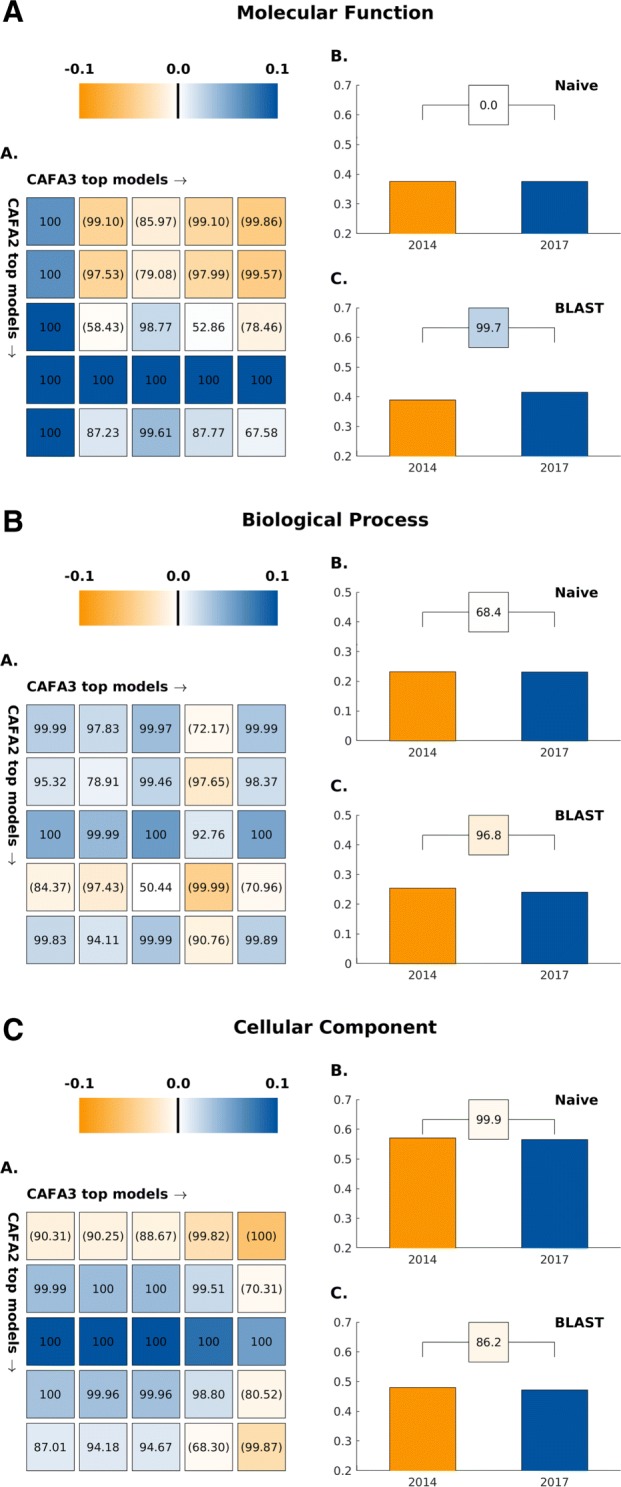
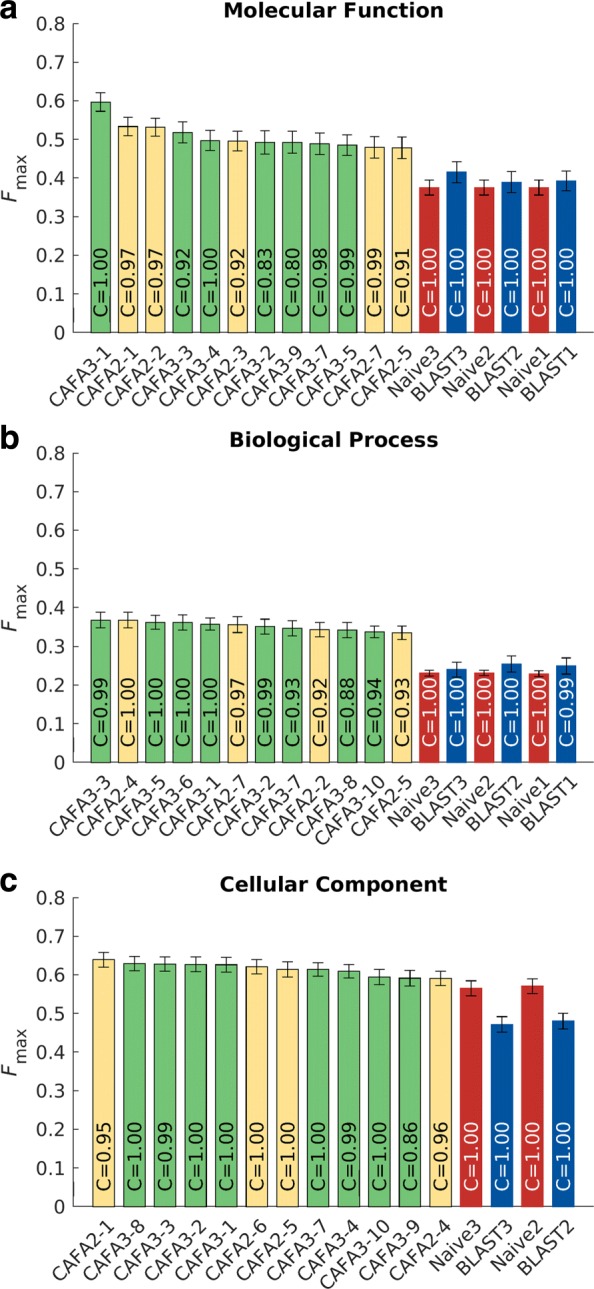
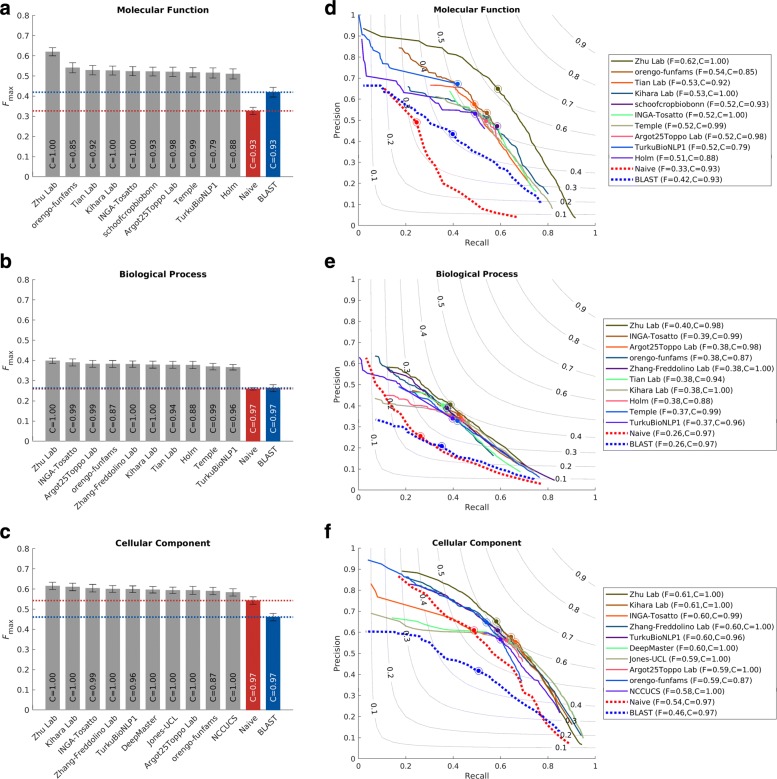
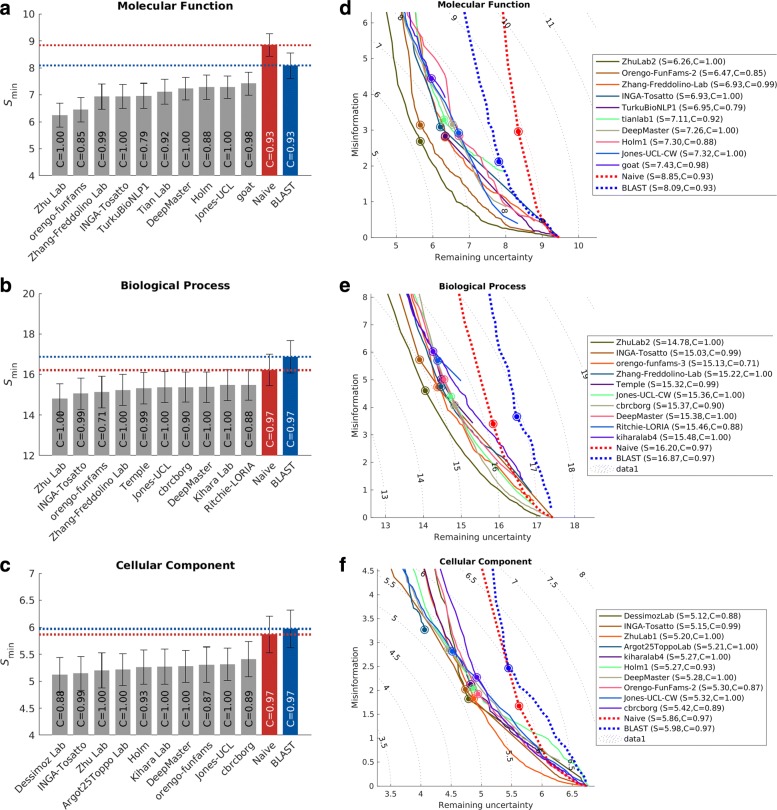
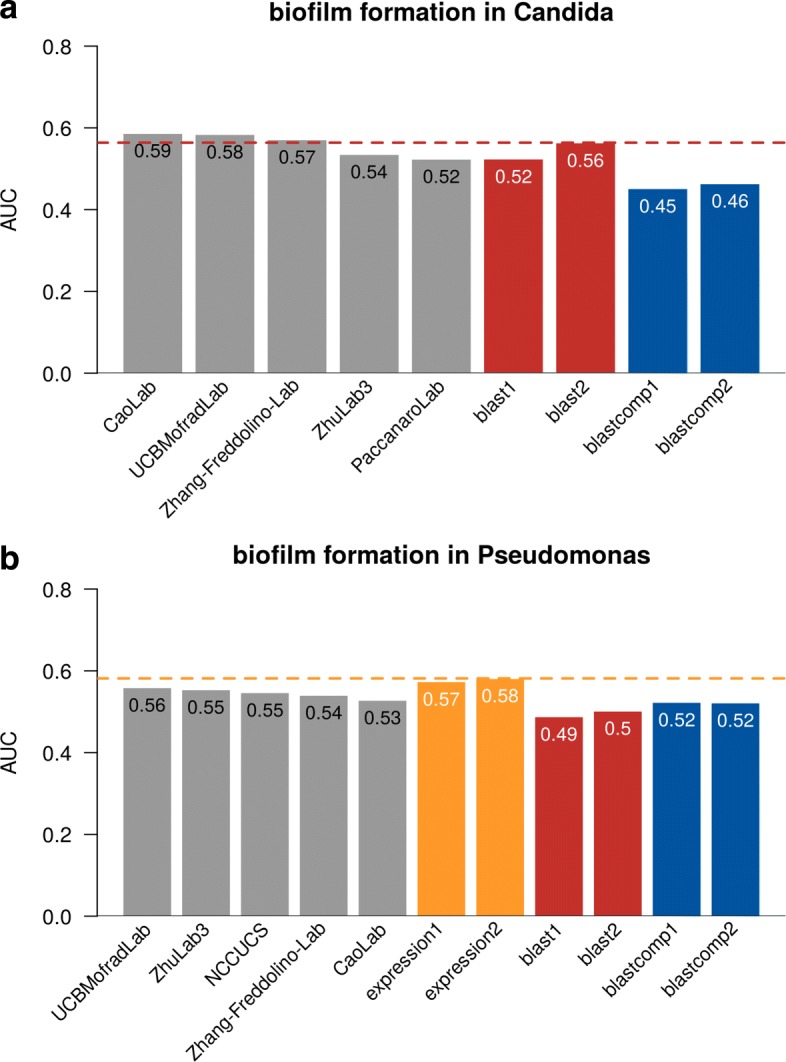
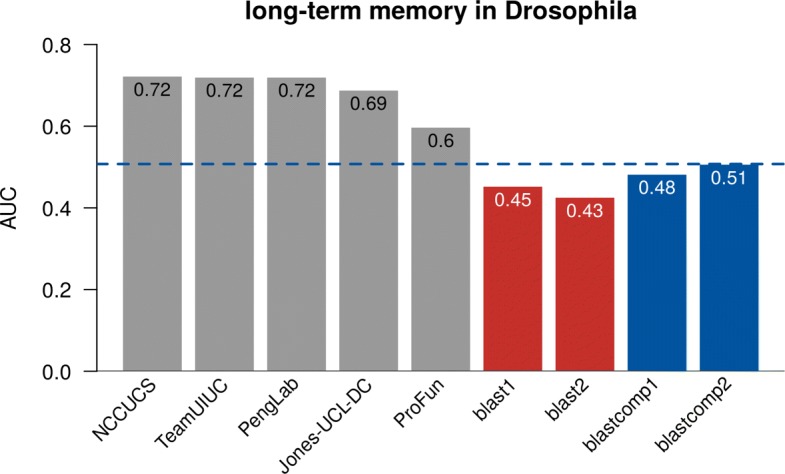
Background: The Critical Assessment of Functional Annotation (CAFA) is an ongoing, global, community-driven effort to evaluate and improve the computational annotation of protein function. Results: Here, we report on the results of the third CAFA challenge, CAFA3, that featured an expanded analysis over the previous CAFA rounds, both in terms of volume of data analyzed and the types of analysis performed. In a novel and major new development, computational predictions and assessment goals drove some of the experimental assays, resulting in new functional annotations for more than 1000 genes. Specifically, we performed experimental whole-genome mutation screening in Candida albicans and Pseudomonas aureginosa genomes, which provided us with genome-wide experimental data for genes associated with biofilm formation and motility. We further performed targeted assays on selected genes in Drosophila melanogaster , which we suspected of being involved in long-term memory. Conclusion: We conclude that while predictions of the molecular function and biological process annotations have slightly improved over time, those of the cellular component have not. Term-centric prediction of experimental annotations remains equally challenging; although the performance of the top methods is significantly better than the expectations set by baseline methods in C. albicans and D. melanogaster , it leaves considerable room and need for improvement. Finally, we report that the CAFA community now involves a broad range of participants with expertise in bioinformatics, biological experimentation, biocuration, and bio-ontologies, working together to improve functional annotation, computational function prediction, and our ability to manage big data in the era of large experimental screens.
Overview
The claims and statistics of this paper haven’t been checked yet.
Free: it reads the open-access text and checks the first 5 claims that cite a source we can check. Create a free account to check every claim.
Integrity signals
Registry
Cites
Statistics
Figures
Verification
Claims the paper makes
The claims and statistics of this paper haven’t been checked yet.
Free: it reads the open-access text and checks the first 5 claims that cite a source we can check. Create a free account to check every claim.
Claims other papers make about this one
Each is checked against this paper’s own text: does it say what the citing paper says it does?
The check wasn’t confident either way, so it gives no verdict — never disputed.
In the citing paper
“This pipeline has been shown to accurately assign functions for many proteins in microbes22 and in humans25 and is among the top predictors in the most recent Critical Assessment of Function Annotation round 3 (CAFA3) and CAFA PI competitions.26”
From Functions of Essential Genes and a Scale-Free Protein Interaction Network Revealed by Structure-Based Function and Interaction Prediction for a Minimal Genome (2021) · cites this paper as [26]
Experimental — accuracy not yet measured
Self-check
Percentages, sums and reported differences re-computed from the paper’s own numbers.
The self-check needs the paper’s full text.
Citations
Cites
Gapped BLAST and PSI-BLAST: a new generation of protein database search programs
Altschul, S. (1997) · Nucleic Acids Research · doi:10.1093/nar/25.17.3389 · Cited by 73,302
Gene Ontology: tool for the unification of biology
Ashburner, M., Ball, C. A., Blake, J. A., Botstein, D., Butler, H., Cherry, J. M., Davis, A. P., Dolinski, K., Dwight, S. S., Eppig, J. T., et al. (2000) · Nature Genetics · doi:10.1038/75556 · Cited by 43,206
STRING v10: protein–protein interaction networks, integrated over the tree of life
Szklarczyk, D., Franceschini, A., Wyder, S., Forslund, K., Heller, D., Huerta-Cepas, J., Simonovic, M., Roth, A., Santos, A., Tsafou, K. P., et al. (2015) · Nucleic Acids Research · doi:10.1093/nar/gku1003 · Cited by 10,436
UniProt: the Universal Protein knowledgebase
Apweiler, R. (2004) · Nucleic Acids Research · doi:10.1093/nar/gkh131 · Cited by 7,498
Mass spectrometry-based proteomics
Aebersold, R., & Mann, M. (2003) · Nature · doi:10.1038/nature01511 · Cited by 6,955
UniProt: the universal protein knowledgebase
The UniProt Consortium (2017) · Nucleic Acids Research · doi:10.1093/nar/gkw1099 · Cited by 4,436
Coming of age: ten years of next-generation sequencing technologies
Goodwin, S., McPherson, J. D., & McCombie, W. R. (2016) · Nature Reviews Genetics · doi:10.1038/nrg.2016.49 · Cited by 4,352
Assigning protein functions by comparative genome analysis: Protein phylogenetic profiles
Pellegrini, M., Marcotte, E. M., Thompson, M. J., Eisenberg, D., & Yeates, T. O. (1999) · Proceedings of the National Academy of Sciences · doi:10.1073/pnas.96.8.4285 · Cited by 1,585
Network‐based prediction of protein function
Sharan, R., Ulitsky, I., & Shamir, R. (2007) · Molecular Systems Biology · doi:10.1038/msb4100129 · Cited by 1,074
Mostafavi, S., Ray, D., Warde-Farley, D., Grouios, C., & Morris, Q. (2008) · Genome Biology · doi:10.1186/gb-2008-9-s1-s4 · Cited by 1,055
Cited by
Items 201–300 of 491
Improving automatic GO annotation with semantic similarity
Sarker, B., Khare, N., Devignes, M., & Aridhi, S. (2022) · BMC Bioinformatics · doi:10.1186/s12859-022-04958-7 · Cited by 11
Self-citationWhat does it take for an ‘AlphaFold Moment’ in functional protein engineering and design?
Chica, R. A., & Ferruz, N. (2024) · Nature Biotechnology · doi:10.1038/s41587-023-02120-z · Cited by 10
The gene function prediction challenge: Large language models and knowledge graphs to the rescue
Sunil, R. S., Lim, S. C., Itharajula, M., & Mutwil, M. (2024) · Current Opinion in Plant Biology · doi:10.1016/j.pbi.2024.102665 · Cited by 11
Evolutionary Study of the Crassphage Virus at Gene Level
Rossi, A., Treu, L., Toppo, S., Zschach, H., Campanaro, S., & Dutilh, B. E. (2020) · Viruses · doi:10.3390/v12091035 · Cited by 11
“Both methods have been chosen according to their recent best performance in community-wide challenges of prediction methods CAFA3 [39] and CASP13 [40].”
MethodSelf-citationHippe, K., Gbenro, S., & Cao, R. (2020) · ACM International Conference on Bioinformatics, Computational Biology, and Health Informatics (ACM-BCB) · doi:10.1145/3388440.3414701 · Cited by 10
Self-citationDuek, P. D., Mary, C., Zahn‐Zabal, M., Bairoch, A., & Lane, L. (2021) · Database · doi:10.1093/database/baab046 · Cited by 11
“Many function prediction tools based on machine learning and sequence alignment are under assessment by the Critical Assessment of Functional Annotation (75).”
MethodProt2GO: Predicting GO Annotations From Protein Sequences and Interactions
Zhang, X., Wang, L., Liu, H., Zhang, X., Liu, B., Wang, Y., & Li, J. (2021) · IEEE Transactions on Computational Biology and Bioinformatics · doi:10.1109/tcbb.2021.3139841 · Cited by 11
“DeepGOPlus, which uses CNN to extract information of protein sequence and uses Diamond [20] to capture sequence similarity to combat over-fitting, achieves good performance in the CAFA3 dataset [21].”
MethodPerlasca, P., Frasca, M., Bâ, C. T., Gliozzo, J., Notaro, M., Pennacchioni, M., Valentini, G., & Mesiti, M. (2020) · PLoS ONE · doi:10.1371/journal.pone.0244241 · Cited by 11
Self-citationCrowdGO: Machine learning and semantic similarity guided consensus Gene Ontology annotation
Reijnders, M. J. M. F., & Waterhouse, R. M. (2022) · PLoS Computational Biology · doi:10.1371/journal.pcbi.1010075 · Cited by 11
Wang, W., Shuai, Y., Li, Y., Zeng, M., & Li, M. (2025) · IEEE Transactions on Computational Biology and Bioinformatics · doi:10.1109/tcbbio.2025.3529301 · Cited by 9
“Protein sequences, as the basics of proteins, are closely correlated with protein functions and have been widely used in existing computational methods [3], [8], [9], [10], [11].”
InfluentialFattel, L., Psaroudakis, D., Yanarella, C. F., Chiteri, K. O., Dostalik, H. A., Joshi, P., Starr, D. C., Vu, H. T. H., Wimalanathan, K., & Lawrence‐Dill, C. J. (2022) · GigaScience · doi:10.1093/gigascience/giac023 · Cited by 9
GLIDER: function prediction from GLIDE-based neighborhoods
Devkota, K., Schmidt, H., Werenski, M., Murphy, J. M., Erden, M., Arsenescu, V., & Cowen, L. (2022) · Bioinformatics · doi:10.1093/bioinformatics/btac322 · Cited by 9
An Overview of Protein Function Prediction Methods: A Deep Learning Perspective
Ispano, E., Bianca, F., Lavezzo, E., & Toppo, S. (2023) · Current Bioinformatics · doi:10.2174/1574893618666230505103556 · Cited by 9
Self-citationA Comparative Analysis of the Protein Cargo of Extracellular Vesicles from Helminth Parasites
Ancarola, M. E., Maldonado, L. L., García, L. C. A., Franchini, G. R., Mourglia‐Ettlin, G., Kamenetzky, L., & Cucher, M. A. (2023) · Life · doi:10.3390/life13122286 · Cited by 9
“However, high-throughput experiments, while providing large amounts of data, often provide information that is not specific enough to be useful for functional classification [22].”
BackgroundProtein homeostasis imprinting across evolution
Koutsandreas, T., Felden, B., Chevet, É., & Chatziioannou, A. A. (2024) · NAR Genomics and Bioinformatics · doi:10.1093/nargab/lqae014 · Cited by 10
“This is an ongoing effort ( 40 ) and future advancements could provide a more complete and in-depth functional annotation for the universe of species.”
BackgroundKumar, V., Deepak, A., Ranjan, A., & Prakash, A. (2024) · IEEE Transactions on Computational Biology and Bioinformatics · doi:10.1109/tcbb.2024.3410696 · Cited by 9
“We use performance metrics from the CAFA challenge [35] that have also been used by state-of-the-art methods Kulmanov et al. [15] and Giri et al. [19].”
Functional Transcription Factor Target Networks Illuminate Control of Epithelial Remodelling
Overton, I. M., Sims, A. H., Owen, J. A., Heale, B. S. E., Ford, M. J., Lubbock, A. L. R., Pairo‐Castineira, E., & Essafi, A. (2020) · Cancers · doi:10.3390/cancers12102823 · Cited by 10
“The pathways in the time separated test dataset were not present in KEGG at the time when the training data was downloaded, supporting stringent independent evaluation; indeed, this principle is employed in community critical assessment work [155].”
Methodvan den Bent, I., Makrodimitris, S., & Reinders, M. J. T. (2021) · Evolutionary Bioinformatics · doi:10.1177/11769343211062608 · Cited by 10
Law, J., Tasnina, N., Kshirsagar, M., Klein‐Seetharaman, J., Crovella, M. E., Rajagopalan, P., Kasif, S., & Murali, T. M. (2020) · arXiv (Cornell University) · Cited by 12
Bergquist, T., Schaffter, T., Yan, Y., Yu, T., Prosser, J., Gao, J., Chen, G., Charzewski, Ł., Nawalany, Z., Brugere, I., et al. (2023) · Journal of the American Medical Informatics Association · doi:10.1093/jamia/ocad159 · Cited by 8
Self-citationBergquist, T., Loomba, J. J., Pfaff, E., Xia, F., Zhao, Z., Zhu, Y., Mitchell, E. G., Bhattacharya, B., Shetty, G., Munia, T. T. K., et al. (2024) · EBioMedicine · doi:10.1016/j.ebiom.2024.105333 · Cited by 10
Self-citationFine-tuning of conditional Transformers improves in silico enzyme prediction and generation
Nicolini, M., Saitto, E., Franco, R. E. J., Cavalleri, E., Galeano, A., Malchiodi, D., Paccanaro, A., Robinson, P. N., Casiraghi, E., & Valentini, G. (2025) · Computational and Structural Biotechnology Journal · doi:10.1016/j.csbj.2025.03.037 · Cited by 8
“In a different context, fine-tuning the ProtBert-BFD and Prot5-XL-Uniref50 Transformers [21] led to a significant improvement in Gene Ontology and Enzyme Commission (EC) number predictions [22], close to the top-model results of the CAFA3 challenge [23].”
Self-citationSAFPred: synteny-aware gene function prediction for bacteria using protein embeddings
Urhan, A., Cosma, B.-M., Earl, A. M., Manson, A. L., & Abeel, T. (2024) · Bioinformatics · doi:10.1093/bioinformatics/btae328 · Cited by 9
“As with previous tools, we define gene function prediction as the process of mapping terms from the Gene Ontology (GO) knowledgebase to ORFs where the start and stop positions have been annotated (Ashburner et al. 2000, Zhou et al. 2019).”
InfluentialLow-frequency ERK and Akt activity dynamics are predictive of stochastic cell division events
Bennett, J. J. R., Stern, A. D., Zhang, X., Birtwistle, M. R., & Pandey, G. S. (2024) · npj Systems Biology and Applications · doi:10.1038/s41540-024-00389-7 · Cited by 9
“…a ten-fold cross-validation strategy on the High-dose (train) dataset in terms of the F max score associated with the minority (divided) class, an appropriate metric for datasets with imbalanced classes [62, 63] and the area under the receiver operating characteristic curve (AUC) score [64, 56].”
Large-scale prediction and analysis of protein sub-mitochondrial localization with DeepMito
Savojardo, C., Martelli, P. L., Tartari, G., & Casadio, R. (2020) · BMC Bioinformatics · doi:10.1186/s12859-020-03617-z · Cited by 8
Self-citationMakrodimitris, S., Reinders, M. J. T., & van Ham, R. C. H. J. (2020) · PLoS ONE · doi:10.1371/journal.pone.0242723 · Cited by 11
“the CAFA challenges, we know that only a small minority of them make use of text mining [4].”
BackgroundAccelerating Biological Insight for Understudied Genes
Reynolds, K. A., Rosa‐Molinar, E., Ward, R. E., Zhang, H., Urbanowicz, B. R., & Settles, A. M. (2021) · Integrative and Comparative Biology · doi:10.1093/icb/icab029 · Cited by 11
Tiittanen, H., Holm, L., & Törönen, P. (2022) · Applied Computing and Intelligence · doi:10.3934/aci.2022003 · Cited by 8
Self-citationSpiers, A. J., Dorfmueller, H. C., Jerdan, R., McGregor, J., Nicoll, A., Steel, K., & Cameron, S. (2023) · PLoS ONE · doi:10.1371/journal.pone.0286540 · Cited by 8
O’Meara, M. J., Rapala, J. R., Nichols, C. B., Alexandre, C., Billmyre, R. B., Steenwyk, J. L., Alspaugh, J. A., & O’Meara, T. R. (2024) · PLoS Genetics · doi:10.1371/journal.pgen.1011158 · Cited by 8
“Co-expression has consistently been a strong source for gene function prediction; for example, a global effort aiming to improve gene function predic-tion—the Critical Assessment of Function Annotation 3 challenge—found that expression-based approaches outperformed all others [9].”
BackgroundGO2Sum: generating human-readable functional summary of proteins from GO terms
Giri, S. J., Ibtehaz, N., & Kihara, D. (2024) · npj Systems Biology and Applications · doi:10.1038/s41540-024-00358-0 · Cited by 8
“The progress of computational functionpredictionhasbeenobjectivelymonitoredbythecommunity-wide functionpredictionassessment,theCriticalAssessmentofFunction Annotation(CAFA) 22 .”
InfluentialSelf-citationImproving the enzymatic activity and stability of N-carbamoyl hydrolase using deep learning approach
Fa, Z., Naeem, M., Yu, B., Liu, F., & Ju, J. (2024) · Microbial Cell Factories · doi:10.1186/s12934-024-02439-5 · Cited by 8
““Feitian” version 2.0 was integrated from the “TurNuP” model and the deeplearning model of “Feitian” version 1.0, and the k cat values (K2) were predicted [49–51].”
MethodInfluentialPoudel, S., Cope, A. L., O’Dell, K. B., Guss, A. M., Seo, H., Trinh, C. T., & Hettich, R. L. (2021) · Biotechnology for Biofuels · doi:10.1186/s13068-021-01964-4 · Cited by 8
A scalable equivariant graph network framework for precise protein function prediction
Ran, Z., Guo, X., Pan, T., Bi, Y., Hao, Y., Sun, H., Song, J., & Li, F. (2025) · Genome Biology · doi:10.1186/s13059-025-03886-y · Cited by 8
ENGINE: A Scalable Equivariant Graph Network Framework for Precise Protein Function Prediction
(2025) · doi:10.21203/rs.3.rs-6961427/v1 · Cited by 8
A Benchmarking Platform for Assessing Protein Language Models on Function-Related Prediction Tasks
Çevrim, E., Yiğit, M. G., Ulusoy, E., Yılmaz, A., & Doğan, T. (2025) · Methods in molecular biology · doi:10.1007/978-1-0716-4662-5_14 · Cited by 9
Obregón, F. P., Silvera, D., Soto, P., Yankilevich, P., Guerberoff, G., & Cantera, R. (2022) · Scientific Reports · doi:10.1038/s41598-022-15329-w · Cited by 9
Clustering protein functional families at large scale with hierarchical approaches
Bordin, N., Scholes, H. M., Rauer, C., Roca‐Martínez, J., Sillitoe, I., & Orengo, C. A. (2024) · Protein Science · doi:10.1002/pro.5140 · Cited by 8
“…to assign putative functions to targets in various rounds of the CAFA functional annotation evaluation (Jiang et al., 2016; Radivojac et al., 2013; Zhou et al., 2019), have identified putative variants in cancer (Sillitoe et al., 2021), and classified Kinases according to their…”
BackgroundSelf-citationCirincione, A., Lynch, K. M., Bennett, J., Choupan, J., Varghese, B. A., Sheikh‐Bahaei, N., & Pandey, G. S. (2024) · Heliyon · doi:10.1016/j.heliyon.2024.e36728 · Cited by 7
“Thus, to assess the effectiveness of all the methods tested for predicting the outcome of future dementia, we used F max [39,40], the maximum value of F-measure for all calculated precision and recall [41] scores for predicting the minority outcome, as the representative evaluation measure.”
Deep Learning Approaches for the Prediction of Protein Functional Sites
Pitarch, B., & Pazos, F. (2025) · Molecules · doi:10.3390/molecules30020214 · Cited by 9
“In this sense, initiatives such as CAFA (Critical Assessment of Function Annotation) [47] are crucial.”
Fontove, F., & del Rio, G. (2020) · Entropy · doi:10.3390/e22040472 · Cited by 7
“Machine-learning (ML) based models are currently the best models for predicting 3D protein structures [7] and protein functions [8].”
BackgroundMethodDeepFusionGO: Protein function prediction by fusing heterogeneous features through deep learning
Huang, Z., Zheng, R., & Deng, L. (2022) · IEEE International Conference on Bioinformatics and Biomedicine (BIBM) · doi:10.1109/bibm55620.2022.9994899 · Cited by 9
“prediction methods, the bioinformatics community has held the Critical Assessment of Functional Annotation (CAFA1 [15], CAFA2 [16], CAFA3 [17]) challenge.”
MethodZheng, Y., Young, N. D., Song, J., Chang, B. C. H., & Gasser, R. B. (2023) · Computational and Structural Biotechnology Journal · doi:10.1016/j.csbj.2023.03.025 · Cited by 7
“…associated with the annotation of “unknown” or “orphan” molecules, ML and structure-based tools (established recently; [89–92]) appeared to provide a useful alternative to sequence-based methods, although often their performance had not been thoroughly evaluated individually or in combination [93].”
BackgroundMutual annotation‐based prediction of protein domain functions with Domain2GO
Ulusoy, E., & Doğan, T. (2024) · Protein Science · doi:10.1002/pro.4988 · Cited by 7
“The performance scores of CAFA3 participating models were directly obtained from the challenge article (Zhou et al., 2019).”
BackgroundMethodInfluentialWang, Y., Sun, Y., Lin, B., Zhang, H., Luo, X., Liu, Y., Jin, X., & Zhu, D. (2025) · BMC Bioinformatics · doi:10.1186/s12859-025-06059-7 · Cited by 7
“Therefore, a reliable and accurate protein function prediction method is a pressing need to address the deficiency in protein functional annotation [4, 5].”
Self-citationEvolution of Protein Functional Annotation: Text Mining Study
Ilgisonis, E. V., Pogodin, P. V., Kiseleva, O. I., Tarbeeva, S. N., & Ponomarenko, E. A. (2022) · Journal of Personalized Medicine · doi:10.3390/jpm12030479 · Cited by 8
“If it is the only annotation gained by a protein, then it is hardly an advance in our understanding of that protein [28].”
BackgroundHolliday, G. L., Brown, S. D., Mischel, D., Polacco, B. J., & Babbitt, P. C. (2020) · Database · doi:10.1093/database/baaa034 · Cited by 8
“Although extremely sparse compared to sequence data, experimentally validated reaction annotations are heavily leveraged for large-scale annotation transfer from biochemically characterized enzymes to homologous sequences of unknown function (unknowns; see, for example, (1–3)).”
Self-citationKarim, W., Alvi, R., Zaman, S. B., Abian, A. I., Raiaan, M. A. K., Mukta, S. H., Rashid, M. R. U., Islam, R., Sebastian, Y., & Azam, S. (2026) · Archives of Computational Methods in Engineering · doi:10.1007/s11831-026-10743-z · Cited by 7
DualNetGO: a dual network model for protein function prediction via effective feature selection
Chen, Z., & Luo, Q. (2024) · Bioinformatics · doi:10.1093/bioinformatics/btae437 · Cited by 11
“With the development of the Critical Assessment of Functional Annotation (CAFA) community, dozens of advanced algorithms have been proposed for automatic protein function annotation (Zhou et al. 2019).”
Notaro, M., Frasca, M., Petrini, A., Gliozzo, J., Casiraghi, E., Robinson, P. N., & Valentini, G. (2021) · Bioinformatics · doi:10.1093/bioinformatics/btab485 · Cited by 6
Self-citationWaman, V., Ashford, P., Lam, S. D., Sen, N., Abbasian, M., Woodridge, L., Goldtzvik, Y., Bordin, N., Wu, J., Sillitoe, I., et al. (2024) · Scientific Reports · doi:10.1038/s41598-024-61541-1 · Cited by 7
Self-citationBi-SeqCNN: A Novel Light-Weight Bi-Directional CNN Architecture for Protein Function Prediction
Kumar, V., Deepak, A., Ranjan, A., & Prakash, A. (2024) · IEEE Transactions on Computational Biology and Bioinformatics · doi:10.1109/tcbb.2024.3426491 · Cited by 6
Protein function prediction using functional inter-relationship
Dhanuka, R., & Singh, J. P. (2021) · Computational Biology and Chemistry · doi:10.1016/j.compbiolchem.2021.107593 · Cited by 6
Protein function prediction using graph neural network with multi-type biological knowledge
Shuai, Y., Wang, W., Li, Y., Zeng, M., & Li, M. (2023) · IEEE International Conference on Bioinformatics and Biomedicine (BIBM) · doi:10.1109/bibm58861.2023.10385760 · Cited by 6
Three-dimensional Structure Databases of Biological Macromolecules
Waman, V., Orengo, C. A., Kleywegt, G. J., & Lesk, A. M. (2021) · Methods in molecular biology · doi:10.1007/978-1-0716-2095-3_3 · Cited by 6
Self-citationDeepMFFGO: A Protein Function Prediction Method for Large-Scale Multifeature Fusion
Wang, J., Chen, J., Hu, Y., Song, C., Li, X., Qian, Y., & Deng, L. (2025) · Journal of Chemical Information and Modeling · doi:10.1021/acs.jcim.5c00062 · Cited by 5
Strategies to Improve the Efficiency of Enzymatic Carbon Dioxide Conversion In Vitro
Li, J., Zhao, S., Guo, F., Zhang, W., Chen, M., den Haan, R., Xin, F., Jiang, Y., & Jiang, M. (2025) · ACS Synthetic Biology · doi:10.1021/acssynbio.5c00760 · Cited by 5
Self-citationRosinska, M., Svobodová, L., Borko, S., Lacko, D., Planas-Iglesias, J., Marques, S. M., Kabourek, P., Liu, B., Pailozian, K., Damborský, J., et al. (2026) · Nucleic Acids Research · doi:10.1093/nar/gkag424 · Cited by 5
Annotating regulatory elements by heterogeneous network embedding
Lu, Y., Feng, Z., Zhang, S., & Wang, Y. (2022) · Bioinformatics · doi:10.1093/bioinformatics/btac185 · Cited by 5
Self-citationexp2GO: Improving Prediction of Functions in the Gene Ontology With Expression Data
Persia, L. E. D., Lopez, T., Arce, A. L., Milone, D. H., & Stegmayer, G. S. (2022) · IEEE Transactions on Computational Biology and Bioinformatics · doi:10.1109/tcbb.2022.3167245 · Cited by 5
“To quantitatively study the performance of exp2GO in a more challenging scenario, we evaluated it in the setup like the proposed by the CAFA challenge [1], [13].”
BackgroundMethodInfluentialRibone, A., Fass, M. I., González, S., Lia, V. V., Paniego, N. B., & Rivarola, M. (2023) · Plants · doi:10.3390/plants12152767 · Cited by 8
“As expected, the assignment of molecular function (MF) GO terms significantly outperforms the assignment of BP GO terms in these machine learning methods [18].”
BackgroundChintawar, S., Kulkarni, R., & Patil, N. (2023) · SN Computer Science · doi:10.1007/s42979-023-02135-y · Cited by 5
“The proposed OntoPred model is evaluated and bench marked on three different datasets, namely the UniProt-SP dataset [9], CAFA3 benchmarks [10] and the GOLabeler [12] dataset.”
MethodAndrade, B., Chen, A., & Gilson, M. K. (2023) · Physical Chemistry Chemical Physics · doi:10.1039/d3cp05347d · Cited by 5
Leveraging conformal prediction to annotate enzyme function space with limited false positives
Ding, K., Luo, J., & Luo, Y. (2024) · PLoS Computational Biology · doi:10.1371/journal.pcbi.1012135 · Cited by 10
“Protein function prediction, such as Gene Ontology (GO) term [15] prediction [16] and EC number [17] prediction, can be formulated as a multi-class, multi-label classification problem, where each protein can have multiple ground-truth labels.”
Taha, K. (2024) · IEEE Transactions on Computational Biology and Bioinformatics · doi:10.1109/tcbb.2024.3427381 · Cited by 9
“We assessed the algorithms’ predictions employing the CAFA evaluation metrics F max and S min [119].”
Prabakaran, R., & Bromberg, Y. (2025) · Bioinformatics · doi:10.1093/bioinformatics/btaf035 · Cited by 6
“The Critical Assessment of Functional Annotation algorithms (CAFA) is a community experiment that provides an even ground for their assessment (Radivojac et al. 2013, Zhou et al. 2019).”
Properties of “Stable” Mosquito Cytochrome P450 Enzymes
Tzotzos, G. T. (2025) · Insects · doi:10.3390/insects16020184 · Cited by 5
“One of these, NetGO 3.0 [49], is considered to be one of the best at predicting function ontology [55].”
InfluentialDavidović, R., Perović, V., Gemović, B., & Veljković, N. (2019) · Bioinformatics · doi:10.1093/bioinformatics/btz836 · Cited by 5
Self-citationEvaluation of Multi-Modal MRI Images for Brain Tumor Segmentation
Fatima, S., Rehman, H. U., Sharif, A., & Habib, U. (2019) · International Conference on Emerging Technologies · doi:10.1109/icet48972.2019.8994408 · Cited by 5
“, [11]–[20], in particular, inspired by the technique in [21], three-dimensional constraints model was added in order to achieve high accuracy.”
MethodGonzález-Gomariz, J., Serrano, G., Tilve-Álvarez, C. M., Corrales, F. J., Guruceaga, E., & Segura, V. (2020) · Journal of Proteome Research · doi:10.1021/acs.jproteome.0c00364 · Cited by 6
POLAT: Protein function prediction based on soft mask graph network and residue-Label ATtention
Liu, Y., Zhang, Y., Chen, Z., & Peng, J. (2024) · Computational Biology and Chemistry · doi:10.1016/j.compbiolchem.2024.108064 · Cited by 6
Self-citationAutomatic consistency assurance for literature-based gene ontology annotation
Chen, J., Geard, N. L., Zobel, J., & Verspoor, K. M. (2021) · BMC Bioinformatics · doi:10.1186/s12859-021-04479-9 · Cited by 6
Wan, C. (2022) · Conference proceedings/Conference proceedings - IEEE International Conference on Systems, Man, and Cybernetics · doi:10.1109/smc53654.2022.9945578 · Cited by 5
“We applied the newly proposed HRE-TAN-Mix and HRETAN+ methods to predict the effect of genes on aging by using a set of bioinformatics datasets where Gene O tology [16] terms are used as features to describe model organisms’ genes and gene products [17] [18] [19].”
MethodSelf-citationThe COMER web server for protein analysis by homology
Dapkūnas, J., & Margelevičius, M. (2022) · Bioinformatics · doi:10.1093/bioinformatics/btac807 · Cited by 5
Gene Ontology Meta Annotator for Plants (GOMAP)Preprint
Wimalanathan, K., & Lawrence-Dill, C. J. (2019) · bioRxiv (Cold Spring Harbor Laboratory) · doi:10.1101/809988 · Cited by 5
Biomedical Text Mining: Biocuration and Literature Search Engines
Acharya, K. K., Sravanthi, D., Moushumi, G., Kitchlu, A., Bindurani, B., Manchigegowda, S. B., Akhilesh, B., & Divya, D. (2024) · Elsevier eBooks · doi:10.1016/b978-0-323-95502-7.00101-9 · Cited by 5
Advances in Protein Function Prediction from the Fifth CAFA ChallengePreprint
Kaluza, M. C. D. P., Ramola, R., Joshi, P., Piovesan, D., Reade, W., Orchard, S. E., Martin, M. J., Ignatchenko, A., Rost, B., Orengo, C. A., et al. (2026) · bioRxiv (Cold Spring Harbor Laboratory) · doi:10.64898/2026.04.27.716980 · Cited by 5
“The Critical Assessment of Functional Annotation (CAFA) has become a unique platform for independently evaluating algorithms in protein function prediction and has emerged as a forum for exchanging ideas and research contributions [27, 19, 38, 28].”
InfluentialSelf-citationDeep learning‐based annotation of plant abiotic stress resistance genes for crops
Zhang, H., Liu, X., Liu, W., Wang, S., Li, Y., Xiang, W., Yang, Q., Zhang, A., Wang, G., Li, Y., et al. (2025) · The Plant Journal · doi:10.1111/tpj.70556 · Cited by 5
Kennedy, L. S., Harper, M., & Čuperlović‐Culf, M. (2025) · Briefings in Bioinformatics · doi:10.1093/bib/bbaf635 · Cited by 6
“…divide is most striking when comparing improvements in the open competitions for the critical assessment of protein structure prediction and function annotation, Critical Assessment of Structure Prediction (CASP) [20, 23] and Critical Assessment of Function Annotation (CAFA) [24, 25], respectively.”
Zhang, J., Wang, S., Gao, L., & Li, Q. (2026) · Journal of Biotechnology · doi:10.1016/j.jbiotec.2026.03.012 · Cited by 4
Chandra, O., Sharma, M., Pandey, N., Jha, I. P., Mishra, S. V., Kong, S. L., & Kumar, V. (2023) · Computational and Structural Biotechnology Journal · doi:10.1016/j.csbj.2023.07.014 · Cited by 4
“A straightforward approach to gene function prediction is comparing the primary nucleotide and amino acid sequences of genes and proteins of known function with the genes of unknown function [5 – 8].”
MethodIdentifying optimal substrate classes of membrane transporters
Denger, A., & Helms, V. (2024) · PLoS ONE · doi:10.1371/journal.pone.0315330 · Cited by 4
Protein function prediction using GO similarity-based heterogeneous network propagation
Hu, S., & Zhao, B. (2025) · Scientific Reports · doi:10.1038/s41598-025-04933-1 · Cited by 6
“F max is suggested by the CAFA (Critical Assessment of Function Annotation) 30 , represents the maximum protein-centric F-measure computed over all prediction thresholds.”
Kennedy, L., Sandhu, J. K., Harper, M.-E., & Cuperlovic-Culf, M. (2025) · BMC Bioinformatics · doi:10.1186/s12859-025-06051-1 · Cited by 4
Zhang, H., Sun, Y., Wang, Y., Luo, X., Liu, Y., Chen, B., Jin, X., & Zhu, D. (2025) · International Journal of Molecular Sciences · doi:10.3390/ijms26094088 · Cited by 5
“Fmax is the primary evaluation metric of CAFA [6,7], and can be defined as follows: where pr ( τ ) and rc ( τ ) represent precision and recall computed at the threshold τ , which can be defined as where N ( τ ) denotes the number of proteins with a predicted score of at least one GO term that is…”
Self-citationProT-GFDM: A generative fractional diffusion model for protein generation
Liang, X., Ma, W., Paquet, E., Viktor, H. L., & Michalowski, W. (2025) · Computational and Structural Biotechnology Journal · doi:10.1016/j.csbj.2025.07.045 · Cited by 5
DIAMOND2GO: rapid Gene Ontology assignment and enrichment detection for functional genomics
Golden, C., Studholme, D. J., & Farrer, R. A. (2025) · Frontiers in Bioinformatics · doi:10.3389/fbinf.2025.1634042 · Cited by 5
Enhancing Chemogenomics with Predictive Pharmacology
James, T., Sardar, A. J., & Anighoro, A. (2020) · Journal of Medicinal Chemistry · doi:10.1021/acs.jmedchem.0c00445 · Cited by 7
MUNDO: protein function prediction embedded in a multispecies world
Arsenescu, V., Devkota, K., Erden, M., Shpilker, P., Werenski, M., & Cowen, L. (2021) · Bioinformatics Advances · doi:10.1093/bioadv/vbab025 · Cited by 4
Schmidt, M., Proctor, T., Diao, R., & Freddolino, L. (2022) · Journal of Bacteriology · doi:10.1128/jb.00014-22 · Cited by 4
“computational function prediction methods (39).”
Reciprocal perspective as a super learner improves drug-target interaction prediction (MUSDTI)
Dick, K., Kyrollos, D. G., Cosoreanu, E. D., Dooley, J., Fryer, J., Gordon, S. M., Kharbanda, N., Klamrowski, M. M., LaCasse, P. N. L., Leung, T. F., et al. (2022) · Scientific Reports · doi:10.1038/s41598-022-16493-9 · Cited by 4
Integrating Transformers and AutoML for Protein Function Prediction
de Oliveira, G. B., Pedrini, H., & Dias, Z. (2024) · Annual International Conference of the IEEE Engineering in Medicine and Biology Society (EMBC) · doi:10.1109/embc53108.2024.10782139 · Cited by 8
EC-Bench: a benchmark for enzyme commission number prediction
Davoudi, S., Henry, C. S., Miller, C. S., & Banaei-Kashani, F. (2026) · Bioinformatics Advances · doi:10.1093/bioadv/vbag004 · Cited by 3
Predicting Protein Function in the AI and Big Data Era
Percudani, R., & Rito, C. D. (2025) · Biochemistry · doi:10.1021/acs.biochem.5c00186 · Cited by 3
SUPERMAGOv2: Protein Function Prediction via Transformer Embeddings and Bitscore-Weighted Features
de Oliveira, G. B., Pedrini, H., & Dias, Z. (2025) · IEEE Access · doi:10.1109/access.2025.3596851 · Cited by 4
“(14) Following F max , wF max [46] is a weighted F1 score that incorporates the information content of each term.”
InfluentialMukherjee, A., & Cotter, P. D. (2022) · Springer eBooks · doi:10.1007/978-981-19-4320-1_24 · Cited by 3
FunTaxIS-lite: a simple and light solution to investigate protein functions in all living organisms
Bianca, F., Ispano, E., Gazzola, E., Lavezzo, E., Fontana, P., & Toppo, S. (2023) · Bioinformatics · doi:10.1093/bioinformatics/btad549 · Cited by 3
“To evaluate the performance, we used the official metrics used in the Critical Assessment of protein Function Annotation challenge (CAFA) (Zhou et al. 2019): Fmax that is the harmonic mean of precision and recall measures, the weighted Fmax (wFmax) that considers the information content (ic) of each GO term to calcula…”
MethodInfluentialSelf-citationRevisiting the functional annotation of TriTryp using sequence similarity tools
Borujeni, P. M., & Salavati, R. (2024) · Heliyon · doi:10.1016/j.heliyon.2024.e39243 · Cited by 4
Jiang, P., & Lugo-Martinez, J. (2025) · Journal of Computational Biology · doi:10.1089/cmb.2025.0076 · Cited by 3
“To address this limitation, a variety of computational methods have been developed to predict protein function (Zhou et al., 2019).”
Align-gram: Rethinking the Skip-gram Model for Protein Sequence Analysis
Ibtehaz, N., Sourav, S. M. S. H., Bayzid, M. S., & Rahman, M. S. (2023) · The Protein Journal · doi:10.1007/s10930-023-10096-7 · Cited by 3
“Moreover, they demonstrate astounding results in CAFA3 evaluation [50], putting them as one of the three best scoring predictors for CCO and the second-best for BPO and MFO evaluations.”
Background
Metadata
- Authors
- Zhou, N., Jiang, Y., Bergquist, T. R., Lee, A. J., Kacsoh, B. Z., Crocker, A. W., Lewis, K. A., Georghiou, G., Nguyen, H. N., Hamid, M. N., Davis, L., Dogan, T., Atalay, V., Rifaioglu, A. S., Dalkıran, A., Cetin Atalay, R., Zhang, C., Hurto, R. L., Freddolino, P. L., Zhang, Y., Bhat, P., Supek, F., Fernández, J. M., Gemovic, B., Perovic, V. R., Davidović, R. S., Sumonja, N., Veljkovic, N., Asgari, E., Mofrad, M. R. K., Profiti, G., Savojardo, C., Martelli, P. L., Casadio, R., Boecker, F., Schoof, H., Kahanda, I., Thurlby, N., McHardy, A. C., Renaux, A., Saidi, R., Gough, J., Freitas, A. A., Antczak, M., Fabris, F., Wass, M. N., Hou, J., Cheng, J., Wang, Z., Romero, A. E., Paccanaro, A., Yang, H., Goldberg, T., Zhao, C., Holm, L., Törönen, P., Medlar, A. J., Zosa, E., Borukhov, I., Novikov, I., Wilkins, A., Lichtarge, O., Chi, P.-H., Tseng, W.-C., Linial, M., Rose, P. W., Dessimoz, C., Vidulin, V., Dzeroski, S., Sillitoe, I., Das, S., Lees, J. G., Jones, D. T., Wan, C., Cozzetto, D., Fa, R., Torres, M., Warwick Vesztrocy, A., Rodriguez, J. M., Tress, M. L., Frasca, M., Notaro, M., Grossi, G., Petrini, A., Re, M., Valentini, G., Mesiti, M., Roche, D. B., Reeb, J., Ritchie, D. W., Aridhi, S., Alborzi, S. Z., Devignes, M.-D., Koo, D. C. E., Bonneau, R., Gligorijević, V., Barot, M., Fang, H., Toppo, S., Lavezzo, E., Falda, M., Berselli, M., Tosatto, S. C. E., Carraro, M., Piovesan, D., Ur Rehman, H., Mao, Q., Zhang, S., Vucetic, S., Black, G. S., Jo, D., Suh, E., Dayton, J. B., Larsen, D. J., Omdahl, A. R., McGuffin, L. J., Brackenridge, D. A., Babbitt, P. C., Yunes, J. M., Fontana, P., Zhang, F., Zhu, S., You, R., Zhang, Z., Dai, S., Yao, S., Tian, W., Cao, R., Chandler, C., Amezola, M., Johnson, D., Chang, J.-M., Liao, W.-H., Liu, Y.-W., Pascarelli, S., Frank, Y., Hoehndorf, R., Kulmanov, M., Boudellioua, I., Politano, G., Di Carlo, S., Benso, A., Hakala, K., Ginter, F., Mehryary, F., Kaewphan, S., Björne, J., Moen, H., Tolvanen, M. E. E., Salakoski, T., Kihara, D., Jain, A., Šmuc, T., Altenhoff, A., Ben-Hur, A., Rost, B., Brenner, S. E., Orengo, C. A., Jeffery, C. J., Bosco, G., Hogan, D. A., Martin, M. J., O’Donovan, C., Mooney, S. D., Greene, C. S., Radivojac, P., & Friedberg, I.
- Affiliations
- Iowa State University (US)
- Indiana University Bloomington (US)
- University of Washington (US)
- University of Pennsylvania (US)
- Dartmouth College (US)
- European Bioinformatics Institute (GB)
- Middle East Technical University (TR)
- University of Michigan (US)
- Institució Catalana de Recerca i Estudis Avançats (ES)
- Barcelona Supercomputing Center (ES)
- University of Belgrade (RS)
- Helmholtz Centre for Infection Research (DE)
- University of California, Berkeley (US)
- National Research Council (IT)
- University of Bologna (IT)
- University of Bonn (DE)
- Montana State University (US)
- University of Bristol (GB)
- Université Libre de Bruxelles (BE)
- MRC Laboratory of Molecular Biology (GB)
- University of Kent (GB)
- University of Missouri (US)
- University of Miami (US)
- Royal Holloway University of London (GB)
- Ollscoil na Gaillimhe – University of Galway (IE)
- Technical University of Munich (DE)
- University of Southern Mississippi (US)
- University of Helsinki (FI)
- Compugen (Israel) (IL)
- Baylor College of Medicine (US)
- National Tsing Hua University (TW)
- San Diego Supercomputer Center (US)
- SIB Swiss Institute of Bioinformatics (CH)
- Jožef Stefan Institute (SI)
- University College London (GB)
- Oxford Brookes University (GB)
- The Francis Crick Institute (GB)
- Spanish National Cancer Research Centre (ES)
- University of Milan (IT)
- Centre National de la Recherche Scientifique (FR)
- New York University (US)
- Flatiron Institute (US)
- Simons Foundation (US)
- Centre for Human Genetics (GB)
- University of Padua (IT)
- University of California, Riverside (US)
- Temple University (US)
- Brigham Young University (US)
- University of Reading (GB)
- University of California, San Francisco (US)
- Fondazione Edmund Mach (IT)
- Fudan University (CN)
- Cincinnati Children's Hospital Medical Center (US)
- Pacific Lutheran University (US)
- National Chengchi University (TW)
- Okinawa Institute of Science and Technology Graduate University (JP)
- Tel Aviv University (IL)
- King Abdullah University of Science and Technology (SA)
- Politecnico di Torino (IT)
- University of Turku (FI)
- Purdue University West Lafayette (US)
- Ruđer Bošković Institute (HR)
- University of Illinois Chicago (US)
- Alex's Lemonade Stand Foundation (US)
- Corresponding author
- Friedberg, Iddo
- ORCID
- Jiang, Yuxiang
- Bergquist, Timothy R.
- Kacsoh, Balint Z.
- Crocker, Alex W.
- Lewis, Kimberley A.
- Georghiou, George
- Hamid, Md Nafiz
- Atalay, Volkan
- Dalkıran, Alperen
- Zhang, Chengxin
- Zhang, Yang
- Supek, Fran
- Fernández, José M.
- Davidović, Radoslav S.
- Asgari, Ehsaneddin
- Mofrad, Mohammad R.K.
- Profiti, Giuseppe
- Savojardo, Castrense
- Martelli, Pier Luigi
- Casadio, Rita
- Boecker, Florian
- Schoof, Heiko
- Kahanda, Indika
- McHardy, Alice C.
- Renaux, Alexandre
- Saidi, Rabie
- Gough, Julian
- Freitas, Alex A.
- Antczak, Magdalena
- Wass, Mark N.
- Hou, Jie
- Cheng, Jianlin
- Wang, Zheng
- Romero, Alfonso E.
- Paccanaro, Alberto
- Yang, Haixuan
- Zhao, Chenguang
- Holm, Liisa
- Törönen, Petri
- Medlar, Alan J.
- Zosa, Elaine
- Borukhov, Itamar
- Novikov, Ilya
- Lichtarge, Olivier
- Chi, Po-Han
- Rose, Peter W.
- Dessimoz, Christophe
- Vidulin, Vedrana
- Sillitoe, Ian
- Das, Sayoni
- Lees, Jonathan Gill
- Jones, David T.
- Wan, Cen
- Cozzetto, Domenico
- Fa, Rui
- Torres, Mateo
- Tress, Michael L.
- Frasca, Marco
- Notaro, Marco
- Grossi, Giuliano
- Petrini, Alessandro
- Valentini, Giorgio
- Mesiti, Marco
- Roche, Daniel B.
- Reeb, Jonas
- Ritchie, David W.
- Aridhi, Sabeur
- Devignes, Marie-Dominique
- Koo, Da Chen Emily
- Bonneau, Richard
- Gligorijević, Vladimir
- Barot, Meet
- Fang, Hai
- Toppo, Stefano
- Lavezzo, Enrico
- Falda, Marco
- Berselli, Michele
- Tosatto, Silvio C.E.
- Carraro, Marco
- Piovesan, Damiano
- Zhang, Shanshan
- Jo, Dane
- Suh, Erica
- Omdahl, Ashton R.
- McGuffin, Liam J.
- Babbitt, Patricia C.
- Yunes, Jeffrey M.
- Fontana, Paolo
- Zhang, Feng
- Zhu, Shanfeng
- You, Ronghui
- Zhang, Zihan
- Tian, Weidong
- Cao, Renzhi
- Chang, Jia-Ming
- Liao, Wen-Hung
- Pascarelli, Stefano
- Hoehndorf, Robert
- Kulmanov, Maxat
- Politano, Gianfranco
- Benso, Alfredo
- Hakala, Kai
- Ginter, Filip
- Mehryary, Farrokh
- Kaewphan, Suwisa
- Björne, Jari
- Moen, Hans
- Tolvanen, Martti E.E.
- Kihara, Daisuke
- Jain, Aashish
- Šmuc, Tomislav
- Altenhoff, Adrian
- Rost, Burkhard
- Brenner, Steven E.
- Orengo, Christine A.
- Jeffery, Constance J.
- Bosco, Giovanni
- Hogan, Deborah A.
- Martin, Maria J.
- O’Donovan, Claire
- Mooney, Sean D.
- Greene, Casey S.
- Friedberg, Iddo
- Venue
- Genome Biology
- Published
- 2019-11-19
- Volume
- 20
- Issue
- 1
- Pages
- 244-244
- ISSN
- 1465-6906 (ISSN-L)
- 1474-760X
- PMC
- PMC6864930
- OpenAlex
- W2989608901
- Semantic Scholar
- b213335fb27fc14193498032bdc6392ffd0242b8
- Cited by
- 452
- References
- 68
- Citations by year
- 2026: 50 · 2025: 71 · 2024: 73 · 2023: 61 · 2022: 66 · 2021: 75 · 2020: 42 · 2019: 13
- FWCI
- 16.21
- Type
- journal article
- Language
- en
- Open access
- gold
- doi.org
- Licence
- cc-by
- creativecommons.org/licenses/by/4.0 (tdm)
- creativecommons.org/licenses/by/4.0 (vor)
- Locations
- Genome biology (publishedVersion, cc-by)
- PubMed Central (publishedVersion, cc-by)
- PubMed (publishedVersion)
- SERVAL (Université de Lausanne) (publishedVersion, cc-by)
- CentAUR (University of Reading) (acceptedVersion, public-domain)
- Kent Academic Repository (University of Kent) (acceptedVersion, public-domain)
- Edinburgh Research Explorer (University of Edinburgh) (acceptedVersion, public-domain)
- Deep Blue (University of Michigan) (submittedVersion, public-domain)
- PORTO@Iris (submittedVersion, cc-by)
- IRIS (submittedVersion, cc-by)
- CINECA IRIS Institutional Research Information System (Fondazione Edmund Mach) (submittedVersion, cc-by)
- UTUPub (University of Turku) (submittedVersion, cc-by)
- Padua Research Archive (University of Padova) (submittedVersion, cc-by)
- UTUPub (University of Turku) (submittedVersion, public-domain)
- HAL (submittedVersion)
- Archivio Istituzionale della Ricerca (Universita Degli Studi Di Milano) (submittedVersion, cc-by)
- Archivio istituzionale della ricerca (Alma Mater Studiorum Università di Bologna) (submittedVersion, cc-by)
- DOAJ (DOAJ: Directory of Open Access Journals) (submittedVersion, cc-by-sa)
- eScholarship (California Digital Library) (submittedVersion, cc-by)
- Työväentutkimus Vuosikirja (submittedVersion)
- OpenMETU (Middle East Technical University) (submittedVersion, cc-by-nc-nd)
- mediaTUM (Technical University of Munich) (submittedVersion, other-oa)
- HZI (Helmholtz Centre for Infection Research) (submittedVersion, cc-by-nc-sa)
- King Abdullah University of Science and Technology Repository (King Abdullah University of Science and Technology) (submittedVersion, cc-by)
- King Abdullah University of Science and Technology Repository (King Abdullah University of Science and Technology) (submittedVersion, other-oa)
- Bristol Research (University of Bristol) (submittedVersion, cc-by)
- VinaR (Institute of Nuclear Sciences "Vinča") (submittedVersion, cc-by)
- VUBIR (Vrije Universiteit Brussel) (submittedVersion)
- Repository for Publications and Research Data (ETH Zurich) (submittedVersion, cc-by)
- ETH Zürich Research Collection (cc-by)
- Funders
- National Science Foundation (DBI 1458359)
- Topics
- Life Sciences › Biochemistry, Genetics and Molecular Biology › Molecular Biology › Bioinformatics and Genomic Networks
- Life Sciences › Biochemistry, Genetics and Molecular Biology › Molecular Biology › Genomics and Phylogenetic Studies
- Health Sciences › Medicine › Health Informatics › Biomedical Text Mining and Ontologies
- Keywords
- protein function prediction, functional annotation, Candida albicans, biofilm formation, bacterial motility, Drosophila melanogaster, long-term memory, biological process annotation
- MeSH terms
- Animals, Candida albicans, Drosophila melanogaster, Humans, Locomotion, Pseudomonas aeruginosa, Genome, Bacterial, Genome, Fungal, Biofilms, Memory, Long-Term, Molecular Sequence Annotation
About these checks
Registry, retraction, Cites and statistics results are computed, not judged, with one exception: a printed reference that no index lists is read once by a model before it counts as a citation error. Claims are extracted by a model and kept only when their quote appears verbatim in the text; each cited source is then checked, with a model’s help, for whether it says what the claim relies on. Those verdicts can be wrong — read the claim’s quote and the cited source before relying on one.
Statistics and arithmetic are recomputed, not judged.
Confidence bands are shown only for fields calibrated on our annotated test set. None is calibrated yet, so no band is shown.
What counts as a claim ›How we measure confidence ›How we check this ›
Are you an author, or do you see a problem with this page? Request a review
Data sources
Bibliographic data: Semantic Scholar, OpenAlex, Crossref.
Contains information from the Semantic Scholar Academic Graph Datasets, made available under the ODC Attribution License (ODC-BY 1.0).
Semantic Scholar’s data is described in: Kinney, R., et al. (2023). The Semantic Scholar Open Data Platform. arXiv:2301.10140.
