

Analysis of 100,000 human cancer genomes reveals the landscape of tumor mutational burden
Open accessThe DOI matches its Crossref record; 78 of the 78 references it cites were found in a registry or an index.
Abstract
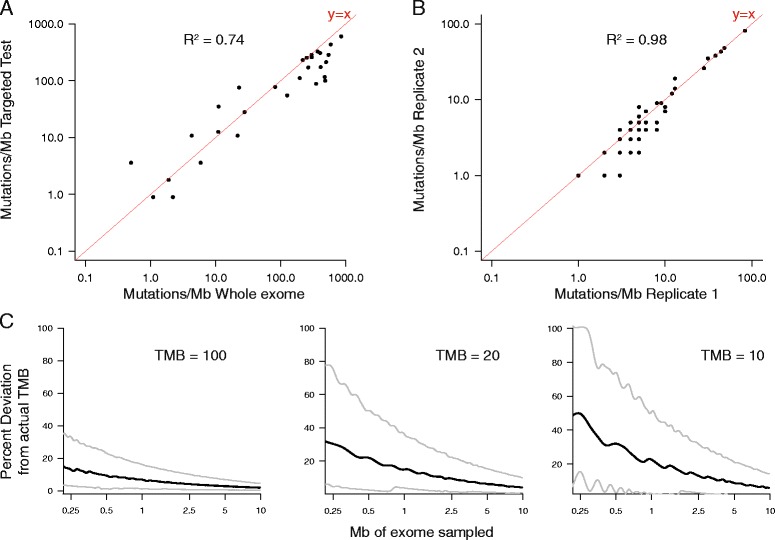
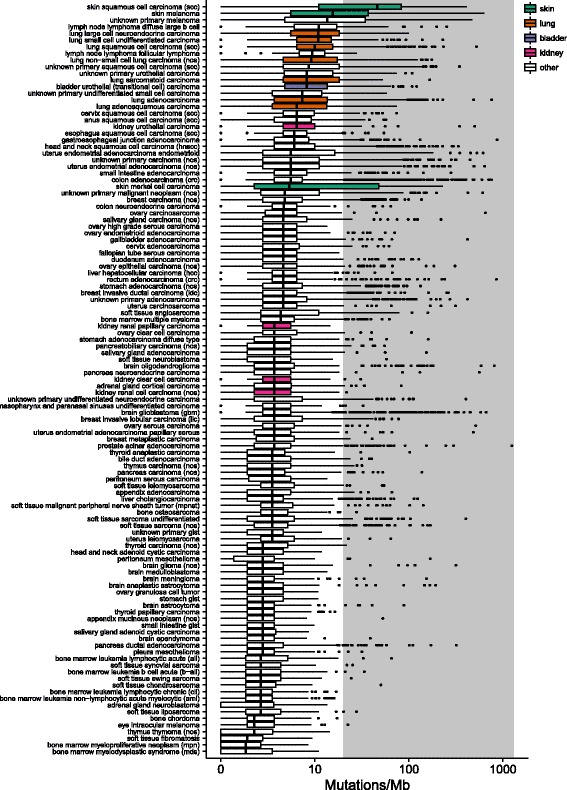
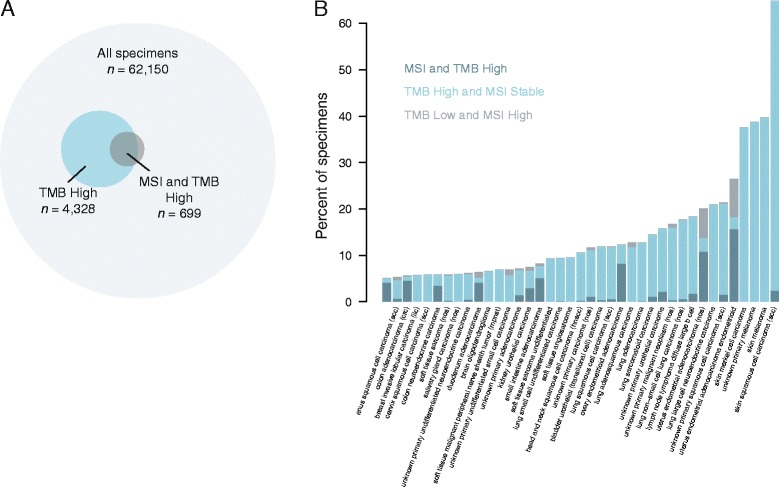
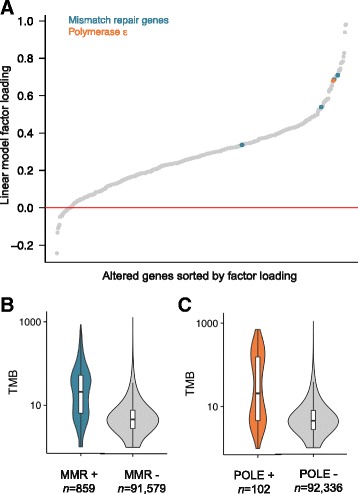
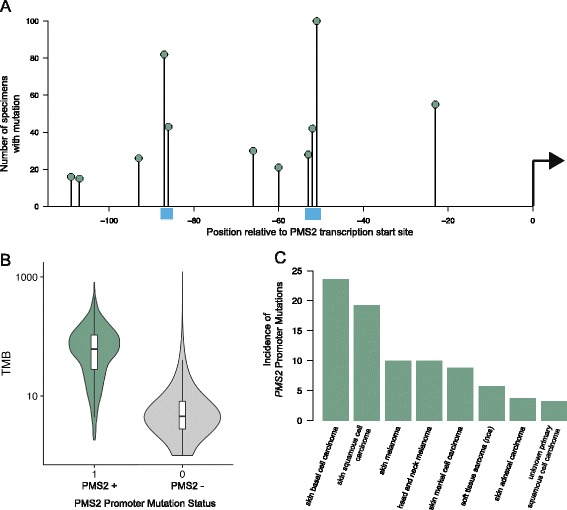
BACKGROUND: High tumor mutational burden (TMB) is an emerging biomarker of sensitivity to immune checkpoint inhibitors and has been shown to be more significantly associated with response to PD-1 and PD-L1 blockade immunotherapy than PD-1 or PD-L1 expression, as measured by immunohistochemistry (IHC). The distribution of TMB and the subset of patients with high TMB has not been well characterized in the majority of cancer types. METHODS: In this study, we compare TMB measured by a targeted comprehensive genomic profiling (CGP) assay to TMB measured by exome sequencing and simulate the expected variance in TMB when sequencing less than the whole exome. We then describe the distribution of TMB across a diverse cohort of 100,000 cancer cases and test for association between somatic alterations and TMB in over 100 tumor types. RESULTS: We demonstrate that measurements of TMB from comprehensive genomic profiling are strongly reflective of measurements from whole exome sequencing and model that below 0.5 Mb the variance in measurement increases significantly. We find that a subset of patients exhibits high TMB across almost all types of cancer, including many rare tumor types, and characterize the relationship between high TMB and microsatellite instability status. We find that TMB increases significantly with age, showing a 2.4-fold difference between age 10 and age 90 years. Finally, we investigate the molecular basis of TMB and identify genes and mutations associated with TMB level. We identify a cluster of somatic mutations in the promoter of the gene PMS2, which occur in 10% of skin cancers and are highly associated with increased TMB. CONCLUSIONS: These results show that a CGP assay targeting ~1.1 Mb of coding genome can accurately assess TMB compared with sequencing the whole exome. Using this method, we find that many disease types have a substantial portion of patients with high TMB who might benefit from immunotherapy. Finally, we identify novel, recurrent promoter mutations in PMS2, which may be another example of regulatory mutations contributing to tumorigenesis.
Overview
The claims and statistics of this paper haven’t been checked yet.
Free: it reads the open-access text and checks the first 5 claims that cite a source we can check. Create a free account to check every claim.
Integrity signals
Registry
Cites
Statistics
Figures
Verification
Claims the paper makes
The claims and statistics of this paper haven’t been checked yet.
Free: it reads the open-access text and checks the first 5 claims that cite a source we can check. Create a free account to check every claim.
Claims other papers make about this one
Each is checked against this paper’s own text: does it say what the citing paper says it does?
The source backs part of the claim, not all of it — or backs it for a different population, condition or comparison.
In the citing paper
“This is at least in part due to activation of the nuclear factor κB (NF-κB) pathway driven by p53 loss, as well as increased tolerance of a higher mutational burden that may ostensibly result in enhanced immunogenicity due to increased neoantigen load143, 144, 145, 146.”
From Co-occurring genomic alterations in non-small-cell lung cancer biology and therapy (2019) · cites this paper as [145]
Experimental — accuracy not yet measuredThe source backs part of the claim, not all of it — or backs it for a different population, condition or comparison.
In the citing paper
“Childhood tumors are considered immunologically ‘cold tumors’ with few infiltrating immune cells and low neoantigen burden precluding robust response to immune checkpoint therapies 39,40.”
From A Phase I/II Trial of Nivolumab plus Ipilimumab in Children and Young Adults with Relapsed/Refractory Solid Tumors: A Children's Oncology Group Study ADVL1412 (2022) · cites this paper as [40]
Experimental — accuracy not yet measuredThe source backs part of the claim, not all of it — or backs it for a different population, condition or comparison.
In the citing paper
“Second, distinct subsets of CRC are characterized by chromosomal instability (CIN) or microsatellite instability (MSI) and are among cancers that exhibit a moderately high tumor mutation burden (TMB) suggesting an extensive degree of genetic heterogeneity [28].”
From Anti-tumor efficacy of a potent and selective non-covalent KRASG12D inhibitor (2022) · cites this paper as [28]
Experimental — accuracy not yet measuredIn the citing paper
“TP53 co-mutations are associated with an inflamed tumor immune microenvironment and increased tumor cell PD-L1 expression in KRAS-mutant NSCLC and GEMMs.”
From Co-occurring genomic alterations in non-small-cell lung cancer biology and therapy (2019) · cites this paper as [145]
In the citing paper
“TMB measured by comprehensive genomic profiling is comparable to measurements by whole exome sequencing and is typically higher in smoking associated lung cancer due to tobacco carcinogenesis”
From Diverse EGFR Exon 20 Insertions and Co-Occurring Molecular Alterations Identified by Comprehensive Genomic Profiling of NSCLC (2018) · cites this paper as [14]
Self-check
Percentages, sums and reported differences re-computed from the paper’s own numbers.
The self-check needs the paper’s full text.
Citations
Cites
Fast and accurate short read alignment with Burrows-Wheeler transform
Li, H., & Durbin, R. (2009) · Bioinformatics · doi:10.1093/bioinformatics/btp324 · Cited by 58,607
PD-1 and PD-L1 Immune Checkpoint Blockade to Treat Breast Cancer
Hartkopf, A. D., Taran, F.-A., Wallwiener, M., Walter, C. B., Krämer, B., Grischke, E.-M., & Brucker, S. Y. (2016) · Breast Care · doi:10.1159/000453569 · Cited by 30,845
The Genome Analysis Toolkit: A MapReduce framework for analyzing next-generation DNA sequencing data
McKenna, A., Hanna, M., Banks, E., Sivachenko, A., Cibulskis, K., Kernytsky, A., Garimella, K., Altshuler, D., Gabriel, S., Daly, M., et al. (2010) · Genome Research · doi:10.1101/gr.107524.110 · Cited by 27,895
The blockade of immune checkpoints in cancer immunotherapy
Pardoll, D. M. (2012) · Nature Reviews Cancer · doi:10.1038/nrc3239 · Cited by 13,838 · cited 1×
“These agents modulate the pathways that control when and where immune responses are mounted, increasing antitumor activity through immune checkpoint blockade [7].”
BackgroundSafety, activity, and immune correlates of anti–PD-1 antibody in cancer
Topalian, S. L., Hodi, F. S., Brahmer, J. R., Gettinger, S. N., Smith, D. C., McDermott, D. F., Powderly, J. D., Carvajal, R. D., Sosman, J. A., Atkins, M. B., et al. (2012) · New England Journal of Medicine · doi:10.1056/nejmoa1200690 · Cited by 12,628 · cited 1×
“Inhibitors of cytotoxic T lymphocyte-associated antigen 4 (CTLA-4) [8, 9] and of programmed cell death protein 1 (PD-1) receptor [10] were the first drugs of this type, which promote T-cell activation [2].”
BackgroundStatistical significance for genomewide studies
Storey, J. D., & Tibshirani, R. (2003) · Proceedings of the National Academy of Sciences · doi:10.1073/pnas.1530509100 · Cited by 9,692 · cited 2×
“For both tests, we corrected for multiple testing using the false discovery rate (FDR) method [66].”
MethodSignatures of mutational processes in human cancer
Initiative, A. P. C. G., Alexandrov, L. B., ICGC Breast Cancer Consortium, ICGC MMML-Seq Consortium, PedBrain, I., Nik-Zainal, S., Wedge, D. C., Aparicio, S. A. J. R., Behjati, S., Biankin, A. V., et al. (2013) · Nature · doi:10.1038/nature12477 · Cited by 9,660 · cited 5×
“Mutations in a number of other genes have also been linked to increased TMB [28, 51], but their function is less well understood.”
BackgroundResultInfluentialAnalysis of protein-coding genetic variation in 60,706 humans
Exome Aggregation Consortium, Lek, M., Karczewski, K. J., Minikel, E. V., Samocha, K. E., Banks, E., Fennell, T., O’Donnell-Luria, A. H., Ware, J. S., Hill, A. J., et al. (2016) · Nature · doi:10.1038/nature19057 · Cited by 9,587 · cited 1×
“Germline alterations occurring with two or more counts in the ExAC database were not counted [65].”
BackgroundPD-1 Blockade in Tumors with Mismatch-Repair Deficiency
Le, D. T., Uram, J. N., Wang, H., Bartlett, B. R., Kemberling, H., Eyring, A. D., Skora, A. D., Luber, B. S., Azad, N. S., Laheru, D., et al. (2015) · New England Journal of Medicine · doi:10.1056/nejmoa1500596 · Cited by 9,377
The cancer genome atlas pan-cancer analysis project
The Cancer Genome Atlas Research Network, Weinstein, J. N., Collisson, E. A., Mills, G. B., Shaw, K. R. M., Ozenberger, B. A., Ellrott, K., Shmulevich, I., Sander, C., & Stuart, J. M. (2013) · Nature Genetics · doi:10.1038/ng.2764 · Cited by 9,092 · cited 3×
“across cancer types and found a wide distribution of TMB across ~20–30 cancer types [28, 51, 54].”
BackgroundMethod
Cited by
Items 901–1,000 of 1,001
Recurrent somatic mutations as predictors of immunotherapy response
Gajic, Z. Z., Deshpande, A. S., Legut, M., Imielinski, M. B., & Sanjana, N. E. (2022) · Nature Communications · doi:10.1038/s41467-022-31055-3 · Cited by 35
Liu, B., Hu, Z.-Y., Ran, J., Xie, N., Tian, C., Tang, Y., & Ouyang, Q. (2022) · The Breast · doi:10.1016/j.breast.2022.07.010 · Cited by 32
Ke, L., Li, S., & Cui, H. (2022) · BMC Cancer · doi:10.1186/s12885-022-10284-1 · Cited by 35
“the cutoff value of TMB in breast cancer is still critical [42].”
BackgroundPrognostic and predictive biomarkers in melanoma
Maher, N. G., Vergara, I. A., Long, G. V., & Scolyer, R. A. (2023) · Pathology · doi:10.1016/j.pathol.2023.11.004 · Cited by 39
Genomic Features of Response to Combination Immunotherapy in Lung Cancer
Früh, M., & Peters, S. (2018) · Cancer Cell · doi:10.1016/j.ccell.2018.04.005 · Cited by 31
“The correlation between WES and two different next-generation sequencing (NGS) gene panels, FoundationOne and MSK-IMPACT, is now well established (Hellmann et al., 2018a; Zehir et al., 2017; Chalmers et al., 2017).”
BackgroundCharacterization of genomic alterations in primary central nervous system lymphomas
Zorofchian, S., Achi, H. E., Yan, Y., Esquenazi, Y., & Ballester, L. Y. (2018) · Journal of Neuro-Oncology · doi:10.1007/s11060-018-2990-6 · Cited by 31
Predictive biomarkers of response to immune checkpoint inhibitors in melanoma
Nebhan, C. A., & Johnson, D. B. (2020) · Expert Review of Anticancer Therapy · doi:10.1080/14737140.2020.1724539 · Cited by 32
“Targeted sequencing assays, which represent about 2-3% of the total coding exome, have been validated to highly correlate with total mutational burden as measured by whole-exome sequencing approaches [19].”
BackgroundTovy, A., Reyes, J. M., Gundry, M. C., Brunetti, L., Lee-Six, H., Petljak, M., Park, H. J., Guzman, A. G., Rosas, C., Jeffries, A. R., et al. (2020) · Cell Stem Cell · doi:10.1016/j.stem.2020.06.018 · Cited by 30
“Different mutational processes generate distinct signatures (Chalmers et al., 2017); therefore, we considered the possibility that DNMT3A mutation could alter mutation type, even in the absence of an increased mutation rate.”
BackgroundRefining PD-1/PD-L1 assessment for biomarker-guided immunotherapy: A review
Zdrenka, M., Kowalewski, A., Ahmadi, N., Sadiqi, R. U., Chmura, Ł., Borowczak, J., Maniewski, M., & Szylberg, Ł. (2024) · Biomolecules and Biomedicine · doi:10.17305/bb.2023.9265 · Cited by 35
“As DNA accumulates, the probability of successfully presenting neoantigens increases, as does the number of candidate peptides [91].”
BackgroundWong, R. S. J., Ong, R. J. M., & Lim, J. S. (2023) · Cancer Drug Resistance · doi:10.20517/cdr.2023.58 · Cited by 31
Evaluating [225Ac]Ac-FAPI-46 for the treatment of soft-tissue sarcoma in mice
Taddio, M. F., Doshi, S., Masri, M., Jeanjean, P., Hikmat, F., Gerlach, A., Nyiranshuti, L., Rosser, E. W., Schaue, D., Besserer‐Offroy, É., et al. (2024) · European Journal of Nuclear Medicine and Molecular Imaging · doi:10.1007/s00259-024-06809-4 · Cited by 30
“To imitate the clinically lower responsiveness of sarcoma to anti-PD1 [ 29, 30], we induced local immunosuppression by co-inoculation of tumor cells with Abatacept.”
BackgroundFrom Genomics to AI: Revolutionizing Precision Medicine in Oncology
Calvino, G., Farro, J., Zampatti, S., Peconi, C., Megalizzi, D., Trastulli, G., Andreucci, S., Cascella, R., Strafella, C., Caltagirone, C., et al. (2025) · Applied Sciences · doi:10.3390/app15126578 · Cited by 34
Immunotherapy in colorectal cancer
Agarwal, P., Le, D. T., & Boland, P. M. (2021) · Advances in cancer research · doi:10.1016/bs.acr.2021.03.002 · Cited by 35
Genomic Amplification and Functional Dependency of the Gamma Actin Gene ACTG1 in Uterine Cancer
Richter, C., Mayhew, D. L., Rennhack, J. P., So, J., Stover, E. H., Hwang, J. H., & Szczesna‐Cordary, D. (2020) · International Journal of Molecular Sciences · doi:10.3390/ijms21228690 · Cited by 32
“Subsets of uterine cancers exhibit high tumor mutational burdens (TMB) [27,35], microsatellite instability (MSI) [36], as well as gene expression profiles associated with improved response to immunotherapies [36–38].”
BackgroundHuvila, J. K., Orte, K. J., Vainio, P., Mettälä, T., Joutsiniemi, T., & Hietanen, S. (2021) · Human Pathology · doi:10.1016/j.humpath.2021.02.006 · Cited by 30
Kao, C., Powers, E., Wu, Y. S., Datto, M., Green, M. F., Strickler, J. H., Ready, N., Zhang, T., & Clarke, J. M. (2021) · Clinical Lung Cancer · doi:10.1016/j.cllc.2021.03.017 · Cited by 31
Comprehensive tumor molecular profile analysis in clinical practice
Özdoğan, M., Papadopoulou, E., Τσούλος, Ν., Tsantikidi, A., Mariatou, V.-M., Tsaousis, G., Kapeni, E., Bourkoula, E., Fotiou, D. F., Kapetsis, G., et al. (2021) · BMC Medical Genomics · doi:10.1186/s12920-021-00952-9 · Cited by 31
“Thus a strong correlation between TMB and MSI was observed with MSI high tumors showing higher median TMB values, in accordance with previous studies [57, 58].”
Cai, Y., Wang, X., Wang, N., Wu, J., Ma, L., Xie, X., Zhang, H., Dang, C., Kang, H., Zhang, S., et al. (2021) · Life Sciences · doi:10.1016/j.lfs.2021.119505 · Cited by 39
Cao, C., Liu, R., Lin, X., Luo, J., Cao, L., Zhang, Q., Lin, S., Geng, L., Sun, Z., Ye, S.-K., et al. (2021) · International Journal of Biological Sciences · doi:10.7150/ijbs.56970 · Cited by 34
“CC and HNSCC were identified as the kind of tumor with high tumor mutational burden (TMB) and stable microsatellite instability (MSI) [31].”
BackgroundClinical interpretation of whole-genome and whole-transcriptome sequencing for precision oncology
Jobanputra, V., Wrzeszczyński, K. O., Büttner, R., Caldas, C., Cuppen, E. P. J. G., Grimmond, S. M., Haferlach, T., Mullighan, C. G., Schuh, A., & Elemento, O. (2021) · Seminars in Cancer Biology · doi:10.1016/j.semcancer.2021.07.003 · Cited by 32
The clinical utility of next-generation sequencing for bone and soft tissue sarcoma
Gusho, C. A., Weiss, M. C., Lee, L., Gitelis, S., Blank, A. T., Wang, D., & Batus, M. (2021) · Acta Oncologica · doi:10.1080/0284186x.2021.1992009 · Cited by 30
Immunotherapy and Biomarkers in Sarcoma
Dajsakdipon, T., Siripoon, T., Ngamphaiboon, N., Ativitavas, T., & Dejthevaporn, T. S. (2022) · Current Treatment Options in Oncology · doi:10.1007/s11864-022-00944-6 · Cited by 31
Fang, C., Fang, W., Xu, L., Gao, F., Hou, Y., Zou, H., Ma, Y., Moll, J. M., Yang, Y., Wang, D., et al. (2022) · Frontiers in Oncology · doi:10.3389/fonc.2022.837525 · Cited by 31
Immune landscape of a genetically engineered murine model of glioma compared with human glioma
Zamler, D. B., Shingu, T., Kahn, L. M., Huntoon, K. M., Kassab, C., Ott, M., Tomczak, K. J., Liu, J., Li, Y., Lai, I. P., et al. (2022) · JCI Insight · doi:10.1172/jci.insight.148990 · Cited by 30
Guo, C., Tang, Y., Zhao, Y., Li, G., & Zhang, Y. (2022) · Frontiers in Immunology · doi:10.3389/fimmu.2022.958161 · Cited by 32
“TMB values were computed with non-synonymous mutations as described previously to reveal the total mutation numbers of HCC patients (40, 41).”
MethodMendoza, R. P., Wang, P., Schulte, J. J., Tjota, M. Y., Jani, I., Martinez, A. C., Haridas, R., Wanjari, P., Steinhardt, G., Brown, N. A., et al. (2023) · The American Journal of Surgical Pathology · doi:10.1097/pas.0000000000002031 · Cited by 30
Xu, Y., Nowsheen, S., & Deng, M. (2023) · Cancers · doi:10.3390/cancers15051619 · Cited by 33
Direct correction of haemoglobin E β-thalassaemia using base editors
Badat, M., Ejaz, A., Peng, H., Rice, S., Zhang, W., Hentges, L. D., Fisher, C. A., Denny, N., Schweßinger, R., Yasara, N., et al. (2023) · Nature Communications · doi:10.1038/s41467-023-37604-8 · Cited by 32
Mo, S.-F., Cai, Z.-Z., Kuai, W.-H., Li, X., & Chen, Y.-T. (2023) · Frontiers in Cell and Developmental Biology · doi:10.3389/fcell.2023.1209243 · Cited by 31
“, MSK-IMPACT, F1CDx, and PGDx elio tissue complete [PGDx]) (Chalmers et al., 2017; Zehir et al., 2017; Wood et al., 2018).”
BackgroundSun, B., Xun, Z., Zhang, N., Liu, K., Chen, X., & Zhao, H. (2023) · Cancer Cell International · doi:10.1186/s12935-023-03158-4 · Cited by 32
“MSI-H is a specific type of TMB-high, as most MSI-H tumors show high TMB while only a small fraction of TMB-high tumors are MSI-H [53].”
BackgroundRole of Next-Generation Sequencing Technologies in Personalized Medicine
Morganti, S., Tarantino, P., Ferraro, E., D’Amico, P., Viale, G., Trapani, D., Duso, B. A., & Curigliano, G. (2019) · Springer eBooks · doi:10.1007/978-3-030-27994-3_8 · Cited by 35
DiGuardo, M. A., Davila, J. I., Jackson, R. A., Nair, A., Fadra, N., Minn, K. T., Atiq, M. A., Zarei, S., Blommel, J. H., Knight, S. M., et al. (2021) · Journal of Molecular Diagnostics · doi:10.1016/j.jmoldx.2021.01.008 · Cited by 34
Yang, C. G., Austin, F., Richard, H., Idowu, M. O., Williamson, V. S., Sabato, F., Ferreira‐Gonzalez, A., & Turner, S. A. (2019) · Molecular Case Studies · doi:10.1101/mcs.a003863 · Cited by 30
“…and indels of VAF > 5% in the coding region (∼1.1 Mb) of targeted genes after filtering out both the germline variants (known in population databases or predicted by the somatic-germline-zygosity algorithm) and cancer-driving alterations (Chalmers et al. 2017) (FoundationOne CDx FDA label).”
BackgroundInfluentialTumor mutational burden and immune signatures interplay in renal cell carcinoma
Yakirevich, E., & Patel, N. R. (2020) · Annals of Translational Medicine · doi:10.21037/atm.2020.02.81 · Cited by 32
“1 Mb of coding genome can accurately assess TMB compared with WES and used 20 mutations/Mb as a cutoff for highTMB (4).”
BackgroundMethodInfluentialRomero, P., Richart, L., Aflaki, S., Petitalot, A., Burton, M., Michaud, A., Masliah‐Planchon, J., Kuhnowski, F., Cam, S. L., Baliñas-Gavira, C., et al. (2024) · Nature Communications · doi:10.1038/s41467-024-47701-x · Cited by 33
Approach to evaluating tumor mutational burden in routine clinical practice
Truesdell, J., Miller, V. A., & Fabrizio, D. A. (2018) · Translational Lung Cancer Research · doi:10.21037/tlcr.2018.10.10 · Cited by 29
Self-citationKlempner, S. J., Madison, R. W., Pujara, V., Ross, J. S., Miller, V. A., Ali, S. M., Schrock, A. B., Kim, S. T., Maron, S. B., Dayyani, F., et al. (2019) · The Oncologist · doi:10.1634/theoncologist.2019-0121 · Cited by 33
Self-citationCaracciolo, D., Riillo, C., Arbitrio, M., Martino, M. T. D., Tagliaferri, P., & Tassone, P. (2020) · International Journal of Cancer · doi:10.1002/ijc.33038 · Cited by 32
“Tumor mutational burden (TMB) provides an estimation of the total number of somatic mutations in the tumor exome.21 Although TMB was initially measured using whole-exome sequencing (WES), hybrid capture-based NGS platforms were next developed to overcome technical processing difficulties and high costs.22,23 One of th…”
BackgroundChung, A. S., Mettlen, M., Ganguly, D., Lu, T., Wang, T., Brekken, R. A., Hsiehchen, D., & Zhu, H. (2020) · Cancer Prevention Research · doi:10.1158/1940-6207.capr-20-0200 · Cited by 29
“We reasoned that such widespread damage to DNA would closely model the mutational burden seen in human cirrhosis and HCC (44).”
BackgroundIshihara, H., Yamashita, S., Liu, Y., Hattori, N., El‐Omar, O., Ikeda, T., Fukuda, H., Yoshida, K., Takagi, T., Taneda, S., et al. (2020) · Cancer Science · doi:10.1111/cas.14633 · Cited by 29
Dong, A., Zhao, Y., Li, Z., & Hu, H. (2021) · The Journal of Gene Medicine · doi:10.1002/jgm.3294 · Cited by 31
“, ultraviolet light, smoking).(8,12,13) Immune signatures have not been translated to routine clinical practice yet, mainly because of the small sample size of the related research, resulting in inadequate evidence.”
BackgroundMethodInfluentialWessely, A., Steeb, T., Leiter, U., Garbe, C., Berking, C., & Heppt, M. V. (2020) · International Journal of Molecular Sciences · doi:10.3390/ijms21239300 · Cited by 31
Liu, J., Kong, X., Ping, S., Wang, R., Li, W., & Chen, Q. (2020) · Journal of Cellular and Molecular Medicine · doi:10.1111/jcmm.16147 · Cited by 32
Chen, H. X., Song, M., Maecker, H. T., Gnjatic, S., Patton, D. R., Lee, J. J., Adam, S. J., Moravec, R., Liu, X. S., Cerami, E. G., et al. (2021) · Clinical Cancer Research · doi:10.1158/1078-0432.ccr-20-3241 · Cited by 29
“WESwas prioritized over use of targeted gene panel sequencing, to provide genomic correlates, such as TMB calculated as total number of singlenucleotide variants (9), immunogenic neoepitopes resulting from novel mutations (23), germline mutations and polymorphic variants (24), and MSI status (12).”
BackgroundFeng, B., & Heß, J. (2021) · Cancers · doi:10.3390/cancers13051162 · Cited by 33
“1% of patients were classified as high TMB (>20 mutation/Mb) [33].”
BackgroundLi, C. M., & Chen, Z. (2021) · Frontiers in Cell and Developmental Biology · doi:10.3389/fcell.2021.664305 · Cited by 35
“Indeed, some cancers can have relatively lower mutational burdens, including gastric cancer (Chalmers et al., 2017; Salem et al., 2018).”
BackgroundSu, R., Jin, C., Zhou, L., Cao, Y., Kuang, M., Li, L., & Xiang, J. (2021) · BMC Cancer · doi:10.1186/s12885-021-08711-w · Cited by 31
“DNA mismatch repair deficiency (dMMR) [6] and total tumor mutational burden (TMB) [7, 8] are the main”
BackgroundZhu, M., Zhang, L., Cui, H., Zhao, Q., Wang, H., Zhai, B., Jiang, R., & Jiang, Z. (2022) · Frontiers in Immunology · doi:10.3389/fimmu.2021.800951 · Cited by 32
“Patients with TMB-H are not necessarily MSI-H, but most patients with MSIH are also TMB-H (20, 21), because in addition to errors in mismatch repair, defects in other DNA damage repair pathways can also lead to increased mutation rates (22).”
BackgroundMethodMutations in the TTN Gene are a Prognostic Factor for Patients with Lung Squamous Cell Carcinomas
Zou, S., Ye, J., Hu, S., Wei, Y., & Xu, J. (2022) · International Journal of General Medicine · doi:10.2147/ijgm.s343259 · Cited by 31
“This method has been used to calculate TMB expression in LUSC samples obtained from TCGA database.(26)”
MethodBird, B., Nally, K., Ronan, K. E., Clarke, G. A., Amu, S., Almeida, A. S., Flavin, R., & Finn, S. P. (2022) · Diagnostics · doi:10.3390/diagnostics12010124 · Cited by 31
“As expected, there is substantial overlap between high TMB and MSI-H tumours [71].”
BackgroundHow Immunotherapy Modified the Therapeutic Scenario of Endometrial Cancer: A Systematic Review
Maiorano, B. A., Maiorano, M. F. P., Cormio, G., Maglione, A., Lorusso, D., & Maiello, E. (2022) · Frontiers in Oncology · doi:10.3389/fonc.2022.844801 · Cited by 30
“We should deepen the predictive role of TMB in EC, especially POLEmutant and MSI tumors, which are associated with high TMB (39).”
BackgroundInfluentialRamarao-Milne, P., Kondrashova, O., Patch, A., Nones, K., Koufariotis, L. T., Newell, F., Addala, V., Lakis, V., Holmes, O., Leonard, C., et al. (2022) · ESMO Open · doi:10.1016/j.esmoop.2022.100540 · Cited by 31
“37,38 Immunohistochemistry of programmed death-ligand 1 is used as a predictive biomarker for immune check-point therapy; however, other suggested genomic markers of immunotherapy response are high TMB or MSI.”
MethodThe Multi-Dimensional Biomarker Landscape in Cancer Immunotherapy
Lee, J. Y., Kannan, B., Lim, B. Y., Li, Z., Lim, A. H., Loh, J. W., Ko, T. K., Ng, C. C. Y., & Chan, J. Y. (2022) · International Journal of Molecular Sciences · doi:10.3390/ijms23147839 · Cited by 31
“Differences in the TMB, neoantigen load, and infiltrating lymphocytes in these tumors probably contribute to some of the variable responses observed [47,71,78].”
BackgroundMechanisms of Resistance to Immunotherapy in Hepatocellular Carcinoma
Manfredi, G. F., Celsa, C., John, C., Jones, C., Acuti, N., Scheiner, B., Fulgenzi, C. A. M., Korolewicz, J., Pinter, M., Gennari, A., et al. (2023) · Journal of Hepatocellular Carcinoma · doi:10.2147/jhc.s291553 · Cited by 33
“50 53 Although TMB alone is not sufficient to predict outcome, higher TMB scores have been associated with higher ICI efficacy in melanoma and non-small-cell lung cancer (NSCLC).”
BackgroundRecent Advances in Molecular and Genetic Research on Uveal Melanoma
Fuentes-Rodriguez, A., Mitchell, A., Guérin, S. L., & Landreville, S. (2024) · Cells · doi:10.3390/cells13121023 · Cited by 34
“In contrast to cutaneous melanomas (CMs), which possess a higher tumor mutational burden, the majority of UMs originate from the choroid, a sun-protected ocular tissue, resulting in a lower mutational frequency [23–25].”
BackgroundJansen, C. S., Prokhnevska, N., & Kissick, H. T. (2018) · Urologic Oncology Seminars and Original Investigations · doi:10.1016/j.urolonc.2018.10.011 · Cited by 35
Gong, J., Gregg, J. P., Ma, W., Yoneda, K. Y., Moore, E. H., Daly, M. E., Zhang, Y., Williams, M. J., & Li, T. (2019) · Journal of the National Comprehensive Cancer Network · doi:10.6004/jnccn.2019.7291 · Cited by 30
Nasrallah, M. P., Binder, Z. A., Oldridge, D. A., Zhao, J., Lieberman, D. B., Roth, J. J., Watt, C. D., Sukhadia, S., Klinman, E., Daber, R. D., et al. (2019) · Academic Pathology · doi:10.1177/2374289519848353 · Cited by 29
“5 megabase, have been correlated with increased tumor mutational burden.(41) Although we do not measure tumor mutational burden or hypermutated genotypes in our clinical assay, the modest increase in the number of pathogenic variants observed and even more dramatically numerous VUS changes present most often in MGMT p…”
BackgroundDistinct genomic features in a retrospective cohort of mucosal, acral, and vulvovaginal melanomas
Shi, K., Zhang, B., Kong, B. Y., Zhang, Y., Igartua, C., Mohan, L. S., Quan, V. L., Panah, E., Isales, M. C., Beaubier, N. T., et al. (2019) · Journal of the American Academy of Dermatology · doi:10.1016/j.jaad.2019.07.017 · Cited by 30
Chitsike, L., & Duerksen-Hughes, P. J. (2020) · Current Treatment Options in Oncology · doi:10.1007/s11864-020-00790-4 · Cited by 32
Recommendations for Tumor Mutational Burden Assay Validation and Reporting
Furtado, L. V., Bifulco, C. B., Dolderer, D., Hsiao, S. J., Kipp, B. R., Lindeman, N. I., Ritterhouse, L. L., Temple‐Smolkin, R., Zehir, A., & Nowak, J. A. (2024) · Journal of Molecular Diagnostics · doi:10.1016/j.jmoldx.2024.05.002 · Cited by 32
Real-world clinical utility of comprehensive genomic profiling in advanced solid tumors
Saito, Y., Horie, S., Kogure, Y., Mizuno, K., Ito, Y., Mizukami, Y., Kim, H., Tamura, Z., Koya, J., Funakoshi, T., et al. (2026) · Nature Medicine · doi:10.1038/s41591-025-04086-8 · Cited by 42
“As reported 33,34 , most MSI-H patients were TMB-H, whereas MSI-H patients accounted for only 18.2% of TMB-H patients (Extended Data Fig.”
InfluentialLee, L., Ali, S. M., Genega, E. M., Reed, D., Sokol, E. S., & Mathew, P. F. (2018) · JCO Precision Oncology · doi:10.1200/po.17.00097 · Cited by 28
Self-citationWeinberg, B. A., Xiu, J., Hwang, J. J., Shields, A. F., Salem, M. E., & Marshall, J. L. (2018) · The Oncologist · doi:10.1634/theoncologist.2018-0034 · Cited by 30
“This lower cutoff value was chosen because the median TML for this patient population has been reported to be five mutations per MB [24], and we sought to exclude samples with “low” TML that were one mutation per MB above the median or fewer.”
MethodNikanjam, M., Arguello, D., Gatalica, Z., Swensen, J. J., Barkauskas, D. A., & Kurzrock, R. (2019) · International Journal of Cancer · doi:10.1002/ijc.32661 · Cited by 33
“A prior study of TMB across tumor types showed that 83% of patients with MSI-H status had TMB-H; however, only 16% of TMB-H patients had MSI-H status.(48) Given that MSI-H, TMB-H and PD-L1 expression often do not cooccur, it is not surprising that the current study often found distinct relationships between each of th…”
BackgroundVoutsadakis, I. A. (2019) · Targeted Oncology · doi:10.1007/s11523-019-00689-7 · Cited by 29
Tian, Y., Xu, J., Chu, Q., Duan, J., Zhang, J. J., Bai, H., Yang, Z., Fang, W., Cai, L., Wan, R., et al. (2020) · BMC Medicine · doi:10.1186/s12916-020-01694-8 · Cited by 30
Identifying Optimal Loci for the Molecular Diagnosis of Microsatellite Instability
Long, D. R., Waalkes, A., Panicker, V., Hause, R. J., & Salipante, S. J. (2020) · Clinical Chemistry · doi:10.1093/clinchem/hvaa177 · Cited by 28
“The most widely used of these alternative approaches is tumor mutation burden (TMB), a biomarker based on estimating the total substitution and indel lesions present in a cancer genome (36).”
BackgroundMalla, S. B., Fisher, D. J., Domingo, E., Blake, A., Hassanieh, S., Redmond, K. L., Richman, S. D., Youdell, M., Walker, S. M., Logan, G. E., et al. (2021) · Clinical Cancer Research · doi:10.1158/1078-0432.ccr-20-3237 · Cited by 29
“DDIR positivity may have value in identifying additional subsets of patients with MSS colorectal cancer who exhibit high tumormutational burden and/or highTMEactivity, whohave the potential to respond to immune checkpoint blockade such as PD-L1 inhibition (35, 37, 38).”
Response of Metastatic Chordoma to the Immune Checkpoint Inhibitor Pembrolizumab: A Case Report
Wu, X., Lin, X., Chen, Y., Kong, W., Xu, J., & Yu, Z. (2020) · Frontiers in Oncology · doi:10.3389/fonc.2020.565945 · Cited by 28
“A high TMB indicates the presence of tumors that are likely to harbor neoantigens, making them targetable by activated immune cells (13).”
BackgroundFAT3 Mutation Is Associated With Tumor Mutation Burden and Poor Prognosis in Esophageal Cancer
Guo, Z., Yan, X., Song, C., Wang, Q., Wang, Y., Liu, X.-P., Huang, J., Li, S., & Hu, W. (2021) · Frontiers in Oncology · doi:10.3389/fonc.2021.603660 · Cited by 32
“The total number of non-synonymous somatic variants was divided by exome size to calculate the TMB score from the TCGA database (15).”
MethodUnraveling the genomic landscape of colorectal cancer through mutational signatures
Díaz‐Gay, M., & Alexandrov, L. B. (2021) · Advances in cancer research · doi:10.1016/bs.acr.2021.03.003 · Cited by 30
The Clinical Implications of Tumor Mutational Burden in Osteosarcoma
Xie, L., Yang, Y., Guo, W., Che, D., Xu, J. H., Sun, X., Liu, K., Ren, T., Liu, X., Yang, Y., et al. (2021) · Frontiers in Oncology · doi:10.3389/fonc.2020.595527 · Cited by 28
“TMB has been shown to increase with patients’ age from 10 to 90 years old (39).”
BackgroundMolecular markers of systemic therapy response in urothelial carcinoma
Claps, F., Mir, M. C., & Zargar, H. S. (2021) · Asian journal of urology · doi:10.1016/j.ajur.2021.05.001 · Cited by 33
“TMB is generally defined as the number of somatic, coding, indels mutations, and base substitution per megabase of genome examined [96].”
BackgroundHillman, R. T., Lin, D. I., Lawson, B. C., & Gershenson, D. M. (2021) · Gynecologic Oncology · doi:10.1016/j.ygyno.2021.06.024 · Cited by 30
Metabolic landscapes in sarcomas
MIALLOT, R., Galland, F., Millet, V., Blay, J., & Naquet, P. (2021) · Journal of Hematology & Oncology · doi:10.1186/s13045-021-01125-y · Cited by 35
Tang, R., Liu, X., Wang, W., Hua, J., Xu, J., Liang, C., Meng, Q., Liu, J., Zhang, B., Yu, X., et al. (2021) · Cancer Cell International · doi:10.1186/s12935-021-01900-4 · Cited by 36
“High TMB are sensitive biomarkers for screening good responders to immunotherapy and have been shown to be more significantly associated with the response to PD1 and PD-L1 blockade than PD-1 or PD-L1 expression [29].”
BackgroundTesta, U., Pelosi, E., & Castelli, G. (2021) · Expert Review of Molecular Diagnostics · doi:10.1080/14737159.2022.2017774 · Cited by 31
“Rotow et al. reported an extensive analysis of co-occurring alterations in a very large cohort of 289 MET exon 14-mutant MNSCLC patients undergoing treatment with a MET inhibitor; their analysis was performed on cell-free DNA by NGS using a panel of 68 cancer-relevant genes [60].”
BackgroundInfluentialMa, B., Wang, K., Yu, L., Meng, Q., & Li, Y. (2022) · Frontiers in Immunology · doi:10.3389/fimmu.2022.809837 · Cited by 37
Research progress on immunotherapy in triple‑negative breast cancer (Review)
Zhang, X., Ge, X., Jiang, T., Yang, R., & Li, S. (2022) · International Journal of Oncology · doi:10.3892/ijo.2022.5385 · Cited by 29
“Tumors with a TMB of ≥10 mut/mbp are considered tumor mutational burden‐high TMB (TMB‐H) (11).”
Lam, L. H. T., Chu, N. T., Tran, T.-O., Do, D. T., & Le, N. Q. K. (2022) · Cancers · doi:10.3390/cancers14143492 · Cited by 31
“TMB, defined as the number of somatic coding mutations per megabase (mutations/Mb) of tumor genotype [7], has become a valuable biomarker across many cancer types for predicting the efficacy of immune checkpoint blockade (ICB) [6,8].”
BackgroundCharacterization of pancreatic cancer with ultra-low tumor mutational burden
Imamura, T., Ashida, R., Ohshima, K., Uesaka, K., Sugiura, T., Ohgi, K., Yamada, M., Otsuka, S., Hatakeyama, K., Nagashima, T., et al. (2023) · Scientific Reports · doi:10.1038/s41598-023-31579-8 · Cited by 30
Immunotherapy for brain tumors: understanding early successes and limitations
Lieberman, N. A. P., Vitanza, N. A., & Crane, C. A. (2018) · Expert Review of Neurotherapeutics · doi:10.1080/14737175.2018.1425617 · Cited by 29
“Furthermore, pediatric tumors frequently have a low mutational burden relative to adult tumors [79], rendering checkpoint blockade strategies less effective [80].”
BackgroundGenome-Wide CRISPR Screening Identifies JAK1 Deficiency as a Mechanism of T-Cell Resistance
Han, P., Dai, Q., Fan, L., Lin, H. R., Zhang, X., Li, F., & Yang, X. (2019) · Frontiers in Immunology · doi:10.3389/fimmu.2019.00251 · Cited by 29
“Gene mutations are detected in most cancers including melanoma (11), which has a particularly high mutation load (12)—for instance, mutations in the mitogen-activated protein kinase, phosphatidylinositol 3-kinase/AKT, and HIPPO signaling pathways were shown to mediate immune resistance (13–16).”
BackgroundBone and Soft-Tissue Sarcoma: A New Target for Telomerase-Specific Oncolytic Virotherapy
Tazawa, H., Hasei, J., Yano, S., Kagawa, S., Ozaki, T., & Fujiwara, T. (2020) · Cancers · doi:10.3390/cancers12020478 · Cited by 31
Sesma, A., Pardo, J., Cruellas, M., Gálvez, E. M., Ruiz, M. G., Isla, D., Martínez‐Lostao, L., Ocáriz, M., Paño, J. R., Quílez, E., et al. (2020) · Cancers · doi:10.3390/cancers12102974 · Cited by 28
“Mutations in DNA replication genes, such as POLD1 and POLE, are associated with increased mutation frequency and high TMB [15].”
BackgroundGavralidis, A., & Gainor, J. F. (2020) · The Cancer Journal · doi:10.1097/ppo.0000000000000491 · Cited by 33
Zhang, R., Li, Q., Fu, J., Jin, Z., Su, J., Zhang, J., Chen, C., Geng, Z., & Zhang, D. (2021) · BMC Cancer · doi:10.1186/s12885-021-07788-7 · Cited by 29
Tosi, A., Parisatto, B., Gaffo, E., Bortoluzzi, S., & Rosato, A. (2024) · Journal of Experimental & Clinical Cancer Research · doi:10.1186/s13046-024-03028-5 · Cited by 28
“Like other cancers associated with long-term carcinogenic exposure, such as non-small cell lung cancer and melanoma, urothelial bladder cancer has been known to harbor relatively high tumor mutational burden (TMB) [61].”
BackgroundChi, W.-Y., Hu, Y., Huang, H., Kuo, H., Lin, S., Kuo, C.-T. J., Tao, J., Fan, D., Huang, Y.-M., Wu, A. A., et al. (2024) · Journal of Biomedical Science · doi:10.1186/s12929-024-01082-x · Cited by 31
“Consequently, cancers with high TMB are particularly favorable for cancer vaccine development [94–96].”
BackgroundAdvances in Cancer Treatment Through Nanotheranostics and Emerging Therapies
Akpe, V., & Cock, I. E. (2025) · Journal of Nanotheranostics · doi:10.3390/jnt6040029 · Cited by 31
“Tumor mutational burden (TMB) has emerged as a robust biomarker, with higher TMB correlating with improved responses to immunotherapy, likely due to increased neoantigen presentation and immune recognition [48,49].”
MiRNA expression patterns are associated with tumor mutational burden in lung adenocarcinoma
Lv, Y., Huang, Z., Lin, Y., Fang, Y., Chen, Z., Pan, L., Zhang, Y., & Xu, Z. (2019) · OncoImmunology · doi:10.1080/2162402x.2019.1629260 · Cited by 29
“We used 38 MB as the estimate of the exome size.(20) The preprocessed LUAD mature miRNA expression profiles in TCGA database, displayed as log2 converted”
MethodWang, H., Liu, P., Yue, J., Jiang, W., Cui, Y., Ren, H., Wang, H., Zhuang, Y., Liu, Y., Jiang, D., et al. (2019) · Cancer Letters · doi:10.1016/j.canlet.2019.11.022 · Cited by 27
Lin, D. I., Killian, J. K., Venstrom, J. M., Ramkissoon, S. H., Ross, J. S., & Elvin, J. A. (2020) · Modern Pathology · doi:10.1038/s41379-020-00699-1 · Cited by 31
Self-citationKoumarianou, A. A., & Durán, J. (2021) · Cancers · doi:10.3390/cancers13030363 · Cited by 36
“The numbers are still being defined, but, in general, 20 mutations per Mb (m/Mb) are considered high [43].”
BackgroundAnalytic validation and clinical utilization of the comprehensive genomic profiling test, GEM ExTra®
White, T., Szelinger, S., Lobello, J. R., King, A., Aldrich, J., Garinger, N., Halbert, M. E., Richholt, R., Mastrian, S. D., Babb, C. S., et al. (2021) · Oncotarget · doi:10.18632/oncotarget.27945 · Cited by 30
“As previously reported, tumors with the common disease mechanism of high mutagenic burden such as melanoma (5 mut/ Mb), bladder (4 mut/Mb) and lung (2 mut/Mb) were also among the higher mutationally burdened tumor types [19].”
Pan-Cancer Analysis of FURIN as a Potential Prognostic and Immunological Biomarker
Zhou, B., & Gao, S. (2021) · Frontiers in Molecular Biosciences · doi:10.3389/fmolb.2021.648402 · Cited by 31
“Correlation Between FURIN Expression and Tumor Mutational Burden or Microsatellite Instability Across Cancers Tumor mutational burden (TMB) refers to total mutations in the DNA carried by tumor cells (Chalmers et al., 2017).”
BackgroundMurugesan, K., Sharaf, R., Montesion, M., Moore, J. A., Pao, J. J., Pavlick, D. C., Frampton, G. M., Upadhyay, V. A., Alexander, B. M., Miller, V. A., et al. (2021) · JCO Precision Oncology · doi:10.1200/po.20.00397 · Cited by 36
Self-citationAntigen-Specific TCR-T Cells for Acute Myeloid Leukemia: State of the Art and Challenges
Kang, S., Li, Y., Qiao, J., Meng, X., He, Z., Gao, X., & Yu, L. J. (2022) · Frontiers in Oncology · doi:10.3389/fonc.2022.787108 · Cited by 29
“Therefore, AML seems to possess relatively fewer neoantigens that can be targeted by CAR-T therapy compared with other malignancies (172).”
BackgroundUmemoto, K., Yamamoto, H., Oikawa, R., Takeda, H., Doi, A., Horie, Y., Arai, H., Ogura, T., Mizukami, T., Izawa, N., et al. (2022) · JNCI Journal of the National Cancer Institute · doi:10.1093/jnci/djac106 · Cited by 28
Metadata
- Authors
- Chalmers, Z. R., Connelly, C. F., Fabrizio, D., Gay, L., Ali, S. M., Ennis, R., Schrock, A., Campbell, B., Shlien, A., Chmielecki, J., Huang, F., He, Y., Sun, J., Tabori, U., Kennedy, M., Lieber, D. S., Roels, S., White, J., Otto, G. A., Ross, J. S., Garraway, L., Miller, V. A., Stephens, P. J., & Frampton, G. M.
- Affiliations
- Foundation Medicine (United States) (US)
- Hospital for Sick Children (CA)
- Harvard University (US)
- Broad Institute (US)
- Corresponding author
- Frampton, Garrett M.
- ORCID
- Venue
- Genome Medicine
- Published
- 2017-04-19
- Volume
- 9
- Issue
- 1
- Pages
- 34-34
- ISSN
- 1756-994X (ISSN-L)
- PMC
- PMC5395719
- OpenAlex
- W2606495925
- Cited by
- 3,519
- References
- 78
- Citations by year
- 2026: 200 · 2025: 268 · 2024: 365 · 2023: 499 · 2022: 553 · 2021: 565 · 2020: 498 · 2019: 330 · 2018: 195 · 2017: 43
- FWCI
- 131.26
- Type
- journal article
- Language
- en
- Open access
- gold
- doi.org
- Licence
- cc-by
- creativecommons.org/licenses/by/4.0/ (tdm)
- creativecommons.org/licenses/by/4.0/ (vor)
- Locations
- Genome Medicine (publishedVersion, cc-by)
- PubMed Central (publishedVersion, cc-by)
- PubMed (publishedVersion)
- Digital Access to Scholarship at Harvard (DASH) (Harvard University) (submittedVersion, cc-by)
- DOAJ (DOAJ: Directory of Open Access Journals) (submittedVersion, cc-by-sa)
- Funders
- Prostate Cancer Foundation (Young Investigator Award)
- U.S. Department of Defense (Prostate Cancer Research Program)
- Topics
- Health Sciences › Medicine › Oncology › Cancer Immunotherapy and Biomarkers
- Life Sciences › Biochemistry, Genetics and Molecular Biology › Cancer Research › Cancer Genomics and Diagnostics
- Health Sciences › Medicine › Pathology and Forensic Medicine › Genetic factors in colorectal cancer
- Keywords
- tumor mutational burden, comprehensive genomic profiling, targeted sequencing, microsatellite instability, regulatory mutations, somatic mutations, immunotherapy biomarkers, immune checkpoint inhibitors, PD-1/PD-L1 blockade, tumor age, rare tumor, cancer genomics
- MeSH terms
- Mismatch Repair Endonuclease PMS2, Adolescent, Adult, Age Factors, Aged, Aged, 80 and over, Cell Transformation, Neoplastic, Child, DNA Mutational Analysis, DNA, Neoplasm, Humans, Middle Aged, Mutation, Neoplasms, Genome, Human, Young Adult, Exome
About these checks
Registry, retraction, Cites and statistics results are computed, not judged, with one exception: a printed reference that no index lists is read once by a model before it counts as a citation error. Claims are extracted by a model and kept only when their quote appears verbatim in the text; each cited source is then checked, with a model’s help, for whether it says what the claim relies on. Those verdicts can be wrong — read the claim’s quote and the cited source before relying on one.
Statistics and arithmetic are recomputed, not judged.
Confidence bands are shown only for fields calibrated on our annotated test set. None is calibrated yet, so no band is shown.
What counts as a claim ›How we measure confidence ›How we check this ›
Are you an author, or do you see a problem with this page? Request a review
Data sources
Bibliographic data: Semantic Scholar, OpenAlex, Crossref.
Contains information from the Semantic Scholar Academic Graph Datasets, made available under the ODC Attribution License (ODC-BY 1.0).
Semantic Scholar’s data is described in: Kinney, R., et al. (2023). The Semantic Scholar Open Data Platform. arXiv:2301.10140.
