

Analysis of 100,000 human cancer genomes reveals the landscape of tumor mutational burden
Open accessThe DOI matches its Crossref record; 78 of the 78 references it cites were found in a registry or an index.
Abstract
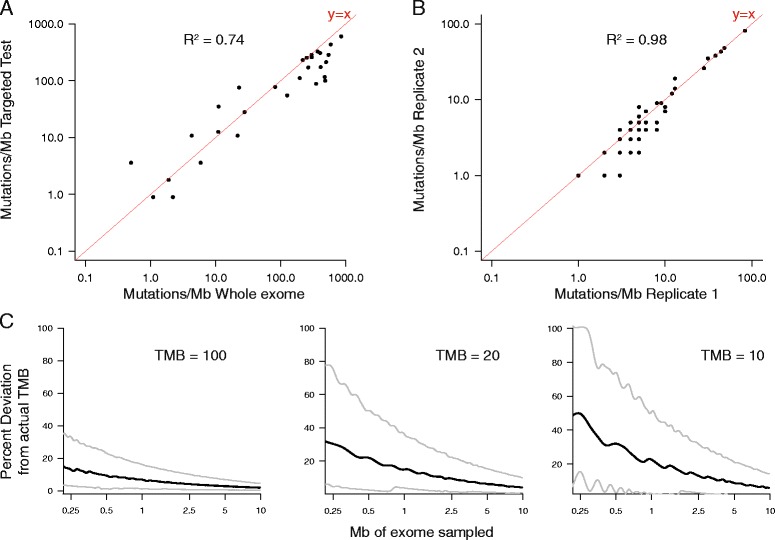
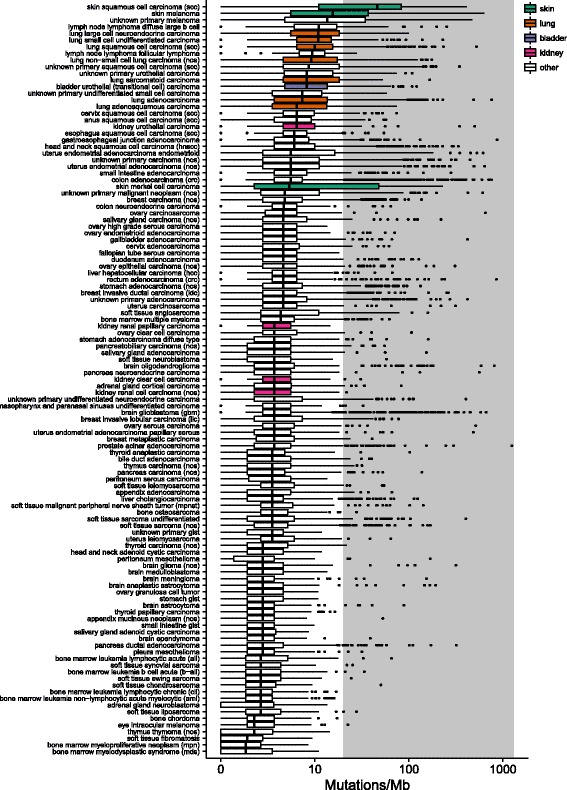
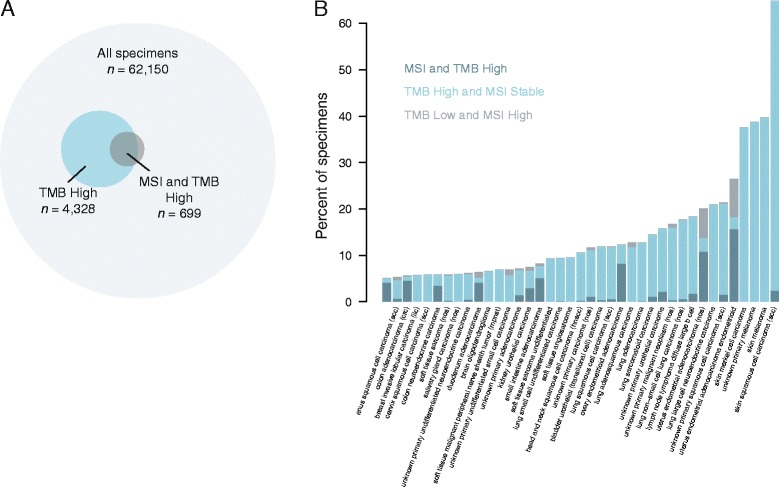
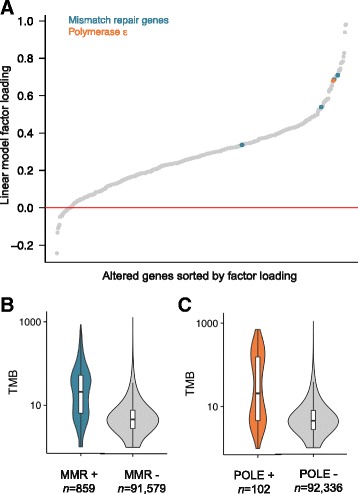
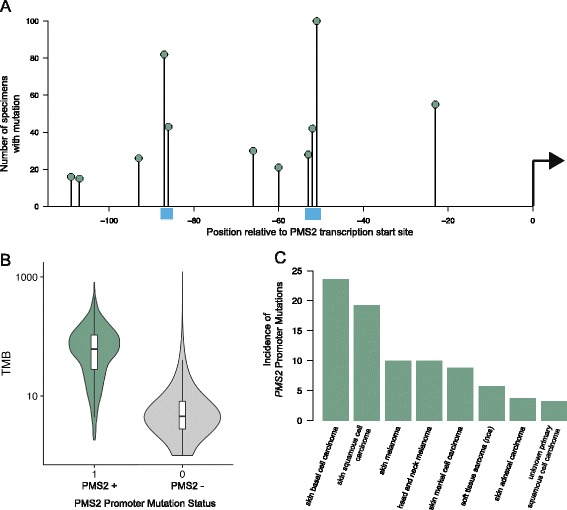
BACKGROUND: High tumor mutational burden (TMB) is an emerging biomarker of sensitivity to immune checkpoint inhibitors and has been shown to be more significantly associated with response to PD-1 and PD-L1 blockade immunotherapy than PD-1 or PD-L1 expression, as measured by immunohistochemistry (IHC). The distribution of TMB and the subset of patients with high TMB has not been well characterized in the majority of cancer types. METHODS: In this study, we compare TMB measured by a targeted comprehensive genomic profiling (CGP) assay to TMB measured by exome sequencing and simulate the expected variance in TMB when sequencing less than the whole exome. We then describe the distribution of TMB across a diverse cohort of 100,000 cancer cases and test for association between somatic alterations and TMB in over 100 tumor types. RESULTS: We demonstrate that measurements of TMB from comprehensive genomic profiling are strongly reflective of measurements from whole exome sequencing and model that below 0.5 Mb the variance in measurement increases significantly. We find that a subset of patients exhibits high TMB across almost all types of cancer, including many rare tumor types, and characterize the relationship between high TMB and microsatellite instability status. We find that TMB increases significantly with age, showing a 2.4-fold difference between age 10 and age 90 years. Finally, we investigate the molecular basis of TMB and identify genes and mutations associated with TMB level. We identify a cluster of somatic mutations in the promoter of the gene PMS2, which occur in 10% of skin cancers and are highly associated with increased TMB. CONCLUSIONS: These results show that a CGP assay targeting ~1.1 Mb of coding genome can accurately assess TMB compared with sequencing the whole exome. Using this method, we find that many disease types have a substantial portion of patients with high TMB who might benefit from immunotherapy. Finally, we identify novel, recurrent promoter mutations in PMS2, which may be another example of regulatory mutations contributing to tumorigenesis.
Overview
The claims and statistics of this paper haven’t been checked yet.
Free: it reads the open-access text and checks the first 5 claims that cite a source we can check. Create a free account to check every claim.
Integrity signals
Registry
Cites
Statistics
Figures
Verification
Claims the paper makes
The claims and statistics of this paper haven’t been checked yet.
Free: it reads the open-access text and checks the first 5 claims that cite a source we can check. Create a free account to check every claim.
Claims other papers make about this one
Each is checked against this paper’s own text: does it say what the citing paper says it does?
The source backs part of the claim, not all of it — or backs it for a different population, condition or comparison.
In the citing paper
“This is at least in part due to activation of the nuclear factor κB (NF-κB) pathway driven by p53 loss, as well as increased tolerance of a higher mutational burden that may ostensibly result in enhanced immunogenicity due to increased neoantigen load143, 144, 145, 146.”
From Co-occurring genomic alterations in non-small-cell lung cancer biology and therapy (2019) · cites this paper as [145]
Experimental — accuracy not yet measuredThe source backs part of the claim, not all of it — or backs it for a different population, condition or comparison.
In the citing paper
“Childhood tumors are considered immunologically ‘cold tumors’ with few infiltrating immune cells and low neoantigen burden precluding robust response to immune checkpoint therapies 39,40.”
From A Phase I/II Trial of Nivolumab plus Ipilimumab in Children and Young Adults with Relapsed/Refractory Solid Tumors: A Children's Oncology Group Study ADVL1412 (2022) · cites this paper as [40]
Experimental — accuracy not yet measuredThe source backs part of the claim, not all of it — or backs it for a different population, condition or comparison.
In the citing paper
“Second, distinct subsets of CRC are characterized by chromosomal instability (CIN) or microsatellite instability (MSI) and are among cancers that exhibit a moderately high tumor mutation burden (TMB) suggesting an extensive degree of genetic heterogeneity [28].”
From Anti-tumor efficacy of a potent and selective non-covalent KRASG12D inhibitor (2022) · cites this paper as [28]
Experimental — accuracy not yet measuredIn the citing paper
“TP53 co-mutations are associated with an inflamed tumor immune microenvironment and increased tumor cell PD-L1 expression in KRAS-mutant NSCLC and GEMMs.”
From Co-occurring genomic alterations in non-small-cell lung cancer biology and therapy (2019) · cites this paper as [145]
In the citing paper
“TMB measured by comprehensive genomic profiling is comparable to measurements by whole exome sequencing and is typically higher in smoking associated lung cancer due to tobacco carcinogenesis”
From Diverse EGFR Exon 20 Insertions and Co-Occurring Molecular Alterations Identified by Comprehensive Genomic Profiling of NSCLC (2018) · cites this paper as [14]
Self-check
Percentages, sums and reported differences re-computed from the paper’s own numbers.
The self-check needs the paper’s full text.
Citations
Cites
Fast and accurate short read alignment with Burrows-Wheeler transform
Li, H., & Durbin, R. (2009) · Bioinformatics · doi:10.1093/bioinformatics/btp324 · Cited by 58,607
PD-1 and PD-L1 Immune Checkpoint Blockade to Treat Breast Cancer
Hartkopf, A. D., Taran, F.-A., Wallwiener, M., Walter, C. B., Krämer, B., Grischke, E.-M., & Brucker, S. Y. (2016) · Breast Care · doi:10.1159/000453569 · Cited by 30,845
The Genome Analysis Toolkit: A MapReduce framework for analyzing next-generation DNA sequencing data
McKenna, A., Hanna, M., Banks, E., Sivachenko, A., Cibulskis, K., Kernytsky, A., Garimella, K., Altshuler, D., Gabriel, S., Daly, M., et al. (2010) · Genome Research · doi:10.1101/gr.107524.110 · Cited by 27,895
The blockade of immune checkpoints in cancer immunotherapy
Pardoll, D. M. (2012) · Nature Reviews Cancer · doi:10.1038/nrc3239 · Cited by 13,838 · cited 1×
“These agents modulate the pathways that control when and where immune responses are mounted, increasing antitumor activity through immune checkpoint blockade [7].”
BackgroundSafety, activity, and immune correlates of anti–PD-1 antibody in cancer
Topalian, S. L., Hodi, F. S., Brahmer, J. R., Gettinger, S. N., Smith, D. C., McDermott, D. F., Powderly, J. D., Carvajal, R. D., Sosman, J. A., Atkins, M. B., et al. (2012) · New England Journal of Medicine · doi:10.1056/nejmoa1200690 · Cited by 12,628 · cited 1×
“Inhibitors of cytotoxic T lymphocyte-associated antigen 4 (CTLA-4) [8, 9] and of programmed cell death protein 1 (PD-1) receptor [10] were the first drugs of this type, which promote T-cell activation [2].”
BackgroundStatistical significance for genomewide studies
Storey, J. D., & Tibshirani, R. (2003) · Proceedings of the National Academy of Sciences · doi:10.1073/pnas.1530509100 · Cited by 9,692 · cited 2×
“For both tests, we corrected for multiple testing using the false discovery rate (FDR) method [66].”
MethodSignatures of mutational processes in human cancer
Initiative, A. P. C. G., Alexandrov, L. B., ICGC Breast Cancer Consortium, ICGC MMML-Seq Consortium, PedBrain, I., Nik-Zainal, S., Wedge, D. C., Aparicio, S. A. J. R., Behjati, S., Biankin, A. V., et al. (2013) · Nature · doi:10.1038/nature12477 · Cited by 9,660 · cited 5×
“Mutations in a number of other genes have also been linked to increased TMB [28, 51], but their function is less well understood.”
BackgroundResultInfluentialAnalysis of protein-coding genetic variation in 60,706 humans
Exome Aggregation Consortium, Lek, M., Karczewski, K. J., Minikel, E. V., Samocha, K. E., Banks, E., Fennell, T., O’Donnell-Luria, A. H., Ware, J. S., Hill, A. J., et al. (2016) · Nature · doi:10.1038/nature19057 · Cited by 9,587 · cited 1×
“Germline alterations occurring with two or more counts in the ExAC database were not counted [65].”
BackgroundPD-1 Blockade in Tumors with Mismatch-Repair Deficiency
Le, D. T., Uram, J. N., Wang, H., Bartlett, B. R., Kemberling, H., Eyring, A. D., Skora, A. D., Luber, B. S., Azad, N. S., Laheru, D., et al. (2015) · New England Journal of Medicine · doi:10.1056/nejmoa1500596 · Cited by 9,377
The cancer genome atlas pan-cancer analysis project
The Cancer Genome Atlas Research Network, Weinstein, J. N., Collisson, E. A., Mills, G. B., Shaw, K. R. M., Ozenberger, B. A., Ellrott, K., Shmulevich, I., Sander, C., & Stuart, J. M. (2013) · Nature Genetics · doi:10.1038/ng.2764 · Cited by 9,092 · cited 3×
“across cancer types and found a wide distribution of TMB across ~20–30 cancer types [28, 51, 54].”
BackgroundMethod
Cited by
Items 301–400 of 1,001
Age influences on the molecular presentation of tumours
Li, C. H., Haider, S., & Boutros, P. C. (2022) · Nature Communications · doi:10.1038/s41467-021-27889-y · Cited by 114
Wang, X., Lamberti, G., Federico, A. D., Alessi, J. V., Ferrara, R., Sholl, M. L., Awad, M. M., Vokes, N. I., & Ricciuti, B. (2024) · Annals of Oncology · doi:10.1016/j.annonc.2024.03.007 · Cited by 115
Berland, L., Heeke, S., Humbert, O., Macocco, A., Long-Mira, E., Lassalle, S., Lespinet-Fabre, V., Lalvée, S., Bordone, O., Cohen, C., et al. (2019) · Journal of Thoracic Disease · doi:10.21037/jtd.2018.11.102 · Cited by 95
“The targeted gene panel sequencing was recently evaluated as an alternative approach for clinical use (30).”
BackgroundMethodDer prädiktive Wert der PD-L1-Diagnostik
Schildhaus, H. (2018) · Der Pathologe · doi:10.1007/s00292-018-0507-x · Cited by 109
Conway, A., Mitchell, C. L., Kilgour, E., Brady, G., Dive, C., & Cook, N. (2018) · British Journal of Cancer · doi:10.1038/s41416-018-0332-2 · Cited by 109
Zamora, A. E., Crawford, J. C., Allen, E. K., Guo, X.-Z. J., Bakke, J., Carter, R. A., Abdelsamed, H. A., Moustaki, A., Li, Y., Chang, T., et al. (2019) · Science Translational Medicine · doi:10.1126/scitranslmed.aat8549 · Cited by 100
The Cancer Immunotherapy Biomarker Testing Landscape
Walk, E. E., Yohe, S. L., Beckman, A., Schade, A. E., Zutter, M. M., Pfeifer, J. D., & Berry, A. B. (2019) · Archives of Pathology & Laboratory Medicine · doi:10.5858/arpa.2018-0584-cp · Cited by 107
Kather, J. N., & Halama, N. (2019) · British Journal of Cancer · doi:10.1038/s41416-019-0441-6 · Cited by 101
Tumor mutational burden in lung cancer: a systematic literature review
Willis, C., Fiander, M., Tran, D., Korytowsky, B., Thomas, J.-M., Calderon, F., Zyczynski, T. M., Brixner, D. I., & Stenehjem, D. D. (2019) · Oncotarget · doi:10.18632/oncotarget.27287 · Cited by 104
“Increases in TMB are driven by several factors, including Oncotarget6605www.oncotarget.com DNA replication errors mediated by defective tumor suppressor genes (e. g. TP53), deficient DNA mismatch repair (dMMR) mechanisms (generally indicated by high microsatellite instability [MSI-H]), and exposure to mutagens such as…”
BackgroundInfluentialWood, M. A., Weeder, B. R., David, J. K., Nellore, A., & Thompson, R. F. (2020) · Genome Medicine · doi:10.1186/s13073-020-00729-2 · Cited by 99
“, [2, 60, 61]); however, we did not evaluate these data in this study, instead focusing on whole exome sequencing data as the prevailing gold standard for accurate mutational assessment.”
MethodSicklick, J. K., Kato, S., Okamura, R., Patel, H., Nikanjam, M., Fanta, P. T., Hahn, M. E., De, P. K., Williams, C. B., Guido, J., et al. (2021) · Genome Medicine · doi:10.1186/s13073-021-00969-w · Cited by 99
Self-citationMolecular Mechanisms of Cutaneous Squamous Cell Carcinoma
Hedberg, M. L., Berry, C. T., Moshiri, A. S., Xiang, Y., Yeh, C. J., Atillasoy, C., Capell, B. C., & Seykora, J. T. (2022) · International Journal of Molecular Sciences · doi:10.3390/ijms23073478 · Cited by 109
“Activating mutations in CARD11 have been described in at least 2 independent studies suggesting a role for NF-κB signaling in carcinogenesis [29,119].”
BackgroundBeyond CTLA-4 and PD-1 Inhibition: Novel Immune Checkpoint Molecules for Melanoma Treatment
Ziogas, D. C., Theocharopoulos, C., Lialios, P., Foteinou, D., Koumprentziotis, I., Xynos, G., & Gogas, H. J. (2023) · Cancers · doi:10.3390/cancers15102718 · Cited by 99
“From its generation under the effect of ultraviolet exposure, melanoma exhibits a relatively high mutational burden that is phenotypically expressed as tumor neoantigens [6].”
BackgroundMolecular insights of exercise therapy in disease prevention and treatment
Walzik, D., Chirino, T. Y. W., Zimmer, P., & Joisten, N. (2024) · Signal Transduction and Targeted Therapy · doi:10.1038/s41392-024-01841-0 · Cited by 108
“375,376 Thus, although exercise-mediated effects on tumor-sensitive immune cells are a promising area of research, future translational trials will have to show how exercise shapes anti-cancer immunity in different patients collectives.”
BackgroundImpact of Age on Outcomes with Immunotherapy in Patients with Non–Small Cell Lung Cancer
Lichtenstein, M. R., Nipp, R. D., Muzikansky, A., Goodwin, K., Anderson, D., Newcomb, R. A., & Gainor, J. F. (2018) · Journal of Thoracic Oncology · doi:10.1016/j.jtho.2018.11.011 · Cited by 102
Homologous recombination deficiency in triple negative breast cancer
Belli, C., Duso, B. A., Ferraro, E., & Curigliano, G. (2019) · The Breast · doi:10.1016/j.breast.2019.02.007 · Cited by 108
Zhu, G., Pei, L., Li, Y., & Gou, X. (2020) · Aging · doi:10.18632/aging.102728 · Cited by 102
“To calculate the TMB score of each sample, the total number of mutations counted was divided by the exome size (38 megabase (Mb) was used as the estimate of the exome size) [35].”
MethodZhang, L., Li, B., Yu, P., Wu, F., Li, Q., Lin, Z., Xie, S., Xiao, L., Lin, X., Ou, Z., et al. (2020) · Oral Oncology · doi:10.1016/j.oraloncology.2020.104943 · Cited by 112
Liu, J., Kong, X., Huang, T., Wang, R., Li, W., & Chen, Q. (2020) · Frontiers in Immunology · doi:10.3389/fimmu.2020.02048 · Cited by 108
“TMB affects the generation of immunogenic peptides, thereby affecting patients’ response to immune checkpoint inhibitor treatment (46, 47).”
BackgroundTakeda, M., Takahama, T., Sakai, K., Shimizu, S., Watanabe, S., Kawakami, H., Tanaka, K., Sato, C., Hayashi, H., Nonagase, Y., et al. (2020) · The Oncologist · doi:10.1002/onco.13639 · Cited by 97
Parikh, A. R., He, Y., Hong, T. S., Corcoran, R. B., Clark, J. W., Ryan, D. P., Zou, L., Ting, D. T., Catenacci, D. V. T., Chao, J., et al. (2019) · The Oncologist · doi:10.1634/theoncologist.2019-0034 · Cited by 99
“14 Mb for version 2) and is characterized as the number of somatic base substitution or indel alterations per megabase (Mb) after filtering to remove known somatic and deleterious mutations [34].”
BackgroundSelf-citationLin, D. I., Allen, J. M., Hecht, J. L., Killian, J. K., Ngo, N., Edgerly, C. I., Severson, E. A., Ali, S. M., Erlich, R., Ramkissoon, S. H., et al. (2019) · Modern Pathology · doi:10.1038/s41379-019-0303-z · Cited by 94
Self-citationAdvances in the Treatment of Non–Small Cell Lung Cancer
Patel, S. A., & Weiss, J. (2020) · Clinics in Chest Medicine · doi:10.1016/j.ccm.2020.02.010 · Cited by 99
Chen, L., Oke, T. F., Siegel, N. M., Cojocaru, G., Tam, A. J., Blosser, R. L., Swailes, J., Ligon, J. A., Lebid, A., Morris, C. D., et al. (2020) · Clinical Cancer Research · doi:10.1158/1078-0432.ccr-19-3416 · Cited by 97
Self-supervised attention-based deep learning for pan-cancer mutation prediction from histopathology
Saldanha, O. L., Loeffler, C. M. L., Niehues, J. M., van Treeck, M., Seraphin, T. P., Hewitt, K. J., Cifci, D., Veldhuizen, G. P., Ramesh, S., Pearson, A. T., et al. (2023) · npj Precision Oncology · doi:10.1038/s41698-023-00365-0 · Cited by 86
“Compared to the other tumor types in our study, the tumors with the highest number of predictable alterations (UCEC, CRC, and BRCA) have a higher average tumor mutational burden 24 .”
BackgroundIntrahepatic Cholangiocarcinoma: Genomic Heterogeneity Between Eastern and Western Patients
Cao, J., Hu, J., Liu, S., Meric‐Bernstam, F., Abdel‐Wahab, R., Xu, J., Li, Q., Yan, M.-L., Feng, Y., Lin, J., et al. (2020) · JCO Precision Oncology · doi:10.1200/po.18.00414 · Cited by 91
PD-1 Blockade in Solid Tumors with Defects in Polymerase Epsilon
Rousseau, B., Bièche, I., Pasmant, É., Hamzaoui, N., Leulliot, N., Michon, L., de Reyniès, A., Attignon, V., Foote, M. B., Masliah‐Planchon, J., et al. (2022) · Cancer Discovery · doi:10.1158/2159-8290.cd-21-0521 · Cited by 97
Lee, K., Cutsem, E. V., Bang, Y., Fuchs, C. S., Kudaba, I., Garrido, M., Chung, H. C., Lee, J., Castro, H. R., Chao, J., et al. (2022) · Clinical Cancer Research · doi:10.1158/1078-0432.ccr-22-0121 · Cited by 93
Boichard, A., Pham, T. V., Yeerna, H., Goodman, A. M., Tamayo, P., Lippman, S. M., Frampton, G. M., Tsigelny, I. F., & Kurzrock, R. (2018) · OncoImmunology · doi:10.1080/2162402x.2018.1550341 · Cited by 95
“TMB levels were divided into three groups: low (1–5 mutations/Mb), intermediate (6–19 mutations/Mb), and high (≥ 20 mutations/Mb).(40)”
BackgroundSelf-citationMolecular profiling and targeted therapy in pediatric gliomas: review and consensus recommendations
Miklja, Z., Pasternak, A. L., Stallard, S., Nicolaides, T. P., Kline-Nunnally, C., Cole, B., Beroukhim, R., Bandopadhayay, P., Chi, S. N., Ramkissoon, S. H., et al. (2019) · Neuro-Oncology · doi:10.1093/neuonc/noz022 · Cited by 97
Emerging trends in immunotherapy for pediatric sarcomas
Dyson, K. A., Stover, B. D., Grippin, A., Mendez-Gomez, H. R., Lagmay, J., Mitchell, D. A., & Sayour, E. J. (2019) · Journal of Hematology & Oncology · doi:10.1186/s13045-019-0756-z · Cited by 88
“Pediatric sarcomas have a low mutational burden, few high-affinity neoepitopes, and fewer expressed neoepitopes, possibly explaining the relative ineffectiveness of checkpoint blockade in these diseases [34, 35].”
BackgroundGraf, R. P., Fisher, V. A., Weberpals, J. G., Gjoerup, O. V., Tierno, M. B., Huang, R. S. P., Sayegh, N., Lin, D. I., Raskina, K., Schrock, A. B., et al. (2022) · JAMA Network Open · doi:10.1001/jamanetworkopen.2022.5394 · Cited by 96
Self-citationAn Accurate and Comprehensive Clinical Sequencing Assay for Cancer Targeted and Immunotherapies
Cao, J., Chen, L., Li, H., Chen, H., Yao, J., Mu, S., Liu, W., Zhang, P., Cheng, Y., Liu, B., et al. (2019) · The Oncologist · doi:10.1634/theoncologist.2019-0236 · Cited by 97
“Foundation-One [13] and MSK-IMPACT [14] assays have reported the landscape of TMB across different cancer types in Western patients; the profiling of TMB for tumors from a large pan-cancer cohort of Chinese patients is still unavailable.”
BackgroundLi, B., Jiang, Y., Li, G., Fisher, G. A., & Li, R. (2020) · JCI Insight · doi:10.1172/jci.insight.136570 · Cited by 96
“Clinicopathologic and treatment information for patients in the GEP and IHC 602 cohorts 603 GEP cohorts IHC cohorts ACRG GSE15459 GSE84437 TCGA STAD SMU1 SMU2 SYSU Number of patients 300 192 433 415 247 234 272 Median age (range) 64 (24-86) 67 (23-92) 62 (27-86) 67 (30-90) 57 (23-90) 55 (21-77) 58 (24-82) Male (%) 199…”
ResultZhang, X., Goedegebuure, S. P., Chen, M. Y., Mishra, R., Zhang, F., Yu, Y. Y., Singhal, K., Li, L., Gao, F., Myers, N. B., et al. (2024) · Genome Medicine · doi:10.1186/s13073-024-01388-3 · Cited by 98
Barata, P. C., Koshkin, V. S., Funchain, P., Sohal, D. P. S., Pritchard, A. L., Klek, S., Adamowicz, T., Gopalakrishnan, D., García, J., Rini, B. I., et al. (2017) · Annals of Oncology · doi:10.1093/annonc/mdx405 · Cited by 108
“UC has one of the highest tumor mutation burdens across all malignancies, and many genes are thought to contribute to tumor progression, including tumor protein p53 (TP53), retinoblastoma transcriptional corepressor 1 (RB1), and phosphatidylinositol-4,5-bisphosphate 3-kinase catalytic subunit alpha (PIK3CA).(10) Despi…”
BackgroundKrook, M. A., Bonneville, R., Chen, H., Reeser, J. W., Wing, M. R., Patacsil, D., Smith, A. M., Dao, T., Samorodnitsky, E., Paruchuri, A., et al. (2019) · Molecular Case Studies · doi:10.1101/mcs.a004002 · Cited by 92
“2B), consistent with previous studies indicating low TMB in cholangiocarcinoma (Nakamura et al. 2015; Chalmers et al. 2017).”
Phenotype of POLE-mutated endometrial cancer
Imboden, S., Nastic, D., Ghaderi, M., Rydberg, F., Rau, T. T., Mueller, M. D., Epstein, E., & Carlson, J. W. (2019) · PLoS ONE · doi:10.1371/journal.pone.0214318 · Cited by 99
George, J. W., Fan, H., Johnson, B. K., Carpenter, T. J., Foy, K. K., Chatterjee, A., Patterson, A. L., Koeman, J. M., Adams, M., Madaj, Z., et al. (2019) · Cell Reports · doi:10.1016/j.celrep.2019.11.077 · Cited by 92
“The mutational burden of fibroids was generally less than 0.5/MB (Megabase) (Figure S2A), except for MP164F (2.5/MB), and comparable with that of pediatric leukemias and lymphomas, which represent some of the lowest in human cancers profiled to date (Chalmers et al., 2017).”
InfluentialLang, G., Jiang, Y., Shi, J., Yang, F., Li, X., Pei, Y., Zhang, C., Ma, D., Xiao, Y., Hu, P.-C., et al. (2020) · Nature Communications · doi:10.1038/s41467-020-19342-3 · Cited by 94
Mechanisms of EGFR Resistance in Glioblastoma
Pan, P., & Magge, R. (2020) · International Journal of Molecular Sciences · doi:10.3390/ijms21228471 · Cited by 93
“Furthermore, heterogeneity, at least by some measures, is at least as much a factor in NSCLC as it is in glioblastoma, if not more—for example, tumor mutational burden is actually higher for NSCLC than it is for glioblastoma [112].”
BackgroundPark, S., Lee, H., Lee, B., Lee, S., Sun, J., Park, W., Ahn, J. S., Ahn, M., & Park, K. (2019) · Journal of Thoracic Oncology · doi:10.1016/j.jtho.2019.05.014 · Cited by 93
Self-citationRole of immunotherapy in Ewing sarcoma
Morales, E., Olson, M., Cardenas, F. I., Dahiya, S., Luetkens, T., & Atanackovic, D. (2020) · Journal for ImmunoTherapy of Cancer · doi:10.1136/jitc-2020-000653 · Cited by 98
Multi-Omics Approaches in Immunological Research
Chu, X., Zhang, B., Koeken, V. A. C. M., Gupta, M. K., & Li, Y. (2021) · Frontiers in Immunology · doi:10.3389/fimmu.2021.668045 · Cited by 102
Prognostic value and immunological role of PDCD1 gene in pan-cancer
Miao, Y., Wang, J., Li, Q., Quan, W., Wang, Y., Li, C., Wu, J., & Mi, D. (2020) · International Immunopharmacology · doi:10.1016/j.intimp.2020.107080 · Cited by 97
Current Status of Management and Outcome for Patients with Ewing Sarcoma
Hesla, A. C., Papakonstantinou, A., & Tsagkozis, P. (2021) · Cancers · doi:10.3390/cancers13061202 · Cited by 97
Is There a Role for Immunotherapy in Prostate Cancer?
Rizzo, A., Mollica, V., Cimadamore, A., Santoni, M., Scarpelli, M., Giunchi, F., Cheng, L., López-Beltrán, A., Fiorentino, M., Montironi, R., et al. (2020) · Cells · doi:10.3390/cells9092051 · Cited by 92
Gynecological Cancers Caused by Deficient Mismatch Repair and Microsatellite Instability
Deshpande, M., Romanski, P. A., Rosenwaks, Z., & Gerhardt, J. (2020) · Cancers · doi:10.3390/cancers12113319 · Cited by 95
Huo, Z., Li, C., Xu, X. Y., Ge, F., Wang, R., Wen, Y., Peng, H., Wu, X., Liang, H., Peng, G., et al. (2020) · OncoImmunology · doi:10.1080/2162402x.2020.1848068 · Cited by 89
“(see Additional file 3: Table S1: Summary of TMB properties by disease) .(9) If there were no available Median TMB value given a certain malignancy, its TMB value is calculated by averaging the TMBs of its subtypes mentioned in this study (leukemia, non-Hodgkin’s lymphoma, the cancer of”
BackgroundMethodInfluentialLi, Y., Ma, Y., Wu, Z., Zeng, F., Song, B., Zhang, Y., Li, J., Lui, S., & Wu, M. C. (2021) · Frontiers in Immunology · doi:10.3389/fimmu.2021.751407 · Cited by 95
Enabling Precision Oncology Through Precision Diagnostics
Brown, N. A., & Elenitoba‐Johnson, K. S. J. (2020) · Annual Review of Pathology Mechanisms of Disease · doi:10.1146/annurev-pathmechdis-012418-012735 · Cited by 93
Immunotherapy and immunoevasion of colorectal cancer
Zein, M. A., Boukhdoud, M., Shammaa, H., Mouslem, H., Ayoubi, L. M. E., Iratni, R., Issa, K., Khachab, M. Y., Assi, H. I., Sahebkar, A., et al. (2023) · Drug Discovery Today · doi:10.1016/j.drudis.2023.103669 · Cited by 94
Tumor immune response and immunotherapy in gastric cancer
Kwak, Y., Seo, A. N., Lee, H. E., & Lee, H. S. (2019) · Journal of Pathology and Translational Medicine · doi:10.4132/jptm.2019.10.08 · Cited by 93
“[100] demonstrated that comprehensive genomic profiling with the FoundationOne assay targeting ~1.”
Ning, B., Liu, Y., Wang, M., Li, Y., Xu, T., & Wei, Y. (2022) · Frontiers in Pharmacology · doi:10.3389/fphar.2022.748674 · Cited by 85
“As TMB varies greatly in different tumors, there may not be a universal TMB cutoff value for all cancer types, especially cancers with high TMB levels, such as NSCLC and melanoma (Chalmers et al., 2017; Samstein et al., 2019).”
BackgroundAge-associated differences in the cancer molecular landscape
Chatsirisupachai, K., Lagger, C., & de Magalhães, J. P. (2022) · Trends in cancer · doi:10.1016/j.trecan.2022.06.007 · Cited by 87
Saba, N. F., Steuer, C. E., Ekpenyong, A., McCook‐Veal, A. A., Magliocca, K. R., Patel, M. R., Schmitt, N. C., Stokes, W. A., Bates, J. E., Rudra, S. F., et al. (2023) · Nature Medicine · doi:10.1038/s41591-023-02275-x · Cited by 93
TRPV4 and KRAS and FGFR1 gain-of-function mutations drive giant cell lesions of the jaw
Gomes, C. C., Gayden, T., Bajic, A., Harraz, O. F., Pratt, J., Nikbakht, H., Bareke, E., Diniz, M. G., Castro, W. H., St-Onge, P., et al. (2018) · Nature Communications · doi:10.1038/s41467-018-06690-4 · Cited by 88
Engels, E. A. (2019) · American Journal of Transplantation · doi:10.1111/ajt.15495 · Cited by 87
The Genomics of Colorectal Cancer in Populations with African and European Ancestry
Myer, P. A., Lee, J. K., Madison, R. W., Pradhan, K., Newberg, J. Y., Isasi, C. R., Klempner, S. J., Frampton, G. M., Ross, J. S., Venstrom, J. M., et al. (2022) · Cancer Discovery · doi:10.1158/2159-8290.cd-21-0813 · Cited by 94
“TMB and MSI were assessed as previously described (47, 48).”
MethodSelf-citationImmunotherapy in metastatic urothelial carcinoma: focus on immune checkpoint inhibition
Siefker-Radtke, A. O., & Curti, B. D. (2017) · Nature Reviews Urology · doi:10.1038/nrurol.2017.190 · Cited by 90
Ricciuti, B., Kravets, S., Dahlberg, S. E., Umeton, R., Albayrak, A., Subegdjo, S. J., Johnson, B. E., Nishino, M., Sholl, L. M., & Awad, M. M. (2019) · Journal for ImmunoTherapy of Cancer · doi:10.1186/s40425-019-0572-6 · Cited by 92
Hyperprogression and Immune Checkpoint Inhibitors: Hype or Progress?
Adashek, J. J., Kato, S., Ferrara, R., Russo, G. L., & Kurzrock, R. (2019) · The Oncologist · doi:10.1634/theoncologist.2019-0636 · Cited by 104
“High TMB means that there are likely many neoantigens produced by the tumor mutational genome and, hence, a greater chance that the reactivated immune system after checkpoint blockade will be able to differentiate the neoplasm from normal tissue elements and target it for eradication [51, 52].”
BackgroundInfluentialCurrent Status and Future Perspective of Immunotherapy in Gastrointestinal Cancers
Lü, Z., Peng, Z., Liu, C. X., Wang, Z., Wang, Y., Jiao, X., Li, J., & Shen, L. (2020) · The Innovation · doi:10.1016/j.xinn.2020.100041 · Cited by 91
Sébert, M., Gachet, S., Leblanc, T. M., Rousseau, A., Bluteau, O., Kim, R., Abdelali, R. B., de Fontbrune, F. S., Maillard, L., Fédronie, C., et al. (2023) · Cell stem cell · doi:10.1016/j.stem.2023.01.006 · Cited by 88
Ritterhouse, L. L. (2019) · Cancer Cytopathology · doi:10.1002/cncy.22174 · Cited by 81
“This makes TMB a more inclusive biomarker, resulting in a significant increase in the number of potential patients that may be identified as good candidates for ICI therapy.(3)”
BackgroundAnti-VEGF/VEGFR2 Monoclonal Antibodies and their Combinations with PD-1/PD-L1 Inhibitors in Clinic
Gao, F., & Yang, C. (2019) · Current Cancer Drug Targets · doi:10.2174/1568009619666191114110359 · Cited by 87
Tumor mutational burden is associated with poor outcomes in diffuse glioma
Wang, L., Ge, J., Yang, L., Shi, Y., Luo, Y., Tan, Y., Liang, M., Deng, S., Zhang, X., Wang, W., et al. (2020) · BMC Cancer · doi:10.1186/s12885-020-6658-1 · Cited by 86
The Biogenesis, Biology, and Clinical Significance of Exosomal PD-L1 in Cancer
Tang, Y., Zhang, P., Wang, Y., Wang, J., Su, M., Wang, Y., Zhou, L., Zhou, J., Xiong, W., Zeng, Z., et al. (2020) · Frontiers in Immunology · doi:10.3389/fimmu.2020.00604 · Cited by 87
Evaluating the impact of age on immune checkpoint therapy biomarkers
Erbe, R., Wang, Z., Wu, S. K., Xiu, J., Zaidi, N., La, J., Tuck, D. P., Fillmore, N. R., Giraldo, N. A., Topper, M. J., et al. (2021) · Cell Reports · doi:10.1016/j.celrep.2021.109599 · Cited by 85
“As has been previously reported among TCGA samples (Chalmers et al., 2017; Qing et al., 2020), we find TMB significantly increases with patient age at diagnosis (1.02% increase per year of age, p < 1 × 10 −16 ) (Figure 1A) pan-cancer in TCGA when modeling cancer type as a covariate.”
InfluentialThe present and future of measurable residual disease testing in acute myeloid leukemia
Blachly, J. S., Walter, R. B., & Hourigan, C. S. (2022) · Haematologica · doi:10.3324/haematol.2022.282034 · Cited by 83
Immune checkpoint inhibitors in colorectal cancer: limitation and challenges
Yan, S., Wang, W., Feng, Z., Xue, J., Liang, W., Wu, X., Tan, Z., Zhang, X., Zhang, S., Li, X., et al. (2024) · Frontiers in Immunology · doi:10.3389/fimmu.2024.1403533 · Cited by 93
“More recently validation of targeted NGS assay combinations has begun based on WES data (95).”
MethodDomingo, E., Camps, C., Kaisaki, P. J., Parsons, M. J., Mouradov, D., Pentony, M. M., Makino, S., Palmieri, M., Ward, R. L., Hawkins, N. J., et al. (2018) · The Lancet Gastroenterology & Hepatology · doi:10.1016/s2468-1253(18)30117-1 · Cited by 76
Park, S. E., Park, K., Lee, E., Kim, J., Ahn, J. S., Im, Y., Lee, C., Jung, H., Cho, S. Y., Park, W., et al. (2018) · OncoImmunology · doi:10.1080/2162402x.2018.1466768 · Cited by 84
“introns from 28 genes, providing an accurate assessment of TMB.(27) We applied 20 molecular/Mb abnormality as the cutoff”
MethodInfluentialDrakes, M. L., Mehrotra, S., Aldulescu, M., Potkul, R. K., Liu, Y., Grisoli, A., Joyce, C., O’Brien, T. E., Stack, M. S., & Stiff, P. J. (2018) · Journal of Ovarian Research · doi:10.1186/s13048-018-0414-z · Cited by 91
Ceci, C., Atzori, M. G., Lacal, P. M., & Graziani, G. (2020) · Cancers · doi:10.3390/cancers12113401 · Cited by 86
“A typical feature of malignant melanoma is a significant immunogenicity, mainly due to a high UV-driven mutational burden [75] that causes overexpression of tumor-specific antigens and promotes a favorable antigen specific immune response [76,77].”
BackgroundIs There a Place for Immunotherapy for Metastatic Microsatellite Stable Colorectal Cancer?
Ghiringhelli, F., & Fumet, J.-D. (2019) · Frontiers in Immunology · doi:10.3389/fimmu.2019.01816 · Cited by 84
“In comparison, TMB mean of dMMR tumor is 30 mutations/MB (30).”
BackgroundIdentification of Distinct Immune Subtypes in Colorectal Cancer Based on the Stromal Compartment
Shen, R., Li, P., Li, B., Zhang, B., Feng, L., & Cheng, S. (2020) · Frontiers in Oncology · doi:10.3389/fonc.2019.01497 · Cited by 114
“, TCGA pan-cancer) (65), we have good reason to believe that the prospects for immunotherapy in colorectal cancer are optimistic.”
BackgroundSoft Tissue Sarcoma: An Insight on Biomarkers at Molecular, Metabolic and Cellular Level
Pillozzi, S., Bernini, A., Palchetti, I., Crociani, O., Antonuzzo, L., Campanacci, D. A., & Scoccianti, G. (2021) · Cancers · doi:10.3390/cancers13123044 · Cited by 80
“7 mutations/Mb, with only 1% of cases having high TMB (≥20) [51].”
BackgroundWestphalen, C. B., Fine, A. D., André, F., Ganesan, S., Heinemann, V., Rouleau, É., Turnbull, C., Palacios, L. G., López, J. A., Sokol, E. S., et al. (2021) · Clinical Cancer Research · doi:10.1158/1078-0432.ccr-21-2096 · Cited by 84
“Among tumor types with the highest number of samples available (melanoma, NSCLC, bladder, esophagus, stomach, carcinoma of unknown primary origin, breast, endometrial, colorectal cancer, kidney, ovary, glioma, cholangiocarcinoma, prostate, pancreas), the median TMB was the highest in melanoma (10.0 Mut/Mb), NSCLC (7.8…”
InfluentialNext-Generation Sequencing for Patients with Sarcoma: A Single Center Experience
Cote, G. M., He, J., & Choy, E. (2018) · The Oncologist · doi:10.1634/theoncologist.2017-0290 · Cited by 76
Otter, S., Chatterjee, J., Stewart, A., & Michael, A. (2019) · Clinical Oncology · doi:10.1016/j.clon.2019.07.003 · Cited by 81
Actionable mutations in canine hemangiosarcoma
Wang, G., Wu, M., MaloneyHuss, M. A., Wojcik, J. B., Durham, A. C., Mason, N. J., & Roth, D. B. (2017) · PLoS ONE · doi:10.1371/journal.pone.0188667 · Cited by 85
Ross, J. S., Sokol, E. S., Moch, H., Mileshkin, L., Baciarello, G., Losa, F., Beringer, A., Thomas, M., Elvin, J. A., Ngo, N., et al. (2020) · The Oncologist · doi:10.1002/onco.13597 · Cited by 81
Self-citationThe molecular characteristics of high-grade gastroenteropancreatic neuroendocrine neoplasms
Venizelos, A., Elvebakken, H., Perren, A. A., Nikolaienko, O., Deng, W., Lothe, I. M. B., Couvelard, A., Hjortland, G. O., Sundlöv, A., Svensson, J. B., et al. (2021) · NORA - Norwegian Open Research Archives · doi:10.48350/160936 · Cited by 77
The evolving role of liquid biopsy in lung cancer
Malapelle, U., Pisapia, P., Pepe, F., Russo, G., Buono, M., Russo, A., Gomez, J. E., Khorshid, O., Mack, P. C., Rolfo, C. D., et al. (2022) · Lung Cancer · doi:10.1016/j.lungcan.2022.08.004 · Cited by 81
Navigating established and emerging biomarkers for immune checkpoint inhibitor therapy
Wang, S. L., & Chan, T. A.-T. (2025) · Cancer Cell · doi:10.1016/j.ccell.2025.03.006 · Cited by 87
Analysis of MDM2 Amplification: Next-Generation Sequencing of Patients With Diverse Malignancies
Kato, S., Ross, J. S., Gay, L., Dayyani, F., Roszik, J., Subbiah, V., & Kurzrock, R. (2018) · JCO Precision Oncology · doi:10.1200/po.17.00235 · Cited by 78
Self-citationdu Rusquec, P., de Calbiac, O., Robert, M., Campone, M., & Frenel, J. (2019) · Cancer Management and Research · doi:10.2147/cmar.s151023 · Cited by 83
“Mismatch repair deficiency An analysis of tumor mutational load in 100,000 cancer genomes identified a novel mutation hotspot in the promoter of the DNA mismatch repair gene PMS2, that was significantly associated with high tumor mutational load.(92) Whole-exome sequencing also showed that MMR deficient tumors are lar…”
Development and validation of a CIMP-associated prognostic model for hepatocellular carcinoma
Li, G., Xu, W., Zhang, L., Liu, T., Jin, G., Song, J., Wu, J., Wang, Y., Chen, W., Zhang, C., et al. (2019) · EBioMedicine · doi:10.1016/j.ebiom.2019.08.064 · Cited by 76
“In addition, 35 Mb was used as the estimated size of the whole human exome in [31].”
MethodPujade-Lauraine, E., Fujiwara, K., Dychter, S. S., Devgan, G., & Monk, B. J. (2018) · Future Oncology · doi:10.2217/fon-2018-0070 · Cited by 74
Ding, X., Zhang, W., You, R., Zou, X., Wang, Z., Ouyang, Y., Peng, L., Liu, Y., Duan, C., Yang, Q., et al. (2023) · Journal of Clinical Oncology · doi:10.1200/jco.22.01450 · Cited by 80
“Whole-exome sequencing (Illumina sequencing platform) was performed to calculate the tumor mutational burden (TMB) score, defined as the number of somatic nonsynonymous mutations per megabase.(29)”
MethodRen, F., Zhao, T., Liu, B., & Pan, L. (2019) · OncoTargets and Therapy · doi:10.2147/ott.s199176 · Cited by 82
“Calculate TMB by including all substitutions and insertions in the entire somatic cell, coding, and sequencing length.(18,19) Synonymous mutations were included given their potential to promote genomic instability.”
MethodDavis, K. L., Fox, E., Isikwei, E., Reid, J. M., Liu, X., Minard, C. G., Voss, S., Berg, S. L., Weigel, B. J., & Mackall, C. L. (2022) · Clinical Cancer Research · doi:10.1158/1078-0432.ccr-22-2164 · Cited by 75
Sarcomas: Immune biomarker expression and checkpoint inhibitor trials
Zhu, M. M. T., Shenasa, E., & Nielsen, T. O. (2020) · Cancer Treatment Reviews · doi:10.1016/j.ctrv.2020.102115 · Cited by 75
Hsiehchen, D., Hsieh, A., Samstein, R. M., Lu, T., Beg, M. S., Gerber, D. E., Wang, T., Morris, L. G. T., & Zhu, H. (2020) · Cell Reports Medicine · doi:10.1016/j.xcrm.2020.100034 · Cited by 81
Jin, Y., Wang, Z., He, D., Zhu, Y., Hu, X., Gong, L., Xiao, M., Chen, X., Cheng, Y., & Cao, K. (2021) · Frontiers in Immunology · doi:10.3389/fimmu.2021.637933 · Cited by 93
“SNP Analysis of m6A Genes Among Three Patterns Tumor mutational burden (TMB) was considered a promising indicator and exhibited predictive utility in identifying responders and non-responders to immune checkpoint inhibitors (37, 38).”
BackgroundKamihara, J., Paulson, V., Breen, M. A., Laetsch, T. W., Rakheja, D., Shulman, D. S., Schoettler, M. L., Clinton, C. M., Ward, A., Reidy, D., et al. (2020) · Modern Pathology · doi:10.1038/s41379-020-0516-1 · Cited by 78
Hu, Z.-Y., Xie, N., Tian, C., Yang, X., Liu, L., Li, J., Xiao, H., Wu, H., Lü, J., Gao, J., et al. (2018) · EBioMedicine · doi:10.1016/j.ebiom.2018.05.015 · Cited by 79
“Keywords: Circulating tumor DNA (ctDNA) Drug resistance Gene mutation pattern HR/HER2 subtype Metastatic breast cancer Progression-free survival , metastatic breast cancer; HR, actor receptor 2; TNBC, triple ology and End Results; PFS, sterone receptor; IHC, immunoA; SNV, Single nucleotide variion burden; WES, whole e…”
BackgroundInfluentialFraire, J. C., Houthaeve, G., Liu, J., Raes, L., Vermeulen, L., Stremersch, S., Brans, T., Barriga, G. G.-D., Keulenaer, S. D., Nieuwerburgh, F. V., et al. (2020) · Journal of Controlled Release · doi:10.1016/j.jconrel.2019.12.050 · Cited by 79
Update on prognostic and predictive biomarkers of breast cancer
Hou, Y., Peng, Y. S., & Li, Z. (2022) · Seminars in Diagnostic Pathology · doi:10.1053/j.semdp.2022.06.015 · Cited by 78
Metadata
- Authors
- Chalmers, Z. R., Connelly, C. F., Fabrizio, D., Gay, L., Ali, S. M., Ennis, R., Schrock, A., Campbell, B., Shlien, A., Chmielecki, J., Huang, F., He, Y., Sun, J., Tabori, U., Kennedy, M., Lieber, D. S., Roels, S., White, J., Otto, G. A., Ross, J. S., Garraway, L., Miller, V. A., Stephens, P. J., & Frampton, G. M.
- Affiliations
- Foundation Medicine (United States) (US)
- Hospital for Sick Children (CA)
- Harvard University (US)
- Broad Institute (US)
- Corresponding author
- Frampton, Garrett M.
- ORCID
- Venue
- Genome Medicine
- Published
- 2017-04-19
- Volume
- 9
- Issue
- 1
- Pages
- 34-34
- ISSN
- 1756-994X (ISSN-L)
- PMC
- PMC5395719
- OpenAlex
- W2606495925
- Cited by
- 3,519
- References
- 78
- Citations by year
- 2026: 200 · 2025: 268 · 2024: 365 · 2023: 499 · 2022: 553 · 2021: 565 · 2020: 498 · 2019: 330 · 2018: 195 · 2017: 43
- FWCI
- 131.26
- Type
- journal article
- Language
- en
- Open access
- gold
- doi.org
- Licence
- cc-by
- creativecommons.org/licenses/by/4.0/ (tdm)
- creativecommons.org/licenses/by/4.0/ (vor)
- Locations
- Genome Medicine (publishedVersion, cc-by)
- PubMed Central (publishedVersion, cc-by)
- PubMed (publishedVersion)
- Digital Access to Scholarship at Harvard (DASH) (Harvard University) (submittedVersion, cc-by)
- DOAJ (DOAJ: Directory of Open Access Journals) (submittedVersion, cc-by-sa)
- Funders
- Prostate Cancer Foundation (Young Investigator Award)
- U.S. Department of Defense (Prostate Cancer Research Program)
- Topics
- Health Sciences › Medicine › Oncology › Cancer Immunotherapy and Biomarkers
- Life Sciences › Biochemistry, Genetics and Molecular Biology › Cancer Research › Cancer Genomics and Diagnostics
- Health Sciences › Medicine › Pathology and Forensic Medicine › Genetic factors in colorectal cancer
- Keywords
- tumor mutational burden, comprehensive genomic profiling, targeted sequencing, microsatellite instability, regulatory mutations, somatic mutations, immunotherapy biomarkers, immune checkpoint inhibitors, PD-1/PD-L1 blockade, tumor age, rare tumor, cancer genomics
- MeSH terms
- Mismatch Repair Endonuclease PMS2, Adolescent, Adult, Age Factors, Aged, Aged, 80 and over, Cell Transformation, Neoplastic, Child, DNA Mutational Analysis, DNA, Neoplasm, Humans, Middle Aged, Mutation, Neoplasms, Genome, Human, Young Adult, Exome
About these checks
Registry, retraction, Cites and statistics results are computed, not judged, with one exception: a printed reference that no index lists is read once by a model before it counts as a citation error. Claims are extracted by a model and kept only when their quote appears verbatim in the text; each cited source is then checked, with a model’s help, for whether it says what the claim relies on. Those verdicts can be wrong — read the claim’s quote and the cited source before relying on one.
Statistics and arithmetic are recomputed, not judged.
Confidence bands are shown only for fields calibrated on our annotated test set. None is calibrated yet, so no band is shown.
What counts as a claim ›How we measure confidence ›How we check this ›
Are you an author, or do you see a problem with this page? Request a review
Data sources
Bibliographic data: Semantic Scholar, OpenAlex, Crossref.
Contains information from the Semantic Scholar Academic Graph Datasets, made available under the ODC Attribution License (ODC-BY 1.0).
Semantic Scholar’s data is described in: Kinney, R., et al. (2023). The Semantic Scholar Open Data Platform. arXiv:2301.10140.
