

The DOI matches its Crossref record; 86 of the 86 references it cites were found in a registry or an index.
Modulation of astrocyte reactivity improves functional deficits in mouse models of Alzheimer’s disease
Open accessAbstract
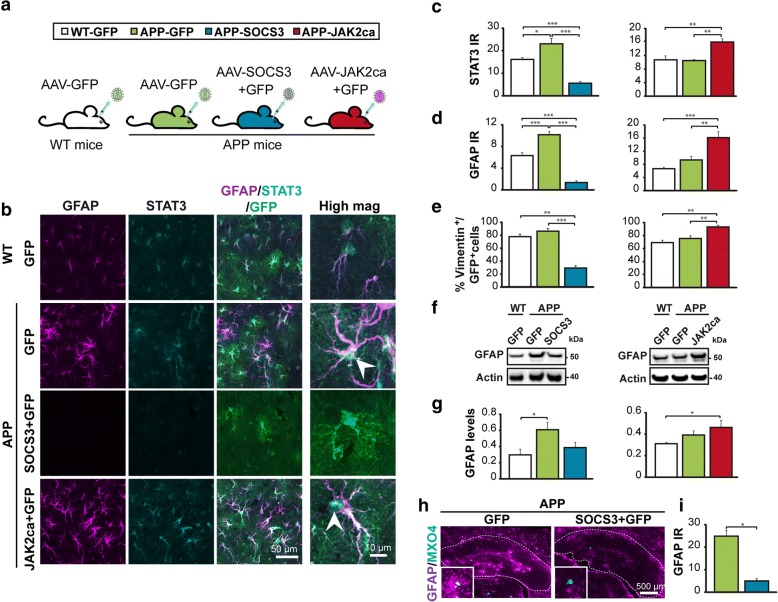
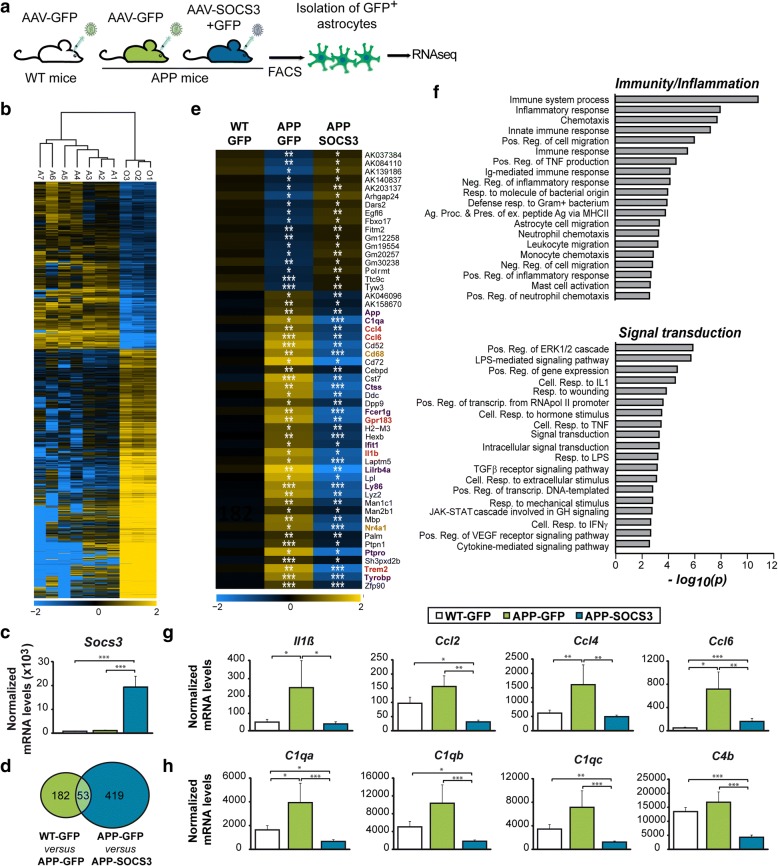
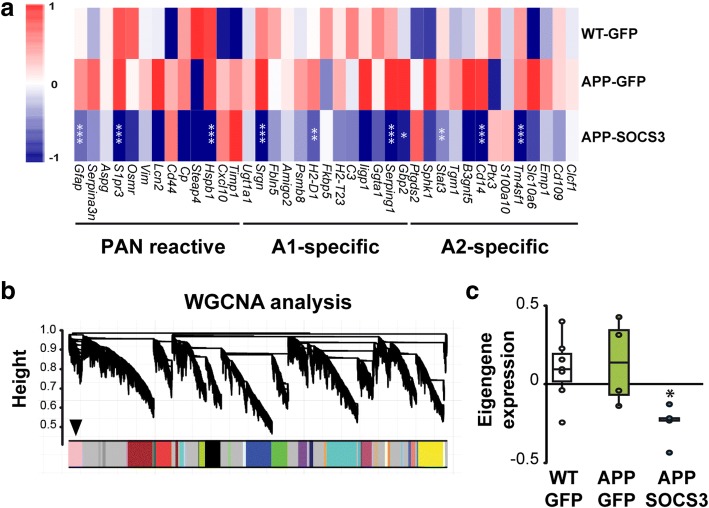
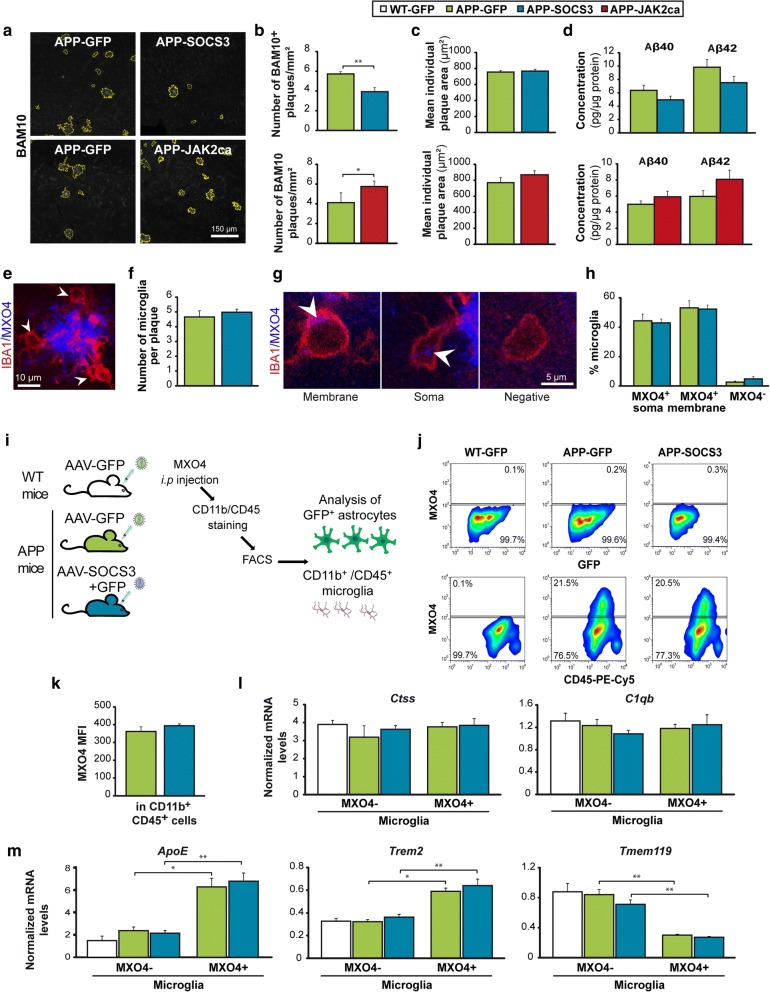
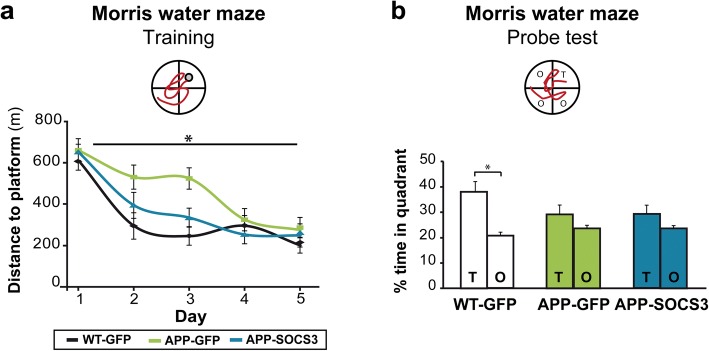
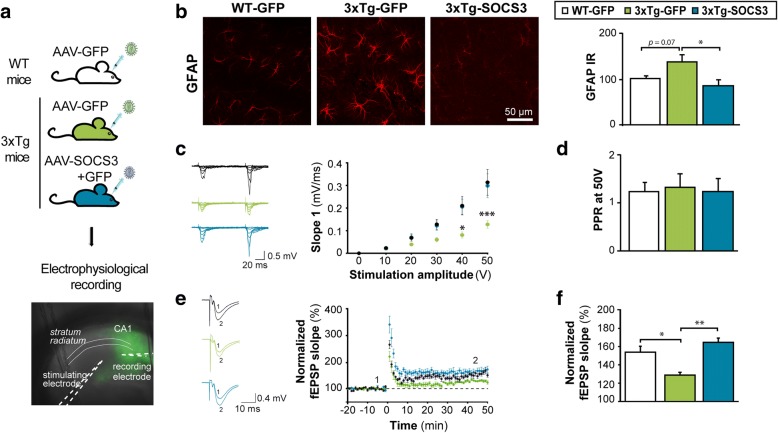
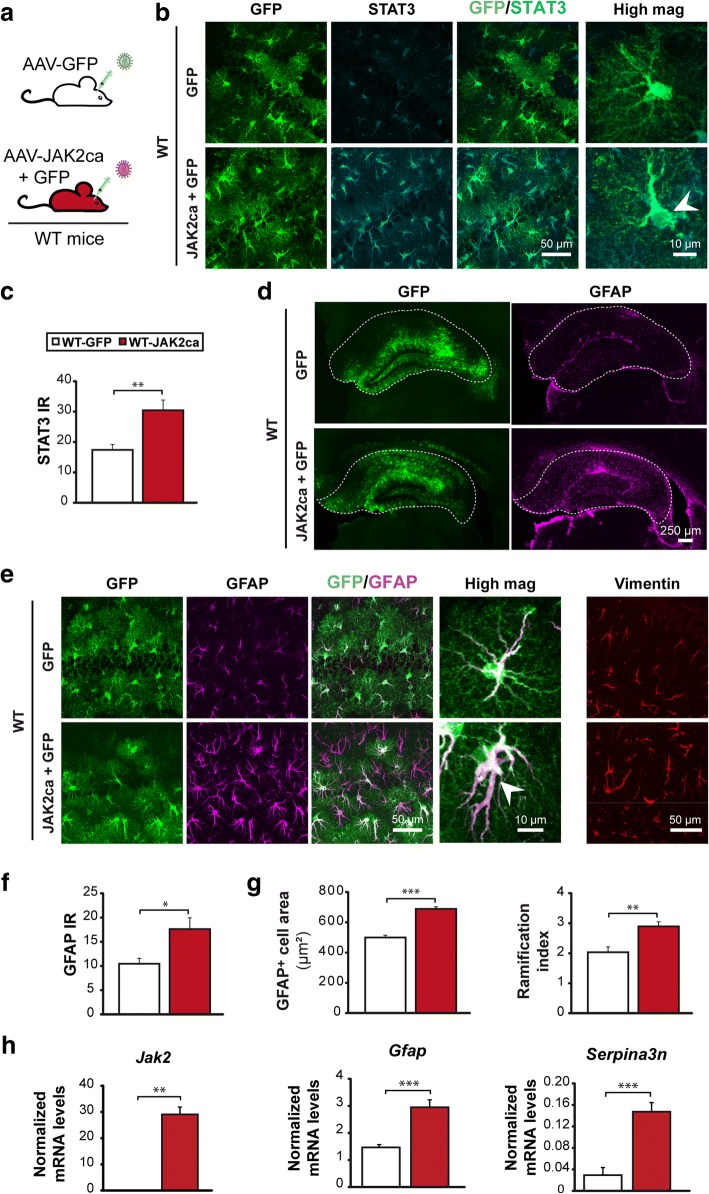
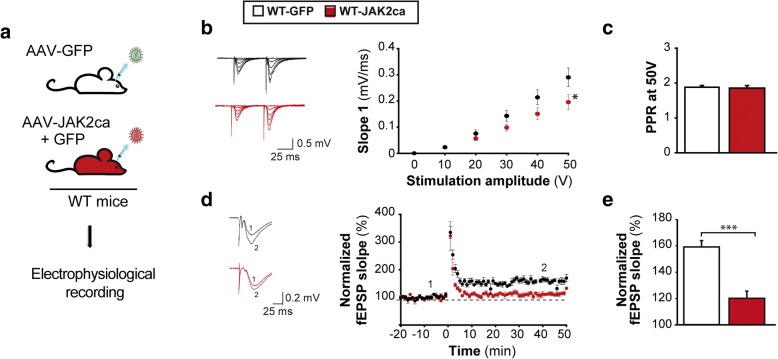
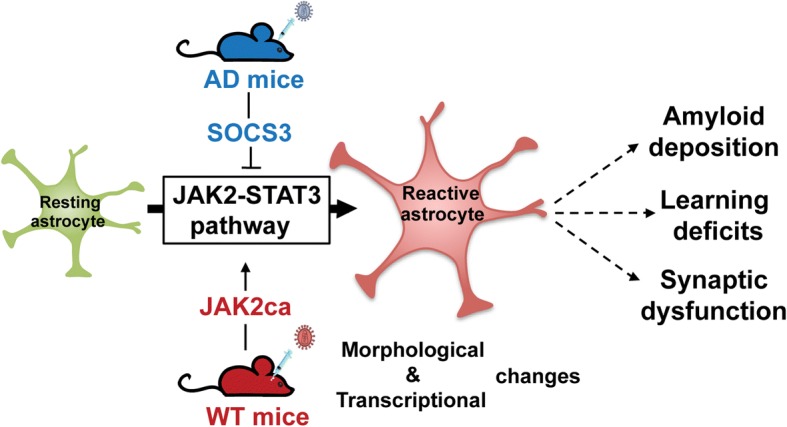
Astrocyte reactivity and neuroinflammation are hallmarks of CNS pathological conditions such as Alzheimer's disease. However, the specific role of reactive astrocytes is still debated. This controversy may stem from the fact that most strategies used to modulate astrocyte reactivity and explore its contribution to disease outcomes have only limited specificity. Moreover, reactive astrocytes are now emerging as heterogeneous cells and all types of astrocyte reactivity may not be controlled efficiently by such strategies.Here, we used cell type-specific approaches in vivo and identified the JAK2-STAT3 pathway, as necessary and sufficient for the induction and maintenance of astrocyte reactivity. Modulation of this cascade by viral gene transfer in mouse astrocytes efficiently controlled several morphological and molecular features of reactivity. Inhibition of this pathway in mouse models of Alzheimer's disease improved three key pathological hallmarks by reducing amyloid deposition, improving spatial learning and restoring synaptic deficits.In conclusion, the JAK2-STAT3 cascade operates as a master regulator of astrocyte reactivity in vivo. Its inhibition offers new therapeutic opportunities for Alzheimer's disease.
Overview
The claims and statistics of this paper haven’t been checked yet.
Run the check — free, no account needed. It reads the open-access text and checks the sources it cites.
Integrity signals
Registry
Cites
Statistics
Figures
Verification
Claims the paper makes
The claims and statistics of this paper haven’t been checked yet.
Run the check — free, no account needed. It reads the open-access text and checks the sources it cites.
Claims other papers make about this one
Each is checked against this paper’s own text: does it say what the citing paper says it does?
The source backs part of the claim, not all of it — or backs it for a different population, condition or comparison.
In the citing paper
“Importantly, only a subset, often a mix of A1 and A2 or pan-reactive transcripts, are upregulated in astrocytes from brains of study participants with HD74 or AD75,76, or from several mouse models of acute injuries and chronic diseases of the CNS42,69,76,77.”
From Reactive astrocyte nomenclature, definitions, and future directions (2021) · cites this paper as [42]
Experimental — accuracy not yet measuredThe source backs part of the claim, not all of it — or backs it for a different population, condition or comparison.
In the citing paper
“Finally, interventional strategies such as classical pharmacology56,98, genetic manipulation42,56, and biomaterials99 are available tools to modify pathological signaling in reactive astrocytes for therapeutic purposes.”
From Reactive astrocyte nomenclature, definitions, and future directions (2021) · cites this paper as [42]
Experimental — accuracy not yet measuredThe cited source says what the claim attributes to it.
In the citing paper
“For example, the manipulation of reactive astrocytes has resulted in improved outcomes38,42,43, worse35 outcomes, and no change44 in mouse models of AD and MS40,45,46.”
From Reactive astrocyte nomenclature, definitions, and future directions (2021) · cites this paper as [42]
The cited source says what the claim attributes to it.
In the citing paper
“On the other hand, blocking astrocyte reactivity has demonstrated positive effects on pathology (Ceyzeriat et al., 2018; Reichenbach et al., 2019).”
From Inhibition of the mitochondrial pyruvate carrier in astrocytes reduces amyloid and tau accumulation in the 3xTgAD mouse model of Alzheimer's disease (2024) · cites this paper as Ceyzeriat et al., 2018
Self-check
Percentages, sums and reported differences re-computed from the paper’s own numbers.
The self-check needs the paper’s full text.
Citations
Cites
Moderated estimation of fold change and dispersion for RNA-seq data with DESeq2
Love, M. I., Huber, W., & Anders, S. (2014) · Genome Biology · doi:10.1186/s13059-014-0550-8 · Cited by 95,106
STAR: ultrafast universal RNA-seq aligner
Dobin, A., Davis, C. A., Schlesinger, F., Drenkow, J., Zaleski, C., Jha, S., Batut, P., Chaisson, M., & Gingeras, T. R. (2013) · Bioinformatics · doi:10.1093/bioinformatics/bts635 · Cited by 51,709
Systematic and integrative analysis of large gene lists using DAVID bioinformatics resources
Huang, D. W., Sherman, B. T., & Lempicki, R. A. (2009) · Nature Protocols · doi:10.1038/nprot.2008.211 · Cited by 35,890
WGCNA: an R package for weighted correlation network analysis
Langfelder, P., & Horvath, S. (2008) · BMC Bioinformatics · doi:10.1186/1471-2105-9-559 · Cited by 27,252
Amyloid oligomers exacerbate tau pathology in a mouse model of tauopathy
Selenica, M.-L. B., Brownlow, M., Jimenez, J. P., Lee, D. C., Pena, G., Dickey, C. A., Gordon, M. N., & Morgan, D. (2013) · Neurodegenerative Diseases · doi:10.1159/000337230 · Cited by 10,359
Neurotoxic reactive astrocytes are induced by activated microglia
Liddelow, S. A., Guttenplan, K. A., Clarke, L. E., Bennett, F. C., Bohlen, C. J., Schirmer, L., Bennett, M. L., Münch, A. E., Chung, W.-S., Peterson, T. C., et al. (2017) · Nature · doi:10.1038/nature21029 · Cited by 7,971
Alzheimer's disease: the amyloid cascade hypothesis
Hardy, J. A., & Higgins, G. A. (1992) · Science · doi:10.1126/science.1566067 · Cited by 7,484
Place navigation impaired in rats with hippocampal lesions
Morris, R. G. M., Garrud, P., Rawlins, J. N. P., & O'Keefe, J. (1982) · Nature · doi:10.1038/297681a0 · Cited by 6,340
Neuroinflammation in Alzheimer's disease
Heneka, M. T., Carson, M. J., Khoury, J. E., Landreth, G. E., Brosseron, F., Feinstein, D. L., Jacobs, A. H., Wyss-Coray, T., Vitorica, J., Ransohoff, R. M., et al. (2015) · The Lancet Neurology · doi:10.1016/s1474-4422(15)70016-5 · Cited by 6,226
Iliff, J. J., Wang, M., Liao, Y., Plogg, B. A., Peng, W., Gundersen, G. A., Benveniste, H., Vates, G. E., Deane, R., Goldman, S. A., et al. (2012) · Science Translational Medicine · doi:10.1126/scitranslmed.3003748 · Cited by 5,824
Cited by
Sorted by citations
Reactive astrocyte nomenclature, definitions, and future directions
Escartin, C., Galea, E., Lakatos, A., O’Callaghan, J. P., Petzold, G. C., Serrano-Pozo, A., Steinhäuser, C., Volterra, A., Carmignoto, G., Agarwal, A., et al. (2021) · Nature Neuroscience · doi:10.1038/s41593-020-00783-4 · Cited by 2,513
Self-citationAstrocyte Reactivity: Subtypes, States, and Functions in CNS Innate Immunity
Sofroniew, M. V. (2020) · Trends in Immunology · doi:10.1016/j.it.2020.07.004 · Cited by 721
Functional roles of reactive astrocytes in neuroinflammation and neurodegeneration
Patani, R., Hardingham, G. E., & Liddelow, S. A. (2023) · Nature Reviews Neurology · doi:10.1038/s41582-023-00822-1 · Cited by 531
Astrocyte contribution to dysfunction, risk and progression in neurodegenerative disorders
Brandebura, A. N., Paumier, A., Onur, T. S., & Allen, N. J. (2023) · Nature Reviews Neuroscience · doi:10.1038/s41583-022-00641-1 · Cited by 427
Astrocyte morphology: Diversity, plasticity, and role in neurological diseases
Zhou, B., Zuo, Y., & Jiang, R. (2019) · CNS Neuroscience & Therapeutics · doi:10.1111/cns.13123 · Cited by 417
Astrocyte Heterogeneity: Impact to Brain Aging and Disease
Matias, I., Morgado, J., & Gomes, F. C. A. (2019) · Frontiers in Aging Neuroscience · doi:10.3389/fnagi.2019.00059 · Cited by 387
Inhibition of Stat3‐mediated astrogliosis ameliorates pathology in an Alzheimer's disease model
Reichenbach, N., Delekate, A., Plescher, M., Schmitt, F., Krauss, S., Blank, N., Halle, A., & Petzold, G. C. (2019) · EMBO Molecular Medicine · doi:10.15252/emmm.201809665 · Cited by 343
The gut microbiome in Alzheimer’s disease: what we know and what remains to be explored
Chandra, S., Sisodia, S. S., & Vassar, R. J. (2023) · Molecular Neurodegeneration · doi:10.1186/s13024-023-00595-7 · Cited by 278
Lopez‐Rodriguez, A. B., Hennessy, E., Murray, C. L., Nazmi, A., Delaney, H. J., Healy, D., Fagan, S. G., Rooney, M., Stewart, E., Lewis, A., et al. (2021) · Alzheimer's & Dementia · doi:10.1002/alz.12341 · Cited by 293
Questions and (some) answers on reactive astrocytes
Escartin, C., Guillemaud, O., & Carrillo‐de Sauvage, M. (2019) · Glia · doi:10.1002/glia.23687 · Cited by 275
Self-citationKim, H., Leng, K., Park, J., Sorets, A. G., Kim, S., Shostak, A., Embalabala, R. J., Mlouk, K., Katdare, K. A., Rose, I. V. L., et al. (2022) · Nature Communications · doi:10.1038/s41467-022-34412-4 · Cited by 201
Astrocyte and Oligodendrocyte Cross-Talk in the Central Nervous System
Nutma, E., van Gent, D., Amor, S., & Peferoen, L. A. N. (2020) · Cells · doi:10.3390/cells9030600 · Cited by 196
Reactive astrocytes: The nexus of pathological and clinical hallmarks of Alzheimer’s disease
Price, B. R., Johnson, L. A., & Norris, C. M. (2021) · Ageing Research Reviews · doi:10.1016/j.arr.2021.101335 · Cited by 184
Wang, X., Li, X., Zuo, X., Liang, Z., Ding, T., Li, K., Ma, Y., Li, P., Zhu, Z., Ju, C., et al. (2021) · Journal of Neuroinflammation · doi:10.1186/s12974-021-02312-x · Cited by 140
TGF-β as a Key Modulator of Astrocyte Reactivity: Disease Relevance and Therapeutic Implications
Luo, J. (2022) · Biomedicines · doi:10.3390/biomedicines10051206 · Cited by 135
APOE4 drives inflammation in human astrocytes via TAGLN3 repression and NF-κB activation
Arnaud, L., Benech, P., Greetham, L., Stephan, D., Jimenez, A., Jullien, N., García‐González, L., Tsvetkov, P. O., Devred, F., Sancho-Martinez, I., et al. (2022) · Cell Reports · doi:10.1016/j.celrep.2022.111200 · Cited by 130
The Many Faces of Astrocytes in Alzheimer's Disease
Monterey, M. D., Wei, H., Wu, X., & Wu, J. Q. (2021) · Frontiers in Neurology · doi:10.3389/fneur.2021.619626 · Cited by 117
Rodríguez-Giraldo, M., González-Reyes, R. E., Ramírez-Guerrero, S., Bonilla-Trilleras, C. E., Guardo-Maya, S., & Nava-Mesa, M. O. (2022) · International Journal of Molecular Sciences · doi:10.3390/ijms232113630 · Cited by 122
Gollihue, J. L., & Norris, C. M. (2020) · Ageing Research Reviews · doi:10.1016/j.arr.2020.101039 · Cited by 93
Millot, P., San, C., Bennana, E., Porte, B., Vignal, N., Hugon, J., Paquet, C., Hosten, B., & Mouton‐Liger, F. (2020) · Immunology Letters · doi:10.1016/j.imlet.2020.10.004 · Cited by 90
Rosa, J. M., Farré‐Alins, V., Ortega, M. C., Navarrete, M., López-Rodríguez, A. B., Palomino‐Antolín, A., Fernández‐López, E., Sol, V. V., Decouty‐Pérez, C., Narros‐Fernández, P., et al. (2021) · British Journal of Pharmacology · doi:10.1111/bph.15488 · Cited by 81
Das, S., Li, Z., Noori, A., Hyman, B. T., & Serrano-Pozo, A. (2020) · Journal of Neuroinflammation · doi:10.1186/s12974-020-01898-y · Cited by 80
What are activated and reactive glia and what is their role in neurodegeneration?
Bennett, M. L., & Viaene, A. N. (2021) · Neurobiology of Disease · doi:10.1016/j.nbd.2020.105172 · Cited by 77
Autophagy in Astrocytes and its Implications in Neurodegeneration
Sung, K., & Jiménez-Sánchez, M. (2020) · Journal of Molecular Biology · doi:10.1016/j.jmb.2019.12.041 · Cited by 78
Choi, M., Kim, H.-J., Yang, E.-J., & Kim, H.-S. (2020) · Journal of Pharmacological Sciences · doi:10.1016/j.jphs.2020.05.009 · Cited by 69
Reactive astrocytes promote proteostasis in Huntington’s disease through the JAK2-STAT3 pathway
Abjean, L., Haim, L. B., Riquelme‐Perez, M., Gipchtein, P., Derbois, C., Palomares, M.-A., Petit, F., Hérard, A., Gaillard, M., Guillermier, M., et al. (2022) · Brain · doi:10.1093/brain/awac068 · Cited by 79
Self-citationAltered Cholesterol Homeostasis in Huntington’s Disease
Kacher, R., Mounier, C., Caboche, J., & Bétuing, S. (2022) · Frontiers in Aging Neuroscience · doi:10.3389/fnagi.2022.797220 · Cited by 74
Therapeutic non-invasive brain treatments in Alzheimer’s disease: recent advances and challenges
Wu, C., Yang, L., Feng, S., Zhu, L., Yang, L., Liu, T. C., & Duan, R. (2022) · Inflammation and Regeneration · doi:10.1186/s41232-022-00216-8 · Cited by 71
Smit, T., Deshayes, N. A. C., Borchelt, D. R., Kamphuis, W., Middeldorp, J., & Hol, E. M. (2021) · Glia · doi:10.1002/glia.23981 · Cited by 71
Tavassoly, O., Sato, T., & Tavassoly, I. (2020) · Molecular Pharmacology · doi:10.1124/mol.120.119909 · Cited by 68
Viejo, L., Noori, A., Merrill, E., Das, S., Hyman, B. T., & Serrano‐Pozo, A. (2022) · Neuropathology and Applied Neurobiology · doi:10.1111/nan.12753 · Cited by 69
Zhou, Z., Tian, X., Biling, M., Xu, H., Zhang, L., Huang, L., Yao, S., Huang, Z.-X., Wang, Y., Xie, H., et al. (2020) · Stem Cell Research & Therapy · doi:10.1186/s13287-020-01724-5 · Cited by 66
Astrocytic TSPO upregulation appears before microglial TSPO in Alzheimer’s disease
Tournier, B. B., Tsartsalis, S., Ceyzériat, K., Fraser, B. H., Grégoire, M.-C., Kövari, E., & Millet, P. (2020) · Journal of Alzheimer’s Disease · doi:10.3233/jad-200136 · Cited by 65
Self-citationTackling the glial scar in spinal cord regeneration: new discoveries and future directions
Shafqat, A., Albalkhi, I., Magableh, H. M., Saleh, T., AlKattan, K. M., & Yaqinuddin, A. (2023) · Frontiers in Cellular Neuroscience · doi:10.3389/fncel.2023.1180825 · Cited by 71
The Role of Astrocytes in Synapse Loss in Alzheimer's Disease: A Systematic Review
Hulshof, L. A., van Nuijs, D., Hol, E. M., & Middeldorp, J. (2022) · Frontiers in Cellular Neuroscience · doi:10.3389/fncel.2022.899251 · Cited by 66
Astroglial activation: Current concepts and future directions
Edison, P. (2024) · Alzheimer s & Dementia · doi:10.1002/alz.13678 · Cited by 67
Activation of STAT3 Regulates Reactive Astrogliosis and Neuronal Death Induced by AβO Neurotoxicity
Toral-Ríos, D., Patiño‐López, G., Gómez‐Lira, G., Gutiérrez, R., Becerril-Pérez, F., Rosales-Córdova, A., León‐Contreras, J. C., Hernández‐Pando, R., León‐Rivera, I., Soto‐Cruz, I., et al. (2020) · International Journal of Molecular Sciences · doi:10.3390/ijms21207458 · Cited by 63
The Amyloid-Beta Clearance: From Molecular Targets to Glial and Neural Cells
Cai, W., Wu, T., & Chen, N. (2023) · Biomolecules · doi:10.3390/biom13020313 · Cited by 69
Three-dimensional synaptic organization of the human hippocampal CA1 field
Montero-Crespo, M., Dominguez-Alvaro, M., Rondon-Carrillo, P., Alonso-Nanclares, L., DeFelipe, J., & Blazquez-Llorca, L. (2020) · eLife · doi:10.7554/elife.57013 · Cited by 60
Chandra, S., Di Meco, A., Dodiya, H. B., Popovic, J., Cuddy, L. K., Weigle, I. Q., Zhang, X., Sadleir, K., Sisodia, S. S., & Vassar, R. (2023) · Molecular Neurodegeneration · doi:10.1186/s13024-023-00635-2 · Cited by 58
Reactive and Senescent Astroglial Phenotypes as Hallmarks of Brain Pathologies
Lazic, A., Balint, V., Ninković, D. S., Perić, M., & Stevanović, M. J. (2022) · International Journal of Molecular Sciences · doi:10.3390/ijms23094995 · Cited by 61
Labarta-Bajo, L., & Allen, N. J. (2025) · Neuron · doi:10.1016/j.neuron.2024.12.010 · Cited by 62
Reactive Astrocytes and Emerging Roles in Central Nervous System (CNS) Disorders
Liddelow, S. A., Olsen, M. L., & Sofroniew, M. V. (2024) · Cold Spring Harbor Perspectives in Biology · doi:10.1101/cshperspect.a041356 · Cited by 55
The Potential of Astrocytes as Immune Modulators in Brain Tumors
Priego, N., & Valiente, M. (2019) · Frontiers in Immunology · doi:10.3389/fimmu.2019.01314 · Cited by 59
Astrocytic modulation of neuronal signalling
Purushotham, S. S., & Buskila, Y. (2023) · Frontiers in Network Physiology · doi:10.3389/fnetp.2023.1205544 · Cited by 56
Roberts, J. A., Varma, V. R., An, Y., Varma, S., Candia, J., Fantoni, G., Tiwari, V., Anerillas, C., Williamson, A., Saito, A., et al. (2021) · Science Advances · doi:10.1126/sciadv.abi8178 · Cited by 49
Dopaminergic dysfunction in the 3xTg-AD mice model of Alzheimer’s disease
Gloria, Y., Ceyzériat, K., Tsartsalis, S., Millet, P., & Tournier, B. B. (2021) · Scientific Reports · doi:10.1038/s41598-021-99025-1 · Cited by 52
Self-citationZhang, L., Guo, K., Zhou, J., Zhang, X., Yin, S., Peng, J., Liao, Y., & Jiang, Y. Q. (2021) · Journal of Neurochemistry · doi:10.1111/jnc.15457 · Cited by 53
Tipping points in neurodegeneration
Simons, M., Levin, J., & Dichgans, M. (2023) · Neuron · doi:10.1016/j.neuron.2023.05.031 · Cited by 52
Oh, S. J., Ahn, H., Jung, K.-H., Han, S. J., Nam, K. R., Kang, K. J., Park, J.-A., Lee, K. C., Lee, Y. J., & Choi, J. Y. (2020) · Molecular Imaging and Biology · doi:10.1007/s11307-020-01485-w · Cited by 50
Mansour, H. M., Fawzy, H. M., El-Khatib, A. S., & Khattab, M. M. (2021) · Experimental Neurology · doi:10.1016/j.expneurol.2021.113697 · Cited by 49
Circadian regulation of astrocyte function: implications for Alzheimer’s disease
McKee, C. A., Lananna, B. V., & Musiek, E. S. (2019) · Cellular and Molecular Life Sciences · doi:10.1007/s00018-019-03314-y · Cited by 49
Spatiotemporal transcriptomic maps of mouse intracerebral hemorrhage at single-cell resolution
Xiang, R., Wang, J., Chen, Z., Tao, J. Z., Peng, Q., Ding, R., Zhou, T., Tu, Z., Yang, T., Yang, T., et al. (2025) · Neuron · doi:10.1016/j.neuron.2025.04.026 · Cited by 51
McKee, C. A., Lee, J., Cai, Y., Saito, T., Saido, T. C., & Musiek, E. S. (2022) · Scientific Reports · doi:10.1038/s41598-022-05862-z · Cited by 47
Cholesterol Dysmetabolism in Alzheimer’s Disease: A Starring Role for Astrocytes?
Staurenghi, E., Giannelli, S., Testa, G., Sottero, B., Leonarduzzi, G., & Gamba, P. (2021) · Antioxidants · doi:10.3390/antiox10121890 · Cited by 44
Eltom, K., Mothes, T., Libard, S., Ingelsson, M., & Erlandsson, A. (2024) · Acta Neuropathologica Communications · doi:10.1186/s40478-024-01745-8 · Cited by 46
Astrocytes and Adenosine A2A Receptors: Active Players in Alzheimer’s Disease
Lopes, C. R., Cunha, R. A., & Agostinho, P. M. (2021) · Frontiers in Neuroscience · doi:10.3389/fnins.2021.666710 · Cited by 47
Huang, Y., Wang, M., Ni, H., Zhang, J., Li, A., Hu, B., Junqueira Alves, C., Wahane, S., Rios de Anda, M., Ho, L., et al. (2024) · Nature Neuroscience · doi:10.1038/s41593-024-01664-w · Cited by 42
Complex roles for reactive astrocytes in the triple transgenic mouse model of Alzheimer disease
Guillemaud, O., Ceyzériat, K., Saint-Georges, T., Cambon, K., Petit, F., Haim, L. B., Sauvage, M.-A. C.-D., Guillermier, M., Bernier, S., Hérard, A., et al. (2019) · Neurobiology of Aging · doi:10.1016/j.neurobiolaging.2020.02.010 · Cited by 40
Self-citationBouvier, D. S., Fixemer, S., Heurtaux, T., Jeannelle, F., Frauenknecht, K. B. M., & Mittelbronn, M. G. A. (2022) · Frontiers in Physiology · doi:10.3389/fphys.2022.814889 · Cited by 43
Regulatory T cells decrease C3-positive reactive astrocytes in Alzheimer-like pathology
Stym‐Popper, G., Matta, K., Chaigneau, T., Rupra, R., Demetriou, A., Fouquet, S., Dansokho, C., Toly‐Ndour, C., & Dorothée, G. (2023) · Journal of Neuroinflammation · doi:10.1186/s12974-023-02702-3 · Cited by 45
Kleijn, K. M. A. D., & Martens, G. J. M. (2020) · International Journal of Molecular Sciences · doi:10.3390/ijms21124229 · Cited by 41
Hu, Y., Zhang, M., Liu, B., Tang, Y., Wang, Z., Wang, Z., Zheng, J., & Zheng, J. (2023) · Free Radical Biology and Medicine · doi:10.1016/j.freeradbiomed.2023.03.018 · Cited by 39
Tropea, M. R., Puma, D. D. L., Melone, M., Gulisano, W., Arancio, O., Grassi, C., Conti, F., & Puzzo, D. (2021) · Progress in Neurobiology · doi:10.1016/j.pneurobio.2021.102154 · Cited by 42
Madeira, D., Dias, L., Santos, P. I., Cunha, R. A., Canas, P. M., & Agostinho, P. M. (2021) · Molecular Neurobiology · doi:10.1007/s12035-021-02538-z · Cited by 44
Therapeutic Potential of Astrocyte Transplantation
Hastings, N., Kuan, W., Osborne, A., & Kotter, M. (2022) · Cell Transplantation · doi:10.1177/09636897221105499 · Cited by 39
Astrocytes: The Stars in Neurodegeneration?
Dittlau, K. S., & Freude, K. (2024) · Biomolecules · doi:10.3390/biom14030289 · Cited by 39
Gupta, P., Tiwari, S., Singh, A., Pal, A., Mishra, A., & Singh, S. (2021) · Biochemical Journal · doi:10.1042/bcj20200754 · Cited by 39
Barnett, D., Zimmer, T. S., Booraem, C., Palaguachi, F., Meadows, S. M., Xiao, H., Wong, M. Y., Luo, W., Gan, L., Chouchani, E. T., et al. (2025) · Nature Metabolism · doi:10.1038/s42255-025-01390-y · Cited by 41
Therapeutic Targeting Strategies for Early- to Late-Staged Alzheimer’s Disease
Kang, Y. J., Diep, Y. N., Tran, M., & Cho, H. (2020) · International Journal of Molecular Sciences · doi:10.3390/ijms21249591 · Cited by 36
Yang, E.-J., Kim, H.-J., Choi, Y., Kim, H. J., Kim, J. H., Yoon, J., Seo, Y.-S., & Kim, H.-S. (2021) · International Journal of Radiation Oncology*Biology*Physics · doi:10.1016/j.ijrobp.2021.06.012 · Cited by 36
Wang, R., & Zhang, J. (2020) · Experimental Gerontology · doi:10.1016/j.exger.2020.111080 · Cited by 35
An Overview of Astrocyte Responses in Genetically Induced Alzheimer’s Disease Mouse Models
Spanos, F., & Liddelow, S. A. (2020) · Cells · doi:10.3390/cells9112415 · Cited by 32
Parenchymal border macrophages regulate tau pathology and tau-mediated neurodegeneration
Drieu, A., Du, S., Kipnis, M., Bosch, M. E., Herz, J., Lee, C., Jiang, H., Manis, M., Ulrich, J. D., Kipnis, J., et al. (2023) · Life Science Alliance · doi:10.26508/lsa.202302087 · Cited by 29
Xie, Z., Yang, Q., Song, D. F., Quan, Z., & Qing, H. (2019) · Glia · doi:10.1002/glia.23693 · Cited by 31
Low-Dose Radiation Therapy Reduces Amyloid Load in Young 3xTg-AD Mice
Ceyzériat, K., Tournier, B. B., Millet, P., Dipasquale, G., Koutsouvelis, N., Frisoni, G. B., Garibotto, V., & Zilli, T. (2022) · Journal of Alzheimer s Disease · doi:10.3233/jad-215510 · Cited by 29
Self-citationMast cell deficiency improves cognition and enhances disease-associated microglia in 5XFAD mice
Lin, C., Hérisson, F., Le, H., Jaafar, N., Chetal, K., Oram, M. K., Flynn, K. L., Gavrilles, E. P., Sadreyev, R. I., Schiffino, F. L., et al. (2023) · Cell Reports · doi:10.1016/j.celrep.2023.113141 · Cited by 29
Gut microbiota–astrocyte axis: new insights into age-related cognitive decline
Zhang, L., Wei, J., Liu, X., Li, D., Pang, X., Chen, F., Cao, H., & Lei, P. (2024) · Neural Regeneration Research · doi:10.4103/nrr.nrr-d-23-01776 · Cited by 28
Astrocytes: News about Brain Health and Diseases
Meldolesi, J. (2020) · Biomedicines · doi:10.3390/biomedicines8100394 · Cited by 27
Chen, W.-Y., Chen, H., Hamada, K., Gatta, E., Chen, Y., Zhang, H., Drnevich, J. M., Krishnan, H. R., Maienschein‐Cline, M., Grayson, D. R., et al. (2021) · Translational Psychiatry · doi:10.1038/s41398-021-01421-8 · Cited by 27
Huang, Y.-Y., Fang, N., Luo, H., Gao, F., Zou, Y., Zhou, L., Zeng, Q.-P., Fang, S.-S., Xiao, F., & Zheng, Q. (2020) · Neuropharmacology · doi:10.1016/j.neuropharm.2020.108304 · Cited by 26
Jian, C., Wei, L., Mo, R., Li, R., Liang, L., Chen, L., Zou, C., Meng, Y., Liu, Y., & Zou, D. (2021) · Frontiers in Aging Neuroscience · doi:10.3389/fnagi.2021.731180 · Cited by 25
Role of Senescent Astrocytes in Health and Disease
Meldolesi, J. (2023) · International Journal of Molecular Sciences · doi:10.3390/ijms24108498 · Cited by 26
Bao, M., Bade, R., Liu, H., Tsambaa, B., Shao, G., Borjigidai, A., & Cheng, Y. (2023) · European Journal of Pharmacology · doi:10.1016/j.ejphar.2023.175992 · Cited by 27
Nakagaki, T., Nishida, N., & Satoh, K. (2021) · Frontiers in Aging Neuroscience · doi:10.3389/fnagi.2021.703984 · Cited by 24
Microglia isolation from aging mice for cell culture: A beginner’s guide
Vijaya, A. K., Iešmantaitė, M., Mela, V., Baltriukienė, D., & Burokas, A. (2023) · Frontiers in Cellular Neuroscience · doi:10.3389/fncel.2023.1082180 · Cited by 23
Alternative Targets to Fight Alzheimer’s Disease: Focus on Astrocytes
Valenza, M., Facchinetti, R., Menegoni, G., Steardo, L., & Scuderi, C. (2021) · Biomolecules · doi:10.3390/biom11040600 · Cited by 25
Research progress of the CXCR4 mechanism in Alzheimer's disease
Wang, Q., Fang, C., Huang, X., & Xue, L. (2022) · Ibrain · doi:10.1002/ibra.12026 · Cited by 24
Kater, M. S. J., Badia‐Soteras, A., van Weering, J. R. T., Smit, A. B., & Verheijen, M. H. G. (2023) · Frontiers in Cellular Neuroscience · doi:10.3389/fncel.2023.1085690 · Cited by 24
STAT3 Drives GFAP Accumulation and Astrocyte Pathology in a Mouse Model of Alexander Disease
Hagemann, T. L., Coyne, S., Levin, A., Wang, L., Feany, M. Β., & Messing, A. (2023) · Cells · doi:10.3390/cells12070978 · Cited by 24
Phosphorylated Tau 181 Serum Levels Predict Alzheimer’s Disease in the Preclinical Stage
Qin, W., Li, F., Jia, L., Wang, Q., Li, Y., Wei, Y., Li, Y., Jin, H., & Jia, J. (2022) · Frontiers in Aging Neuroscience · doi:10.3389/fnagi.2022.900773 · Cited by 23
Pathologic and clinical correlates of region-specific brain GFAP in Alzheimer’s disease
Phillips, J. M., Winfree, R. L., Seto, M., Schneider, J. A., Bennett, D. A., Dumitrescu, L. C., & Hohman, T. J. (2024) · Acta Neuropathologica · doi:10.1007/s00401-024-02828-5 · Cited by 25
Yin, S., Xia, F., Zou, W., Jiang, F., Shen, K., Sun, B., & Lu, Z. (2024) · Journal of Ethnopharmacology · doi:10.1016/j.jep.2024.118531 · Cited by 22
The rise of astrocytes: are they guardians or troublemakers of the brain disorder?
Kim, H. Y., Kim, S., Akaydin, A. N., Kim, S. S., Hyeon, S. J., Lee, J.-H., & Ryu, H. (2026) · Experimental & Molecular Medicine · doi:10.1038/s12276-025-01627-6 · Cited by 28
Recent advances in preventing neurodegenerative diseases
Chou, S.-C., Aggarwal, A., Dawson, V. L., Dawson, T. M., & Kam, T. (2021) · Faculty Reviews · doi:10.12703/r/10-81 · Cited by 26
Yang, Q., Song, D. F., Xie, Z., He, G., Zhao, J., Wang, Z., Dong, Z., Zhang, H., Yang, L., Jiang, M., et al. (2021) · Progress in Neurobiology · doi:10.1016/j.pneurobio.2021.102209 · Cited by 22
Ceyzériat, K., Zilli, T., Millet, P., Koutsouvelis, N., Dipasquale, G., Fossey, C., Cailly, T., Fabis, F., Frisoni, G. B., Garibotto, V., et al. (2022) · Journal of Neuroinflammation · doi:10.1186/s12974-022-02673-x · Cited by 22
Self-citationWang, Y., Gao, Y., Li, X., Sun, X., Wang, Z., Wang, H., Nie, R., Yu, W., & Zhou, Y. (2020) · BioMed Research International · doi:10.1155/2020/4616308 · Cited by 21
Microglia drive diurnal variation in susceptibility to inflammatory blood-brain barrier breakdown
Lawrence, J. H., Patel, A. D., King, M. W., Nadarajah, C. J., Daneman, R., & Musiek, E. S. (2024) · JCI Insight · doi:10.1172/jci.insight.180081 · Cited by 22
The Role of Astrocytes and Blood–Brain Barrier Disruption in Alzheimer’s Disease
Cruz, J. V. R., Batista, C., Diniz, L. P., & Mendes, F. A. (2023) · Neuroglia · doi:10.3390/neuroglia4030015 · Cited by 20
Metadata
- Authors
- Ceyzériat, K., Ben Haim, L., Denizot, A., Pommier, D., Matos, M., Guillemaud, O., Palomares, M.-A., Abjean, L., Petit, F., Gipchtein, P., Gaillard, M.-C., Guillermier, M., Bernier, S., Gaudin, M., Aurégan, G., Joséphine, C., Déchamps, N., Veran, J., Langlais, V., Cambon, K., Bemelmans, A. P., Baijer, J., Bonvento, G., Dhenain, M., Deleuze, J.-F., Oliet, S. H. R., Brouillet, E., Hantraye, P., Carrillo-de Sauvage, M.-A., Olaso, R., Panatier, A., & Escartin, C.
- Affiliations
- Université Paris-Sud (FR)
- Université de Bordeaux (FR)
- Commissariat à l'Énergie Atomique et aux Énergies Alternatives (FR)
- Corresponding author
- Escartin, Carole
- ORCID
- Venue
- Acta Neuropathologica Communications
- Published
- 2018-10-16
- Volume
- 6
- Issue
- 1
- Pages
- 104-104
- ISSN
- 2051-5960 (ISSN-L)
- PMC
- PMC6190663
- OpenAlex
- W2897601491
- Cited by
- 256
- References
- 86
- Citations by year
- 2026: 18 · 2025: 38 · 2024: 50 · 2023: 38 · 2022: 30 · 2021: 40 · 2020: 31 · 2019: 11
- FWCI
- 9.22
- Type
- journal article
- Language
- en
- Open access
- gold
- doi.org
- Licence
- Locations
- Acta Neuropathologica Communications (publishedVersion, cc-by)
- Europe PMC (PubMed Central) (publishedVersion, cc-by)
- PubMed Central (publishedVersion, cc-by)
- PubMed (publishedVersion)
- HAL (submittedVersion, other-oa)
- DOAJ (DOAJ: Directory of Open Access Journals) (submittedVersion)
- Funders
- Fédération pour la Recherche sur le Cerveau
- Agence Nationale de la Recherche (2010-JCJC-1402-1; 2011-BSV4-021-03; ANR-16-TERC-0016-01, 2011-INBS-0011)
- Fondation Vaincre Alzheimer (FR-15015)
- Association France Alzheimer and Fondation de France
- Topics
- Life Sciences › Neuroscience › Neurology › Neuroinflammation and Neurodegeneration Mechanisms
- Life Sciences › Neuroscience › Cellular and Molecular Neuroscience › Alzheimer's disease research and treatments
- Life Sciences › Neuroscience › Cellular and Molecular Neuroscience › Neuroscience and Neuropharmacology Research
- Keywords
- astrocyte activation, Alzheimer's disease, JAK2/STAT3 signaling, neuroinflammation, viral gene delivery, amyloid deposition, spatial learning deficits, synaptic dysfunction, therapeutic target
- MeSH terms
- Suppressor of Cytokine Signaling 3 Protein, Alzheimer Disease, Animals, Apolipoproteins E, Astrocytes, Disease Models, Animal, Glial Fibrillary Acidic Protein, Hippocampus, Male, Mice, Transgenic, Mutation, Amyloid beta-Peptides, Aspartic Acid Endopeptidases, Amyloid beta-Protein Precursor, Maze Learning, Excitatory Postsynaptic Potentials, Extracellular Signal-Regulated MAP Kinases, STAT1 Transcription Factor, Mice, Janus Kinase 2, Presenilin-1, Amyloid Precursor Protein Secretases
About these checks
Registry, retraction, Cites and statistics results are computed, not judged, with one exception: a printed reference that no index lists is read once by a model before it counts as a citation error. Claims are extracted by a model and kept only when their quote appears verbatim in the text; each cited source is then checked, with a model’s help, for whether it says what the claim relies on. Those verdicts can be wrong — read the claim’s quote and the cited source before relying on one.
Statistics and arithmetic are recomputed, not judged.
Confidence bands are shown only for fields calibrated on our annotated test set. None is calibrated yet, so no band is shown.
What counts as a claim ›How we measure confidence ›How we check this ›
Are you an author, or do you see a problem with this page? Request a review
