

Revised Estimates for the Number of Human and Bacteria Cells in the Body
Open accessPublished version of a preprint
The DOI matches its Crossref record; 86 of the 88 references it cites were found in a registry or an index.
Abstract
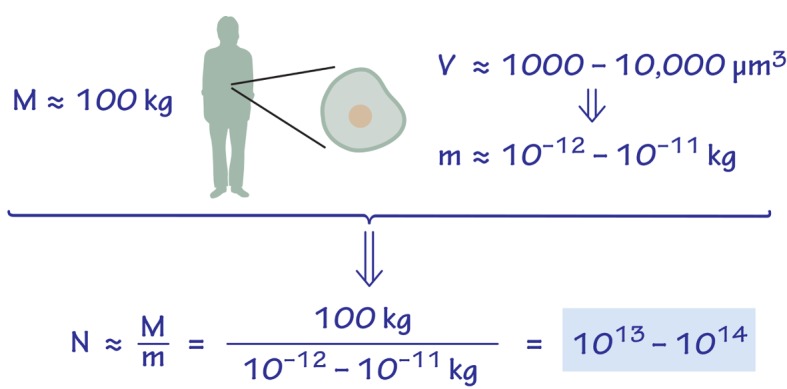
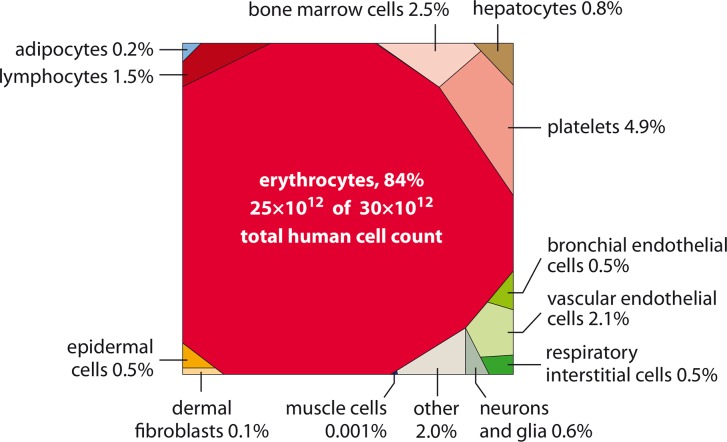
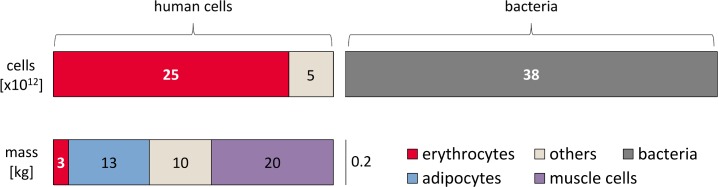
Reported values in the literature on the number of cells in the body differ by orders of magnitude and are very seldom supported by any measurements or calculations. Here, we integrate the most up-to-date information on the number of human and bacterial cells in the body. We estimate the total number of bacteria in the 70 kg "reference man" to be 3.8·1013. For human cells, we identify the dominant role of the hematopoietic lineage to the total count (≈90%) and revise past estimates to 3.0·1013 human cells. Our analysis also updates the widely-cited 10:1 ratio, showing that the number of bacteria in the body is actually of the same order as the number of human cells, and their total mass is about 0.2 kg.
Overview
The claims and statistics of this paper haven’t been checked yet.
Free: it reads the open-access text and checks the first 5 claims that cite a source we can check. Create a free account to check every claim.
Integrity signals
Registry
Cites
Statistics
Figures
Verification
Claims the paper makes
The claims and statistics of this paper haven’t been checked yet.
Free: it reads the open-access text and checks the first 5 claims that cite a source we can check. Create a free account to check every claim.
Claims other papers make about this one
Each is checked against this paper’s own text: does it say what the citing paper says it does?
The cited source doesn’t support the claim as written.
In the citing paper
“these microbes typically account for less than half of the weight of faecal solids 10 .”
From Human microbiome myths and misconceptions (2023) · cites this paper as [10]
Checked by a reasoning model — may be wrong.
Experimental — accuracy not yet measuredThe source backs part of the claim, not all of it — or backs it for a different population, condition or comparison.
In the citing paper
“Endotoxin is a lipopolysaccharide (LPS), constituting much of the outer membrane of gram-negative bacteria, present at high concentrations in gut, gums and skin and in other tissue during bacterial infection.”
From The endotoxin hypothesis of neurodegeneration (2019) · cites this paper as [6]
Experimental — accuracy not yet measuredThe source backs part of the claim, not all of it — or backs it for a different population, condition or comparison.
In the citing paper
“their gene count that exceeds the human genome’s gene count by ~100-fold and enables diverse metabolic programming”
From The microbiome and human cancer (2021) · cites this paper as [27]
Experimental — accuracy not yet measuredThe source backs part of the claim, not all of it — or backs it for a different population, condition or comparison.
In the citing paper
“The human gut microbiome contains ~3 × 10 13 bacteria, most of which are commensals (5).”
From The microbiome in cancer immunotherapy: Diagnostic tools and therapeutic strategies (2018) · cites this paper as [5]
Experimental — accuracy not yet measuredThe source backs part of the claim, not all of it — or backs it for a different population, condition or comparison.
In the citing paper
“there are trillions of microbes as numerous as human cells, that interact with the host constantly at numerous sites”
From The Influence of the Gut Microbiome on Cancer, Immunity, and Cancer Immunotherapy (2018) · cites this paper as Sender et al., 2016
Experimental — accuracy not yet measured
10 more claims about this paper
Create a free account to see every claim other papers make about this one.
Self-check
Percentages, sums and reported differences re-computed from the paper’s own numbers.
The self-check needs the paper’s full text.
Citations
Cites
A human gut microbial gene catalogue established by metagenomic sequencing
MetaHIT Consortium, Qin, J., Li, R., Raes, J., Arumugam, M., Burgdorf, K. S., Manichanh, C., Nielsen, T., Pons, N., Levenez, F., et al. (2010) · Nature · doi:10.1038/nature08821 · Cited by 11,624 · cited 1×
“Bacteria overwhelmingly outnumber eukaryotes and archaea in the human microbiome by 2–3 orders of magnitude [7,8].”
BackgroundHuman gut microbiome viewed across age and geography
Yatsunenko, T., Rey, F. E., Manary, M. J., Trehan, I., Dominguez-Bello, M. G., Contreras, M., Magris, M., Hidalgo, G., Baldassano, R. N., Anokhin, A. P., et al. (2012) · Nature · doi:10.1038/nature11053 · Cited by 7,815 · cited 1×
“Bacteria overwhelmingly outnumber eukaryotes and archaea in the human microbiome by 2–3 orders of magnitude [7,8].”
BackgroundAlberts, B., Johnson, A., Lewis, J., Morgan, D., Raff, M., Roberts, K., & Walter, P. (2017) · W.W. Norton eBooks · doi:10.1201/9781315735368 · Cited by 6,365
Turnbaugh, P. J., Ley, R. E., Hamady, M., Fraser-Liggett, C. M., Knight, R., & Gordon, J. I. (2007) · Nature · doi:10.1038/nature06244 · Cited by 6,091 · cited 1×
“One of the most fundamental and commonly cited figures in this growing field is the estimate that bacteria residing in the human body outnumber human cells by a factor of 10 or more (Bäckhed et al., 2005; Gill et al., 2006; Round and Mazmanian, 2010; Turnbaugh et al., 2007).”
BackgroundHost-Bacterial Mutualism in the Human Intestine
Bäckhed, F., Ley, R. E., Sonnenburg, J. L., Peterson, D. A., & Gordon, J. I. (2005) · Science · doi:10.1126/science.1104816 · Cited by 5,277
Metagenomic Analysis of the Human Distal Gut Microbiome
Gill, S. R., Pop, M., DeBoy, R. T., Eckburg, P. B., Turnbaugh, P. J., Samuel, B. S., Gordon, J. I., Relman, D. A., Fraser-Liggett, C. M., & Nelson, K. E. (2006) · Science · doi:10.1126/science.1124234 · Cited by 4,699 · cited 1×
“One of the most fundamental and commonly cited figures in this growing field is the estimate that bacteria residing in the human body outnumber human cells by a factor of 10 or more (Bäckhed et al., 2005; Gill et al., 2006; Round and Mazmanian, 2010; Turnbaugh et al., 2007).”
BackgroundCellular Scaling Rules for the Brains of Marsupials: Not as “Primitive” as Expected
Dos Santos, S. E., Porfirio, J., da Cunha, F. B., Manger, P. R., Tavares, W., Pessoa, L., Raghanti, M. A., Sherwood, C. C., & Herculano-Houzel, S. (2017) · Brain, Behavior and Evolution · doi:10.1159/000452856 · Cited by 2,642
MICROBIAL ECOLOGY OF THE GASTROINTESTINAL TRACT
Savage, D. C. (1977) · Annual Review of Microbiology · doi:10.1146/annurev.mi.31.100177.000543 · Cited by 2,436 · cited 5×
“Interestingly, those who read the original paper (Savage, 1977) find that it actually cites another paper for his estimate (Luckey, 1972).”
BackgroundInfluentialAzevedo, F. A. C., Carvalho, L. R. B., Grinberg, L. T., Farfel, J. M., Ferretti, R. E. L., Leite, R. E. P., Filho, W. J., Lent, R., & Herculano‐Houzel, S. (2009) · Journal of Comparative Neurology · doi:10.1002/cne.21974 · Cited by 2,337 · cited 1×
“However, a recent analysis [28] revisits this value and, after analyzing the variation across brain regions, concludes that the ratio is close to 1:1.”
BackgroundRound, J. L., & Mazmanian, S. K. (2010) · Proceedings of the National Academy of Sciences · doi:10.1073/pnas.0909122107 · Cited by 2,233 · cited 1×
“One of the most fundamental and commonly cited figures in this growing field is the estimate that bacteria residing in the human body outnumber human cells by a factor of 10 or more (Bäckhed et al., 2005; Gill et al., 2006; Round and Mazmanian, 2010; Turnbaugh et al., 2007).”
Background
Cited by
Items 901–1,000 of 1,042
Gut Dysbiosis and Heart Failure: Navigating the Universe Within
Madan, S., & Mehra, M. R. (2020) · European Journal of Heart Failure · doi:10.1002/ejhf.1792 · Cited by 65
Fecal microbiota transplantation: Uses, questions, and ethics
Grigoryan, Z., Shen, M. J., Twardus, S. W., Beuttler, M. M., Chen, L. A., & Bateman-House, A. (2020) · Medicine in Microecology · doi:10.1016/j.medmic.2020.100027 · Cited by 70
“With the human body hosting a nearly equal ratio of bacterial to human cells [1], understanding our cohabitants and the host-microbiome relationship could elucidate how microbes might cause, treat, modulate, or even prevent disease.”
BackgroundRoth, T. L., & Marson, A. (2021) · Annual Review of Pathology Mechanisms of Disease · doi:10.1146/annurev-pathmechdis-012419-032626 · Cited by 80
Day-Walsh, P. E., Shehata, E., Saha, S., Savva, G. M., Nemeckova, B., Speranza, J., Kellingray, L., Narbad, A., & Kroon, P. A. (2021) · European Journal of Nutrition · doi:10.1007/s00394-021-02572-6 · Cited by 68
Cariogenic Biofilms: Development, Properties, and Biomimetic Preventive Agents
Meyer, F., Enax, J., Epple, M., Amaechi, B. T., & Simader, B. (2021) · Dentistry Journal · doi:10.3390/dj9080088 · Cited by 74
“While previous studies even reported that microbial cells exceed human cells, recent studies show an equilibrium of human and microbial cells [5,6].”
BackgroundResultLiu, K., Deng, S., Ye, C., Yao, Z., Wang, J., Gong, H., Liu, L., & He, X. (2021) · Nature Methods · doi:10.1038/s41592-021-01325-x · Cited by 63
Kalia, V. C., Shim, W. Y., Patel, S. K. S., Gong, C., & Lee, J.-K. (2022) · The Science of The Total Environment · doi:10.1016/j.scitotenv.2022.155300 · Cited by 74
Gut microbiome and metabolites, the future direction of diagnosis and treatment of atherosclerosis?
Cao, H., Zhu, Y., Hu, G., Zhang, Q., & Zheng, L. (2022) · Pharmacological Research · doi:10.1016/j.phrs.2022.106586 · Cited by 69
Bacterial extracellular vesicles and their interplay with the immune system
Doré, É., & Boilard, É. (2023) · Pharmacology & Therapeutics · doi:10.1016/j.pharmthera.2023.108443 · Cited by 66
Almanza‐Aguilera, E., Cano, A., Gil‐Lespinard, M., Burguera, N., Zamora‐Ros, R., Agudo, A., & Farràs, M. (2023) · Seminars in Cancer Biology · doi:10.1016/j.semcancer.2023.08.001 · Cited by 67
“It has been estimated that more than 3.9 ⋅ 10 13 microbial cells live in the human colon, which means that their proportion to human eukaryotic cells is 10:1 [137].”
InfluentialWang, Y., Li, Y., Bo, L., Zhou, E., Chen, Y., Naranmandakh, S., Xie, W., Ru, Q., Chen, L., Zhu, Z., et al. (2023) · Gut Microbes · doi:10.1080/19490976.2023.2263207 · Cited by 73
“The ratio of bacteria to human cells was 1.3 for men and 2.2 for women 256 .”
BackgroundInfluentialMicrobiota Replacement Therapies: Innovation in Gastrointestinal Care
Khanna, S. (2018) · Clinical Pharmacology & Therapeutics · doi:10.1002/cpt.923 · Cited by 62
Ertürk-Hasdemir, D., & Kasper, D. L. (2018) · Annals of the New York Academy of Sciences · doi:10.1111/nyas.13660 · Cited by 74
Impact of microbiota in colorectal carcinogenesis: lessons from experimental models
Yu, L. C., Wei, S., & Ni, Y. (2018) · Intestinal Research · doi:10.5217/ir.2018.16.3.346 · Cited by 67
“The collection of all genomes of the microbiota is termed microbiome, of which the number of intestinal microbial genes has been estimated to be ~100 times more than that of human genes.(1,4,5) Accumulating evidence demonstrated that gut microbiota is involved in the maintenance of mucosal homeostasis, with an indispe…”
BackgroundRudnicki, M., Abdifarkosh, G., Nwadozi, E., Ramos, S. V., Makki, A., Sepa-Kishi, D. M., Ceddia, R. B., Perry, C. G. R., Roudier, E. A., & Haas, T. L. (2018) · eLife · doi:10.7554/elife.39780 · Cited by 68
“Third, EC are among the most abundant cell types in the human body, accounting for 2–7% of the total cell number (Bianconi et al., 2013; Sender et al., 2016), with the majority of these EC residing within capillaries.”
BackgroundYu, Z., Shi, Z., Zheng, Z., Han, J., Yang, W., Lu, R., Lin, W., Zheng, Y., Nie, D., & Chen, G. (2020) · Chemosphere · doi:10.1016/j.chemosphere.2020.127959 · Cited by 67
How poverty affects diet to shape the microbiota and chronic disease
Harrison, C. A., & TAREN, D. L. (2017) · Nature reviews. Immunology · doi:10.1038/nri.2017.121 · Cited by 71
Prevotella copri is associated with carboplatin-induced gut toxicity
Yu, C., Zhou, B., Xia, X., Chen, S., Deng, Y., Wang, Y., Wu, L., Tian, Y., Zhao, B., Xu, H., et al. (2019) · Cell Death and Disease · doi:10.1038/s41419-019-1963-9 · Cited by 67
Salameh, M. A., Burney, Z. A., Mhaimeed, N., Laswi, I., Yousri, N. A., Bendriss, G., & Zakaria, D. (2020) · Scandinavian Journal of Immunology · doi:10.1111/sji.12855 · Cited by 71
Metatranscriptomic analyses of the oral microbiome
Duran‐Pinedo, A. E. (2021) · Periodontology 2000 · doi:10.1111/prd.12350 · Cited by 50
Giovannini, M. G., Lana, D., Traini, C., & Vannucchi, M. G. (2021) · Journal of Clinical Medicine · doi:10.3390/jcm10112358 · Cited by 61
“High levels of Gram-negative bacteria, containing and producing endotoxins, are found in the lower mammalian intestine [191].”
BackgroundEmerging Evidence on the Effects of Dietary Factors on the Gut Microbiome in Colorectal Cancer
Appunni, S., Rubens, M., Ramamoorthy, V., Saxena, A., Tonse, R., McGranaghan, P., Kaiser, A., & Kotecha, R. R. (2021) · Frontiers in Nutrition · doi:10.3389/fnut.2021.718389 · Cited by 68
Rebrošová, K., Samek, O., Kizovský, M., Bernatová, S., Holá, V., & Růžička, F. (2022) · Frontiers in Cellular and Infection Microbiology · doi:10.3389/fcimb.2022.866463 · Cited by 77
“In fact, human bodies include more microbial cells than their own cells (Sender et al., 2016).”
BackgroundKhan, M. T., Zohair, M., Khan, A., Kashif, A. W., Mumtaz, S., & Muskan, F. (2025) · Molecular and Cellular Endocrinology · doi:10.1016/j.mce.2025.112599 · Cited by 78
Microbiomarkers in inflammatory bowel diseases: caveats come with caviar
Sommer, F., Rühlemann, M. C., Bang, C., Höppner, M. P., Rehman, A., Kaleta, C., Schmitt‐Kopplin, P., Dempfle, A., Weidinger, S., Ellinghaus, E., et al. (2017) · Gut · doi:10.1136/gutjnl-2016-313678 · Cited by 72
Exposure to Arsenic Alters the Microbiome of Larval Zebrafish
Dahan, D., Jude, B. A., Lamendella, R., Keesing, F., & Perron, G. G. (2018) · Frontiers in Microbiology · doi:10.3389/fmicb.2018.01323 · Cited by 62
“This is most likely due to the fact that, as in animals (Sender et al., 2016), fish microbiota are most dense in the gastrointestinal tract.”
BackgroundBessac, A., Cani, P. D., Meunier, É., Dietrich, G., & Knauf, C. (2018) · Frontiers in Neuroscience · doi:10.3389/fnins.2018.00725 · Cited by 70
“Th2driven colitis induces smooth muscle hyper-contractility and augments intestinal transit while Th1-driven colitis is rather associated with hypo-contractility and reduced intestinal transit (Zhao et al., 2003; Shea-Donohue et al., 2012).”
Disease-Specific Enteric Microbiome Dysbiosis in Inflammatory Bowel Disease
Mirsepasi‐Lauridsen, H. C., Vrankx, K., Engberg, J., Friis‐Møller, A., Brynskov, J., Nordgaard-Lassen, I., Petersen, A. M., & Krogfelt, K. A. (2018) · Frontiers in Medicine · doi:10.3389/fmed.2018.00304 · Cited by 70
“in the human body (36), it is an exceptional environment, and a perfect symbiosis plays a key role in colon health.”
BackgroundCrosstalk between circadian rhythms and the microbiota
Pearson, J. A., Wong, F. S., & Li, W. (2020) · Immunology · doi:10.1111/imm.13278 · Cited by 61
The microbiome and disorders of the central nervous system
Felice, V. D., & O'Mahony, S. M. (2017) · Pharmacology Biochemistry and Behavior · doi:10.1016/j.pbb.2017.06.016 · Cited by 60
The desA and desB genes from Clostridium scindens ATCC 35704 encode steroid-17,20-desmolase
Devendran, S., Mythen, S. M., & Ridlon, J. M. (2018) · Journal of Lipid Research · doi:10.1194/jlr.m083949 · Cited by 67
Intestinal M cells: Tireless samplers of enteric microbiota
Kanaya, T., Williams, I. R., & Ohno, H. (2019) · Traffic · doi:10.1111/tra.12707 · Cited by 66
“bacteria are the most abundant and dense in the colon, estimated to reach 40 trillion or more in humans.(1) We do not allow them to reside”
BackgroundStochastic logistic models reproduce experimental time series of microbial communities
Descheemaeker, L., & de Buyl, S. (2020) · eLife · doi:10.7554/elife.55650 · Cited by 61
Sjöstedt, P., Enander, J., & Isung, J. (2021) · Frontiers in Psychiatry · doi:10.3389/fpsyt.2021.682868 · Cited by 72
“Previous estimates have usually stated that the gut contains 10fold more microbes than the amount of cells that makes up the human body, however updated estimates rather suggests an ∼1:1 cell ratio (38).”
BackgroundCarbon nanomaterials-based polymer-matrix nanocomposites for antimicrobial applications: A review
Giraud, L., Tourrette, A., & Flahaut, E. (2021) · Carbon · doi:10.1016/j.carbon.2021.06.002 · Cited by 67
Exploring Drug Metabolism by the Gut Microbiota: Modes of Metabolism and Experimental Approaches
Dhurjad, P., Dhavaliker, C., Gupta, K., & Sonti, R. (2021) · Drug Metabolism and Disposition · doi:10.1124/dmd.121.000669 · Cited by 66
“Moreover, recent estimates show that the number of human cells (3*10 13 ) and bacterial cells (3.8*10 13 ) in the human body is of the same order, and the total mass occupied by the bacterial cells accounts for about 0.2 Kg(Sender et al., 2016).”
BackgroundInfluentialLactulose Modulates the Structure of Gut Microbiota and Alleviates Colitis-Associated Tumorigenesis
Hiraishi, K., Zhao, F., Kurahara, L. H., Li, X., Yamashita, T., Hashimoto, T., Matsuda, Y., Sun, Z., Zhang, H., & Hirano, K. (2022) · Nutrients · doi:10.3390/nu14030649 · Cited by 67
“, approximately 40 trillion bacterial cells [8].”
Microbial Metabolite Regulation of Epithelial Cell-Cell Interactions and Barrier Function
Ornelas, A., Dowdell, A. S., Lee, J. S., & Colgan, S. P. (2022) · Cells · doi:10.3390/cells11060944 · Cited by 76
“A recently revised study revealed that in the body, the ratio of human:bacterial cells is close to 1:1 [6].”
BackgroundTacconi, E., Palma, G., Biase, D. D., Luciano, A., Barbieri, M., de Nigris, F., & Bruzzese, F. (2023) · Nutrients · doi:10.3390/nu15030563 · Cited by 66
Ecological Stability Emerges at the Level of Strains in the Human Gut Microbiome
Wolff, R., Shoemaker, W. R., & Garud, N. R. (2023) · mBio · doi:10.1128/mbio.02502-22 · Cited by 77
Lin, D., & Medeiros, D. M. (2023) · Nutrition Research · doi:10.1016/j.nutres.2023.02.007 · Cited by 65
Johnson, D., Letchumanan, V., Thum, C. C., Thurairajasingam, S., & Lee, L. (2023) · Nutrients · doi:10.3390/nu15061382 · Cited by 78
“3% of the total body mass due to their tiny volume [52,54,55].”
Intricacies of assessing the human microbiome in epidemiologic studies
Robinson, C. K., Brotman, R. M., & Ravel, J. (2016) · Annals of Epidemiology · doi:10.1016/j.annepidem.2016.04.005 · Cited by 83
Ruppé, É., Burdet, C., Grall, N., LASTOURS, V. D., Lescure, F.-X., Andremont, A., & Armand-Lefèvre, L. (2017) · Clinical Microbiology and Infection · doi:10.1016/j.cmi.2017.09.017 · Cited by 63
Gut microbiome: An intermediary to neurotoxicity
Dempsey, J. L., Little, M., & Cui, J. Y. (2019) · NeuroToxicology · doi:10.1016/j.neuro.2019.08.005 · Cited by 66
“The human microbiome dwarfs the human genome with a 10:1 ratio of nucleated cells, and 100:1 ratio of genes (Sender et al., 2016).”
BackgroundRapid evolution and strain turnover in the infant gut microbiome
Chen, D., & Garud, N. R. (2022) · Genome Research · doi:10.1101/gr.276306.121 · Cited by 69
Goals in Nutrition Science 2020-2025
Bassaganya-Riera, J., Berry, E. M., Blaak, E. E., Burlingame, B., le Coutre, J., van Eden, W., El‐Sohemy, A., German, J. B., Knorr, D., Lacroix, C., et al. (2021) · Frontiers in Nutrition · doi:10.3389/fnut.2020.606378 · Cited by 80
“3-fold (107), and is composed of hundreds to thousands of species, dominated by the Bacteroidetes and Firmicutes phyla (108).”
BackgroundThe requirement for pyruvate dehydrogenase in leukemogenesis depends on cell lineage
Jun, S., Mahesula, S., Mathews, T. P., Martin-Sandoval, M. S., Zhao, Z., Piskounova, E., & Agathocleous, M. (2021) · Cell Metabolism · doi:10.1016/j.cmet.2021.07.016 · Cited by 59
Gut Bacteria and Neuropsychiatric Disorders
Dicks, L. M. T., Hurn, D., & Hermanus, D. (2021) · Microorganisms · doi:10.3390/microorganisms9122583 · Cited by 70
“The human gut hosts close to 4 trillion microorganisms and represents between 400 and 500 species [1,2].”
BackgroundAnaerobic single‐cell dispensing facilitates the cultivation of human gut bacteria
Afrizal, A., Hitch, T. C. A., Viehof, A., Treichel, N. S., Riedel, T., Abt, B., Buhl, E. M., Kohlheyer, D., Overmann, J., & Clavel, T. (2022) · Environmental Microbiology · doi:10.1111/1462-2920.15935 · Cited by 68
Gut Microbiota Modulation as a Novel Therapeutic Strategy in Cardiometabolic Diseases
Mutalub, Y. B., Abdulwahab, M., Mohammed, A., Yahkub, A. M., Al-Mhanna, S. B., Yusof, W., Tang, S. P., Rasool, A. H. G., & Mokhtar, S. S. (2022) · Foods · doi:10.3390/foods11172575 · Cited by 72
“The continuous exposure of humans to the environment following birth aids the speedy colonization of the gut by 10 to 100 trillion bacteria that are usually non-harmful [24,25].”
BackgroundO’Mahony, A. K., Álvarez‐Ordóñez, A., Filloux, A., Gahan, C. G. M., & Cotter, P. D. (2022) · Frontiers in Microbiology · doi:10.3389/fmicb.2022.1002185 · Cited by 72
“org be in the order of 1013 bacterial cells (along with eukaryotic microorganisms and phage; Sender et al., 2016).”
BackgroundThe Gut–Organ Axis within the Human Body: Gut Dysbiosis and the Role of Prebiotics
Saxami, G., Kerezoudi, E. N., Eliopoulos, C., Arapoglou, D., & Kyriacou, A. (2023) · Life · doi:10.3390/life13102023 · Cited by 75
“…branches of the enteric nervous system (ENS), extrinsic parasympathetic and sympathetic branches of the autonomic nervous system (ANS), the hypothalamic–pituitary–adrenal axis (HPA), neuroimmune pathways (neurotransmitters, hormones, and neuropeptides), and the gut microenvironment [15,18].”
BackgroundOur gut microbiota: a long walk to homeostasis
Dicks, L. M. T., Geldenhuys, J., Mikkelsen, L. S., Brandsborg, E., & Marcotte, H. (2018) · Beneficial Microbes · doi:10.3920/bm2017.0066 · Cited by 59
Garcinol Reduces Obesity in High‐Fat‐Diet‐Fed Mice by Modulating Gut Microbiota Composition
Lee, P., Teng, C., Nagabhushanam, K., Ho, C., & Pan, M. (2018) · Molecular Nutrition & Food Research · doi:10.1002/mnfr.201800390 · Cited by 62
Conceptual Design of a Universal Donor Screening Approach for Vaginal Microbiota Transplant
DeLong, K., Bensouda, S., Zulfiqar, F., Zierden, H. C., Hoang, T., Abraham, A. G., Coleman, J. S., Cone, R. A., Gravitt, P. E., Hendrix, C. W., et al. (2019) · Frontiers in Cellular and Infection Microbiology · doi:10.3389/fcimb.2019.00306 · Cited by 68
Human Endometrial Microbiota at Term of Normal Pregnancies
Leoni, C., Ceci, O. R., Manzari, C., Fosso, B., Volpicella, M., Ferrari, A., Paola, F., Pesole, G., Cicinelli, E., & Ceci, L. R. (2019) · Genes · doi:10.3390/genes10120971 · Cited by 65
“Metagenomic studies pointed out that the human body hosts a large number of microbial cells, at least equal to the human counterpart and corresponding to a much higher number of genes and strongly influencing our health and disease conditions [2].”
A Revolutionizing Approach to Autism Spectrum Disorder Using the Microbiome
Johnson, D., Letchumanan, V., Thurairajasingam, S., & Lee, L. (2020) · Nutrients · doi:10.3390/nu12071983 · Cited by 77
“3 bacterial cells for every human cell, showing a reduction from widely quoted 10:1 and 100:1 ratios, respectively [15,45,46].”
BackgroundEmara, S., Amer, S., Ali, A., Abouleila, Y., Oga, A., & Masujima, T. (2017) · Advances in experimental medicine and biology · doi:10.1007/978-3-319-47656-8_13 · Cited by 62
Intestinal Epithelial Cells Respond to Chronic Inflammation and Dysbiosis by Synthesizing H2O2
Burgueño, J. F., Fritsch, J., Santander, A. M., Brito, N., Fernández, I., Pignac-Kobinger, J., Conner, G. E., & Abreu, M. T. (2019) · Frontiers in Physiology · doi:10.3389/fphys.2019.01484 · Cited by 63
Synthetic Biology Approaches in the Development of Engineered Therapeutic Microbes
Kang, M., Choe, D., Kim, K., Cho, B., & Cho, S. (2020) · International Journal of Molecular Sciences · doi:10.3390/ijms21228744 · Cited by 64
“In the human body, there are at least as many microbial cells as there are host cells [1].”
BackgroundDoes diversity beget diversity in microbiomes?
Madi, N., Vos, M., Murall, C. L., Legendre, P., & Shapiro, B. J. (2020) · eLife · doi:10.7554/elife.58999 · Cited by 65
“Although precise estimates of cell densities in all EMP biomes are not available, we extracted plausible ranges for eight biomes from the literature (Kennedy & de Luna, 2005; Lindow & Brandl, 2003; Sender et al., 2016; Whitman et al., 1998) and annotated these in Figure 3.”
Targeting DNA Methylation in the Adult Brain through Diet
Allison, J., Kaliszewska, A., Uceda, S., Reiriz, M., & Arias, N. (2021) · Nutrients · doi:10.3390/nu13113979 · Cited by 68
“Between 500–1000 different species of bacteria are estimated to inhabit an average person, with the colon being the most abundantly populated part of the body [42,43].”
BackgroundStricker, S., Hain, T., Chao, C., & Rudloff, S. (2022) · International Journal of Molecular Sciences · doi:10.3390/ijms23126791 · Cited by 67
“0 × 1013) within our body (1–10:1) further stresses the importance of the microbiome [1].”
BackgroundThe role of gut microbiota and its metabolites short-chain fatty acids in food allergy
Chen, C., Liu, C., Zhang, K., & Xue, W. (2022) · Food Science and Human Wellness · doi:10.1016/j.fshw.2022.09.003 · Cited by 65
The microbiota-gut-brain axis in stress and depression
Tan, H.-E. (2023) · Frontiers in Neuroscience · doi:10.3389/fnins.2023.1151478 · Cited by 72
“In an average person, microbes outnumber human cells – at approximately 38 trillion bacteria to 30 trillion human cells (Sender et al., 2016).”
BackgroundThe role of Drosophila microbiota in gut homeostasis and immunity
Tafesh‐Edwards, G., & Eleftherianos, I. (2023) · Gut Microbes · doi:10.1080/19490976.2023.2208503 · Cited by 67
“The mammalian gut microbiome, for example, can vary greatly between individuals and is composed of approximately 1,000 species of microorganisms.(18) Previous work has demonstrated that the composition and function of gut microbiota depend mainly on the degree of functional modularity of the microbiota.”
BackgroundTunali, V., Arslan, N. Ç., Ermiş, B. H., Derviş Hakim, G., Gündoğdu, A., Hora, M., & Nalbantoğlu, Ö. U. (2024) · American Journal of Gastroenterology · doi:10.14309/ajg.0000000000002862 · Cited by 56
“The gut microbiome represents a diverse ecosystem of microorganisms residing in the gastrointestinal tract, which interact with the host immune system, modulate gut barrier function, and contribute to the metabolism of dietary substrates (6).”
Interaction between food antigens and the immune system: Association with autoimmune disorders
Vojdani, A., Gushgari, L. R., & Vojdani, E. (2020) · Autoimmunity Reviews · doi:10.1016/j.autrev.2020.102459 · Cited by 65
Safety and fate of nanomaterials in food: The role of in vitro tests
Xavier, M., Parente, I. A., Rodrigues, P. M., Cerqueira, M. Â., Pastrana, L. M., & Gonçalves, C. (2021) · Trends in Food Science & Technology · doi:10.1016/j.tifs.2021.01.050 · Cited by 61
Enforcing Cooperation in the Social Amoebae
Ostrowski, E. A. (2019) · Current Biology · doi:10.1016/j.cub.2019.04.022 · Cited by 56
Chey, W. D., Shah, E. D., & DuPont, H. L. (2020) · Therapeutic Advances in Gastroenterology · doi:10.1177/1756284819897531 · Cited by 63
Gut Microbiota and Neuroplasticity
Murciano-Brea, J., García-Montes, M. E., Geuna, S., & Herrera‐Rincon, C. (2021) · Cells · doi:10.3390/cells10082084 · Cited by 68
“However, microbes also colonize many other parts of the body, such as the skin and the genito-urinary tract [4].”
BackgroundStrategies targeting tumor immune and stromal microenvironment and their clinical relevance
Hu, M., & Huang, L. (2022) · Advanced Drug Delivery Reviews · doi:10.1016/j.addr.2022.114137 · Cited by 67
Ge, X., Pereira, F. C., Mitteregger, M., Berry, D., Zhang, M., Hausmann, B., Zhang, J., Schintlmeister, A., Wagner, M., & Cheng, J. (2022) · Proceedings of the National Academy of Sciences · doi:10.1073/pnas.2203519119 · Cited by 62
“In the human body, microbes have been shown to modulate the host’s health (43, 44).”
BackgroundLipid Nanoparticles for Nucleic Acid Delivery to Endothelial Cells
Liu, G. W., Guzman, E. B., Menon, N., & Langer, R. (2023) · Pharmaceutical Research · doi:10.1007/s11095-023-03471-7 · Cited by 62
Integrating the gut microbiome and pharmacology
Verdegaal, A. A., & Goodman, A. L. (2024) · Science Translational Medicine · doi:10.1126/scitranslmed.adg8357 · Cited by 72
“The major site of absorption is the small intestine ( 8 ), where estimates of bacterial densities in humans range from 10 1 to 10 3 cells/g of intestinal contents in the duodenum to more than 10 8 cells/g in the ileum ( 10 – 12 ).”
BackgroundRole of the intestinal microbiota in contributing to weight disorders and associated comorbidities
Hul, M. V., Neyrinck, A. M., Everard, A., Abot, A., Bindels, L. B., Delzenne, N. M., Knauf, C., & Cani, P. D. (2024) · Clinical Microbiology Reviews · doi:10.1128/cmr.00045-23 · Cited by 72
Microbial biotransformations in the human distal gut
Bik, E. M., Ugalde, J. A., Cousins, J., Goddard, A. D., Richman, J., & Apte, Z. S. (2017) · British Journal of Pharmacology · doi:10.1111/bph.14085 · Cited by 62
“Other human body sites such as mouth and skin are also colonized with microbes, but their numbers and densities are considerably outnumbered by those living in the distal gastrointestinal tract (Sender et al., 2016).”
BackgroundHuman Microbiome Acquisition and Bioinformatic Challenges in Metagenomic Studies
D’Argenio, V. (2018) · International Journal of Molecular Sciences · doi:10.3390/ijms19020383 · Cited by 57
“Even if the initial statement assessing that bacterial cells overcome human cells by a ratio of 10:1 has been recently revised [16], tuning it down to a 1:1 ratio, it means that we are made at least for a half of bacteria.”
BackgroundTargeting Programmed Fusobacterium nucleatum Fap2 for Colorectal Cancer Therapy
Ganesan, K., Guo, S., Fayyaz, S., Zhang, G., & Xu, B. (2019) · Cancers · doi:10.3390/cancers11101592 · Cited by 62
The microbiota and immune‐mediated diseases: Opportunities for therapeutic intervention
Fitzgibbon, G., & Mills, K. H. G. (2020) · European Journal of Immunology · doi:10.1002/eji.201948322 · Cited by 62
Human-scale lung regeneration based on decellularized matrix scaffolds as a biologic platform
Ohata, K., & Ott, H. C. (2020) · Surgery Today · doi:10.1007/s00595-020-02000-y · Cited by 56
Ligezka, A. N., Sonmez, A. I., Corral-Frias, M. P., Golebiowski, R., Lynch, B., Croarkin, P. E., & Romanowicz, M. (2021) · Progress in Neuro-Psychopharmacology and Biological Psychiatry · doi:10.1016/j.pnpbp.2020.110187 · Cited by 56
Revisiting the Bacterial Phylum Composition in Metabolic Diseases Focused on Host Energy Metabolism
Lee, Y., & Lee, H. (2020) · Diabetes & Metabolism Journal · doi:10.4093/dmj.2019.0220 · Cited by 59
“9× 10(13) bacterial cells, with the largest number of cells residing in the large intestine, with 10(11) bacteria cells g of wet stool [2,3].”
BackgroundThe relationship between gastrointestinal cancers and the microbiota
LaCourse, K. D., Johnston, C. D., & Bullman, S. (2021) · The Lancet Gastroenterology & Hepatology · doi:10.1016/s2468-1253(20)30362-9 · Cited by 56
Know your enemy or find your friend?—Induction of IgA at mucosal surfaces
Bemark, M., & Angeletti, D. (2021) · Immunological Reviews · doi:10.1111/imr.13014 · Cited by 64
Role of Gut Microbiota in Breast Cancer and Drug Resistance
Sathiyapriya, V., Parida, S., Lingipilli, B. T., Ramalingam, K., Podipireddy, D. R., & Muniraj, N. (2023) · Pathogens · doi:10.3390/pathogens12030468 · Cited by 65
Recent Advances in Cell‐Based In Vitro Models to Recreate Human Intestinal Inflammation
Macedo, M. H., Neto, M. D., Pastrana, L. M., Gonçalves, C., & Xavier, M. (2023) · Advanced Science · doi:10.1002/advs.202301391 · Cited by 65
Modelling host–microbiome interactions in organ-on-a-chip platforms
Shin, Y. C., Than, N., Min, S., Shin, W., & Kim, H. J. (2023) · Nature Reviews Bioengineering · doi:10.1038/s44222-023-00130-9 · Cited by 66
“However, owing to the complexity of the human micro-biome, identifying the exact number of microbial cells and genes residing in the human body remains challenging 3 .”
Population-specific differences in the human microbiome: Factors defining the diversity
Govender, P., & Ghai, M. (2024) · Gene · doi:10.1016/j.gene.2024.148923 · Cited by 68
Reciprocal Interactions between Nematodes and Their Microbial Environments
Midha, A., Schlosser, J., & Hartmann, S. (2017) · Frontiers in Cellular and Infection Microbiology · doi:10.3389/fcimb.2017.00144 · Cited by 65
Clark, A. M., Kumar, M. P., Wheeler, S. E., Young, C. L., Venkataramanan, R., Stolz, D. B., Griffith, L. G., Lauffenburger, D. A., & Wells, A. (2018) · Molecular & Cellular Proteomics · doi:10.1074/mcp.ra117.000370 · Cited by 56
“observed in humans (human body the cell-to-blood ratios is 5 10(9):1 (48), whereas in the LiverChip it is 7.”
BackgroundJameson, E., Quareshy, M., & Chen, Y. (2018) · Methods · doi:10.1016/j.ymeth.2018.03.012 · Cited by 61
“8 10(13) bacteria inhabit the human gut, which encompasses over 1000 species [6,7].”
BackgroundWalujkar, S. A., Kumbhare, S. V., Marathe, N. P., Patangia, D. V., Lawate, P. S., Bharadwaj, R. S., & Shouche, Y. S. (2018) · World Journal of Microbiology and Biotechnology · doi:10.1007/s11274-018-2449-0 · Cited by 66
“It is estimated that the ratio of human:bacterial cells are about 1:1 as opposed to the earlier estimated 10:1 ratio (Sender et al. 2016).”
BackgroundThe Immunologic Role of Gut Microbiota in Patients with Chronic HBV Infection
Yang, R., Yao, X., Dai, Z., Lin, X., & Wang, H. (2018) · Journal of Immunology Research · doi:10.1155/2018/2361963 · Cited by 64
“The most common bacteria are Bifidobacteria, Lactobacillus, Clostridium, and Streptococcus [21].”
BackgroundStencel, A., & Wloch‐Salamon, D. (2018) · Theory in Biosciences · doi:10.1007/s12064-018-0268-3 · Cited by 61
“For example, studies show that the number of microbial cells within a human body is equal to the number of human cells (Sender et al. 2016).”
Helsinki by nature: The Nature Step to Respiratory Health
Haahtela, T., von Hertzen, L., Antó, J. M., Bai, C., Baigenzhin, A. K., Bateman, E., Behera, D., Bennoor, K. S., Camargos, P. A. M., Chavannes, N. H., et al. (2019) · Clinical and Translational Allergy · doi:10.1186/s13601-019-0295-2 · Cited by 72
Freedman, K. E., Hill, J. L., Wei, Y., Vazquez, A. R., Grubb, D. S., Trotter, R. E., Wrigley, S. D., Johnson, S., Foster, M. T., & Weir, T. L. (2021) · International Journal of Molecular Sciences · doi:10.3390/ijms22052453 · Cited by 66
“8 × 10¹³ microorganisms comprising up to 1000 different species [1].”
BackgroundMicrobiota and Colorectal Cancer: From Gut to Bedside
Silva, M. G., Brunner, V., & Tschurtschenthaler, M. (2021) · Frontiers in Pharmacology · doi:10.3389/fphar.2021.760280 · Cited by 67
Metadata
- Authors
- Sender, R., Fuchs, S., & Milo, R.
- Affiliations
- Weizmann Institute of Science (IL)
- Corresponding author
- Fuchs, Shai
- Milo, Ron
- Venue
- PLOS Biology
- Publisher
- Public Library of Science (PLoS)
- Published
- 2016-08-19
- Volume
- 14
- Issue
- 8
- Pages
- e1002533
- ISSN
- 1544-9173 (ISSN-L)
- 1545-7885
- PMC
- PMC4991899
- OpenAlex
- W2952564192
- Cited by
- 5,425
- References
- 88
- Citations by year
- 2026: 411 · 2025: 533 · 2024: 655 · 2023: 696 · 2022: 659 · 2021: 645 · 2020: 597 · 2019: 514 · 2018: 394 · 2017: 252 · 2016: 66
- FWCI
- 212.46
- Type
- journal article
- Language
- en
- Open access
- gold
- doi.org
- Licence
- Locations
- PLoS Biology (publishedVersion, cc-by)
- bioRxiv (Cold Spring Harbor Laboratory) (acceptedVersion, cc-by-nc-nd)
- Europe PMC (PubMed Central) (publishedVersion, cc-by)
- PubMed Central (publishedVersion, cc-by)
- PubMed (publishedVersion)
- DOAJ (DOAJ: Directory of Open Access Journals) (submittedVersion)
- Figshare (submittedVersion, cc-by)
- Funders
- Leona M. and Harry B. Helmsley Charitable Trust
- H2020 European Research Council (646827)
- Topics
- Life Sciences › Biochemistry, Genetics and Molecular Biology › Molecular Biology › Gut microbiota and health
- Physical Sciences › Environmental Science › Ecology › Microbial Community Ecology and Physiology
- Health Sciences › Dentistry › Periodontics › Oral microbiology and periodontitis research
- Keywords
- bacterial counts, human microbiome, hematopoietic lineage, reference man, microbial biomass, body cell mass
- MeSH terms
- Adult, Bacteria, Body Weights and Measures, Cell Count, Humans, Male, Organ Specificity, Bacterial Load, Microbiota
About these checks
Registry, retraction, Cites and statistics results are computed, not judged, with one exception: a printed reference that no index lists is read once by a model before it counts as a citation error. Claims are extracted by a model and kept only when their quote appears verbatim in the text; each cited source is then checked, with a model’s help, for whether it says what the claim relies on. Those verdicts can be wrong — read the claim’s quote and the cited source before relying on one.
Statistics and arithmetic are recomputed, not judged.
Confidence bands are shown only for fields calibrated on our annotated test set. None is calibrated yet, so no band is shown.
What counts as a claim ›How we measure confidence ›How we check this ›
Are you an author, or do you see a problem with this page? Request a review
Data sources
Bibliographic data: Semantic Scholar, OpenAlex, Crossref.
Contains information from the Semantic Scholar Academic Graph Datasets, made available under the ODC Attribution License (ODC-BY 1.0).
Semantic Scholar’s data is described in: Kinney, R., et al. (2023). The Semantic Scholar Open Data Platform. arXiv:2301.10140.
