

Revised Estimates for the Number of Human and Bacteria Cells in the Body
Open accessPublished version of a preprint
The DOI matches its Crossref record; 86 of the 88 references it cites were found in a registry or an index.
Abstract
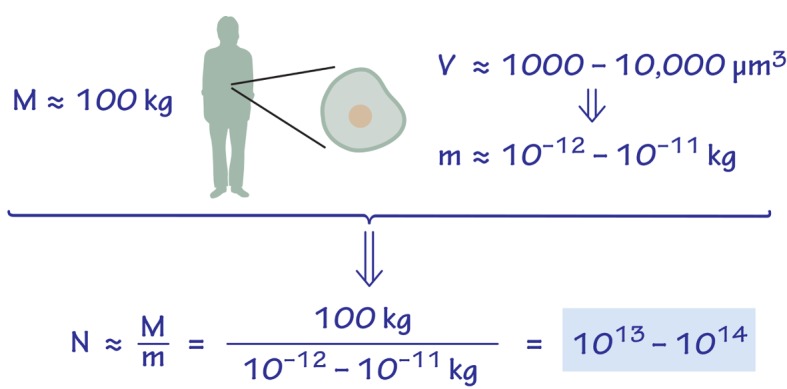
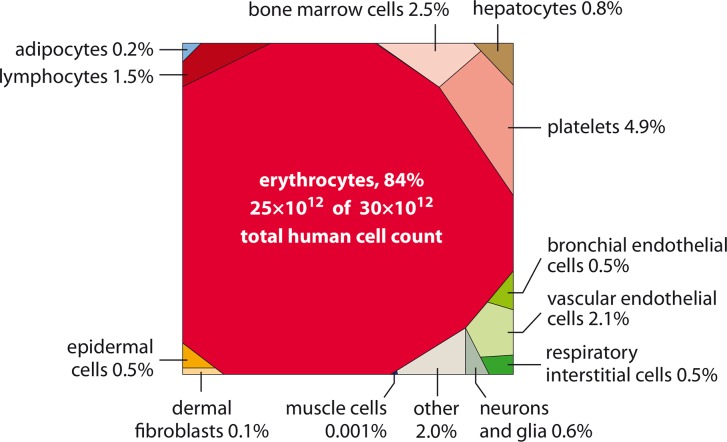
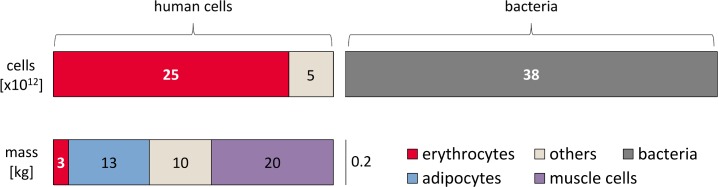
Reported values in the literature on the number of cells in the body differ by orders of magnitude and are very seldom supported by any measurements or calculations. Here, we integrate the most up-to-date information on the number of human and bacterial cells in the body. We estimate the total number of bacteria in the 70 kg "reference man" to be 3.8·1013. For human cells, we identify the dominant role of the hematopoietic lineage to the total count (≈90%) and revise past estimates to 3.0·1013 human cells. Our analysis also updates the widely-cited 10:1 ratio, showing that the number of bacteria in the body is actually of the same order as the number of human cells, and their total mass is about 0.2 kg.
Overview
The claims and statistics of this paper haven’t been checked yet.
Free: it reads the open-access text and checks the first 5 claims that cite a source we can check. Create a free account to check every claim.
Integrity signals
Registry
Cites
Statistics
Figures
Verification
Claims the paper makes
The claims and statistics of this paper haven’t been checked yet.
Free: it reads the open-access text and checks the first 5 claims that cite a source we can check. Create a free account to check every claim.
Claims other papers make about this one
Each is checked against this paper’s own text: does it say what the citing paper says it does?
The cited source doesn’t support the claim as written.
In the citing paper
“these microbes typically account for less than half of the weight of faecal solids 10 .”
From Human microbiome myths and misconceptions (2023) · cites this paper as [10]
Checked by a reasoning model — may be wrong.
Experimental — accuracy not yet measuredThe source backs part of the claim, not all of it — or backs it for a different population, condition or comparison.
In the citing paper
“Endotoxin is a lipopolysaccharide (LPS), constituting much of the outer membrane of gram-negative bacteria, present at high concentrations in gut, gums and skin and in other tissue during bacterial infection.”
From The endotoxin hypothesis of neurodegeneration (2019) · cites this paper as [6]
Experimental — accuracy not yet measuredThe source backs part of the claim, not all of it — or backs it for a different population, condition or comparison.
In the citing paper
“their gene count that exceeds the human genome’s gene count by ~100-fold and enables diverse metabolic programming”
From The microbiome and human cancer (2021) · cites this paper as [27]
Experimental — accuracy not yet measuredThe source backs part of the claim, not all of it — or backs it for a different population, condition or comparison.
In the citing paper
“The human gut microbiome contains ~3 × 10 13 bacteria, most of which are commensals (5).”
From The microbiome in cancer immunotherapy: Diagnostic tools and therapeutic strategies (2018) · cites this paper as [5]
Experimental — accuracy not yet measuredThe source backs part of the claim, not all of it — or backs it for a different population, condition or comparison.
In the citing paper
“there are trillions of microbes as numerous as human cells, that interact with the host constantly at numerous sites”
From The Influence of the Gut Microbiome on Cancer, Immunity, and Cancer Immunotherapy (2018) · cites this paper as Sender et al., 2016
Experimental — accuracy not yet measured
10 more claims about this paper
Create a free account to see every claim other papers make about this one.
Self-check
Percentages, sums and reported differences re-computed from the paper’s own numbers.
The self-check needs the paper’s full text.
Citations
Cites
A human gut microbial gene catalogue established by metagenomic sequencing
MetaHIT Consortium, Qin, J., Li, R., Raes, J., Arumugam, M., Burgdorf, K. S., Manichanh, C., Nielsen, T., Pons, N., Levenez, F., et al. (2010) · Nature · doi:10.1038/nature08821 · Cited by 11,624 · cited 1×
“Bacteria overwhelmingly outnumber eukaryotes and archaea in the human microbiome by 2–3 orders of magnitude [7,8].”
BackgroundHuman gut microbiome viewed across age and geography
Yatsunenko, T., Rey, F. E., Manary, M. J., Trehan, I., Dominguez-Bello, M. G., Contreras, M., Magris, M., Hidalgo, G., Baldassano, R. N., Anokhin, A. P., et al. (2012) · Nature · doi:10.1038/nature11053 · Cited by 7,815 · cited 1×
“Bacteria overwhelmingly outnumber eukaryotes and archaea in the human microbiome by 2–3 orders of magnitude [7,8].”
BackgroundAlberts, B., Johnson, A., Lewis, J., Morgan, D., Raff, M., Roberts, K., & Walter, P. (2017) · W.W. Norton eBooks · doi:10.1201/9781315735368 · Cited by 6,365
Turnbaugh, P. J., Ley, R. E., Hamady, M., Fraser-Liggett, C. M., Knight, R., & Gordon, J. I. (2007) · Nature · doi:10.1038/nature06244 · Cited by 6,091 · cited 1×
“One of the most fundamental and commonly cited figures in this growing field is the estimate that bacteria residing in the human body outnumber human cells by a factor of 10 or more (Bäckhed et al., 2005; Gill et al., 2006; Round and Mazmanian, 2010; Turnbaugh et al., 2007).”
BackgroundHost-Bacterial Mutualism in the Human Intestine
Bäckhed, F., Ley, R. E., Sonnenburg, J. L., Peterson, D. A., & Gordon, J. I. (2005) · Science · doi:10.1126/science.1104816 · Cited by 5,277
Metagenomic Analysis of the Human Distal Gut Microbiome
Gill, S. R., Pop, M., DeBoy, R. T., Eckburg, P. B., Turnbaugh, P. J., Samuel, B. S., Gordon, J. I., Relman, D. A., Fraser-Liggett, C. M., & Nelson, K. E. (2006) · Science · doi:10.1126/science.1124234 · Cited by 4,699 · cited 1×
“One of the most fundamental and commonly cited figures in this growing field is the estimate that bacteria residing in the human body outnumber human cells by a factor of 10 or more (Bäckhed et al., 2005; Gill et al., 2006; Round and Mazmanian, 2010; Turnbaugh et al., 2007).”
BackgroundCellular Scaling Rules for the Brains of Marsupials: Not as “Primitive” as Expected
Dos Santos, S. E., Porfirio, J., da Cunha, F. B., Manger, P. R., Tavares, W., Pessoa, L., Raghanti, M. A., Sherwood, C. C., & Herculano-Houzel, S. (2017) · Brain, Behavior and Evolution · doi:10.1159/000452856 · Cited by 2,642
MICROBIAL ECOLOGY OF THE GASTROINTESTINAL TRACT
Savage, D. C. (1977) · Annual Review of Microbiology · doi:10.1146/annurev.mi.31.100177.000543 · Cited by 2,436 · cited 5×
“Interestingly, those who read the original paper (Savage, 1977) find that it actually cites another paper for his estimate (Luckey, 1972).”
BackgroundInfluentialAzevedo, F. A. C., Carvalho, L. R. B., Grinberg, L. T., Farfel, J. M., Ferretti, R. E. L., Leite, R. E. P., Filho, W. J., Lent, R., & Herculano‐Houzel, S. (2009) · Journal of Comparative Neurology · doi:10.1002/cne.21974 · Cited by 2,337 · cited 1×
“However, a recent analysis [28] revisits this value and, after analyzing the variation across brain regions, concludes that the ratio is close to 1:1.”
BackgroundRound, J. L., & Mazmanian, S. K. (2010) · Proceedings of the National Academy of Sciences · doi:10.1073/pnas.0909122107 · Cited by 2,233 · cited 1×
“One of the most fundamental and commonly cited figures in this growing field is the estimate that bacteria residing in the human body outnumber human cells by a factor of 10 or more (Bäckhed et al., 2005; Gill et al., 2006; Round and Mazmanian, 2010; Turnbaugh et al., 2007).”
Background
Cited by
Items 801–900 of 1,042
Bianchetti, G., Maio, F. D., Abeltino, A., Serantoni, C., Riente, A., Santarelli, G., Sanguinetti, M., Delogu, G., Martinoli, R., Barbaresi, S., et al. (2023) · Nutrients · doi:10.3390/nu15183931 · Cited by 91
Beyond the Gut: The intratumoral microbiome's influence on tumorigenesis and treatment response
Zhang, H., Fu, L., Leiliang, X., Qu, C., Wu, W., Wen, R., Huang, N., He, Q., Cheng, Q., Liu, G., et al. (2024) · 癌症:英文版 · doi:10.1002/cac2.12597 · Cited by 78
“Among these, 97% are intracolonic bacteria, 2-3% are extracolonic bacteria (proximal intestine, skin, lungs, tumor tissues, etc.), and the quantity and diversity of human infectious viruses and phages may be even greater [5, 6].”
BackgroundEnteric immunity, the gut microbiome, and sepsis: Rethinking the germ theory of disease
Cabrera-Pérez, J., Badovinac, V. P., & Griffith, T. S. (2016) · Experimental Biology and Medicine · doi:10.1177/1535370216669610 · Cited by 76
Novel Substrates as Sources of Ancient DNA: Prospects and Hurdles
Green, E., & Speller, C. (2017) · Genes · doi:10.3390/genes8070180 · Cited by 70
The Gut Microbiome as a Therapeutic Target for Cognitive Impairment
Sun, Y., Baptista, L. C., Roberts, L. M., Jumbo-Lucioni, P., McMahon, L. L., Buford, T. W., & Carter, C. S. (2020) · The Journals of Gerontology: Series A · doi:10.1093/gerona/glz281 · Cited by 70
“Importantly, each of these conditions has also been associated with dysbiosis of the gut microbiome (4)—defined as loss of number and diversity of microbes (including bacteria, viruses, fungi, protozoa, and archaea) symbiotically living in the human gastrointestinal tract (2,3).”
BackgroundMicrobiome and the immune system: From a healthy steady-state to allergy associated disruption
Mezouar, S., Chantran, Y., Michel, J., Fabre, A., Dubus, J. ‐., Léone, M., Sérémé, Y., Mège, J., Ranque, S., Desnues, B., et al. (2018) · Human Microbiome Journal · doi:10.1016/j.humic.2018.10.001 · Cited by 83
Guo, X., Zhang, X., Qin, Y., Liu, Y., Zhang, J., Zhang, N., Wu, K., Qu, B., He, Z., Wang, X., et al. (2019) · Plant Communications · doi:10.1016/j.xplc.2019.100003 · Cited by 69
“The ratio of bacteria to rice is similar to the ratio of bacteria to human cells (around 1:1) (Sender et al., 2016).”
BackgroundGanci, M., Suleyman, E., Butt, H., & Ball, M. (2019) · Brain and Behavior · doi:10.1002/brb3.1408 · Cited by 85
Metabolomics of Endurance Capacity in World Tour Professional Cyclists
San-Millán, I., Stefanoni, D., Martinez, J. L., Hansen, K. C., D’Alessandro, A., & Nemkov, T. G. (2020) · Frontiers in Physiology · doi:10.3389/fphys.2020.00578 · Cited by 79
Microbiota dysbiosis in lung cancer: evidence of association and potential mechanisms
Xu, N., Wang, L., Li, C., Ding, C., Li, C., Fan, W., Chen, C., & Gu, B. (2020) · Translational Lung Cancer Research · doi:10.21037/tlcr-20-156 · Cited by 76
Bacterial community structure alterations within the colorectal cancer gut microbiome
Loftus, M. G., Hassouneh, S. A.-D., & Yooseph, S. (2021) · BMC Microbiology · doi:10.1186/s12866-021-02153-x · Cited by 81
Gut Microbiota in NSAID Enteropathy: New Insights From Inside
Wang, X., Tang, Q., Hou, H., Zhang, W., Li, M., Chen, D., Gu, Y., Wang, B., Hou, J., Liu, Y., et al. (2021) · Frontiers in Cellular and Infection Microbiology · doi:10.3389/fcimb.2021.679396 · Cited by 86
(2022) · doi:10.1016/j.hsr.2021.100010 · Cited by 69
Effects of Perinatal Antibiotic Exposure and Neonatal Gut Microbiota
Morreale, C., Giaroni, C., Baj, A., Folgori, L., Barcellini, L., Dhami, A., Agosti, M. A., & Bresesti, I. (2023) · Antibiotics · doi:10.3390/antibiotics12020258 · Cited by 92
“8 × 10¹³ cells, with a number of genes exceeding 100–150-fold the number of human genes [9,10].”
BackgroundDairy probiotics: Beyond the role of promoting gut and immune health
Ζουμποπούλου, Γ., Pot, B., Tsakalidou, E., & Papadimitriou, K. (2016) · International Dairy Journal · doi:10.1016/j.idairyj.2016.09.010 · Cited by 84
Forensic human identification with targeted microbiome markers using nearest neighbor classification
Woerner, A. E., Novroski, N. M. M., Wendt, F. R., Ambers, A., Wiley, R., Schmedes, S. E., & Budowle, B. (2018) · Forensic Science International Genetics · doi:10.1016/j.fsigen.2018.10.003 · Cited by 76
Mathee, K., Cickovski, T., Deoraj, A., Stollstorff, M., & Narasimhan, G. (2020) · Journal of Medical Microbiology · doi:10.1099/jmm.0.001112 · Cited by 69
“It should be noted that more recent studies put this ratio as actually closer to oneto- one [16], although this certainly does not eliminate its significance.”
BackgroundProteomic and Metaproteomic Approaches to Understand Host–Microbe Interactions
Starr, A. E., Deeke, S. A., Li, L., Zhang, X., Daoud, R., Ryan, J., Ning, Z., Cheng, K., Nguyen, L. V. H., Abou-Samra, E., et al. (2017) · Analytical Chemistry · doi:10.1021/acs.analchem.7b04340 · Cited by 74
Metaproteomics of fecal samples of Crohn's disease and Ulcerative Colitis
Lehmann, T., Schallert, K., Vilchez‐Vargas, R., Benndorf, D., Püttker, S., Sydor, S., Schulz, C., Bechmann, L. P., Canbay, A. E., Heidrich, B., et al. (2019) · Journal of Proteomics · doi:10.1016/j.jprot.2019.04.009 · Cited by 72
Bipolar disorder and the gut microbiome: A systematic review
Sublette, M. E., Cheung, S. G., Lieberman, E. E., Hu, S., Mann, J. J., Uhlemann, A., & Miller, J. M. (2021) · Bipolar Disorders · doi:10.1111/bdi.13049 · Cited by 75
Exploring the universal healthy human gut microbiota around the World
Piquer-Esteban, S., Ruiz‐Ruiz, S., Arnau, V., Díaz-Villanueva, W., & Moyá, A. (2022) · Computational and Structural Biotechnology Journal · doi:10.1016/j.csbj.2021.12.035 · Cited by 80
“Bacteria[20] Bacteroidetes[4] Firmicutes[13] Actinobacteria[2] Proteobacteria[1] Bacteroidia[4] Clostridia[13] Coriobacteriia[2] Gammaproteobacteria[1] Bacteroidales[4] Clostridiales[13] Eggerthellales[1] Coriobacteriales[1] Enterobacterales[1] Bacteroidaceae[1] Ruminococcaceae[3] Tannerellaceae[1] Lachnospiraceae[6]…”
InfluentialThe Association between Gut Microbiota and Osteoarthritis: Does the Disease Begin in the Gut?
Ramires, L. C., Santos, G. S., Ramires, R. P., da Fonseca, L. F., Jeyaraman, M., Muthu, S., Lana, A. V. S. D., Azzini, G. O. M., Smith, C. S., & Lana, J. F. (2022) · International Journal of Molecular Sciences · doi:10.3390/ijms23031494 · Cited by 80
“recalculated the bacterial load to human cells as 1:1 which does not produce any significant difference in the microbiota [51].”
BackgroundMechanisms Involved in Gut Microbiota Regulation of Skeletal Muscle
Li, G., Jin, B., & Fan, Z. (2022) · Oxidative Medicine and Cellular Longevity · doi:10.1155/2022/2151191 · Cited by 81
“The human body consists of approximately 30 trillion cells that coexist with various microbial communities [20].”
Application of Microbiome in Forensics
Zhang, J., Liu, W., Simayijiang, H., Hu, P., & Yan, J. (2022) · Genomics Proteomics & Bioinformatics · doi:10.1016/j.gpb.2022.07.007 · Cited by 88
“3 times the total number of human cells [52].”
BackgroundImpact of the mother's gut microbiota on infant microbiome and brain development
Mady, E. A., Doghish, A. S., El‐Dakroury, W. A., Elkhawaga, S. Y., Ismail, A., El‐Mahdy, H. A., Elsakka, E. G. E., & El‐Husseiny, H. M. (2023) · Neuroscience & Biobehavioral Reviews · doi:10.1016/j.neubiorev.2023.105195 · Cited by 75
Smart capsules for sensing and sampling the gut: status, challenges and prospects
Rehan, M., Al-Bahadly, I. H., Thomas, D. G., Young, W., Cheng, L. K., & Avci, E. (2023) · Gut · doi:10.1136/gutjnl-2023-329614 · Cited by 93
“31 The human meta-organism comprises bacterial colonies which include approximately 10 13 prokaryotic organisms with a biomass of around 0.2 kg. 32 Although the human microbiota is still not fully explored, it is pertinent that it colonises the mucosa layer, which covers the columnar epithelium of…”
BackgroundInfluentialCantu-Jungles, T. M., Ruthes, A. C., El-Hindawy, M., Moreno, R. B., Zhang, X., Cordeiro, L. M. C., Hamaker, B. R., & Iacomini, M. (2017) · Carbohydrate Polymers · doi:10.1016/j.carbpol.2017.12.020 · Cited by 75
Noradrenergic ensemble-based modulation of cognition over multiple timescales
Totah, N. K. B., Logothetis, N. K., & Eschenko, O. (2019) · Brain Research · doi:10.1016/j.brainres.2018.12.031 · Cited by 68
Heparin chromatography as an in vitro predictor for antibody clearance rate through pinocytosis
Kraft, T. E., Richter, W. F., Emrich, T., Knaupp, A., Schuster, M., Wolfert, A., & Kettenberger, H. (2020) · mAbs · doi:10.1080/19420862.2019.1683432 · Cited by 67
van de Wijgert, J. H. H. M., Verwijs, M. C., Agaba, S. K., Bronowski, C., Mwambarangwe, L., Uwineza, M., Lievens, E., Nivoliez, A., Ravel, J., & Darby, A. C. (2020) · Scientific Reports · doi:10.1038/s41598-020-60671-6 · Cited by 68
Gut microbiota in dementia. Critical review of novel findings and their potential application
Łuc, M., Misiak, B., Pawłowski, M., Stańczykiewicz, B., Zabłocka, A., Szcześniak, D. M., Pałęga, A., & Rymaszewska, J. (2020) · Progress in Neuro-Psychopharmacology and Biological Psychiatry · doi:10.1016/j.pnpbp.2020.110039 · Cited by 74
Finding a Toll on the Route: The Fate of Osteoclast Progenitors After Toll-Like Receptor Activation
Souza, P. P. C., & Lerner, U. H. (2019) · Frontiers in Immunology · doi:10.3389/fimmu.2019.01663 · Cited by 67
Perspectives on the evolutionary ecology of arthropod antimicrobial peptides
Rolff, J., & Schmid‐Hempel, P. (2016) · Philosophical Transactions of the Royal Society B Biological Sciences · doi:10.1098/rstb.2015.0297 · Cited by 73
Sitaraman, R. (2018) · Microbiome · doi:10.1186/s40168-018-0551-z · Cited by 67
Sasaki, K., Inoue, J., Sasaki, D., Hoshi, N., Shirai, T., Fukuda, I., Azuma, T., Kondo, A., & Osawa, R. (2019) · Biotechnology Journal · doi:10.1002/biot.201800555 · Cited by 72
Host responses to mucosal biofilms in the lung and gut
Domingue, J. C., Drewes, J. L., Merlo, C. A., Housseau, F., & Sears, C. L. (2020) · Mucosal Immunology · doi:10.1038/s41385-020-0270-1 · Cited by 67
Probiotics, Photobiomodulation, and Disease Management: Controversies and Challenges
Ailioaie, L. M., & Litscher, G. (2021) · International Journal of Molecular Sciences · doi:10.3390/ijms22094942 · Cited by 75
“In the body of an adult coexist in symbiosis with the host, trillions of micro-organisms that are spread on the surface of the skin, the mucous membranes of the nasal, oral, vaginal cavities, conjunctiva, saliva, but most of them are in the gastrointestinal tract [16,17].”
BackgroundMolecular genetics for probiotic engineering: dissecting lactic acid bacteria
Suissa, R., Oved, R., Jankelowitz, G., Turjeman, S., Koren, O., & Kolodkin‐Gal, I. (2021) · Trends in Microbiology · doi:10.1016/j.tim.2021.07.007 · Cited by 81
Zhou, A., Yuan, Y., Yang, M., Huang, Y., Li, X., Li, S., Yang, S., & Tang, B. (2022) · Frontiers in Cellular and Infection Microbiology · doi:10.3389/fcimb.2022.832672 · Cited by 90
“In humans, the GIT represents a large microbial ecosystem, housing approximately 10(11) gut microbiota (Sender et al., 2016).”
BackgroundCheng, W., Ho, J. Y. S., & Chang, R. C. (2022) · Ageing Research Reviews · doi:10.1016/j.arr.2022.101620 · Cited by 75
TH17 Cell and Epithelial Cell Crosstalk during Inflammatory Bowel Disease and Carcinogenesis
Kempski, J., Brockmann, L., Gagliani, N., & Huber, S. (2017) · Frontiers in Immunology · doi:10.3389/fimmu.2017.01373 · Cited by 67
Bile acids at the cross-roads of gut microbiome–host cardiometabolic interactions
Ryan, P. M., Stanton, C., & Caplice, N. M. (2017) · Diabetology & Metabolic Syndrome · doi:10.1186/s13098-017-0299-9 · Cited by 71
“Both genomes have co-evolved over millennia with the microbiome expressing a genetic diversity greater than that of the host [1].”
BackgroundLactobacillus sp. improved microbiota and metabolite profiles of aging rats
Hor, Y.-Y., Lew, L.-C., Jaafar, M. H., Lau, A. S.-Y., Ong, J.-S., Kato, T., Nakanishi, Y., Azzam, G., Azlan, A., Ohno, H., et al. (2019) · Pharmacological Research · doi:10.1016/j.phrs.2019.104312 · Cited by 67
Tremiliosi, G. C., Simões, L. G. P., Minozzi, D. T., Santos, R. I., Vilela, D. C. B., Durigon, E. L., Machado, R. R. G., Sales-Medina, D. F., Ribeiro, L. K., Rosa, I. L. V., et al. (2020) · bioRxiv (Cold Spring Harbor Laboratory) · doi:10.1101/2020.06.26.152520 · Cited by 72
Genetically Engineered Microorganisms and Their Impact on Human Health
Mahdizade Ari, M., Dadgar, L., Elahi, Z., Ghanavati, R., & Taheri, B. (2024) · International Journal of Clinical Practice · doi:10.1155/2024/6638269 · Cited by 67
“…through the gastrointestinal system has always been criticized because the gastrointestinal system faces many challenges, such as diversity and diferences in the microbial fora, the level of acidity (range of pH 1.0–7.4), and the percentage of oxygen (stomach, small intestine, and colon) [271–273].”
BackgroundInfluentialCurrent Progress and Future Perspectives of Immune Checkpoint in Cancer and Infectious Diseases
Cai, X., Zhan, H., Ye, Y., Yang, J., Zhang, M., Li, J., & Zhuang, Y. (2021) · Frontiers in Genetics · doi:10.3389/fgene.2021.785153 · Cited by 66
“With an estimated average of 3.8*1013 commensal bacterial resident in a 70 kg “reference man,” it is fluent in believing that gastrointestinal microbes play an important role in immunity (Sender et al., 2016).”
BackgroundInfluentialIn-vivo biotransformation of citrus functional components and their effects on health
Karn, A., Zhao, C., Yang, F., Cui, J., Gao, Z., Wang, M., Wang, F., Xiao, H., & Zheng, J. (2020) · Critical Reviews in Food Science and Nutrition · doi:10.1080/10408398.2020.1746234 · Cited by 71
Zhang, X., Borbet, T. C., Fallegger, A., Wipperman, M. F., Blaser, M. J., & Mueller, A. (2021) · mBio · doi:10.1128/mbio.03335-20 · Cited by 78
Skin Microbiome—The Next Frontier for Probiotic Intervention
McLoughlin, I. J., Wright, E. M., Tagg, J. R., Jain, R., & Hale, J. D. F. (2021) · Probiotics and Antimicrobial Proteins · doi:10.1007/s12602-021-09824-1 · Cited by 83
Environmental and Human Microbiome for Health
Panthee, B., Gyawali, S., Panthee, P., & Techato, K. (2022) · Life · doi:10.3390/life12030456 · Cited by 100
“It is estimated that the human body harbors more than 10 trillion living microorganisms [3], at least ten times more than the number of human cells itself [4]; the precise role of each is difficult to understand.”
BackgroundWang, K., Ma, J., Li, Y., Han, Q., Yin, Z., Zhou, M., Luo, M., Chen, J., & Xia, S. (2022) · Frontiers in Nutrition · doi:10.3389/fnut.2022.1024722 · Cited by 75
“Due to the high variability between and within species in the gut microbiome, it was difficult to define a healthy gut microorganism in terms of specifications (56, 57).”
BackgroundZhu, W., Zhang, X., Wang, D., Yao, Q., Ma, G., & Fan, X. (2024) · Pharmaceuticals · doi:10.3390/ph17121639 · Cited by 80
Lan, J., Zou, J., He, X., Sun, J., Han, T., Sun, M., & Niu, M. (2025) · Journal of Controlled Release · doi:10.1016/j.jconrel.2025.113589 · Cited by 77
Osman, M. A., Neoh, H., Mutalib, N. A., Chin, S., & Jamal, R. (2018) · Frontiers in Microbiology · doi:10.3389/fmicb.2018.00767 · Cited by 79
“There are at least 100 trillion (1014) microbial cells in the human gut, almost outnumbering the eukaryotic cells that reside together (Whitman et al., 1998; Costello et al., 2012; Sender et al., 2016).”
BackgroundTargeted Approaches for In Situ Gut Microbiome Manipulation
Lee, H. L., Shen, H., Hwang, I. Y., Ling, H., Yew, W. S., Lee, Y. S., & Chang, M. W. (2018) · Genes · doi:10.3390/genes9070351 · Cited by 72
“Though the total bacterial cell mass in a healthy individual is estimated to be only around 200 g [4], the bacterial gut metagenome overwhelms the number of distinct genes found in the human genome by 150 times [5].”
BackgroundDisruption of skin microbiota contributes to salamander disease
Bletz, M. C., Kelly, M., Sabino‐Pinto, J., Bales, E. K., Praet, S. V., Bert, W., Boyen, F., Vences, M., Steinfartz, S., Pasmans, F., et al. (2018) · Proceedings of the Royal Society B Biological Sciences · doi:10.1098/rspb.2018.0758 · Cited by 86
Gondalia, S. V., Parkinson, L., Stough, C. K. K., & Scholey, A. B. (2019) · Psychopharmacology · doi:10.1007/s00213-019-05248-6 · Cited by 77
“Severance et al. (2013) reported increased surrogate serum markers of bacterial translocation, soluble CD14 (sCD14) and lipopolysaccharide binding protein (LBP) in bipolar and schizophrenia cohorts compared to controls.”
BackgroundPhytoestrogens and the Intestinal Microbiome
Kolátorová, L., Lapčík, O., & Stárka, L. (2018) · Physiological Research · doi:10.33549/physiolres.934022 · Cited by 70
Reese, A. T., Phillips-Garcia, S., Owens, L. A., Venable, E. M., Langergraber, K. E., Machanda, Z. P., Mitani, J. C., Muller, M. N., Watts, D. P., Wrangham, R. W., et al. (2020) · Current Biology · doi:10.1016/j.cub.2020.10.075 · Cited by 69
“Increasing the fraction of nutrients digested in the small intestine reduces the fraction entering the large intestine, where the vast majority of the gut microbiota resides.(46) Indeed, by altering the nutritional milieu of the large intestine, food selection(47,48) and cooking(49) have both been shown to exert effec…”
BackgroundOsteoclast-targeted delivery of anti-miRNA oligonucleotides by red blood cell extracellular vesicles
Xu, L., Xu, X., Liang, Y., Wen, C., Ouyang, K., Huang, J., Xiao, Y., Deng, X., Xia, J., & Duan, L. (2023) · Journal of Controlled Release · doi:10.1016/j.jconrel.2023.04.043 · Cited by 65
Cheng, C. C., Duar, R. M., Lin, X., Perez-Munoz, M. E., Tollenaar, S., Oh, J.-H., van Pijkeren, J.-P., Li, F., van Sinderen, D., Gänzle, M. G., et al. (2020) · Applied and Environmental Microbiology · doi:10.1128/aem.00190-20 · Cited by 65
Home, sweet home: how mucus accommodates our microbiota
Wang, B. X., Wu, C. M., & Ribbeck, K. (2020) · FEBS Journal · doi:10.1111/febs.15504 · Cited by 76
Ferreri, C., Sansone, A., Rosaria, F., Amézaga, J., & Tueros, I. (2020) · Metabolites · doi:10.3390/metabo10090345 · Cited by 72
“In this respect, the significance of the erythrocyte cell membrane and its fatty acid composition is highlighted for several reasons: (a) the numerosity of erythrocytes and the predominance among other tissues of these cells, which constitute 70–80% of the total cells formed each day [58], rendering them the best repr…”
BackgroundStability of the human gut virome and effect of gluten-free diet
Garmaeva, S., Gulyaeva, A. A., Sinha, T., Shkoporov, A. N., Clooney, A. G., Stockdale, S. R., Spreckels, J. E., Sutton, T., Draper, L. A., Dutilh, B. E., et al. (2021) · Cell Reports · doi:10.1016/j.celrep.2021.109132 · Cited by 74
“The estimated ratio of virus-like particles (VLPs) to bacteria in the gut is ~1:1, and many viruses occur as integrated prophages in the genomes of bacteria (Hoyles et al., 2014; Sender et al., 2016; Shkoporov and Hill, 2019; Shkoporov et al., 2018, 2019).”
The Role of The Tumor Microbiome in Tumor Development and Its Treatment
Chen, Y., Wu, F., Wu, P., Xing, H., & Ma, T. (2022) · Frontiers in Immunology · doi:10.3389/fimmu.2022.935846 · Cited by 77
“8x10(13) - the same order of magnitude as the number of human cells (15).”
BackgroundNiu, B., Pan, T., Xiao, Y., Wang, H., Zhu, J., Tian, F., Lu, W., & Chen, W. (2024) · Critical Reviews in Food Science and Nutrition · doi:10.1080/10408398.2023.2299744 · Cited by 70
“…in the colon is much higher than that in the small intestine/ileum (Huang et al. 2023), possibly due to the higher microbial load in the colon (Sender, Fuchs, and Milo 2016); And the transit time of food in the colon is much longer than that in the ileum/small intestine, which is also proved…”
Tanwar, H., Gnanasekaran, J. M., Allison, D. L., Chuang, L.-S. F., He, X., Aimetti, M., Baima, G., Costalonga, M., Cross, R. K., Sears, C. L., et al. (2024) · Journal of Crohn s and Colitis · doi:10.1093/ecco-jcc/jjae028 · Cited by 99
The Microbiome in Primary Sclerosing Cholangitis: Current Evidence and Potential Concepts
Hov, J., & Karlsen, T. (2017) · Seminars in Liver Disease · doi:10.1055/s-0037-1608801 · Cited by 65
Gautam, A., Kumar, R., Chakraborty, N., Muhie, S., Hoke, A., Hammamieh, R., & Jett, M. (2018) · Journal of Neuroscience Research · doi:10.1002/jnr.24229 · Cited by 65
Woerther, P., Lepeule, R., Burdet, C., Decousser, J., Ruppé, É., & Barbier, F. (2018) · International Journal of Antimicrobial Agents · doi:10.1016/j.ijantimicag.2018.08.026 · Cited by 92
Ai, D., Pan, H., Han, R., Li, X., Liu, G., & Xia, L. C. (2019) · Genes · doi:10.3390/genes10020112 · Cited by 76
“The number of gut microbes cells is in the same order as the number of human cells [28].”
BackgroundIntestinal microbiome as a novel therapeutic target for local and systemic inflammation
Uchiyama, K., Naito, Y., & Takagi, T. (2019) · Pharmacology & Therapeutics · doi:10.1016/j.pharmthera.2019.03.006 · Cited by 72
Microbial exposure and human health
Sharma, A., & Gilbert, J. A. (2018) · Current Opinion in Microbiology · doi:10.1016/j.mib.2018.08.003 · Cited by 72
Role of Dietary Lipids in Modulating Inflammation through the Gut Microbiota
Wisniewski, P. J., Dowden, R. A., & Campbell, S. C. (2019) · Nutrients · doi:10.3390/nu11010117 · Cited by 72
“The gut harbors the largest abundances of these microbes (or microbiota), with estimates of 1013 bacterial cells [5] and over 1000 different species [4] dominated by four main phyla, Bacteroidetes and Firmicutes (which make up roughly 90–99%), Actinobacteria and Proteobacteria [1].”
BackgroundShaping the Infant Microbiome With Non-digestible Carbohydrates
Verkhnyatskaya, S., Ferrari, M., de Vos, P., & Walvoort, M. T. C. (2019) · Frontiers in Microbiology · doi:10.3389/fmicb.2019.00343 · Cited by 63
“Humans live in symbiosis with trillions of bacteria, and most of them are symbionts and beneficial to the host (Sender et al., 2016).”
BackgroundPathogen Colonization Resistance in the Gut and Its Manipulation for Improved Health
Pickard, J. M., & Núñez, G. (2019) · The American Journal of Pathology · doi:10.1016/j.ajpath.2019.03.003 · Cited by 64
Zeng, H., Huang, L., Zhou, L., Wang, P., Chen, X., & Ding, K. (2019) · Carbohydrate Polymers · doi:10.1016/j.carbpol.2019.115038 · Cited by 65
The microbiome and prostate cancer
Javier-DesLoges, J. F., McKay, R. R., Swafford, A. D.-E., Sepich‐Poore, G. D., Knight, R. D., & Parsons, J. K. (2021) · Prostate Cancer and Prostatic Diseases · doi:10.1038/s41391-021-00413-5 · Cited by 67
“INTRODUCTION In the human body, over 38 trillion microbial organisms co-exist, predominantly in the aerodigestive tract, with smaller populations on other body sites [1, 2].”
BackgroundMicrobiota and body weight control: Weight watchers within?
Boscaini, S., Leigh, S., Lavelle, A., García‐Cabrerizo, R., Lipuma, T., Clarke, G. A., Schellekens, H., & Cryan, J. F. (2021) · Molecular Metabolism · doi:10.1016/j.molmet.2021.101427 · Cited by 74
Prostate diseases and microbiome in the prostate, gut, and urine
Miyake, M., Tatsumi, Y., Ohnishi, K., Fujii, T., Nakai, Y., Tanaka, N., & Fujimoto, K. (2022) · Prostate International · doi:10.1016/j.prnil.2022.03.004 · Cited by 75
Neuroinflammation in neurodegeneration via microbial infections
Tran, V. T. A., Lee, L. P., & Cho, H. (2022) · Frontiers in Immunology · doi:10.3389/fimmu.2022.907804 · Cited by 81
Bastiaanssen, T. F. S., Quinn, T. P., & Loughman, A. (2023) · Nature Mental Health · doi:10.1038/s44220-023-00148-3 · Cited by 76
“The text below focuses on high-level concepts, but we also include a fully reproducible analysis in Supplementary Data 1, written in R Markdown, that takes our readers through a complete analysis of microbiome data, starting at the feature table.”
MethodInfluentialSingh, J., Vanlallawmzuali, Singh, A. K., Biswal, S., Zomuansangi, R., Lalbiaktluangi, C., Singh, B. P., Singh, P. K., Vellingiri, B., Iyer, M., et al. (2024) · Asian Journal of Psychiatry · doi:10.1016/j.ajp.2024.104068 · Cited by 76
Zhang, H., Xie, Y., Cao, F., & Song, X. (2024) · Gut Microbes · doi:10.1080/19490976.2024.2382336 · Cited by 78
Expanding Our Horizons: AIE Materials in Bacterial Research
Lee, M. M. S., Yu, E. Y., Chau, J. H. C., Lam, J. W. Y., Kwok, R. T. K., & Tang, B. Z. (2024) · Advanced Materials · doi:10.1002/adma.202407707 · Cited by 89
Regulation of oral immune tolerance by the microbiome in food allergy
Victor, E. S., & Chatila, T. A. (2019) · Current Opinion in Immunology · doi:10.1016/j.coi.2019.06.001 · Cited by 67
DNA-protein crosslink formation by endogenous aldehydes and AP sites
Nakamura, J., & Nakamura, M. (2020) · DNA repair · doi:10.1016/j.dnarep.2020.102806 · Cited by 66
“Our body consists of approximately 3×10¹² nucleated cells, as was determined by a recent reevaluation [31].”
MethodOba, S., Sunagawa, T., Tanihiro, R., Awashima, K., Sugiyama, H., Odani, T., Nakamura, Y., Kondo, A., Sasaki, D., & Sasaki, K. (2020) · Scientific Reports · doi:10.1038/s41598-020-74379-0 · Cited by 70
The Eukaryotic Microbiome: Origins and Implications for Fetal and Neonatal Life
Miller, W. B. (2016) · Frontiers in Pediatrics · doi:10.3389/fped.2016.00096 · Cited by 70
Gut dysbiosis and multiple sclerosis
Noto, D., & Miyake, S. (2020) · Clinical Immunology · doi:10.1016/j.clim.2020.108380 · Cited by 65
Tomizawa, Y., Kurokawa, S., Ishii, D., Miyaho, K., Ishii, C., Sanada, K., Fukuda, S., Mimura, M., & Kishimoto, T. (2020) · The International Journal of Neuropsychopharmacology · doi:10.1093/ijnp/pyaa070 · Cited by 72
“The number of microorganisms in the microbiome of the human gastrointestinal tract has been reported to be almost equal to the number of cells in the human body elsewhere (Sender et al., 2016).”
BackgroundThe role of the gut microbiota and microbial metabolites in neuroinflammation
Haase, S., Wilck, N., Haghikia, A., Gold, R., Mueller, D. N., & Linker, R. A. (2020) · European Journal of Immunology · doi:10.1002/eji.201847807 · Cited by 68
Han, H., Safe, S. H., Jayaraman, A., & Chapkin, R. S. (2021) · Annual Review of Nutrition · doi:10.1146/annurev-nutr-043020-090050 · Cited by 76
Kovtun, A. S., Averina, O. V., Angelova, I. Y., Yunes, R. А., Zorkina, Y., Morozova, A. Y., Pavlichenko, A. V., Syunyakov, T., Karpenko, O., Kostyuk, G. P., et al. (2022) · Biomedicines · doi:10.3390/biomedicines10092162 · Cited by 72
“It consists of 1014 to 1015 bacterial cells, and, to date, more than 1000 species have been identified as part of GM [34,35].”
BackgroundTreatment of Dyslipidemia through Targeted Therapy of Gut Microbiota
Flaig, B., Garza, R., Singh, B., Hamamah, S., & Covașă, M. (2023) · Nutrients · doi:10.3390/nu15010228 · Cited by 72
The Sentient Cell: The Cellular Foundations of Consciousness
Reber, A. S., Baluška, F., & Miller, W. B. (2023) · doi:10.1093/oso/9780198873211.001.0001 · Cited by 89
Antibacterial Coatings Based on Chitosan for Pharmaceutical and Biomedical Applications
Vaz, J. M., Pezzoli, D., Chevallier, P., Campelo, C. S., Candiani, G., & Mantovani, D. (2018) · Current Pharmaceutical Design · doi:10.2174/1381612824666180219143900 · Cited by 56
Altered Gut Microbiota: A Link Between Diet and the Metabolic Syndrome
Velasquez, M. T. (2018) · Metabolic Syndrome and Related Disorders · doi:10.1089/met.2017.0163 · Cited by 72
Nawaz, M. A., Mesnage, R., Tsatsakis, A. M., Golokhvast, K. S., Yang, S. H., Antoniou, M. N., & Chung, G. (2018) · Food and Chemical Toxicology · doi:10.1016/j.fct.2018.12.030 · Cited by 71
Scientists bust myth that our bodies have more bacteria than human cells
Abbott, A. (2016) · Nature · doi:10.1038/nature.2016.19136 · Cited by 63
Metadata
- Authors
- Sender, R., Fuchs, S., & Milo, R.
- Affiliations
- Weizmann Institute of Science (IL)
- Corresponding author
- Fuchs, Shai
- Milo, Ron
- Venue
- PLOS Biology
- Publisher
- Public Library of Science (PLoS)
- Published
- 2016-08-19
- Volume
- 14
- Issue
- 8
- Pages
- e1002533
- ISSN
- 1544-9173 (ISSN-L)
- 1545-7885
- PMC
- PMC4991899
- OpenAlex
- W2952564192
- Cited by
- 5,425
- References
- 88
- Citations by year
- 2026: 411 · 2025: 533 · 2024: 655 · 2023: 696 · 2022: 659 · 2021: 645 · 2020: 597 · 2019: 514 · 2018: 394 · 2017: 252 · 2016: 66
- FWCI
- 212.46
- Type
- journal article
- Language
- en
- Open access
- gold
- doi.org
- Licence
- Locations
- PLoS Biology (publishedVersion, cc-by)
- bioRxiv (Cold Spring Harbor Laboratory) (acceptedVersion, cc-by-nc-nd)
- Europe PMC (PubMed Central) (publishedVersion, cc-by)
- PubMed Central (publishedVersion, cc-by)
- PubMed (publishedVersion)
- DOAJ (DOAJ: Directory of Open Access Journals) (submittedVersion)
- Figshare (submittedVersion, cc-by)
- Funders
- Leona M. and Harry B. Helmsley Charitable Trust
- H2020 European Research Council (646827)
- Topics
- Life Sciences › Biochemistry, Genetics and Molecular Biology › Molecular Biology › Gut microbiota and health
- Physical Sciences › Environmental Science › Ecology › Microbial Community Ecology and Physiology
- Health Sciences › Dentistry › Periodontics › Oral microbiology and periodontitis research
- Keywords
- bacterial counts, human microbiome, hematopoietic lineage, reference man, microbial biomass, body cell mass
- MeSH terms
- Adult, Bacteria, Body Weights and Measures, Cell Count, Humans, Male, Organ Specificity, Bacterial Load, Microbiota
About these checks
Registry, retraction, Cites and statistics results are computed, not judged, with one exception: a printed reference that no index lists is read once by a model before it counts as a citation error. Claims are extracted by a model and kept only when their quote appears verbatim in the text; each cited source is then checked, with a model’s help, for whether it says what the claim relies on. Those verdicts can be wrong — read the claim’s quote and the cited source before relying on one.
Statistics and arithmetic are recomputed, not judged.
Confidence bands are shown only for fields calibrated on our annotated test set. None is calibrated yet, so no band is shown.
What counts as a claim ›How we measure confidence ›How we check this ›
Are you an author, or do you see a problem with this page? Request a review
Data sources
Bibliographic data: Semantic Scholar, OpenAlex, Crossref.
Contains information from the Semantic Scholar Academic Graph Datasets, made available under the ODC Attribution License (ODC-BY 1.0).
Semantic Scholar’s data is described in: Kinney, R., et al. (2023). The Semantic Scholar Open Data Platform. arXiv:2301.10140.
