

Preferred Reporting Items for Systematic Reviews and Meta-Analyses: The PRISMA Statement
Open accessThe DOI matches its Crossref record; 40 of the 41 references it cites were found in a registry or an index; 2 of the 30 sources its claims cite were checked for support.
Abstract
se ha posicionado como un centro de referencia asistencial y académica, con la proyección de conformar clínicas o centros de excelencia.Para lograr este objetivo, es indispensable que realice y se ciña a sus propias guías de práctica clínica o estándares clínicos basados en la evidencia (ECBE), que permita una adecuada y estandarizada atención de pacientes aplicando la mejor evidencia médica disponible.La obesidad es una patología de alta prevalencia en la población general, siendo uno de los motivos de consulta más
Overview
CoChat Summary
## TL;DR
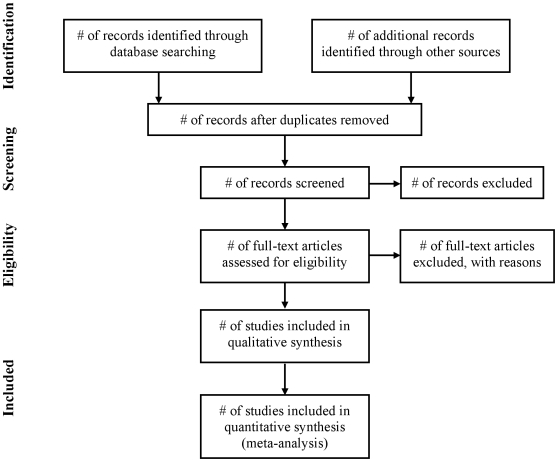
PRISMA is a reporting guideline that replaces QUOROM and provides a 27-item checklist plus a four-phase flow diagram to improve how systematic reviews and meta-analyses are reported. The paper argues that clearer reporting is needed because reporting quality had been suboptimal and often limited readers’ ability to judge review quality.
## Key findings
- The PRISMA Statement consists of a 27-item checklist and a four-phase flow diagram.
- The guideline was developed after a three-day meeting in Ottawa, Canada, in June 2005 with 29 participants including review authors, methodologists, clinicians, medical editors, and a consumer.
- The checklist was revised 11 times before group approval.
- The paper cites earlier evidence that reporting quality was poor: in one study of 83 meta-analyses, the number of adequately reported characteristics ranged from 1 to 14 (mean 7.7, SD 2.7); another study of 50 review articles found none met all eight explicit scientific criteria.
## Methods
- This is a guideline development / consensus paper, not an empirical effects study.
- The executive committee completed a systematic review of studies examining the quality of reporting of systematic reviews, plus a comprehensive literature search for methodological and other relevant articles.
- An international survey of review authors, consumers, and organizations using systematic reviews/meta-analyses was conducted; the Ottawa meeting informed revision of the QUOROM checklist and flow diagram.
## Limitations
- The paper states that no direct evidence was found to support retaining or adding some items, and some items were included because evidence from other domains was considered relevant.
- The paper says PRISMA is a living document and invites further comment, implying the guideline is not final or exhaustive.
- Evident from the text: the paper is a consensus/reporting guideline paper, so it does not test whether PRISMA improves reporting or review quality in practice.
Model-written summary. Check it against the paper before relying on it.
Integrity signals
Registry
Cites
Statistics
Figures
Verification
Claims the paper makes
1 Valid · 1 Not valid · 19 Not checked · 11 Own results and interpretations
The cited sources that could be checked couldn’t confirm or dispute this claim.
In the paper
“For studies included in a systematic review, a thorough assessment of the risk of bias requires both a “study-level” assessment (e.g., adequacy of allocation concealment) and, for some features, a newer approach called “outcome-level” assessment.”
§ Preferred Reporting Items for Systematic Reviews and Meta-Analyses: The PRISMA Statement > Introduction > Box 1: Conceptual Issues in the Evolution from QUOROM to PRISMA
What the sources say
- Could not verifycites [38] Guyatt GH Oxman AD Vist GE Kunz R Falck-Ytter Y 2008 GRADE: An emerging consensus on rating quality of evidence and strength of recommendations. BMJ 336 924 926 18436948 PMC2335261 sourceExperimental — accuracy not yet measured
Our copy of the BMJ 2008 GRADE overview paper lists the factors that downgrade quality of evidence (study limitations/risk of bias, inconsistency, indirectness, imprecision, reporting bias) in 'How does the GRADE system classify quality of evidence?' and Box 2, but no passage draws a study-level versus outcome-level distinction or describes an 'outcome-level' approach to risk of bias assessment. Searches for 'outcome-level assessment risk of bias', 'study level assessment allocation concealment', 'risk of bias assessment across domains outcome specific', and 'study limitations rated for each outcome' returned only the generic downgrade-factor and Box 1/Box 2 passages. The paper also does not credit the claim to another work, so misattribution cannot be established; the decisive text is simply absent from our copy. (LLM, conf=0.65)
plain- Asserted: passes — The authors put it forward as true.
- Checkable: passes — It can be checked against evidence.
- Load-bearing: passes — The paper’s conclusions depend on it.
- Based: passes — The paper gives a reason why it holds.
- Could not verify
The cited sources support only part of this claim — read each source’s verdict below.
In the paper
“Aside from Cochrane reviews, all of which should have a protocol, only about 10% of systematic reviewers report working from a protocol [22].”
§ Preferred Reporting Items for Systematic Reviews and Meta-Analyses: The PRISMA Statement > Introduction > Box 1: Conceptual Issues in the Evolution from QUOROM to PRISMA
What the sources say
- Partly supportedcites [22] Moher D Tetzlaff J Tricco AC Sampson M Altman DG 2007 Epidemiology and reporting characteristics of systematic reviews. PLoS Med 4 e78 doi: 10.1371/journal.pmed.0040078 17388659 PMC1831728 sourceExperimental — accuracy not yet measured
Moher et al. (Results, 'Reporting Characteristics Related to Potential for Bias') report that 'within the therapeutic review category almost every Cochrane review reported a protocol (122/125 [97.6%]), but only a small minority of non-Cochrane reviews did (10/88 [11.4%])' — so the ~10% figure and the near-universal Cochrane protocol coverage are both in the source. However, the 11.4% applies only to non-Cochrane *therapeutic* reviews, whereas the citing sentence generalises it to 'systematic reviewers' as a whole; our copy gives no overall non-Cochrane protocol rate (it states 46.3% of all 300 reviews reported a protocol, with therapeutic reviews more likely than other categories, and the per-category protocol figures sit in Table 3, which our copy does not reproduce numerically). The claim's scope therefore exceeds what this source reports. (LLM, conf=0.78)
plain- Asserted: passes — The authors put it forward as true.
- Checkable: passes — It can be checked against evidence.
- Load-bearing: passes — The paper’s conclusions depend on it.
- Based: passes — The paper gives a reason why it holds.
- Partly supported
In the paper
“A 1996 update of this study found little improvement [7].”
§ Preferred Reporting Items for Systematic Reviews and Meta-Analyses: The PRISMA Statement > Introduction
What the sources say
- Not checked yetcites [7] Sacks HS Reitman D Pagano D Kupelnick B 1996 Meta-analysis: An update. Mt Sinai J Med 63 216 224 8692168
plain- Asserted: passes — The authors put it forward as true.
- Checkable: passes — It can be checked against evidence.
- Load-bearing: passes — The paper’s conclusions depend on it.
- Based: passes — The paper gives a reason why it holds.
In the paper
“In 1987, Mulrow examined 50 review articles published in four leading medical journals in 1985 and 1986 and found that none met all eight explicit scientific criteria, such as a quality assessment of included studies [5].”
§ Preferred Reporting Items for Systematic Reviews and Meta-Analyses: The PRISMA Statement > Introduction
What the sources say
- Not checked yetcites [5] Mulrow CD 1987 The medical review article: State of the science. Ann Intern Med 106 485 488 3813259 source
plain- Asserted: passes — The authors put it forward as true.
- Checkable: passes — It can be checked against evidence.
- Load-bearing: passes — The paper’s conclusions depend on it.
- Based: passes — The paper gives a reason why it holds.
In the paper
“In 1996, to address the suboptimal reporting of meta-analyses, an international group developed a guidance called the QUOROM Statement (QUality Of Reporting Of Meta-analyses), which focused on the reporting of meta-analyses of randomized controlled trials [8].”
§ Preferred Reporting Items for Systematic Reviews and Meta-Analyses: The PRISMA Statement > Introduction
What the sources say
- Not checked yetcites [8] Moher D Cook DJ Eastwood S Olkin I Rennie D 1994 Improving the quality of reporting of meta-analysis of randomized controlled trials: The QUOROM statement. Lancet 354 1896 1900 10584742 source
plainstates a cause- Asserted: passes — The authors put it forward as true.
- Checkable: passes — It can be checked against evidence.
- Load-bearing: unclear — It is unclear whether the paper’s conclusions depend on it.
- Based: passes — The paper gives a reason why it holds.
7 more claims
Create a free account to see all 32 claims and to verify the 28 references still open.
- Probably not a substantial claim. 18
- It may state two separate claims as one. 9
Claims other papers make about this one
Each is checked against this paper’s own text: does it say what the citing paper says it does?
The cited source doesn’t support the claim as written.
In the citing paper
“This systematic review follows the MOOSE Guidelines for Meta-Analyses and Systematic Reviews of Observational Studies158.”
From A systematic review of worldwide causal and correlational evidence on digital media and democracy (2022) · cites this paper as [158]
Checked by a reasoning model — may be wrong.
Experimental — accuracy not yet measuredThe source backs part of the claim, not all of it — or backs it for a different population, condition or comparison.
In the citing paper
“To address the research aim, this study adopted a systematic literature review, following established methodological recommendations to ensure rigor, transparency, and replicability [20,21].”
From Sustainable Value Creation in Nonprofit Organizations: Processes, Determinants, and Strategic Dimensions (2026) · cites this paper as [20]
Experimental — accuracy not yet measuredThe source backs part of the claim, not all of it — or backs it for a different population, condition or comparison.
In the citing paper
“We first followed the PRISMA (Preferred Reporting Items for Systematic reviews and Meta-Analyses) (Moher etal., 2009) method to systematically review the literature.”
From Online peer feedback in higher education: A synthesis of the literature (2024) · cites this paper as Moher et al., 2009
Experimental — accuracy not yet measuredThe source backs part of the claim, not all of it — or backs it for a different population, condition or comparison.
In the citing paper
“The 'Preferred Reporting Items for Systematic Reviews and Meta-Analyses' (PRISMA) methodology was used to conduct a systematic literature review and qualitative synthesis (Moher et al., 2009).”
From AI adoption and diffusion in public administration: A systematic literature review and future research agenda (2023) · cites this paper as Moher et al., 2009
Experimental — accuracy not yet measuredThe source backs part of the claim, not all of it — or backs it for a different population, condition or comparison.
In the citing paper
“Compliance with GATHER is not an indicator of a study's quality.”
From Guidelines for accurate and transparent health estimates reporting: the GATHER statement (2016) · cites this paper as [12]
Experimental — accuracy not yet measured
203 more claims about this paper
Create a free account to see every claim other papers make about this one.
Citations
Cites
Liberati, A., Altman, D. G., Tetzlaff, J., Mulrow, C., Gøtzsche, P. C., Ioannidis, J. P. A., Clarke, M., Devereaux, P. J., Kleijnen, J., & Moher, D. (2009) · PLoS Medicine · doi:10.1371/journal.pmed.1000100 · Cited by 28,164
Self-citationGRADE: an emerging consensus on rating quality of evidence and strength of recommendations
Guyatt, G. H., Oxman, A. D., Vist, G. E., Kunz, R., Falck-Ytter, Y., Alonso-Coello, P., & Schünemann, H. J. (2008) · BMJ · doi:10.1136/bmj.39489.470347.ad · Cited by 23,305
Moher, D., Cook, D. J., Eastwood, S., Olkin, I., Rennie, D., & Stroup, D. F. (1999) · The Lancet · doi:10.1016/s0140-6736(99)04149-5 · Cited by 4,826
Self-citationThe Revised CONSORT Statement for Reporting Randomized Trials: Explanation and Elaboration
Altman, D. G., Schulz, K. F., Moher, D., Egger, M., Davidoff, F., Elbourne, D., Gøtzsche, P. C., Lang, T., & for the CONSORT Group (2001) · Annals of Internal Medicine · doi:10.7326/0003-4819-134-8-200104170-00012 · Cited by 3,835
Self-citationVandenbroucke, J. P., Elm, E. V., Altman, D. G., Gøtzsche, P. C., Mulrow, C. D., Pocock, S. J., Poole, C., Schlesselman, J. J., Egger, M., & initiative, F. T. S. (2007) · Annals of Internal Medicine · doi:10.7326/0003-4819-147-8-200710160-00010-w1 · Cited by 3,543
Self-citationTowards complete and accurate reporting of studies of diagnostic accuracy: The STARD Initiative.
Bossuyt, P. M., Reitsma, J. B., Bruns, D. E., Gatsonis, C. A., Glasziou, P. P., Irwig, L. M., Lijmer, J. G., Moher, D., Rennie, D., de Vet, H. C. W., et al. (2003) · Annals of Internal Medicine · doi:10.7326/0003-4819-138-1-200301070-00010 · Cited by 3,219
Self-citationChan, A.-W., Hróbjartsson, A., Haahr, M. T., Gøtzsche, P. C., & Altman, D. G. (2004) · JAMA · doi:10.1001/jama.291.20.2457 · Cited by 1,845 · cited 1×
“, publication bias) [28] as well as the more recently empirically demonstrated ‘‘outcome reporting bias’’ within individual studies [40,41] should be considered by authors when conducting a systematic review and reporting its results.”
Self-citationReplication validity of genetic association studies
Ioannidis, J. P. A., Ntzani, E. E., Trikalinos, T. A., & Contopoulos-Ioannidis, D. G. (2001) · Nature Genetics · doi:10.1038/ng749 · Cited by 1,832 · cited 1×
“For example, systematic reviews are now conducted to investigate cost-effectiveness [31], diagnostic [32] or prognostic questions [33], genetic associations [34], and policy making [35].”
The case of the misleading funnel plot
Lau, J., Ioannidis, J. P. A., Terrin, N., Schmid, C. H., & Olkin, I. (2006) · BMJ · doi:10.1136/bmj.333.7568.597 · Cited by 1,766 · cited 1×
“Even when the possibility of publication bias is assessed, there is no guarantee that systematic reviewers have assessed or interpreted it appropriately [30].”
Systematic reviews of evaluations of diagnostic and screening tests
Deeks, J. J. (2001) · BMJ · doi:10.1136/bmj.323.7305.157 · Cited by 1,340
Cited by
Items 3,301–3,400 of 5,001
Hopkin, G., Evans-Lacko, S., Forrester, A., Shaw, J., & Thornicroft, G. (2018) · Administration and Policy in Mental Health and Mental Health Services Research · doi:10.1007/s10488-018-0848-z · Cited by 119
A meta-analysis of the efficacy of gabapentin for treating alcohol use disorder
Kranzler, H. R., Feinn, R., Morris, P., & Hartwell, E. E. (2019) · Addiction · doi:10.1111/add.14655 · Cited by 121
Wändell, P. E., de Waard, A.-K. M., Holzmann, M. J., Gornitzki, C., Lionis, C., de Wit, N., Søndergaard, J., Sønderlund, A. L., Kral, N., Seifert, B., et al. (2018) · Family Practice · doi:10.1093/fampra/cmx137 · Cited by 120
Predicting the time needed for environmental systematic reviews and systematic maps
Haddaway, N. R., & Westgate, M. J. (2019) · Conservation Biology · doi:10.1111/cobi.13231 · Cited by 120
Xiao, P., Dai, Z., Zhong, J., Zhu, Y., Shi, H., & Pan, P. (2015) · Drug and Alcohol Dependence · doi:10.1016/j.drugalcdep.2015.05.030 · Cited by 120
“The preferred reporting items for systematic reviews and meta-analyses (PRISMA) guidelines were followed in our study (Moher et al., 2009; Figure 1).”
Lee, B. E. C., Ling, M., Boyd, L., Olsson, C., & Sheen, J. (2023) · Journal of Affective Disorders · doi:10.1016/j.jad.2023.03.012 · Cited by 120
“This systematic review followed the Preferred Reporting Items for Systematic Review and Meta-Analysis (PRISMA) guidelines when conducting this study (Moher et al., 2009) (S1 Appendix).”
Askarpour, M., Khani, D., Sheikhi, A., Ghaedi, E., & Alizadeh, S. (2019) · Obesity Surgery · doi:10.1007/s11695-019-03926-0 · Cited by 120
Roberts, N. P., Lotzin, A., & Schäfer, I. (2022) · European Journal of Psychotraumatology · doi:10.1080/20008198.2022.2041831 · Cited by 120
Grace, S. A., Rossell, S. L., Heinrichs, M., Kordsachia, C., & Labuschagne, I. (2018) · Psychoneuroendocrinology · doi:10.1016/j.psyneuen.2018.05.031 · Cited by 120
Child first language and adult second language are both tied to general-purpose learning systems
Hamrick, P., Lum, J. A. G., & Ullman, M. T. (2018) · Proceedings of the National Academy of Sciences · doi:10.1073/pnas.1713975115 · Cited by 120
Franks, K. H., Bransby, L., Saling, M. M., & Pase, M. P. (2021) · Journal of Alzheimer's Disease · doi:10.3233/jad-210094 · Cited by 119
“The current systematic review was conducted in accordance with Preferred Reporting Items for Systematic Reviews and Meta-Analyses (PRISMA) guidelines [16].”
Larkings, J. S., & Brown, P. M. (2018) · International Journal of Mental Health Nursing · doi:10.1111/inm.12390 · Cited by 119
The Werther effect, the Papageno effect or no effect? A literature review
Domaradzki, J. (2021) · International Journal of Environmental Research and Public Health · doi:10.3390/ijerph18052396 · Cited by 119
Yan, M. Y., Gustad, L. T., & Nytrø, Ø. (2022) · Journal of the American Medical Informatics Association · doi:10.1093/jamia/ocab236 · Cited by 119
“This systematic review follows the Preferred Reporting Items for Systematic review and Meta-Analyses guidelines.(46)”
Eberle, C., & Stichling, S. (2021) · Journal of Medical Internet Research · doi:10.2196/23244 · Cited by 119
Effects of inflammation on the kynurenine pathway in schizophrenia—a systematic review
Pedraz-Petrozzi, B., Elyamany, O., Rummel, C., & Mulert, C. (2020) · Journal of Neuroinflammation · doi:10.1186/s12974-020-1721-z · Cited by 119
Vaes, A. W., Cheung, A., Atakhorrami, M., Groenen, M. T. J., Amft, O., Franssen, F. M. E., Wouters, E. F. M., & Spruit, M. A. (2013) · Annals of Medicine · doi:10.3109/07853890.2013.810891 · Cited by 119
Kuppens, S., Moore, S. C., Gross, V., Lowthian, E., & Siddaway, A. P. (2020) · Development and Psychopathology · doi:10.1017/s0954579419000749 · Cited by 119
Transformation and digital literacy: Systematic literature mapping
Farias-Gaytan, S., Aguaded, I., & Ramirez-Montoya, M.-S. (2022) · Education and Information Technologies · doi:10.1007/s10639-021-10624-x · Cited by 119
“Figure 2 structures the delimitation based on the PRISMA method (Moher et al., 2009).”
Leng, M., Liu, P., Zhang, P., Hu, M., Zhou, H., Li, G., Yin, H., & Chen, L. (2019) · Psychiatry Research · doi:10.1016/j.psychres.2018.12.032 · Cited by 119
Tagawa, R., Watanabe, D., Ito, K., Ueda, K., Nakayama, K., Sanbongi, C., & Miyachi, M. (2021) · Nutrition Reviews · doi:10.1093/nutrit/nuaa104 · Cited by 118
“This systematic review and meta-analysis was conducted in accordance with PRISMA (Preferred Reporting Items for Systematic Reviews and MetaAnalyses) guidelines.(17)”
MethodReviewing systematic literature reviews: ten key questions and criteria for reviewers
Kuckertz, A., & Block, J. (2021) · Management Review Quarterly · doi:10.1007/s11301-021-00228-7 · Cited by 119
Kitsiou, S., Paré, G., & Jaana, M. (2013) · Journal of Medical Internet Research · doi:10.2196/jmir.2770 · Cited by 118
Imran, S. A., Agarwal, G., Bajaj, H. S., & Ross, S. (2018) · Canadian Journal of Diabetes · doi:10.1016/j.jcjd.2017.10.030 · Cited by 113
Morales, D. R., Slattery, J., Evans, S., & Kurz, X. (2018) · BMC Medicine · doi:10.1186/s12916-017-0993-3 · Cited by 118
Fernandes, L. G., Devan, H., Fioratti, I., Kamper, S. J., Williams, C. M., & Saragiotto, B. T. (2022) · Pain · doi:10.1097/j.pain.0000000000002364 · Cited by 118
Olieman, R. M., Siemonsma, F., Bartens, M. A., Garthus-Niegel, S., Scheele, F., & Honig, A. (2017) · BMC Pregnancy and Childbirth · doi:10.1186/s12884-017-1371-z · Cited by 118
Manzoor, B., Othman, I., Durdyev, S., Ismail, S., & Wahab, M. (2021) · Applied System Innovation · doi:10.3390/asi4030052 · Cited by 118
“[57], also known as PRISMA statement (i) selection of objectives; (ii) selection of databases; (iii) identification of the keywords; (iv) compatible papers selection; and (v) extraction of data.”
Román-Caballero, R., Vadillo, M. A., Trainor, L. J., & Lupiáñez, J. (2022) · Educational Research Review · doi:10.1016/j.edurev.2022.100436 · Cited by 118
Big data contributions to human resource management: a systematic review
Garcia-Arroyo, J., & Osca, A. (2021) · The International Journal of Human Resource Management · doi:10.1080/09585192.2019.1674357 · Cited by 118
Scales for assessing patient satisfaction with mental health care: A systematic review
Miglietta, E., Belessiotis-Richards, C., Ruggeri, M., & Priebe, S. (2018) · Journal of Psychiatric Research · doi:10.1016/j.jpsychires.2018.02.014 · Cited by 117
Noise as a sleep aid: A systematic review
Riedy, S. M., Smith, M. G., Rocha, S., & Basner, M. (2021) · Sleep Medicine Reviews · doi:10.1016/j.smrv.2020.101385 · Cited by 115
Samara, M., Da Silva Nascimento, B., El-Asam, A., Hammuda, S., & Khattab, N. (2021) · International Journal of Environmental Research and Public Health · doi:10.3390/ijerph18052209 · Cited by 117
Janapala, R. N., Jayaraj, J. S., Fathima, N., Kashif, T., Usman, N., Dasari, A., Jahan, N., & Sachmechi, I. (2019) · Cureus · doi:10.7759/cureus.5634 · Cited by 117
“The following figure (Figure 1) summarizes the flow of search trial through the Preferred Reporting Items for Systematic Reviews and Meta-Analyses (PRISMA) flow diagram [6].”
BackgroundA synthesis of funds of identity research: Purposes, tools, pedagogical approaches and outcomes
Hogg, L., & Volman, M. (2020) · Review of Educational Research · doi:10.3102/0034654320964205 · Cited by 117
McPherson, K. E., Kerr, S., Morgan, A., McGee, E., Cheater, F. M., McLean, J., & Egan, J. (2013) · BMC Public Health · doi:10.1186/1471-2458-13-971 · Cited by 117
Managing and Coding References for Systematic Reviews and Scoping Reviews in EndNote
Peters, M. D. J. (2017) · Medical Reference Services Quarterly · doi:10.1080/02763869.2017.1259891 · Cited by 117
Causes, impacts and coping strategies of floods in Ghana: A systematic review
Mensah, H., & Ahadzie, D. K. (2020) · SN Applied Sciences · doi:10.1007/s42452-020-2548-z · Cited by 117
“The selection process of primary articles was carried out based on MetaAnalysis (PRISMA) guideline [61].”
MethodA systematic review of physical therapy interventions for patients with anorexia and bulemia nervosa
Vancampfort, D., Vanderlinden, J., De Hert, M., Soundy, A., Adámkova, M., Skjaerven, L. H., Catalán-Matamoros, D., Lundvik Gyllensten, A., Gómez-Conesa, A., & Probst, M. (2014) · Disability and Rehabilitation · doi:10.3109/09638288.2013.808271 · Cited by 116
Treatment of cocaine cardiovascular toxicity: a systematic review
Richards, J. R., Garber, D., Laurin, E. G., Albertson, T. E., Derlet, R. W., Amsterdam, E. A., Olson, K. R., Ramoska, E. A., & Lange, R. A. (2016) · Clinical Toxicology · doi:10.3109/15563650.2016.1142090 · Cited by 116
Broad-spectrum micronutrient formulas for the treatment of psychiatric symptoms: a systematic review
Rucklidge, J. J., & Kaplan, B. J. (2013) · Expert Review of Neurotherapeutics · doi:10.1586/ern.12.143 · Cited by 116
Is dementia incidence declining in high-income countries? A systematic review and meta-analysis
Roehr, S., Pabst, A., Luck, T., & Riedel-Heller, S. (2018) · Clinical Epidemiology · doi:10.2147/clep.s163649 · Cited by 115
“Our study followed the Preferred Reporting Items for Systematic Reviews and Meta-Analysis (PRISMA).(13) Search strategy and study selection Two reviewers (SR, clinical investigator; AP, clinical investigator/methodologist) independently searched the electronic databases MEDLINE and Web of Science on June 6, 2017.”
Biomarkers of Pathological Dissociation: A Systematic Review
Roydeva, M. I., & Reinders, A. A. T. S. (2021) · Neuroscience & Biobehavioral Reviews · doi:10.1016/j.neubiorev.2020.11.019 · Cited by 116
Reproducible research practices are underused in systematic reviews of biomedical interventions
Page, M. J., Altman, D. G., Shamseer, L., McKenzie, J. E., Ahmadzai, N., Wolfe, D., Yazdi, F., Catalá-López, F., Tricco, A. C., & Moher, D. (2018) · Journal of Clinical Epidemiology · doi:10.1016/j.jclinepi.2017.10.017 · Cited by 115
Self-citationEffects of sewerage on diarrhoea and enteric infections: a systematic review and meta-analysis
Norman, G., Pedley, S., & Takkouche, B. (2010) · The Lancet Infectious Diseases · doi:10.1016/s1473-3099(10)70123-7 · Cited by 115
The Effects of Spaced Practice on Second Language Learning: A Meta‐Analysis
Kim, S. K., & Webb, S. (2022) · Language Learning · doi:10.1111/lang.12479 · Cited by 119
Devan, H., Farmery, D., Peebles, L., & Grainger, R. (2019) · JMIR mHealth and uHealth · doi:10.2196/13080 · Cited by 115
Empathy in schizophrenia: A meta-analysis of the Interpersonal Reactivity Index
Bonfils, K. A., Lysaker, P. H., Minor, K. S., & Salyers, M. P. (2017) · Psychiatry Research · doi:10.1016/j.psychres.2016.12.033 · Cited by 115
Bunn, D., Jimoh, F., Wilsher, S. H., & Hooper, L. (2015) · Journal of the American Medical Directors Association · doi:10.1016/j.jamda.2014.10.016 · Cited by 115
Yoga in schizophrenia: a systematic review of randomised controlled trials
Vancampfort, D., Vansteelandt, K., Scheewe, T., Probst, M., Knapen, J., De Herdt, A., & De Hert, M. (2012) · Acta Psychiatrica Scandinavica · doi:10.1111/j.1600-0447.2012.01865.x · Cited by 115
“The systematic review was performed according to the PRISMA (Preferred Reporting Items for Systematic Reviews and Meta-Analyses) standard (21).”
MethodSherwood, L., Hegarty, S., Vallières, F., Hyland, P., Murphy, J., Fitzgerald, G., & Reid, T. (2019) · Journal of Traumatic Stress · doi:10.1002/jts.22431 · Cited by 114
Facial mimicry, empathy, and emotion recognition: a meta-analysis of correlations
Holland, A. C., O’Connell, G., & Dziobek, I. (2021) · Cognition and Emotion · doi:10.1080/02699931.2020.1815655 · Cited by 114
“…exclusion criteria were applied, 28 studies reporting 162 effect sizes (k) remained (see Table 1 for a brief summary and Figure 1 for an overview of the workflow for data collect, in line with PRISMA guidelines, Moher et al. 2009; for a detailed summary see the database in the online repository).”
Cooper, J., Murphy, J., Woods, C., Van Nassau, F., McGrath, A., Callaghan, D., Carroll, P., Kelly, P., Murphy, N., Murphy, M., et al. (2021) · International Journal of Behavioral Nutrition and Physical Activity · doi:10.1186/s12966-021-01177-w · Cited by 114
Sun, H.-M., Li, X.-Y., Chow, E. P. F., Li, T., Xian, Y., Lu, Y.-H., Tian, T., Zhuang, X., & Zhang, L. (2015) · BMJ Open · doi:10.1136/bmjopen-2014-005997 · Cited by 114
Competency in nursing practice: a concept analysis
Mrayyan, M. T., Abunab, H. Y., Abu Khait, A., Rababa, M. J., Al-Rawashdeh, S., Algunmeeyn, A., & Abu Saraya, A. (2023) · BMJ Open · doi:10.1136/bmjopen-2022-067352 · Cited by 114
Philipp, R., Kriston, L., Lanio, J., Kühne, F., Härter, M., Moritz, S., & Meister, R. (2019) · Clinical Psychology & Psychotherapy · doi:10.1002/cpp.2345 · Cited by 114
Byrne, P., Demasi, M., Jones, M., Smith, S. M., O’Brien, K. K., & DuBroff, R. (2022) · JAMA Internal Medicine · doi:10.1001/jamainternmed.2022.0134 · Cited by 114
Theories Informing eHealth Implementation: Systematic Review and Typology Classification
Heinsch, M., Wyllie, J., Carlson, J., Wells, H., Tickner, C., & Kay-Lambkin, F. (2021) · Journal of Medical Internet Research · doi:10.2196/18500 · Cited by 114
“A PRISMA checklist is available in Multimedia Appendix 1 [29].”
How to reduce unnecessary duplication: use PROSPERO
Moher, D., Booth, A., & Stewart, L. (2014) · BJOG: An International Journal of Obstetrics & Gynaecology · doi:10.1111/1471-0528.12657 · Cited by 113
Self-citationJohannsen, M., Farver, I., Beck, N., & Zachariae, R. (2013) · Breast Cancer Research and Treatment · doi:10.1007/s10549-013-2503-4 · Cited by 113
Hummel, A., Shelton, K. H., Heron, J., Moore, L., & van den Bree, M. B. M. (2013) · Addiction · doi:10.1111/add.12055 · Cited by 113
Sclar, G. D., Penakalapati, G., Caruso, B. A., Rehfuess, E. A., Garn, J. V., Alexander, K. T., Freeman, M. C., Boisson, S., Medlicott, K., & Clasen, T. (2018) · Social Science & Medicine · doi:10.1016/j.socscimed.2018.09.016 · Cited by 113
Adams, C., Gringart, E., & Strobel, N. (2022) · Systematic Reviews · doi:10.1186/s13643-022-02034-y · Cited by 115
Effect of menstrual cycle on resting metabolism: A systematic review and meta-analysis
Benton, M. J., Hutchins, A. M., & Dawes, J. J. (2020) · PLOS ONE · doi:10.1371/journal.pone.0236025 · Cited by 113
“All methods were consistent with PRISMA guidelines [12].”
McTigue, E. M., Solheim, O. J., Zimmer, W. K., & Uppstad, P. H. (2020) · Reading Research Quarterly · doi:10.1002/rrq.256 · Cited by 113
Diagnosis of aphasia in stroke populations: A systematic review of language tests
Rohde, A., Worrall, L., Godecke, E., O’Halloran, R., Farrell, A., & Massey, M. (2018) · PLOS ONE · doi:10.1371/journal.pone.0194143 · Cited by 113
Georgiou, E. X., Melo, P., Baker, P. E., Sallam, H. N., Arici, A., Garcia-Velasco, J. A., Abou-Setta, A. M., Becker, C., & Granne, I. E. (2019) · Cochrane Database of Systematic Reviews · doi:10.1002/14651858.cd013240.pub2 · Cited by 113
Ford, N., Shubber, Z., Jarvis, J. N., Chiller, T., Greene, G., Migone, C., Vitoria, M., Doherty, M., & Meintjes, G. (2018) · Clinical Infectious Diseases · doi:10.1093/cid/cix1143 · Cited by 113
“Reporting Items for Systematic Reviews and Meta-Analyses (PRISMA) guidelines [13].”
Bunn, D. K., Abdelhamid, A., Copley, M., Cowap, V., Dickinson, A., Howe, A., Killett, A., Poland, F., Potter, J. F., Richardson, K., et al. (2016) · BMC Geriatrics · doi:10.1186/s12877-016-0256-8 · Cited by 113
The application of Goal Setting Theory to goal setting interventions in sport: a systematic review
Jeong, Y. H., Healy, L. C., & McEwan, D. (2023) · International Review of Sport and Exercise Psychology · doi:10.1080/1750984x.2021.1901298 · Cited by 113
“The present review was organized based on the Preferred Reporting Items for Systematic Reviews and Meta-Analysis (PRISMA) guidelines (see Moher et al., 2009).”
Brandel, M., Vescovelli, F., & Ruini, C. (2017) · Clinical Psychology & Psychotherapy · doi:10.1002/cpp.2104 · Cited by 113
Systematic review and meta-analysis of psychiatric disorder and the perpetration of partner violence
Oram, S., Trevillion, K., Khalifeh, H., Feder, G., & Howard, L. M. (2014) · Epidemiology and Psychiatric Sciences · doi:10.1017/s2045796013000450 · Cited by 113
Effect of front-of-package nutrition labeling on food purchases: A systematic review
An, R., Shi, Y., Shen, J., Bullard, T., Liu, G., Yang, Q., Chen, N., & Cao, L. (2021) · Public Health · doi:10.1016/j.puhe.2020.06.035 · Cited by 112
Liang, J., Stephens, J. M., & Brown, G. T. L. (2025) · Frontiers in Education · doi:10.3389/feduc.2025.1522841 · Cited by 112
Cost-effectiveness of precision medicine: a scoping review
Kasztura, M., Richard, A., Bempong, N.-E., Loncar, D., & Flahault, A. (2019) · International Journal of Public Health · doi:10.1007/s00038-019-01298-x · Cited by 112
Perrin, A. J., Horowitz, M. A., Roelofs, J., Zunszain, P. A., & Pariante, C. M. (2019) · Frontiers in Psychiatry · doi:10.3389/fpsyt.2019.00423 · Cited by 112
Isaacs, N. Z., & Andipatin, M. G. (2020) · BMC Psychology · doi:10.1186/s40359-020-00410-8 · Cited by 109
Maternal prenatal stress and infant DNA methylation: A systematic review
Sosnowski, D. W., Booth, C., York, T. P., Amstadter, A. B., & Kliewer, W. (2018) · Developmental Psychobiology · doi:10.1002/dev.21604 · Cited by 111
Henssler, J., Alexander, D., Schwarzer, G., Bschor, T., & Baethge, C. (2022) · JAMA Psychiatry · doi:10.1001/jamapsychiatry.2021.4313 · Cited by 111
Intimate partner violence in male survivors of child maltreatment: A meta-analysis
Godbout, N., Vaillancourt-Morel, M.-P., Bigras, N., Briere, J., Hébert, M., Runtz, M., & Sabourin, S. (2019) · Trauma, Violence, & Abuse · doi:10.1177/1524838017692382 · Cited by 111
A systematic review of anxiety amongst people with Multiple Sclerosis
Butler, E., Matcham, F., & Chalder, T. (2016) · Multiple Sclerosis and Related Disorders · doi:10.1016/j.msard.2016.10.003 · Cited by 111
Ketogenic diet for the treatment of pediatric epilepsy: review and meta-analysis
Sourbron, J., Klinkenberg, S., van Kuijk, S. M. J., Lagae, L., Lambrechts, D., Braakman, H. M. H., & Majoie, M. (2020) · Child's Nervous System · doi:10.1007/s00381-020-04578-7 · Cited by 111
Arnold, L. E., Hodgkins, P., Caci, H., Kahle, J., & Young, S. (2015) · PLOS ONE · doi:10.1371/journal.pone.0116407 · Cited by 111
Mindfulness-Based Interventions for Youth With Anxiety: A Systematic Review and Meta-Analysis
Borquist-Conlon, D. S., Maynard, B. R., Brendel, K. E., & Farina, A. S. J. (2019) · Research on Social Work Practice · doi:10.1177/1049731516684961 · Cited by 111
Schuch, F. B., Vancampfort, D., Sui, X., Rosenbaum, S., Firth, J., Richards, J., Ward, P. B., & Stubbs, B. (2016) · Preventive Medicine · doi:10.1016/j.ypmed.2016.10.011 · Cited by 111
Hoffmann, B., Erwood, K., Ncomanzi, S., Fischer, V, O'Brien, D., & Lee, A. (2022) · Australian Dental Journal · doi:10.1111/adj.12926 · Cited by 111
Muscle morphology and performance in master athletes: A systematic review and meta-analyses
Mckendry, J., Breen, L., Shad, B. J., & Greig, C. A. (2018) · Ageing Research Reviews · doi:10.1016/j.arr.2018.04.007 · Cited by 111
Wu, N., Bredin, S. S. D., Guan, Y., Dickinson, K., Kim, D. D., Chua, Z., Kaufman, K., & Warburton, D. E. R. (2019) · Journal of Clinical Medicine · doi:10.3390/jcm8020253 · Cited by 110
Alwash, S. M., McIntyre, H. D., & Mamun, A. (2021) · Obesity Research & Clinical Practice · doi:10.1016/j.orcp.2021.07.005 · Cited by 110
Dietary Nitrate from Beetroot Juice for Hypertension: A Systematic Review
Bonilla Ocampo, D., Paipilla, A., Marín, E., Vargas-Molina, S., Petro, J., & Pérez-Idárraga, A. (2018) · Biomolecules · doi:10.3390/biom8040134 · Cited by 110
Välimäki, M., Anttila, K., Anttila, M., & Lahti, M. (2017) · JMIR mHealth and uHealth · doi:10.2196/mhealth.8624 · Cited by 110
McCurley, J. L., Gutierrez, A. P., & Gallo, L. C. (2017) · American Journal of Preventive Medicine · doi:10.1016/j.amepre.2016.10.028 · Cited by 110
Sanchez-Morillo, D., Fernandez-Granero, M. A., & Leon-Jimenez, A. (2016) · Chronic Respiratory Disease · doi:10.1177/1479972316642365 · Cited by 110
The impact of childhood cancer on parents’ socio-economic situation—A systematic review
Roser, K., Erdmann, F., Michel, G., Winther, J. F., & Mader, L. (2019) · Psycho-Oncology · doi:10.1002/pon.5088 · Cited by 110
Prevalence of Comorbidities in Asthma and Nonasthma Patients: A Meta-analysis
Su, X., Ren, Y., Li, M., Zhao, X., Kong, L., & Kang, J. (2016) · Medicine · doi:10.1097/md.0000000000003459 · Cited by 110
Research on agro-food sustainability transitions: Where are food security and nutrition?
El Bilali, H. (2019) · Food Security · doi:10.1007/s12571-019-00922-1 · Cited by 110
Tools used to assess the quality of peer review reports: A methodological systematic review
Superchi, C., González, J. A., Solà, I., Cobo, E., Hren, D., & Boutron, I. (2019) · BMC Medical Research Methodology · doi:10.1186/s12874-019-0688-x · Cited by 128
“process through a PRISMA flowchart [16].”
Cheng, Y., Wang, Y., Wang, X., Jiang, Z., Zhu, L., & Fang, S. (2022) · Frontiers in Psychiatry · doi:10.3389/fpsyt.2022.893097 · Cited by 110
Perseverative Cognition and Health Behaviors: A Systematic Review and Meta-Analysis
Clancy, F., Prestwich, A., Caperon, L., & O'Connor, D. B. (2016) · Frontiers in Human Neuroscience · doi:10.3389/fnhum.2016.00534 · Cited by 110
Zamkah, A., Hui, T., Andrews, S., Dey, N., Shi, F., & Sherratt, R. S. (2020) · Biosensors · doi:10.3390/bios10040040 · Cited by 110
“The design and methods used for this structured review comply with the preferred reporting items for systematic reviews and meta-analyses (PRISMA) guidelines [23].”
Metadata
- Authors
- Moher, D., Liberati, A., Tetzlaff, J., Altman, D. G., & The PRISMA Group
- Affiliations
- University of Ottawa (CA)
- University of Modena and Reggio Emilia (IT)
- Ottawa Hospital Research Institute (CA)
- University of Oxford (GB)
- Corresponding author
- Moher, David
- Venue
- PLoS Medicine
- Publisher
- Public Library of Science (PLoS)
- Published
- 2009-07-21
- Volume
- 6
- Issue
- 7
- Pages
- e1000097
- ISSN
- 1549-1277 (ISSN-L)
- 1549-1676
- PMC
- PMC2707599
- OpenAlex
- W4294215472
- Semantic Scholar
- 245831b1ba9fa32fdb224555b37533010af903e6
- Cited by
- 64,042
- References
- 41
- Citations by year
- 2026: 3275 · 2025: 4811 · 2024: 4970 · 2023: 5595 · 2022: 8235 · 2021: 11170 · 2020: 8000 · 2019: 5340 · 2018: 3973 · 2017: 2684 · 2016: 1906 · 2015: 1401 · 2014: 1097 · 2013: 786 · 2012: 421
- FWCI
- 18.63
- Type
- journal article
- Language
- en
- Open access
- gold
- doi.org
- Locations
- PLoS Medicine (publishedVersion, cc-by)
- PubMed Central (publishedVersion, cc-by)
- PubMed (publishedVersion)
- IRIS UNIMORE (University of Modena and Reggio Emilia) (submittedVersion, cc-by)
- RePEc: Research Papers in Economics (submittedVersion)
- Archivio Istituzionale della Ricerca (Universita Degli Studi Di Milano) (submittedVersion, other-oa)
- DOAJ (DOAJ: Directory of Open Access Journals) (submittedVersion, cc-by-sa)
- Figshare (submittedVersion, cc-by)
- University of Birmingham Research Portal (University of Birmingham) (submittedVersion, other-oa)
- Funders
- GlaxoSmithKline
- Health Services Research and Development
- Johns Hopkins University
- University of Ottawa
- University of Bern
- Ottawa Hospital Research Institute
- McMaster University
- Cancer Research UK
- University of Ioannina
- Johns Hopkins Bloomberg School of Public Health
- Canadian Institutes of Health Research
- Medical Research Council
- Care and Public Health Research Institute, Universiteit Maastricht
- Topics
- Social Sciences › Decision Sciences › Statistics, Probability and Uncertainty › Meta-analysis and systematic reviews
- Health Sciences › Medicine › Public Health, Environmental and Occupational Health › Clinical practice guidelines implementation
- Social Sciences › Sociology and Political Science › Delphi Technique in Research
- Keywords
- PRISMA statement, reporting guidelines, systematic reviews, meta-analysis, evidence-based care, obesity
- MeSH terms
- Humans, Terminology as Topic, Periodicals as Topic, Publishing, Quality Control, Review Literature as Topic, Meta-Analysis as Topic, Publication Bias, Evidence-Based Practice
About these checks
Registry, retraction, Cites and statistics results are computed, not judged, with one exception: a printed reference that no index lists is read once by a model before it counts as a citation error. Claims are extracted by a model and kept only when their quote appears verbatim in the text; each cited source is then checked, with a model’s help, for whether it says what the claim relies on. Those verdicts can be wrong — read the claim’s quote and the cited source before relying on one.
The claim verdicts this report counts are experimental: their accuracy is not yet measured.
A language model drew the claims from the paper on 2026-10-11, under version 3 of the claim definition (model deepseek-v4.1-flash, prompt extract-v3).
A second model labelled each claim on 2026-10-11 (model jev-1.13-20260917, definition revision gold-guideline-v0.2).
Cited sources are checked with a language model’s help (qwen3.8-omni-flash).
Statistics and arithmetic are recomputed, not judged.
Confidence bands are shown only for fields calibrated on our annotated test set. None is calibrated yet, so no band is shown.
What counts as a claim ›How we measure confidence ›How we check this ›
Are you an author, or do you see a problem with this page? Request a review
Data sources
Bibliographic data: Semantic Scholar, OpenAlex, Crossref.
Contains information from the Semantic Scholar Academic Graph Datasets, made available under the ODC Attribution License (ODC-BY 1.0).
Semantic Scholar’s data is described in: Kinney, R., et al. (2023). The Semantic Scholar Open Data Platform. arXiv:2301.10140.
