

A new aging measure captures morbidity and mortality risk across diverse subpopulations from NHANES IV: A cohort study
Open accessPublished version of a preprint
The DOI matches its Crossref record; 35 of the 35 references it cites were found in a registry or an index.
Abstract
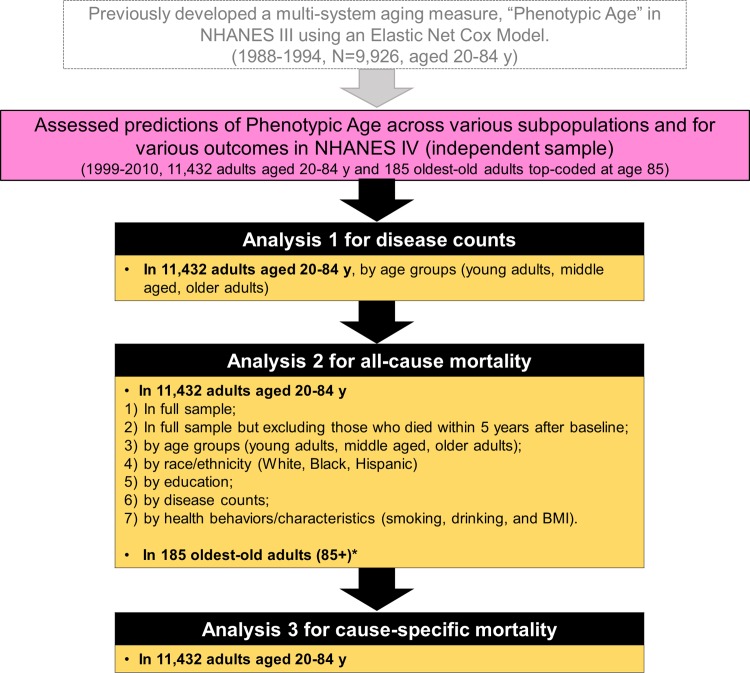
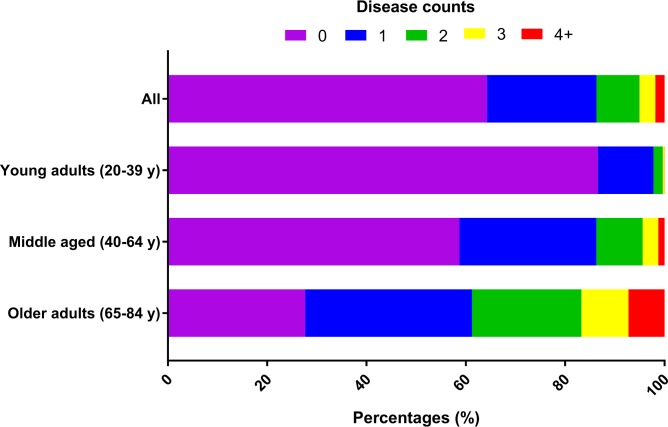
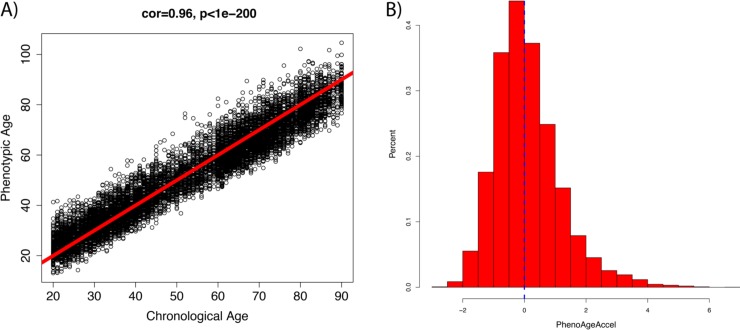
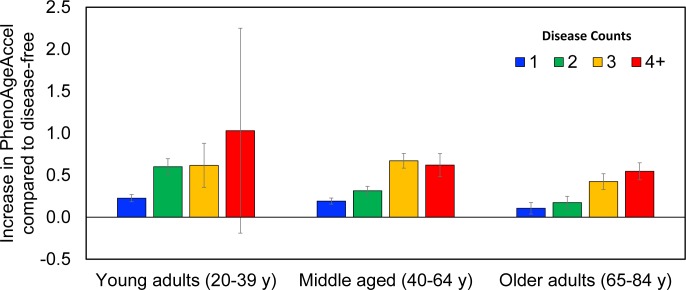
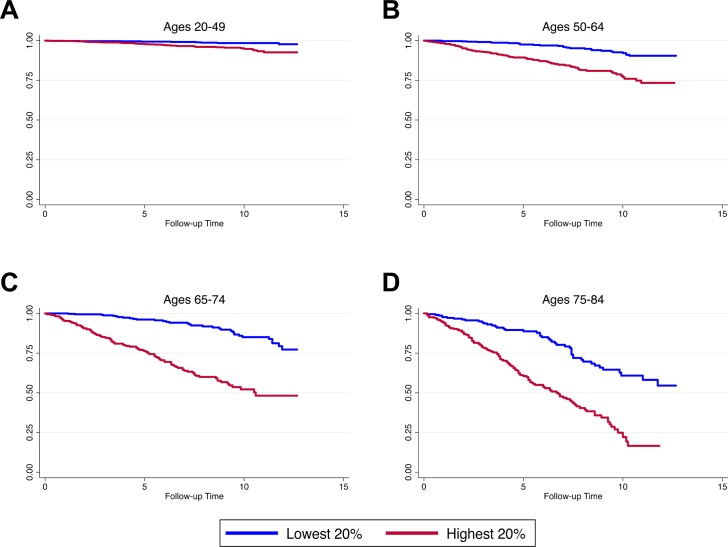
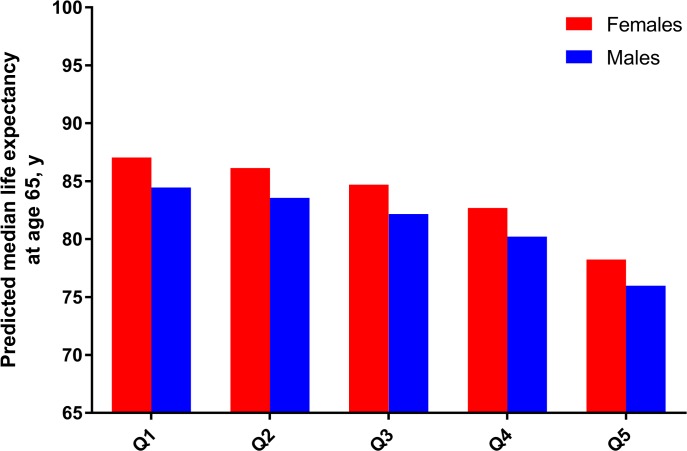
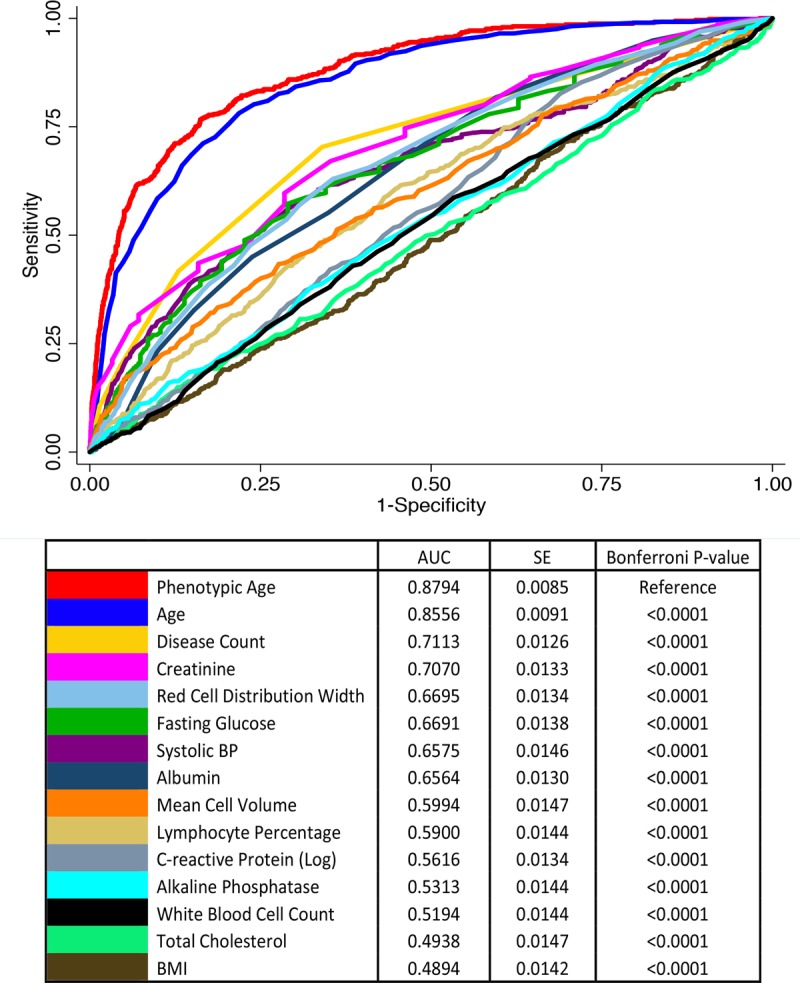
BACKGROUND: A person's rate of aging has important implications for his/her risk of death and disease; thus, quantifying aging using observable characteristics has important applications for clinical, basic, and observational research. Based on routine clinical chemistry biomarkers, we previously developed a novel aging measure, Phenotypic Age, representing the expected age within the population that corresponds to a person's estimated mortality risk. The aim of this study was to assess its applicability for differentiating risk for a variety of health outcomes within diverse subpopulations that include healthy and unhealthy groups, distinct age groups, and persons with various race/ethnic, socioeconomic, and health behavior characteristics. METHODS AND FINDINGS: Phenotypic Age was calculated based on a linear combination of chronological age and 9 multi-system clinical chemistry biomarkers in accordance with our previously established method. We also estimated Phenotypic Age Acceleration (PhenoAgeAccel), which represents Phenotypic Age after accounting for chronological age (i.e., whether a person appears older [positive value] or younger [negative value] than expected, physiologically). All analyses were conducted using NHANES IV (1999-2010, an independent sample from that originally used to develop the measure). Our analytic sample consisted of 11,432 adults aged 20-84 years and 185 oldest-old adults top-coded at age 85 years. We observed a total of 1,012 deaths, ascertained over 12.6 years of follow-up (based on National Death Index data through December 31, 2011). Proportional hazard models and receiver operating characteristic curves were used to evaluate all-cause and cause-specific mortality predictions. Overall, participants with more diseases had older Phenotypic Age. For instance, among young adults, those with 1 disease were 0.2 years older phenotypically than disease-free persons, and those with 2 or 3 diseases were about 0.6 years older phenotypically. After adjusting for chronological age and sex, Phenotypic Age was significantly associated with all-cause mortality and cause-specific mortality (with the exception of cerebrovascular disease mortality). Results for all-cause mortality were robust to stratifications by age, race/ethnicity, education, disease count, and health behaviors. Further, Phenotypic Age was associated with mortality among seemingly healthy participants-defined as those who reported being disease-free and who had normal BMI-as well as among oldest-old adults, even after adjustment for disease prevalence. The main limitation of this study was the lack of longitudinal data on Phenotypic Age and disease incidence. CONCLUSIONS: In a nationally representative US adult population, Phenotypic Age was associated with mortality even after adjusting for chronological age. Overall, this association was robust across different stratifications, particularly by age, disease count, health behaviors, and cause of death. We also observed a strong association between Phenotypic Age and the disease count an individual had. These findings suggest that this new aging measure may serve as a useful tool to facilitate identification of at-risk individuals and evaluation of the efficacy of interventions, and may also facilitate investigation into potential biological mechanisms of aging. Nevertheless, further evaluation in other cohorts is needed.
Overview
The claims and statistics of this paper haven’t been checked yet.
Free: it reads the open-access text and checks the first 5 claims that cite a source we can check. Create a free account to check every claim.
Integrity signals
Registry
Cites
Statistics
Figures
Verification
Claims the paper makes
The claims and statistics of this paper haven’t been checked yet.
Free: it reads the open-access text and checks the first 5 claims that cite a source we can check. Create a free account to check every claim.
Self-check
Percentages, sums and reported differences re-computed from the paper’s own numbers.
The self-check needs the paper’s full text.
Citations
Cites
A Proportional Hazards Model for the Subdistribution of a Competing Risk
Fine, J. P., & Gray, R. J. (1999) · Journal of the American Statistical Association · doi:10.1080/01621459.1999.10474144 · Cited by 14,290 · cited 1×
“Cause-specific mortality risk as a function of Phenotypic Age was assessed via Fine and Gray’s competing risk models [26].”
MethodDNA methylation age of human tissues and cell types
Horvath, S. (2013) · Genome Biology · doi:10.1186/gb-2013-14-10-r115 · Cited by 7,075
Self-citationAn epigenetic biomarker of aging for lifespan and healthspan
Levine, M. E., Lu, A. T., Quach, A., Chen, B. H., Assimes, T. L., Bandinelli, S., Hou, L., Baccarelli, A. A., Stewart, J. D., Li, Y., et al. (2018) · Aging · doi:10.18632/aging.101414 · Cited by 3,675 · cited 3×
“We calculated Phenotypic Age in accordance with the method described previously [12].”
MethodInfluentialSelf-citationFrailty in relation to the accumulation of deficits
Rockwood, K., & Mitnitski, A. (2007) · The Journals of Gerontology Series A: Biological Sciences and Medical Sciences · doi:10.1093/gerona/62.7.722 · Cited by 3,076 · cited 1×
“Many of the measures of aging, such as those based on deficit accumulation [14,27], include measures of morbidity in their construction, and thus it is impossible to disentangle aging and disease, or determine the usefulness of such measures in healthy populations.”
BackgroundAccumulation of Deficits as a Proxy Measure of Aging
Mitnitski, A. B., Mogilner, A. J., & Rockwood, K. (2001) · The Scientific World JOURNAL · doi:10.1100/tsw.2001.58 · Cited by 2,893 · cited 1×
“Many of the measures of aging, such as those based on deficit accumulation [14,27], include measures of morbidity in their construction, and thus it is impossible to disentangle aging and disease, or determine the usefulness of such measures in healthy populations.”
BackgroundGeroscience: Linking Aging to Chronic Disease
Kennedy, B. K., Berger, S. L., Brunet, A., Campisi, J., Cuervo, A. M., Epel, E. S., Franceschi, C., Lithgow, G. J., Morimoto, R. I., Pessin, J. E., et al. (2014) · Cell · doi:10.1016/j.cell.2014.10.039 · Cited by 2,764
National Health and Nutrition Examination Survey
(2010) · Handbook of Disease Burdens and Quality of Life Measures · doi:10.1007/978-0-387-78665-0_6177 · Cited by 2,087
A Proportional Hazards Model for the Subdistribution of a Competing Risk
Fine, J. P., & Gray, R. J. (1999) · Journal of the American Statistical Association · doi:10.2307/2670170 · Cited by 1,375
National Health and Nutrition Examination Survey
(2008) · Encyclopedia of Epidemiology · doi:10.4135/9781412953948.n305 · Cited by 1,342
DNA methylation age of blood predicts all-cause mortality in later life
Marioni, R. E., Shah, S., McRae, A. F., Chen, B. H., Colicino, E., Harris, S. E., Gibson, J., Henders, A. K., Redmond, P., Cox, S. R., et al. (2015) · Genome Biology · doi:10.1186/s13059-015-0584-6 · Cited by 1,261
Self-citation
Cited by
Heterogeneous aging across multiple organ systems and prediction of chronic disease and mortality
Tian, Y. E., Cropley, V., Maier, A. B., Lautenschlager, N. T., Breakspear, M., & Zalesky, A. (2023) · Nature Medicine · doi:10.1038/s41591-023-02296-6 · Cited by 618
Kwon, D., & Belsky, D. W. (2021) · GeroScience · doi:10.1007/s11357-021-00480-5 · Cited by 410
“The BioAge R package is an easy to install tool that can implement the Klemera-Doubal [27], PhenoAge [34], and homeostatic dysregulation [28] methods following the approach we have used in previous work [24, 31, 43, 45].”
MethodPersonal aging markers and ageotypes revealed by deep longitudinal profiling
Ahadi, S., Zhou, W., Schüssler-Fiorenza Rose, S. M., Sailani, M. R., Contrepois, K., Avina, M., Ashland, M., Brunet, A., & Snyder, M. (2020) · Nature Medicine · doi:10.1038/s41591-019-0719-5 · Cited by 408
Melzer, D., Pilling, L. C., & Ferrucci, L. (2020) · Nature Reviews Genetics · doi:10.1038/s41576-019-0183-6 · Cited by 363
Self-citationValidation of biomarkers of aging
Moqri, M., Herzog, C., Poganik, J. R., Ying, K., Justice, J. N., Belsky, D. W., Higgins-Chen, A. T., Chen, B. H., Cohen, A. A., Fuellen, G., et al. (2024) · Nature Medicine · doi:10.1038/s41591-023-02784-9 · Cited by 361
“While many composite biomarkers of aging have shown some evidence of comparable predictive accuracy across genetic ancestry populations 25,71,72 , establishing diverse cohorts with non-European ancestries to validate new composite biomarkers of aging remains a priority.”
Self-citationGao, X., Geng, T., Jiang, M., Huang, N., Zheng, Y., Belsky, D. W., & Huang, T. (2023) · Nature Communications · doi:10.1038/s41467-023-38013-7 · Cited by 306
Underlying features of epigenetic aging clocks in vivo and in vitro.
Liu, Z., Leung, D., Thrush, K., Zhao, W., Ratliff, S., Tanaka, T., Schmitz, L. L., Smith, J. A., Ferrucci, L., & Levine, M. E. (2020) · Aging Cell · doi:10.1111/acel.13229 · Cited by 227
Self-citationMeasuring Aging and Identifying Aging Phenotypes in Cancer Survivors
Guida, J. L., Ahles, T. A., Belsky, D., Campisi, J., Cohen, H. J., DeGregori, J., Fuldner, R., Ferrucci, L., Gallicchio, L., Gavrilov, L., et al. (2019) · JNCI: Journal of the National Cancer Institute · doi:10.1093/jnci/djz136 · Cited by 216
Self-citationChen, L., Zhao, Y., Liu, F., Chen, H., Tan, T., Yao, P., & Tang, Y. (2022) · BMC Medicine · doi:10.1186/s12916-022-02403-3 · Cited by 211
“Both of which are useful to identify the unhealthy condition of people caused by multiple system disorders [39].”
BackgroundThe accelerated aging phenotype: The role of race and social determinants of health on aging
Noren Hooten, N., Pacheco, N. L., Smith, J. T., & Evans, M. K. (2022) · Ageing Research Reviews · doi:10.1016/j.arr.2021.101536 · Cited by 186
Biohorology and biomarkers of aging: Current state-of-the-art, challenges and opportunities
Galkin, F., Mamoshina, P., Aliper, A., de Magalhães, J. P., Gladyshev, V. N., & Zhavoronkov, A. (2020) · Ageing Research Reviews · doi:10.1016/j.arr.2020.101050 · Cited by 189
Chen, L., Wu, B., Mo, L., Chen, H., Zhao, Y., Tan, T., Chen, L., Li, Y., Yao, P., & Tang, Y. (2024) · The Lancet Healthy Longevity · doi:10.1016/s2666-7568(23)00220-9 · Cited by 160
Frailty in Critical Care Medicine: A Review
De Biasio, J. C., Mittel, A. M., Mueller, A. L., Ferrante, L. E., Kim, D. H., & Shaefi, S. (2020) · Anesthesia & Analgesia · doi:10.1213/ane.0000000000004665 · Cited by 165
Genetic associations for two biological age measures point to distinct aging phenotypes
Kuo, C., Pilling, L. C., Liu, Z., Atkins, J. L., & Levine, M. E. (2021) · Aging Cell · doi:10.1111/acel.13376 · Cited by 173
“Biological age acceleration measured by either biological age measure adjusted for chronological age (PhenoAgeAccel or BioAgeAccel) was similarly associated with morbidity and mortality in the full sample and subgroups of National Health and Nutrition Examination Survey (NHANES) IV, but PhenoAgeAccel outperformed BioA…”
BackgroundMethodSelf-citationBiT age: A transcriptome‐based aging clock near the theoretical limit of accuracy
Meyer, D. H., & Schumacher, B. (2021) · Aging Cell · doi:10.1111/acel.13320 · Cited by 165
COVID-19 Vaccine Hesitancy and Its Associated Factors in Japan
Okubo, R., Yoshioka, T., Ohfuji, S., Matsuo, T., & Tabuchi, T. (2021) · Vaccines · doi:10.3390/vaccines9060662 · Cited by 183
“We referred to the National Health and Nutrition Examination Survey, which was conducted with a population-based nationally representative cohort in the United States [15].”
MethodDetermination of Biological Age: Geriatric Assessment vs Biological Biomarkers
Diebel, L., & Rockwood, K. J. (2021) · Current Oncology Reports · doi:10.1007/s11912-021-01097-9 · Cited by 178
Crowe, C. L., Domingue, B. W., Graf, G. H., Keyes, K. M., Kwon, D., & Belsky, D. W. (2021) · The Journals of Gerontology: Series A · doi:10.1093/gerona/glab128 · Cited by 153
Ratio of Red Blood Cell Distribution Width to Albumin Level and Risk of Mortality
Hao, M., Jiang, S., Tang, J., Li, X., Wang, S., Li, Y., Wu, J., Hu, Z., & Zhang, H. (2024) · JAMA Network Open · doi:10.1001/jamanetworkopen.2024.13213 · Cited by 155
Determining a multimodal aging clock in a cohort of Chinese women
Li, J., Xiong, M., Fu, X.-H., Fan, Y., Dong, C., Sun, X., Zheng, F., Wang, S.-W., Liu, L., Xu, M., et al. (2023) · Med · doi:10.1016/j.medj.2023.06.010 · Cited by 140
Hastings, W. J., Shalev, I., & Belsky, D. W. (2019) · Psychoneuroendocrinology · doi:10.1016/j.psyneuen.2019.03.012 · Cited by 138
Yang, G., Cao, X., Li, X., Zhang, J., Ma, C., Zhang, N., Lu, Q., Crimmins, E. M., Gill, T. M., Chen, X., et al. (2022) · JAMA Network Open · doi:10.1001/jamanetworkopen.2022.30690 · Cited by 155
“Assessment of Childhood Adversity Childhood adversity, sourced from the 2016 online mental health questionnaire survey, was assessed with 5 questions representing physical neglect, emotional neglect, sexual abuse, physical abuse, and emotional abuse, using the Childhood Trauma Screener: (1) someone to take to doctor w…”
MethodSelf-citationKuo, P. ‐., Schrack, J. A., Shardell, M. D., Levine, M., Moore, A. Z., An, Y., Elango, P., Karikkineth, A., Tanaka, T., de Cabo, R., et al. (2020) · Journal of Internal Medicine · doi:10.1111/joim.13024 · Cited by 135
Self-citationMethylNet: an automated and modular deep learning approach for DNA methylation analysis
Levy, J. J., Titus, A. J., Petersen, C. L., Chen, Y., Salas, L. A., & Christensen, B. C. (2020) · BMC Bioinformatics · doi:10.1186/s12859-020-3443-8 · Cited by 125
Diabetes mellitus correlates with increased biological age as indicated by clinical biomarkers
Bahour, N., Cortez, B., Pan, H., Shah, H., Doria, A., & Aguayo-Mazzucato, C. (2022) · GeroScience · doi:10.1007/s11357-021-00469-0 · Cited by 121
“Given the confounding effect that using A1c as a BA biomarker has in prediabetes and diabetes, recalculation of BA using KDM was done by excluding A1c and substituting it with CRP, a commonly used biomarker with a high correlation to CA [2, 20].”
MethodInfluentialThomas, A., Belsky, D. W., & Gu, Y. (2023) · The Journals of Gerontology Series A · doi:10.1093/gerona/glad082 · Cited by 128
Wang, T., Duan, W., Jia, X., Huang, X., Liu, Y., Meng, F., & Ni, C. (2023) · European Respiratory Journal · doi:10.1183/13993003.01720-2023 · Cited by 123
Li, X., Cao, X., Zhang, J., Fu, J., Mohedaner, M., Danzengzhuoga, Sun, X., Yang, G., Yang, Z., Kuo, C., et al. (2023) · Journal of the American Geriatrics Society · doi:10.1111/jgs.18611 · Cited by 128
“PhenoAgeAccel was previously developed and validated using data from NHANES 16,20 and has been applied to UKB participants in our recent work.”
BackgroundMethodInfluentialSelf-citationInterpretable machine learning prediction of all-cause mortality
Qiu, W., Chen, H., Dincer, A. B., Lundberg, S., Kaeberlein, M. R., & Lee, S. (2022) · Communications Medicine · doi:10.1038/s43856-022-00180-x · Cited by 128
You, Y., Chen, Y., Liu, R., Zhang, Y., Wang, M., Yang, Z., Liu, J., & Ma, X. (2024) · Scientific Reports · doi:10.1038/s41598-024-56316-7 · Cited by 119
“The blood samples were collected at the mobile examination center using standard procedures and stored in a secure facility 59,60 .”
MethodExplainable machine learning framework to predict personalized physiological aging
Bernard, D., Doumard, E., Ader, I., Kémoun, P., Pagès, J., Galinier, A., Cussat‐Blanc, S., Furger, F., Ferrucci, L., Aligon, J., et al. (2023) · Aging Cell · doi:10.1111/acel.13872 · Cited by 119
“…estimates the Mahalanobis distance deviation of biomarkers from a referent population considered to have optimal functions (Cohen et al., 2013; Liu et al., 2018) while KDM (Klemera & Doubal, 2006) estimates the relative age- dependent deviation from a referent population with different ages…”
BackgroundSelf-citationModeling biological age using blood biomarkers and physical measurements in Chinese adults
Chen, L., Zhang, Y., Yu, C., Guo, Y., Sun, D., Pang, Y., Pei, P., Yang, L., Millwood, I. Y., Walters, R. G., et al. (2023) · EBioMedicine · doi:10.1016/j.ebiom.2023.104458 · Cited by 103
Parker, D. C., Bartlett, B. N., Cohen, H. J., Fillenbaum, G., Huebner, J. L., Kraus, V. B., Pieper, C., & Belsky, D. W. (2020) · The Journals of Gerontology: Series A · doi:10.1093/gerona/glz219 · Cited by 95
“We quantified biological aging using the published Klemera–Doubal method (KDM) Biological Age (12), homeostatic dysregulation (9), and Phenotypic Age (13) (hereafter referred to as Levine method [LM] Biological Age) algorithms.”
BackgroundMethodInfluentialLongitudinal phenotypic aging metrics in the Baltimore Longitudinal Study of Aging
Kuo, P.-L., Schrack, J. A., Levine, M. E., Shardell, M. D., Simonsick, E. M., Chia, C. W., Moore, A. Z., Tanaka, T., An, Y., Karikkineth, A., et al. (2022) · Nature Aging · doi:10.1038/s43587-022-00243-7 · Cited by 89
Self-citationDeep Learning using Convolutional LSTM estimates Biological Age from Physical Activity
Rahman, S. A., & Adjeroh, D. (2019) · Scientific Reports · doi:10.1038/s41598-019-46850-0 · Cited by 104
Integrating DNA Methylation Measures of Biological Aging into Social Determinants of Health Research
Raffington, L., & Belsky, D. W. (2022) · Current Environmental Health Reports · doi:10.1007/s40572-022-00338-8 · Cited by 101
“The second generation of clocks were developed by comparing individuals based on survival [25, 71, 102].”
BackgroundBiological Aging Predicts Vulnerability to COVID-19 Severity in UK Biobank Participants
Kuo, C.-L., Pilling, L. C., Atkins, J. L., Masoli, J. A. H., Delgado, J., Tignanelli, C., Kuchel, G. A., Melzer, D., Beckman, K. B., & Levine, M. E. (2021) · The Journals of Gerontology: Series A · doi:10.1093/gerona/glab060 · Cited by 56
Self-citationZhang, X., Yang, Q., Huang, J., Lin, H., Luo, N., & Tang, H. (2024) · European Archives of Psychiatry and Clinical Neuroscience · doi:10.1007/s00406-024-01912-x · Cited by 111
“Pheno-typic age is a biomarker-based indicator of aging, reflect - ing the risk of mortality and morbidity among healthy individuals [11].”
Early life adversity, pubertal timing, and epigenetic age acceleration in adulthood
Hamlat, E. J., Prather, A. A., Horvath, S., Belsky, J., & Epel, E. S. (2021) · Developmental Psychobiology · doi:10.1002/dev.22085 · Cited by 91
Self-citationPsychological and biological mechanisms linking trauma with cardiovascular disease risk
Sumner, J. A., Cleveland, S., Chen, T., & Gradus, J. L. (2023) · Translational Psychiatry · doi:10.1038/s41398-023-02330-8 · Cited by 103
“Most of these clocks can be applied to DNAm from blood samples in adults, although the Horvath clock was calibrated across various tissues and in youths and adults [177, 183].”
BackgroundDecoding aging clocks: New insights from metabolomics
Huang, H., Chen, Y., Xu, W., Cao, L., Qian, K., Bischof, E. Y., Kennedy, B. K., & Pu, J. (2024) · Cell Metabolism · doi:10.1016/j.cmet.2024.11.007 · Cited by 101
Liu, Z., Chen, X., Gill, T. M., Ma, C., Crimmins, E. M., & Levine, M. E. (2019) · PLOS Medicine · doi:10.1371/journal.pmed.1002827 · Cited by 92
“Our gene-by-environment results are noteworthy, given that we have previously shown that every 1-year increase in PhenoAge, relative to chronological age, is associated with a 9% increased risk of dying [5].”
BackgroundMethodSelf-citationBiological age estimation using circulating blood biomarkers
Bortz, J., Guariglia, A., Klaric, L., Tang, D., Ward, P., Geer, M., Chadeau-Hyam, M., Vuckovic, D., & Joshi, P. K. (2023) · Communications Biology · doi:10.1038/s42003-023-05456-z · Cited by 81
“(14), we considered 3 broad age groups ([<=50], (50-65], (65+]), 245”
BackgroundMethodInfluentialFong, S., Pabis, K., Latumalea, D., Dugersuren, N., Unfried, M., Tolwinski, N., Kennedy, B., & Gruber, J. (2024) · Nature Aging · doi:10.1038/s43587-024-00646-8 · Cited by 76
“For standard clinical chemistry and physiological features, datasets meeting these criteria are available, enabling construction of second-generation ‘clinical clocks’ (CCs), designed to predict future mortality and morbidity directly from clinical features and biomarkers 15,17,18,31,37–39 .”
InfluentialHypoxia-Inducible Factor-1α: The Master Regulator of Endothelial Cell Senescence in Vascular Aging
Alique, M., Sánchez-López, E., Bodega, G., Giannarelli, C., Carracedo, J., & Ramírez, R. (2020) · Cells · doi:10.3390/cells9010195 · Cited by 83
“By contrast, older adults that perform regular exercise, which may be considered a vasoprotective lifestyle factor, have normalized endothelial senescent markers and endothelial function [5].”
BackgroundQiu, W., Chen, H., Kaeberlein, M. R., & Lee, S. (2023) · The Lancet Healthy Longevity · doi:10.1016/s2666-7568(23)00189-7 · Cited by 95
Progress in biological age research
Li, Z., Zhang, W., Duan, Y., Niu, Y., Chen, Y., Liu, X., Dong, Z., Zheng, Y., Chen, X., Feng, Z., et al. (2023) · Frontiers in Public Health · doi:10.3389/fpubh.2023.1074274 · Cited by 104
Ranking Biomarkers of Aging by Citation Profiling and Effort Scoring
Hartmann, A., Hartmann, C., Secci, R., Hermann, A., Fuellen, G., & Walter, M. (2021) · Frontiers in Genetics · doi:10.3389/fgene.2021.686320 · Cited by 80
Association of dietary inflammatory potential, dietary oxidative balance score and biological aging
Wang, X., Sarker, S., Cheng, L., Dang, K., Hu, J., Pan, S., Zhang, J., Xu, X., & Li, Y. (2023) · Clinical Nutrition · doi:10.1016/j.clnu.2023.11.007 · Cited by 87
Liu, Z., Chen, B. H., Assimes, T. L., Ferrucci, L., Horvath, S., & Levine, M. E. (2019) · Psychoneuroendocrinology · doi:10.1016/j.psyneuen.2019.01.028 · Cited by 81
Self-citationHo, K. M., Morgan, D. J. R., Johnstone, M., & Edibam, C. (2023) · Internal and Emergency Medicine · doi:10.1007/s11739-023-03397-3 · Cited by 83
“The accuracy of this model was validated using the NHANES IV data (n = 14,008) [10].”
BackgroundMethodInfluentialCui, F., Tang, L., Li, D., Ma, Y., Wang, J., Xie, J., Su, B., Tian, Y., & Zheng, X. (2024) · Science Advances · doi:10.1126/sciadv.adl3747 · Cited by 85
Deep learning for biological age estimation
Rahman, S. A., Giacobbi, P. R., Pyles, L. A., Mullett, C. J., Doretto, G., & Adjeroh, D. (2020) · Briefings in Bioinformatics · doi:10.1093/bib/bbaa021 · Cited by 86
Liu, W., Wang, J., Wang, M., Hou, H., Ding, X., Ma, L., & Liu, M. (2023) · The Journals of Gerontology Series A · doi:10.1093/gerona/glad240 · Cited by 80
Proteomic aging clock ( PAC ) predicts age‐related outcomes in middle‐aged and older adults
Kuo, C., Chen, Z., Liu, P., Pilling, L. C., Atkins, J. L., Fortinsky, R. H., Kuchel, G. A., & Diniz, B. S. (2024) · Aging Cell · doi:10.1111/acel.14195 · Cited by 84
“Further validation of both measures was performed in additional cohorts, including UKB (Kuo et al., 2021; Liu et al., 2018), confirming their robustness.”
MethodChan, M. S., Arnold, M., Offer, A. R., Hammami, I., Mafham, M. M., Armitage, J., Perera, R., & Parish, S. (2021) · The Journals of Gerontology Series A · doi:10.1093/gerona/glab069 · Cited by 79
“Despite the successful use of clinical risk prediction tools such as “heart age” and “lung age” in clinical care (28), there is little evidence as yet of implementation of an overall biological age, and proposals to use it in drug development (11,14,29) and clinical care (2,5,29) may be longer-term uses.”
BackgroundMethodInfluentialQuest for a summary measure of biological age: the health and retirement study
Crimmins, E. M., Thyagarajan, B., Kim, J. K., Weir, D., & Faul, J. (2021) · GeroScience · doi:10.1007/s11357-021-00325-1 · Cited by 70
“The second measure is “phenotypic age” based on 9 measures which Levine and a group of scholars developed specifically to provide a set of markers important in predicting mortality [12].”
BackgroundMethodSelf-citationSynergistic impact of 25-hydroxyvitamin D concentrations and physical activity on delaying aging
Liu, C., Hua, L., & Zhong, X. (2024) · Redox Biology · doi:10.1016/j.redox.2024.103188 · Cited by 77
“The algorithm and detailed calculation methods have been described in the previous literature [22,24,25].”
MethodAhadi, S., Wilson, K. A., Babenko, B., McLean, C. Y., Bryant, D., Pritchard, O., Kumar, A., Carrera, E. M., Lamy, R., Stewart, J. M., et al. (2023) · eLife · doi:10.7554/elife.82364 · Cited by 80
Tea consumption and attenuation of biological aging: a longitudinal analysis from two cohort studies
Xiang, Y., Xu, H., Chen, H., Tang, D., Huang, Z., Zhang, Y., Wang, Z., Wang, Z., Yangla, Han, M., et al. (2023) · The Lancet Regional Health - Western Pacific · doi:10.1016/j.lanwpc.2023.100955 · Cited by 87
Liang, R., Fan, L., Lai, X., Shi, D., Wang, H., Shi, W., Liu, W., Yu, L., Song, J., & Wang, B. (2024) · Environment International · doi:10.1016/j.envint.2024.108773 · Cited by 69
Dietary inflammatory potential and biological aging among US adults: a population-based study
Xie, R., Ning, Z., Xiao, M., Li, L., Liu, M., & Zhang, Y. (2023) · Aging Clinical and Experimental Research · doi:10.1007/s40520-023-02410-1 · Cited by 67
“Although everyone ages, the rate at which aging happens varies, and disparities in aging rates across persons emerge as variances in vulnerability to mortality and disease [3].”
BackgroundLuo, S., Wong, I. C. K., Chui, C. S. L., Zheng, J., Huang, Y., Schooling, C. M., & Yeung, S. L. A. (2023) · The Lancet Healthy Longevity · doi:10.1016/s2666-7568(23)00085-5 · Cited by 74
He, H., Chen, X., Ding, Y., Chen, X., & He, X. (2024) · Aging · doi:10.18632/aging.205232 · Cited by 78
Age-Net: An MRI-Based Iterative Framework for Brain Biological Age Estimation
Armanious, K., Abdulatif, S., Shi, W., Salian, S., Küstner, T., Weiskopf, D., Hepp, T., Gatidis, S., & Yang, B. (2021) · IEEE Transactions on Medical Imaging · doi:10.1109/tmi.2021.3066857 · Cited by 70
Developments in molecular epidemiology of aging
Hägg, S., Belsky, D. W., & Cohen, A. A. (2019) · Emerging Topics in Life Sciences · doi:10.1042/etls20180173 · Cited by 58
Chen, L., Yin, X., Zhao, Y., Chen, H., Tan, T., Yao, P., & Tang, Y. (2022) · Journal of Epidemiology & Community Health · doi:10.1136/jech-2022-219142 · Cited by 58
Gialluisi, A., Castelnuovo, A. F. D., Costanzo, S., Bonaccio, M., Persichillo, M., Magnacca, S., Curtis, A. D., Cerletti, C., Donati, M. B., de Gaetano, G., et al. (2021) · European Journal of Epidemiology · doi:10.1007/s10654-021-00797-7 · Cited by 61
“Of note, our Δage showed independent influence from ΔPhenoAge on incident mortality and hospitalization risk, suggesting the two clocks may be used in a complementary way to predict clinical outcomes in the general population.”
BackgroundMethodInfluentialAssociation of Tooth Loss and Diet Quality with Acceleration of Aging: Evidence from NHANES
Xu, K., Li, L., Jia, S.-L., Li, Q., Hao, J., Ma, S., He, Z.-K., Wan, Q., Cai, Y.-F., Li, Z.-T., et al. (2023) · The American Journal of Medicine · doi:10.1016/j.amjmed.2023.04.008 · Cited by 62
Quantitative characterization of biological age and frailty based on locomotor activity records
Pyrkov, T. V., Getmantsev, E., Zhurov, B., Avchaciov, K., Pyatnitskiy, M., Menshikov, L., Khodova, K., Gudkov, A. V., & Fedichev, P. O. (2018) · Aging · doi:10.18632/aging.101603 · Cited by 55
Parity predicts biological age acceleration in post-menopausal, but not pre-menopausal, women
Shirazi, T. N., Hastings, W. J., Rosinger, A. Y., & Ryan, C. P. (2020) · Scientific Reports · doi:10.1038/s41598-020-77082-2 · Cited by 59
Wang, S., Li, W., Li, S., Tu, H., Jia, J., Zhao, W., Xu, A., Xu, W., Tsai, M. K., Chu, D. T., et al. (2023) · BMC Medicine · doi:10.1186/s12916-023-02974-9 · Cited by 59
“Recently, biological age has been advocated as a more accurate indicator of aging than chronological age, which integrates multiple objective biomarkers relevant to physical functions and provides information about overall health status [5], and it has been linked to both aging-related morbidity and mortality [6, 7].”
BackgroundRentscher, K. E., Klopack, E. T., Crimmins, E. M., Seeman, T. E., Cole, S. W., & Carroll, J. (2022) · Brain Behavior and Immunity · doi:10.1016/j.bbi.2023.09.001 · Cited by 59
Self-citationLin, W. (2021) · The Journals of Gerontology Series A · doi:10.1093/gerona/glab251 · Cited by 57
Joshi, D., González, A., Lin, D. T. S., & Raina, P. S. (2023) · Aging Cell · doi:10.1111/acel.13779 · Cited by 55
“…experiences, CLSA, epigenetic age acceleration, GrimAge, PhenoAge between accelerated biological aging, where the epigenetic age is higher than the chronological age, and morbidity and mortality (Fransquet et al., 2019; Horvath, 2013; Horvath & Levine, 2015; Levine et al., 2018; Liu et al., 2018).”
BackgroundMa, Z., Zhu, C., Wang, H., Ji, M., Huang, Y., Wei, X., Zhang, J., Wang, Y., Yin, R. H., Dai, J., et al. (2023) · iScience · doi:10.1016/j.isci.2023.106018 · Cited by 63
“For instance, PhenoAgeAccel incorporates nine multi-system clinical chemistry biomarkers to predict all-cause mortality.(10) PhenoAgeAccel-related susceptibility loci were enriched in immune-related pathways,(6) which are closely associated with tumor development.”
BackgroundYou, Y., Chen, Y., Wang, X., Wei, M., Zhang, Q., & Cao, Q. (2023) · Heliyon · doi:10.1016/j.heliyon.2023.e19158 · Cited by 57
Postpartum sleep loss and accelerated epigenetic aging
Carroll, J., Ross, K. M., Horvath, S., Okun, M. L., Hobel, C. J., Rentscher, K. E., Coussons‐Read, M. E., & Schetter, C. D. (2021) · Sleep Health · doi:10.1016/j.sleh.2021.02.002 · Cited by 55
Self-citationChaney, C., & Wiley, K. S. (2023) · Environmental Research · doi:10.1016/j.envres.2023.115714 · Cited by 53
Measuring healthy ageing: current and future tools
Silva, N., Rajado, A. T., Esteves, F., Brito, D. V. C., Apolónio, J. D., Roberto, V. P., Binnie, A., Araújo, I. M., Nóbrega, C., Bragança, J., et al. (2023) · Biogerontology · doi:10.1007/s10522-023-10041-2 · Cited by 59
“The DNAmPhenoAge epigenetic clock (Lev-ine et al. 2018) was created by regressing a physiological measure of mortality risk – PhenoAge – on DNA methylation markers [(Levine et al. 2018; Liu et al. 2018), Table 3].”
BackgroundMethodGao, X., Wang, Y., Song, Z., Jiang, M., Huang, T., & Baccarelli, A. (2023) · QJM · doi:10.1093/qjmed/hcad247 · Cited by 54
Nusinovici, S., Rim, T. H., Li, H., Yu, M., Deshmukh, M., Quek, T. C., Lee, G., Chong, C. C. Y., Peng, Q., Xue, C. C., et al. (2024) · The Lancet Healthy Longevity · doi:10.1016/s2666-7568(24)00089-8 · Cited by 56
Guida, J., Hyun, G., Belsky, D. W., Armstrong, G. T., Ehrhardt, M. J., Hudson, M. M., Green, P. A., Robison, L. L., Streck, B. P., Tonorezos, E. S., et al. (2024) · Nature Cancer · doi:10.1038/s43018-024-00745-w · Cited by 59
“…42 and alcohol use (none or moderate versus risky, defined as five drinks more for males or four drinks or more for females on at least 1 day in the past) were assessed via questionnaire and chosen based on their established associations with biological age in the general population 30,43 .”
Li, X., Wang, J., Zhang, M., Li, X., Fan, Y., Zhou, X., Sun, Y., & Qiu, Z. (2024) · Diabetes Obesity and Metabolism · doi:10.1111/dom.15694 · Cited by 53
Warner, B., Ratner, E. R., Datta, A., & Lendasse, A. (2024) · Aging · doi:10.18632/aging.206098 · Cited by 60
“The most influential second-generation clocks include PhenoAge (Levine, 2018), GrimAge (Lu et al., 2018), and MetaboHealth (Deelin et al., 2019).”
Liu, Z., Kuo, P.-L., Horvath, S., Crimmins, E., Ferrucci, L., & Levine, M. (2019) · PLOS Medicine · doi:10.1371/journal.pmed.1002760 · Cited by 49
Self-citationFarina, M. P., Kim, J. K., & Crimmins, E. M. (2022) · Journal of Aging and Health · doi:10.1177/08982643221120743 · Cited by 49
“Recent formulations of similar measures have included more, or a broader set of, measures (e.g., phenotypic age and the pace of aging) (Belsky et al., 2015; Liu et al., 2019).”
BackgroundMethodSelf-citationWang, C., Hong, S., Guan, X., Xiao, Y., Fu, M., Meng, H., Feng, Y., Zhou, Y., Cao, Q., Yuan, F., et al. (2022) · The Science of The Total Environment · doi:10.1016/j.scitotenv.2022.160596 · Cited by 50
Weight change across adulthood and accelerated biological aging in middle-aged and older adults
Cao, X., Yang, G., Li, X., Fu, J., Mohedaner, M., Danzengzhuoga, Jørgensen, T. S. H., Agogo, G. O., Wang, L., Zhang, X., et al. (2022) · American Journal of Clinical Nutrition · doi:10.1016/j.ajcnut.2022.10.020 · Cited by 48
Self-citationRamasubramanian, R., Meier, H. C. S., Vivek, S., Klopack, E. T., Crimmins, E. M., Faul, J. D., Nikolich‐Žugich, J., & Thyagarajan, B. (2022) · Immunity & Ageing · doi:10.1186/s12979-022-00290-z · Cited by 50
Self-citationMuscari, A., Bianchi, G. P., Forti, P., Magalotti, D., Pandolfi, P., Zoli, M., & The Pianoro Study Group (2020) · GeroScience · doi:10.1007/s11357-020-00249-2 · Cited by 52
“Composite indices mainly based on the combination of laboratory variables (Yoo et al. 2017; Belsky et al. 2017; Liu et al. 2018; Waziry et al. 2019).”
BackgroundResultInfluentialLi, S., Wen, C., Bai, X., & Yang, D. J. (2024) · Scientific Reports · doi:10.1038/s41598-024-61002-9 · Cited by 55
“A positive value indicates accelerated aging, while a negative value suggests the opposite 23 .”
Bian, L., Ma, Z., Fu, X., Chen, J., Wang, T., Yan, C., Dai, J., Ma, H., Hu, Z., Shen, H., et al. (2024) · eLife · doi:10.7554/elife.91101 · Cited by 48
“…and validated a novel multi- system-based aging measurement ( Levine et al., 2018 ), PhenoAge, which has been shown to capture long-term vulnerability to diseases like COVID-19, and strongly predict morbidity and mortality risk in diverse populations ( Kuo et al., 2021b ; Liu et al., 2018 ).”
BackgroundMa, Q., Li, B., Yang, L., Zhang, M., Feng, X., Li, Q., Liu, H., Gao, Y., Ma, W., Shi, R.-J., et al. (2022) · Disease Markers · doi:10.1155/2022/4524032 · Cited by 47
“Phenotypic age (PhenoAge), a novel biological aging measure, has been shown to capture morbidity and mortality risk across diverse subpopulations that include healthy and unhealthy individuals, distinct age groups, and patients with heart disease [8 – 11].”
InfluentialYang, Z., Pu, F., Cao, X., Li, X., Sun, S., Zhang, J., Chen, C., Han, L., Yang, Y., Wang, W., et al. (2022) · Ecotoxicology and Environmental Safety · doi:10.1016/j.ecoenv.2022.113542 · Cited by 44
Self-citationMao, R., Wang, F., Zhong, Y., Xin, M., Zhang, T., & Li, J. (2024) · European Heart Journal - Cardiovascular Imaging · doi:10.1093/ehjci/jeae126 · Cited by 42
Ward-Caviness, C. K., Russell, A. G., Weaver, A. M., Slawsky, E. D., Dhingra, R., Kwee, L. C., Jiang, R., Neas, L., Díaz-Sánchez, D., Devlin, R. B., et al. (2020) · Aging · doi:10.18632/aging.202341 · Cited by 41
“PhenoAAD is associated with a smaller number of clinical outcomes [23] likely due to its more recent development.”
BackgroundHeterogeneous associations of multiplexed environmental factors and multidimensional aging metrics
Pu, F., Chen, W., Li, C., Fu, J., Gao, W., Ma, C., Cao, X., Zhang, L., Hao, M., Zhou, J., et al. (2024) · Nature Communications · doi:10.1038/s41467-024-49283-0 · Cited by 44
“PhenoAge was developed by regres-sing mortality hazard on 42 clinical biomarkers and chronological age 7,8 , and has been widely used and demonstrated to capture mor-bidityandmortalityrisksacrossdiversesubpopulationsfromvarious countries 48,70 .”
Self-citationSocial mobility and biological aging among older adults in the United States
Graf, G. H.-J., Zhang, Y., Domingue, B. W., Harris, K. M., Kothari, M., Kwon, D., Muennig, P. A., & Belsky, D. W. (2022) · PNAS Nexus · doi:10.1093/pnasnexus/pgac029 · Cited by 45
Wang, M., Yan, H., Zhang, Y., Zhou, Q. G., Meng, X., Lin, J., Jiang, Y., Pan, Y., & Wang, Y. (2024) · EBioMedicine · doi:10.1016/j.ebiom.2024.105494 · Cited by 42
Metadata
- Authors
- Liu, Z., Kuo, P.-L., Horvath, S., Crimmins, E., Ferrucci, L., & Levine, M.
- Affiliations
- Yale University (US)
- National Institutes of Health (US)
- University of California, Los Angeles (US)
- University of Southern California (US)
- Corresponding author
- Liu, Zuyun
- Kuo, Pei-Lun
- Horvath, Steve
- Crimmins, Eileen
- Ferrucci, Luigi
- Levine, Morgan
- Venue
- PLOS Medicine
- Publisher
- Public Library of Science (PLoS)
- Published
- 2018-12-31
- Volume
- 15
- Issue
- 12
- Pages
- e1002718
- ISSN
- 1549-1277 (ISSN-L)
- 1549-1676
- PMC
- PMC6312200
- OpenAlex
- W2908077673
- Cited by
- 754
- References
- 35
- Citations by year
- 2026: 178 · 2025: 206 · 2024: 161 · 2023: 75 · 2022: 48 · 2021: 43 · 2020: 23 · 2019: 18 · 2018: 2
- FWCI
- 11.90
- Type
- journal article
- Language
- en
- Update notices
- correction (2019-02-25)
- Open access
- gold
- doi.org
- Licence
- public-domain
- creativecommons.org/publicdomain/zero/1.0/ (vor)
- Locations
- PLoS Medicine (publishedVersion, public-domain)
- bioRxiv (Cold Spring Harbor Laboratory) (acceptedVersion, cc-by-nc)
- Europe PMC (PubMed Central) (publishedVersion, public-domain)
- PubMed Central (publishedVersion, public-domain)
- PubMed Central (publishedVersion, cc-by)
- PubMed (publishedVersion)
- RePEc: Research Papers in Economics (submittedVersion)
- DOAJ (DOAJ: Directory of Open Access Journals) (submittedVersion, cc-by-sa)
- eScholarship (California Digital Library) (submittedVersion)
- eScholarship (California Digital Library) (submittedVersion, public-domain)
- Figshare (submittedVersion, cc-by)
- Funders
- National Institute on Aging (4R00AG052604-02)
- Topics
- Health Sciences › Medicine › Geriatrics and Gerontology › Frailty in Older Adults
- Life Sciences › Biochemistry, Genetics and Molecular Biology › Aging › Genetics, Aging, and Longevity in Model Organisms
- Social Sciences › Psychology › Developmental and Educational Psychology › Aging and Gerontology Research
- Keywords
- phenotypic age, phenotypic age acceleration, biological aging, mortality prediction, morbidity, all-cause mortality, cause-specific mortality, oldest old, healthy young adults, racial and ethnic differences, socioeconomic status, health behavior, disease burden, mortality risk stratification
- MeSH terms
- Adult, Aged, Aged, 80 and over, Aging, Female, Follow-Up Studies, Humans, Male, Middle Aged, Morbidity, Mortality, Nutrition Surveys, Population Surveillance, Risk Factors, Cohort Studies, Young Adult
About these checks
Registry, retraction, Cites and statistics results are computed, not judged, with one exception: a printed reference that no index lists is read once by a model before it counts as a citation error. Claims are extracted by a model and kept only when their quote appears verbatim in the text; each cited source is then checked, with a model’s help, for whether it says what the claim relies on. Those verdicts can be wrong — read the claim’s quote and the cited source before relying on one.
Statistics and arithmetic are recomputed, not judged.
Confidence bands are shown only for fields calibrated on our annotated test set. None is calibrated yet, so no band is shown.
What counts as a claim ›How we measure confidence ›How we check this ›
Are you an author, or do you see a problem with this page? Request a review
Data sources
Bibliographic data: Semantic Scholar, OpenAlex, Crossref.
Contains information from the Semantic Scholar Academic Graph Datasets, made available under the ODC Attribution License (ODC-BY 1.0).
Semantic Scholar’s data is described in: Kinney, R., et al. (2023). The Semantic Scholar Open Data Platform. arXiv:2301.10140.
