

Cell Elasticity Determines Macrophage Function
Open accessThe DOI matches its Crossref record; 47 of the 47 references it cites were found in a registry or an index.
Abstract
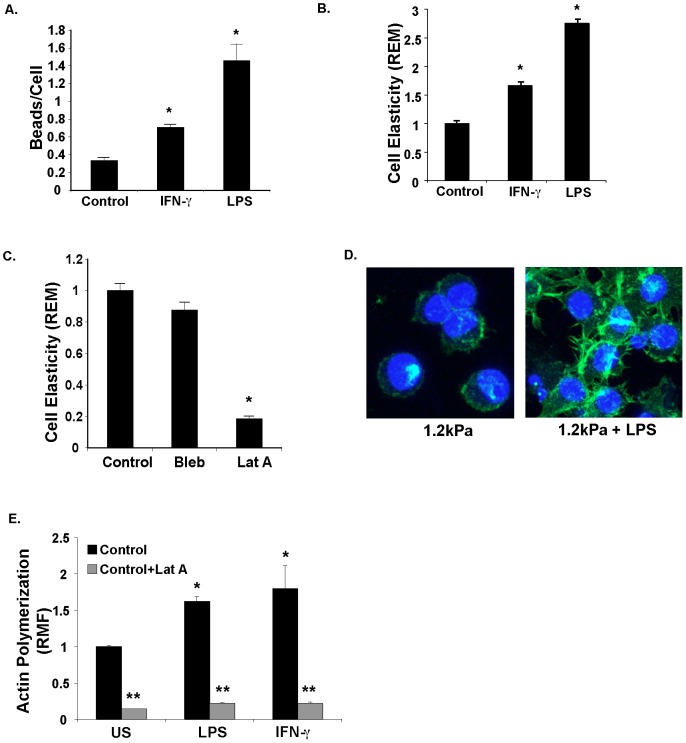
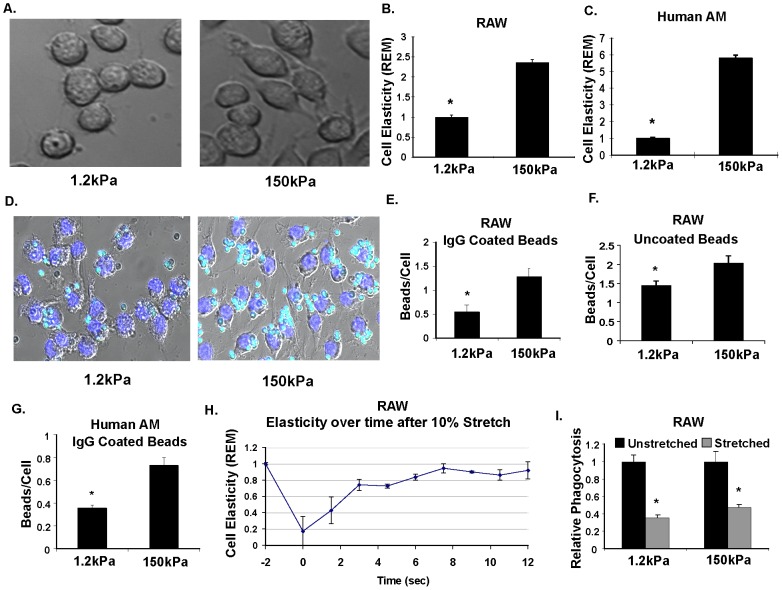
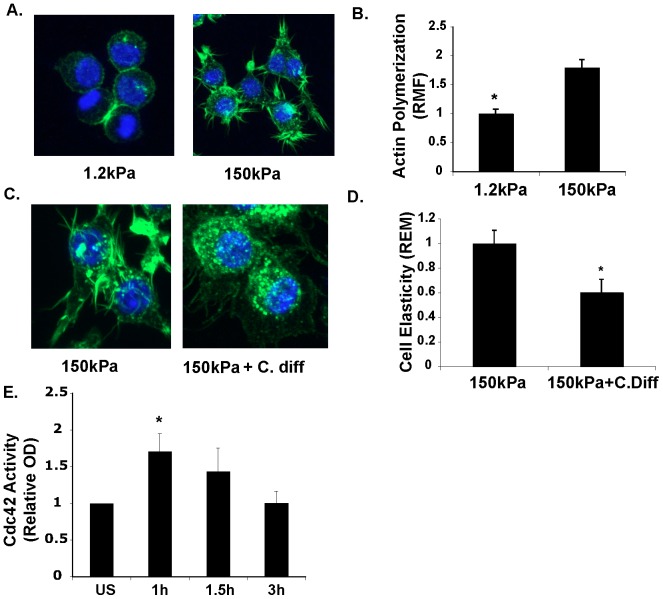
Macrophages serve to maintain organ homeostasis in response to challenges from injury, inflammation, malignancy, particulate exposure, or infection. Until now, receptor ligation has been understood as being the central mechanism that regulates macrophage function. Using macrophages of different origins and species, we report that macrophage elasticity is a major determinant of innate macrophage function. Macrophage elasticity is modulated not only by classical biologic activators such as LPS and IFN-γ, but to an equal extent by substrate rigidity and substrate stretch. Macrophage elasticity is dependent upon actin polymerization and small rhoGTPase activation, but functional effects of elasticity are not predicted by examination of gene expression profiles alone. Taken together, these data demonstrate an unanticipated role for cell elasticity as a common pathway by which mechanical and biologic factors determine macrophage function.
Overview
The claims and statistics of this paper haven’t been checked yet.
Free: it reads the open-access text and checks the first 5 claims that cite a source we can check. Create a free account to check every claim.
Integrity signals
Registry
Cites
Statistics
Figures
Verification
Claims the paper makes
The claims and statistics of this paper haven’t been checked yet.
Free: it reads the open-access text and checks the first 5 claims that cite a source we can check. Create a free account to check every claim.
Claims other papers make about this one
Each is checked against this paper’s own text: does it say what the citing paper says it does?
The source backs part of the claim, not all of it — or backs it for a different population, condition or comparison.
In the citing paper
“It was shown that macrophage phagocytosis increased with the stiffness of PA gels (2 and 150 kPa). 12”
From Matrix stiffness regulates macrophage polarisation via the Piezo1‐YAP signalling axis (2024) · cites this paper as [12]
Experimental — accuracy not yet measuredThe source backs part of the claim, not all of it — or backs it for a different population, condition or comparison.
In the citing paper
“The mechanical properties of biomaterials, particularly stiffness, have been shown to influence macrophage activation and FBR.”
From Soft tissue-mimicking hydrogel stiffness modulates polarisation of human monocyte-derived macrophages (2025) · cites this paper as [12]
Experimental — accuracy not yet measuredIn the citing paper
“This role of mechanosensitivity in macrophage function was further explored by Patel et al. [37], who reported that macrophage elasticity (elastic modulus), which is mediated by substrate stiffness, is actively dependent on actin polymerization and Rho-GTPase activity.”
From Biomaterial based modulation of macrophage polarization: a review and suggested design principles (2015) · cites this paper as [37]
In the citing paper
“Cell elasticity and phagocytic ability was also markedly higher for cells cultured on stiff substrates, suggesting that substrate elasticity modulates macrophage elasticity and phagocytosis through actin polymerization [37].”
From Biomaterial based modulation of macrophage polarization: a review and suggested design principles (2015) · cites this paper as [37]
In the citing paper
“RAW 264.7 cells (a macrophage-like, Abelson leukemia virus transformed cell line derived from BALB/c mice) consistently exhibited organized actin filaments and filopodial projections on stiff (150 kPa) polyacrylamide substrates; however, upon treatment with a Rho-GTPase inhibitor (C.Difficile toxin), cells appeared similar to those on softer (1.2 kPa) substrates, with an absence of organized actin”
From Biomaterial based modulation of macrophage polarization: a review and suggested design principles (2015) · cites this paper as [37]
Self-check
Percentages, sums and reported differences re-computed from the paper’s own numbers.
The self-check needs the paper’s full text.
Citations
Cites
Matrix elasticity directs stem cell lineage specification
Engler, A. J., Sen, S., Sweeney, H. L., & Discher, D. E. (2006) · Cell · doi:10.1016/j.cell.2006.06.044 · Cited by 13,915
Exploring the full spectrum of macrophage activation
Mosser, D. M., & Edwards, J. P. (2008) · Nature Reviews Immunology · doi:10.1038/nri2448 · Cited by 9,144
Tissue Cells Feel and Respond to the Stiffness of Their Substrate
Discher, D. E., Janmey, P., & Wang, Y.-L. (2005) · Science · doi:10.1126/science.1116995 · Cited by 6,382 · cited 1×
“Because substrate elastic modulus (rigidity) has well documented effects on cell elastic modulus (elasticity) [21,22,23] (see Supplementary Information S1), we cultured murine RAW 264.”
MethodMatrix Crosslinking Forces Tumor Progression by Enhancing Integrin Signaling
Levental, K. R., Yu, H., Kass, L., Lakins, J. N., Egeblad, M., Erler, J. T., Fong, S. F. T., Csiszar, K., Giaccia, A., Weninger, W., et al. (2009) · Cell · doi:10.1016/j.cell.2009.10.027 · Cited by 4,101
Macrophage plasticity and interaction with lymphocyte subsets: cancer as a paradigm
Biswas, S. K., & Mantovani, A. (2010) · Nature Immunology · doi:10.1038/ni.1937 · Cited by 3,840 · cited 4×
“macrophage function can determine the outcome of injury and inflammation [1,2,3], prevailing theories have focused on receptor-ligand dependent modulation of macrophage activation and function [1,2,3] and its downstream consequences in terms of gene expression [1,8,36].”
BackgroundInfluentialAlternative Activation of Macrophages: An Immunologic Functional Perspective
Martinez, F. O., Helming, L., & Gordon, S. (2009) · Annual Review of Immunology · doi:10.1146/annurev.immunol.021908.132532 · Cited by 2,745 · cited 4×
“macrophage function can determine the outcome of injury and inflammation [1,2,3], prevailing theories have focused on receptor-ligand dependent modulation of macrophage activation and function [1,2,3] and its downstream consequences in terms of gene expression [1,8,36].”
BackgroundInfluentialMechanisms, Pathophysiology, and Therapy of Arterial Stiffness
Zieman, S. J., Melenovsky, V., & Kass, D. A. (2005) · Arteriosclerosis, Thrombosis, and Vascular Biology · doi:10.1161/01.atv.0000160548.78317.29 · Cited by 1,854 · cited 1×
“Furthermore, the observation that cell elasticity determines macrophage function in cells of different sources and species suggests these findings may have broad application to macrophage molecular cell biology in a variety of disease states characterized by increased tissue rigidity and altered macrophage function su…”
Filopodia: molecular architecture and cellular functions
Mattila, P. K., & Lappalainen, P. (2008) · Nature Reviews Molecular Cell Biology · doi:10.1038/nrm2406 · Cited by 1,719
Macrophage Polarization in Bacterial Infections
Benoit, M., Desnues, B., & Mege, J.-L. (2008) · The Journal of Immunology · doi:10.4049/jimmunol.181.6.3733 · Cited by 1,329
Feedback amplification of fibrosis through matrix stiffening and COX-2 suppression
Liu, F., Mih, J. D., Shea, B. S., Kho, A. T., Sharif, A. S., Tager, A. M., & Tschumperlin, D. J. (2010) · Journal of Cell Biology · doi:10.1083/jcb.201004082 · Cited by 810
Self-citation
Cited by
Mao, X., Xu, J., Wang, W., Liang, C., Hua, J., Liu, J., Zhang, B., Meng, Q., Yu, X., & Shi, S. (2021) · Molecular Cancer · doi:10.1186/s12943-021-01428-1 · Cited by 2,290
The extracellular matrix modulates the hallmarks of cancer
Pickup, M. W., Mouw, J. K., & Weaver, V. M. (2014) · EMBO reports · doi:10.15252/embr.201439246 · Cited by 1,996
Extracellular matrix-based materials for regenerative medicine
Hussey, G. S., Dziki, J. L., & Badylak, S. F. (2018) · Nature Reviews Materials · doi:10.1038/s41578-018-0023-x · Cited by 844
Biomaterial based modulation of macrophage polarization: a review and suggested design principles
Sridharan, R., Cameron, A. R., Kelly, D. J., Kearney, C. J., & O’Brien, F. J. (2015) · Materials Today · doi:10.1016/j.mattod.2015.01.019 · Cited by 826
Burgstaller, G., Oehrle, B., Gerckens, M., White, E. S., Schiller, H. B., & Eickelberg, O. (2017) · European Respiratory Journal · doi:10.1183/13993003.01805-2016 · Cited by 482
Material stiffness influences the polarization state, function and migration mode of macrophages
Sridharan, R., Cavanagh, B., Cameron, A. R., Kelly, D. J., & O'Brien, F. J. (2019) · Acta Biomaterialia · doi:10.1016/j.actbio.2019.02.048 · Cited by 450
Physical and mechanical regulation of macrophage phenotype and function
McWhorter, F. Y., Davis, C. T., & Liu, W. F. (2015) · Cellular and Molecular Life Sciences · doi:10.1007/s00018-014-1796-8 · Cited by 437
“LPS or M1-like activation has been demonstrated to enhance cell adhesion in both human and murine macrophages [49, 64, 67].”
BackgroundResultInfluentialJanmey, P. A., Fletcher, D. A., & Reinhart-King, C. A. (2020) · Physiological Reviews · doi:10.1152/physrev.00013.2019 · Cited by 422
Proliferation and Recruitment Contribute to Myocardial Macrophage Expansion in Chronic Heart Failure
Sager, H. B., Hulsmans, M., Lavine, K. J., Moreira, M. B., Heidt, T., Courties, G., Sun, Y., Iwamoto, Y., Tricot, B., Khan, O. F., et al. (2016) · Circulation Research · doi:10.1161/circresaha.116.309001 · Cited by 415
The big five in fibrosis: Macrophages, myofibroblasts, matrix, mechanics, and miscommunication
Pakshir, P., & Hinz, B. (2018) · Matrix Biology · doi:10.1016/j.matbio.2018.01.019 · Cited by 396
Wells, R. G. (2013) · Biochimica et Biophysica Acta (BBA) - Molecular Basis of Disease · doi:10.1016/j.bbadis.2013.02.007 · Cited by 384
“Macrophages, which mediate fibrosis in multiple organs, demonstrate phenotypic, transcriptional, and functional changes in response to altered matrix stiffness [78].”
BackgroundMonocytes and macrophages in tissue repair: Implications for immunoregenerative biomaterial design
Ogle, M. E., Segar, C. E., Sridhar, S., & Botchwey, E. A. (2016) · Experimental Biology and Medicine · doi:10.1177/1535370216650293 · Cited by 378
“Interestingly, inflammatory mediators such as IFN-c or LPS increase the elasticity of the macrophages.(110) Consequently, cellular mechanics can be regulated both by substrate properties and through biochemical cues in macrophages.”
BackgroundImmunomodulatory Biomaterials for Tissue Repair
Whitaker, R., Hernaez-Estrada, B., Hernandez, R. M., Santos-Vizcaino, E., & Spiller, K. L. (2021) · Chemical Reviews · doi:10.1021/acs.chemrev.0c00895 · Cited by 338
Combating Implant Infections: Shifting Focus from Bacteria to Host
Amin Yavari, S., Castenmiller, S. M., van Strijp, J. A. G., & Croes, M. (2020) · Advanced Materials · doi:10.1002/adma.202002962 · Cited by 257
Macroscale biomaterials strategies for local immunomodulation
Dellacherie, M. O., Seo, B. R., & Mooney, D. J. (2019) · Nature Reviews Materials · doi:10.1038/s41578-019-0106-3 · Cited by 255
Jain, N., Moeller, J., & Vogel, V. (2019) · Annual Review of Biomedical Engineering · doi:10.1146/annurev-bioeng-062117-121224 · Cited by 237
Skin Structure–Function Relationships and the Wound Healing Response to Intrinsic Aging
Blair, M. J., Jones, J. D., Woessner, A. E., & Quinn, K. P. (2020) · Advances in Wound Care · doi:10.1089/wound.2019.1021 · Cited by 228
Human Primary Immune Cells Exhibit Distinct Mechanical Properties that Are Modified by Inflammation
Bufi, N., Saitakis, M., Dogniaux, S., Buschinger, O., Bohineust, A., Richert, A., Maurin, M., Hivroz, C., & Asnacios, A. (2015) · Biophysical Journal · doi:10.1016/j.bpj.2015.03.047 · Cited by 193
The arterial microenvironment: the where and why of atherosclerosis
Yurdagul, A., Finney, A. C., Woolard, M. D., & Orr, A. W. (2016) · Biochemical Journal · doi:10.1042/bj20150844 · Cited by 185
Implant Fibrosis and the Underappreciated Role of Myofibroblasts in the Foreign Body Reaction
Noskovicova, N., Hinz, B., & Pakshir, P. (2021) · Cells · doi:10.3390/cells10071794 · Cited by 184
Strain-dependent modulation of macrophage polarization within scaffolds
Ballotta, V., Driessen-Mol, A., Bouten, C. V. C., & Baaijens, F. P. T. (2014) · Biomaterials · doi:10.1016/j.biomaterials.2014.03.002 · Cited by 182
Progress on Modulating Tumor‐Associated Macrophages with Biomaterials
Sylvestre, M., Crane, C. A., & Pun, S. H. (2020) · Advanced Materials · doi:10.1002/adma.201902007 · Cited by 180
Detection of human disease conditions by single-cell morpho-rheological phenotyping of blood
Toepfner, N., Herold, C., Otto, O., Rosendahl, P., Jacobi, A., Kräter, M., Stächele, J., Menschner, L., Herbig, M., Ciuffreda, L., et al. (2018) · eLife · doi:10.7554/elife.29213 · Cited by 177
Previtera, M. L., & Sengupta, A. (2015) · PLOS ONE · doi:10.1371/journal.pone.0145813 · Cited by 176
“8 kPa polyacrylamide hydrogels (PA gels) [11].”
The inflammatory speech of fibroblasts
Schuster, R., Rockel, J. S., Kapoor, M., & Hinz, B. (2021) · Immunological Reviews · doi:10.1111/imr.12971 · Cited by 172
Electric fields are novel determinants of human macrophage functions
Hoare, J. I., Rajnicek, A. M., McCaig, C. D., Barker, R. N., & Wilson, H. M. (2016) · Journal of Leukocyte Biology · doi:10.1189/jlb.3a0815-390r · Cited by 167
Hall, B. S., Hill, K., McKenna, M., Ogbechi, J., High, S., Willis, A. E., & Simmonds, R. E. (2014) · PLoS Pathogens · doi:10.1371/journal.ppat.1004061 · Cited by 162
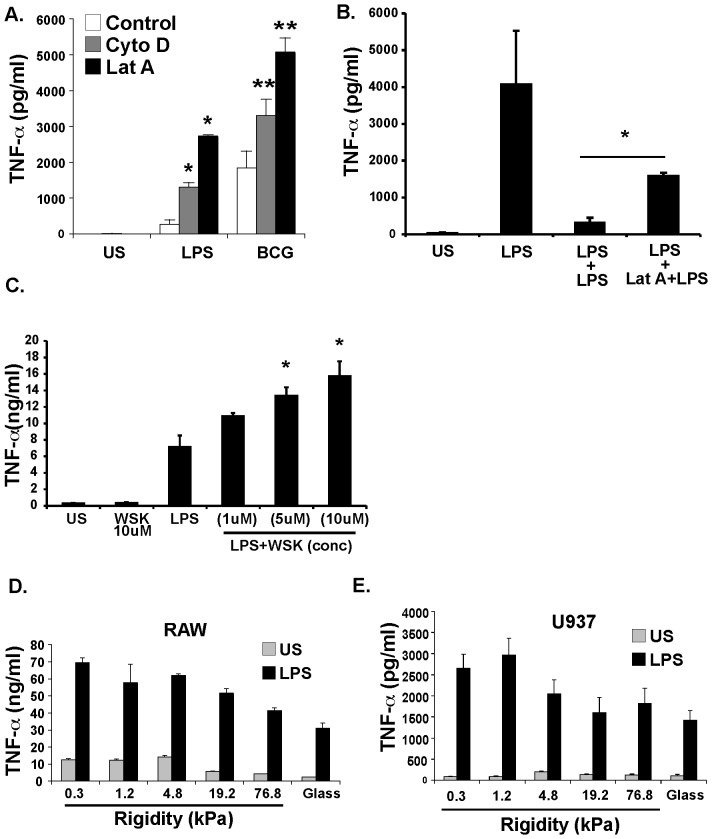
“In contrast to previous reports in human macrophages [37], wiskostatin itself had an inhibitory effect on TNFa secretion in RAW264.”
ResultTylek, T., Blum, C., Hrynevich, A., Schlegelmilch, K., Schilling, T., Dalton, P. D., & Groll, J. (2020) · Biofabrication · doi:10.1088/1758-5090/ab5f4e · Cited by 161
Macrophage polarization and its impact on idiopathic pulmonary fibrosis
Ge, Z., Chen, Y. Q., Ma, L., Hu, F., & Xie, L. (2024) · Frontiers in Immunology · doi:10.3389/fimmu.2024.1444964 · Cited by 155
Sosale, N. G., Rouhiparkouhi, T., Bradshaw, A. M., Dimova, R., Lipowsky, R., & Discher, D. E. (2015) · Blood · doi:10.1182/blood-2014-06-585299 · Cited by 155
Harnessing macrophage plasticity for tissue regeneration
Smith, T. D., Nagalla, R. R., Chen, E. Y., & Liu, W. F. (2017) · Advanced Drug Delivery Reviews · doi:10.1016/j.addr.2017.04.012 · Cited by 142
Substrate elasticity regulates the behavior of human monocyte-derived macrophages
Adlerz, K. M., Aranda-Espinoza, H., & Hayenga, H. N. (2016) · European Biophysics Journal · doi:10.1007/s00249-015-1096-8 · Cited by 135
Myosin II Activity Softens Cells in Suspension
Chan, C. J., Ekpenyong, A. E., Golfier, S., Li, W., Chalut, K. J., Otto, O., Elgeti, J., Guck, J. R., & Lautenschläger, F. (2015) · Biophysical Journal · doi:10.1016/j.bpj.2015.03.009 · Cited by 135
Scaffold strategies for modulating immune microenvironment during bone regeneration
He, J., Chen, G., Liu, M., Xu, Z., Chen, H., Yang, L., & Lv, Y. (2019) · Materials Science and Engineering C · doi:10.1016/j.msec.2019.110411 · Cited by 134
Biophysical regulation of macrophages in health and disease
Meli, V. S., Veerasubramanian, P. K., Atcha, H., Reitz, Z., Downing, T. L., & Liu, W. F. (2019) · Journal of Leukocyte Biology · doi:10.1002/jlb.mr0318-126r · Cited by 133
He, X., Li, X., Xia, Y., Yin, Y., Wu, R., Sun, H., & Chen, F. (2019) · Acta Biomaterialia · doi:10.1016/j.actbio.2019.02.004 · Cited by 132
Advanced Strategies for Modulation of the Material–Macrophage Interface
Huyer, L. D., Pascual‐Gil, S., Wang, Y., Mandla, S., Yee, B., & Radisic, M. (2020) · Advanced Functional Materials · doi:10.1002/adfm.201909331 · Cited by 127
Zhuang, Z., Zhang, Y., Sun, S., Li, Q., Chen, K., An, C., Wang, L., van den Beucken, J. J. J. P., & Wang, H. (2020) · ACS Biomaterials Science & Engineering · doi:10.1021/acsbiomaterials.0c00295 · Cited by 126
TRPV4 plays a role in matrix stiffness-induced macrophage polarization
Dutta, B., Goswami, R., & Rahaman, S. O. (2020) · Frontiers in Immunology · doi:10.3389/fimmu.2020.570195 · Cited by 124
Biomechanics of Cardiac Function
Voorhees, A. P., & Han, H. (2015) · Comprehensive physiology · doi:10.1002/cphy.c140070 · Cited by 124
Collagen Density Modulates the Immunosuppressive Functions of Macrophages
Larsen, A. M. H., Kuczek, D. E., Kalvisa, A., Siersbæk, M. S., Thorseth, M.-L., Johansen, A. Z., Carretta, M., Grøntved, L., Vang, O., & Madsen, D. H. (2020) · The Journal of Immunology · doi:10.4049/jimmunol.1900789 · Cited by 120
Matrix stiffness regulates macrophage polarisation via the Piezo1‐YAP signalling axis
Mei, F., Guo, Y., Wang, Y., Zhou, Y., Heng, B. C., Xie, M., Huang, X., Zhang, S., Ding, S., Liu, F., et al. (2024) · Cell Proliferation · doi:10.1111/cpr.13640 · Cited by 118
“12 Consistent with our findings, Blakney et al. found that LPS-stimulated macrophages displayed an increase in inflammatory cytokine production with matrix stiffening (130, 240 and 840 kPa).”
BackgroundResultAlvey, C. M., Spinler, K. R., Irianto, J., Pfeifer, C. R., Hayes, B., Xia, Y., Cho, S., Dingal, P. C. P. D., Hsu, J., Smith, L., et al. (2017) · Current Biology · doi:10.1016/j.cub.2017.06.005 · Cited by 115
Extracellular Matrix Stiffness in Lung Health and Disease
Guo, T., He, C., Venado, A. E., & Zhou, Y. (2022) · Comprehensive physiology · doi:10.1002/cphy.c210032 · Cited by 112
He, X., Wu, R., Xu, X., Wang, J., Yin, Y., & Chen, F. (2018) · Acta Biomaterialia · doi:10.1016/j.actbio.2018.02.015 · Cited by 111
Okamoto, T., Takagi, Y., Kawamoto, E., Park, E. J., Usuda, H., Wada, K., & Shimaoka, M. (2018) · Experimental Cell Research · doi:10.1016/j.yexcr.2018.04.005 · Cited by 104
Evaluation of remodeling and regeneration of electrospun PCL/fibrin vascular grafts in vivo
Zhao, L., Li, X., Yang, L., Sun, L., Mu, S., Zong, H., Li, Q., Wang, F., Song, S., Yang, C., et al. (2020) · Materials Science and Engineering C · doi:10.1016/j.msec.2020.111441 · Cited by 100
Mechanosensing in macrophages and dendritic cells in steady-state and disease
Lee, M., Du, H., Winer, D. A., Clemente-Casares, X., & Tsai, S. (2022) · Frontiers in Cell and Developmental Biology · doi:10.3389/fcell.2022.1044729 · Cited by 99
“Furthermore, the percentage of murine BMMs with filopodial extensions increase after being cultured on higher substrate stiffness plates, as BMMs cultured on gels of lower stiffness display few to no filopodial extensions (Patel et al., 2012; Haschak et al., 2021).”
BackgroundInfluentialCell-material interactions in tendon tissue engineering
Lin, J., Zhou, W., Han, S., Bunpetch, V., Zhao, K., Liu, C., Yin, Z., & Ouyang, H. (2018) · Acta Biomaterialia · doi:10.1016/j.actbio.2018.01.012 · Cited by 98
Antmen, E., Vrana, N. E., & Hasırcı, V. (2021) · Biomaterials Science · doi:10.1039/d1bm00840d · Cited by 97
Lee, C.-J., Jang, T., Jeon, S.-E., Yun, H.-J., Cho, Y.-H., Lim, D.-Y., & Nam, J. (2024) · Nature Communications · doi:10.1038/s41467-024-54920-9 · Cited by 95
Nanomechanics of vascular endothelium
Fels, J., Jeggle, P., Liashkovich, I., Peters, W., & Oberleithner, H. (2014) · Cell and Tissue Research · doi:10.1007/s00441-014-1853-5 · Cited by 95
Duan, Y., Zheng, H., Li, Z., Yao, Y., Ding, J., Wang, X., Nakkala, J. R., Zhang, D., Wang, Z., Zuo, X., et al. (2020) · Biomaterials · doi:10.1016/j.biomaterials.2020.120012 · Cited by 94
Biomaterials-Mediated Regulation of Macrophage Cell Fate
Liu, Y., & Segura, T. (2020) · Frontiers in Bioengineering and Biotechnology · doi:10.3389/fbioe.2020.609297 · Cited by 92
“substrate stiffness (Patel et al., 2012; Scheraga et al., 2016; Gruber et al., 2018), spatial confinement (Jain and Vogel, 2018), and interstitial fluid (Li R.”
BackgroundCrosstalk Between CD11b and Piezo1 Mediates Macrophage Responses to Mechanical Cues
Atcha, H., Meli, V. S., Davis, C. T., Brumm, K. T., Anis, S., Chin, J., Jiang, K., Pathak, M. M., & Liu, W. F. (2021) · Frontiers in Immunology · doi:10.3389/fimmu.2021.689397 · Cited by 92
Springer, N. L., Iyengar, N. M., Bareja, R., Verma, A., Jochelson, M. S., Giri, D. D., Zhou, X. K., Elemento, O., Dannenberg, A. J., & Fischbach, C. (2019) · The American Journal of Pathology · doi:10.1016/j.ajpath.2019.06.005 · Cited by 91
Collagen Cross-Linking: Biophysical, Biochemical, and Biological Response Analysis
Delgado, L. M., Fuller, K., & Zeugolis, D. I. (2017) · Tissue Engineering Part A · doi:10.1089/ten.tea.2016.0415 · Cited by 89
Collagen-based biomaterials for tissue regeneration and repair
Sheehy, E. J., Cunniffe, G. M., & O’Brien, F. J. (2017) · Elsevier eBooks · doi:10.1016/b978-0-08-100803-4.00005-x · Cited by 89
Biomaterials in orthopaedics: the past and future with immune modulation
Im, G. (2020) · Biomaterials Research · doi:10.1186/s40824-020-0185-7 · Cited by 87
Pacelli, S., Manoharan, V., Desalvo, A., Lomis, N., Jodha, K. S., Prakash, S., & Paul, A. (2016) · Journal of Materials Chemistry B · doi:10.1039/c5tb01686j · Cited by 81
Cellular Biomechanics in Drug Screening and Evaluation: Mechanopharmacology
Krishnan, R., Park, J., Seow, C. Y., Lee, P. V. S., & Stewart, A. G. (2015) · Trends in Pharmacological Sciences · doi:10.1016/j.tips.2015.10.005 · Cited by 81
Self-citationChen, C., Xie, J., Rajappa, R., Deng, L., Fredberg, J. J., & Yang, L. (2015) · Acta Biochimica et Biophysica Sinica · doi:10.1093/abbs/gmu116 · Cited by 78
Self-citationMechanisms of immune modulation in the tumor microenvironment and implications for targeted therapy
Czajka‐Francuz, P., Prendes, M. J., Mankan, A. K., Quintana, Á., Pabla, S., Ramkissoon, S. H., Jensen, T. J., Peiró, S., Severson, E. A., Achyut, B. R., et al. (2023) · Frontiers in Oncology · doi:10.3389/fonc.2023.1200646 · Cited by 76
Mechanical Regulation of Endocytosis: New Insights and Recent Advances
Joseph, J. G., & Liu, A. P. (2020) · Advanced Biosystems · doi:10.1002/adbi.201900278 · Cited by 76
Seo, B. R., DelNero, P., & Fischbach, C. (2014) · Advanced Drug Delivery Reviews · doi:10.1016/j.addr.2013.11.011 · Cited by 74
Macrophage–stroma interactions in fibrosis: biochemical, biophysical, and cellular perspectives
Vasse, G. F., Nizamoglu, M., Heijink, I. H., Schlepütz, M., van Rijn, P., Thomas, M. J., Burgess, J. K., & Melgert, B. N. (2021) · The Journal of Pathology · doi:10.1002/path.5632 · Cited by 74
Biophysical Aspects of T Lymphocyte Activation at the Immune Synapse
Hivroz, C., & Saitakis, M. (2016) · Frontiers in Immunology · doi:10.3389/fimmu.2016.00046 · Cited by 74
Pagliari, S., Vinarský, V., Martino, F. D., Perestrelo, A. R., Cruz, J. O. L., Caluori, G., Vrbský, J., Mozetic, P., Pompeiano, A., Zancla, A., et al. (2020) · Cell Death and Differentiation · doi:10.1038/s41418-020-00643-5 · Cited by 73
Mechanoimmunology: molecular-scale forces govern immune cell functions
Pageon, S. V., Govendir, M., Kempe, D., & Biro, M. (2018) · Molecular Biology of the Cell · doi:10.1091/mbc.e18-02-0120 · Cited by 72
Tailoring the immuno-responsiveness of anodized nano-engineered titanium implants
Gulati, K., Hamlet, S. M., & Ivanovski, S. (2018) · Journal of Materials Chemistry B · doi:10.1039/c8tb00450a · Cited by 72
Camarero‐Espinosa, S., Carlos‐Oliveira, M., Liu, H., Mano, J. F., Bouvy, N., & Moroni, L. (2022) · Advanced Healthcare Materials · doi:10.1002/adhm.202101415 · Cited by 71
Kartikasari, N., Yamada, M., Watanabe, J., Tiskratok, W., He, X., Kamano, Y., & Egusa, H. (2021) · Acta Biomaterialia · doi:10.1016/j.actbio.2021.10.019 · Cited by 68
Activation of Macrophages in Response to Biomaterials
Rayahin, J., & Gemeinhart, R. A. (2017) · Results and problems in cell differentiation · doi:10.1007/978-3-319-54090-0_13 · Cited by 67
Gruber, E., Heyward, C., Cameron, J., & Leifer, C. (2018) · International Immunology · doi:10.1093/intimm/dxy027 · Cited by 64
Immune‐Informed Mucin Hydrogels Evade Fibrotic Foreign Body Response In Vivo
Yan, H., Seignez, C., Hjorth, M., Winkeljann, B., Blakeley, M., Lieleg, O., Phillipson, M., & Crouzier, T. (2019) · Advanced Functional Materials · doi:10.1002/adfm.201902581 · Cited by 64
Zheng, Q., Liu, H., Yu, W., Dong, Y., Zhou, L., Deng, W., & Hua, F. (2023) · Brain and Behavior · doi:10.1002/brb3.3136 · Cited by 63
Elasticity in Macrophage‐Synthesized Biocrystals
Horstman, E. M., Keswani, R. K., Frey, B., Rzeczycki, P., LaLone, V., Bertke, J. A., Kenis, P. J. A., & Rosania, G. R. (2017) · Angewandte Chemie International Edition · doi:10.1002/anie.201611195 · Cited by 63
Dziki, J. L., Giglio, R. M., Sicari, B. M., Wang, D. S., Gandhi, R. M., Londono, R., Dearth, C. L., & Badylak, S. F. (2018) · Tissue Engineering Part A · doi:10.1089/ten.tea.2017.0011 · Cited by 61
“Seminal studies investigating the response of macrophages to substrates of varying elasticities and rigidities have shown that changes in the cytokine secretion profile and gene/surface marker expression patterns of macrophages occur through mechanotransduction pathways, including actin polymerization, activation of s…”
BackgroundAndrechak, J. C., Dooling, L. J., & Discher, D. E. (2019) · Philosophical Transactions of the Royal Society B Biological Sciences · doi:10.1098/rstb.2018.0217 · Cited by 60
Xie, W., Yu, X., Yang, Q., Ke, N., Wang, P., Kong, H., Wu, X., Ma, P., Chen, L., Yang, J., et al. (2025) · Cancer Discovery · doi:10.1158/2159-8290.cd-24-1712 · Cited by 59
Adipose cells and tissues soften with lipid accumulation while in diabetes adipose tissue stiffens
Abuhattum, S., Kotzbeck, P., Schlüßler, R., Harger, A., de Schellenberger, A. A., Kim, K., Escolano, J.-C., Müller, T., Braun, J., Wabitsch, M., et al. (2022) · Scientific Reports · doi:10.1038/s41598-022-13324-9 · Cited by 59
Longtao, W. A. N. G., Shouping, H. U., Liu, Q., Yiru, L. I., Xu, L., Zhang, Z., Cai, X., & He, X. (2017) · Journal of Veterinary Medical Science · doi:10.1292/jvms.17-0258 · Cited by 59
SUN1/2 controls macrophage polarization via modulating nuclear size and stiffness
Jiao, S., Li, C., Guo, F., Zhang, J., Zhang, H., Cao, Z., Wang, W., Bu, W., Lin, M., Lü, J., et al. (2023) · Nature Communications · doi:10.1038/s41467-023-42187-5 · Cited by 59
Innate sensing of mechanical properties of brain tissue by microglia
Ayata, P., & Schaefer, A. (2020) · Current Opinion in Immunology · doi:10.1016/j.coi.2020.01.003 · Cited by 58
LOXL2 Inhibition Paves the Way for Macrophage-Mediated Collagen Degradation in Liver Fibrosis
Klepfish, M., Gross, T., Vugman, M., Afratis, N. A., Havusha-Laufer, S., Brazowski, E., Solomonov, I., Varol, C., & Sagi, I. (2020) · Frontiers in Immunology · doi:10.3389/fimmu.2020.00480 · Cited by 58
Tan, J., Zhang, Q.-Y., Huang, L.-P., Huang, K., & Xie, H.-Q. (2021) · Biomaterials Science · doi:10.1039/d1bm00470k · Cited by 57
Single-Cell Mechanics: Structural Determinants and Functional Relevance
Urbanska, M., & Guck, J. R. (2024) · Annual Review of Biophysics · doi:10.1146/annurev-biophys-030822-030629 · Cited by 57
Wissing, T. B., van Haaften, E. E., Koch, S. E., Ippel, B. D., Kurniawan, N. A., Bouten, C. V. C., & Smits, A. I. P. M. (2020) · Biomaterials Science · doi:10.1039/c9bm01005j · Cited by 57
Osmulski, P. A., Cunsolo, A., Chen, M., Qian, Y., Lin, C.-L., Hung, C., Mahalingam, D., Kirma, N. B., Chen, C., Taverna, J. A., et al. (2021) · Cancer Research · doi:10.1158/0008-5472.can-20-3595 · Cited by 57
Self-citationThe impact of prolapse mesh on vaginal smooth muscle structure and function
Jallah, Z. C., Liang, R., Feola, A., Barone, W. R., Palcsey, S. L., Abramowitch, S. D., Yoshimura, N., & Moalli, P. (2015) · BJOG An International Journal of Obstetrics & Gynaecology · doi:10.1111/1471-0528.13514 · Cited by 57
Sorushanova, A., Skoufos, I., Tzora, A., Mullen, A. M., & Zeugolis, D. I. (2021) · Journal of Materials Science Materials in Medicine · doi:10.1007/s10856-020-06485-4 · Cited by 56
Pathogenicity and virulence of Borrelia burgdorferi
Strnad, M., Rudenko, N., & Rego, R. O. M. (2023) · Virulence · doi:10.1080/21505594.2023.2265015 · Cited by 55
Cells nanomechanics by atomic force microscopy: focus on interactions at nanoscale
Zhou, G., Zhang, B., Tang, G., Yu, X., & Galluzzi, M. (2021) · Advances in Physics X · doi:10.1080/23746149.2020.1866668 · Cited by 54
Unraveling the Mechanobiology of the Immune System
Kim, J., Shin, Y. J., Ha, L. J., Kim, D., & Kim, D. (2019) · Advanced Healthcare Materials · doi:10.1002/adhm.201801332 · Cited by 53
Li, M., Liu, L., Xi, N., Wang, Y., Xiao, X., & Zhang, W. (2014) · Langmuir · doi:10.1021/la4042524 · Cited by 53
Wang, Y., Xiao, L., Lu, J., Hernigou, P., & Jin, F. (2024) · Frontiers in Bioengineering and Biotechnology · doi:10.3389/fbioe.2024.1366398 · Cited by 52
Singh, S., Awuah, D., Rostam, H. M., Emes, R. D., Kandola, N. K., Onion, D., Htwe, S. S., Rajchagool, B., Cha, B.-H., Kim, D., et al. (2017) · ACS Biomaterials Science & Engineering · doi:10.1021/acsbiomaterials.7b00104 · Cited by 51
Phagocyte—extracellular matrix crosstalk empowers tumor development and dissemination
Varol, C., & Sagi, I. (2017) · FEBS Journal · doi:10.1111/febs.14317 · Cited by 50
Biomedical Implants with Charge‐Transfer Monitoring and Regulating Abilities
Wang, D., Tan, J., Zhu, H., Mei, Y., & Liu, X. (2021) · Advanced Science · doi:10.1002/advs.202004393 · Cited by 49
Scaffold-Mediated Immunoengineering as Innovative Strategy for Tendon Regeneration
Russo, V., El Khatib, M., Prencipe, G., Cerveró-Varona, A., Citeroni, M. R., Mauro, A., Berardinelli, P., Faydaver, M., Haidar-Montes, A. A., Turriani, M., et al. (2022) · Cells · doi:10.3390/cells11020266 · Cited by 49
Metadata
- Authors
- Patel, N. R., Bole, M., Chen, C., Hardin, C. C., Kho, A. T., Mih, J., Deng, L., Butler, J., Tschumperlin, D., Fredberg, J. J., Krishnan, R., & Koziel, H.
- Affiliations
- Beth Israel Deaconess Medical Center (US)
- Harvard University (US)
- Boston Children's Hospital (US)
- Chongqing University (CN)
- Corresponding author
- Patel, Naimish R.
- ORCID
- Venue
- PLoS ONE
- Publisher
- Public Library of Science (PLoS)
- Published
- 2012-09-18
- Volume
- 7
- Issue
- 9
- Pages
- e41024
- ISSN
- 1932-6203 (ISSN-L)
- PMC
- PMC3445606
- OpenAlex
- W2114845386
- Cited by
- 275
- References
- 46
- Citations by year
- 2026: 8 · 2025: 23 · 2024: 21 · 2023: 16 · 2022: 21 · 2021: 44 · 2020: 24 · 2019: 32 · 2018: 24 · 2017: 19 · 2016: 9 · 2015: 18 · 2014: 12 · 2013: 4
- FWCI
- 5.15
- Type
- journal article
- Language
- en
- Open access
- gold
- doi.org
- Locations
- PLoS ONE (publishedVersion, cc-by)
- PubMed Central (publishedVersion, cc-by)
- PubMed (publishedVersion)
- Digital Access to Scholarship at Harvard (DASH) (Harvard University) (submittedVersion, cc-by)
- DOAJ (DOAJ: Directory of Open Access Journals) (submittedVersion, cc-by-sa)
- DSpace@MIT (Massachusetts Institute of Technology) (submittedVersion, cc-by-nc)
- Figshare (submittedVersion, cc-by)
- Funders
- National Heart, Lung, and Blood Institute (K25HL111212, K25HL091124, R01HL102373)
- National Institute of Allergy and Infectious Diseases
- Topics
- Life Sciences › Biochemistry, Genetics and Molecular Biology › Cell Biology › Cellular Mechanics and Interactions
- Life Sciences › Immunology and Microbiology › Immunology › Immune cells in cancer
- Physical Sciences › Engineering › Biomedical Engineering › Elasticity and Material Modeling
- Keywords
- macrophage function, substrate stiffness, actin polymerization, Rho GTPase activation, innate immunity, lipopolysaccharide, interferon-gamma, mechanobiology
- MeSH terms
- Actins, Animals, Cell Line, Elasticity, Humans, Inflammation, Interferon-gamma, Lipopolysaccharides, Macrophages, Phagocytosis, rho GTP-Binding Proteins, Gene Expression Profiling, Mice, Protein Multimerization, Transcriptome
About these checks
Registry, retraction, Cites and statistics results are computed, not judged, with one exception: a printed reference that no index lists is read once by a model before it counts as a citation error. Claims are extracted by a model and kept only when their quote appears verbatim in the text; each cited source is then checked, with a model’s help, for whether it says what the claim relies on. Those verdicts can be wrong — read the claim’s quote and the cited source before relying on one.
Statistics and arithmetic are recomputed, not judged.
Confidence bands are shown only for fields calibrated on our annotated test set. None is calibrated yet, so no band is shown.
What counts as a claim ›How we measure confidence ›How we check this ›
Are you an author, or do you see a problem with this page? Request a review
Data sources
Bibliographic data: Semantic Scholar, OpenAlex, Crossref.
Contains information from the Semantic Scholar Academic Graph Datasets, made available under the ODC Attribution License (ODC-BY 1.0).
Semantic Scholar’s data is described in: Kinney, R., et al. (2023). The Semantic Scholar Open Data Platform. arXiv:2301.10140.
