

On Pixel-Wise Explanations for Non-Linear Classifier Decisions by Layer-Wise Relevance Propagation
Open accessThe DOI matches its Crossref record; 55 of the 56 references it cites were found in a registry or an index.
Abstract
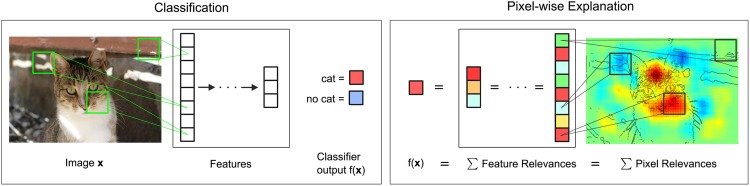
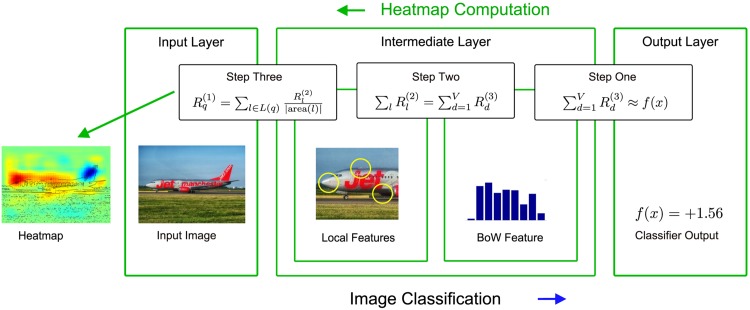
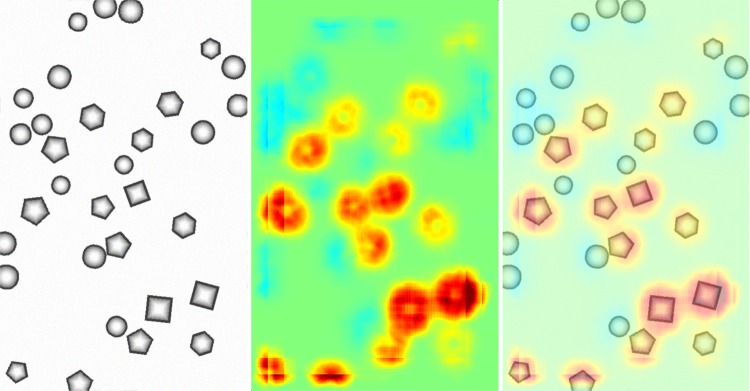
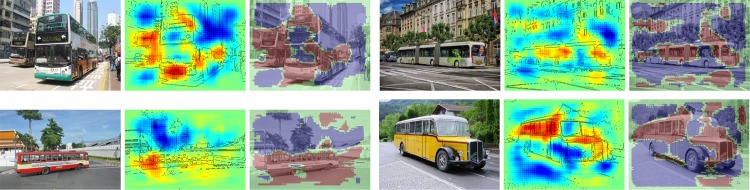
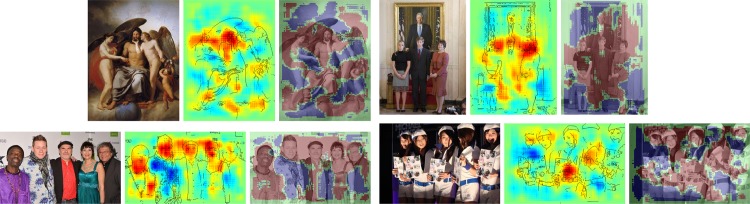
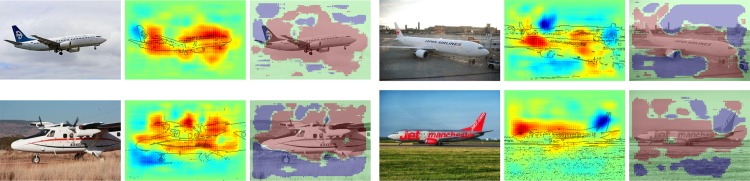
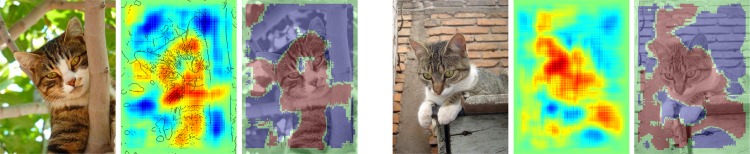
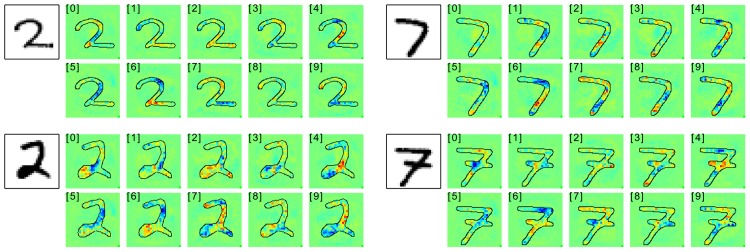
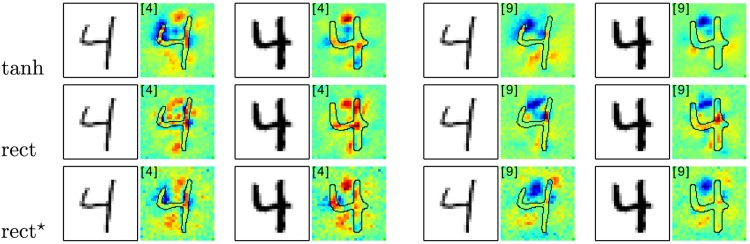
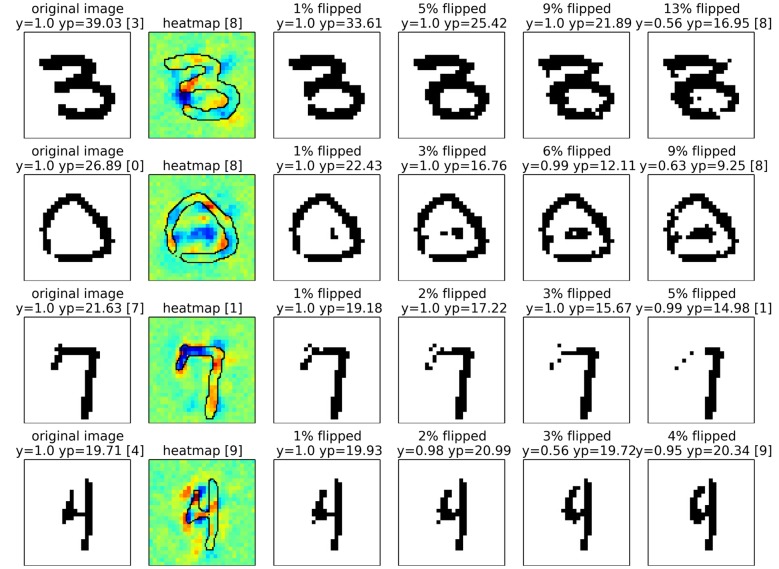
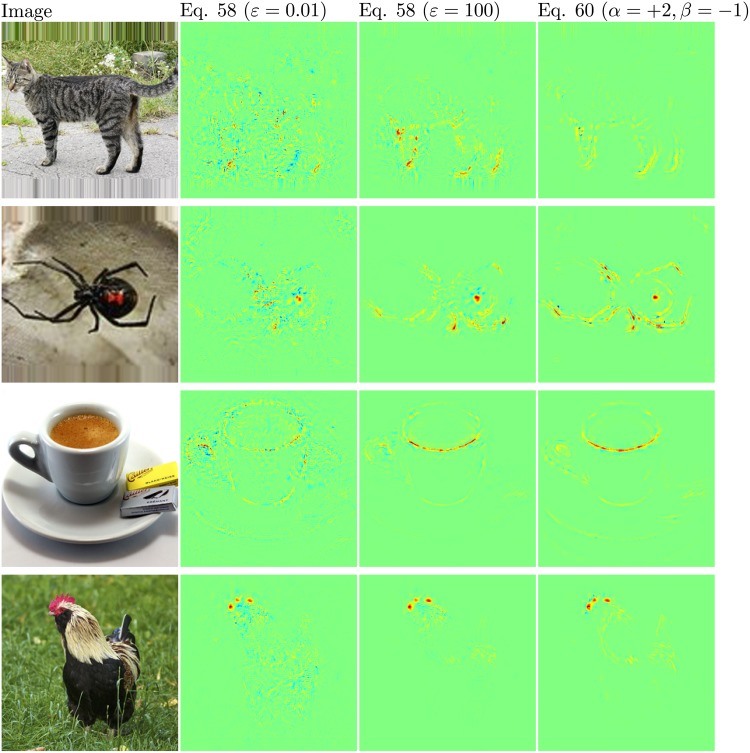
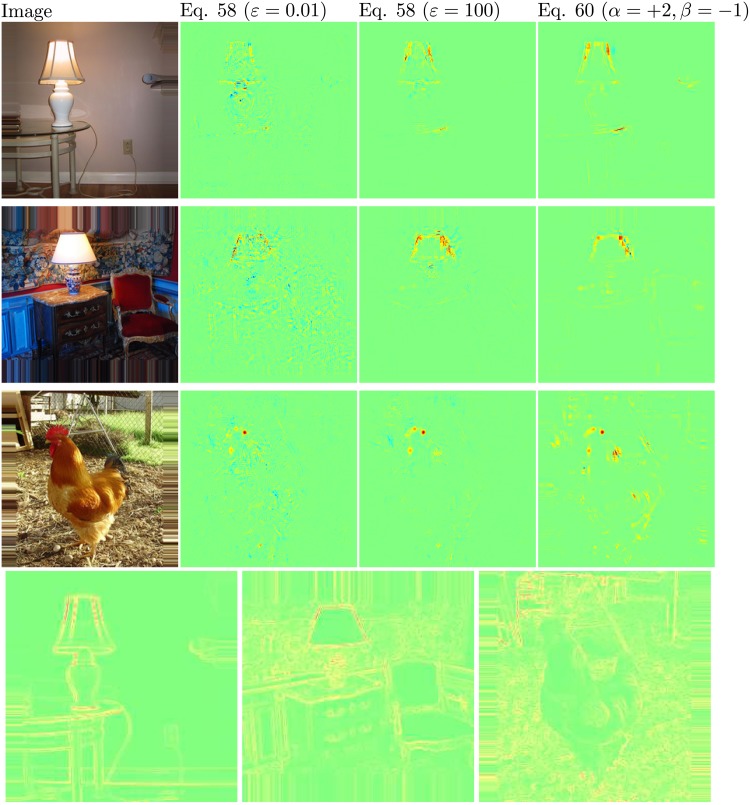
Understanding and interpreting classification decisions of automated image classification systems is of high value in many applications, as it allows to verify the reasoning of the system and provides additional information to the human expert. Although machine learning methods are solving very successfully a plethora of tasks, they have in most cases the disadvantage of acting as a black box, not providing any information about what made them arrive at a particular decision. This work proposes a general solution to the problem of understanding classification decisions by pixel-wise decomposition of nonlinear classifiers. We introduce a methodology that allows to visualize the contributions of single pixels to predictions for kernel-based classifiers over Bag of Words features and for multilayered neural networks. These pixel contributions can be visualized as heatmaps and are provided to a human expert who can intuitively not only verify the validity of the classification decision, but also focus further analysis on regions of potential interest. We evaluate our method for classifiers trained on PASCAL VOC 2009 images, synthetic image data containing geometric shapes, the MNIST handwritten digits data set and for the pre-trained ImageNet model available as part of the Caffe open source package.
Overview
The claims and statistics of this paper haven’t been checked yet.
Free: it reads the open-access text and checks the first 5 claims that cite a source we can check. Create a free account to check every claim.
Integrity signals
Registry
Cites
Statistics
Figures



Verification
Claims the paper makes
The claims and statistics of this paper haven’t been checked yet.
Free: it reads the open-access text and checks the first 5 claims that cite a source we can check. Create a free account to check every claim.
Claims other papers make about this one
Each is checked against this paper’s own text: does it say what the citing paper says it does?
The source backs part of the claim, not all of it — or backs it for a different population, condition or comparison.
In the citing paper
“Barring a few exceptions (Caruana et al., 2015; Lundberg et al., 2018b; Ustun et al., 2019; Jesus et al., 2021), much of the existing work is designed and developed for benchmark classification problems, often with synthetic data and usually validated with user studies limited to users in research settings such as Amazon Mechanical Turk (AMT; Simonyan et al., 2013; Zeiler and Fergus, 2014; Bach et”
From Explainable machine learning for public policy: Use cases, gaps, and research directions (2023) · cites this paper as Bach et al., 2015
Experimental — accuracy not yet measuredThe cited source says what the claim attributes to it.
In the citing paper
“Unfortunately, most of the work in this area fails to meet these criteria, focusing only on benchmark ML problems and datasets (e.g., image classification on MNIST data, newsgroups data; Bach et al., 2015; Ribeiro et al., 2016, 2018; Shrikumar et al., 2017).”
From Explainable machine learning for public policy: Use cases, gaps, and research directions (2023) · cites this paper as Bach et al., 2015
In the citing paper
“LRP and DTD are capable of improving a model’s interpretability.”
From Survey of Explainable AI Techniques in Healthcare (2023) · cites this paper as [31]
Self-check
Percentages, sums and reported differences re-computed from the paper’s own numbers.
The self-check needs the paper’s full text.
Citations
Cites
ImageNet classification with deep convolutional neural networks
Krizhevsky, A., Sutskever, I., & Hinton, G. E. (2017) · Communications of the ACM · doi:10.1145/3065386 · Cited by 112,155 · cited 2×
“It is known from [21] that lower layers of deep networks which are very similar to the one from [60] used here may act like learned texture or gradient detectors.”
BackgroundDistinctive Image Features from Scale-Invariant Keypoints
Lowe, D. G. (2004) · International Journal of Computer Vision · doi:10.1023/b:visi.0000029664.99615.94 · Cited by 55,589
Learning representations by back-propagating errors
Rumelhart, D. E., Hinton, G. E., & Williams, R. J. (1986) · Nature · doi:10.1038/323533a0 · Cited by 31,892 · cited 2×
“The derivative @f(x)/@x(d) required for pixel-wise decomposition can be computed efficiently by reusing the network topology using the backpropagation algorithm [56].”
BackgroundMethodThe pascal visual object classes (VOC) challenge
Everingham, M., Van Gool, L., Williams, C. K. I., Winn, J., & Zisserman, A. (2010) · International Journal of Computer Vision · doi:10.1007/s11263-009-0275-4 · Cited by 19,599
Neural networks for pattern recognition
(1994) · Choice Reviews Online · doi:10.5860/choice.31-5500 · Cited by 18,538
Rapid object detection using a boosted cascade of simple features
Viola, P., & Jones, M. (2005) · Proceedings of the 2001 IEEE Computer Society Conference on Computer Vision and Pattern Recognition. CVPR 2001 · doi:10.1109/cvpr.2001.990517 · Cited by 18,300
Visualizing and understanding convolutional networks
Zeiler, M. D., & Fergus, R. (2014) · Lecture Notes in Computer Science · doi:10.1007/978-3-319-10590-1_53 · Cited by 15,839
Explaining and Harnessing Adversarial Examples
Goodfellow, I. J., Shlens, J., & Szegedy, C. (2014) · arXiv · doi:10.48550/arxiv.1412.6572 · Cited by 10,381 · cited 1×
“A different type of analysis for understanding neural networks deals with creating counter-intuitive examples, see for example the work in [24, 25].”
BackgroundIntriguing properties of neural networks
Szegedy, C., Zaremba, W., Sutskever, I., Bruna, J., Erhan, D., Goodfellow, I., & Fergus, R. (2013) · arXiv · doi:10.48550/arxiv.1312.6199 · Cited by 8,143 · cited 2×
“However, as noted in [24], this can lead to points of the input space that are perceptually equivalent to the original sample x and whose choice as a root would produce non-informative pixel-wise decompositions.”
BackgroundDeep Inside Convolutional Networks: Visualising Image Classification Models and Saliency Maps
Simonyan, K., Vedaldi, A., & Zisserman, A. (2013) · arXiv · doi:10.48550/arxiv.1312.6034 · Cited by 5,370 · cited 4×
“Besides deviating in the usage of a Taylor series, the work in [22] does not make use of the layer-wise propagation strategy for neural networks presented in this paper, which unlike a Taylor series does not rely on a local approximation.”
BackgroundMethodResultInfluential
Research works printed but not linked: 4
- Montavon G, Orr GB, Müller KR, editors. Neural Networks: Tricks of the Trade, Reloaded vol. 7700 of Lecture Notes in Computer Science (LNCS). 2nd ed Springer; 2012.
- Everingham M, Van Gool L, Williams CKI, Winn J, Zisserman A. The PASCAL Visual Object Classes Challenge 2010 (VOC2010) Results;. · DOI · Paper page
- Lanckriet GRG, Cristianini N, Bartlett PL, Ghaoui LE, Jordan MI. Learning the Kernel Matrix with Semidefinite Programming. Journal of Machine Learning Research. 2004; 5: 27– 72.
- Kloft M, Brefeld U, Sonnenburg S, Laskov P, Müller KR, Zien A. Efficient and Accurate Lp-norm Multiple Kernel Learning. Advances in Neural Information Processing Systems. 2009; 22(22): 997– 1005.
Cited by
Items 801–900 of 1,049
Unraveling the Black Box: A Review of Explainable Deep Learning Healthcare Techniques
Murad, N. Y., Hasan, M. H., Azam, M. H., Yousuf, N., & Yalli, J. S. (2024) · IEEE Access · doi:10.1109/access.2024.3398203 · Cited by 64
“Layer-wise Relevance Propagation (LRP) is an explanatory technique for neural network models that handles inputs like images, videos, and text [54].”
BackgroundA wrapper feature selection approach using Markov blankets
Hassan, A., Paik, J. H., Khare, S., & Hassan, S. A. (2024) · Pattern Recognition · doi:10.1016/j.patcog.2024.111069 · Cited by 53
Challenges and opportunities of ML and explainable AI in large-sample hydrology
Slater, L. J., Blougouras, G., Deng, L., Deng, Q., Ford, E., van Dijke, A. J. H., Huang, F., Jiang, S., Liu, Y., Moulds, S., et al. (2025) · Philosophical Transactions of the Royal Society A Mathematical Physical and Engineering Sciences · doi:10.1098/rsta.2024.0287 · Cited by 76
“This generates a saliency map or heatmap that allows for the identification of the input regions that are most crucial for the model’s output, which is particularly well‑suited for physical inference in the geosciences.”
Survey of XAI in Digital Pathology
Pocevičiūtė, M., Eilertsen, G., & Lundström, C. (2020) · Lecture notes in computer science · doi:10.1007/978-3-030-50402-1_4 · Cited by 76
“Well-known techniques that produce heatmaps are Excitation Backprop [121], Grad-CAM [95] and Layer-wise relevance propagation [8].”
MethodKeys, P. W., Barnes, E. A., & Carter, N. (2021) · Environmental Research Letters · doi:10.1088/1748-9326/abe00a · Cited by 56
Nazari, M., Kluge, A., Apostolova, I. I., Klutmann, S., Kimiaei, S., Schroeder, M., & Buchert, R. (2021) · European Journal of Nuclear Medicine and Molecular Imaging · doi:10.1007/s00259-021-05569-9 · Cited by 56
“Layer-wise relevance propagation (LRP) is an explainable AI technique that allows generation of an individual relevance map for each individual patient [6].”
MethodJang, H., McCormack, D. R., & Tong, F. (2021) · PLoS Biology · doi:10.1371/journal.pbio.3001418 · Cited by 61
“Layer-wise relevance propagation is a method that identifies diagnostic features that contribute to the prediction of a network [44].”
MethodInfluentialSolanke, A. A. (2022) · Forensic Science International: Digital Investigation · doi:10.1016/j.fsidi.2022.301403 · Cited by 52
Expert Level Evaluations for Explainable AI (XAI) Methods in the Medical Domain
Muddamsetty, S. M., Jahromi, M. N. S., & Moeslund, T. B. (2021) · Lecture notes in computer science · doi:10.1007/978-3-030-68796-0_3 · Cited by 62
“Most of the state-of-art methods falls into this category [1, 21].”
BackgroundOh, K., Yoon, J. S., & Suk, H. (2022) · IEEE Transactions on Pattern Analysis and Machine Intelligence · doi:10.1109/tpami.2022.3197845 · Cited by 66
“The scores for LRP-Z [23] and DeepLIFT [25] are under-standably low because they can only capture the least number of class-discriminative features as seen in Fig.”
InfluentialMedically-oriented design for explainable AI for stress prediction from physiological measurements
Jaber, D., Hajj, H. M., Maalouf, F. C., & El-Hajj, W. (2022) · BMC Medical Informatics and Decision Making · doi:10.1186/s12911-022-01772-2 · Cited by 62
“Some proposed approaches are model agnostic and can explain the outcome of any black-box model with any type of input [7, 8], whereas others focus specifically on deep neural networks used for image classification [9– 11] or more general types of input [12].”
MethodMamalakis, A., Barnes, E. A., & Ebert‐Uphoff, I. (2022) · Artificial Intelligence for the Earth Systems · doi:10.1175/aies-d-22-0058.1 · Cited by 77
Evaluation Metrics for XAI: A Review, Taxonomy, and Practical Applications
Kadir, M. A., Mosavi, A. H., & Sonntag, D. (2023) · IEEE International Conference on Intelligent Engineering Systems (INES) · doi:10.1109/ines59282.2023.10297629 · Cited by 81
“Explanation sensitivity refers to how much a machine learning model’s output is affected by different types of explanations or interpretability methods applied to it.”
BackgroundMethodExplanations for Attributing Deep Neural Network Predictions
Fong, R., & Vedaldi, A. (2019) · Lecture notes in computer science · doi:10.1007/978-3-030-28954-6_8 · Cited by 59
SliceLine: Fast, Linear-Algebra-based Slice Finding for ML Model Debugging
Sagadeeva, S., & Böehm, M. (2021) · ACM SIGMOD International Conference on Management of Data (SIGMOD) · doi:10.1145/3448016.3457323 · Cited by 79
“Examples from the field of computer vision are saliency maps [30, 63, 70], layer-wise relevance propagation [8, 38], and occlusion-based explanations [75], which all aim to find input image areas that significantly influence the prediction.”
BackgroundMedia Forensics Considerations on DeepFake Detection with Hand-Crafted Features
Siegel, D., Kraetzer, C., Seidlitz, S., & Dittmann, J. (2021) · Journal of Imaging · doi:10.3390/jimaging7070108 · Cited by 50
“Layer-wise Relevance Propagation (LRP; [27]), it can be shown that these methods assign meaning to regions in the input (see e.”
BackgroundExplain and improve: LRP-inference fine-tuning for image captioning models
Sun, J., Lapuschkin, S., Samek, W., & Binder, A. (2021) · Information Fusion · doi:10.1016/j.inffus.2021.07.008 · Cited by 57
“Many explanation methods explain the predictions of DNNs such as gradient-based methods [59], [22], [60], [21], decomposition-based methods [61], [23], [24], [62], [63], [64], [65], and sampling-based methods [66], [67], [68], [69], [70].”
BackgroundMethodInfluentialSelf-citationRecent use of deep learning techniques in clinical applications based on gait: a survey
Matsushita, Y., Tran, D. T., Yamazoe, H., & Lee, J. (2021) · Journal of Computational Design and Engineering · doi:10.1093/jcde/qwab054 · Cited by 58
A Formal Framework to Characterize Interpretability of ProceduresPreprint
Dhurandhar, A., Iyengar, V. S., Luss, R., & Shanmugam, K. (2017) · arXiv (Cornell University) · doi:10.48550/arxiv.1706.02952 · Cited by 58
“constraints based on range space of a GAN), b) Explaining a neural net’s decision on an image by highlighting relevant parts using a technique called Layer-wise relevance propagation [3].”
MethodDomain Knowledge Aided Explainable Artificial Intelligence for Intrusion Detection and ResponsePreprint
Islam, S. R., Eberle, W., Ghafoor, S., Siraj, A., & Rogers, M. (2019) · arXiv (Cornell University) · doi:10.48550/arxiv.1911.09853 · Cited by 64
“Shapley sampling values (Štrumbelj and Kononenko 2014), Shapley regression values (Lipovetsky and Conklin 2001), and Layer-wise relevance propagation (Bach et al. 2015) to make the explanation of prediction for any machine learning model.”
MethodVisual Scene Understanding for Autonomous Driving Using Semantic Segmentation
Hofmarcher, M., Unterthiner, T., Arjona-Medina, J., Klambauer, G., Hochreiter, S., & Nessler, B. (2019) · Lecture Notes in Computer Science · doi:10.1007/978-3-030-28954-6_15 · Cited by 51
Model Explanations with Differential Privacy
Patel, N., Shokri, R., & Zick, Y. (2022) · ACM Conference on Fairness, Accountability, and Transparency (FAccT) · doi:10.1145/3531146.3533235 · Cited by 74
“Some feature-based model explanations which depend on model parameters [3, 5, 36, 37, 41], can further increase their privacy vulnerabilities with respect to white-box inference attacks [29].”
BackgroundA Multilinear Sampling Algorithm to Estimate Shapley Values
Okhrati, R., & Lipani, A. (2021) · Proceedings - International Conference on Pattern Recognition/Proceedings/International Conference on Pattern Recognition · doi:10.1109/icpr48806.2021.9412511 · Cited by 80
KERMIT: Complementing Transformer Architectures with Encoders of Explicit Syntactic Interpretations
Zanzotto, F. M., Santilli, A., Ranaldi, L., Onorati, D., Tommasino, P., & Fallucchi, F. (2020) · Conference on Empirical Methods in Natural Language Processing (EMNLP) · doi:10.18653/v1/2020.emnlp-main.18 · Cited by 71
“In fact, BERTviz is a good visualization mechanism for seeing how models assign weights to different input elements (Bahdanau et al., 2015; Belinkov and Glass, 2019), but it is extremely obscure in explaining causal relations in classification predictions (Wiegreffe and Pinter, 2019).”
BackgroundInteracting User-Generated Content Technologies: How Questions and Answers Affect Consumer Reviews
Banerjee, S., Dellarocas, C. N., & Zervas, G. (2018) · Journal of Marketing Research · doi:10.1177/00222437211020274 · Cited by 61
“To do so, we use layer-wise relevance propagation (LRP), a method originally developed to interpret the results of deep neural nets (Bach et al., 2015).”
MethodContrastive-ACE: Domain Generalization Through Alignment of Causal Mechanisms
Wang, Y., Liu, F., Chen, Z., Wu, Y., Hao, J., Chen, G., & Heng, P. (2022) · IEEE Transactions on Image Processing · doi:10.1109/tip.2022.3227457 · Cited by 58
“[33], [34], [35] have focused on applying overall functional values to define the contribution of input features, while some other methods leverage the gradients or perturbations with”
BackgroundKhan, M. A., Asadi, H., Zhang, L., Qazani, M. R. C., Oladazimi, S., Loo, C. K., Lim, C. P., & Nahavandi, S. (2024) · Expert Systems with Applications · doi:10.1016/j.eswa.2024.123717 · Cited by 58
Explainable AI Frameworks: Navigating the Present Challenges and Unveiling Innovative Applications
Sharma, N. A., Chand, R. R., Buksh, Z., Ali, A. B. M. S., Hanif, A., & Beheshti, A. (2024) · Algorithms · doi:10.3390/a17060227 · Cited by 62
“This process initiates from the model’s output and propagates onto the input variables (e.g., pixels) [57].”
BackgroundGeneralization in neural networks: A broad survey
Rohlfs, C. (2024) · Neurocomputing · doi:10.1016/j.neucom.2024.128701 · Cited by 68
Understanding plant phenotypes in crop breeding through explainable AI
Danilevicz, M. F., Upadhyaya, S. R., Batley, J., Bennamoun, M., Bayer, P. E., & Edwards, D. (2025) · Plant Biotechnology Journal · doi:10.1111/pbi.70208 · Cited by 56
“LRP was also used to critically evaluate a convolutional neural network (DenseNet-121) model for classifying soybean ( Glycine max ) phenotypic stress over ~ 16 571 RGB images of healthy or stressed soybean leaflets (Nagasubramanian et al ., 2020).”
InfluentialMehdiyev, N., Majlatow, M., & Fettke, P. (2025) · Artificial Intelligence Review · doi:10.1007/s10462-025-11399-0 · Cited by 65
Updates in deep learning research in ophthalmology
Ng, W. Y., Zhang, S., Wang, Z., Ong, C., Gunasekeran, D. V., Lim, G. Y. S., Zheng, F., Tan, S. C. Y., Tan, G. S. W., Rim, T. H., et al. (2021) · Clinical Science · doi:10.1042/cs20210207 · Cited by 56
Convolutional Dynamic Alignment Networks for Interpretable Classifications
Böhle, M., Fritz, M., & Schiele, B. (2021) · IEEE Computer Society Conference on Computer Vision and Pattern Recognition/Proceedings - IEEE Computer Society Conference on Computer Vision and Pattern Recognition/Proceedings · doi:10.1109/cvpr46437.2021.00990 · Cited by 78
Davazdahemami, B., Zolbanin, H. M., & Delen, D. (2022) · Decision Support Systems · doi:10.1016/j.dss.2022.113730 · Cited by 50
Midtfjord, A. D., Bin, R. D., & Huseby, A. B. (2022) · Cold Regions Science and Technology · doi:10.1016/j.coldregions.2022.103556 · Cited by 60
“Several of the popular local explanation methods share this additive feature attribution method, such as LIME [55], DeepLIFT [60], and Layer-Wise Relevance Propagation [6].”
MethodPredictors of transition in patients with clinical high risk for psychosis: an umbrella review
Andreou, C., Eickhoff, S., Heide, M., de Bock, R., Obleser, J., & Borgwardt, S. (2023) · Translational Psychiatry · doi:10.1038/s41398-023-02586-0 · Cited by 58
“Large samples and harmonization of methods are necessary to overcome the limitations of a currently still very heterogeneous fi eld of research.”
BackgroundExplainable Artificial Intelligence for Resilient Security Applications in the Internet of Things
Masud, M. T., Keshk, M., Moustafa, N., Linkov, I., & Emge, D. K. (2024) · IEEE Open Journal of the Communications Society · doi:10.1109/ojcoms.2024.3413790 · Cited by 73
“Toexplain them, researchers generally used the heatmap technologies of Sensitivity Analysis (SA) [44], [45], LIME [4], Deep Taylor Decomposition [46], LRP [5], Deconvonet [47], [48], and Grad-CAM [49].”
Manifold-based Shapley explanations for high dimensional correlated features
Hu, X., Zhu, M., Feng, Z., & Stanković, L. (2024) · Neural Networks · doi:10.1016/j.neunet.2024.106634 · Cited by 60
Deep learning for predicting rate-induced tipping
Huang, Y., Bathiany, S., Ashwin, P., & Boers, N. (2024) · Nature Machine Intelligence · doi:10.1038/s42256-024-00937-0 · Cited by 69
“More detailed information on the LRP algorithm can be found in existing literature 34,35 .”
InfluentialExplainable AI reveals Clever Hans effects in unsupervised learning models
Kauffmann, J., Dippel, J., Ruff, L., Samek, W., Müller, K., & Montavon, G. (2025) · Nature Machine Intelligence · doi:10.1038/s42256-025-01000-2 · Cited by 88
“To understand similarity scores in terms of input features, we used the BiLRP method [79] which extends the LRP technique [24, 26, 27, 80] for this specific purpose.”
Self-citationA Survey of Modern Questions and Challenges in Feature Extraction.
Storcheus, D., Rostamizadeh, A., & Kumar, S. (2015) · neural information processing systems · Cited by 90
ExplainGAN: Model Explanation via Decision Boundary Crossing Transformations
Samangouei, P., Saeedi, A., Nakagawa, L., & Silberman, N. (2018) · Lecture notes in computer science · doi:10.1007/978-3-030-01249-6_41 · Cited by 63
“LRP and DTD decompose the activations of each neuron in terms of contributions (i.e. relevances) from its input.”
MethodAugmenting Dementia Cognitive Assessment With Instruction-Less Eye-Tracking Tests
Mengoudi, K., Ravi, D., Yong, K. X. X., Primativo, S., Pavisic, I. M., Brotherhood, E., Lu, K., Schott, J. M., Crutch, S. J., & Alexander, D. C. (2020) · IEEE Journal of Biomedical and Health Informatics · doi:10.1109/jbhi.2020.3004686 · Cited by 50
“LRP, proposed in [23], was applied to the best performing CAR model to better understand the mechanisms underpinning healthy behaviour during different cognitive activities.”
MethodTowards Interpretable Deep Learning Models for Knowledge Tracing
Lu, Y., Wang, D., Meng, Q., & Chen, P. (2020) · Lecture notes in computer science · doi:10.1007/978-3-030-52240-7_34 · Cited by 69
“The LRP method [5] can be regarded as a typical backward propagation method, where the share of model output received by each neuron is properly redistributed by its predecessors to achieve the relevance conservation, and the injection of negative relevance is controlled by its hyperparameters.”
MethodJun, E., Na, K., Kang, W., Lee, J., Suk, H., & Ham, B. (2020) · Human Brain Mapping · doi:10.1002/hbm.25175 · Cited by 55
“Many previous works have developed the methods to explain the predictions of deep learning models such as SA (Baehrens et al., 2010; Simonyan, Vedaldi, & Zisserman, 2013) and layer-wise relevance-propagation (Bach et al., 2015), and so forth.”
MethodVisual explanation of black-box model: Similarity Difference and Uniqueness (SIDU) method
Muddamsetty, S. M., Jahromi, M. N. S., Ciontos, A. E., Fenoy, L. M., & Moeslund, T. B. (2022) · Pattern Recognition · doi:10.1016/j.patcog.2022.108604 · Cited by 55
“’Layer wise Relevance Propagation’ [18] and ’DeCovNet’ [19] are examples of this category.”
BackgroundVisual Explanation by Interpretation: Improving Visual Feedback Capabilities of Deep Neural NetworksPreprint
Jose Oramas, M., Wang, K., & Tuytelaars, T. (2017) · arXiv (Cornell University) · doi:10.48550/arxiv.1712.06302 · Cited by 54
“In a similar direction, [1] aims at decomposing the classification decision into a pixel-wise contribution while enforcing a layer-wise conservation principle in which propagated quantity should be preserved between neurons from adjacent layers.”
BackgroundSaccader: Improving Accuracy of Hard Attention Models for Vision
Elsayed, G. F., Kornblith, S., & Le, Q. V. (2019) · neural information processing systems · doi:10.48550/arxiv.1908.07644 · Cited by 85
Improving deep learning performance by using Explainable Artificial Intelligence (XAI) approaches
Bento, V., Kohler, M., Diaz, P., Mendoza, L. A. F., & Pacheco, M. A. C. (2021) · Discover Artificial Intelligence · doi:10.1007/s44163-021-00008-y · Cited by 56
Artificial Intelligence for Monte Carlo Simulation in Medical Physics
Sarrut, D., Etxebeste, A., Muñoz, E., Krah, N., & Létang, J. M. (2021) · Frontiers in Physics · doi:10.3389/fphy.2021.738112 · Cited by 66
“For interpretation, gradient based methods such as deep Taylor expansion and backward propagation techniques such as layer-wise relevance propagation should be mentioned here [9].”
MethodDeep Neural Network-Based Novel Mathematical Model for 3D Brain Tumor Segmentation
Ladkat, A. S., Bangare, S. L., Jagota, V., Sanober, S., Beram, S. M., Rane, K. P., & Singh, B. K. (2022) · Computational Intelligence and Neuroscience · doi:10.1155/2022/4271711 · Cited by 53
An explainable knowledge distillation method with XGBoost for ICU mortality prediction
Liu, M., Guo, C., & Guo, S. (2022) · Computers in Biology and Medicine · doi:10.1016/j.compbiomed.2022.106466 · Cited by 51
Yoon, K., Kim, J., Kim, S., Huh, J., Kim, J., & Choi, J. (2023) · Computer Methods and Programs in Biomedicine · doi:10.1016/j.cmpb.2023.107465 · Cited by 55
Decoding movement kinematics from EEG using an interpretable convolutional neural network
Borra, D., Mondini, V., Magosso, E., & Müller-Putz, G. (2023) · Computers in Biology and Medicine · doi:10.1016/j.compbiomed.2023.107323 · Cited by 55
Huynh, B. N., Groendahl, A. R., Tomić, O., Liland, K. H., Knudtsen, I. S., Hoebers, F. J. P., van Elmpt, W., Malinen, E., Dale, E., & Futsæther, C. M. (2023) · Frontiers in Medicine · doi:10.3389/fmed.2023.1217037 · Cited by 57
“The limitation in interpretability and explainability of deep learning models are often due to their non-linear characteristics and vast amount of training parameters (32).”
BackgroundUsing Captum to Explain Generative Language Models
Miglani, V., Yang, A., Markosyan, A. H., García-Olano, D., & Kokhlikyan, N. (2023) · Workshop for NLP Open Source Software (NLP-OSS) · doi:10.18653/v1/2023.nlposs-1.19 · Cited by 76
“Other popular gradient-based attribution methods include DeepLift and Layerwise Relevance Pro-pogation (LRP) (Shrikumar et al., 2017; Bach et al., 2015).”
MethodWhat do neural networks learn in image classification? A frequency shortcut perspective
Wang, S., Veldhuis, R. N. J., Brüne, C., & Strisciuglio, N. (2023) · IEEE/CVF International Conference on Computer Vision (ICCV) · doi:10.1109/iccv51070.2023.00138 · Cited by 73
Li, H., Tian, Y., Mueller, K., & Chen, X. (2019) · Image and Vision Computing · doi:10.1016/j.imavis.2019.02.005 · Cited by 47
“The overall idea of pixel-wise decomposition is explained in [18].”
BackgroundBiological interpretation of deep neural network for phenotype prediction based on gene expression
Hanczar, B., Zehraoui, F., Issa, T., & Arles, M. (2020) · BMC Bioinformatics · doi:10.1186/s12859-020-03836-4 · Cited by 52
“Several gradient methods were proposed in the literature including layerwise relevance propagation (LRP) [18, 19], integrated gradients [20] and DeepLift [21].”
Sonnewald, M., & Lguensat, R. (2021) · Journal of Advances in Modeling Earth Systems · doi:10.1029/2021ms002496 · Cited by 43
“A positive/negative relevance suggests that a feature contributes positively/ negatively to NN decision (Lapuschkin et al., 2015).”
BackgroundPeng, P., Zhang, Y., Wang, H., & Zhang, H. (2021) · ISA Transactions · doi:10.1016/j.isatra.2021.06.005 · Cited by 54
Bourgeais, V., Zehraoui, F., Hamdoune, M. B., & Hanczar, B. (2021) · BMC Bioinformatics · doi:10.1186/s12859-021-04370-7 · Cited by 57
“Several gradient-based methods are proposed in the literature including Layerwise Relevance Propagation (LRP) [11, 12], Integrated Gradients [13], and DeepLift [14].”
MethodKenny, E. M., & Keane, M. T. (2021) · Knowledge-Based Systems · doi:10.1016/j.knosys.2021.107530 · Cited by 62
Explainable AI for Deep Learning Based Disease Detection
Kinger, S., & Kulkarni, V. Y. (2021) · International Conference on Contemporary Computing · doi:10.1145/3474124.3474154 · Cited by 61
“[49] Gradient Based Attribution Local Specific PostHoc IMG SM [58] DeConvolution Nets Local Specific PostHoc IMG FI [52] Guided Backpropogation Local Specific PostHoc IMG SM [5] Layerwise Relevance Propagation (LRP) Both Specific PostHoc IMG SM [59] Class Activation Maps (CAM) Local Specific PostHoc IMG SM [42] Local…”
MethodDeep learning models for triaging hospital head MRI examinations
Wood, D. A., Kafiabadi, S., Busaidi, A. A., Guilhem, E., Montvila, A., Lynch, J., Townend, M., Agarwal, S., Mazumder, A., Barker, G. J., et al. (2022) · Medical Image Analysis · doi:10.1016/j.media.2022.102391 · Cited by 57
xxAI - Beyond Explainable Artificial Intelligence
Holzinger, A., Goebel, R. G., Fong, R., Moon, T., Müller, K., & Samek, W. (2022) · Lecture notes in computer science · doi:10.1007/978-3-031-04083-2_1 · Cited by 57
Self-citationLegal Judgment Prediction: A Survey of the State of the Art
Feng, Y., Li, C., & Ng, V. (2022) · International Joint Conference on Artificial Intelligence · doi:10.24963/ijcai.2022/765 · Cited by 89
“…have been developed in the context of LJP, one may consider exploiting general interpretability methods, such as LIME [Ribeiro et al. , 2016], Layer wise Relevance Propagation [ Bach et al. , 2015 ] and Integrated Gradients [ Sundarara-jan et al. , 2017], in LJP in a post-explanation manner.”
MethodIROF: a low resource evaluation metric for explanation methodsPreprint
Rieger, L., & Hansen, L. K. (2020) · arXiv (Cornell University) · doi:10.48550/arxiv.2003.08747 · Cited by 72
“To our knowledge, Bach et al. (2015) proposed the first quantitative approach to evaluate an explanation method by flipping pixels to their opposite and comparing the decrease in output with the relevance attributed to the pixel by the explanation method.”
MethodInterpreting deep learning models for weak lensing
Matilla, J. M. Z., Sharma, M., Hsu, D., & Haiman, Z. (2020) · Physical Review D · doi:10.1103/physrevd.102.123506 · Cited by 48
Explaining Deep Learning for ECG Analysis: Building Blocks for Auditing and Knowledge Discovery
Wagner, P., Mehari, T., Haverkamp, W., & Strodthoff, N. (2024) · Computers in Biology and Medicine · doi:10.1016/j.compbiomed.2024.108525 · Cited by 48
“In particular, we consider four different post-hoc attribution methods that are widely used either in the ECG domain or in the broader XAI community, in particular in the context of image data: Layer-wise Relevance Propagation (LRP) [50], Integrated Gradients (IG) [49], Gradient-weighted Class Activation Mapping (Grad…”
MethodInfluentialDevarasetty, M., Dominijanni, A. J., Herberg, S., Shelkey, E., Skardal, A., & Söker, S. (2020) · Scientific Reports · doi:10.1038/s41598-020-66785-1 · Cited by 50
Zhang, Z., Zhou, F., Karimi, H. R., Fujita, H., Hu, X., Wen, C., & Wang, T. (2023) · Engineering Applications of Artificial Intelligence · doi:10.1016/j.engappai.2023.107052 · Cited by 48
An explainable AI framework for robust and transparent data-driven wind turbine power curve models
Letzgus, S., & Müller, K. (2023) · Energy and AI · doi:10.1016/j.egyai.2023.100328 · Cited by 61
“In this case, they can be replaced by an approximation [43] or computationally less expensive attribution methods, such as for example LRP [52] or PredDiff [53].”
Self-citationAttention Guided CAM: Visual Explanations of Vision Transformer Guided by Self-Attention
Leem, S., & Seo, H. (2024) · Proceedings of the AAAI Conference on Artificial Intelligence · doi:10.1609/aaai.v38i4.28077 · Cited by 76
Gupta, S., Kumar, A., & Maiti, J. (2024) · Safety Science · doi:10.1016/j.ssci.2024.106590 · Cited by 55
Opti-CAM: Optimizing saliency maps for interpretability
Zhang, H., Torres, F., Sicre, R., Avrithis, Y., & Ayache, S. (2024) · Computer Vision and Image Understanding · doi:10.1016/j.cviu.2024.104101 · Cited by 65
Yan, W., Plis, S., Calhoun, V. D., Liu, S., Jiang, R., Jiang, T., & Jing Sui (Beijing Normal University), my correct affiliation is beijing normal university, N. Q. U. O. S. A. T. (2017) · Machine learning for signal processing ... · doi:10.1109/mlsp.2017.8168179 · Cited by 56
“For a more theoretical view of LRP, we refer the reader to [16, 17], where the author shows a close connection between LRP and a deep Taylor decomposition.”
BackgroundMethodMachine learning–based analysis of in-cylinder flow fields to predict combustion engine performance
Hanuschkin, A., Schober, S., Bode, J., Schorr, J., Böhm, B., Krüger, C., & Peters, S. (2019) · International Journal of Engine Research · doi:10.1177/1468087419833269 · Cited by 48
“Heuristic methods 33,34 or, for example, methods based on relevance propagation 35 to extract feature importance from neural networks exist but are not utilized in this study.”
MethodTowards novel insights in lattice field theory with explainable machine learning
Blücher, S., Kades, L., Pawlowski, J. M., Strodthoff, N., & Urban, J. M. (2020) · Physical review. D/Physical review. D. · doi:10.1103/physrevd.101.094507 · Cited by 52
SAM: The Sensitivity of Attribution Methods to Hyperparameters
Bansal, N., Agarwal, C., & Nguyen, A. (2020) · 2020 IEEE/CVF Conference on Computer Vision and Pattern Recognition (CVPR) · doi:10.1109/cvpr42600.2020.00870 · Cited by 44
“Therefore, many approximate methods have been proposed to modify the vanilla gradients to address the aforementioned issues [48, 51, 13].”
BackgroundMethodInfluentialOrtiz-Jiménez, G., Modas, A., Moosavi-Dezfooli, S.-M., & Frossard, P. (2021) · Proceedings of the IEEE · doi:10.1109/jproc.2021.3050042 · Cited by 68
“Interpretability, which encapsulates techniques that try to understand and interpret the decisions of neural networks, has, therefore, attracted a lot of attention in recent years [141]–[144].”
BackgroundLopatina, A., Ropele, S., Sibgatulin, R., Reichenbach, J. R., & Güllmar, D. (2020) · Frontiers in Neuroscience · doi:10.3389/fnins.2020.609468 · Cited by 43
“…using a CNN model based on SWI data and to investigate the classification strategy of the model using different attribution algorithms [LRP (Bach et al., 2015; Lapuschkin et al., 2016), DeepLIFT (Shrikumar et al., 2016, 2017), saliency maps (Simonyan et al., 2013)] and individual heatmaps…”
BackgroundMethodInfluentialKoeppe, A., Bamer, F., Selzer, M. A., Nestler, B., & Markert, B. A. (2022) · Frontiers in Materials · doi:10.3389/fmats.2021.824958 · Cited by 53
Zhang, W., Geng, S., & Hong, S. (2022) · Biomedical Signal Processing and Control · doi:10.1016/j.bspc.2022.104194 · Cited by 54
“To further understand how the knowledge learned from the T-S reverse detection works, we employ layer-wise relevance propagation (LRP) Bach et al. [2015] to interpret the overall downstream model (including the transferred encoder and the AF classifier). LRP has been applied to many tasks related to physiological sign…”
MethodInfluentialA Survey on Understanding, Visualizations, and Explanation of Deep Neural NetworksPreprint
Shahroudnejad, A. (2021) · arXiv (Cornell University) · doi:10.48550/arxiv.2102.01792 · Cited by 60
“One of such techniques is LRP [61] and deep Taylor decomposition in general [62] which is applied to the pre-trained model and redistributes its output iteratively backward through the network using a”
MethodInfluentialFederated Learning with Differential Privacy for Resilient Vehicular Cyber Physical Systems
Olowononi, F. O., Rawat, D. B., & Liu, C. (2021) · 2021 IEEE 18th Annual Consumer Communications & Networking Conference (CCNC) · doi:10.1109/ccnc49032.2021.9369480 · Cited by 47
“The mathematical equations that well define the process are presented in [18].”
BackgroundPrinciples of Explainable Artificial Intelligence
Guidotti, R., Monreale, A., Pedreschi, D., & Giannotti, F. (2021) · Springer eBooks · doi:10.1007/978-3-030-76409-8_2 · Cited by 53
STEEX: Steering Counterfactual Explanations with Semantics
Jacob, P. M., Zablocki, É., Ben-younes, H., Chen, M., Pérez, P., & Cord, M. (2022) · Lecture notes in computer science · doi:10.1007/978-3-031-19775-8_23 · Cited by 76
Non‐Local Parameterization of Atmospheric Subgrid Processes With Neural Networks
Wang, P., Yuval, J., & O’Gorman, P. A. (2022) · Journal of Advances in Modeling Earth Systems · doi:10.1029/2022ms002984 · Cited by 41
Kumar, A., Pant, K. K., Upadhyayula, S., & Kodamana, H. (2022) · ACS Omega · doi:10.1021/acsomega.2c04919 · Cited by 49
Sheik, A. G., Kumar, A., Srungavarapu, C. S., Azari, M., Ambati, S. R., Bux, F., & Patan, A. K. (2025) · Engineering Applications of Artificial Intelligence · doi:10.1016/j.engappai.2025.110132 · Cited by 51
Improving User Trust on Deep Neural Networks Based Intrusion Detection Systems
Amarasinghe, K., & Manic, M. (2018) · Annual Conference of the IEEE Industrial Electronics Society (IECON) · doi:10.1109/iecon.2018.8591322 · Cited by 47
“To alleviate this problem, the αβ method [21] is used as follows: ← ( , ) = ∑ + + ∑ + ∙ ( ) (8)”
BackgroundApplying Dempster–Shafer theory for developing a flexible, accurate and interpretable classifier
Peñafiel, S., Baloian, N. A., Sanson, H., & Pino, J. A. (2020) · Expert Systems with Applications · doi:10.1016/j.eswa.2020.113262 · Cited by 56
Mammography Image Quality Assurance Using Deep Learning
Kretz, T., Mueller, K.-R., Schaeffter, T., & Elster, C. (2020) · IEEE Transactions on Biomedical Engineering · doi:10.1109/tbme.2020.2983539 · Cited by 51
“Layerwiserelevancepropagation(LRP)[24] producesascoreforeachpixelintheimagethatreflectsits relevancefortheoutputoftheneuralnet,andthisapproachhas proveninmanyinstancestobeasensitivetoolforunderstanding thebehaviorofaneuralnet([25]–[28]).”
Parkinson’s Disease Recognition Using SPECT Image and Interpretable AI: A Tutorial
Pianpanit, T., Lolak, S., Sawangjai, P., Sudhawiyangkul, T., & Wilaiprasitporn, T. (2021) · IEEE Sensors Journal · doi:10.1109/jsen.2021.3077949 · Cited by 53
Interpretability-Guided Inductive Bias For Deep Learning Based Medical Image
Mahapatra, D., Poellinger, A., & Reyes, M. (2022) · Medical Image Analysis · doi:10.1016/j.media.2022.102551 · Cited by 58
VL-InterpreT: An Interactive Visualization Tool for Interpreting Vision-Language Transformers
Aflalo, E., Du, M., Tseng, S.-Y., Liu, Y., Wu, C., Duan, N., & Lal, V. (2022) · IEEE Computer Society Conference on Computer Vision and Pattern Recognition/Proceedings - IEEE Computer Society Conference on Computer Vision and Pattern Recognition/Proceedings · doi:10.1109/cvpr52688.2022.02072 · Cited by 91
“where f is the KD-VLP model, v is the image, q the question, and {aj | j ∈ [1, 2, 3, 4]} are the possible answer choices.”
BackgroundMethodShi, Y., Zou, Y., Liu, J., Wang, Y., Chen, Y., Sun, F., Yang, Z. H., Cui, G., Zhu, X., Cui, X., et al. (2022) · Frontiers in Oncology · doi:10.3389/fonc.2022.897596 · Cited by 53
“The SHapley Additive exPlanation (SHAP) concept was introduced to solve the inexplicability bug (15).”
BackgroundSanti, L. A. D., Pasini, E., Santarelli, M. F., Genovesi, D., & Positano, V. (2022) · Journal of Imaging Informatics in Medicine · doi:10.1007/s10278-022-00719-3 · Cited by 54
“LRP technique [27] highlights positive contributions to Neural Network classification in the input space tracing back the score of the final output node layer by layer.”
MethodAmorim, J. P., Abreu, P. H., Santos, J. A. M., Cortes, M., & Vila, V. (2022) · Information Processing & Management · doi:10.1016/j.ipm.2022.103225 · Cited by 58
Metadata
- Authors
- Bach, S., Binder, A., Montavon, G., Klauschen, F., Müller, K.-R., & Samek, W.
- Affiliations
- Singapore University of Technology and Design (SG)
- Technische Universität Berlin (DE)
- Stiftung Charité (DE)
- Korea University (KR)
- Fraunhofer Institute for Telecommunications, Heinrich Hertz Institute (DE)
- Corresponding author
- Müller, Klaus-Robert
- Samek, Wojciech
- Venue
- PLOS ONE
- Publisher
- Public Library of Science (PLoS)
- Published
- 2015-07-10
- Volume
- 10
- Issue
- 7
- Pages
- e0130140
- ISSN
- 1932-6203 (ISSN-L)
- PMC
- PMC4498753
- OpenAlex
- W1787224781
- Cited by
- 4,524
- References
- 56
- Citations by year
- 2026: 347 · 2025: 628 · 2024: 653 · 2023: 648 · 2022: 566 · 2021: 647 · 2020: 489 · 2019: 299 · 2018: 145 · 2017: 63 · 2016: 27 · 2015: 6
- FWCI
- 78.76
- Type
- journal article
- Language
- en
- Open access
- gold
- doi.org
- Licence
- Locations
- PLoS ONE (publishedVersion, cc-by)
- PubMed Central (publishedVersion, cc-by)
- PubMed (publishedVersion)
- RePEc: Research Papers in Economics (submittedVersion)
- DOAJ (DOAJ: Directory of Open Access Journals) (submittedVersion, cc-by-sa)
- Publikationsdatenbank der Fraunhofer-Gesellschaft (Fraunhofer-Gesellschaft) (submittedVersion, other-oa)
- Fraunhofer-Publica (Fraunhofer-Gesellschaft) (submittedVersion)
- Refubium (Universitätsbibliothek der Freien Universität Berlin) (submittedVersion, cc-by)
- Universitätsbibliothek der FU Berlin Hochschulschriftenstelle u. Dokumentenserver (cc-by)
- Funders
- National Research Foundation
- Deutsche Forschungsgemeinschaft (01GQ1115)
- Bundesministerium für Bildung und Forschung (01 IS 14013 A, 01GQ1115)
- Bundesministerium für Wirtschaft und Technologie (01MQ07018)
- National Research Foundation of Korea (01IS14013A, BK21 program)
- Technische Universität Berlin
- Banting and Best Diabetes Centre, University of Toronto (01IS14013A)
- Topics
- Physical Sciences › Computer Science › Artificial Intelligence › Explainable Artificial Intelligence (XAI)
- Physical Sciences › Computer Science › Computer Vision and Pattern Recognition › Advanced Neural Network Applications
- Physical Sciences › Computer Science › Computer Vision and Pattern Recognition › Image Retrieval and Classification Techniques
- Keywords
- layer-wise relevance propagation, nonlinear classifiers, kernel-based classifiers, bag-of-words features, multilayer neural networks, heatmaps, image classification, black box, MNIST, ImageNet
- MeSH terms
- Algorithms, Artificial Intelligence, Humans, Image Processing, Computer-Assisted, Pattern Recognition, Automated
About these checks
Registry, retraction, Cites and statistics results are computed, not judged, with one exception: a printed reference that no index lists is read once by a model before it counts as a citation error. Claims are extracted by a model and kept only when their quote appears verbatim in the text; each cited source is then checked, with a model’s help, for whether it says what the claim relies on. Those verdicts can be wrong — read the claim’s quote and the cited source before relying on one.
Statistics and arithmetic are recomputed, not judged.
Confidence bands are shown only for fields calibrated on our annotated test set. None is calibrated yet, so no band is shown.
What counts as a claim ›How we measure confidence ›How we check this ›
Are you an author, or do you see a problem with this page? Request a review
Data sources
Bibliographic data: Semantic Scholar, OpenAlex, Crossref.
Contains information from the Semantic Scholar Academic Graph Datasets, made available under the ODC Attribution License (ODC-BY 1.0).
Semantic Scholar’s data is described in: Kinney, R., et al. (2023). The Semantic Scholar Open Data Platform. arXiv:2301.10140.
