

The amyloid hypothesis of Alzheimer's disease at 25 years
Open accessThe DOI matches its Crossref record; 136 of the 137 references it cites were found in a registry or an index.
Abstract
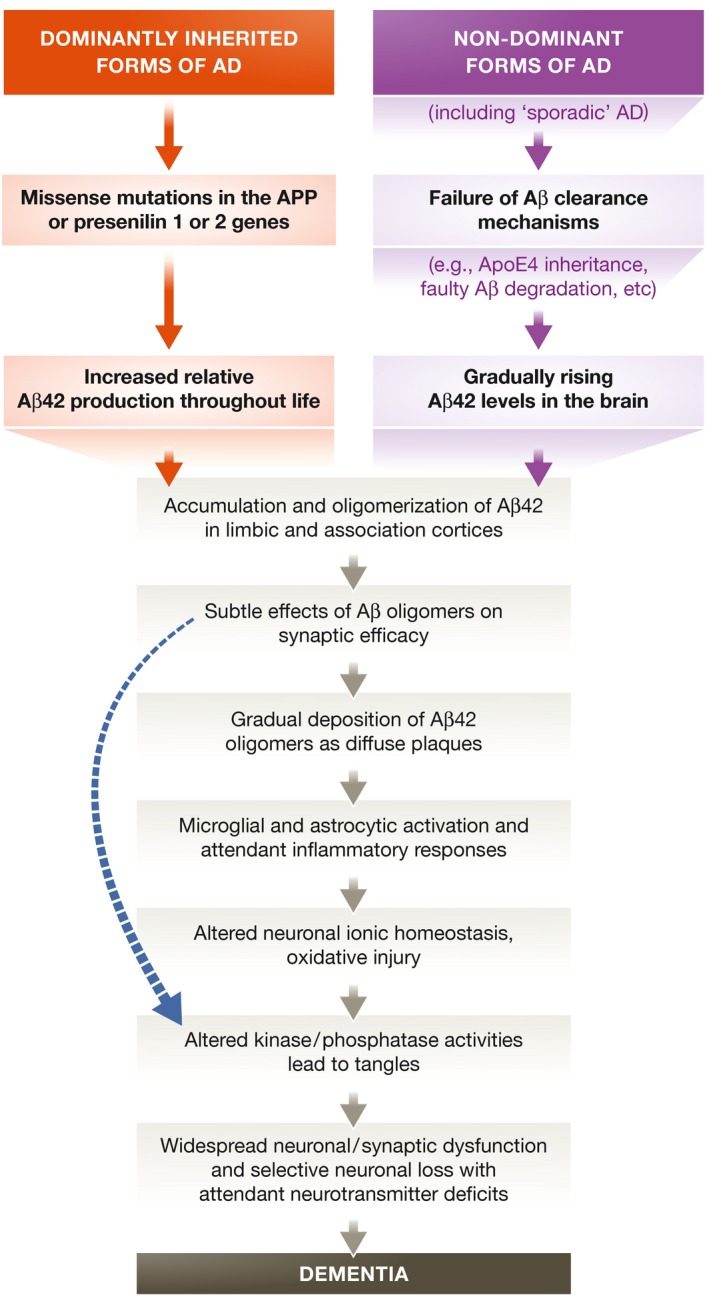
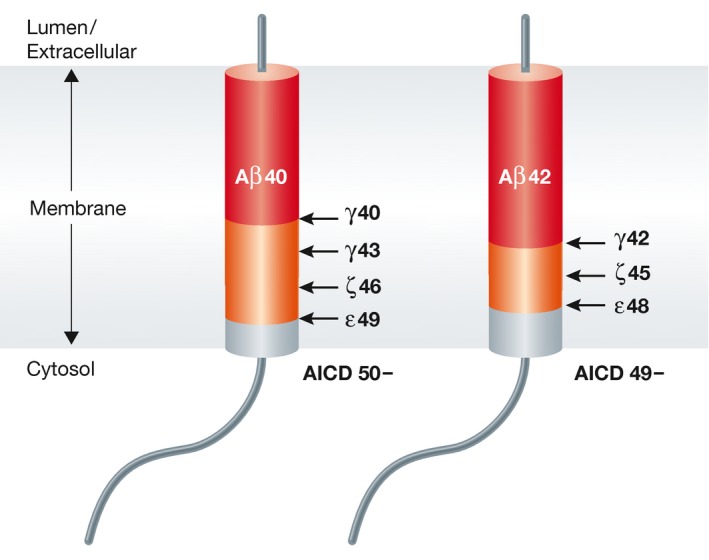
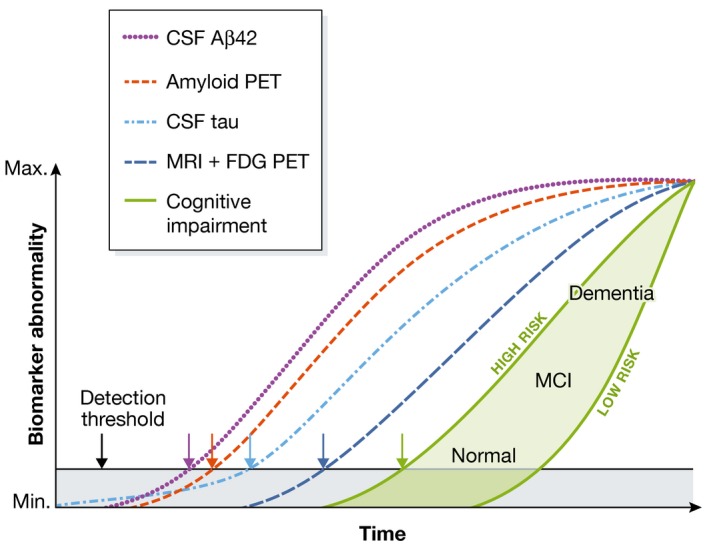
Despite continuing debate about the amyloid β-protein (or Aβ hypothesis, new lines of evidence from laboratories and clinics worldwide support the concept that an imbalance between production and clearance of Aβ42 and related Aβ peptides is a very early, often initiating factor in Alzheimer's disease (AD). Confirmation that presenilin is the catalytic site of γ-secretase has provided a linchpin: all dominant mutations causing early-onset AD occur either in the substrate (amyloid precursor protein, APP) or the protease (presenilin) of the reaction that generates Aβ. Duplication of the wild-type APP gene in Down's syndrome leads to Aβ deposits in the teens, followed by microgliosis, astrocytosis, and neurofibrillary tangles typical of AD Apolipoprotein E4, which predisposes to AD in > 40% of cases, has been found to impair Aβ clearance from the brain. Soluble oligomers of Aβ42 isolated from AD patients' brains can decrease synapse number, inhibit long-term potentiation, and enhance long-term synaptic depression in rodent hippocampus, and injecting them into healthy rats impairs memory. The human oligomers also induce hyperphosphorylation of tau at AD-relevant epitopes and cause neuritic dystrophy in cultured neurons. Crossing human APP with human tau transgenic mice enhances tau-positive neurotoxicity. In humans, new studies show that low cerebrospinal fluid (CSF) Aβ42 and amyloid-PET positivity precede other AD manifestations by many years. Most importantly, recent trials of three different Aβ antibodies (solanezumab, crenezumab, and aducanumab) have suggested a slowing of cognitive decline in post hoc analyses of mild AD subjects. Although many factors contribute to AD pathogenesis, Aβ dyshomeostasis has emerged as the most extensively validated and compelling therapeutic target.
Overview
The claims and statistics of this paper haven’t been checked yet.
Free: it reads the open-access text and checks the first 5 claims that cite a source we can check. Create a free account to check every claim.
Integrity signals
Registry
Cites
Statistics
Figures
Verification
Claims the paper makes
The claims and statistics of this paper haven’t been checked yet.
Free: it reads the open-access text and checks the first 5 claims that cite a source we can check. Create a free account to check every claim.
Claims other papers make about this one
Each is checked against this paper’s own text: does it say what the citing paper says it does?
The source backs part of the claim, not all of it — or backs it for a different population, condition or comparison.
In the citing paper
“Oxidative stress, mitochondrial dysfunction, astrocytic and microglial activation, membrane perturbation, and loss of ionic homeostasis are, at the cellular level, some of the events downstream the Aβ1-42 aggregation and accumulation (Selkoe and Hardy, 2016).”
From Exploring the Therapeutic Potential of Phytochemicals in Alzheimer’s Disease: Focus on Polyphenols and Monoterpenes (2022) · cites this paper as Selkoe and Hardy, 2016
Experimental — accuracy not yet measuredThe source backs part of the claim, not all of it — or backs it for a different population, condition or comparison.
In the citing paper
“Elevated levels of oligomers have been associated with AD, as they are found in AD brains and are considered the most toxic and pathogenic form of Aβ [4,5,6,7,18].”
From Treatment of Alzheimer’s Disease: Beyond Symptomatic Therapies (2023) · cites this paper as [4]
Experimental — accuracy not yet measuredThe source backs part of the claim, not all of it — or backs it for a different population, condition or comparison.
In the citing paper
“Synaptic dysfunction and synapse loss are key hallmarks of AD, present in the early stages of the disease before clinical symptoms appear [79,86,156].”
From Role of Oxidative Damage in Alzheimer’s Disease and Neurodegeneration: From Pathogenic Mechanisms to Biomarker Discovery (2021) · cites this paper as [79]
Experimental — accuracy not yet measuredThe source backs part of the claim, not all of it — or backs it for a different population, condition or comparison.
In the citing paper
“Moreover, the evidence from a failure of reversal of cognitive declines in amyloid-targeting drug trials supports this assumption; for example, patients with AD in whose brains Aβ plaques were virtually cleared by anti-amyloid immunotherapy did not show cognitive benefit [62].”
From Clinical trials of new drugs for Alzheimer disease (2020) · cites this paper as [62]
Experimental — accuracy not yet measuredThe source backs part of the claim, not all of it — or backs it for a different population, condition or comparison.
In the citing paper
“Early-stage AD is characterized primarily by the accumulation of Aβ plaques and subtle synaptic dysfunction, whereas late-stage AD involves extensive neurodegeneration, widespread neuroinflammation, and pronounced BBB disruption [157, 158].”
From Targeted Nanoparticles for Drug Delivery Across the Blood–Brain Barrier in Early and Late Stages of Alzheimer's Disease: A Review (2026) · cites this paper as [157]
Experimental — accuracy not yet measured
26 more claims about this paper
Create a free account to see every claim other papers make about this one.
Self-check
Percentages, sums and reported differences re-computed from the paper’s own numbers.
The self-check needs the paper’s full text.
Citations
Cites
Neuropathological stageing of Alzheimer-related changes.
Braak, H., & Braak, E. (1991) · Acta Neuropathologica · doi:10.1007/bf00308809 · Cited by 16,123 · cited 1×
“An elegant histopathological staging system created by Braak and Braak (1991) is now widely used to establish the severity of AD neuropathology.”
MethodThe Amyloid Hypothesis of Alzheimer’s Disease: Progress and Problems on the Road to Therapeutics
Hardy, J., & Selkoe, D. J. (2002) · Science · doi:10.1126/science.1072994 · Cited by 13,864
Self-citationAmyloid oligomers exacerbate tau pathology in a mouse model of tauopathy
Selenica, M.-L. B., Brownlow, M., Jimenez, J. P., Lee, D. C., Pena, G., Dickey, C. A., Gordon, M. N., & Morgan, D. (2013) · Neurodegenerative Diseases · doi:10.1159/000337230 · Cited by 10,359
Corder, E. H., Saunders, A. M., Strittmatter, W. J., Schmechel, D. E., Gaskell, P. C., Small, G. W., Roses, A. D., Haines, J. L., & Pericak-Vance, M. A. (1993) · Science · doi:10.1126/science.8346443 · Cited by 9,429 · cited 1×
“Cell biology of new AD risk genes Although the importance of ApoE4 as the major risk factor for AD was discovered in 1993 (Corder et al, 1993), it is only since the advent of genomewide association studies and, more recently, exome and genome sequencing that other risk loci for late-onset disease…”
BackgroundAlzheimer's disease: the amyloid cascade hypothesis
Hardy, J. A., & Higgins, G. A. (1992) · Science · doi:10.1126/science.1566067 · Cited by 7,484 · cited 2×
“The amyloid (or Ab) hypothesis (Beyreuther & Masters, 1991; Hardy & Allsop, 1991; Selkoe, 1991; Hardy & Higgins, 1992) has become the dominant model of AD pathogenesis and is guiding the development of potential treatments.”
BackgroundSelf-citationGlenner, G. G., & Wong, C. W. (1984) · Biochemical and Biophysical Research Communications · doi:10.1016/s0006-291x(84)80190-4 · Cited by 5,404
Imaging brain amyloid in Alzheimer's disease with Pittsburgh Compound‐B
Klunk, W. E., Engler, H., Nordberg, A., Wang, Y., Blomqvist, G., Holt, D. P., Bergström, M., Savitcheva, I., Huang, G., Estrada, S., et al. (2004) · Annals of Neurology · doi:10.1002/ana.20009 · Cited by 4,496 · cited 1×
“…fibrillar amyloid burden (but not yet soluble Ab oligomers) by PET scanning, initially with the thioflavin T derivative, Pittsburgh compound B (Klunk et al, 2004); and (iii) the ability to analyze APP metabolism in healthy and diseased humans by quantifying heavy isotope-labeled Ab peptides…”
BackgroundJack, C. R., Knopman, D. S., Jagust, W. J., Petersen, R. C., Weiner, M. W., Aisen, P. S., Shaw, L. M., Vemuri, P., Wiste, H. J., Weigand, S. D., et al. (2013) · The Lancet Neurology · doi:10.1016/s1474-4422(12)70291-0 · Cited by 4,396
Meta-Analysis of 74,046 Individuals Identifies 11 New Susceptibility Loci for Alzheimer’s Disease
(EADI), E. A. D. I., Lambert, J.-C., (GERAD), G. A. E. R. I. A. D., Alzheimer's Disease Genetic Consortium (ADGC), (CHARGE), C. F. H. A. A. R. I. G. E., Ibrahim-Verbaas, C. A., Harold, D., Naj, A. C., Sims, R., Bellenguez, C., et al. (2013) · Nature Genetics · doi:10.1038/ng.2802 · Cited by 4,336 · cited 2×
“This category includes SORL1, BIN1, and PICALM (Rogaeva et al, 2007; Lambert et al, 2013; Zhao et al, 2015).”
BackgroundSelf-citationCorrelative Memory Deficits, Aβ Elevation, and Amyloid Plaques in Transgenic Mice
Hsiao, K., Chapman, P., Nilsen, S., Eckman, C., Harigaya, Y., Younkin, S., Yang, F., & Cole, G. (1996) · Science · doi:10.1126/science.274.5284.99 · Cited by 4,210 · cited 1×
“Early APP mouse models (e.g. Games et al, 1995; Hsiao et al, 1996) suffered from reliance on high transgene expression to drive plaque deposition and from a lack of tangle cytopathology and neuronal death.”
Background
Research works printed but not linked: 3
- Cummings J, Cho W, Ward M, Friesenhahn M, Brunstein F, Honigberg L, Clayton D, Mortensen D, Ho C, Paul R (2014) paper presented at the Alzheimer's Association International Conference (AAIC), Copenhagen, Denmark, 16 July 2014
- Mann DMA, Yuonis N, Jones D, Stoddart DW (1992) The time course of pathological events in Down's Syndrome with particular reference to the involvement of microglial cells and deposits of b/A4. Neurodegeneration 1: 201– 215
- Sevigny J, Chiao P, Williams L, Miao X, O'Gorman J (2015) Randomized, double‐blind Phase 1B study of BIIB037, an anti‐amyloid beta monoclonal antibody, in patients with prodromal or mild Alzheimer's disease. Neurogener Dis 15(Suppl 1): 311
Cited by
Items 801–900 of 1,163
Resveratrol in experimental Alzheimer’s disease models: A systematic review of preclinical studies
Chen, J.-Y., Zhu, Q., Zhang, S., OuYang, D., & Lu, J.-H. (2019) · Pharmacological Research · doi:10.1016/j.phrs.2019.104476 · Cited by 67
Prediction of Alzheimer's disease using multi-variants from a Chinese genome-wide association study
Jia, L., Li, F., Wei, C., Zhu, M., Qu, Q., Qin, W., Tang, Y., Shen, L., Wang, Y., Shen, L., et al. (2021) · Brain · doi:10.1093/brain/awaa364 · Cited by 67
“These variants affect several Alzheimer’s disease-related processes, such as lipid metabolism, inflammation, innate immunity, production and clearance of amyloid-b , and endosomal vesicle recycling (Selkoe and Hardy, 2016).”
TDMQ20, a Specific Copper Chelator, Reduces Memory Impairments in Alzheimer’s Disease Mouse Models
Zhao, J. J., Shi, Q., Tian, H., Li, Y., Liu, Y., Xu, Z., Robert, A., Liu, Q., & Meunier, B. (2020) · ACS Chemical Neuroscience · doi:10.1021/acschemneuro.0c00621 · Cited by 70
Modeling neurodegenerative disorders in zebrafish
Bashirzade, A. A., Zabegalov, K. N., Volgin, A. D., Belova, A. S., Demin, K. A., de Abreu, M. S., Babchenko, V. Y., Bashirzade, K. A., Yenkoyan, K. B., Tikhonova, M. A., et al. (2022) · Neuroscience & Biobehavioral Reviews · doi:10.1016/j.neubiorev.2022.104679 · Cited by 76
Arterial vasodilation drives convective fluid flow in the brain: a poroelastic model
Kedarasetti, R. T., Drew, P. J., & Costanzo, F. (2022) · Fluids and Barriers of the CNS · doi:10.1186/s12987-022-00326-y · Cited by 67
“The accumulation of these solutes in the brain extracellular spaces (ECS) has been linked to neurodegenerative diseases like Alzheimer’s (Hardy and Higgins, 1992; Selkoe and Hardy, 2016) and cerebral amyloid angiopathy (Yamada, 2000, 2015).”
BackgroundCircadian dysfunction and Alzheimer's disease – An updated review
Ahmad, F., Sachdeva, P., Sarkar, J., & Izhaar, R. (2022) · Aging Medicine · doi:10.1002/agm2.12221 · Cited by 73
Müller cell degeneration and microglial dysfunction in the Alzheimer’s retina
Xu, Q., Boerkoel, P., Hirsch‐Reinshagen, V., Mackenzie, I. R., Hsiung, G. R., Charm, G., To, E., Liu, A., Schwab, K. D., Jiang, K., et al. (2022) · Acta Neuropathologica Communications · doi:10.1186/s40478-022-01448-y · Cited by 69
Subramanian, A., Tamilanban, T., Alsayari, A., Ramachawolran, G., Wong, L. S., Sekar, M., Gan, S. H., Subramaniyan, V., Chinni, S. V., Rani, N. N. I. M., et al. (2022) · Frontiers in Pharmacology · doi:10.3389/fphar.2022.1094351 · Cited by 73
“Age is the prime risk factor for the progression of AD, the prevalent type of dementia spreading across the world, where 40 million individuals are affected (Selkoe and Hardy, 2016), and the count is expected to triple by 2050 (Galvan and Hart, 2016).”
BackgroundThe role of HDAC3 and its inhibitors in regulation of oxidative stress and chronic diseases
He, R., Liu, B., Geng, B., Li, N., & Geng, Q. (2023) · Cell Death Discovery · doi:10.1038/s41420-023-01399-w · Cited by 76
“The deposition of amyloid-β (A β ) protein is considered to be one of the most important neuropathological hallmarks, although the exact mechanism of AD is still unclear [145].”
Zhong, X., Gong, S., Meng, L., Yao, W., Du, K., Jiao, L., Ma, G., Liang, J., Wei, B., Jin, X., et al. (2024) · Advanced Science · doi:10.1002/advs.202304687 · Cited by 92
Takata, K., Amamiya, T., Mizoguchi, H., Kawanishi, S., Kuroda, E., Kitamura, R., Ito, A., Saito, Y., Tawa, M., Nagasawa, T., et al. (2017) · Neurobiology of Aging · doi:10.1016/j.neurobiolaging.2017.10.021 · Cited by 73
Amyloid-β Peptide Interactions with Amphiphilic Surfactants: Electrostatic and Hydrophobic Effects
Österlund, N., Kulkarni, Y., Misiaszek, A. D., Wallin, C., Krüger, D. M., Liao, Q., Rad, F. M., Jarvet, J., Strodel, B., Wärmländer, S. K. T. S., et al. (2018) · ACS Chemical Neuroscience · doi:10.1021/acschemneuro.8b00065 · Cited by 72
Sharma, A., Pachauri, V., & Flora, S. J. S. (2018) · Frontiers in Pharmacology · doi:10.3389/fphar.2018.01247 · Cited by 67
“β-Secretase (memapsin 2, BACE 1) and γ-secretase are the two transmembrane aspartic protease acting on APP to generate Aβ (Selkoe and Hardy, 2016).”
BackgroundLauritzen, I., Pardossi-Piquard, R., Bourgeois, A., Bécot, A., & Checler, F. (2019) · Current Alzheimer Research · doi:10.2174/1567205016666190325092841 · Cited by 67
An update on human astrocytes and their role in development and disease
de Majo, M., Koontz, M., Rowitch, D. H., & Ullian, E. M. (2020) · Glia · doi:10.1002/glia.23771 · Cited by 71
“Accumulation of Aβ is thought to trigger neurotoxicity and neurodegeneration (Hardy & Higgins, 1992; Selkoe & Hardy, 2016), however, synergistic toxicity from accumulation of both phosphorylated tau and Aβ has also been hypothesized (Ittner & Götz, 2010; Small & Duff, 2008).”
BackgroundAlzheimer’s disease: where next for anti-amyloid therapies?
Hardy, J., & De Strooper, B. (2017) · Brain · doi:10.1093/brain/awx059 · Cited by 67
“With the repetitive failing of trials, it is time to reconsider the 25 year old amyloid cascade hypothesis (Selkoe and Hardy, 2016) and the clinical equivalent data summarized in the “Jack curves” (Jack and Holtzman 2013).”
MethodSelf-citationMukhopadhyay, S., & Banerjee, D. (2021) · Journal of Alzheimer s Disease · doi:10.3233/jad-215065 · Cited by 66
“…multiple researchers that the long-standing failure of A (cid:2) lowering therapies is mainly due to the fact that the proteinopathy is likely a downstream manifestation of AD, which shows poor correlation with the severity of dementia and can even bepresentinacognitivelyhealthyindividual[52–54].”
Savas, J. N., Wang, Y.-Z., DeNardo, L. A., Martinez-Bartolome, S., McClatchy, D. B., Hark, T. J., Shanks, N. F., Cozzolino, K. A., Lavallée-Adam, M., Smukowski, S. N., et al. (2017) · Cell Reports · doi:10.1016/j.celrep.2017.11.009 · Cited by 66
Prion-like mechanisms in Alzheimer disease
Walker, L. C. (2018) · Handbook of clinical neurology · doi:10.1016/b978-0-444-63945-5.00016-7 · Cited by 76
“This point bears emphasis because of the unproductive controversy (Drachman, 2014) that still bedevils the “amyloid cascade hypothesis” (aka the “amyloid hypothesis”) of AD (Hardy and Selkoe, 2002; Selkoe and Hardy, 2016).”
BackgroundInsulin resistance: a connecting link between Alzheimer's disease and metabolic disorder
Kshirsagar, V., Thingore, C., & Juvekar, A. (2021) · Metabolic Brain Disease · doi:10.1007/s11011-020-00622-2 · Cited by 66
“The exact pathogenesis of AD is ambiguous; however, amyloid-beta (Aβ) plaque deposition and tau protein hyperphosphorylation are considered as the leading causative factors for AD pathogenesis (Bloom 2014; Selkoe and Hardy 2016).”
BackgroundNeurovascular Protective Function of Endothelial Nitric Oxide – Recent Advances –
Katusic, Z. S., & Austin, S. A. (2016) · Circulation Journal · doi:10.1253/circj.cj-16-0423 · Cited by 66
Bussiere, R., Lacampagne, A., Reiken, S. R., Liu, X., Scheuermann, V., Zalk, R., Martin, C., Checler, F., Marks, A. R., & Chami, M. (2017) · Journal of Biological Chemistry · doi:10.1074/jbc.m116.743070 · Cited by 72
“This work was supported by National Institutes of Health Grants R01HL061503 (NHLBI; to A. R. M.), R01HL102040 (NHLBI; to A. R. M.), R01AR060037 (NIAMS; to A. R. M.), NIH T32 HL120826 (to A. R. M.), and R25NS076445 (NINDS; to A.R.”
BackgroundInfluentialMembrane Binding and Pore Formation by a Cytotoxic Fragment of Amyloid β Peptide
Kandel, N., Zheng, T., Huo, Q., & Tatulian, S. A. (2017) · The Journal of Physical Chemistry B · doi:10.1021/acs.jpcb.7b07002 · Cited by 74
The leukotriene signaling pathway: a druggable target in Alzheimer’s disease
Michael, J., Marschallinger, J., & Aigner, L. (2018) · Drug Discovery Today · doi:10.1016/j.drudis.2018.09.008 · Cited by 75
“The amyloid cascade and the tau hypotheses [23–25] have been the basis of AD research for decades and, thus, many attempts targeting these structures have been developed.”
BackgroundImprovements of symptoms of Alzheimer`s disease by inhibition of the angiotensin system
Quitterer, U., & AbdAlla, S. (2019) · Pharmacological Research · doi:10.1016/j.phrs.2019.04.014 · Cited by 77
Geng, L., Zhang, T., Liu, W., & Chen, Y. (2018) · Yonsei Medical Journal · doi:10.3349/ymj.2018.59.9.1096 · Cited by 65
“1096 lation contributes to the initiation of AD by causing hyperphosphorylation of tau and damage to neurons and synapses.(5,6) In nervous systems, NF-κB has been identified as a critical regulator in multiple biological processes, such as neuronal survival, inflammation, and apoptosis.”
BackgroundWalter, S., Jumpertz, T., Hüttenrauch, M., Ogorek, I., Gerber, H., Storck, S. E., Zampar, S., Dimitrov, M., Lehmann, S., Lepka, K., et al. (2019) · Acta Neuropathologica · doi:10.1007/s00401-018-1929-5 · Cited by 65
Chandra, S., & Pahan, K. (2019) · Journal of Alzheimer's Disease Reports · doi:10.3233/adr-190104 · Cited by 63
Intracellular Trafficking Mechanisms of Synaptic Dysfunction in Alzheimer’s Disease
Perdigão, C., Barata, M. A., Araújo, M. N., Mirfakhar, F. S., Castanheira, J., & Guimas Almeida, C. (2020) · Frontiers in Cellular Neuroscience · doi:10.3389/fncel.2020.00072 · Cited by 65
Retinal Functional and Structural Changes in the 5xFAD Mouse Model of Alzheimer’s Disease
Lim, J. K. H., Li, Q.-X., He, Z., Vingrys, A. J., Chinnery, H. R., Mullen, J., Bui, B. V., & Nguyen, C. T. O. (2020) · Frontiers in Neuroscience · doi:10.3389/fnins.2020.00862 · Cited by 70
Luo, Y., Sun, Y., Tian, X., Zheng, X., Wang, X., Li, W., Wu, X., Shu, B., & Hou, W. (2021) · Frontiers in Aging Neuroscience · doi:10.3389/fnagi.2021.619543 · Cited by 64
“Based on the long early incubation period of AD and the irreversible characteristics of neurodegenerative diseases (Selkoe and Hardy, 2016), using DBS to intervene in the early stages of AD to delay the AD process seems to be an excellent approach to treat AD (Huang et al.”
BackgroundSquitti, R., Faller, P., Hureau, C., Granzotto, A., White, A. R., & Kepp, K. P. (2021) · Journal of Alzheimer s Disease · doi:10.3233/jad-201556 · Cited by 71
The Role of Microglia in the Development of Neurodegenerative Diseases
Lee, J., Chun, W., Lee, H. J., Kim, S., Min, J., Kim, D.-Y., Kim, M.-O., Ryu, H. W., & Lee, S. U. (2021) · Biomedicines · doi:10.3390/biomedicines9101449 · Cited by 67
Potentials of Neuropeptides as Therapeutic Agents for Neurological Diseases
Yeo, X. Y., Cunliffe, G., Ho, R., Lee, S. S., & Jung, S. (2022) · Biomedicines · doi:10.3390/biomedicines10020343 · Cited by 73
“The oligomeric form of Aβ is viewed as a potential contributor of cognitive decline observed in patients, due to its ability to induce neuronal death, disrupt synaptic plasticity, and subsequently advance brain atrophy [209].”
BackgroundThe amyloid precursor protein: a converging point in Alzheimer’s disease
Delport, A., & Hewer, R. (2022) · Molecular Neurobiology · doi:10.1007/s12035-022-02863-x · Cited by 68
“Extensive detail on the Aβ peptides in AD has been recently reviewed [2, 65, 66].”
BackgroundThe Importance of Complement-Mediated Immune Signaling in Alzheimer’s Disease Pathogenesis
Batista, A. F., Khan, K. A., Papavergi, M.-T., & Lemere, C. A. (2024) · International Journal of Molecular Sciences · doi:10.3390/ijms25020817 · Cited by 65
“The aggregation of A β plaques and NFTs is associated with significant neurodegeneration and synaptic loss as well as neuroinflammation [1].”
BackgroundInfluentialCryo-EM structures of lipidic fibrils of amyloid-β (1-40)
Frieg, B., Han, M., Giller, K., Dienemann, C., Riedel, D., Becker, S., Andreas, L. B., Griesinger, C., & Schroeder, G. F. (2024) · Nature Communications · doi:10.1038/s41467-023-43822-x · Cited by 74
“Cryo-EM structures of lipidic fibrils of amyloid-β (1-40)”
Lucente, J. D., Persico, G., Zhou, Z., Jin, L., Ramsey, J. J., Rutkowsky, J. M., Montgomery, C. B., Tomilov, A. A., Kim, K., Giorgio, M., et al. (2024) · Communications Biology · doi:10.1038/s42003-024-05860-z · Cited by 73
“The hallmarks of AD include the cleavage of amyloid precursor protein (APP) by secretases and the accumulation of amyloid peptides (A β ) 1 in the extracellular space.”
Senescence: A DNA damage response and its role in aging and Neurodegenerative Diseases
Shreeya, T., Ansari, M. S., Kumar, P., Saifi, M., Shati, A. A., Alfaifi, M. Y., & Elbehairi, S. E. I. (2024) · Frontiers in Aging · doi:10.3389/fragi.2023.1292053 · Cited by 85
“…that certain clinical events that occur years before the former are signi fi cant in forming amyloid plaques and NFTs. Processes such as oxidative stress, neuroin fl ammation are enhanced, and senescence brought on by DNA damage and disrupted proteostasis (Durst and Tropea, 2016; Wilcock, 2012).”
BackgroundBeyond static structures: protein dynamic conformations modeling in the post-AlphaFold era
Cui, X.-Y., Ge, L.-Y., Chen, X., Lv, Z.-X., Wang, S.-H., Zhou, X.-G., & Zhang, G.-J. (2025) · Briefings Bioinform. · doi:10.1093/bib/bbaf340 · Cited by 77
“Many pathological conditions, such as Alzheimer’s disease [1], Parkinson’s disease [2], and other diseases, stem from protein misfolding [3] or abnormal dynamic conformations.”
Chen, X.-Q., Sawa, M., & Mobley, W. C. (2018) · Free Radical Biology and Medicine · doi:10.1016/j.freeradbiomed.2017.10.341 · Cited by 65
“The neuropathological hallmarks include extracellular amyloid-containing neuritic plaques and intracellular neurofribillary tangles [1, 2].”
BackgroundZafeiris, D., Rutella, S., & Ball, G. (2018) · Computational and Structural Biotechnology Journal · doi:10.1016/j.csbj.2018.02.001 · Cited by 74
“As Selkoe and Hardy [27] suggest, the amyloid hypothesis, for all it limitations, is essential for therapeutics due to the fact that the complexity of the disease increases drastically after initiation due to the rise in complexity of downstream pathogenic processes, the most likely pointof thedisease where treatment…”
BackgroundInfluentialPrion-like propagation of β-amyloid aggregates in the absence of APP overexpression
Ruiz‐Riquelme, A., Lau, H. H. C., Stuart, E., Goczi, A. N., Wang, Z., Schmitt‐Ulms, G., & Watts, J. C. (2018) · Acta Neuropathologica Communications · doi:10.1186/s40478-018-0529-x · Cited by 72
“One theory for the origin of AD is the amyloid cascade hypothesis, which proposes that the pathological aggregation and deposition of Aβ in the brain is the initial step in the disease, triggering a series of events that culminate in the aggregation of tau protein into neurofibrillary tangles and, ultimately, neuronal…”
Wärmländer, S. K. T. S., Österlund, N., Wallin, C., Wu, J., Luo, J., Tiiman, A., Jarvet, J., & Gräslund, A. (2019) · JBIC Journal of Biological Inorganic Chemistry · doi:10.1007/s00775-019-01723-9 · Cited by 68
Ding, Y., Zhao, J., Zhang, X., Wang, S., Viola, K. L., Chow, F. E., Zhang, Y., Lippa, C., Klein, W. L., & Gong, Y. (2019) · Frontiers in Neurology · doi:10.3389/fneur.2019.01140 · Cited by 65
“Evidence overall supports the opinion that the AβO hypothesis has all but supplanted the amyloid cascade (21) and the conclusion that progressive accumulation of AβOs is a central toxic event in AD (21, 22).”
ResultA cellular complex of BACE1 and γ-secretase sequentially generates Aβ from its full-length precursor
Liu, L., Ding, L., Rovere, M., Wolfe, M. S., & Selkoe, D. J. (2019) · Journal of Cell Biology · doi:10.1083/jcb.201806205 · Cited by 64
Self-citationThe two faces of synaptic failure in AppNL-G-F knock-in mice
Latif-Hernandez, A., Sabanov, V., Ahmed, T., Craessaerts, K., Saito, T., Saido, T., & Balschun, D. (2020) · Alzheimer's Research & Therapy · doi:10.1186/s13195-020-00667-6 · Cited by 64
Animal Models of Metabolic Disorders in the Study of Neurodegenerative Diseases: An Overview
Bem, A. F. D., Krolow, R., Farias, H. R., de Rezende, V. L., Gelain, D. P., Moreira, J. C. F., Duarte, J. M. N., & de Oliveira, J. (2021) · Frontiers in Neuroscience · doi:10.3389/fnins.2020.604150 · Cited by 79
Kimura, A., Tsuji, M., Yasumoto, T., Mori, Y., Oguchi, T., Tsuji, Y., Umino, M., Umino, A., Nishikawa, T., Nakamura, S., et al. (2021) · Free Radical Biology and Medicine · doi:10.1016/j.freeradbiomed.2021.05.019 · Cited by 68
Duan, Y., Tao, Y., Qu, Z., Chen, Y., Miranda, A., Zhou, X., Lok, K.-C., Chen, Y., Fu, A. K. Y., Gradinaru, V., et al. (2021) · Nature Biomedical Engineering · doi:10.1038/s41551-021-00759-0 · Cited by 69
Imaging protein aggregates in the serum and cerebrospinal fluid in Parkinson’s disease
Lobanova, E., Whiten, D. R., Ruggeri, F. S., Taylor, C. G., Kouli, A., Xia, Z., Emin, D., Zhang, Y. P., Lam, J. Y. L., Williams‐Gray, C. H., et al. (2021) · Brain · doi:10.1093/brain/awab306 · Cited by 67
Abyadeh, M., Gupta, V., Gupta, V., Chitranshi, N., Wu, Y., Amirkhani, A., Meyfour, A., Sheriff, S., Shen, T., Dhiman, K., et al. (2021) · Aging and disease · doi:10.14336/ad.2021.0719 · Cited by 62
The Role of Astrocytes in Synapse Loss in Alzheimer's Disease: A Systematic Review
Hulshof, L. A., van Nuijs, D., Hol, E. M., & Middeldorp, J. (2022) · Frontiers in Cellular Neuroscience · doi:10.3389/fncel.2022.899251 · Cited by 64
How the immune system shapes neurodegenerative diseases
Mason, H. D., & McGavern, D. B. (2022) · Trends in Neurosciences · doi:10.1016/j.tins.2022.08.001 · Cited by 69
Obesity-induced chronic low-grade inflammation in adipose tissue: A pathway to Alzheimer’s disease
Zhai, W., Meng, Z., Chunxiao, W., Lingjie, M., Anguo, Z., Zhang, Y., Xinran, C., Yanjiao, X., & Li, S. (2024) · Ageing Research Reviews · doi:10.1016/j.arr.2024.102402 · Cited by 76
Viegas, F. P. D., Silva, M. D. F., da Rocha, M. D., Castelli, M. R., Riquiel, M. M., Machado, R. P., Vaz, S. M., de Lima, L. M. S., Mancini, K. C., de Oliveira, P. C. M., et al. (2018) · European Journal of Medicinal Chemistry · doi:10.1016/j.ejmech.2018.01.066 · Cited by 68
Insulin-signaling Pathway Regulates the Degradation of Amyloid β-protein via Astrocytes
Yamamoto, N., Ishikuro, R., Tanida, M., Suzuki, K., Ikeda-Matsuo, Y., & Sobue, K. (2018) · Neuroscience · doi:10.1016/j.neuroscience.2018.06.018 · Cited by 64
Li, S., Jin, M., Liu, L., Dang, Y., Ostaszewski, B. L., & Selkoe, D. J. (2018) · Acta Neuropathologica Communications · doi:10.1186/s40478-018-0626-x · Cited by 63
“A growing body of evidence from genetic, in vivo imaging and biochemical studies has demonstrated that accumulation of oligomeric, diffusible assemblies of Aβ peptides, rather than mature amyloid fibrils, is the earliest pathogenic event in the ontogeny of AD [7, 43, 62, 70, 71].”
Self-citationMitochondrial Metabolism in Major Neurological Diseases
Zhou, Z., Austin, G. L., Young, L. E. A., Johnson, L. A., & Sun, R. C. (2018) · Cells · doi:10.3390/cells7120229 · Cited by 73
“The field has been dominated by the “amyloid hypothesis”, which argues that sequential cleavages of APP produce Aβ, initiating a cascade of neurodegeneration [87].”
BackgroundWichur, T., Więckowska, A., Więckowski, K., Godyń, J., Jończyk, J., Valdivieso, Á. D. R., Panek, D., Pasieka, A., Sabaté, R., Knez, D., et al. (2019) · European Journal of Medicinal Chemistry · doi:10.1016/j.ejmech.2019.111916 · Cited by 64
Upregulation of APP endocytosis by neuronal aging drives amyloid-dependent synapse loss
Burrinha, T., Martinsson, I., Gomes, R., Terrasso, A. P., Gouras, G. K., & Almeida, C. G. (2021) · Journal of Cell Science · doi:10.1242/jcs.255752 · Cited by 64
“…the most critical neuronal Aβ-degrading enzyme, loses activity with aging (Iwata et al., 2002), and APOEe4, an Aβ-binding lipoprotein isoform associated with aging and AD prevents Aβ transport out of the brain through the blood-brain barrier (Castellano et al., 2011; Shibata et al., 2000).”
Choroidal thinning: Alzheimer's disease and aging
Cunha, J. P., Proença, R. P., Dias‐Santos, A., Melância, D., de Almeida, R. M., Águas, H., Santos, B. O., Alves, M., Ferreira, J., Papoila, A. L., et al. (2017) · Alzheimer s & Dementia Diagnosis Assessment & Disease Monitoring · doi:10.1016/j.dadm.2017.03.004 · Cited by 71
“synapse loss, gliosis [7], inflammation, and oxidative damage are other pathological changes present in AD [4,8].”
BackgroundActivation of STAT3 Regulates Reactive Astrogliosis and Neuronal Death Induced by AβO Neurotoxicity
Toral-Ríos, D., Patiño‐López, G., Gómez‐Lira, G., Gutiérrez, R., Becerril-Pérez, F., Rosales-Córdova, A., León‐Contreras, J. C., Hernández‐Pando, R., León‐Rivera, I., Soto‐Cruz, I., et al. (2020) · International Journal of Molecular Sciences · doi:10.3390/ijms21207458 · Cited by 72
Laboratory evolution of a sortase enzyme that modifies amyloid-β protein
Podracky, C. J., An, C., DeSousa, A., Dorr, B. M., Walsh, D. M., & Liu, D. R. (2021) · Nature Chemical Biology · doi:10.1038/s41589-020-00706-1 · Cited by 67
Kara, S. P., Altunan, B., & Unal, A. (2022) · Neurological Sciences · doi:10.1007/s10072-021-05507-5 · Cited by 63
The critical roles of histone deacetylase 3 in the pathogenesis of solid organ injury
Li, N., Xiong, R., Bo, W., & Geng, Q. (2021) · Cell Death and Disease · doi:10.1038/s41419-021-04019-6 · Cited by 67
“AD is characterized by the deposition of amyloid-beta (Aβ) senile plaques in the extracellular milieu, deposition neurofibrillary tangles encompassing acetylated and hyperphosphorylated tau, and synapse dysfunction [62].”
BackgroundZhang, J. Z., Mehta, S., & Zhang, J. (2021) · Trends in Pharmacological Sciences · doi:10.1016/j.tips.2021.07.003 · Cited by 69
“What happens, then, when phase separation behavior becomes dysfunctional? Emerging evidence suggests that protein aggregates found in various neurodegenerative diseases are phase-separated bodies [72] that become more gel-like during disease progression [35,73], thus providing new insights into decades-old questions r…”
BackgroundShuken, S. R., Rutledge, J., Iram, T., Losada, P. M., Wilson, E. N., Andreasson, K. I., Leib, R. D., & Wyss‐Coray, T. (2022) · Nature Aging · doi:10.1038/s43587-022-00196-x · Cited by 66
TFEB in Alzheimer's disease: From molecular mechanisms to therapeutic implications
Gu, Z., Cao, H., Zuo, C., Huang, Y., Miao, J., Song, Y., Yang, Y., Zhu, L., & Wang, F. (2022) · Neurobiology of Disease · doi:10.1016/j.nbd.2022.105855 · Cited by 71
“Alzheimer's disease (AD), an age-related neurodegenerative disorder, is the most common form of neurodegenerative disease with multiple complicated pathogeneses and predisposing factors (Lane et al., 2018; Selkoe and Hardy, 2016).”
BackgroundSarailoo, M., Afshari, S., Asghariazar, V., Safarzadeh, E., & Dadkhah, M. (2022) · Neurotoxicity Research · doi:10.1007/s12640-022-00552-0 · Cited by 80
“Diffusion of cortical and hippocampal atrophy and accumulation of folded amyloid beta abnormally with tau proteins in both amyloid plaques and neuronal tangles are the most common symptoms of AD disease (Khan and Bloom 2016; Selkoe and Hardy 2016).”
BackgroundDevelopments in scalable strategies for detecting early markers of cognitive decline
Whelan, R., Barbey, F. M., Cominetti, M. R., Gillan, C. M., & Rosická, A. M. (2022) · Translational Psychiatry · doi:10.1038/s41398-022-02237-w · Cited by 77
Morrone, C. D., Raghuraman, R., Hussaini, S. A., & Yu, W. H. (2023) · Molecular Neurodegeneration · doi:10.1186/s13024-023-00617-4 · Cited by 69
Ferroptosis, Pyroptosis, and Cuproptosis in Alzheimer’s Disease
Wang, Q., Sun, J., Chen, T., Song, S., Hou, Y., Feng, L., Fan, C., & Li, M. (2023) · ACS Chemical Neuroscience · doi:10.1021/acschemneuro.3c00343 · Cited by 70
Mitochondrial Permeability Transition, Cell Death and Neurodegeneration
Baev, A. Y., Vinokurov, A. Y., Potapova, E., Dunaev, A., Angelova, P. R., & Abramov, A. Y. (2024) · Cells · doi:10.3390/cells13070648 · Cited by 73
“In disease [46,47]. astrocytes, the combination of a β -amyloid-induced calcium signal and ROS overproduction has led to mitochondrial depolarization, which was dependent on CsA, inhibitors of mitochondrial calcium uptake, or it was blocked in astrocytes from CypD knockout mice [5,52,53]. in…”
BackgroundAmyloid-beta immunotherapy: the hope for Alzheimer disease?
Barrera-Ocampo, A., & Lopera, F. (2016) · Colombia Medica · doi:10.25100/cm.v47i4.2640 · Cited by 63
The Implication of the Brain Insulin Receptor in Late Onset Alzheimer’s Disease Dementia
Folch, J., Ettcheto, M., Busquets, O., Sánchez-López, E., Castro-Torres, R., Verdaguer, E., Manzine, P., Poor, S., García, M., Olloquequi, J., et al. (2018) · Pharmaceuticals · doi:10.3390/ph11010011 · Cited by 63
“In a recent preclinical study Fernandez-Martos and co-workers reported that the association of pioglitazone with leptin showed beneficial effects on the preclinical APPswe/PS1dE9 mice model of familial AD improving cognition and decreasing Aβ levels [102].”
BackgroundInfluentialLee, C., Chang, C., Lin, C., Lai, H., Kao, Y.-H., Cheng, S., Chen, H., Liao, Y., Faivre, É., Buée, L., et al. (2018) · Molecular Neurobiology · doi:10.1007/s12035-018-1030-z · Cited by 66
Fišar, Z., Hansíková, H., Křížová, J., Jirák, R., Kitzlerová, E., Zvěřová, M., Hroudová, J., Wenchich, L., Zeman, J., & Raboch, J. (2019) · Mitochondrion · doi:10.1016/j.mito.2019.07.013 · Cited by 75
Amyloid-β: A double agent in Alzheimer's disease?
Yu, H., & Wu, J. (2021) · Biomedicine & Pharmacotherapy · doi:10.1016/j.biopha.2021.111575 · Cited by 62
Androuin, A., Potier, B., Nägerl, U. V., Cattaert, D., Danglot, L., Thierry, M., Youssef, I., Triller, A., Duyckaerts, C. J., Hachimi, K. H. E., et al. (2018) · Acta Neuropathologica · doi:10.1007/s00401-018-1847-6 · Cited by 67
“Mutations in the APP gene, or its duplication or mutations in the genes coding for its cleaving enzymes presenilins (PS) 1 or 2 lead to early-onset familial AD (FAD) [50].”
BackgroundZhang, H., Jin, B., & Faber, J. E. (2018) · Angiogenesis · doi:10.1007/s10456-018-9655-0 · Cited by 67
Senescence as an Amyloid Cascade: The Amyloid Senescence Hypothesis
Walton, C. C., Begelman, D., Nguyen, W., & Andersen, J. K. (2020) · Frontiers in Cellular Neuroscience · doi:10.3389/fncel.2020.00129 · Cited by 62
Mechanisms of Intranasal Deferoxamine in Neurodegenerative and Neurovascular Disease
Kosyakovsky, J., Fine, J. M., Frey, W. H., & Hanson, L. R. (2021) · Pharmaceuticals · doi:10.3390/ph14020095 · Cited by 67
“work, aging drives abnormal tau processing driving neurodegeneration [92–94] with Aβ pathology accelerating [91,93–95] and contributing to [90,91,95,96] this process, reconciling spatiotemporal pathological data across the aging population [8,94,97] with the causes of familial forms of AD [90].”
BackgroundPlasmonic Nanoparticles as Optical Sensing Probes for the Detection of Alzheimer’s Disease
Oyarzún, M. P., Tapia-Arellano, A., Cabrera, P., Jara-Guajardo, P., & Kogan, M. J. (2021) · Sensors · doi:10.3390/s21062067 · Cited by 65
Rimal, S., Li, Y., Vartak, R. S., Geng, J., Tantray, I., Li, S., Huh, S., Vogel, H. S., Glabe, C. G., Grinberg, L. T., et al. (2021) · Acta Neuropathologica Communications · doi:10.1186/s40478-021-01268-6 · Cited by 66
Róg, T., Girych, M., & Bunker, A. (2021) · Pharmaceuticals · doi:10.3390/ph14101062 · Cited by 70
Targeted Metabolomic Analysis in Alzheimer’s Disease Plasma and Brain Tissue in Non-Hispanic Whites
Kalecký, K., German, D. C., Montillo, A. A., & Bottiglieri, T. (2022) · Journal of Alzheimer's Disease · doi:10.3233/jad-215448 · Cited by 62
“Underlying mechanisms eventually lead 40 to accumulation of amyloid plaques, neurofibrillary 41 tangles, and neuronal death [3].”
BackgroundWang, M., Tang, G., Zhou, C., Guo, H., Hu, Z., Hu, Q., & Li, G. (2023) · Chemico-Biological Interactions · doi:10.1016/j.cbi.2023.110387 · Cited by 67
Reconsidering the role of blood-brain barrier in Alzheimer’s disease: From delivery to target
Sousa, J. A., Bernardes, C., Bernardo-Castro, S., Lino, M. M., Albino, I., Ferreira, L., Brás, J., Guerreiro, R. J., Tábuas‐Pereira, M., Baldeiras, I., et al. (2023) · Frontiers in Aging Neuroscience · doi:10.3389/fnagi.2023.1102809 · Cited by 72
“To date, intracellular hyper-phosphorylated tau protein accumulation (neurofibrillary tangles) and extracellular Aβ deposition (senile plaques) in brain parenchyma is considered the central neuropathological hallmarks of the disease (Selkoe and Hardy, 2016).”
BackgroundPushing the boundaries of brain organoids to study Alzheimer’s disease
Cerneckis, J., Bu, G., & Shi, Y. (2023) · Trends in Molecular Medicine · doi:10.1016/j.molmed.2023.05.007 · Cited by 62
Passive immunotherapy for Alzheimer's disease
Guo, X., Li, Y., Zhang, D., & Zhao, Y. (2024) · Ageing Research Reviews · doi:10.1016/j.arr.2024.102192 · Cited by 78
“Based on the amyloid cascade hypothesis, the accumulation of A β peptides and deposition of amyloid plaques is considered as the main trigger of the neurodegenerative process of AD, although controversy remains (Selkoe and Hardy, 2016).”
Alzheimer’s disease biomarkers and their current use in clinical research and practice
Hunter, T., Santos, L. E., Tovar-Moll, F. F., & Felice, F. G. D. (2024) · Molecular Psychiatry · doi:10.1038/s41380-024-02709-z · Cited by 89
“It has been suggested that the CSF concentration of A β 42 begins to decline up to 25 years prior to the onset of AD [49].”
Bateman, R. J., Li, Y., McDade, E., Llibre‐Guerra, J. J., Clifford, D. B., Atri, A., Mills, S. L., Santacruz, A. M., Wang, G., Supnet, C. B., et al. (2024) · The Lancet Neurology · doi:10.1016/s1474-4422(25)00024-9 · Cited by 85
Nafar, F., Clarke, J.-P. W. E., & Mearow, K. M. (2017) · Neurochemistry International · doi:10.1016/j.neuint.2017.01.008 · Cited by 63
“…by neurofibrillary tangles (NFTs) and deposition of beta amyloid (Ab) in plaques in the brain, which can directly or indirectly influence synapses and neuronal survival with resulting alterations in behaviour and cognition (Mucke and Selkoe, 2012; Selkoe and Hardy, 2016; Singh et al., 2016).”
Hamm, V., Héraud, C., Bott, J.-B., Herbeaux, K., Strittmatter, C., Mathis, C., & Goutagny, R. (2017) · Science Advances · doi:10.1126/sciadv.1601068 · Cited by 62
Gold Nanoparticles as a Probe for Amyloid-β Oligomer and Amyloid Formation
Elbassal, E. A., Morris, C., Kent, T. W., Lantz, R., Ojha, B., Wojcikiewicz, E. P., & Du, D. (2017) · The Journal of Physical Chemistry C · doi:10.1021/acs.jpcc.7b05169 · Cited by 61
PET imaging of tau protein targets: a methodology perspective
Lois, C., Gonzalez, I., Johnson, K. A., & Price, J. C. (2019) · Brain Imaging and Behavior · doi:10.1007/s11682-018-9847-7 · Cited by 62
Månsson, C., van Cruchten, R. T. P., Weininger, U., Yang, X., Cukalevski, R., Arosio, P., Dobson, C. M., Knowles, T. P. J., Akke, M., Linse, S. S., et al. (2018) · Biochemistry · doi:10.1021/acs.biochem.8b00353 · Cited by 78
Amyloid-Binding Alcohol Dehydrogenase (ABAD) Inhibitors for the Treatment of Alzheimer’s Disease
Morsy, A., & Trippier, P. C. (2018) · Journal of Medicinal Chemistry · doi:10.1021/acs.jmedchem.8b01530 · Cited by 71
Apelin/APJ system: A novel promising target for neurodegenerative diseases
Luo, H., Han, L., & Xu, J. (2019) · Journal of Cellular Physiology · doi:10.1002/jcp.29001 · Cited by 63
“The core characteristic of AD is senile plaques and NFT based on extracellular deposits of Aβ peptides and hyperpho- sphorylated tau protein, a natively unfolded microtubules‐associated proteins (MAPs; Selkoe & Hardy, 2016; Shoghi‐Jadid et al., 2002).”
Metadata
- Authors
- Selkoe, D. J., & Hardy, J.
- Affiliations
- Brigham and Women's Hospital (US)
- UCL Queen Square Institute of Neurology (GB)
- Corresponding author
- Hardy, John
- Venue
- EMBO Molecular Medicine
- Published
- 2016-03-29
- Volume
- 8
- Issue
- 6
- Pages
- 595-608
- ISSN
- 1757-4676 (ISSN-L)
- 1757-4684
- PMC
- PMC4888851
- OpenAlex
- W2329336071
- Cited by
- 6,164
- References
- 137
- Citations by year
- 2026: 553 · 2025: 637 · 2024: 656 · 2023: 658 · 2022: 679 · 2021: 734 · 2020: 728 · 2019: 533 · 2018: 500 · 2017: 388 · 2016: 92
- FWCI
- 59.19
- Type
- journal article
- Language
- en
- Open access
- gold
- doi.org
- Licence
- other-oa
- creativecommons.org/licenses/by/4.0/ (tdm)
- creativecommons.org/licenses/by/4.0/ (vor)
- Locations
- EMBO Molecular Medicine (publishedVersion, other-oa)
- PubMed Central (publishedVersion, cc-by)
- PubMed (publishedVersion)
- Digital Access to Scholarship at Harvard (DASH) (Harvard University) (submittedVersion, cc-by)
- DOAJ (DOAJ: Directory of Open Access Journals) (submittedVersion)
- Funders
- National Institute on Aging (AG06173, AG015379)
- MRC
- ARUK
- Wellcome Trust
- Topics
- Life Sciences › Neuroscience › Cellular and Molecular Neuroscience › Alzheimer's disease research and treatments
- Health Sciences › Medicine › Psychiatry and Mental health › Dementia and Cognitive Impairment Research
- Life Sciences › Neuroscience › Neurology › Neuroinflammation and Neurodegeneration Mechanisms
- Keywords
- Alzheimer's disease, amyloid hypothesis, amyloid-beta, amyloid-beta 42, amyloid precursor protein, presenilin, gamma-secretase, Down syndrome, APOE ε4, amyloid-beta oligomers, tau hyperphosphorylation, amyloid PET, cerebrospinal fluid biomarkers, anti-amyloid antibodies, solanezumab, crenezumab, aducanumab, amyloid clearance, neurofibrillary tangles, synaptic dysfunction
- MeSH terms
- Alzheimer Disease, Animals, Brain, Humans, Mice, Transgenic, Amyloid beta-Peptides, Amyloid beta-Protein Precursor, Rats, Presenilins
About these checks
Registry, retraction, Cites and statistics results are computed, not judged, with one exception: a printed reference that no index lists is read once by a model before it counts as a citation error. Claims are extracted by a model and kept only when their quote appears verbatim in the text; each cited source is then checked, with a model’s help, for whether it says what the claim relies on. Those verdicts can be wrong — read the claim’s quote and the cited source before relying on one.
Statistics and arithmetic are recomputed, not judged.
Confidence bands are shown only for fields calibrated on our annotated test set. None is calibrated yet, so no band is shown.
What counts as a claim ›How we measure confidence ›How we check this ›
Are you an author, or do you see a problem with this page? Request a review
Data sources
Bibliographic data: Semantic Scholar, OpenAlex, Crossref.
Contains information from the Semantic Scholar Academic Graph Datasets, made available under the ODC Attribution License (ODC-BY 1.0).
Semantic Scholar’s data is described in: Kinney, R., et al. (2023). The Semantic Scholar Open Data Platform. arXiv:2301.10140.
