

The amyloid hypothesis of Alzheimer's disease at 25 years
Open accessThe DOI matches its Crossref record; 136 of the 137 references it cites were found in a registry or an index.
Abstract
Despite continuing debate about the amyloid β-protein (or Aβ hypothesis, new lines of evidence from laboratories and clinics worldwide support the concept that an imbalance between production and clearance of Aβ42 and related Aβ peptides is a very early, often initiating factor in Alzheimer's disease (AD). Confirmation that presenilin is the catalytic site of γ-secretase has provided a linchpin: all dominant mutations causing early-onset AD occur either in the substrate (amyloid precursor protein, APP) or the protease (presenilin) of the reaction that generates Aβ. Duplication of the wild-type APP gene in Down's syndrome leads to Aβ deposits in the teens, followed by microgliosis, astrocytosis, and neurofibrillary tangles typical of AD Apolipoprotein E4, which predisposes to AD in > 40% of cases, has been found to impair Aβ clearance from the brain. Soluble oligomers of Aβ42 isolated from AD patients' brains can decrease synapse number, inhibit long-term potentiation, and enhance long-term synaptic depression in rodent hippocampus, and injecting them into healthy rats impairs memory. The human oligomers also induce hyperphosphorylation of tau at AD-relevant epitopes and cause neuritic dystrophy in cultured neurons. Crossing human APP with human tau transgenic mice enhances tau-positive neurotoxicity. In humans, new studies show that low cerebrospinal fluid (CSF) Aβ42 and amyloid-PET positivity precede other AD manifestations by many years. Most importantly, recent trials of three different Aβ antibodies (solanezumab, crenezumab, and aducanumab) have suggested a slowing of cognitive decline in post hoc analyses of mild AD subjects. Although many factors contribute to AD pathogenesis, Aβ dyshomeostasis has emerged as the most extensively validated and compelling therapeutic target.
Overview
The claims and statistics of this paper haven’t been checked yet.
Free: it reads the open-access text and checks the first 5 claims that cite a source we can check. Create a free account to check every claim.
Integrity signals
Registry
Cites
Statistics
Figures
Verification
Claims the paper makes
The claims and statistics of this paper haven’t been checked yet.
Free: it reads the open-access text and checks the first 5 claims that cite a source we can check. Create a free account to check every claim.
Claims other papers make about this one
Each is checked against this paper’s own text: does it say what the citing paper says it does?
The source backs part of the claim, not all of it — or backs it for a different population, condition or comparison.
In the citing paper
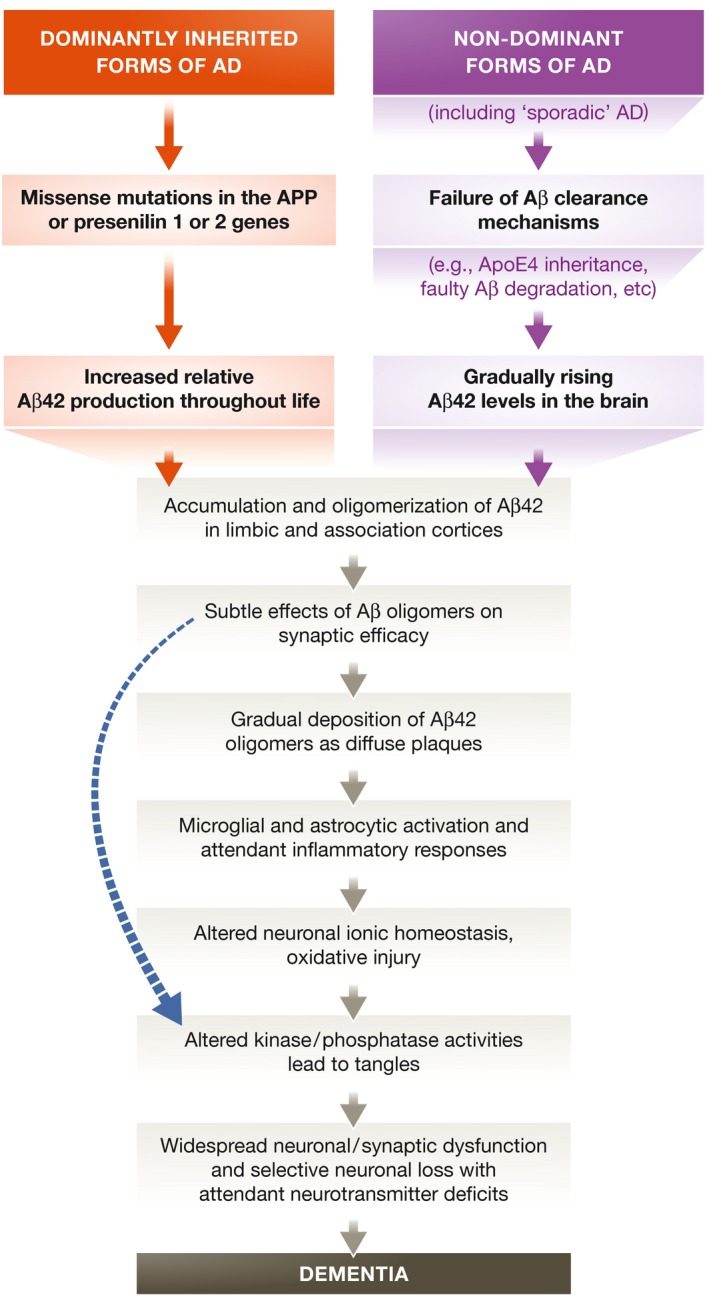
“Oxidative stress, mitochondrial dysfunction, astrocytic and microglial activation, membrane perturbation, and loss of ionic homeostasis are, at the cellular level, some of the events downstream the Aβ1-42 aggregation and accumulation (Selkoe and Hardy, 2016).”
From Exploring the Therapeutic Potential of Phytochemicals in Alzheimer’s Disease: Focus on Polyphenols and Monoterpenes (2022) · cites this paper as Selkoe and Hardy, 2016
Experimental — accuracy not yet measuredThe source backs part of the claim, not all of it — or backs it for a different population, condition or comparison.
In the citing paper
“Elevated levels of oligomers have been associated with AD, as they are found in AD brains and are considered the most toxic and pathogenic form of Aβ [4,5,6,7,18].”
From Treatment of Alzheimer’s Disease: Beyond Symptomatic Therapies (2023) · cites this paper as [4]
Experimental — accuracy not yet measuredThe source backs part of the claim, not all of it — or backs it for a different population, condition or comparison.
In the citing paper
“Synaptic dysfunction and synapse loss are key hallmarks of AD, present in the early stages of the disease before clinical symptoms appear [79,86,156].”
From Role of Oxidative Damage in Alzheimer’s Disease and Neurodegeneration: From Pathogenic Mechanisms to Biomarker Discovery (2021) · cites this paper as [79]
Experimental — accuracy not yet measuredThe source backs part of the claim, not all of it — or backs it for a different population, condition or comparison.
In the citing paper
“Moreover, the evidence from a failure of reversal of cognitive declines in amyloid-targeting drug trials supports this assumption; for example, patients with AD in whose brains Aβ plaques were virtually cleared by anti-amyloid immunotherapy did not show cognitive benefit [62].”
From Clinical trials of new drugs for Alzheimer disease (2020) · cites this paper as [62]
Experimental — accuracy not yet measuredThe source backs part of the claim, not all of it — or backs it for a different population, condition or comparison.
In the citing paper
“Early-stage AD is characterized primarily by the accumulation of Aβ plaques and subtle synaptic dysfunction, whereas late-stage AD involves extensive neurodegeneration, widespread neuroinflammation, and pronounced BBB disruption [157, 158].”
From Targeted Nanoparticles for Drug Delivery Across the Blood–Brain Barrier in Early and Late Stages of Alzheimer's Disease: A Review (2026) · cites this paper as [157]
Experimental — accuracy not yet measured
26 more claims about this paper
Create a free account to see every claim other papers make about this one.
Self-check
Percentages, sums and reported differences re-computed from the paper’s own numbers.
The self-check needs the paper’s full text.
Citations
Cites
Neuropathological stageing of Alzheimer-related changes.
Braak, H., & Braak, E. (1991) · Acta Neuropathologica · doi:10.1007/bf00308809 · Cited by 16,123 · cited 1×
“An elegant histopathological staging system created by Braak and Braak (1991) is now widely used to establish the severity of AD neuropathology.”
MethodThe Amyloid Hypothesis of Alzheimer’s Disease: Progress and Problems on the Road to Therapeutics
Hardy, J., & Selkoe, D. J. (2002) · Science · doi:10.1126/science.1072994 · Cited by 13,864
Self-citationAmyloid oligomers exacerbate tau pathology in a mouse model of tauopathy
Selenica, M.-L. B., Brownlow, M., Jimenez, J. P., Lee, D. C., Pena, G., Dickey, C. A., Gordon, M. N., & Morgan, D. (2013) · Neurodegenerative Diseases · doi:10.1159/000337230 · Cited by 10,359
Corder, E. H., Saunders, A. M., Strittmatter, W. J., Schmechel, D. E., Gaskell, P. C., Small, G. W., Roses, A. D., Haines, J. L., & Pericak-Vance, M. A. (1993) · Science · doi:10.1126/science.8346443 · Cited by 9,429 · cited 1×
“Cell biology of new AD risk genes Although the importance of ApoE4 as the major risk factor for AD was discovered in 1993 (Corder et al, 1993), it is only since the advent of genomewide association studies and, more recently, exome and genome sequencing that other risk loci for late-onset disease…”
BackgroundAlzheimer's disease: the amyloid cascade hypothesis
Hardy, J. A., & Higgins, G. A. (1992) · Science · doi:10.1126/science.1566067 · Cited by 7,484 · cited 2×
“The amyloid (or Ab) hypothesis (Beyreuther & Masters, 1991; Hardy & Allsop, 1991; Selkoe, 1991; Hardy & Higgins, 1992) has become the dominant model of AD pathogenesis and is guiding the development of potential treatments.”
BackgroundSelf-citationGlenner, G. G., & Wong, C. W. (1984) · Biochemical and Biophysical Research Communications · doi:10.1016/s0006-291x(84)80190-4 · Cited by 5,404
Imaging brain amyloid in Alzheimer's disease with Pittsburgh Compound‐B
Klunk, W. E., Engler, H., Nordberg, A., Wang, Y., Blomqvist, G., Holt, D. P., Bergström, M., Savitcheva, I., Huang, G., Estrada, S., et al. (2004) · Annals of Neurology · doi:10.1002/ana.20009 · Cited by 4,496 · cited 1×
“…fibrillar amyloid burden (but not yet soluble Ab oligomers) by PET scanning, initially with the thioflavin T derivative, Pittsburgh compound B (Klunk et al, 2004); and (iii) the ability to analyze APP metabolism in healthy and diseased humans by quantifying heavy isotope-labeled Ab peptides…”
BackgroundJack, C. R., Knopman, D. S., Jagust, W. J., Petersen, R. C., Weiner, M. W., Aisen, P. S., Shaw, L. M., Vemuri, P., Wiste, H. J., Weigand, S. D., et al. (2013) · The Lancet Neurology · doi:10.1016/s1474-4422(12)70291-0 · Cited by 4,396
Meta-Analysis of 74,046 Individuals Identifies 11 New Susceptibility Loci for Alzheimer’s Disease
(EADI), E. A. D. I., Lambert, J.-C., (GERAD), G. A. E. R. I. A. D., Alzheimer's Disease Genetic Consortium (ADGC), (CHARGE), C. F. H. A. A. R. I. G. E., Ibrahim-Verbaas, C. A., Harold, D., Naj, A. C., Sims, R., Bellenguez, C., et al. (2013) · Nature Genetics · doi:10.1038/ng.2802 · Cited by 4,336 · cited 2×
“This category includes SORL1, BIN1, and PICALM (Rogaeva et al, 2007; Lambert et al, 2013; Zhao et al, 2015).”
BackgroundSelf-citationCorrelative Memory Deficits, Aβ Elevation, and Amyloid Plaques in Transgenic Mice
Hsiao, K., Chapman, P., Nilsen, S., Eckman, C., Harigaya, Y., Younkin, S., Yang, F., & Cole, G. (1996) · Science · doi:10.1126/science.274.5284.99 · Cited by 4,210 · cited 1×
“Early APP mouse models (e.g. Games et al, 1995; Hsiao et al, 1996) suffered from reliance on high transgene expression to drive plaque deposition and from a lack of tangle cytopathology and neuronal death.”
Background
Research works printed but not linked: 3
- Cummings J, Cho W, Ward M, Friesenhahn M, Brunstein F, Honigberg L, Clayton D, Mortensen D, Ho C, Paul R (2014) paper presented at the Alzheimer's Association International Conference (AAIC), Copenhagen, Denmark, 16 July 2014
- Mann DMA, Yuonis N, Jones D, Stoddart DW (1992) The time course of pathological events in Down's Syndrome with particular reference to the involvement of microglial cells and deposits of b/A4. Neurodegeneration 1: 201– 215
- Sevigny J, Chiao P, Williams L, Miao X, O'Gorman J (2015) Randomized, double‐blind Phase 1B study of BIIB037, an anti‐amyloid beta monoclonal antibody, in patients with prodromal or mild Alzheimer's disease. Neurogener Dis 15(Suppl 1): 311
Cited by
Items 201–300 of 1,163
The Threshold Theory for Parkinson's Disease
Engelender, S., & Isacson, O. (2017) · Trends in Neurosciences · doi:10.1016/j.tins.2016.10.008 · Cited by 193
“Even for Alzheimer disease, where the pathology is largely extracellular [120], both active and passive Ab immunization in patients caused meningoencephalitis and cerebral vasogenic edema [121–123].”
BackgroundAlzheimer’s Disease, Oligomers, and Inflammation
Forloni, G., & Balducci, C. (2018) · Journal of Alzheimer’s Disease · doi:10.3233/jad-170819 · Cited by 194
“According to the latest version of the amyloid cascade hypothesis [7], the pathological scenario of AD identifies the soluble small aggregates of A , A Os, as the main species responsible for the neuronal dysfunction [8, 9], and this concept has been extended to all the other protein misfolding disorders.”
BackgroundEffects of bile acids on neurological function and disease
McMillin, M., & DeMorrow, S. (2016) · The FASEB Journal · doi:10.1096/fj.201600275r · Cited by 192
“Alzheimer’s disease is a progressive neurodegenerative disorder associated with memory and cognition deficits that are related to the deposition of amyloid-b (Ab) plaques and the hyperphosphorylation and subsequent aggregation of tau (t) protein (81).”
BackgroundGlutamate and GABA in Microglia-Neuron Cross-Talk in Alzheimer’s Disease
Czapski, G. A., & Strosznajder, J. B. (2021) · International Journal of Molecular Sciences · doi:10.3390/ijms222111677 · Cited by 191
The duality of amyloid-β: its role in normal and Alzheimer’s disease states
Azargoonjahromi, A. (2024) · Molecular Brain · doi:10.1186/s13041-024-01118-1 · Cited by 190
Apolipoprotein E metabolism and functions in brain and its role in Alzheimer's disease
Liao, F., Yoon, H., & Kim, J. (2017) · Current Opinion in Lipidology · doi:10.1097/mol.0000000000000383 · Cited by 221
“Amyloid b is synthesized in neurons and released into interstitial fluid [1].”
BackgroundInfluentialTransmission of amyloid-β protein pathology from cadaveric pituitary growth hormone
Purro, S. A., Farrow, M. A., Linehan, J., Nazari, T., Thomas, D. X., Chen, Z., Mengel, D., Saito, T., Saido, T., Rudge, P., et al. (2018) · Nature · doi:10.1038/s41586-018-0790-y · Cited by 191
TREM2 dependent and independent functions of microglia in Alzheimer’s disease
Hou, J., Chen, Y., Grajales-Reyes, G., & Colonna, M. (2022) · Molecular Neurodegeneration · doi:10.1186/s13024-022-00588-y · Cited by 191
Cheng, Y., Tian, D.-Y., & Wang, Y.-J. (2020) · Translational Neurodegeneration · doi:10.1186/s40035-020-00195-1 · Cited by 190
“in sporadic AD, which accounts for 99% of total AD patients [6].”
Alternative splicing in neurodegenerative disease and the promise of RNA therapies
Nikom, D., & Zheng, S. (2023) · Nature Reviews Neuroscience · doi:10.1038/s41583-023-00717-6 · Cited by 190
Ma, M., Liu, Z., Gao, N., Pi, Z., Du, X., Ren, J., & Qu, X. (2020) · Journal of the American Chemical Society · doi:10.1021/jacs.0c08395 · Cited by 187
Aducanumab: evidence from clinical trial data and controversies
Tampi, R. R., Forester, B. P., & Agronin, M. (2021) · Drugs in Context · doi:10.7573/dic.2021-7-3 · Cited by 190
“(4) In both studies, the correlation between week 78 cerebellum SUVR (standardized uptake value ratio) change and week 78 CDR-SB change was quite small in the high-dose group.”
BackgroundMethodInfluentialStructural basis of γ-secretase inhibition and modulation by small molecule drugs
Yang, G., Zhou, R., Guo, X., Yan, C., Lei, J., & Shi, Y. (2021) · Cell · doi:10.1016/j.cell.2020.11.049 · Cited by 189
New Approaches for the Treatment of Alzheimer’s Disease
Fish, P. V., Steadman, D., Bayle, E. D., & Whiting, P. (2019) · Bioorganic & Medicinal Chemistry Letters · doi:10.1016/j.bmcl.2018.11.034 · Cited by 189
Understanding the Amyloid Hypothesis in Alzheimer’s Disease
Paroni, G., Bisceglia, P., & Seripa, D. (2019) · Journal of Alzheimer's Disease · doi:10.3233/jad-180802 · Cited by 187
Insulin-Degrading Enzyme in the Fight against Alzheimer's Disease
Kurochkin, I. V., Guarnera, E., & Berezovsky, I. N. (2018) · Trends in Pharmacological Sciences · doi:10.1016/j.tips.2017.10.008 · Cited by 185
Calcium Dyshomeostasis in Alzheimer’s Disease Pathogenesis
Cascella, R., & Cecchi, C. (2021) · International Journal of Molecular Sciences · doi:10.3390/ijms22094914 · Cited by 185
“The amyloid cascade was considered for a long time as a dominant model for AD pathogenesis [10].”
BackgroundUltrasound-Based Micro-/Nanosystems for Biomedical Applications
Huang, H., Zheng, Y., Chang, M., Song, J., Xia, L., Wu, C., Jia, W., Ren, H., Feng, W., & Chen, Y. (2024) · Chemical Reviews · doi:10.1021/acs.chemrev.4c00009 · Cited by 183
Veitch, D. P., Weiner, M. W., Aisen, P. S., Beckett, L. A., DeCarli, C., Green, R. C., Harvey, D., Jack, C. R., Jagust, W., Landau, S. M., et al. (2022) · Alzheimer's & Dementia · doi:10.1002/alz.12422 · Cited by 184
Multifactorial Hypothesis and Multi-Targets for Alzheimer’s Disease
Gong, C.-X., Liu, F., & Iqbal, K. (2018) · Journal of Alzheimer's Disease · doi:10.3233/jad-179921 · Cited by 182
“Inadditiontothedominantamyloidcascade hypothesis[9,10],severalotherhypotheseshave beenproposedforthemechanismsofsporadicAD.”
Amyloid assembly and disassembly
Chuang, E., Hori, A. M., Hesketh, C. D., & Shorter, J. (2018) · Journal of Cell Science · doi:10.1242/jcs.189928 · Cited by 183
“Pathological cleavage of APP by β-secretase occurs in sporadic AD, but missense mutations in APP such as K595N/ M596L in the β-cleavage site can cause increased Aβ production and early onset AD (Benilova et al., 2012; Citron et al., 1992; Hardy and Selkoe, 2002; Selkoe and Hardy, 2016).”
BackgroundInfluentialJanczura, K. J., Volmar, C.-H., Sartor, G. C., Rao, S. J., Ricciardi, N. R., Lambert, G., Brothers, S. P., & Wahlestedt, C. (2018) · Proceedings of the National Academy of Sciences · doi:10.1073/pnas.1805436115 · Cited by 183
“There was a significant effect of the treatment on average nesting score for the three conditions [F(2, 14) = 14.”
BackgroundInfluentialRetractedRole of Aducanumab in the Treatment of Alzheimer’s Disease: Challenges and Opportunities
Vaz, M., Silva, V., Monteiro, C., & Silvestre, S. (2022) · Clinical Interventions in Aging · doi:10.2147/cia.s325026 · Cited by 183
“According to the amyloid cascade hypothesis, the extracellular accumulation of Aβ aggregates is the leading cause of synapses dysfunction, neuroinflammation, neuronal loss and is also the trigger of tau pathology.(7) Thus, researchers believe that Aβ clearance by aducanumab is a rational mechanism to slow cognitive de…”
BackgroundAlzheimer's Disease Puzzle: Delving into Pathogenesis Hypotheses
(2024) · aging and disease · doi:10.14336/ad.2023.0608 · Cited by 183
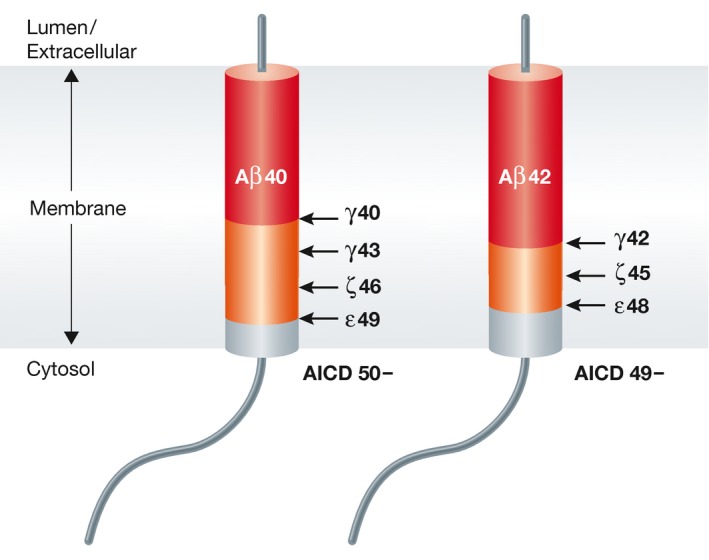
“Further studies have revealed that Aβ42, Aβ43, and longer Aβ peptides tend to self-aggregate, whereas Aβ40 may possess anti-amyloidogenic properties [25, 26].”
BackgroundAxonal Degeneration during Aging and Its Functional Role in Neurodegenerative Disorders
Salvadores, N., Sanhueza, M., Manque, P., & Court, F. A. (2017) · Frontiers in Neuroscience · doi:10.3389/fnins.2017.00451 · Cited by 182
“However, compelling evidence indicate that Aβ dyshomeostasis constitutes a key event involved in the etiopathogenesis of AD, which promotes the accumulation of the protein and further development of all the neuropathological and clinical features of the disease (Selkoe and Hardy, 2016).”
BackgroundNeural stem cell therapy for neurodegenerative disorders: The role of neurotrophic support
Marsh, S. E., & Blurton-Jones, M. (2017) · Neurochemistry International · doi:10.1016/j.neuint.2017.02.006 · Cited by 181
“…clearance initiates a pathological cascade of events including tau hyperphosphorylation, inflammatory gliosis, and synaptic and neuronal loss (Beyreuther andMasters, 1991; Hardy and Allsop, 1991; Selkoe, 1991; Hardy and Higgins, 1992; Hardy and Selkoe, 2002; Hardy, 2009; Selkoe and Hardy, 2016).”
Alzheimer’s Disease: The Link Between Amyloid-β and Neurovascular Dysfunction
Solis, Hascup, K. N., & Hascup, E. R. (2020) · Journal of Alzheimer's Disease · doi:10.3233/jad-200473 · Cited by 178
Epigenetics of Alzheimer’s Disease
Nikolac Perkovic, M., Videtic Paska, A., Konjevod, M., Kouter, K., Svob Strac, D., Nedic Erjavec, G., & Pivac, N. (2021) · Biomolecules · doi:10.3390/biom11020195 · Cited by 176
Ackley, S. F., Zimmerman, S. C., Brenowitz, W. D., Tchetgen Tchetgen, E. J., Gold, A. L., Manly, J. J., Mayeda, E. R., Filshtein, T. J., Power, M. C., Elahi, F. M., et al. (2021) · BMJ · doi:10.1136/bmj.n156 · Cited by 174
Buccellato, F. R., D’Anca, M., Fenoglio, C., Scarpini, E., & Galimberti, D. (2021) · Antioxidants · doi:10.3390/antiox10091353 · Cited by 179
Simulation Studies of Amyloidogenic Polypeptides and Their Aggregates
Ilie, I. M., & Caflisch, A. (2019) · Chemical Reviews · doi:10.1021/acs.chemrev.8b00731 · Cited by 178
Polyphenols as Potential Metal Chelation Compounds Against Alzheimer’s Disease
Lakey-Beitia, J., Burillo, A. M., La Penna, G., Hegde, M. L., & Rao, K. S. (2021) · Journal of Alzheimer's Disease · doi:10.3233/jad-200185 · Cited by 177
“This hypothesis is supported by experimental results showing that mutations in genes encoding for A (cid:2) PP, presenilin 1 or 2 (PS1 or PS2), or Apolipoprotein E allele 4 (APOE (cid:6) 4), lead to accumulation of A (cid:2) 42 in the brain [118–120].”
Amyloid‐β immunotherapy for alzheimer disease: Is it now a long shot?
Panza, F., Lozupone, M., Seripa, D., & Imbimbo, B. P. (2019) · Annals of Neurology · doi:10.1002/ana.25410 · Cited by 178
“Aducanumab (Neurimmune/Biogen) is in development for the treatment of prodromal AD.”
BackgroundInfluentialTargeting of nonlipidated, aggregated apoE with antibodies inhibits amyloid accumulation
Liao, F., Li, A., Xiong, M., Bien-Ly, N., Jiang, H., Zhang, Y., Finn, M. B., Hoyle, R., Keyser, J., Lefton, K. B., et al. (2018) · Journal of Clinical Investigation · doi:10.1172/jci96429 · Cited by 178
“Compelling evidence has shown that amyloid (A ) plays a key role in the pathogenesis of AD (1, 2).”
BackgroundMechanisms of Pathogenic Tau and Aβ Protein Spreading in Alzheimer’s Disease
d‘Errico, P., & Meyer-Luehmann, M. (2020) · Frontiers in Aging Neuroscience · doi:10.3389/fnagi.2020.00265 · Cited by 175
The BACE‐1 inhibitor CNP520 for prevention trials in Alzheimer's disease
Neumann, U., Ufer, M., Jacobson, L. H., Rouzade‐Dominguez, M., Huledal, G., Kolly, C., Lüönd, R. M., Machauer, R., Veenstra, S. J., Hurth, K., et al. (2018) · EMBO Molecular Medicine · doi:10.15252/emmm.201809316 · Cited by 177
“…drugs that target Ab is therefore increasingly focused on treatment during the earlier stages of AD (the newly defined preclinical stage and during the stage of mild cognitive impairment) when the disease-modifying therapy targeting Ab presumably will be of greatest benefit (Selkoe & Hardy, 2016).”
BackgroundChen, X.-Q., & Mobley, W. C. (2019) · Frontiers in Neuroscience · doi:10.3389/fnins.2019.00446 · Cited by 175
“Support for WM was provided by NIH: P01NS092525, R01AG055523; Alzheimer’s Association: DSAD-15-363207; Cure Alzheimer’s Fund: 2018-1301; DH Chen Foundation: R-86U55A; Ono Pharma Foundation: UCSD 2019-0742; and Lumind: Establishing a Clinical Trials Network for Down Syndrome.”
BackgroundInfluentialAstrocytes in Alzheimer's disease: pathological significance and molecular pathways
Preman, P., Alfonso-Triguero, M., Alberdi, E., Verkhratsky, A., & Arranz, A. M. (2021) · Cells · doi:10.3390/cells10030540 · Cited by 176
“The amyloid hypothesis originally postulated a linearity of progression according to β-amyloid accumulation, which subsequently leaded to formation of tangles and other pathological hallmarks (Selkoe and Hardy 2016).”
BackgroundPentkowski, N. S., Rogge-Obando, K. K., Donaldson, T. N., Bouquin, S. J., & Clark, B. J. (2021) · Neuroscience & Biobehavioral Reviews · doi:10.1016/j.neubiorev.2021.05.005 · Cited by 174
Astrocytes in Alzheimer´s Disease: Pathological Significance and Molecular Pathways
Preman, P., Alfonso-Triguero, M., Alberdi, E., Verkhratsky, A., & Arranz, A. M. (2021) · doi:10.20944/preprints202102.0230.v1 · Cited by 176
Beltrami, D., Gagliardi, G., Rossini Favretti, R., Ghidoni, E., Tamburini, F., & Calzà, L. (2018) · Frontiers in Aging Neuroscience · doi:10.3389/fnagi.2018.00369 · Cited by 175
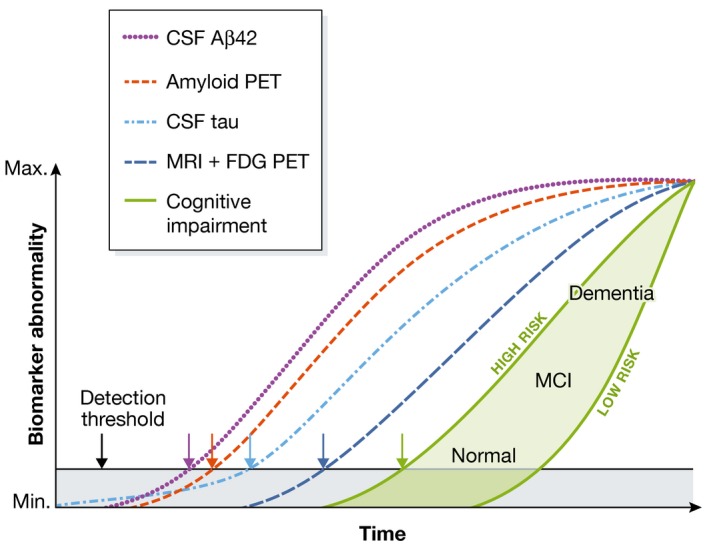
“When evolving as dementia, MCI is preceded by a very long biological history of the disease, as suggested by longitudinal models of the alteration of AD biomarkers including Ab42 and tau in the cerebrospinal fluid (CSF), amyloid deposition at PET, MRI alterations and FDG PET abnormalities (Selkoe and Hardy, 2016).”
MethodVascular contributions to Alzheimer's disease
Eisenmenger, L. B., Peret, A., Famakin, B. M., Spahic, A., Roberts, G. S., Bockholt, J. H., Johnson, K. M., & Paulsen, J. S. (2023) · Translational Research · doi:10.1016/j.trsl.2022.12.003 · Cited by 169
Pharmacological effects of icariin
(2020) · Advances in Pharmacology · doi:10.1016/bs.apha.2019.10.004 · Cited by 172
The Role of Glymphatic System in Alzheimer’s and Parkinson’s Disease Pathogenesis
Buccellato, F. R., D’Anca, M., Serpente, M., Arighi, A., & Galimberti, D. (2022) · Biomedicines · doi:10.3390/biomedicines10092261 · Cited by 169
Caraci, F., Spampinato, S. F., Morgese, M. G., Tascedda, F., Salluzzo, M. G., Giambirtone, M. C., Caruso, G., Munafò, A., Torrisi, S. A., Leggio, G. M., et al. (2018) · Pharmacological Research · doi:10.1016/j.phrs.2018.02.007 · Cited by 172
Vercruysse, P., Vieau, D., Blum, D., Petersén, Å., & Dupuis, L. (2018) · Frontiers in Molecular Neuroscience · doi:10.3389/fnmol.2018.00002 · Cited by 172
“…of any of these clearance mechanisms in the brain, at least partly due to the disruption of the phagocytic properties of glial cells and parenchymal neuroinflammation, leads to an Aβ overload, toxic oligomers accumulation and formation of plaques (Heneka et al., 2015; Selkoe and Hardy, 2016).”
BackgroundHighlights in BACE1 Inhibitors for Alzheimer's Disease Treatment
Coimbra, J. R. M., Marques, D. F. F., Baptista, S. J., Pereira, C. M. F., Moreira, P. I., Dinis, T. C. P., Santos, A. E., & Salvador, J. A. R. (2018) · Frontiers in Chemistry · doi:10.3389/fchem.2018.00178 · Cited by 171
“The “Amyloid Cascade Hypothesis” proposes that the cerebral appearance of aggregates of oligomeric Aβ plays a central role for AD neuropathogenicity (Karran et al., 2011; Selkoe and Hardy, 2016).”
BackgroundHuang, N., Lu, S., Liu, X.-G., Zhu, J., Wang, Y.-J., & Liu, R.-T. (2017) · Oncotarget · doi:10.18632/oncotarget.20944 · Cited by 170
“com/oncotarget in the etiology of AD [3].”
Barakos, J., Purcell, D., Suhy, J., Chalkias, S., Burkett, P., Grassi, C. M., Castrillo-Viguera, C., Rubino, I., & Vijverberg, E. (2022) · The Journal of Prevention of Alzheimer's Disease · doi:10.14283/jpad.2022.21 · Cited by 165
Endosomal traffic jams represent a pathogenic hub and therapeutic target in Alzheimer’s disease
Small, S. A., Simoes-Spassov, S., Mayeux, R., & Petsko, G. A. (2017) · Trends in Neurosciences · doi:10.1016/j.tins.2017.08.003 · Cited by 168
Cerebrospinal Fluid Biomarkers of Alzheimer’s Disease: Current Evidence and Future Perspectives
McGrowder, D. A., Miller, F., Vaz, K., Nwokocha, C., Wilson-Clarke, C., Anderson-Cross, M., Brown, J., Anderson-Jackson, L., Williams, L., Latore, L., et al. (2021) · Brain Sciences · doi:10.3390/brainsci11020215 · Cited by 167
Colacurcio, D. J., Pensalfini, A., Jiang, Y., & Nixon, R. A. (2018) · Free Radical Biology and Medicine · doi:10.1016/j.freeradbiomed.2017.10.001 · Cited by 167
“The triplication of the APP gene in DS is of particular interest in the study of the AD-DS relationship, due to the role of APPmutations in fAD and the broader role of its metabolites in sAD [162].”
BackgroundHüttenrauch, M., Ogorek, I., Klafki, H., Otto, M., Stadelmann, C., Weggen, S., Wiltfang, J., & Wirths, O. (2018) · Acta Neuropathologica Communications · doi:10.1186/s40478-018-0612-3 · Cited by 166
“Despite considerable efforts during the last decades to find an efficacious therapy to halt or reverse AD pathology, currently available drugs allow at best an alleviation of the symptoms but do not affect the underlying cause of the disease [44].”
BackgroundBouhrara, M., Reiter, D. A., Bergeron, C. M., Zukley, L. M., Ferrucci, L., Resnick, S. M., & Spencer, R. G. (2018) · Alzheimer's & Dementia · doi:10.1016/j.jalz.2018.03.007 · Cited by 164
Bode, D. C., Freeley, M., Nield, J., Palma, M., & Viles, J. H. (2019) · Journal of Biological Chemistry · doi:10.1074/jbc.ac118.007195 · Cited by 164
“dementia.(1) Aβ fibrous plaques are abundant in the AD brain and have high lipid content.”
BackgroundProtein-Capped Metal Nanoparticles Inhibit Tau Aggregation in Alzheimer’s Disease
Sonawane, S. K., Ahmad, A., & Chinnathambi, S. (2019) · ACS Omega · doi:10.1021/acsomega.9b01411 · Cited by 166
The Toxicity and Polymorphism of β-Amyloid Oligomers
Huang, Y.-R., & Liu, R.-T. (2020) · International Journal of Molecular Sciences · doi:10.3390/ijms21124477 · Cited by 159
Innate immune activation in neurodegenerative diseases
Castro-Gomez, S., & Heneka, M. T. (2024) · Immunity · doi:10.1016/j.immuni.2024.03.010 · Cited by 162
Antiageing strategy for neurodegenerative diseases: from mechanisms to clinical advances
Jiang, Q., Liu, J., Huang, S., Wang, X.-Y., Chen, X., Liu, G.-H., Ye, K., Song, W., Masters, C. L., Wang, J., et al. (2025) · Signal Transduction and Targeted Therapy · doi:10.1038/s41392-025-02145-7 · Cited by 165
Diversity of Amyloid-beta Proteoforms in the Alzheimer’s Disease Brain
Wildburger, N. C., Esparza, T. J., LeDuc, R. D., Fellers, R. T., Thomas, P. M., Cairns, N. J., Kelleher, N. L., Bateman, R. J., & Brody, D. L. (2017) · Scientific Reports · doi:10.1038/s41598-017-10422-x · Cited by 164
Hong, W., Wang, Z., Liu, W., O’Malley, T. T., Jin, M., Willem, M., Haass, C., Frosch, M. P., & Walsh, D. M. (2018) · Acta Neuropathologica · doi:10.1007/s00401-018-1846-7 · Cited by 163
Zhao, Y., Cai, J., Liu, Z., Li, Y., Zheng, C., Zheng, Y., Chen, Q., Chen, H., Ma, F., An, Y., et al. (2019) · Nano Letters · doi:10.1021/acs.nanolett.8b03644 · Cited by 162
Clinical Research on Alzheimer’s Disease: Progress and Perspectives
Sun, B.-L., Li, W.-W., Zhu, C., Jin, W.-S., Zeng, F., Liu, Y.-H., Bu, X.-L., Zhu, J., Yao, X.-Q., & Wang, Y.-J. (2018) · Neuroscience Bulletin · doi:10.1007/s12264-018-0249-z · Cited by 161
Hamzé, R., Delangre, E., Tolu, S., Moreau, M., Janel, N., Bailbé, D., & Movassat, J. (2022) · International Journal of Molecular Sciences · doi:10.3390/ijms232315287 · Cited by 158
“Notably, AD patients have decreased insulin receptor expression and activation in the brain [43,59] and reduced CNS levels of total IRS (insulin receptor substrate) mR- NAs [43,60] and PI3K and phospho-Akt levels [138,139].”
BackgroundInfluentialAnalysis of convective and diffusive transport in the brain interstitium
Ray, L., Iliff, J. J., & Heys, J. J. (2019) · Fluids and Barriers of the CNS · doi:10.1186/s12987-019-0126-9 · Cited by 158
The basis of cellular and regional vulnerability in Alzheimer’s disease
Mrdjen, D., Fox, E. J., Bukhari, S. A., Montine, K. S., Bendall, S. C., & Montine, T. J. (2019) · Acta Neuropathologica · doi:10.1007/s00401-019-02054-4 · Cited by 160
A Pilot Study of Exenatide Actions in Alzheimer’s Disease
Mullins, R. J., Mustapic, M., Chia, C. W., Carlson, O., Gulyani, S., Tran, J., Li, Y., Mattson, M. P., Resnick, S., Egan, J. M., et al. (2019) · Current Alzheimer Research · doi:10.2174/1567205016666190913155950 · Cited by 157
Muraoka, S., Jedrychowski, M. P., Yanamandra, K., Ikezu, S., Gygi, S. P., & Ikezu, T. (2020) · Cells · doi:10.3390/cells9091959 · Cited by 160
Innovative Therapy for Alzheimer’s Disease-With Focus on Biodelivery of NGF
Mitra, S., Behbahani, H., & Eriksdotter, M. (2019) · Frontiers in Neuroscience · doi:10.3389/fnins.2019.00038 · Cited by 159
Smith, A. J., & Verkman, A. S. (2018) · The FASEB Journal · doi:10.1096/fj.201700999 · Cited by 157
“Ab peptides are generated from the amyloid precursor protein, a transmembrane protein expressed on neurons, by the action of various proteases (40).”
BackgroundInfluentialAmyloid β-protein and beyond: the path forward in Alzheimer’s disease
Walsh, D. M., & Selkoe, D. J. (2020) · Current Opinion in Neurobiology · doi:10.1016/j.conb.2020.02.003 · Cited by 157
Self-citationFasae, K. D., Abolaji, A. O., Faloye, T. R., Odunsi, A. Y., Oyetayo, B. O., Enya, J. I., Rotimi, J. A., Akinyemi, R. O., Whitworth, A. J., & Aschner, M. (2021) · Journal of Trace Elements in Medicine and Biology · doi:10.1016/j.jtemb.2021.126779 · Cited by 154
Recent advances in the modeling of Alzheimer’s disease
Sasaguri, H., Hashimoto, S., Watamura, N., Sato, K., Takamura, R., Nagata, K., Tsubuki, S., Ohshima, T., Yoshiki, A., Sato, K., et al. (2022) · Frontiers in Neuroscience · doi:10.3389/fnins.2022.807473 · Cited by 157
Corpas, R., Griñán‐Ferré, C., Rodríguez-Farré, E., Pallàs, M., & Sanfeliu, C. (2018) · Molecular Neurobiology · doi:10.1007/s12035-018-1157-y · Cited by 168
Atomic force microscopy for single molecule characterisation of protein aggregation
Ruggeri, F. S., Šneideris, T., Vendruscolo, M., & Knowles, T. P. J. (2019) · Archives of Biochemistry and Biophysics · doi:10.1016/j.abb.2019.02.001 · Cited by 169
PLD3 affects axonal spheroids and network defects in Alzheimer’s disease
Yuan, P., Zhang, M., Tong, L., Morse, T. M., McDougal, R. A., Ding, H., Chan, D., Cai, Y., & Grutzendler, J. (2022) · Nature · doi:10.1038/s41586-022-05491-6 · Cited by 155
Fluid dynamics of cerebrospinal fluid flow in perivascular spaces
Thomas, J. H. (2019) · Journal of The Royal Society Interface · doi:10.1098/rsif.2019.0572 · Cited by 155
Anti-Amyloid Immunotherapies for Alzheimer's Disease: A 2023 Clinical Update
Yadollahikhales, G., & Rojas, J. C. (2023) · Neurotherapeutics · doi:10.1007/s13311-023-01405-0 · Cited by 154
Mediterranean Diet, Alzheimer Disease Biomarkers, and Brain Atrophy in Old Age
Ballarini, T., Melo van Lent, D., Brunner, J., Schröder, A., Wolfsgruber, S., Altenstein, S., Brosseron, F., Buerger, K., Dechent, P., Dobisch, L., et al. (2021) · Neurology · doi:10.1212/wnl.0000000000012067 · Cited by 153
“0 is in line with the amyloid cascade hypothesis, showing a link among Aβ42/40, pTau181, and brain atrophy.(32) Then, in models 2.”
MethodResultHardy, J. (2017) · The FEBS Journal · doi:10.1111/febs.14004 · Cited by 153
Self-citationAlifragis, P., & Marsh, J. (2018) · Neural Regeneration Research · doi:10.4103/1673-5374.230276 · Cited by 153
“Furthermore, it has also been shown that Aβ peptides interfere with the proteasome activity in neuronal cells, affect the regulation of cell signalling kinases or phosphatases and modify the cytoskeletal organisation of the cell (Selkoe and Hardy, 2016).”
BackgroundRole of Wnt Signaling in Adult Hippocampal Neurogenesis in Health and Disease
Arredondo, S. B., Valenzuela-Bezanilla, D., Mardones, M. D., & Varela‐Nallar, L. (2020) · Frontiers in Cell and Developmental Biology · doi:10.3389/fcell.2020.00860 · Cited by 174
Biel, D., Brendel, M., Rubinski, A., Buerger, K., Janowitz, D., Dichgans, M., Franzmeier, N., & (ADNI), F. T. A. D. N. I. (2021) · Alzheimer's Research & Therapy · doi:10.1186/s13195-021-00880-x · Cited by 152
“In contrast to spatially diffuse Aβ accumulation [13], tau typically spreads systematically across the temporal lobe, association cortices, and eventually primary sensorimotor cortices in amnestic/ typical AD, as summarized in the Braak-staging scheme of progressing tau pathology [14, 15].”
BackgroundDysfunction of ABC transporters at the blood-brain barrier: Role in neurological disorders
Gil-Martins, E., Barbosa, D. J., Silva, V., Remião, F., & Silva, R. (2020) · Pharmacology & Therapeutics · doi:10.1016/j.pharmthera.2020.107554 · Cited by 152
Man, V. H., Nguyen, P. H., & Derreumaux, P. (2017) · The Journal of Physical Chemistry B · doi:10.1021/acs.jpcb.7b04689 · Cited by 153
Kwak, S. S., Washicosky, K. J., Brand, E., von Maydell, D., Aronson, J., Kim, S., Capen, D. E., Cetinbas, M., Sadreyev, R., Ning, S., et al. (2020) · Nature Communications · doi:10.1038/s41467-020-15120-3 · Cited by 151
Alzheimer’s disease: How metal ions define β-amyloid function
Kepp, K. P. (2017) · Coordination Chemistry Reviews · doi:10.1016/j.ccr.2017.05.007 · Cited by 150
Lagomarsino, V. N., Pearse, R. V., Liu, L., Hsieh, Y.-C., Fernandez, M. A., Vinton, E. A., Paull, D., Felsky, D., Tasaki, S., Gaiteri, C., et al. (2021) · Neuron · doi:10.1016/j.neuron.2021.08.003 · Cited by 151
Self-citationDissecting the clinical heterogeneity of early-onset Alzheimer’s disease
Sirkis, D. W., Bonham, L. W., Johnson, T. P., La Joie, R., & Yokoyama, J. S. (2022) · Molecular Psychiatry · doi:10.1038/s41380-022-01531-9 · Cited by 151
Rajasekhar, K., & Govindaraju, T. (2018) · RSC Advances · doi:10.1039/c8ra03620a · Cited by 150
Mesenchymal Stromal Cell Therapies for Neurodegenerative Diseases
Staff, N. P., Jones, D. T., & Singer, W. (2019) · Mayo Clinic Proceedings · doi:10.1016/j.mayocp.2019.01.001 · Cited by 150
Feng, W., Zhang, Y., Wang, Z., Xu, H., Wu, T., Marshall, C., Gao, J., & Xiao, M. (2020) · Alzheimer's Research & Therapy · doi:10.1186/s13195-020-00688-1 · Cited by 150
Xu, C., Wu, J. S., Wu, Y., Ren, Z., Yao, Y., Chen, G., Fang, E. F., Noh, J. H., Liu, Y., Wei, L., et al. (2021) · Theranostics · doi:10.7150/thno.62376 · Cited by 158
“for the cause(s) of AD, Aβ-induced neuronal death and brain dystrophy has emerged as the most extensively known theory [5].”
BackgroundSleep Disorders Associated With Alzheimer's Disease: A Perspective
Brzecka, A., Leszek, J., Ashraf, G. M., Ejma, M., Ávila-Rodriguez, M. F., Yarla, N. S., Tarasov, V. V., Chubarev, V. N., Samsonova, A. N., Barreto, G. E., et al. (2018) · Frontiers in Neuroscience · doi:10.3389/fnins.2018.00330 · Cited by 149
“Abnormal deposition of Aβ triggers a cascade of events leading to neuroinflammation and neuronal cell death (Wyss-Coray and Mucke, 2002; Selkoe and Hardy, 2016).”
BackgroundLimbocker, R., Chia, S., Ruggeri, F. S., Perni, M., Cascella, R., Heller, G. T., Meisl, G., Mannini, B., Habchi, J., Michaels, T. C. T., et al. (2019) · Nature Communications · doi:10.1038/s41467-018-07699-5 · Cited by 164
Oliveira, M. M., Lourenco, M. V., Longo, F., Kasica, N. P., Yang, W., Ureta, G., Ferreira, D. D. P., Mendonça, P. H. J., Bernales, S., Ma, T., et al. (2021) · Science Signaling · doi:10.1126/scisignal.abc5429 · Cited by 149
Arber, C., Toombs, J., Lovejoy, C., Ryan, N. S., Paterson, R. W., Willumsen, N., Gkanatsiou, E., Portelius, E., Blennow, K., Heslegrave, A., et al. (2020) · Molecular Psychiatry · doi:10.1038/s41380-019-0410-8 · Cited by 148
Self-citationAmyloid β oligomers (AβOs) in Alzheimer’s disease
Mroczko, B., Groblewska, M., Litman‐Zawadzka, A., Kornhuber, J., & Lewczuk, P. (2017) · Journal of Neural Transmission · doi:10.1007/s00702-017-1820-x · Cited by 161
Stefanovski, L., Triebkorn, P., Spiegler, A., Díaz-Cortés, M.-A., Solodkin, A., Jirsa, V., McIntosh, A. R., Ritter, P., & Initiative, A. D. N. (2019) · Frontiers in Computational Neuroscience · doi:10.3389/fncom.2019.00054 · Cited by 163
Golgi Structure and Function in Health, Stress, and Diseases
Li, J., Ahat, E., & Wang, Y. (2019) · Results and problems in cell differentiation · doi:10.1007/978-3-030-23173-6_19 · Cited by 170
Metadata
- Authors
- Selkoe, D. J., & Hardy, J.
- Affiliations
- Brigham and Women's Hospital (US)
- UCL Queen Square Institute of Neurology (GB)
- Corresponding author
- Hardy, John
- Venue
- EMBO Molecular Medicine
- Published
- 2016-03-29
- Volume
- 8
- Issue
- 6
- Pages
- 595-608
- ISSN
- 1757-4676 (ISSN-L)
- 1757-4684
- PMC
- PMC4888851
- OpenAlex
- W2329336071
- Cited by
- 6,164
- References
- 137
- Citations by year
- 2026: 553 · 2025: 637 · 2024: 656 · 2023: 658 · 2022: 679 · 2021: 734 · 2020: 728 · 2019: 533 · 2018: 500 · 2017: 388 · 2016: 92
- FWCI
- 59.19
- Type
- journal article
- Language
- en
- Open access
- gold
- doi.org
- Licence
- other-oa
- creativecommons.org/licenses/by/4.0/ (tdm)
- creativecommons.org/licenses/by/4.0/ (vor)
- Locations
- EMBO Molecular Medicine (publishedVersion, other-oa)
- PubMed Central (publishedVersion, cc-by)
- PubMed (publishedVersion)
- Digital Access to Scholarship at Harvard (DASH) (Harvard University) (submittedVersion, cc-by)
- DOAJ (DOAJ: Directory of Open Access Journals) (submittedVersion)
- Funders
- National Institute on Aging (AG06173, AG015379)
- MRC
- ARUK
- Wellcome Trust
- Topics
- Life Sciences › Neuroscience › Cellular and Molecular Neuroscience › Alzheimer's disease research and treatments
- Health Sciences › Medicine › Psychiatry and Mental health › Dementia and Cognitive Impairment Research
- Life Sciences › Neuroscience › Neurology › Neuroinflammation and Neurodegeneration Mechanisms
- Keywords
- Alzheimer's disease, amyloid hypothesis, amyloid-beta, amyloid-beta 42, amyloid precursor protein, presenilin, gamma-secretase, Down syndrome, APOE ε4, amyloid-beta oligomers, tau hyperphosphorylation, amyloid PET, cerebrospinal fluid biomarkers, anti-amyloid antibodies, solanezumab, crenezumab, aducanumab, amyloid clearance, neurofibrillary tangles, synaptic dysfunction
- MeSH terms
- Alzheimer Disease, Animals, Brain, Humans, Mice, Transgenic, Amyloid beta-Peptides, Amyloid beta-Protein Precursor, Rats, Presenilins
About these checks
Registry, retraction, Cites and statistics results are computed, not judged, with one exception: a printed reference that no index lists is read once by a model before it counts as a citation error. Claims are extracted by a model and kept only when their quote appears verbatim in the text; each cited source is then checked, with a model’s help, for whether it says what the claim relies on. Those verdicts can be wrong — read the claim’s quote and the cited source before relying on one.
Statistics and arithmetic are recomputed, not judged.
Confidence bands are shown only for fields calibrated on our annotated test set. None is calibrated yet, so no band is shown.
What counts as a claim ›How we measure confidence ›How we check this ›
Are you an author, or do you see a problem with this page? Request a review
Data sources
Bibliographic data: Semantic Scholar, OpenAlex, Crossref.
Contains information from the Semantic Scholar Academic Graph Datasets, made available under the ODC Attribution License (ODC-BY 1.0).
Semantic Scholar’s data is described in: Kinney, R., et al. (2023). The Semantic Scholar Open Data Platform. arXiv:2301.10140.
