

The amyloid hypothesis of Alzheimer's disease at 25 years
Open accessThe DOI matches its Crossref record; 136 of the 137 references it cites were found in a registry or an index.
Abstract
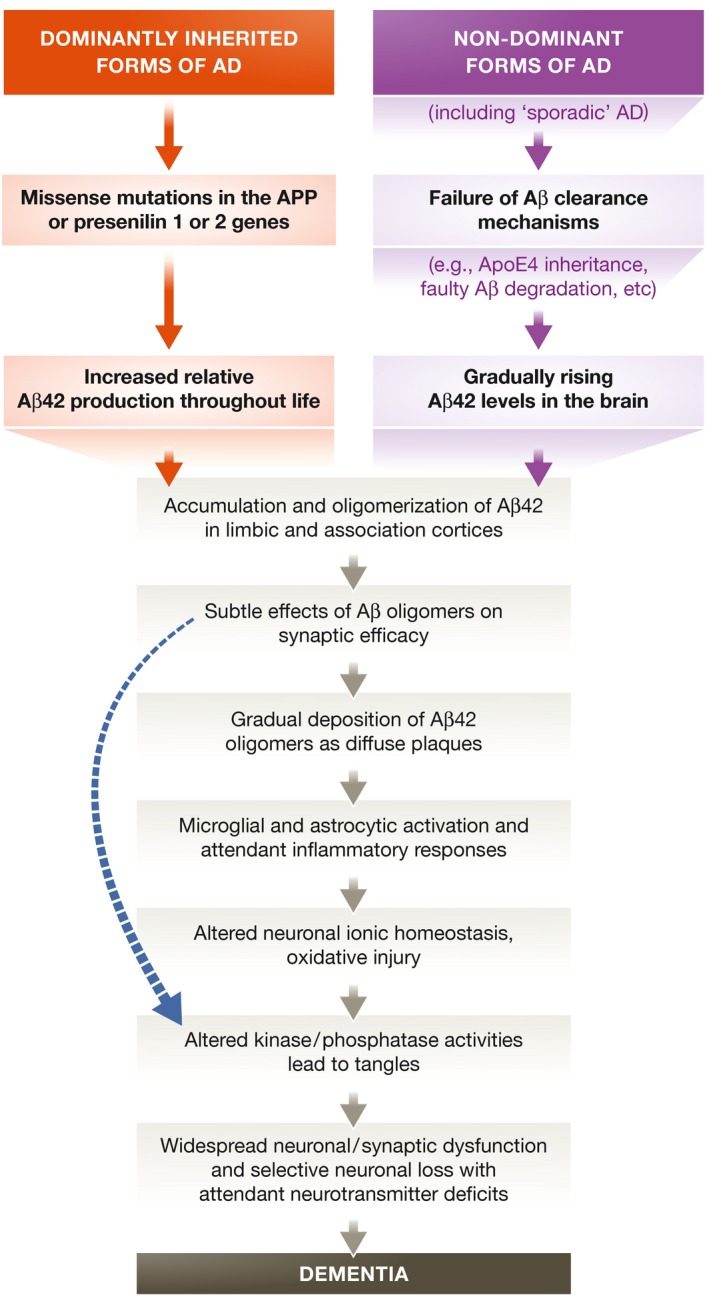
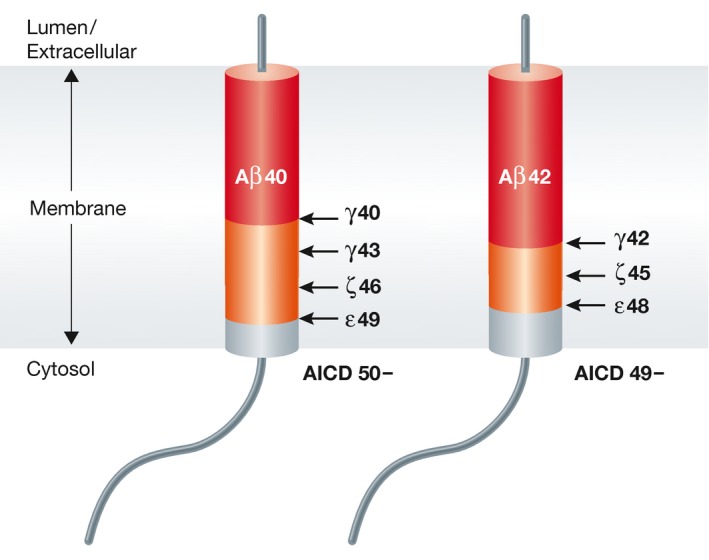
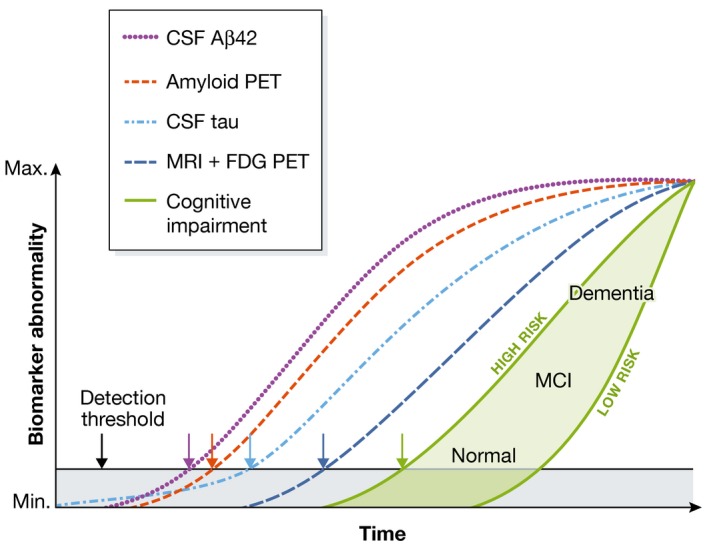
Despite continuing debate about the amyloid β-protein (or Aβ hypothesis, new lines of evidence from laboratories and clinics worldwide support the concept that an imbalance between production and clearance of Aβ42 and related Aβ peptides is a very early, often initiating factor in Alzheimer's disease (AD). Confirmation that presenilin is the catalytic site of γ-secretase has provided a linchpin: all dominant mutations causing early-onset AD occur either in the substrate (amyloid precursor protein, APP) or the protease (presenilin) of the reaction that generates Aβ. Duplication of the wild-type APP gene in Down's syndrome leads to Aβ deposits in the teens, followed by microgliosis, astrocytosis, and neurofibrillary tangles typical of AD Apolipoprotein E4, which predisposes to AD in > 40% of cases, has been found to impair Aβ clearance from the brain. Soluble oligomers of Aβ42 isolated from AD patients' brains can decrease synapse number, inhibit long-term potentiation, and enhance long-term synaptic depression in rodent hippocampus, and injecting them into healthy rats impairs memory. The human oligomers also induce hyperphosphorylation of tau at AD-relevant epitopes and cause neuritic dystrophy in cultured neurons. Crossing human APP with human tau transgenic mice enhances tau-positive neurotoxicity. In humans, new studies show that low cerebrospinal fluid (CSF) Aβ42 and amyloid-PET positivity precede other AD manifestations by many years. Most importantly, recent trials of three different Aβ antibodies (solanezumab, crenezumab, and aducanumab) have suggested a slowing of cognitive decline in post hoc analyses of mild AD subjects. Although many factors contribute to AD pathogenesis, Aβ dyshomeostasis has emerged as the most extensively validated and compelling therapeutic target.
Overview
The claims and statistics of this paper haven’t been checked yet.
Free: it reads the open-access text and checks the first 5 claims that cite a source we can check. Create a free account to check every claim.
Integrity signals
Registry
Cites
Statistics
Figures
Verification
Claims the paper makes
The claims and statistics of this paper haven’t been checked yet.
Free: it reads the open-access text and checks the first 5 claims that cite a source we can check. Create a free account to check every claim.
Claims other papers make about this one
Each is checked against this paper’s own text: does it say what the citing paper says it does?
The source backs part of the claim, not all of it — or backs it for a different population, condition or comparison.
In the citing paper
“Oxidative stress, mitochondrial dysfunction, astrocytic and microglial activation, membrane perturbation, and loss of ionic homeostasis are, at the cellular level, some of the events downstream the Aβ1-42 aggregation and accumulation (Selkoe and Hardy, 2016).”
From Exploring the Therapeutic Potential of Phytochemicals in Alzheimer’s Disease: Focus on Polyphenols and Monoterpenes (2022) · cites this paper as Selkoe and Hardy, 2016
Experimental — accuracy not yet measuredThe source backs part of the claim, not all of it — or backs it for a different population, condition or comparison.
In the citing paper
“Elevated levels of oligomers have been associated with AD, as they are found in AD brains and are considered the most toxic and pathogenic form of Aβ [4,5,6,7,18].”
From Treatment of Alzheimer’s Disease: Beyond Symptomatic Therapies (2023) · cites this paper as [4]
Experimental — accuracy not yet measuredThe source backs part of the claim, not all of it — or backs it for a different population, condition or comparison.
In the citing paper
“Synaptic dysfunction and synapse loss are key hallmarks of AD, present in the early stages of the disease before clinical symptoms appear [79,86,156].”
From Role of Oxidative Damage in Alzheimer’s Disease and Neurodegeneration: From Pathogenic Mechanisms to Biomarker Discovery (2021) · cites this paper as [79]
Experimental — accuracy not yet measuredThe source backs part of the claim, not all of it — or backs it for a different population, condition or comparison.
In the citing paper
“Moreover, the evidence from a failure of reversal of cognitive declines in amyloid-targeting drug trials supports this assumption; for example, patients with AD in whose brains Aβ plaques were virtually cleared by anti-amyloid immunotherapy did not show cognitive benefit [62].”
From Clinical trials of new drugs for Alzheimer disease (2020) · cites this paper as [62]
Experimental — accuracy not yet measuredThe source backs part of the claim, not all of it — or backs it for a different population, condition or comparison.
In the citing paper
“Early-stage AD is characterized primarily by the accumulation of Aβ plaques and subtle synaptic dysfunction, whereas late-stage AD involves extensive neurodegeneration, widespread neuroinflammation, and pronounced BBB disruption [157, 158].”
From Targeted Nanoparticles for Drug Delivery Across the Blood–Brain Barrier in Early and Late Stages of Alzheimer's Disease: A Review (2026) · cites this paper as [157]
Experimental — accuracy not yet measured
26 more claims about this paper
Create a free account to see every claim other papers make about this one.
Self-check
Percentages, sums and reported differences re-computed from the paper’s own numbers.
The self-check needs the paper’s full text.
Citations
Cites
Neuropathological stageing of Alzheimer-related changes.
Braak, H., & Braak, E. (1991) · Acta Neuropathologica · doi:10.1007/bf00308809 · Cited by 16,123 · cited 1×
“An elegant histopathological staging system created by Braak and Braak (1991) is now widely used to establish the severity of AD neuropathology.”
MethodThe Amyloid Hypothesis of Alzheimer’s Disease: Progress and Problems on the Road to Therapeutics
Hardy, J., & Selkoe, D. J. (2002) · Science · doi:10.1126/science.1072994 · Cited by 13,864
Self-citationAmyloid oligomers exacerbate tau pathology in a mouse model of tauopathy
Selenica, M.-L. B., Brownlow, M., Jimenez, J. P., Lee, D. C., Pena, G., Dickey, C. A., Gordon, M. N., & Morgan, D. (2013) · Neurodegenerative Diseases · doi:10.1159/000337230 · Cited by 10,359
Corder, E. H., Saunders, A. M., Strittmatter, W. J., Schmechel, D. E., Gaskell, P. C., Small, G. W., Roses, A. D., Haines, J. L., & Pericak-Vance, M. A. (1993) · Science · doi:10.1126/science.8346443 · Cited by 9,429 · cited 1×
“Cell biology of new AD risk genes Although the importance of ApoE4 as the major risk factor for AD was discovered in 1993 (Corder et al, 1993), it is only since the advent of genomewide association studies and, more recently, exome and genome sequencing that other risk loci for late-onset disease…”
BackgroundAlzheimer's disease: the amyloid cascade hypothesis
Hardy, J. A., & Higgins, G. A. (1992) · Science · doi:10.1126/science.1566067 · Cited by 7,484 · cited 2×
“The amyloid (or Ab) hypothesis (Beyreuther & Masters, 1991; Hardy & Allsop, 1991; Selkoe, 1991; Hardy & Higgins, 1992) has become the dominant model of AD pathogenesis and is guiding the development of potential treatments.”
BackgroundSelf-citationGlenner, G. G., & Wong, C. W. (1984) · Biochemical and Biophysical Research Communications · doi:10.1016/s0006-291x(84)80190-4 · Cited by 5,404
Imaging brain amyloid in Alzheimer's disease with Pittsburgh Compound‐B
Klunk, W. E., Engler, H., Nordberg, A., Wang, Y., Blomqvist, G., Holt, D. P., Bergström, M., Savitcheva, I., Huang, G., Estrada, S., et al. (2004) · Annals of Neurology · doi:10.1002/ana.20009 · Cited by 4,496 · cited 1×
“…fibrillar amyloid burden (but not yet soluble Ab oligomers) by PET scanning, initially with the thioflavin T derivative, Pittsburgh compound B (Klunk et al, 2004); and (iii) the ability to analyze APP metabolism in healthy and diseased humans by quantifying heavy isotope-labeled Ab peptides…”
BackgroundJack, C. R., Knopman, D. S., Jagust, W. J., Petersen, R. C., Weiner, M. W., Aisen, P. S., Shaw, L. M., Vemuri, P., Wiste, H. J., Weigand, S. D., et al. (2013) · The Lancet Neurology · doi:10.1016/s1474-4422(12)70291-0 · Cited by 4,396
Meta-Analysis of 74,046 Individuals Identifies 11 New Susceptibility Loci for Alzheimer’s Disease
(EADI), E. A. D. I., Lambert, J.-C., (GERAD), G. A. E. R. I. A. D., Alzheimer's Disease Genetic Consortium (ADGC), (CHARGE), C. F. H. A. A. R. I. G. E., Ibrahim-Verbaas, C. A., Harold, D., Naj, A. C., Sims, R., Bellenguez, C., et al. (2013) · Nature Genetics · doi:10.1038/ng.2802 · Cited by 4,336 · cited 2×
“This category includes SORL1, BIN1, and PICALM (Rogaeva et al, 2007; Lambert et al, 2013; Zhao et al, 2015).”
BackgroundSelf-citationCorrelative Memory Deficits, Aβ Elevation, and Amyloid Plaques in Transgenic Mice
Hsiao, K., Chapman, P., Nilsen, S., Eckman, C., Harigaya, Y., Younkin, S., Yang, F., & Cole, G. (1996) · Science · doi:10.1126/science.274.5284.99 · Cited by 4,210 · cited 1×
“Early APP mouse models (e.g. Games et al, 1995; Hsiao et al, 1996) suffered from reliance on high transgene expression to drive plaque deposition and from a lack of tangle cytopathology and neuronal death.”
Background
Research works printed but not linked: 3
- Cummings J, Cho W, Ward M, Friesenhahn M, Brunstein F, Honigberg L, Clayton D, Mortensen D, Ho C, Paul R (2014) paper presented at the Alzheimer's Association International Conference (AAIC), Copenhagen, Denmark, 16 July 2014
- Mann DMA, Yuonis N, Jones D, Stoddart DW (1992) The time course of pathological events in Down's Syndrome with particular reference to the involvement of microglial cells and deposits of b/A4. Neurodegeneration 1: 201– 215
- Sevigny J, Chiao P, Williams L, Miao X, O'Gorman J (2015) Randomized, double‐blind Phase 1B study of BIIB037, an anti‐amyloid beta monoclonal antibody, in patients with prodromal or mild Alzheimer's disease. Neurogener Dis 15(Suppl 1): 311
Cited by
Items 501–600 of 1,163
Ca2+ handling at the mitochondria-ER contact sites in neurodegeneration
Lim, D., Dematteis, G., Tapella, L., Genazzani, A. A., Calí, T., Brini, M., & Verkhratsky, A. (2021) · Cell Calcium · doi:10.1016/j.ceca.2021.102453 · Cited by 116
Inflammatory Cascade in Alzheimer’s Disease Pathogenesis: A Review of Experimental Findings
de Oliveira, J., Kucharska, E., Garcez, M. L., Rodrigues, M. S., Quevedo, J., Moreno-Gonzalez, I., & Budni, J. (2021) · Cells · doi:10.3390/cells10102581 · Cited by 102
“Even in the prodromal stages of AD, Aβ soluble oligomers can impair synaptic plasticity, inhibit long-term potentiation, and activate microglia [10].”
InfluentialMitochondria Dysfunction and Neuroinflammation in Neurodegeneration: Who Comes First?
Peggion, C., Calí, T., & Brini, M. (2024) · Antioxidants · doi:10.3390/antiox13020240 · Cited by 124
“However, it is still debated whether mitochondrial abnormalities represent a primary cause of AD or if they are rather a secondary consequence of amyloidogenic pathology [19,62,63].”
BackgroundMicroRNAs in Alzheimer’s Disease: Function and Potential Applications as Diagnostic Biomarkers
Wei, W., Wang, Z.-Y., Ma, L.-N., Zhang, T.-T., Cao, Y., & Li, H. (2020) · Frontiers in Molecular Neuroscience · doi:10.3389/fnmol.2020.00160 · Cited by 103
Anti-Amyloid Therapies for Alzheimer’s Disease and the Amyloid Cascade Hypothesis
Fedele, E. (2023) · International Journal of Molecular Sciences · doi:10.3390/ijms241914499 · Cited by 102
“However, Aβ accumulation seems to occur through different mechanisms, being mainly due to increased production or decreased clearance in the familial and sporadic forms, respectively [27].”
BackgroundLi, Y., Yang, J., Liu, H., Yang, J., Du, L., Feng, H., Tian, Y., Cao, J., & Ran, C. (2017) · Chemical Science · doi:10.1039/c7sc02050c · Cited by 106
Izzo, N. J., Yuede, C. M., LaBarbera, K. M., Limegrover, C. S., Rehak, C., Yurko, R., Waybright, L., Look, G., Rishton, G., Safferstein, H., et al. (2021) · Alzheimer's & Dementia · doi:10.1002/alz.12302 · Cited by 95
“28 Determination of total A β concentration eluted from human donor brain tissue was performed using a high sensitivity, human Beta Amyloid (1-42) ELISA Kit (Wako, cat # 296-64401) which uses BAN50/BC05 (Fab’).”
MethodSelective ferroptosis vulnerability due to familial Alzheimer’s disease presenilin mutations
Greenough, M. A., Lane, D. J. R., Balez, R., Anastacio, H. T. D., Zeng, Z., Ganio, K., McDevitt, C. A., Acevedo, K., Belaidi, A. A., Koistinaho, J., et al. (2022) · Cell Death & Differentiation · doi:10.1038/s41418-022-01003-1 · Cited by 102
“This perspective of loss-of-essential-PS-function in FAD differs from the amyloid cascade hypothesis, which postulates that the primary effect of PS mutations in FAD is through a toxic “gain-of-function”, by favoring the over-production of purportedly neurotoxic Aβ42 species [93].”
BackgroundPlog, B. A., Mestre, H., Olveda, G. E., Sweeney, A. M., Kenney, H. M., Cove, A., Dholakia, K. Y., Tithof, J., Nevins, T. D., Lundgaard, I., et al. (2018) · JCI Insight · doi:10.1172/jci.insight.120922 · Cited by 101
“Perhaps the most notable application of mAb is seen in efforts to enhance amyloid-β (Aβ) clearance from brain (4, 6, 7).”
Complement-Mediated Events in Alzheimer’s Disease: Mechanisms and Potential Therapeutic Targets
Tenner, A. J. (2020) · The Journal of Immunology · doi:10.4049/jimmunol.1901068 · Cited by 108
“The plaques contain aggregated b amyloid peptide (Ab), and the tangles are aggregated hyperphosphorylated t (a microtubuleassociated protein) (12).”
BackgroundAhmed, S., Khan, S. T., Zargaham, M. K., Khan, A., Khan, S., Hussain, A., Uddin, J., Khan, A., & Al‐Harrasi, A. (2021) · Biomedicine & Pharmacotherapy · doi:10.1016/j.biopha.2021.111609 · Cited by 115
Bubbico, G., Chiacchiaretta, P., Parenti, M., di Marco, M., Panara, V., Sepede, G., Ferretti, A., & Perrucci, M. G. (2019) · Frontiers in Neuroscience · doi:10.3389/fnins.2019.00423 · Cited by 136
“Since pharmacological tools with a longterm efficacy to prevent or delay dementia are still missing (Extance, 2010; Collis and Waterfield, 2015; Selkoe and Hardy, 2016), simple and affordable non-pharmacological solutions should be improved in order to train our brain before neurodegenerative…”
BackgroundChemical sensing platforms for detecting trace-level Alzheimer's core biomarkers
Kim, K., Lee, C. H., & Park, C. B. (2020) · Chemical Society Reviews · doi:10.1039/d0cs00107d · Cited by 105
Nguyen, P. H., & Derreumaux, P. (2020) · Biophysical Chemistry · doi:10.1016/j.bpc.2020.106421 · Cited by 103
The Amyloid Cascade Hypothesis in Alzheimer’s Disease: Should We Change Our Thinking?
Kurkinen, M. T., Fułek, M., Fułek, K., Beszłej, J. A., Kurpas, D., & Leszek, J. (2023) · Biomolecules · doi:10.3390/biom13030453 · Cited by 114
“Formulated in 1991-1992, the hypothesis has dominated AD research, drug discovery, and clinical trial studies ever since [30].”
BackgroundAmyloid-Related Imaging Abnormalities: An Update
Roytman, M., Mashriqi, F., Al-Tawil, K., Schulz, P. E., Zaharchuk, G., Benzinger, T. L. S., & Franceschi, A. M. (2023) · American Journal of Roentgenology · doi:10.2214/ajr.22.28461 · Cited by 99
Astroglial Calcium Signaling in Aging and Alzheimer's Disease
Verkhratsky, A. (2019) · Cold Spring Harbor Perspectives in Biology · doi:10.1101/cshperspect.a035188 · Cited by 99
“Accumulation of β-amyloid in both soluble and oligomerized forms is generally considered to be one of themainpathogeneticmechanisms ofAD (Korczyn 2008; Selkoe and Hardy 2016), although the β-amyloid hypothesis is often criticized (Hardy 2009; Castellani et al. 2010; Castellani and Smith 2011).”
BackgroundEsmieu, C., Guettas, D., Conte‐Daban, A., Sabater, L., Faller, P., & Hureau, C. (2019) · Inorganic Chemistry · doi:10.1021/acs.inorgchem.9b00995 · Cited by 110
Alzheimer’s disease: A clinical perspective and future nonhuman primate research opportunities
Haque, R. U., & Levey, A. I. (2019) · Proceedings of the National Academy of Sciences · doi:10.1073/pnas.1912954116 · Cited by 103
Antioxidant Berberine-Derivative Inhibits Multifaceted Amyloid Toxicity
Rajasekhar, K., Samanta, S., Bagoband, V., Murugan, N. A., & Govindaraju, T. (2020) · iScience · doi:10.1016/j.isci.2020.101005 · Cited by 99
Ribeiro, T. D. C., Sábio, R. M., Luiz, M. T., Canto‐de‐Souza, L., Fonseca‐Santos, B., da Silva, L. C. C., Fantini, M. C. D. A., Planeta, C. S., & Chorilli, M. (2022) · Pharmaceutics · doi:10.3390/pharmaceutics14091976 · Cited by 113
Yan, C., Dai, J., Yao, Y., Fu, W., Tian, H., Zhu, W., & Guo, Z. (2023) · Nature Protocols · doi:10.1038/s41596-022-00789-1 · Cited by 106
Moving beyond amyloid and tau to capture the biological heterogeneity of Alzheimer’s disease
Young‐Pearse, T. L., Lee, H., Hsieh, Y., Chou, V., & Selkoe, D. J. (2023) · Trends in Neurosciences · doi:10.1016/j.tins.2023.03.005 · Cited by 107
Self-citationToader, C., Tătaru, C. P., Munteanu, O., Șerban, M., Covache-Busuioc, R.-A., Ciurea, A. V., & Enyedi, M. (2024) · International Journal of Molecular Sciences · doi:10.3390/ijms252312613 · Cited by 124
Alawieyah Syed Mortadza, S., Sim, J. A., Neubrand, V. E., & Jiang, L. (2018) · Glia · doi:10.1002/glia.23265 · Cited by 99
“2018;66:562–575. factor in Alzheimer’s disease (AD), the most common cause of dementia (Hong et al., 2016; Mucke & Selkoe, 2012; Selkoe & Hardy, 2016).”
BackgroundXiao, X., Liu, H., Liu, X., Zhang, W., Zhang, S., & Jiao, B. (2021) · Frontiers in Aging Neuroscience · doi:10.3389/fnagi.2021.695808 · Cited by 99
The microbiota–microglia axis in central nervous system disorders
Mossad, O., & Erny, D. (2020) · Brain Pathology · doi:10.1111/bpa.12908 · Cited by 98
The design and development of covalent protein-protein interaction inhibitors for cancer treatment
Cheng, S.-S., Yang, G.-J., Wang, W., Leung, C.-H., & Ma, D.-L. (2020) · Journal of Hematology & Oncology · doi:10.1186/s13045-020-00850-0 · Cited by 98
Angelova, P. R., & Abramov, A. Y. (2016) · Biochemical and Biophysical Research Communications · doi:10.1016/j.bbrc.2016.07.103 · Cited by 108
“However, more toxic forms - oligomers are membrane permeable, allowing the passing of plasma and intracellular membranes and therefore protein propagation throughout neurons and astrocytes in the brain [41];[66].”
BackgroundMullane, K., & Williams, M. (2018) · Biochemical Pharmacology · doi:10.1016/j.bcp.2018.09.026 · Cited by 98
Reversal of ApoE4-induced recycling block as a novel prevention approach for Alzheimer’s disease
Xian, X., Pohlkamp, T., Durakoglugil, M. S., Wong, C. H., Beck, J. K., Lane-Donovan, C., Plattner, F., & Herz, J. (2018) · eLife · doi:10.7554/elife.40048 · Cited by 98
“We know that amyloid-b (Ab), an aggregation-prone proteolytic processing product that consists of juxtamembrane sequences and approximately 2/3 of the transmembrane segment of the larger amyloid precursor protein (APP), plays a central role early on, while during later stages of the disease – through mechanisms that a…”
BackgroundKarakatsani, M. E., Kugelman, T., Ji, R., Murillo, M., Wang, S., Niimi, Y., Small, S. A., Duff, K. E., & Konofagou, E. E. (2019) · Theranostics · doi:10.7150/thno.28717 · Cited by 98
“The amyloid cascade hypothesis [3] suggests Aβ promotes tauopathy which has been demonstrated in numerous experiments.”
BackgroundIverson, G. L., Gardner, A. J., Shultz, S. R., Solomon, G. S., McCrory, P. R., ZAFONTE, R. D., Perry, G. L., Hazrati, L., Keene, C. D., & Castellani, R. J. (2019) · Brain · doi:10.1093/brain/awz286 · Cited by 112
Flores, J., Noël, A., Foveau, B., Beauchet, O., & LeBlanc, A. C. (2020) · Nature Communications · doi:10.1038/s41467-020-18405-9 · Cited by 97
Heravi, F. S., Naseri, K., & Hu, H. (2023) · Nutrients · doi:10.3390/nu15204365 · Cited by 126
Cellular Receptors of Amyloid β Oligomers (AβOs) in Alzheimer’s Disease
Mroczko, B., Groblewska, M., Litman-Zawadzka, A., Kornhuber, J., & Lewczuk, P. (2018) · International Journal of Molecular Sciences · doi:10.3390/ijms19071884 · Cited by 97
“Similarly, different presenilin mutations result in decreased ability of processing of APP by γ-secretase, and consequently increase the relative production of longer, more hydrophobic and more self-aggregating peptides of Aβ [13].”
BackgroundInfluentialHagena, H., & Manahan-Vaughan, D. (2017) · Neurobiology of Learning and Memory · doi:10.1016/j.nlm.2016.06.014 · Cited by 97
“Amyloid-beta (Ab) peptides accumulate in the brain of AD patients and are believed to contribute importantly to the pathophysiology of the disease (Selkoe & Hardy, 2016).”
The function of the cellular prion protein in health and disease
Watts, J. C., Bourkas, M. E. C., & Arshad, H. (2017) · Acta Neuropathologica · doi:10.1007/s00401-017-1790-y · Cited by 117
“This finding was particularly intriguing, as it suggested that PrPC might restrict the generation of a molecule thought to be central to the pathogenesis of Alzheimer’s disease (AD) [176].”
BackgroundMohamed, W., Salama, R. M., & Schaalan, M. F. (2019) · Biomedicine & Pharmacotherapy · doi:10.1016/j.biopha.2018.12.118 · Cited by 99
P‐glycoprotein: a role in the export of amyloid‐β in Alzheimer's disease?
Chai, A. B., Leung, G. K. F., Callaghan, R., & Gelissen, I. C. (2020) · The FEBS Journal · doi:10.1111/febs.15148 · Cited by 96
Occurrence of Morpholine in Central Nervous System Drug Discovery
Lenci, E., Calugi, L., & Trabocchi, A. (2021) · ACS Chemical Neuroscience · doi:10.1021/acschemneuro.0c00729 · Cited by 105
Kumar, N., Kumar, V., Anand, P., Kumar, V., Dwivedi, A. R., & Kumar, V. (2022) · Bioorganic & Medicinal Chemistry · doi:10.1016/j.bmc.2022.116742 · Cited by 105
Synaptogenic effect of APP -Swedish mutation in familial Alzheimer’s disease
Zhou, B., Lu, J. G., Siddu, A., Wernig, M., & Südhof, T. C. (2022) · Science Translational Medicine · doi:10.1126/scitranslmed.abn9380 · Cited by 106
Dutta, S., Foley, A. R., Warner, C. J. A., Zhang, X., Rolandi, M., Abrams, B., & Raskatov, J. A. (2017) · Angewandte Chemie International Edition · doi:10.1002/anie.201706279 · Cited by 96
Lee, B. I., Chung, Y. J., & Park, C. B. (2018) · Biomaterials · doi:10.1016/j.biomaterials.2018.10.043 · Cited by 100
Jadiya, P., Garbincius, J. F., & Elrod, J. W. (2021) · Acta Neuropathologica Communications · doi:10.1186/s40478-021-01224-4 · Cited by 99
“According to the “amyloid cascade hypothesis,” Aβ aggregation can initiate a series of events, including tau pathology, oxidative stress, inflammation, neuronal calcium (Ca2+) dysregulation, and metabolic alterations, which culminate in neuronal cell loss and AD pathogenesis [25].”
BackgroundAggregation and structure of amyloid β-protein
Ono, K., & Watanabe-Nakayama, T. (2021) · Neurochemistry International · doi:10.1016/j.neuint.2021.105208 · Cited by 95
Pathogenesis of Alzheimer's disease: Involvement of the choroid plexus
Čarná, M., Onyango, I. G., Katina, S., Holub, D., Novotný, J., Nezvedová, M., Jha, D., Nedelská, Z., Lacovich, V., Vyvere, T. V., et al. (2023) · Alzheimer s & Dementia · doi:10.1002/alz.12970 · Cited by 112
Pyroglutamate and Isoaspartate modified Amyloid-Beta in ageing and Alzheimer’s disease
Moro, M. L., Phillips, A. S., Gaimster, K., Paul, C., Mudher, A., Nicoll, J. A. R., & Boche, D. (2018) · Acta Neuropathologica Communications · doi:10.1186/s40478-017-0505-x · Cited by 95
“The molecular pathogenesis of this disease is only partially understood and the comprehension of new key aspects of its neurobiology is crucial for the future development of early diagnostic approaches and effective treatments [34].”
BackgroundTerzioglu, G., & Young-Pearse, T. L. (2023) · Molecular Neurodegeneration · doi:10.1186/s13024-023-00674-9 · Cited by 91
Plasma IL-12/IFN-γ axis predicts cognitive trajectories in cognitively unimpaired older adults
Yang, H., Zhang, C., Carlyle, B. C., Zhen, S. Y., Trombetta, B. A., Schultz, A. P., Pruzin, J. J., Fitzpatrick, C. D., Yau, W. W., Kirn, D. R., et al. (2022) · Alzheimer's & Dementia · doi:10.1002/alz.12399 · Cited by 90
Why are Functional Amyloids Non-Toxic in Humans?
Jackson, M. P., & Hewitt, E. W. (2017) · Biomolecules · doi:10.3390/biom7040071 · Cited by 114
Wang, X., Li, G., Guo, J., Zhang, Z., Zhang, S., Zhu, Y., Cheng, J., Yu, L., Ji, Y., & Tao, J. (2020) · Frontiers in Neuroscience · doi:10.3389/fnins.2019.01393 · Cited by 105
Harnessing endophenotypes and network medicine for Alzheimer's drug repurposing
Fang, J., Pieper, A. A., Nussinov, R., Lee, G., Bekris, L., Leverenz, J. B., Cummings, J., & Cheng, F. (2020) · Medicinal Research Reviews · doi:10.1002/med.21709 · Cited by 94
“Amyloidosis proposes that an imbalance between production and clearance of brain Aβ triggers a complex pathological reaction that leads to AD, including tau phosphorylation, tangle formation, synaptic loss, neuronal death, and cognitive impairment.(53,59) This hypothesis is supported by evidence that nearly one percen…”
BackgroundAxonal organization defects in the hippocampus of adult conditional BACE1 knockout mice
Ou-Yang, M.-H., Kurz, J. E., Nomura, T., Popovic, J., Rajapaksha, T. W., Dong, H., Contractor, A., Chetkovich, D. M., Tourtellotte, W. G., & Vassar, R. (2018) · Science Translational Medicine · doi:10.1126/scitranslmed.aao5620 · Cited by 94
Treatment of Alzheimer’s Disease: Beyond Symptomatic Therapies
Buccellato, F. R., D’Anca, M., Tartaglia, G. M., Del Fabbro, M., Scarpini, E., & Galimberti, D. (2023) · International Journal of Molecular Sciences · doi:10.3390/ijms241813900 · Cited by 94
“The A β oligomer hypothesis, supported by in vitro, in vivo, and ex vivo models, points to the toxic A β oligomers rather than amyloid plaques as key players in AD pathogenesis [4–7].”
BackgroundInfluentialAmyloid plaques beyond Aβ: a survey of the diverse modulators of amyloid aggregation
Stewart, K. L., & Radford, S. E. (2017) · Biophysical Reviews · doi:10.1007/s12551-017-0271-9 · Cited by 103
“While plaque burden is not directly correlated with disease severity (Selkoe and Hardy 2016), the Aβ peptide is regarded as a causative agent in AD (Hardy and Higgins 1992).”
BackgroundOligodendroglial Cells in Alzheimer’s Disease
Butt, A. M., Rocha, I. C. D. L., & Rivera, A. D. (2019) · Advances in experimental medicine and biology · doi:10.1007/978-981-13-9913-8_12 · Cited by 109
Butterfield, D. A. (2020) · Ageing Research Reviews · doi:10.1016/j.arr.2020.101049 · Cited by 93
“Aβ is postulated to be central to the pathogenesis of AD and its earlier stages, based mostly of genetics of familial AD, which accounts for 1-4 percent of AD subjects (Selkoe and Hardy, 2016; Butterfield et al., 2001).”
BackgroundGenomics of Alzheimer’s disease implicates the innate and adaptive immune systems
Li, Y., Laws, S. M., Miles, L. A., Wiley, J. S., Huang, X., Masters, C. L., & Gu, B. J. (2021) · Cellular and Molecular Life Sciences · doi:10.1007/s00018-021-03986-5 · Cited by 111
Blood will out: vascular contributions to Alzheimer’s disease
Strickland, S. (2018) · Journal of Clinical Investigation · doi:10.1172/jci97509 · Cited by 91
Jafari, Z., Kolb, B. E., & Mohajerani, M. H. (2019) · Neuroscience & Biobehavioral Reviews · doi:10.1016/j.neubiorev.2019.04.001 · Cited by 101
“Our findings in PNS-overproduction of Aβ plaques were consistent with the behavioural measures of cognition and motor performance, and also congruent with contemporary laboratory and clinical evidence suggesting a major contribution of the Aβ42 overproduction in early signs and progression of AD (Selkoe and Hardy, 201…”
Metal complexes that bind to the amyloid-β peptide of relevance to Alzheimer’s disease
Gomes, L. M., Bataglioli, J. C., & Storr, T. (2020) · Coordination Chemistry Reviews · doi:10.1016/j.ccr.2020.213255 · Cited by 97
Immunotherapies for Aging-Related Neurodegenerative Diseases—Emerging Perspectives and New Targets
Kwon, S., Iba, M., Kim, C., & Masliah, E. (2020) · Neurotherapeutics · doi:10.1007/s13311-020-00853-2 · Cited by 93
Small heat shock proteins in neurodegenerative diseases
Vendredy, L., Adriaenssens, E., & Timmerman, V. (2020) · Cell Stress and Chaperones · doi:10.1007/s12192-020-01101-4 · Cited by 92
Zinc and Central Nervous System Disorders
Wang, B., Fang, T., & Chen, H. (2023) · Nutrients · doi:10.3390/nu15092140 · Cited by 93
“The imbalance between Aβ production and clearance is thought to be a likely drive of AD, in which Zn2+ plays a significant role [86].”
BackgroundBACE inhibitors in clinical development for the treatment of Alzheimer’s disease
Panza, F., Lozupone, M., Solfrizzi, V., Sardone, R., Piccininni, C., Dibello, V., Stallone, R., Giannelli, G., Bellomo, A., Greco, A., et al. (2018) · Expert Review of Neurotherapeutics · doi:10.1080/14737175.2018.1531706 · Cited by 92
Moutinho, M., Puntambekar, S. S., Tsai, A. P., Coronel, I., Lin, P. B., Casali, B. T., Martinez, P., Oblak, A. L., Lasagna-Reeves, C. A., Lamb, B. T., et al. (2022) · Science Translational Medicine · doi:10.1126/scitranslmed.abl7634 · Cited by 92
“Mounting evidence suggests that the accumulation and aggregation of amyloid- (A) is a key initiating factor in a cascade of events that lead to AD (1).”
BackgroundEmerging pathways driving early synaptic pathology in Alzheimer's disease
Briggs, C. A., Chakroborty, S., & Stutzmann, G. E. (2017) · Biochemical and Biophysical Research Communications · doi:10.1016/j.bbrc.2016.09.088 · Cited by 92
Protein homeostasis of a metastable subproteome associated with Alzheimer’s disease
Kundra, R., Ciryam, P., Morimoto, R. I., Dobson, C. M., & Vendruscolo, M. (2017) · Proceedings of the National Academy of Sciences · doi:10.1073/pnas.1618417114 · Cited by 92
Resveratrol and Amyloid-Beta: Mechanistic Insights
Jia, Y., Wang, N., & Liu, X. (2017) · Nutrients · doi:10.3390/nu9101122 · Cited by 102
“The pathological accumulation of Aβ in the brain leads to impairment of synaptic function and structure, progressive tau deposition, neuronal destruction and finally the clinical symptoms of AD [3].”
BackgroundOno, K., & Tsuji, M. (2020) · International Journal of Molecular Sciences · doi:10.3390/ijms21030952 · Cited by 92
Islam, F., Nafady, M. H., Islam, M. R., Saha, S., Rashid, S., Akter, A., Harun-Or-Rashid, M., Akhtar, M. F., Perveen, A., Ashraf, G. M., et al. (2022) · Molecular Neurobiology · doi:10.1007/s12035-022-02859-7 · Cited by 102
Calabrese, G., Molzahn, C., & Mayor, T. (2022) · Journal of Biological Chemistry · doi:10.1016/j.jbc.2022.102062 · Cited by 91
“(2022) 298(7) 102062 aggregation-prone protein discussed later, we review some of the main known PPIs and briefly discuss their physiological relevance.”
BackgroundInfluentialVojtechova, I., Machacek, T., Kristofikova, Z., Stuchlik, A., & Petrasek, T. (2022) · PLOS Pathogens · doi:10.1371/journal.ppat.1010929 · Cited by 92
“The amyloid cascade hypothesis supposes that the deposition of Aβ peptide in the brain is the main cause of AD pathology [29,30].”
BackgroundCrosstalk between endoplasmic reticulum stress and brain inflammation in Alzheimer's disease
Santos, L. E., & Ferreira, S. T. (2017) · Neuropharmacology · doi:10.1016/j.neuropharm.2017.11.016 · Cited by 98
Rivastigmine modifies the α-secretase pathway and potentially early Alzheimer’s disease
Ray, B., Maloney, B., Sambamurti, K., Karnati, H. K., Nelson, P. T., Greig, N. H., & Lahiri, D. K. (2020) · Translational Psychiatry · doi:10.1038/s41398-020-0709-x · Cited by 91
Stern, A. M., Yang, Y., Jin, S., Yamashita, K., Meunier, A. L., Liu, W., Cai, Y., Ericsson, M., Liu, L., Goedert, M., et al. (2023) · Neuron · doi:10.1016/j.neuron.2023.04.007 · Cited by 91
Self-citationThe relationship between amyloid-beta and brain capillary endothelial cells in Alzheimer’s disease
Su, Q., Guo, J.-H., Zhang, Y.-L., Wang, J., & Zhang, Z.-N. (2022) · Neural Regeneration Research · doi:10.4103/1673-5374.335829 · Cited by 91
“In both familial and sporadic AD, abnormal accumulation of Aβ precedes neurodegeneration and cognitive impairment (Selkoe and Hardy, 2016; Aisen et al., 2017; Cheng et al., 2020).”
BackgroundErbB2 regulates autophagic flux to modulate the proteostasis of APP-CTFs in Alzheimer’s disease
Wang, B.-J., Her, G. M., Hu, M.-K., Chen, Y.-W., Tung, Y.-T., Wu, P.-Y., Hsu, W.-M., Lee, H., Jin, L.-W., Hwang, S.-P. L., et al. (2017) · Proceedings of the National Academy of Sciences · doi:10.1073/pnas.1618804114 · Cited by 91
“A plaques are the primary cause of neurodegeneration in the brains of patients with Alzheimer’s disease (AD) (1).”
BackgroundTachibana, M., Yamazaki, Y., Liu, C.-C., Bu, G., & Kanekiyo, T. (2018) · Experimental Neurology · doi:10.1016/j.expneurol.2017.10.023 · Cited by 91
“Importantly, brain accumulation of Aβ likely triggers the pathogenic cascade of Alzheimer's disease (AD) (Musiek and Holtzman, 2015; Selkoe and Hardy, 2016), which is the most common cause of dementia in the elderly (Alzheimer's Association, 2017).”
Research Progress on Alzheimer's Disease and Resveratrol
Yan, Y., Yang, H., Xie, Y., Ding, Y., Kong, D., & Yu, H. (2020) · Neurochemical Research · doi:10.1007/s11064-020-03007-0 · Cited by 98
Swanson, M. E. V., Scotter, E. L., Smyth, L. C. D., Murray, H. C., Ryan, B., Turner, C., Faull, R. L. M., Dragunow, M., & Curtis, M. A. (2020) · Acta Neuropathologica Communications · doi:10.1186/s40478-020-01047-9 · Cited by 90
Batista, A. F., Rody, T., Forny-Germano, L., Cerdeiro, S., Bellio, M., Ferreira, S. T., Munoz, D. P., & De Felice, F. G. (2021) · Journal of Neuroinflammation · doi:10.1186/s12974-021-02099-x · Cited by 91
Retinal Vasculopathy in Alzheimer’s Disease
Shi, H., Koronyo, Y., Rentsendorj, A., Fuchs, D.-T. S., Sheyn, J., Black, K. L., Mirzaei, N., & Koronyo‐Hamaoui, M. (2021) · Frontiers in Neuroscience · doi:10.3389/fnins.2021.731614 · Cited by 94
Mitochondrial Dysfunctions: A Red Thread across Neurodegenerative Diseases
Stanga, S., Caretto, A., Boido, M., & Vercelli, A. (2020) · International Journal of Molecular Sciences · doi:10.3390/ijms21103719 · Cited by 90
“AD is the most common and devastating neurodegenerative disease expected to affect more than 81 million people worldwide by 2040 [41,42].”
BackgroundAge-related diseases as vicious cycles
Belikov, A. V. (2019) · Ageing Research Reviews · doi:10.1016/j.arr.2018.11.002 · Cited by 90
Shi, L., Baird, A. L., Westwood, S., Hye, A., Dobson, R., Thambisetty, M., & Lovestone, S. (2018) · Journal of Alzheimer’s Disease · doi:10.3233/jad-170531 · Cited by 90
“A plaque burden, increased levels of tau in CSF, and brain atrophy are detected 15 years before expected symptom onset while global cognitive impairment is detected 5 years before symptom onset [39, 40], suggesting that such a study design could be effective in detecting blood-based biomarkers for preclinical disease.”
BackgroundShort Aβ peptides attenuate Aβ42 toxicity in vivo
Moore, B. D., Martin, J., de Mena, L., Sanchez, J., Cruz, P. E., Ceballos-Diaz, C., Ladd, T. B., Ran, Y., Levites, Y., Kukar, T. L., et al. (2018) · Journal of Experimental Medicine · doi:10.1084/jem.20170600 · Cited by 89
“Despite such limitations, these observations support a growing body of literature that subtle differences in the structure of Aβ assemblies can influence the biological activity of the aggregate (Tycko, 2015; Selkoe and Hardy, 2016).”
BackgroundResult3D structure determination of amyloid fibrils using solid-state NMR spectroscopy
Loquet, A., Mammeri, N. E., Stanek, J., Berbon, M., Bardiaux, B., Pintacuda, G., & Habenstein, B. (2018) · Methods · doi:10.1016/j.ymeth.2018.03.014 · Cited by 92
“This considerable attention fundamentally arises from their distinct association with a series of deadly (neuro-)degenerative disorders, called amyloidosis, A z ’ , P k ’ and type 2 diabetes [5-11].”
Zhang, Z., Li, X.-G., Wang, Z.-H., Song, M., Yu, S. P., Kang, S. S., Liu, X., Zhang, Z., Xie, M., Liu, G.-P., et al. (2021) · Molecular Psychiatry · doi:10.1038/s41380-018-0286-z · Cited by 89
Wiciński, M., Socha, M., Malinowski, B., Wódkiewicz, E., Walczak, M., Górski, K., Słupski, M., & Pawlak-Osińska, K. (2019) · International Journal of Molecular Sciences · doi:10.3390/ijms20051050 · Cited by 89
Hayden, M. R. (2019) · Brain Sciences · doi:10.3390/brainsci9100262 · Cited by 102
Protein-protein interactions in neurodegenerative diseases: A conspiracy theory
Thompson, T., Chaggar, P., Kuhl, E., Goriely, A., & Initiative, A. D. N. (2020) · PLoS Computational Biology · doi:10.1371/journal.pcbi.1008267 · Cited by 106
The Dynamic Role of Microglia and the Endocannabinoid System in Neuroinflammation
Young, A. P., & Denovan‐Wright, E. M. (2022) · Frontiers in Pharmacology · doi:10.3389/fphar.2021.806417 · Cited by 98
“The buildup of cellular plaques and tangles results in the death of affected neurons with a subsequent decline in cognitive function (Selkoe and Hardy, 2016).”
BackgroundPeptide probes for proteases – innovations and applications for monitoring proteolytic activity
Rodriguez-Rios, M., Megía-Fernández, A., Norman, D. J., & Bradley, M. (2022) · Chemical Society Reviews · doi:10.1039/d1cs00798j · Cited by 96
Amyloid-related Imaging Abnormalities in Alzheimer Disease Treated with Anti–Amyloid-β Therapy
Agarwal, A., Gupta, V., Brahmbhatt, P., Desai, A., Vibhute, P., Joseph-Mathurin, N., & Bathla, G. (2023) · RadioGraphics · doi:10.1148/rg.230009 · Cited by 90
Gallego-Rudolf, J., Wiesman, A. I., Binette, A. P., Villeneuve, S., & Baillet, S. (2024) · Nature Neuroscience · doi:10.1038/s41593-024-01763-8 · Cited by 117
The informed road map to prevention of Alzheimer Disease: a call to arms
McDade, E., Llibre-Guerra, J. J., Holtzman, D. M., Morris, J. C., & Bateman, R. J. (2021) · Molecular Neurodegeneration · doi:10.1186/s13024-021-00467-y · Cited by 89
“Aβ remains an important target [150] for diseasemodifying therapies in AD, although to date, clinical trials of anti-Aβ monotherapies in persons with symptomatic AD have failed to clearly demonstrate clinical efficacy.”
BackgroundPhagocytic Roles of Glial Cells in Healthy and Diseased Brains
Jung, Y.-J., & Chung, W.-S. (2018) · Biomolecules & Therapeutics · doi:10.4062/biomolther.2017.133 · Cited by 89
Metadata
- Authors
- Selkoe, D. J., & Hardy, J.
- Affiliations
- Brigham and Women's Hospital (US)
- UCL Queen Square Institute of Neurology (GB)
- Corresponding author
- Hardy, John
- Venue
- EMBO Molecular Medicine
- Published
- 2016-03-29
- Volume
- 8
- Issue
- 6
- Pages
- 595-608
- ISSN
- 1757-4676 (ISSN-L)
- 1757-4684
- PMC
- PMC4888851
- OpenAlex
- W2329336071
- Cited by
- 6,164
- References
- 137
- Citations by year
- 2026: 553 · 2025: 637 · 2024: 656 · 2023: 658 · 2022: 679 · 2021: 734 · 2020: 728 · 2019: 533 · 2018: 500 · 2017: 388 · 2016: 92
- FWCI
- 59.19
- Type
- journal article
- Language
- en
- Open access
- gold
- doi.org
- Licence
- other-oa
- creativecommons.org/licenses/by/4.0/ (tdm)
- creativecommons.org/licenses/by/4.0/ (vor)
- Locations
- EMBO Molecular Medicine (publishedVersion, other-oa)
- PubMed Central (publishedVersion, cc-by)
- PubMed (publishedVersion)
- Digital Access to Scholarship at Harvard (DASH) (Harvard University) (submittedVersion, cc-by)
- DOAJ (DOAJ: Directory of Open Access Journals) (submittedVersion)
- Funders
- National Institute on Aging (AG06173, AG015379)
- MRC
- ARUK
- Wellcome Trust
- Topics
- Life Sciences › Neuroscience › Cellular and Molecular Neuroscience › Alzheimer's disease research and treatments
- Health Sciences › Medicine › Psychiatry and Mental health › Dementia and Cognitive Impairment Research
- Life Sciences › Neuroscience › Neurology › Neuroinflammation and Neurodegeneration Mechanisms
- Keywords
- Alzheimer's disease, amyloid hypothesis, amyloid-beta, amyloid-beta 42, amyloid precursor protein, presenilin, gamma-secretase, Down syndrome, APOE ε4, amyloid-beta oligomers, tau hyperphosphorylation, amyloid PET, cerebrospinal fluid biomarkers, anti-amyloid antibodies, solanezumab, crenezumab, aducanumab, amyloid clearance, neurofibrillary tangles, synaptic dysfunction
- MeSH terms
- Alzheimer Disease, Animals, Brain, Humans, Mice, Transgenic, Amyloid beta-Peptides, Amyloid beta-Protein Precursor, Rats, Presenilins
About these checks
Registry, retraction, Cites and statistics results are computed, not judged, with one exception: a printed reference that no index lists is read once by a model before it counts as a citation error. Claims are extracted by a model and kept only when their quote appears verbatim in the text; each cited source is then checked, with a model’s help, for whether it says what the claim relies on. Those verdicts can be wrong — read the claim’s quote and the cited source before relying on one.
Statistics and arithmetic are recomputed, not judged.
Confidence bands are shown only for fields calibrated on our annotated test set. None is calibrated yet, so no band is shown.
What counts as a claim ›How we measure confidence ›How we check this ›
Are you an author, or do you see a problem with this page? Request a review
Data sources
Bibliographic data: Semantic Scholar, OpenAlex, Crossref.
Contains information from the Semantic Scholar Academic Graph Datasets, made available under the ODC Attribution License (ODC-BY 1.0).
Semantic Scholar’s data is described in: Kinney, R., et al. (2023). The Semantic Scholar Open Data Platform. arXiv:2301.10140.
