

The amyloid hypothesis of Alzheimer's disease at 25 years
Open accessThe DOI matches its Crossref record; 136 of the 137 references it cites were found in a registry or an index.
Abstract
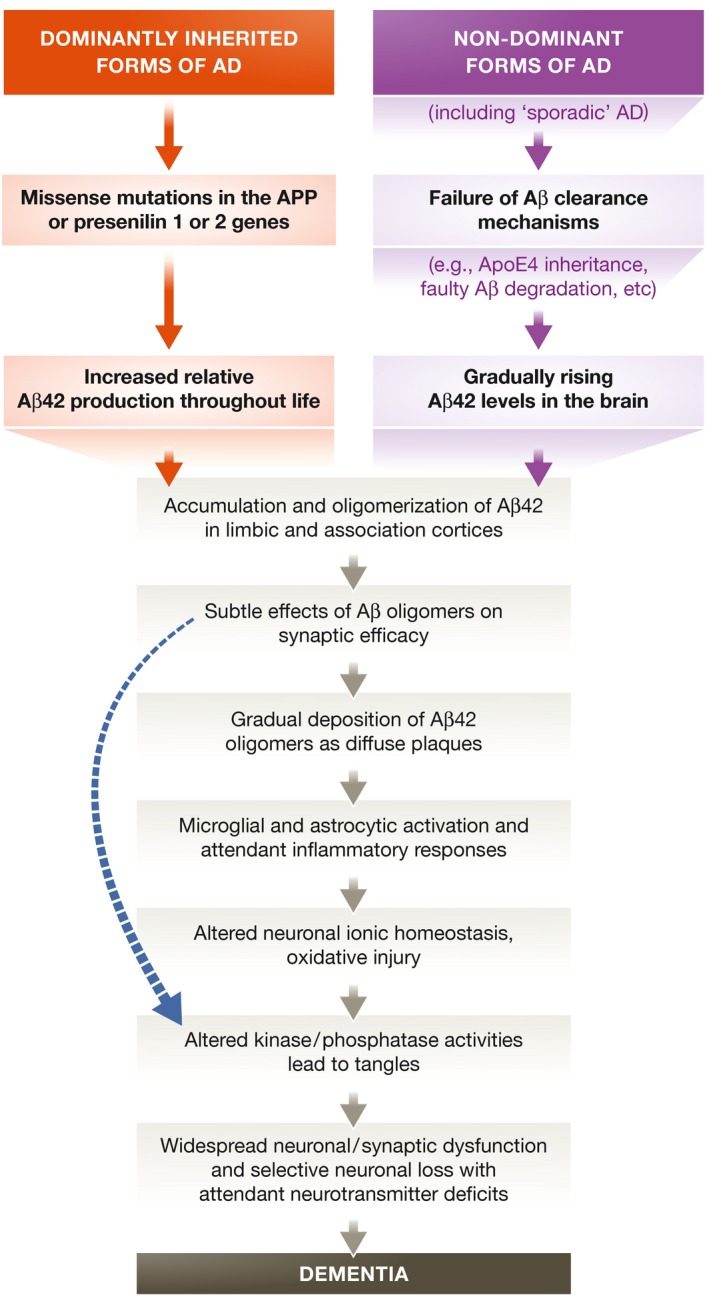
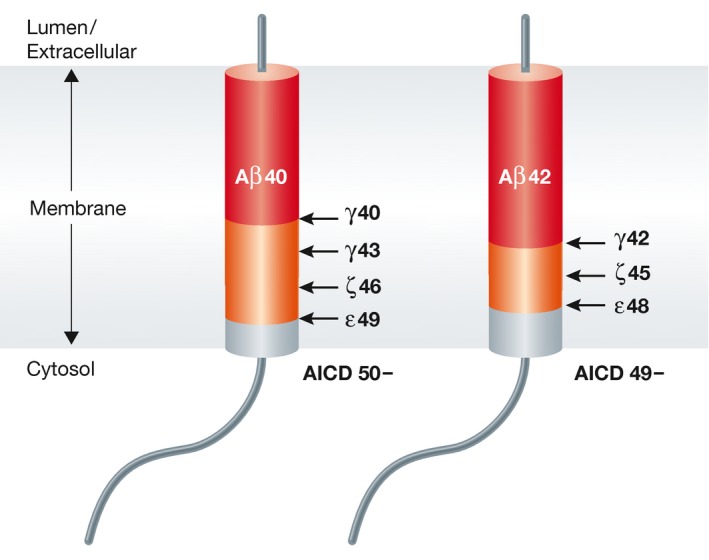
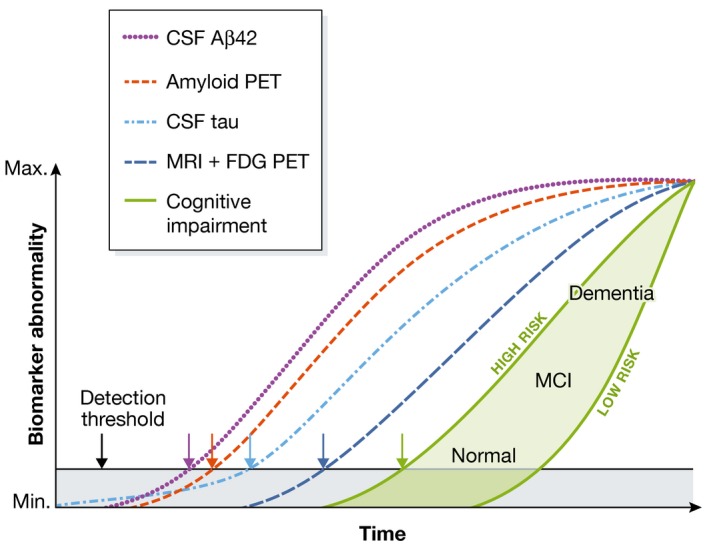
Despite continuing debate about the amyloid β-protein (or Aβ hypothesis, new lines of evidence from laboratories and clinics worldwide support the concept that an imbalance between production and clearance of Aβ42 and related Aβ peptides is a very early, often initiating factor in Alzheimer's disease (AD). Confirmation that presenilin is the catalytic site of γ-secretase has provided a linchpin: all dominant mutations causing early-onset AD occur either in the substrate (amyloid precursor protein, APP) or the protease (presenilin) of the reaction that generates Aβ. Duplication of the wild-type APP gene in Down's syndrome leads to Aβ deposits in the teens, followed by microgliosis, astrocytosis, and neurofibrillary tangles typical of AD Apolipoprotein E4, which predisposes to AD in > 40% of cases, has been found to impair Aβ clearance from the brain. Soluble oligomers of Aβ42 isolated from AD patients' brains can decrease synapse number, inhibit long-term potentiation, and enhance long-term synaptic depression in rodent hippocampus, and injecting them into healthy rats impairs memory. The human oligomers also induce hyperphosphorylation of tau at AD-relevant epitopes and cause neuritic dystrophy in cultured neurons. Crossing human APP with human tau transgenic mice enhances tau-positive neurotoxicity. In humans, new studies show that low cerebrospinal fluid (CSF) Aβ42 and amyloid-PET positivity precede other AD manifestations by many years. Most importantly, recent trials of three different Aβ antibodies (solanezumab, crenezumab, and aducanumab) have suggested a slowing of cognitive decline in post hoc analyses of mild AD subjects. Although many factors contribute to AD pathogenesis, Aβ dyshomeostasis has emerged as the most extensively validated and compelling therapeutic target.
Overview
The claims and statistics of this paper haven’t been checked yet.
Free: it reads the open-access text and checks the first 5 claims that cite a source we can check. Create a free account to check every claim.
Integrity signals
Registry
Cites
Statistics
Figures
Verification
Claims the paper makes
The claims and statistics of this paper haven’t been checked yet.
Free: it reads the open-access text and checks the first 5 claims that cite a source we can check. Create a free account to check every claim.
Claims other papers make about this one
Each is checked against this paper’s own text: does it say what the citing paper says it does?
The source backs part of the claim, not all of it — or backs it for a different population, condition or comparison.
In the citing paper
“Oxidative stress, mitochondrial dysfunction, astrocytic and microglial activation, membrane perturbation, and loss of ionic homeostasis are, at the cellular level, some of the events downstream the Aβ1-42 aggregation and accumulation (Selkoe and Hardy, 2016).”
From Exploring the Therapeutic Potential of Phytochemicals in Alzheimer’s Disease: Focus on Polyphenols and Monoterpenes (2022) · cites this paper as Selkoe and Hardy, 2016
Experimental — accuracy not yet measuredThe source backs part of the claim, not all of it — or backs it for a different population, condition or comparison.
In the citing paper
“Elevated levels of oligomers have been associated with AD, as they are found in AD brains and are considered the most toxic and pathogenic form of Aβ [4,5,6,7,18].”
From Treatment of Alzheimer’s Disease: Beyond Symptomatic Therapies (2023) · cites this paper as [4]
Experimental — accuracy not yet measuredThe source backs part of the claim, not all of it — or backs it for a different population, condition or comparison.
In the citing paper
“Synaptic dysfunction and synapse loss are key hallmarks of AD, present in the early stages of the disease before clinical symptoms appear [79,86,156].”
From Role of Oxidative Damage in Alzheimer’s Disease and Neurodegeneration: From Pathogenic Mechanisms to Biomarker Discovery (2021) · cites this paper as [79]
Experimental — accuracy not yet measuredThe source backs part of the claim, not all of it — or backs it for a different population, condition or comparison.
In the citing paper
“Moreover, the evidence from a failure of reversal of cognitive declines in amyloid-targeting drug trials supports this assumption; for example, patients with AD in whose brains Aβ plaques were virtually cleared by anti-amyloid immunotherapy did not show cognitive benefit [62].”
From Clinical trials of new drugs for Alzheimer disease (2020) · cites this paper as [62]
Experimental — accuracy not yet measuredThe source backs part of the claim, not all of it — or backs it for a different population, condition or comparison.
In the citing paper
“Early-stage AD is characterized primarily by the accumulation of Aβ plaques and subtle synaptic dysfunction, whereas late-stage AD involves extensive neurodegeneration, widespread neuroinflammation, and pronounced BBB disruption [157, 158].”
From Targeted Nanoparticles for Drug Delivery Across the Blood–Brain Barrier in Early and Late Stages of Alzheimer's Disease: A Review (2026) · cites this paper as [157]
Experimental — accuracy not yet measured
26 more claims about this paper
Create a free account to see every claim other papers make about this one.
Self-check
Percentages, sums and reported differences re-computed from the paper’s own numbers.
The self-check needs the paper’s full text.
Citations
Cites
Neuropathological stageing of Alzheimer-related changes.
Braak, H., & Braak, E. (1991) · Acta Neuropathologica · doi:10.1007/bf00308809 · Cited by 16,123 · cited 1×
“An elegant histopathological staging system created by Braak and Braak (1991) is now widely used to establish the severity of AD neuropathology.”
MethodThe Amyloid Hypothesis of Alzheimer’s Disease: Progress and Problems on the Road to Therapeutics
Hardy, J., & Selkoe, D. J. (2002) · Science · doi:10.1126/science.1072994 · Cited by 13,864
Self-citationAmyloid oligomers exacerbate tau pathology in a mouse model of tauopathy
Selenica, M.-L. B., Brownlow, M., Jimenez, J. P., Lee, D. C., Pena, G., Dickey, C. A., Gordon, M. N., & Morgan, D. (2013) · Neurodegenerative Diseases · doi:10.1159/000337230 · Cited by 10,359
Corder, E. H., Saunders, A. M., Strittmatter, W. J., Schmechel, D. E., Gaskell, P. C., Small, G. W., Roses, A. D., Haines, J. L., & Pericak-Vance, M. A. (1993) · Science · doi:10.1126/science.8346443 · Cited by 9,429 · cited 1×
“Cell biology of new AD risk genes Although the importance of ApoE4 as the major risk factor for AD was discovered in 1993 (Corder et al, 1993), it is only since the advent of genomewide association studies and, more recently, exome and genome sequencing that other risk loci for late-onset disease…”
BackgroundAlzheimer's disease: the amyloid cascade hypothesis
Hardy, J. A., & Higgins, G. A. (1992) · Science · doi:10.1126/science.1566067 · Cited by 7,484 · cited 2×
“The amyloid (or Ab) hypothesis (Beyreuther & Masters, 1991; Hardy & Allsop, 1991; Selkoe, 1991; Hardy & Higgins, 1992) has become the dominant model of AD pathogenesis and is guiding the development of potential treatments.”
BackgroundSelf-citationGlenner, G. G., & Wong, C. W. (1984) · Biochemical and Biophysical Research Communications · doi:10.1016/s0006-291x(84)80190-4 · Cited by 5,404
Imaging brain amyloid in Alzheimer's disease with Pittsburgh Compound‐B
Klunk, W. E., Engler, H., Nordberg, A., Wang, Y., Blomqvist, G., Holt, D. P., Bergström, M., Savitcheva, I., Huang, G., Estrada, S., et al. (2004) · Annals of Neurology · doi:10.1002/ana.20009 · Cited by 4,496 · cited 1×
“…fibrillar amyloid burden (but not yet soluble Ab oligomers) by PET scanning, initially with the thioflavin T derivative, Pittsburgh compound B (Klunk et al, 2004); and (iii) the ability to analyze APP metabolism in healthy and diseased humans by quantifying heavy isotope-labeled Ab peptides…”
BackgroundJack, C. R., Knopman, D. S., Jagust, W. J., Petersen, R. C., Weiner, M. W., Aisen, P. S., Shaw, L. M., Vemuri, P., Wiste, H. J., Weigand, S. D., et al. (2013) · The Lancet Neurology · doi:10.1016/s1474-4422(12)70291-0 · Cited by 4,396
Meta-Analysis of 74,046 Individuals Identifies 11 New Susceptibility Loci for Alzheimer’s Disease
(EADI), E. A. D. I., Lambert, J.-C., (GERAD), G. A. E. R. I. A. D., Alzheimer's Disease Genetic Consortium (ADGC), (CHARGE), C. F. H. A. A. R. I. G. E., Ibrahim-Verbaas, C. A., Harold, D., Naj, A. C., Sims, R., Bellenguez, C., et al. (2013) · Nature Genetics · doi:10.1038/ng.2802 · Cited by 4,336 · cited 2×
“This category includes SORL1, BIN1, and PICALM (Rogaeva et al, 2007; Lambert et al, 2013; Zhao et al, 2015).”
BackgroundSelf-citationCorrelative Memory Deficits, Aβ Elevation, and Amyloid Plaques in Transgenic Mice
Hsiao, K., Chapman, P., Nilsen, S., Eckman, C., Harigaya, Y., Younkin, S., Yang, F., & Cole, G. (1996) · Science · doi:10.1126/science.274.5284.99 · Cited by 4,210 · cited 1×
“Early APP mouse models (e.g. Games et al, 1995; Hsiao et al, 1996) suffered from reliance on high transgene expression to drive plaque deposition and from a lack of tangle cytopathology and neuronal death.”
Background
Research works printed but not linked: 3
- Cummings J, Cho W, Ward M, Friesenhahn M, Brunstein F, Honigberg L, Clayton D, Mortensen D, Ho C, Paul R (2014) paper presented at the Alzheimer's Association International Conference (AAIC), Copenhagen, Denmark, 16 July 2014
- Mann DMA, Yuonis N, Jones D, Stoddart DW (1992) The time course of pathological events in Down's Syndrome with particular reference to the involvement of microglial cells and deposits of b/A4. Neurodegeneration 1: 201– 215
- Sevigny J, Chiao P, Williams L, Miao X, O'Gorman J (2015) Randomized, double‐blind Phase 1B study of BIIB037, an anti‐amyloid beta monoclonal antibody, in patients with prodromal or mild Alzheimer's disease. Neurogener Dis 15(Suppl 1): 311
Cited by
Items 1,001–1,100 of 1,163
Ortiz-Sanz, C., Balantzategi, U., Quintela‐López, T., Ruiz, A., Luchena, C., Zuazo-Ibarra, J., Capetillo‐Zarate, E., Matute, C., Zugaza, J. L., & Alberdi, E. M. (2022) · Cell Death and Disease · doi:10.1038/s41419-022-04687-y · Cited by 63
Reactive and Senescent Astroglial Phenotypes as Hallmarks of Brain Pathologies
Lazic, A., Balint, V., Ninković, D. S., Perić, M., & Stevanović, M. J. (2022) · International Journal of Molecular Sciences · doi:10.3390/ijms23094995 · Cited by 65
Critical roles of protein disulfide isomerases in balancing proteostasis in the nervous system
Medinas, D. B., Rozas, P., & Hetz, C. A. (2022) · Journal of Biological Chemistry · doi:10.1016/j.jbc.2022.102087 · Cited by 56
Cheon, S. Y., & Song, J. (2022) · Cell & Bioscience · doi:10.1186/s13578-022-00836-0 · Cited by 61
“Deposition of amyloid beta (Aβ42) plaque due to impairment of the clearance system is found in AD brains, which can induce hyperphosphorylated tau and tau deposition, resulting in neuritic dystrophy [53].”
BackgroundVaccination against β-Amyloid as a Strategy for the Prevention of Alzheimer’s Disease
Mantile, F., & Prisco, A. (2020) · Biology · doi:10.3390/biology9120425 · Cited by 56
VPS10P Domain Receptors: Sorting Out Brain Health and Disease
Malik, A. R., & Willnow, T. E. (2020) · Trends in Neurosciences · doi:10.1016/j.tins.2020.08.003 · Cited by 56
Liu, X.-G., Zhang, L., Lu, S., Liu, D.-Q., Zhang, L.-X., Yu, X.-L., & Liu, R.-T. (2020) · International Journal of Nanomedicine · doi:10.2147/ijn.s240953 · Cited by 55
Emre, C., Arroyo-García, L. E., Do, K. V., Jun, B., Ohshima, M., Alcalde, S. G., Cothern, M. L., Maioli, S., Nilsson, P., Hjorth, E., et al. (2022) · Communications Biology · doi:10.1038/s42003-022-03169-3 · Cited by 55
Presenilin/γ-Secretase Activity Is Located in Acidic Compartments of Live Neurons
Maesako, M., Houser, M. C. Q., Turchyna, Y., Wolfe, M. S., & Berezovska, O. (2022) · The Journal of Neuroscience · doi:10.1523/jneurosci.1698-21.2021 · Cited by 55
Sun, Y., Xu, L., Zheng, D., Wang, J., Liu, G., Mo, Z., Liu, C., Zhang, W., Yu, J., Xing, C., et al. (2023) · Redox Biology · doi:10.1016/j.redox.2023.102793 · Cited by 54
“Histopathologically, it is characterized by the overproduction/aggregation of beta-amyloid (Aβ) plaque, Tau-containing neurofibrillary tangles, neurite and synapse loss, and neuroinflammation, along with neurodegeneration and brain atrophy [2,3].”
BackgroundImpact of increased APP gene dose in Down syndrome and the Dp16 mouse model
Sawa, M., Overk, C., Becker, A., Derse, D., Albay, R., Weldy, K., Salehi, A., Beach, T. G., Doran, E., Head, E., et al. (2022) · Alzheimer's & Dementia · doi:10.1002/alz.12463 · Cited by 54
Lizama, B. N., Kahle, J., Catalano, S. M., Caggiano, A. O., Grundman, M., & Hamby, M. E. (2023) · International Journal of Molecular Sciences · doi:10.3390/ijms24076251 · Cited by 54
“As previously discussed, amyloid-β oligomers bind to synapses [144] and interfere with the normal process of neurotransmission, long-term potentiation, and thereby memory formation [145].”
BackgroundMartínez, G., Vernooij, R. W., Fuentes Padilla, P., Zamora, J., Flicker, L., & Bonfill Cosp, X. (2017) · Cochrane Database of Systematic Reviews · doi:10.1002/14651858.cd012884 · Cited by 54
Etiology of type 2 diabetes and Alzheimer’s disease: Exploring the mitochondria
Silzer, T. K., & Phillips, N. R. (2018) · Mitochondrion · doi:10.1016/j.mito.2018.04.004 · Cited by 53
PCSK9 acts as a key regulator of Aβ clearance across the blood–brain barrier
Mazura, A. D., Ohler, A., Storck, S. E., Kurtyka, M., Scharfenberg, F., Weggen, S., Becker-Pauly, C., & Pietrzik, C. U. (2022) · Cellular and Molecular Life Sciences · doi:10.1007/s00018-022-04237-x · Cited by 59
“Many lines of evidence suggest that impaired brain clearance of Aβ drives the onset and progression of lateonset AD [3].”
BackgroundInfluentialGreen, G. S., Yang, H., Fujita, M., Taga, M., Regev, A., Menon, V., Bennett, D. A. A., Habib, N., & De Jager, P. L. (2023) · Alzheimer's & Dementia · doi:10.1002/alz.083212 · Cited by 51
Green, G. S., Fujita, M., Yang, H.-S., Taga, M., McCabe, C., Cain, A., White, C. C., Schmidtner, A. K., Zeng, L., Wang, Y., et al. (2023) · doi:10.1101/2023.03.07.531493 · Cited by 51
Chernick, D., Ortiz‐Valle, S., Jeong, A., Swaminathan, S. K., Kandimalla, K. K., Rebeck, G. W., & Li, L. (2018) · Journal of Neurochemistry · doi:10.1111/jnc.14554 · Cited by 51
Targeting Alzheimer’s Disease: The Critical Crosstalk between the Liver and Brain
Huang, Z., Lin, H. W. (., Zhang, Q., & Zong, X. (2022) · Nutrients · doi:10.3390/nu14204298 · Cited by 50
Algamal, M., Russ, A. N., Miller, M. R., Hou, S. S., Maci, M., Munting, L. P., Zhao, Q., Gerashchenko, D., Bacskai, B. J., & Kastanenka, K. V. (2022) · Communications Biology · doi:10.1038/s42003-022-04268-x · Cited by 50
Regulation of microglial physiology by the microbiota
Cook, J., & Prinz, M. (2022) · Gut Microbes · doi:10.1080/19490976.2022.2125739 · Cited by 49
Rajamohamedsait, H., Rasool, S., Rajamohamedsait, W., Lin, Y., & Sigurdsson, E. M. (2017) · Scientific Reports · doi:10.1038/s41598-017-17313-1 · Cited by 49
Extracellular vesicle proteome unveils cathepsin B connection to Alzheimer’s disease pathogenesis
Yuyama, K., Sun, H., Fujii, R., Hemmi, I., Ueda, K., & Igeta, Y. (2024) · Brain · doi:10.1093/brain/awad361 · Cited by 47
“41 However, several reports have shown that CatB is involved in A β processing; in an in vitro study, CatB cleaved APP much faster than BACE1.”
BackgroundLiu, F., Sun, J., Wang, X., Jin, S., Sun, F., Wang, T., Yuan, B., Qiu, W., & Ma, C. (2022) · Neuroscience Bulletin · doi:10.1007/s12264-022-00927-5 · Cited by 48
McFarland, K. N., & Chakrabarty, P. (2022) · Neurotherapeutics · doi:10.1007/s13311-021-01179-3 · Cited by 48
“This AD cascade, supported by biomarker observations, posits that Aβ deposition is followed by intracellular accumulation of hyperphosphorylated tau (ptau) leading to neurofibrillary tangle (NFT) formation and neurodegeneration [8].”
BackgroundSharma, S., Nehru, B., & Saini, A. (2017) · Neurochemistry International · doi:10.1016/j.neuint.2017.06.011 · Cited by 48
Stanciu, G. D., Rusu, R. N., Bild, V., Filipiuc, L. E., Tamba, B.-I., & Ababei, D. C. (2021) · Biomedicines · doi:10.3390/biomedicines9050576 · Cited by 47
Application of Novel Degraders Employing Autophagy for Expediting Medicinal Research
Li, X., Liu, Q., Xie, X., Peng, C., Pang, Q., Liu, B., & Han, B. (2023) · Journal of Medicinal Chemistry · doi:10.1021/acs.jmedchem.2c01712 · Cited by 46
Parp mutations protect from mitochondrial toxicity in Alzheimer’s disease
Yu, Y., Fedele, G., Celardo, I., Loh, S. H. Y., & Martins, L. M. (2021) · Cell Death & Disease · doi:10.1038/s41419-021-03926-y · Cited by 46
Basak, J. M., Ferreiro, A., Cohen, L. S., Sheehan, P. W., Nadarajah, C. J., Kanan, M. F., Sukhum, K. V., Dantas, G., & Musiek, E. S. (2021) · Neurobiology of Disease · doi:10.1016/j.nbd.2021.105292 · Cited by 46
“oligomers and senile plaques contributes to the development and progression of cognitive deficits by triggering neuroinflammation, synaptic dysfunction, and neuronal loss (Selkoe and Hardy, 2016).”
BackgroundMeilandt, W. J., Maloney, J. A., Imperio, J., Lalehzadeh, G., Earr, T., Crowell, S., Bainbridge, T. W., Lu, Y., Ernst, J. A., Fuji, R. N., et al. (2019) · Alzheimer's Research & Therapy · doi:10.1186/s13195-019-0553-5 · Cited by 45
Compromised autophagy and mitophagy in brain ageing and Alzheimer’s diseases.
Caponio, D., Veverová, K., Zhang, S.-Q., Shi, L., Wong, G., Vyhnalek, M., & Fang, E. F. (2022) · Aging Brain · doi:10.1016/j.nbas.2022.100056 · Cited by 45
“While the Ab hypothesis has been instrumental in directing our in-depth understanding of the aetiology and progression of AD [59], continued failure/slow movement in anti-AD drug development targeting on reducing Ab plaques mandates to shift the focus on additional and alternate mechanisms such as to develop a multi-d…”
BackgroundLin, X., Liu, W., Dong, X., & Sun, Y. (2023) · Acta Biomaterialia · doi:10.1016/j.actbio.2022.11.063 · Cited by 44
Genetic risk factors for Alzheimer disease: emerging roles of microglia in disease pathomechanisms
Takatori, S., Wang, W., Iguchi, A., & Tomita, T. (2019) · Advances in Experimental Medicine and Biology · doi:10.1007/978-3-030-05542-4_5 · Cited by 44
Sullivan, S. E., Liao, M., Smith, R. V., White, C., Lagomarsino, V. N., Xu, J., Taga, M., Bennett, D. A., De Jager, P. L., & Young-Pearse, T. L. (2019) · Human Molecular Genetics · doi:10.1093/hmg/ddy376 · Cited by 44
Baranger, K., Bonnet, A. E., Girard, S. D., Paumier, J.-M., García-González, L., Elmanaa, W., Bernard, A., Charrat, E., Stephan, D., Bauer, C., et al. (2017) · Frontiers in Molecular Neuroscience · doi:10.3389/fnmol.2016.00163 · Cited by 44
Inhibition of formyl peptide receptors improves the outcome in a mouse model of Alzheimer disease
Schröder, N., Schaffrath, A., Welter, J. A., Putzka, T., Griep, A., Ziegler, P., Brandt, E., Samer, S., Heneka, M. T., Kaddatz, H., et al. (2020) · Journal of Neuroinflammation · doi:10.1186/s12974-020-01816-2 · Cited by 43
Morrone, C. D., Lai, A. Y., Bishay, J., Hill, M. E., & McLaurin, J. (2022) · Translational Neurodegeneration · doi:10.1186/s40035-022-00300-6 · Cited by 43
“dysfunction, including loss of spatial memory and executive function [1, 4].”
BackgroundPolis, B., & Samson, A. O. (2024) · Journal of Alzheimer's Disease · doi:10.3233/jad-240058 · Cited by 43
“The classical hallmarks of AD include brain atrophy, the accumulation of amyloid plaques, and neurofibrillary tangles (NFT), which have been thought for decades to play a crucial role in the progression of the disease [2].”
Chronic Cerebral Hypoperfusion Promotes Amyloid-Beta Pathogenesis via Activating β/γ-Secretases
Cai, Z., Liu, Z., Xiao, M., Wang, C., & Tian, F. (2017) · Neurochemical Research · doi:10.1007/s11064-017-2391-9 · Cited by 42
“1 3 known that the Aβ hypothesis is the most classical pathological feature among them [7, 8].”
BackgroundTREM2 splice isoforms generate soluble TREM2 species that disrupt long-term potentiation
Moutinho, M., Coronel, I., Tsai, A. P., Di Prisco, G. V., Pennington, T., Atwood, B. K., Puntambekar, S. S., Smith, D. C., Martinez, P., Han, S., et al. (2023) · Genome Medicine · doi:10.1186/s13073-023-01160-z · Cited by 42
“The AD brain is typified by a robust microglial immune response triggered by Aβ accumulation, accompanied by progressive neurodegeneration and cognitive decline [1, 2].”
BackgroundTargeting Apolipoprotein E for Alzheimer’s Disease: An Industry Perspective
Suidan, G. L., & Ramaswamy, G. (2019) · International Journal of Molecular Sciences · doi:10.3390/ijms20092161 · Cited by 42
“Thus, strategies that have gained the most traction in the field are predominantly focused on targeting amyloid and tau proteins [1,2].”
BackgroundMicroglia degrade Alzheimer’s amyloid-beta deposits extracellularly via digestive exophagy
Jacquet, R. G., González Ibáñez, F., Picard, K., Funes, L., Khakpour, M., Gouras, G. K., Tremblay, M.-È., Maxfield, F. R., & Solé-Domènech, S. (2024) · Cell Reports · doi:10.1016/j.celrep.2024.115052 · Cited by 42
Mitochondria and Cellular Redox State on the Route from Ageing to Alzheimer's Disease
Abate, G., Vezzoli, M., Sandri, M., Rungratanawanich, W., Memo, M., & Uberti, D. (2020) · Mechanisms of Ageing and Development · doi:10.1016/j.mad.2020.111385 · Cited by 41
A closer look at the mycobiome in Alzheimer’s disease: Fungal species, pathogenesis and transmission
Phuna, Z. X., & Madhavan, P. (2022) · European Journal of Neuroscience · doi:10.1111/ejn.15599 · Cited by 41
“Under pathological conditions, APP is prone to be hydrolysed and results in overproduction as well as accumulation of Aβ peptide (Selkoe & Hardy, 2016).”
BackgroundChen, Y., Sun, Y., Luo, Z., Chen, X., Wang, Y., Qi, B., Lin, J., Lin, W.-W., Sun, C., Zhou, Y., et al. (2022) · Frontiers in Aging Neuroscience · doi:10.3389/fnagi.2022.881488 · Cited by 40
Finze, A., Biechele, G., Rauchmann, B.-S., Franzmeier, N., Palleis, C., Katzdobler, S., Weidinger, E., Guersel, S., Schuster, S., Harris, S., et al. (2023) · Molecular Psychiatry · doi:10.1038/s41380-023-02188-8 · Cited by 40
A Promising Approach: Magnetic Nanosystems for Alzheimer’s Disease Theranostics
Chaparro, C. I. P., Simões, B. T., Borges, J. P., Castanho, M. A. R. B., Soares, P. I. P., & Neves, V. (2023) · Pharmaceutics · doi:10.3390/pharmaceutics15092316 · Cited by 40
“Despite the observations of altered levels of Aβ, tau, and P-tau in cerebrospinal fluid (CSF), a growing body of evidence suggests that the development of senile plaques and neurofibrillary tangles in AD pathogenesis is yet unclear [13,14].”
BackgroundSignaling via the p75 neurotrophin receptor facilitates amyloid-β-induced dendritic spine pathology
Patnaik, A., Zagrebelsky, M., Korte, M., & Holz, A. (2020) · Scientific Reports · doi:10.1038/s41598-020-70153-4 · Cited by 40
Zhang, X., Ye, P., Wang, D., Liu, Y., Cao, L., Wang, Y., Xu, Y., & Zhu, C. (2019) · Cellular and Molecular Neurobiology · doi:10.1007/s10571-019-00668-6 · Cited by 40
Paumier, J.-M., Py, N. A., García-González, L., Bernard, A., Stephan, D., Louis, L., Checler, F., Khrestchatisky, M., Baranger, K., & Rivera, S. (2019) · The FASEB Journal · doi:10.1096/fj.201801076r · Cited by 40
Spatial memory deficiency early in 6xTg Alzheimer’s disease mouse model
Kang, S., Kim, J., & Chang, K.-A. (2021) · Scientific Reports · doi:10.1038/s41598-020-79344-5 · Cited by 39
Dynamic Blood Concentrations of Aβ1–40 and Aβ1–42 in Alzheimer’s Disease
Yang, Y.-H., Huang, L.-C., Hsieh, S.-W., & Huang, L.-J. (2020) · Frontiers in Cell and Developmental Biology · doi:10.3389/fcell.2020.00768 · Cited by 39
Andrade-Talavera, Y., & Rodríguez-Moreno, A. (2021) · Frontiers in Molecular Neuroscience · doi:10.3389/fnmol.2021.696476 · Cited by 39
Quantitative assessment of oligomeric amyloid β peptide binding to α7 nicotinic receptor
Cecon, E., Dam, J., Luka, M., Gautier, C., Chollet, A., Delagrange, P., Danober, L., & Jockers, R. (2019) · British Journal of Pharmacology · doi:10.1111/bph.14688 · Cited by 38
“The observation that an oligomeric preparation of Aβ but not aggregated Aβ competes with binding of oligomeric Aβ‐FAM to α7nAChRs correlates well with the current assumption that oligomeric Aβ is the most pathogenic species (Selkoe & Hardy, 2016).”
Metabotropic glutamate receptors: the potential for therapeutic applications in Alzheimer's disease
Caraci, F., Nicoletti, F., & Copani, A. (2018) · Current Opinion in Pharmacology · doi:10.1016/j.coph.2017.12.001 · Cited by 37
Amyloid β induces interneuron-specific changes in the hippocampus of APPNL-F mice
Sos, K. E., Mayer, M. I., Takács, V. T., Major, A., Bardóczi, Z., Beres, B. M., Szeles, T., Saito, T., Saido, T. C., Mody, I., et al. (2020) · PLOS ONE · doi:10.1371/journal.pone.0233700 · Cited by 37
“Aβ is generated by the proteolysis of amyloid precursor protein (APP), certain mutations of which lead to the accumulation of Aβ plaques in the brain [8].”
BackgroundThe dense-core plaques of Alzheimer’s disease are granulomas
Lemke, G., & Huang, Y. (2022) · Journal of Experimental Medicine · doi:10.1084/jem.20212477 · Cited by 37
“Although there is considerable diversity in the length and cleavage sites of Aβ peptides, most are 40–42 amino acids in length (O’Brien andWong, 2011; Selkoe and Hardy, 2016).”
BackgroundCan Infections Cause Alzheimer Disease?
Komaroff, A. L. (2020) · JAMA · doi:10.1001/jama.2020.4085 · Cited by 36
De Strooper, B., & Karran, E. (2024) · The EMBO Journal · doi:10.1038/s44318-024-00057-w · Cited by 36
“Targeting γ -secretases for Alzheimer ’ s disease The amyloid hypothesis (Selkoe and Hardy, 2016) is linear, quantitative, and neurocentric (De Strooper and Karran, 2016), leading to the assumption that simple lowering of A β (or A β 42 ) is necessary and suf fi cient to reverse the cognitive de fi…”
BackgroundDynamic presenilin 1 and synaptotagmin 1 interaction modulates exocytosis and amyloid β production
Zoltowska, K. M., Maesako, M., Lushnikova, I., Takeda, S., Keller, L. J., Skibo, G., Hyman, B. T., & Berezovska, O. (2017) · Molecular Neurodegeneration · doi:10.1186/s13024-017-0159-y · Cited by 36
Alzheimer’s Disease Clinical Trials: Moving Toward Successful Prevention
Rafii, M. S., & Aisen, P. S. (2019) · CNS Drugs · doi:10.1007/s40263-018-0598-1 · Cited by 36
Role of Microglia in Regulating Cholesterol and Tau Pathology in Alzheimer’s Disease
Nanjundaiah, S., Chidambaram, H., Chandrashekar, M., & Chinnathambi, S. (2021) · Cellular and Molecular Neurobiology · doi:10.1007/s10571-020-00883-6 · Cited by 36
Protto, V., Tramutola, A., Fabiani, M., Marcocci, M. E., Napoletani, G., Iavarone, F., Vincenzoni, F., Castagnola, M., Perluigi, M., Di Domenico, F., et al. (2020) · Microorganisms · doi:10.3390/microorganisms8070972 · Cited by 36
Molecular Mechanisms of Cellular Senescence in Neurodegenerative Diseases
Lee, H.-J., Yoon, Y.-S., & Lee, S.-J. (2023) · Journal of Molecular Biology · doi:10.1016/j.jmb.2023.168114 · Cited by 36
MicroRNA-338-5p alleviates neuronal apoptosis via directly targeting BCL2L11 in APP/PS1 mice.
Li, J., Li, D., Zhou, H., Wu, G., He, Z., Liao, W., Li, Y., & Zhi, Y. (2020) · Aging · doi:10.18632/aging.104005 · Cited by 35
“We determined whether miR-338-5p decreased amyloid plaque deposition, a hallmark pathologic change scattered in AD brain, to further explore the association between miR-338-5p and AD progression [24].”
BackgroundDeacidification of endolysosomes by neuronal aging drives synapse loss
Burrinha, T., Cunha, C., Hall, M. J., Lopes‐da‐Silva, M., Seabra, M. C., & Guimas Almeida, C. (2023) · Traffic · doi:10.1111/tra.12889 · Cited by 35
Alzheimer’s disease: From basic science to precision medicine approach
Forloni, G. (2020) · BMJ Neurology Open · doi:10.1136/bmjno-2020-000079 · Cited by 33
Zhang, J., Wu, N., Wang, S., Yao, Z., Xiao, F., Lu, J., & Chen, B. (2021) · Aging Cell · doi:10.1111/acel.13380 · Cited by 33
“Recent convincing evidence suggests that microglia modulate neuronal loss in AD and other neurodegenerative diseases (Bartels et al., 2020), and Aβ deposits commonly induce microgliosis in AD (Selkoe & Hardy, 2016).”
BackgroundResultZeng, C., Meng, X., Mai, D., Xu, K., & Qu, S. (2022) · Behavioural Brain Research · doi:10.1016/j.bbr.2021.113584 · Cited by 32
A Proteotranscriptomic-Based Computational Drug-Repositioning Method for Alzheimer’s Disease
Lee, S. Y., Song, M.-Y., Kim, D., Park, C., Park, D. K., Kim, D. G., Yoo, J. S., & Kim, Y. H. (2020) · Frontiers in Pharmacology · doi:10.3389/fphar.2019.01653 · Cited by 32
“The most widely accepted theory to explain the pathogenic mechanism of AD is the amylod hypothesis, which states that the accumulation of Aß) leads to formation of amylod plaque and NFTs, ultimately, neuronal death (Selkoe and Hardy, 2016).”
BackgroundLeinenga, G., Koh, W. K., & Götz, J. (2019) · Brain Research Bulletin · doi:10.1016/j.brainresbull.2019.08.002 · Cited by 31
Marazuela, P., Paez-Montserrat, B., Bonaterra-Pastra, A., Solé, M., & Hernández-Guillamon, M. (2022) · International Journal of Molecular Sciences · doi:10.3390/ijms23094972 · Cited by 31
Fertan, E., Böken, D., Murray, A., Danial, J. S. H., Lam, J. Y. L., Wu, Y., Goh, P. A., Alić, I., Cheetham, M. R., Lobanova, E., et al. (2024) · Molecular Psychiatry · doi:10.1038/s41380-023-02333-3 · Cited by 31
“…the small (oligomeric) soluble species of A β as the more toxic ones instead of the plaques [19, 20], and linking these aggregates to other disease mechanisms such as in fl ammation, altered gene expression, and tau pathology [21 – 24] updated and strengthened the cascade hypothesis [25].”
BackgroundGong, P., Chen, Y.-Q., Lin, A.-H., Zhang, H.-B., Zhang, Y., Ye, R. D., & Yu, Y. (2020) · Alzheimer's Research & Therapy · doi:10.1186/s13195-020-00714-2 · Cited by 29
Erythropoietin signaling in peripheral macrophages is required for systemic β‐amyloid clearance
Xu, L., Li, L., Pan, C., Song, J., Zhang, C., Wu, X., Hu, F., Liu, X., Zhang, Z., & Zhang, Z. (2022) · The EMBO Journal · doi:10.15252/embj.2022111038 · Cited by 29
“At pre-sent, it is generally accepted that excessive accumulation of neuro-toxic Amyloid-b (A b ) is the initiating factor for the occurrence and development of AD, and disturbances in A b clearance are believed to be a primary cause of sporadic AD (Selkoe & Hardy, 2016; Wang et al , 2017).”
Zhu, T., Zhang, F., Li, H., He, Y., Zhang, G., Huang, N., Guo, M., & Li, X. (2019) · Clinical Interventions in Aging · doi:10.2147/cia.s208068 · Cited by 33
“The neuropathological hallmarks of AD include the extracellular aggregation of amyloid-β (Aβ) peptide in plaques and the formation of intraneuronal neurofibrillary tangles (NFTs) by hyperphosphorylated tau protein.(3,4) Although the mechanisms causing the neuropathological lesions are largely unknown, increasing docum…”
BackgroundSáez-Orellana, F., Leroy, T., Ribeiro, F., Kreis, A., Leroy, K., Lalloyer, F., Baugé, E., Staels, B., Duyckaerts, C., Brion, J.-P., et al. (2021) · JCI Insight · doi:10.1172/jci.insight.150099 · Cited by 29
van Dyck, C. H., Mecca, A. P., O’Dell, R. S., Bartlett, H. H., Diepenbrock, N. G., Huang, Y., Hamby, M. E., Grundman, M., Catalano, S. M., Caggiano, A. O., et al. (2024) · Alzheimer's Research & Therapy · doi:10.1186/s13195-024-01382-2 · Cited by 29
Ren, J., Zhang, S., Wang, X., Deng, Y., Zhao, Y., Xiao, Y., Liu, J., Chu, L., & Qi, X. (2022) · Acta Biochimica et Biophysica Sinica · doi:10.3724/abbs.2021012 · Cited by 29
“Many studies have shown that the Aβ deposition leads to impaired synaptic integrity and function, which is considered to be the vital cause of cognitive decline in AD [41].”
BackgroundA non-human primate model of familial Alzheimer’s disease
Sato, K., Sasaguri, H., Kumita, W., Inoue, T., Kurotaki, Y., Nagata, K., Mihira, N., Sato, K., Sakuma, T., Yamamoto, T., et al. (2020) · doi:10.1101/2020.08.24.264259 · Cited by 29
Escamilla-Ayala, A. A., Sannerud, R., Mondin, M., Poersch, K., Vermeire, W., Paparelli, L., Berlage, C., Koenig, M., Chavez-Gutierrez, L., Ulbrich, M. H., et al. (2020) · eLife · doi:10.7554/elife.56679 · Cited by 29
“DOI: https://doi.org/10.7554/eLife.56679 1 of 30 Selkoe and Hardy, 2016).”
InfluentialTUFM is involved in Alzheimer’s disease-like pathologies that are associated with ROS
Zhong, B., Zhou, G., Song, L., Wen, Q., Deng, X., Ma, Y., Hu, L., & Chen, G. (2021) · The FASEB Journal · doi:10.1096/fj.202002461r · Cited by 28
Pilat, D., Paumier, J.-M., García-González, L., Louis, L., Stephan, D., Manrique, C., Khrestchatisky, M., Di Pasquale, E., Baranger, K., & Rivera, S. (2022) · Journal of Neuroinflammation · doi:10.1186/s12974-022-02407-z · Cited by 28
“Accumulation of C99 and Aβ is a hallmark of the pathogenic amyloidogenic cascade in Alzheimer’s disease (AD) [14], while C83 is the major physiological APP fragment generated by human [15] and murine [16] neurons.”
BackgroundWang, Z.-T., Shen, X.-N., Ma, Y.-H., Ou, Y.-N., Dong, P. Q., Tan, P. L., & Yu, P. J.-T. (2021) · Journal of Affective Disorders · doi:10.1016/j.jad.2020.10.078 · Cited by 28
Chaudry, O., Ndukwe, K., Xie, L., Figueiredo-Pereira, M., Serrano, P., & Rockwell, P. (2022) · Scientific Reports · doi:10.1038/s41598-022-23801-w · Cited by 28
Versatile nanomaterials for Alzheimer’s disease: Pathogenesis inspired disease-modifying therapy
Xi, Y., Chen, Y., Jin, Y., Han, G., Song, M., Song, T., Shi, Y., Tao, L., Huang, Z., Zhou, J., et al. (2022) · Journal of Controlled Release · doi:10.1016/j.jconrel.2022.02.034 · Cited by 27
Genes, pathways and risk prediction in Alzheimer’s disease
Hardy, J., & Escott-Price, V. (2019) · Human Molecular Genetics · doi:10.1093/hmg/ddz163 · Cited by 27
“John Hardy (1) and Valentina Escott-Price (2)”
BackgroundSelf-citationNa, H., Yang, J. B., Zhang, Z., Gan, Q., Tian, H., Rajab, I. M., Potempa, L. A., Tao, Q., & Qiu, W. Q. (2023) · Neurobiology of Aging · doi:10.1016/j.neurobiolaging.2023.02.013 · Cited by 27
Wang, J., Fourriere, L., & Gleeson, P. A. (2024) · Biochemical Journal · doi:10.1042/bcj20240056 · Cited by 27
Medawar, E., Benway, T. A., Liu, W., Hanan, T. A., Haslehurst, P., James, O. T., Yap, K., Muessig, L., Moroni, F., Nahaboo Solim, M. A., et al. (2019) · EBioMedicine · doi:10.1016/j.ebiom.2018.12.006 · Cited by 26
Jaye, S., Sandau, U. S., & Saugstad, J. A. (2024) · Frontiers in Aging Neuroscience · doi:10.3389/fnagi.2024.1378576 · Cited by 26
“Others have since suggested that the imbalance of extracellular A β clearance and intracellular accumulation of A β initiates neuronal dysfunction rather than merely the accumulation of extracellular plaques (Selkoe and Hardy, 2016; Volloch and Rits-Volloch, 2022, 2023).”
Tarale, P., & Alam, M. M. (2022) · Inflammopharmacology · doi:10.1007/s10787-022-00958-4 · Cited by 26
“Histopathologically AD is characterized by the build-up of amyloid-beta plaque which spreads throughout the brain resulting in loss of neurons and synaptic connectivity (Selkoe and Hardy 2016).”
BackgroundBack to the origins: Human brain organoids to investigate neurodegeneration
Faravelli, I., Costamagna, G., Tamanini, S., & Corti, S. (2020) · Brain Research · doi:10.1016/j.brainres.2019.146561 · Cited by 25
Amyloid β production along the neuronal secretory pathway: Dangerous liaisons in the Golgi?
Fourriere, L., & Gleeson, P. A. (2021) · Traffic · doi:10.1111/tra.12808 · Cited by 25
“Indeed, Aβ promotes Golgi fragmentation by activating cyclin dependent cdk5, which phosphorylates GRASP65, a Golgi protein which has a key role in regulating the Golgi ribbon structure84 and which has been proposed to be a major mechanism for Golgi frag- mentation in AD.”
BackgroundInfluentialAntibody Engineering for Optimized Immunotherapy in Alzheimer's Disease
Sumner, I. L., Edwards, R. A., Asuni, A. A., & Teeling, J. L. (2018) · Frontiers in Neuroscience · doi:10.3389/fnins.2018.00254 · Cited by 24
“Aβ peptide has been the therapeutic target of a number of high profile drug discovery programmes, including both active and passive immunotherapy for AD, based on the “Amyloid Hypothesis” [see for details review hardy and Selkoe (Selkoe and Hardy, 2016)].”
BackgroundTherapeutic efficacy of novel memantine nitrate MN-08 in animal models of Alzheimer’s disease
Wu, L., Zhou, X., Cao, Y., MAK, S. H., Zha, L., Li, N., Su, Z., Han, Y., Wang, Y., Man Hoi, M. P., et al. (2021) · Aging Cell · doi:10.1111/acel.13371 · Cited by 24
“The safe and effective therapeutic strategies are urgently required for treatment of AD and yet almost all drug candidates have limited effects to improve cognitive functions in clinical trials (Selkoe & Hardy, 2016).”
BackgroundQu, W., Canoll, P., & Hargus, G. (2023) · Neuroscience · doi:10.1016/j.neuroscience.2022.05.006 · Cited by 24
Alzheimer’s protection effect of A673T mutation may be driven by lower Aβ oligomer binding affinity
Limegrover, C. S., LeVine, H., Izzo, N. J., Yurko, R., Mozzoni, K., Rehak, C., Sadlek, K., Safferstein, H., & Catalano, S. M. (2021) · Journal of Neurochemistry · doi:10.1111/jnc.15212 · Cited by 24
“Accumulation of amyloid β (Aβ) protein in the brain is one of the hallmark pathologies of Alzheimer's disease (AD) (Selkoe & Hardy, 2016).”
BackgroundInfluentialKobayashi, N., Shinagawa, S., Niimura, H., Kida, H., Nagata, T., Tagai, K., Shimada, K., Oka, N., Shikimoto, R., Noda, Y., et al. (2020) · Scientific Reports · doi:10.1038/s41598-020-69248-9 · Cited by 23
Metadata
- Authors
- Selkoe, D. J., & Hardy, J.
- Affiliations
- Brigham and Women's Hospital (US)
- UCL Queen Square Institute of Neurology (GB)
- Corresponding author
- Hardy, John
- Venue
- EMBO Molecular Medicine
- Published
- 2016-03-29
- Volume
- 8
- Issue
- 6
- Pages
- 595-608
- ISSN
- 1757-4676 (ISSN-L)
- 1757-4684
- PMC
- PMC4888851
- OpenAlex
- W2329336071
- Cited by
- 6,164
- References
- 137
- Citations by year
- 2026: 553 · 2025: 637 · 2024: 656 · 2023: 658 · 2022: 679 · 2021: 734 · 2020: 728 · 2019: 533 · 2018: 500 · 2017: 388 · 2016: 92
- FWCI
- 59.19
- Type
- journal article
- Language
- en
- Open access
- gold
- doi.org
- Licence
- other-oa
- creativecommons.org/licenses/by/4.0/ (tdm)
- creativecommons.org/licenses/by/4.0/ (vor)
- Locations
- EMBO Molecular Medicine (publishedVersion, other-oa)
- PubMed Central (publishedVersion, cc-by)
- PubMed (publishedVersion)
- Digital Access to Scholarship at Harvard (DASH) (Harvard University) (submittedVersion, cc-by)
- DOAJ (DOAJ: Directory of Open Access Journals) (submittedVersion)
- Funders
- National Institute on Aging (AG06173, AG015379)
- MRC
- ARUK
- Wellcome Trust
- Topics
- Life Sciences › Neuroscience › Cellular and Molecular Neuroscience › Alzheimer's disease research and treatments
- Health Sciences › Medicine › Psychiatry and Mental health › Dementia and Cognitive Impairment Research
- Life Sciences › Neuroscience › Neurology › Neuroinflammation and Neurodegeneration Mechanisms
- Keywords
- Alzheimer's disease, amyloid hypothesis, amyloid-beta, amyloid-beta 42, amyloid precursor protein, presenilin, gamma-secretase, Down syndrome, APOE ε4, amyloid-beta oligomers, tau hyperphosphorylation, amyloid PET, cerebrospinal fluid biomarkers, anti-amyloid antibodies, solanezumab, crenezumab, aducanumab, amyloid clearance, neurofibrillary tangles, synaptic dysfunction
- MeSH terms
- Alzheimer Disease, Animals, Brain, Humans, Mice, Transgenic, Amyloid beta-Peptides, Amyloid beta-Protein Precursor, Rats, Presenilins
About these checks
Registry, retraction, Cites and statistics results are computed, not judged, with one exception: a printed reference that no index lists is read once by a model before it counts as a citation error. Claims are extracted by a model and kept only when their quote appears verbatim in the text; each cited source is then checked, with a model’s help, for whether it says what the claim relies on. Those verdicts can be wrong — read the claim’s quote and the cited source before relying on one.
Statistics and arithmetic are recomputed, not judged.
Confidence bands are shown only for fields calibrated on our annotated test set. None is calibrated yet, so no band is shown.
What counts as a claim ›How we measure confidence ›How we check this ›
Are you an author, or do you see a problem with this page? Request a review
Data sources
Bibliographic data: Semantic Scholar, OpenAlex, Crossref.
Contains information from the Semantic Scholar Academic Graph Datasets, made available under the ODC Attribution License (ODC-BY 1.0).
Semantic Scholar’s data is described in: Kinney, R., et al. (2023). The Semantic Scholar Open Data Platform. arXiv:2301.10140.
