

The amyloid hypothesis of Alzheimer's disease at 25 years
Open accessThe DOI matches its Crossref record; 136 of the 137 references it cites were found in a registry or an index.
Abstract
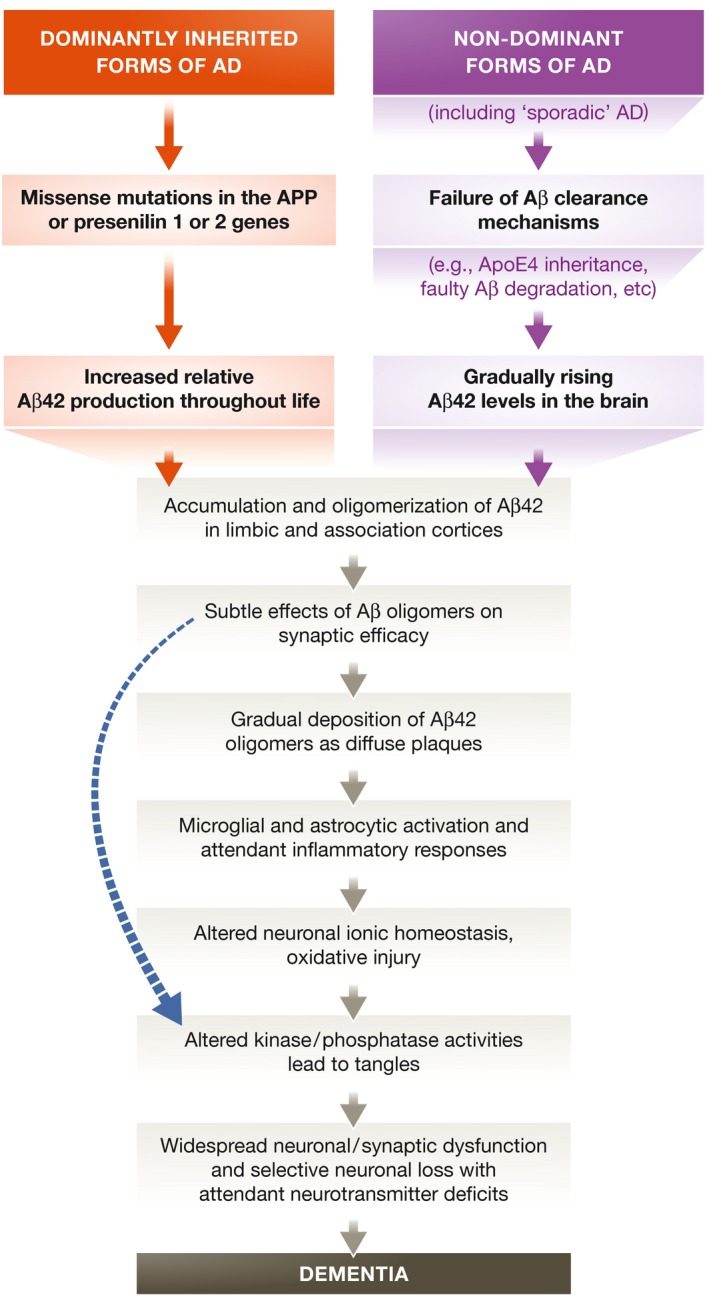
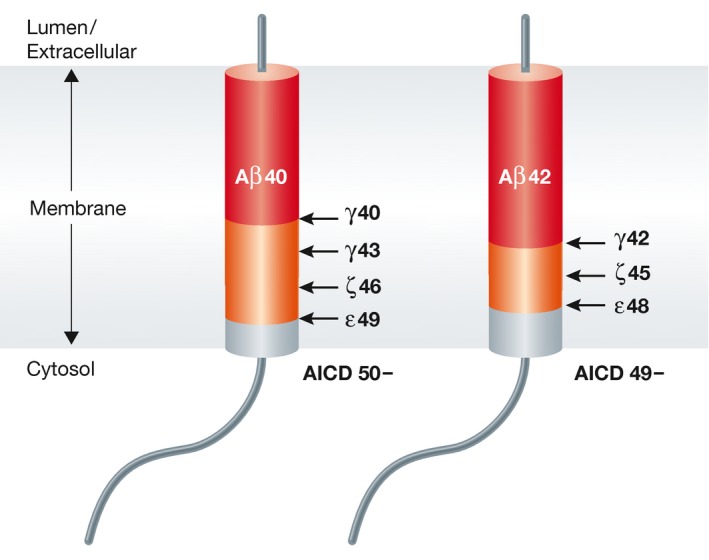
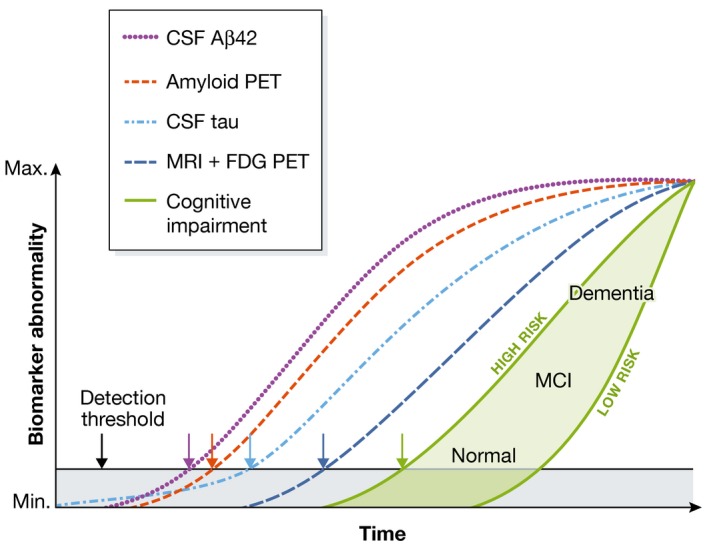
Despite continuing debate about the amyloid β-protein (or Aβ hypothesis, new lines of evidence from laboratories and clinics worldwide support the concept that an imbalance between production and clearance of Aβ42 and related Aβ peptides is a very early, often initiating factor in Alzheimer's disease (AD). Confirmation that presenilin is the catalytic site of γ-secretase has provided a linchpin: all dominant mutations causing early-onset AD occur either in the substrate (amyloid precursor protein, APP) or the protease (presenilin) of the reaction that generates Aβ. Duplication of the wild-type APP gene in Down's syndrome leads to Aβ deposits in the teens, followed by microgliosis, astrocytosis, and neurofibrillary tangles typical of AD Apolipoprotein E4, which predisposes to AD in > 40% of cases, has been found to impair Aβ clearance from the brain. Soluble oligomers of Aβ42 isolated from AD patients' brains can decrease synapse number, inhibit long-term potentiation, and enhance long-term synaptic depression in rodent hippocampus, and injecting them into healthy rats impairs memory. The human oligomers also induce hyperphosphorylation of tau at AD-relevant epitopes and cause neuritic dystrophy in cultured neurons. Crossing human APP with human tau transgenic mice enhances tau-positive neurotoxicity. In humans, new studies show that low cerebrospinal fluid (CSF) Aβ42 and amyloid-PET positivity precede other AD manifestations by many years. Most importantly, recent trials of three different Aβ antibodies (solanezumab, crenezumab, and aducanumab) have suggested a slowing of cognitive decline in post hoc analyses of mild AD subjects. Although many factors contribute to AD pathogenesis, Aβ dyshomeostasis has emerged as the most extensively validated and compelling therapeutic target.
Overview
The claims and statistics of this paper haven’t been checked yet.
Free: it reads the open-access text and checks the first 5 claims that cite a source we can check. Create a free account to check every claim.
Integrity signals
Registry
Cites
Statistics
Figures
Verification
Claims the paper makes
The claims and statistics of this paper haven’t been checked yet.
Free: it reads the open-access text and checks the first 5 claims that cite a source we can check. Create a free account to check every claim.
Claims other papers make about this one
Each is checked against this paper’s own text: does it say what the citing paper says it does?
The source backs part of the claim, not all of it — or backs it for a different population, condition or comparison.
In the citing paper
“Oxidative stress, mitochondrial dysfunction, astrocytic and microglial activation, membrane perturbation, and loss of ionic homeostasis are, at the cellular level, some of the events downstream the Aβ1-42 aggregation and accumulation (Selkoe and Hardy, 2016).”
From Exploring the Therapeutic Potential of Phytochemicals in Alzheimer’s Disease: Focus on Polyphenols and Monoterpenes (2022) · cites this paper as Selkoe and Hardy, 2016
Experimental — accuracy not yet measuredThe source backs part of the claim, not all of it — or backs it for a different population, condition or comparison.
In the citing paper
“Elevated levels of oligomers have been associated with AD, as they are found in AD brains and are considered the most toxic and pathogenic form of Aβ [4,5,6,7,18].”
From Treatment of Alzheimer’s Disease: Beyond Symptomatic Therapies (2023) · cites this paper as [4]
Experimental — accuracy not yet measuredThe source backs part of the claim, not all of it — or backs it for a different population, condition or comparison.
In the citing paper
“Synaptic dysfunction and synapse loss are key hallmarks of AD, present in the early stages of the disease before clinical symptoms appear [79,86,156].”
From Role of Oxidative Damage in Alzheimer’s Disease and Neurodegeneration: From Pathogenic Mechanisms to Biomarker Discovery (2021) · cites this paper as [79]
Experimental — accuracy not yet measuredThe source backs part of the claim, not all of it — or backs it for a different population, condition or comparison.
In the citing paper
“Moreover, the evidence from a failure of reversal of cognitive declines in amyloid-targeting drug trials supports this assumption; for example, patients with AD in whose brains Aβ plaques were virtually cleared by anti-amyloid immunotherapy did not show cognitive benefit [62].”
From Clinical trials of new drugs for Alzheimer disease (2020) · cites this paper as [62]
Experimental — accuracy not yet measuredThe source backs part of the claim, not all of it — or backs it for a different population, condition or comparison.
In the citing paper
“Early-stage AD is characterized primarily by the accumulation of Aβ plaques and subtle synaptic dysfunction, whereas late-stage AD involves extensive neurodegeneration, widespread neuroinflammation, and pronounced BBB disruption [157, 158].”
From Targeted Nanoparticles for Drug Delivery Across the Blood–Brain Barrier in Early and Late Stages of Alzheimer's Disease: A Review (2026) · cites this paper as [157]
Experimental — accuracy not yet measured
26 more claims about this paper
Create a free account to see every claim other papers make about this one.
Self-check
Percentages, sums and reported differences re-computed from the paper’s own numbers.
The self-check needs the paper’s full text.
Citations
Cites
Neuropathological stageing of Alzheimer-related changes.
Braak, H., & Braak, E. (1991) · Acta Neuropathologica · doi:10.1007/bf00308809 · Cited by 16,123 · cited 1×
“An elegant histopathological staging system created by Braak and Braak (1991) is now widely used to establish the severity of AD neuropathology.”
MethodThe Amyloid Hypothesis of Alzheimer’s Disease: Progress and Problems on the Road to Therapeutics
Hardy, J., & Selkoe, D. J. (2002) · Science · doi:10.1126/science.1072994 · Cited by 13,864
Self-citationAmyloid oligomers exacerbate tau pathology in a mouse model of tauopathy
Selenica, M.-L. B., Brownlow, M., Jimenez, J. P., Lee, D. C., Pena, G., Dickey, C. A., Gordon, M. N., & Morgan, D. (2013) · Neurodegenerative Diseases · doi:10.1159/000337230 · Cited by 10,359
Corder, E. H., Saunders, A. M., Strittmatter, W. J., Schmechel, D. E., Gaskell, P. C., Small, G. W., Roses, A. D., Haines, J. L., & Pericak-Vance, M. A. (1993) · Science · doi:10.1126/science.8346443 · Cited by 9,429 · cited 1×
“Cell biology of new AD risk genes Although the importance of ApoE4 as the major risk factor for AD was discovered in 1993 (Corder et al, 1993), it is only since the advent of genomewide association studies and, more recently, exome and genome sequencing that other risk loci for late-onset disease…”
BackgroundAlzheimer's disease: the amyloid cascade hypothesis
Hardy, J. A., & Higgins, G. A. (1992) · Science · doi:10.1126/science.1566067 · Cited by 7,484 · cited 2×
“The amyloid (or Ab) hypothesis (Beyreuther & Masters, 1991; Hardy & Allsop, 1991; Selkoe, 1991; Hardy & Higgins, 1992) has become the dominant model of AD pathogenesis and is guiding the development of potential treatments.”
BackgroundSelf-citationGlenner, G. G., & Wong, C. W. (1984) · Biochemical and Biophysical Research Communications · doi:10.1016/s0006-291x(84)80190-4 · Cited by 5,404
Imaging brain amyloid in Alzheimer's disease with Pittsburgh Compound‐B
Klunk, W. E., Engler, H., Nordberg, A., Wang, Y., Blomqvist, G., Holt, D. P., Bergström, M., Savitcheva, I., Huang, G., Estrada, S., et al. (2004) · Annals of Neurology · doi:10.1002/ana.20009 · Cited by 4,496 · cited 1×
“…fibrillar amyloid burden (but not yet soluble Ab oligomers) by PET scanning, initially with the thioflavin T derivative, Pittsburgh compound B (Klunk et al, 2004); and (iii) the ability to analyze APP metabolism in healthy and diseased humans by quantifying heavy isotope-labeled Ab peptides…”
BackgroundJack, C. R., Knopman, D. S., Jagust, W. J., Petersen, R. C., Weiner, M. W., Aisen, P. S., Shaw, L. M., Vemuri, P., Wiste, H. J., Weigand, S. D., et al. (2013) · The Lancet Neurology · doi:10.1016/s1474-4422(12)70291-0 · Cited by 4,396
Meta-Analysis of 74,046 Individuals Identifies 11 New Susceptibility Loci for Alzheimer’s Disease
(EADI), E. A. D. I., Lambert, J.-C., (GERAD), G. A. E. R. I. A. D., Alzheimer's Disease Genetic Consortium (ADGC), (CHARGE), C. F. H. A. A. R. I. G. E., Ibrahim-Verbaas, C. A., Harold, D., Naj, A. C., Sims, R., Bellenguez, C., et al. (2013) · Nature Genetics · doi:10.1038/ng.2802 · Cited by 4,336 · cited 2×
“This category includes SORL1, BIN1, and PICALM (Rogaeva et al, 2007; Lambert et al, 2013; Zhao et al, 2015).”
BackgroundSelf-citationCorrelative Memory Deficits, Aβ Elevation, and Amyloid Plaques in Transgenic Mice
Hsiao, K., Chapman, P., Nilsen, S., Eckman, C., Harigaya, Y., Younkin, S., Yang, F., & Cole, G. (1996) · Science · doi:10.1126/science.274.5284.99 · Cited by 4,210 · cited 1×
“Early APP mouse models (e.g. Games et al, 1995; Hsiao et al, 1996) suffered from reliance on high transgene expression to drive plaque deposition and from a lack of tangle cytopathology and neuronal death.”
Background
Research works printed but not linked: 3
- Cummings J, Cho W, Ward M, Friesenhahn M, Brunstein F, Honigberg L, Clayton D, Mortensen D, Ho C, Paul R (2014) paper presented at the Alzheimer's Association International Conference (AAIC), Copenhagen, Denmark, 16 July 2014
- Mann DMA, Yuonis N, Jones D, Stoddart DW (1992) The time course of pathological events in Down's Syndrome with particular reference to the involvement of microglial cells and deposits of b/A4. Neurodegeneration 1: 201– 215
- Sevigny J, Chiao P, Williams L, Miao X, O'Gorman J (2015) Randomized, double‐blind Phase 1B study of BIIB037, an anti‐amyloid beta monoclonal antibody, in patients with prodromal or mild Alzheimer's disease. Neurogener Dis 15(Suppl 1): 311
Cited by
Items 1,101–1,163 of 1,163
Fitzgerald, G. S., Chuchta, T. G., & McNay, E. C. (2023) · CNS Neuroscience & Therapeutics · doi:10.1111/cns.14160 · Cited by 22
Alzheimer’s disease: from early pathogenesis to novel therapeutic approaches
Prajapati, S. K., Pathak, A., & Samaiya, P. K. (2024) · Metabolic Brain Disease · doi:10.1007/s11011-024-01389-6 · Cited by 21
“Mutations in this gene caused excessive deposition of Aβ, which led to plaque formation (Selkoe and Hardy 2016).”
Spatiotemporal processing of neural cell adhesion molecules 1 and 2 by BACE1 in vivo
Kim, W., Watanabe, H., Lomoio, S., & Tesco, G. (2021) · Journal of Biological Chemistry · doi:10.1016/j.jbc.2021.100372 · Cited by 21
“Intriguingly, impaired LTP in CA1 of NCAM1 KO mice could be restored by application of PSA only (100 μg/ml) or soluble PSA-NCAM1, but not by high concentration of PSA (300 μg/ml) or non-PSA NCAM1, suggesting that (1) LTP in CA1 is PSA-dependent and that (2) there is optimal PSA concentration for normal LPT in CA1 (95).”
BackgroundWhat have we learnt from past failures in Alzheimer’s disease drug discovery?
Cacabelos, R. (2022) · Expert Opinion on Drug Discovery · doi:10.1080/17460441.2022.2033724 · Cited by 22
“a novel line of therapeutic intervention [12,13].”
BackgroundApolipoprotein E Facilitates Amyloid-β Oligomer-Induced Tau Phosphorylation
Hou, T.-T., Han, Y.-D., Cong, L., Liu, C.-C., Liang, X.-Y., Xue, F.-Z., & Du, Y.-F. (2020) · Journal of Alzheimer’s Disease · doi:10.3233/jad-190711 · Cited by 20
“The accumulation of A (cid:2) oligomer (A (cid:2) O), which can cause tau hyperphosphorylation and neuroinflammation, is now thought to be the trigger event that induces AD [2].”
Holdridge, K. C., Yaari, R., Hoban, D. B., Andersen, S., & Sims, J. R. (2023) · Alzheimer's & Dementia · doi:10.1002/alz.13031 · Cited by 19
Amyloid-β predominant Alzheimer’s disease neuropathologic change
Kovacs, G. G., Katsumata, Y., Wu, X., Aung, K. Z., Fardo, D. W., Forrest, S. L., Alzheimer's Disease Genetics Consortium, Bowen, J. D., Crane, P. K., Jarvik, G. P., et al. (2025) · Brain · doi:10.1093/brain/awae325 · Cited by 19
Self-citationSearching for new pharmacological targets for the treatment of Alzheimer's disease in Down syndrome
Caraci, F., Iulita, M. F., Pentz, R., Flores Aguilar, L., Orciani, C., Barone, C., Romano, C., Drago, F., & Cuello, A. C. (2017) · European Journal of Pharmacology · doi:10.1016/j.ejphar.2017.10.004 · Cited by 18
Sushma, Sahu, M. R., Murugan, N. A., & Mondal, A. C. (2024) · Molecular Nutrition & Food Research · doi:10.1002/mnfr.202300245 · Cited by 17
Membrane damage is at the core of Alzheimer's disease
Hardy, J. (2017) · The Lancet Neurology · doi:10.1016/s1474-4422(17)30091-1 · Cited by 18
Self-citationAn Association of Pathogens and Biofilms with Alzheimer’s Disease
Chakravarthi, S. T., & Joshi, S. G. (2021) · Microorganisms · doi:10.3390/microorganisms10010056 · Cited by 18
“Candida albicans (and other fungal species) Fungal microtubules present in brain tissue and cytoplasm of neurons [4]; DNA and polysaccharides present in AD brain tissue [3] Tau increased in neurons with fungal structures [5]; Aβ formed in blood vessels with fungal hyphae present [5] Fungi increases tau hyperphosphoryl…”
BackgroundInfluentialTowards cascading genetic risk in Alzheimer’s disease
Altmann, A., Aksman, L. M., Oxtoby, N. P., Young, A. L., ADNI, Weiner, M., Aisen, P., Petersen, R., Weiner, M., Aisen, P., et al. (2024) · Brain · doi:10.1093/brain/awae176 · Cited by 18
Self-citationChebli, J., Rahmati, M., Lashley, T., Edeman, B., Oldfors, A., Zetterberg, H., & Abramsson, A. (2021) · Scientific Reports · doi:10.1038/s41598-021-98487-7 · Cited by 17
Neurexin‐β mediates the synaptogenic activity of amyloid precursor protein
Cvetkovska, V., Ge, Y., Xu, Q., Li, S., Zhang, P., & Craig, A. M. (2022) · The Journal of Neuroscience · doi:10.1523/jneurosci.0511-21.2022 · Cited by 17
Biosensing strategies for amyloid‐like protein aggregates
Zhou, Y., Yan, S., Dong, W., Wu, C., Zhao, Z., Wang, R., Duo, Y., Huang, Y., Xu, D., & Jiang, C. (2024) · BMEMat · doi:10.1002/bmm2.12053 · Cited by 16
Short RNA chaperones promote aggregation-resistant TDP-43 conformers to mitigate neurodegeneration
Copley, K. E., Mauna, J. C., Danielson, H. L., Chen, Q., Ozguney, B., Ngo, M., Xie, L., Smirnov, A., Davis, M., Mayne, L., et al. (2026) · Science · doi:10.1126/science.adv3301 · Cited by 16
Bocharova, O. V., Fisher, A., Pandit, N. P., Molesworth, K., Mychko, O., Scott, A. J., Makarava, N., Ritzel, R., & Baskakov, I. V. (2023) · Brain Pathology · doi:10.1111/bpa.13116 · Cited by 16
Kawabata, S. (2022) · Frontiers in Aging Neuroscience · doi:10.3389/fnagi.2022.913693 · Cited by 16
García‐González, L., Paumier, J., Louis, L., Pilat, D., Bernard, A., Stephan, D., Jullien, N., Checler, F., Nivet, E., Khrestchatisky, M., et al. (2021) · The FASEB Journal · doi:10.1096/fj.202100593r · Cited by 16
Odorčić, I., Hamed, M. B., Lismont, S., Chávez-Gutiérrez, L., & Efremov, R. G. (2024) · Nature Communications · doi:10.1038/s41467-024-48776-2 · Cited by 15
Odorcic, I., Hamed Soliman, M. B., Lismont, S., Chávez-Gutiérrez, L., & Efremov, R. G. (2023) · doi:10.1101/2023.09.09.556900 · Cited by 15
Xiang, S., Wagner, J., Lückerath, T., Müllen, K., Ng, D. Y. W., Hedrich, J., & Weil, T. (2022) · Advanced Healthcare Materials · doi:10.1002/adhm.202101854 · Cited by 14
HMGCS2-Induced Autophagic Degradation of Tau Involves Ketone Body and ANKRD24
Hu, L.-T., Xie, X.-Y., Zhou, G.-F., Wen, Q.-X., Song, L., Luo, B., Deng, X.-J., Pan, Q.-L., & Chen, G.-J. (2023) · Journal of Alzheimer's Disease · doi:10.3233/jad-220640 · Cited by 14
“The hyperphosphorylated Tau (pTau) not only impairs microtubule stability, but also interferes with normal nuclear-cytoplasmic transport [7, 8], contributing to the formation of NFTs, neurodegeneration and cognitive dysfunctions [5, 9].”
Wang, T., Liu, X., Wang, X., Hua, F., & Yan, L. (2026) · Frontiers in Immunology · doi:10.3389/fimmu.2026.1739875 · Cited by 14
“While the amyloid hypothesis remains in fl uential (38), its limitations have become increasingly apparent, with TREM2-mediated neuroimmune dysfunction now recognized as a signi fi cant contributor to AD pathogenesis (39).”
Self-Fluorescent Lone Tryptophan Nanoparticles as Theranostic Agents Against Alzheimer’s Disease
Sharma, M., Tiwari, V., Chaturvedi, S., Wahajuddin, M., Shukla, S., & Panda, J. J. (2022) · ACS Applied Materials & Interfaces · doi:10.1021/acsami.2c01090 · Cited by 14
Amyloid-β Impairs Vesicular Secretion in Neuronal and Astrocyte Peptidergic Transmission
Plá, V., Barranco, N., Pozas, E., & Aguado, F. (2017) · Frontiers in Molecular Neuroscience · doi:10.3389/fnmol.2017.00202 · Cited by 13
“However, neuritic plaques and neurofibrillary tangles are only weakly correlated with the degree of dementia in AD patients (Selkoe and Hardy, 2016).”
BackgroundA Chronological Review of Potential Disease-Modifying Therapeutic Strategies for Alzheimer’s Disease
Ettcheto, M., Busquets, O., Espinosa-Jiménez, T., Verdaguer, E., Auladell, C., & Camins, A. (2020) · Current Pharmaceutical Design · doi:10.2174/1381612826666200211121416 · Cited by 13
Cusulin, C., Wells, I., Badillo, S., Duran-Pacheco, G. C., Baumann, K., & Patsch, C. (2019) · Molecular and Cellular Neuroscience · doi:10.1016/j.mcn.2019.103392 · Cited by 13
Supasitthumrong, T., Tunvirachaisakul, C., Aniwattanapong, D., Tangwongchai, S., Chuchuen, P., Tawankanjanachot, I., Snabboon, T., Hemrungrojn, S., Carvalho, A. F., & Maes, M. (2019) · Journal of Alzheimer’s Disease · doi:10.3233/jad-190114 · Cited by 13
“This progressive neurocognitive deterioration appears to be associated with the accumulation of amyloid plaques and tau protein in the brain, which are well known neurobiological correlates of AD [6, 7].”
Transsynaptic Signaling of Ephs in Synaptic Development, Plasticity, and Disease
Washburn, H. R., Chander, P., Srikanth, K. D., & Dalva, M. B. (2023) · Neuroscience · doi:10.1016/j.neuroscience.2022.11.030 · Cited by 13
Pathfinder: Protein folding pathway prediction based on conformational sampling
Huang, Z., Cui, X., Xia, Y., Zhao, K., & Zhang, G. (2023) · PLOS Computational Biology · doi:10.1371/journal.pcbi.1011438 · Cited by 13
“Many pathological conditions are also fundamentally rooted in the misfolding, aggregation, and accumulation that occurs in protein folding [15], such as Alzheimer’s disease [16], Parkinson’s disease [17], and other diseases.”
BackgroundSun, H., Gao, X., Niu, J., Chen, P., He, S., Xu, S., & Ge, J. (2024) · eneuro · doi:10.1523/eneuro.0310-24.2024 · Cited by 12
“…have shown that A β aggregation and excessive phosphorylation of tau can impair microtubule stability, thereby affecting axonal transport, leading to neuronal degeneration and synaptic loss, and exacerbating the progression of cognitive impairment in AD (Selkoe and Hardy, 2016; Jack et al., 2018).”
Increased Insoluble Amyloid-β Induces Negligible Cognitive Deficits in Old AppNL/NL Knock-In Mice
Salas, I. H., Callaerts-Vegh, Z., D’Hooge, R., Saido, T. C., Dotti, C. G., & De Strooper, B. (2018) · Journal of Alzheimer's Disease · doi:10.3233/jad-180410 · Cited by 12
“The latter are mainly composed by aggregation of amyloid- (A ) peptides, produced by a proteolytic cleavage of the amyloid- protein precursor (A PP) by - and -secretases [2].”
BackgroundPharmacotherapeutic combinations for the treatment of Alzheimer’s disease.
Nagata, T., Shinagawa, S., Nakajima, S., Noda, Y., & Mimura, M. (2022) · Expert Opinion on Pharmacotherapy · doi:10.1080/14656566.2022.2042514 · Cited by 11
“neurodegenerative propagation (neuronal loss and synaptic loss) in animal models and cellular systems [9].”
BackgroundHossain, M. M., Adhikari, J., Dutta, A., Khandaker, A., Islam, S., Rahman, M. M., & Shibly, A. Z. (2025) · PLOS One · doi:10.1371/journal.pone.0331339 · Cited by 11
“Neuro-pathologically, it is defined by the extracellular accumulation of amyloid-beta (A β ) plaques and intracellular neurofibrillary tangles composed of hyperphosphorylated tau protein [3].”
Chronic PPARγ Stimulation Shifts Amyloidosis to Higher Fibrillarity but Improves Cognition
Blume, T., Deussing, M., Biechele, G., Peters, F., Zott, B., Schmidt, C., Franzmeier, N., Wind, K., Eckenweber, F., Sacher, C., et al. (2022) · Frontiers in Aging Neuroscience · doi:10.3389/fnagi.2022.854031 · Cited by 10
Murakami, R., Watanabe, H., Hashimoto, H., Kashiwagi-Hakozaki, M., Hashimoto, T., Karch, C. M., the Dominantly Inherited Alzheimer Network (DIAN), Iwatsubo, T., & Okano, H. (2024) · The Journal of Neuroscience · doi:10.1523/jneurosci.1709-23.2024 · Cited by 9
Dual Role of Phenyl Amides from Hempseed on BACE 1, PPARγ, and PGC-1α in N2a-APP Cells
Rea Martinez, J., Šelo, G., Fernández-Arche, M. Á., Bermudez, B., & García-Giménez, M. D. (2021) · Journal of Natural Products · doi:10.1021/acs.jnatprod.1c00435 · Cited by 9
(2024) · doi:10.1098/rsob.240185 · Cited by 9
Ellis, C., Ward, N. L., Rice, M., Ball, N. J., Walle, P., Najdek, C., Kilinc, D., Lambert, J.-C., Chapuis, J., & Goult, B. T. (2024) · doi:10.1101/2024.03.04.583202 · Cited by 9
Microglia produce the amyloidogenic ABri peptide in familial British dementia
Arber, C., Casey, J. M., Crawford, S., Rambarack, N., Yaman, U., Wiethoff, S., Augustin, E., Piers, T. M., Rostagno, A., Ghiso, J., et al. (2023) · doi:10.1101/2023.06.27.546552 · Cited by 9
Self-citationHovde, M. J., Maaser‐Hecker, A., Bae, J., & Tanzi, R. E. (2025) · Alzheimer's & Dementia · doi:10.1002/alz.70879 · Cited by 8
Neuroglia in neurodegeneration: Alzheimer, Parkinson, and Huntington disease
Lim, D., Matute, C., Cavaliere, F., & Verkhratsky, A. (2025) · Handbook of Clinical Neurology · doi:10.1016/b978-0-443-19102-2.00012-0 · Cited by 8
Hovde, M. J., Maaser-Hecker, A., & Tanzi, R. E. (2025) · doi:10.1101/2025.06.12.659424 · Cited by 8
“Triggering Receptor Expressed on Myeloid Cells 2 (TREM2) has been shown to enhance phagocytosis of cholesterol-rich substances such as myelin and cell membrane debris.”
Cognitive go/No-go decision-making criteria in Alzheimer’s disease drug development
Wessels, A. M., Edgar, C. J., Nathan, P. J., Siemers, E. R., Maruff, P., & Harrison, J. (2021) · Drug Discovery Today · doi:10.1016/j.drudis.2021.01.012 · Cited by 7
Inhibition of HDAC6 expression decreases brain injury induced by APOE4 and Aβ co‑aggregation in rats
Ding, Y., Kang, A., Tang, Q., & Zhao, Y. (2019) · Molecular Medicine Reports · doi:10.3892/mmr.2019.10571 · Cited by 7
“aβ is mainly concentrated in the cerebral cortex and in the hippocampus (2).”
BackgroundWhat the gantenerumab trials teach us about Alzheimer's treatment
Schneider, L. S. (2023) · New England Journal of Medicine · doi:10.1056/nejme2310903 · Cited by 6
Comprehensive characterization of the transcriptional landscape in Alzheimer’s disease (AD) brains
Chen, C., Zhang, Z., Liu, Y., Hong, W., Karahan, H., Wang, J., Li, W., Diao, L., Yu, M., Saykin, A. J., et al. (2025) · Science Advances · doi:10.1126/sciadv.adn1927 · Cited by 12
Yin, W., Cerda-Hernández, N., Castillo-Morales, A., Ruiz-Tejada-Segura, M. L., Monzón-Sandoval, J., Moreno-Castilla, P., Pérez-Ortega, R., Bermudez-Rattoni, F., Urrutia, A. O., & Gutiérrez, H. (2020) · Frontiers in Neuroscience · doi:10.3389/fnins.2020.602642 · Cited by 5
“This model is also one of the few models that has been shown to develop both Aβ plaques and NFT as well as wellknown neurochemical hallmarks such as gradual dysfunction of the cholinergic and dopaminergic systems; both believed to contribute to the age-related cognitive decline in AD (GuzmánRamos et al., 2012b; Do et…”
BackgroundMethodJury‐Garfe, N., Chimal‐Juárez, E., Patel, H., Martinez‐Pinto, J., Vanderbosch, K., Mardones, M. D., Perkins, A., Prisco, G. V. D., Marambio, Y., Vidal, R., et al. (2025) · Alzheimer's & Dementia · doi:10.1002/alz.70238 · Cited by 5
(2022) · doi:10.1101/2022.11.12.22282082 · Cited by 4
Covalent fragment inhibits intramembrane proteolysis
Eden, A., Zhao, J., Xiao, Y., Gibson, J., & Wang, C. (2022) · Frontiers in Molecular Biosciences · doi:10.3389/fmolb.2022.958399 · Cited by 3
“Senile plaques, also called amyloid plaques, are mainly composed of extracellular aggregates of amyloid β-peptides (Aβs); and it has been hypothesized that these plaques initiate a pathological cascade resulting in cognitive decline (Selkoe, 2001; Selkoe and Hardy, 2016).”
BackgroundCoulon, A., Rabiller, F., Takalo, M., Roy, A., Pelletier, A., Martiskainen, H., Siedlecki-Wullich, D., Lannette-Weimann, N., Majerníková, N., Grenon, A., et al. (2024) · doi:10.1101/2024.04.29.591575 · Cited by 3
Self-citationYu, Y., Fedele, G., Celardo, I., Zhou, L., Zhi Tan, B. W., Loh, S. H. Y., & Martins, L. M. (2025) · doi:10.1101/2025.02.26.640405 · Cited by 3
“AD is associated with increased Aβ aggregation in the brain (Selkoe, 1991; Selkoe and Hardy, 2016).”
Alzheimer Disease: A New Beginning in Therapeutics
Honig, L. S. (2023) · Alzheimer Disease & Associated Disorders · doi:10.1097/wad.0000000000000592 · Cited by 2
Chen, J., Han, X., Liu, Z., Zhou, C., Hu, R., Tabassam, S., Wyatt-Johnson, S. K., Oblak, A. L., Brutkiewicz, R. R., Lin, M., et al. (2026) · IEEE Transactions on Biomedical Engineering · doi:10.1109/tbme.2025.3614233 · Cited by 2
Hebbian plasticity: The elusive missing link at the heart of Alzheimer’s disease pathogenesis?
Jeans, A. (2023) · Neural Regeneration Research · doi:10.4103/1673-5374.340402 · Cited by 1
“…AD pathology and clinical progression that it appears not to readily explain (Makin, 2018), its fundamental assertions that Aβ deposition is a critical early event, and that this somehow leads to the later recruitment of hyperphosphorylated tau, still appear to hold true (Selkoe and Hardy, 2016).”
Coulon, A., Rabiller, F., Takalo, M., Roy, A., Pelletier, A., Martiskainen, H., Siedlecki-Wullich, D., Lannette-Weimann, N., Majerníková, N., Grenon, A., et al. (2026) · Nature Genetics · doi:10.1038/s41588-026-02709-5 · Cited by 7
Self-citationTang, J.-Y., Tan, Q., Yu, Z.-Y., Yuan, Z.-Y., Zeng, R., Liu, X.-Y., Zhu, X.-Y., Zhao, Y., Li, J.-H., Bai, Y.-D., et al. (2026) · Neuron · doi:10.1016/j.neuron.2026.04.027 · Cited by 4
Reverse the progression of Alzheimer’s disease through Nano-ERASER-based adult neuroregeneration
Wang, M., VanderVeen, B., Xu, Z. A., Xu, Y., Mintzer, J., Murphy, A., Zhang, Q., & Xu, P. (2026) · Cell Biomaterials · doi:10.1016/j.celbio.2026.100575
NAD+ hydrolase Sarm1 is a key driver of synapse degeneration and memory loss in Alzheimer’s disease
Fan, F., Joshi, P., Liu, X., Kotturu, S. K., Abiola, M., Liu, Q., & Lou, X. (2025) · doi:10.64898/2025.12.21.695860
Frisch, C., Baker, L., Srinivasan, G., Mintah, A. E., Leyasi, S., Pedroza, M., Galyon, B., & Brafman, D. A. (2026) · Frontiers in Aging Neuroscience · doi:10.3389/fnagi.2026.1856154
“…a small subset is caused by autosomal-dominant AD (ADAD) mutations in presenilin 1 (PSEN1), presenilin 2 (PSEN2), and amyloid precursor protein (APP), leading to early-onset AD with hallmark amyloid plaques and neurofibrillary tangles (Bateman et al., 2011; Bird, 2008; Selkoe and Hardy, 2016).”
Cell-specific MicroRNA networks orchestrate the pathogenesis of Alzheimer’s disease
Donepudi, K., Eadha, S., Rodarte, D., Sharma, B., & Kumar, S. (2026) · Ageing Research Reviews · doi:10.1016/j.arr.2026.103211
Metadata
- Authors
- Selkoe, D. J., & Hardy, J.
- Affiliations
- Brigham and Women's Hospital (US)
- UCL Queen Square Institute of Neurology (GB)
- Corresponding author
- Hardy, John
- Venue
- EMBO Molecular Medicine
- Published
- 2016-03-29
- Volume
- 8
- Issue
- 6
- Pages
- 595-608
- ISSN
- 1757-4676 (ISSN-L)
- 1757-4684
- PMC
- PMC4888851
- OpenAlex
- W2329336071
- Cited by
- 6,164
- References
- 137
- Citations by year
- 2026: 553 · 2025: 637 · 2024: 656 · 2023: 658 · 2022: 679 · 2021: 734 · 2020: 728 · 2019: 533 · 2018: 500 · 2017: 388 · 2016: 92
- FWCI
- 59.19
- Type
- journal article
- Language
- en
- Open access
- gold
- doi.org
- Licence
- other-oa
- creativecommons.org/licenses/by/4.0/ (tdm)
- creativecommons.org/licenses/by/4.0/ (vor)
- Locations
- EMBO Molecular Medicine (publishedVersion, other-oa)
- PubMed Central (publishedVersion, cc-by)
- PubMed (publishedVersion)
- Digital Access to Scholarship at Harvard (DASH) (Harvard University) (submittedVersion, cc-by)
- DOAJ (DOAJ: Directory of Open Access Journals) (submittedVersion)
- Funders
- National Institute on Aging (AG06173, AG015379)
- MRC
- ARUK
- Wellcome Trust
- Topics
- Life Sciences › Neuroscience › Cellular and Molecular Neuroscience › Alzheimer's disease research and treatments
- Health Sciences › Medicine › Psychiatry and Mental health › Dementia and Cognitive Impairment Research
- Life Sciences › Neuroscience › Neurology › Neuroinflammation and Neurodegeneration Mechanisms
- Keywords
- Alzheimer's disease, amyloid hypothesis, amyloid-beta, amyloid-beta 42, amyloid precursor protein, presenilin, gamma-secretase, Down syndrome, APOE ε4, amyloid-beta oligomers, tau hyperphosphorylation, amyloid PET, cerebrospinal fluid biomarkers, anti-amyloid antibodies, solanezumab, crenezumab, aducanumab, amyloid clearance, neurofibrillary tangles, synaptic dysfunction
- MeSH terms
- Alzheimer Disease, Animals, Brain, Humans, Mice, Transgenic, Amyloid beta-Peptides, Amyloid beta-Protein Precursor, Rats, Presenilins
About these checks
Registry, retraction, Cites and statistics results are computed, not judged, with one exception: a printed reference that no index lists is read once by a model before it counts as a citation error. Claims are extracted by a model and kept only when their quote appears verbatim in the text; each cited source is then checked, with a model’s help, for whether it says what the claim relies on. Those verdicts can be wrong — read the claim’s quote and the cited source before relying on one.
Statistics and arithmetic are recomputed, not judged.
Confidence bands are shown only for fields calibrated on our annotated test set. None is calibrated yet, so no band is shown.
What counts as a claim ›How we measure confidence ›How we check this ›
Are you an author, or do you see a problem with this page? Request a review
Data sources
Bibliographic data: Semantic Scholar, OpenAlex, Crossref.
Contains information from the Semantic Scholar Academic Graph Datasets, made available under the ODC Attribution License (ODC-BY 1.0).
Semantic Scholar’s data is described in: Kinney, R., et al. (2023). The Semantic Scholar Open Data Platform. arXiv:2301.10140.
