

The DOI matches its Crossref record; 37 of the 37 references it cites were found in a registry or an index.
Prevalence and characteristics of autism spectrum disorder among children aged 8 years—Autism and Developmental Disabilities Monitoring Network, 11 sites, United States, 2018.
Open accessAbstract
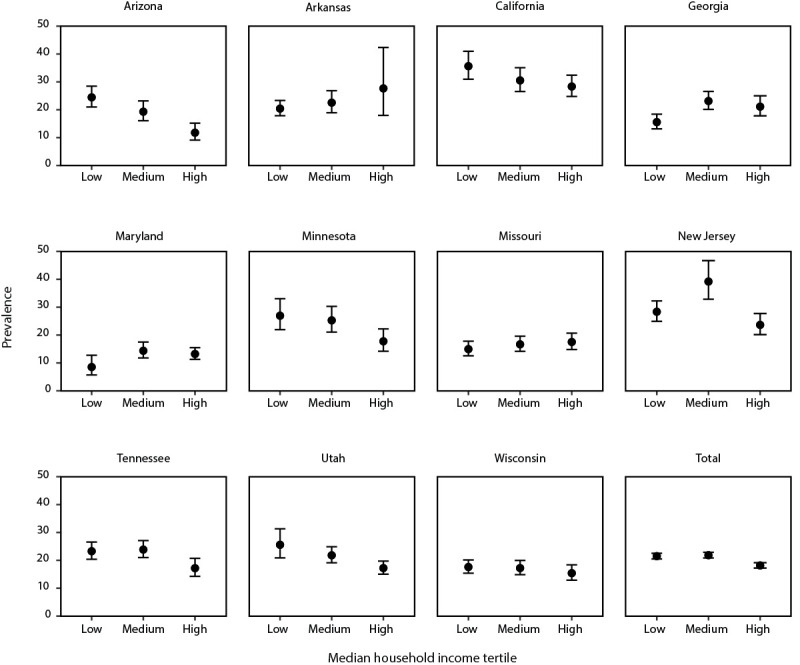
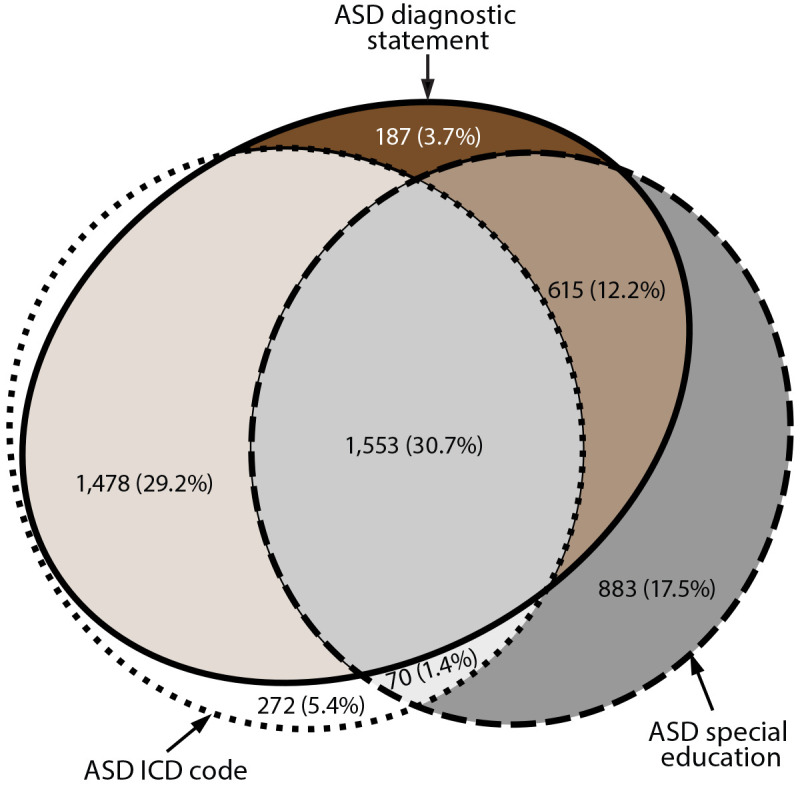
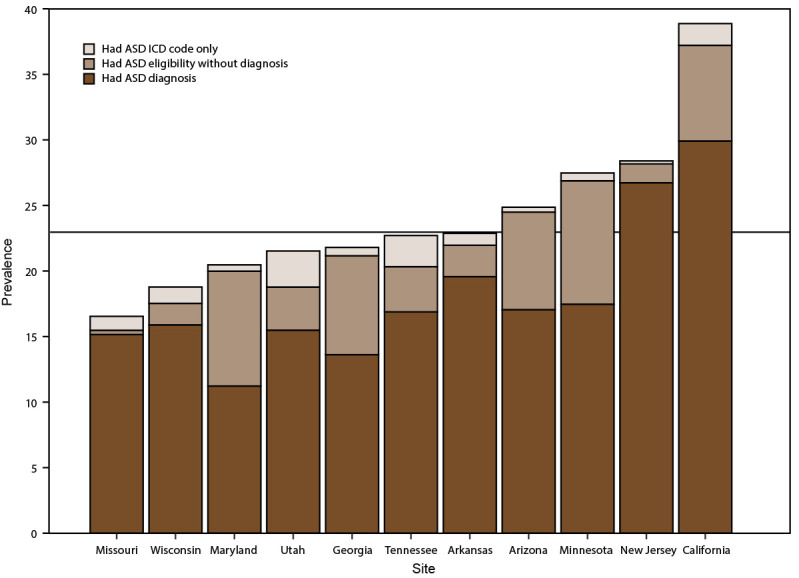
PROBLEM/CONDITION: Autism spectrum disorder (ASD). PERIOD COVERED: 2018. DESCRIPTION OF SYSTEM: The Autism and Developmental Disabilities Monitoring (ADDM) Network conducts active surveillance of ASD. This report focuses on the prevalence and characteristics of ASD among children aged 8 years in 2018 whose parents or guardians lived in 11 ADDM Network sites in the United States (Arizona, Arkansas, California, Georgia, Maryland, Minnesota, Missouri, New Jersey, Tennessee, Utah, and Wisconsin). To ascertain ASD among children aged 8 years, ADDM Network staff review and abstract developmental evaluations and records from community medical and educational service providers. In 2018, children met the case definition if their records documented 1) an ASD diagnostic statement in an evaluation (diagnosis), 2) a special education classification of ASD (eligibility), or 3) an ASD International Classification of Diseases (ICD) code. RESULTS: For 2018, across all 11 ADDM sites, ASD prevalence per 1,000 children aged 8 years ranged from 16.5 in Missouri to 38.9 in California. The overall ASD prevalence was 23.0 per 1,000 (one in 44) children aged 8 years, and ASD was 4.2 times as prevalent among boys as among girls. Overall ASD prevalence was similar across racial and ethnic groups, except American Indian/Alaska Native children had higher ASD prevalence than non-Hispanic White (White) children (29.0 versus 21.2 per 1,000 children aged 8 years). At multiple sites, Hispanic children had lower ASD prevalence than White children (Arizona, Arkansas, Georgia, and Utah), and non-Hispanic Black (Black) children (Georgia and Minnesota). The associations between ASD prevalence and neighborhood-level median household income varied by site. Among the 5,058 children who met the ASD case definition, 75.8% had a diagnostic statement of ASD in an evaluation, 18.8% had an ASD special education classification or eligibility and no ASD diagnostic statement, and 5.4% had an ASD ICD code only. ASD prevalence per 1,000 children aged 8 years that was based exclusively on documented ASD diagnostic statements was 17.4 overall (range: 11.2 in Maryland to 29.9 in California). The median age of earliest known ASD diagnosis ranged from 36 months in California to 63 months in Minnesota. Among the 3,007 children with ASD and data on cognitive ability, 35.2% were classified as having an intelligence quotient (IQ) score ≤70. The percentages of children with ASD with IQ scores ≤70 were 49.8%, 33.1%, and 29.7% among Black, Hispanic, and White children, respectively. Overall, children with ASD and IQ scores ≤70 had earlier median ages of ASD diagnosis than children with ASD and IQ scores >70 (44 versus 53 months). INTERPRETATION: In 2018, one in 44 children aged 8 years was estimated to have ASD, and prevalence and median age of identification varied widely across sites. Whereas overall ASD prevalence was similar by race and ethnicity, at certain sites Hispanic children were less likely to be identified as having ASD than White or Black children. The higher proportion of Black children compared with White and Hispanic children classified as having intellectual disability was consistent with previous findings. PUBLIC HEALTH ACTION: The variability in ASD prevalence and community ASD identification practices among children with different racial, ethnic, and geographical characteristics highlights the importance of research into the causes of that variability and strategies to provide equitable access to developmental evaluations and services. These findings also underscore the need for enhanced infrastructure for diagnostic, treatment, and support services to meet the needs of all children.
Overview
The claims and statistics of this paper haven’t been checked yet.
Run the check — free, no account needed. It reads the open-access text and checks the sources it cites.
Integrity signals
Registry
Cites
Statistics
Figures
Verification
Claims the paper makes
The claims and statistics of this paper haven’t been checked yet.
Run the check — free, no account needed. It reads the open-access text and checks the sources it cites.
Claims other papers make about this one
Each is checked against this paper’s own text: does it say what the citing paper says it does?
In the citing paper
“California has had the highest prevalence among children aged 4 years and 8 years since joining the ADDM Network in 2018 (6,10,11,13)”
In the citing paper
“Surveillance was conducted using the same surveillance methods and case definitions used in 2018 and 2020 (6,13).”
In the citing paper
“No evidence of heterogeneity of the male-to-female ratio among children aged 4 years across sites was observed; however, the overall male-to-female ratio for children aged 4 years was lower than the 4.2 male-to-female ratio for children aged 8 years (11).”
In the citing paper
“The site in California had the highest cumulative incidence of ASD by age 48 months and the fewest cases of suspected ASD and was the only site where prevalence among children aged 4 years was higher than among children aged 8 years (11).”
In the citing paper
“The combined prevalence of ASD and suspected ASD (19.7 per 1,000 children aged 4 years) was still lower than ASD prevalence observed among children aged 8 years (23.0 per 1,000 children aged 8 years) (11).”
In the citing paper
“Children with co-occurring intellectual disability are more likely to be identified earlier than children without intellectual disability, as indicated by an earlier median age at identification among this group (11) as well as the consistently higher proportion of children with intellectual disability at age 4 years (8,13) than at age 8 years (9,11,17).”
In the citing paper
“Consistent with findings among children aged 8 years (11), a higher proportion of Black children aged 4 years with ASD have co-occurring intellectual disability.”
In the citing paper
“The 2018 estimate for children aged 4 years was lower than the 23.0 per 1,000 ASD prevalence among children aged 8 years (11), a finding consistent with previous reports (8,13).”
In the citing paper
“Adding the children identified with ASD to those suspected of having ASD at age 4 years is still less than the prevalence of ASD by age 8 years at all sites except California (11).”
Self-check
Percentages, sums and reported differences re-computed from the paper’s own numbers.
The self-check needs the paper’s full text.
Citations
Cites
Diagnostic and Statistical Manual of Mental Disorders
American Psychiatric Association (2013) · doi:10.1176/appi.books.9780890425596 · Cited by 116,369
Baio, J., Wiggins, L., Christensen, D. L., Maenner, M. J., Daniels, J., Warren, Z., Kurzius-Spencer, M., Zahorodny, W., Robinson, C., Rosenberg, et al. (2018) · MMWR. Surveillance Summaries · doi:10.15585/mmwr.ss6706a1 · Cited by 6,078
Self-citationMaenner, M. J., Shaw, K. A., Baio, J., EdS1, Washington, A., Patrick, M., DiRienzo, M., Christensen, D. L., Wiggins, L. D., Pettygrove, S., et al. (2020) · MMWR. Surveillance Summaries · doi:10.15585/mmwr.ss6904a1 · Cited by 3,780 · cited 5×
“Recommended ICD codes were described previously (10).”
BackgroundMethodInfluentialSelf-citationLord, C., Elsabbagh, M., Baird, G., & Veenstra-Vanderweele, J. (2018) · The Lancet · doi:10.1016/s0140-6736(18)31129-2 · Cited by 2,819
Christensen, D. L., Baio, J., Braun, K. V. N., Bilder, D., Charles, J., Constantino, J. N., Daniels, J., Durkin, M. S., Fitzgerald, R. T., Kurzius-Spencer, M., et al. (2016) · MMWR. Surveillance Summaries · doi:10.15585/mmwr.ss6503a1 · Cited by 1,964
Self-citationPrevalence of Autism in a US Metropolitan Area
Yeargin-Allsopp, M., Rice, C., Karapurkar, T., Doernberg, N., Boyle, C., & Murphy, C. (2003) · JAMA · doi:10.1001/jama.289.1.49 · Cited by 1,248
Poverty and Child Health in the United States
Gitterman, B. A., Flanagan, P., Cotton, W. H., Dilley, K. J., Duffee, J. H., Green, A. E., Keane, V. A., Krugman, S., Linton, J. M., McKelvey, C. D., et al. (2016) · PEDIATRICS · doi:10.1542/peds.2016-0339 · Cited by 789
Research works printed but not linked: 1
- New Jersey Administrative Code. Title 6A, Chapter 14. https://www.state.nj.us/education/code/current/title6a/chap14.pdf
Cited by
Sorted by citations
Items 901–1,000 of 1,004
Li, S. N., Chien, W. T., Lam, S. K. K., Chong, Y. Y., & Gloster, A. T. (2026) · Journal of Autism and Developmental Disorders · doi:10.1007/s10803-024-06610-0 · Cited by 5
Behavioral Disorders in Young Children with Autism Spectrum Disorder
Huete, J. M., Jeglum, S. R., Schmidt, J. D., & López‐Arvizu, C. (2024) · Autism and child psychopathology series · doi:10.1007/978-3-031-64499-3_27 · Cited by 5
Ma, C., Chen, L., Li, M., Wu, D., Wang, S., Zhao, Y., Shi, J.-L., Rydell, P. J., Chen, J., & Wang, Y. (2022) · Frontiers in Pediatrics · doi:10.3389/fped.2022.831621 · Cited by 5
“The prevalence of ASD has been steadily increasing since the first epidemiological study of ASD, and the most recently reported estimate was approximately 1 in 44 children (2).”
BackgroundNarzisi, A., Alonso-Esteban, Y., Masi, G., & Alcantud-Marín, F. (2022) · Children · doi:10.3390/children9030430 · Cited by 5
“The rising prevalence of Autism Spectrum Disorders (ASD) [1] has led to a quickly increasing need for effective interventions.”
BackgroundRascon, N. A. (2022) · Frontiers in Communication · doi:10.3389/fcomm.2022.610012 · Cited by 5
Buro, A. W., Salinas‐Miranda, A., Marshall, J. T., Gray, H. L., & Kirby, R. S. (2022) · Childhood Obesity · doi:10.1089/chi.2021.0260 · Cited by 5
Guo, D., Yang, X., Gao, M., Chen, X., Tang, Y., Shen, L., Li, K., & Shi, L. (2022) · Cellular and Molecular Neurobiology · doi:10.1007/s10571-022-01233-4 · Cited by 6
PASS neurocognitive assessment of children with autism spectrum disorder
Otero, T. M., & Naglieri, J. A. (2022) · Psychology in the Schools · doi:10.1002/pits.22798 · Cited by 6
Strategies for capacity building in a low-resource setting: Stakeholders’ voices
Lee, J. D., Meadan, H., Oyunbaatar, E., & Amar, A. (2022) · Autism · doi:10.1177/13623613221127077 · Cited by 6
Transparent Learning from Demonstration for Robot-Mediated Therapy
Tyshka, A., & Louie, W.-Y. G. (2022) · IEEE RO-MAN · doi:10.1109/ro-man53752.2022.9900854 · Cited by 5
“Autism Spectrum Disorder (ASD) is one of the most prevalent developmental disabilities and studies estimate that 1 in 44 individuals are affected [1].”
BackgroundBlagrave, A. J., & Kemper, T. (2022) · Advances in Neurodevelopmental Disorders · doi:10.1007/s41252-022-00295-1 · Cited by 7
“This condition currently affects 1 out of 44 individuals in the USA, with each affected person expressing symptoms to varying degrees (Maenner et al., 2021).”
BackgroundAssociations Among Sex, Cognitive Ability, and Autism Symptoms in Individuals with Down Syndrome
Soriano, L. D. H., Sterling, A. M., Edgin, J. O., Hamilton, D. R., Berry‐Kravis, E., Nunnally, A. D., Thurman, A. J., & Abbeduto, L. (2022) · Journal of Autism and Developmental Disorders · doi:10.1007/s10803-022-05779-6 · Cited by 5
“…the co-del occurrence of autism among individuals with DS is currently estimated to be between 16% and 42% (DiGuiseppi et al., 2010; Nunnally et al., 2021; Oxelgren et al., 2017; Warner et al., 2017), which is much higher than the 2.3% observed in the general population (Maenner et al., 2021).”
InfluentialASSISTÊNCIA DE ENFERMAGEM A CRIANÇA COM TRANSTORNO DE ESPECTRO AUTISTA:
Conterno, J. R., Marchiorato, A. A. L., de Paulo, D. A. B., & Coutinho, D. (2022) · Varia Scientia - Ciências da Saúde · doi:10.48075/vscs.v8i2.28867 · Cited by 5
Hauck, J. L., & Felzer-Kim, I. T. (2023) · Journal of Physical Activity and Health · doi:10.1123/jpah.2022-0027 · Cited by 5
Bulkley, J. E., Varga, A. M., Dickerson, J. F., Crawford, P., Croen, L., Daida, Y. G., Fombonne, E. J., Hatch, B., Lee, A. M., Massolo, M. L., et al. (2023) · BMC Pediatrics · doi:10.1186/s12887-023-03893-7 · Cited by 5
“3%) can be classified as having ASD [12].”
BackgroundBrito, A., Franco, F. B., Brentani, H., & Beltrão-Braga, P. C. B. (2023) · BMC Psychiatry · doi:10.1186/s12888-023-04747-3 · Cited by 7
Zhang, C., Wang, F., Liu, Z., Guo, P., Liang, H., Tian, W., Yang, L., Shi, Y., Zou, M., & Wu, L. (2023) · New Journal of Chemistry · doi:10.1039/d3nj00575e · Cited by 5
Clarke, K. A., Siegel, M. S., & Williams, D. L. (2023) · American Journal of Speech-Language Pathology · doi:10.1044/2023_ajslp-23-00019 · Cited by 5
Morrier, M. J., Schwartz, A. J., Rice, C. E., Platner, A. K., Ousley, O., Kassem, S., Krishnan, A. V., Lord, C., Smith, C. J., & Oberleitner, R. (2023) · Journal of Autism and Developmental Disorders · doi:10.1007/s10803-023-06116-1 · Cited by 5
Comparison of molecular-dynamics calculations with observed initiation phenomena
Walker, F. E., Karo, A. M., & Hardy, J. R. (1981) · OSTI OAI (U.S. Department of Energy Office of Scientific and Technical Information) · Cited by 5
Epidemiologia do transtorno do espectro do autismo: rastreamento e prevalência na população
Ribeiro, T. C. (2022) · Digital Library of Theses and Dissertations (Universidade de São Paulo) · doi:10.11606/t.5.2022.tde-22092022-170809 · Cited by 33
Sex-Differential Neuroanatomy in Autism: A Shift Toward Male-Characteristic Brain Structure
Hernandez, L. M. (2023) · American Journal of Psychiatry · doi:10.1176/appi.ajp.20220939 · Cited by 5
Autism, Physical Health Conditions, and a Need for Reform
Weir, E. M. (2023) · Archives of Pediatrics and Adolescent Medicine · doi:10.1001/jamapediatrics.2022.5639 · Cited by 5
“13,14 A study from 2022 illustrated that for every 10 nonautistic people who endorsed the following statements, only 2 autistic people affirmed that they (1) could describe how their symptoms feel in their body, (2) could describe how their pain feels, (3) could explain what their symptoms are, (4) usually understand…”
BackgroundSex Differences in Mental Health Problems and Psychiatric Hospitalization in Autistic Young Adults
Andersson, P. S. G., Jarbin, H., & Boström, A. E. D. (2023) · JAMA Psychiatry · doi:10.1001/jamapsychiatry.2022.5152 · Cited by 5
Sharma, A., Pantalone, D. W., Kohn, B. H., Pereida, E. T., Nadwodny, N., & Faja, S. (2024) · Journal of Developmental & Behavioral Pediatrics · doi:10.1097/dbp.0000000000001293 · Cited by 4
Keehn, R. M., Paxton, A., Delaney, M. A., & Ciccarelli, M. R. (2024) · Journal of Developmental & Behavioral Pediatrics · doi:10.1097/dbp.0000000000001313 · Cited by 4
Podesta, L. M., & Bosman, A. M. T. (2025) · Emerging Adulthood · doi:10.1177/21676968251327246 · Cited by 4
Wu, R., Teng, X., Guo, Y., Cai, Y., Lv, Y., Gao, H., Zhang, W., Shen, H., & Fan, J. (2025) · Frontiers in Pediatrics · doi:10.3389/fped.2025.1648471 · Cited by 4
High-level classification based on meta-graph of visibility graphs for Autism detection
Filho, R. B. L., Silva, R. S., & Carneiro, M. G. (2025) · International Joint Conference on Neural Networks (IJCNN) · doi:10.1109/ijcnn64981.2025.11228714 · Cited by 4
“It is more prevalent in boys than in girls, with an estimated ratio of 4:1 [1].”
Quiñones‐Medina, E., Galleguillos, F., Parra, V., Arriagada, G., & Bustos, F. J. (2026) · Autism Research · doi:10.1002/aur.70186 · Cited by 5
“…(CDC) in the USA showed that the prevalence of ASD among children aged 8 years rose from 1 in 59 in 2014 (Baio et al. 2018) to 1 in 44 by 2018 (Maenner et al. 2021), to 1 in 36 by 2020 (Maenner et al. 2023), and further increased to 1 in 31 by 2022 in the most recent report (Shaw et al. 2025).”
Wang, Y., Lv, R., Jiang, Z. H. E. N. G. M., Liu, Y., Zhang, J., Zhao, Z., Liu, Y., Zheng, Y., Liu, B., Clauw, D., et al. (2026) · Molecular Psychiatry · doi:10.1038/s41380-026-03542-2 · Cited by 8
“Multiple gender-strati fi ed analyses consistently reveal elevated ASD risk in males, though potential diagnostic biases-including sex-based differences in clinical presentation and male-centric diagnostic frameworks-may contribute to systematic underdiagnosis of female cases [13 – 15].”
InfluentialRussell, L., Tinker, S. C., Shaw, K. A., Maenner, M. J., DiRienzo, M., Kirby, A. V., Howerton, E. M., Vanegas, S. B., & Lopez, M. L. C. (2026) · Journal of Autism and Developmental Disorders · doi:10.1007/s10803-026-07292-6 · Cited by 4
“This trend may reflect that children identified later tend to be less severely affected, often less likely to have co-occurring intellectual disabilities (Maenner et al., 2021, 2023).”
Self-citationYaylacı, F., & Güller, B. (2022) · International Journal of Developmental Disabilities · doi:10.1080/20473869.2022.2070419 · Cited by 4
Pazol, K., Tian, L. H., DiGuiseppi, C. G., Durkin, M. S., Fallin, M. D., Moody, E. J., Nadler, C. B., Powell, P. S., Reyes, N., Robinson, B., et al. (2023) · Journal of Developmental & Behavioral Pediatrics · doi:10.1097/dbp.0000000000001227 · Cited by 4
Self-citationNewman, J., Tong, X., Tan, A. W., Yeasky, T. M., de Paiva, V. N., Presicce, P., Kannan, P. S., Williams, K., Damianos, A., Newsam, M. T., et al. (2024) · Journal of Neuroinflammation · doi:10.1186/s12974-024-03012-y · Cited by 4
“The incidence of neurodevelopmental disorders is increasing among children, in part due to improved survival of at-risk newborns, such as extreme preterm infants [1, 2].”
BackgroundAlves, B. G. T., Capelli, J. D. C. S., Monteiro, L. S., Sperandio, N., de Oliveira, C. C., Viviani, A. G. G., Jevaux, G. D., & Paes, C. D. A. (2024) · Segurança Alimentar e Nutricional · doi:10.20396/san.v30i00.8673758 · Cited by 4
Robles, M., Ramos-Grille, I., Amaia Hervas, G., Duran‐Tauleria, E., Galiano-Landeira, J., Wormwood, J. B., Falter‐Wagner, C. M., & Chanes, L. (2024) · International Journal of Clinical and Health Psychology · doi:10.1016/j.ijchp.2024.100440 · Cited by 6
“Second, all the included participants were adults without an intellectual developmental disorder, although recent studies show that up to a third of the autistic population present differences in intellectual development (Maenner et al., 2021).”
BackgroundWinter, A. S., Yartel, A. K., Fountain, C., Cheslack‐Postava, K., Zhang, Y., Schieve, L. A., Kissin, D. M., & Bearman, P. (2024) · American Journal of Epidemiology · doi:10.1093/aje/kwae049 · Cited by 4
“3 N U Recent surveillance efforts estimate that autism spectrum disorder (ASD) occurs among 1 in 44 eight-year-old children in the United States, 5 with increases in identified prevalence over the past few decades.”
BackgroundEffects of Visual Cluttering in Virtual Reality on Visuomotor Integration in Autistic Individuals
Cheng, M., & Chukoskie, L. (2024) · ACM Symposium on Eye Tracking Research and Applications (ETRA) · doi:10.1145/3649902.3653008 · Cited by 4
“Autism is a prevalent neurodevelopmental disorder that affects 1 in 45 children [Maenner et al. 2021] and adults [Dietz et al. 2020] in the United States.”
BackgroundCatatonia responsive to corticosteroids in a patient with an SCN2A variant
Сенько, К. В., Saddoris, K. L., Baus, E., Soe, K. C., & Vaughn, S. E. (2024) · American Journal of Medical Genetics Part C Seminars in Medical Genetics · doi:10.1002/ajmg.c.32101 · Cited by 4
Knedlíková, L., Dědková, L., Kolář, S., Česká, K., Vyhnalová, M., Stroupková, L., Pejčochová, J., Theiner, P., Lacko, D., Horák, O., et al. (2024) · PLoS ONE · doi:10.1371/journal.pone.0313426 · Cited by 4
Fang, L., Wang, Z., Zhao, J., Wu, X., Wang, S., Gao, H., & Wu, D. (2024) · The Italian Journal of Pediatrics/Italian journal of pediatrics · doi:10.1186/s13052-024-01820-9 · Cited by 4
Benson, A. L., Colley, K. L., Prasad, J. J., Willis, C. M. G., & Powell-Rudy, T. (2024) · International Journal of Selection and Assessment · doi:10.1111/ijsa.12512 · Cited by 5
Song, C., Han, T., Hu, L., Shao, N., Wang, Z., Jin, Y., Chen, T., & Zhu, Z.-W. (2024) · Journal of Zhejiang University SCIENCE B · doi:10.1631/jzus.b2300310 · Cited by 4
“According to the monitoring data released in 2021 in the United States, the prevalence of ASD in children was as high as 2.27%; that is, one in 44 children had autism (Maenner et al., 2021).”
InfluentialIntervention Techniques Targeting Echolalia: A Scoping Review
Dinello, A., & Gladfelter, A. (2025) · American Journal of Speech-Language Pathology · doi:10.1044/2025_ajslp-24-00211 · Cited by 4
Xiang, A. H., Lin, J. C., Chow, T., Yu, X., Martinez, M. P., Chen, Z., Eckel, S. P., Schwartz, J. D., Lurmann, F., Kleeman, M. J., et al. (2025) · Environmental Research · doi:10.1016/j.envres.2025.121449 · Cited by 4
Rodrigues, D. L. G., da Frota, M. A., Malta, M. V. D. S., Maeyama, M. A., Padilha, F. V. D. Q., Miyauchi, A., Senra, V. D. S. G., Silva, A. F. M. D. A., Santos, D. M. S., Filho, E. D. D. C., et al. (2025) · Arquivos de Neuro-Psiquiatria · doi:10.1055/s-0045-1806733 · Cited by 4
Cultural adaptations in autism interventions: a systematic review
Gómez, L. R., Cummings, C. M., Brunsting, N. C., & Terol, A. K. (2025) · International Journal of Developmental Disabilities · doi:10.1080/20473869.2025.2511660 · Cited by 6
Current situation and influencing factors of Chinese children’s diagnosis delay in autism
Zhu, F.-L., Ji, Y., Wang, L., Xu, M., & Zou, X. (2025) · Journal of Neurodevelopmental Disorders · doi:10.1186/s11689-025-09636-2 · Cited by 4
“Autism is a neurodevelopmental condition characterized by social communication deficits, restricted interests, and repetitive behaviors, with a global prevalence of approximately 1–2% [1–3].”
Frye, R. E., Cohen, I. L., Sequeira, J. M., Hill, Z. R., Espinoza, A., Brown, W. T., Mevs, C., Marchi, E. J., Flory, M. J., Jenkins, E. C., et al. (2025) · International Journal of Molecular Sciences · doi:10.3390/ijms26178293 · Cited by 5
Different mediators of applied theory-of-mind competence in children with autism spectrum disorder
Yu, Y., Lin, C., Li, H., Tsai, C., & Chen, K. (2022) · Research in Developmental Disabilities · doi:10.1016/j.ridd.2022.104335 · Cited by 4
Liu, A., Cai, C., Wang, Z., Wang, B., He, J., Xie, Y., Deng, H., Liu, S., Zeng, S., Yin, Z., et al. (2022) · Metallomics · doi:10.1093/mtomcs/mfac091 · Cited by 4
Lee, B., Park, S., Kwon, H. J., Hwang, G. S., & Kim, M. (2023) · Frontiers in Neurology · doi:10.3389/fneur.2022.1017005 · Cited by 4
“3%) 8-year-old children had ASD in 2018 (2).”
BackgroundMethodInfluentialOtizm Farkındalık Ölçeğinin Geliştirilmesi: Geçerlik ve Güvenirlik Çalışması
Yazıcı, M. S., & Karsantık, İ. (2023) · Eğitim Bilimleri Dergisi · doi:10.15285/maruaebd.1189906 · Cited by 7
Predictive Analysis of Parent Activation and Autism
McGrew, J. H., Yu, Y., Ruble, L. A., & Murray, D. S. (2023) · Journal of Autism and Developmental Disorders · doi:10.1007/s10803-023-05985-w · Cited by 6
“Racial differences in autism diagnosis and service access have been well documented in the literature (e.g., Maenner et al., 2021; Smith et al., 2020), which impact quality of life in marginalized groups (McManus et al., 2011).”
Criss, S. D., Kakulamarri, S., Xu, R. F., Fajardo, M., Keeney, T., Tolchin, D. W., & May, C. J. (2023) · Children · doi:10.3390/children10050906 · Cited by 4
Kazantzidou, P., Αντωνοπούλου, Κ., Costarelli, V., & Papanikolaou, G. (2023) · International Journal of Developmental Disabilities · doi:10.1080/20473869.2023.2215012 · Cited by 5
“According to the 11-site Autism and Developmental Disabilities Monitoring network in the USA, the most recent prevalence was estimated at 1.85% in 2016, compared to 1.68% in 2014 (Maenner et al. 2021, Shaw et al. 2021).”
InfluentialIdentifying Needs of Ethiopian and Eritrean American Parents of Autistic Children
Adere, A., Dababnah, S., & Habayeb, S. (2023) · Journal of Autism and Developmental Disorders · doi:10.1007/s10803-023-06102-7 · Cited by 4
Bağcı, K. A., Çöp, E., MEMİŞ, P. N., & Işık, F. D. (2023) · Research in Autism · doi:10.1016/j.rasd.2023.102242 · Cited by 6
Zolzaya, S., Narumoto, A., & Katsuyama, Y. (2023) · Development Growth & Differentiation · doi:10.1111/dgd.12898 · Cited by 4
A case study of the American Sign Language patterns of a natively-exposed Deaf autistic signer
Singleton, J. L., Walker, K., Meier, R. P., & Shield, A. (2023) · Language Acquisition · doi:10.1080/10489223.2023.2272837 · Cited by 5
“While estimates in the general population have hovered between 1-2% over the past two decades (Maenner et al. 2021), estimates have varied from 1.9% (Szymanski et al. 2012) to 5.8% of the DHH population (Kancherla et al. 2013).”
InfluentialDoğan, H. E., Işık, Ü., Büyükbayram, H. İ., & Arıcan, H. M. (2024) · International Journal of Developmental Disabilities · doi:10.1080/20473869.2023.2298563 · Cited by 4
Behavioral and Biochemical Assays for Autism Models of Wistar Rats
Ukkirapandian, K., Elumalai, K., Udaykumar, K. P., Sundaravadivel, V., & Rangasmy, M. (2024) · Cureus · doi:10.7759/cureus.52066 · Cited by 4
“According to the WHO (2021), one in 160 children worldwide have ASD, and one in 44 children in the United States have the disorder [1].”
BackgroundHealth Care for Autistic Children
Ames, J., Davignon, M. N., Hayes, E. A., & Croen, L. (2024) · Pediatric Clinics of North America · doi:10.1016/j.pcl.2024.01.002 · Cited by 4
Bandeira, L. V. S., Alves, F. D., Cezar, I. A. M., Oliveira, S. L. N., Oliveira, A. J. S., da Silva, V. B., Nunes, M. S., de Rezende, L. F., & Silveira, M. F. (2024) · Portuguese Journal of Public Health · doi:10.1159/000534840 · Cited by 4
“It was con fi rmed that children and adolescents with ASD had an approximately four-fold chance of being male, as well as in studies conducted with other ethnically different populations [20 – 22].”
ResultBarańczuk, U., Goncikowska, K., Pisula, E., & Pisula, W. (2024) · Health Psychology Report · doi:10.5114/hpr/183105 · Cited by 5
“Recent prevalence estimates indicate that ASD affects approximately 1-2% of the population (Kim et al., 2011; Maenner et al., 2021).”
Specific Phobia, Fear, and the Autism Spectrum in Children and Adolescents: Adapting OST for ASD
Davis, T. E., & Brennan, J. (2024) · Clinical Child and Family Psychology Review · doi:10.1007/s10567-024-00475-6 · Cited by 4
“…as a form of childhood schizophrenia), 4.5 out of 10,000 children were identified as being diagnosed with autism in 1966 (Lotter, 1967 Year, 2010 Principal Investigators, 2014), 1 in 59 in 2014 (Baio et al., 2018), 1 in 54 in 2016 (Maenner et al., 2020), and 1 in 44 in 2018 (Maenner et al., 2021).”
InfluentialAutism Spectrum Disorder and Grandmother’s Race, Ethnicity, and Nativity
Chow, T., Meng, Q., O’Sharkey, K., Liew, Z., & Ritz, B. R. (2024) · JAACAP Open · doi:10.1016/j.jaacop.2024.04.008 · Cited by 4
Keehn, R. M., Penner, M., Shannon, J., Sohl, K., Weitzman, C. C., & Zuckerman, K. E. (2024) · Journal of Developmental & Behavioral Pediatrics · doi:10.1097/dbp.0000000000001297 · Cited by 4
Wei, F., Chen, T., Huang, Y., Yang, Y., Cheng, X., & Yang, L. (2024) · Journal of Molecular Neuroscience · doi:10.1007/s12031-024-02243-1 · Cited by 4
“The prevalence of autism spectrum disorder in children has shown a steady increase, with rates escalating from 1.1% in 2008 to 2.3% in 2018 in the United States (Maenner et al. 2021).”
InfluentialPupillary response during social emotion tasks in autism spectrum disorder
Lee, J., Chang, Y., Tseng, Y., Chou, T., & Chien, Y. (2024) · Autism Research · doi:10.1002/aur.3206 · Cited by 6
“Autism spectrum disorder (ASD) is a common neurodevelopmental disorder with an estimated prevalence of 1 in 44 children (Maenner et al., 2021).”
Autism spectrum disorder: difficulties in diagnosis and microRNA biomarkers
Martinez, B., & Peplow, P. V. (2024) · Neural Regeneration Research · doi:10.4103/nrr.nrr-d-24-00712 · Cited by 4
Impact of an Auditory Processing Training Program on Individuals With Autism Spectrum Disorder
Schafer, E. C., Gopal, K. V., Mathews, L., Miller, S. E., & Lam, B. P. W. (2024) · American Journal of Audiology · doi:10.1044/2024_aja-24-00134 · Cited by 4
Abu-Doleh, A., Abu-Qasmieh, I. F., Alquran, H., Masad, I. S., Banyissa, L. R., & Ahmad, M. A. (2024) · International Journal of Medical Informatics · doi:10.1016/j.ijmedinf.2024.105707 · Cited by 4
Tooth brushing behavior and oral health care of people with early childhood autism in Germany
Kraus, H., Schulte, A. G., Fricke, O., & Schmidt, P. (2025) · Clinical Oral Investigations · doi:10.1007/s00784-025-06194-8 · Cited by 4
“Maenner et al., for example, report a prevalence rate of 14.6 per 1000 people, or of 0.5–1% of the population, for ASD or, expressed differently, that one in 68 children show behaviors typical for ASD [ 6].”
InfluentialProgress in rehabilitation equipment for autism spectrum disorder
Hou, R., Yang, C., Tao, C., & Fan, Y. (2025) · Medicine in Novel Technology and Devices · doi:10.1016/j.medntd.2025.100365 · Cited by 4
Coles‐White, D., Abubakare, O., Alexander, S. H., & Fannin, D. K. (2025) · Perspectives of the ASHA Special Interest Groups · doi:10.1044/2024_persp-24-00172 · Cited by 7
The effect of omega-3 fatty acid supplementation on autism spectrum disorder: A meta-analysis
Jia, S.-J., Jing, J.-Q., Yi, L., & Yang, C.-J. (2025) · Research in Autism · doi:10.1016/j.reia.2025.202642 · Cited by 4
Neurodivergent Voices in the Classroom: Acquired or Innate, Still a Student
Brice, A. E., & Dwan, S. (2025) · Perspectives of the ASHA Special Interest Groups · doi:10.1044/2025_persp-24-00156 · Cited by 7
Assessment knowledge and attitude among caregivers of children with autism spectrum disorders
Alkazam, Z. T. A., & Al-Dujaili, A. H. (2022) · International Journal of Health Sciences · doi:10.53730/ijhs.v6ns2.7987 · Cited by 4
Lerner, M. D., Brown, C. E., Sridhar, A., Tschida, J. E., Felsman, P., Libsack, E. J., Kerns, C. M., Moskowitz, L. J., Soorya, L. V., Wainer, A., et al. (2022) · Frontiers in Psychiatry · doi:10.3389/fpsyt.2022.923025 · Cited by 4
“Results: The EFA yielded a three-factor solution: (1) environmental modifications/antecedent strategies; (2) behavior analytic strategies; and (3) cognitive strategies, with overall familiarity ranked in this order.”
BackgroundInfluentialLawan, A. A., & Çavuş, N. (2022) · OBM Neurobiology · doi:10.21926/obm.neurobiol.2203138 · Cited by 4
Song, C., Wu, L., Hong, Y., Chen, X., & Zhu, Z.-W. (2022) · BMC Medical Education · doi:10.1186/s12909-022-03770-4 · Cited by 5
“27%, demonstrating that 1 in 44 children are diagnosed with ASD (based on 11 surveillance sites in the United States, 8-year-old children) [3].”
BackgroundEvaluation of Race and Ethnicity Across a Statewide System of Early Autism Evaluation
Martin, A. M., Ciccarelli, M. R., Swigonski, N. L., & Keehn, R. M. (2022) · The Journal of Pediatrics · doi:10.1016/j.jpeds.2022.10.023 · Cited by 4
Wang, M., Schuck, R. K., & Baiden, K. M. P. (2022) · IntechOpen eBooks · doi:10.5772/intechopen.108124 · Cited by 4
Pham, C., Bacon, E. C., Grzybowski, A., Barnes, C. C., Arias, S. J., Xu, R., Lopez, L., Courchesne, E., & Pierce, K. (2023) · Autism · doi:10.1177/13623613221147416 · Cited by 5
“This is consistent with the Centers for Disease Control and Prevention’s (CDC) most recent prevalence report that noted, for the first time, a lack of significant differences in ASD prevalence between racial and ethnic groups (Maenner et al., 2021).”
BackgroundResultInfluentialSelf-citationKlin, A. J. (2023) · PubMed · Cited by 4
Chang, X., Sun, L., & Li, R. (2023) · BMC Psychiatry · doi:10.1186/s12888-023-04647-6 · Cited by 5
The Use of the Alberta Infant Motor Scale (AIMS) as a Diagnostic Scale for Infants with Autism
Kochav-Lev, M., Bennett-Back, O., Lotan, M., & Stein‐Zamir, C. (2023) · Diagnostics · doi:10.3390/diagnostics13061045 · Cited by 4
Efficacy of coping mechanisms used during COVID-19 as reported by parents of children with autism
Wang, F., Memis, I., Durocher, J. S., Furar, E., Cavalcante, L., Eshraghi, R. S., Samson, A. C., Herwegen, J. V., Dukes, D., Alessandri, M., et al. (2023) · PLoS ONE · doi:10.1371/journal.pone.0283494 · Cited by 7
“The prevalence of ASD in children within the United States is currently 1 in 44 [4].”
BackgroundJara, R. L. R., Franco, N. M., Jara, L. R. R., Franco, F., Leiva, E. G., Salinas, D. V., Chromey, N., Torales, J. C., & Báez, D. (2023) · Revista científica ciencias de la salud · doi:10.53732/rccsalud/2023.e5108 · Cited by 4
Data‐driven dissection of the fever effect in autism spectrum disorder
Muller, E., Shalev, I., Bachmat, E., & Eran, A. (2023) · Autism Research · doi:10.1002/aur.2935 · Cited by 4
“Today, ASD remains one of the most debilitating childhood disorders: It affects 2.27% of the US population (Maenner et al., 2021), and requires chronic management (Harrington & Allen, 2014).”
BackgroundInfluentialAnalysis of potential biomarkers and immune infiltration in autism based on bioinformatics analysis
Cao, W., Luo, C., Fan, Z., Lei, M., Cheng, X., Shi, Z., Mao, F., Xu, Q., Fu, Z., & Zhang, Q. (2023) · Medicine · doi:10.1097/md.0000000000033340 · Cited by 4
“2:1).[3] With the continuous increase in the number of ASD, the demand for lifelong support in education, healthcare, life, family, and other fields has also increased, making the disease a major international public health problem.”
BackgroundProspects for Leveling the Playing Field for Black Children With Autism
Constantino, J. N., Abbacchi, A. M., May, B. K., Klaiman, C., Zhang, Y., Lowe, J. K., Marrus, N. M., Klin, A., & Geschwind, D. H. (2023) · Journal of the American Academy of Child & Adolescent Psychiatry · doi:10.1016/j.jaac.2023.05.005 · Cited by 4
Self-citationMotor differences in autism during a human-robot imitative gesturing task
Fears, N. E., Sherrod, G., Blankenship, D., Patterson, R. M., Hynan, L. S., Wijayasinghe, I. B., Popa, D. O., Bugnariu, N., & Miller, H. L. (2021) · Clinical Biomechanics · doi:10.1016/j.clinbiomech.2023.105987 · Cited by 6
CARES: an Inclusive Personalized Touristic System for Autism
Cena, F., Mauro, N., Ardissono, L., Ferrero, F., Ferrigno, S., Rapp, A., Mattutino, C., & Keller, R. (2023) · ACM Conference on User Modeling, Adaptation and Personalization (UMAP) · doi:10.1145/3563359.3596665 · Cited by 4
“In the US, about 1 in 44 children has autism according to CDC’s Autism and Developmental Disabilities Monitoring (ADDM) Network [15].”
BackgroundEkas, N. V., Kouros, C. D., Rigsby, B. A., Madison, S., Hymel, J., & Filippi, M. (2023) · Autism · doi:10.1177/13623613231182180 · Cited by 5
“Autistic children’s autism-related behaviors and co-occurring behavior problems also served as sources of psychological distress for parents in France (Miniarikova et al., 2021) and the United States (Manning et al., 2021).”
BackgroundInfluentialAkdağ, B. (2023) · Ege Üniversitesi Hemşirelik Fakültesi Dergisi · doi:10.53490/egehemsire.1231521 · Cited by 4
Medical Home, Developmental Monitoring/Screening, and Early Autism Identification
Barger, B. D., Salmon, A., & Moore, Q. (2023) · Journal of Autism and Developmental Disorders · doi:10.1007/s10803-023-06044-0 · Cited by 4
“This contrasts with historical trends indicating that while Black children are ultimately identified at similar rates by age 8, these children are typically identified later than White children (Maenner et al., 2021).”
Shariatpanahi, M., Sojoudi, Z., Khodagholi, F., Rahmati, H., Jameie, S. B., Eftekharzadeh, M., Karizmeh, M. S., Shabani, M., & Zamani, E. (2023) · International Journal of Developmental Neuroscience · doi:10.1002/jdn.10286 · Cited by 4
“Additionally, population-based surveys have stated that males are more liable to ASD than females, reporting mean prevalence ratios of 4:1 (Maenner et al., 2021).”
Metadata
- Authors
- Maenner, M. J., Shaw, K. A., Bakian, A. V., Bilder, D. A., Durkin, M. S., Esler, A., Furnier, S. M., Hallas, L., Hall-Lande, J., Hudson, A., Hughes, M. M., Patrick, M., Pierce, K., Poynter, J. N., Salinas, A., Shenouda, J., Vehorn, A., Warren, Z., Constantino, J. N., DiRienzo, M., Fitzgerald, R. T., Grzybowski, A., Spivey, M. H., Pettygrove, S., Zahorodny, W., Ali, A., Andrews, J. G., Baroud, T., Gutierrez, J., Hewitt, A., Lee, L.-C., Lopez, M., Mancilla, K. C., McArthur, D., Schwenk, Y. D., Washington, A., Williams, S., & Cogswell, M. E.
- Affiliations
- Centers for Disease Control and Prevention (US)
- University of Utah (US)
- University of Wisconsin–Madison (US)
- University of Minnesota (US)
- University of Arkansas for Medical Sciences (US)
- University of California San Diego (US)
- Rutgers New Jersey Medical School (US)
- Vanderbilt University Medical Center (US)
- Washington University in St. Louis (US)
- Johns Hopkins University (US)
- University of Arizona (US)
- United States Department of Health and Human Services (US)
- Corresponding author
- Maenner, Matthew J.
- ORCID
- Maenner, Matthew J.
- Bakian, Amanda V.
- Bilder, Deborah A.
- Durkin, Maureen S.
- Esler, Amy
- Furnier, Sarah M.
- Hughes, Michelle M.
- Patrick, Mary
- Pierce, Karen
- Poynter, Jenny N.
- Shenouda, Josephine
- Warren, Zachary
- Constantino, John N.
- DiRienzo, Monica
- Fitzgerald, Robert T.
- Pettygrove, Sydney
- Zahorodny, Walter
- Ali, Akilah
- Andrews, Jennifer G.
- Lee, Li-Ching
- Lopez, Maya
- McArthur, Dedria
- Washington, Anita
- Cogswell, Mary E.
- Venue
- MMWR. Surveillance Summaries
- Published
- 2021-12-03
- Volume
- 70
- Issue
- 11
- Pages
- 1-16
- ISSN
- 1545-8636 (ISSN-L)
- 1546-0738
- PMC
- PMC8639024
- OpenAlex
- W3216151710
- Cited by
- 1,818
- References
- 37
- Citations by year
- 2026: 101 · 2025: 270 · 2024: 438 · 2023: 553 · 2022: 438 · 2021: 8
- FWCI
- 193.23
- Type
- journal article
- Language
- en
- Open access
- diamond
- doi.org
- Licence
- public-domain
- Locations
- MMWR Surveillance Summaries (publishedVersion, public-domain)
- PubMed Central (publishedVersion, public-domain)
- PubMed (publishedVersion)
- Funders
- Eunice Kennedy Shriver National Institute of Child Health and Human Development (P50HD103537)
- Topics
- Life Sciences › Neuroscience › Cognitive Neuroscience › Autism Spectrum Disorder Research
- Health Sciences › Medicine › Psychiatry and Mental health › Child Nutrition and Feeding Issues
- Social Sciences › Psychology › Clinical Psychology › Family and Disability Support Research
- Keywords
- autism spectrum disorder, autism prevalence, special education eligibility, ICD-10 codes, sex differences, racial and ethnic disparities, American Indian and Alaska Native children, median household income, neighborhood socioeconomic status, United States states and territories
- MeSH terms
- Autism Spectrum Disorder, Race Factors, Child, Ethnicity, Female, Geography, Humans, Male, Population Surveillance, United States, Prevalence, Racial Groups, Health Status Disparities, Epidemiological Monitoring
About these checks
Registry, retraction, Cites and statistics results are computed, not judged, with one exception: a printed reference that no index lists is read once by a model before it counts as a citation error. Claims are extracted by a model and kept only when their quote appears verbatim in the text; each cited source is then checked, with a model’s help, for whether it says what the claim relies on. Those verdicts can be wrong — read the claim’s quote and the cited source before relying on one.
Statistics and arithmetic are recomputed, not judged.
Confidence bands are shown only for fields calibrated on our annotated test set. None is calibrated yet, so no band is shown.
What counts as a claim ›How we measure confidence ›How we check this ›
Are you an author, or do you see a problem with this page? Request a review
