

The DOI matches its Crossref record; 37 of the 37 references it cites were found in a registry or an index.
Prevalence and characteristics of autism spectrum disorder among children aged 8 years—Autism and Developmental Disabilities Monitoring Network, 11 sites, United States, 2018.
Open accessAbstract
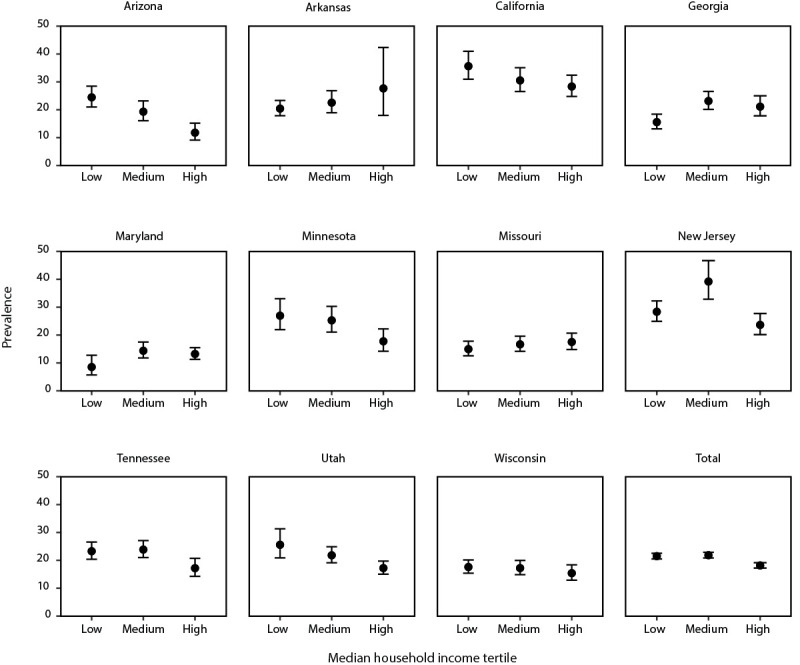
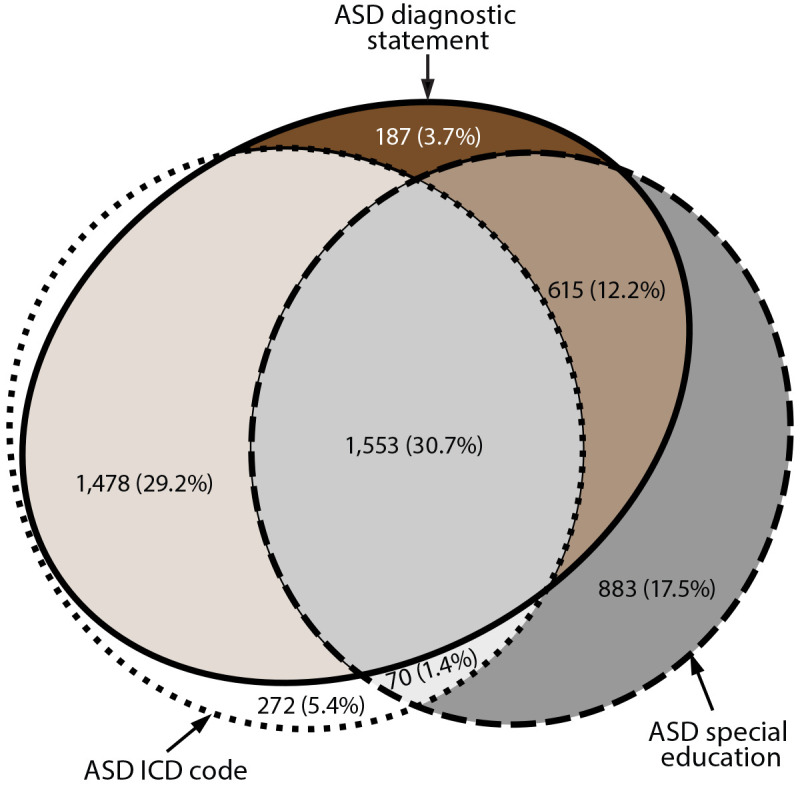
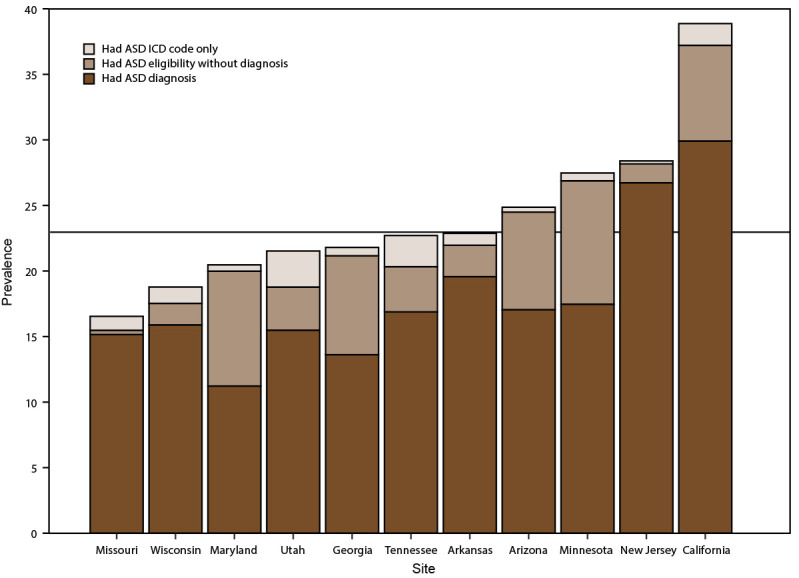
PROBLEM/CONDITION: Autism spectrum disorder (ASD). PERIOD COVERED: 2018. DESCRIPTION OF SYSTEM: The Autism and Developmental Disabilities Monitoring (ADDM) Network conducts active surveillance of ASD. This report focuses on the prevalence and characteristics of ASD among children aged 8 years in 2018 whose parents or guardians lived in 11 ADDM Network sites in the United States (Arizona, Arkansas, California, Georgia, Maryland, Minnesota, Missouri, New Jersey, Tennessee, Utah, and Wisconsin). To ascertain ASD among children aged 8 years, ADDM Network staff review and abstract developmental evaluations and records from community medical and educational service providers. In 2018, children met the case definition if their records documented 1) an ASD diagnostic statement in an evaluation (diagnosis), 2) a special education classification of ASD (eligibility), or 3) an ASD International Classification of Diseases (ICD) code. RESULTS: For 2018, across all 11 ADDM sites, ASD prevalence per 1,000 children aged 8 years ranged from 16.5 in Missouri to 38.9 in California. The overall ASD prevalence was 23.0 per 1,000 (one in 44) children aged 8 years, and ASD was 4.2 times as prevalent among boys as among girls. Overall ASD prevalence was similar across racial and ethnic groups, except American Indian/Alaska Native children had higher ASD prevalence than non-Hispanic White (White) children (29.0 versus 21.2 per 1,000 children aged 8 years). At multiple sites, Hispanic children had lower ASD prevalence than White children (Arizona, Arkansas, Georgia, and Utah), and non-Hispanic Black (Black) children (Georgia and Minnesota). The associations between ASD prevalence and neighborhood-level median household income varied by site. Among the 5,058 children who met the ASD case definition, 75.8% had a diagnostic statement of ASD in an evaluation, 18.8% had an ASD special education classification or eligibility and no ASD diagnostic statement, and 5.4% had an ASD ICD code only. ASD prevalence per 1,000 children aged 8 years that was based exclusively on documented ASD diagnostic statements was 17.4 overall (range: 11.2 in Maryland to 29.9 in California). The median age of earliest known ASD diagnosis ranged from 36 months in California to 63 months in Minnesota. Among the 3,007 children with ASD and data on cognitive ability, 35.2% were classified as having an intelligence quotient (IQ) score ≤70. The percentages of children with ASD with IQ scores ≤70 were 49.8%, 33.1%, and 29.7% among Black, Hispanic, and White children, respectively. Overall, children with ASD and IQ scores ≤70 had earlier median ages of ASD diagnosis than children with ASD and IQ scores >70 (44 versus 53 months). INTERPRETATION: In 2018, one in 44 children aged 8 years was estimated to have ASD, and prevalence and median age of identification varied widely across sites. Whereas overall ASD prevalence was similar by race and ethnicity, at certain sites Hispanic children were less likely to be identified as having ASD than White or Black children. The higher proportion of Black children compared with White and Hispanic children classified as having intellectual disability was consistent with previous findings. PUBLIC HEALTH ACTION: The variability in ASD prevalence and community ASD identification practices among children with different racial, ethnic, and geographical characteristics highlights the importance of research into the causes of that variability and strategies to provide equitable access to developmental evaluations and services. These findings also underscore the need for enhanced infrastructure for diagnostic, treatment, and support services to meet the needs of all children.
Overview
The claims and statistics of this paper haven’t been checked yet.
Run the check — free, no account needed. It reads the open-access text and checks the sources it cites.
Integrity signals
Registry
Cites
Statistics
Figures
Verification
Claims the paper makes
The claims and statistics of this paper haven’t been checked yet.
Run the check — free, no account needed. It reads the open-access text and checks the sources it cites.
Claims other papers make about this one
Each is checked against this paper’s own text: does it say what the citing paper says it does?
In the citing paper
“California has had the highest prevalence among children aged 4 years and 8 years since joining the ADDM Network in 2018 (6,10,11,13)”
In the citing paper
“Surveillance was conducted using the same surveillance methods and case definitions used in 2018 and 2020 (6,13).”
In the citing paper
“No evidence of heterogeneity of the male-to-female ratio among children aged 4 years across sites was observed; however, the overall male-to-female ratio for children aged 4 years was lower than the 4.2 male-to-female ratio for children aged 8 years (11).”
In the citing paper
“The site in California had the highest cumulative incidence of ASD by age 48 months and the fewest cases of suspected ASD and was the only site where prevalence among children aged 4 years was higher than among children aged 8 years (11).”
In the citing paper
“The combined prevalence of ASD and suspected ASD (19.7 per 1,000 children aged 4 years) was still lower than ASD prevalence observed among children aged 8 years (23.0 per 1,000 children aged 8 years) (11).”
In the citing paper
“Children with co-occurring intellectual disability are more likely to be identified earlier than children without intellectual disability, as indicated by an earlier median age at identification among this group (11) as well as the consistently higher proportion of children with intellectual disability at age 4 years (8,13) than at age 8 years (9,11,17).”
In the citing paper
“Consistent with findings among children aged 8 years (11), a higher proportion of Black children aged 4 years with ASD have co-occurring intellectual disability.”
In the citing paper
“The 2018 estimate for children aged 4 years was lower than the 23.0 per 1,000 ASD prevalence among children aged 8 years (11), a finding consistent with previous reports (8,13).”
In the citing paper
“Adding the children identified with ASD to those suspected of having ASD at age 4 years is still less than the prevalence of ASD by age 8 years at all sites except California (11).”
Self-check
Percentages, sums and reported differences re-computed from the paper’s own numbers.
The self-check needs the paper’s full text.
Citations
Cites
Diagnostic and Statistical Manual of Mental Disorders
American Psychiatric Association (2013) · doi:10.1176/appi.books.9780890425596 · Cited by 116,369
Baio, J., Wiggins, L., Christensen, D. L., Maenner, M. J., Daniels, J., Warren, Z., Kurzius-Spencer, M., Zahorodny, W., Robinson, C., Rosenberg, et al. (2018) · MMWR. Surveillance Summaries · doi:10.15585/mmwr.ss6706a1 · Cited by 6,078
Self-citationMaenner, M. J., Shaw, K. A., Baio, J., EdS1, Washington, A., Patrick, M., DiRienzo, M., Christensen, D. L., Wiggins, L. D., Pettygrove, S., et al. (2020) · MMWR. Surveillance Summaries · doi:10.15585/mmwr.ss6904a1 · Cited by 3,780 · cited 5×
“Recommended ICD codes were described previously (10).”
BackgroundMethodInfluentialSelf-citationLord, C., Elsabbagh, M., Baird, G., & Veenstra-Vanderweele, J. (2018) · The Lancet · doi:10.1016/s0140-6736(18)31129-2 · Cited by 2,819
Christensen, D. L., Baio, J., Braun, K. V. N., Bilder, D., Charles, J., Constantino, J. N., Daniels, J., Durkin, M. S., Fitzgerald, R. T., Kurzius-Spencer, M., et al. (2016) · MMWR. Surveillance Summaries · doi:10.15585/mmwr.ss6503a1 · Cited by 1,964
Self-citationPrevalence of Autism in a US Metropolitan Area
Yeargin-Allsopp, M., Rice, C., Karapurkar, T., Doernberg, N., Boyle, C., & Murphy, C. (2003) · JAMA · doi:10.1001/jama.289.1.49 · Cited by 1,248
Poverty and Child Health in the United States
Gitterman, B. A., Flanagan, P., Cotton, W. H., Dilley, K. J., Duffee, J. H., Green, A. E., Keane, V. A., Krugman, S., Linton, J. M., McKelvey, C. D., et al. (2016) · PEDIATRICS · doi:10.1542/peds.2016-0339 · Cited by 789
Research works printed but not linked: 1
- New Jersey Administrative Code. Title 6A, Chapter 14. https://www.state.nj.us/education/code/current/title6a/chap14.pdf
Cited by
Sorted by citations
Items 601–700 of 1,004
Gao, X., Xu, G., Fu, N., Ben, Q., Wang, L., & Bu, X. (2025) · Frontiers in Psychiatry · doi:10.3389/fpsyt.2024.1511920 · Cited by 16
Weike, Z., Cai, K., Xiong, X., Zhu, L., Sun, Z., Yang, S., Cheng, W. D., Mao, H., & Chen, A. (2025) · Scientific Reports · doi:10.1038/s41598-025-87248-5 · Cited by 13
Salehi, M., Jaka, S., Lotfi, A., Ahmad, A., Saeidi, M., & Gunturu, S. (2025) · Children · doi:10.3390/children12030297 · Cited by 14
“Recent reports in 2020 marked for the first time that ASD rates were lower in white children than in other groups at age 8, and a similar trend was observed among 4-year-olds in 2018 [19,42].”
Neurodevelopmental impact of CNV models in ASD: Recent advances and future directions
Tamada, K., & Takumi, T. (2025) · Current Opinion in Neurobiology · doi:10.1016/j.conb.2025.103001 · Cited by 10
Nazari, S., Ramos‐Cabo, S., Nalabolu, S. R., Barnes, C. C., Andreason, C., Zahiri, J., Esquivel, A., Arias, S. J., Grzybowski, A., Lombardo, M. V., et al. (2025) · Nature Human Behaviour · doi:10.1038/s41562-025-02132-6 · Cited by 10
Self-citationRen, Y., Xia, Z., Zhang, Y., & Jiao, Z. (2025) · IEEE Transactions on Neural Systems and Rehabilitation Engineering · doi:10.1109/tnsre.2025.3590343 · Cited by 11
“Globally, ASD affects approximately 1 in 36 children, presenting substantial long-term health challenges for children and their families [2].”
Autism spectrum disorder genetics; a comprehensive review
Mashayekhi, F., & Salehi, Z. (2025) · Reviews in the Neurosciences · doi:10.1515/revneuro-2025-0040 · Cited by 11
Song, D., Kim, D., Lee, H. J., Bong, G., Han, J. H., & Yoo, H. J. (2022) · Journal of korean Academy of Child and Adolescent Psychiatry · doi:10.5765/jkacap.220001 · Cited by 12
Beiting, M. (2022) · Language Speech and Hearing Services in Schools · doi:10.1044/2022_lshss-21-00162 · Cited by 10
Barriers to Genetic Testing Faced by Pediatric Subspecialists in Autism Spectrum Disorders
Abreu, N. J., Chiujdea, M., & Spence, S. J. (2022) · Advances in Neurodevelopmental Disorders · doi:10.1007/s41252-022-00275-5 · Cited by 9
Changes in autism symptoms associated with screen exposure: Case report of two young children
Heffler, K. F., Frome, L. R., & Gullo, D. F. (2022) · Psychiatry Research Case Reports · doi:10.1016/j.psycr.2022.100059 · Cited by 10
The Grief Experiences of Children with Developmental Disabilities: A Narrative Literature Review
Gaines, A. G. (2022) · OMEGA - Journal of Death and Dying · doi:10.1177/00302228221124520 · Cited by 9
“The prevalence of ASD has been increasing, with the CDC now estimating that 1 in 44 eight-year-old children are diagnosed with this developmental disability (Maenner et al., 2021).”
Wu, Q., Yang, T., Chen, L., Dai, Y., Wei, H., Jia, F., Hao, Y., Li, L., Zhang, J., Wu, L., et al. (2022) · Ecotoxicology and Environmental Safety · doi:10.1016/j.ecoenv.2022.114197 · Cited by 11
Xiong, H., Liu, X., Yang, F., Yang, T., Chen, J., Chen, J., & Li, T. (2022) · Journal of Autism and Developmental Disorders · doi:10.1007/s10803-022-05806-6 · Cited by 11
Schwartzman, J. M., Williams, Z. J., Paterson, A. V., Jacobs, A. X., & Corbett, B. A. (2023) · Autism · doi:10.1177/13623613221143587 · Cited by 10
“Limited research on MBC systems with autistic clients has been conducted, which is surprising as autism prevalence rates are on the rise (Maenner et al., 2021), psychiatric disorders are commonly experienced by autistic people (Joshi et al., 2010), and treatment personalization is a preferred…”
BackgroundRaznahan, A., Rau, S., Schaffer, L., Liu, S., Fish, A. M., Mankiw, C., Xenophontos, A., CLASEN, L. S., Joseph, L. A., Thurm, A. E., et al. (2023) · Journal of Neurodevelopmental Disorders · doi:10.1186/s11689-023-09476-y · Cited by 10
“Diagnostic rates of ASD and ADHD showed an approximately fourfold elevation above those in males from the general population [47, 48], and we also observe elevated risk for many other neurodevelopmental, mood, and anxiety disorder diagnoses.”
BackgroundDurmuş, K., & Sarol, H. (2023) · International Journal of Developmental Disabilities · doi:10.1080/20473869.2023.2180844 · Cited by 9
“According to the data published by the Centers for Disease Control (CDC) in the USA, the incidence of ASD was 1 in 88 children in 2012 (Baio 2012), while this incidence was updated to 1 in 44 children in 2021 (Maenner et al. 2021).”
El-Muhammady, M. F., Zabidi, S. A. M., Yusof, H. M., Rashidan, M. A., Sidek, S. N., & Ghazali, A. S. (2023) · Lecture notes in networks and systems · doi:10.1007/978-3-031-26889-2_36 · Cited by 9
Paynter, J. M., O’Leary, K., & Westerveld, M. F. (2023) · Journal of Autism and Developmental Disorders · doi:10.1007/s10803-023-05949-0 · Cited by 11
“In addition, the impact of co-occurring intellectual impairments (approximately 35%, Maenner et al., 2021), affecting learning in general may also influence reading development (see Kim, 2017).”
BackgroundBehavioral Parent Training Engagement Among Young Children With Autism Spectrum Disorder
Ros‐Demarize, R., Klein, J., & Carpenter, L. A. (2023) · Behavior Therapy · doi:10.1016/j.beth.2023.03.008 · Cited by 9
de Marchena, A. B., Wieckowski, A. T., Algur, Y., Williams, L. N., Fernandes, S. J., Thomas, R. P., McClure, L. A., Dufek, S., FEIN, D. A., Stahmer, A. C., et al. (2023) · Autism Research · doi:10.1002/aur.2933 · Cited by 9
“However, the average age of autism diagnosis in the US is 4 years (Maenner et al., 2021)—a 2-year gap between when an autism diagnosis could be made for many children and when it typically is made.”
BackgroundPatrick, M., Hughes, M. M., Ali, A. R., Shaw, K. A., & Maenner, M. J. (2023) · Annals of Epidemiology · doi:10.1016/j.annepidem.2023.04.009 · Cited by 10
Self-citationThe Need for a Motor Assessment Tool for Children with Autism—An Opinion Article
Battah, H. W., Lotan, M., & Moran, D. S. (2023) · Diagnostics · doi:10.3390/diagnostics13122095 · Cited by 9
“the average age of diagnosis is 50 months [10].”
BackgroundLin, Y., Lin, C., & Lin, M. (2023) · Children · doi:10.3390/children10071128 · Cited by 9
Assessing structural language skills of autistic adults: Focus on sentence repetition
Manenti, M., Tuller, L., Houy‐Durand, E., Bonnet‐Brilhault, F., & Prévost, P. (2023) · Lingua · doi:10.1016/j.lingua.2023.103598 · Cited by 9
West, K. L., Steward, S. E., Britsch, E. R., & Iverson, J. M. (2023) · Journal of Autism and Developmental Disorders · doi:10.1007/s10803-023-06030-6 · Cited by 11
“According to recent estimates, 1 in 44 children in the United States have an autism diagnosis (Maenner et al., 2021), underscoring a clear need to document developmental processes in autistic infants.”
Radwan, K., Wu, G., Banks-Word, K., & Rosenberger, R. (2023) · Medical Sciences · doi:10.3390/medsci11040073 · Cited by 9
Wallis, K. E., & Guthrie, W. (2024) · Pediatric Clinics of North America · doi:10.1016/j.pcl.2023.12.003 · Cited by 9
A Thorough Review of Deep Learning in Autism Spectrum Disorder Detection: From Data to Diagnosis
Lamani, M. R., & Benadit, P. J. (2024) · Recent Advances in Computer Science and Communications · doi:10.2174/0126662558284886240130154414 · Cited by 11
Identifying autism using EEG: unleashing the power of feature selection and machine learning
Ranaut, A., Khandnor, P., & Chand, T. (2024) · Biomedical Physics & Engineering Express · doi:10.1088/2057-1976/ad31fb · Cited by 9
Miike, T., Oniki, K., Toyoura, M., Tonooka, S., Tajima, S., Saruwatari, J., Kinoshita, J., & Konishi, Y. (2024) · Clocks & Sleep · doi:10.3390/clockssleep6010012 · Cited by 9
Speech-in-Noise and Dichotic Auditory Training Students With Autism Spectrum Disorder.
Mathews, L., Schafer, E. C., Gopal, K., Lam, B.-J. P. W., & Miller, S. (2024) · Language, Speech & Hearing Services in Schools · doi:10.1044/2024_lshss-23-00168 · Cited by 4
Qureshi, F. A., Adams, J. B., AUDHYA, T. K., & Hahn, J. (2022) · Journal of Personalized Medicine · doi:10.3390/jpm12060923 · Cited by 9
A Quality Improvement Network for Interdisciplinary Training in Developmental Disabilities
Smith, J. D., Nidey, N., Chödrön, G., Czyzia, J., Donahue, M. L., Ford, K., James, C., Klimova, O. A., Macias, M. M., Rabidoux, P. C., et al. (2022) · PEDIATRICS · doi:10.1542/peds.2022-058236 · Cited by 9
Wolstencroft, J., Srinivasan, R., Hall, J., van den Bree, M. B. M., Owen, M. J., Raymond, F. L., & Skuse, D. (2023) · JCPP Advances · doi:10.1002/jcv2.12128 · Cited by 8
Risk factors for developmental quotients in ASD children: A cross-sectional study
Dong, H.-Y., Miao, C., Zhang, Y., Shan, L., Feng, J., Jia, F., & Du, L. (2023) · Frontiers in Psychology · doi:10.3389/fpsyg.2023.1126622 · Cited by 10
Applied Behavior Analysis and Its Application to Autism and Autism-Related Disorders
Ringdahl, J. E., Kopelman, T. G., & Falcomata, T. S. (2023) · Autism and child psychopathology series · doi:10.1007/978-3-031-27587-6_3 · Cited by 9
Chavira, A., Wang, E. H.-J., & Mills, R. H. (2022) · bioRxiv (Cold Spring Harbor Laboratory) · doi:10.1101/2022.03.18.484910 · Cited by 8
Brinkman, A. H., Barry, T. D., & Lindsey, R. A. (2022) · Journal of Autism and Developmental Disorders · doi:10.1007/s10803-022-05760-3 · Cited by 8
Cai, Q., Zhou, Z., Luo, R., Yu, T., Li, D., Yang, F., & Yang, Z. (2022) · BMC Pediatrics · doi:10.1186/s12887-022-03702-7 · Cited by 9
“The prevention of ASDs has become a top priority in the current public health field [2].”
A practical approach to identifying autistic adults within the electronic health record
Malow, B. A., Veatch, O. J., Niu, X., Fitzpatrick, K. A., Hucks, D., Maxwell‐Horn, A., & Davis, L. K. (2022) · Autism Research · doi:10.1002/aur.2849 · Cited by 6
“Autism spectrum disorder (ASD) is a complex and common condition that affects 1 in 44 children (Maenner et al., 2021).”
BackgroundYang, T., Zhang, Q., Chen, L., Dai, Y., Jia, F., Hao, Y., Li, L., Zhang, J., Wu, L., Ke, X., et al. (2023) · Journal of Autism and Developmental Disorders · doi:10.1007/s10803-023-06122-3 · Cited by 8
“In recent years, several epidemiological studies have shown increasing prevalence of ASD (Maenner Mj Fau - Shaw et al., 2020; Maenner et al., 2021 ; Zhou et al., 2020).”
An Analysis of the Evaluation Methods being Applied to Serious Games for Autistic Children
de Carvalho, A. P., Braz, C. S., & Prates, R. O. (2024) · Journal on Interactive Systems · doi:10.5753/jis.2024.3288 · Cited by 8
“According to studies by the Centers for Disease Control and Prevention of the United States, conducted on 8-year-old children in 2018, the prevalence of ASD is 1 in every 44 children [ Maenner et al ., 2021].”
MethodThe relationship between alexithymia and self-esteem in autistic adolescents
Strang, M., Macmillan, C. M., Brown, C. M., Hooley, M., & Stokes, M. A. (2024) · Research in Autism · doi:10.1016/j.rasd.2024.102334 · Cited by 13
Ellingford, R. A., Tojo, M., Basson, M. A., & Andreae, L. C. (2024) · ACS Chemical Neuroscience · doi:10.1021/acschemneuro.3c00690 · Cited by 8
Yang, Y., Song, P., & Wang, Y. (2024) · Heliyon · doi:10.1016/j.heliyon.2024.e31746 · Cited by 8
Functional connectivity of the posterior cingulate cortex in autism spectrum disorder
Kornisch, M., Gonzalez, C., & Ikuta, T. (2024) · Psychiatry Research Neuroimaging · doi:10.1016/j.pscychresns.2024.111848 · Cited by 8
Redmond, S. M., Ash, A. C., Li, H., & Zhang, Y. (2024) · American Journal of Speech-Language Pathology · doi:10.1044/2024_ajslp-23-00388 · Cited by 11
Tagavi, D. M., Harbin, S. G., Hugh, M. L., Hernandez, A. M., Joshi, M., Pullmann, M. D., & Locke, J. J. (2024) · Evidence-Based Practice in Child and Adolescent Mental Health · doi:10.1080/23794925.2024.2378419 · Cited by 10
Kubinski, S., Brothers, T. A., Cohn, N., & Coderre, E. L. (2024) · Language Cognition and Neuroscience · doi:10.1080/23273798.2024.2411698 · Cited by 8
“Approximately 1 in 36 children are autistic (Maenner et al., 2021), and this prevalence is believed to be similar in adults (CDC, 2022).”
Community Perspectives on Psychological Assessment Reports for Autistic Young Adults
Garagozzo, A., Aziz, A., Kaplan‐Kahn, E. A., & Yerys, B. E. (2024) · Journal of Autism and Developmental Disorders · doi:10.1007/s10803-024-06591-0 · Cited by 8
Neurodiversity, Gender, and Work
Hennekam, S., Hayward, S. M., & Bastian, B. L. (2024) · Gender Work and Organization · doi:10.1111/gwao.13218 · Cited by 12
Mental Health Care Needs and Access to Care for Adults With Intellectual Disabilities
Frazier, J. A., Hanratty, L. A., & Weinstock, A. K. (2024) · Medical Care · doi:10.1097/mlr.0000000000002089 · Cited by 8
Wang, Y., Zhijia, L., Ye, Y., Li, Y., Wei, R., Gan, K., Qian, Y., Xu, L., Kong, Y., Guan, L., et al. (2025) · Scientific Reports · doi:10.1038/s41598-025-93631-z · Cited by 8
O’Sharkey, K., Mitra, S., Chow, T., Thompson, L. K., Su, J. G., Cockburn, M., & Ritz, B. R. (2025) · Environmental Health Perspectives · doi:10.1289/ehp15573 · Cited by 8
Neuroplasticity in autism spectrum disorder: a systematic review
Laguna, G. G. D. C., Gusmão, A. B. F., Marques, B. O., Bragas, N. B. D. S., Rodrigues, I. B., Melo, R. S., & de Azevedo, K. R. M. (2025) · Dementia & Neuropsychologia · doi:10.1590/1980-5764-dn-2024-0182 · Cited by 8
Molecular and Genetic Mechanisms in Autism Spectrum Disorder
Pruitt, A., Gupta, A. R., & Hoffman, E. J. (2025) · Annals of Neurology · doi:10.1002/ana.70013 · Cited by 11
Yan, W., Zhai, T., Li, Y., Jiang, W., Chen, J., Sun, Z., Lin, Y., Zhang, X., & Du, Y.-S. (2025) · Frontiers in Psychiatry · doi:10.3389/fpsyt.2025.1570437 · Cited by 11
Marcantonio, W., Simonti, M., Léna, I., & Mantegazza, M. (2025) · Genes Brain & Behavior · doi:10.1111/gbb.70034 · Cited by 8
“The refinement of diagnostic criteria and the early assessment of patients have led, over the last few decades, to a significant increase in the number of cases identified, with ASD affecting 1 in 44 children in the United States, across all ethnic and socio-economic groups [4].”
Smythe, L., Asan, L., Nicholson, T. R., Happe, F. G. E., & Edwards, M. J. (2025) · Journal of Neurology · doi:10.1007/s00415-025-13385-6 · Cited by 12
Huang, B., Chen, X.-Y., Hu, C., Huang, W.-Y., Zhu, D., Liu, Y., Feng, H.-R., & Xu, B.-N. (2026) · Frontiers in Psychiatry · doi:10.3389/fpsyt.2026.1786160 · Cited by 7
Lawson, L. M., Foster, L. H., Hamner, K., & Wright, L. (2022) · Occupational Therapy International · doi:10.1155/2022/3540271 · Cited by 11
“Autism Spectrum Disorder (ASD) is a developmental disorder that impacts 1 in 44 children nationally [1].”
BackgroundExamination of racial/ethnic disproportionality of autism in California
Luelmo, P., Hall, L. J., & Estrellado, R. A. (2022) · Research in Autism · doi:10.1016/j.rasd.2022.102001 · Cited by 8
Prenatal valproic acid-induced autism marmoset model exhibits higher salivary cortisol levels
Nakamura, M., Nakagami, A., Nakagaki, K., Yasue, M., Kawai, N., & Ichinohe, N. (2022) · Frontiers in Behavioral Neuroscience · doi:10.3389/fnbeh.2022.943759 · Cited by 8
Davies, C., Moosa, M., McKenna, K., Mittal, J., Memis, I., Mittal, R., & Eshraghi, A. A. (2023) · Journal of Clinical Medicine · doi:10.3390/jcm12030927 · Cited by 8
“In the United States, ASD’s current prevalence is 1 in 44 children, and this continues to increase [2].”
BackgroundZaky, E. A., Elhameed, S. A. A., Ismail, S. M., Eldamer, N. M., & Abdelaziz, A. W. (2023) · Research in Autism · doi:10.1016/j.rasd.2023.102129 · Cited by 8
Wall, C. A., Sabatos‐DeVito, M., Franz, L., Howard, J., Major, S. T., Bey, A. L., & Dawson, G. (2023) · Autism Research · doi:10.1002/aur.2920 · Cited by 9
“The most prominent sex difference in autism is prevalence, with males about four times more likely to be diagnosed than females, although this difference becomes less pronounced in individuals with lower intellectual ability (IQ; Maenner et al., 2021).”
BackgroundRetracted publications in autism research are mostly concerned with ethical misconduct
Charbonneau, D. H., & Ketcheson, L. R. (2023) · Health Information & Libraries Journal · doi:10.1111/hir.12482 · Cited by 9
Smith, A. M., Johnson, A. H., & Bashore, L. M. (2023) · Journal of Paediatrics and Child Health · doi:10.1111/jpc.16421 · Cited by 8
Hamdan, S. Z., Davis, M., Faig, W. G., Guthrie, W., Yerys, B. E., & Wallis, K. E. (2023) · Academic Pediatrics · doi:10.1016/j.acap.2023.06.031 · Cited by 8
Patti, M. A., Ning, X., Hosseini, M., Croen, L., Joseph, R. M., Karagas, M. R., Ladd‐Acosta, C., Landa, R. J., Messinger, D. S., Newschaffer, C. J., et al. (2023) · Journal of Autism and Developmental Disorders · doi:10.1007/s10803-023-06020-8 · Cited by 8
Achuthan, S. K., Stavrinos, D., Bednarz, H. M., Anteraper, S. A., & Kana, R. K. (2023) · Brain Connectivity · doi:10.1089/brain.2023.0006 · Cited by 8
“According to the National Survey of Children’s Health 2018–2019, 8.7% of children in the United States are diagnosed with ADHD (Bozinovic et al., 2021).”
InfluentialRusu, A., Chevalier, C., de Chaumont, F., Nalesso, V., Brault, V., Hérault, Y., & Ey, E. (2023) · Frontiers in Behavioral Neuroscience · doi:10.3389/fnbeh.2023.1294558 · Cited by 14
Autism spectrum disorder: Practice guidelines for pharmacists
Kadi, R., Gayed, F., Kauzman, P., Ali, Z. A., Dmitriev, I., Mikhael, V., Ghabi, R., Hamamji, J., Jabbour, S., Mrchak, M., et al. (2024) · Canadian Pharmacists Journal / Revue des Pharmaciens du Canada · doi:10.1177/17151635241228495 · Cited by 9
Li, Y., Tan, Z.-N., Li, X., Ma, B., Adu‐Nti, F., Lv, X.-Q., Tian, Z., Yan, R., Man, H., & Ma, X. (2024) · Molecular Psychiatry · doi:10.1038/s41380-024-02515-7 · Cited by 8
“%) of 8-year-old children in the United States have been diagnosed with ASDs [3, 4].”
BackgroundBritsch, E. R., & Iverson, J. M. (2024) · Journal of Autism and Developmental Disorders · doi:10.1007/s10803-024-06331-4 · Cited by 9
Strang, J. F., Fischbach, A. L., Rao, S., Clawson, A., Knauss, M., Bernstein, S. N., van der Miesen, A. I. R., Inge, A. P., Alonzo, K., Zeroth, J. A., et al. (2024) · The Clinical Neuropsychologist · doi:10.1080/13854046.2024.2318155 · Cited by 8
“A recent meta-analysis of available studies estimated the rate of autism spectrum disorder (ASD) diagnoses in gender-diverse people at 11% (Kallitsounaki & Williams, 2022); autism prevalence in the general population is estimated to be 2.78% (Maenner et al., 2021).”
InfluentialSeeing beyond words: Visualizing autism spectrum disorder biomarker insights
Xie, X., Zhou, R., Fang, Z., Zhang, Y., Wang, Q., & Liu, X. (2024) · Heliyon · doi:10.1016/j.heliyon.2024.e30420 · Cited by 9
Wah, Y. B., Nasir, N. N. M., Hadrawi, M. F., Kamaruddin, A. A., Jannoo, Z., & Afthanorhan, A. (2024) · Belitung Nursing Journal · doi:10.33546/bnj.3096 · Cited by 8
“According to reports, there are approximately four boys for every girl who has been diagnosed with autism (Fombonne, 2009; Maenner, 2021).”
Buro, A. W., Salinas‐Miranda, A., Marshall, J. T., Gray, H. L., & Kirby, R. S. (2022) · Research in Autism · doi:10.1016/j.rasd.2022.101927 · Cited by 11
Zhang, Q., Li, Q., Yang, T., Chen, L., Dai, Y., Wei, H., Wang, K., Jia, F., Wu, L., Hao, Y., et al. (2022) · BMC Psychiatry · doi:10.1186/s12888-022-04028-5 · Cited by 8
“3% in 8-year-old children in 2018 [2].”
BackgroundInfluentialLarsen, A., Schieltz, K. M., Barrett, A., & O’Brien, M. J. (2022) · Behavior Modification · doi:10.1177/01454455221106127 · Cited by 8
“During the COVID-19 pandemic, the use of telehealth skyrocketed across many health specialties (Demeke et al., 2021), including behavioral and psychological services (Pierce et al., 2021).”
BackgroundQureshi, F. A., & Hahn, J. (2022) · The Canadian Journal of Chemical Engineering · doi:10.1002/cjce.24594 · Cited by 8
A longitudinal study of cytochrome P450 2D6 (CYP2D6) activity during adolescence
Leeder, J. S., Gaedigk, A., Wright, K. J., Staggs, V. S., Soden, S. E., Lin, Y. S., & Pearce, R. E. (2022) · Clinical and Translational Science · doi:10.1111/cts.13380 · Cited by 8
“To choose a covariance structure, the model was fit three times: once with a random patient intercept and first- order autoregressive (AR (1)) structure specified, once with a random patient intercept and random patient age slope, and once with a random patient intercept, random patient slope, and AR (1) structure spe…”
MethodPurushotham, S. S., Reddy, N. M. N., D’Souza, M. N., Choudhury, N. R., Ganguly, A., Gopalakrishna, N., Muddashetty, R. S., & Clement, J. P. (2022) · Experimental Brain Research · doi:10.1007/s00221-022-06448-x · Cited by 8
“alone from 1 in 68 (2012) to 1 in 44 (2018) (Maenner et al. 2021) thereby projecting an increase in the economic costs of $461 billion by 2025, emphasizing the dire need to come up with more-effective interventions and support across the life span of an ASD/ID patients (Leigh and Du 2015).”
BackgroundSwimming exercise is a promising early intervention for autism‐like behavior in Shank3 deletion rats
Xu, D., Meng, Y., An, S., Meng, W., Li, H., Zhang, W., Xue, Y., Lan, X., Wang, X., Li, M., et al. (2022) · CNS Neuroscience & Therapeutics · doi:10.1111/cns.13920 · Cited by 8
How are games for autistic children being evaluated?
de Carvalho, A. P., Braz, C. S., & Prates, R. O. (2022) · Brazilian Symposium on Human Factors in Computing Systems (IHC) · doi:10.1145/3554364.3559127 · Cited by 8
Kim, Y., Kim, M.-K., Park, C., & You, J. H. (2022) · Children · doi:10.3390/children9121971 · Cited by 8
“Autism spectrum disorder (ASD) presents with multiple domains of functional and structural impairments, physical activity limitations, and associated social participation and integration restrictions, affecting 1 in 44 children in the United States [1].”
BackgroundMorphometric analysis of Corpus Callosum in autistic and typically developing Indian children
Berkins, S., Koshy, B., Livingstone, R. S., Jasper, A., Grace, H., Ravibabu, P., & Rai, E. (2022) · Psychiatry Research Neuroimaging · doi:10.1016/j.pscychresns.2022.111580 · Cited by 8
Statewide county-level autism spectrum disorder prevalence estimates—seven U.S. states, 2018
Shaw, K. A., Williams, S., Hughes, M. M., Warren, Z. E., Bakian, A. V., Durkin, M. S., Esler, A., Hall‐Lande, J., Salinas, A., Vehorn, A. C., et al. (2023) · Annals of Epidemiology · doi:10.1016/j.annepidem.2023.01.010 · Cited by 8
Self-citationKonstantin, G. E., Nordgaard, J., & Henriksen, M. G. (2023) · Psychological Medicine · doi:10.1017/s0033291723001095 · Cited by 10
Developmentally-Trained Primary Care Clinicians: A Pipeline to Improved Access?
Doss, M., Christiansen, A., O’Hagan, B., Jansen, E. M., & Augustyn, M. C. (2023) · Journal of Developmental & Behavioral Pediatrics · doi:10.1097/dbp.0000000000001178 · Cited by 8
“Earlier diagnosis has been shown to be associated with improved treatment outcomes.(4) Despite this recommendation, the average age of diagnosis varies widely across the United States, ranging from 36 to 63 months.”
BackgroundFurnier, S. M., Gangnon, R. E., Daniels, J. L., Weismer, S. E., Nadler, C. B., Pazol, K., Reyes, N., Rosenberg, S. A., Rubenstein, E., Wiggins, L. D., et al. (2024) · Autism Research · doi:10.1002/aur.3107 · Cited by 11
“…deviations (SD) below the population mean without considering adaptive scores (CDC, 2023; Fombonne, 2003; Fombonne, 2009; Hughes et al., 2023; Maenner et al., 2021; Zeidan et al., 2022), often because adaptive test scores are less likely to be available for review in children ’ s health and…”
BackgroundMethodSelf-citationZhang, H., Hu, S., Qu, S.-T., Lv, M., Wang, J., Liu, X.-T., Yao, J.-H., Ding, Y., & Xu, G. (2024) · Current Issues in Molecular Biology · doi:10.3390/cimb46030121 · Cited by 8
“The current international prevalence is 1 in 44, and there are no effective therapeutic drugs available [7].”
BackgroundMaternal separation induces autism spectrum disorder in young rhesus monkeysPreprint
Ren, X., Wu, S., Zhou, H., Lv, L., Qiu, Z., Feng, X., & Hu, X. (2022) · bioRxiv (Cold Spring Harbor Laboratory) · doi:10.1101/2022.03.17.484827 · Cited by 8
Serving the underserved: How can we reach autism families who systemically miss out on support?
Hoekstra, R. A. (2022) · Autism · doi:10.1177/13623613221105389 · Cited by 12
“…children from the cultural majority (Begeer et al., 2009) and in some contexts autism identification rates in ethnic or racial minority children (Begeer et al., 2009; Maenner et al., 2021) or children from Indigenous backgrounds (Bailey & Arciuli, 2020) lag behind identification in White children.”
BackgroundScreening Success in the Age of Autism
Lipkin, P. H. (2023) · Archives of Pediatrics and Adolescent Medicine · doi:10.1001/jamapediatrics.2022.5972 · Cited by 8
Ismail, N., Isa, K. A. M., & Wan Mokhtar, I. (2022) · Children · doi:10.3390/children9101526 · Cited by 6
“This is well reported by Centres for Disease Control (CDC) in 2018 where most of the children diagnosed with autism spectrum disorder (ASD) are boys, four times more likely than girls [19].”
BackgroundReynoso, M., McLeigh, J. D., Malthaner, L., & Stone, K. E. (2022) · Journal of Developmental & Behavioral Pediatrics · doi:10.1097/dbp.0000000000001126 · Cited by 7
“Being female was associated with decreased odds of having a developmental diagnosis, which is consistent with lower prevalence estimates of ADHD and autism in girls.(25,26) However, this has not previously been reported for children in foster care.”
ResultDetecting Time Concept Competence in Children with Autism Spectrum and Attention Disorders
Hus, Y. (2022) · Neuropsychiatric Disease and Treatment · doi:10.2147/ndt.s331985 · Cited by 7
“The upward prevalence trajectory continues due to improved identification efforts such as supplying parents with digital applications facilitating inputs of their children’s progress, report the Centre for Disease Control (CDC) and its autism monitoring and tracking arm (ADDM).(5,44) Children with ASD face considerabl…”
Background
Metadata
- Authors
- Maenner, M. J., Shaw, K. A., Bakian, A. V., Bilder, D. A., Durkin, M. S., Esler, A., Furnier, S. M., Hallas, L., Hall-Lande, J., Hudson, A., Hughes, M. M., Patrick, M., Pierce, K., Poynter, J. N., Salinas, A., Shenouda, J., Vehorn, A., Warren, Z., Constantino, J. N., DiRienzo, M., Fitzgerald, R. T., Grzybowski, A., Spivey, M. H., Pettygrove, S., Zahorodny, W., Ali, A., Andrews, J. G., Baroud, T., Gutierrez, J., Hewitt, A., Lee, L.-C., Lopez, M., Mancilla, K. C., McArthur, D., Schwenk, Y. D., Washington, A., Williams, S., & Cogswell, M. E.
- Affiliations
- Centers for Disease Control and Prevention (US)
- University of Utah (US)
- University of Wisconsin–Madison (US)
- University of Minnesota (US)
- University of Arkansas for Medical Sciences (US)
- University of California San Diego (US)
- Rutgers New Jersey Medical School (US)
- Vanderbilt University Medical Center (US)
- Washington University in St. Louis (US)
- Johns Hopkins University (US)
- University of Arizona (US)
- United States Department of Health and Human Services (US)
- Corresponding author
- Maenner, Matthew J.
- ORCID
- Maenner, Matthew J.
- Bakian, Amanda V.
- Bilder, Deborah A.
- Durkin, Maureen S.
- Esler, Amy
- Furnier, Sarah M.
- Hughes, Michelle M.
- Patrick, Mary
- Pierce, Karen
- Poynter, Jenny N.
- Shenouda, Josephine
- Warren, Zachary
- Constantino, John N.
- DiRienzo, Monica
- Fitzgerald, Robert T.
- Pettygrove, Sydney
- Zahorodny, Walter
- Ali, Akilah
- Andrews, Jennifer G.
- Lee, Li-Ching
- Lopez, Maya
- McArthur, Dedria
- Washington, Anita
- Cogswell, Mary E.
- Venue
- MMWR. Surveillance Summaries
- Published
- 2021-12-03
- Volume
- 70
- Issue
- 11
- Pages
- 1-16
- ISSN
- 1545-8636 (ISSN-L)
- 1546-0738
- PMC
- PMC8639024
- OpenAlex
- W3216151710
- Cited by
- 1,818
- References
- 37
- Citations by year
- 2026: 101 · 2025: 270 · 2024: 438 · 2023: 553 · 2022: 438 · 2021: 8
- FWCI
- 193.23
- Type
- journal article
- Language
- en
- Open access
- diamond
- doi.org
- Licence
- public-domain
- Locations
- MMWR Surveillance Summaries (publishedVersion, public-domain)
- PubMed Central (publishedVersion, public-domain)
- PubMed (publishedVersion)
- Funders
- Eunice Kennedy Shriver National Institute of Child Health and Human Development (P50HD103537)
- Topics
- Life Sciences › Neuroscience › Cognitive Neuroscience › Autism Spectrum Disorder Research
- Health Sciences › Medicine › Psychiatry and Mental health › Child Nutrition and Feeding Issues
- Social Sciences › Psychology › Clinical Psychology › Family and Disability Support Research
- Keywords
- autism spectrum disorder, autism prevalence, special education eligibility, ICD-10 codes, sex differences, racial and ethnic disparities, American Indian and Alaska Native children, median household income, neighborhood socioeconomic status, United States states and territories
- MeSH terms
- Autism Spectrum Disorder, Race Factors, Child, Ethnicity, Female, Geography, Humans, Male, Population Surveillance, United States, Prevalence, Racial Groups, Health Status Disparities, Epidemiological Monitoring
About these checks
Registry, retraction, Cites and statistics results are computed, not judged, with one exception: a printed reference that no index lists is read once by a model before it counts as a citation error. Claims are extracted by a model and kept only when their quote appears verbatim in the text; each cited source is then checked, with a model’s help, for whether it says what the claim relies on. Those verdicts can be wrong — read the claim’s quote and the cited source before relying on one.
Statistics and arithmetic are recomputed, not judged.
Confidence bands are shown only for fields calibrated on our annotated test set. None is calibrated yet, so no band is shown.
What counts as a claim ›How we measure confidence ›How we check this ›
Are you an author, or do you see a problem with this page? Request a review
