

The DOI matches its Crossref record; 37 of the 37 references it cites were found in a registry or an index.
Prevalence and characteristics of autism spectrum disorder among children aged 8 years—Autism and Developmental Disabilities Monitoring Network, 11 sites, United States, 2018.
Open accessAbstract
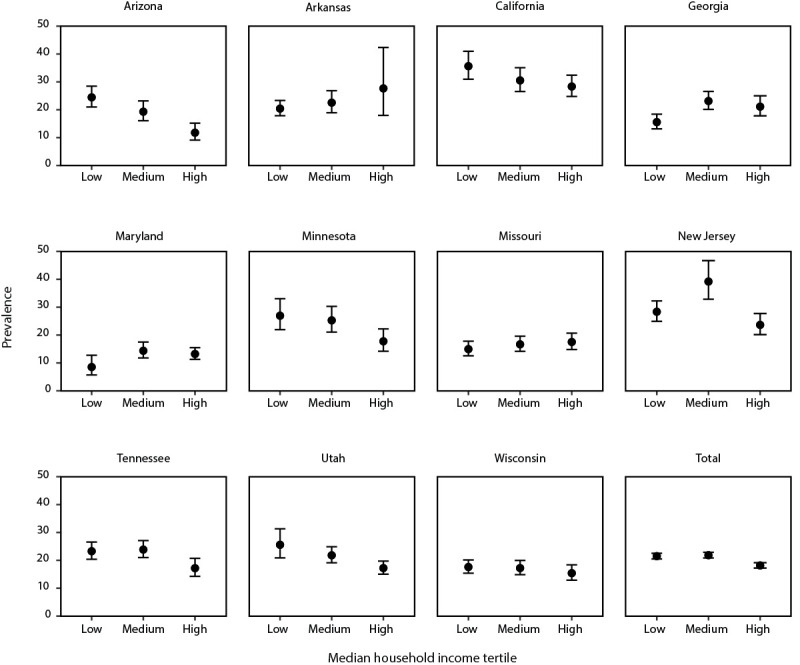
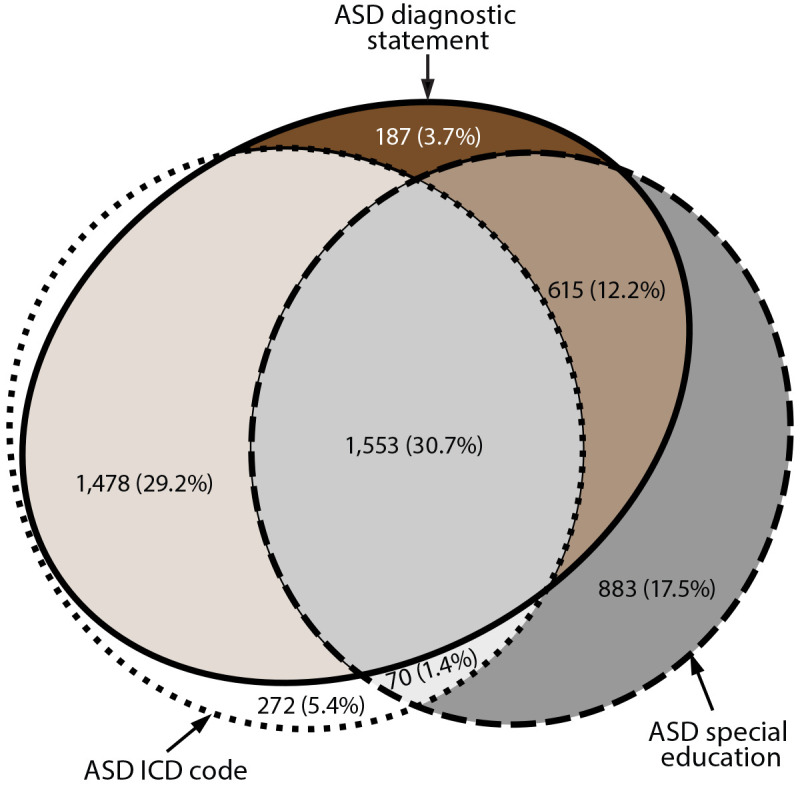
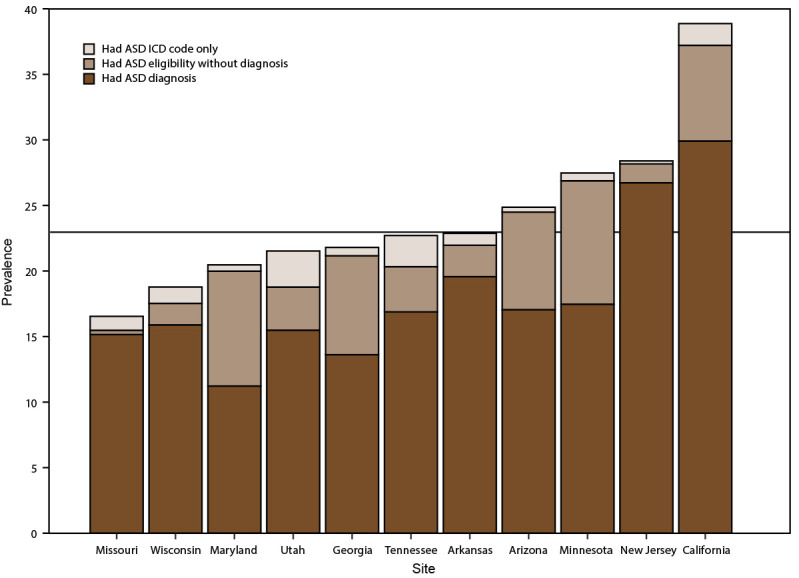
PROBLEM/CONDITION: Autism spectrum disorder (ASD). PERIOD COVERED: 2018. DESCRIPTION OF SYSTEM: The Autism and Developmental Disabilities Monitoring (ADDM) Network conducts active surveillance of ASD. This report focuses on the prevalence and characteristics of ASD among children aged 8 years in 2018 whose parents or guardians lived in 11 ADDM Network sites in the United States (Arizona, Arkansas, California, Georgia, Maryland, Minnesota, Missouri, New Jersey, Tennessee, Utah, and Wisconsin). To ascertain ASD among children aged 8 years, ADDM Network staff review and abstract developmental evaluations and records from community medical and educational service providers. In 2018, children met the case definition if their records documented 1) an ASD diagnostic statement in an evaluation (diagnosis), 2) a special education classification of ASD (eligibility), or 3) an ASD International Classification of Diseases (ICD) code. RESULTS: For 2018, across all 11 ADDM sites, ASD prevalence per 1,000 children aged 8 years ranged from 16.5 in Missouri to 38.9 in California. The overall ASD prevalence was 23.0 per 1,000 (one in 44) children aged 8 years, and ASD was 4.2 times as prevalent among boys as among girls. Overall ASD prevalence was similar across racial and ethnic groups, except American Indian/Alaska Native children had higher ASD prevalence than non-Hispanic White (White) children (29.0 versus 21.2 per 1,000 children aged 8 years). At multiple sites, Hispanic children had lower ASD prevalence than White children (Arizona, Arkansas, Georgia, and Utah), and non-Hispanic Black (Black) children (Georgia and Minnesota). The associations between ASD prevalence and neighborhood-level median household income varied by site. Among the 5,058 children who met the ASD case definition, 75.8% had a diagnostic statement of ASD in an evaluation, 18.8% had an ASD special education classification or eligibility and no ASD diagnostic statement, and 5.4% had an ASD ICD code only. ASD prevalence per 1,000 children aged 8 years that was based exclusively on documented ASD diagnostic statements was 17.4 overall (range: 11.2 in Maryland to 29.9 in California). The median age of earliest known ASD diagnosis ranged from 36 months in California to 63 months in Minnesota. Among the 3,007 children with ASD and data on cognitive ability, 35.2% were classified as having an intelligence quotient (IQ) score ≤70. The percentages of children with ASD with IQ scores ≤70 were 49.8%, 33.1%, and 29.7% among Black, Hispanic, and White children, respectively. Overall, children with ASD and IQ scores ≤70 had earlier median ages of ASD diagnosis than children with ASD and IQ scores >70 (44 versus 53 months). INTERPRETATION: In 2018, one in 44 children aged 8 years was estimated to have ASD, and prevalence and median age of identification varied widely across sites. Whereas overall ASD prevalence was similar by race and ethnicity, at certain sites Hispanic children were less likely to be identified as having ASD than White or Black children. The higher proportion of Black children compared with White and Hispanic children classified as having intellectual disability was consistent with previous findings. PUBLIC HEALTH ACTION: The variability in ASD prevalence and community ASD identification practices among children with different racial, ethnic, and geographical characteristics highlights the importance of research into the causes of that variability and strategies to provide equitable access to developmental evaluations and services. These findings also underscore the need for enhanced infrastructure for diagnostic, treatment, and support services to meet the needs of all children.
Overview
The claims and statistics of this paper haven’t been checked yet.
Run the check — free, no account needed. It reads the open-access text and checks the sources it cites.
Integrity signals
Registry
Cites
Statistics
Figures
Verification
Claims the paper makes
The claims and statistics of this paper haven’t been checked yet.
Run the check — free, no account needed. It reads the open-access text and checks the sources it cites.
Claims other papers make about this one
Each is checked against this paper’s own text: does it say what the citing paper says it does?
In the citing paper
“California has had the highest prevalence among children aged 4 years and 8 years since joining the ADDM Network in 2018 (6,10,11,13)”
In the citing paper
“Surveillance was conducted using the same surveillance methods and case definitions used in 2018 and 2020 (6,13).”
In the citing paper
“No evidence of heterogeneity of the male-to-female ratio among children aged 4 years across sites was observed; however, the overall male-to-female ratio for children aged 4 years was lower than the 4.2 male-to-female ratio for children aged 8 years (11).”
In the citing paper
“The site in California had the highest cumulative incidence of ASD by age 48 months and the fewest cases of suspected ASD and was the only site where prevalence among children aged 4 years was higher than among children aged 8 years (11).”
In the citing paper
“The combined prevalence of ASD and suspected ASD (19.7 per 1,000 children aged 4 years) was still lower than ASD prevalence observed among children aged 8 years (23.0 per 1,000 children aged 8 years) (11).”
In the citing paper
“Children with co-occurring intellectual disability are more likely to be identified earlier than children without intellectual disability, as indicated by an earlier median age at identification among this group (11) as well as the consistently higher proportion of children with intellectual disability at age 4 years (8,13) than at age 8 years (9,11,17).”
In the citing paper
“Consistent with findings among children aged 8 years (11), a higher proportion of Black children aged 4 years with ASD have co-occurring intellectual disability.”
In the citing paper
“The 2018 estimate for children aged 4 years was lower than the 23.0 per 1,000 ASD prevalence among children aged 8 years (11), a finding consistent with previous reports (8,13).”
In the citing paper
“Adding the children identified with ASD to those suspected of having ASD at age 4 years is still less than the prevalence of ASD by age 8 years at all sites except California (11).”
Self-check
Percentages, sums and reported differences re-computed from the paper’s own numbers.
The self-check needs the paper’s full text.
Citations
Cites
Diagnostic and Statistical Manual of Mental Disorders
American Psychiatric Association (2013) · doi:10.1176/appi.books.9780890425596 · Cited by 116,369
Baio, J., Wiggins, L., Christensen, D. L., Maenner, M. J., Daniels, J., Warren, Z., Kurzius-Spencer, M., Zahorodny, W., Robinson, C., Rosenberg, et al. (2018) · MMWR. Surveillance Summaries · doi:10.15585/mmwr.ss6706a1 · Cited by 6,078
Self-citationMaenner, M. J., Shaw, K. A., Baio, J., EdS1, Washington, A., Patrick, M., DiRienzo, M., Christensen, D. L., Wiggins, L. D., Pettygrove, S., et al. (2020) · MMWR. Surveillance Summaries · doi:10.15585/mmwr.ss6904a1 · Cited by 3,780 · cited 5×
“Recommended ICD codes were described previously (10).”
BackgroundMethodInfluentialSelf-citationLord, C., Elsabbagh, M., Baird, G., & Veenstra-Vanderweele, J. (2018) · The Lancet · doi:10.1016/s0140-6736(18)31129-2 · Cited by 2,819
Christensen, D. L., Baio, J., Braun, K. V. N., Bilder, D., Charles, J., Constantino, J. N., Daniels, J., Durkin, M. S., Fitzgerald, R. T., Kurzius-Spencer, M., et al. (2016) · MMWR. Surveillance Summaries · doi:10.15585/mmwr.ss6503a1 · Cited by 1,964
Self-citationPrevalence of Autism in a US Metropolitan Area
Yeargin-Allsopp, M., Rice, C., Karapurkar, T., Doernberg, N., Boyle, C., & Murphy, C. (2003) · JAMA · doi:10.1001/jama.289.1.49 · Cited by 1,248
Poverty and Child Health in the United States
Gitterman, B. A., Flanagan, P., Cotton, W. H., Dilley, K. J., Duffee, J. H., Green, A. E., Keane, V. A., Krugman, S., Linton, J. M., McKelvey, C. D., et al. (2016) · PEDIATRICS · doi:10.1542/peds.2016-0339 · Cited by 789
Research works printed but not linked: 1
- New Jersey Administrative Code. Title 6A, Chapter 14. https://www.state.nj.us/education/code/current/title6a/chap14.pdf
Cited by
Sorted by citations
Items 301–400 of 1,004
Yang, Y., Jiang, L., He, R., Song, P., Xu, P., Wang, Y., & Li, F. (2023) · Journal of Psychiatric Research · doi:10.1016/j.jpsychires.2023.02.021 · Cited by 19
Guo, P., Yang, X., Guo, X., Yang, H., Pan, J., & Li, Y. (2023) · Brain Behavior and Immunity · doi:10.1016/j.bbi.2023.02.019 · Cited by 18
Chin, W., Chang, H., & Chao, K. (2023) · Journal of Nursing Research · doi:10.1097/jnr.0000000000000553 · Cited by 18
Gupta, N., & Gupta, M. (2023) · Cureus · doi:10.7759/cureus.39446 · Cited by 18
“The Centers for Disease Control and Prevention (CDC) estimates that one in 36 (eight-year-olds) has ASD, considerably higher in recent surveys [3].”
BackgroundConsanguinity as a Risk Factor for Autism
Alshaban, F. A. W., Aldosari, M., Ghazal, I., Al‐Shammari, H., Elhag, S. F., Thompson, I. R., Bruder, J., Shaath, H., Al‐Faraj, F., Tolefat, M., et al. (2023) · Journal of Autism and Developmental Disorders · doi:10.1007/s10803-023-06137-w · Cited by 18
“Studies in Asia, Europe, and North America show prevalence estimates of ASD ranging from 0.7 to 2.8% (Zeidan et al., 2022; Fombonne et al., 2021; Maenner et al., 2021) and a high societal impact (Solmi et al., 2022).”
InfluentialGoodrich, A. J., Kleeman, M. J., Tancredi, D. J., Ludeña, Y., Bennett, D. H., Hertz‐Picciotto, I., & Schmidt, R. J. (2023) · Environmental Research · doi:10.1016/j.envres.2023.117624 · Cited by 18
Shen, Y., Zhao, X. W., Wang, K., Sun, Y., Zhang, X., Wang, C., Yang, Z., Feng, Z., & Zhang, X. (2024) · Academic Radiology · doi:10.1016/j.acra.2023.12.023 · Cited by 18
Liu, W., Zhang, Y., Zhang, B., Xiong, Q., Zhao, H., Li, S., Liu, J., & Bian, Y. (2024) · IEEE Transactions on Visualization and Computer Graphics · doi:10.1109/tvcg.2024.3372063 · Cited by 21
O’Sharkey, K., Mitra, S., Paik, S.-A., Chow, T., Cockburn, M., & Ritz, B. R. (2024) · Journal of Autism and Developmental Disorders · doi:10.1007/s10803-024-06371-w · Cited by 21
“S2 Hertz-Picciotto & Delwiche, 2009 ; Maenner, 2021 , 2023).”
Deniz, E., Francis, G. A., Torgerson, C. J., & Toseeb, U. (2024) · Review Journal of Autism and Developmental Disorders · doi:10.1007/s40489-024-00463-0 · Cited by 59
Patterns of Brain Maturation in Autism and Their Molecular Associations
Pretzsch, C. M., Arenella, M., Lerch, J. P., Lombardo, M. V., Beckmann, C. F., Schaefer, T., Leyhausen, J., Gurr, C., Bletsch, A., Berg, L. M., et al. (2024) · JAMA Psychiatry · doi:10.1001/jamapsychiatry.2024.3194 · Cited by 19
Self-citationDorsey, S. G., Mocci, E., Lane, M. V., & Krueger, B. K. (2024) · Translational Psychiatry · doi:10.1038/s41398-024-03179-1 · Cited by 20
“Maenner MJ et al. (2021) Prevalence and Characteristics of Autism Spectrum Disorder Among Children Aged 8 Years — Autism and Developmental Disabilities Monitoring Network, 11 Sites, United States, 2018. MMWR Surveillance Summary 70:1–16. Magno L, Barry C, Schmidt-Hieber C, Theodotou P, Häusser M, Kessaris N (2017) NKX…”
InfluentialLeveraging a translational research approach to drive diagnostic and treatment advances for autism
Parker, K. J. (2022) · Molecular Psychiatry · doi:10.1038/s41380-022-01532-8 · Cited by 19
“occurs between 36 and 63 months (as reported recently from 11 state-level monitoring sites) [2].”
BackgroundMcDonald, T. A. M., Lalani, S., Chen, I., Cotton, C. M., MacDonald, L. L., Boursoulian, L. J., Wang, J., & Malow, B. A. (2022) · Journal of Autism and Developmental Disorders · doi:10.1007/s10803-022-05598-9 · Cited by 18
Machine Learning and rs-fMRI to Identify Potential Brain Regions Associated with Autism Severity
Rodrigues, I. D., Carvalho, E., Santana, C. P., & Bastos, G. S. (2022) · Algorithms · doi:10.3390/a15060195 · Cited by 18
“Some researchers estimated that approximately one in 44 children aged eight years are in the spectrum [2].”
BackgroundReCANVo: A database of real-world communicative and affective nonverbal vocalizations
Johnson, K. T., Narain, J., Quatieri, T. F., Maes, P., & Picard, R. W. (2023) · Scientific Data · doi:10.1038/s41597-023-02405-7 · Cited by 18
Valagussa, G., Purpura, G., Nale, A., Pirovano, R., Mazzucchelli, M., Grossi, E., & Perin, C. (2022) · Children · doi:10.3390/children9091336 · Cited by 20
“Autism spectrum disorder (ASD) is a complex neurodevelopmental disorder affecting 1 in 44 children [1] and resulting in an impairment of socio-communicative interaction, restricted interests, and repetitive behavior [2].”
BackgroundImplementation readiness for evidence-based autism practices in school systems
Stahmer, A. C., Suhrheinrich, J., Yu, Y., Melgarejo, M., Schetter, P. L., & Young, G. (2023) · Implementation Research and Practice · doi:10.1177/26334895231199465 · Cited by 18
Pediatric Bipolar Disorder: Challenges in Diagnosis and Treatment
Wozniak, J. R., O’Connor, H., Iorini, M., & Ambrose, A. J. H. (2024) · Pediatric Drugs · doi:10.1007/s40272-024-00669-z · Cited by 22
The genetic landscape of autism spectrum disorder in an ancestrally diverse cohort
Gogate, A., Kaur, K. J., Khalil, R., Bashtawi, M. A., Morris, M. A., Goodspeed, K., Evans, P., & Chahrour, M. H. (2024) · npj Genomic Medicine · doi:10.1038/s41525-024-00444-6 · Cited by 23
Sznajder, Ł. J., Khan, M., Ciesiołka, A., Tadross, M., Nutter, C. A., Taylor, K., Pearson, C. E., Lewis, M. H., Hines, R. M., Swanson, M. S., et al. (2025) · Nature Neuroscience · doi:10.1038/s41593-025-01943-0 · Cited by 19
Alhrbi, A., Vlachopoulos, D., Healey, E., Massoud, A. T., Morris, C., & Iniesta, R. R. (2025) · Journal of Human Nutrition and Dietetics · doi:10.1111/jhn.70099 · Cited by 24
Autism Spectrum Disorder Genes: Disease-Related Networks and Compensatory Strategies
Lim, H. K., Yoon, J. H., & Song, M. (2022) · Frontiers in Molecular Neuroscience · doi:10.3389/fnmol.2022.922840 · Cited by 18
Word reading skills in autism spectrum disorder: A systematic review
Vale, A. P., Fernandes, C., & Cardoso, S. (2022) · Frontiers in Psychology · doi:10.3389/fpsyg.2022.930275 · Cited by 22
“, 2018) reported by the Centers for Disease Control and Prevention surveillance network for autism in the USA, being that two-thirds of 8-years old children with ASD did not present intellectual disability (Maenner et al., 2021).”
BackgroundKetcheson, L. R., Wengrovius, C., Staples, K. L., & Miodrag, N. (2022) · Global Advances in Health and Medicine · doi:10.1177/2164957x221110154 · Cited by 18
“Accepted for publication June 9, 2022 Rates of autism spectrum disorder (ASD) have increased exponentially over the last 20 years, from 1 in 150 in 20001 to current estimates of 1 in 44 children in the United States.2 In addition to core deficits in socialcommunication and restricted repetitive behaviors,3 many childr…”
BackgroundInfluentialSneed, L., & Samelson, D. (2022) · Journal of Social Behavioral and Health Sciences · doi:10.5590/jsbhs.2022.16.1.12 · Cited by 18
“The prevalence rate of ASD in the United States increased from one in 54 in 2019 (Maenner et al., 2020) to one in 44 in 2021 (Maenner et al., 2021).”
BackgroundHarvey, A., Spicer-Cain, H., Botting, N., Ryan, G., & Henry, L. (2023) · Research in Autism Spectrum Disorders · doi:10.1016/j.rasd.2023.102108 · Cited by 16
Sex differences in social and emotional insight in youth with and without autism
Mattern, H., Cola, M., Tena, K. G., Knox, A., Russell, A. R. B., Pelella, M. R., Hauptmann, A., Covello, M., Parish‐Morris, J., & McCleery, J. P. (2023) · Molecular Autism · doi:10.1186/s13229-023-00541-w · Cited by 20
Feng, J., Shan, L., Miao, C., Yang, X., Yue, X., & Jia, F. (2023) · BMC Pediatrics · doi:10.1186/s12887-023-03987-2 · Cited by 17
“The overall frequency of ASD in 8-year-old children is 23.0 cases per 1,000 children (one in 44), according to the National Center for Health Statistics[3].”
BackgroundResultInfluentialDong, H.-Y., Wang, T.-T., Feng, J.-Y., Xue, Y., & Jia, F.-Y. (2023) · BMC Psychiatry · doi:10.1186/s12888-023-05128-6 · Cited by 16
“0 per 1,000 (1 in 44) among children aged 8 years old [2].”
BackgroundResultInfluentialSun, B., Wang, B. K., Wei, Z., Feng, Z., Wu, Z.-L., Yassin, W., Stone, W. S., Lin, Y., & Kong, X. (2023) · Frontiers in Neuroscience · doi:10.3389/fnins.2023.1236637 · Cited by 20
Co‐occurring conditions in Down syndrome: Findings from a clinical database
Baumer, N., Hojlo, M. A., Pawlowski, K. G., Milliken, A. L., Lombardo, A. M., Sargado, S., Soccorso, C. N., Davidson, E. J., & Barbaresi, W. J. (2023) · American Journal of Medical Genetics Part C Seminars in Medical Genetics · doi:10.1002/ajmg.c.32072 · Cited by 17
“While existing research on medical conditions in individuals with DS who have co-occurring ND or MH conditions is limited, our findings can be compared to a recent report on medical conditions in individuals with co-occurring DS and ASD that was conducted using data from this database (Spinazzi et al., 2023).”
ResultInfluentialIs tuberous sclerosis complex-associated autism a preventable and treatable disorder?
Curatolo, P., Scheper, M., Gialloreti, L. E., Specchio, N., & Aronica, E. (2023) · World Journal of Pediatrics · doi:10.1007/s12519-023-00762-2 · Cited by 18
“The prevalence of ASD has progressively grown over the last few years, with the last estimation among children aged 8 years in an American monitoring network being 1 in 44 [2].”
Sánchez, R. M., Losada, J. F. B., & Martínez, J. A. M. (2024) · Frontiers in Neuroendocrinology · doi:10.1016/j.yfrne.2024.101132 · Cited by 17
Basri, M. A. F. A., Ismail, W. S. W., Nor, N. K., Tohit, N. M., Ahmad, M. N., Aun, N. S. M., & Daud, T. I. M. (2024) · PLoS ONE · doi:10.1371/journal.pone.0301517 · Cited by 17
Kanlayaprasit, S., Saeliw, T., Thongkorn, S., Panjabud, P., Kasitipradit, K., Lertpeerapan, P., Songsritaya, K., Yuwattana, W., Jantheang, T., Jindatip, D., et al. (2024) · Biology of Sex Differences · doi:10.1186/s13293-024-00614-2 · Cited by 18
Lyall, K., Westlake, M., Musci, R. J., Gachigi, K. K., Barrett, E. S., Bastain, T. M., Bush, N. R., Buß, C., Camargo, C. A., Croen, L., et al. (2024) · American Journal of Clinical Nutrition · doi:10.1016/j.ajcnut.2024.06.013 · Cited by 17
Omotehinwa, T. O., Lawrence, M. O., Oyewola, D. O., & Dada, E. G. (2024) · Journal of Computational Mathematics and Data Science · doi:10.1016/j.jcmds.2024.100105 · Cited by 17
Odom, S. L., Sam, A. M., & Tomaszewski, B. R. (2022) · Autism · doi:10.1177/13623613211070340 · Cited by 17
“The prevalence of autism has accelerated over the past three decades, with the prevalence in the United States, reported by the Center on Disease Control and Intervention (Maenner et al., 2021) being one in 44 elementary school-aged children.”
BackgroundSaban‐Bezalel, R., Zachor, D. A., & Ben‐Itzchak, E. (2022) · Psychiatry Research · doi:10.1016/j.psychres.2022.114696 · Cited by 15
Ni, L. S., Wai Tong, C., & Kam Ki Stanley, L. (2025) · Autism · doi:10.1177/13623613241311323 · Cited by 19
“Globally, autism affects approximately 1% of the population (Zeidan et al., 2022), with 1 in 44 children under the age of 8 years in the United States (Maenner et al., 2021) and 1.8 million (0.7”
InfluentialPilot Study of Maternal Autoantibody–Related Autism
Angkustsiri, K., Fussell, J. J., Bennett, A., Schauer, J. D., Ramirez-Celis, A., Hansen, R. L., & de Water, J. V. (2022) · Journal of Developmental & Behavioral Pediatrics · doi:10.1097/dbp.0000000000001100 · Cited by 16
Vidal, V., Wachholtz, D., Mattie, L. J., & DeThorne, L. S. (2022) · Language Speech and Hearing Services in Schools · doi:10.1044/2022_lshss-22-00028 · Cited by 19
Resveratrol Treatment of Autism Spectrum Disorder—A Pilot Study
Marchezan, J., Deckmann, I., da Fonseca, G. C., Margis, R., Riesgo, R. D. S., & Gottfried, C. (2022) · Clinical Neuropharmacology · doi:10.1097/wnf.0000000000000516 · Cited by 16
Etyemez, S., Esler, A., Kini, A., Tsai, P., DiRienzo, M., Maenner, M. J., & Lee, L. (2022) · Autism Research · doi:10.1002/aur.2831 · Cited by 16
“…8-year–old children with ASD over time, from 47% in SY2002 to 33% in SY2016 (Maenner et al., 2020), with the most recent estimate of 35% in SY2018 (Maenner et al., 2021) (Autism and Developmental Disabilities Monitoring Network Surveillance Year 2002 Principal Investigators & Centers for Disease…”
BackgroundSelf-citationChang, Y.-S., Chen, L., Yu, T., Lin, S., & Kuo, P. (2022) · Journal of the Formosan Medical Association · doi:10.1016/j.jfma.2022.10.005 · Cited by 16
Understanding the Role of Cultural Values in ABA Service Delivery: Perspectives from Latino Families
Castro-Hostetler, M., Kille, I., Lopez, L. V., & Contreras, B. P. (2022) · Behavior and Social Issues · doi:10.1007/s42822-022-00115-0 · Cited by 16
A rationale for considering heart/brain axis control in neuropsychiatric disease
Garrett, L., Trümbach, D., Spielmann, N., Wurst, W., Fuchs, H., Gailus‐Durner, V., de Angelis, M. H., & Hölter, S. M. (2022) · Mammalian Genome · doi:10.1007/s00335-022-09974-9 · Cited by 18
Long, D., Yang, T., Chen, J., Dai, Y., Chen, L., Jia, F., Wu, L., Hao, Y., Li, L., Zhang, J., et al. (2022) · Neuropsychiatric Disease and Treatment · doi:10.2147/ndt.s374840 · Cited by 16
“(2) Because of the little understanding of ASD as a life-long disorder and the influence of the Chinese traditional concept that children who start to speak late will be blessed, some parents believe that as children grow up, the abnormal behaviors will naturally improve and therefore do not seek help.”
BackgroundJin, W.-Y., Wu, L., Hu, L.-F., Li, W., Song, C., Wang, Y., Liu, X., & Zhu, Z.-W. (2023) · Frontiers in Pediatrics · doi:10.3389/fped.2022.972643 · Cited by 16
Libster, N., Knox, A., Engin, S., Geschwind, D. H., Parish‐Morris, J., & Kasari, C. L. (2023) · Molecular Autism · doi:10.1186/s13229-023-00542-9 · Cited by 17
Placebo effects in children with autism spectrum disorder
Curie, A., Oberlander, T. F., & Jensen, K. B. (2023) · Developmental Medicine & Child Neurology · doi:10.1111/dmcn.15574 · Cited by 16
Dossaji, Z., Khattak, A., Tun, K. M., Hsu, M., Batra, K., & Hong, A. S. (2023) · Microorganisms · doi:10.3390/microorganisms11030806 · Cited by 17
“The number of children diagnosed with ASD has increased significantly in the past four decades, affecting approximately one in forty-four children globally [3].”
BackgroundCo-designing a social robot in a special educational needs school
Newbutt, N. A., Rice, L., Lemaignan, S., Daly, J., Charisi, V., & Conley, I. (2022) · Interaction Studies Social Behaviour and Communication in Biological and Artificial Systems · doi:10.1075/is.21031.new · Cited by 18
County-Level Prevalence Estimates of Autism Spectrum Disorder in Children in the United States
Bradshaw, J. L., Eberth, J. M., Zgodic, A., Federico, A., Flory, K., & McLain, A. C. (2023) · Journal of Autism and Developmental Disorders · doi:10.1007/s10803-023-05920-z · Cited by 18
“%) or who completed high (Kogan et al., 2018 ; Maenner et al., 2021 ).”
Schmidt, M., Lee, M., Francois, M.-S., Lu, J., Huang, R., Cheng, L., & Weng, Y. (2023) · Journal of Formative Design in Learning · doi:10.1007/s41686-023-00077-5 · Cited by 18
“Currently, around 1 in 44 children in the USA have been identified as being on the autism spectrum (Maenner et al., 2021).”
BackgroundCrasta, J. E., Green, O. J., Gavin, W. J., & Davies, P. L. (2023) · Journal of Autism and Developmental Disorders · doi:10.1007/s10803-023-06019-1 · Cited by 20
Yang, J., He, L., Dai, S. Y., Zheng, H., Cui, X., Ou, J., & Zhang, X. (2024) · Frontiers in Nutrition · doi:10.3389/fnut.2023.1294057 · Cited by 17
Nakamura, T., Ueda, J., Mizuno, S., Honda, K., Kazuno, A., Yamamoto, H., Hara, T., & Takata, A. (2024) · Cell Genomics · doi:10.1016/j.xgen.2024.100488 · Cited by 17
Kirby, A. V., Conner, C. M., & Mazefsky, C. A. (2024) · Autism Research · doi:10.1002/aur.3120 · Cited by 19
“Autism has historically been written about as a predominantly male condition, with consistently higher reported prevalence of autism among boys (Maenner et al., 2021).”
BackgroundFischer, I., Shohat, S., Levy, G., Bar, E., Trangle, S. S., Efrati, S., & Barak, B. (2022) · International Journal of Molecular Sciences · doi:10.3390/ijms231911077 · Cited by 17
“Autism spectrum disorders (ASDs) are neurodevelopmental disorders (NDDs) characterized by impaired social behavior and communication, restricted interests, and repetitive patterns of behavior, among other symptoms [1].”
MethodNielsen, T. C., Nassar, N., Shand, A., Jones, H. F., Han, V. X., Patel, S., Guastella, A. J., Dale, R. C., & Lain, S. J. (2022) · Autism Research · doi:10.1002/aur.2824 · Cited by 15
“Prevalence estimates from registries and surveillance systems in Europe (Delobel-Ayoub et al., 2020) and North America (Maenner et al., 2021) range from 0.5% to 3.1%.”
BackgroundInfluentialMicroglial involvement in autism spectrum disorder: insights from human data and iPSC models
Michels, S., Mali, A. S., Jäntti, H., Rezaie, M., & Malm, T. (2025) · Brain Behavior and Immunity · doi:10.1016/j.bbi.2025.106071 · Cited by 16
Sohl, K., Kilian, R., Curran, A. B., Mahurin, M. A., Nanclares-Nogués, V., Liu-Mayo, S., Salomon, C., Shannon, J., & Taraman, S. (2022) · JMIR Research Protocols · doi:10.2196/37576 · Cited by 21
“Despite well-documented bottlenecks in ASD diagnosis and treatment initiation in the United States [11,45], to date, very few diagnostic tools have been designed to enhance primary care diagnostic capacity.”
BackgroundInfluentialGarcía-Zambrano, S., Orozco-Barrios, L. G., & Jacobs, E. (2022) · Research in Autism · doi:10.1016/j.rasd.2022.102045 · Cited by 17
Matsuba, E. S. M., Prieve, B. A., Cary, E. L., Pacheco, D., Madrid, A. M., McKernan, E. P., Kaplan‐Kahn, E. A., & Russo, N. N. (2022) · Journal of Autism and Developmental Disorders · doi:10.1007/s10803-022-05773-y · Cited by 16
“Further, because autism is a low incidence disorder (Maenner, 2018), sample sizes tend to be small and restricted to a subsection of autistic individuals (i.e., those with higher IQs and fewer support needs).”
Soyer‐Gobillard, M., Gaspari, L., Courtet, P., & Sultan, C. (2022) · Frontiers in Endocrinology · doi:10.3389/fendo.2022.1034959 · Cited by 15
“(12), support the hypothesis formulated by Kim Strifert (55, 56) on the link between oral contraceptives and higher ASD risk in children (in 2015, 1 in 68 (56) vs in 2018, 1 in 44 children (57) were diagnosed with ASD in the USA.”
BackgroundLocke, J. J., Hernandez, A. M., Joshi, M., Hugh, M. L., Bravo, A., Osuna, A., & Pullmann, M. D. (2022) · Frontiers in Psychiatry · doi:10.3389/fpsyt.2022.961219 · Cited by 15
“One in 44 youth in the United States has autism spectrum disorder [ASD; (1)].”
BackgroundMethodInfluentialThe impact of autism spectrum disorder on parent employment: Results from the r‐Kids study
Lynch, F. L., Bulkley, J. E., Varga, A. M., Crawford, P. M., Croen, L., Daida, Y. G., Fombonne, E. J., Hatch, B., Massolo, M. L., & Dickerson, J. F. (2022) · Autism Research · doi:10.1002/aur.2882 · Cited by 16
“2023;16:642–652.wileyonlinelibrary.com/journal/aur ASD in the USA (Maenner et al., 2021).”
Druitt, F., Smith, D., Spaaij, R., Kernot, D., & Laver, A. (2023) · Journal of Policing Intelligence and Counter Terrorism · doi:10.1080/18335330.2022.2158361 · Cited by 15
“…reports that comorbidities are common in ASD and can include ‘schizophrenia (25%), depression (12.5%), and attention-deficit disorder (18.75%)’ (p. 25) (see also Chown, Beardon, & Cossburn, 2018, p. 59; Inderberg et al., 2019, p. 1; Maenner et al., 2021, p. 1; Murphy, 2010, © 2023 The Author(s).”
InfluentialLin, X., Su, X., Huang, S., Liu, Z., Yu, H. Y., Wang, X., Lin, L., Cao, M., Li, X., & Jin, J. (2023) · Frontiers in Psychiatry · doi:10.3389/fpsyt.2023.1107719 · Cited by 20
“Currently, ASD affects 1 in 44 children in the United States (2).”
BackgroundResultLee, C.-M., Snyder, L. G., Carpenter, L. A., Harris, J. F., Kanne, S. M., Taylor, C. M., Sarver, D. E., Stephenson, K. G., Shulman, L. H., Wodka, E. L., et al. (2023) · Autism Research · doi:10.1002/aur.2934 · Cited by 15
“Initiated in 2015, SPARK involves collaboration among 31 university-affiliated research clinics in 26 states across the United States.”
BackgroundInfluentialSelf-citationA Practice Pathway for the Treatment of Night Wakings in Children with Autism Spectrum Disorder
Galion, A. W., Farmer, J. G., Connolly, H. V., Allhusen, V. D., Bennett, A., Coury, D. L., Lam, J., Neumeyer, A. M., Sohl, K., Witmans, M., et al. (2024) · Journal of Autism and Developmental Disorders · doi:10.1007/s10803-023-06026-2 · Cited by 15
“Approximately 1 in 44 children have autism spectrum disorder (ASD), defined by diagnostic criteria that include deficits in social communication and social interaction, and restricted or repetitive patterns of behavior, interests, or activities (Maenner et al., 2021).”
BackgroundThe prevalence and developmental course of auditory processing differences in autistic children
Lau, B. K., Emmons, K. A., Lee, A. K. C., MUNSON, J. A., Dager, S. R., & Estes, A. M. (2023) · Autism Research · doi:10.1002/aur.2961 · Cited by 15
Current trends of high-risk gene Cul3 in neurodevelopmental disorders
Lin, P., Yang, J., Wu, S., Ye, T., Zhuang, W., Wang, W., & Tan, T. (2023) · Frontiers in Psychiatry · doi:10.3389/fpsyt.2023.1215110 · Cited by 14
Dietary Factors Impact Developmental Trajectories in Young Autistic Children
Acosta, A., Khokhlovich, E., Reis, H. I. D. S., & Vyshedskiy, A. (2023) · Journal of Autism and Developmental Disorders · doi:10.1007/s10803-023-06074-8 · Cited by 15
Tamayo, J. M., Osman, H. C., Schwartzer, J. J., Pinkerton, K. E., & Ashwood, P. (2023) · Journal of Neuroinflammation · doi:10.1186/s12974-023-02930-7 · Cited by 15
Neuronal knockdown of Cullin3 as a Drosophila model of autism spectrum disorder
Tener, S. J., Lin, Z., Park, S. J., Oraedu, K., Ulgherait, M., van Beek, E., Martínez-Muñiz, A., Pantalia, M., Gatto, J. A., Volpi, J., et al. (2024) · Scientific Reports · doi:10.1038/s41598-024-51657-9 · Cited by 14
Transcranial photobiomodulation for neurodevelopmental disorders: a narrative review
Coelho, D. R. A., Renet, C., López-Rodríguez, S., Cassano, P., & Vieira, W. F. (2024) · Photochemical & Photobiological Sciences · doi:10.1007/s43630-024-00613-7 · Cited by 16
Kuodza, G. E., Kawai, R., & LaSalle, J. M. (2024) · Current Zoology · doi:10.1093/eep/dvae023 · Cited by 15
Uncertainty Inspired Early Autism Spectrum Disorder Screening via Contrastive Image-Viewing Paradigm
Zhang, Y., Huang, Y., Qi, J., Zhang, S., Tian, M., Tian, Y., Meng, F., Guan, L., & Chang, T.-H. (2024) · IEEE Transactions on Neural Systems and Rehabilitation Engineering · doi:10.1109/tnsre.2024.3518693 · Cited by 16
“According to the latest report by the Autism and Developmental Disabilities Monitoring (ADDM) Networks across the United States, the overall ASD prevalence has increased from 23 per 1,000 in 2018 [25] all the way up to 27.6 per 1,000 in 2020 [24].”
InfluentialAutism spectrum disorder in the fragile X premutation state: possible mechanisms and implications
Aishworiya, R., Protic, D. D., & Hagerman, R. J. (2022) · Journal of Neurology · doi:10.1007/s00415-022-11209-5 · Cited by 15
Trowbridge, J., Goin, D. E., Abrahamsson, D., Sklar, R. S., & Woodruff, T. J. (2022) · International Journal of Gynecology & Obstetrics · doi:10.1002/ijgo.14408 · Cited by 16
Feldman, J. I., Garla, V., Dunham, K., Markfeld, J. E., Bowman, S. M., Golden, A. J., Daly, C., Kaiser, S., Mailapur, N., Raj, S. V., et al. (2022) · Journal of Autism and Developmental Disorders · doi:10.1007/s10803-022-05817-3 · Cited by 20
“Autism is a neurodevelopmental condition that affects approximately two million people in the United States and tens of millions of people worldwide (Baio et al., 2018; Maenner et al., 2021).”
Natraj, S., Kojovic, N., Maillart, T., & Schaer, M. (2024) · PLoS ONE · doi:10.1371/journal.pone.0308388 · Cited by 14
Río, J. P. D., Tsompanidis, A., Gaspar, P. A., Maturana, A., Rojas, G., Dagnino‐Subiabre, A., Olea, A., Maliqueo, M. A., Echiburú, B., de Guevara, A. L., et al. (2025) · Frontiers in Neuroendocrinology · doi:10.1016/j.yfrne.2025.101188 · Cited by 15
Good business: creating an autism-friendly community using the SERVICE principles
Garner, A., Burns, P., Carolan, L., Price, T., & Pearson, Z. (2022) · Disability & Society · doi:10.1080/09687599.2022.2077174 · Cited by 20
“With the estimated prevalence of autism in Australia to be one in 70 people (May et al. 2017), one in 44 people in the US (Maenner et al. 2021) and one in 100 people in the UK (BMA 2020), an exploration of ways to decrease barriers and improve access and inclusivity within communities is not only…”
BackgroundFujishiro, S., Tsuji, S., Akagawa, S., Akagawa, Y., Yamanouchi, S., Ishizaki, Y., Hashiyada, M., Akane, A., & Kaneko, K. (2022) · Journal of Autism and Developmental Disorders · doi:10.1007/s10803-022-05682-0 · Cited by 14
Wang, T., Feng, J., Yang, X., Shan, L., Jia, F., & Yue, X. (2022) · Frontiers in Pediatrics · doi:10.3389/fped.2022.860947 · Cited by 20
“%) had moderate ASD, 9 children (11”
BackgroundMethodResultInfluentialQi, X., Yang, T., Chen, J., Dai, Y., Chen, L., Wu, L., Hao, Y., Li, L., Zhang, J., Ke, X., et al. (2022) · Psychiatry Research · doi:10.1016/j.psychres.2022.114807 · Cited by 14
Pickard, K. E., Wainer, A., Broder‐Fingert, S., Sheldrick, R. C., & Stahmer, A. C. (2022) · Autism · doi:10.1177/13623613221133641 · Cited by 14
“Thus, the EI system serves as an entry point to services and a delivery context for first-line interventions during a critical window of early development and often prior to children receiving a medical diagnosis of autism spectrum disorder (Maenner et al., 2021).”
BackgroundGuo, X., Cao, Y., Liu, J., Zhang, X., Zhai, G., Chen, H., & Gao, L. (2022) · Cerebral Cortex · doi:10.1093/cercor/bhac454 · Cited by 14
Oxidative stress and neuroimmune proteins in a mouse model of autism
Uddin, M. N., Mondal, T. K., Yao, Y., MANLEY, K. M., & Lawrence, D. A. (2023) · Cell Stress and Chaperones · doi:10.1007/s12192-023-01331-2 · Cited by 17
Bhat, R. S., Alonazi, M. A., Al-Daihan, S., & El-Ansary, A. K. (2023) · Metabolites · doi:10.3390/metabo13020310 · Cited by 14
“Recently, in the US, the Centers for Disease Control and Prevention (CDC) and Autism and Developmental Disabilities Monitoring (ADDM) Network reported that 1 in 44 children is autistic [25].”
BackgroundFreire, J. M. D. S., & Nogueira, G. S. (2023) · Revista Foco · doi:10.54751/revistafoco.v16n3-009 · Cited by 14
Lan, X.-Y., Gu, Y., Li, M., Song, T.-J., Zhai, F.-J., Zhang, Y., Zhan, J., Böckers, T. M., Yue, X.-N., Wang, J., et al. (2023) · Frontiers in Cell and Developmental Biology · doi:10.3389/fcell.2023.1054381 · Cited by 16
Hantman, R. M., Choi, B., Hartwick, K., Nadler, Z., & Luk, G. (2023) · Frontiers in Psychology · doi:10.3389/fpsyg.2023.1095164 · Cited by 14
“Prevalence of ASD varies, as reported in the literature, estimated to be 1–2% worldwide (Elsabbagh et al., 2012; Baxter et al., 2015) and 2.3% in the United States (Maenner, 2021).”
BackgroundInfluentialAutism diagnosis in females by eating disorder professionals
Parsons, M. A. (2023) · Journal of Eating Disorders · doi:10.1186/s40337-023-00785-0 · Cited by 14
Contemplating syndromic autism
Vorstman, J. A. S., & Scherer, S. W. (2023) · Genetics in Medicine · doi:10.1016/j.gim.2023.100919 · Cited by 17
Wall, D. P., Liu-Mayo, S., Salomon, C., Shannon, J., & Taraman, S. (2023) · Intelligence-Based Medicine · doi:10.1016/j.ibmed.2023.100102 · Cited by 14
Metadata
- Authors
- Maenner, M. J., Shaw, K. A., Bakian, A. V., Bilder, D. A., Durkin, M. S., Esler, A., Furnier, S. M., Hallas, L., Hall-Lande, J., Hudson, A., Hughes, M. M., Patrick, M., Pierce, K., Poynter, J. N., Salinas, A., Shenouda, J., Vehorn, A., Warren, Z., Constantino, J. N., DiRienzo, M., Fitzgerald, R. T., Grzybowski, A., Spivey, M. H., Pettygrove, S., Zahorodny, W., Ali, A., Andrews, J. G., Baroud, T., Gutierrez, J., Hewitt, A., Lee, L.-C., Lopez, M., Mancilla, K. C., McArthur, D., Schwenk, Y. D., Washington, A., Williams, S., & Cogswell, M. E.
- Affiliations
- Centers for Disease Control and Prevention (US)
- University of Utah (US)
- University of Wisconsin–Madison (US)
- University of Minnesota (US)
- University of Arkansas for Medical Sciences (US)
- University of California San Diego (US)
- Rutgers New Jersey Medical School (US)
- Vanderbilt University Medical Center (US)
- Washington University in St. Louis (US)
- Johns Hopkins University (US)
- University of Arizona (US)
- United States Department of Health and Human Services (US)
- Corresponding author
- Maenner, Matthew J.
- ORCID
- Maenner, Matthew J.
- Bakian, Amanda V.
- Bilder, Deborah A.
- Durkin, Maureen S.
- Esler, Amy
- Furnier, Sarah M.
- Hughes, Michelle M.
- Patrick, Mary
- Pierce, Karen
- Poynter, Jenny N.
- Shenouda, Josephine
- Warren, Zachary
- Constantino, John N.
- DiRienzo, Monica
- Fitzgerald, Robert T.
- Pettygrove, Sydney
- Zahorodny, Walter
- Ali, Akilah
- Andrews, Jennifer G.
- Lee, Li-Ching
- Lopez, Maya
- McArthur, Dedria
- Washington, Anita
- Cogswell, Mary E.
- Venue
- MMWR. Surveillance Summaries
- Published
- 2021-12-03
- Volume
- 70
- Issue
- 11
- Pages
- 1-16
- ISSN
- 1545-8636 (ISSN-L)
- 1546-0738
- PMC
- PMC8639024
- OpenAlex
- W3216151710
- Cited by
- 1,818
- References
- 37
- Citations by year
- 2026: 101 · 2025: 270 · 2024: 438 · 2023: 553 · 2022: 438 · 2021: 8
- FWCI
- 193.23
- Type
- journal article
- Language
- en
- Open access
- diamond
- doi.org
- Licence
- public-domain
- Locations
- MMWR Surveillance Summaries (publishedVersion, public-domain)
- PubMed Central (publishedVersion, public-domain)
- PubMed (publishedVersion)
- Funders
- Eunice Kennedy Shriver National Institute of Child Health and Human Development (P50HD103537)
- Topics
- Life Sciences › Neuroscience › Cognitive Neuroscience › Autism Spectrum Disorder Research
- Health Sciences › Medicine › Psychiatry and Mental health › Child Nutrition and Feeding Issues
- Social Sciences › Psychology › Clinical Psychology › Family and Disability Support Research
- Keywords
- autism spectrum disorder, autism prevalence, special education eligibility, ICD-10 codes, sex differences, racial and ethnic disparities, American Indian and Alaska Native children, median household income, neighborhood socioeconomic status, United States states and territories
- MeSH terms
- Autism Spectrum Disorder, Race Factors, Child, Ethnicity, Female, Geography, Humans, Male, Population Surveillance, United States, Prevalence, Racial Groups, Health Status Disparities, Epidemiological Monitoring
About these checks
Registry, retraction, Cites and statistics results are computed, not judged, with one exception: a printed reference that no index lists is read once by a model before it counts as a citation error. Claims are extracted by a model and kept only when their quote appears verbatim in the text; each cited source is then checked, with a model’s help, for whether it says what the claim relies on. Those verdicts can be wrong — read the claim’s quote and the cited source before relying on one.
Statistics and arithmetic are recomputed, not judged.
Confidence bands are shown only for fields calibrated on our annotated test set. None is calibrated yet, so no band is shown.
What counts as a claim ›How we measure confidence ›How we check this ›
Are you an author, or do you see a problem with this page? Request a review
