

Impact of next generation sequencing techniques in food microbiology.
Open accessThe DOI matches its Crossref record; 126 of the 126 references it cites were found in a registry or an index.
Abstract
Understanding the Maxam-Gilbert and Sanger sequencing as the first generation, in recent years there has been an explosion of newly-developed sequencing strategies, which are usually referred to as next generation sequencing (NGS) techniques. NGS techniques have high-throughputs and produce thousands or even millions of sequences at the same time. These sequences allow for the accurate identification of microbial taxa, including uncultivable organisms and those present in small numbers. In specific applications, NGS provides a complete inventory of all microbial operons and genes present or being expressed under different study conditions. NGS techniques are revolutionizing the field of microbial ecology and have recently been used to examine several food ecosystems. After a short introduction to the most common NGS systems and platforms, this review addresses how NGS techniques have been employed in the study of food microbiota and food fermentations, and discusses their limits and perspectives. The most important findings are reviewed, including those made in the study of the microbiota of milk, fermented dairy products, and plant-, meat- and fish-derived fermented foods. The knowledge that can be gained on microbial diversity, population structure and population dynamics via the use of these technologies could be vital in improving the monitoring and manipulation of foods and fermented food products. They should also improve their safety.
Overview
The claims and statistics of this paper haven’t been checked yet.
Free: it reads the open-access text and checks the first 5 claims that cite a source we can check. Create a free account to check every claim.
Integrity signals
Registry
Cites
Statistics
Figures
Verification
Claims the paper makes
The claims and statistics of this paper haven’t been checked yet.
Free: it reads the open-access text and checks the first 5 claims that cite a source we can check. Create a free account to check every claim.
Claims other papers make about this one
Each is checked against this paper’s own text: does it say what the citing paper says it does?
The source backs part of the claim, not all of it — or backs it for a different population, condition or comparison.
In the citing paper
“partial sequence of the 16S rRNA gene analysis only provides microbiota profiles that are restricted to genus precision (Bokulich and Mills, 2012; Mayo et al., 2014).”
From Modulation of Metabolome and Bacterial Community in Whole Crop Corn Silage by Inoculating Homofermentative Lactobacillus plantarum and Heterofermentative Lactobacillus buchneri (2019) · cites this paper as Mayo et al., 2014
Experimental — accuracy not yet measured
Self-check
Percentages, sums and reported differences re-computed from the paper’s own numbers.
The self-check needs the paper’s full text.
Citations
Cites
QIIME allows analysis of high-throughput community sequencing data
Caporaso, J. G., Kuczynski, J., Stombaugh, J., Bittinger, K., Bushman, F. D., Costello, E. K., Fierer, N., Peña, A. G., Goodrich, J. K., Gordon, J. I., et al. (2010) · Nature Methods · doi:10.1038/nmeth.f.303 · Cited by 34,887 · cited 2×
“The most popular software programs are Mothur 348 [77] and QIMME [78], both of which are freely distributed and come with manuals and 349 data analysis examples.”
MethodThe SILVA ribosomal RNA gene database project: improved data processing and web-based tools
Quast, C., Pruesse, E., Yilmaz, P., Gerken, J., Schweer, T., Yarza, P., Peplies, J., & Glöckner, F. O. (2012) · Nucleic Acids Research · doi:10.1093/nar/gks1219 · Cited by 33,055 · cited 2×
“The ribosomal database (RDP) [74], Silva [75] and Greengenes projects [76] provide updated databases for the small (16S and 18S) and large (23S and 28S) subunits of rDNA sequences.”
MethodSchloss, P. D., Westcott, S. L., Ryabin, T., Hall, J. R., Hartmann, M., Hollister, E. B., Lesniewski, R. A., Oakley, B. B., Parks, D. H., Robinson, C. J., et al. (2009) · Applied and Environmental Microbiology · doi:10.1128/aem.01541-09 · Cited by 19,549 · cited 1×
“The most popular software programs are Mothur [81] and QIMME [82], both of which are freely distributed and come with manuals and data analysis examples.”
MethodThe RAST Server: Rapid Annotations using Subsystems Technology
Aziz, R. K., Bartels, D., Best, A. A., DeJongh, M., Disz, T., Edwards, R. A., Formsma, K., Gerdes, S., Glass, E. M., Kubal, M., et al. (2008) · BMC Genomics · doi:10.1186/1471-2164-9-75 · Cited by 11,729 · cited 3×
“Finally, web tools, such as RAST [78] and MG-RAST [79] provide databases designed to help in the interpretation of genomic and metagenomic data, respectively.”
MethodGreengenes, a Chimera-Checked 16S rRNA Gene Database and Workbench Compatible with ARB
DeSantis, T. Z., Hugenholtz, P., Larsen, N., Rojas, M., Brodie, E. L., Keller, K., Huber, T., Dalevi, D., Hu, P., & Andersen, G. L. (2006) · Applied and Environmental Microbiology · doi:10.1128/aem.03006-05 · Cited by 10,891 · cited 1×
“The ribosomal database (RDP) [71], Silva [72] and Greengenes projects 320 [73] provide updated databases for the small (16S and 18S) and large (23S and 28S) 321 subunits of rDNA sequences.”
MethodPredictive functional profiling of microbial communities using 16S rRNA marker gene sequences
Langille, M. G. I., Zaneveld, J., Caporaso, J. G., McDonald, D., Knights, D., Reyes, J. A., Clemente, J. C., Burkepile, D. E., Vega Thurber, R. L., Knight, R., et al. (2013) · Nature Biotechnology · doi:10.1038/nbt.2676 · Cited by 9,116 · cited 1×
“This program provides information on the phenotypic relationships within a microbial community based solely on its phylogenetic composition [88].”
BackgroundPhylogenetic identification and in situ detection of individual microbial cells without cultivation
Amann, R., Ludwig, W., & SCHLEIFER, K. H. (1995) · Microbiological Reviews · doi:10.1128/mmbr.59.1.143-169.1995 · Cited by 9,093 · cited 1×
“ecosystems, including those of foods [3].”
Genome sequencing in microfabricated high-density picolitre reactors
Margulies, M., Egholm, M., Altman, W. E., Attiya, S., Bader, J. S., Bemben, L. A., Berka, J., Braverman, M. S., Chen, Y.-J., Chen, Z., et al. (2005) · Nature · doi:10.1038/nature03959 · Cited by 7,693 · cited 1×
“The Roche 454 pyrosequencer 111 The NGS era started with the release of the first array-based 454 pyrosequencing 112 system by Roche in 2004 [24].”
MethodThe Ribosomal Database Project: improved alignments and new tools for rRNA analysis
Cole, J. R., Wang, Q., Cardenas, E., Fish, J., Chai, B., Farris, R. J., Kulam-Syed-Mohideen, A. S., McGarrell, D. M., Marsh, T., Garrity, G. M., et al. (2009) · Nucleic Acids Research · doi:10.1093/nar/gkn879 · Cited by 4,762 · cited 7×
“Food sample/source Sequencing project Amplicon length (bp) Sequencing platform Taxonomic resolution Database used a Major findings Reference Artisan American cheeses V4 16S and ITS1 from rDNA and cDNA of bacteria and fungi >150 Illumina Family/ genus Greengenes and UNITE Debaryomyces and Lactococcus as dominant fungi…”
MethodInfluentialQuality-filtering vastly improves diversity estimates from Illumina amplicon sequencing
Bokulich, N. A., Subramanian, S., Faith, J. J., Gevers, D., Gordon, J. I., Knight, R., Mills, D. A., & Caporaso, J. G. (2013) · Nature Methods · doi:10.1038/nmeth.2276 · Cited by 4,401 · cited 1×
“Control steps facilitate downstream analysis and interpretation of the data, but they are usually platform-specific and need to be independently addressed [87].”
BackgroundReal-Time DNA Sequencing from Single Polymerase Molecules
Eid, J., Fehr, A., Gray, J., Luong, K., Lyle, J., Otto, G., Peluso, P., Rank, D., Baybayan, P., Bettman, B., et al. (2009) · Science · doi:10.1126/science.1162986 · Cited by 3,732
Accurate whole human genome sequencing using reversible terminator chemistry
Bentley, D. R., Balasubramanian, S., Swerdlow, H. P., Smith, G. P., Milton, J., Brown, C. G., Hall, K. P., Evers, D. J., Barnes, C. L., Bignell, H. R., et al. (2008) · Nature · doi:10.1038/nature07517 · Cited by 3,684
Meyer, F., Paarmann, D., D'Souza, M., Olson, R., Glass, E., Kubal, M., Paczian, T., Rodriguez, A., Stevens, R., Wilke, A., et al. (2008) · BMC Bioinformatics · doi:10.1186/1471-2105-9-386 · Cited by 3,565 · cited 3×
“Finally, web tools, such as RAST [78] and MG-RAST [79] provide databases designed to help in the interpretation of genomic and metagenomic data, respectively.”
MethodMetagenomics: Application of Genomics to Uncultured Microorganisms
Handelsman, J. (2004) · Microbiology and Molecular Biology Reviews · doi:10.1128/mmbr.68.4.669-685.2004 · Cited by 2,441 · cited 1×
“Knowledge of the core genome could also assist in optimizing 649 culture conditions [119] and/or the production of microorganisms for their use [117].”
BackgroundAn integrated semiconductor device enabling non-optical genome sequencing
Rothberg, J. M., Hinz, W., Rearick, T. M., Schultz, J., Mileski, W., Davey, M., Leamon, J. H., Johnson, K., Milgrew, M. J., Edwards, M., et al. (2011) · Nature · doi:10.1038/nature10242 · Cited by 2,172 · cited 1×
“As in other methods, sequencing is performed via the synthesis of a complementary strand, but detection is based on the hydrogen ions released during DNA polymerization; the number of releases is proportional to the number of incorporated nucleotides [30].”
MethodReducing the Effects of PCR Amplification and Sequencing Artifacts on 16S rRNA-Based Studies
Schloss, P. D., Gevers, D., & Westcott, S. L. (2011) · PLoS ONE · doi:10.1371/journal.pone.0027310 · Cited by 2,112 · cited 17×
“This can also help prevent base-calling errors and chimera formation, common problems associated with PCR [63].”
BackgroundInfluentialQuail, M., Smith, M. E., Coupland, P., Otto, T. D., Harris, S. R., Connor, T. R., Bertoni, A., Swerdlow, H. P., & Gu, Y. (2012) · BMC Genomics · doi:10.1186/1471-2164-13-341 · Cited by 2,031
The UNITE database for molecular identification of fungi – recent updates and future perspectives
Abarenkov, K., Henrik Nilsson, R., Larsson, K., Alexander, I. J., Eberhardt, U., Erland, S., Høiland, K., Kjøller, R., Larsson, E., Pennanen, T., et al. (2010) · New Phytologist · doi:10.1111/j.1469-8137.2009.03160.x · Cited by 1,927 · cited 1×
“Besides, the UNITE database focuses mainly on ITS sequences from eukaryotes [77].”
Removing Noise From Pyrosequenced Amplicons
Quince, C., Lanzen, A., Davenport, R. J., & Turnbaugh, P. J. (2011) · BMC Bioinformatics · doi:10.1186/1471-2105-12-38 · Cited by 1,592 · cited 1×
“However, other control steps are now required, including noise removal [83], the detection of chimeric sequences, procedures for preclustering, and the exclusion of singletons [84-86].”
BackgroundComparison of Next-Generation Sequencing Systems
Liu, L., Li, Y., Li, S., Hu, N., He, Y., Pong, R., Lin, D., Lu, L., & Law, M. (2012) · Journal of Biomedicine and Biotechnology · doi:10.1155/2012/251364 · Cited by 1,533 · cited 1×
“Comparisons of their advantages and disadvantages have recently been published [23, 24].”
BackgroundTarget-enrichment strategies for next-generation sequencing
Mamanova, L., Coffey, A. J., Scott, C. E., Kozarewa, I., Turner, E. H., Kumar, A., Howard, E., Shendure, J., & Turner, D. J. (2010) · Nature Methods · doi:10.1038/nmeth.1419 · Cited by 1,219
Větrovský, T., & Baldrian, P. (2013) · PLoS ONE · doi:10.1371/journal.pone.0057923 · Cited by 1,208
Nocker, A., Cheung, C.-Y., & Camper, A. K. (2006) · Journal of Microbiological Methods · doi:10.1016/j.mimet.2006.04.015 · Cited by 1,073 · cited 2×
“248 These compounds enter cells with damaged membranes and bind covalently to DNA, 249 preventing subsequent PCR amplification [43].”
BackgroundAccurate determination of microbial diversity from 454 pyrosequencing data
Quince, C., Lanzén, A., Curtis, T. P., Davenport, R. J., Hall, N., Head, I. M., Read, L. F., & Sloan, W. T. (2009) · Nature Methods · doi:10.1038/nmeth.1361 · Cited by 1,000
Next-generation DNA sequencing techniques
Ansorge, W. J. (2009) · New Biotechnology · doi:10.1016/j.nbt.2008.12.009 · Cited by 993 · cited 2×
“The preferential amplification of sequences from certain microbial types (due to different gene lengths and/or GC contents) is always a danger [46, 58].”
BackgroundFlavour formation by lactic acid bacteria and biochemical flavour profiling of cheese products
Smit, G., Smit, B. A., & Engels, W. J. M. (2005) · FEMS Microbiology Reviews · doi:10.1016/j.fmrre.2005.04.002 · Cited by 949
A window into third-generation sequencing
Schadt, E. E., Turner, S., & Kasarskis, A. (2010) · Human Molecular Genetics · doi:10.1093/hmg/ddq416 · Cited by 948 · cited 1×
“DNA sequencing, sequencing with mass spectrometry, and microscopy-based 108 techniques, are currently under development [23].”
MethodField guide to next‐generation DNA sequencers
GLENN, T. C. (2011) · Molecular Ecology Resources · doi:10.1111/j.1755-0998.2011.03024.x · Cited by 940
Blazewicz, S. J., Barnard, R. L., Daly, R. A., & Firestone, M. K. (2013) · The ISME Journal · doi:10.1038/ismej.2013.102 · Cited by 878 · cited 1×
“However, the 241 majority of total RNA corresponds to rRNA, which may account for >90% of the reads 242 obtained [39, 40].”
BackgroundDressman, D., Yan, H., Traverso, G., Kinzler, K. W., & Vogelstein, B. (2003) · Proceedings of the National Academy of Sciences · doi:10.1073/pnas.1133470100 · Cited by 844 · cited 1×
“7 pyrosequencing reaction proceeds via DNA synthesis using single stranded DNA 120 molecules as templates [25].”
MethodMetagenomic Analyses: Past and Future Trends
Simon, C., & Daniel, R. (2011) · Applied and Environmental Microbiology · doi:10.1128/aem.02345-10 · Cited by 731 · cited 1×
“Indeed, in RNA-based studies, sample preparation remains an active area of investigation; the recovery and enrichment of high quality mRNA, its short half-life, and the selective removal of rRNA, are all challenges that must be adequately met [35, 43, 44].”
BackgroundA large genome center's improvements to the Illumina sequencing system
Quail, M. A., Kozarewa, I., Smith, F., Scally, A., Stephens, P. J., Durbin, R., Swerdlow, H., & Turner, D. J. (2008) · Nature Methods · doi:10.1038/nmeth.1270 · Cited by 727
Short pyrosequencing reads suffice for accurate microbial community analysis
Liu, Z., Lozupone, C., Hamady, M., Bushman, F. D., & Knight, R. (2007) · Nucleic Acids Research · doi:10.1093/nar/gkm541 · Cited by 691 · cited 1×
“Primers, however, should be designed in well-conserved, universal regions to cover most (if not all) of the microorganisms present in the sample [53-55].”
BackgroundRapidly denoising pyrosequencing amplicon reads by exploiting rank-abundance distributions
Reeder, J., & Knight, R. (2010) · Nature Methods · doi:10.1038/nmeth0910-668b · Cited by 678
Explaining Microbial Population Genomics through Phage Predation
Rodriguez-Valera, F., Martin-Cuadrado, A.-B., Rodriguez-Brito, B., Pašić, L., Thingstad, T. F., Rohwer, F., & Mira, A. (2009) · Nature Reviews Microbiology · doi:10.1038/nrmicro2235 · Cited by 663 · cited 1×
“As in other ecosystems [112], phage predation was proposed to ensure diversity by suppressing abundant strains (“kill the winner” theory) [109], and thus stabilizing overall community functionality.”
BackgroundAcinas, S. G., Sarma-Rupavtarm, R., Klepac-Ceraj, V., & Polz, M. F. (2005) · Applied and Environmental Microbiology · doi:10.1128/aem.71.12.8966-8969.2005 · Cited by 625
Valouev, A., Ichikawa, J., Tonthat, T., Stuart, J., Ranade, S., Peckham, H., Zeng, K., Malek, J. A., Costa, G., McKernan, K., et al. (2008) · Genome Research · doi:10.1101/gr.076463.108 · Cited by 581 · cited 1×
“True to its name, and unlike any other 150 technology, the SOLiD technique carries out sequencing by ligation instead of synthesis 151 [27].”
MethodBokulich, N. A., & Mills, D. A. (2013) · Applied and Environmental Microbiology · doi:10.1128/aem.03870-12 · Cited by 563
Metagenomic Analysis of Kimchi, a Traditional Korean Fermented Food
Jung, J. Y., Lee, S. H., Kim, J. M., Park, M. S., Bae, J.-W., Hahn, Y., Madsen, E. L., & Jeon, C. O. (2011) · Applied and Environmental Microbiology · doi:10.1128/aem.02157-10 · Cited by 540 · cited 2×
“Another Korean product which has been actively investigated by pyrosequencing is “kimchi” [94, 95], a fermented product that combines vegetables, fermented seafood products (“jeotgal”), seasonings, and a starchy-rich paste (rice, wheat).”
BackgroundMetagenomic Pyrosequencing and Microbial Identification
Petrosino, J. F., Highlander, S., Luna, R. A., Gibbs, R. A., & Versalovic, J. (2009) · Clinical Chemistry · doi:10.1373/clinchem.2008.107565 · Cited by 531 · cited 1×
“Primers, however, should be designed in well-conserved, universal regions to cover most (if not all) of the microorganisms present in the sample [53-55].”
BackgroundBinladen, J., Gilbert, M. T. P., Bollback, J. P., Panitz, F., Bendixen, C., Nielsen, R., & Willerslev, E. (2007) · PLoS ONE · doi:10.1371/journal.pone.0000197 · Cited by 521 · cited 1×
“The multiplexing of several food samples is possible 291 if short sample-specific DNA sequences known as barcodes, tags or multiplex292 identifiers (MIDs) are used [66].”
MethodKembel, S. W., Wu, M., Eisen, J. A., & Green, J. L. (2012) · PLoS Computational Biology · doi:10.1371/journal.pcbi.1002743 · Cited by 516 · cited 1×
“A 270 further problem associated with the amplification of ribosomal genes is the operon copy 271 number, which varies widely across taxa, distorting quantitative diversity estimates 272 [58], as well as the intra-species 16S rRNA gene heterogeneity found in natural 273 populations [59].”
BackgroundErcolini, D. (2013) · Applied and Environmental Microbiology · doi:10.1128/aem.00256-13 · Cited by 479 · cited 1×
“and pertinent reviews have been compiled [16-19].”
Walters, W. A., Caporaso, J. G., Lauber, C. L., Berg-Lyons, D., Fierer, N., & Knight, R. (2011) · Bioinformatics · doi:10.1093/bioinformatics/btr087 · Cited by 389
Selection of primers for optimal taxonomic classification of environmental 16S rRNA gene sequences
Soergel, D. A. W., Dey, N., Knight, R., & Brenner, S. E. (2012) · The ISME Journal · doi:10.1038/ismej.2011.208 · Cited by 373 · cited 2×
“Targeting specific microbial groups may require the amplification of specific 262 hypervariable regions [44].”
BackgroundRandazzo, C. L., Torriani, S., Akkermans, A. D. L., de Vos, W. M., & Vaughan, E. E. (2002) · Applied and Environmental Microbiology · doi:10.1128/aem.68.4.1882-1892.2002 · Cited by 367
Ampe, F., ben Omar, N., Moizan, C., Wacher, C., & Guyot, J.-P. (1999) · Applied and Environmental Microbiology · doi:10.1128/aem.65.12.5464-5473.1999 · Cited by 354 · cited 1×
“formation polymorphism (SSCP), real-time quantitative PCR (qPCR), the construction and analysis of 16S rRNA gene libraries, terminal restriction fragment length polymorphism (TRFLP), and a few others [7-16].”
MethodCocolin, L., Manzano, M., Cantoni, C., & Comi, G. (2001) · Applied and Environmental Microbiology · doi:10.1128/aem.67.11.5113-5121.2001 · Cited by 327 · cited 1×
“A number 82 of new microbial types with no cultured relatives – but of potential technological 83 interest – have also been detected using these techniques [7-14].”
MethodAnderson, I. C., Campbell, C. D., & Prosser, J. I. (2003) · Environmental Microbiology · doi:10.1046/j.1462-2920.2003.00383.x · Cited by 316
Nilsson, R. H., Ryberg, M., Abarenkov, K., Sjökvist, E., & Kristiansson, E. (2009) · FEMS Microbiology Letters · doi:10.1111/j.1574-6968.2009.01618.x · Cited by 307
Facility-specific “house” microbiome drives microbial landscapes of artisan cheesemaking plants
Bokulich, N. A., & Mills, D. A. (2013) · Applied and Environmental Microbiology · doi:10.1128/aem.00934-13 · Cited by 295 · cited 2×
“Vibrionaceae read 506 sequences have recently been associated with the new species Vibrio casei [103], which 507 was originally isolated from a French, washed-rind cheese [104].”
BackgroundInvestigation of archaeal and bacterial diversity in fermented seafood using barcoded pyrosequencing
Roh, S. W., Kim, K.-H., Nam, Y.-D., Chang, H.-W., Park, E.-J., & Bae, J.-W. (2010) · The ISME Journal · doi:10.1038/ismej.2009.83 · Cited by 294 · cited 1×
“bacterial and archaeal diversity in foods [45-50].”
Ercolini, D., Ferrocino, I., Nasi, A., Ndagijimana, M., Vernocchi, P., La Storia, A., Laghi, L., Mauriello, G., Guerzoni, M. E., & Villani, F. (2011) · Applied and Environmental Microbiology · doi:10.1128/aem.05521-11 · Cited by 283 · cited 2×
“Community profiling via rDNA pyrosequencing has been used in a meat system to evaluate microbial diversity shifts during storage under different conditions [105].”
MethodMolecular approaches to analysing the microbial composition of raw milk and raw milk cheese
Quigley, L., O'Sullivan, O., Beresford, T. P., Ross, R. P., Fitzgerald, G. F., & Cotter, P. D. (2011) · International Journal of Food Microbiology · doi:10.1016/j.ijfoodmicro.2011.08.001 · Cited by 261
Quigley, L., O'Sullivan, O., Beresford, T. P., Ross, R. P., Fitzgerald, G. F., & Cotter, P. D. (2012) · Applied and Environmental Microbiology · doi:10.1128/aem.00918-12 · Cited by 258 · cited 2×
“479 Pyrosequencing has also been used to study the diversity and dynamics of bacterial 480 populations present during the manufacture and ripening of traditional cheeses, 481 including Danish raw milk cheeses [98], the Polish cheese Oscypek [99], artisanal Irish 482 cheeses [100], Latin-style cheeses [101], and water…”
BackgroundMethodMicrobial phylogeny and diversity: Small subunit ribosomal RNA sequence analysis and beyond
Rajendhran, J., & Gunasekaran, P. (2011) · Microbiological Research · doi:10.1016/j.micres.2010.02.003 · Cited by 255 · cited 2×
“in well-conserved, universal regions to cover most (if not all) of the microorganisms 259 present in the sample [51-53].”
BackgroundNext-Generation Sequencing Reveals Significant Bacterial Diversity of Botrytized Wine
Bokulich, N. A., Joseph, C. M. L., Allen, G., Benson, A. K., & Mills, D. A. (2012) · PLoS ONE · doi:10.1371/journal.pone.0036357 · Cited by 254 · cited 1×
“bacterial and archaeal diversity in foods [45-50].”
Kim, M., & Chun, J. (2005) · International Journal of Food Microbiology · doi:10.1016/j.ijfoodmicro.2004.11.030 · Cited by 251 · cited 2×
“Examining the microbial ecology of foods by NGS 197 The first attempts to characterize whole community profiles of traditional fermented 198 foods were performed using rDNA amplification, cloning, sequencing and sequence 199 analysis [12, 30-32].”
BackgroundMethodDuwat, P., Sourice, S., Cesselin, B., Lamberet, G., Vido, K., Gaudu, P., Le Loir, Y., Violet, F., Loubière, P., & Gruss, A. (2001) · Journal of Bacteriology · doi:10.1128/jb.183.15.4509-4516.2001 · Cited by 244 · cited 2×
“lactis [117] as 646 well as the presence of pilin-like structures in probiotic lactobacilli [118].”
BackgroundGiraffa, G., & Neviani, E. (2001) · International Journal of Food Microbiology · doi:10.1016/s0168-1605(01)00445-7 · Cited by 238 · cited 1×
“62 Over recent decades, a great number of culture-independent, molecular methods have 63 been developed that help overcome these problems, most of which have been used 64 extensively in food systems (for reviews see [5, 6]).”
BackgroundDelbès, C., Ali-Mandjee, L., & Montel, M.-C. (2007) · Applied and Environmental Microbiology · doi:10.1128/aem.01716-06 · Cited by 230 · cited 2×
“Attempts to characterize whole community profiles of traditional fermented foods were first performed using rDNA amplification, cloning, sequencing and sequence analysis [12, 32-34].”
MethodPark, E.-J., Chun, J., Cha, C.-J., Park, W.-S., Jeon, C. O., & Bae, J.-W. (2012) · Food Microbiology · doi:10.1016/j.fm.2011.10.011 · Cited by 227 · cited 4×
“Assignment of metagenomic sequences to functional gene categories revealed that kimchi fermentation was mostly accomplished by heterofermentative LAB species, as reported previously by targeted metagenomic studies [94].”
BackgroundInfluentialIdentification and removal of ribosomal RNA sequences from metatranscriptomes
Schmieder, R., Lim, Y. W., & Edwards, R. (2012) · Bioinformatics · doi:10.1093/bioinformatics/btr669 · Cited by 221
Multifactorial Diversity Sustains Microbial Community Stability
Erkus, O., de Jager, V. C. L., Spus, M., van Alen-Boerrigter, I. J., van Rijswijck, I. M. H., Hazelwood, L., Janssen, P. W. M., van Hijum, S. A. F. T., Kleerebezem, M., & Smid, E. J. (2013) · The ISME Journal · doi:10.1038/ismej.2013.108 · Cited by 217 · cited 3×
“In a recent study, NGS techniques were used in genomic and metagenomic studies to characterize a complex, undefined cheese starter culture for Gouda cheese with a long history of industrial use [109].”
BackgroundLeite, A. M. O., Mayo, B., Rachid, C. T. C. C., Peixoto, R. S., Silva, J. T., Paschoalin, V. M. F., & Delgado, S. (2012) · Food Microbiology · doi:10.1016/j.fm.2012.03.011 · Cited by 211 · cited 9×
“Food sample/source Sequencing project Amplicon length (bp) Sequencing platform Taxonomic resolution Database used a Major findings Reference Artisan American cheeses V4 16S and ITS1 from rDNA and cDNA of bacteria and fungi >150 Illumina Family/ genus Greengenes and UNITE Debaryomyces and Lactococcus as dominant fungi…”
BackgroundMethodInfluentialSelf-citationMicrobial Ecology Dynamics during Rye and Wheat Sourdough Preparation
Ercolini, D., Pontonio, E., De Filippis, F., Minervini, F., La Storia, A., Gobbetti, M., & Di Cagno, R. (2013) · Applied and Environmental Microbiology · doi:10.1128/aem.02955-13 · Cited by 210 · cited 1×
“bacterial and archaeal diversity in foods [45-50].”
Kuehn, J. S., Gorden, P. J., Munro, D., Rong, R., Dong, Q., Plummer, P. J., Wang, C., & Phillips, G. J. (2013) · PLoS ONE · doi:10.1371/journal.pone.0061959 · Cited by 204 · cited 3×
“550 Pyrosequencing of total microbial DNA from the milk of healthy cows, and that from 551 cows with clinical and subclinical mastitis, has recently been undertaken [68, 107] 552 (Table 2), and significant differences in their microbial compositions reported.”
BackgroundMethodErcolini, D., Moschetti, G., Blaiotta, G., & Coppola, S. (2001) · Systematic and Applied Microbiology · doi:10.1078/0723-2020-00076 · Cited by 200 · cited 1×
“Such limitations lead these techniques to underestimate microbial diversity, and sometimes even the failure to detect the majority microbial groups [4].”
BackgroundBrewhouse-Resident Microbiota Are Responsible for Multi-Stage Fermentation of American Coolship Ale
Bokulich, N. A., Bamforth, C. W., & Mills, D. A. (2012) · PLoS ONE · doi:10.1371/journal.pone.0035507 · Cited by 196 · cited 2×
“456 Finally, the Illumina platform has been used to track the bacterial populations during 457 fermentation of the barely-based, ale-type American beer [95].”
BackgroundMethodMicrobial community analysis of Korean soybean pastes by next-generation sequencing
Nam, Y.-D., Lee, S.-Y., & Lim, S.-I. (2012) · International Journal of Food Microbiology · doi:10.1016/j.ijfoodmicro.2012.01.013 · Cited by 193 · cited 2×
“, “cheonggukjang” [91], “doenjang” [92], and “kochjang” [93].”
BackgroundMicrobial Diversity of Bovine Mastitic Milk as Described by Pyrosequencing of Metagenomic 16s rDNA
Oikonomou, G., Machado, V. S., Santisteban, C., Schukken, Y. H., & Bicalho, R. C. (2012) · PLoS ONE · doi:10.1371/journal.pone.0047671 · Cited by 189 · cited 1×
“Microbiology of milk and fermented dairy products 463 The pyrosequencing of rDNA amplicons has been used to examine the microbiome 464 of cow milk, with particular interest shown in identifying the microbial types involved 465 in mastitis [96].”
MethodThe Salmonella enterica Pan-genome
Jacobsen, A., Hendriksen, R. S., Aaresturp, F. M., Ussery, D. W., & Friis, C. (2011) · Microbial Ecology · doi:10.1007/s00248-011-9880-1 · Cited by 188
Monitoring Seasonal Changes in Winery-Resident Microbiota
Bokulich, N. A., Ohta, M., Richardson, P. M., & Mills, D. A. (2013) · PLoS ONE · doi:10.1371/journal.pone.0066437 · Cited by 186 · cited 1×
“[106] used the Illumina platform technology to study the bacteria and fungi colonizing the surfaces of a pilot plant winery and its manufacturing tools before, during and after harvest over two seasons (Table 2).”
MethodCulture-independent methods for identifying microbial communities in cheese
Jany, J.-L., & Barbier, G. (2008) · Food Microbiology · doi:10.1016/j.fm.2008.06.003 · Cited by 180 · cited 2×
“62 Over recent decades, a great number of culture-independent, molecular methods have 63 been developed that help overcome these problems, most of which have been used 64 extensively in food systems (for reviews see [5, 6]).”
BackgroundMethodErcolini, D., De Filippis, F., La Storia, A., & Iacono, M. (2012) · Applied and Environmental Microbiology · doi:10.1128/aem.02218-12 · Cited by 175 · cited 2×
“[97] Danish raw milk cheeses made with starter cultures V3-V4 16S rDNA >200 na 454 FLX Genus RDP Streptococcus, Lactococcus and Lactobacillus constitute the largest groups; minor discrepan- cies between pyrosequencing and DGGE [98] Oscypeck traditional PDO Polish cheese V5-V6 16S rDNA >150 454 FLX Genus SILVA Lactococ…”
BackgroundCocolin, L., Innocente, N., Biasutti, M., & Comi, G. (2003) · International Journal of Food Microbiology · doi:10.1016/s0168-1605(03)00296-4 · Cited by 164 · cited 1×
“A number 82 of new microbial types with no cultured relatives – but of potential technological 83 interest – have also been detected using these techniques [7-14].”
MethodMasoud, W., Takamiya, M., Vogensen, F. K., Lillevang, S., Al-Soud, W. A., Sørensen, S. J., & Jakobsen, M. (2011) · International Dairy Journal · doi:10.1016/j.idairyj.2010.10.007 · Cited by 159 · cited 6×
“Of these, DGGE (qualitative/semiquantitative analysis) and qPCR (quantitative analysis) have been widely used to microbiologically characterize food environments and to analyze the course of food fermentations [reviewed in 2, 6].”
BackgroundInfluentialSibley, C. D., Peirano, G., & Church, D. L. (2012) · Infection, Genetics and Evolution · doi:10.1016/j.meegid.2012.01.011 · Cited by 159 · cited 1×
“Single266 copy target genes, such as rpoB recA, radA, rpoA, gyrB and others have therefore been 267 proposed as alternatives [55-57].”
BackgroundCarraro, L., Maifreni, M., Bartolomeoli, I., Martino, M. E., Novelli, E., Frigo, F., Marino, M., & Cardazzo, B. (2011) · Research in Microbiology · doi:10.1016/j.resmic.2011.01.002 · Cited by 155 · cited 1×
“Some of these microorganisms are of technological importance and invest foods with desirable sensorial (organoleptic and rheological) characteristics [1].”
BackgroundHumblot, C., & Guyot, J.-P. (2009) · Applied and Environmental Microbiology · doi:10.1128/aem.00451-09 · Cited by 155 · cited 1×
“The pyrosequencing of tagged 16S rRNA gene amplicons of DNA and cDNA was first used to analyze the bacterial community structure and dynamics of ten samples of “bensaalga” pear millet slurry (a traditional African fermented product) [89] (Table 2).”
MethodAlegría, Á., Szczesny, P., Mayo, B., Bardowski, J., & Kowalczyk, M. (2012) · Applied and Environmental Microbiology · doi:10.1128/aem.06081-11 · Cited by 152 · cited 3×
“in Oscypek [99], Faecalibacterium, Prevotella, and Helcococcus in Irish cheeses [100], and Exiguobacterium in Latin-style cheeses [101].”
BackgroundSelf-citationDobson, A., O'Sullivan, O., Cotter, P. D., Ross, P., & Hill, C. (2011) · FEMS Microbiology Letters · doi:10.1111/j.1574-6968.2011.02290.x · Cited by 151 · cited 7×
“Food sample/source Sequencing project Amplicon length (bp) Sequencing platform Taxonomic resolution Database used a Major findings Reference Artisan American cheeses V4 16S and ITS1 from rDNA and cDNA of bacteria and fungi >150 Illumina Family/ genus Greengenes and UNITE Debaryomyces and Lactococcus as dominant fungi…”
BackgroundResultInfluentialMasoud, W., Vogensen, F. K., Lillevang, S., Abu Al-Soud, W., Sørensen, S. J., & Jakobsen, M. (2012) · International Journal of Food Microbiology · doi:10.1016/j.ijfoodmicro.2011.11.014 · Cited by 142 · cited 2×
“coli, Listeria innocua, 493 Staphylococcus aureus) in model cheeses made from raw milk [37].”
BackgroundMethodAlegría, Á., Álvarez‐Martín, P., Sacristán, N., Fernández, E., Delgado, S., & Mayo, B. (2009) · International Journal of Food Microbiology · doi:10.1016/j.ijfoodmicro.2009.09.023 · Cited by 137
Self-citationComparison of microbial communities in marinated and unmarinated broiler meat by metagenomics
Nieminen, T. T., Koskinen, K., Laine, P., Hultman, J., Säde, E., Paulin, L. G., Paloranta, A., Johansson, P., Björkroth, J. K., & Auvinen, P. (2012) · International Journal of Food Microbiology · doi:10.1016/j.ijfoodmicro.2012.04.016 · Cited by 135 · cited 2×
“Pyrosequencing has also been used to compare the composition and diversity of 584 microbial communities in marinated and unmarinated broiler fillets [110].”
BackgroundMethodMetagenomic Analysis of the Viral Communities in Fermented Foods
Park, E.-J., Kim, K.-H., Abell, G. C. J., Kim, M.-S., Roh, S. W., & Bae, J.-W. (2011) · Applied and Environmental Microbiology · doi:10.1128/aem.01859-10 · Cited by 129 · cited 2×
“Viral metagenomics could help us understand the ecological role of viruses in the bacterial dynamics of food environments [108, 109].”
BackgroundBhatt, V. D., Ahir, V. B., KORINGA, P. G., Jakhesara, S. J., Rank, D. N., Nauriyal, D. S., Kunjadia, A. P., & Joshi, C. G. (2012) · Journal of Applied Microbiology · doi:10.1111/j.1365-2672.2012.05244.x · Cited by 122 · cited 2×
“The authors speculated that phages might be involved in providing the milk 562 ‘natural resistance’ against pathogens [107].”
BackgroundNext-generation approaches to the microbial ecology of food fermentations
Bokulich, N. A., & Mills, D. A. (2012) · BMB Reports · doi:10.5483/bmbrep.2012.45.7.148 · Cited by 122 · cited 2×
“and pertinent reviews have been compiled [16-19].”
BackgroundErcolini, D., Mauriello, G., Blaiotta, G., Moschetti, G., & Coppola, S. (2004) · Journal of Applied Microbiology · doi:10.1046/j.1365-2672.2003.02146.x · Cited by 120 · cited 1×
“formation polymorphism (SSCP), real-time quantitative PCR (qPCR), the construction and analysis of 16S rRNA gene libraries, terminal restriction fragment length polymorphism (TRFLP), and a few others [7-16].”
MethodIlleghems, K., De Vuyst, L., Papalexandratou, Z., & Weckx, S. (2012) · PLoS ONE · doi:10.1371/journal.pone.0038040 · Cited by 120 · cited 2×
“Most phage sequences were assigned to those of 609 Lactobacillus and enterobacteria, supporting the idea that an interaction exists between 610 bacterial hosts and viral communities [111].”
BackgroundKim, Y.-S., Kim, M.-C., Kwon, S.-W., Kim, S.-J., Park, I.-C., Ka, J.-O., & Weon, H.-Y. (2011) · The Journal of Microbiology · doi:10.1007/s12275-011-0302-3 · Cited by 117 · cited 1×
“Asian, soybean- and rice-derived foods 386 The bacterial community of “meju”, a Korean, soybean-derived, fermented product, 387 was characterized in one of the first food microbial ecology studies involving NGS [85].”
BackgroundVolokhov, D. V., Simonyan, V. V., Davidson, M. K., & Chizhikov, V. E. (2011) · Molecular Phylogenetics and Evolution · doi:10.1016/j.ympev.2011.11.002 · Cited by 113 · cited 1×
“Single-copy target genes, such as rpoB recA, radA, rpoA, gyrB and others have therefore been proposed as alternatives [57, 59-62].”
BackgroundDelgado, S., Rachid, C. T. C. D. C., Fernández, E., Rychlik, T., Alegría, Á., Peixoto, R. S., & Mayo, B. (2013) · Food Microbiology · doi:10.1016/j.fm.2013.04.015 · Cited by 112 · cited 4×
“23 The characterization of the diversity of thermophilic bacteria in milk following 501 pasteurization and culturing at 42oC for 24 h has also been examined by the 502 pyrosequencing of rDNA amplicons [48].”
BackgroundMethodInfluentialSelf-citationJung, M., Nam, Y., Roh, S. W., & Bae, J. (2011) · Food Microbiology · doi:10.1016/j.fm.2011.09.008 · Cited by 112 · cited 1×
“the microbial typing of a Korean rice-based fermented beer, in which Proteobacteria in 426 the raw substrate were shown finally to be replaced by different LAB species [94].”
BackgroundBorneman, A. R., McCarthy, J. M., Chambers, P. J., & Bartowsky, E. J. (2012) · BMC Genomics · doi:10.1186/1471-2164-13-373 · Cited by 107
Recent advances in DNA sequencing methods – general principles of sample preparation
Linnarsson, S. (2010) · Experimental Cell Research · doi:10.1016/j.yexcr.2010.02.036 · Cited by 104 · cited 7×
“An attractive 302 alternative is digestion by restriction enzymes [34].”
BackgroundMethodInfluentialThe dynamic genetic repertoire of microbial communities
Wilmes, P., Simmons, S. L., Denef, V. J., & Banfield, J. F. (2009) · FEMS Microbiology Reviews · doi:10.1111/j.1574-6976.2008.00144.x · Cited by 99 · cited 1×
“phylogenetic composition, providing insights into the number and potential function of 92 genes within the community [15-16].”
BackgroundEffects of temperature on microbial succession and metabolite change during saeu-jeot fermentation
Lee, S. H., Jung, J. Y., & Jeon, C. O. (2013) · Food Microbiology · doi:10.1016/j.fm.2013.08.004 · Cited by 98 · cited 1×
“bacterial and archaeal diversity in foods [45-50].”
Nam, Y., Yi, S.-H., & Lim, S. (2012) · Food Control · doi:10.1016/j.foodcont.2012.04.028 · Cited by 97 · cited 3×
“, “cheonggukjang” [86], “doenjang” [87], and 391 “kochjang” [88].”
BackgroundSakamoto, N., Tanaka, S., Sonomoto, K., & Nakayama, J. (2010) · International Journal of Food Microbiology · doi:10.1016/j.ijfoodmicro.2010.10.017 · Cited by 96 · cited 1×
“419 The use of different NGS techniques for the microbial fingerprinting of Japanese, 420 rice-based fermented products, such as “narezushi” [91], “nukadoko” [92] and 421 “kaburazushi” [93] has also been reported (Table 1).”
MethodNaOH-Debittering Induces Changes in Bacterial Ecology during Table Olives Fermentation
Cocolin, L., Alessandria, V., Botta, C., Gorra, R., De Filippis, F., Ercolini, D., & Rantsiou, K. (2013) · PLoS ONE · doi:10.1371/journal.pone.0069074 · Cited by 95 · cited 2×
“Microbial fingerprinting of plant-derived fermentations 431 Pyrosequencing of both rDNA- and cDNA-derived amplicons has been used to study 432 the microbial ecology of Spanish-style and Greek-style fermented table olives [38].”
MethodApplication of state-of-art sequencing technologies to indigenous food fermentations
van Hijum, S. A. F. T., Vaughan, E. E., & Vogel, R. F. (2012) · Current Opinion in Biotechnology · doi:10.1016/j.copbio.2012.08.004 · Cited by 93 · cited 1×
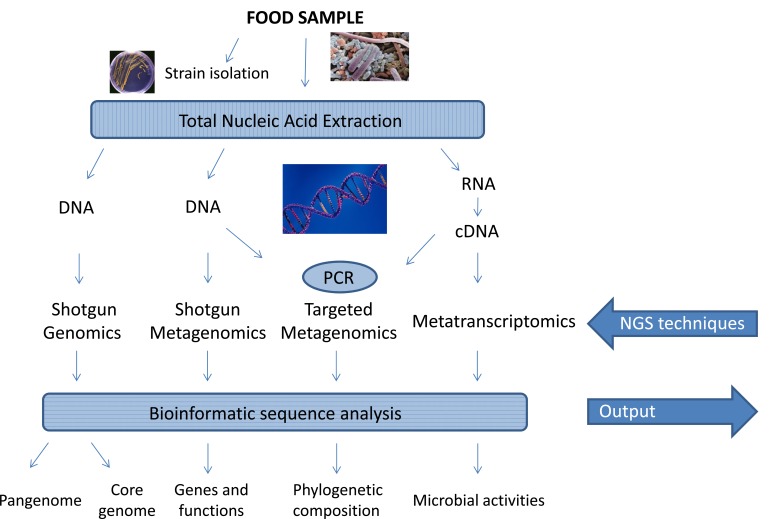
“In addition, shotgun techniques inform on the genetics and functional capabilities of the microbial constituents of food ecosystems.”
BackgroundLactic acid bacteria evolution during winemaking: Use of rpoB gene as a target for PCR-DGGE analysis
Renouf, V., Claisse, O., Miot‐Sertier, C., & Lonvaud‐Funel, A. (2005) · Food Microbiology · doi:10.1016/j.fm.2005.01.019 · Cited by 90 · cited 2×
“Single266 copy target genes, such as rpoB recA, radA, rpoA, gyrB and others have therefore been 267 proposed as alternatives [55-57].”
BackgroundSul, W. J., Cole, J. R., Jesus, E. D. C., Wang, Q., Farris, R. J., Fish, J. A., & Tiedje, J. M. (2011) · Proceedings of the National Academy of Sciences · doi:10.1073/pnas.1111435108 · Cited by 89 · cited 1×
“Both approaches are currently 314 used and produce similar results [70].”
ResultEscalante, A., Wacher, C., & Farrés, A. (2001) · International Journal of Food Microbiology · doi:10.1016/s0168-1605(00)00428-1 · Cited by 88 · cited 1×
“Examining the microbial ecology of foods by NGS 197 The first attempts to characterize whole community profiles of traditional fermented 198 foods were performed using rDNA amplification, cloning, sequencing and sequence 199 analysis [12, 30-32].”
MethodNam, Y., Park, S., & Lim, S. (2012) · Journal of Food Science · doi:10.1111/j.1750-3841.2012.02656.x · Cited by 79 · cited 2×
“, “cheonggukjang” [86], “doenjang” [87], and 391 “kochjang” [88].”
BackgroundRachid, C. T. C. D. C., dos Santos, A. L., Píccolo, M. D. C., Balieiro, F. D. C., Coutinho, H. L. C., Peixoto, R. S., Tiedje, J. M., & Rosado, A. S. (2013) · PLoS ONE · doi:10.1371/journal.pone.0059342 · Cited by 76 · cited 2×
“Thus, there is a lack of representative organisms at 336 several taxonomic levels that limits any taxonomic assignment approach [76].”
BackgroundSelf-citationCharacterization of microflora in Latin-style cheeses by next-generation sequencing technology
Lusk, T. S., Ottesen, A. R., White, J. R., Allard, M. W., Brown, E. W., & Kase, J. A. (2012) · BMC Microbiology · doi:10.1186/1471-2180-12-254 · Cited by 71 · cited 2×
“479 Pyrosequencing has also been used to study the diversity and dynamics of bacterial 480 populations present during the manufacture and ripening of traditional cheeses, 481 including Danish raw milk cheeses [98], the Polish cheese Oscypek [99], artisanal Irish 482 cheeses [100], Latin-style cheeses [101], and water…”
BackgroundMethodNext-generation sequencing and its potential impact on food microbial genomics
Solieri, L., Dakal, T. C., & Giudici, P. (2013) · Annals of Microbiology · doi:10.1007/s13213-012-0478-8 · Cited by 71 · cited 2×
“and pertinent reviews have been compiled [16-19].”
BackgroundMäder, U., Nicolas, P., Richard, H., Bessières, P., & Aymerich, S. (2010) · Current Opinion in Biotechnology · doi:10.1016/j.copbio.2010.10.003 · Cited by 69 · cited 1×
“Indeed, in RNA-based studies, sample preparation remains an active area of investigation; the recovery and enrichment of high quality mRNA, its short half-life, and the selective removal of rRNA, are all challenges that must be adequately met [35, 43, 44].”
BackgroundDiversity and activities of yeasts from different parts of a Stilton cheese
Gkatzionis, K., Yunita, D., Linforth, R., Dickinson, M. J., & Dodd, C. E. R. (2014) · International Journal of Food Microbiology · doi:10.1016/j.ijfoodmicro.2014.02.016 · Cited by 66 · cited 1×
“formation polymorphism (SSCP), real-time quantitative PCR (qPCR), the construction and analysis of 16S rRNA gene libraries, terminal restriction fragment length polymorphism (TRFLP), and a few others [7-16].”
MethodSilander, K., & Saarela, J. (2008) · Methods in molecular biology · doi:10.1007/978-1-59745-188-8_1 · Cited by 61
Pangenomics – an avenue to improved industrial starter cultures and probiotics
Garrigues, C., Johansen, E., & Crittenden, R. G. (2012) · Current Opinion in Biotechnology · doi:10.1016/j.copbio.2012.08.009 · Cited by 56
Koyanagi, T., Kiyohara, M., Matsui, H., Yamamoto, K., KONDO, T., Katayama, T., & Kumagai, H. (2011) · Letters in Applied Microbiology · doi:10.1111/j.1472-765x.2011.03155.x · Cited by 55 · cited 1×
“419 The use of different NGS techniques for the microbial fingerprinting of Japanese, 420 rice-based fermented products, such as “narezushi” [91], “nukadoko” [92] and 421 “kaburazushi” [93] has also been reported (Table 1).”
MethodExplaining microbial population genomics through phage predationPreprint
Rodríguez‐Valera, F., Rodríguez‐Valera, F., Martín-Cuadrado, A.-B., Rodriguez-Brito, B., Pašić, L., Thingstad, T. F., Rohwer, F. L., & Mira, Á. (2009) · Nature Precedings · doi:10.1038/npre.2009.3489 · Cited by 53
Novel extraction strategy of ribosomal RNA and genomic DNA from cheese for PCR-based investigations
Bonaïti, C., Parayre, S., & Irlinger, F. (2005) · International Journal of Food Microbiology · doi:10.1016/j.ijfoodmicro.2005.08.028 · Cited by 52
Bokulich, N. A., & Mills, D. A. (2012) · Food Microbiology · doi:10.1016/j.fm.2012.02.007 · Cited by 46
Groenewald, M., Robert, V., & Smith, M. T. (2011) · Persoonia - Molecular Phylogeny and Evolution of Fungi · doi:10.3767/003158511x559610 · Cited by 44 · cited 1×
“However, they 279 cannot be used to determine the phylogeny of fungi at the species level [61, 63].”
BackgroundPyrosequencing Analysis of Microbiota inKaburazushi, a Traditional Medieval Sushi in Japan
KOYANAGI, T., NAKAGAWA, A., Kiyohara, M., Matsui, H., Yamamoto, K., Barla, F., Take, H., Katsuyama, Y., Tsuji, A. B., SHIJIMAYA, M., et al. (2013) · Bioscience Biotechnology and Biochemistry · doi:10.1271/bbb.130550 · Cited by 42 · cited 1×
“419 The use of different NGS techniques for the microbial fingerprinting of Japanese, 420 rice-based fermented products, such as “narezushi” [91], “nukadoko” [92] and 421 “kaburazushi” [93] has also been reported (Table 1).”
MethodWang, P., Qi, M., Barboza, P., Leigh, M. B., Ungerfeld, E., Selinger, L. B., McAllister, T. A., & Forster, R. J. (2011) · Canadian Journal of Microbiology · doi:10.1139/w11-048 · Cited by 34 · cited 1×
“Metatranscriptomic approaches have been used 622 successfully to examine complex microbial ecosystems such as the rumen [112] and soil 623 [113], and have been suggested promising for studying food fermentations [33].”
MethodVibrio casei sp. nov., isolated from the surfaces of two French red smear soft cheeses
Bleicher, A., Neuhaus, K., & Scherer, S. (2009) · INTERNATIONAL JOURNAL OF SYSTEMATIC AND EVOLUTIONARY MICROBIOLOGY · doi:10.1099/ijs.0.016493-0 · Cited by 34 · cited 1×
“Vibrionaceae read 506 sequences have recently been associated with the new species Vibrio casei [103], which 507 was originally isolated from a French, washed-rind cheese [104].”
BackgroundNinane, V., Mukandayambaje, R., & Berben, G. (2007) · Journal of AOAC INTERNATIONAL · doi:10.1093/jaoac/90.4.1111 · Cited by 28 · cited 1×
“Examining the microbial ecology of foods by NGS 197 The first attempts to characterize whole community profiles of traditional fermented 198 foods were performed using rDNA amplification, cloning, sequencing and sequence 199 analysis [12, 30-32].”
MethodKrüger, D., Kapturska, D., Fischer, C., Daniel, R., & Wubet, T. (2012) · PLoS ONE · doi:10.1371/journal.pone.0032139 · Cited by 21 · cited 1×
“confidence across genetically distant taxa [65].”
Sample Processing and cDNA Preparation for Microbial Metatranscriptomics in Complex Soil Communities
Carvalhais, L. C., & Schenk, P. M. (2013) · Methods in enzymology on CD-ROM/Methods in enzymology · doi:10.1016/b978-0-12-407863-5.00013-7 · Cited by 18 · cited 1×
“Metatranscriptomic approaches have been used 622 successfully to examine complex microbial ecosystems such as the rumen [112] and soil 623 [113], and have been suggested promising for studying food fermentations [33].”
MethodRecent Applications of DNA Sequencing Technologies in Food, Nutrition and Agriculture
Liu, G. E. (2011) · Recent Patents on Food Nutrition & Agriculture · doi:10.2174/2212798411103030187 · Cited by 15 · cited 2×
“pathogens and how to combat them [17], and in developing applications for potentially 638 technologically important microorganisms [114].”
BackgroundThe rare biosphere: sorting out fact from fiction
Sogin, M. L., Morrison, H. G., McLellan, S. L., Welch, D., & Huse, S. (2010) · Genome biology · doi:10.1186/gb-2010-11-s1-i19 · Cited by 4 · cited 1×
“However, other control steps are now required, including noise removal [83], the detection of chimeric sequences, procedures for preclustering, and the exclusion of singletons [84-86].”
Background
Cited by
Fermented foods in a global age: east meets West
Tamang, J. P., Cotter, P. D., Endo, A., Han, N. S., Kort, R., Liu, S. Q., Mayo, B., Westerik, N., & Hutkins, R. (2020) · Comprehensive Reviews in Food Science and Food Safety · doi:10.1111/1541-4337.12520 · Cited by 719
Self-citationEnhancing the accuracy of next-generation sequencing for detecting rare and subclonal mutations
Salk, J. J., Schmitt, M. W., & Loeb, L. A. (2018) · Nature Reviews Genetics · doi:10.1038/nrg.2017.117 · Cited by 541
“…longevity. of environmental samples is an important tool for identifying novel protein variants with potential industrial applications 188 , for monitoring ecological health 189 and for facilitating food safety testing, including the detection of low-frequency drug-resistant microbial strains 190 .”
MethodKombucha tea fermentation: Microbial and biochemical dynamics
Chakravorty, S., Bhattacharya, S., Chatzinotas, A., Chakraborty, W., Bhattacharya, D., & Gachhui, R. (2016) · International Journal of Food Microbiology · doi:10.1016/j.ijfoodmicro.2015.12.015 · Cited by 533
“The data that we obtained from this exploration will in future pave the way for combining NGS with other high throughput “omics” technologies viz. transcriptomics, metabolomics, proteomics, or glycomics and other system biology approaches (Mayo et al., 2014).”
BackgroundMethodInfluentialThe use of next generation sequencing for improving food safety: Translation into practice
Jagadeesan, B., Gerner-Smidt, P., Allard, M. W., Leuillet, S., Winkler, A., Xiao, Y., Chaffron, S., Van Der Vossen, J., Tang, S., Katase, M., et al. (2019) · Food Microbiology · doi:10.1016/j.fm.2018.11.005 · Cited by 364
“By surveying microbiota variations in fermented products during production, it may be possible to improve the production process by improving flavour or accelerate ripening, for example by adding novel strains at appropriate times or by changing environmental conditions to favour the development of specific microflora…”
BackgroundSheng, L., & Wang, L. (2021) · Comprehensive Reviews in Food Science and Food Safety · doi:10.1111/1541-4337.12671 · Cited by 275
Metadata
- Authors
- Mayo, B., Rachid, C., Alegria, A., Leite, A., Peixoto, R., & Delgado, S.
- Affiliations
- Consejo Superior de Investigaciones Científicas (ES)
- Universidade Federal do Rio de Janeiro (BR)
- Corresponding author
- Mayo, Baltasar
- Venue
- Current Genomics
- Publisher
- Bentham Science Publishers Ltd.
- Published
- 2014-07-31
- Volume
- 15
- Issue
- 4
- Pages
- 293-309
- ISSN
- 1389-2029 (ISSN-L)
- PMC
- PMC4133952
- OpenAlex
- W1970968560
- Semantic Scholar
- f3f997b1d504a0330236df3e013378fb1bcf29b3
- Cited by
- 188
- References
- 124
- Citations by year
- 2026: 2 · 2025: 8 · 2024: 11 · 2023: 15 · 2022: 29 · 2021: 14 · 2020: 26 · 2019: 23 · 2018: 21 · 2017: 20 · 2016: 11 · 2015: 8
- FWCI
- 5.33
- Type
- journal article
- Language
- en
- Open access
- bronze
- doi.org
- Locations
- Current Genomics (publishedVersion)
- PubMed Central (publishedVersion, cc-by-nc)
- PubMed (publishedVersion)
- DIGITAL.CSIC (Spanish National Research Council (CSIC)) (submittedVersion)
- Funders
- Coordenação de Aperfeiçoamento de Pessoal de Nível Superior
- Ministerio de Economía y Competitividad
- Conselho Nacional de Desenvolvimento Científico e Tecnológico
- Fundação Carlos Chagas Filho de Amparo à Pesquisa do Estado do Rio de Janeiro
- Topics
- Life Sciences › Biochemistry, Genetics and Molecular Biology › Molecular Biology › Genomics and Phylogenetic Studies
- Life Sciences › Agricultural and Biological Sciences › Food Science › Probiotics and Fermented Foods
- Life Sciences › Biochemistry, Genetics and Molecular Biology › Molecular Biology › Gut microbiota and health
- Keywords
- next-generation sequencing, food microbiology, food microbiome, fermented foods, fermented dairy products, milk microbiota, microbial diversity, microbial population structure, microbial ecology, food safety, unculturable microorganisms, metagenomics
About these checks
Registry, retraction, Cites and statistics results are computed, not judged, with one exception: a printed reference that no index lists is read once by a model before it counts as a citation error. Claims are extracted by a model and kept only when their quote appears verbatim in the text; each cited source is then checked, with a model’s help, for whether it says what the claim relies on. Those verdicts can be wrong — read the claim’s quote and the cited source before relying on one.
Statistics and arithmetic are recomputed, not judged.
Confidence bands are shown only for fields calibrated on our annotated test set. None is calibrated yet, so no band is shown.
What counts as a claim ›How we measure confidence ›How we check this ›
Are you an author, or do you see a problem with this page? Request a review
Data sources
Bibliographic data: Semantic Scholar, OpenAlex, Crossref.
Contains information from the Semantic Scholar Academic Graph Datasets, made available under the ODC Attribution License (ODC-BY 1.0).
Semantic Scholar’s data is described in: Kinney, R., et al. (2023). The Semantic Scholar Open Data Platform. arXiv:2301.10140.
