

The DOI matches its Crossref record, with a small difference in title or year; 64 of the 64 references it cites were found in a registry or an index; 1 of the 37 sources its claims cite were checked for support.
Globalization of Diabetes
Open accessAbstract
Type 2 diabetes is a global public health crisis that threatens the economies of all nations, particularly developing countries. Fueled by rapid urbanization, nutrition transition, and increasingly sedentary lifestyles, the epidemic has grown in parallel with the worldwide rise in obesity. Asia's large population and rapid economic development have made it an epicenter of the epidemic. Asian populations tend to develop diabetes at younger ages and lower BMI levels than Caucasians. Several factors contribute to accelerated diabetes epidemic in Asians, including the “normal-weight metabolically obese” phenotype; high prevalence of smoking and heavy alcohol use; high intake of refined carbohydrates (e.g., white rice); and dramatically decreased physical activity levels. Poor nutrition in utero and in early life combined with overnutrition in later life may also play a role in Asia's diabetes epidemic. Recent advances in genome-wide association studies have contributed substantially to our understanding of diabetes pathophysiology, but currently identified genetic loci are insufficient to explain ethnic differences in diabetes risk. Nonetheless, interactions between Westernized diet and lifestyle and genetic background may accelerate the growth of diabetes in the context of rapid nutrition transition. Epidemiologic studies and randomized clinical trials show that type 2 diabetes is largely preventable through diet and lifestyle modifications. Translating these findings into practice, however, requires fundamental changes in public policies, the food and built environments, and health systems. To curb the escalating diabetes epidemic, primary prevention through promotion of a healthy diet and lifestyle should be a global public policy priority.
Overview
AI snapshot
Written from the paper’s full text.
TL;DR
This review argues that type 2 diabetes has become a global epidemic driven by urbanization, nutrition transition, and sedentary lifestyles, with Asia now the epicenter because Asian populations develop diabetes at younger ages and lower BMI levels than Caucasians. It concludes that most cases are preventable through diet and lifestyle change, but that this requires public policy shifts in food, built, and social environments.
Key findings
- Global burden: diabetes affects at least 285 million people worldwide, projected to reach 438 million by 2030, with two-thirds of cases in low- to middle-income countries; impaired glucose tolerance is expected to rise from 344 million (2010) to 472 million (2030). Diabetes accounted for 12% of health expenditures in 2010 (~$376 billion), projected at $490 billion by 2030.
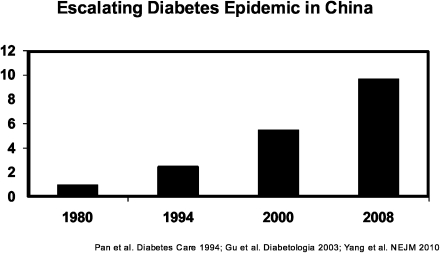
- Asia accounts for 60% of the world's diabetic population; Chinese adult diabetes prevalence rose from <1% in 1980 to nearly 10% by 2008 (>92 million diabetic, 148 million prediabetic), while urban south India reached nearly 20%.
- Diet: a 2 serving/day increment in whole-grain intake was associated with 21% lower diabetes risk; highest SSB intake (1–2 servings/day) carried a 26% greater risk (RR 1.26 [95% CI 1.12–1.41]); white rice intake in the Shanghai Women's Health Study showed RR 1.78 (95% CI 1.48–2.15) comparing extreme quintiles.
- Lifestyle: in the NHS, women in a low-risk group (BMI <25, healthy diet, ≥30 min/day activity, no smoking, ≥half-serving alcohol/day) had RR 0.09 (95% CI 0.05–0.17), with 91% of cases (95% CI 83–95%) attributable to the five factors; trials reduced incidence by 31–58% (Daqing 31/46/42% for diet/exercise/combined; Finnish DPS and U.S. DPP 58%; IDPP 28.5% lifestyle).
Methods
Narrative review synthesizing global burden data (International Diabetes Federation estimates), population-based cross-sectional surveys (e.g., Chinese National Nutrition Survey, Shanghai Women's Health Study), prospective cohorts (Nurses' Health Study, NHS II, Health Professionals' Follow-up Study), meta-analyses, genome-wide association studies, and randomized prevention trials (Daqing, Finnish DPS, U.S. DPP, IDPP). Includes a reduced rank regression analysis in a nested case-control sample of 656 diabetes cases and 694 controls, and a gene–diet interaction analysis using a 10-SNP genetic risk score.
Limitations
The paper is a review and states no formal limitations of its own. Evident from the text: much of the mechanistic and gene–environment evidence comes from a small number of cohorts (largely NHS and U.S. male health professionals), limiting generalizability to Asian and other populations; the author notes that identified genetic loci are insufficient to explain ethnic differences or the rapid rise in prevalence and have limited clinical predictive utility; the thrifty genotype hypothesis is described as lacking identified genes and receiving little support from preliminary analyses, and famine-exposure findings are inconsistent across cohorts (Dutch Famine vs. Leningrad Siege).
Model-written summary. Check it against the paper before relying on it.
Integrity signals
Registry
Cites
Statistics
Figures
Verification
Claims the paper makes
38 Not checked yet · 29 Own interpretation · 5 No basis given · 2 Own result · 1 Supported
Every source the paper cites for this claim was checked and supports it.
In the paper
“We found that the prevalence of hyperglycemia was highest (18.9%) in fetal-exposed subjects who consumed an affluent/Western diet during adulthood.”
§ Globalization of Diabetes > THE THRIFTY GENOTYPE VERSUS THE THRIFTY PHENOTYPE
What the sources say
- Supportedcites [57] Li, 2010, Exposure to the Chinese famine in early life and the risk of hyperglycemia and type 2 diabetes in adulthood, Diabetes source
The Results report that hyperglycemia prevalence was highest (18.9%) among fetal-exposed participants who consumed an affluent/Western diet. This finding comes from the analysis of severely affected famine areas; the Methods identify the data as from the 2002 China National Nutrition and Health Survey. (LLM, conf=0.93)
plaincorrelational- Asserted: passes — The authors put it forward as true.
- Checkable: passes — It can be checked against evidence.
- Load-bearing: passes — The paper’s conclusions depend on it.
- Based: passes — The paper gives a reason why it holds.
- Rests on an assumption: The Chinese National Nutrition and Health Survey data accurately classify famine exposure and hyperglycemia.
- Supported
In the paper
“Our recent meta-analysis (13) found that individuals in the highest quantile of SSB intake (most often 1–2 servings/day) had a 26% greater risk of developing the disease than those in the lowest (relative risk [RR] 1.26 [95% CI 1.12–1.41]).”
§ Globalization of Diabetes > CONTRIBUTING FACTORS > Diet
What the sources say
- Not checked yetcites [13] Malik, 2010, Sugar-sweetened beverages and risk of metabolic syndrome and type 2 diabetes: a meta-analysis, Diabetes Care source
plaincorrelational- Asserted: passes — The authors put it forward as true.
- Checkable: passes — It can be checked against evidence.
- Load-bearing: passes — The paper’s conclusions depend on it.
- Based: passes — The paper gives a reason why it holds.
In the paper
“In Asian populations, increased risk of diabetes starts at a lower BMI than in Europeans (9).”
§ Globalization of Diabetes > CONTRIBUTING FACTORS > Obesity and fat distribution
What the sources say
- Not checked yetcites [9] Yoon, 2006, Epidemic obesity and type 2 diabetes in Asia, Lancet source
plaincorrelational- Asserted: passes — The authors put it forward as true.
- Checkable: passes — It can be checked against evidence.
- Load-bearing: unclear — It is unclear whether the paper’s conclusions depend on it.
- Based: passes — The paper gives a reason why it holds.
In the paper
“Findings from the Shanghai Women's Health Study (SWHS) indicate that high intake of foods with a high GI or GL, especially white rice, is associated with increased risk of diabetes (RR comparing highest to lowest quintile of white rice intake: 1.78 [95% CI 1.48–2.15]) (22).”
§ Globalization of Diabetes > CONTRIBUTING FACTORS > Diet
What the sources say
- Not checked yetcites [22] Villegas, 2007, Prospective study of dietary carbohydrates, glycemic index, glycemic load, and incidence of type 2 diabetes mellitus in middle-aged Chinese women, Arch Intern Med source
hedgedcorrelational- Asserted: passes — The authors put it forward as true.
- Checkable: passes — It can be checked against evidence.
- Load-bearing: passes — The paper’s conclusions depend on it.
- Based: passes — The paper gives a reason why it holds.
In the paper
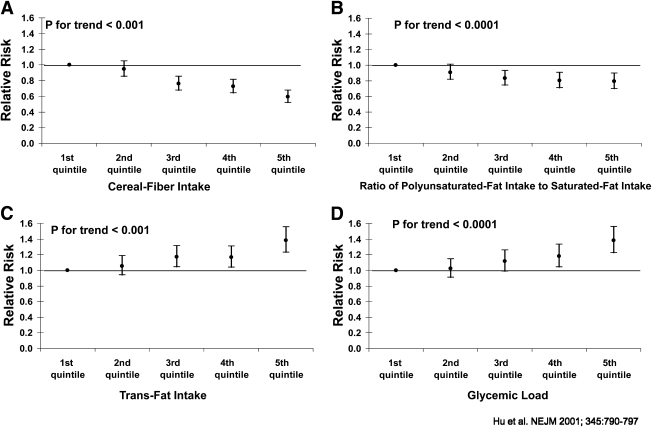
“In the Nurses’ Health Study (NHS), we found that the quality of fats and carbohydrates play an important role in the development of diabetes, independent of BMI and other risk factors (11).”
§ Globalization of Diabetes > CONTRIBUTING FACTORS > Diet
What the sources say
- Not checked yetcites [11] Hu, 2001, Diet, lifestyle, and the risk of type 2 diabetes mellitus in women, N Engl J Med source
plaindirect- Asserted: passes — The authors put it forward as true.
- Checkable: passes — It can be checked against evidence.
- Load-bearing: passes — The paper’s conclusions depend on it.
- Based: passes — The paper gives a reason why it holds.
In the paper
“A meta-analysis of 370,000 individuals with 12 years of follow-up showed a U-shaped relationship, with a 30–40% reduced risk of the disease among those consuming 1–2 drinks/day compared with heavy drinkers or abstainers (37).”
§ Globalization of Diabetes > CONTRIBUTING FACTORS > Alcohol use
What the sources say
- Not checked yetcites [37] Koppes, 2005, Moderate alcohol consumption lowers the risk of type 2 diabetes: a meta-analysis of prospective observational studies, Diabetes Care source
plaincorrelational- Asserted: passes — The authors put it forward as true.
- Checkable: passes — It can be checked against evidence.
- Load-bearing: passes — The paper’s conclusions depend on it.
- Based: passes — The paper gives a reason why it holds.
In the paper
“In addition, intake of processed meat, red meat, and heme iron, which characterize the Western dietary pattern, showed significant interactions with GRS in relation to diabetes risk (P for interaction = 0.029, 0.02, and 0.0004, respectively).”
§ Globalization of Diabetes > GENETIC SUSCEPTIBILITY AND GENE-ENVIRONMENT INTERACTIONS
What the sources say
- Not checked yetcites [45] Qi, 2009, Genetic predisposition, Western dietary pattern, and the risk of type 2 diabetes in men, Am J Clin Nutr source
plaincorrelational- Asserted: passes — The authors put it forward as true.
- Checkable: passes — It can be checked against evidence.
- Load-bearing: passes — The paper’s conclusions depend on it.
- Based: passes — The paper gives a reason why it holds.
- Rests on an assumption: The Western dietary pattern derived from principal component analysis of 40 food groups adequately represents the dietary exposure relevant to type 2 diabetes risk.
- Rests on an assumption: The genetic risk score based on 10 established single nucleotide polymorphisms adequately captures genetic susceptibility to type 2 diabetes.
In the paper
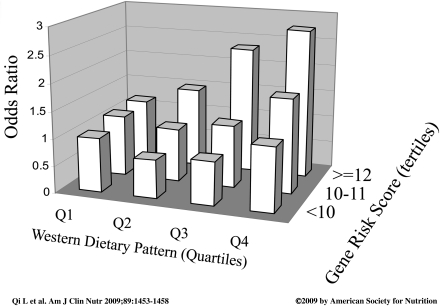
“Among those with a lower GRS, the Western dietary pattern was not associated with diabetes risk.”
§ Globalization of Diabetes > GENETIC SUSCEPTIBILITY AND GENE-ENVIRONMENT INTERACTIONS
What the sources say
- Not checked yetcites [45] Qi, 2009, Genetic predisposition, Western dietary pattern, and the risk of type 2 diabetes in men, Am J Clin Nutr source
plain- Asserted: passes — The authors put it forward as true.
- Checkable: passes — It can be checked against evidence.
- Load-bearing: passes — The paper’s conclusions depend on it.
- Based: passes — The paper gives a reason why it holds.
- Rests on an assumption: The Western dietary pattern derived from principal component analysis of 40 food groups adequately represents the dietary exposure relevant to type 2 diabetes risk.
- Rests on an assumption: The genetic risk score based on 10 established single nucleotide polymorphisms adequately captures genetic susceptibility to type 2 diabetes.
In the paper
“In the Health Professionals’ Follow-up Study, we found a significant interaction between a Western dietary pattern derived from principle component analysis of 40 food groups and a genetic risk score (GRS) of type 2 diabetes susceptibility based on 10 established single nucleotide polymorphisms (P = 0.02) (Fig. 4) (45).”
§ Globalization of Diabetes > GENETIC SUSCEPTIBILITY AND GENE-ENVIRONMENT INTERACTIONS
What the sources say
- Not checked yetcites [45] Qi, 2009, Genetic predisposition, Western dietary pattern, and the risk of type 2 diabetes in men, Am J Clin Nutr source
plaincorrelational- Asserted: passes — The authors put it forward as true.
- Checkable: passes — It can be checked against evidence.
- Load-bearing: passes — The paper’s conclusions depend on it.
- Based: passes — The paper gives a reason why it holds.
- Rests on an assumption: The Western dietary pattern derived from principal component analysis of 40 food groups adequately represents the dietary exposure relevant to type 2 diabetes risk.
- Rests on an assumption: The genetic risk score based on 10 established single nucleotide polymorphisms adequately captures genetic susceptibility to type 2 diabetes.
In the paper
“The multivariable ORs of diabetes across increasing quartiles of the Western dietary pattern were 1.00, 1.23 (95% CI 0.88–1.73), 1.49 (1.06, 2.09), and 2.06 (1.48, 2.88) among men with a higher GRS (≥12 risk alleles, P for trend = 0.01).”
§ Globalization of Diabetes > GENETIC SUSCEPTIBILITY AND GENE-ENVIRONMENT INTERACTIONS
What the sources say
- Not checked yetcites [45] Qi, 2009, Genetic predisposition, Western dietary pattern, and the risk of type 2 diabetes in men, Am J Clin Nutr source
plaincorrelational- Asserted: passes — The authors put it forward as true.
- Checkable: passes — It can be checked against evidence.
- Load-bearing: passes — The paper’s conclusions depend on it.
- Based: passes — The paper gives a reason why it holds.
- Rests on an assumption: The Western dietary pattern derived from principal component analysis of 40 food groups adequately represents the dietary exposure relevant to type 2 diabetes risk.
- Rests on an assumption: The genetic risk score based on 10 established single nucleotide polymorphisms adequately captures genetic susceptibility to type 2 diabetes.
- It may state two separate claims as one. 17
- Probably not a substantial claim. 5
In the paper
“In particular, higher dietary glycemic load (GL) and trans fat are associated with increased diabetes risk, whereas greater consumption of cereal fiber and polyunsaturated fat is associated with decreased risk (Fig. 2).”
§ Globalization of Diabetes > CONTRIBUTING FACTORS > Diet
What the sources say
- Not checked yetcites [11] Hu, 2001, Diet, lifestyle, and the risk of type 2 diabetes mellitus in women, N Engl J Med source
plaincorrelational- Asserted: passes — The authors put it forward as true.
- Checkable: passes — It can be checked against evidence.
- Load-bearing: passes — The paper’s conclusions depend on it.
- Based: passes — The paper gives a reason why it holds.
It may state two separate claims as one.
The paper states this without a source or data behind it here, so there is nothing to check it against. The quote shows it is in the paper.
In the paper
“Asia accounts for 60% of the world's diabetic population.”
§ Globalization of Diabetes > EPICENTERS OF DIABETES
plain- Asserted: passes — The authors put it forward as true.
- Checkable: passes — It can be checked against evidence.
- Load-bearing: fails — The paper’s conclusions may not depend on it.
- Based: fails — The paper may give no reason why it holds.
Probably not a substantial claim. The paper’s conclusions may not depend on it. The paper may give no reason why it holds.
In the paper
“In 1980, less than 1% of Chinese adults had the disease. By 2008, the prevalence had reached nearly 10% (Fig. 1) (4).”
§ Globalization of Diabetes > EPICENTERS OF DIABETES
What the sources say
- Not checked yetcites [4] Yang, 2010, Prevalence of diabetes among men and women in China, N Engl J Med source
plain- Asserted: passes — The authors put it forward as true.
- Checkable: passes — It can be checked against evidence.
- Load-bearing: unclear — It is unclear whether the paper’s conclusions depend on it.
- Based: passes — The paper gives a reason why it holds.
It may state two separate claims as one.
In the paper
“Asian populations tend to develop diabetes at younger ages and lower BMI levels than Caucasians.”
§ Globalization of Diabetes > Abstract
What the sources say
- Not checked yetcites [3] Chan, 2009, Diabetes in Asia: epidemiology, risk factors, and pathophysiology, JAMA source
plaincorrelational- Asserted: passes — The authors put it forward as true.
- Checkable: passes — It can be checked against evidence.
- Load-bearing: passes — The paper’s conclusions depend on it.
- Based: passes — The paper gives a reason why it holds.
It may state two separate claims as one.
In the paper
“Compared with Western populations, Asians develop diabetes at younger ages, at lower degrees of obesity, and at much higher rates given the same amount of weight gain (3).”
§ Globalization of Diabetes > EPICENTERS OF DIABETES
What the sources say
- Not checked yetcites [3] Chan, 2009, Diabetes in Asia: epidemiology, risk factors, and pathophysiology, JAMA source
plaincorrelational- Asserted: passes — The authors put it forward as true.
- Checkable: passes — It can be checked against evidence.
- Load-bearing: unclear — It is unclear whether the paper’s conclusions depend on it.
- Based: passes — The paper gives a reason why it holds.
It may state two separate claims as one.
In the paper
“Compared with the relatively nonexposed cohort, the ORs of hyperglycemia in the fetal-exposed cohort were 7.63 (95% CI 2.41–24.1, P = 0.0005) for those who had an affluent/Western dietary pattern, and 2.34 (95% CI 0.82–6.70, P = 0.112) for those with a traditional dietary pattern.”
§ Globalization of Diabetes > THE THRIFTY GENOTYPE VERSUS THE THRIFTY PHENOTYPE
What the sources say
- Not checked yetcites [57] Li, 2010, Exposure to the Chinese famine in early life and the risk of hyperglycemia and type 2 diabetes in adulthood, Diabetes source
plaincorrelational- Asserted: passes — The authors put it forward as true.
- Checkable: passes — It can be checked against evidence.
- Load-bearing: passes — The paper’s conclusions depend on it.
- Based: passes — The paper gives a reason why it holds.
It may state two separate claims as one.
- Rests on an assumption: The Chinese National Nutrition and Health Survey data accurately classify famine exposure and hyperglycemia.
In the paper
“Despite relatively low consumption of rice in the U.S. population, in the NHS, we found that higher consumption of white rice is associated with increased risk of diabetes, whereas consumption of brown rice, a whole grain, protects against the disease (23).”
§ Globalization of Diabetes > CONTRIBUTING FACTORS > Diet
What the sources say
- Not checked yetcites [23] Sun, 2010, White rice, brown rice, and risk of type 2 diabetes in US men and women, Arch Intern Med source
plaincorrelational- Asserted: passes — The authors put it forward as true.
- Checkable: passes — It can be checked against evidence.
- Load-bearing: passes — The paper’s conclusions depend on it.
- Based: passes — The paper gives a reason why it holds.
It may state two separate claims as one.
The paper states this without a source or data behind it here, so there is nothing to check it against. The quote shows it is in the paper.
In the paper
“Type 2 diabetes is a global public health crisis that threatens the economies of all nations, particularly developing countries.”
§ Globalization of Diabetes > Abstract
plaindirect- Asserted: passes — The authors put it forward as true.
- Checkable: passes — It can be checked against evidence.
- Load-bearing: fails — The paper’s conclusions may not depend on it.
- Based: fails — The paper may give no reason why it holds.
Probably not a substantial claim. The paper’s conclusions may not depend on it. The paper may give no reason why it holds. It may state two separate claims as one.
A conclusion the paper draws from its own results — it cites no other source for it, so there is none to check. The quote shows it is in the paper.
In the paper
“but currently identified genetic loci are insufficient to explain ethnic differences in diabetes risk.”
§ Globalization of Diabetes > Abstract
plain- Asserted: passes — The authors put it forward as true.
- Checkable: passes — It can be checked against evidence.
- Load-bearing: passes — The paper’s conclusions depend on it.
- Based: fails — The paper may give no reason why it holds.
Probably not a substantial claim. The paper may give no reason why it holds.
A conclusion the paper draws from its own results — it cites no other source for it, so there is none to check. The quote shows it is in the paper.
In the paper
“but the currently identified genetic susceptibility loci are insufficient to explain differences in diabetes risk across different ethnic groups or the rapid rise in diabetes prevalence over the past several decades.”
§ Globalization of Diabetes > CONCLUSIONS
plain- Asserted: passes — The authors put it forward as true.
- Checkable: passes — It can be checked against evidence.
- Load-bearing: passes — The paper’s conclusions depend on it.
- Based: unclear — It is unclear why the paper says it holds.
It may state two separate claims as one.
- Rests on an assumption: The currently identified genetic susceptibility loci are representative of overall genetic susceptibility to type 2 diabetes.
None of the sources cited for this claim have been checked yet.
In the paper
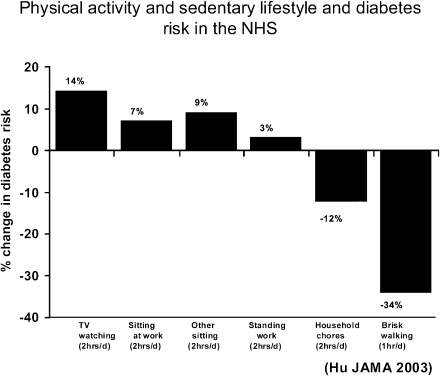
“Numerous epidemiologic studies show that increased physical activity reduces risk of diabetes, whereas sedentary behaviors increase risk.”
§ Globalization of Diabetes > CONTRIBUTING FACTORS > Physical activity
boosteddirect- Asserted: passes — The authors put it forward as true.
- Checkable: passes — It can be checked against evidence.
- Load-bearing: passes — The paper’s conclusions depend on it.
- Based: passes — The paper gives a reason why it holds.
It may state two separate claims as one.
In the paper
“Based on an analysis of 17 type 2 diabetes loci and 13 obesity loci, Southam et al. (48) found no clear evidence for overrepresentation of derived alleles (vs. ancestral alleles) for the obesity or diabetes loci or greater concentration of these loci in a particular ethnic group.”
§ Globalization of Diabetes > THE THRIFTY GENOTYPE VERSUS THE THRIFTY PHENOTYPE
What the sources say
- Not checked yetcites [48] Southam, 2009, Is the thrifty genotype hypothesis supported by evidence based on confirmed type 2 diabetes- and obesity-susceptibility variants?, Diabetologia source
plain- Asserted: passes — The authors put it forward as true.
- Checkable: passes — It can be checked against evidence.
- Load-bearing: passes — The paper’s conclusions depend on it.
- Based: passes — The paper gives a reason why it holds.
It may state two separate claims as one.
A conclusion the paper draws from its own results — it cites no other source for it, so there is none to check. The quote shows it is in the paper.
In the paper
“It should be noted that most of the single nucleotide polymorphisms uncovered may not be the actual causal variants, which need to be pinpointed through fine-mapping, sequencing, and functional studies.”
§ Globalization of Diabetes > GENETIC SUSCEPTIBILITY AND GENE-ENVIRONMENT INTERACTIONS
hedged- Asserted: passes — The authors put it forward as true.
- Checkable: passes — It can be checked against evidence.
- Load-bearing: fails — The paper’s conclusions may not depend on it.
- Based: fails — The paper may give no reason why it holds.
Probably not a substantial claim. The paper’s conclusions may not depend on it. The paper may give no reason why it holds. It may state two separate claims as one.
In the paper
“Both fetal undernutrition (LBW) and overnutrition (the baby of a diabetic mother) are associated with increased future risk of diabetes (52).”
§ Globalization of Diabetes > THE THRIFTY GENOTYPE VERSUS THE THRIFTY PHENOTYPE
What the sources say
- Not checked yetcites [52] Yajnik, 2009, Nutrient-mediated teratogenesis and fuel-mediated teratogenesis: two pathways of intrauterine programming of diabetes, Int J Gynaecol Obstet source
plaincorrelational- Asserted: passes — The authors put it forward as true.
- Checkable: passes — It can be checked against evidence.
- Load-bearing: passes — The paper’s conclusions depend on it.
- Based: passes — The paper gives a reason why it holds.
It may state two separate claims as one.
A conclusion the paper draws from its own results — it cites no other source for it, so there is none to check. The quote shows it is in the paper.
In the paper
“However, the adoption of a healthy diet and lifestyle requires not only individual behavioral changes, but also changes in our food, built, and social environments.”
§ Globalization of Diabetes > CONCLUSIONS
plaindirect- Asserted: passes — The authors put it forward as true.
- Checkable: fails — It may be too vague to check against evidence.
- Load-bearing: passes — The paper’s conclusions depend on it.
- Based: fails — The paper may give no reason why it holds.
Probably not a substantial claim. It may be too vague to check against evidence. The paper may give no reason why it holds.
A conclusion the paper draws from its own results — it cites no other source for it, so there is none to check. The quote shows it is in the paper.
In the paper
“These data provide strong epidemiologic evidence linking overall dietary patterns, inflammation, and diabetes risk, suggesting that chronic inflammation may mediate the association between a Western dietary pattern and risk of type 2 diabetes.”
§ Globalization of Diabetes > CONTRIBUTING FACTORS > Linking Western dietary pattern, inflammation, and type 2 diabetes
boostedconditional- Asserted: passes — The authors put it forward as true.
- Checkable: passes — It can be checked against evidence.
- Load-bearing: passes — The paper’s conclusions depend on it.
- Based: passes — The paper gives a reason why it holds.
It may state two separate claims as one.
In the paper
“Compared with control subjects, individuals in the combined lifestyle intervention group had a 51% lower risk of diabetes during the active intervention period, and a 43% lower risk over a 20-year follow-up.”
§ Globalization of Diabetes > PREVENTABILITY OF TYPE 2 DIABETES
What the sources say
- Not checked yetcites [59] Li, 2008, The long-term effect of lifestyle interventions to prevent diabetes in the China Da Qing Diabetes Prevention Study: a 20-year follow-up study, Lancet source
plaindirect- Asserted: passes — The authors put it forward as true.
- Checkable: passes — It can be checked against evidence.
- Load-bearing: passes — The paper’s conclusions depend on it.
- Based: passes — The paper gives a reason why it holds.
It may state two separate claims as one.
In the paper
“In the Indian Diabetes Prevention Program (IDPP) (63), after 3 years of follow-up, the RR reduction was 28.5% with lifestyle management, 26.4% with metformin, and 28.2% with the combined interventions compared with the control group.”
§ Globalization of Diabetes > PREVENTABILITY OF TYPE 2 DIABETES
What the sources say
- Not checked yetcites [63] Ramachandran, 2006, The Indian Diabetes Prevention Programme shows that lifestyle modification and metformin prevent type 2 diabetes in Asian Indian subjects with impaired glucose tolerance (IDPP-1), Diabetologia source
plaindirect- Asserted: passes — The authors put it forward as true.
- Checkable: passes — It can be checked against evidence.
- Load-bearing: unclear — It is unclear whether the paper’s conclusions depend on it.
- Based: passes — The paper gives a reason why it holds.
It may state two separate claims as one.
The paper states this without a source or data behind it here, so there is nothing to check it against. The quote shows it is in the paper.
In the paper
“To date, at least 40 genetic loci have been convincingly associated with type 2 diabetes, but these loci confer only a modest effect size and do not add to the clinical prediction of diabetes beyond traditional risk factors, such as obesity, physical inactivity, unhealthy diet, and family history of diabetes.”
§ Globalization of Diabetes > GENETIC SUSCEPTIBILITY AND GENE-ENVIRONMENT INTERACTIONS
plaincorrelational- Asserted: passes — The authors put it forward as true.
- Checkable: passes — It can be checked against evidence.
- Load-bearing: unclear — It is unclear whether the paper’s conclusions depend on it.
- Based: passes — The paper gives a reason why it holds.
It may state two separate claims as one.
A conclusion the paper draws from its own results — it cites no other source for it, so there is none to check. The quote shows it is in the paper.
In the paper
“It is intriguing that most diabetes susceptibility loci that have been identified are related to impaired β-cell function, whereas only a few (e.g., peroxisome proliferator–activated receptor-γ, insulin receptor substrate 1, IGF-1, and GCKR) are associated with insulin resistance or fasting insulin, which points toward β-cell dysfunction as a primary defect for diabetes pathogenesis.”
§ Globalization of Diabetes > GENETIC SUSCEPTIBILITY AND GENE-ENVIRONMENT INTERACTIONS
hedgeddirect- Asserted: passes — The authors put it forward as true.
- Checkable: passes — It can be checked against evidence.
- Load-bearing: passes — The paper’s conclusions depend on it.
- Based: passes — The paper gives a reason why it holds.
It may state two separate claims as one.
The paper relies on this without support.
The Western dietary pattern derived from principal component analysis of 40 food groups adequately represents the dietary exposure relevant to type 2 diabetes risk.
“a Western dietary pattern derived from principle component analysis of 40 food groups”
“intake of processed meat, red meat, and heme iron, which characterize the Western dietary pattern”
The paper relies on this without support.
The genetic risk score based on 10 established single nucleotide polymorphisms adequately captures genetic susceptibility to type 2 diabetes.
“a genetic risk score (GRS) of type 2 diabetes susceptibility based on 10 established single nucleotide polymorphisms”
The paper relies on this without support.
The five low-risk variables (BMI, diet, physical activity, smoking, alcohol) are causally related to diabetes risk and their combined effect can be estimated from observational data.
“we defined a low-risk group according to five variables: 1) BMI <25; 2) a diet high in cereal fiber and polyunsaturated fat and low in trans fat and GL; 3) moderate-to-vigorous physical activity for at least half an hour/day; 4) no current smoking; and 5) an average intake of at least a half-serving of an alcoholic beverage/day.”
The paper relies on this without support.
The Chinese National Nutrition and Health Survey data accurately classify famine exposure and hyperglycemia.
“we examined the association between famine exposure in fetal life and adult hyperglycemia in the Chinese National Nutrition and Health Survey (57).”
The paper relies on this without support.
The currently identified genetic susceptibility loci are representative of overall genetic susceptibility to type 2 diabetes.
“the currently identified genetic susceptibility loci”
Claims other papers make about this one
Each is checked against this paper’s own text: does it say what the citing paper says it does?
In the citing paper
“Lastly, a high prevalence of smoking and heavy alcohol use have been associated with diabetes [5].”
From The relationship of sugar to population-level diabetes prevalence: an econometric analysis of repeated cross-sectional data (2013) · cites this paper as [5]
Citations
Cites
Reduction in the incidence of type 2 diabetes with lifestyle intervention or metformin
(2002) · New England Journal of Medicine · doi:10.1056/nejmoa012512 · Cited by 19,011
Tuomilehto, J., Lindström, J., Eriksson, J. G., Valle, T. T., Hämäläinen, H., Ilanne-Parikka, P., Keinänen-Kiukaanniemi, S., Laakso, M., Louheranta, A., Rastas, M., et al. (2001) · New England Journal of Medicine · doi:10.1056/nejm200105033441801 · Cited by 10,873
Pan, X.-R., Li, G.-W., Hu, Y.-H., Wang, J.-X., Yang, W.-Y., An, Z.-X., Hu, Z.-X., Juan-Lin, Xiao, J.-Z., Cao, H.-B., et al. (1997) · Diabetes Care · doi:10.2337/diacare.20.4.537 · Cited by 4,320
Global burden of obesity in 2005 and projections to 2030
Kelly, T., Yang, W., Chen, C.-S., Reynolds, K., & He, J. (2008) · International Journal of Obesity · doi:10.1038/ijo.2008.102 · Cited by 3,319
Diabetes mellitus: a "thrifty" genotype rendered detrimental by "progress"?
Neel, J. V. (1962) · Europe PMC (PubMed Central) · Cited by 3,172
Prevalence of Diabetes among Men and Women in China
Yang, W., Lu, J., Weng, J., Jia, W., Ji, L., Xiao, J., Shan, Z., Liu, J., Tian, H., Ji, Q., et al. (2010) · New England Journal of Medicine · doi:10.1056/nejmoa0908292 · Cited by 3,031
Diet, lifestyle, and the risk of type 2 diabetes mellitus in women.
Hu, F. B., Manson, J. E., Stampfer, M. J., Colditz, G., Liu, S., Solomon, C. G., & Willett, W. C. (2001) · New England Journal of Medicine · doi:10.1056/nejmoa010492 · Cited by 2,901
Self-citationThe thrifty phenotype hypothesis
Hales, C. N., & Barker, D. J. (2001) · British Medical Bulletin · doi:10.1093/bmb/60.1.5 · Cited by 2,722
Diabetes mellitus: a "thrifty" genotype rendered detrimental by "progress"?
(1962) · PubMed Central · Cited by 2,182
Sugar-Sweetened Beverages and Risk of Metabolic Syndrome and Type 2 Diabetes
Malik, V. S., Popkin, B. M., Bray, G. A., Després, J.-P., Willett, W. C., & Hu, F. B. (2010) · Diabetes Care · doi:10.2337/dc10-1079 · Cited by 2,116
Self-citation
Research works printed but not linked: 1
- Yang, 2011, Tobacco control necessary, China Daily
Cited by
Sorted by citations
Global diets link environmental sustainability and human health
Tilman, D., & Clark, M. (2014) · Nature · doi:10.1038/nature13959 · Cited by 3,026
Prevalence and Control of Diabetes in Chinese Adults
Xu, Y. (2013) · JAMA · doi:10.1001/jama.2013.168118 · Cited by 2,710
DeFronzo, R. A., Ferrannini, E., Groop, L., Henry, R. R., Herman, W. H., Holst, J. J., Hu, F. B., Kahn, C. R., Raz, I., Shulman, G. I., et al. (2015) · Nature Reviews Disease Primers · doi:10.1038/nrdp.2015.19 · Cited by 2,611
Self-citationEstes, C., Anstee, Q. M., Arias, M., Bantel, H., Bellentani, S., Caballería, J., Colombo, M., Craxì, A., Crespo, J., Day, C. P., et al. (2018) · Journal of Hepatology · doi:10.1016/j.jhep.2018.05.036 · Cited by 2,046
Optical coherence tomography angiography
Spaide, R. F., Fujimoto, J. G., Waheed, N. K., Sadda, S. R., & Staurenghi, G. (2017) · Progress in Retinal and Eye Research · doi:10.1016/j.preteyeres.2017.11.003 · Cited by 1,861
Prevention and management of type 2 diabetes: dietary components and nutritional strategies
Ley, S. H., Hamdy, O., Mohan, V., & Hu, F. B. (2014) · The Lancet · doi:10.1016/s0140-6736(14)60613-9 · Cited by 1,301
Self-citationJager, K. J., Kovesdy, C., Langham, R., Rosenberg, M., Jha, V., & Zoccali, C. (2019) · Kidney International · doi:10.1016/j.kint.2019.07.012 · Cited by 957
Discovery of a Class of Endogenous Mammalian Lipids with Anti-Diabetic and Anti-inflammatory Effects
Yore, M. M., Syed, I., Moraes‐Vieira, P. M., Zhang, T., Herman, M. A., Homan, E. A., Patel, R. T., Lee, J., Chen, S., Peroni, O. D., et al. (2014) · Cell · doi:10.1016/j.cell.2014.09.035 · Cited by 868
The Economic Costs of Type 2 Diabetes: A Global Systematic Review
Seuring, T., Archangelidi, O., & Suhrcke, M. (2015) · PharmacoEconomics · doi:10.1007/s40273-015-0268-9 · Cited by 840
Vascular Adaptation to Exercise in Humans: Role of Hemodynamic Stimuli
Green, D. J., Hopman, M. T. E., Padilla, J., Laughlin, M. H., & Thijssen, D. H. J. (2017) · Physiological Reviews · doi:10.1152/physrev.00014.2016 · Cited by 821
The Lancet Commission on diabetes: using data to transform diabetes care and patient lives
Chan, J. C. N., Lim, L.-L., Wareham, N. J., Shaw, J. E., Orchard, T. J., Zhang, P., Lau, E. S. H., Eliasson, B., Kong, A. P. S., Ezzati, M., et al. (2020) · The Lancet · doi:10.1016/s0140-6736(20)32374-6 · Cited by 793
Changing epidemiology of type 2 diabetes mellitus and associated chronic kidney disease
Thomas, M. C., Cooper, M. E., & Zimmet, P. (2016) · Nature Reviews Nephrology · doi:10.1038/nrneph.2015.173 · Cited by 742
Skin-Interfaced Wearable Sweat Sensors for Precision Medicine
Min, J., Tu, J., Xu, C., Lukas, H., Shin, S., Yang, Y., Solomon, S. A., Mukasa, D., & Gao, W. F. (2023) · Chemical Reviews · doi:10.1021/acs.chemrev.2c00823 · Cited by 752
Jager, K. J., Kovesdy, C. P., Langham, R. G., Rosenberg, M. E., Jha, V., & Zoccali, C. (2019) · Nephrology Dialysis Transplantation · doi:10.1093/ndt/gfz174 · Cited by 643
Gut microbiome composition is linked to whole grain-induced immunological improvements
Martínez, I., Lattimer, J. M., Hubach, K. L., Case, J. A., Yang, J., Weber, C. G., Louk, J. A., Rose, D. J., Kyureghian, G., Peterson, D. A., et al. (2013) · The ISME Journal · doi:10.1038/ismej.2012.104 · Cited by 614
The Growing Epidemic of Diabetes Mellitus
Lović, D. B., Piperidou, A., Zografou, I., Grassos, H., Pittaras, A. E., & Manolis, A. J. (2019) · Current Vascular Pharmacology · doi:10.2174/1570161117666190405165911 · Cited by 571
Losses, inefficiencies and waste in the global food system
Alexander, P., Brown, C., Arneth, A., Finnigan, J., Moran, D., & Rounsevell, M. D. A. (2017) · Agricultural Systems · doi:10.1016/j.agsy.2017.01.014 · Cited by 524
Receptor for AGE (RAGE): Signaling mechanisms in the pathogenesis of diabetes and its complications
Ramasamy, R., Yan, S. F., & Schmidt, A. M. (2011) · Annals of the New York Academy of Sciences · doi:10.1111/j.1749-6632.2011.06320.x · Cited by 521
An Update on the Epidemiology of Type 2 Diabetes
Tinajero, M., & Malik, V. (2021) · Endocrinology and Metabolism Clinics of North America · doi:10.1016/j.ecl.2021.05.013 · Cited by 526
Diabetes in Asia and the Pacific: Implications for the Global Epidemic
Nanditha, A., Ronald, C. W., Ramachandran, A., Snehalatha, C., Chan, J. C. N., Chia, K. S., Shaw, J. E., & Zimmet, P. (2016) · Diabetes Care · doi:10.2337/dc15-1536 · Cited by 506
Ng, R., Sutradhar, R., Yao, Z., Wodchis, W. P., & Rosella, L. C. (2019) · International Journal of Epidemiology · doi:10.1093/ije/dyz078 · Cited by 497
Reed, J., Bain, S., & Kanamarlapudi, V. (2021) · Diabetes, Metabolic Syndrome and Obesity: Targets and Therapy · doi:10.2147/dmso.s319895 · Cited by 441
Nazare, J., Smith, J. D., Borel, A., Haffner, S. M., Balkau, B., Ross, R., Massien, C., Alméras, N., & Després, J. (2012) · American Journal of Clinical Nutrition · doi:10.3945/ajcn.112.035758 · Cited by 440
Basu, S., Yoffe, P., Hills, N., & Lustig, R. H. (2013) · PLoS ONE · doi:10.1371/journal.pone.0057873 · Cited by 435
“Lastly, a high prevalence of smoking and heavy alcohol use have been associated with diabetes [5].”
BackgroundThe Role of SGLT1 and GLUT2 in Intestinal Glucose Transport and Sensing
Röder, P. V., Geillinger, K. E., Zietek, T., Thorens, B., Koepsell, H., & Daniel, H. (2014) · PLoS ONE · doi:10.1371/journal.pone.0089977 · Cited by 409
Could consumption of insects, cultured meat or imitation meat reduce global agricultural land use?
Alexander, P. M., Brown, C., Arneth, A., Dias, C., Finnigan, J., Moran, D., & Rounsevell, M. (2017) · Global Food Security · doi:10.1016/j.gfs.2017.04.001 · Cited by 422
Diabetes structured self-management education programmes: a narrative review and current innovations
Chatterjee, S., Davies, M. J., Heller, S., Speight, J., Snoek, F. J., & Khunti, K. (2018) · The Lancet Diabetes & Endocrinology · doi:10.1016/s2213-8587(17)30239-5 · Cited by 372
Alam, M. A., Subhan, N., Hossain, H., Hossain, M., Reza, H. M., Rahman, M., & Ullah, M. O. (2016) · Nutrition & Metabolism · doi:10.1186/s12986-016-0080-3 · Cited by 389
Association of risk factors with type 2 diabetes: A systematic review
Ismail, L., Materwala, H., & Alkaabi, J. (2021) · Computational and Structural Biotechnology Journal · doi:10.1016/j.csbj.2021.03.003 · Cited by 416
Prevalence, Prevention, and Lifestyle Intervention of Gestational Diabetes Mellitus in China
Juan, J., & Yang, H. (2020) · International Journal of Environmental Research and Public Health · doi:10.3390/ijerph17249517 · Cited by 372
Cradock, K. A., ÓLaighin, G., Finucane, F. M., Gainforth, H. L., Quinlan, L. R., & Ginis, K. A. M. (2017) · International Journal of Behavioral Nutrition and Physical Activity · doi:10.1186/s12966-016-0436-0 · Cited by 343
Epidemiology of Colorectal Cancer
Keum, N., & Giovannucci, E. L. (2016) · Springer eBooks · doi:10.1007/978-3-319-35153-7_21 · Cited by 331
Association between diabetes mellitus and active tuberculosis: A systematic review and meta-analysis
Al‐Rifai, R. H., Pearson, F., Critchley, J., & Abu-Raddad, L. J. (2017) · PLoS ONE · doi:10.1371/journal.pone.0187967 · Cited by 325
Ali, M. K., Weber, M. B., & Narayan, K. M. V. (2010) · Wiley eBooks · doi:10.1002/9781444324808.ch5 · Cited by 316
Heart Failure With Preserved Ejection Fraction and Diabetes
McHugh, K., DeVore, A. D., Wu, J., Matsouaka, R. A., Fonarow, G. C., Heidenreich, P. A., Yancy, C. W., Green, J. B., Altman, N., & Hernandez, A. F. (2019) · Journal of the American College of Cardiology · doi:10.1016/j.jacc.2018.11.033 · Cited by 313
Wang, Y., Xue, H., Huang, Y., Huang, L., & Zhang, D. (2017) · Advances in Nutrition · doi:10.3945/an.116.014100 · Cited by 310
Joshi, S., Standl, E., Tong, N., Shah, P., Kalra, S., & Rathod, R. (2015) · Expert Opinion on Pharmacotherapy · doi:10.1517/14656566.2015.1070827 · Cited by 314
Autophagy in diabetic nephropathy
Ding, Y., & Choi, M. E. (2015) · Journal of Endocrinology · doi:10.1530/joe-14-0437 · Cited by 306
Christine, P. J., Auchincloss, A. H., Bertoni, A. G., Carnethon, M. R., Sánchez, B. N., Moore, K., Adar, S. D., Horwich, T. B., Watson, K. E., & Roux, A. V. D. (2015) · JAMA Internal Medicine · doi:10.1001/jamainternmed.2015.2691 · Cited by 320
Jenum, A. K., Mørkrid, K., Sletner, L., Vange, S., Torper, J. L., Nakstad, B., Voldner, N., Rognerud-Jensen, O. H., Berntsen, S., Mosdøl, A., et al. (2011) · European Journal of Endocrinology · doi:10.1530/eje-11-0866 · Cited by 295
Leng, J., Shao, P., Zhang, C., Tian, H., Zhang, F., Zhang, S., Dong, L., Li, L., Yu, Z., Chan, J. C. N., et al. (2015) · PLoS ONE · doi:10.1371/journal.pone.0121029 · Cited by 284
Anti–TGF-β1 Antibody Therapy in Patients with Diabetic Nephropathy
Voelker, J. R., Berg, P. H., Sheetz, M. J., Duffin, K. L., Shen, T., Moser, B. A., Greene, T., Blumenthal, S. S., Rychlík, I., Yagil, Y., et al. (2016) · Journal of the American Society of Nephrology · doi:10.1681/asn.2015111230 · Cited by 288
Beneficial action of resveratrol: How and why?
Díaz-Gerevini, G. T., Repossi, G., Daín, A., Tarrés, M. C., Das, U. N., & Eynard, A. R. (2015) · Nutrition · doi:10.1016/j.nut.2015.08.017 · Cited by 262
Meeks, K. A. C., Freitas-Da-Silva, D., Adeyemo, A., Beune, E., Modesti, P. A., Stronks, K., Zafarmand, M. H., & Agyemang, C. O. (2015) · Internal and Emergency Medicine · doi:10.1007/s11739-015-1302-9 · Cited by 263
Yoga for Adults with Type 2 Diabetes: A Systematic Review of Controlled Trials
Innes, K. E., & Selfe, T. K. (2016) · Journal of Diabetes Research · doi:10.1155/2016/6979370 · Cited by 248
Kanaya, A. M., Herrington, D. M., Vittinghoff, E., Ewing, S. K., Liu, K., Blaha, M. J., Dave, S. S., Qureshi, F., & Kandula, N. R. (2014) · Diabetes Care · doi:10.2337/dc13-2656 · Cited by 242
Kaplan, G. G., & Ng, S. C. (2016) · The Lancet Gastroenterology & Hepatology · doi:10.1016/s2468-1253(16)30077-2 · Cited by 240
Chakraborty, C., Doss, C. G. P., Bandyopadhyay, S., & Agoramoorthy, G. (2014) · Wiley Interdisciplinary Reviews - RNA · doi:10.1002/wrna.1240 · Cited by 243
Protein misfolding and aggregation in Alzheimer’s disease and type 2 diabetes mellitus
Ashraf, G., Greig, N., Khan, T., Hassan, I., Tabrez, S., Shakil, S., Sheikh, I., Zaidi, S., Akram, M., Jabir, N., et al. (2014) · CNS & Neurological Disorders - Drug Targets · doi:10.2174/1871527313666140917095514 · Cited by 236
Diabetes in China part 1: epidemiology and risk factors
Xu, Y., Lu, J., Li, M., Wang, T., Wang, K., Cao, Q., Ding, Y., Xiang, Y., Wang, S., Yang, Q., et al. (2024) · The Lancet Public Health · doi:10.1016/s2468-2667(24)00250-0 · Cited by 247
RETINAL VASCULAR CYSTOID MACULAR EDEMA
Spaide, R. F. (2016) · Retina · doi:10.1097/iae.0000000000001158 · Cited by 236
Restrepo, B. I. (2016) · Microbiology Spectrum · doi:10.1128/microbiolspec.tnmi7-0023-2016 · Cited by 241
Human appropriation of land for food: The role of diet
Alexander, P. M., Brown, C., Arneth, A., Finnigan, J., & Rounsevell, M. (2016) · Global Environmental Change · doi:10.1016/j.gloenvcha.2016.09.005 · Cited by 260
What is driving global obesity trends? Globalization or “modernization”?
FOX, A. M., Feng, W., & Asal, V. H. (2019) · Globalization and Health · doi:10.1186/s12992-019-0457-y · Cited by 240
Diabetes in the Africa region: An update
Peer, N., Kengne, A. P., Motala, A. A., & Mbanya, J. C. (2013) · Diabetes Research and Clinical Practice · doi:10.1016/j.diabres.2013.11.006 · Cited by 234
The Burden of Carbohydrates in Health and Disease
Clemente‐Suárez, V. J., Mielgo‐Ayuso, J., Martín-Rodríguez, A., Ramos‐Campo, D. J., Redondo-Flórez, L., & Tornero-Aguilera, J. F. (2022) · Nutrients · doi:10.3390/nu14183809 · Cited by 242
Yan, Y., Wu, T., Zhang, M., Li, C., Liu, Q., & Li, F. (2022) · BMC Public Health · doi:10.1186/s12889-022-13759-9 · Cited by 225
Esteghamati, A., Eskandari, D., Mirmiranpour, H., Noshad, S., Mousavizadeh, M., Hedayati, M., & Nakhjavani, M. (2012) · Clinical Nutrition · doi:10.1016/j.clnu.2012.08.006 · Cited by 216
Scientific Statement: Socioecological Determinants of Prediabetes and Type 2 Diabetes
Hill, J. O., Galloway, J. M., Goley, A. L., Marrero, D. G., Minners, R., Montgomery, B. K., Peterson, G. E., Ratner, R. E., Sánchez, E., & Aroda, V. R. (2013) · Diabetes Care · doi:10.2337/dc13-1161 · Cited by 222
Dagenais, G. R., Gerstein, H. C., Zhang, X., McQueen, M., Lear, S. A., López-Jaramillo, P. A., Mohan, V., Mony, P. K., Gupta, R., Kutty, V. R., et al. (2016) · Diabetes Care · doi:10.2337/dc15-2338 · Cited by 201
Diabetes in China: a societal solution for a personal challenge
Chan, J. C. N., Zhang, Y., & Ning, G. (2014) · The Lancet Diabetes & Endocrinology · doi:10.1016/s2213-8587(14)70144-5 · Cited by 200
Zhao, C., Yang, C., Wai, S. T. C., Zhang, Y., P. Portillo, M., Paoli, P., Wu, Y., San Cheang, W., Liu, B., Carpéné, C., et al. (2019) · Critical Reviews in Food Science and Nutrition · doi:10.1080/10408398.2018.1501658 · Cited by 199
Phan, T. P., Alkema, L., Tai, E. S., Tan, K. H. X., Yang, Q., Lim, W., Teo, Y. Y., Cheng, C., Wang, X., Wong, T. Y., et al. (2014) · BMJ Open Diabetes Research & Care · doi:10.1136/bmjdrc-2013-000012 · Cited by 193
Diabetes and Associated Complications in the South Asian Population
Shah, A. D., & Kanaya, A. M. (2014) · Current Cardiology Reports · doi:10.1007/s11886-014-0476-5 · Cited by 200
PPARs: Regulators of Metabolism and As Therapeutic Targets in Cardiovascular disease. Part I: PPAR-α
Han, L., Shen, W., Bittner, S., Kraemer, F. B., & Azhar, S. (2017) · Future Cardiology · doi:10.2217/fca-2016-0059 · Cited by 194
Zhuang, R., Ge, X., Han, L., Yu, P., Gong, X., Meng, Q., Zhang, Y., Fan, H., Zheng, L., Liu, Z., et al. (2019) · Obesity Reviews · doi:10.1111/obr.12843 · Cited by 188
Sharifi-Rad, J., Dey, A., Koirala, N., Shaheen, S., El Omari, N., Salehi, B., Goloshvili, T., Cirone Silva, N. C., Bouyahya, A., Vitalini, S., et al. (2021) · Frontiers in Pharmacology · doi:10.3389/fphar.2021.600139 · Cited by 183
Wu, H., Bertrand, K. A., Choi, A. L., Hu, F. B., Laden, F., Grandjean, P., & Sun, Q. (2012) · Environmental Health Perspectives · doi:10.1289/ehp.1205248 · Cited by 187
Self-citationBrannick, B., Wynn, A., & Dagogo-Jack, S. E. (2016) · Experimental Biology and Medicine · doi:10.1177/1535370216654227 · Cited by 189
A Genome-Wide Association Study Identifies GRK5 and RASGRP1 as Type 2 Diabetes Loci in Chinese Hans
Li, H., Gan, W., Lu, L., Dong, X., Han, X., Hu, C., Yang, Z., Sun, L., Bao, W., Li, P., et al. (2012) · Diabetes · doi:10.2337/db12-0454 · Cited by 182
Self-citationAssociation of Diabetes With All-Cause and Cause-Specific Mortality in Asia
Yang, J. J., Yu, D., Wen, W., Saito, E., Rahman, M. S., Shu, X., Chen, Y., Gupta, P. C., Gu, D., Tsugane, S., et al. (2019) · JAMA Network Open · doi:10.1001/jamanetworkopen.2019.2696 · Cited by 177
The impact of brief high-intensity exercise on blood glucose levels
Adams, P. J. (2013) · Diabetes Metabolic Syndrome and Obesity · doi:10.2147/dmso.s29222 · Cited by 187
Soda and Tobacco Industry Corporate Social Responsibility Campaigns: How Do They Compare?
Dorfman, L. E., Cheyne, A., Friedman, L. C., Wadud, A., & Gottlieb, M. A. (2012) · PLoS Medicine · doi:10.1371/journal.pmed.1001241 · Cited by 170
Gangemi, S., Miozzi, E., Teodoro, M., Briguglio, G., De Luca, A., Alibrando, C., Polito, I., & Libra, M. (2016) · Molecular Medicine Reports · doi:10.3892/mmr.2016.5817 · Cited by 169
Bao, W., Tobias, D. K., Bowers, K., Chavarro, J., Vaag, A., Grunnet, L. G., Strøm, M., Mills, J., Liu, A., Kiely, M., et al. (2014) · JAMA Internal Medicine · doi:10.1001/jamainternmed.2014.1795 · Cited by 166
Early Prediction of Developing Type 2 Diabetes by Plasma Acylcarnitines: A Population-Based Study
Sun, L. D., Liang, L., Gao, X., Zhang, H., Yao, P., Hu, Y., Ma, Y., Wang, F., Jin, Q., Li, H., et al. (2016) · Diabetes Care · doi:10.2337/dc16-0232 · Cited by 169
Self-citationPlant-Based Antidiabetic Nanoformulations: The Emerging Paradigm for Effective Therapy
Dewanjee, S., Chakraborty, P., Mukherjee, B., & Feo, V. D. (2020) · International Journal of Molecular Sciences · doi:10.3390/ijms21062217 · Cited by 170
Ardisson Korat, A. V., Willett, W. C., & Hu, F. B. (2014) · Current Nutrition Reports · doi:10.1007/s13668-014-0103-5 · Cited by 162
Self-citationWhite Rice Intake and Incident Diabetes: A Study of 132,373 Participants in 21 Countries
Bhavadharini, B., Mohan, V., Dehghan, M., Rangarajan, S., Swaminathan, S., Rosengren, A., Wielgosz, A., Avezum, A., Lopez-Jaramillo, P., Lanas, F., et al. (2020) · Diabetes Care · doi:10.2337/dc19-2335 · Cited by 162
Streba, L. A. M. (2015) · World Journal of Gastroenterology · doi:10.3748/wjg.v21.i14.4103 · Cited by 168
Cheng, D. M., Kuhn, P. E., Poulev, A., Rojo, L. E., Lila, M. A., & Raskin, I. (2012) · Food Chemistry · doi:10.1016/j.foodchem.2012.06.117 · Cited by 162
Ten Emerging Trends in the Epidemiology of Diabetic Retinopathy
Sabanayagam, C., Yip, W., Ting, D. S. W., Tan, G. S. W., & Wong, T. Y. (2016) · Ophthalmic Epidemiology · doi:10.1080/09286586.2016.1193618 · Cited by 164
Food, Agriculture & the Environment: Can We Feed the World & Save the Earth?
Tilman, D. G., & Clark, M. (2015) · Daedalus · doi:10.1162/daed_a_00350 · Cited by 176
Wang, X., Liu, J., Cheng, Z., Zhong, Y., Chen, X., & Song, W. (2021) · Lipids in Health and Disease · doi:10.1186/s12944-021-01532-7 · Cited by 156
The Elevated Susceptibility to Diabetes in India: An Evolutionary Perspective
Wells, J. C. K., Pomeroy, E., Walimbe, S. R., Popkin, B. M., & Yajnik, C. S. (2016) · Frontiers in Public Health · doi:10.3389/fpubh.2016.00145 · Cited by 155
Sugar consumption and global prevalence of obesity and hypertension: an ecological analysis
Siervo, M., Montagnese, C., Mathers, J. C., Soroka, K. R., Stephan, B. C. M., & Wells, J. C. K. (2013) · Public Health Nutrition · doi:10.1017/s1368980013000141 · Cited by 162
Causes of type 2 diabetes in China
Ronald, C. W., Xu, L., & Jia, W. (2014) · The Lancet Diabetes & Endocrinology · doi:10.1016/s2213-8587(14)70145-7 · Cited by 158
GLP-1 receptor agonists and reduction of cardiometabolic risk: Potential underlying mechanisms
Rizzo, M., Nikolic, D., Patti, A. M., Mannina, C., Montalto, G., McAdams, B. S., Rizvi, A. A., & Cosentino, F. (2018) · Biochimica et Biophysica Acta (BBA) - Molecular Basis of Disease · doi:10.1016/j.bbadis.2018.05.012 · Cited by 152
Fatima, N., Hafizur, R. M., Hameed, A., Ahmed, S., Nisar, M., & Kabir, N. (2015) · European Journal of Nutrition · doi:10.1007/s00394-015-1103-y · Cited by 152
Biofilm formation – what we can learn from recent developments
Bjarnsholt, T., Buhlin, K., Dufrêne, Y. F., Gomelsky, M., Moroni, A., Ramstedt, M., Rumbaugh, K. P., Schulte, T., Sun, L., Åkerlund, B., et al. (2018) · Journal of Internal Medicine · doi:10.1111/joim.12782 · Cited by 159
Green synthesis of silver nanoparticles from Allium cepa and its in vitro antidiabetic activity
Jini, D., & Sharmila, S. (2019) · Materials Today Proceedings · doi:10.1016/j.matpr.2019.07.672 · Cited by 152
The epidemiology of diabetes in psychotic disorders
Ward, M., & Druss, B. G. (2015) · The Lancet Psychiatry · doi:10.1016/s2215-0366(15)00007-3 · Cited by 155
Mann, S., Beedie, C., Balducci, S., Zanuso, S., Allgrove, J. E., Bertiato, F., & Jiménez, A. (2013) · Diabetes/Metabolism Research and Reviews · doi:10.1002/dmrr.2488 · Cited by 154
Q&A: insulin secretion and type 2 diabetes: why do β-cells fail?
Cantley, J., & Ashcroft, F. M. (2015) · BMC Biology · doi:10.1186/s12915-015-0140-6 · Cited by 158
Dumuid, D., Olds, T., Lewis, L. K., Fernández, J. A. M., Katzmarzyk, P. T., Barreira, T. V., Broyles, S. T., Chaput, J., Fogelholm, M., Hu, G., et al. (2017) · The Journal of Pediatrics · doi:10.1016/j.jpeds.2016.12.048 · Cited by 148
An Integrative Approach to Neuroinflammation in Psychiatric disorders and Neuropathic Pain
Lurie, D. I. (2018) · Journal of Experimental Neuroscience · doi:10.1177/1179069518793639 · Cited by 152
Handling healthcare workforce planning with care: where do we stand?
Amorim‐Lopes, M., Almeida, Á. S., & Almada‐Lobo, B. (2015) · Human Resources for Health · doi:10.1186/s12960-015-0028-0 · Cited by 143
Kodama, S., Horikawa, C., Fujihara, K., Yoshizawa, S. M., Yachi, Y., Tanaka, S., Ohara, N., Matsunaga, S., Yamada, T., Hanyu, O., et al. (2013) · Obesity Reviews · doi:10.1111/obr.12129 · Cited by 149
Obesity and cardiovascular disease in women
Manrique‐Acevedo, C., Chinnakotla, B., Padilla, J., Martinez‐Lemus, L. A., & Gozal, D. (2020) · International Journal of Obesity · doi:10.1038/s41366-020-0548-0 · Cited by 154
Challenges and Perspectives in the Treatment of Diabetes Associated Breast Cancer
Samuel, S. M., Varghese, E., Varghese, S., & Büsselberg, D. (2018) · Cancer Treatment Reviews · doi:10.1016/j.ctrv.2018.08.004 · Cited by 141
Metadata
- Authors
- Hu, F. B.
- Affiliations
- Brigham and Women's Hospital (US)
- Corresponding author
- Hu, Frank B.
- ORCID
- Hu, Frank B.
- Venue
- Diabetes Care
- Publisher
- American Diabetes Association
- Published
- 2011-05-20
- Volume
- 34
- Issue
- 6
- Pages
- 1249-1257
- ISSN
- 0149-5992 (ISSN-L)
- 1935-5548
- PMC
- PMC3114340
- OpenAlex
- W2045362322
- Semantic Scholar
- 35afc2c6a88129bb98734dc9095f7dc4294bb562
- Cited by
- 1,954
- References
- 64
- Citations by year
- 2026: 81 · 2025: 91 · 2024: 145 · 2023: 109 · 2022: 129 · 2021: 152 · 2020: 142 · 2019: 133 · 2018: 141 · 2017: 164 · 2016: 187 · 2015: 158 · 2014: 150 · 2013: 97 · 2012: 65
- FWCI
- 83.85
- Type
- journal article
- Language
- en
- Open access
- hybrid
- doi.org
- Licence
- cc-by-nc-nd
- Locations
- Diabetes Care (publishedVersion, cc-by-nc-nd)
- Europe PMC (PubMed Central) (publishedVersion, cc-by-nc-nd)
- PubMed Central (publishedVersion, cc-by-nc-nd)
- PubMed (publishedVersion)
- Digital Access to Scholarship at Harvard (DASH) (Harvard University) (submittedVersion, cc-by)
- Funders
- American Diabetes Association
- National Institutes of Health
- National Heart, Lung, and Blood Institute (HL60712, R01HL060712)
- National Institute of Diabetes and Digestive and Kidney Diseases (R01DK058845, DK58845)
- Topics
- Health Sciences › Medicine › Endocrinology, Diabetes and Metabolism › Diabetes, Cardiovascular Risks, and Lipoproteins
- Health Sciences › Medicine › Public Health, Environmental and Occupational Health › Obesity, Physical Activity, Diet
- Health Sciences › Medicine › Endocrinology, Diabetes and Metabolism › Adipokines, Inflammation, and Metabolic Diseases
- Keywords
- type 2 diabetes, diabetes epidemic, Asia, nutrition transition, obesity, smoking, alcohol consumption, white rice consumption, physical inactivity, in utero nutrition, genetic susceptibility, Western diet, lifestyle modification, diabetes prevention, public health policy, built environment, health care system
- MeSH terms
- Adult, Alcohol Drinking, Asia, Developing Countries, Diabetes Mellitus, Type 2, Diet, Dietary Carbohydrates, Health Promotion, Humans, Inflammation, Insulin Resistance, Life Style, Motor Activity, Smoking, Exercise, Prevalence, Genetic Predisposition to Disease, Asian People, Genetic Association Studies
About these checks
Registry, retraction, Cites and statistics results are computed, not judged, with one exception: a printed reference that no index lists is read once by a model before it counts as a citation error. Claims are extracted by a model and kept only when their quote appears verbatim in the text; each cited source is then checked, with a model’s help, for whether it says what the claim relies on. Those verdicts can be wrong — read the claim’s quote and the cited source before relying on one.
A language model drew the claims from the paper on 2026-10-10, under version 3 of the claim definition (model deepseek-v4.1-flash, prompt extract-v3).
A second model labelled each claim on 2026-10-10 (model jev-1.13-20260917, definition revision gold-guideline-v0.2).
Cited sources are checked with a language model’s help (gpt-6-sol).
Statistics and arithmetic are recomputed, not judged.
Confidence bands are shown only for fields calibrated on our annotated test set. None is calibrated yet, so no band is shown.
What counts as a claim ›How we measure confidence ›How we check this ›
Are you an author, or do you see a problem with this page? Request a review
