

The DOI matches its Crossref record; 9 of the 9 references it cites were found in a registry or an index.
CRISPR-Cas9 in agriculture: Approaches, applications, future perspectives, and associated challenges
Abstract
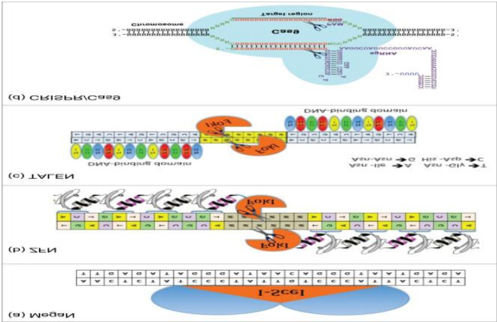
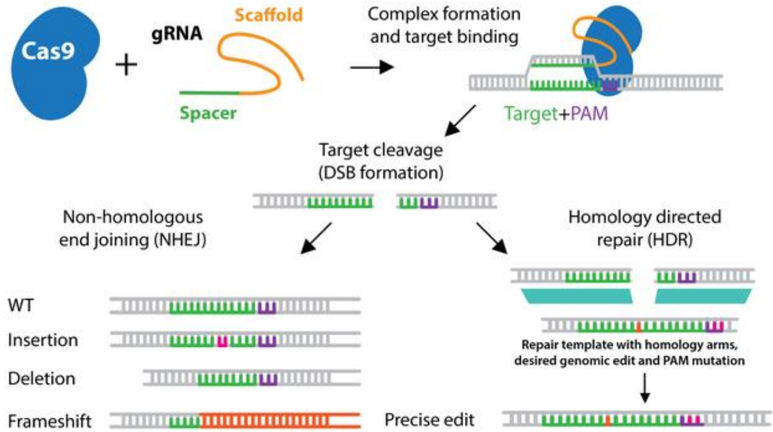
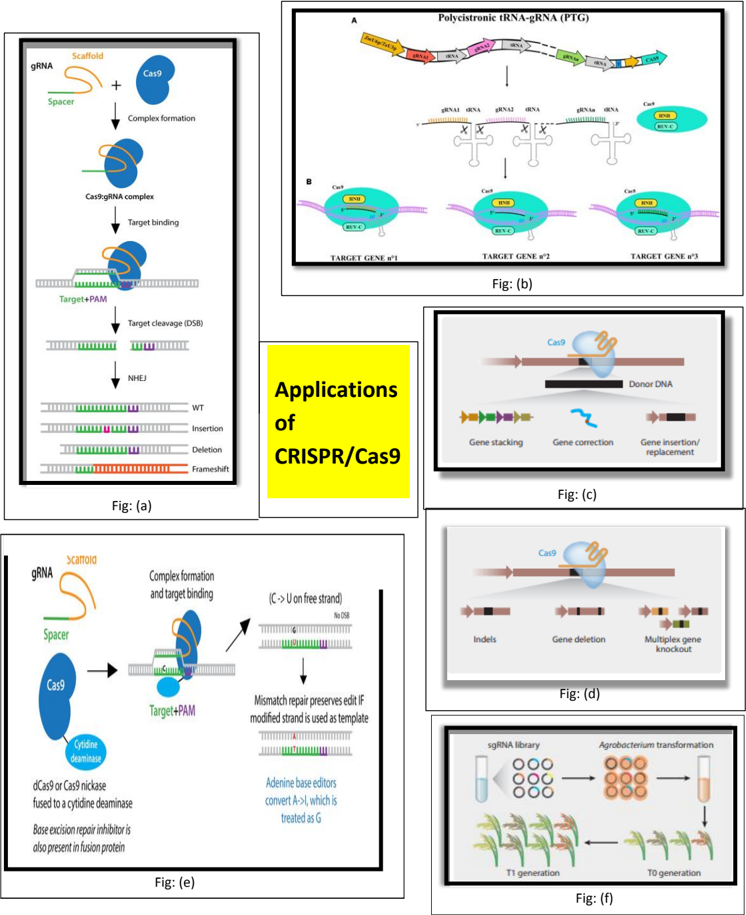
The discovery of an adaptive immune system especially in archae and bacteria, CRISPR/Cas has revolutionized the field of agriculture and served as a potential gene editing tool, producing great excitement to the molecular scientists for the improved genetic manipulations. CRISPR/Cas9 is a RNA guided endonuclease which is popular among its predecessors ZFN and TALEN’s. The utilities of CRISPR from its predecessors is the use of short RNA fragments to locate target and breaking the double strands which avoids the need of protein engineering, thus allowing time efficiency measure for gene editing. It is a simple, flexible and highly efficient programmable DNA cleavage system that can be modified for widespread applications like knocking out the genes, controlling transcription, modifying epigenomes, controlling genome-wide screens, modifying genes for disease and stress tolerance and imaging chromosomes. However, gene cargo delivery system, off target cutting and issues on the safety of living organisms imposes major challenge to this system. Several attempts have been done to rectify these challenges; using sgRNA design software, cas9 nickases and other mutants. Thus, further addressing these challenges may open the avenue for CRISPR/cas9 for addressing the agriculture related problems.
Overview
The claims and statistics of this paper haven’t been checked yet.
Run the check — free, no account needed. It reads the open-access text and checks the sources it cites.
Integrity signals
Registry
Cites
Statistics
Figures
Verification
Claims the paper makes
The claims and statistics of this paper haven’t been checked yet.
Run the check — free, no account needed. It reads the open-access text and checks the sources it cites.
Claims other papers make about this one
Each is checked against this paper’s own text: does it say what the citing paper says it does?
In the citing paper
“There are generally three ways that CRISPR is solving the world’s food crisis. It can restore food supplies, help plants to survive in hostile conditions, and could improve the overall health of the plants.49”
From Mechanism and Applications of CRISPR/Cas-9-Mediated Genome Editing (2021) · cites this paper as [49]
Self-check
Percentages, sums and reported differences re-computed from the paper’s own numbers.
The self-check needs the paper’s full text.
Citations
Cites
Kim, S., Kim, D., Cho, S. W., Kim, J., & Kim, J.-S. (2014) · Genome Research · doi:10.1101/gr.171322.113 · Cited by 1,856
Mali, P., Aach, J., Stranges, P. B., Esvelt, K. M., Moosburner, M., Kosuri, S., Yang, L., & Church, G. M. (2013) · Nature Biotechnology · doi:10.1038/nbt.2675 · Cited by 1,752 · cited 2×
“Modification of cas9 by the cas9 nuclease inactivation and double nicking using nickase enhances the specificity[37].”
MethodOff-target Effects in CRISPR/Cas9-mediated Genome Engineering
Zhang, X.-H., Tee, L. Y., Wang, X.-G., Huang, Q.-S., & Yang, S.-H. (2015) · Molecular Therapy - Nucleic Acids · doi:10.1038/mtna.2015.37 · Cited by 1,273
Delivering CRISPR: a review of the challenges and approaches
Lino, C. A., Harper, J. C., Carney, J. P., & Timlin, J. A. (2018) · Drug Delivery · doi:10.1080/10717544.2018.1474964 · Cited by 1,185
Shi, J., Gao, H., Wang, H., Lafitte, H. R., Archibald, R. L., Yang, M., Hakimi, S. M., Mo, H., & Habben, J. E. (2017) · Plant Biotechnology Journal · doi:10.1111/pbi.12603 · Cited by 1,029
Targeted base editing in rice and tomato using a CRISPR-Cas9 cytidine deaminase fusion
Shimatani, Z., Kashojiya, S., Takayama, M., Terada, R., Arazoe, T., Ishii, H., Teramura, H., Yamamoto, T., Komatsu, H., Miura, K., et al. (2017) · Nature Biotechnology · doi:10.1038/nbt.3833 · Cited by 812
Ishino, Y., Krupovic, M., & Forterre, P. (2018) · Journal of Bacteriology · doi:10.1128/jb.00580-17 · Cited by 558
With a free pass, CRISPR-edited plants reach market in record time
Waltz, E. (2018) · Nature Biotechnology · doi:10.1038/nbt0118-6b · Cited by 279 · cited 1×
“These improved crops can be used in breeding programs and resulting varieties can be used directly with relatively lesser consumption issues and lesser regulatory procedures as compared to transgenic crops/ conventional genetically modified (GM) crops[12].”
BackgroundShen, C., Que, Z., Xia, Y., Tang, N., Li, D., He, R., & Cao, M. (2017) · Journal of Plant Biology · doi:10.1007/s12374-016-0400-1 · Cited by 234
Research works printed but not linked: 123
- [1] J. L. Clarke and P. Zhang, “Plant biotechnology for food security and bioeconomy,” Plant Mol. Biol., vol. 83 (1), pp. 1–3, 2013.10.1007/s11103-013-0097-123860797 · DOI
- [3] P. Stamm, R. Ramamoorthy, and P. P. Kumar, “Feeding the extra billions: strategies to improve crops and enhance future food security,” Plant Biotechnol. Rep., vol. 5 (2), pp. 107–120, 2011.10.1007/s11816-011-0169-0 · DOI
- [4] H.C.J. Godfray, “Food Security: The Challenge of Feeding 9 Billion People,” Science, vol. 327, (5967), pp. 812–818, 2010.10.1126/science.1185383 · DOI · Paper page
- [5] J.D.G. Jones, “Elevating crop disease resistance with cloned genes,” Philos. Trans. R. Soc. B Biol. Sci., vol. 369 (1639), pp. 20130087–20130087, 2014.10.1098/rstb.2013.0087 · DOI
- [6] M.K. Samanta, A. Dey, and S. Gayen, “CRISPR/Cas9: an advanced tool for editing plant genomes,” Transgenic Res., vol. 25 (5), pp. 561–573, 2016.10.1007/s11248-016-9953-527012546 · DOI
- [7] A. Ansari, “Engineered Dwarf Male-Sterile Rice: A Promising Genetic Tool for Facilitating Recurrent Selection in Rice,” Front. Plant Sci., vol. 8, 2017.10.3389/fpls.2017.02132573349329326740 · DOI
- [8] D. Jaganathan, K. Ramasamy, G. Sellamuthu, S. Jayabalan, and G. Venkataraman, “CRISPR for crop improvement: An update review,” Front. Plant Sci., vol. 9, 2018.10.3389/fpls.2018.00985605666630065734 · DOI · Paper page
- [9] F. Georges and H. Ray, “Genome editing of crops: A renewed opportunity for food security,” GM Crops Food, vol. 8 (1), pp. 1–12, 2017.10.1080/21645698.2016.1270489559297728075688 · DOI
- [10] M. Jinek, K. Chylinski, I. Fonfara, M. Hauer, J. A. Doudna, and E. Charpentier, “A programmable dual-RNA-guided DNA endonuclease in adaptive bacterial immunity,” Science, vol. 337 (6096), pp. 816–821, 2012.10.1126/science.1225829 · DOI · Paper page
- [11] A. Malzahn, L. Lowder, and Y. Qi, “Plant genome editing with TALEN and CRISPR,” Cell Biosci., vol. 7, Pp. 21, 2017.10.1186/s13578-017-0148-4540429228451378 · DOI
- [13] G. Govindan and S. Ramalingam, “Programmable Site-Specific Nucleases for Targeted Genome Engineering in Higher Eukaryotes,” J. Cell. Physiol., vol. 231 (11), pp. 2380–2392, 2016.10.1002/jcp.25367 · DOI
- [14] K. Chen and C. Gao, “TALENs: Customizable Molecular DNA Scissors for Genome Engineering of Plants,” J. Genet. Genomics, vol. 40 (6), pp. 271–279, 2013.10.1016/j.jgg.2013.03.00923790626 · DOI
- [15] Y. Osakabe and K. Osakabe, “Genome Editing with Engineered Nucleases in Plants,” Plant Cell Physiol., vol. 56 (3), pp. 389–400, 2015.10.1093/pcp/pcu17025416289 · DOI
- [16] K. Pauwels, N. Podevin, D. Breyer, D. Carroll, and P. Herman, “Engineering nucleases for gene targeting: safety and regulatory considerations,” New Biotechnol., vol. 31 (1), pp. 18–27, 2014.10.1016/j.nbt.2013.07.00123851284 · DOI
- [18] H. I. Ahmad, “A Review of CRISPR-Based Genome Editing: Survival, Evolution and Challenges.,” Curr. Issues Mol. Biol., vol. 28, pp. 47–68, 2018.10.21775/cimb.028.04729428910 · DOI
- [19] F. Jiang and J. A. Doudna, “CRISPR–Cas9 structures and mechanisms,” Annu. Rev. Biophys., vol. 46, pp. 505–529, 2017.10.1146/annurev-biophys-062215-01082228375731 · DOI · Paper page
- [20] P. Horvath and R. Barrangou, “CRISPR/Cas, the immune system of bacteria and archaea,” Science, vol. 327 (5962), pp. 167–170, 2010.10.1126/science.1179555 · DOI
- [21] X. Dai, X. Chen, Q. Fang, J. Li, and Z. Bai, “Inducible CRISPR genome-editing tool: classifications and future trends,” Crit. Rev. Biotechnol., vol. 38 (4), pp. 573–586, 2018.10.1080/07388551.2017.137899928936886 · DOI
- [23] Y. Cui, J. Xu, M. Cheng, X. Liao, and S. Peng, “Review of CRISPR/Cas9 sgRNA design tools,” Interdiscip. Sci. Comput. Life Sci., vol. 10 (2), pp. 455–465, 2018.10.1007/s12539-018-0298-z29644494 · DOI
- [24] J. Li, “CRISPR/Cas: a novel way of RNA-guided genome editing: CRISPR/Cas: a novel way of RNA-guided genome editing,” Hered. Beijing, vol. 35 (11), pp. 1265–1273, 2013.10.3724/SP.J.1005.2013.01265 · DOI
- [25] H. Ledford, “CRISPR, the disruptor,” Nat. News, vol. 522 (7554), p. 20, 2015.10.1038/522020a · DOI
- [26] D. Zhang, Z. Li, and JF. Li, “Targeted gene manipulation in plants using CRISPR-Cas9.,” J. Genet. Genomics, 2016.10.1016/j.jgg.2016.03.00127165865 · DOI · Paper page
- [27] C.M. Lee, T.J. Cradick, and G. Bao, “The Neisseria meningitidis CRISPR-Cas9 System Enables Specific Genome Editing in Mammalian Cells,” Mol. Ther., vol. 24 (3), pp. 645–654, 2016.10.1038/mt.2016.8478693726782639 · DOI
- [28] F.A. Ran, P.D. Hsu, J. Wright, V. Agarwala, D.A. Scott, and F. Zhang, “Genome engineering using the CRISPR-Cas9 system,” Nat. Protoc., vol. 8 (11), Pp. 2281, 2013.10.1038/nprot.2013.143396986024157548 · DOI · Paper page
- [29] S.R. Choudhury, Y. Cui, K. Lubecka, B. Stefanska, and J. Irudayaraj, “CRISPR-dCas9 mediated TET1 targeting for selective DNA demethylation at BRCA1 promoter,” Oncotarget, vol. 7 (29), pp. 46545–46556, 2016.10.18632/oncotarget.10234 · DOI
- [30] Y. Gao, X. Xiong, S. Wong, E.J. Charles, W.A. Lim, and L.S. Qi, “Complex transcriptional modulation with orthogonal and inducible dCas9 regulators,” Nat. Methods, vol. 13, Pp. 1043, 2016.10.1038/nmeth.4042543690227776111 · DOI
- [31] C. Gao, “The future of CRISPR technologies in agriculture,” Nat Rev Mol Cell Biol, vol. 19 (5), pp. 275–276, 2018.10.1038/nrm.2018.229382940 · DOI
- [32] G. Song, “CRISPR/Cas9: a powerful tool for crop genome editing,” Crop J., vol. 4 (2), pp. 75–82, 2016.10.1016/j.cj.2015.12.002 · DOI
- [33] K. Yin, C. Gao, and J.L. Qiu, “Progress and prospects in plant genome editing,” Nat. Plants, 2017.10.1038/nplants.2017.10728758991 · DOI
- [34] B. Zetsche, “Multiplex gene editing by CRISPR–Cpf1 using a single crRNA array,” Nat. Biotechnol., vol. 35 (1), pp. 31–34, 2017.10.1038/nbt.3737522507527918548 · DOI · Paper page
- [35] S.S.A. Zaidi, M.M. Mahfouz, and S. Mansoor, “CRISPR-Cpf1: A New Tool for Plant Genome Editing,” Trends Plant Sci., vol. 22 (7), pp. 550–553, 2017.10.1016/j.tplants.2017.05.00128532598 · DOI · Paper page
- [36] L. Cong, “Multiplex Genome Engineering Using CRISPR/Cas Systems,” Science, vol. 339, (6121), pp. 819–823, 2013.10.1126/science.1231143 · DOI · Paper page
- [38] J.P. Guilinger, D.B. Thompson, and D.R. Liu, “Fusion of catalytically inactive Cas9 to FokI nuclease improves the specificity of genome modification,” Nat. Biotechnol., vol. 32 (6), pp. 577–582, 2014.10.1038/nbt.2909426342024770324 · DOI · Paper page
- [39] M. Wade, “High-throughput silencing using the CRISPR-Cas9 system: a review of the benefits and challenges,” J. Biomol. Screen., vol. 20 (8), pp. 1027– 1039, 2015.10.1177/1087057115587916 · DOI
- [40] L. Bortesi and R. Fischer, “The CRISPR/Cas9 system for plant genome editing and beyond,” Biotechnol. Adv., vol. 33 (1), pp. 41–52, 2015.10.1016/j.biotechadv.2014.12.00625536441 · DOI
- [41] A. Ricroch, P. Clairand, and W. Harwood, “Use of CRISPR systems in plant genome editing toward new opportunities in agriculture,” Emerg. Top. Life Sci., vol. 1 (2), pp. 169–182, 2017.10.1042/ETLS20170085728899333525765 · DOI
- [42] E.C. Oerke, “Crop losses to pests,” J. Agric. Sci., vol. 144 (1), pp. 31–43, 2006.10.1017/S0021859605005708 · DOI · Paper page
- [43] J.W.Woo, “DNA-free genome editing in plants with preassembled CRISPR-Cas9 ribonucleoproteins,” Nat. Biotechnol., vol. 33, Pp. 1162, 2015.10.1038/nbt.338926479191 · DOI · Paper page
- [44] J. Miao, “Targeted mutagenesis in rice using CRISPR-Cas system,” Cell Res., vol. 23 (10), Pp. 1233, 2013.10.1038/cr.2013.123379023923999856 · DOI
- [45] Q. Shan, Y. Wang, J. Li, and C. Gao, “Genome editing in rice and wheat using the CRISPR/Cas system,” Nat. Protoc., vol. 9 (10), Pp. 2395, 2014.10.1038/nprot.2014.15725232936 · DOI
- [47] Y. Sun, “Generation of High-Amylose Rice through CRISPR/Cas9-Mediated Targeted Mutagenesis of Starch Branching Enzymes,” Front. Plant Sci., vol. 8, 2017.10.3389/fpls.2017.00298533933528326091 · DOI
- [48] Y. Sun, “Engineering herbicide-resistant rice plants through CRISPR/Cas9-mediated homologous recombination of acetolactate synthase,” Mol. Plant, vol. 9 (4), pp. 628–631, 2016.10.1016/j.molp.2016.01.00126768120 · DOI
- [49] R. Xu, “Gene targeting using the Agrobacterium tumefaciens-mediated CRISPR-Cas system in rice,” Rice, vol. 7 (1), Pp. 5, 2014.10.1186/s12284-014-0005-6405263324920971 · DOI
- [50] H. Zhou, B. Liu, D.P. Weeks, M.H. Spalding, and B. Yang, “Large chromosomal deletions and heritable small genetic changes induced by CRISPR/Cas9 in rice,” Nucleic Acids Res., vol. 42 (17), pp. 10903–10914, 2014.10.1093/nar/gku806 · DOI
- [51] Y. Meng, “Targeted mutagenesis by CRISPR/Cas9 system in the model legume Medicago truncatula,” Plant Cell Rep., vol. 36 (2), pp. 371–374, 2017.10.1007/s00299-016-2069-927834007 · DOI
- [52] Q. Shan, “Targeted genome modification of crop plants using a CRISPR-Cas system,” Nat. Biotechnol., vol. 31, Pp. 686, 2013.10.1038/nbt.265023929338 · DOI · Paper page
- [53] H. Zhang, “The CRISPR/C as9 system produces specific and homozygous targeted gene editing in rice in one generation,” Plant Biotechnol. J., vol. 12 (6), pp. 797–807, 2014.10.1111/pbi.1220024854982 · DOI
- [54] K. Xie and Y. Yang, “RNA-Guided Genome Editing in Plants Using a CRISPR–Cas System,” Mol. Plant, vol. 6 (6), pp. 1975–1983, 2013.10.1093/mp/sst119 · DOI
- [55] M. Nieves-Cordones, “Production of low-Cs + rice plants by inactivation of the K + transporter Os HAK 1 with the CRISPR -Cas system,” Plant J., vol. 92 (1), pp. 43–56, 2017.10.1111/tpj.1363228670755 · DOI
- [56] J. Ma, “Disruption of OsSEC3A increases the content of salicylic acid and induces plant defense responses in rice,” J. Exp. Bot., vol. 69 (5), pp. 1051– 1064, 2018.10.1093/jxb/erx458 · DOI
- [57] X. Mao, “OsPRX2 contributes to stomatal closure and improves potassium deficiency tolerance in rice,” Biochem. Biophys. Res. Commun., vol. 495 (1), pp. 461–467, 2018.10.1016/j.bbrc.2017.11.04529128357 · DOI
- [58] T. Wang, J.J. Wei, D.M. Sabatini, and E.S. Lander, “Genetic screens in human cells using the CRISPR-Cas9 system,” Science, vol. 343 (6166), pp. 80–84, 2014.10.1126/science.1246981 · DOI · Paper page
- [59] J. Gil-Humanes, “High-efficiency gene targeting in hexaploid wheat using DNA replicons and CRISPR/Cas9,” Plant J., vol. 89 (6), pp. 1251–1262, 2017.10.1111/tpj.13446 · DOI
- [60] D. Kim, B. Alptekin, and H. Budak, “CRISPR/Cas9 genome editing in wheat,” Funct. Integr. Genomics, vol. 18 (1), pp. 31–41, 2018.10.1007/s10142-017-0572-x28918562 · DOI · Paper page
- [61] W. Wang, “Transgenerational CRISPR-Cas9 Activity Facilitates Multiplex Gene Editing in Allopolyploid Wheat,” CRISPR J., vol. 1 (1), pp. 65–74, 2018.10.1089/crispr.2017.0010631932130627700 · DOI
- [63] S. Svitashev, C. Schwartz, B. Lenderts, J. K. Young, and A. Mark Cigan, “Genome editing in maize directed by CRISPR–Cas9 ribonucleoprotein complexes,” Nat. Commun., vol. 7, Pp. 13274, 2016.10.1038/ncomms13274 · DOI
- [64] N.M. Butler, N.J. Baltes, D.F. Voytas, and D.S. Douches, “Geminivirus-Mediated Genome Editing in Potato (Solanum tuberosum L.) Using Sequence-Specific Nucleases,” Front. Plant Sci., vol. 7, 2016.10.3389/fpls.2016.01045495538027493650 · DOI
- [65] E. Waltz, “Gene-edited CRISPR mushroom escapes US regulation,” Nat. News, vol. 532 (7599), Pp. 293, 2016.10.1038/nature.2016.19754 · DOI
- [66] H. Jia, V. Orbovic, J.B. Jones, and N. Wang, “Modification of the PthA4 effector binding elements in Type I CsLOB1 promoter using Cas9/sgRNA to produce transgenic Duncan grapefruit alleviating XccΔpthA4:dCsLOB1.3 infection,” Plant Biotechnol. J., vol. 14 (5), pp. 1291–1301, 2016.10.1111/pbi.12495 · DOI
- [67] H. Jia, “Genome editing of the disease susceptibility gene CsLOB1 in citrus confers resistance to citrus canker,” Plant Biotechnol. J., vol. 15 (7), pp. 817– 823, 2017.10.1111/pbi.12677546643627936512 · DOI
- [68] J. Chandrasekaran, “Development of broad virus resistance in non-transgenic cucumber using CRISPR/Cas9 technology,” Mol. Plant Pathol., vol. 17 (7), pp. 1140–1153, 2016.10.1111/mpp.12375 · DOI · Paper page
- [69] W.Z. Jiang, I.M. Henry, P.G. Lynagh, L. Comai, E.B. Cahoon, and D.P. Weeks, “Significant enhancement of fatty acid composition in seeds of the allohexaploid, Camelina sativa, using CRISPR/Cas9 gene editing,” Plant Biotechnol. J., vol. 15 (5), pp. 648–657, 2017.10.1111/pbi.12663539900427862889 · DOI
- [70] Y. Cai, “CRISPR/Cas9-mediated genome editing in soybean hairy roots,” PLoS One, vol. 10 (8), p. e0136064, 2015.10.1371/journal.pone.0136064454046226284791 · DOI
- [71] N. Sauer, J. Narvaez-Vasquez, J. Mozoruk, R. Miller, Z. Warburg, and M. Woodward, “Oligonucleotide-mediated genome editing provides precision and function to engineered nucleases and antibiotics in plants,” Plant Physiol., 2017.10.1104/pp.15.01696482511326864017 · DOI
- [72] A. Hummel, R. Chauhan, T. Cernak, A. Mutka, A. Vijayaraghavan, and A. Boyher, “Allele exchange at the EPSPS locus confers glyphosate tolerance in cassava,” Plant Biotechnol. J., 2018.10.1111/pbi.12868599931129223136 · DOI
- [73] K. Chen, Y. Wang, R. Zhang, H. Zhang, and C. Gao, “CRISPR/Cas Genome Editing and Precision Plant Breeding in Agriculture,” Annu. Rev. Plant Biol., vol. 70 (1), pp. 667–697, 2019.10.1146/annurev-arplant-050718-10004930835493 · DOI
- [74] W. Jiang, H. Zhou, H. Bi, M. Fromm, B. Yang, and D.P. Weeks, “Demonstration of CRISPR/Cas9/sgRNA-mediated targeted gene modification in Arabidopsis, tobacco, sorghum and rice,” Nucleic Acids Res., vol. 41 (20), pp. e188–e188, 2013.10.1093/nar/gkt780381437423999092 · DOI
- [75] R. Xu, “Rapid improvement of grain weight via highly efficient CRISPR/Cas9-mediated multiplex genome editing in rice,” J. Genet. Genomics Yi Chuan Xue Bao, vol. 43 (8), pp. 529–532, 2016.10.1016/j.jgg.2016.07.00327543262 · DOI · Paper page
- [76] M. Li, “Reassessment of the Four Yield-related Genes Gn1a, DEP1, GS3, and IPA1 in Rice Using a CRISPR/Cas9 System,” Front. Plant Sci., vol. 7, 2016.10.3389/fpls.2016.00377481188427066031 · DOI
- [77] Y. Zhang, “Analysis of the functions of TaGW2 homeologs in wheat grain weight and protein content traits,” Plant J., vol. 94 (5), pp. 857–866, 2018.10.1111/tpj.1390329570880 · DOI
- [78] J. Huang, “Identifying a large number of high-yield genes in rice by pedigree analysis, whole-genome sequencing, and CRISPR-Cas9 gene knockout,” Proc. Natl. Acad. Sci., vol. 115 (32), pp. E7559–E7567, 2018.10.1073/pnas.1806110115609409730037991 · DOI
- [79] J. Duitama, “Whole Genome Sequencing of Elite Rice Cultivars as a Comprehensive Information Resource for Marker Assisted Selection,” PLoS ONE, vol. 10 (4), 2015.10.1371/journal.pone.0124617441456525923345 · DOI
- [80] S. Sánchez-León, “Low-gluten, nontransgenic wheat engineered with CRISPR/Cas9,” Plant Biotechnol. J., vol. 16 (4), Pp. 902–910, 2018.10.1111/pbi.12837586703128921815 · DOI
- [82] C. Klap, “Tomato facultative parthenocarpy results from SlAGAMOUS-LIKE 6 loss of function,” Plant Biotechnol. J., vol. 15 (5), pp. 634–647, 2017.10.1111/pbi.12662539900227862876 · DOI
- [83] R. Ueta, “Rapid breeding of parthenocarpic tomato plants using CRISPR/Cas9,” Sci. Rep., vol. 7 (1), p. 507, 2017.10.1038/s41598-017-00501-4542869228360425 · DOI · Paper page
- [84] A. Ficke, C. Cowger, G. Bergstrom, and G. Brodal, “Understanding Yield Loss and Pathogen Biology to Improve Disease Management: Septoria Nodorum Blotch - A Case Study in Wheat,” Plant Dis., vol. 102 (4), Pp. 696–707, 2017.10.1094/PDIS-09-17-1375-FE30673402 · DOI
- [85] Y. Wang, “Simultaneous editing of three homoeoalleles in hexaploid bread wheat confers heritable resistance to powdery mildew,” Nat. Biotechnol., vol. 32 (9), Pp. 947–951, 2014.10.1038/nbt.296925038773 · DOI · Paper page
- [86] Y. Zhang, “Simultaneous modification of three homoeologs of TaEDR1 by genome editing enhances powdery mildew resistance in wheat,” Plant J., vol. 91 (4), Pp. 714–724, 2017.10.1111/tpj.1359928502081 · DOI · Paper page
- [87] F. Wang, “Enhanced Rice Blast Resistance by CRISPR/Cas9-Targeted Mutagenesis of the ERF Transcription Factor Gene OsERF922,” PLOS ONE, vol. 11 (4), p. e0154027, 2016.10.1371/journal.pone.0154027484602327116122 · DOI
- [88] J. Zhou, “Gene targeting by the TAL effector PthXo2 reveals cryptic resistance gene for bacterial blight of rice,” Plant J., vol. 82 (4), pp. 632–643, 2015.10.1111/tpj.1283825824104 · DOI
- [89] V. Nekrasov, C. Wang, J. Win, C. Lanz, D. Weigel, and S. Kamoun, “Rapid generation of a transgene-free powdery mildew resistant tomato by genome deletion,” Sci. Rep., vol. 7 (1), Pp. 482, 2017.10.1038/s41598-017-00578-x542867328352080 · DOI
- [90] A. Ortigosa, S. Gimenez-Ibanez, N. Leonhardt, and R. Solano, “Design of a bacterial speck resistant tomato by CRISPR/Cas9-mediated editing of SlJAZ2,” Plant Biotechnol. J., vol. 17 (3), pp. 665–673, 2019.10.1111/pbi.13006638178030183125 · DOI
- [91] A. Macovei, “Novel alleles of rice eIF4G generated by CRISPR/Cas9-targeted mutagenesis confer resistance to Rice tungro spherical virus,” Plant Biotechnol. J., vol. 16 (11), pp. 1918–1927, 2018.10.1111/pbi.12927 · DOI
- [92] Z. Iqbal, M.N. Sattar, and M. Shafiq, “CRISPR/Cas9: A Tool to Circumscribe Cotton Leaf Curl Disease,” Front. Plant Sci., vol. 7, Pp. 475, 2016.10.3389/fpls.2016.00475482846527148303 · DOI
- [93] H.P. Lu, “Resistance of rice to insect pests mediated by suppression of serotonin biosynthesis,” Nat. Plants, vol. 4 (6), Pp. 338–344, 2018.10.1038/s41477-018-0152-729735983 · DOI
- [94] R. Li, “CRISPR/Cas9-Mediated SlNPR1 mutagenesis reduces tomato plant drought tolerance,” BMC Plant Biol., vol. 19 (1), p. 38, 2019.10.1186/s12870-018-1627-4634172730669982 · DOI
- [96] J. Li, “Generation of thermosensitive male-sterile maize by targeted knockout of the ZmTMS5 gene,” J. Genet. Genomics Yi Chuan Xue Bao, vol. 44 (9), Pp. 465–468, 2017.10.1016/j.jgg.2017.02.00228412227 · DOI
- [97] H. Zhou, “Development of Commercial Thermo-sensitive Genic Male Sterile Rice Accelerates Hybrid Rice Breeding Using the CRISPR/Cas9-mediated TMS5 Editing System,” Sci. Rep., vol. 6, Pp. 37395, 2016.10.1038/srep37395 · DOI
- [98] Q. Li, “Development of japonica Photo-Sensitive Genic Male Sterile Rice Lines by Editing Carbon Starved Anther Using CRISPR/Cas9,” J. Genet. Genomics Yi Chuan Xue Bao, vol. 43 (6), pp. 415–419, 2016.10.1016/j.jgg.2016.04.01127317309 · DOI
- [99] M. Singh, M. Kumar, M.C. Albertsen, J.K. Young, and A.M. Cigan, “Concurrent modifications in the three homeologs of Ms45 gene with CRISPR-Cas9 lead to rapid generation of male sterile bread wheat (Triticum aestivum L.),” Plant Mol. Biol., vol. 97 (4–5), pp. 371–383, 2018.10.1007/s11103-018-0749-229959585 · DOI
- [100] L. Yao, “OsMATL mutation induces haploid seed formation in indica rice,” Nat. Plants, vol. 4 (8), pp. 530–533, 2018.10.1038/s41477-018-0193-y29988153 · DOI
- [101] X. Yu, “A selfish genetic element confers non-Mendelian inheritance in rice,” Science, vol. 360 (6393), pp. 1130–1132, 2018.10.1126/science.aar4279 · DOI
- [102] T. Li, “Domestication of wild tomato is accelerated by genome editing,” Nat. Biotechnol., Oct. 2018.10.1038/nbt.427330272676 · DOI
- [103] M. Endo, M. Mikami, and S. Toki, “Biallelic Gene Targeting in Rice,” Plant Physiol., vol. 170 (2), pp. 667–677, 2016.10.1104/pp.15.01663473457726668334 · DOI
- [104] J. Li, “Gene replacements and insertions in rice by intron targeting using CRISPR–Cas9,” Nat. Plants, vol. 2 (10), Pp. 16139, 2016.10.1038/nplants.2016.139 · DOI
- [105] H. Butt, “Efficient CRISPR/Cas9-Mediated Genome Editing Using a Chimeric Single-Guide RNA Molecule,” Front. Plant Sci., vol. 8, 2017.10.3389/fpls.2017.01441557372328883826 · DOI
- [106] S. Henikoff and L. Comai, “Single-nucleotide mutations for plant functional genomics,” Annu. Rev. Plant Biol., vol. 54, pp. 375–401, 2003.10.1146/annurev.arplant.54.031902.13500914502996 · DOI
- [107] A.C. Komor, Y.B. Kim, M.S. Packer, J.A. Zuris, and D.R. Liu, “Programmable editing of a target base in genomic DNA without double-stranded DNA cleavage,” Nature, vol. 533 (7603), pp. 420–424, 2016.10.1038/nature17946 · DOI · Paper page
- [108] Y. Zhang, K. Massel, I.D. Godwin, and C. Gao, “Applications and potential of genome editing in crop improvement,” Genome Biol., vol. 19 (1), Pp. 210, 2018.10.1186/s13059-018-1586-y626705530501614 · DOI
- [109] N.M. Gaudelli, “Programmable base editing of A•T to G•C in genomic DNA without DNA cleavage,” Nature, vol. 551 (7681), pp. 464–471, 2017.10.1038/nature24644 · DOI · Paper page
- [110] Y. Chen, Z. Wang, H. Ni, Y. Xu, Q. Chen, and L. Jiang, “CRISPR/Cas9-mediated base-editing system efficiently generates gain-of-function mutations in Arabidopsis,” Sci. China Life Sci., vol. 60 (5), Pp. 520–523, 2017.10.1007/s11427-017-9021-528303459 · DOI
- [111] S. Tian, “Engineering herbicide-resistant watermelon variety through CRISPR/Cas9-mediated base-editing,” Plant Cell Rep., vol. 37 (9), Pp. 1353– 1356, 2018.10.1007/s00299-018-2299-0 · DOI · Paper page
- [112] C. Li, “Expanded base editing in rice and wheat using a Cas9-adenosine deaminase fusion,” Genome Biol., vol. 19 (1), p. 59, 2018.10.1186/s13059-018-1443-z597239929807545 · DOI
- [113] F. Yan, “Highly Efficient A·T to G·C Base Editing by Cas9n-Guided tRNA Adenosine Deaminase in Rice,” Mol. Plant, vol. 11 (4), Pp. 631–634, 2018.10.1016/j.molp.2018.02.00829476918 · DOI
- [114] K. Hua, X. Tao, F. Yuan, D. Wang, and J.K. Zhu, “Precise A·T to G·C Base Editing in the Rice Genome,” Mol. Plant, vol. 11 (4), pp. 627–630, 2018.10.1016/j.molp.2018.02.00729476916 · DOI
- [116] Z. Liang, “Efficient DNA-free genome editing of bread wheat using CRISPR/Cas9 ribonucleoprotein complexes,” Nat. Commun., vol. 8, Pp. 14261, 2017.10.1038/ncomms14261 · DOI
- [117] Y. Zhang, “Efficient and transgene-free genome editing in wheat through transient expression of CRISPR/Cas9 DNA or RNA,” Nat. Commun., vol. 7, Pp. 12617, 2016.10.1038/ncomms12617 · DOI
- [118] H.L. Xing, “A CRISPR/Cas9 toolkit for multiplex genome editing in plants,” BMC Plant Biol., vol. 14 (1), Pp. 327, 2014.10.1186/s12870-014-0327-y426298825432517 · DOI · Paper page
- [119] D. Ding, K. Chen, Y. Chen, H. Li, and K. Xie, “Engineering Introns to Express RNA Guides for Cas9- and Cpf1-Mediated Multiplex Genome Editing,” Mol. Plant, vol. 11 (4), Pp. 542–552, 2018.10.1016/j.molp.2018.02.00529462720 · DOI
- [120] X. Meng, “Construction of a Genome-Wide Mutant Library in Rice Using CRISPR/Cas9,” Mol. Plant, vol. 10 (9), Pp. 1238–1241, 2017.10.1016/j.molp.2017.06.006 · DOI
- [121] Y. Lu, “Genome-wide Targeted Mutagenesis in Rice Using the CRISPR/Cas9 System,” Mol. Plant, vol. 10 (9), Pp. 1242–1245, 2017.10.1016/j.molp.2017.06.007 · DOI
- [122] T.B. Jacobs, N. Zhang, D. Patel, and G.B. Martin, “Generation of a Collection of Mutant Tomato Lines Using Pooled CRISPR Libraries,” Plant Physiol., vol. 174 (4), pp. 2023–2037, 2017.10.1104/pp.17.00489 · DOI
- [123] N.A. Abdallah, C.S. Prakash, and A.G. McHughen, “Genome editing for crop improvement: Challenges and opportunities,” GM Crops Food, vol. 6 (4), Pp. 183–205, 2016.10.1080/21645698.2015.1129937503322226930114 · DOI
- [124] H.D. Jones, “Challenging regulations: Managing risks in crop biotechnology,” Food Energy Secur., vol. 4 (2), Pp. 87–91, 2015.10.1002/fes3.60511141827867501 · DOI
- [126] J.H. Jung and Y.W. Seo, “Challenges in wide implementation of genome editing for crop improvement,” J. Crop Sci. Biotechnol., vol. 20 (2), pp. 129– 135, 2017.10.1007/s12892-017-0019-0 · DOI
- [127] Z.H. Lemmon, “Rapid improvement of domestication traits in an orphan crop by genome editing,” Nat. Plants, vol. 4 (10), pp. 766–770, 2018.10.1038/s41477-018-0259-x30287957 · DOI
- [128] S.B. Gelvin, “Plant proteins involved in Agrobacterium-mediated genetic transformation,” Annu. Rev. Phytopathol., vol. 48, pp. 45–68, 2010.10.1146/annurev-phyto-080508-08185220337518 · DOI
- [129] Y. Ran, Z. Liang, and C. Gao, “Current and future editing reagent delivery systems for plant genome editing,” Sci. China Life Sci., vol. 60 (5), Pp. 490– 505, 2017.10.1007/s11427-017-9022-128527114 · DOI
- [130] G.S. Demirer, “High aspect ratio nanomaterials enable delivery of functional genetic material without DNA integration in mature plants,” Nat. Nanotechnol., vol. 14 (5), pp. 456–464, 2019.10.1038/s41565-019-0382-530804481 · DOI
- [131] D. Kim, “Genome-wide target specificities of CRISPR RNA-guided programmable deaminases,” Nat. Biotechnol., vol. 35 (5), pp. 475–480, 2017.10.1038/nbt.385228398345 · DOI
- [132] H.A. Rees, “Improving the DNA specificity and applicability of base editing through protein engineering and protein delivery,” Nat. Commun., vol. 8, Pp. 15790, 2017.10.1038/ncomms15790 · DOI · Paper page
- [133] D.E. Voth, L.J. Broederdorf, and J.G. Graham, “Bacterial Type IV secretion systems: versatile virulence machines,” Future Microbiol., vol. 7 (2), pp. 241– 257, 2012.10.2217/fmb.11.150356305922324993 · DOI
- [134] P.A. Mateos-Gomez, F. Gong, N. Nair, K.M. Miller, E. Lazzerini-Denchi, and A. Sfeir, “Mammalian polymerase θ promotes alternative NHEJ and suppresses recombination,” Nature, vol. 518 (7538), pp. 254–257, 2015.10.1038/nature14157 · DOI
Cited by
Sorted by citations
Mechanism and Applications of CRISPR/Cas-9-Mediated Genome Editing
Mengstie, M. A., & Wondimu, B. Z. (2021) · Biologics: Targets and Therapy · doi:10.2147/btt.s326422 · Cited by 478
Metadata
- Authors
- Adhikari, P., & Poudel, M.
- Affiliations
- Agriculture and Forestry University
- Venue
- Malaysian Journal of Halal Research
- Publisher
- Walter de Gruyter GmbH
- Published
- 2020-05-11
- Volume
- 3
- Issue
- 1
- Pages
- 6-16
- ISSN
- 2616-1923
- Cited by
- 23
- References
- 9
- Language
- en
About these checks
Registry, retraction, Cites and statistics results are computed, not judged, with one exception: a printed reference that no index lists is read once by a model before it counts as a citation error. Claims are extracted by a model and kept only when their quote appears verbatim in the text; each cited source is then checked, with a model’s help, for whether it says what the claim relies on. Those verdicts can be wrong — read the claim’s quote and the cited source before relying on one.
Statistics and arithmetic are recomputed, not judged.
Confidence bands are shown only for fields calibrated on our annotated test set. None is calibrated yet, so no band is shown.
What counts as a claim ›How we measure confidence ›How we check this ›
Are you an author, or do you see a problem with this page? Request a review
