

The DOI matches its Crossref record; 233 of the 234 references it cites were found in a registry or an index.
Exosome-mediated delivery of siRNA molecules in cancer therapy: triumphs and challenges
Open accessAbstract
The discovery of novel and innovative therapeutic strategies for cancer treatment and management remains a major global challenge. Exosomes are endogenous nanoscale extracellular vesicles that have garnered increasing attention as innovative vehicles for advanced drug delivery and targeted therapy. The attractive physicochemical and biological properties of exosomes, including increased permeability, biocompatibility, extended half-life in circulation, reduced toxicity and immunogenicity, and multiple functionalization strategies, have made them preferred drug delivery vehicles in cancer and other diseases. Small interfering RNAs (siRNAs) are remarkably able to target any known gene: an attribute harnessed to knock down cancer-associated genes as a viable strategy in cancer management. Extensive research on exosome-mediated delivery of siRNAs for targeting diverse types of cancer has yielded promising results for anticancer therapy, with some formulations progressing through clinical trials. This review catalogs recent advances in exosome-mediated siRNA delivery in several types of cancer, including the manifold benefits and minimal drawbacks of such innovative delivery systems. Additionally, we have highlighted the potential of plant-derived exosomes as innovative drug delivery systems for cancer treatment, offering numerous advantages such as biocompatibility, scalability, and reduced toxicity compared to traditional methods. These exosomes, with their unique characteristics and potential for effective siRNA delivery, represent a significant advancement in nanomedicine and cancer therapeutics. Further exploration of their manufacturing processes and biological mechanisms could significantly advance natural medicine and enhance the efficacy of exosome-based therapies.
Overview
The claims and statistics of this paper haven’t been checked yet.
Run the check — free, no account needed. It reads the open-access text and checks the sources it cites.
Integrity signals
Registry
Cites
Statistics
Figures
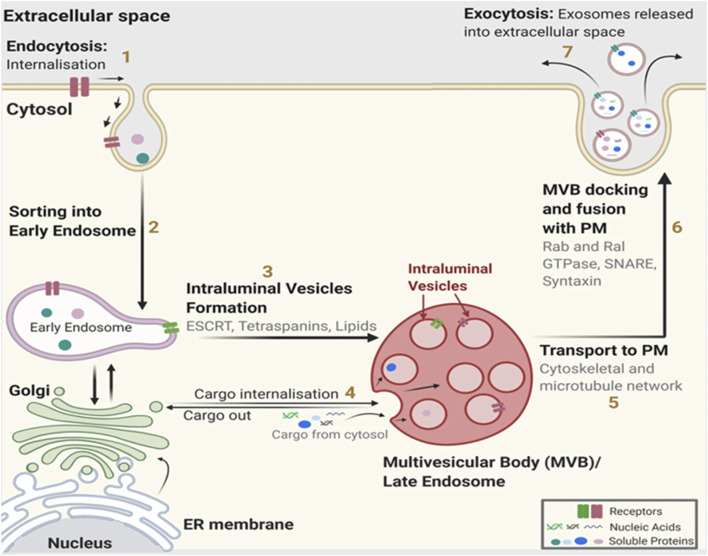
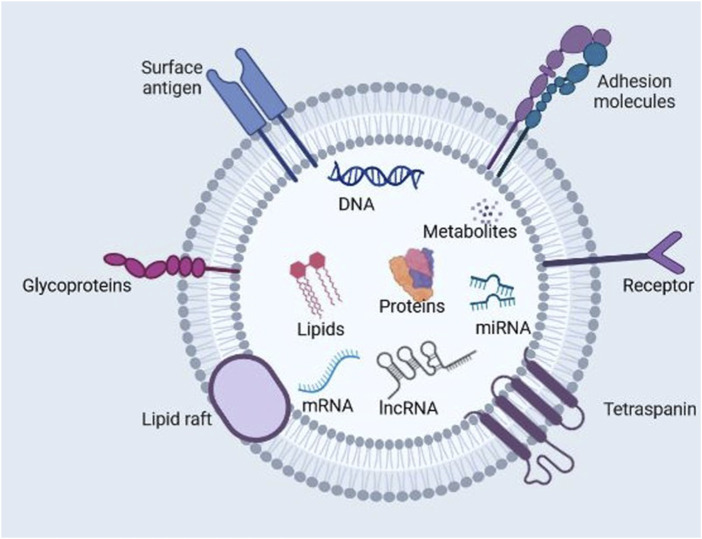
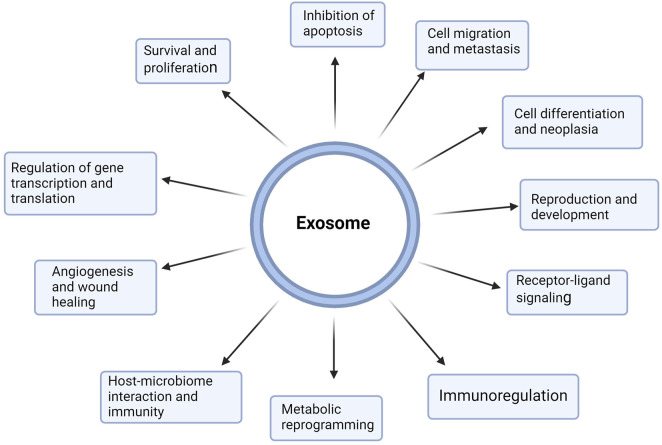
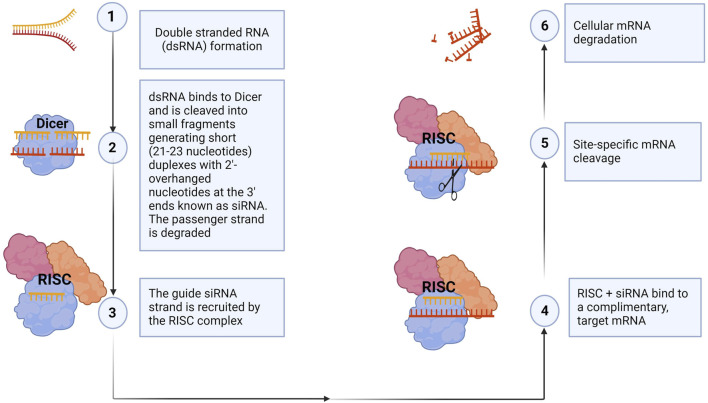
Verification
Claims the paper makes
The claims and statistics of this paper haven’t been checked yet.
Run the check — free, no account needed. It reads the open-access text and checks the sources it cites.
Claims other papers make about this one
Each is checked against this paper’s own text: does it say what the citing paper says it does?
The source backs part of the claim, not all of it — or backs it for a different population, condition or comparison.
In the citing paper
“In particular, exosome-based and exosome-mimicking systems have attracted increasing interest because of their intrinsic biocompatibility, tumor-homing potential, and ability to facilitate intracellular transport of functional cargo [106,107,108].”
From Nanoparticle-Mediated Radiosensitization in Breast Cancer: A Systematic Review of Preclinical Evidence and Translational Challenges (2026) · cites this paper as [106]
Experimental — accuracy not yet measuredIn the citing paper
“For instance, in pancreatic cancer, synthetic exosomes loaded with siRNA have been shown to effectively silence cancer-promoting genes, resulting in reduced tumor size.”
From Emerging role of exosomes in cancer therapy: progress and challenges (2025) · cites this paper as [47]
In the citing paper
“Additionally, synthetic exosomes have shown potential in targeting difficult-to-reach areas, such as the brain, by crossing the blood-brain barrier, which is crucial for treating cancers like glioblastoma [47].”
From Emerging role of exosomes in cancer therapy: progress and challenges (2025) · cites this paper as [47]
Self-check
Percentages, sums and reported differences re-computed from the paper’s own numbers.
The self-check needs the paper’s full text.
Citations
Cites
Potent and specific genetic interference by double-stranded RNA in Caenorhabditis elegans
Fire, A., Xu, S., Montgomery, M. K., Kostas, S. A., Driver, S. E., & Mello, C. C. (1998) · Nature · doi:10.1038/35888 · Cited by 15,429
Valadi, H., Ekström, K., Bossios, A., Sjöstrand, M., Lee, J. J., & Lötvall, J. O. (2007) · Nature Cell Biology · doi:10.1038/ncb1596 · Cited by 12,834
The biology , function , and biomedical applications of exosomes
Kalluri, R., & LeBleu, V. S. (2020) · Science · doi:10.1126/science.aau6977 · Cited by 10,770
Duplexes of 21-nucleotide RNAs mediate RNA interference in cultured mammalian cells
Elbashir, S. M., Harborth, J., Lendeckel, W., Yalcin, A., Weber, K., & Tuschl, T. (2001) · Nature · doi:10.1038/35078107 · Cited by 9,456
PD-1 blockade induces responses by inhibiting adaptive immune resistance
Tumeh, P. C., Harview, C. L., Yearley, J. H., Shintaku, I. P., Taylor, E. J. M., Robert, L., Chmielowski, B., Spasic, M., Henry, G., Ciobanu, V., et al. (2014) · Nature · doi:10.1038/nature13954 · Cited by 6,609 · cited 2×
“Inhibiting immune checkpoint activates cytotoxic T cells, thereby enabling them to recognize cancer-associated antigens and reactivate anti-tumor immune responses (Han et al., 2020; Pascual et al., 2019; Tumeh et al., 2014).”
BackgroundBiological properties of extracellular vesicles and their physiological functions
Yáñez‐Mó, M., Siljander, P. R. ‐., Andreu, Z., Bedina Zavec, A., Borràs, F. E., Buzas, E. I., Buzas, K., Casal, E., Cappello, F., Carvalho, J., et al. (2015) · Journal of Extracellular Vesicles · doi:10.3402/jev.v4.27066 · Cited by 5,926
Triple-negative breast cancer: clinical features and patterns of recurrence
Dent, R., Trudeau, M., Pritchard, K. I., Hanna, W. M., Kahn, H. K., Sawka, C. A., Lickley, L. A., Rawlinson, E., Sun, P., & Narod, S. A. (2007) · Clinical Cancer Research · doi:10.1158/1078-0432.ccr-06-3045 · Cited by 5,091
Skog, J., Würdinger, T., van Rijn, S., Meijer, D. H., Gainche, L., Curry, W. T., Carter, B. S., Krichevsky, A. M., & Breakefield, X. O. (2008) · Nature Cell Biology · doi:10.1038/ncb1800 · Cited by 5,001
Delivery of siRNA to the mouse brain by systemic injection of targeted exosomes
Alvarez-Erviti, L., Seow, Y., Yin, H., Betts, C., Lakhal, S., & Wood, M. J. A. (2011) · Nature Biotechnology · doi:10.1038/nbt.1807 · Cited by 4,930
Welsh, J. A., Goberdhan, D. C. I., O'Driscoll, L., Buzas, E. I., Blenkiron, C., Bussolati, B., Cai, H., Di Vizio, D., Driedonks, T. A. P., Erdbrügger, U., et al. (2024) · Journal of Extracellular Vesicles · doi:10.1002/jev2.12404 · Cited by 4,663
Mechanisms of angiogenesis and arteriogenesis
Carmeliet, P. (2000) · Nature Medicine · doi:10.1038/74651 · Cited by 4,235
Stratton, M. R., Campbell, P. J., & Futreal, P. A. (2009) · Nature · doi:10.1038/nature07943 · Cited by 3,625
Impact of Nanotechnology on Drug Delivery
Farokhzad, O. C., & Langer, R. (2009) · ACS Nano · doi:10.1021/nn900002m · Cited by 3,443
Dang, C. V. (2012) · Cell · doi:10.1016/j.cell.2012.03.003 · Cited by 3,390
A novel anti-apoptosis gene, survivin, expressed in cancer and lymphoma
Ambrosini, G., Adida, C., & Altieri, D. C. (1997) · Nature Medicine · doi:10.1038/nm0897-917 · Cited by 3,174
Reassessment of exosome composition
Jeppesen, D. K., Fenix, A. M., Franklin, J. L., Higginbotham, J. N., Zhang, Q., Zimmerman, L. J., Liebler, D. C., Ping, J., Liu, Q., Evans, R., et al. (2019) · Cell · doi:10.1016/j.cell.2019.02.029 · Cited by 2,975
Routes and mechanisms of extracellular vesicle uptake
Mulcahy, L. A., Pink, R. C., & Carter, D. R. F. (2014) · Journal of Extracellular Vesicles · doi:10.3402/jev.v3.24641 · Cited by 2,832
Exosomes facilitate therapeutic targeting of oncogenic KRAS in pancreatic cancer
Kamerkar, S., LeBleu, V. S., Sugimoto, H., Yang, S., Ruivo, C. F., Melo, S. A., Lee, J. J., & Kalluri, R. (2017) · Nature · doi:10.1038/nature22341 · Cited by 2,639
Evidence of RNAi in humans from systemically administered siRNA via targeted nanoparticles
Davis, M. E., Zuckerman, J. E., Choi, C. H. J., Seligson, D. B., Tolcher, A. W., Alabi, C. A., Yen, Y., Heidel, J. D., & Ribas, A. (2010) · Nature · doi:10.1038/nature08956 · Cited by 2,541
Progress in Exosome Isolation Techniques
Li, P., Kaslan, M., Lee, S. H., Yao, J. D., & Gao, Z. (2017) · Theranostics · doi:10.7150/thno.18133 · Cited by 2,019
Exosomes as drug delivery vehicles for Parkinson’s disease therapy
Haney, M. J., Klyachko, N. L., Zhao, Y., Gupta, R., Plotnikova, E. G., He, Z., Patel, T., Piroyan, A., Sokolsky, M., Kabanov, A. V., et al. (2015) · Journal of Controlled Release · doi:10.1016/j.jconrel.2015.03.033 · Cited by 2,009
The exosome journey: from biogenesis to uptake and intracellular signalling
Gurung, S., Perocheau, D. P. B., Touramanidou, L., & Baruteau, J. (2021) · Cell Communication and Signaling · doi:10.1186/s12964-021-00730-1 · Cited by 1,912
Tian, Y., Li, S., Song, J., Ji, T., Zhu, M., Anderson, G. J., Wei, J., & Nie, G. (2013) · Biomaterials · doi:10.1016/j.biomaterials.2013.11.083 · Cited by 1,841
Targeted polymeric therapeutic nanoparticles: design, development and clinical translation
Kamaly, N., Xiao, Z., Valencia, P. M., Radovic‐Moreno, A. F., & Farokhzad, O. C. (2012) · Chemical Society Reviews · doi:10.1039/c2cs15344k · Cited by 1,774
Optimized exosome isolation protocol for cell culture supernatant and human plasma
Lobb, R. J., Becker, M., Wen, S., Wong, C. S. F., Wiegmans, A. P., Leimgruber, A., & Möller, A. (2015) · Journal of Extracellular Vesicles · doi:10.3402/jev.v4.27031 · Cited by 1,763
PD-1/PD-L1 pathway: current researches in cancer.
Han, Y., Liu, D., & Li, L. (2020) · PubMed Central · Cited by 1,602
Therapeutic siRNA: state of the art
Hu, B., Zhong, L., Weng, Y., Peng, L., Huang, Y., Zhao, Y., & Liang, X.-J. (2020) · Signal Transduction and Targeted Therapy · doi:10.1038/s41392-020-0207-x · Cited by 1,586
Sun, D., Zhuang, X., Xiang, X., Liu, Y., Zhang, S., Liu, C., Barnes, S., Grizzle, W. E., Miller, D., & Zhang, H. (2010) · Molecular Therapy · doi:10.1038/mt.2010.105 · Cited by 1,579
Nanoparticle-Based Drug Delivery in Cancer Therapy and Its Role in Overcoming Drug Resistance
Yao, Y., Zhou, Y., Liu, L., Xu, Y., Chen, Q., Wang, Y., Wu, S., Deng, Y., Zhang, J., & Shao, A. (2020) · Frontiers in Molecular Biosciences · doi:10.3389/fmolb.2020.00193 · Cited by 1,451
The current state and future directions of RNAi-based therapeutics
Setten, R. L., Rossi, J. J., & Han, S.-P. (2019) · Nature Reviews Drug Discovery · doi:10.1038/s41573-019-0017-4 · Cited by 1,443
Extracellular vesicles for drug delivery.
Vader, P., Mol, E. A., Pasterkamp, G., & Schiffelers, R. M. (2016) · Advanced Drug Delivery Reviews · doi:10.1016/j.addr.2016.02.006 · Cited by 1,319
The roles of extracellular vesicles in the immune system
Buzás, E. I. (2022) · Nature reviews. Immunology · doi:10.1038/s41577-022-00763-8 · Cited by 1,295
Essential role for the c-met receptor in the migration of myogenic precursor cells into the limb bud
Bladt, F., Riethmacher, D., Isenmann, S., Aguzzi, A., & Birchmeier, C. (1995) · Nature · doi:10.1038/376768a0 · Cited by 1,284
Engineering exosomes as refined biological nanoplatforms for drug delivery
Luan, X., Sansanaphongpricha, K., Myers, I., Chen, H., Yuan, H., & Sun, D. (2017) · Acta Pharmacologica Sinica · doi:10.1038/aps.2017.12 · Cited by 1,196
Exosomes: key players in cancer and potential therapeutic strategy
Dai, J., Su, Y., Zhong, S., Cong, L., Liu, B., Yang, J., Tao, Y., He, Z., Chen, C., & Jiang, Y. (2020) · Signal Transduction and Targeted Therapy · doi:10.1038/s41392-020-00261-0 · Cited by 1,186
Desai, N. P., Trieu, V. N., Yao, Z., Louie, L. G., Ci, S., Yang, A. J., Tao, C., De, T., Beals, B., Dykes, D. J., et al. (2006) · Clinical Cancer Research · doi:10.1158/1078-0432.ccr-05-1634 · Cited by 1,183
Nair, J. K., Willoughby, J. L. S., Chan, A., Charisse, K., Alam, M. R., Wang, Q., Hoekstra, M., Kandasamy, P., Kel’in, A. V., Milstein, S., et al. (2014) · Journal of the American Chemical Society · doi:10.1021/ja505986a · Cited by 1,141
KRAS Mutation: From Undruggable to Druggable in Cancer
Huang, L., Guo, Z., Wang, F., & Fu, L. (2021) · Signal Transduction and Targeted Therapy · doi:10.1038/s41392-021-00780-4 · Cited by 1,127
The Smart Drug Delivery System and Its Clinical Potential
Liu, D., Yang, F., Xiong, F., & Gu, N. (2016) · Theranostics · doi:10.7150/thno.14858 · Cited by 1,066
Hypoxic enhancement of exosome release by breast cancer cells
King, H. W., Michael, M. Z., & Gleadle, J. M. (2012) · BMC Cancer · doi:10.1186/1471-2407-12-421 · Cited by 1,045
Using exosomes, naturally-equipped nanocarriers, for drug delivery
Batrakova, E. V., & Kim, M. S. (2015) · Journal of Controlled Release · doi:10.1016/j.jconrel.2015.07.030 · Cited by 1,041
Plant-derived exosomal MicroRNAs shape the gut microbiota
Teng, Y., Ren, Y., Sayed, M., Hu, X., Lei, C., Kumar, A., Hutchins, E., Mu, J., Deng, Z., Luo, C., et al. (2018) · Cell Host & Microbe · doi:10.1016/j.chom.2018.10.001 · Cited by 1,027
The Prognostic Role of a Gene Signature from Tumorigenic Breast-Cancer Cells
Liu, R., Wang, X., Chen, G., Dalerba, P. D., Gurney, A. L., Hoey, T., Sherlock, G., Lewicki, J. A., Shedden, K., & Clarke, M. F. (2007) · New England Journal of Medicine · doi:10.1056/nejmoa063994 · Cited by 983
Davis, M. E. (2009) · Molecular Pharmaceutics · doi:10.1021/mp900015y · Cited by 979
A Review of Exosomal Isolation Methods: Is Size Exclusion Chromatography the Best Option?
Sidhom, K., Obi, P. O., & Saleem, A. (2020) · International Journal of Molecular Sciences · doi:10.3390/ijms21186466 · Cited by 940
Bovine milk-derived exosomes for drug delivery
Munagala, R., Aqil, F., Jeyabalan, J., & Gupta, R. C. (2015) · Cancer Letters · doi:10.1016/j.canlet.2015.10.020 · Cited by 936
Drugging the ‘undruggable’ cancer targets
Dang, C. V., Reddy, E. P., Shokat, K. M., & Soucek, L. (2017) · Nature Reviews Cancer · doi:10.1038/nrc.2017.36 · Cited by 927
Survivin, versatile modulation of cell division and apoptosis in cancer
Altieri, D. C. (2003) · Oncogene · doi:10.1038/sj.onc.1207113 · Cited by 908
Ju, S., Mu, J., Dokland, T., Zhuang, X., Wang, Q., Jiang, H., Xiang, X., Deng, Z., Wang, B., Zhang, L., et al. (2013) · Molecular Therapy · doi:10.1038/mt.2013.64 · Cited by 889
Viral and nonviral delivery systems for gene delivery
Nouri, N., Talebi, M., & Ali, P. (2012) · Advanced Biomedical Research · doi:10.4103/2277-9175.98152 · Cited by 861
Context-specific regulation of extracellular vesicle biogenesis and cargo selection
Dixson, A. C., Dawson, T. R., Vizio, D. D., & Weaver, A. M. (2023) · Nature Reviews Molecular Cell Biology · doi:10.1038/s41580-023-00576-0 · Cited by 847
MYC Activation Is a Hallmark of Cancer Initiation and MaintenancePreprint
Gabay, M., Li, Y., & Felsher, D. W. (2014) · Cold Spring Harbor Perspectives in Medicine · doi:10.1101/cshperspect.a014241 · Cited by 841
The emerging shape of the ESCRT machinery
Williams, R. L., & Urbé, S. (2007) · Nature Reviews Molecular Cell Biology · doi:10.1038/nrm2162 · Cited by 779
Plant Exosome-like Nanovesicles: Emerging Therapeutics and Drug Delivery Nanoplatforms
Dad, H. A., Gu, T.-W., Zhu, A.-Q., Huang, L., & Peng, L. (2020) · Molecular Therapy · doi:10.1016/j.ymthe.2020.11.030 · Cited by 772
Large-scale generation of functional mRNA-encapsulating exosomes via cellular nanoporation
Yang, Z., Shi, J., Xie, J., Wang, Y., Sun, J., Liu, T., Zhao, Y., Zhao, X., Wang, X., Ma, Y., et al. (2019) · Nature Biomedical Engineering · doi:10.1038/s41551-019-0485-1 · Cited by 744
Mesenchymal Stem Cells Secrete Immunologically Active Exosomes
Zhang, B., Yin, Y., Lai, R. C., Tan, S. S., Choo, A. B. H., & Lim, S. K. (2013) · Stem Cells and Development · doi:10.1089/scd.2013.0479 · Cited by 710
Kanwar, S. S., Dunlay, C. J., Simeone, D. M., & Nagrath, S. (2014) · Lab on a Chip · doi:10.1039/c4lc00136b · Cited by 682
Kooijmans, S. A. A., Stremersch, S., Braeckmans, K., de Smedt, S. C., Hendrix, A., Wood, M. J. A., Schiffelers, R. M., Raemdonck, K., & Vader, P. (2013) · Journal of Controlled Release · doi:10.1016/j.jconrel.2013.08.014 · Cited by 663
siRNA delivery systems for cancer treatment
Oh, Y., & Park, T. G. (2009) · Advanced Drug Delivery Reviews · doi:10.1016/j.addr.2009.04.018 · Cited by 651
Patisiran: First Global Approval
Hoy, S. M. (2018) · Drugs · doi:10.1007/s40265-018-0983-6 · Cited by 641
The interplay between MYC and HIF in cancer
Dang, C. V., Kim, J., Gao, P., & Yustein, J. T. (2007) · Nature reviews. Cancer · doi:10.1038/nrc2274 · Cited by 621
Meng, W., He, C., Hao, Y., Wang, L., Li, L., & Zhu, G. (2020) · Drug Delivery · doi:10.1080/10717544.2020.1748758 · Cited by 592
Haraszti, R. A., Miller, R., Stoppato, M., Sere, Y. Y., Coles, A., Didiot, M.-C., Wollacott, R., Sapp, E., Dubuke, M. L., Li, X., et al. (2018) · Molecular Therapy · doi:10.1016/j.ymthe.2018.09.015 · Cited by 567
Fatty acid oxidation and carnitine palmitoyltransferase I: emerging therapeutic targets in cancer
Qu, Q., Zeng, F., Liu, X., Wang, Q. J., & Deng, F. (2016) · Cell Death and Disease · doi:10.1038/cddis.2016.132 · Cited by 565
Safety of Nanoparticles in Medicine
Wolfram, J., Zhu, M., Yang, Y. P., Shen, J., Gentile, E., Paolino, D., Fresta, M., Nie, G., Chen, C., Shen, H., et al. (2015) · Current Drug Targets · doi:10.2174/1389450115666140804124808 · Cited by 550
The Biology of Cancer Exosomes: Insights and New Perspectives
Ruivo, C. F., Adem, B., Silva, M. G., & Melo, S. A. (2017) · Cancer Research · doi:10.1158/0008-5472.can-17-0994 · Cited by 547
Delivery of therapeutic agents by nanoparticles made of grapefruit-derived lipids
Wang, Q., Zhuang, X., Mu, J., Deng, Z., Jiang, H., Zhang, L., Xiang, X., Wang, B., Yan, J., Miller, D., et al. (2013) · Nature Communications · doi:10.1038/ncomms2886 · Cited by 528
c-Met: Structure, functions and potential for therapeutic inhibition
Ma, P. C., Maulik, G., Christensen, J. G., & Salgia, R. (2003) · Cancer and Metastasis Reviews · doi:10.1023/a:1023768811842 · Cited by 506
Exosomes are natural carriers of exogenous siRNA to human cells in vitro
Shtam, T. A., Kovalev, R. A., Varfolomeeva, E. Y., Makarov, E. M., Kil, Y. V., & Filatov, M. V. (2013) · Cell Communication and Signaling · doi:10.1186/1478-811x-11-88 · Cited by 499
Pi, F., Binzel, D. W., Lee, T. J., Li, Z., Sun, M., Rychahou, P. G., Li, H., Haque, F., Wang, S., Croce, C. M., et al. (2017) · Nature Nanotechnology · doi:10.1038/s41565-017-0012-z · Cited by 499
The growth of siRNA-based therapeutics: updated clinical studies
Zhang, M. M., Bahal, R., Rasmussen, T. P., Manautou, J. E., & Zhong, X.-B. (2021) · Biochemical Pharmacology · doi:10.1016/j.bcp.2021.114432 · Cited by 497
Exosome-mediated delivery of hydrophobically modified siRNA for huntingtin mRNA silencing
Didiot, M.-C., Hall, L. M., Coles, A. H., Haraszti, R. A., Godinho, B. M., Chase, K., Sapp, E., Ly, S., Alterman, J. F., Hassler, M. R., et al. (2016) · Molecular Therapy · doi:10.1038/mt.2016.126 · Cited by 483
Evidence-Based Clinical Use of Nanoscale Extracellular Vesicles in Nanomedicine
Fais, S., O’Driscoll, L., Borras, F. E., Buzas, E., Camussi, G., Cappello, F., Carvalho, J., Cordeiro da Silva, A., Del Portillo, H., El Andaloussi, S., et al. (2016) · ACS Nano · doi:10.1021/acsnano.5b08015 · Cited by 481
Zhang, M., Xiao, B., Wang, H., Han, M. K., Zhang, Z., Viennois, É., Xu, C., & Merlin, D. (2016) · Molecular Therapy · doi:10.1038/mt.2016.159 · Cited by 463
Exosome-mediated siRNA delivery to suppress postoperative breast cancer metastasis
Zhao, L., Gu, C., Gan, Y. H., Shao, L., Chen, H., & Zhu, H. (2019) · Journal of Controlled Release · doi:10.1016/j.jconrel.2019.12.005 · Cited by 448
siRNA Delivery Strategies: A Comprehensive Review of Recent Developments
Tatiparti, K., Sau, S., Kashaw, S. K., & Iyer, A. K. (2017) · Nanomaterials · doi:10.3390/nano7040077 · Cited by 444
Survivin: a unique target for tumor therapy
Garg, H., Suri, P., Gupta, J. C., Talwar, G. P., & Dubey, S. (2016) · Cancer Cell International · doi:10.1186/s12935-016-0326-1 · Cited by 442
Chemically modified siRNA: tools and applications
Watts, J. K., Deleavey, G. F., & Damha, M. J. (2008) · Drug Discovery Today · doi:10.1016/j.drudis.2008.05.007 · Cited by 440
Zhou, W., Zhou, Y., Chen, X., Ning, T., Chen, H., Guo, Q., Zhang, Y., Liu, P., Zhang, Y., Li, C., et al. (2021) · Biomaterials · doi:10.1016/j.biomaterials.2020.120546 · Cited by 425
Plant-derived exosome-like nanoparticles and their therapeutic activities
Kim, J., Li, S., Zhang, S., & Wang, J. (2021) · Asian Journal of Pharmaceutical Sciences · doi:10.1016/j.ajps.2021.05.006 · Cited by 415
Mechanisms associated with biogenesis of exosomes in cancer
McAndrews, K. M., & Kalluri, R. (2019) · Molecular Cancer · doi:10.1186/s12943-019-0963-9 · Cited by 394
Whiteside, T. L. (2013) · Biochemical Society Transactions · doi:10.1042/bst20120265 · Cited by 391
Efficient production and enhanced tumor delivery of engineered extracellular vesicles
Watson, D. C., Bayik, D., Srivatsan, A., Bergamaschi, C., Valentin, A., Niu, G., Bear, J., Monninger, M., Sun, M., Morales-Kastresana, A., et al. (2016) · Biomaterials · doi:10.1016/j.biomaterials.2016.07.003 · Cited by 385
Wu, Y., Deng, W., & Klinke, D. J. (2015) · The Analyst · doi:10.1039/c5an00688k · Cited by 382
Comparative analysis of discrete exosome fractions obtained by differential centrifugation
Jeppesen, D. K., Hvam, M. L., Primdal-Bengtson, B., Boysen, A. T., Whitehead, B. J., Dyrskjøt, L., Orntoft, T. F., Howard, K. A., & Ostenfeld, M. S. (2014) · Journal of Extracellular Vesicles · doi:10.3402/jev.v3.25011 · Cited by 378
A review of nanocarriers for the delivery of small interfering RNA
Kesharwani, P., Gajbhiye, V., & Jain, N. K. (2012) · Biomaterials · doi:10.1016/j.biomaterials.2012.06.068 · Cited by 368
Exosome Release and Low pH Belong to a Framework of Resistance of Human Melanoma Cells to Cisplatin
Federici, C., Petrucci, F., Caimi, S., Cesolini, A., Logozzi, M., Borghi, M., D’Ilio, S., Lugini, L., Violante, N., Azzarito, T., et al. (2014) · PLoS ONE · doi:10.1371/journal.pone.0088193 · Cited by 368
Nanoparticle tracking analysis monitors microvesicle and exosome secretion from immune cells
Soo, C. Y., Song, Y., Zheng, Y. H., Campbell, E. C., Riches, A., Gunn‐Moore, F. J., & Powis, S. J. (2012) · Immunology · doi:10.1111/j.1365-2567.2012.03569.x · Cited by 366
Liposomal paclitaxel formulations
Koudelka, Š., & Tuřánek, J. (2012) · Journal of Controlled Release · doi:10.1016/j.jconrel.2012.09.006 · Cited by 366
Oncogene Knockdown via Active Loading of Small RNAs into Extracellular Vesicles by Sonication
Lamichhane, T. N., Jeyaram, A., Patel, D. B., Parajuli, B., Livingston, N. K., Arumugasaamy, N., Schardt, J. S., & Jay, S. M. (2016) · Cellular and Molecular Bioengineering · doi:10.1007/s12195-016-0457-4 · Cited by 347
Krauss, A. C., Gao, X., Li, L., Manning, M. L., Patel, P., Fu, W., Janoria, K. G., Gieser, G., Bateman, D. A., Przepiorka, D., et al. (2018) · Clinical Cancer Research · doi:10.1158/1078-0432.ccr-18-2990 · Cited by 336
Transfer of extracellular vesicles during immune cell‐cell interactions
Gutiérrez‐Vázquez, C., Villarroya‐Beltri, C., Mittelbrunn, M., & Sánchez‐Madrid, F. (2012) · Immunological Reviews · doi:10.1111/imr.12013 · Cited by 324
Milk exosomes - Natural nanoparticles for siRNA delivery
Aqil, F., Munagala, R., Jeyabalan, J., Agrawal, A. K., Kyakulaga, A.-H., Wilcher, S. A., & Gupta, R. C. (2019) · Cancer Letters · doi:10.1016/j.canlet.2019.02.011 · Cited by 321
Zhang, M., Wang, X., Han, M. K., Collins, J. F., & Merlin, D. (2017) · Nanomedicine · doi:10.2217/nnm-2017-0196 · Cited by 319
Fibronectin on the Surface of Myeloma Cell-derived Exosomes Mediates Exosome-Cell Interactions
Purushothaman, A., Bandari, S., Liu, J., Mobley, J. A., Brown, E. E., & Sanderson, R. D. (2015) · Journal of Biological Chemistry · doi:10.1074/jbc.m115.686295 · Cited by 318
Li, Z., Zhou, X., Wei, M., Gao, X., Zhao, L., Shi, R., Sun, W., Duan, Y., Yang, G., & Yuan, L. (2019) · Nano Letters · doi:10.1021/acs.nanolett.8b02689 · Cited by 318
Targeting the HGF/c-MET Pathway in Hepatocellular Carcinoma
Goyal, L., Muzumdar, M. D., & Zhu, A. X. (2013) · Clinical Cancer Research · doi:10.1158/1078-0432.ccr-12-2791 · Cited by 307
Recent advances in exosome-mediated nucleic acid delivery for cancer therapy
Zhang, Y., Liu, Q., Zhang, X., Huang, H., Tang, S., Chai, Y., Xu, Z., Li, M., Chen, X., Liu, J., et al. (2022) · Journal of Nanobiotechnology · doi:10.1186/s12951-022-01472-z · Cited by 306
Sivadasan, D., Sultan, M. H., Madkhali, O. A. A., Almoshari, Y., & Thangavel, N. (2021) · Pharmaceutics · doi:10.3390/pharmaceutics13081291 · Cited by 304
Preclinical and Clinical Advances of GalNAc-Decorated Nucleic Acid Therapeutics
Huang, Y. (2016) · Molecular Therapy — Nucleic Acids · doi:10.1016/j.omtn.2016.12.003 · Cited by 299
Gontan, C., Munck, A. B., Vermeij, M., Grosveld, F. G., Tibboel, D., & Rottier, R. J. (2008) · Developmental Biology · doi:10.1016/j.ydbio.2008.02.035 · Cited by 294
Scott, L. J., & Keam, S. J. (2021) · Drugs · doi:10.1007/s40265-020-01463-0 · Cited by 293
Plant-Derived Exosome-Like Nanovesicles: Current Progress and Prospects
Mu, N., Li, J., Zeng, L., You, J., Li, R., Qin, A., Liu, X., Fang, Y., & Zhou, Z. H. (2023) · International Journal of Nanomedicine · doi:10.2147/ijn.s420748 · Cited by 286
Advances in siRNA delivery in cancer therapy
Singh, A. P., Trivedi, P., & Jain, N. K. (2017) · Artificial Cells Nanomedicine and Biotechnology · doi:10.1080/21691401.2017.1307210 · Cited by 281
RNAi Therapies: Drugging the Undruggable
Wu, S. Y., Lopez‐Berestein, G., Călin, G. A., & Sood, A. K. (2014) · Science Translational Medicine · doi:10.1126/scitranslmed.3008362 · Cited by 271
Li, Z., Wang, H., Yin, H., Bennett, C. E., Zhang, H., & Guo, P. (2018) · Scientific Reports · doi:10.1038/s41598-018-32953-7 · Cited by 271
Yi, Q., Xu, Z., Thakur, A., Zhang, K., Liang, Q., Liu, Y., & Yan, Y. (2023) · Pharmacological Research · doi:10.1016/j.phrs.2023.106733 · Cited by 269
Markedly Enhanced Permeability and Retention Effects Induced by Photo-immunotherapy of Tumors
Sano, K., Nakajima, T., Choyke, P. L., & Kobayashi, H. (2012) · ACS Nano · doi:10.1021/nn305011p · Cited by 267
Drug delivery of siRNA therapeutics: potentials and limits of nanosystems
Reischl, D., & Zimmer, A. (2008) · Nanomedicine Nanotechnology Biology and Medicine · doi:10.1016/j.nano.2008.06.001 · Cited by 256
Yang, C., Zhang, M., & Merlin, D. (2018) · Journal of Materials Chemistry B · doi:10.1039/c7tb03207b · Cited by 256
Melzer, C., Rehn, V., Yang, Y., Bähre, H., von der Ohe, J., & Hass, R. (2019) · Cancers · doi:10.3390/cancers11060798 · Cited by 250
Iwamoto, T. (2013) · Biological and Pharmaceutical Bulletin · doi:10.1248/bpb.b12-01102 · Cited by 247
Engineered Exosomes for Targeted Transfer of siRNA to HER2 Positive Breast Cancer Cells
Khodashenas, S., Moghadam, M. F., Moazzeni, S. M., Gomari, H., & Salimi, F. (2018) · Applied Biochemistry and Biotechnology · doi:10.1007/s12010-018-2813-4 · Cited by 243
HGF/c-MET pathway in cancer: from molecular characterization to clinical evidence
Fu, J., Su, X., Li, Z., Deng, L., Liu, X., Feng, X., & Peng, J. (2021) · Oncogene · doi:10.1038/s41388-021-01863-w · Cited by 235
Targeting KRAS mutant cancers: from druggable therapy to drug resistance
Zhu, C., Guan, X., Zhang, X., Luan, X., Song, Z., Cheng, X., Zhang, W., & Qin, J.-J. (2022) · Molecular Cancer · doi:10.1186/s12943-022-01629-2 · Cited by 231
Biological properties of plant-derived extracellular vesicles
Rome, S. (2019) · Food & Function · doi:10.1039/c8fo02295j · Cited by 229
Plant-Derived Exosomal Nanoparticles Inhibit Pathogenicity of Porphyromonas gingivalis
Sundaram, K., Miller, D. P., Kumar, A., Teng, Y., Sayed, M. E., Mu, J., Lei, C., Sriwastva, M. K., Zhang, L., Yan, J., et al. (2019) · iScience · doi:10.1016/j.isci.2019.10.032 · Cited by 226
Exosome-Based Smart Drug Delivery Tool for Cancer Theranostics
Kar, R., Dhar, R., Mukherjee, S., Nag, S., Gorai, S., Mukerjee, N., Mukherjee, D., Vatsa, R., Jadhav, M., Ghosh, A., et al. (2023) · ACS Biomaterials Science & Engineering · doi:10.1021/acsbiomaterials.2c01329 · Cited by 223
A protocol for designing siRNAs with high functionality and specificity
Birmingham, A., Anderson, E. M., Sullivan, K., Reynolds, A., Boese, Q., Leake, D., Karpilow, J. M., & Khvorova, A. (2007) · Nature Protocols · doi:10.1038/nprot.2007.278 · Cited by 221
Dong, Y., Yu, T., Ding, L., Laurini, E., Huang, Y., Zhang, M., Weng, Y., Lin, S., Chen, P., Marson, D., et al. (2018) · Journal of the American Chemical Society · doi:10.1021/jacs.8b10021 · Cited by 221
Evidence That SOX2 Overexpression Is Oncogenic in the Lung
Lu, Y., Futtner, C. R., Rock, J. R., Xu, X., Whitworth, W., Hogan, B. L. M., & Onaitis, M. W. (2010) · PLoS ONE · doi:10.1371/journal.pone.0011022 · Cited by 219
Functional exosome-mimic for delivery of siRNA to cancer: in vitro and in vivo evaluation
Yang, Z., Xie, J., Zhu, J., Chen, K., Chiang, C., Wang, X., Wang, X., Kuang, T., Chen, F., Chen, Z., et al. (2016) · Journal of Controlled Release · doi:10.1016/j.jconrel.2016.10.008 · Cited by 219
A review of clinical aspects of breast cancer
Libson, S., & Lippman, M. E. (2014) · International Review of Psychiatry · doi:10.3109/09540261.2013.852971 · Cited by 218
Stein, U., Arlt, F., Walther, W., Smith, J. L., Waldman, T. A., Harris, E. D., Mertins, S. D., Heizmann, C. W., Allard, D., Birchmeier, W., et al. (2006) · Gastroenterology · doi:10.1053/j.gastro.2006.08.041 · Cited by 214
Exosomes and Immune Response in Cancer: Friends or Foes?
Barros, F. M., Carneiro, F., Machado, J. C., & Melo, S. A. (2018) · Frontiers in Immunology · doi:10.3389/fimmu.2018.00730 · Cited by 211
Ichimura, E., Maeshima, A., Nakajima, T., & Nakamura, T. (1996) · Japanese Journal of Cancer Research · doi:10.1111/j.1349-7006.1996.tb03111.x · Cited by 201
Nogawa, M., Yuasa, T., Kimura, S., Tanaka, M., Kuroda, J., Sato, K., Yokota, A., Segawa, H., Toda, Y., Kageyama, S., et al. (2005) · Journal of Clinical Investigation · doi:10.1172/jci23043 · Cited by 197
Exosomes and the Emerging Field of Exosome-Based Gene Therapy
O’Loughlin, A. J., Woffindale, C., & Wood, M. J. A. (2012) · Current Gene Therapy · doi:10.2174/156652312802083594 · Cited by 193
Precise and efficient siRNA design: a key point in competent gene silencing
Fakhr, E., Zare, F., & Teimoori‐Toolabi, L. (2016) · Cancer Gene Therapy · doi:10.1038/cgt.2016.4 · Cited by 192
Onivyde for the therapy of multiple solid tumors
Zhang, H. (2016) · OncoTargets and Therapy · doi:10.2147/ott.s105587 · Cited by 188
Aberrant Wnt signaling in multiple myeloma: molecular mechanisms and targeting options
van Andel, H., Kocemba, K. A., Spaargaren, M., & Pals, S. T. (2019) · Leukemia · doi:10.1038/s41375-019-0404-1 · Cited by 188
Mishra, S. K., Siddique, H. R., & Saleem, M. (2011) · Cancer and Metastasis Reviews · doi:10.1007/s10555-011-9338-4 · Cited by 185
Efficient nanocarriers of siRNA therapeutics for cancer treatment
Subhan, M. A., & Torchilin, V. P. (2019) · Translational research · doi:10.1016/j.trsl.2019.07.006 · Cited by 185
Wang, Y., Xie, Y., Kilchrist, K. V., Li, J., Duvall, C. L., & Oupický, D. (2020) · ACS Applied Materials & Interfaces · doi:10.1021/acsami.9b21214 · Cited by 176
Harnessing in vivo siRNA delivery for drug discovery and therapeutic development
Xie, F. Y., Woodle, M. C., & Lu, P. Y. (2006) · Drug Discovery Today · doi:10.1016/s1359-6446(05)03668-8 · Cited by 173
The ups and downs of Myc biology
Soucek, L., & Evan, G. I. (2009) · Current Opinion in Genetics & Development · doi:10.1016/j.gde.2009.11.001 · Cited by 170
Immune Cell-Derived Exosomes in the Cancer-Immunity Cycle
Yan, W., & Jiang, S. (2020) · Trends in cancer · doi:10.1016/j.trecan.2020.02.013 · Cited by 170
The complete sequence of a human genomePreprint
Nurk, S., Koren, S., Rhie, A., Rautiainen, M., Bzikadze, A. V., Mikheenko, A., Vollger, M. R., Altemose, N., Uralsky, L. I., Gershman, A., et al. (2021) · bioRxiv (Cold Spring Harbor Laboratory) · doi:10.1101/2021.05.26.445798 · Cited by 169
The multifaceted activity of VEGF in angiogenesis – Implications for therapy responses
Moens, S., Goveia, J., Stapor, P. C., Cantelmo, A. R., & Carmeliet, P. (2014) · Cytokine & Growth Factor Reviews · doi:10.1016/j.cytogfr.2014.07.009 · Cited by 165
PLK-1 Silencing in Bladder Cancer by siRNA Delivered With Exosomes
Greco, K. A., Franzen, C. A., Foreman, K. E., Flanigan, R. C., Kuo, P. C., & Gupta, G. N. (2016) · Urology · doi:10.1016/j.urology.2016.01.028 · Cited by 164
Multivesicular body formation enhancement and exosome release during endoplasmic reticulum stress
Kanemoto, S., Nitani, R., Murakami, T., Kaneko, M., Asada, R., Matsuhisa, K., Saito, A., & Imaizumi, K. (2016) · Biochemical and Biophysical Research Communications · doi:10.1016/j.bbrc.2016.10.019 · Cited by 158
Extracellular vesicles as emerging targets in cancer: Recent development from bench to bedside
Wu, K., Xing, F., Wu, S.-Y., & Watabe, K. (2017) · Biochimica et Biophysica Acta (BBA) - Reviews on Cancer · doi:10.1016/j.bbcan.2017.10.001 · Cited by 158
Anson, D. S. (2004) · Genetic Vaccines and Therapy · doi:10.1186/1479-0556-2-9 · Cited by 154
Biological Features of Extracellular Vesicles and Challenges
Zeng, Y., Qiu, Y., Jiang, W., Shen, J., Yao, X., He, X., Li, L., Fu, B. M., & Liu, X. (2022) · Frontiers in Cell and Developmental Biology · doi:10.3389/fcell.2022.816698 · Cited by 154
Zhang, H., Wang, Y., Bai, M., Wang, J., Zhu, K., Liu, R., Ge, S., Li, J., Ning, T., Deng, T., et al. (2017) · Cancer Science · doi:10.1111/cas.13488 · Cited by 153
Passero, F. C., Grapsa, D., Syrigos, K., & Saif, M. W. (2016) · Expert Review of Anticancer Therapy · doi:10.1080/14737140.2016.1192471 · Cited by 152
Li, W., Zhang, X., Wang, J., Li, M., Cao, C., Tan, J., Ma, D., & Gao, Q. (2017) · Oncotarget · doi:10.18632/oncotarget.21635 · Cited by 150
Biological properties and therapeutic effects of plant-derived nanovesicles
Gioia, S. D., Hossain, M. N., & Conese, M. (2020) · Open Medicine · doi:10.1515/med-2020-0160 · Cited by 149
Li, H., Yang, C., Shi, Y., & Zhao, L. (2018) · Journal of Nanobiotechnology · doi:10.1186/s12951-018-0429-z · Cited by 147
Matsumoto, A., Takahashi, Y., Chang, H., Wu, Y.-W., Yamamoto, A., Ishihama, Y., & Takakura, Y. (2019) · Journal of Extracellular Vesicles · doi:10.1080/20013078.2019.1696517 · Cited by 146
Bai, J., Duan, J., Liu, R., Du, Y.-F., Luo, Q., Cui, Y., Su, Z.-B., Xu, J., Xie, Y., & Lü, W.-L. (2019) · Asian Journal of Pharmaceutical Sciences · doi:10.1016/j.ajps.2019.04.002 · Cited by 144
Folate-displaying exosome mediated cytosolic delivery of siRNA avoiding endosome trapping
Zheng, Z., Li, Z., Xu, C., Guo, B., & Guo, P. (2019) · Journal of Controlled Release · doi:10.1016/j.jconrel.2019.08.021 · Cited by 143
Zhang, Z., Yu, Y., Zhu, G., Zeng, L., Xu, S., Cheng, H., Ouyang, Z., Chen, J., Pathak, J. L., Wu, L., et al. (2022) · Frontiers in Immunology · doi:10.3389/fimmu.2022.896745 · Cited by 138
Recent development of multi-target VEGFR-2 inhibitors for the cancer therapy
Liu, X., Zhao, H.-C., Hou, S.-J., Zhang, H., Cheng, L., Yuan, S., Zhang, L., Song, J., Zhang, S., & Chen, S. (2023) · Bioorganic Chemistry · doi:10.1016/j.bioorg.2023.106425 · Cited by 137
Han, Q., Xie, Q. R., Li, F., Cheng, Y., Wu, T., Zhang, Y., Lu, X., Wong, A. S. T., Sha, J., & Xia, W. (2021) · Theranostics · doi:10.7150/thno.53886 · Cited by 135
Targeting MYC in multiple myeloma
Jovanović, K., Roche‐Lestienne, C., Ghobrial, I. M., Facon, T. T. F., Quesnel, B., & Manier, S. (2018) · Leukemia · doi:10.1038/s41375-018-0036-x · Cited by 133
In vivo self-assembled small RNAs as a new generation of RNAi therapeutics
Fu, Z., Zhang, X., Zhou, X., Ur-Rehman, U., Yu, M., Liang, H., Guo, H., Guo, X., Kong, Y., Su, Y., et al. (2021) · Cell Research · doi:10.1038/s41422-021-00491-z · Cited by 133
Exosome-mediated delivery of MALAT1 induces cell proliferation in breast cancer
Zhang, P., Zhou, H., Lu, K., Lu, Y., Wang, Y., & Feng, T. (2018) · OncoTargets and Therapy · doi:10.2147/ott.s155134 · Cited by 132
Chan, A., Liebow, A., Yasuda, M., Gan, L., Racie, T., Maier, M., Kuchimanchi, S., Foster, D., Milstein, S., Charisse, K., et al. (2015) · Molecular Therapy — Nucleic Acids · doi:10.1038/mtna.2015.36 · Cited by 128
Purification Protocols for Extracellular Vesicles
Lane, R. E., Korbie, D. J., Trau, M., & Hill, M. M. C. (2017) · Methods in molecular biology · doi:10.1007/978-1-4939-7253-1_10 · Cited by 122
Plant-Derived Exosome-like Nanoparticles for Biomedical Applications and Regenerative Therapy
Sarasati, A., Syahruddin, M. H., Nuryanti, A., Ana, I. D., Barlian, A., Wijaya, C. H., Ratnadewi, D., Wungu, T. D. K., & Takemori, H. (2023) · Biomedicines · doi:10.3390/biomedicines11041053 · Cited by 118
Prevalence of Metastasis at Diagnosis of Osteosarcoma: An International Comparison
Marko, T. A., Diessner, B. J., & Spector, L. G. (2016) · Pediatric Blood & Cancer · doi:10.1002/pbc.25963 · Cited by 115
Malhotra, H., Sheokand, N., Kumar, S., Chauhan, A. S., Kumar, M., Jakhar, P., Boradia, V. M., Raje, C. I., & Raje, M. (2016) · Journal of Biomedical Nanotechnology · doi:10.1166/jbn.2016.2229 · Cited by 114
Ortega, A., Martínez-Arroyo, O., Forner, M. J., & Cortés, R. (2020) · Pharmaceutics · doi:10.3390/pharmaceutics13010003 · Cited by 113
Gong, C., Zhang, X., Shi, M., Li, F., Wang, S., Wang, Y., Wang, Y., Wei, W., & Ma, G. (2021) · Advanced Science · doi:10.1002/advs.202002787 · Cited by 113
Lin, D., Zhang, H., Liu, R., Deng, T., Ning, T., Bai, M., Yang, Y., Zhu, K., Wang, J., Duan, J., et al. (2021) · Molecular Oncology · doi:10.1002/1878-0261.13052 · Cited by 113
Exosome-Delivered c-Met siRNA Could Reverse Chemoresistance to Cisplatin in Gastric Cancer
Zhang, Q., Zhang, H., Ning, T., Liu, D., Deng, T., Liu, R., Bai, M., Zhu, K., Li, J., Qian, F., et al. (2020) · International Journal of Nanomedicine · doi:10.2147/ijn.s231214 · Cited by 112
Preparation of Exosomes for siRNA Delivery to Cancer Cells
Faruqu, F. N., Xu, L., & Al‐Jamal, K. T. (2018) · Journal of Visualized Experiments · doi:10.3791/58814 · Cited by 109
Synthetic and Biological Vesicular Nano-Carriers Designed for Gene Delivery
Soltani, F., Parhiz, H., Mokhtarzadeh, A., & Ramezani, M. (2015) · Current Pharmaceutical Design · doi:10.2174/1381612821666151027153410 · Cited by 99
S100A4 in Cancer Metastasis: Wnt Signaling-Driven Interventions for Metastasis Restriction
Dahlmann, M., Kobelt, D., Walther, W., Mudduluru, G., & Stein, U. (2016) · Cancers · doi:10.3390/cancers8060059 · Cited by 98
Akbari, A., Nazari‐Khanamiri, F., Ahmadi, M., Shoaran, M., & Rezaie, J. (2022) · Pharmaceutics · doi:10.3390/pharmaceutics15010066 · Cited by 98
Pascual, M., Mena‐Varas, M., Robles, E. F., Garcia-Barchino, M. J., Panizo, C., Hervás‐Stubbs, S., Alignani, D., Sagardoy, A., Martínez‐Ferrandis, J. I., Bunting, K. L., et al. (2019) · Blood · doi:10.1182/blood.2018889931 · Cited by 97
iRGD: A Promising Peptide for Cancer Imaging and a Potential Therapeutic Agent for Various Cancers
Zuo, H.-D. (2019) · Journal of Oncology · doi:10.1155/2019/9367845 · Cited by 95
Thermostable ionizable lipid-like nanoparticle (iLAND) for RNAi treatment of hyperlipidemia
Hu, B., Li, B., Li, K., Liu, Y., Li, C., Zheng, L., Zhang, M., Yang, T., Guo, S., Dong, X., et al. (2022) · Science Advances · doi:10.1126/sciadv.abm1418 · Cited by 95
Plant and mammalian-derived extracellular vesicles: a new therapeutic approach for the future
Sall, I. M., & Tăbăran, F. (2023) · Frontiers in Bioengineering and Biotechnology · doi:10.3389/fbioe.2023.1215650 · Cited by 93
Exosome Release by Primary B Cells
McLellan, A. D. (2009) · Critical Reviews in Immunology · doi:10.1615/critrevimmunol.v29.i3.20 · Cited by 89
Application of plant-derived exosome-like nanoparticles in drug delivery
Barzin, M., Bagheri, A. M., Ohadi, M., Abhaji, A. M., Salarpour, S., & Dehghannoudeh, G. (2023) · Pharmaceutical Development and Technology · doi:10.1080/10837450.2023.2202242 · Cited by 87
Kaban, K., Hinterleitner, C., Zhou, Y., Şalva, E., Kantarcı, A. G., Salih, H. R., & Märklin, M. (2021) · Cancers · doi:10.3390/cancers13102397 · Cited by 85
Altered expression of tumor protein D52 regulates apoptosis and migration of prostate cancer cells
Ummanni, R., Teller, S., Junker, H., Zimmermann, U., Venz, S., Scharf, C., Giebel, J., & Walther, R. (2008) · FEBS Journal · doi:10.1111/j.1742-4658.2008.06697.x · Cited by 84
Fristrup, N., Ulhøi, B. P., Birkenkamp‐Demtröder, K., Mansilla, F., Sänchez‐Carbayo, M., Segersten, U., Malmström, P., Hartmann, A., Palou, J., Álvarez-Múgica, M., et al. (2012) · American Journal Of Pathology · doi:10.1016/j.ajpath.2012.01.023 · Cited by 82
Purposing plant-derived exosomes-like nanovesicles for drug delivery: patents and literature review
Orefice, N. S., Raimo, R. D., Mizzoni, D., Logozzi, M., & Fais, S. (2023) · Expert Opinion on Therapeutic Patents · doi:10.1080/13543776.2023.2195093 · Cited by 82
Xu, L., Faruqu, F. N., Lim, Y. M., Lim, K. Y., Liam‐Or, R., Walters, A. A., Lavender, P., Fear, D. J., Wells, C. M., Wang, J. T.-W., et al. (2020) · Biomaterials · doi:10.1016/j.biomaterials.2020.120369 · Cited by 80
Plant-derived exosomes: a green approach for cancer drug delivery
Madhan, S., Dhar, R., & Devi, A. (2024) · Journal of Materials Chemistry B · doi:10.1039/d3tb02752j · Cited by 79
Byrne, M., Tzekov, R. T., Wang, Y., Rodgers, A., Cardia, J. P., Ford, G., Holton, K., Pandarinathan, L., Lapierre, J., Stanney, W., et al. (2013) · Journal of Ocular Pharmacology and Therapeutics · doi:10.1089/jop.2013.0148 · Cited by 78
Large and small extracellular vesicles released by glioma cells in vitro and in vivo
Yekula, A., Minciacchi, V. R., Morello, M., Shao, H., Park, Y., Zhang, X., Muralidharan, K., Freeman, M. R., Weissleder, R., Lee, H., et al. (2019) · Journal of Extracellular Vesicles · doi:10.1080/20013078.2019.1689784 · Cited by 77
Current research progress in targeted anti‐angiogenesis therapy for osteosarcoma
Liu, Y., Huang, N., Liao, S., Rothzerg, E., Yao, F., Li, Y., Wood, D., & Xu, J. (2021) · Cell Proliferation · doi:10.1111/cpr.13102 · Cited by 76
Liu, L., Qi, L., Knifley, T., Piecoro, D. W., Rychahou, P. G., Liu, J., Mitov, M. I., Martin, J. T., Wang, C., Wu, J., et al. (2019) · Journal of Biological Chemistry · doi:10.1074/jbc.ra118.004365 · Cited by 74
Advances in siRNA delivery approaches in cancer therapy: challenges and opportunities
Isazadeh, H., Oruji, F., Shabani, S., Behroozi, J., Nasiri, H., Isazadeh, A., & Akbari, M. (2023) · Molecular Biology Reports · doi:10.1007/s11033-023-08749-y · Cited by 74
Sarvarian, P., Samadi, P., Gholipour, E., Asenjan, K. S., Hojjat‐Farsangi, M., Motavalli, R., Khiavi, F. M., & Yousefi, M. (2021) · Immunological Investigations · doi:10.1080/08820139.2021.1891094 · Cited by 69
Ashihara, E., Kawata, E., Nakagawa, Y., Shimazaski, C., Kuroda, J., Taniguchi, K., Uchiyama, H., Tanaka, R., Yokota, A., Takeuchi, M., et al. (2009) · Clinical Cancer Research · doi:10.1158/1078-0432.ccr-08-1350 · Cited by 67
Plant-Derived Exosome-Like Nanoparticles: Emerging Nanosystems for Enhanced Tissue Engineering
Feng, H., Yue, Y., Zhang, Y., Liang, J., Liu, L., Wang, Q., Feng, Q., & Zhao, H. (2024) · International Journal of Nanomedicine · doi:10.2147/ijn.s448905 · Cited by 67
Nonredundant Functions for Tumor Protein D52-Like Proteins Support Specific Targeting of TPD52
Shehata, M., Bièche, I., Boutros, R., Weidenhofer, J., Fanayan, S., Spalding, L. J., Zeps, N., Byth, K., Bright, R. K., Lidereau, R., et al. (2008) · Clinical Cancer Research · doi:10.1158/1078-0432.ccr-07-4994 · Cited by 66
Hack, S. P., Bruey, J., & Koeppen, H. (2014) · Oncotarget · doi:10.18632/oncotarget.2003 · Cited by 65
Tumor-specific delivery of KRAS siRNA with iRGD-exosomes efficiently inhibits tumor growth
Zhou, Y., Yuan, Y., Liu, M., Hu, X., Quan, Y., & Chen, X. (2019) · ExRNA · doi:10.1186/s41544-019-0034-9 · Cited by 63
Engineered exosomes delivering specific tumor-suppressive RNAi attenuate oral cancer progression
Kase, Y., Uzawa, K., Wagai, S., Yoshimura, S., Yamamoto, J.-I., Toeda, Y., Okubo, M., Eizuka, K., Ando, T., Nobuchi, T., et al. (2021) · Scientific Reports · doi:10.1038/s41598-021-85242-1 · Cited by 61
Cohen, O. M., Betzer, O., Elmaliach-Pnini, N., Motiei, M., Sadan, T., Cohen-Berkman, M., Dagan, O., Popovtzer, A., Yosepovich, A., Barhom, H., et al. (2021) · Biomaterials Science · doi:10.1039/d0bm01735c · Cited by 60
The Advances and Challenges in Utilizing Exosomes for Delivering Cancer Therapeutics
Yang, M., & Wu, S. Y. (2018) · Frontiers in Pharmacology · doi:10.3389/fphar.2018.00735 · Cited by 59
MYC addiction: a potential therapeutic target in MM
Kuehl, W. M., & Bergsagel, P. L. (2012) · Blood · doi:10.1182/blood-2012-08-445262 · Cited by 56
RNAi-based Therapeutics Targeting Survivin and PLK1 for Treatment of Bladder Cancer
Seth, S., Matsui, Y., Fosnaugh, K. L., Liu, Y., Vaish, N. K., Adami, R. C., Harvie, P., Johns, R. E., SEVERSON, G. M., Brown, T., et al. (2011) · Molecular Therapy · doi:10.1038/mt.2011.21 · Cited by 56
Stressors alter intercellular communication and exosome profile of nasopharyngeal carcinoma cells
Harmati, M., Tarnai, Z., Decsi, G., Körmöndi, S., Szegletes, Z., Janovák, L., Dékány, I., Saydam, O., Gyukity-Sebestyén, E., Dobra, G., et al. (2016) · Journal of Oral Pathology and Medicine · doi:10.1111/jop.12486 · Cited by 54
Cited by
Sorted by citations
Emerging role of exosomes in cancer therapy: progress and challenges
Li, J., Wang, J., & Chen, Z. (2025) · Molecular Cancer · doi:10.1186/s12943-024-02215-4 · Cited by 297
Exosomes in Precision Oncology and Beyond: From Bench to Bedside in Diagnostics and Therapeutics
Youssef, E. M., Palmer, D., Fletcher, B., & Vaughn, R. (2025) · Cancers · doi:10.3390/cancers17060940 · Cited by 85
Exosome-mediated delivery of CRISPR-Cas9: A revolutionary approach to cancer gene editing
Balaraman, A. K., Babu, M. A., Moglad, E. H. O., Mandaliya, V. B., Rekha, M. M., Gupta, S., Prasad, G. V. S., Kumari, M., Chauhan, A. S., Ali, H., et al. (2024) · Pathology - Research and Practice · doi:10.1016/j.prp.2024.155785 · Cited by 50
Verma, N., Arora, S., Singh, A. K., & Ahmed, J. (2025) · RSC Pharmaceutics · doi:10.1039/d5pm00097a · Cited by 45
Emerging Biomimetic Drug Delivery Nanoparticles Inspired by Extracellular Vesicles
Sundaram, V., & Aryal, S. (2025) · Wiley Interdisciplinary Reviews Nanomedicine and Nanobiotechnology · doi:10.1002/wnan.70025 · Cited by 44
Metadata
- Authors
- Ubanako, P., Mirza, S., Ruff, P., & Penny, C.
- Affiliations
- University of the Witwatersrand (ZA)
- Corresponding author
- Penny, Clement
- Venue
- Frontiers in Molecular Biosciences
- Publisher
- Frontiers Media SA
- Published
- 2024-09-17
- Volume
- 11
- Pages
- 1447953-1447953
- ISSN
- 2296-889X (ISSN-L)
- PMC
- PMC11442288
- OpenAlex
- W4402604331
- Cited by
- 68
- References
- 234
- Citations by year
- 2026: 35 · 2025: 31 · 2024: 2
- FWCI
- 2.78
- Type
- journal article
- Language
- en
- Open access
- gold
- doi.org
- Licence
- Locations
- Frontiers in Molecular Biosciences (publishedVersion, cc-by)
- PubMed Central (publishedVersion, cc-by)
- PubMed (publishedVersion)
- DOAJ (DOAJ: Directory of Open Access Journals) (submittedVersion, cc-by-sa)
- Topics
- Life Sciences › Biochemistry, Genetics and Molecular Biology › Molecular Biology › Extracellular vesicles in disease
- Life Sciences › Biochemistry, Genetics and Molecular Biology › Molecular Biology › RNA Interference and Gene Delivery
- Physical Sciences › Materials Science › Biomaterials › Nanoparticle-Based Drug Delivery
- Keywords
- exosomes, siRNA delivery, extracellular vesicles, cancer therapy, plant-derived exosomes, gene silencing, targeted drug delivery, nanomedicine, clinical translation
About these checks
Registry, retraction, Cites and statistics results are computed, not judged, with one exception: a printed reference that no index lists is read once by a model before it counts as a citation error. Claims are extracted by a model and kept only when their quote appears verbatim in the text; each cited source is then checked, with a model’s help, for whether it says what the claim relies on. Those verdicts can be wrong — read the claim’s quote and the cited source before relying on one.
Statistics and arithmetic are recomputed, not judged.
Confidence bands are shown only for fields calibrated on our annotated test set. None is calibrated yet, so no band is shown.
What counts as a claim ›How we measure confidence ›How we check this ›
Are you an author, or do you see a problem with this page? Request a review
