

New Developments in Pharmacological Treatment of Obesity and Type 2 Diabetes—Beyond and within GLP-1 Receptor Agonists
Open accessThe DOI matches its Crossref record; 124 of the 132 references it cites were found in a registry or an index; 72 of the 123 sources its claims cite were checked for support.
Abstract
Guidelines for the management of obesity and type 2 diabetes (T2DM) emphasize the importance of lifestyle changes, including a reduced-calorie diet and increased physical activity. However, for many people, these changes can be difficult to maintain over the long term. Medication options are already available to treat obesity, which can help reduce appetite and/or reduce caloric intake. Incretin-based peptides exert their effect through G-protein-coupled receptors, the receptors for glucagon-like peptide-1 (GLP-1) and glucose-dependent insulinotropic polypeptide (GIP), and glucagon peptide hormones are important regulators of insulin secretion and energy metabolism. Understanding the role of intercellular signaling pathways and inflammatory processes is essential for the development of effective pharmacological agents in obesity. GLP-1 receptor agonists have been successfully used, but it is assumed that their effectiveness may be limited by desensitization and downregulation of the target receptor. A growing number of new agents acting on incretin hormones are becoming available for everyday clinical practice, including oral GLP-1 receptor agonists, the dual GLP-1/GIP receptor agonist tirzepatide, and other dual and triple GLP-1/GIP/glucagon receptor agonists, which may show further significant therapeutic potential. This narrative review summarizes the therapeutic effects of different incretin hormones and presents future prospects in the treatment of T2DM and obesity.
Overview
CoChat Summary
TL;DR
This is a narrative review of incretin-based pharmacological treatments for obesity and type 2 diabetes, focusing on GLP-1 receptor agonists and newer dual/triple agonists. It argues that semaglutide and tirzepatide are effective, and that emerging agents like cotadutide, retatrutide, orforglipron, danuglipron, and cagrilintide-based combinations may expand treatment options, though long-term safety still needs study.
Key findings
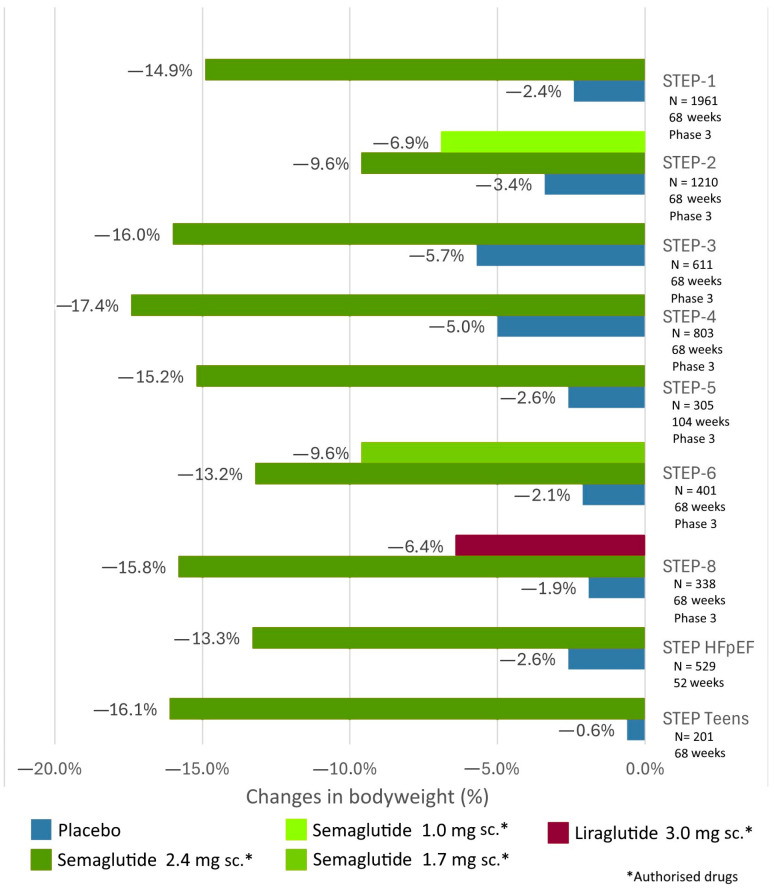
- In the STEP program, once-weekly semaglutide 2.4 mg produced about 15% weight loss in overweight/obese non-diabetic adults, and 9.6% weight loss in obese patients with T2DM (STEP-2).
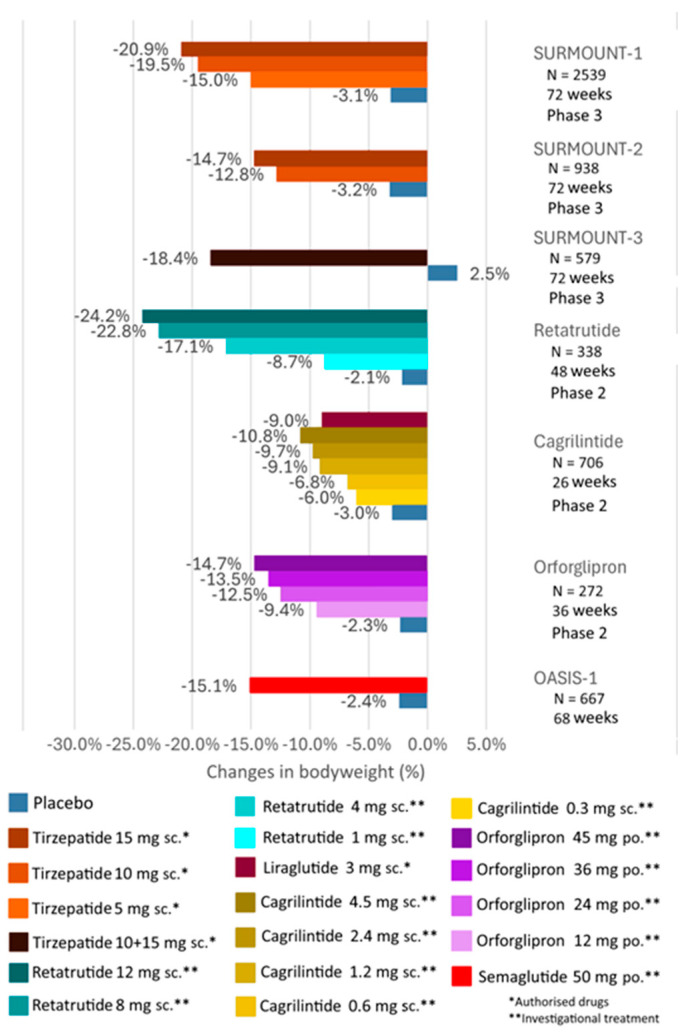
- In the SURMOUNT program, tirzepatide 15 mg weekly produced about 20% body-weight reduction in overweight/obese non-diabetic adults (SURMOUNT-1 and -3), and 14.7% in overweight/obese patients with T2DM (SURMOUNT-2).
- In a 54-week study of 834 participants, cotadutide reduced HbA1c by −1.03% to −1.19% depending on dose; the highest dose lowered weight by −5.02 kg, compared with −3.33 kg for liraglutide 1.8 mg.
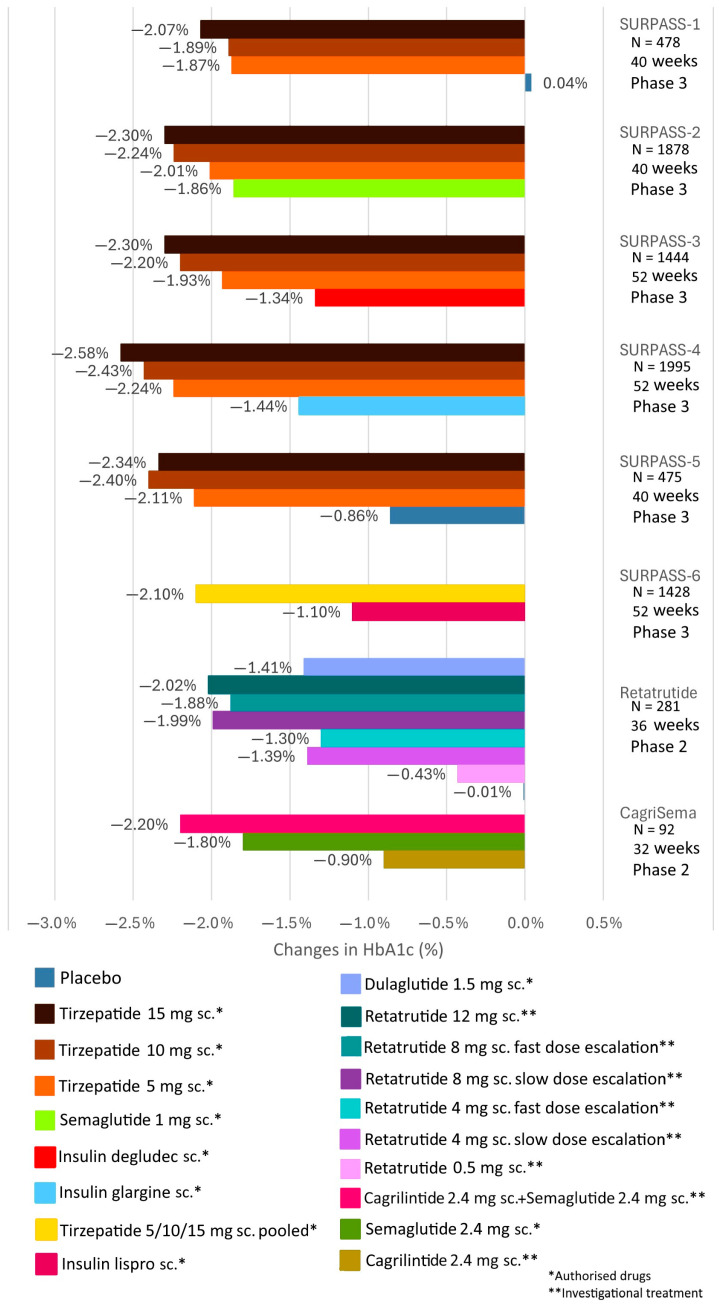
- Orforglipron showed dose-dependent weight loss of up to 14.7% over 36 weeks in obese, non-diabetic individuals; danuglipron produced 1.2% HbA1c reduction and 4.2 kg weight loss over 16 weeks in T2DM, and a reported 11.7% weight loss over 32 weeks in obese non-diabetic individuals, but with >50% discontinuation due to adverse events in each dose group.
Methods
- Narrative review summarizing therapeutic effects and future prospects of incretin-based therapies for obesity and T2DM.
- Literature/data sources listed as PubMed, Scopus, Web of Science, and ClinicalTrials.gov, using keywords related to obesity, T2DM, incretin hormones, GPCRs, and dual/triple agonists.
- The paper synthesizes results from clinical trials and preclinical studies; no original patient-level dataset or meta-analytic statistical model is reported.
Limitations
- The paper does not report a systematic review protocol, study selection criteria, or risk-of-bias assessment; this is evident from the text, which describes a narrative review rather than a systematic review.
- The authors explicitly note that for dual and triple GLP-1/GIP/glucagon agonists, safety needs assessment through cardiovascular outcome trials.
- The text makes evident that many conclusions rely on early-phase or ongoing studies and that several mechanisms/effects remain unclear or need further investigation (for example, GIP effects on atherosclerosis, lipid metabolism, and energy expenditure).
Model-written summary. Check it against the paper before relying on it.
Integrity signals
Registry
Cites
Statistics
Figures
Verification
Claims the paper makes
52 Valid · 10 Not valid · 36 Not checked · 18 Own results and interpretations
At least one cited source doesn’t support this claim or points to a different paper, and none confirmed it — see the verdicts below.
In the paper
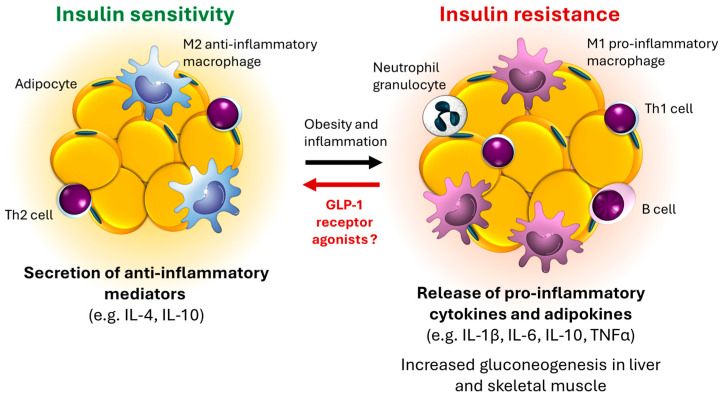
“Among obese individuals, it is possible for the phenotype of macrophages to change, indicating the dominance of proinflammatory M1-polarized macrophages over M2 macrophages involved in anti-inflammatory and reparative mechanisms.”
§ New Developments in Pharmacological Treatment of Obesity and Type 2 Diabetes—Beyond and within GLP-1 Receptor Agonists > 2. The Importance of Inflammatory Processes and Oxidative Stress in Adipose Tissue
What the sources say
- Disputedcites [13] Xu X. Grijalva A. Skowronski A. van Eijk M. Serlie M.J. Ferrante A.W. Obesity activates a program of lysosomal-dependent lipid metabolism in adipose tissue macrophages independently of classic activation Cell Metab. 2013 18 816 830 10.1016/j.cmet.2013.11.001 24315368 PMC3939841 sourceExperimental — accuracy not yet measured
The Discussion says the authors did not observe an obesity-driven switch from M2 to M1 macrophages. The Results likewise conclude that obesity does not induce a simple M1-polarized switch in adipose tissue macrophages. These findings are primarily from obese mice, so they do not establish the claimed M1 dominance among obese individuals. (LLM, conf=0.90)
Checked by a reasoning model — may be wrong.
hedgedstates an association- Asserted: passes — The authors put it forward as true.
- Checkable: passes — It can be checked against evidence.
- Load-bearing: unclear — It is unclear whether the paper’s conclusions depend on it.
- Based: passes — The paper gives a reason why it holds.
- Disputed
At least one cited source doesn’t support this claim or points to a different paper, and none confirmed it — see the verdicts below.
In the paper
“GIP also stimulates bone formation by inhibiting osteoclast apoptosis [52].”
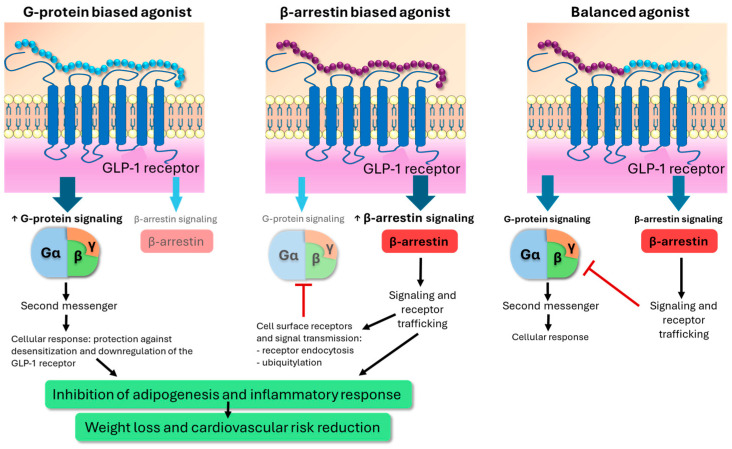
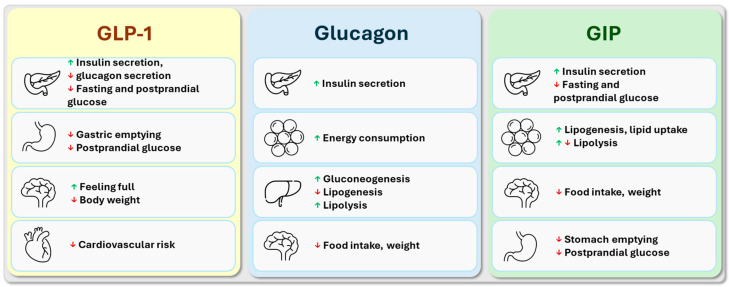
§ New Developments in Pharmacological Treatment of Obesity and Type 2 Diabetes—Beyond and within GLP-1 Receptor Agonists > 3. The Importance of G-Protein-Coupled Receptors in Obesity and T2DM Incretin-based peptides exert their cellular effects through G-protein-coupled receptors, which have become important therapeutic targets in the treatment of obesity and T2DM in recent years. However, the exact mechanism underlying G-protein-coupled receptors/G-protein specificity remains ambiguous and warrants further investigation [19]. G-protein-coupled receptors constitute the largest family of membrane proteins, and ligand binding can lead to activation of multiple intracellular pathways, including G proteins, beta-arrestins, and other non-G-protein-regulated signaling pathways, such as mitogen-activated protein kinase phosphorylation [20] (Figure 3). Molecules that bind directly to G-protein-coupled receptors can be either orthosteric (binding to the same pocket as the natural ligand) or allosteric (binding to a different pocket). Allosteric modulators can cooperatively interact with the natural orthosteric ligand, thereby enhancing or attenuating receptor signaling. Beta-arrestins contribute to a reduction in the response to receptor agonism through internalization of the specific G-protein-coupled receptor [21]. Presumably, the effect of native GLP-1 on the GLP-1 receptor evenly activates various signaling pathways. However, certain agonists of activated G-protein-coupled receptors can promote the activation of a subset of signaling pathways, resulting in “ligand bias” associated with unique cellular responses. Deviation from the typical effect profile of a certain receptor type is termed “biased agonism.” Certain biased agonists of the GLP-1 receptor may more strongly facilitate G-protein activation than recruitment of beta-arrestins [22]. However, it is possible that bias towards G-protein signaling may stem more from reduced activation of G-protein-coupled receptor kinases than inhibition of binding to beta-arrestins, while other studies have shown that certain β2AR ligands prefer beta-arrestin signaling over G-protein activation [23,24]. Beta-arrestin-dependent seven-transmembrane receptor signaling includes beta-arrestins, which function as multifunctional proteins regulating receptor desensitization, endocytosis, and ubiquitination while modulating G-protein signaling and promoting activation of alternative intracellular pathways. G-protein-based GLP-1 agonists appear to achieve significant weight and blood sugar-reducing effects, in part through reduced beta-arrestin recruitment, thereby avoiding receptor desensitization and downregulation [25]. β-arrestins intracellularly exert an inhibitory effect on signaling pathways mediated by G-protein-coupled receptors; concurrently, they possess the capability to regulate cellular functions independently of G proteins, such as through interaction with peroxisome proliferator-activated receptor-γ [26]. It appears that both G-protein signal activation and the beta-arrestin pathway may facilitate weight loss by inhibiting adipogenesis and inflammatory response [23,27]. Different intracellular cellular responses following binding to G-protein-coupled receptors may also explain the different efficacy of different peptide-based therapies (Figure 3). GLP-1, GIP, and glucagon receptors belong to class B G-protein-coupled receptors within the secretin receptor family. Their activation involves G protein (Gαs), leading to increased insulin secretion in beta cells via cyclic adenosine monophosphate (cAMP) production, but they also activate the beta-arrestin pathway, which impedes G-protein signaling. Each receptor undergoes agonist-induced endocytosis to varying degrees, thus fine-tuning spatial and temporal modulation of intracellular signaling and hormonal response [28]. During biased agonism, the balance between receptor recruitment, activation of intracellular signaling, and subsequent receptor trafficking may be ligand specific. There are numerous examples of biased agonism at the GLP-1 receptor, including both natural and pharmacological orthosteric agonists. Biased GLP-1 receptor agonists derived from exendin-4 result in prolonged insulin secretion by reducing GLP-1 receptor desensitization and endocytosis, as well as mitigating GLP-1 receptor downregulation [29]. The dual GLP-1/GIP receptor agonist tirzepatide exhibits unbalanced dual agonism at GLP-1 and GIP receptors, but with significantly lower affinity for the GLP-1 receptor and much milder cAMP activation [30]. GLP-1, GIP, and glucagon receptors are present on pancreatic beta cells, and their physiological or pharmacological activation leads to significant metabolic effects [9] (Figure 4). Activation of all three receptors enhances glucose-stimulated insulin secretion, but they differ in their effects on fasting and postprandial blood glucose levels, gluconeogenesis, and lipogenesis, while their common effects include increased energy expenditure and enhanced satiety for weight loss [31]. GLP-1 receptor agonists moderate fasting and postprandial blood glucose levels and, beyond their weight-reducing effects, have demonstrated anti-atherogenic protection in terms of cardiovascular diseases [32,33]. In the case of GIP analogs, beyond effective blood sugar reduction, they have also shown effects on food intake and weight loss, especially when combined with GLP-1 receptor agonists. However, the effects of GIP on fatty acid metabolism, atherosclerosis, adipose tissue metabolic activity, and energy expenditure remain unclear [33]. Despite glucagon’s blood sugar-increasing effect, glucagon receptor activation moderates food intake, enhances fatty acid breakdown, and increases energy expenditure, supporting the rational use of glucagon in combination with other incretin hormones in the treatment of obesity and T2DM [34]. > 3.2. The Main Effects of Glucose-Dependent Insulinotropic Polypeptide Glucose-dependent insulinotropic polypeptide (GIP) is produced from K cells in the mucosa of the small intestine and exerts its effects through a receptor coupled to a G protein. The glucose-dependent insulin-releasing effect of GIP, like GLP-1, is impaired in T2DM, but combining them may further improve beta-cell function and insulin secretion [50] (Figure 4). Similar to GLP-1, GIP also inhibits beta-cell apoptosis in the pancreas, thereby improving its survival during T2DM progression [51]. GIP also stimulates bone formation by inhibiting osteoclast apoptosis [52]. The precise effects of GIP on lipid metabolism are currently unclear; some studies suggest it may increase lipid uptake in adipose tissue and decrease lipolysis [53,54], while others suggest GIP may have lipolytic activity, as adipose tissue from transgenic mice overexpressing GIP has been found to be resistant to high-fat feeding [55,56]. It is hypothesized that by enhancing lipid-buffering capacity and insulin sensitivity in white adipose tissue postprandially, GIP may prevent ectopic fat deposition between tissues and muscles [57]. Activation of GIP receptors improved blood glucose levels in obese mouse models without altering body weight or fat tissue quantity [58], and activation of GIP receptors in the hypothalamus reduced food intake as well [59]. Whole-genome association studies have shown associations between different activity levels of human GIP receptor variants and the degree of obesity [60]. The anti-inflammatory effect of GIP on atherosclerosis is not clear from preclinical studies; therefore, the role of GIP in the atherosclerosis process seems to be controversial at the moment. In cell cultures, the administration of GIP may exert both anti-atherogenic effects (increased nitric oxide and adiponectin concentration, decreased endothelin-1 levels, reduced oxidative stress, decreased migration and proliferation of fibroblast cells) and pro-atherogenic effects (decreased adiponectin levels, increased endothelin-1 and osteopontin levels) [61]. In another study, high-dose administration of GIP reduced macrophage translocation into the vessel wall, thereby reducing foam cell formation, decreasing matrix metallopeptidase-9 activity and interleukin-6 secretion, and ultimately reducing the size of atherosclerotic plaques [62]. In summary, besides effectively reducing blood sugar levels, GIP analog treatment has also been shown to affect food intake and weight loss, especially when combined with GLP-1 receptor agonists. However, the detailed effects of GIP on lipid metabolism, atherosclerosis, metabolic activity of adipose tissue, and energy expenditure are still unclear.
What the sources say
- Disputedcites [52] Tsukiyama K. Yamada Y. Yamada C. Harada N. Kawasaki Y. Ogura M. Bessho K. Li M. Amizuka N. Sato M. Gastric inhibitory polypeptide as an endogenous factor promoting new bone formation after food ingestion Mol. Endocrinol. 2006 20 1644 1651 10.1210/me.2005-0187 16469773 sourceExperimental — accuracy not yet measured
The ‘Antiapoptotic Effect of GIP on Osteoblasts’ section reports that GIP prevented apoptosis of osteoblasts, not osteoclasts. The ‘No Direct Effect of GIP on Osteoclasts’ section says GIP did not directly inhibit osteoclast function. The claim names the wrong cell type for the reported antiapoptotic effect. (LLM, conf=0.90)
Checked by a reasoning model — may be wrong.
plainstates a cause- Asserted: passes — The authors put it forward as true.
- Checkable: passes — It can be checked against evidence.
- Load-bearing: unclear — It is unclear whether the paper’s conclusions depend on it.
- Based: passes — The paper gives a reason why it holds.
- Disputed
At least one cited source doesn’t support this claim or points to a different paper, and none confirmed it — see the verdicts below.
In the paper
“Previous large randomized clinical trials have demonstrated that a 3 mg dose of liraglutide can result in an average weight loss of 5.6 kg over nearly one year in overweight or obese individuals without diabetes [71].”
§ New Developments in Pharmacological Treatment of Obesity and Type 2 Diabetes—Beyond and within GLP-1 Receptor Agonists > 4. Peptide-Based Therapies in the Treatment of Obesity
What the sources say
- Disputedcites [71] Pi-Sunyer X. Astrup A. Fujioka K. Greenway F. Halpern A. Krempf M. Lau D.C. le Roux C.W. Violante Ortiz R. Jensen C.B. A Randomized, Controlled Trial of 3.0 mg of Liraglutide in Weight Management N. Engl. J. Med. 2015 373 11 22 10.1056/NEJMoa1411892 26132939 sourceExperimental — accuracy not yet measured
The Results (p. 1) report that the liraglutide group lost a mean of 8.4 kg at 56 weeks. The cited 5.6 kg is the difference in mean weight loss between the liraglutide and placebo groups, not the average loss among those receiving liraglutide. (LLM, conf=0.88)
Checked by a reasoning model — may be wrong.
boostedstates a cause- Asserted: passes — The authors put it forward as true.
- Checkable: passes — It can be checked against evidence.
- Load-bearing: unclear — It is unclear whether the paper’s conclusions depend on it.
- Based: passes — The paper gives a reason why it holds.
- Disputed
At least one cited source doesn’t support this claim or points to a different paper, and none confirmed it — see the verdicts below.
In the paper
“While inhibition of the appetite-stimulating (orexigenic) hormone ghrelin may seem an attractive therapeutic target, studies targeting ghrelin receptor inhibition have not reported sufficient efficacy to encourage further clinical development [124].”
§ New Developments in Pharmacological Treatment of Obesity and Type 2 Diabetes—Beyond and within GLP-1 Receptor Agonists > 6. Studies with Other Weight-Loss Medications
What the sources say
- Disputedcites [124] Altabas V. Zjačić-Rotkvić V. Anti-ghrelin antibodies in appetite suppression: Recent advances in obesity pharmacotherapy Immunotargets Ther. 2015 4 123 130 10.2147/ITT.S60398 27471718 PMC4918252 sourceExperimental — accuracy not yet measured
In “Vaccination as a form of obesity prophylaxis and/or treatment” (page unavailable), the paper reports that ghrelin receptor antagonists suppressed appetite and produced weight loss in rodents, calling ghrelin blocking a potential treatment target. Its disappointing human trial concerned an anti-ghrelin vaccine, not receptor inhibition; the paper does not conclude that receptor-antagonist studies lacked sufficient efficacy for further clinical development. (LLM, conf=0.82)
Checked by a reasoning model — may be wrong.
plain- Asserted: passes — The authors put it forward as true.
- Checkable: passes — It can be checked against evidence.
- Load-bearing: unclear — It is unclear whether the paper’s conclusions depend on it.
- Based: passes — The paper gives a reason why it holds.
- Disputed
Every source the paper cites for this claim was checked and supports it.
In the paper
“Numerous inflammatory mediators are produced in adipose tissue, significantly contributing to the development of chronic inflammatory conditions [11]”
§ New Developments in Pharmacological Treatment of Obesity and Type 2 Diabetes—Beyond and within GLP-1 Receptor Agonists > 2. The Importance of Inflammatory Processes and Oxidative Stress in Adipose Tissue
What the sources say
- Supportedcites [11] Riddy D.M. Delerive P. Summers R.J. Sexton P.M. Langmead C.J. G Protein-Coupled Receptors Targeting Insulin Resistance, Obesity, and Type 2 Diabetes Mellitus Pharmacol. Rev. 2018 70 39 67 10.1124/pr.117.014373 29233848 source
The ‘Obesity-Induced Type 2 Diabetes Mellitus’ section describes the release of multiple inflammatory mediators in adipose tissue and links immune-cell infiltration there to chronic low-grade inflammation. This supports the claim in the paper’s obesity-related metabolic context. (LLM, conf=0.88)
plainstates a cause- Asserted: passes — The authors put it forward as true.
- Checkable: passes — It can be checked against evidence.
- Load-bearing: unclear — It is unclear whether the paper’s conclusions depend on it.
- Based: passes — The paper gives a reason why it holds.
- Supported
50 more claims · 24 with their cited sources checked
Create a free account to see all 116 claims and to verify the 14 references still open.
- It may state two separate claims as one. 57
- Probably not a substantial claim. 8
Citations
Cites
Once-Weekly Semaglutide in Adults with Overweight or Obesity
Wilding, J. P. H., Batterham, R. L., Calanna, S., Davies, M., Van Gaal, L. F., Lingvay, I., McGowan, B. M., Rosenstock, J., Tran, M. T. D., Wadden, T. A., et al. (2021) · New England Journal of Medicine · doi:10.1056/nejmoa2032183 · Cited by 5,205
Tirzepatide Once Weekly for the Treatment of Obesity
Jastreboff, A. M., Aronne, L. J., Ahmad, N. N., Wharton, S., Connery, L., Alves, B., Kiyosue, A., Zhang, S., Liu, B., Bunck, M. C., et al. (2022) · New England Journal of Medicine · doi:10.1056/nejmoa2206038 · Cited by 3,838 · cited 1×
“In the SURMOUNT-1 and -3 studies, tirzepatide administered at a high dose of 15 mg subcutaneously once weekly resulted in approximately a 20% reduction in body weight in overweight and obese, non-diabetic adults, even after up to 2 years of treatment [84,85].”
BackgroundSemaglutide and Cardiovascular Outcomes in Obesity without Diabetes
Lincoff, A. M., Brown-Frandsen, K., Colhoun, H. M., Deanfield, J., Emerson, S. S., Esbjerg, S., Hardt-Lindberg, S., Hovingh, G. K., Kahn, S. E., Kushner, R. F., et al. (2023) · New England Journal of Medicine · doi:10.1056/nejmoa2307563 · Cited by 3,236
A Randomized, Controlled Trial of 3.0 mg of Liraglutide in Weight Management
Pi-Sunyer, X., Astrup, A., Fujioka, K., Greenway, F., Halpern, A., Krempf, M., Lau, D. C. W., le Roux, C. W., Violante Ortiz, R., Jensen, C. B., et al. (2015) · New England Journal of Medicine · doi:10.1056/nejmoa1411892 · Cited by 2,724 · cited 1×
“Previous large randomized clinical trials have demonstrated that a 3 mg dose of liraglutide can result in an average weight loss of 5.6 kg over nearly one year in overweight or obese individuals without diabetes [71].”
BackgroundInfluentialPhelps, N. H., Singleton, R. K., Zhou, B., Heap, R. A., Mishra, A., Bennett, J. E., Paciorek, C. J., Lhoste, V. P., Carrillo-Larco, R. M., Stevens, G. A., et al. (2024) · The Lancet · doi:10.1016/s0140-6736(23)02750-2 · Cited by 2,544 · cited 1×
“Obesity is responsible for approximately 43% of all cases of type 2 diabetes, with rates as high as 80–85% in some populations [1].”
BackgroundMechanisms of Action and Therapeutic Application of Glucagon-like Peptide-1
Drucker, D. J. (2018) · Cell Metabolism · doi:10.1016/j.cmet.2018.03.001 · Cited by 2,170 · cited 2×
“…e ff ect of incretin hormones on left ventricular diastolic dysfunction, common in T2DM [39,40]. to its and inotropic effects on cardiac muscle cells, GLP-1 slightly increases which is counteracted by the favorable effect of incretin hormones on left diastolic dysfunction, common in T2DM [39,40].”
BackgroundGlucagon-like peptide 1 (GLP-1)
Müller, T. D., Finan, B., Bloom, S. R., D'Alessio, D., Drucker, D. J., Flatt, P. R., Fritsche, A., Gribble, F., Grill, H. J., Habener, J. F., et al. (2019) · Molecular Metabolism · doi:10.1016/j.molmet.2019.09.010 · Cited by 1,868
Semaglutide in Patients with Heart Failure with Preserved Ejection Fraction and Obesity
Kosiborod, M. N., Abildstrøm, S. Z., Borlaug, B. A., Butler, J., Rasmussen, S., Davies, M., Hovingh, G. K., Kitzman, D. W., Lindegaard, M. L., Møller, D. V., et al. (2023) · New England Journal of Medicine · doi:10.1056/nejmoa2306963 · Cited by 1,669
Rubino, D., Abrahamsson, N., Davies, M., Hesse, D., Greenway, F. L., Jensen, C., Lingvay, I., Mosenzon, O., Rosenstock, J., Rubio, M. A., et al. (2021) · JAMA · doi:10.1001/jama.2021.3224 · Cited by 1,444
Davies, M., Færch, L., Jeppesen, O. K., Pakseresht, A., Pedersen, S. D., Perreault, L., Rosenstock, J., Shimomura, I., Viljoen, A., Wadden, T. A., et al. (2021) · The Lancet · doi:10.1016/s0140-6736(21)00213-0 · Cited by 1,419
G Protein-Coupled Receptors as Targets for Approved Drugs: How Many Targets and How Many Drugs?
Sriram, K., & Insel, P. A. (2018) · Molecular Pharmacology · doi:10.1124/mol.117.111062 · Cited by 1,258 · cited 2×
“…beta-arrestins, and other Beta-arrestins contribute to a reduction in the response to receptor agonism through internalization of the speci fi c G-protein-coupled receptor [21]. non-G-protein-regulated signaling pathways, such as mitogen-activated protein kinase phosphorylation [20] (Figure 3).”
BackgroundTriple-Hormone-Receptor Agonist Retatrutide for Obesity — A Phase 2 Trial
Jastreboff, A. M., Kaplan, L. M., Frías, J. P., Wu, Q., Du, Y., Gurbuz, S., Coskun, T., Haupt, A., Milicevic, Z., & Hartman, M. L. (2023) · New England Journal of Medicine · doi:10.1056/nejmoa2301972 · Cited by 1,174 · cited 1×
“The triple GLP-1/GIP/glucagon receptor agonist retatrutide (administered once weekly as 12 mg subcutaneous injections) achieved a 24% weight loss in a 48-week study involving overweight and obese individuals [113].”
MethodWadden, T. A., Bailey, T. S., Billings, L. K., Davies, M., Frias, J. P., Koroleva, A., Lingvay, I., O’Neil, P. M., Rubino, D. M., Skovgaard, D., et al. (2021) · JAMA · doi:10.1001/jama.2021.1831 · Cited by 1,114
Metabolic Inflammation and Insulin Resistance in Obesity
Wu, H., & Ballantyne, C. M. (2020) · Circulation Research · doi:10.1161/circresaha.119.315896 · Cited by 1,059
Davies, M. J., Aroda, V. R., Collins, B. S., Gabbay, R. A., Green, J., Maruthur, N. M., Rosas, S. E., Del Prato, S., Mathieu, C., Mingrone, G., et al. (2022) · Diabetologia · doi:10.1007/s00125-022-05787-2 · Cited by 1,048 · cited 2×
“A weight loss of at least 5% can delay the onset of T2DM and reduce the occurrence of cardiovascular diseases, while long-term sustained weight loss of 10–15% can even induce T2DM remission and provide numerous other health benefits [3,4].”
Anti-obesity drug discovery: advances and challenges
Müller, T. D., Blüher, M., Tschöp, M. H., & DiMarchi, R. D. (2022) · Nature Reviews Drug Discovery · doi:10.1038/s41573-021-00337-8 · Cited by 1,021 · cited 1×
“Several unimolecular dual or triple agonist proteins are also currently being studied, including those based on the action of the oxyntomodulin hormone, such as survodutide, pemvidutide, and mazdutide, which show promising weight-reducing effects [114].”
BackgroundRubino, D. M., Greenway, F. L., Khalid, U., O’Neil, P. M., Rosenstock, J., Sørrig, R., Wadden, T. A., Wizert, A., Garvey, W. T., STEP 8 Investigators, et al. (2022) · JAMA · doi:10.1001/jama.2021.23619 · Cited by 995
Inhibition of gastric inhibitory polypeptide signaling prevents obesity
Miyawaki, K., Yamada, Y., Ban, N., Ihara, Y., Tsukiyama, K., Zhou, H., Fujimoto, S., Oku, A., Tsuda, K., Toyokuni, S., et al. (2002) · Nature Medicine · doi:10.1038/nm727 · Cited by 963 · cited 1×
“…of GIP on lipid metabolism are currently unclear; some studies suggest it may increase lipid uptake in adipose tissue and decrease lipolysis [53,54], while others suggest GIP may have lipolytic activity, as adipose tissue from transgenic mice overexpressing GIP has been found to be…”
BackgroundCoskun, T., Sloop, K. W., Loghin, C., Alsina-Fernandez, J., Urva, S., Bokvist, K. B., Cui, X., Briere, D. A., Cabrera, O., Roell, W. C., et al. (2018) · Molecular Metabolism · doi:10.1016/j.molmet.2018.09.009 · Cited by 882
Two-year effects of semaglutide in adults with overweight or obesity: the STEP 5 trial
Garvey, W. T., Batterham, R. L., Bhatta, M., Buscemi, S., Christensen, L. N., Frias, J. P., Jódar, E., Kandler, K., Rigas, G., Wadden, T. A., et al. (2022) · Nature Medicine · doi:10.1038/s41591-022-02026-4 · Cited by 868
Garvey, W. T., Frias, J. P., Jastreboff, A. M., le Roux, C. W., Sattar, N., Aizenberg, D., Mao, H., Zhang, S., Ahmad, N. N., Bunck, M. C., et al. (2023) · The Lancet · doi:10.1016/s0140-6736(23)01200-x · Cited by 792 · cited 1×
“Weight loss was slightly lower, at 14.7%, in overweight and obese patients with T2DM in the SURMOUNT-2 study [86].”
BackgroundInfluentialOnce-weekly semaglutide in adolescents with obesity
Weghuber, D., Barrett, T., Barrientos-Pérez, M., Gies, I., Hesse, D., Jeppesen, O. K., Kelly, A. S., Mastrandrea, L. D., Sørrig, R., & Arslanian, S. (2022) · New England Journal of Medicine · doi:10.1056/nejmoa2208601 · Cited by 730
Unimolecular Dual Incretins Maximize Metabolic Benefits in Rodents, Monkeys, and Humans
Finan, B., Ma, T., Ottaway, N., Müller, T. D., Habegger, K. M., Heppner, K. M., Kirchner, H., Holland, J., Hembree, J., Raver, C., et al. (2013) · Science Translational Medicine · doi:10.1126/scitranslmed.3007218 · Cited by 696
Targeting adipose tissue in the treatment of obesity-associated diabetes
Kusminski, C. M., Bickel, P. E., & Scherer, P. E. (2016) · Nature Reviews Drug Discovery · doi:10.1038/nrd.2016.75 · Cited by 678 · cited 1×
“…persistent in fl ammation occurs in dysfunctional adipose tissue due to hypoxia, fi brosis, and mitochondrial dysfunction, leading to systemic in fl ammation, progression of atherosclerosis, and the development of T2DM and cardiovascular diseases [14]. of T2DM and cardiovascular diseases [14].”
BackgroundNonshivering thermogenesis and its adequate measurement in metabolic studies
Cannon, B., & Nedergaard, J. (2011) · Journal of Experimental Biology · doi:10.1242/jeb.050989 · Cited by 677 · cited 1×
“Animal models have shown that GLP-1 can increase energy expenditure and regulate heat production and conversion from white adipose tissue to brown adipose tissue in obese mice [42], although human data on this effect are not yet convincing [18,43].”
BackgroundGRKs and β-arrestins: roles in receptor silencing, trafficking and signaling
Reiter, E., & Lefkowitz, R. J. (2006) · Trends in Endocrinology & Metabolism · doi:10.1016/j.tem.2006.03.008 · Cited by 666
A rationally designed monomeric peptide triagonist corrects obesity and diabetes in rodents
Finan, B., Yang, B., Ottaway, N., Smiley, D. L., Ma, T., Clemmensen, C., Chabenne, J., Zhang, L., Habegger, K. M., Fischer, K., et al. (2015) · Nature Medicine · doi:10.1038/nm.3761 · Cited by 645 · cited 3×
“…levels, gluconeogenesis, and lipogenesis, while their common effects include increased energy expenditure and enhanced satiety for weight loss [31]. they di ff er in their e ff ects on fasting and postprandial blood glucose levels, gluconeogenesis, and lipogenesis, while their common e ff ects…”
BackgroundInfluentialObesity management as a primary treatment goal for type 2 diabetes: time to reframe the conversation
Lingvay, I., Sumithran, P., Cohen, R. V., & le Roux, C. W. (2022) · The Lancet · doi:10.1016/s0140-6736(21)01919-x · Cited by 581 · cited 2×
“Therefore, the addition of pharmacological therapies with properties that promote weight loss and reduce blood glucose levels represents a desirable approach in the management of obesity and T2DM [2].”
BackgroundOxidative Stress in Type 2 Diabetes: Impacts from Pathogenesis to Lifestyle Modifications
Caturano, A., D’Angelo, M., Mormone, A., Russo, V., Mollica, M. P., Salvatore, T., Galiero, R., Rinaldi, L., Vetrano, E., Marfella, R., et al. (2023) · Current Issues in Molecular Biology · doi:10.3390/cimb45080420 · Cited by 579 · cited 2×
“Additionally, peroxynitrite oxidizes tetrahydrobiopterin, an essential cofactor for eNOS, rendering it biologically inactive and unable to catalyze endothelial NO synthesis [15].”
BackgroundTirzepatide is an imbalanced and biased dual GIP and GLP-1 receptor agonist
Willard, F. S., Douros, J. D., Gabe, M. B. N., Showalter, A. D., Wainscott, D. B., Suter, T. M., Capozzi, M. E., van der Velden, W. J. C., Stutsman, C., Cardona, G. R., et al. (2020) · JCI Insight · doi:10.1172/jci.insight.140532 · Cited by 541
Xu, X., Grijalva, A., Skowronski, A., van Eijk, M., Serlie, M. J., & Ferrante, A. W. (2013) · Cell Metabolism · doi:10.1016/j.cmet.2013.11.001 · Cited by 523 · cited 1×
“This suggests a change in the innate immune sys-tem in obesity [13].”
BackgroundGLP-1 physiology informs the pharmacotherapy of obesity
Drucker, D. J. (2022) · Molecular Metabolism · doi:10.1016/j.molmet.2021.101351 · Cited by 510 · cited 2×
“…calcium channels on the cell membrane and exocytosis of insulin-containing granules released from the endoplasmic reticulum due to calcium release [36]. kinase A, resulting in closure of ATP-sensitive potassium channels and of beta cells, leading to the opening of voltage-gated calcium channels…”
BackgroundNauck, M. A., & Meier, J. J. (2016) · The Lancet Diabetes & Endocrinology · doi:10.1016/s2213-8587(15)00482-9 · Cited by 503 · cited 3×
“…[32,33]. levels and, beyond their weight-reducing e ff ects, demonstrated anti-atherogenic protection in terms of cardiovascular diseases [32,33 of GIP analogs, beyond e ff ective blood sugar reduction, In the case of GIP analogs, beyond effective blood sugar reduction, they have also shown…”
BackgroundInfluentialDaily Oral GLP-1 Receptor Agonist Orforglipron for Adults with Obesity
Wharton, S., Blevins, T., Connery, L., Rosenstock, J., Raha, S., Liu, R., Ma, X., Mather, K. J., Haupt, A., Robins, D., et al. (2023) · New England Journal of Medicine · doi:10.1056/nejmoa2302392 · Cited by 478 · cited 1×
“In obese, non-diabetic individuals, orforglipron administration for 36 weeks in a phase 2 trial, ranging from 12 mg to 45 mg doses, resulted in dose-dependent weight loss of up to 14.7%, accompanied by improvements in cardiometabolic risk factors [109] (Figure 6).”
BackgroundInfluentialMetabolically healthy versus metabolically unhealthy obesity
Iacobini, C., Pugliese, G., Blasetti Fantauzzi, C., Federici, M., & Menini, S. (2019) · Metabolism · doi:10.1016/j.metabol.2018.11.009 · Cited by 453 · cited 2×
“Obesity is associated with increased insulin secretion, leading to insulin resistance and ultimately beta-cell failure, thereby promoting the development of T2DM [10]. factors to balance them.”
BackgroundWadden, T. A., Chao, A. M., Machineni, S., Kushner, R., Ard, J., Srivastava, G., Halpern, B., Zhang, S., Chen, J., Bunck, M. C., et al. (2023) · Nature Medicine · doi:10.1038/s41591-023-02597-w · Cited by 442 · cited 1×
“In the SURMOUNT-1 and -3 studies, tirzepatide administered at a high dose of 15 mg subcutaneously once weekly resulted in approximately a 20% reduction in body weight in overweight and obese, non-diabetic adults, even after up to 2 years of treatment [84,85].”
BackgroundKnop, F. K., Aroda, V. R., do Vale, R. D., Holst-Hansen, T., Laursen, P. N., Rosenstock, J., Rubino, D. M., & Garvey, W. T. (2023) · The Lancet · doi:10.1016/s0140-6736(23)01185-6 · Cited by 431 · cited 1×
“…approximately 80% of participants taking high-dose oral semaglutide (50 mg once daily), but like with subcutaneous weekly 2.4 mg semaglutide, their severity decreased over time [81]. significantly higher incidence in patients receiving high-dose semaglutide or tirzepatide compared to comparators.”
BackgroundInfluentialThe New Biology and Pharmacology of Glucagon
Müller, T. D., Finan, B., Clemmensen, C., DiMarchi, R. D., & Tschöp, M. H. (2017) · Physiological Reviews · doi:10.1152/physrev.00025.2016 · Cited by 419 · cited 1×
“The glucose-dependent insulin-releasing effect of GIP, like GLP-1, is impaired in T2DM, but combining them may further improve beta-cell function and insulin secretion [50] (Figure 4).”
BackgroundHow May GIP Enhance the Therapeutic Efficacy of GLP-1?
Samms, R. J., Coghlan, M. P., & Sloop, K. W. (2020) · Trends in Endocrinology & Metabolism · doi:10.1016/j.tem.2020.02.006 · Cited by 419 · cited 1×
“It is hypothesized that by enhancing lipid-buffering capacity and insulin sensitivity in white adipose tissue postprandially, GIP may prevent ectopic fat deposition between tissues and muscles [57].”
BackgroundEmerging paradigms of β-arrestin-dependent seven transmembrane receptor signaling
Shukla, A. K., Xiao, K., & Lefkowitz, R. J. (2011) · Trends in Biochemical Sciences · doi:10.1016/j.tibs.2011.06.003 · Cited by 418
Glucagon-Like Peptide 1/Glucagon Receptor Dual Agonism Reverses Obesity in Mice
Pocai, A., Carrington, P. E., Adams, J. R., Wright, M., Eiermann, G., Zhu, L., Du, X., Petrov, A., Lassman, M. E., Jiang, G., et al. (2009) · Diabetes · doi:10.2337/db09-0278 · Cited by 409 · cited 1×
“The first monomolecular glucagon receptor/GLP-1 receptor co-agonist was discovered in 2009, and its weekly administration significantly improved carbohydrate metabolism and reduced weight in obese mice fed a high-calorie diet during preclinical studies [97].”
BackgroundNauck, M. A., & D‘Alessio, D. A. (2022) · Cardiovascular Diabetology · doi:10.1186/s12933-022-01604-7 · Cited by 407 · cited 3×
“As part of the SURPASS program, phase III trials were conducted to evaluate the therapeutic efficacy (glycemic control and weight reduction), safety, and tolerability of tirzepatide in patients with T2DM [94,95].”
BackgroundMethodInfluentialGraaf, C. D., Donnelly, D., Wootten, D., Lau, J., Sexton, P. M., Miller, L. J., Ahn, J.-M., Liao, J., Fletcher, M. M., Yang, D., et al. (2016) · Pharmacological Reviews · doi:10.1124/pr.115.011395 · Cited by 403 · cited 2×
“…activates the GLP-1 receptor, a glycoprotein receptor belonging to the family of G-protein-coupled receptors with seven transmembrane helices [35]. peptide-1 hormone (GLP-1) is produced in the L cells of the small meals and stimulates insulin secretion in a glucose-dependent manner. the…”
BackgroundGorgojo-Martínez, J. J., Mezquita-Raya, P., Carretero-Gómez, J., Castro, A., Cebrián-Cuenca, A., de Torres-Sánchez, A., García-de-Lucas, M. D., Núñez, J., Obaya, J. C., Soler, M. J., et al. (2022) · Journal of Clinical Medicine · doi:10.3390/jcm12010145 · Cited by 358 · cited 1×
“Initial gastrointestinal side effects were reported by approximately 30% of participants, which were generally mild to moderate in severity and significantly diminished during sustained treatment achieved through dose titration, resulting in a discontinuation rate of less than 8% [87].”
BackgroundFrias, J. P., Deenadayalan, S., Erichsen, L., Knop, F. K., Lingvay, I., Macura, S., Mathieu, C., Pedersen, S. D., & Davies, M. (2023) · The Lancet · doi:10.1016/s0140-6736(23)01163-7 · Cited by 334 · cited 1×
“…from a recently published 32-week phase 2 trial, combined therapy with weekly parenteral administration of 2.4 mg cagrilintide and 2.4 mg semaglutide (CagriSema) reduced body weight by an average of 15.6% and HbA1c by an average of 2.2% in patients with T2DM compared to baseline [118] (Figure 7).”
InfluentialWhat is the pipeline for future medications for obesity?
Melson, E., Ashraf, U., Papamargaritis, D., & Davies, M. J. (2025) · International Journal of Obesity · doi:10.1038/s41366-024-01473-y · Cited by 332 · cited 1×
“Phase 3 trials with CagriSema combination therapy, part of the REDEFINE program, are evaluating its efficacy in weight loss and cardiovascular safety in patients with T2DM and overweight/obese, non-diabetic individuals [119].”
MethodKadowaki, T., Isendahl, J., Khalid, U., Lee, S. Y., Nishida, T., Ogawa, W., Tobe, K., Yamauchi, T., & Lim, S. (2022) · The Lancet Diabetes & Endocrinology · doi:10.1016/s2213-8587(22)00008-0 · Cited by 330
Adriaenssens, A. E., Biggs, E. K., Darwish, T., Tadross, J., Sukthankar, T., Girish, M., Polex-Wolf, J., Lam, B. Y., Zvetkova, I., Pan, W., et al. (2019) · Cell Metabolism · doi:10.1016/j.cmet.2019.07.013 · Cited by 324 · cited 1×
“Activation of GIP receptors improved blood glucose levels in obese mouse models without altering body weight or fat tissue quantity [58], and activation of GIP receptors in the hypothalamus reduced food intake as well [59].”
BackgroundEndothelial Dysfunction: Is There a Hyperglycemia-Induced Imbalance of NOX and NOS?
Meza, C. A., La Favor, J. D., Kim, D.-H., & Hickner, R. C. (2019) · International Journal of Molecular Sciences · doi:10.3390/ijms20153775 · Cited by 323 · cited 2×
“In diabetes, chronic hyperglycemia, acute fl uctuations in blood glucose levels, and insulin resistance all contribute to increased oxidative stress and, therefore, to the development of endothelial dysfunction [16].”
BackgroundNahra, R., Wang, T., Gadde, K. M., Oscarsson, J., Stumvoll, M., Jermutus, L., Hirshberg, B., & Ambery, P. (2021) · Diabetes Care · doi:10.2337/dc20-2151 · Cited by 323 · cited 3×
“A multicenter study evaluated the effects of subcutaneously administered cotadutide in 834 participants in daily doses of 100 µ g, 200 µ g, and 300 µ g compared with placebo and 1.8 mg liraglutide daily [101].”
BackgroundInfluentialLee, Y.-S., Park, M.-S., Choung, J.-S., Kim, S.-S., Oh, H.-H., Choi, C.-S., Ha, S.-Y., Kang, Y., Kim, Y., & Jun, H.-S. (2012) · Diabetologia · doi:10.1007/s00125-012-2592-3 · Cited by 319 · cited 2×
“…and oxidative stress in adipose tissue by a ff ecting the expression of cytokines, chemokines, and macrophage in-fi ltration, with prolonged GLP-1 action potentially alleviating obesity-related adipose tissue in fl ammation while enhancing the expression of anti-in fl ammatory genes [17,18] (Figure”
BackgroundCoskun, T., Urva, S., Roell, W. C., Qu, H., Loghin, C., Moyers, J. S., O’Farrell, L. S., Briere, D. A., Sloop, K. W., Thomas, M. K., et al. (2022) · Cell Metabolism · doi:10.1016/j.cmet.2022.07.013 · Cited by 316 · cited 1×
“…agonist, significantly reduced body weight and improved glycemic control, exhibiting a safety and tolerability profile similar to other incretin formulations in study participants, and body weight continued to decrease steadily after a single dose until the end of the study [105] (Figure 6).”
BackgroundNew Roles for β-Arrestins in Cell Signaling: Not Just for Seven-Transmembrane Receptors
Lefkowitz, R. J., Rajagopal, K., & Whalen, E. J. (2006) · Molecular Cell · doi:10.1016/j.molcel.2006.11.007 · Cited by 301 · cited 1×
“…beta-arrestins, and other Beta-arrestins contribute to a reduction in the response to receptor agonism through internalization of the speci fi c G-protein-coupled receptor [21]. non-G-protein-regulated signaling pathways, such as mitogen-activated protein kinase phosphorylation [20] (Figure 3).”
BackgroundAmbery, P., Parker, V. E., Stumvoll, M., Posch, M. G., Heise, T., Plum-Moerschel, L., Tsai, L.-F., Robertson, D., Jain, M., Petrone, M., et al. (2018) · The Lancet · doi:10.1016/s0140-6736(18)30726-8 · Cited by 298 · cited 2×
“In recent years, two glucagon receptor/GLP-1 receptor co-agonists underwent phase II clinical trials in human experiments, namely, SAR425899 and cotadutide [98,99].”
BackgroundThe β-Arrestins: Multifunctional Regulators of G Protein-coupled Receptors
Smith, J. S., & Rajagopal, S. (2016) · Journal of Biological Chemistry · doi:10.1074/jbc.r115.713313 · Cited by 294
Nevola, R., Epifani, R., Imbriani, S., Tortorella, G., Aprea, C., Galiero, R., Rinaldi, L., Marfella, R., & Sasso, F. C. (2023) · International Journal of Molecular Sciences · doi:10.3390/ijms24021703 · Cited by 286 · cited 1×
“Substantial evidence also supports the beneficial effects of the GLP-1 hormone on epicardial adipose tissue [48] and in the treatment of metabolic-associated fatty liver disease (MAFLD—formerly known as non-alcoholic fatty liver disease) [49].”
Lau, D. C. W., Erichsen, L., Francisco, A. M., Satylganova, A., le Roux, C. W., McGowan, B., Pedersen, S. D., Pietiläinen, K. H., Rubino, D., & Batterham, R. L. (2021) · The Lancet · doi:10.1016/s0140-6736(21)01751-7 · Cited by 278 · cited 1×
“A long-acting amylin analog similar to pramlintide, cagrilintide, administered parenterally once weekly at the highest dose of 4.5 mg, induced a significant 10.8% weight loss [117] (Figure 6).”
BackgroundInfluentialThe Glucagon Receptor Is Required for the Adaptive Metabolic Response to Fasting
Longuet, C., Sinclair, E. M., Maida, A., Baggio, L. L., Maziarz, M., Charron, M. J., & Drucker, D. J. (2008) · Cell Metabolism · doi:10.1016/j.cmet.2008.09.008 · Cited by 272 · cited 1×
“In addition to its blood glucose-increasing effect, glucagon activates fat breakdown and inhibits lipogenesis in the liver, reducing concentrations of non-esterified fatty acids and triacylglycerol, and moderating triglyceride content in liver cells in animal experiments [66].”
BackgroundSemaglutide for the treatment of overweight and obesity: A review
Bergmann, N. C., Davies, M. J., Lingvay, I., & Knop, F. K. (2023) · Diabetes, Obesity and Metabolism · doi:10.1111/dom.14863 · Cited by 265
Tan, T. M., Field, B. C. T., McCullough, K. A., Troke, R. C., Chambers, E. S., Salem, V., Gonzalez Maffe, J., Baynes, K. C. R., De Silva, A., Viardot, A., et al. (2013) · Diabetes · doi:10.2337/db12-0797 · Cited by 258 · cited 2×
“…of glucagon in combination with other incretin hormones in the treatment of obesity and T2DM [34]. receptor activation moderates food intake fa tt y acid breakdown, and increases energy expenditure, supporting the glucagon in combination with other incretin hormones in the treatment of T2DM [34].”
BackgroundGIPR agonism mediates weight-independent insulin sensitization by tirzepatide in obese mice
Samms, R. J., Christe, M. E., Collins, K. A. L., Pirro, V., Droz, B. A., Holland, A. K., Friedrich, J. L., Wojnicki, S., Konkol, D. L., Cosgrove, R., et al. (2021) · Journal of Clinical Investigation · doi:10.1172/jci146353 · Cited by 256
MANAGEMENT OF ENDOCRINE DISEASE: Are all GLP-1 agonists equal in the treatment of type 2 diabetes?
Nauck, M. A., & Meier, J. J. (2019) · European Journal of Endocrinology · doi:10.1530/eje-19-0566 · Cited by 254
Sonoda, N., Imamura, T., Yoshizaki, T., Babendure, J. L., Lu, J.-C., & Olefsky, J. M. (2008) · Proceedings of the National Academy of Sciences · doi:10.1073/pnas.0710402105 · Cited by 239
Structural basis for GLP-1 receptor activation by LY3502970, an orally active nonpeptide agonist
Kawai, T., Sun, B., Yoshino, H., Feng, D., Suzuki, Y., Fukazawa, M., Nagao, S., Wainscott, D. B., Showalter, A. D., Droz, B. A., et al. (2020) · Proceedings of the National Academy of Sciences · doi:10.1073/pnas.2014879117 · Cited by 231 · cited 1×
“However, it binds differently to the GLP-1 receptor compared to native GLP-1, thereby inducing G-protein activation rather than beta-arrestin recruitment [107].”
BackgroundAmerican Diabetes Association Professional Practice Committee, ElSayed, N. A., Aleppo, G., Bannuru, R. R., Bruemmer, D., Collins, B. S., Ekhlaspour, L., Hilliard, M. E., Johnson, E. L., Khunti, K., et al. (2024) · Diabetes Care · doi:10.2337/dc24-s008 · Cited by 213 · cited 1×
“…of 3 mg subcutaneously) has been approved as an adjunctive medication for weight loss achieved through a low-calorie diet and physical activity in adults with obesity or overweight-related comorbidities, as well as for the treatment of obese children and adolescents aged 12 years or older [70].”
BackgroundA review of current guidelines for the treatment of obesity
(2022) · The American Journal of Managed Care · doi:10.37765/ajmc.2022.89292 · Cited by 207 · cited 2×
“A weight loss of at least 5% can delay the onset of T2DM and reduce the occurrence of cardiovascular diseases, while long-term sustained weight loss of 10–15% can even induce T2DM remission and provide numerous other health benefits [3,4].”
BackgroundUrva, S., Coskun, T., Loh, M. T., Du, Y., Thomas, M. K., Gurbuz, S., Haupt, A., Benson, C. T., Hernandez-Illas, M., D’Alessio, D. A., et al. (2022) · The Lancet · doi:10.1016/s0140-6736(22)02033-5 · Cited by 202 · cited 1×
“Retatru-tide has also been subjected to human trials in patients with T2DM, showing significant reductions in body weight and HbA1c by the end of the 12th week compared to baseline values [106] (Figure 7).”
BackgroundTsukiyama, K., Yamada, Y., Yamada, C., Harada, N., Kawasaki, Y., Ogura, M., Bessho, K., Li, M., Amizuka, N., Sato, M., et al. (2006) · Molecular Endocrinology · doi:10.1210/me.2005-0187 · Cited by 198 · cited 1×
“GIP also stimulates bone formation by inhibiting osteoclast apoptosis [52].”
BackgroundA Small-Molecule Oral Agonist of the Human Glucagon-like Peptide-1 Receptor
Griffith, D. A., Edmonds, D. J., Fortin, J.-P., Kalgutkar, A. S., Kuzmiski, J. B., Loria, P. M., Saxena, A. R., Bagley, S. W., Buckeridge, C., Curto, J. M., et al. (2022) · Journal of Medicinal Chemistry · doi:10.1021/acs.jmedchem.1c01856 · Cited by 192
Frias, J. P., Hsia, S., Eyde, S., Liu, R., Ma, X., Konig, M., Kazda, C., Mather, K. J., Haupt, A., Pratt, E., et al. (2023) · The Lancet · doi:10.1016/s0140-6736(23)01302-8 · Cited by 184 · cited 1×
“In T2DM patients, the average change in HbA1c was − 2.1% with a dose of 45 mg of orforglipron (compared to dulaglutide and placebo), and nearly half of the participants achieved more than a 10% reduction in body weight in a 26-week phase 2 trial [108].”
BackgroundInfluentialKim, S.-J., Nian, C., Karunakaran, S., Clee, S. M., Isales, C. M., & McIntosh, C. H. S. (2012) · PLoS ONE · doi:10.1371/journal.pone.0040156 · Cited by 182 · cited 1×
“…are currently unclear; some studies suggest it may increase lipid uptake in adipose tissue and decrease lipolysis [53,54], while others suggest GIP may have lipolytic activity, as adipose tissue from transgenic mice overexpressing GIP has been found to be resistant to high-fat feeding [55,56].”
BackgroundAlthage, M. C., Ford, E. L., Wang, S., Tso, P., Polonsky, K. S., & Wice, B. M. (2008) · Journal of Biological Chemistry · doi:10.1074/jbc.m710466200 · Cited by 180 · cited 1×
“…of GIP on lipid metabolism are currently unclear; some studies suggest it may increase lipid uptake in adipose tissue and decrease lipolysis [53,54], while others suggest GIP may have lipolytic activity, as adipose tissue from transgenic mice overexpressing GIP has been found to be resistant…”
BackgroundBossart, M., Wagner, M., Elvert, R., Evers, A., Hübschle, T., Kloeckener, T., Lorenz, K., Moessinger, C., Eriksson, O., Velikyan, I., et al. (2022) · Cell Metabolism · doi:10.1016/j.cmet.2021.12.005 · Cited by 179 · cited 1×
“…SAR441255 at the two highest test doses (80 µ g and 150 µ g) normalized fasting blood glucose levels within the first hour of treatment in overweight individuals, with the highest dose being well tolerated and the most common treatment-related side effects being gastrointestinal complaints [103].”
BackgroundLee, Y.-S., Shin, S., Shigihara, T., Hahm, E., Liu, M.-J., Han, J., Yoon, J.-W., & Jun, H.-S. (2007) · Diabetes · doi:10.2337/db06-1182 · Cited by 158 · cited 2×
“Metabolic e ff ects mediated by GLP-1 include increased glucose uptake and glycogen production in skeletal muscle, as well as inhibition of gluconeogenesis in the liver [38] (Figure 4).”
BackgroundReal-time trafficking and signaling of the glucagon-like peptide-1 receptor
Roed, S. N., Wismann, P., Underwood, C. R., Kulahin, N., Iversen, H., Cappelen, K. A., Schäffer, L., Lehtonen, J., Hecksher-Soerensen, J., Secher, A., et al. (2014) · Molecular and Cellular Endocrinology · doi:10.1016/j.mce.2013.11.010 · Cited by 153
Next generation GLP-1/GIP/glucagon triple agonists normalize body weight in obese mice
Knerr, P. J., Mowery, S. A., Douros, J. D., Premdjee, B., Hjøllund, K. R., He, Y., Kruse Hansen, A. M., Olsen, A. K., Perez-Tilve, D., DiMarchi, R. D., et al. (2022) · Molecular Metabolism · doi:10.1016/j.molmet.2022.101533 · Cited by 152 · cited 1×
“…triple receptor agonist formulations more effectively and successfully reduced weight in obese mouse models compared to semaglu-tide, tirzepatide, dual GLP-1/glucagon receptor agonists, or short-acting triple receptor agonists, and their use did not entail increased risk of hypoglycemia [104].”
BackgroundSaxena, A. R., Frias, J. P., Brown, L. S., Gorman, D. N., Vasas, S., Tsamandouras, N., & Birnbaum, M. J. (2023) · JAMA Network Open · doi:10.1001/jamanetworkopen.2023.14493 · Cited by 149
Glucagon Regulation of Energy Expenditure
Kleinert, M., Sachs, S., Habegger, K. M., Hofmann, S. M., & Müller, T. D. (2019) · International Journal of Molecular Sciences · doi:10.3390/ijms20215407 · Cited by 147 · cited 1×
“In animal models, glucagon stimulates energy expenditure through activation of brown adipose tissue [68], although the significance of this effect has not been confirmed by human data [69].”
BackgroundTCF1 links GIPR signaling to the control of beta cell function and survival
Campbell, J. E., Ussher, J. R., Mulvihill, E. E., Kolic, J., Baggio, L. L., Cao, X., Liu, Y., Lamont, B. J., Morii, T., Streutker, C. J., et al. (2016) · Nature Medicine · doi:10.1038/nm.3997 · Cited by 142 · cited 1×
“Similar to GLP-1, GIP also inhibits beta-cell apoptosis in the pancreas, thereby improving its survival during T2DM progression [51].”
BackgroundEfficacy and Safety of Tirzepatide in Type 2 Diabetes and Obesity Management
Sinha, R., Papamargaritis, D., Sargeant, J. A., & Davies, M. J. (2023) · Journal of Obesity & Metabolic Syndrome · doi:10.7570/jomes22067 · Cited by 138 · cited 1×
“As part of the SURPASS program, phase III trials were conducted to evaluate the therapeutic efficacy (glycemic control and weight reduction), safety, and tolerability of tirzepatide in patients with T2DM [94,95].”
MethodParker, V. E. R., Robertson, D., Wang, T., Hornigold, D. C., Petrone, M., Cooper, A. T., Posch, M. G., Heise, T., Plum-Moerschel, L., Schlichthaar, H., et al. (2020) · The Journal of Clinical Endocrinology & Metabolism · doi:10.1210/clinem/dgz047 · Cited by 123 · cited 1×
“Cotadutide effectively lowered blood sugar levels and reduced weight in obese individuals and T2DM patients, increased insulin secretion, delayed gastric emptying, with the most common side effects being gastrointestinal symptoms (nausea and vomiting), which were dose-dependent [99,100].”
BackgroundTirzepatide for the treatment of adults with type 2 diabetes: An endocrine perspective
De Block, C., Bailey, C., Wysham, C., Hemmingway, A., Allen, S. E., & Peleshok, J. (2023) · Diabetes, Obesity and Metabolism · doi:10.1111/dom.14831 · Cited by 121 · cited 4×
“…significantly reduced weight in obese T2DM patients in a dose-dependent manner; by weeks 40–52 of the trials, the 5 mg dose of tirzepatide resulted in a weight loss of 6.2–7.8 kg, the 10 mg dose led to a weight loss of 7.8–10.7 kg, and the 15 mg dose caused a weight loss of 9.5–12.9 kg [96].”
BackgroundInfluentialAdverse Events Related to Tirzepatide
Mishra, R., Raj, R., Elshimy, G., Zapata, I., Kannan, L., Majety, P., Edem, D., & Correa, R. (2023) · Journal of the Endocrine Society · doi:10.1210/jendso/bvad016 · Cited by 110
G Protein–Coupled Receptors Targeting Insulin Resistance, Obesity, and Type 2 Diabetes Mellitus
Riddy, D. M., Delerive, P., Summers, R. J., Sexton, P. M., & Langmead, C. J. (2018) · Pharmacological Reviews · doi:10.1124/pr.117.014373 · Cited by 108
GLP1 Receptor Agonists—Effects beyond Obesity and Diabetes
Wilbon, S. S., & Kolonin, M. G. (2023) · Cells · doi:10.3390/cells13010065 · Cited by 101 · cited 2×
“…diseases [32,33]. levels and, beyond their weight-reducing e ff ects, demonstrated anti-atherogenic protection in terms of cardiovascular diseases [32,33 of GIP analogs, beyond e ff ective blood sugar reduction, In the case of GIP analogs, beyond effective blood sugar reduction, they have also…”
BackgroundSalvatore, T., Galiero, R., Caturano, A., Vetrano, E., Loffredo, G., Rinaldi, L., Catalini, C., Gjeloshi, K., Albanese, G., Di Martino, A., et al. (2022) · Biomedicines · doi:10.3390/biomedicines10092274 · Cited by 98 · cited 1×
“Furthermore, GLP-1 receptor agonists have been demonstrated to exert a protective effect on the microvascular compartment of the myocardium [46,47].”
BackgroundKillion, E. A., Lu, S.-C., Fort, M., Yamada, Y., Véniant, M. M., & Lloyd, D. J. (2020) · Endocrine Reviews · doi:10.1210/endrev/bnz002 · Cited by 94 · cited 1×
“Whole-genome association studies have shown associations between different activity levels of human GIP receptor variants and the degree of obesity [60].”
BackgroundTschöp, M., Nogueiras, R., & Ahrén, B. (2023) · Diabetologia · doi:10.1007/s00125-023-05929-0 · Cited by 92 · cited 5×
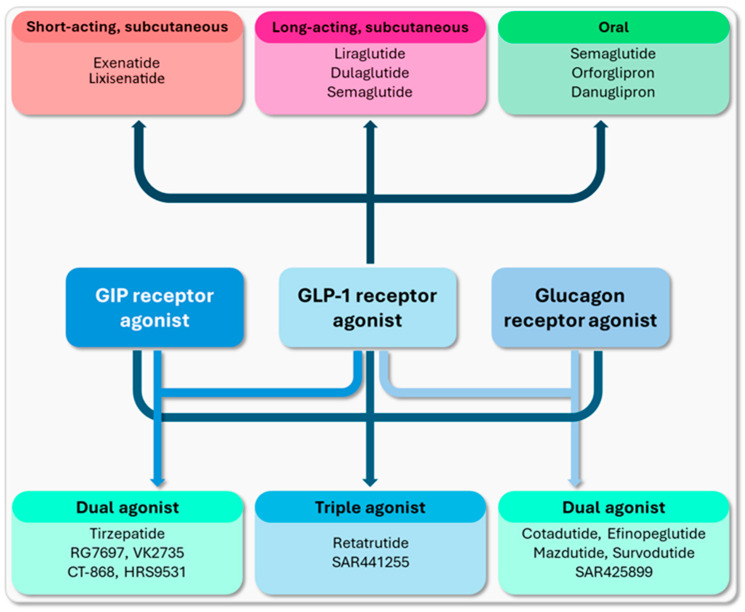
“Figure 1 schematically depicts the incretin-based agents that are currently used in everyday medical practice or that are currently under clinical development [9].”
BackgroundInfluentialEffect of GLP-1 on glucose transport and its cell signalling in human myocytes
González, N., Acitores, A., Sancho, V., Valverde, I., & Villanueva-Peñacarrillo, M. L. (2005) · Regulatory Peptides · doi:10.1016/j.regpep.2004.10.002 · Cited by 85 · cited 2×
“Additionally, experimental studies activation of GLP-1 receptors inhibits beta-cell apoptosis [37].”
BackgroundRyan, D. H. (2021) · Journal of Obesity & Metabolic Syndrome · doi:10.7570/jomes21033 · Cited by 67 · cited 1×
“However, the exact mechanism underlying G-protein-coupled receptors/G-protein speci fi city remains ambiguous and warrants further investigation [19].”
BackgroundSasso, F. C., Carbonara, O., Cozzolino, D., Rambaldi, P., Mansi, L., Torella, D., Gentile, S., Turco, S., Torella, R., & Salvatore, T. (2000) · Journal of the American College of Cardiology · doi:10.1016/s0735-1097(00)00717-8 · Cited by 66 · cited 1×
“Reduced insulin resistance may be linked to decreased ejection fraction in individuals with T2DM [44] and in non-diabetic obese patients [45].”
BackgroundWhy weight loss maintenance is difficult
Evert, A. B., & Franz, M. J. (2017) · Diabetes Spectrum · doi:10.2337/ds017-0025 · Cited by 63 · cited 1×
“Additionally, rapid weight loss may improve insulin sensitivity, which can lead to further weight loss plateau and repeated weight regain [5].”
BackgroundSonne, N., Karsdal, M. A., & Henriksen, K. (2020) · Molecular Metabolism · doi:10.1016/j.molmet.2020.101109 · Cited by 63 · cited 1×
“Clinical trials have recently been initiated for obesity treatment with other long-acting amylin analogs and a dual amylin/calcitonin receptor agonist [120,121].”
BackgroundSalvatore, T., Galiero, R., Caturano, A., Vetrano, E., Rinaldi, L., Coviello, F., Di Martino, A., Albanese, G., Colantuoni, S., Medicamento, G., et al. (2022) · Biomolecules · doi:10.3390/biom12020176 · Cited by 62
Hypothalamic CaMKKβ mediates glucagon anorectic effect and its diet-induced resistance
Quiñones, M., Al-Massadi, O., Gallego, R., Fernø, J., Diéguez, C., López, M., & Nogueiras, R. (2015) · Molecular Metabolism · doi:10.1016/j.molmet.2015.09.014 · Cited by 60 · cited 1×
“Glucagon enhances the feeling of satiety and exerts an anorexigenic effect by crossing the blood–brain barrier and acting on the hypothalamus [67].”
BackgroundGIP as a Potential Therapeutic Target for Atherosclerotic Cardiovascular Disease–A Systematic Review
Mori, Y., Matsui, T., Hirano, T., & Yamagishi, S.-I. (2020) · International Journal of Molecular Sciences · doi:10.3390/ijms21041509 · Cited by 60 · cited 1×
“…effects (increased nitric oxide and adiponectin concentration, decreased endothelin-1 levels, reduced oxidative stress, decreased migration and proliferation of fibroblast cells) and pro-atherogenic effects (decreased adiponectin levels, increased endothelin-1 and osteopontin levels) [61].”
BackgroundVergès, B., Bonnard, C., & Renard, E. (2011) · Diabetes & Metabolism · doi:10.1016/j.diabet.2011.07.001 · Cited by 58 · cited 1×
“Animal models have shown that GLP-1 can increase energy expenditure and regulate heat production and conversion from white adipose tissue to brown adipose tissue in obese mice [42], although human data on this effect are not yet convincing [18,43].”
BackgroundQiao, Y.-C., Ling, W., Pan, Y.-H., Chen, Y.-L., Zhou, D., Huang, Y.-M., Zhang, X.-X., & Zhao, H.-L. (2017) · Oncotarget · doi:10.18632/oncotarget.16008 · Cited by 54 · cited 1×
“The amylin analog pramlintide, used in the United States as a prandial adjunct to insulin therapy, delays gastric emptying, improves postprandial blood sugar levels, and reduces weight [116].”
BackgroundMartin, C. M. A., Irwin, N., Flatt, P. R., & Gault, V. A. (2013) · Biochimica et Biophysica Acta (BBA) - General Subjects · doi:10.1016/j.bbagen.2013.03.011 · Cited by 53 · cited 1×
“Activation of GIP receptors improved blood glucose levels in obese mouse models without altering body weight or fat tissue quantity [58], and activation of GIP receptors in the hypothalamus reduced food intake as well [59].”
BackgroundGlucagon, from past to present: a century of intensive research and controversies
Scheen, A. J., & Lefèbvre, P. J. (2023) · The Lancet Diabetes & Endocrinology · doi:10.1016/s2213-8587(22)00349-7 · Cited by 44 · cited 1×
“Glucagon receptors are primarily present in liver cells but can also be found in the central nervous system, kidneys, digestive system, and pancreas [65].”
BackgroundEstablished and emerging roles peptide YY (PYY) and exploitation in obesity-diabetes
Lafferty, R. A., Flatt, P. R., & Irwin, N. (2021) · Current Opinion in Endocrinology, Diabetes & Obesity · doi:10.1097/med.0000000000000612 · Cited by 42 · cited 1×
“The appetite-suppressing effect of pancreatic peptide YY (peptide tyrosine tyrosine) is well known, and initial clinical studies are under-way with long-acting YY peptide analogs as monotherapy and in combination with GLP-1 receptor agonists for obesity treatment [115].”
BackgroundSetmelanotide: a promising advancement for pediatric patients with rare forms of genetic obesity
Trapp, C. M., & Censani, M. (2023) · Current Opinion in Endocrinology, Diabetes & Obesity · doi:10.1097/med.0000000000000798 · Cited by 41 · cited 1×
“…in the hypothalamus with melanocortin-4 receptor agonist setmelanotide resulted in significant weight loss in small clinical studies conducted in severely obese individuals with pro-opiomelanocortin deficiency or other rare congenital conditions affecting the melanocortin-4 signaling pathway [123].”
BackgroundFang, Z., Chen, S., Pickford, P., Broichhagen, J., Hodson, D. J., Corrêa, I. R., Kumar, S., Görlitz, F., Dunsby, C., French, P. M. W., et al. (2020) · ACS Pharmacology & Translational Science · doi:10.1021/acsptsci.0c00022 · Cited by 38
Searching for the physiological role of glucose‐dependent insulinotropic polypeptide
Holst, J. J., Windeløv, J. A., Boer, G. A., Pedersen, J., Svendsen, B., Christensen, M., Torekov, S., Asmar, M., Hartmann, B., & Nissen, A. (2016) · Journal of Diabetes Investigation · doi:10.1111/jdi.12488 · Cited by 36 · cited 1×
“…are currently unclear; some studies suggest it may increase lipid uptake in adipose tissue and decrease lipolysis [53,54], while others suggest GIP may have lipolytic activity, as adipose tissue from transgenic mice overexpressing GIP has been found to be resistant to high-fat feeding [55,56].”
BackgroundLong-acting amylin analogues for the management of obesity
Mathiesen, D. S., Bagger, J. I., & Knop, F. K. (2022) · Current Opinion in Endocrinology, Diabetes & Obesity · doi:10.1097/med.0000000000000716 · Cited by 36 · cited 1×
“Clinical trials have recently been initiated for obesity treatment with other long-acting amylin analogs and a dual amylin/calcitonin receptor agonist [120,121].”
BackgroundGIP’s involvement in the pathophysiology of type 2 diabetes
Christensen, M. B., Gasbjerg, L. S., Heimbürger, S. M., Stensen, S., Vilsbøll, T., & Knop, F. K. (2020) · Peptides · doi:10.1016/j.peptides.2019.170178 · Cited by 35 · cited 1×
“This physiological effect may mitigate postprandial hyperglycemia and provide protection against the adverse effects of persistently high blood sugar levels [64].”
BackgroundGlucagon in type 2 diabetes: Friend or foe?
Caruso, I., Marrano, N., Biondi, G., Genchi, V. A., D'Oria, R., Sorice, G. P., Perrini, S., Cignarelli, A., Natalicchio, A., Laviola, L., et al. (2023) · Diabetes/Metabolism Research and Reviews · doi:10.1002/dmrr.3609 · Cited by 35 · cited 1×
“In T2DM, the inhibition of glucagon secretion in response to serum glucose levels is impaired, leading to sustained hyperglycemia due to prolonged hormone action [63].”
BackgroundZhuang, L.-N., Hu, W.-X., Xin, S.-M., Zhao, J., & Pei, G. (2011) · Journal of Biological Chemistry · doi:10.1074/jbc.m111.256099 · Cited by 34
Jonik, S., Marchel, M., Grabowski, M., Opolski, G., & Mazurek, T. (2022) · Biology · doi:10.3390/biology11020288 · Cited by 33 · cited 1×
“In another study, high-dose administration of GIP reduced macrophage translocation into the vessel wall, thereby reducing foam cell formation, decreasing matrix metallopeptidase-9 activity and interleukin-6 secretion, and ultimately reducing the size of atherosclerotic plaques [62].”
BackgroundAnti-ghrelin antibodies in appetite suppression: Recent advances in obesity pharmacotherapy
Rotkvic, V., & Altabas, V. (2015) · ImmunoTargets and Therapy · doi:10.2147/itt.s60398 · Cited by 32 · cited 1×
“While inhibition of the appetite-stimulating (orexigenic) hormone ghrelin may seem an attractive therapeutic target, studies targeting ghrelin receptor inhibition have not reported sufficient efficacy to encourage further clinical development [124].”
BackgroundCorbin, K. D., Carnero, E. A., Allerton, T. D., Tillner, J., Bock, C. P., Luyet, P., Göbel, B., Hall, K. D., Parsons, S. A., Ravussin, E., et al. (2023) · Obesity · doi:10.1002/oby.23633 · Cited by 32 · cited 1×
“In recent years, two glucagon receptor/GLP-1 receptor co-agonists underwent phase II clinical trials in human experiments, namely, SAR425899 and cotadutide [98,99].”
BackgroundWhytock, K. L., Carnero, E. A., Vega, R. B., Tillner, J., Bock, C., Chivukula, K., Yi, F., Meyer, C., Smith, S. R., & Sparks, L. M. (2021) · Obesity · doi:10.1002/oby.23141 · Cited by 30 · cited 1×
“In animal models, glucagon stimulates energy expenditure through activation of brown adipose tissue [68], although the significance of this effect has not been confirmed by human data [69].”
BackgroundDe Block, C. E. M., Dirinck, E., Verhaegen, A., & Van Gaal, L. F. (2022) · Diabetes, Obesity and Metabolism · doi:10.1111/dom.14640 · Cited by 29 · cited 1×
“…and weight-reducing effects of cotadutide with various doses of dulaglutide, liraglutide, and semaglutide currently in clinical use is shown in Figure 3 [102]. are under clinical development, among which tir-zepatide was approved in the United States and Europe in 2022 for the treatment of T2DM.”
BackgroundGlucose-lowering therapies in type 2 diabetes: Opportunities and challenges for peptides
Bailey, C. J. (2018) · Peptides · doi:10.1016/j.peptides.2017.11.012 · Cited by 24 · cited 2×
“However, the development and clinical application of these therapies will continue to face numerous challenges that must be addressed to optimize their efficacy and safety [125,126].”
BackgroundDiscovery through Machine Learning and Preclinical Validation of Novel Anti-Diabetic Peptides
Casey, R., Adelfio, A., Connolly, M., Wall, A. M., Holyer, I., & Khaldi, N. (2021) · Biomedicines · doi:10.3390/biomedicines9030276 · Cited by 24
Holst, J. J. (2021) · Diabetes · doi:10.2337/dbi21-0026 · Cited by 23 · cited 1×
“Clinical trials concluded in the past decades have confirmed that GLP-1 receptor agonists have proven effective in the management of T2DM, and some formulations are now also used in higher doses for the treatment of obesity [6].”
BackgroundSasso, F. C., Carbonara, O., Nasti, R., Marfella, R., Esposito, K., Rambaldi, P., Mansi, L., Salvatore, T., Torella, R., & Cozzolino, D. (2005) · European Heart Journal · doi:10.1093/eurheartj/ehi271 · Cited by 20 · cited 1×
“Reduced insulin resistance may be linked to decreased ejection fraction in individuals with T2DM [44] and in non-diabetic obese patients [45].”
BackgroundHigh-Dose Once-Weekly Semaglutide: A New Option for Obesity Management
Bradley, C. L., McMillin, S. M., Hwang, A. Y., & Sherrill, C. H. (2022) · Annals of Pharmacotherapy · doi:10.1177/10600280211053867 · Cited by 16
Kim, C. H., Hwang, I.-C., Choi, H.-M., Ahn, C. H., Yoon, Y. E., & Cho, G.-Y. (2022) · International Journal of Cardiology · doi:10.1016/j.ijcard.2022.06.027 · Cited by 16 · cited 2×
“…e ff ect of incretin hormones on left ventricular diastolic dysfunction, common in T2DM [39,40]. to its and inotropic effects on cardiac muscle cells, GLP-1 slightly increases which is counteracted by the favorable effect of incretin hormones on left diastolic dysfunction, common in T2DM [39,40].”
BackgroundKey Metabolic Functions of β-Arrestins: Studies with Novel Mouse Models
Pydi, S. P., Barella, L. F., Meister, J., & Wess, J. (2020) · Trends in Endocrinology and Metabolism · doi:10.1016/j.tem.2020.11.008 · Cited by 15
SABOURET, P., BOCCHINO, P. P., ANGELINI, F., D’ASCENZO, F., GALATI, G., FYSEKIDIS, M., DE FERRARI, G. M., FISCHMAN, D. L., BHATT, D. L., & BIONDI-ZOCCAI, G. (2023) · Minerva Cardiology and Angiology · doi:10.23736/s2724-5683.22.05900-2 · Cited by 14 · cited 1×
“In cardiovascular protection, the anti-atherogenic, anti-inflammatory effect on the vascular wall and inhibi-Biomedicines tion of macrophage activation play a significant role [18,41].”
BackgroundBradley, C. L., McMillin, S. M., Hwang, A. Y., & Sherrill, C. H. (2023) · Annals of Pharmacotherapy · doi:10.1177/10600280221134127 · Cited by 13 · cited 1×
“In recent years, new formulations have been developed, and dual and/or triple GLP-1/GIP/glucagon receptor agonists have shown promise in the treatment of T2DM [8].”
BackgroundAdamski, K., Cook, K., Gupta, D., Morris, E., Tuttle, E., Carr, E., Cremasco, F., Cochran, E., & Brown, R. J. (2021) · Current Medical Research and Opinion · doi:10.1080/03007995.2021.1976125 · Cited by 11 · cited 1×
“The appetite-suppressing effect of leptin analogs rapidly diminishes with the development of leptin resistance; thus, the use of metreleptin is limited to cases of congenital or acquired leptin deficiency [122].”
BackgroundExpected Health Benefits of SGLT-2 Inhibitors and GLP-1 Receptor Agonists in Older Adults
Dadwani, R. S., Wan, W., Skandari, M. R., & Huang, E. S. (2023) · MDM Policy & Practice · doi:10.1177/23814683231187566 · Cited by 8 · cited 1×
“Furthermore, GLP-1 receptor agonists have been demonstrated to exert a protective effect on the microvascular compartment of the myocardium [46,47].”
Background
Research works printed but not linked: 1
- Pfizer Inc. Pfizer Announces Topline Phase 2b Results of Oral GLP-1R Agonist, Danuglipron, in Adults with Obesity Available online: https://www.pfizer.com/news/press-release/press-release-detail/pfizer-announces-topline-phase-2b-results-oral-glp-1r (accessed on 27 March 2024)
Cited by
Features, functions, and associated diseases of visceral and ectopic fat: a comprehensive review
Luo, J., Wang, Y., Mao, J., Yuan, Y., Luo, P. F., Wang, G., & Zhou, S. (2025) · Obesity · doi:10.1002/oby.24239 · Cited by 57
Sallam, M., Snygg, J., Ghandour, S. E., & Sallam, M. (2025) · Obesities · doi:10.3390/obesities5020026 · Cited by 21
Chen, K.-Y., Chan, H.-C., & Chan, C.-M. (2025) · Asia-Pacific Journal of Ophthalmology · doi:10.1016/j.apjo.2025.100245 · Cited by 26
Anastasiou, I. A., Kounatidis, D. C., Rebelos, E., Vallianou, N. G., Tentolouris, A., Tentolouris, N., Dalamaga, Μ., & Karampela, Ι. (2025) · Medicina · doi:10.3390/medicina61101724 · Cited by 16
Cazac, G.-D., Lăcătușu, C.-M., Grigorescu, E.-D., Foșălău, A.-B., Onofriescu, A., & Mihai, B. M. (2025) · Journal of Clinical Medicine · doi:10.3390/jcm14041042 · Cited by 10
“Some new innovative synthetic drugs, either already in use or yet under research, have shown good results in obesity and T2DM and might become useful for the treatment of MASLD, MASH, and subsequent hepatic cirrhosis [59,60].”
Metadata
- Authors
- Sztanek, F., Tóth, L. I., Pető, A., Hernyák, M., Diószegi, Á., & Harangi, M.
- Affiliations
- University of Debrecen (HU)
- Corresponding author
- Sztanek, Ferenc
- Venue
- Biomedicines
- Publisher
- MDPI AG
- Published
- 2024-06-13
- Volume
- 12
- Issue
- 6
- Pages
- 1320
- ISSN
- 2227-9059 (ISSN-L)
- PMC
- PMC11201978
- OpenAlex
- W4399623216
- Semantic Scholar
- 09d7a1c21ea9990713e4f13d2b891ce99c6ac8dc
- Cited by
- 47
- References
- 132
- Citations by year
- 2026: 21 · 2025: 23 · 2024: 3
- FWCI
- 2.34
- Type
- journal article
- Language
- en
- Open access
- gold
- doi.org
- Licence
- Locations
- Biomedicines (publishedVersion, cc-by)
- PubMed Central (publishedVersion, cc-by)
- PubMed (publishedVersion)
- DOAJ (DOAJ: Directory of Open Access Journals) (submittedVersion)
- Funders
- National Research, Development and Innovation Office (K142273, TKP2021-EGA-18, 11003)
- Ministry of Innovation and Technology of Hungary from the National Research (K142273, TKP2021-EGA-18, 11003)
- Eötvös Loránd Research Network (K142273, TKP2021-EGA-18, 11003)
- Topics
- Health Sciences › Medicine › Endocrinology, Diabetes and Metabolism › Diabetes Treatment and Management
- Health Sciences › Medicine › Pharmacology (medical) › Pharmacology and Obesity Treatment
- Health Sciences › Medicine › Endocrinology, Diabetes and Metabolism › Adipokines, Inflammation, and Metabolic Diseases
- Keywords
- obesity, type 2 diabetes, GLP-1 receptor agonists, incretin-based therapy, glucose-dependent insulinotropic polypeptide, tirzepatide, GIP/GLP-1 receptor agonist, glucagon receptor agonist, receptor desensitization, G protein-coupled receptors, appetite regulation, energy metabolism, inflammation, pharmacotherapy
About these checks
Registry, retraction, Cites and statistics results are computed, not judged, with one exception: a printed reference that no index lists is read once by a model before it counts as a citation error. Claims are extracted by a model and kept only when their quote appears verbatim in the text; each cited source is then checked, with a model’s help, for whether it says what the claim relies on. Those verdicts can be wrong — read the claim’s quote and the cited source before relying on one.
The claim verdicts this report counts are experimental: their accuracy is not yet measured.
A language model drew the claims from the paper on 2026-10-10, under version 3 of the claim definition (model deepseek-v4.1-flash, prompt extract-v3).
A second model labelled each claim on 2026-10-10 (model jev-1.13-20260917, definition revision gold-guideline-v0.2).
Cited sources are checked with a language model’s help (gpt-6-sol).
Statistics and arithmetic are recomputed, not judged.
Confidence bands are shown only for fields calibrated on our annotated test set. None is calibrated yet, so no band is shown.
What counts as a claim ›How we measure confidence ›How we check this ›
Are you an author, or do you see a problem with this page? Request a review
Data sources
Bibliographic data: Semantic Scholar, OpenAlex, Crossref.
Contains information from the Semantic Scholar Academic Graph Datasets, made available under the ODC Attribution License (ODC-BY 1.0).
Semantic Scholar’s data is described in: Kinney, R., et al. (2023). The Semantic Scholar Open Data Platform. arXiv:2301.10140.
