

The DOI matches its Crossref record; 27 of the 27 references it cites were found in a registry or an index.
Oral Microbiome: A Review of Its Impact on Oral and Systemic Health
Abstract
Purpose of review: This review investigates the oral microbiome’s composition, functions, influencing factors, connections to oral and systemic diseases, and personalized oral care strategies. Recent findings: The oral microbiome is a complex ecosystem consisting of bacteria, fungi, archaea, and viruses that contribute to oral health. Various factors, such as diet, smoking, alcohol consumption, lifestyle choices, and medical conditions, can affect the balance of the oral microbiome and lead to dysbiosis, which can result in oral health issues like dental caries, gingivitis, periodontitis, oral candidiasis, and halitosis. Importantly, our review explores novel associations between the oral microbiome and systemic diseases including gastrointestinal, cardiovascular, endocrinal, and neurological conditions, autoimmune diseases, and cancer. We comprehensively review the efficacy of interventions like dental probiotics, xylitol, oral rinses, fluoride, essential oils, oil pulling, and peptides in promoting oral health by modulating the oral microbiome. Summary: This review emphasizes the critical functions of the oral microbiota in dental and overall health, providing insights into the effects of microbial imbalances on various diseases. It underlines the significant connection between the oral microbiota and general health. Furthermore, it explores the advantages of probiotics and other dental care ingredients in promoting oral health and addressing common oral issues, offering a comprehensive strategy for personalized oral care.
Overview
The claims and statistics of this paper haven’t been checked yet.
Run the check — free, no account needed. It reads the open-access text and checks the sources it cites.
Integrity signals
Registry
Cites
Statistics
Figures
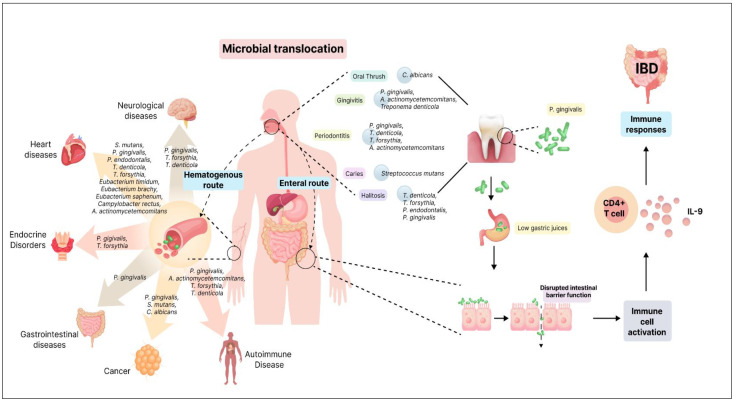
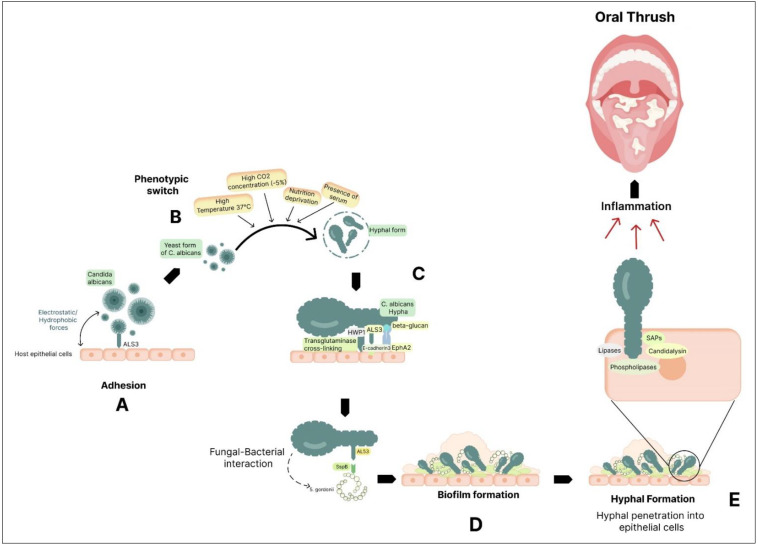
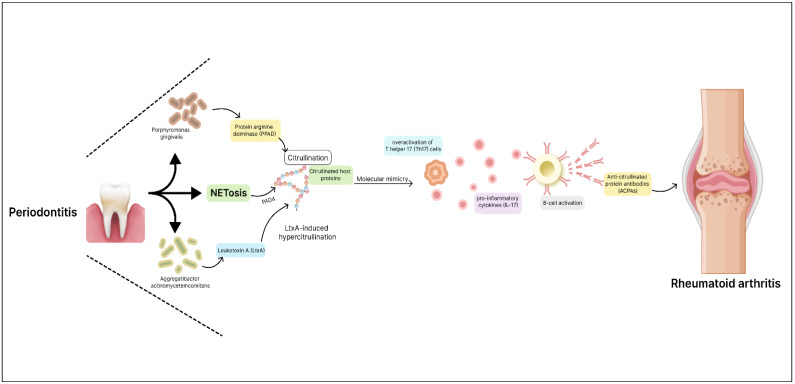
Verification
Claims the paper makes
The claims and statistics of this paper haven’t been checked yet.
Run the check — free, no account needed. It reads the open-access text and checks the sources it cites.
Claims other papers make about this one
Each is checked against this paper’s own text: does it say what the citing paper says it does?
In the citing paper
“Moreover, we recognize that the formation of dental plaque is a complex biofilm process influenced by multiple factors, including oral hygiene habits, diet and fluoride use [33].”
From Severity-dependent alterations in oral microbiota and antibiotic resistance in children with dental fluorosis (2026) · cites this paper as [33]
Self-check
Percentages, sums and reported differences re-computed from the paper’s own numbers.
The self-check needs the paper’s full text.
Citations
Cites
Microbial complexes in subgingival plaque
Socransky, S. S., Haffajee, A. D., Cugini, M. A., Smith, C., & Kent, R. L. (1998) · Journal of Clinical Periodontology · doi:10.1111/j.1600-051x.1998.tb02419.x · Cited by 5,050
Dewhirst, F. E., Chen, T., Izard, J., Paster, B. J., Tanner, A. C. R., Yu, W.-H., Lakshmanan, A., & Wade, W. G. (2010) · Journal of Bacteriology · doi:10.1128/jb.00542-10 · Cited by 3,352
The Oral Microbiota: Dynamic Communities and Host Interactions
Lamont, R. J., Koo, H., & Hajishengallis, G. (2018) · Nature Reviews Microbiology · doi:10.1038/s41579-018-0089-x · Cited by 2,217
Candida albicans pathogenicity mechanisms
Mayer, F. L., Wilson, D., & Hube, B. (2013) · Virulence · doi:10.4161/viru.22913 · Cited by 1,848
The keystone-pathogen hypothesis
Hajishengallis, G., Darveau, R. P., & Curtis, M. A. (2012) · Nature Reviews Microbiology · doi:10.1038/nrmicro2873 · Cited by 1,790
The oral microbiome – an update for oral healthcare professionals
Kilian, M., Chapple, I. L. C., Hannig, M., Marsh, P. D., Meuric, V., Pedersen, A. M. L., Tonetti, M. S., Wade, W. G., & Zaura, E. (2016) · British Dental Journal · doi:10.1038/sj.bdj.2016.865 · Cited by 1,269 · cited 2×
“Through its natural defense mechanisms, the oral microbiome acts as a protective barrier, preventing the colonization of harmful pathogens and preventing potential infections in the oral cavity [3].”
BackgroundCurrent Understanding of Dysbiosis in Disease in Human and Animal Models
DeGruttola, A. K., Low, D., Mizoguchi, A., & Mizoguchi, E. (2016) · Inflammatory Bowel Diseases · doi:10.1097/mib.0000000000000750 · Cited by 1,122
Oral microbiome: Unveiling the fundamentals
Deo, P., & Deshmukh, R. (2019) · Journal of Oral and Maxillofacial Pathology · doi:10.4103/jomfp.jomfp_304_18 · Cited by 1,121
Koliada, A., Syzenko, G., Moseiko, V., Budovska, L., Puchkov, K., Perederiy, V., Gavalko, Y., Dorofeyev, A., Romanenko, M., Tkach, S., et al. (2017) · BMC Microbiology · doi:10.1186/s12866-017-1027-1 · Cited by 1,000
Cathelicidins, multifunctional peptides of the innate immunity
Zanetti, M. (2004) · Journal of Leukocyte Biology · doi:10.1189/jlb.0403147 · Cited by 988
Research works printed but not linked: 244
- Wade, 2013, The oral microbiome in health and disease, Pharmacol. Res., 69, 137, 10.1016/j.phrs.2012.11.006 · DOI · Paper page
- Forshaw, 2009, Dental health and disease in ancient Egypt, Br. Dent. J., 206, 421, 10.1038/sj.bdj.2009.309 · DOI
- Alam, 2022, Metabolism and Health Impacts of Dietary Sugars, J. Lipid Atheroscler., 11, 20, 10.12997/jla.2022.11.1.20 · DOI
- Zarco, 2012, The oral microbiome in health and disease and the potential impact on personalized dental medicine, Oral Dis., 18, 109, 10.1111/j.1601-0825.2011.01851.x · DOI
- He, 2015, The oral microbiome diversity and its relation to human diseases, Folia Microbiol., 60, 69, 10.1007/s12223-014-0342-2 · DOI · Paper page
- Thomas, C., Minty, M., Vinel, A., Canceill, T., Loubières, P., Burcelin, R., Kaddech, M., Blasco-Baque, V., and Laurencin-Dalicieux, S. (2021). Oral Microbiota: A Major Player in the Diagnosis of Systemic Diseases. Diagnostics, 11. · DOI
- Lee, Y.-H., Chung, S.W., Auh, Q.-S., Hong, S.-J., Lee, Y.-A., Jung, J., Lee, G.-J., Park, H.J., Shin, S.-I., and Hong, J.-Y. (2021). Progress in Oral Microbiome Related to Oral and Systemic Diseases: An Update. Diagnostics, 11. · DOI
- Malla, M.A., Dubey, A., Kumar, A., Yadav, S., Hashem, A., and Abd Allah, E.F. (2019). Exploring the Human Microbiome: The Potential Future Role of Next-Generation Sequencing in Disease Diagnosis and Treatment. Front. Immunol., 9. · DOI
- Pozhitkov, 2011, High-throughput methods for analysis of the human oral microbiome, Periodontology 2000, 55, 70, 10.1111/j.1600-0757.2010.00380.x · DOI
- Alcaraz, 2012, Identifying a healthy oral microbiome through metagenomics, Clin. Microbiol. Infect., 18, 54, 10.1111/j.1469-0691.2012.03857.x · DOI
- Willis, J.R., and Gabaldón, T. (2020). The Human Oral Microbiome in Health and Disease: From Sequences to Ecosystems. Microorganisms, 8. · DOI
- Zhang, 2021, Using next-generation sequencing to detect oral microbiome change following periodontal interventions: A systematic review, Oral Dis., 27, 1073, 10.1111/odi.13405 · DOI
- Lazarevic, 2009, Metagenomic study of the oral microbiota by Illumina high-throughput sequencing, J. Microbiol. Methods, 79, 266, 10.1016/j.mimet.2009.09.012 · DOI
- Jeong, J., Mun, S., Oh, Y., Cho, C.-S., Yun, K., Ahn, Y., Chung, W.-H., Lim, M.Y., Lee, K.E., and Hwang, T.S. (2022). A qRT-PCR Method Capable of Quantifying Specific Microorganisms Compared to NGS-Based Metagenome Profiling Data. Microorganisms, 10. · DOI
- Jung, J.Y., Yoon, H.K., An, S., Lee, J.W., Ahn, E.-R., Kim, Y.-J., Park, H.-C., Lee, K., Hwang, J.H., and Lim, S.-K. (2018). Rapid oral bacteria detection based on real-time PCR for the forensic identification of saliva. Sci. Rep., 8. · DOI
- Lochman, J., Zapletalova, M., Poskerova, H., Izakovicova Holla, L., and Borilova Linhartova, P. (2019). Rapid Multiplex Real-Time PCR Method for the Detection and Quantification of Selected Cariogenic and Periodontal Bacteria. Diagnostics, 10. · DOI
- Morillo, 2003, Quantitative real-time PCR based on single copy gene sequence for detection of Actinobacillus actinomycetemcomitans and Porphyromonas gingivalis, J. Periodontal Res., 38, 518, 10.1034/j.1600-0765.2003.00684.x · DOI
- Fan, X., Peters, B.A., Min, D., and Ahn, J. (2018). Comparison of the oral microbiome in mouthwash and whole saliva samples. PLoS ONE, 13. · DOI
- Jo, R., Nishimoto, Y., Umezawa, K., Yama, K., Aita, Y., Ichiba, Y., Murakami, S., Kakizawa, Y., Kumagai, T., and Yamada, T. (2019). Comparison of oral microbiome profiles in stimulated and unstimulated saliva, tongue, and mouth-rinsed water. Sci. Rep., 9. · DOI
- Ames, 2017, The Human Microbiome and Understanding the 16S rRNA Gene in Translational Nursing Science, Nurs. Res., 66, 184, 10.1097/NNR.0000000000000212 · DOI
- Sharma, 2018, Oral microbiome and health, AIMS Microbiol., 4, 42, 10.3934/microbiol.2018.1.42 · DOI
- Huang, 2011, Bacterial interactions in dental biofilm, Virulence, 2, 435, 10.4161/viru.2.5.16140 · DOI
- Burne, 1999, Genetic and Physiologic Characterization of Urease of Actinomyces naeslundii, Infect. Immun., 67, 504, 10.1128/IAI.67.2.504-512.1999 · DOI
- Zhang, Y., Ding, Y., and Guo, Q. (2022). Probiotic Species in the Management of Periodontal Diseases: An Overview. Front. Cell. Infect. Microbiol., 12. · DOI
- Marsh, 2000, Role of the Oral Microflora in Health, Microb. Ecol. Health Dis., 12, 130
- Bradshaw, 1998, Role of Fusobacterium nucleatum and Coaggregation in Anaerobe Survival in Planktonic and Biofilm Oral Microbial Communities during Aeration, Infect. Immun., 66, 4729, 10.1128/IAI.66.10.4729-4732.1998 · DOI
- Könönen, E., Fteita, D., Gursoy, U.K., and Gursoy, M. (2022). Prevotella species as oral residents and infectious agents with potential impact on systemic conditions. J. Oral Microbiol., 14. · DOI
- Baker, 2017, Ecology of the Oral Microbiome: Beyond Bacteria, Trends Microbiol., 25, 362, 10.1016/j.tim.2016.12.012 · DOI
- Diaz, 2021, Critically Appraising the Significance of the Oral Mycobiome, J. Dent. Res., 100, 133, 10.1177/0022034520956975 · DOI
- Krom, 2014, Candida and Other Fungal Species: Forgotten Players of Healthy Oral Microbiota, J. Dent. Res., 93, 445, 10.1177/0022034514521814 · DOI · Paper page
- Matarazzo, 2011, Diversity and quantitative analysis of Archaea in aggressive periodontitis and periodontally healthy subjects, J. Clin. Periodontol., 38, 621, 10.1111/j.1600-051X.2011.01734.x · DOI
- Lepp, 2004, Methanogenic Archaea and human periodontal disease, Proc. Natl. Acad. Sci. USA, 101, 6176, 10.1073/pnas.0308766101 · DOI
- Slots, 2021, The human oral phageome, Periodontology 2000, 86, 79, 10.1111/prd.12363 · DOI
- Liang, 2021, The human virome: Assembly, composition and host interactions, Nat. Rev. Microbiol., 19, 514, 10.1038/s41579-021-00536-5 · DOI
- Ly, 2014, Altered Oral Viral Ecology in Association with Periodontal Disease, mBio, 5, e01133-14, 10.1128/mBio.01133-14 · DOI
- Abbas, 2019, Redondoviridae, a Family of Small, Circular DNA Viruses of the Human Oro-Respiratory Tract Associated with Periodontitis and Critical Illness, Cell Host Microbe, 25, 719, 10.1016/j.chom.2019.04.001 · DOI
- Spezia, 2020, Redondovirus DNA in human respiratory samples, J. Clin. Virol., 131, 104586, 10.1016/j.jcv.2020.104586 · DOI
- Schlagenhauf, U. (2022). On the Role of Dietary Nitrate in the Maintenance of Systemic and Oral Health. Dent. J., 10. · DOI
- Pytko-Polończyk, J., Stawarz-Janeczek, M., Kryczyk-Poprawa, A., and Muszyńska, B. (2021). Antioxidant-Rich Natural Raw Materials in the Prevention and Treatment of Selected Oral Cavity and Periodontal Diseases. Antioxidants, 10. · DOI
- Jia, Y.-J., Liao, Y., He, Y.-Q., Zheng, M.-Q., Tong, X.-T., Xue, W.-Q., Zhang, J.-B., Yuan, L.-L., Zhang, W.-L., and Jia, W.-H. (2021). Association Between Oral Microbiota and Cigarette Smoking in the Chinese Population. Front. Cell. Infect. Microbiol., 11. · DOI
- Wagenknecht, 2018, Effects of Nicotine on Oral Microorganisms, Human Tissues, and the Interactions between Them, Curr. Oral Health Rep., 5, 78, 10.1007/s40496-018-0173-3 · DOI
- Beghini, 2019, Tobacco exposure associated with oral microbiota oxygen utilization in the New York City Health and Nutrition Examination Study, Ann. Epidemiol., 34, 18, 10.1016/j.annepidem.2019.03.005 · DOI
- Yussof, A., Yoon, P., Krkljes, C., Schweinberg, S., Cottrell, J., Chu, T., and Chang, S.L. (2020). A meta-analysis of the effect of binge drinking on the oral microbiome and its relation to Alzheimer’s disease. Sci. Rep., 10. · DOI
- Riedel, 2005, Alcohol-related diseases of the mouth and throat, Dig. Dis., 23, 195, 10.1159/000090166 · DOI
- Enberg, 2001, Saliva flow rate, amylase activity, and protein and electrolyte concentrations in saliva after acute alcohol consumption, Oral Surg. Oral Med. Oral Pathol. Oral Radiol. Endod., 92, 292, 10.1067/moe.2001.116814 · DOI
- Maier, 1988, Effect of chronic ethanol and nicotine consumption on the function and morphology of the salivary glands, Klin. Wochenschr., 66, 140
- Szabo, 1999, Consequences of Alcohol Consumption on Host Defence, Alcohol Alcohol., 34, 830, 10.1093/alcalc/34.6.830 · DOI
- Szabo, 1996, Regulation of human monocyte functions by acute ethanol treatment: Decreased tumor necrosis factor-alpha, interleukin-1 beta and elevated interleukin-10, and transforming growth factor-beta production, Alcohol. Clin. Exp. Res., 20, 900, 10.1111/j.1530-0277.1996.tb05269.x · DOI
- Pepersack, 1992, Longitudinal study of bone metabolism after ethanol withdrawal in alcoholic patients, J. Bone Miner. Res. Off. J. Am. Soc. Bone Miner. Res., 7, 383, 10.1002/jbmr.5650070405 · DOI
- Ogden, 1999, Effect of alcohol on the oral mucosa assessed by quantitative cytomorphometry, J. Oral Pathol. Med. Off. Publ. Int. Assoc. Oral Pathol. Am. Acad. Oral Pathol., 28, 216
- Fan, X., Peters, B.A., Jacobs, E.J., Gapstur, S.M., Purdue, M.P., Freedman, N.D., Alekseyenko, A.V., Wu, J., Yang, L., and Pei, Z. (2018). Drinking alcohol is associated with variation in the human oral microbiome in a large study of American adults. Microbiome, 6. · DOI
- Barb, J.J., Maki, K.A., Kazmi, N., Meeks, B.K., Krumlauf, M., Tuason, R.T., Brooks, A.T., Ames, N.J., Goldman, D., and Wallen, G.R. (2021). The oral microbiome in alcohol use disorder: A longitudinal analysis during inpatient treatment. J. Oral Microbiol., 14. · DOI
- Li, X., Zhao, K., Chen, J., Ni, Z., Yu, Z., Hu, L., Qin, Y., Zhao, J., Peng, W., and Lu, L. (2022). Diurnal changes of the oral microbiome in patients with alcohol dependence. Front. Cell Infect. Microbiol., 12. · DOI
- Liao, Y., Tong, X.-T., Jia, Y.-J., Liu, Q.-Y., Wu, Y.-X., Xue, W.-Q., He, Y.-Q., Wang, T.-M., Zheng, X.-H., and Zheng, M.-Q. (2022). The Effects of Alcohol Drinking on Oral Microbiota in the Chinese Population. Int. J. Environ. Res. Public Health, 19. · DOI
- Thomas, A.M., Gleber-Netto, F.O., Fernandes, G.R., Amorim, M., Barbosa, L.F., Francisco, A.L.N., Guerra de Andrade, A., Setubal, J.C., Kowalski, L.P., and Nunes, D.N. (2014). Alcohol and tobacco consumption affects bacterial richness in oral cavity mucosa biofilms. BMC Microbiol., 14. · DOI
- Gm, 2021, Oral Biofilm and Its Impact on Oral Health, Psychological and Social Interaction, Int. J. Oral Dent. Health, 7, 127
- Peng, 2022, Oral microbiota in human systematic diseases, Int. J. Oral Sci., 14, 14, 10.1038/s41368-022-00163-7 · DOI
- Patangia, D.V., Anthony Ryan, C., Dempsey, E., Paul Ross, R., and Stanton, C. (2022). Impact of antibiotics on the human microbiome and consequences for host health. MicrobiologyOpen, 11. · DOI
- Farah, 2010, Oral fungal infections: An update for the general practitioner, Aust. Dent. J., 55, 48, 10.1111/j.1834-7819.2010.01198.x · DOI
- Roberts, A.P., and Kreth, J. (2014). The impact of horizontal gene transfer on the adaptive ability of the human oral microbiome. Front. Cell. Infect. Microbiol., 4. · DOI · Paper page
- Segata, N., Haake, S.K., Mannon, P., Lemon, K.P., Waldron, L., Gevers, D., Huttenhower, C., and Izard, J. (2012). Composition of the adult digestive tract bacterial microbiome based on seven mouth surfaces, tonsils, throat and stool samples. Genome Biol., 13. · DOI · Paper page
- Sovran, B., Hugenholtz, F., Elderman, M., Van Beek, A.A., Graversen, K., Huijskes, M., Boekschoten, M.V., Savelkoul, H.F.J., De Vos, P., and Dekker, J. (2019). Age-associated Impairment of the Mucus Barrier Function is Associated with Profound Changes in Microbiota and Immunity. Sci. Rep., 9. · DOI
- Toda, K., Hisata, K., Satoh, T., Katsumata, N., Odamaki, T., Mitsuyama, E., Katayama, T., Kuhara, T., Aisaka, K., and Shimizu, T. (2019). Neonatal oral fluid as a transmission route for bifidobacteria to the infant gut immediately after birth. Sci. Rep., 9. · DOI
- P744 (2016). Proton pump inhibitors affect the gut microbiome. J. Crohns Colitis, 10, S487. · DOI
- Park, S.-Y., Hwang, B.-O., Lim, M., Ok, S.-H., Lee, S.-K., Chun, K.-S., Park, K.-K., Hu, Y., Chung, W.-Y., and Song, N.-Y. (2021). Oral-Gut Microbiome Axis in Gastrointestinal Disease and Cancer. Cancers, 13. · DOI
- Khor, B., Snow, M., Herrman, E., Ray, N., Mansukhani, K., Patel, K.A., Said-Al-Naief, N., Maier, T., and Machida, C.A. (2021). Interconnections between the Oral and Gut Microbiomes: Reversal of Microbial Dysbiosis and the Balance between Systemic Health and Disease. Microorganisms, 9. · DOI
- Kitamoto, 2020, The Bacterial Connection between the Oral Cavity and the Gut Diseases, J. Dent. Res., 99, 1021, 10.1177/0022034520924633 · DOI
- Walker, 2018, Role of oral and gut microbiome in nitric oxide-mediated colon motility, Nitric Oxide Biol. Chem., 73, 81, 10.1016/j.niox.2017.06.003 · DOI
- Bowen, 2018, Oral Biofilms: Pathogens, Matrix and Polymicrobial Interactions in Microenvironments, Trends Microbiol., 26, 229, 10.1016/j.tim.2017.09.008 · DOI · Paper page
- Suwannakul, 2010, Identification of bistable populations of Porphyromonas gingivalis that differ in epithelial cell invasion, Microbiology, 156, 3052, 10.1099/mic.0.038075-0 · DOI
- Tanner, 2018, The Caries Microbiome: Implications for Reversing Dysbiosis, Adv. Dent. Res., 29, 78, 10.1177/0022034517736496 · DOI
- Selwitz, 2007, Dental caries, Lancet, 369, 51, 10.1016/S0140-6736(07)60031-2 · DOI · Paper page
- Takahashi, 2008, Caries Ecology Revisited: Microbial Dynamics and the Caries Process, Caries Res., 42, 409, 10.1159/000159604 · DOI
- Seminario, 2005, Mutans streptococci and the development of dental plaque, Prague Med. Rep., 106, 349
- Dombi, 2004, Effect of amine fluoride/stannous fluoride toothpaste and mouthrinse on dental plaque accumulation and gingival health, Oral Dis., 10, 294, 10.1111/j.1601-0825.2004.01025.x · DOI
- Chen, X., Daliri, E.B.-M., Kim, N., Kim, J.-R., Yoo, D., and Oh, D.-H. (2020). Microbial Etiology and Prevention of Dental Caries: Exploiting Natural Products to Inhibit Cariogenic Biofilms. Pathogens, 9. · DOI
- Zhang, Q., Nijampatnam, B., Hua, Z., Nguyen, T., Zou, J., Cai, X., Michalek, S.M., Velu, S.E., and Wu, H. (2017). Structure-Based Discovery of Small Molecule Inhibitors of Cariogenic Virulence. Sci. Rep., 7. · DOI
- Simón-Soro, A., Guillen-Navarro, M., and Mira, A. (2014). Metatranscriptomics reveals overall active bacterial composition in caries lesions. J. Oral Microbiol., 6. · DOI
- Mira, 2015, Solving the etiology of dental caries, Trends Microbiol., 23, 76, 10.1016/j.tim.2014.10.010 · DOI
- Gross, E.L., Beall, C.J., Kutsch, S.R., Firestone, N.D., Leys, E.J., and Griffen, A.L. (2012). Beyond Streptococcus mutans: Dental Caries Onset Linked to Multiple Species by 16S rRNA Community Analysis. PLoS ONE, 7. · DOI
- Mantzourani, 2009, Association between Bifidobacteriaceae and the clinical severity of root caries lesions, Oral Microbiol. Immunol., 24, 32, 10.1111/j.1399-302X.2008.00470.x · DOI
- Badet, 2008, Ecology of lactobacilli in the oral cavity: A review of literature, Open Microbiol. J., 2, 38, 10.2174/1874285800802010038 · DOI
- Catalan, 2013, Microbial Geography of the Oral Cavity, J. Dent. Res., 92, 616, 10.1177/0022034513488119 · DOI
- Farha, 2020, Inflammation of the Gums, Malays. Fam. Physician Off. J. Acad. Fam. Physicians Malays., 15, 71
- Rathee, M., and Jain, P. (2024, May 03). Gingivitis, StatPearls, Available online: http://www.ncbi.nlm.nih.gov/books/NBK557422/.
- Gao, 2018, Oral microbiomes: More and more importance in oral cavity and whole body, Protein Cell, 9, 488, 10.1007/s13238-018-0548-1 · DOI · Paper page
- Lu, 2019, Oral microbiota: A new view of body health, Food Sci. Hum. Wellness, 8, 8, 10.1016/j.fshw.2018.12.001 · DOI
- Moore, 1994, The bacteria of periodontal diseases, Periodontology 2000, 5, 66, 10.1111/j.1600-0757.1994.tb00019.x · DOI
- Kistler, J.O., Booth, V., Bradshaw, D.J., and Wade, W.G. (2013). Bacterial community development in experimental gingivitis. PLoS ONE, 8. · DOI
- Abdulkareem, A.A., Al-Taweel, F.B., Al-Sharqi, A.J.B., Gul, S.S., Sha, A., and Chapple, I.L.C. (2023). Current concepts in the pathogenesis of periodontitis: From symbiosis to dysbiosis. J. Oral Microbiol., 15. · DOI
- Jiao, 2014, The Role of Oral Pathobionts in Dysbiosis during Periodontitis Development, J. Dent. Res., 93, 539, 10.1177/0022034514528212 · DOI
- Kapoor, 2016, Halitosis: Current concepts on etiology, diagnosis and management, Eur. J. Dent., 10, 292, 10.4103/1305-7456.178294 · DOI
- Cortelli, 2008, Halitosis: A review of associated factors and therapeutic approach, Braz. Oral Res., 22, 44, 10.1590/S1806-83242008000500007 · DOI
- Hampelska, K., Jaworska, M.M., Babalska, Z.Ł., and Karpiński, T.M. (2020). The Role of Oral Microbiota in Intra-Oral Halitosis. J. Clin. Med., 9. · DOI
- Yang, 2013, Microbial Basis of Oral Malodor Development in Humans, J. Dent. Res., 92, 1106, 10.1177/0022034513507065 · DOI
- Nakano, 2002, Correlation between oral malodor and periodontal bacteria, Microbes Infect., 4, 679, 10.1016/S1286-4579(02)01586-1 · DOI
- Ratcliff, 1999, The Relationship Between Oral Malodor, Gingivitis, and Periodontitis. A Review, J. Periodontol., 70, 485, 10.1902/jop.1999.70.5.485 · DOI · Paper page
- Porter, 2006, Oral malodour (halitosis), BMJ, 333, 632, 10.1136/bmj.38954.631968.AE · DOI
- Persson, 1990, The formation of hydrogen sulfide and methyl mercaptan by oral bacteria, Oral Microbiol. Immunol., 5, 195, 10.1111/j.1399-302X.1990.tb00645.x · DOI
- Takeshita, T., Suzuki, N., Nakano, Y., Yasui, M., Yoneda, M., Shimazaki, Y., Hirofuji, T., and Yamashita, Y. (2012). Discrimination of the oral microbiota associated with high hydrogen sulfide and methyl mercaptan production. Sci. Rep., 2. · DOI
- Washio, 2005, Hydrogen sulfide-producing bacteria in tongue biofilm and their relationship with oral malodour, J. Med. Microbiol., 54, 889, 10.1099/jmm.0.46118-0 · DOI
- Solemdal, K., Sandvik, L., Willumsen, T., Mowe, M., and Hummel, T. (2012). The impact of oral health on taste ability in acutely hospitalized elderly. PLoS ONE, 7. · DOI
- Finkelstein, 1999, Workshop on taste and smell in the elderly: An overview, Physiol. Behav., 66, 173, 10.1016/S0031-9384(98)00261-3 · DOI
- Lindemann, 2001, Receptors and transduction in taste, Nature, 413, 219, 10.1038/35093032 · DOI
- Spielman, 1990, Interaction of saliva and taste, J. Dent. Res., 69, 838, 10.1177/00220345900690030101 · DOI
- Matsuo, 2000, Role of saliva in the maintenance of taste sensitivity, Crit. Rev. Oral Biol. Med., 11, 216, 10.1177/10454411000110020501 · DOI
- Nederfors, 1997, Prevalence of perceived symptoms of dry mouth in an adult Swedish population—Relation to age, sex and pharmacotherapy, Community Dent. Oral Epidemiol., 25, 211, 10.1111/j.1600-0528.1997.tb00928.x · DOI
- Kamel, 2009, Impact of primary Sjogren’s syndrome on smell and taste: Effect on quality of life, Rheumatology, 48, 1512, 10.1093/rheumatology/kep249 · DOI
- Weiffenbach, 1995, Taste performance in Sjogren’s syndrome, Physiol. Behav., 57, 89, 10.1016/0031-9384(94)00211-M · DOI
- Aravindhan, 2014, Burning mouth syndrome: A review on its diagnostic and therapeutic approach, J. Pharm. Bioallied Sci., 6, S21, 10.4103/0975-7406.137255 · DOI
- Lee, B.-M., Park, J.W., Jo, J.H., Oh, B., and Chung, G. (2022). Comparative analysis of the oral microbiome of burning mouth syndrome patients. J. Oral Microbiol., 14. · DOI
- Singh, 2014, Oral candidiasis: An overview, J. Oral Maxillofac. Pathol. JOMFP, 18, S81, 10.4103/0973-029X.141325 · DOI
- Muddana, 2021, Fungal Infections of Oral Cavity: Diagnosis, Management, and Association with COVID-19, SN Compr. Clin. Med., 3, 1373, 10.1007/s42399-021-00873-9 · DOI
- Arya, N.R., and Rafiq, N.B. (2023, September 20). Candidiasis, StatPearls, Available online: https://www.ncbi.nlm.nih.gov/books/NBK560624/.
- (2023, September 20). Oral Thrush: Overview, Available online: https://www.ncbi.nlm.nih.gov/books/NBK367586/.
- Cotter, 2000, Adherence mechanisms of Candida albicans, Br. J. Biomed. Sci., 57, 241
- Hoyer, 2001, The ALS gene family of Candida albicans, Trends Microbiol., 9, 176, 10.1016/S0966-842X(01)01984-9 · DOI · Paper page
- Hoyer, 2008, Discovering the Secrets of the Candida albicans Agglutinin-Like Sequence (ALS) Gene Family—A Sticky Pursuit, Med. Mycol., 46, 1, 10.1080/13693780701435317 · DOI · Paper page
- Nikou, S.-A., Kichik, N., Brown, R., Ponde, N.O., Ho, J., Naglik, J.R., and Richardson, J.P. (2019). Candida albicans Interactions with Mucosal Surfaces during Health and Disease. Pathogens, 8. · DOI · Paper page
- Naglik, 2006, Candida albicans HWP1 gene expression and host antibody responses in colonization and disease, J. Med. Microbiol., 55, 1323, 10.1099/jmm.0.46737-0 · DOI
- Sundstrom, 2002, Essential role of the Candida albicans transglutaminase substrate, hyphal wall protein 1, in lethal oroesophageal candidiasis in immunodeficient mice, J. Infect. Dis., 185, 521, 10.1086/338836 · DOI
- Silverman, 2010, Interaction of Candida albicans cell wall Als3 protein with Streptococcus gordonii SspB adhesin promotes development of mixed-species communities, Infect. Immun., 78, 4644, 10.1128/IAI.00685-10 · DOI · Paper page
- Lewis, 2017, Diagnosis and management of oral candidosis, Br. Dent. J., 223, 675, 10.1038/sj.bdj.2017.886 · DOI
- Naglik, 2003, Candida albicans secreted aspartyl proteinases in virulence and pathogenesis, Microbiol. Mol. Biol. Rev., 67, 400, 10.1128/MMBR.67.3.400-428.2003 · DOI · Paper page
- Mogavero, 2016, Interaction of Candida albicans with host cells: Virulence factors, host defense, escape strategies, and the microbiota, J. Microbiol., 54, 149, 10.1007/s12275-016-5514-0 · DOI
- Swidergall, 2019, Candidalysin Is Required for Neutrophil Recruitment and Virulence During Systemic Candida albicans Infection, J. Infect. Dis., 220, 1477, 10.1093/infdis/jiz322 · DOI
- Moyes, 2016, Candidalysin is a fungal peptide toxin critical for mucosal infection, Nature, 532, 64, 10.1038/nature17625 · DOI
- Seedorf, 2014, Bacteria from Diverse Habitats Colonize and Compete in the Mouse Gut, Cell, 159, 253, 10.1016/j.cell.2014.09.008 · DOI
- Schmitz, 1999, Altered tight junction structure contributes to the impaired epithelial barrier function in ulcerative colitis, Gastroenterology, 116, 301, 10.1016/S0016-5085(99)70126-5 · DOI
- Peeters, 1997, Clustering of increased small intestinal permeability in families with Crohn’s disease, Gastroenterology, 113, 802, 10.1016/S0016-5085(97)70174-4 · DOI
- Brennan, 2019, Fusobacterium nucleatum—Symbiont, opportunist and oncobacterium, Nat Rev Microbiol., 17, 156, 10.1038/s41579-018-0129-6 · DOI · Paper page
- Schincaglia, 2017, Clinical, Immune, and Microbiome Traits of Gingivitis and Peri-implant Mucositis, J. Dent. Res., 96, 47, 10.1177/0022034516668847 · DOI
- Sohn, 2022, Porphyromonas gingivalis indirectly elicits intestinal inflammation by altering the gut microbiota and disrupting epithelial barrier function through IL9-producing CD4+ T cells, Mol. Oral Microbiol., 37, 42, 10.1111/omi.12359 · DOI
- Abusleme, 2013, The subgingival microbiome in health and periodontitis and its relationship with community biomass and inflammation, ISME J., 7, 1016, 10.1038/ismej.2012.174 · DOI
- Li, Y., Zhu, M., Liu, Y., Luo, B., Cui, J., Huang, L., Chen, K., and Liu, Y. (2022). The oral microbiota and cardiometabolic health: A comprehensive review and emerging insights. Front. Immunol., 13. · DOI
- Lucchese, 2017, Streptococcus mutans antigen I/II and autoimmunity in cardiovascular diseases, Autoimmun. Rev., 16, 456, 10.1016/j.autrev.2017.03.009 · DOI
- Xie, 2020, BMAL1-Downregulation Aggravates Porphyromonas gingivalis-Induced Atherosclerosis by Encouraging Oxidative Stress, Circ. Res., 126, e15, 10.1161/CIRCRESAHA.119.315502 · DOI
- Stinson, 2003, Invasion and killing of human endothelial cells by viridans group streptococci, Infect. Immun., 71, 2365, 10.1128/IAI.71.5.2365-2372.2003 · DOI
- Ramos, 2004, Bacterial flagellins: Mediators of pathogenicity and host immune responses in mucosa, Trends Microbiol., 12, 509, 10.1016/j.tim.2004.09.002 · DOI
- Zindel, 2020, DAMPs, PAMPs, and LAMPs in Immunity and Sterile Inflammation, Annu. Rev. Pathol., 15, 493, 10.1146/annurev-pathmechdis-012419-032847 · DOI
- Kaur, 2014, Aggregatibacter actinomycetemcomitans leukotoxin (LtxA, Leukothera) induces cofilin dephosphorylation and actin depolymerization during killing of malignant monocytes, Microbiology, 160, 2443, 10.1099/mic.0.082347-0 · DOI
- Aarabi, G., Heydecke, G., and Seedorf, U. (2018). Roles of Oral Infections in the Pathomechanism of Atherosclerosis. Int. J. Mol. Sci., 19. · DOI
- Chhibber-Goel, J., Singhal, V., Bhowmik, D., Vivek, R., Parakh, N., Bhargava, B., and Sharma, A. (2016). Linkages between oral commensal bacteria and atherosclerotic plaques in coronary artery disease patients. NPJ Biofilms Microbiomes, 2. · DOI
- Plachokova, A.S., Andreu-Sánchez, S., Noz, M.P., Fu, J., and Riksen, N.P. (2021). Oral Microbiome in Relation to Periodontitis Severity and Systemic Inflammation. Int. J. Mol. Sci., 22. · DOI
- Morimoto, 1993, Cells in stress: Transcriptional activation of heat shock genes, Science, 259, 1409, 10.1126/science.8451637 · DOI
- Goulhen, 2003, Oral microbial heat-shock proteins and their potential contributions to infections, Crit. Rev. Oral Biol. Med., 14, 399, 10.1177/154411130301400603 · DOI
- Xiao, 2017, Diabetes Enhances IL-17 Expression and Alters the Oral Microbiome to Increase Its Pathogenicity, Cell Host Microbe, 22, 120, 10.1016/j.chom.2017.06.014 · DOI · Paper page
- Mashimo, 1983, The periodontal microflora of juvenile diabetics. Culture, immunofluorescence, and serum antibody studies, J. Periodontol., 54, 420, 10.1902/jop.1983.54.7.420 · DOI
- Sallum, 2008, Clinical and laboratory evaluations of non-surgical periodontal treatment in subjects with diabetes mellitus, J. Periodontol., 79, 1150, 10.1902/jop.2008.070503 · DOI
- Campus, 2005, Diabetes and periodontal disease: A case-control study, J. Periodontol., 76, 418, 10.1902/jop.2005.76.3.418 · DOI
- Graves, 2019, The Oral Microbiota Is Modified by Systemic Diseases, J. Dent. Res., 98, 148, 10.1177/0022034518805739 · DOI · Paper page
- Omori, 2008, Priming of neutrophil oxidative burst in diabetes requires preassembly of the NADPH oxidase, J. Leukoc. Biol., 84, 292, 10.1189/jlb.1207832 · DOI
- Wu, 2015, Diabetes mellitus related bone metabolism and periodontal disease, Int. J. Oral Sci., 7, 63, 10.1038/ijos.2015.2 · DOI
- Gasmi, 2021, Association between the gut and oral microbiome with obesity, Anaerobe, 70, 102248, 10.1016/j.anaerobe.2020.102248 · DOI
- Schamarek, 2023, The role of the oral microbiome in obesity and metabolic disease: Potential systemic implications and effects on taste perception, Nutr. J., 22, 28, 10.1186/s12937-023-00856-7 · DOI
- Scheithauer, T.P.M., Rampanelli, E., Nieuwdorp, M., Vallance, B.A., Verchere, C.B., Van Raalte, D.H., and Herrema, H. (2020). Gut Microbiota as a Trigger for Metabolic Inflammation in Obesity and Type 2 Diabetes. Front. Immunol., 11. · DOI
- Goodson, 2009, Is obesity an oral bacterial disease?, J. Dent. Res., 88, 519, 10.1177/0022034509338353 · DOI
- Cani, 2007, Metabolic Endotoxemia Initiates Obesity and Insulin Resistance, Diabetes, 56, 1761, 10.2337/db06-1491 · DOI · Paper page
- Janem, W.F., Scannapieco, F.A., Sabharwal, A., Tsompana, M., Berman, H.A., Haase, E.M., Miecznikowski, J.C., and Mastrandrea, L.D. (2017). Salivary inflammatory markers and microbiome in normoglycemic lean and obese children compared to obese children with type 2 diabetes. PLoS ONE, 12. · DOI
- Sohail, M.U., Elrayess, M.A., Al Thani, A.A., Al-Asmakh, M., and Yassine, H.M. (2019). Profiling the Oral Microbiome and Plasma Biochemistry of Obese Hyperglycemic Subjects in Qatar. Microorganisms, 7. · DOI
- Mathur, 2015, Obesity and the microbiome, Expert Rev. Gastroenterol. Hepatol., 9, 1087, 10.1586/17474124.2015.1051029 · DOI
- Endo, 2010, Experimental Periodontitis Induces Gene Expression of Proinflammatory Cytokines in Liver and White Adipose Tissues in Obesity, J. Periodontol., 81, 520, 10.1902/jop.2009.090574 · DOI
- Maitre, Y., Mahalli, R., Micheneau, P., Delpierre, A., Amador, G., and Denis, F. (2021). Evidence and Therapeutic Perspectives in the Relationship between the Oral Microbiome and Alzheimer’s Disease: A Systematic Review. Int. J. Environ. Res. Public Health, 18. · DOI
- Poole, 2013, Determining the presence of periodontopathic virulence factors in short-term postmortem Alzheimer’s disease brain tissue, J. Alzheimer’s Dis., 36, 665, 10.3233/JAD-121918 · DOI
- Miklossy, 2011, Emerging roles of pathogens in Alzheimer disease, Expert Rev. Mol. Med., 13, e30, 10.1017/S1462399411002006 · DOI
- Miklossy, 2011, Alzheimer’s disease—A neurospirochetosis. Analysis of the evidence following Koch’s and Hill’s criteria, J. Neuroinflamm., 8, 90, 10.1186/1742-2094-8-90 · DOI
- Riviere, 2002, Molecular and immunological evidence of oral Treponema in the human brain and their association with Alzheimer’s disease, Oral Microbiol. Immunol., 17, 113, 10.1046/j.0902-0055.2001.00100.x · DOI
- Bulgart, 2020, Microbial involvement in Alzheimer disease development and progression, Mol. Neurodegener., 15, 42, 10.1186/s13024-020-00378-4 · DOI · Paper page
- Weaver, 2020, Amyloid beta is an early responder cytokine and immunopeptide of the innate immune system, Alzheimers Dement. Transl. Res. Clin. Interv., 6, e12100, 10.1002/trc2.12100 · DOI
- Liu, 2024, Porphyromonas gingivalis and the pathogenesis of Alzheimer’s disease, Crit. Rev. Microbiol., 50, 127, 10.1080/1040841X.2022.2163613 · DOI
- Soscia, S.J., Kirby, J.E., Washicosky, K.J., Tucker, S.M., Ingelsson, M., Hyman, B., Burton, M.A., Goldstein, L.E., Duong, S., and Tanzi, R.E. (2010). The Alzheimer’s disease-associated amyloid beta-protein is an antimicrobial peptide. PLoS ONE, 5. · DOI · Paper page
- Bornschein, 2005, Prevalence and incidence of Parkinson’s disease in Europe, Eur. Neuropsychopharmacol., 15, 473, 10.1016/j.euroneuro.2005.04.007 · DOI
- Weintraub, 2008, Parkinson’s disease-—Part 1: Pathophysiology, symptoms, burden, diagnosis, and assessment, Am. J. Manag. Care, 14, S40
- Poewe, 2017, Parkinson disease, Nat. Rev. Dis. Primers, 3, 17013, 10.1038/nrdp.2017.13 · DOI · Paper page
- Adams, B., Nunes, J.M., Page, M.J., Roberts, T., Carr, J., Nell, T.A., Kell, D.B., and Pretorius, E. (2019). Parkinson’s Disease: A Systemic Inflammatory Disease Accompanied by Bacterial Inflammagens. Front. Aging Neurosci., 11. · DOI
- Chen, 2017, Periodontal inflammatory disease is associated with the risk of Parkinson’s disease: A population-based retrospective matched-cohort study, PeerJ, 5, e3647, 10.7717/peerj.3647 · DOI
- Jeong, E., Park, J.-B., and Park, Y.-G. (2021). Evaluation of the association between periodontitis and risk of Parkinson’s disease: A nationwide retrospective cohort study. Sci. Rep., 11. · DOI
- Pretorius, 2018, The Potential of LPS-Binding Protein to Reverse Amyloid Formation in Plasma Fibrin of Individuals with Alzheimer-Type Dementia, Front Aging Neurosci., 22, 257, 10.3389/fnagi.2018.00257 · DOI
- Huang, 2023, The oral microbiome in autoimmune diseases: Friend or foe?, J. Transl. Med., 21, 211, 10.1186/s12967-023-03995-x · DOI
- Bellando-Randone, S., Russo, E., Venerito, V., Matucci-Cerinic, M., Iannone, F., Tangaro, S., and Amedei, A. (2021). Exploring the Oral Microbiome in Rheumatic Diseases, State of Art and Future Prospective in Personalized Medicine with an AI Approach. J. Pers. Med., 11. · DOI
- Rosenstein, 2004, Hypothesis: The Humoral Immune Response to Oral Bacteria Provides a Stimulus for the Development of Rheumatoid Arthritis, Inflammation, 28, 311, 10.1007/s10753-004-6641-z · DOI
- Guo, 2018, Rheumatoid arthritis: Pathological mechanisms and modern pharmacologic therapies, Bone Res., 6, 15, 10.1038/s41413-018-0016-9 · DOI
- Zorba, 2020, The possible role of oral microbiome in autoimmunity, Int. J. Womens Dermatol., 6, 357, 10.1016/j.ijwd.2020.07.011 · DOI
- Marwaha, A.K., Leung, N.J., McMurchy, A.N., and Levings, M.K. (2012). TH17 Cells in Autoimmunity and Immunodeficiency: Protective or Pathogenic?. Front. Immunol., 3. · DOI
- Moura, 2010, Identification of a cytokine network sustaining neutrophil and Th17 activation in untreated early rheumatoid arthritis, Arthritis Res. Ther., 12, R196, 10.1186/ar3168 · DOI
- Korman, 2020, Periodontal disease and influence of periodontal treatment on disease activity in patients with rheumatoid arthritis and spondyloarthritis, Rheumatol. Int., 40, 455, 10.1007/s00296-019-04460-z · DOI
- Konig, 2016, Aggregatibacter actinomycetemcomitans-induced hypercitrullination links periodontal infection to autoimmunity in rheumatoid arthritis, Sci. Transl. Med., 8, 369ra176, 10.1126/scitranslmed.aaj1921 · DOI
- Rooney, C.M., Mankia, K., and Emery, P. (2020). The Role of the Microbiome in Driving RA-Related Autoimmunity. Front. Cell Dev. Biol., 8. · DOI
- Gao, L., Cheng, Z., Zhu, F., Bi, C., Shi, Q., and Chen, X. (2022). The Oral Microbiome and Its Role in Systemic Autoimmune Diseases: A Systematic Review of Big Data Analysis. Front. Big Data, 5. · DOI
- Pessoa, L., Aleti, G., Choudhury, S., Nguyen, D., Yaskell, T., Zhang, Y., Li, W., Nelson, K.E., Neto, L.L.S., and Sant’Ana, A.C.P. (2019). Host-Microbial Interactions in Systemic Lupus Erythematosus and Periodontitis. Front. Immunol., 10. · DOI
- Liu, F., Ren, T., Li, X., Zhai, Q., Xu, X., Zhang, N., Jiang, P., Niu, Y., Lv, L., and Shi, G. (2021). Distinct Microbiomes of Gut and Saliva in Patients with Systemic Lupus Erythematous and Clinical Associations. Front. Immunol., 12. · DOI
- Clancy, 2020, Salivary dysbiosis and the clinical spectrum in anti-Ro positive mothers of children with neonatal lupus, J. Autoimmun., 107, 102354, 10.1016/j.jaut.2019.102354 · DOI
- Li, 2015, Interleukin-17 in systemic lupus erythematosus: A comprehensive review, Autoimmunity, 48, 353, 10.3109/08916934.2015.1037441 · DOI
- Cho, 2012, IL-33 induces Th17-mediated airway inflammation via mast cells in ovalbumin-challenged mice, Am. J. Physiol. Lung Cell Mol. Physiol., 302, L429, 10.1152/ajplung.00252.2011 · DOI
- Naka, 2002, The paradigm of IL-6: From basic science to medicine, Arthritis Res., 4, S233, 10.1186/ar565 · DOI
- Yamamura, 2019, Intratumoral Fusobacterium Nucleatum Levels Predict Therapeutic Response to Neoadjuvant Chemotherapy in Esophageal Squamous Cell Carcinoma, Clin. Cancer Res. Off. J. Am. Assoc. Cancer Res., 25, 6170, 10.1158/1078-0432.CCR-19-0318 · DOI
- Sun, 2020, Role of the oral microbiota in cancer evolution and progression, Cancer Med., 9, 6306, 10.1002/cam4.3206 · DOI
- Sarao, 2017, Probiotics, prebiotics, and microencapsulation: A review, Crit. Rev. Food Sci. Nutr., 57, 344, 10.1080/10408398.2014.887055 · DOI
- Jansen, P.M., Abdelbary, M.M.H., and Conrads, G. (2021). A concerted probiotic activity to inhibit periodontitis-associated bacteria. PLoS ONE, 16. · DOI
- Kaci, 2014, Anti-inflammatory properties of Streptococcus salivarius, a commensal bacterium of the oral cavity and digestive tract, Appl. Environ. Microbiol., 80, 928, 10.1128/AEM.03133-13 · DOI
200 of 244 shown
Cited by
Sorted by citations
Xia, Y., Peng, S., Yu, J., Wang, Y., Ye, Y., Liu, M., Shang, L., Cui, X., Wang, P., & Ding, Z. (2026) · Journal of Oral Microbiology · doi:10.1080/20002297.2026.2714622
Metadata
- Authors
- Rajasekaran, J. J., Krishnamurthy, H. K., Bosco, J., Jayaraman, V., Krishna, K., Wang, T., & Bei, K.
- Affiliations
- Vibrant Sciences LLC, Santa Clara, CA 95054, USA
- Vibrant America LLC, Santa Clara, CA 95054, USA
- Venue
- Microorganisms
- Publisher
- MDPI AG
- Published
- 2024-08-29
- Volume
- 12
- Issue
- 9
- Pages
- 1797
- ISSN
- 2076-2607
- PMC
- PMC11434369
- Cited by
- 272
- References
- 27
- Language
- en
- Funders
- Vibrant America
About these checks
Registry, retraction, Cites and statistics results are computed, not judged, with one exception: a printed reference that no index lists is read once by a model before it counts as a citation error. Claims are extracted by a model and kept only when their quote appears verbatim in the text; each cited source is then checked, with a model’s help, for whether it says what the claim relies on. Those verdicts can be wrong — read the claim’s quote and the cited source before relying on one.
Statistics and arithmetic are recomputed, not judged.
Confidence bands are shown only for fields calibrated on our annotated test set. None is calibrated yet, so no band is shown.
What counts as a claim ›How we measure confidence ›How we check this ›
Are you an author, or do you see a problem with this page? Request a review
