

Recent Advances in Nanomicelles Delivery Systems.
Open accessThe DOI matches its Crossref record; 224 of the 227 references it cites were found in a registry or an index; 42 of the 207 sources its claims cite were checked for support.
Abstract
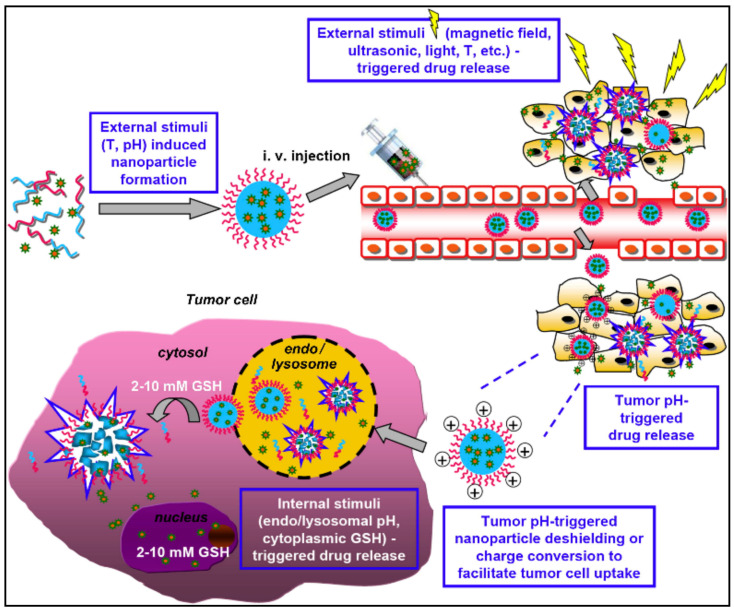
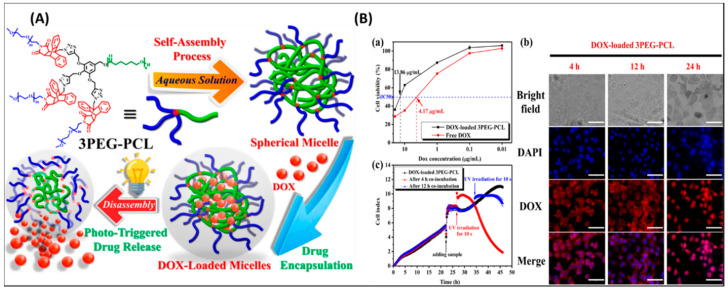
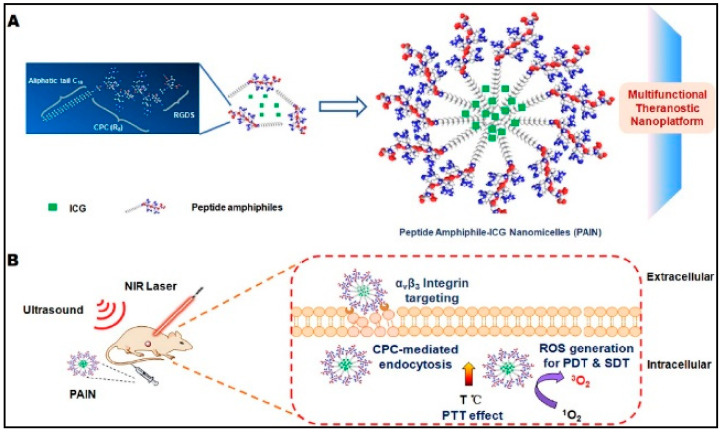
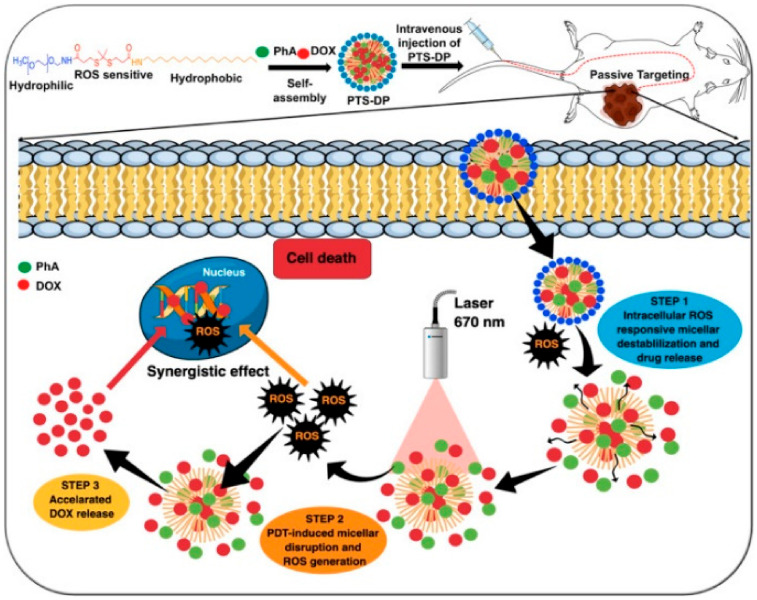
The efficient and selective delivery of therapeutic drugs to the target site remains the main obstacle in the development of new drugs and therapeutic interventions. Up until today, nanomicelles have shown their prospective as nanocarriers for drug delivery owing to their small size, good biocompatibility, and capacity to effectively entrap lipophilic drugs in their core. Nanomicelles are formed via self-assembly in aqueous media of amphiphilic molecules into well-organized supramolecular structures. Molecular weights and structure of the core and corona forming blocks are important properties that will determine the size of nanomicelles and their shape. Selective delivery is achieved via novel design of various stimuli-responsive nanomicelles that release drugs based on endogenous or exogenous stimulations such as pH, temperature, ultrasound, light, redox potential, and others. This review summarizes the emerging micellar nanocarriers developed with various designs, their outstanding properties, and underlying principles that grant targeted and continuous drug delivery. Finally, future perspectives, and challenges for nanomicelles are discussed based on the current achievements and remaining issues.
Overview
CoChat Summary
TL;DR
This paper is a review of nanomicelles as drug delivery systems, with emphasis on how polymer/surfactant design affects size, stability, biodistribution, and drug loading. It also surveys stimuli-responsive and targeted nanomicelles for anticancer delivery, highlighting pH, temperature, light, ultrasound, and redox-triggered release.
Key findings
- Nanomicelles can improve delivery by entrapping drugs in a protective core-shell structure, increasing bioavailability and reducing side effects; the review notes lower dissociation kinetics than conventional surfactant micelles, about 1000-fold slower after dilution.
- Surfactant micelles are reported in the 5–100 nm range, while polymeric nanomicelles are described as 1–200 nm; lower critical micellar concentration is emphasized as a stability advantage for DDSs.
- The review reports several example systems with quantitative performance, including PEG-P(Asp-Hyd-ADR) releasing ADR more slowly as pH decreases from 7.4 to 3.0, PEG-PTMBPEC micelles swelling from 150 nm to ~400 nm in 3 h and to >1000 nm after 12 h at pH 4.0, and one dual-pH system that inhibited tumor development by 88%.
- For anticancer delivery, the paper states that polymeric nanomicelles can increase drug water solubility by 10 to 5000 fold, and gives examples such as paclitaxel-loaded PCL-b-PEG-b-PCL micelles with loading up to 28%, doxorubicin-loaded micelles with 15–20% loading, and a temperature-sensitive system with 15% DOX release after 15 h at 30 °C versus 90% at 37 °C.
Methods
- This is a narrative review of recent literature on nanomicelles delivery systems, organized by micelle type, polymer selection, preparation methods, biodistribution, targeting, and stimuli-responsive release.
- The paper synthesizes findings from previously published studies and reports example data from those studies rather than presenting a new experimental sample of its own.
- Its main analysis is qualitative comparison of design strategies and reported performance metrics across systems such as pH-sensitive, temperature-sensitive, light-sensitive, ultrasound-responsive, and redox-responsive nanomicelles.
Limitations
- The paper itself states that only a few polymeric micelles have reached clinical-stage application, and that there are limitations to current materials, including poor encapsulation of some drugs, toxicity, and unfavorable immunological interactions such as antibody responses to PEG.
- The review also notes that further studies are ongoing and that additional research is needed to develop safer materials with higher drug loading.
- Evident from the text: because this is a review, the conclusions depend on heterogeneous prior studies with different systems and outcomes, and the paper does not provide a single unified experimental dataset.
Model-written summary. Check it against the paper before relying on it.
Integrity signals
Registry
Cites
Statistics
Figures
Verification
Claims the paper makes
35 Valid · 19 Not valid · 137 Not checked · 30 Own results and interpretations
At least one cited source doesn’t support this claim or points to a different paper, and none confirmed it — see the verdicts below.
In the paper
“For example, when PTX-loaded pluronic P105 micelles were compared with mixed micelles composed of a similar copolymer with just the addition of hydrophobic lamella, a strong decrease in clearance was observed [95].”
§ Recent Advances in Nanomicelles Delivery Systems > 6. Biodistribution
What the sources say
- Disputedcites [95] Wang Y. Li Y. Wang Q. Wu J. Fang X.J. Pharmacokinetics and biodistribution of paclitaxel-loaded pluronic P105/L101 mixed polymeric micelles YAKUGAKU ZASSHI 2008 128 941 950 10.1248/yakushi.128.941 18520140 sourceExperimental — accuracy not yet measured
The Discussion (page not available) says that adding hydrophobic L101 to P105 micelles did not significantly change their in vivo behavior. Table 2 reports a strong clearance decrease for the mixed micelles relative to Taxol injection, not relative to P105 micelles as the citing sentence claims. (LLM, conf=0.89)
Checked by a reasoning model — may be wrong.
boostedstates a cause- Asserted: passes — The authors put it forward as true.
- Checkable: passes — It can be checked against evidence.
- Load-bearing: passes — The paper’s conclusions depend on it.
- Based: passes — The paper gives a reason why it holds.
- Disputed
The sources with a verdict support this claim; the rest weren’t checked yet, have no full text we could read, or their verdicts aren’t rated yet.
In the paper
“As reported, polymeric micelles with high stability have shown good biocompatibility in cancer therapy applications.”
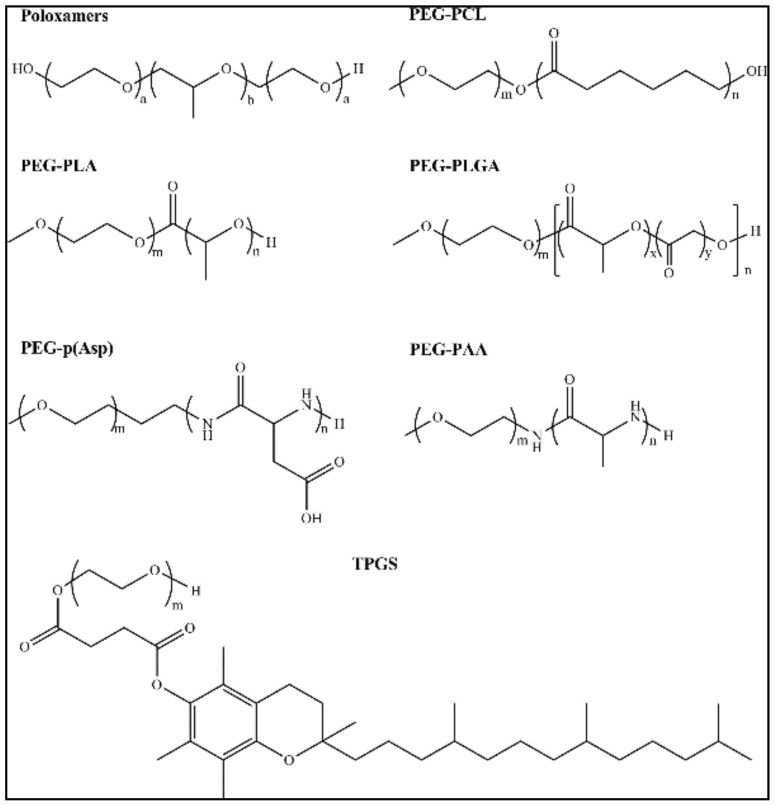
§ Recent Advances in Nanomicelles Delivery Systems > 4. Polymeric Nanomicelles Another category is polymeric nanomicelles (PNMs) prepared from amphiphilic polymers; they have a size that ranges from 1 to 200 nm. This type of nanoparticles contains two functional portions, an “inner core” and an “outer shell”. The outer shell is responsible for controlling the pharmacokinetic properties in vivo, thus, it consists of a hydrophilic block of polyethylene glycol (PEG). Further modification of the outer shell can improve the properties of nanomicelles, for example, enhance the targeting. The inner core consists of a hydrophobic core that is responsible for drug entrapment, the stability of nanomicelles, and drug-release characteristics [42,43]. As reported, polymeric micelles with high stability have shown good biocompatibility in cancer therapy applications. Moreover, PNMs can encapsulate poorly soluble pharmaceuticals and enhance their biological behavior [44,45]. Especially, anticancer drugs encapsulated in polymeric micelles have shown a better accumulation in the targeted site, thus reducing side effects on noncancerous tissues [46,47,48]. Moreover, drugs entrapped in micelles are protected from unexpected interactions and biodegradation in vivo environment, resulting in prolongation of the half-life and improved efficiency [49,50,51]. The surface of nanoparticles has two important functions, protection of drugs from interaction with the in vivo environment and delivering it to the target site. Some commonly used micellar carriers are shown in Figure 3.
What the sources say
- Supportedcites [44] Tan C. Wang Y. Fan W. Exploring Polymeric Micelles for Improved Delivery of Anticancer Agents: Recent Developments in Preclinical Studies Pharmaceutics 2013 5 201 10.3390/pharmaceutics5010201 24300405 PMC3834940 source
The Introduction describes polymeric micelles as assembled from biocompatible polymers and identifies PEG’s excellent biocompatibility. Section 2.6 reports stable anticancer-drug micelles that produced reduced toxicity in tumor-bearing mice, supporting the claim in the preclinical context reviewed by the paper. Page numbers are unavailable in our copy. (LLM, conf=0.86)
- Not checked — no full text of the sourcecites [45] Sukamporn P. Baek S.J. Gritsanapan W. Chirachanchai S. Nualsanit T. Rojanapanthu P. Self-assembled nanomicelles of damnacanthal-loaded amphiphilic modified chitosan: Preparation, characterization and cytotoxicity study Mater. Sci. Eng. C 2017 77 1068 1077 10.1016/j.msec.2017.03.263 28531980 source
plainstates an association- Asserted: passes — The authors put it forward as true.
- Checkable: passes — It can be checked against evidence.
- Load-bearing: unclear — It is unclear whether the paper’s conclusions depend on it.
- Based: passes — The paper gives a reason why it holds.
- Supported
The cited sources support only part of this claim — read each source’s verdict below.
In the paper
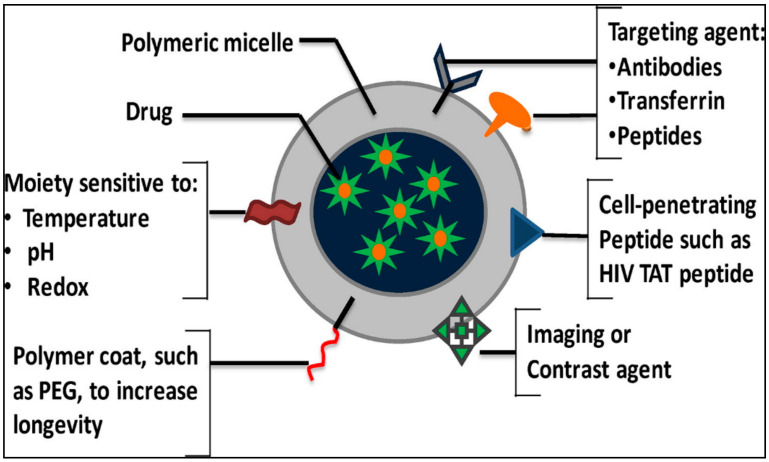
“Selective delivery is achieved via novel design of various stimuli-responsive nanomicelles that release drugs based on endogenous or exogenous stimulations such as pH, temperature, ultrasound, light, redox potential, and others.”
§ Recent Advances in Nanomicelles Delivery Systems > Abstract
What the sources say
- Not checked — no full text of the sourcecites [18] Sawant R.M. Hurley J.P. Salmaso S. Kale A. Tolcheva E. Levchenko T.S. Torchilin V.P. “SMART” Drug Delivery Systems: Double-Targeted pH-Responsive Pharmaceutical Nanocarriers Bioconjugate Chem. 2006 17 943 949 10.1021/bc060080h PMC2538444 16848401 source
- Partly supportedcites [19] Torchilin V. Multifunctional and stimuli-sensitive pharmaceutical nanocarriers Eur. J. Pharm. Biopharm. 2009 71 431 444 10.1016/j.ejpb.2008.09.026 18977297 PMC3197821 sourceExperimental — accuracy not yet measured
Section III describes polymeric micelles that release drugs in response to pH, temperature, and ultrasound, and discusses redox-responsive drug release from nanocarriers. It does not establish light-triggered release or redox-triggered release specifically from micelles. The Introduction also presents selective, stimulus-responsive delivery partly as a design goal rather than an achievement across all the listed stimuli. (LLM, conf=0.86)
- Partly supportedcites [20] Li M. Guo J.-W. Wen W.-Q. Chen J.-K. Biodegradable Redox-Sensitive Star Polymer Nanomicelles for Enhancing Doxorubicin Delivery Nanomaterials 2019 9 547 10.3390/nano9040547 PMC6523129 30987287 sourceExperimental — accuracy not yet measured
The Introduction (page not provided) describes drug-loaded micelles accumulating at tumor sites and releasing drugs in response to pH, redox conditions, or light. The Conclusions (page not provided) report redox-triggered doxorubicin release from the micelles studied. Our copy does not support the claim’s additional examples of temperature- or ultrasound-triggered release. (LLM, conf=0.87)
plainstates a cause- Asserted: passes — The authors put it forward as true.
- Checkable: passes — It can be checked against evidence.
- Load-bearing: passes — The paper’s conclusions depend on it.
- Based: passes — The paper gives a reason why it holds.
- Rests on an assumption not shown here.
The cited sources that could be checked couldn’t confirm or dispute this claim.
In the paper
“For instance, micelle systems prepared using PCL-b-PEG-b-PCL displayed high loading up to 28% of paclitaxel [83].”
§ Recent Advances in Nanomicelles Delivery Systems > 4. Polymeric Nanomicelles Another category is polymeric nanomicelles (PNMs) prepared from amphiphilic polymers; they have a size that ranges from 1 to 200 nm. This type of nanoparticles contains two functional portions, an “inner core” and an “outer shell”. The outer shell is responsible for controlling the pharmacokinetic properties in vivo, thus, it consists of a hydrophilic block of polyethylene glycol (PEG). Further modification of the outer shell can improve the properties of nanomicelles, for example, enhance the targeting. The inner core consists of a hydrophobic core that is responsible for drug entrapment, the stability of nanomicelles, and drug-release characteristics [42,43]. As reported, polymeric micelles with high stability have shown good biocompatibility in cancer therapy applications. Moreover, PNMs can encapsulate poorly soluble pharmaceuticals and enhance their biological behavior [44,45]. Especially, anticancer drugs encapsulated in polymeric micelles have shown a better accumulation in the targeted site, thus reducing side effects on noncancerous tissues [46,47,48]. Moreover, drugs entrapped in micelles are protected from unexpected interactions and biodegradation in vivo environment, resulting in prolongation of the half-life and improved efficiency [49,50,51]. The surface of nanoparticles has two important functions, protection of drugs from interaction with the in vivo environment and delivering it to the target site. Some commonly used micellar carriers are shown in Figure 3. > 4.1. Polymer Selection, Synthesis, and Properties
What the sources say
- Could not verifycites [83] Werner M.E. Cummings N.D. Sethi M. Wang E.C. Sukumar R. Moore D.T. Wang A.Z. Preclinical evaluation of Genexol-PM, a nanoparticle formulation of paclitaxel, as a novel radiosensitizer for the treatment of non-small cell lung cancer Int. J. Radiat. Oncol. Biol. Phys. 2013 86 463 468 10.1016/j.ijrobp.2013.02.009 23708084 PMC3750707 sourceExperimental — accuracy not yet measured
The Introduction describes Genexol-PM as an mPEG-PDLLA paclitaxel micelle, and Methods and Materials > Materials reports 115 mg of paclitaxel per gram of Genexol-PM. Searches for PCL-b-PEG-b-PCL and 28% loading found no passage about that formulation or its loading capacity. The different composition reported for Genexol-PM does not rule out the claim about other micelles. (LLM, conf=0.76)
plain- Asserted: passes — The authors put it forward as true.
- Checkable: passes — It can be checked against evidence.
- Load-bearing: unclear — It is unclear whether the paper’s conclusions depend on it.
- Based: passes — The paper gives a reason why it holds.
- Could not verify
The cited sources support only part of this claim — read each source’s verdict below.
In the paper
“Compared to neutral and negatively charged micelles, positively charged micelles are readily taken up by the RES due to increased interaction with the negatively charged cell membrane [90];”
§ Recent Advances in Nanomicelles Delivery Systems > 6. Biodistribution
What the sources say
- Partly supportedcites [90] Alexis F. Pridgen E. Molnar L.K. Farokhzad O.C. Factors affecting the clearance and biodistribution of polymeric nanoparticles Mol. Pharm. 2008 5 505 515 10.1021/mp800051m 18672949 PMC2663893 sourceExperimental — accuracy not yet measured
The “Effect of Surface Functionality and Charge” section says positively charged nanoparticles have higher cellular uptake than neutral or negatively charged formulations, including uptake by phagocytic cells. Its micelle comparison addresses neutral and negatively charged micelles, not positively charged micelles; it also does not identify interaction with a negatively charged cell membrane as the mechanism. The claim therefore applies the general nanoparticle finding more specifically than the source supports. (LLM, conf=0.86)
plainstates a cause- Asserted: passes — The authors put it forward as true.
- Checkable: passes — It can be checked against evidence.
- Load-bearing: unclear — It is unclear whether the paper’s conclusions depend on it.
- Based: passes — The paper gives a reason why it holds.
- Partly supported
105 more claims · 18 with their cited sources checked
Create a free account to see all 221 claims and to verify the 1 reference still open.
- It may state two separate claims as one. 88
- Probably not a substantial claim. 34
- The quote only partly states this claim. 1
Citations
Cites
Nanocarriers as an emerging platform for cancer therapy
Peer, D., Karp, J. M., Hong, S., Farokhzad, O. C., Margalit, R., & Langer, R. (2007) · Nature Nanotechnology · doi:10.1038/nnano.2007.387 · Cited by 8,710
Stimuli-responsive nanocarriers for drug delivery
Mura, S., Nicolas, J., & Couvreur, P. (2013) · Nature Materials · doi:10.1038/nmat3776 · Cited by 6,289
Emerging applications of stimuli-responsive polymer materials
Stuart, M. A. C., Huck, W. T. S., Genzer, J., Müller, M., Ober, C., Stamm, M., Sukhorukov, G. B., Szleifer, I., Tsukruk, V. V., Urban, M., et al. (2010) · Nature Materials · doi:10.1038/nmat2614 · Cited by 5,707 · cited 1×
“These nanomicelles were practiced in the drug delivery field and benefitted substantially to pharmaceutical investigation [128].”
BackgroundNanoparticle therapeutics: an emerging treatment modality for cancer
Davis, M. E., Chen, Z., & Shin, D. M. (2008) · Nature Reviews Drug Discovery · doi:10.1038/nrd2614 · Cited by 4,233
A clearer vision for in vivo imaging
Weissleder, R. (2001) · Nature Biotechnology · doi:10.1038/86684 · Cited by 3,839 · cited 1×
“Optical windows in near-infrared (NIR) region in which light has its deepest penetration in tissue cause minimum damage to cells [178].”
BackgroundFactors affecting the clearance and biodistribution of polymeric nanoparticles
Alexis, F., Pridgen, E., Molnar, L. K., & Farokhzad, O. C. (2008) · Molecular Pharmaceutics · doi:10.1021/mp800051m · Cited by 3,699 · cited 2×
“Compared to neutral and negatively charged micelles, positively charged micelles are readily taken up by the RES due to increased interaction with the negatively charged cell membrane [90]; however, negatively charged micelles decrease the rate of cellular uptake and improve the blood circulation time.”
BackgroundStrategies in the design of nanoparticles for therapeutic applications
Petros, R. A., & DeSimone, J. M. (2010) · Nature Reviews Drug Discovery · doi:10.1038/nrd2591 · Cited by 3,651 · cited 1×
“Nevertheless, liposomes application and lipid-based drug delivery systems have been narrowed due to attained drug resistance and poor targeting [98,99].”
BackgroundKamaly, N., Yameen, B., Wu, J., & Farokhzad, O. C. (2016) · Chemical Reviews · doi:10.1021/acs.chemrev.5b00346 · Cited by 3,070 · cited 2×
“degradation strategy of the polyester backbone avoids the unrequired accumulation of the polymer in the body, thus decreasing the risk of chronic toxicity [82].”
BackgroundIn Vivo Imaging of Quantum Dots Encapsulated in Phospholipid Micelles
Dubertret, B., Skourides, P., Norris, D. J., Noireaux, V., Brivanlou, A. H., & Libchaber, A. (2002) · Science · doi:10.1126/science.1077194 · Cited by 3,019
Surfactants and Interfacial Phenomena
Rosen, M. J., & Kunjappu, J. T. (2012) · Wiley eBooks · doi:10.1002/9781118228920 · Cited by 2,535
Cited by
Nanomaterials as Nanofertilizers and Nanopesticides: An Overview
Okey‐Onyesolu, C. F., Hassanisaadi, M., Bilal, M., Barani, M., Rahdar, A., Iqbal, J., & Kyzas, G. Z. (2021) · ChemistrySelect · doi:10.1002/slct.202102379 · Cited by 179
Overview of Recent Advances in Nano-Based Ocular Drug Delivery
Liu, L.-C., Chen, Y., & Lu, D. (2023) · International Journal of Molecular Sciences · doi:10.3390/ijms242015352 · Cited by 174
“Thus, comprehensive toxicology testing is essential for assessing new drug carrier candidates in the future [46].”
BackgroundNanotechnology for Topical Drug Delivery to the Anterior Segment of the Eye
Vaneev, A. N., Tikhomirova, V. E., Chesnokova, N. B., Popova, E. V., Валерьевна, Б. О., Kost, O. A., & Klyachko, N. L. (2021) · International Journal of Molecular Sciences · doi:10.3390/ijms222212368 · Cited by 145
Novel drug delivery systems for the management of dry eye
Nagai, N., & Otake, H. (2022) · Advanced Drug Delivery Reviews · doi:10.1016/j.addr.2022.114582 · Cited by 134
Enhancing the Bioavailability of Resveratrol: Combine It, Derivatize It, or Encapsulate It?
Salla, M., Karaki, N., Kaderi, B. E., Ayoub, A. J., Younes, S., Chahla, M. N. A., Baksh, S., & Khatib, S. E. (2024) · Pharmaceutics · doi:10.3390/pharmaceutics16040569 · Cited by 131
“These nanoformulations are typically stabilized by emulsifiers such as surfactants and co-surfactants [206].”
BackgroundLi, L., Zeng, Y., Chen, M., & Liu, G. (2022) · Polymers · doi:10.3390/polym14163278 · Cited by 64
Block copolymer micelles as ocular drug delivery systems
Assiri, A. A., Glover, K., Mishra, D., Waite, D. T., Vora, L. K., & Thakur, R. R. S. (2024) · Drug Discovery Today · doi:10.1016/j.drudis.2024.104098 · Cited by 62
Micelles as potential drug delivery systems for colorectal cancer treatment
Fatfat, Z., Fatfat, M., & Gali‐Muhtasib, H. U. (2022) · World Journal of Gastroenterology · doi:10.3748/wjg.v28.i25.2867 · Cited by 52
Moghadam, H., Sourinejad, I., & Johari, S. A. (2021) · Aquaculture Nutrition · doi:10.1111/anu.13363 · Cited by 45
Yadav, S., Ramesh, K., Obireddy, S. R., Karthika, V., Kumar, P., Jo, S., Yoo, S. I., Park, S., & Lim, K. T. (2023) · Pharmaceutics · doi:10.3390/pharmaceutics15041159 · Cited by 47
“The sizes of C–C/S–S/Se–Se CCL micelles were determined to be 124 ± 35, 133 ± 31, and 139 ± 31 nm, respectively, and non-CCL micelles were measured to be 155 ± 35 nm, which are within the optimal range for the EPR effect [13,47,48].”
BackgroundNeuroprotective effect of phytoconstituents via nanotechnology for treatment of Alzheimer diseases
Paramanick, D., Singh, V. D., & Singh, V. K. (2022) · Journal of Controlled Release · doi:10.1016/j.jconrel.2022.09.058 · Cited by 51
Elabd, H., Mahboub, H. H. H., Salem, S. M. R., et al. (2023) · Fishes · doi:10.3390/fishes8070333 · Cited by 44
Twal, S., Jaber, N., Al-Remawi, M. M., Hamad, I. M., Al‐Akayleh, F., & Alshaer, W. (2024) · RSC Advances · doi:10.1039/d3ra08074a · Cited by 52
Nanocarriers for cutting-edge cancer immunotherapies
Hu, J. K., Arvejeh, P. M., Bone, S., Hett, E. C., Marincola, F. M., & Roh, K. (2025) · Journal of Translational Medicine · doi:10.1186/s12967-025-06435-0 · Cited by 49
“Micelles generally range in size from 1 to 200 nm, which is ideal for passive targeting of tumors through the EPR effect [143].”
Advancements in redox-sensitive micelles as nanotheranostics: A new horizon in cancer management
Sikder, A., Vambhurkar, G. B., Amulya, E., Bagasariya, D., Famta, P., Shah, S., Khatri, D. K., Singh, S. B., Sinha, V. R., & Srivastava, S. (2022) · Journal of Controlled Release · doi:10.1016/j.jconrel.2022.08.008 · Cited by 41
Recent Advances in Nanoplatforms for the Treatment of Osteosarcoma
Wu, K., Yu, B., Li, D., Tian, Y., Liu, Y., & Jiang, J. (2022) · Frontiers in Oncology · doi:10.3389/fonc.2022.805978 · Cited by 39
Metkar, S. P., Fernandes, G. J., Navti, P. D., Nikam, A. N., Kudarha, R. R., Dhas, N. L., Seetharam, R. N., Venkata, S. K., Rao, B. S. S., & Mutalik, S. (2023) · OpenNano · doi:10.1016/j.onano.2023.100159 · Cited by 43
Applications of cell penetrating peptide-based drug delivery system in immunotherapy
Du, J., Zhang, R., Jiang, S., Xiao, S., Liu, Y., Niu, Y., Zhao, W.-X., Wang, D., & Ma, X. (2025) · Frontiers in Immunology · doi:10.3389/fimmu.2025.1540192 · Cited by 49
“Nanomicelles, with their outstanding biocompatibility, low toxicity, high drug carrying capacity, tiny size, and prolonged drug release time, and can be employed to reduce anticancer medication toxicity and avoid drug resistance (79).”
Nanomaterials for the Diagnosis and Treatment of Head and Neck Cancers: A Review
Ruiz-Pulido, G., Medina, D. I., Barani, M., Rahdar, A., Sargazi, G., Baino, F., & Pandey, S. (2021) · Materials · doi:10.3390/ma14133706 · Cited by 43
“Thus, nanomicelles can act as a protective shell for hydrophobic drugs by reducing their contact with the environment, which results in a lower degradation and improved bioavailability with reduced side effects [109].”
BackgroundCurrent advances in the application of nanomedicine in bladder cancer
Zhang, C., Zhao, J., Wang, W., Geng, H., Wang, Y., & Gao, B. (2022) · Biomedicine & Pharmacotherapy · doi:10.1016/j.biopha.2022.114062 · Cited by 39
Han, H., & Santos, H. A. (2024) · Advanced Materials · doi:10.1002/adma.202409522 · Cited by 39
Progress and Challenges in the Diagnosis and Treatment of Brain Cancer Using Nanotechnology
Ale, Y., & Nainwal, N. (2023) · Molecular Pharmaceutics · doi:10.1021/acs.molpharmaceut.3c00554 · Cited by 42
Huang, X., Zhang, K., Li, Z., Zhang, J., Zhai, X., Zhang, N., Du, L., & Zhou, Q. (2025) · Foods · doi:10.3390/foods14162896 · Cited by 43
“Conversely, the inner core, which consists of hydrophobic components, is essential for drug encapsulation, stabilization of the nanomicelle structure, and controlled release of therapeutics [163].”
Polymeric Micelles as Drug Delivery System: Recent Advances, Approaches, Applications and Patents
Jain, A., Bhardwaj, K., & Bansal, M. (2023) · Current Drug Safety · doi:10.2174/1574886318666230605120433 · Cited by 40
Targeted nanotherapeutics for the treatment of Helicobacter pylori infection
Chitas, R., Fonseca, D. R., Parreira, P., & Martins, M. C. L. (2024) · Journal of Biomedical Science · doi:10.1186/s12929-024-01068-9 · Cited by 37
Non-Invasive Techniques of Nose to Brain Delivery Using Nanoparticulate Carriers: Hopes and Hurdles
Butola, M., & Nainwal, N. (2024) · AAPS PharmSciTech · doi:10.1208/s12249-024-02946-z · Cited by 38
Macromolecular Nanotherapeutics and Antibiotic Adjuvants to Tackle Bacterial and Fungal Infections
Dey, R. K., Mukherjee, S., Barman, S., & Haldar, J. (2021) · Macromolecular Bioscience · doi:10.1002/mabi.202100182 · Cited by 30
Self‐Assembled Fluorescent Block Copolymer Micelles with Responsive Emission
Kurz, H., Hils, C., Timm, J., Hörner, G., Greiner, A., Marschall, R., Schmalz, H., & Weber, B. (2022) · Angewandte Chemie International Edition · doi:10.1002/anie.202117570 · Cited by 26
Md, S., Alhakamy, N. A., Alfaleh, M. A., Afzal, O., Altamimi, A. S. A., Iqubal, A., & Shaik, R. A. (2021) · Journal of Personalized Medicine · doi:10.3390/jpm11111116 · Cited by 27
Luo, Y., Sun, M., Tan, L., Li, T., & Li, M. (2023) · Pharmaceutics · doi:10.3390/pharmaceutics15122717 · Cited by 26
“Their expansive surface area paired with unparalleled electrical conductivity makes them prime candidates for drug delivery, potentially elevating treatment efficacies [17,114,115].”
BackgroundMagne, T. M., Helal‐Neto, E., Corrêa, L. B., Alencar, L. M. R., Piperni, S. G., Iram, S. H., Bhattarai, P., Zhu, L., Ricci‐Júnior, E., Henriques, M. D. G., et al. (2021) · Colloids and Surfaces B Biointerfaces · doi:10.1016/j.colsurfb.2021.111952 · Cited by 26
Baddam, S. R., Ganta, S., Nalla, S., Banoth, C., Vudari, B., Akkiraju, P. C., Srinivas, E., & Tade, R. S. (2024) · International Journal of Pharmaceutics · doi:10.1016/j.ijpharm.2024.124346 · Cited by 23
Multifunctional Mitochondria-Targeting Nanosystems for Enhanced Anticancer Efficacy
Hu, T., Qin, Z., Shen, C., Gong, H., & He, Z. (2021) · Frontiers in Bioengineering and Biotechnology · doi:10.3389/fbioe.2021.786621 · Cited by 24
“However, the clinical application of fluorescent nanomicelles is strictly limited, because of drug leakage in blood, nonspecific toxicity, and rapid clearance by plasma (Li et al., 2019; Tawfik et al., 2020).”
BackgroundMugundhan, S. L., & Mothilal, M. (2025) · RSC Advances · doi:10.1039/d5ra01275a · Cited by 23
Alshamrani, M., Ayon, N. J., Alsalhi, A., & Akinjole, O. (2022) · Life · doi:10.3390/life12040485 · Cited by 26
“Nanomicelles are synthesized from both ionic and nonionic surfactants, and they are developed by the supramolecular assembly of hydrophobic heads and hydrophilic tails, in which a colloidal dispersion is formed [25].”
BackgroundA chlorogenic acid-conjugated nanomicelle attenuates disease severity in experimental arthritis
Vyawahare, A., Jori, C., Kumar, J. S., Kanika, Fareed, M., Ali, N., Parida, K., & Khan, R. (2024) · Biomaterials Science · doi:10.1039/d3bm02129g · Cited by 19
Nalinbenjapun, S., Sripetthong, S., Basit, A., Suksuwan, A., Sajomsang, W., & Ovatlarnporn, C. (2024) · International Journal of Biological Macromolecules · doi:10.1016/j.ijbiomac.2024.135904 · Cited by 23
Yang, Y., Alencar, L. M. R., Pijeira, M. S. O., Batista, B. D. S., França, Á. R. S., Rates, E. R. D., Cardoso-Lima, R., Piperni, S. G., & Santos‐Oliveira, R. (2022) · Drug Delivery · doi:10.1080/10717544.2021.2005719 · Cited by 19
“…are widely used to improve: (i) blood circulation time (Abbina et al., 2020), (ii) structural stability (Ree et al., 2017), (iii) controllable size (Tawfik et al., 2020), (iv) bioavailability (Joseph et al., 2017), (v) sensitivity (especially for imaging agents) (Cheng et al., 2016) and (vi)…”
BackgroundAdvanced nanomicelles for targeted glioblastoma multiforme therapy
Chithra, P., Bhatia, D. D., & Solanki, R. (2025) · Biomaterials Advances · doi:10.1016/j.bioadv.2025.214221 · Cited by 20
Rajabi, M., & Feyzbakhsh, H. (2025) · RSC Advances · doi:10.1039/d5ra05399d · Cited by 37
Precision Medicines for Retinal Lipid Metabolism-Related Pathologies
da Ana, R., Gliszczyńska, A., Sánchez‐López, E., García, M. L., Krambeck, K., Kovačević, A. B., & Souto, E. B. (2023) · Journal of Personalized Medicine · doi:10.3390/jpm13040635 · Cited by 24
Rong, W., Shen, X., Adu‐Frimpong, M., He, Q. H., Zhang, J., Li, X., Xia, X., Shi, F., Cao, X., Ji, H., et al. (2022) · Journal of Microencapsulation · doi:10.1080/02652048.2022.2096138 · Cited by 17
Gomes, B. D. S., Paiva‐Santos, A. C., Veiga, F., & Mascarenhas‐Melo, F. (2024) · Advanced Drug Delivery Reviews · doi:10.1016/j.addr.2024.115197 · Cited by 24
Singh, S., Tiwary, N., Sharma, N., Behl, T., Antil, A., Anwer, M. K., Ramniwas, S., Sachdeva, M., Elossaily, G. M., Gulati, M., et al. (2024) · Pharmaceuticals · doi:10.3390/ph17020248 · Cited by 26
“Cholesterol and non-toxic phospholipids from natural sources make up the architecture of liposomes.”
BackgroundPlant-based nanoparticles targeting malaria management
Lokole, P. B., Byamungu, G. G., Kapepula, P. M., Ngombe, N. K., Mudogo, C. N., Krause, R. W. M., & Nkanga, C. I. (2024) · Frontiers in Pharmacology · doi:10.3389/fphar.2024.1440116 · Cited by 25
Transforming cancer treatment: The potential of nanonutraceuticals
Kumar, G., Virmani, T., Chhabra, V., Virmani, R., Pathak, K., Akhtar, M. S., Asim, M. H., Arshad, S., Siddique, F., & Fonte, P. (2024) · International Journal of Pharmaceutics · doi:10.1016/j.ijpharm.2024.124919 · Cited by 17
Role of CD47-SIRPα Checkpoint in Nanomedicine-Based Anti-Cancer Treatment
Liao, H., & Niu, C. (2022) · Frontiers in Bioengineering and Biotechnology · doi:10.3389/fbioe.2022.887463 · Cited by 17
“, 2021), micelles (Torchilin, 2007; Tawfik et al., 2020), poly (lactic-co-glycolic acid) (PLGA) (Sadat Tabatabaei Mirakabad et al.”
BackgroundKamble, M. T., Yostawonkul, J., Medhe, S. V., Chavan, B. R., Kumar, A., Palekar, G. K. R., Daunde, V. V. Y., Tayade, S. H., Gabriel, N. N., Ataguba, G. A., et al. (2024) · Sustainability Sciences in Asia and Africa · doi:10.1007/978-981-97-4279-0_22 · Cited by 22
Souza, B. N. R. F., Ribeiro, E. R. F. R., de Barros, A. O. D. S., Pijeira, M. S. O., Kenup-Hernandes, H. O., Ricci‐Júnior, E., Filho, J. F. S. D., dos Santos, C. C., Alencar, L. M. R., Attia, M. F., et al. (2022) · Polymers · doi:10.3390/polym14071405 · Cited by 15
“Nanomicelles, compared with conventional micelles, are more thermodynamically stable in physiological solutions [57].”
BackgroundUzokboev, S., Akhmadbekov, K., Nuritdinova, R., Tawfik, S. M., & Lee, Y. (2024) · Beilstein Journal of Nanotechnology · doi:10.3762/bjnano.15.88 · Cited by 16
Self-citationSu, Z., Takeda, Y., Matsui, D., Kogura, T., Toyotake, Y., & Wakayama, M. (2023) · Colloid & Polymer Science · doi:10.1007/s00396-023-05149-3 · Cited by 16
A review on multifaceted biomedical applications of heparin nanocomposites: Progress and prospects
Meher, M. K., Naidu, G., Mishra, A., & Poluri, K. M. (2024) · International Journal of Biological Macromolecules · doi:10.1016/j.ijbiomac.2024.129379 · Cited by 18
Wang, K., Yu, J., Luo, Q., Bai, Y., Gao, Q., & Yu, R. (2025) · Free Radical Biology and Medicine · doi:10.1016/j.freeradbiomed.2025.05.433 · Cited by 15
Ravikumar, L., Velmurugan, R., Vidiyala, N., Sunkishala, P., & TERIVEEDHI, V. K. (2025) · Asian Journal of Pharmaceutical and Clinical Research · doi:10.22159/ajpcr.2025v18i2.53429 · Cited by 22
“Direct dissolution and solvent casting, which include oil-in-water emulsion (O/W), cryodesiccation, et al , and solution casting, are the two methods that can be used to prepare the nanoscopic micellar constructs [100,101].”
Recent advances in nanodelivery systems for astaxanthin: A review
Zhu, Y., He, L., Qin, X., Xu, M., & Tan, C. (2025) · Food Bioscience · doi:10.1016/j.fbio.2025.106305 · Cited by 14
Chen, Q., Jiang, Y., Yuan, L., Liu, L., Zhu, X., Chen, R. R., Wang, Z., Wu, K., Luo, H., & Ouyang, Q. (2024) · Molecules · doi:10.3390/molecules29112693 · Cited by 14
“Nanomicelles have received significant attention in nanomedicine because of their simple preparation, low cost, significantly improved drug solubility, increased drug bioavailability, and reduced toxic side effects [17–19].”
BackgroundLi, M., Li, T., Wu, F., Ren, F. Z., Xue, S., & Li, C. (2024) · Chemosensors · doi:10.3390/chemosensors12060113 · Cited by 16
A review of saponin-based nanocarriers for drug delivery
Lokole, P. B., Byamungu, G. G., Mutwale, P. K., Ngombe, N. K., Mpuza, M. K., Mudogo, V., Krause, R. W. M., & Nkanga, C. I. (2024) · Next Nanotechnology · doi:10.1016/j.nxnano.2024.100109 · Cited by 16
Solanki, R., Rawat, L., Tabasum, S., Pal, S., Patel, S., & Sabarwal, A. (2025) · Phytochemistry Reviews · doi:10.1007/s11101-025-10090-0 · Cited by 18
“Honokiol can be encapsulated within the hydrophobic core of micelles and enhance its solubility and stability (Tawfik et al. 2020).”
Multifunctional Patented Nanotherapeutics for Cancer Intervention: 2010- Onwards
Pandey, P., Chopra, H., Kaushik, D. K., Verma, R., Purohit, D., Parashar, J., Mittal, V., Rahman, M. H., Bhatia, S., Kumar, P., et al. (2022) · Recent Patents on Anti-Cancer Drug Discovery · doi:10.2174/1574892817666220322085942 · Cited by 12
Isoliquiritigenin Containing PH Sensitive Micelles for Enhanced Anti-Colitis Activity
Shi, F., Du, M., Wang, Q. L., et al. (2023) · Journal of Pharmaceutical Sciences · doi:10.1016/j.xphs.2023.09.020 · Cited by 12
Sakamoto, K., Kittikulsuth, W., Miyako, E., Akumwami, S., Ishimura, R., Nakagawa, S., Ago, Y., & Nishiyama, A. (2023) · PLoS ONE · doi:10.1371/journal.pone.0286651 · Cited by 11
“The improved antitumor effect may also be attributable to an enhanced permeability and retention (EPR) effect of NPs [19, 20].”
BackgroundMethyl gallate nanomicelles impairs neutrophil accumulated in zymosan-induced arthritis
Pereira, L. M., Gomes-da-Silva, N. C., Pijeira, M. S. O., Portilho, F. L., Cordeiro, A. S., Alencar, L. M. R., Corrêa, L. B., Henriques, M. D. G., Santos‐Oliveira, R., & Rosas, E. C. (2023) · Colloids and Surfaces B Biointerfaces · doi:10.1016/j.colsurfb.2023.113351 · Cited by 12
Ahirwar, K., Kumar, A., Srivastava, N., Saraf, S. A., & Shukla, R. (2024) · International Journal of Biological Macromolecules · doi:10.1016/j.ijbiomac.2024.131048 · Cited by 14
Deep-insights: Nanoengineered gel-based localized drug delivery for arthritis management
Sriram, A., Ithape, H., & Singh, P. K. (2024) · Asian Journal of Pharmaceutical Sciences · doi:10.1016/j.ajps.2024.101012 · Cited by 20
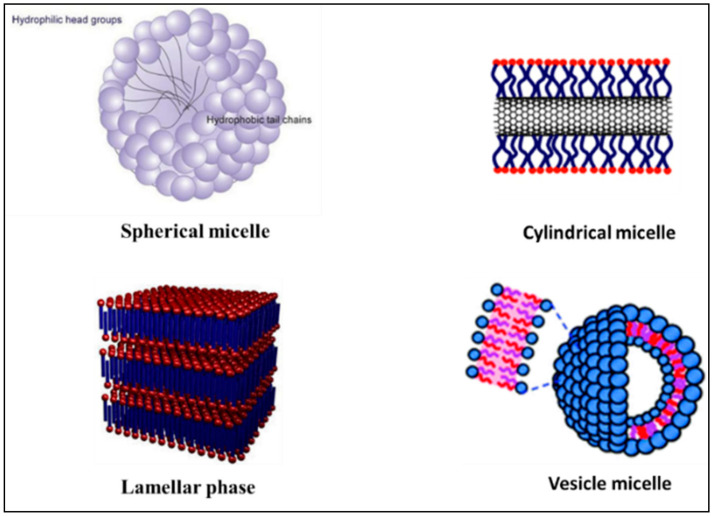
“Because of the amphiphilic surfactant monomer, these NMs possess both a hydrophilic head and a hydrophobic tail [ 262 ] enabling them to arrange into spherical or ellipsoidal vesicular structures, as shown in Fig.”
Nanoparticle therapy for head and neck cancers
Hoffmann, C., Shen, C., & Tourneau, C. L. (2022) · Current Opinion in Oncology · doi:10.1097/cco.0000000000000828 · Cited by 11
Novel ABA block copolymers: preparation, temperature sensitivity, and drug release
Dou, J., Yu, S., Reddy, O., & Zhang, Y. (2022) · RSC Advances · doi:10.1039/d2ra05831f · Cited by 11
Ansari, M., Kulkarni, Y. A., & Singh, K. (2023) · Critical Reviews in Therapeutic Drug Carrier Systems · doi:10.1615/critrevtherdrugcarriersyst.2023045298 · Cited by 11
Yadav, P., Rana, K., Nardini, V., Khan, A., Pani, T., Kar, A., Jain, D., Chakraborty, R., Singh, R., Jha, S. K., et al. (2024) · Journal of Controlled Release · doi:10.1016/j.jconrel.2024.03.009 · Cited by 10
Polymeric Micelles in Targeted Breast Cancer Therapy:Recent Advances and Future Trends
Soni, A., & Jaiswal, V. P. (2025) · Nano Biomedicine and Engineering · doi:10.26599/nbe.2025.9290122 · Cited by 14
Yadav, S., Kumar, P., Jo, S., Park, S., Lee, W., Yoo, S. I., & Lim, K. T. (2022) · Reactive and Functional Polymers · doi:10.1016/j.reactfunctpolym.2022.105271 · Cited by 9
Abdulqader, A. A., & Sultan, N. A. R. (2023) · Iraqi Journal of Pharmaceutical Sciences · doi:10.31351/vol32isssuppl.pp26-32 · Cited by 26
Senanayake, D., & Munaweera, I. (2025) · RSC Advances · doi:10.1039/d5ra05072c · Cited by 10
Kumar, V., Poonia, N., Kumar, P., Verma, P. K., Alshammari, A., Albekairi, N. A., Kabra, A., & Yadav, N. (2024) · Saudi Pharmaceutical Journal · doi:10.1016/j.jsps.2024.102046 · Cited by 8
“Micelles formation depends upon CMC value, and a polymer ’ s appropriate CMC value also increases the stability ( Awfik, et al., 2021 ) .”
BackgroundNanomicellar eye drops: a review of recent advances
Paganini, V., Chetoni, P., Gangi, M. D., Monti, D., Tampucci, S., & Burgalassi, S. (2024) · Expert Opinion on Drug Delivery · doi:10.1080/17425247.2024.2323208 · Cited by 9
Yadav, P., Rana, K., Chakraborty, R., Khan, A., Mehta, D., Jain, D., Aggarwal, B., Jha, S. K., Dasgupta, U., & Bajaj, A. (2024) · Nanoscale · doi:10.1039/d3nr04806c · Cited by 9
Malik, M., Anwar, F., Dini, L., Alamri, A. H., Fatease, A. M. A., Lahiq, A. A., Alqahtani, S., Jin, S. G., Choi, H., & Din, F. U. (2025) · Journal of Pharmaceutical Investigation · doi:10.1007/s40005-025-00753-7 · Cited by 10
“Another efficient nano - carrier system for tumor targeting is nanomicelles owing to their small size, biocompatibility, ease of preparation, low cost, and ability to encapsulate lipophilic antitumor drugs in their core (Tawfik et al. 2020).”
Nanomedicine in ophthalmology: conquering anatomical barriers and enhancing therapeutic efficacy
Wang, T., Wang, Y., Li, S., Wang, Y., & Lan, X. (2026) · Biomaterials Science · doi:10.1039/d5bm00325c · Cited by 9
Lu, W., Cao, J., Lv, Y. L., Li, M., Tang, Y. H., & Feng, Y. (2025) · AAPS PharmSciTech · doi:10.1208/s12249-025-03244-y · Cited by 9
“Owing to their unique structural configuration, characterized by a hydrophobic core encased within a hydrophilic shell, they exhibit enhanced drug loading capacity and exceptional stability in aqueous environments[67].”
Ahmad, A., Prakash, R., Kumar, A., Kanika, Fareed, M., Ali, N., Raza, S. S., & Khan, R. (2024) · Colloids and Surfaces A Physicochemical and Engineering Aspects · doi:10.1016/j.colsurfa.2024.134337 · Cited by 8
Hybrid nanoparticles to cross the blood–brain barrier
Desai, H. R., & Shinde, U. A. (2022) · Elsevier eBooks · doi:10.1016/b978-0-323-90773-6.00002-6 · Cited by 8
Emerging nanotechnology based combination therapies of taxanes for multiple drug-resistant cancers
Katekar, R. A., Singh, P., Garg, R., Verma, S., & Gayen, J. R. (2021) · Pharmaceutical Development and Technology · doi:10.1080/10837450.2021.2009861 · Cited by 6
“Micelles Polymeric micelles are amphiphilic, spherical-shaped copolymers consisting of core encapsulating hydrobhobic drug and selfassembling hydrophilic core/shell interfacing the aqueous milieu (Cho et al. 2015; Tawfik et al. 2020).”
BackgroundFrom design to Deployment: The innovative role of nanomicelles in targeted ophthalmic therapeutics
Sun, M., Wang, J., Fan, W., Wang, K., Wang, Y., Zhang, J., Ding, S., Zhang, C., Feng, Z., Wang, Y.-G., et al. (2025) · Materials today. Bio · doi:10.1016/j.mtbio.2025.102537 · Cited by 7
Advances in chlorogenic acid derived nanomaterials: designs and applications
Yun, N., Yingrun, F., Xuefeng, W., Minghua, Q., & Fan, J. (2024) · Critical Reviews in Food Science and Nutrition · doi:10.1080/10408398.2024.2406485 · Cited by 10
“Conversely, reverse nanomicelles assembled in non-polar solvents are devoted to loading hydrophilic drugs (Tawfik et al. 2020).”
Novel treatments for bacterial keratitis: A review
Yan, C., Zhao, H., Pan, Q., Xie, X., Chen, K., & Zhang, L. (2025) · International Journal of Pharmaceutics · doi:10.1016/j.ijpharm.2025.125793 · Cited by 10
Leveraging polysaccharide-derived nanocarriers to open new horizons in oral vaccine activation
Wang, S., Jiang, T., Jiang, M., & Miao, Y. (2025) · Materials Today Bio · doi:10.1016/j.mtbio.2025.102300 · Cited by 10
“Furthermore, micelles demonstrate improved tissue selectivity and cellular absorption by functional molecule changes designed to identify chemical signals unique to sick sites [170].”
Doustmihan, A., Akbari, M., Jaymand, M., Liu, G., & Jahanban‐Esfahlan, R. (2025) · Materials & Design · doi:10.1016/j.matdes.2025.115098 · Cited by 7
Zuccari, G., Zorzoli, A., Marimpietri, D., & Alfei, S. (2024) · Current Drug Delivery · doi:10.2174/0115672018333862240830072536 · Cited by 7
Pawara, D. L., Girase, H. S., More, P. V., Tayade, M., Nangare, S., & Tade, R. S. (2025) · International Journal of Biological Macromolecules · doi:10.1016/j.ijbiomac.2025.145499 · Cited by 5
Bakrey, H., Abdu, A., Shivgotra, R., Soni, B., Sharma, M., Bakrey, A., & Jain, S. K. (2025) · Current Drug Targets · doi:10.2174/0113894501375776250713110838 · Cited by 12
Shaikh, R., & Bhattacharya, S. (2024) · Current Medicinal Chemistry · doi:10.2174/0109298673306752240726104241 · Cited by 9
Recent Insights into Bioactive Dichalcogen Derivatives: From Small Molecules to Complex Materials
Gaviria-Soteras, L., Sharma, A. K., Sanmartín, C., & Plano, D. (2025) · International Journal of Molecular Sciences · doi:10.3390/ijms26062436 · Cited by 7
“…several advantages such as improved colloidal However, this therapy has some drawbacks such as poor tumor targeting ability, strong affinity toward hemoglobin, or low effects on solid tumors. stability, biocompatibility, stimuli control, high drug-loading capacity, and prolonged drug release [125].”
Advancements in Micellar Formulation: Drug Delivery Vehicle for Water-Insoluble Drugs
Sharma, L., Khurana, D., Patel, P., Khare, S., & Kurmi, B. D. (2024) · Recent Advances in Drug Delivery and Formulation · doi:10.2174/0126673878312411240703085013 · Cited by 8
Jain, N., & Kaur, N. (2026) · RSC Applied Polymers · doi:10.1039/d5lp00287g · Cited by 4
Wang, X., Wu, F., Liu, J., Hong, X., & Dong, S. (2026) · International Journal of Molecular Sciences · doi:10.3390/ijms27072983 · Cited by 8
A multi-step approach for the accurate screening and determination of Coenzyme Q10 (Nano)micelles
López-Sánchez, C., de Andrés, F., Zougagh, M., et al. (2025) · Analytica Chimica Acta · doi:10.1016/j.aca.2025.343820 · Cited by 4
STUDY ON INCREASING SOLUBILITY OF ISOLATES: METHODS AND ENHANCEMENT POLYMERS
NAFIS, F. D. R., Sriwidodo, S., & Chaerunisaa, A. Y. (2022) · International Journal of Applied Pharmaceutics · doi:10.22159/ijap.2022v14i6.45975 · Cited by 5
Boopathy, G., Gurusami, K., Vijayakumar, K. R., et al. (2024) · Advances in chemical and materials engineering book series · doi:10.4018/979-8-3693-3136-1.ch009 · Cited by 4
Elmorsy, E. M., El‐Raghi, A. A., El-Ratel, I. T., Hassan, M. A. E., Hetta, H. F., Mohamed, M. E. M., Abass, K. S., Ibrahim, S. F., & Elbaghdady, H. A. M. (2025) · Italian Journal of Animal Science · doi:10.1080/1828051x.2025.2542531 · Cited by 5
“Because nanoparticles increase delivery efficiency, fewer feed additives must be included in the diet while still being effective, which eventually results in improved performance at a reduced cost (Tawfik et al. 2020).”
Shaping the future of medicine: polymeric micelles in drug delivery
Varghese, J. V., Sarangi, S., Natarajan, T., & Remya, P. N. (2026) · Journal of Biomaterials Science Polymer Edition · doi:10.1080/09205063.2025.2610286 · Cited by 3
Metadata
- Authors
- Tawfik, S. M., Azizov, S., Elmasry, M. R., Sharipov, M., & Lee, Y.-I.
- Affiliations
- Changwon National University (KR)
- Academy of Sciences Republic of Uzbekistan (UZ)
- Corresponding author
- Lee, Yong-Ill
- Venue
- Nanomaterials
- Publisher
- MDPI AG
- Published
- 2020-12-30
- Volume
- 11
- Issue
- 1
- Pages
- 70
- ISSN
- 2079-4991 (ISSN-L)
- PMC
- PMC7823398
- OpenAlex
- W3116967457
- Semantic Scholar
- a7e107537e15e984aad20ac13b87208d99b37d50
- Cited by
- 156
- References
- 227
- Citations by year
- 2026: 21 · 2025: 40 · 2024: 41 · 2023: 19 · 2022: 25 · 2021: 9
- FWCI
- 0.88
- Type
- journal article
- Language
- en
- Open access
- gold
- doi.org
- Licence
- Locations
- Nanomaterials (publishedVersion, cc-by)
- Europe PMC (PubMed Central) (publishedVersion, other-oa)
- PubMed Central (publishedVersion, cc-by)
- PubMed (publishedVersion)
- DOAJ (DOAJ: Directory of Open Access Journals) (submittedVersion, cc-by-sa)
- Funders
- National Research Foundation of Korea (2020R1A2C2007028)
- Topics
- Physical Sciences › Materials Science › Biomaterials › Nanoparticle-Based Drug Delivery
- Physical Sciences › Chemistry › Physical and Theoretical Chemistry › Surfactants and Colloidal Systems
- Life Sciences › Pharmacology, Toxicology and Pharmaceutics › Pharmaceutical Science › Advanced Drug Delivery Systems
- Keywords
- nanomicelles, drug delivery, nanocarriers, self-assembly, amphiphilic molecules, stimuli-responsive drug release, targeted drug delivery, pH-responsive, temperature-responsive, redox-responsive, light-responsive
About these checks
Registry, retraction, Cites and statistics results are computed, not judged, with one exception: a printed reference that no index lists is read once by a model before it counts as a citation error. Claims are extracted by a model and kept only when their quote appears verbatim in the text; each cited source is then checked, with a model’s help, for whether it says what the claim relies on. Those verdicts can be wrong — read the claim’s quote and the cited source before relying on one.
The claim verdicts this report counts are experimental: their accuracy is not yet measured.
A language model drew the claims from the paper on 2026-10-11, under version 3 of the claim definition (model deepseek-v4.1-flash, prompt extract-v3).
A second model labelled each claim on 2026-10-11 (model jev-1.13-20260917, definition revision gold-guideline-v0.2).
Cited sources are checked with a language model’s help (gpt-6-sol).
Statistics and arithmetic are recomputed, not judged.
Confidence bands are shown only for fields calibrated on our annotated test set. None is calibrated yet, so no band is shown.
What counts as a claim ›How we measure confidence ›How we check this ›
Are you an author, or do you see a problem with this page? Request a review
Data sources
Bibliographic data: Semantic Scholar, OpenAlex, Crossref.
Contains information from the Semantic Scholar Academic Graph Datasets, made available under the ODC Attribution License (ODC-BY 1.0).
Semantic Scholar’s data is described in: Kinney, R., et al. (2023). The Semantic Scholar Open Data Platform. arXiv:2301.10140.
