

The DOI matches its Crossref record; 141 of the 142 references it cites were found in a registry or an index.
The Role of Mammalian Target of Rapamycin (mTOR) in Insulin Signaling
Open accessAbstract
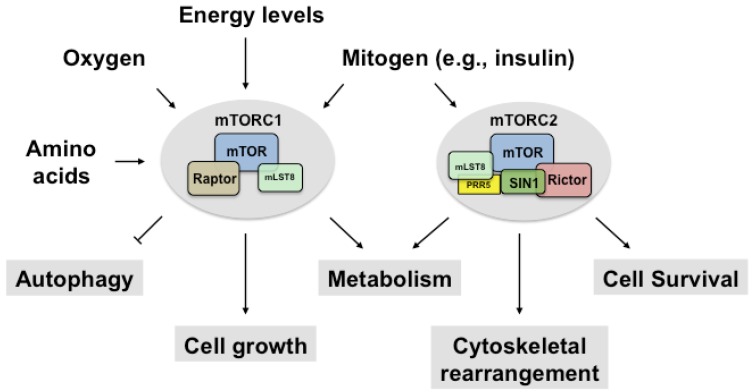
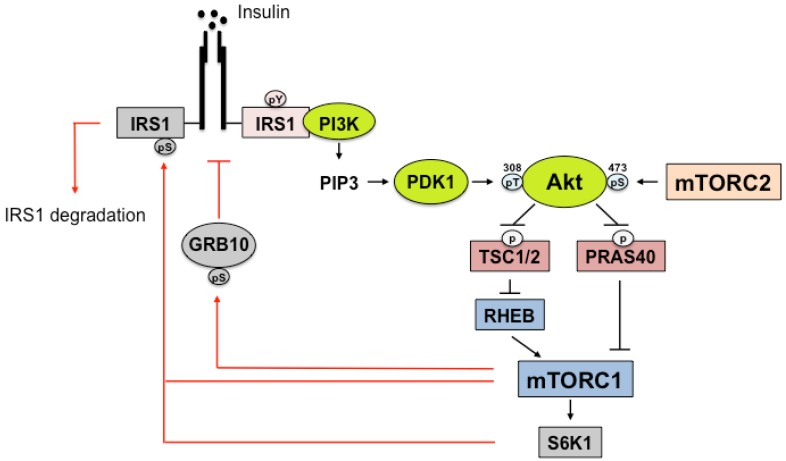
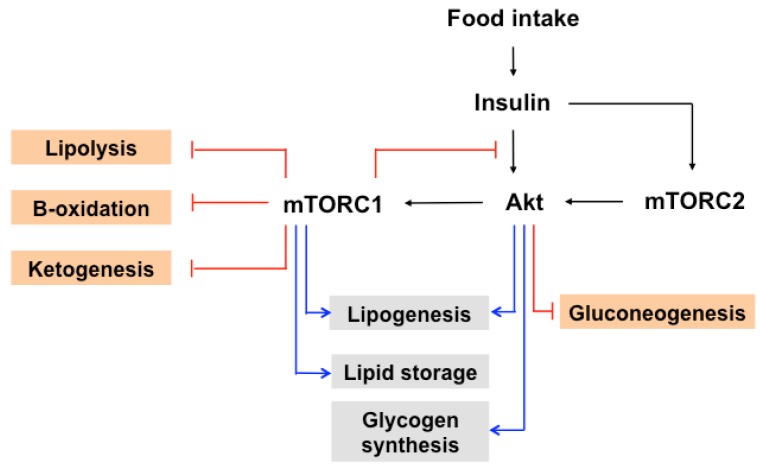
The mammalian target of rapamycin (mTOR) is a serine/threonine kinase that controls a wide spectrum of cellular processes, including cell growth, differentiation, and metabolism. mTOR forms two distinct multiprotein complexes known as mTOR complex 1 (mTORC1) and mTOR complex 2 (mTORC2), which are characterized by the presence of raptor and rictor, respectively. mTOR controls insulin signaling by regulating several downstream components such as growth factor receptor-bound protein 10 (Grb10), insulin receptor substrate (IRS-1), F-box/WD repeat-containing protein 8 (Fbw8), and insulin like growth factor 1 receptor/insulin receptor (IGF-IR/IR). In addition, mTORC1 and mTORC2 regulate each other through a feedback loop to control cell growth. This review outlines the current understanding of mTOR regulation in insulin signaling in the context of whole body metabolism.
Overview
The claims and statistics of this paper haven’t been checked yet.
Run the check — free, no account needed. It reads the open-access text and checks the sources it cites.
Integrity signals
Registry
Cites
Statistics
Figures
Verification
Claims the paper makes
The claims and statistics of this paper haven’t been checked yet.
Run the check — free, no account needed. It reads the open-access text and checks the sources it cites.
Claims other papers make about this one
Each is checked against this paper’s own text: does it say what the citing paper says it does?
The cited source says what the claim attributes to it.
In the citing paper
“mTORC1 can be further activated by mTORC2 via phosphorylation of Akt. 10”
Self-check
Percentages, sums and reported differences re-computed from the paper’s own numbers.
The self-check needs the paper’s full text.
Citations
Cites
Repertoires of Autophagy in the Pathogenesis of Ocular Diseases
Li, Y., Jiang, Q. L., Cao, G.-F., Yao, J., & Yan, B. (2015) · Cellular Physiology and Biochemistry · doi:10.1159/000373980 · Cited by 16,351
mTOR Signaling in Growth Control and Disease
Laplante, M., & Sabatini, D. M. (2012) · Cell · doi:10.1016/j.cell.2012.03.017 · Cited by 8,509
mTOR Signaling in Growth, Metabolism, and Disease
Saxton, R. A., & Sabatini, D. M. (2017) · Cell · doi:10.1016/j.cell.2017.02.004 · Cited by 7,555
AMPK and mTOR regulate autophagy through direct phosphorylation of Ulk1
Kim, J., Kundu, M., Viollet, B., & Guan, K.-L. (2011) · Nature Cell Biology · doi:10.1038/ncb2152 · Cited by 7,227
AKT/PKB signaling: navigating downstream
Manning, B. D., & Cantley, L. C. (2007) · Cell · doi:10.1016/j.cell.2007.06.009 · Cited by 6,115
Signal transduction by receptors with tyrosine kinase activity
Ullrich, A., & Schlessinger, J. (1990) · Cell · doi:10.1016/0092-8674(90)90801-k · Cited by 5,435
Insulin signalling and the regulation of glucose and lipid metabolism
Saltiel, A. R., & Kahn, C. R. (2001) · Nature · doi:10.1038/414799a · Cited by 5,326
Watterson, K. R., Bestow, D., Gallagher, J. R., Hamilton, D. L., Ashford, F. B., Meakin, P. J., & Ashford, M. L. J. (2012) · Neurosignals · doi:10.1159/000334144 · Cited by 3,395
Newgard, C. B., An, J., Bain, J. R., Muehlbauer, M. J., Stevens, R. D., Lien, L. F., Haqq, A. M., Shah, S. H., Arlotto, M., Slentz, C. A., et al. (2009) · Cell Metabolism · doi:10.1016/j.cmet.2009.02.002 · Cited by 3,165
The Rag GTPases Bind Raptor and Mediate Amino Acid Signaling to mTORC1
Sancak, Y., Peterson, T. R., Shaul, Y. D., Lindquist, R. A., Thoreen, C. C., Bar-Peled, L., & Sabatini, D. M. (2008) · Science · doi:10.1126/science.1157535 · Cited by 2,773
Critical nodes in signalling pathways: insights into insulin action
Taniguchi, C. M., Emanuelli, B., & Kahn, C. R. (2006) · Nature Reviews Molecular Cell Biology · doi:10.1038/nrm1837 · Cited by 2,760
Sarbassov, D. D., Ali, S. M., Kim, D.-H., Guertin, D. A., Latek, R. R., Erdjument-Bromage, H., Tempst, P., & Sabatini, D. M. (2004) · Current Biology · doi:10.1016/j.cub.2004.06.054 · Cited by 2,665
mTOR Inhibition Induces Upstream Receptor Tyrosine Kinase Signaling and Activates Akt
O'Reilly, K. E., Rojo, F., She, Q.-B., Solit, D., Mills, G. B., Smith, D., Lane, H., Hofmann, F., Hicklin, D. J., Ludwig, D. L., et al. (2006) · Cancer Research · doi:10.1158/0008-5472.can-05-2925 · Cited by 2,561
Reactive oxygen species have a causal role in multiple forms of insulin resistance
Houstis, N., Rosen, E. D., & Lander, E. S. (2006) · Nature · doi:10.1038/nature04634 · Cited by 2,525 · cited 1×
“Mitochondrial dysfunction and damaged mitochondria result in the accumulation of reactive oxygen species (ROS), possibly leading to insulin resistance [127,128].”
BackgroundSancak, Y., Bar-Peled, L., Zoncu, R., Markhard, A. L., Nada, S., & Sabatini, D. M. (2010) · Cell · doi:10.1016/j.cell.2010.02.024 · Cited by 2,464 · cited 1×
“It also acts as a guanine nucleotide exchange factor (GEF) for Rag A or Rag B [32,33].”
BackgroundProlonged Rapamycin Treatment Inhibits mTORC2 Assembly and Akt/PKB
Sarbassov, D. D., Ali, S. M., Sengupta, S., Sheen, J.-H., Hsu, P. P., Bagley, A. F., Markhard, A. L., & Sabatini, D. M. (2006) · Molecular Cell · doi:10.1016/j.molcel.2006.03.029 · Cited by 2,365
Elchebly, M., Payette, P., Michaliszyn, E., Cromlish, W., Collins, S., Loy, A. L., Normandin, D., Cheng, A., Himms-Hagen, J., Chan, C.-C., et al. (1999) · Science · doi:10.1126/science.283.5407.1544 · Cited by 2,210
mTOR Signaling in Growth, Metabolism, and Disease
Saxton, R. A., & Sabatini, D. M. (2017) · Cell · doi:10.1016/j.cell.2017.03.035 · Cited by 2,112
Activation of a metabolic gene regulatory network downstream of mTOR complex 1
Düvel, K., Yecies, J. L., Menon, S., Raman, P., Lipovsky, A. I., Souza, A. L., Triantafellow, E., Ma, Q., Gorski, R., Cleaver, S., et al. (2010) · Molecular Cell · doi:10.1016/j.molcel.2010.06.022 · Cited by 2,020
Rabinowitz, J. D., & White, E. (2010) · Science · doi:10.1126/science.1193497 · Cited by 1,982
A lysosome‐to‐nucleus signalling mechanism senses and regulates the lysosome via mTOR and TFEB
Settembre, C., Zoncu, R., Medina, D. L., Vetrini, F., Erdin, S., Erdin, S., Huynh, T., Ferron, M., Karsenty, G., Vellard, M. C., et al. (2012) · The EMBO Journal · doi:10.1038/emboj.2012.32 · Cited by 1,920
Absence of S6K1 protects against age- and diet-induced obesity while enhancing insulin sensitivity
Um, S. H., Frigerio, F., Watanabe, M., Picard, F., Joaquin, M., Sticker, M., Fumagalli, S., Allegrini, P. R., Kozma, S. C., Auwerx, J., et al. (2004) · Nature · doi:10.1038/nature02866 · Cited by 1,677
Regulation of the Hippo-YAP Pathway by G-Protein-Coupled Receptor Signaling
Yu, F.-X., Zhao, B., Panupinthu, N., Jewell, J. L., Lian, I., Wang, L. H., Zhao, J., Yuan, H., Tumaneng, K., Li, H., et al. (2012) · Cell · doi:10.1016/j.cell.2012.06.037 · Cited by 1,628
ULK1 induces autophagy by phosphorylating Beclin-1 and activating VPS34 lipid kinase
Russell, R. C., Tian, Y., Yuan, H., Park, H. W., Chang, Y.-Y., Kim, J., Kim, H., Neufeld, T. P., Dillin, A., & Guan, K.-L. (2013) · Nature Cell Biology · doi:10.1038/ncb2757 · Cited by 1,529
mTOR controls mitochondrial oxidative function through a YY1–PGC-1α transcriptional complex
Cunningham, J. T., Rodgers, J. T., Arlow, D. H., Vazquez, F., Mootha, V. K., & Puigserver, P. (2007) · Nature · doi:10.1038/nature06322 · Cited by 1,488
Insulin-regulated hepatic gluconeogenesis through FOXO1–PGC-1α interaction
Puigserver, P., Rhee, J., Donovan, J., Walkey, C. J., Yoon, J. C., Oriente, F., Kitamura, Y., Altomonte, J., Dong, H., Accili, D., et al. (2003) · Nature · doi:10.1038/nature01667 · Cited by 1,487
SREBP activity is regulated by mTORC1 and contributes to Akt-dependent cell growth
Porstmann, T., Santos, C. R., Griffiths, B., Cully, M., Wu, M., Leevers, S., Griffiths, J. R., Chung, Y.-L., & Schulze, A. (2008) · Cell Metabolism · doi:10.1016/j.cmet.2008.07.007 · Cited by 1,413
Roczniak-Ferguson, A., Petit, C. S. V., Froehlich, F., Qian, S., Ky, J., Angarola, B. L., Walther, T. C., & Ferguson, S. M. (2012) · Science Signaling · doi:10.1126/scisignal.2002790 · Cited by 1,393
(2004) · doi:10.1016/s0092-8674(04)00452-0 · Cited by 1,356
MTORC1 functions as a transcriptional regulator of autophagy by preventing nuclear transport of TFEB
Martina, J. A., Chen, Y., Gucek, M., & Puertollano, R. (2012) · Autophagy · doi:10.4161/auto.19653 · Cited by 1,333
mTOR Complex 1 Regulates Lipin 1 Localization to Control the SREBP Pathway
Peterson, T. R., Sengupta, S., Harris, T. E., Carmack, A. E., Kang, S. A., Balderas, E., Guertin, D. A., Madden, K. L., Carpenter, A. E., Finck, B. N., et al. (2011) · Cell · doi:10.1016/j.cell.2011.06.034 · Cited by 1,293
Kohn, A. D., Summers, S. A., Birnbaum, M. J., & Roth, R. A. (1996) · Journal of Biological Chemistry · doi:10.1074/jbc.271.49.31372 · Cited by 1,284
PRAS40 is an insulin-regulated inhibitor of the mTORC1 protein kinase
Sancak, Y., Thoreen, C. C., Peterson, T. R., Lindquist, R. A., Kang, S. A., Spooner, E., Carr, S. A., & Sabatini, D. M. (2007) · Molecular Cell · doi:10.1016/j.molcel.2007.03.003 · Cited by 1,236
Insulin signalling to mTOR mediated by the Akt/PKB substrate PRAS40
Haar, E. V., Lee, S.-I., Bandhakavi, S., Griffin, T. J., & Kim, D. (2007) · Nature Cell Biology · doi:10.1038/ncb1547 · Cited by 1,227
The Hippo pathway in organ size control, tissue regeneration and stem cell self-renewal
Zhao, B., Tumaneng, K., & Guan, K.-L. (2011) · Nature Cell Biology · doi:10.1038/ncb2303 · Cited by 1,205
Nutrient-sensing mechanisms and pathways
Efeyan, A., Comb, W. C., & Sabatini, D. M. (2015) · Nature · doi:10.1038/nature14190 · Cited by 1,110
Hsu, P. P., Kang, S. A., Rameseder, J., Zhang, Y., Ottina, K. A., Lim, D., Peterson, T. R., Choi, Y., Gray, N. S., Yaffe, M. B., et al. (2011) · Science · doi:10.1126/science.1199498 · Cited by 1,084
Bar-Peled, L., Chantranupong, L., Cherniack, A. D., Chen, W. W., Ottina, K. A., Grabiner, B. C., Spear, E. D., Carter, S. L., Meyerson, M., & Sabatini, D. M. (2013) · Science · doi:10.1126/science.1232044 · Cited by 1,080
Phosphatidic Acid-Mediated Mitogenic Activation of mTOR Signaling
Fang, Y., Vilella-Bach, M., Bachmann, R., Flanigan, A., & Chen, J. (2001) · Science · doi:10.1126/science.1066015 · Cited by 1,055
Making new contacts: the mTOR network in metabolism and signalling crosstalk
Shimobayashi, M., & Hall, M. N. (2014) · Nature Reviews Molecular Cell Biology · doi:10.1038/nrm3757 · Cited by 1,053
Copps, K. D., & White, M. F. (2012) · Diabetologia · doi:10.1007/s00125-012-2644-8 · Cited by 1,017 · cited 4×
“Serine/threonine phosphorylation of IRS affects its tyrosine dephosphorylation, its dissociation from IR, its intracellular localization, and its eventual degradation in a proteasome dependent manner through the different mechanisms [58,75,76].”
BackgroundInfluentialInsulin-stimulated Phosphorylation of a Rab GTPase-activating Protein Regulates GLUT4 Translocation
Sano, H., Kane, S., Sano, E., Mı̂inea, C. P., Asara, J. M., Lane, W. S., Garner, C. W., & Lienhard, G. E. (2003) · Journal of Biological Chemistry · doi:10.1074/jbc.c300063200 · Cited by 964
Regulation of Insulin Synthesis and Secretion and Pancreatic Beta-Cell Dysfunction in Diabetes
Fu, Z., Gilbert, E. R., & Liu, D. (2012) · Current Diabetes Reviews · doi:10.2174/157339913804143225 · Cited by 925
Ragulator Is a GEF for the Rag GTPases that Signal Amino Acid Levels to mTORC1
Bar-Peled, L., Schweitzer, L. D., Zoncu, R., & Sabatini, D. M. (2012) · Cell · doi:10.1016/j.cell.2012.07.032 · Cited by 918 · cited 1×
“It also acts as a guanine nucleotide exchange factor (GEF) for Rag A or Rag B [32,33].”
BackgroundPositive and negative regulation of insulin signaling through IRS-1 phosphorylation
Gual, P., Le Marchand-Brustel, Y., & Tanti, J.-F. (2005) · Biochimie · doi:10.1016/j.biochi.2004.10.019 · Cited by 912 · cited 2×
“Serine/threonine phosphorylation of IRS affects its tyrosine dephosphorylation, its dissociation from IR, its intracellular localization, and its eventual degradation in a proteasome dependent manner through the different mechanisms [58,75,76].”
BackgroundShah, O. J., Wang, Z., & Hunter, T. R. (2004) · Current Biology · doi:10.1016/j.cub.2004.08.026 · Cited by 800
Nobukuni, T., Joaquin, M., Roccio, M., Dann, S. G., Kim, S. Y., Gulati, P., Byfield, M. P., Backer, J., Natt, F., Bos, J. L., et al. (2005) · Proceedings of the National Academy of Sciences · doi:10.1073/pnas.0506925102 · Cited by 775
Ebato, C., Uchida, T., Arakawa, M., Komatsu, M., Ueno, T., Komiya, K., Azuma, K., Hirose, T., Tanaka, K., Kominami, E., et al. (2008) · Cell Metabolism · doi:10.1016/j.cmet.2008.08.009 · Cited by 774
Menon, S., Dibble, C. C., Talbott, G., Hoxhaj, G., Valvezan, A. J., Takahashi, H., Cantley, L. C., & Manning, B. D. (2014) · Cell · doi:10.1016/j.cell.2013.11.049 · Cited by 766
Signal integration by mTORC1 coordinates nutrient input with biosynthetic output
Dibble, C. C., & Manning, B. D. (2013) · Nature Cell Biology · doi:10.1038/ncb2763 · Cited by 743
The Forkhead Transcription Factor Foxo1 Regulates Adipocyte Differentiation
Nakae, J., Kitamura, T., Kitamura, Y., Biggs, W., Arden, K. C., & Accili, D. (2003) · Developmental Cell · doi:10.1016/s1534-5807(02)00401-x · Cited by 729
Yecies, J. L., Zhang, H., Menon, S., Liu, S., Yecies, D. W., Lipovsky, A. I., Görgün, C. Z., Kwiatkowski, D. J., Hotamışlıgil, G. S., Lee, C., et al. (2011) · Cell Metabolism · doi:10.1016/j.cmet.2011.06.002 · Cited by 685
Activation of mTORC2 by Association with the Ribosome
Zinzalla, V., Stracka, D., Oppliger, W., & Hall, M. N. (2011) · Cell · doi:10.1016/j.cell.2011.02.014 · Cited by 648
Guo, S. (2013) · Journal of Endocrinology · doi:10.1530/joe-13-0327 · Cited by 648
Loss of Autophagy Diminishes Pancreatic β Cell Mass and Function with Resultant Hyperglycemia
Jung, H. S., Chung, K. W., Won Kim, J., Kim, J., Komatsu, M., Tanaka, K., Nguyen, Y. H., Kang, T. M., Yoon, K.-H., Kim, J.-W., et al. (2008) · Cell Metabolism · doi:10.1016/j.cmet.2008.08.013 · Cited by 647
mTORC1 controls fasting-induced ketogenesis and its modulation by ageing
Sengupta, S., Peterson, T. R., Laplante, M., Oh, S., & Sabatini, D. M. (2010) · Nature · doi:10.1038/nature09584 · Cited by 646
TBC1D7 Is a Third Subunit of the TSC1-TSC2 Complex Upstream of mTORC1
Dibble, C. C., Elis, W., Menon, S., Qin, W., Klekota, J., Asara, J. M., Finan, P. M., Kwiatkowski, D. J., Murphy, L. O., & Manning, B. D. (2012) · Molecular Cell · doi:10.1016/j.molcel.2012.06.009 · Cited by 612
Regulation of insulin synthesis and secretion and pancreatic Beta-cell dysfunction in diabetes.
Fu, Z., Gilbert, E. R., & Liu, D. (2013) · PubMed · Cited by 600
mTOR complex 2 signaling and functions
Oh, W. J., & Jacinto, E. (2011) · Cell Cycle · doi:10.4161/cc.10.14.16586 · Cited by 597
Hepatic mTORC2 Activates Glycolysis and Lipogenesis through Akt, Glucokinase, and SREBP1c
Hagiwara, A., Cornu, M., Cybulski, N., Polak, P., Betz, C., Trapani, F., Terracciano, L., Heim, M. H., Rüegg, M. A., & Hall, M. N. (2012) · Cell Metabolism · doi:10.1016/j.cmet.2012.03.015 · Cited by 585
Tsun, Z.-Y., Bar-Peled, L., Chantranupong, L., Zoncu, R., Wang, T., Kim, C., Spooner, E., & Sabatini, D. M. (2013) · Molecular Cell · doi:10.1016/j.molcel.2013.09.016 · Cited by 565
mTOR coordinates protein synthesis, mitochondrial activity and proliferation
Morita, M., Gravel, S.-P., Hulea, L., Larsson, O., Pollak, M., St-Pierre, J., & Topisirovic, I. (2015) · Cell Cycle · doi:10.4161/15384101.2014.991572 · Cited by 552
hVps34 Is a Nutrient-regulated Lipid Kinase Required for Activation of p70 S6 Kinase
Byfield, M. P., Murray, J. T., & Backer, J. (2005) · Journal of Biological Chemistry · doi:10.1074/jbc.m507201200 · Cited by 540
Insulin Signaling and the Regulation of Glucose Transport
Chang, L. C., Chiang, S.-H., & Saltiel, A. R. (2004) · Molecular Medicine · doi:10.2119/2005-00029.saltiel · Cited by 535
The TSC1-TSC2 Complex Is Required for Proper Activation of mTOR Complex 2
Huang, J., Dibble, C. C., Matsuzaki, M., & Manning, B. D. (2008) · Molecular and Cellular Biology · doi:10.1128/mcb.00289-08 · Cited by 520
Autophagy in the liver: functions in health and disease
Ueno, T., & Komatsu, M. (2017) · Nature Reviews Gastroenterology & Hepatology · doi:10.1038/nrgastro.2016.185 · Cited by 500
Chantranupong, L., Wolfson, R. L., Orozco, J. M., Saxton, R. A., Scaria, S. M., Bar-Peled, L., Spooner, E., Isasa, M., Gygi, S. P., & Sabatini, D. M. (2014) · Cell Reports · doi:10.1016/j.celrep.2014.09.014 · Cited by 466
Tremblay, F., Brûlé, S., Hee Um, S., Li, Y., Masuda, K., Roden, M., Sun, X. J., Krebs, M., Polakiewicz, R. D., Thomas, G., et al. (2007) · Proceedings of the National Academy of Sciences · doi:10.1073/pnas.0706517104 · Cited by 465
Houde, V. P., Brûlé, S., Festuccia, W. T., Blanchard, P.-G., Bellmann, K., Deshaies, Y., & Marette, A. (2010) · Diabetes · doi:10.2337/db09-1324 · Cited by 456
The Emerging Role of Branched-Chain Amino Acids in Insulin Resistance and Metabolism
Yoon, M. (2016) · Nutrients · doi:10.3390/nu8070405 · Cited by 455
Self-citationYAP mediates crosstalk between the Hippo and PI(3)K–TOR pathways by suppressing PTEN via miR-29
Tumaneng, K., Schlegelmilch, K., Russell, R. C., Yimlamai, D., Basnet, H., Mahadevan, N., Fitamant, J., Bardeesy, N., Camargo, F. D., & Guan, K.-L. (2012) · Nature Cell Biology · doi:10.1038/ncb2615 · Cited by 453
ER-Phagy: Selective Autophagy of the Endoplasmic Reticulum
Bernales, S., Schuck, S., & Walter, P. (2007) · Autophagy · doi:10.4161/auto.3930 · Cited by 375
Decoding insulin resistance and metabolic syndrome for promising therapeutic intervention
Guo, S. (2014) · Journal of Endocrinology · doi:10.1530/joe-13-0584 · Cited by 375
Identification of a Proline-rich Akt Substrate as a 14-3-3 Binding Partner
Kovacina, K. S., Park, G. Y., Bae, S. S., Guzzetta, A. W., Schaefer, E., Birnbaum, M. J., & Roth, R. A. (2003) · Journal of Biological Chemistry · doi:10.1074/jbc.m210837200 · Cited by 374
Structure of the Human mTOR Complex I and Its Implications for Rapamycin Inhibition
Yip, C. K., Murata, K., Walz, T., Sabatini, D. M., & Kang, S. A. (2010) · Molecular Cell · doi:10.1016/j.molcel.2010.05.017 · Cited by 372
Amino Acids Activate mTOR Complex 1 via Ca2+/CaM Signaling to hVps34
Gulati, P., Gaspers, L. D., Dann, S. G., Joaquin, M., Nobukuni, T., Natt, F., Kozma, S. C., Thomas, A. P., & Thomas, G. (2008) · Cell Metabolism · doi:10.1016/j.cmet.2008.03.002 · Cited by 371
Recruitment of folliculin to lysosomes supports the amino acid–dependent activation of Rag GTPases
Petit, C. S., Roczniak-Ferguson, A., & Ferguson, S. M. (2013) · Journal of Cell Biology · doi:10.1083/jcb.201307084 · Cited by 355
Bacquer, O. L., Petroulakis, E., Paglialunga, S., Poulin, F., Richard, D., Cianflone, K., & Sonenberg, N. (2007) · Journal of Clinical Investigation · doi:10.1172/jci29528 · Cited by 348
Regulation of mTORC1 and mTORC2 Complex Assembly by Phosphatidic Acid: Competition with Rapamycin
Toschi, A., Lee, E., Xu, L., Garcia, A., Gadir, N., & Foster, D. A. (2008) · Molecular and Cellular Biology · doi:10.1128/mcb.00782-08 · Cited by 341
The emerging role of autophagy in the pathophysiology of diabetes mellitus
González, C. D., Lee, M., Marchetti, P., Pietropaolo, M., Towns, R., Vaccaro, M. I., Watada, H., & Wiley, J. W. (2010) · Autophagy · doi:10.4161/auto.7.1.13044 · Cited by 326
The insulin signalling pathway
Lizcano, J. M., & Alessi, D. R. (2002) · Current Biology · doi:10.1016/s0960-9822(02)00777-7 · Cited by 325
mTOR and the control of whole body metabolism
Polak, P., & Hall, M. N. (2009) · Current Opinion in Cell Biology · doi:10.1016/j.ceb.2009.01.024 · Cited by 310
Insulin stimulation of SREBP-1c processing in transgenic rat hepatocytes requires p70 S6-kinase
Owen, J. L., Zhang, Y., Bae, S., Farooqi, M. S., Liang, G., Hammer, R. E., Goldstein, J. L., & Brown, M. S. (2012) · Proceedings of the National Academy of Sciences · doi:10.1073/pnas.1213343109 · Cited by 305
Zhang, J., Gao, Z., Yin, J., Quon, M. J., & Ye, J. (2008) · Journal of Biological Chemistry · doi:10.1074/jbc.m806480200 · Cited by 304
Regulation of PIK3C3/VPS34 complexes by MTOR in nutrient stress-induced autophagy
Yuan, H., Russell, R. C., & Guan, K. (2013) · Autophagy · doi:10.4161/auto.26058 · Cited by 303
A Positive Feedback Loop between Akt and mTORC2 via SIN1 Phosphorylation
Yang, G., Murashige, D., Humphrey, S. J., & James, D. E. (2015) · Cell Reports · doi:10.1016/j.celrep.2015.07.016 · Cited by 297
The multifaceted role of mTORC1 in the control of lipid metabolism
Ricoult, S. J. H., & Manning, B. D. (2013) · EMBO Reports · doi:10.1038/embor.2013.5 · Cited by 291
Panchaud, N., Péli-Gulli, M.-P., & De Virgilio, C. (2013) · Science Signaling · doi:10.1126/scisignal.2004112 · Cited by 286
Rac1 Regulates the Activity of mTORC1 and mTORC2 and Controls Cellular Size
Saci, A., Cantley, L. C., & Carpenter, C. L. (2011) · Molecular Cell · doi:10.1016/j.molcel.2011.03.017 · Cited by 275
Öst, A., Svensson, K., Ruishalme, I., Brännmark, C., Franck, N., Krook, H., Sandström, P., Kjølhede, P., & Strålfors, P. (2010) · Molecular Medicine · doi:10.2119/molmed.2010.00023 · Cited by 274
TOR complex 2: a signaling pathway of its own
Cybulski, N., & Hall, M. N. (2009) · Trends in Biochemical Sciences · doi:10.1016/j.tibs.2009.09.004 · Cited by 264
Kumar, A. T., Lawrence, J. C., Jung, D. Y., Ko, H. J., Keller, S. R., Kim, J. K., Magnuson, M. A., & Harris, T. E. (2010) · Diabetes · doi:10.2337/db09-1061 · Cited by 259
Chakrabarti, P., English, T., Shi, J., Smas, C. M., & Kandror, K. V. (2010) · Diabetes · doi:10.2337/db09-1602 · Cited by 242
Peng, M., Yin, N., & Li, M. O. (2014) · Cell · doi:10.1016/j.cell.2014.08.038 · Cited by 220
Xu, G. H., Kwon, G., Cruz, W. S., Marshall, C. A., & McDaniel, M. L. (2001) · Diabetes · doi:10.2337/diabetes.50.2.353 · Cited by 207
Irs1 Serine 307 Promotes Insulin Sensitivity in Mice
Copps, K. D., Hançer, N. J., Opare-Ado, L., Qiu, W., Walsh, C., & White, M. F. (2010) · Cell Metabolism · doi:10.1016/j.cmet.2009.11.003 · Cited by 197
Shah, O. J., & Hunter, T. R. (2006) · Molecular and Cellular Biology · doi:10.1128/mcb.01254-05 · Cited by 183
PLD1 Regulates mTOR Signaling and Mediates Cdc42 Activation of S6K1
Fang, Y., Park, I., Wu, A.-L., Du, G., Huang, P. C., Frohman, M. A., Walker, S. J., Brown, H. A., & Chen, J. (2003) · Current Biology · doi:10.1016/j.cub.2003.11.021 · Cited by 180
Delibegović, M., Bence, K. K., Mody, N., Hong, E., Ko, H. J., Kim, J. K., Kahn, B. B., & Neel, B. G. (2007) · Molecular and Cellular Biology · doi:10.1128/mcb.00959-07 · Cited by 173
Bevan, A. P. (2001) · Journal of Cell Science · doi:10.1242/jcs.114.8.1429 · Cited by 167
Class III PI-3-kinase activates phospholipase D in an amino acid–sensing mTORC1 pathway
Yoon, M., Du, G., Backer, J., Frohman, M. A., & Chen, J. (2011) · The Journal of Cell Biology · doi:10.1083/jcb.201107033 · Cited by 166
Self-citationVeverka, V., Crabbe, T., Bird, I., Lennie, G., Muskett, F. W., Taylor, R. J., & Carr, M. D. (2007) · Oncogene · doi:10.1038/sj.onc.1210693 · Cited by 163
P-Rex1 Links Mammalian Target of Rapamycin Signaling to Rac Activation and Cell Migration
Hernández-Negrete, I., Carretero-Ortega, J., Rosenfeldt, H. M., Hernández-García, R., Calderón-Salinas, J. V., Reyes‐Cruz, G., Gutkind, J. S., & Vázquez‐Prado, J. (2007) · Journal of Biological Chemistry · doi:10.1074/jbc.m703771200 · Cited by 161
Rictor/mTORC2 Is Essential for Maintaining a Balance Between β-Cell Proliferation and Cell Size
Gu, Y., Lindner, J., Kumar, A., Yuan, W., & Magnuson, M. A. (2011) · Diabetes · doi:10.2337/db10-1194 · Cited by 157
Chaveroux, C., Eichner, L. J., Dufour, C. R., Shatnawi, A. A., Khoutorsky, A., Bourque, G., Sonenberg, N., & Giguère, V. (2013) · Cell Metabolism · doi:10.1016/j.cmet.2013.03.003 · Cited by 156
A Phosphorylation Cascade Controls the Degradation of Active SREBP1
Bengoechea-Alonso, M. T., & Ericsson, J. (2009) · Journal of Biological Chemistry · doi:10.1074/jbc.m807906200 · Cited by 149
A Dynamic Network Model of mTOR Signaling Reveals TSC-Independent mTORC2 Regulation
Pezze, P. D., Sonntag, A., Thien, A., Prentzell, M. T., Gödel, M., Fischer, S., Neumann‐Haefelin, E., Huber, T. B., Baumeister, R., Shanley, D. P., et al. (2012) · Science Signaling · doi:10.1126/scisignal.2002469 · Cited by 148
Yin, Y., Hua, H. M., Li, M., Liu, S., Kong, Q., Shao, T., Wang, J., Luo, Y., Wang, Q., Luo, T. L., et al. (2015) · Cell Research · doi:10.1038/cr.2015.133 · Cited by 147
Yoon, M., Sun, Y., Arauz, E. J., Jiang, Y., & Chen, J. (2011) · Journal of Biological Chemistry · doi:10.1074/jbc.m111.262816 · Cited by 138
Self-citationMitophagy mechanisms and role in human diseases
Redmann, M., Dodson, M. B., Boyer‐Guittaut, M., Darley-Usmar, V. M., & Zhang, J. (2014) · The International Journal of Biochemistry & Cell Biology · doi:10.1016/j.biocel.2014.05.010 · Cited by 138
Blanchard, P.-G., Festuccia, W. T., Houde, V. P., St‐Pierre, P., Brûlé, S., Turcotte, V., Côté, M., Bellmann, K., Marette, A., & Deshaies, Y. (2012) · Journal of Lipid Research · doi:10.1194/jlr.m021485 · Cited by 134
Wang, B. T., Ducker, G. S., Barczak, A. J., Barbeau, R., Erle, D. J., & Shokat, K. M. (2011) · Proceedings of the National Academy of Sciences · doi:10.1073/pnas.1103746108 · Cited by 127
Kim, S. J., DeStefano, M. A., Oh, W. J., Wu, C., Vega-Cotto, N. M., Finlan, M., Liu, D., Su, B., & Jacinto, E. (2012) · Molecular Cell · doi:10.1016/j.molcel.2012.09.029 · Cited by 113
Wang, L., Rhodes, C. J., & Lawrence, J. C. (2006) · Journal of Biological Chemistry · doi:10.1074/jbc.m603566200 · Cited by 112
Surfing the insulin signaling web
OBBERGHEN, E. V., Baron, V. T., Delahaye, L., Emanuelli, B., Filippa, N., Giorgetti‐Peraldi, S., Lebrun, P., Mothe‐Satney, I., Peraldi, P., Rocchi, S., et al. (2001) · European Journal of Clinical Investigation · doi:10.1046/j.1365-2362.2001.00896.x · Cited by 111
Rapid Mitogenic Regulation of the mTORC1 Inhibitor, DEPTOR, by Phosphatidic Acid
Yoon, M., Rosenberger, C. L., Wu, C., Truong, N., Sweedler, J. V., & Chen, J. (2015) · Molecular Cell · doi:10.1016/j.molcel.2015.03.028 · Cited by 103
Self-citationGiraud, J., Leshan, R. L., Lee, Y.-H., & White, M. F. (2004) · Journal of Biological Chemistry · doi:10.1074/jbc.m308631200 · Cited by 100
Dai, N., Christiansen, J., Nielsen, F. C., & Avruch, J. (2013) · Genes & Development · doi:10.1101/gad.209130.112 · Cited by 99
Structural and biochemical characterization of the KRLB region in insulin receptor substrate-2
Wu, J., Tseng, Y. D., Xu, C., Neubert, T. A., White, M. F., & Hubbard, S. R. (2008) · Nature Structural & Molecular Biology · doi:10.1038/nsmb.1388 · Cited by 98
Leucyl-tRNA Synthetase Activates Vps34 in Amino Acid-Sensing mTORC1 Signaling
Yoon, M., Son, K., Arauz, E. J., Han, J. M., Kim, S., & Chen, J. (2016) · Cell Reports · doi:10.1016/j.celrep.2016.07.008 · Cited by 98
Self-citationDanielsson, A., Öst, A., Nyström, F. H., & Strålfors, P. (2005) · Journal of Biological Chemistry · doi:10.1074/jbc.c500230200 · Cited by 89
Krause, M. D. S., McClenaghan, N. H., Flatt, P. R., de Bittencourt, P. I. H., Murphy, C., & Newsholme, P. (2011) · Journal of Endocrinology · doi:10.1530/joe-11-0236 · Cited by 89
Role of S6K1 in regulation of SREBP1c expression in the liver
Li, S., Ogawa, W., Emi, A., Hayashi, K., Senga, Y., Nomura, K., Hara, K., Yu, D., & Kasuga, M. (2011) · Biochemical and Biophysical Research Communications · doi:10.1016/j.bbrc.2011.07.038 · Cited by 84
mTOR signaling: PLD takes center stage
Sun, Y., & Chen, J. (2008) · Cell Cycle · doi:10.4161/cc.7.20.6881 · Cited by 84
Pettitt, T. R., McDermott, M. I., Saqib, K. M., Shimwell, N. J., & Wakelam, M. J. O. (2001) · Biochemical Journal · doi:10.1042/0264-6021:3600707 · Cited by 76
Tzatsos, A. (2009) · Journal of Biological Chemistry · doi:10.1074/jbc.m109.027748 · Cited by 74
Soliman, G. A., Acosta-Jaquez, H. A., & Fingar, D. C. (2010) · Lipids · doi:10.1007/s11745-010-3488-y · Cited by 72
Hierarchical Network between the Components of the Multi-tRNA Synthetase Complex
Han, J. M., Lee, M., Park, S. G., Lee, S. H., Razin, E., Choi, E., & Kim, S. (2006) · Journal of Biological Chemistry · doi:10.1074/jbc.m605211200 · Cited by 72
Weigert, C., Kron, M., Kalbacher, H., Pohl, A. K., Runge, H., Häring, H., Schleicher, E. D., & Lehmann, R. (2008) · Molecular Endocrinology · doi:10.1210/me.2008-0102 · Cited by 68
mTOR controls ChREBP transcriptional activity and pancreatic β cell survival under diabetic stress
Chau, G. C., Im, D. U., Kang, T. M., Bae, J. M., Kim, W., Pyo, S., Moon, E.-Y., & Um, S. H. (2017) · Journal of Cell Biology · doi:10.1083/jcb.201701085 · Cited by 67
Yi, Z., Langlais, P. R., Filippis, E. A. D., Luo, M., Flynn, C. R., Schroeder, S., Weintraub, S. T., Mapes, R., & Mandarino, L. J. (2007) · Diabetes · doi:10.2337/db06-1355 · Cited by 65
Luo, M., Langlais, P. R., Yi, Z., Lefort, N., Filippis, E. A. D., Hwang, H., Christ-Roberts, C. Y., & Mandarino, L. J. (2007) · Endocrinology · doi:10.1210/en.2007-0049 · Cited by 63
Interferon alpha impairs insulin production in human beta cells via endoplasmic reticulum stress
Lombardi, A., & Tomer, Y. (2017) · Journal of Autoimmunity · doi:10.1016/j.jaut.2017.02.002 · Cited by 63
Stoichiometry and assembly of mTOR complexes revealed by single-molecule pulldown
Jain, A., Arauz, E. J., Aggarwal, V., Ikon, N., Chen, J., & Ha, T. (2014) · Proceedings of the National Academy of Sciences · doi:10.1073/pnas.1419425111 · Cited by 59
Luo, M., Reyna, S. M., Wang, L., Yi, Z.-P., Carroll, C. A., Dong, L., Langlais, P. R., Weintraub, S. T., & Mandarino, L. J. (2005) · Endocrinology · doi:10.1210/en.2005-0260 · Cited by 59
Role of autophagy in β ‐cell function and mass
Hur, K. Y., Jung, H. S., & Lee, M. ‐. (2010) · Diabetes Obesity and Metabolism · doi:10.1111/j.1463-1326.2010.01278.x · Cited by 58
Yoon, M., & Choi, C. S. (2016) · Experimental & Molecular Medicine · doi:10.1038/emm.2015.93 · Cited by 55
Self-citationAlejandro, E. U., Bozadjieva-Kramer, N., Blandino-Rosano, M., Wasan, M., Elghazi, L., Vadrevu, S., Satin, L. S., & Bernal‐Mizrachi, E. (2017) · Diabetes · doi:10.2337/db16-1349 · Cited by 49
Guo, Q., Xu, L., Li, H., Sun, H., Wu, S., & Zhou, B. (2017) · Biochemical and Biophysical Research Communications · doi:10.1016/j.bbrc.2017.01.106 · Cited by 33
mTORC2 Puts Its Shoulder to Krebs’ Wheel
Apelo, S. I. A., & Lamming, D. W. (2016) · Molecular Cell · doi:10.1016/j.molcel.2016.08.016 · Cited by 11
Zhang, C., Yoon, M., & Chen, J. (2009) · American Journal of Physiology-Endocrinology and Metabolism · doi:10.1152/ajpendo.90651.2008 · Cited by 10
Self-citation
Cited by
Sorted by citations
Cai, Y., Song, W., Li, J., Jing, Y., Liang, C., Zhang, L., Zhang, X., Zhang, W., Liu, B., An, Y., et al. (2022) · Science China Life Sciences · doi:10.1007/s11427-022-2161-3 · Cited by 450
Gestational Diabetes Mellitus: A Harbinger of the Vicious Cycle of Diabetes
Alejandro, E. U., Mamerto, T. P., Chung, G., Villavieja, A., Gaus, N. L., Morgan, E., & Pineda-Cortel, M. R. B. (2020) · International Journal of Molecular Sciences · doi:10.3390/ijms21145003 · Cited by 353
Alzheimer's disease and type 2 diabetes: a critical assessment of the shared pathological traits
Chatterjee, S., & Mudher, A. (2018) · Frontiers in Neuroscience · doi:10.3389/fnins.2018.00383 · Cited by 270
Mann, G., Mora, S., Madu, G., & Adegoke, O. A. J. (2021) · Frontiers in Physiology · doi:10.3389/fphys.2021.702826 · Cited by 283
Causal roles of mitochondrial dynamics in longevity and healthy aging
Sharma, A., Smith, H. J., Yao, P., & Mair, W. B. (2019) · EMBO Reports · doi:10.15252/embr.201948395 · Cited by 222
Metadata
- Authors
- Yoon, M.-S.
- Affiliations
- Gachon University (KR)
- Corresponding author
- Yoon, Mee-Sup
- ORCID
- Yoon, Mee-Sup
- Venue
- Nutrients
- Publisher
- MDPI AG
- Published
- 2017-10-27
- Volume
- 9
- Issue
- 11
- Pages
- 1176
- ISSN
- 2072-6643 (ISSN-L)
- PMC
- PMC5707648
- OpenAlex
- W2766921609
- Cited by
- 300
- References
- 142
- Citations by year
- 2026: 17 · 2025: 33 · 2024: 28 · 2023: 30 · 2022: 47 · 2021: 46 · 2020: 43 · 2019: 34 · 2018: 20
- FWCI
- 2.48
- Type
- journal article
- Language
- en
- Open access
- gold
- doi.org
- Licence
- Locations
- Nutrients (publishedVersion, cc-by)
- Europe PMC (PubMed Central) (publishedVersion, cc-by)
- PubMed Central (publishedVersion, cc-by)
- PubMed (publishedVersion)
- DOAJ (DOAJ: Directory of Open Access Journals) (submittedVersion, cc-by-sa)
- Funders
- the Basic Science Research Program through the National Research Foundation of Korea (NRF) funded by the Ministry of Education (NRF-2015R1D1A1A01058313)
- the Korea Health Technology R&D Project through the Korea Health Industry Development Institute (KHIDI), funded by the Ministry of Health & Welfare (HI17C0426)
- the Gachon University Gil Medical Center (2015-15)
- Topics
- Life Sciences › Biochemistry, Genetics and Molecular Biology › Molecular Biology › PI3K/AKT/mTOR signaling in cancer
- Life Sciences › Biochemistry, Genetics and Molecular Biology › Molecular Biology › Metabolism, Diabetes, and Cancer
- Health Sciences › Nursing › Nutrition and Dietetics › Muscle metabolism and nutrition
- Keywords
- mTOR, insulin signaling, mTORC1, mTORC2, raptors, Rictor, Grb10, IRS-1, IGF-1 receptor, insulin receptor, cell growth regulation, whole-body metabolism, feedback loops
- MeSH terms
- Mechanistic Target of Rapamycin Complex 1, Regulatory-Associated Protein of mTOR, Mechanistic Target of Rapamycin Complex 2, Rapamycin-Insensitive Companion of mTOR Protein, Animals, Humans, Insulin, Receptor, Insulin, Signal Transduction, Receptor, IGF Type 1, F-Box Proteins, Cell Proliferation, GRB10 Adaptor Protein, Insulin Receptor Substrate Proteins, TOR Serine-Threonine Kinases
About these checks
Registry, retraction, Cites and statistics results are computed, not judged, with one exception: a printed reference that no index lists is read once by a model before it counts as a citation error. Claims are extracted by a model and kept only when their quote appears verbatim in the text; each cited source is then checked, with a model’s help, for whether it says what the claim relies on. Those verdicts can be wrong — read the claim’s quote and the cited source before relying on one.
Statistics and arithmetic are recomputed, not judged.
Confidence bands are shown only for fields calibrated on our annotated test set. None is calibrated yet, so no band is shown.
What counts as a claim ›How we measure confidence ›How we check this ›
Are you an author, or do you see a problem with this page? Request a review
