

The DOI matches its Crossref record; 13 of the 13 references it cites were found in a registry or an index.
Transcriptomic response of Gordonia sp. strain NB4-1Y when provided with 6: 2 fluorotelomer sulfonamidoalkyl betaine or 6: 2 fluorotelomer sulfonate as sole sulfur source
Abstract
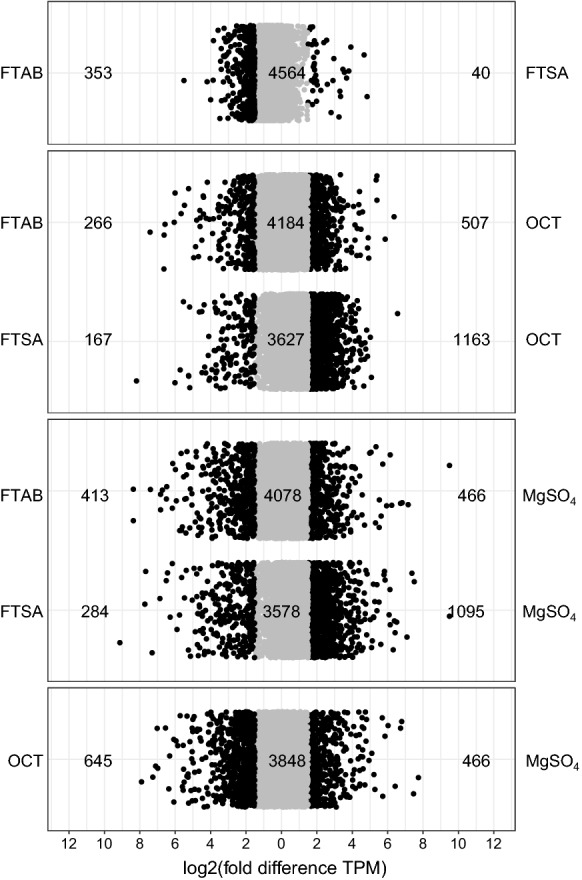
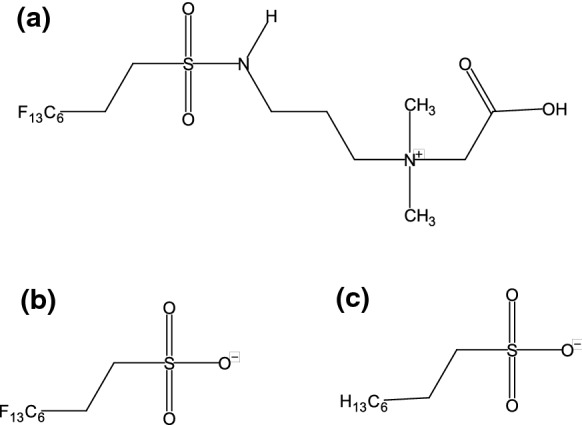
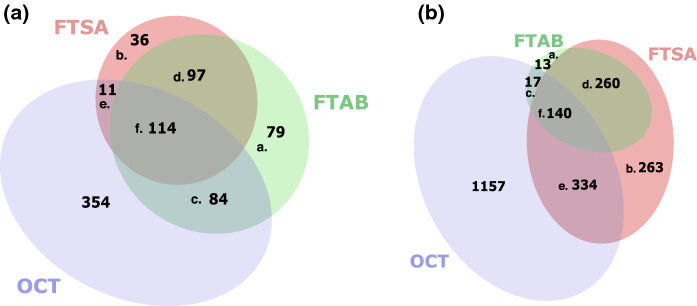
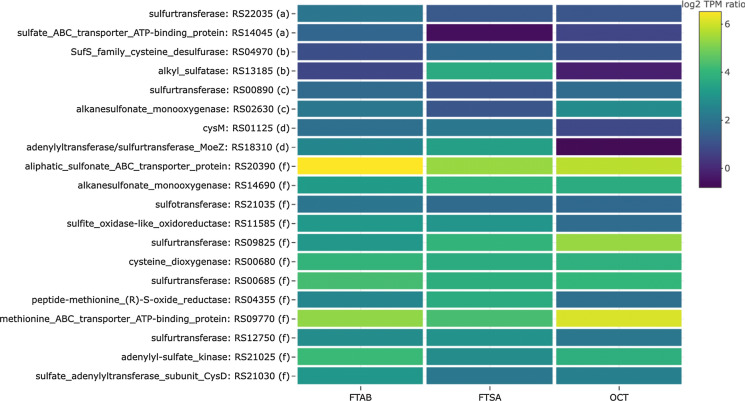
Perfluoroalkyl and polyfluoroalkyl substances (PFAS) are environmental contaminants of concern. We previously described biodegradation of two PFAS that represent components and transformation products of aqueous film-forming foams (AFFF), 6:2 fluorotelomer sulfonamidoalkyl betaine (6:2 FTAB) and 6:2 fluorotelomer sulfonate (6:2 FTSA), by Gordonia sp. strain NB4-1Y. To identify genes involved in the breakdown of these compounds, the transcriptomic response of NB4-1Y was examined when grown on 6:2 FTAB, 6:2 FTSA, a non-fluorinated analog of 6:2 FTSA (1-octanesulfonate), or MgSO 4 , as sole sulfur source. Differentially expressed genes were identified as those with ± 1.5 log 2 -fold-differences (± 1.5 log 2 FD) in transcript abundances in pairwise comparisons. Transcriptomes of cells grown on 6:2 FTAB and 6:2 FTSA were most similar (7.9% of genes expressed ± 1.5 log 2 FD); however, several genes that were expressed in greater abundance in 6:2 FTAB treated cells compared to 6:2 FTSA treated cells were noted for their potential role in carbon–nitrogen bond cleavage in 6:2 FTAB. Responses to sulfur limitation were observed in 6:2 FTAB, 6:2 FTSA, and 1-octanesulfonate treatments, as 20 genes relating to global sulfate stress response were more highly expressed under these conditions compared to the MgSO 4 treatment. More highly expressed oxygenase genes in 6:2 FTAB, 6:2 FTSA, and 1-octanesulfonate treatments were found to code for proteins with lower percent sulfur-containing amino acids compared to both the total proteome and to oxygenases showing decreased expression. This work identifies genetic targets for further characterization and will inform studies aimed at evaluating the biodegradation potential of environmental samples through applied genomics. Graphic Abstract:
Overview
The claims and statistics of this paper haven’t been checked yet.
Run the check — free, no account needed. It reads the open-access text and checks the sources it cites.
Integrity signals
Registry
Cites
Statistics
Figures
Verification
Claims the paper makes
The claims and statistics of this paper haven’t been checked yet.
Run the check — free, no account needed. It reads the open-access text and checks the sources it cites.
Claims other papers make about this one
Each is checked against this paper’s own text: does it say what the citing paper says it does?
In the citing paper
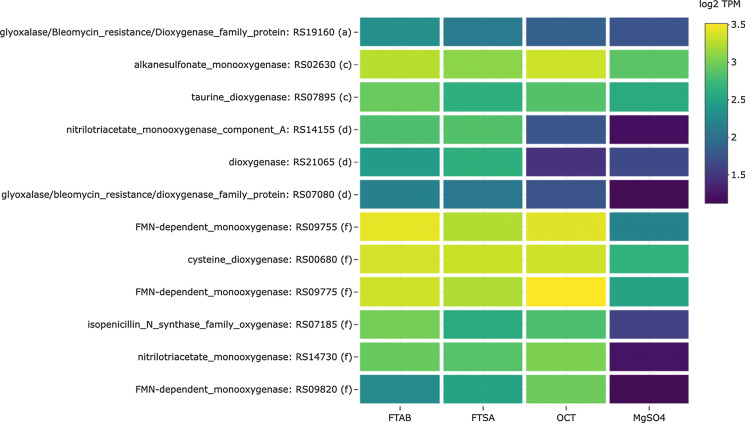
“In fact, through the genomic re-annotation and transcriptomics analysis, these two NtaAs, highly expressed in the cultures of strain NB4-1Y amended with 6:2 FTAB and 6:2 FTSA, were re-annotated as two FMN-dependent monooxygenases (RS09755 and RS 09775) (161).”
From Toward the development of a molecular toolkit for the microbial remediation of per-and polyfluoroalkyl substances (2024) · cites this paper as [161]
In the citing paper
“Gordonia sp. strain NB4-1Y, able to cleave C-S bonds, showed activities in desulfonation and partial defluorination of 6:2 FTSA and 6:2 FTAB (160, 161, 163).”
From Toward the development of a molecular toolkit for the microbial remediation of per-and polyfluoroalkyl substances (2024) · cites this paper as [161]
In the citing paper
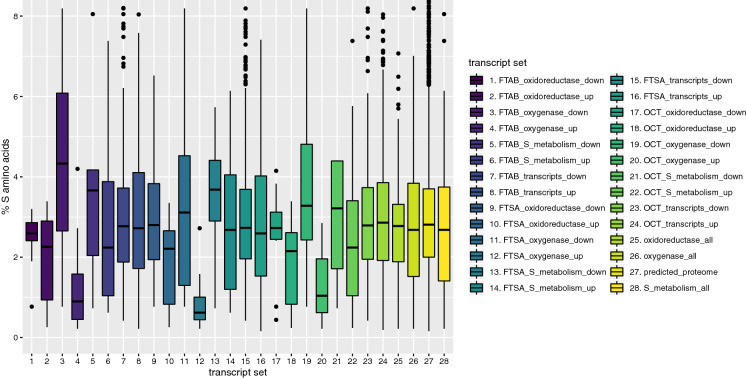
“Consistent with the hypothesis that these genes encode desulfinases, the encoded proteins have significantly lower percentages of sulfur-containing amino acids that would be expected by chance (155, 160, 161).”
From Toward the development of a molecular toolkit for the microbial remediation of per-and polyfluoroalkyl substances (2024) · cites this paper as [161]
In the citing paper
“Transcriptomics analysis revealed that in addition to one gene encoding alkanesulfonate monooxygenase (RS02630), two nitrilotriacetate monooxygenase genes (RS14730 and RS14155) were highly expressed in the presence of 6:2 FTSA and 6:2 FTAB compared with MgSO4 as sources of added sulfur for growth (161).”
From Toward the development of a molecular toolkit for the microbial remediation of per-and polyfluoroalkyl substances (2024) · cites this paper as [161]
Self-check
Percentages, sums and reported differences re-computed from the paper’s own numbers.
The self-check needs the paper’s full text.
Citations
Cites
Hu, X. C., Andrews, D. Q., Lindstrom, A. B., Bruton, T. A., Schaider, L. A., Grandjean, P., Lohmann, R., Carignan, C. C., Blum, A., Balan, S. A., et al. (2016) · Environmental Science & Technology Letters · doi:10.1021/acs.estlett.6b00260 · Cited by 1,333
Barzen-Hanson, K. A., Roberts, S. C., Choyke, S., Oetjen, K., McAlees, A., Riddell, N., McCrindle, R., Ferguson, P. L., Higgins, C. P., & Field, J. A. (2017) · Environmental Science & Technology · doi:10.1021/acs.est.6b05843 · Cited by 873
Fate and Effects of Poly- and Perfluoroalkyl Substances in the Aquatic Environment: A Review
Ahrens, L., & Bundschuh, M. (2014) · Environmental Toxicology and Chemistry · doi:10.1002/etc.2663 · Cited by 817
Microbial degradation of polyfluoroalkyl chemicals in the environment: A review
Liu, J., & Mejia Avendaño, S. (2013) · Environment International · doi:10.1016/j.envint.2013.08.022 · Cited by 525
Hepburn, E., Madden, C., Szabo, D., Coggan, T. L., Clarke, B., & Currell, M. (2019) · Environmental Pollution · doi:10.1016/j.envpol.2019.02.018 · Cited by 306
Perfluorinated Chemicals as Emerging Environmental Threats to Kidney Health: A Scoping Review
Stanifer, J. W., Stapleton, H. M., Souma, T., Wittmer, A., Zhao, X., & Boulware, L. E. (2018) · Clinical Journal of the American Society of Nephrology · doi:10.2215/cjn.04670418 · Cited by 233
Defluorination of Organofluorine Sulfur Compounds by Pseudomonas Sp. Strain D2
Key, B. D., Howell, R. D., & Criddle, C. S. (1998) · Environmental Science & Technology · doi:10.1021/es9800129 · Cited by 209
Dauchy, X., Boiteux, V., Bach, C., Rosin, C., & Munoz, J.-F. (2017) · Chemosphere · doi:10.1016/j.chemosphere.2017.05.056 · Cited by 198
Borg, D., Lund, B.-O., Lindquist, N.-G., & Håkansson, H. (2013) · Environment International · doi:10.1016/j.envint.2013.05.009 · Cited by 155
Rand, A. A., & Mabury, S. A. (2017) · Toxicology · doi:10.1016/j.tox.2016.11.011 · Cited by 92
Research works printed but not linked: 77
- Ahrens L, Norström K, Viktor T, Cousins AP, Josefsson S (2015) Stockholm Arlanda Airport as a source of per- and polyfluoroalkyl substances to water, sediment and fish. Chemosphere. Per- and polyfluorinated alkyl substances (PFASs) in materials, humans and the environment—current knowledge and scientific gaps. 129:33–38. https://doi.org/10.1016/j.chemosphere.2014.03.136 · DOI · Paper page
- Anders S, Pyl PT, Huber W (2015) HTSeq—a Python framework to work with high-throughput sequencing data. Bioinformatics 31:166–169. https://doi.org/10.1093/bioinformatics/btu638 · DOI · Paper page
- Arenskotter M, Broker D, Steinbuchel A (2004) Biology of the metabolically diverse genus Gordonia. Appl Environ Microbiol 70:3195–3204. https://doi.org/10.1128/AEM.70.6.3195-3204.2004 · DOI
- Baduel C, Paxman CJ, Mueller JF (2015) Perfluoroalkyl substances in a firefighting training ground (FTG), distribution and potential future release. J Hazard Mater 296:46–53. https://doi.org/10.1016/j.jhazmat.2015.03.007 · DOI
- Baduel C, Mueller JF, Rotander A, Corfield J, Gomez-Ramos M-J (2017) Discovery of novel per- and polyfluoroalkyl substances (PFASs) at a fire fighting training ground and preliminary investigation of their fate and mobility. Chemosphere 185:1030–1038. https://doi.org/10.1016/j.chemosphere.2017.06.096 · DOI · Paper page
- Bao Y, Li B, Xie S, Huang J (2018) Vertical profiles of microbial communities in perfluoroalkyl substance-contaminated soils. Ann Microbiol 68:399–408. https://doi.org/10.1007/s13213-018-1346-y · DOI
- Bolger AM, Lohse M, Usadel B (2014) Trimmomatic: a flexible trimmer for Illumina sequence data. Bioinformatics 30:2114–2120. https://doi.org/10.1093/bioinformatics/btu170 · DOI · Paper page
- Bork P, Koonin EV (1994) A new family of carbon-nitrogen hydrolases. Protein Sci Publ Protein Soc 3:1344–1346. https://doi.org/10.1002/pro.5560030821 · DOI
- Brooks SL, Van Hamme JD (2012) Whole-genome shotgun sequence of Rhodococcus species strain JVH1. J Bacteriol 194:5492–5493. https://doi.org/10.1128/JB.01066-12 · DOI
- Choi YJ, Lazcano RK, Yousefi P, Trim H, Lee LS (2019) Perfluoroalkyl acid characterization in US municipal organic solid waste composts. Environ Sci Technol Lett 6:372–377. https://doi.org/10.1021/acs.estlett.9b00280 · DOI
- D’Agostino LA, Mabury SA (2017) Aerobic biodegradation of 2 fluorotelomer sulfonamide-based aqueous film-forming foam components produces perfluoroalkyl carboxylates. Environ Toxicol Chem 36:2012–2021. https://doi.org/10.1002/etc.3750 · DOI
- Dimzon IK, Westerveld J, Gremmel C, Froemel T, Knepper TP, de Voogt P (2017) Sampling and simultaneous determination of volatile per- and polyfluoroalkyl substances in wastewater treatment plant air and water. Anal Bioanal Chem 409:1395–1404. https://doi.org/10.1007/s00216-016-0072-1 · DOI
- Drzyzga O (2012) The strengths and weaknesses of Gordonia: a review of an emerging genus with increasing biotechnological potential. Crit Rev Microbiol 38:300–316. https://doi.org/10.3109/1040841X.2012.668134 · DOI
- Eichhorn E, van der Ploeg JR, Kertesz MA, Leisinger T (1997) Characterization of alpha-ketoglutarate-dependent taurine dioxygenase from Escherichia coli. J Biol Chem 272:23031–23036. https://doi.org/10.1074/jbc.272.37.23031 · DOI · Paper page
- Eichhorn E, van der Ploeg JR, Leisinger T (1999) Characterization of a two-component alkanesulfonate monooxygenase from Escherichia coli. J Biol Chem 274:26639–26646. https://doi.org/10.1074/jbc.274.38.26639 · DOI · Paper page
- Eitinger T, Rodionov DA, Grote M, Schneider E (2011) Canonical and ECF-type ATP-binding cassette importers in prokaryotes: diversity in modular organization and cellular functions. FEMS Microbiol Rev 35:3–67. https://doi.org/10.1111/j.1574-6976.2010.00230.x · DOI
- Ellis HR (2010) The FMN-dependent two-component monooxygenase systems. Arch Biochem Biophys 497:1–12. https://doi.org/10.1016/j.abb.2010.02.007 · DOI
- Ellis HR (2011) Mechanism for sulfur acquisition by the alkanesulfonate monooxygenase system. Bioorg Chem 39:178–184. https://doi.org/10.1016/j.bioorg.2011.08.001 · DOI
- Endoh T, Kasuga K, Horinouchi M, Yoshida T, Habe H, Nojiri H, Omori T (2003) Characterization and identification of genes essential for dimethyl sulfide utilization in Pseudomonas putida strain DS1. Appl Microbiol Biotechnol 62:83–91. https://doi.org/10.1007/s00253-003-1233-7 · DOI
- Fitzgerald NJM, Temme HR, Simcik MF, Novak PJ (2019) Aqueous film forming foam and associated perfluoroalkyl substances inhibit methane production and Co-contaminant degradation in an anaerobic microbial community. Environ Sci Process Impacts 21:1915–1925. https://doi.org/10.1039/c9em00241c · DOI · Paper page
- Furmanczyk EM, Lipinski L, Dziembowski A, Sobczak A (2018) Genomic and functional characterization of environmental strains of SDS-degrading Pseudomonas spp., providing a source of new sulfatases. Front Microbiol 9:1795. https://doi.org/10.3389/fmicb.2018.01795 · DOI
- Hamid H, Li LY, Grace JR (2018) Review of the fate and transformation of per- and polyfluoroalkyl substances (PFASs) in landfills. Environ Pollut 235:74–84. https://doi.org/10.1016/j.envpol.2017.12.030 · DOI · Paper page
- Hara H, Eltis LD, Davies JE, Mohn WW (2007) Transcriptomic analysis reveals a bifurcated terephthalate degradation pathway in Rhodococcus sp. strain RHA1. J Bacteriol 189:1641–1647. https://doi.org/10.1128/JB.01322-06 · DOI
- Johnson LA, Hug LA (2019) Distribution of reactive oxygen species defense mechanisms across domain bacteria. Free Radic Biol Med 140:93–102. https://doi.org/10.1016/j.freeradbiomed.2019.03.032 · DOI
- Kahnert A, Vermeij P, Wietek C, James P, Leisinger T, Kertesz MA (2000) The ssu locus plays a key role in organosulfur metabolism in Pseudomonas putida S-313. J Bacteriol 182:2869–2878. https://doi.org/10.1128/JB.182.10.2869-2878.2000 · DOI
- Ke Y, Chen J, Hu X, Tong T, Huang J, Xie S (2020) Emerging perfluoroalkyl substance impacts soil microbial community and ammonia oxidation. Environ Pollut 257:113615. https://doi.org/10.1016/j.envpol.2019.113615 · DOI
- Kertesz MA (2000) Riding the sulfur cycle—metabolism of sulfonates and sulfate esters in Gram-negative bacteria. FEMS Microbiol Rev 24:135–175. https://doi.org/10.1111/j.1574-6976.2000.tb00537.x · DOI · Paper page
- Kessler D (2006) Enzymatic activation of sulfur for incorporation into biomolecules in prokaryotes. FEMS Microbiol Rev 30:825–840. https://doi.org/10.1111/j.1574-6976.2006.00036.x · DOI
- Kim MH, Wang N, McDonald T, Chu K-H (2012) Biodefluorination and biotransformation of fluorotelomer alcohols by two alkane-degrading Pseudomonas strains. Biotechnol Bioeng 109:3041–3048. https://doi.org/10.1002/bit.24561 · DOI · Paper page
- Kim MH, Wang N, Chu KH (2014) 6:2 Fluorotelomer alcohol (6:2 FTOH) biodegradation by multiple microbial species under different physiological conditions. Appl Microbiol Biotechnol 98:1831–1840. https://doi.org/10.1007/s00253-013-5131-3 · DOI · Paper page
- Knutsen H, Maehlum T, Haarstad K, Slinde GA, Arp HPH (2019) Leachate emissions of short- and long-chain per- and polyfluoralkyl substances (PFASs) from various Norwegian landfills. Environ Sci Process Impacts 21:1970–1979. https://doi.org/10.1039/c9em00170k · DOI
- Koch DJ, Ruckert C, Rey DA, Mix A, Puhler A, Kalinowski J (2005) Role of the ssu and seu genes of Corynebacterium glutamicum ATCC 13032 in utilization of sulfonates and sulfonate esters as sulfur sources. Appl Environ Microbiol 71:6104–6114. https://doi.org/10.1128/AEM.71.10.6104-6114.2005 · DOI
- Komeda H, Harada H, Washika S, Sakamoto T, Ueda M, Asano Y (2004) A novel R-stereoselective amidase from Pseudomonas sp. MCI3434 acting on piperazine-2-tert-butylcarboxamide. Eur J Biochem 271:1580–1590. https://doi.org/10.1111/j.1432-1033.2004.04069.x · DOI
- Langmead B, Trapnell C, Pop M, Salzberg SL (2009) Ultrafast and memory-efficient alignment of short DNA sequences to the human genome. Genome Biol 10:R25. https://doi.org/10.1186/gb-2009-10-3-r25 · DOI · Paper page
- Larkin MJ, Kulakov LA, Allen CCR (2005) Biodegradation and Rhodococcus—masters of catabolic versatility. Curr Opin Biotechnol 16:282–290. https://doi.org/10.1016/j.copbio.2005.04.007 · DOI
- Lazcano RK, de Perre C, Mashtare ML, Lee LS (2019) Per- and polyfluoroalkyl substances in commercially available biosolid-based products: the effect of treatment processes. Water Environ Res 91:1669–1677. https://doi.org/10.1002/wer.1174 · DOI
- Lewis M, Kim MH, Liu EJ, Wang N, Chu K-H (2016) Biotransformation of 6:2 polyfluoroalkyl phosphates (6:2 PAPs): effects of degradative bacteria and co-substrates. J Hazard Mater 320:479–486. https://doi.org/10.1016/j.jhazmat.2016.08.036 · DOI · Paper page
- Li H, Handsaker B, Wysoker A, Fennell T, Ruan J, Homer N, Marth G, Abecasis G, Durbin R, 1000 Genome Project Data Processing Subgroup (2009) The sequence alignment/map format and SAMtools. Bioinformatics (Oxford England) 25:2078–2079. https://doi.org/10.1093/bioinformatics/btp352 · DOI · Paper page
- Li Z-M, Guo L-H, Ren X-M (2016) Biotransformation of 8:2 fluorotelomer alcohol by recombinant human cytochrome P450s, human liver microsomes and human liver cytosol. Environ Sci Process Impacts 18:538–546. https://doi.org/10.1039/c6em00071a · DOI
- Li Y, Barregard L, Xu Y, Scott K, Pineda D, Lindh CH, Jakobsson K, Fletcher T (2020) Associations between perfluoroalkyl substances and serum lipids in a Swedish adult population with contaminated drinking water. Environ Health 19:33. https://doi.org/10.1186/s12940-020-00588-9 · DOI
- Liu C, Liu J (2016) Aerobic biotransformation of polyfluoroalkyl phosphate esters (PAPs) in soil. Environ Pollut 212:230–237. https://doi.org/10.1016/j.envpol.2016.01.069 · DOI · Paper page
- Liu J, Wang N, Szostek B, Buck RC, Panciroli PK, Folsom PW, Sulecki LM, Bellin CA (2010) 6–2 Fluorotelomer alcohol aerobic biodegradation in soil and mixed bacterial culture. Chemosphere 78:437–444. https://doi.org/10.1016/j.chemosphere.2009.10.044 · DOI
- Maier S, Heitzler T, Asmus K, Broetz E, Hardter U, Hesselbach K, Paululat T, Bechthold A (2015) Functional characterization of different ORFs including luciferase-like monooxygenase genes from the mensacarcin gene cluster. ChemBioChem 16:1175–1182. https://doi.org/10.1002/cbic.201500048 · DOI
- Martin JW, Mabury SA, O’Brien PJ (2005) Metabolic products and pathways of fluorotelomer alcohols in isolated rat hepatocytes. Chem Biol Interact 155:165–180. https://doi.org/10.1016/j.cbi.2005.06.007 · DOI
- Martinkova L, Uhnakova B, Patek M, Nesvera J, Kren V (2009) Biodegradation potential of the genus Rhodococcus. Environ Int 35:162–177. https://doi.org/10.1016/j.envint.2008.07.018 · DOI
- Mazel D, Marliére P (1989) Adaptive eradication of methionine and cysteine from cyanobacterial light-harvesting proteins. Nature 341:245–248 · DOI
- McGuirl MA, Dooley DM (1999) Copper-containing oxidases. Curr Opin Chem Biol 3:138–144. https://doi.org/10.1016/S1367-5931(99)80025-8 · DOI
- McLeod MP, Warren RL, Hsiao WWL, Araki N, Myhre M, Fernandes C, Miyazawa D, Wong W, Lillquist AL, Wang D, Dosanjh M, Hara H, Petrescu A, Morin RD, Yang G, Stott JM, Schein JE, Shin H, Smailus D, Siddiqui AS, Marra MA, Jones SJM, Holt R, Brinkman FSL, Miyauchi K, Fukuda M, Davies JE, Mohn WW, Eltis LD (2006) The complete genome of Rhodococcus sp. RHA1 provides insights into a catabolic powerhouse. Proc Natl Acad Sci USA 103:15582–15587. https://doi.org/10.1073/pnas.0607048103 · DOI
- Merchant SS, Helmann JD (2012) Elemental economy: microbial strategies for optimizing growth in the face of nutrient limitation. In: Poole RK (ed) Advances in microbial physiology, vol 60. Academic Press Ltd-Elsevier Science Ltd, London, pp 91–210. https://doi.org/10.1016/B978-0-12-398264-3.00002-4 · DOI · Paper page
- Moe MK, Huber S, Svenson J, Hagenaars A, Pabon M, Trümper M, Berger U, Knapen D, Herzke D (2012) The structure of the fire fighting foam surfactant Forafac®1157 and its biological and photolytic transformation products. Chemosphere 89:869–875. https://doi.org/10.1016/j.chemosphere.2012.05.012 · DOI · Paper page
- Munoz G, Desrosiers M, Duy SV, Labadie P, Budzinski H, Liu J, Sauvé S (2017) Environmental occurrence of perfluoroalkyl acids and novel fluorotelomer surfactants in the freshwater fish Catostomus commersonii and sediments following firefighting foam deployment at the Lac-Mégantic railway accident. Environ Sci Technol 51:1231–1240. https://doi.org/10.1021/acs.est.6b05432 · DOI
- O’Carroll DM, Jeffries TC, Lee MJ, Le ST, Yeung A, Wallace S, Battye N, Patch DJ, Manefield MJ, Weber KP (2020) Developing a roadmap to determine per- and polyfluoroalkyl substances-microbial population interactions. Sci Total Environ 712:135994. https://doi.org/10.1016/j.scitotenv.2019.135994 · DOI
- Okino N, Tani M, Imayama S, Ito M (1998) Purification and characterization of a novel ceramidase from Pseudomonas aeruginosa. J Biol Chem 273:14368–14373. https://doi.org/10.1074/jbc.273.23.14368 · DOI
- Patro R, Duggal G, Love MI, Irizarry RA, Kingsford C (2017) Salmon provides fast and bias-aware quantification of transcript expression. Nat Methods 14:417 · DOI · Paper page
- Presentato A, Lampis S, Vantini A, Manea F, Dapra F, Zuccoli S, Vallini G (2020) On the ability of perfluorohexane sulfonate (PFHxS) bioaccumulation by two Pseudomonas sp. strains isolated from PFAS-contaminated environmental matrices. Microorganisms 8:92. https://doi.org/10.3390/microorganisms8010092 · DOI
- Rahman MF, Peldszus S, Anderson WB (2014) Behaviour and fate of perfluoroalkyl and polyfluoroalkyl substances (PFASs) in drinking water treatment: a review. Water Res 50:318–340. https://doi.org/10.1016/j.watres.2013.10.045 · DOI · Paper page
- Robbins JM, Ellis HR (2012) Identification of critical steps governing the two-component alkanesulfonate monooxygenase catalytic mechanism. Biochemistry 51:6378–6387. https://doi.org/10.1021/bi300138d · DOI
- Ross I, McDonough J, Miles J, Storch P, Kochunarayanan PT, Kalve E, Hurst J, Dasgupta SS, Burdick J (2018) A review of emerging technologies for remediation of PFASs. Remediat J Environ Cleanup Costs Technol Tech 28:101–126. https://doi.org/10.1002/rem.21553 · DOI · Paper page
- Scott C, Hilton ME, Coppin CW, Russell RJ, Oakeshott JG, Sutherland TD (2007) A global response to sulfur starvation in Pseudomonas putida and its relationship to the expression of low-sulfur-content proteins. FEMS Microbiol Lett 267:184–193. https://doi.org/10.1111/j.1574-6968.2006.00575.x · DOI · Paper page
- Shaw DMJ, Munoz G, Bottos EM, Duy SV, Sauvé S, Liu J, Van Hamme JD (2019) Degradation and defluorination of 6:2 fluorotelomer sulfonamidoalkyl betaine and 6:2 fluorotelomer sulfonate by Gordonia sp. strain NB4-1Y under sulfur-limiting conditions. Sci Total Environ 647:690–698. https://doi.org/10.1016/j.scitotenv.2018.08.012 · DOI · Paper page
- Srikumar S, Kröger C, Hébrard M, Colgan A, Owen SV, Sivasankaran SK, Cameron ADS, Hokamp K, Hinton JCD (2015) RNA-seq brings new insights to the intra-macrophage transcriptome of Salmonella Typhimurium. PLoS Pathog. https://doi.org/10.1371/journal.ppat.1005262 · DOI
- Stroski KM, Luong KH, Challis JK, Chaves-Barquero LG, Hanson ML, Wong CS (2020) Wastewater sources of per- and polyfluorinated alkyl substances (PFAS) and pharmaceuticals in four Canadian Arctic communities. Sci Total Environ 708:134494. https://doi.org/10.1016/j.scitotenv.2019.134494 · DOI
- Suzzi G, Gardini F (2003) Biogenic amines in dry fermented sausages: a review. Int J Food Microbiol 88:41–54. https://doi.org/10.1016/S0168-1605(03)00080-1 · DOI
- Thuku RN, Brady D, Benedik MJ, Sewell BT (2009) Microbial nitrilases: versatile, spiral forming, industrial enzymes. J Appl Microbiol 106:703–727. https://doi.org/10.1111/j.1365-2672.2008.03941.x · DOI
- van Berkel WJH, Kamerbeek NM, Fraaije MW (2006) Flavoprotein monooxygenases, a diverse class of oxidative biocatalysts. J Biotechnol 124:670–689. https://doi.org/10.1016/j.jbiotec.2006.03.044 · DOI
- van der Ploeg JR, Cummings NJ, Leisinger T, Connerton IF (1998) Bacillus subtilis genes for the utilization of sulfur from aliphatic sulfonates. Microbiology 144:2555–2561. https://doi.org/10.1099/00221287-144-9-2555 · DOI
- Van Hamme J, Singh A, Ward O (2003) Recent advances in petroleum microbiology. Microbiol Mol Biol Rev 67:503–549. https://doi.org/10.1128/MMBR.67.4.503-549.2003 · DOI
- Van Hamme JD, Fedorak PM, Foght JM, Gray MR, Dettman HD (2004) Use of a novel fluorinated organosulfur compound to isolate bacteria capable of carbon–sulfur bond cleavage. Appl Environ Microbiol 70:1487–1493. https://doi.org/10.1128/AEM.70.3.1487-1493.2004 · DOI
- Van Hamme JD, Bottos EM, Bilbey NJ, Brewer SE (2013) Genomic and proteomic characterization of Gordonia sp. NB4-1Y in relation to 6:2 fluorotelomer sulfonate biodegradation. Microbiology. https://doi.org/10.1099/mic.0.068932-0 · DOI · Paper page
- Wang N, Szostek B, Folsom P, Sulecki L, Capka V, Buck R, Berti W, Gannon J (2005) Aerobic biotransformation of C-14-labeled 8-2 telomer B alcohol by activated sludge from a domestic sewage treatment plant. Environ Sci Technol 39:531–538. https://doi.org/10.1021/es049466y · DOI
- Xu YR, Mortimer MW, Fisher TS, Kahn ML, Brockman FJ, Xun LY (1997) Cloning, sequencing, and analysis of a gene cluster from Chelatobacter heintzii ATCC 29600 encoding nitrilotriacetate monooxygenase and NADH: flavin mononucleotide oxidoreductase. J Bacteriol 179:1112–1116 · DOI · Paper page
- Zhan X, Carpenter RA, Ellis HR (2008) Catalytic importance of the substrate binding order for the FMNH2-dependent alkanesulfonate monooxygenase enzyme. Biochemistry 47:2221–2230. https://doi.org/10.1021/bi701853w · DOI
- Zhang Z, Pendse ND, Phillips KN, Cotner JB, Khodursky A (2008) Gene expression patterns of sulfur starvation in Synechocystis sp. PCC 6803. BMC Genom 9:344. https://doi.org/10.1186/1471-2164-9-344 · DOI
- Zhang S, Lu X, Wang N, Buck RC (2016) Biotransformation potential of 6:2 fluorotelomer sulfonate (6:2 FTSA) in aerobic and anaerobic sediment. Chemosphere 154:224–230. https://doi.org/10.1016/j.chemosphere.2016.03.062 · DOI · Paper page
- Zhang D, Zhang W, Liang Y (2019a) Distribution of eight perfluoroalkyl acids in plant-soil-water systems and their effect on the soil microbial community. Sci Total Environ 697:134146. https://doi.org/10.1016/j.scitotenv.2019.134146 · DOI
- Zhang D, Zhang W, Liang Y (2019b) Bacterial community in a freshwater pond responding to the presence of perfluorooctanoic acid (PFOA). Environ Technol. https://doi.org/10.1080/09593330.2019.1616828 · DOI
- Zhang DQ, Wang M, He Q, Niu X, Liang Y (2020) Distribution of perfluoroalkyl substances (PFASs) in aquatic plant-based systems: from soil adsorption and plant uptake to effects on microbial community. Environ Pollut 257:113575. https://doi.org/10.1016/j.envpol.2019.113575 · DOI
Cited by
Sorted by citations
Microbial biotransformation of aqueous film-forming foam derived polyfluoroalkyl substances
Choi, Y. J., Helbling, D. E., Liu, J., Olivares, C. I., & Higgins, C. P. (2022) · Science of The Total Environment · doi:10.1016/j.scitotenv.2022.153711 · Cited by 79
Hu, M., & Scott, C. (2024) · Applied and Environmental Microbiology · doi:10.1128/aem.00157-24 · Cited by 63
Olivares, C. I., Yi, S., Cook, E. K., Choi, Y. J., Montagnolli, R., Byrne, A., Higgins, C. P., Sedlak, D. L., & Alvarez-Cohen, L. (2022) · Environmental Science: Processes & Impacts · doi:10.1039/d1em00494h · Cited by 30
Metadata
- Authors
- Bottos, E. M., AL-shabib, E. Y., Shaw, D. M. J., McAmmond, B. M., Sharma, A., Suchan, D. M., Cameron, A. D. S., & Van Hamme, J. D.
- ORCID
- Venue
- Biodegradation
- Published
- 2020-11-05
- Volume
- 31
- Issue
- 4-6
- Pages
- 407-422
- ISSN
- 0923-9820
- 1572-9729
- PMC
- PMC7661421
- Cited by
- 23
- References
- 13
- Language
- en
- Funders
- Natural Sciences and Engineering Research Council of Canada (RGPIN-435784-2013)
- Canada Foundation for Innovation
- University of Regina
About these checks
Registry, retraction, Cites and statistics results are computed, not judged, with one exception: a printed reference that no index lists is read once by a model before it counts as a citation error. Claims are extracted by a model and kept only when their quote appears verbatim in the text; each cited source is then checked, with a model’s help, for whether it says what the claim relies on. Those verdicts can be wrong — read the claim’s quote and the cited source before relying on one.
Statistics and arithmetic are recomputed, not judged.
Confidence bands are shown only for fields calibrated on our annotated test set. None is calibrated yet, so no band is shown.
What counts as a claim ›How we measure confidence ›How we check this ›
Are you an author, or do you see a problem with this page? Request a review
