

The DOI matches its Crossref record; 325 of the 325 references it cites were found in a registry or an index.
Linking Inflammation, Aberrant Glutamate-Dopamine Interaction, and Post-synaptic Changes: Translational Relevance for Schizophrenia and Antipsychotic Treatment: a Systematic Review
Open accessAbstract
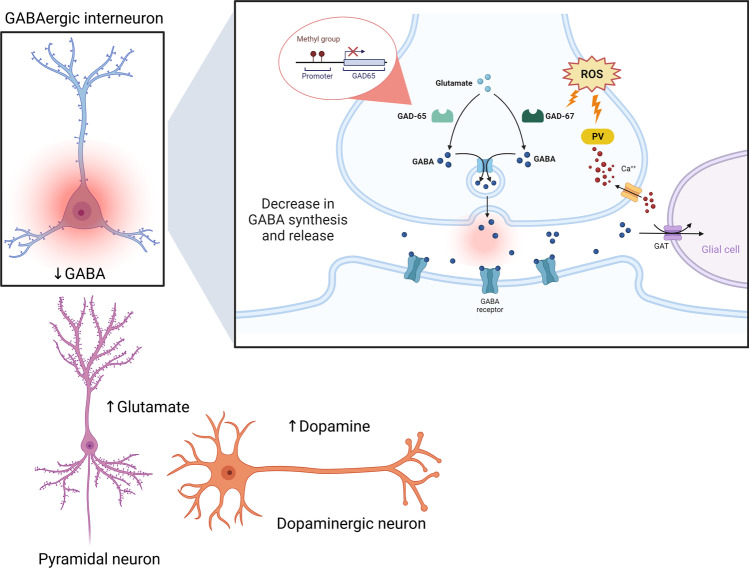
Evidence from clinical, preclinical, and post-mortem studies supports the inflammatory/immune hypothesis of schizophrenia pathogenesis. Less evident is the link between the inflammatory background and two well-recognized functional and structural findings of schizophrenia pathophysiology: the dopamine-glutamate aberrant interaction and the alteration of dendritic spines architecture, both believed to be the "quantal" elements of cortical-subcortical dysfunctional network. In this systematic review, we tried to capture the major findings linking inflammation, aberrant glutamate-dopamine interaction, and post-synaptic changes under a direct and inverse translational perspective, a paramount picture that at present is lacking. The inflammatory effects on dopaminergic function appear to be bidirectional: the inflammation influences dopamine release, and dopamine acts as a regulator of discrete inflammatory processes involved in schizophrenia such as dysregulated interleukin and kynurenine pathways. Furthermore, the link between inflammation and glutamate is strongly supported by clinical studies aimed at exploring overactive microglia in schizophrenia patients and maternal immune activation models, indicating impaired glutamate regulation and reduced N-methyl-D-aspartate receptor (NMDAR) function. In addition, an inflammatory/immune-induced alteration of post-synaptic density scaffold proteins, crucial for downstream NMDAR signaling and synaptic efficacy, has been demonstrated. According to these findings, a significant increase in plasma inflammatory markers has been found in schizophrenia patients compared to healthy controls, associated with reduced cortical integrity and functional connectivity, relevant to the cognitive deficit of schizophrenia. Finally, the link between altered inflammatory/immune responses raises relevant questions regarding potential new therapeutic strategies specifically for those forms of schizophrenia that are resistant to canonical antipsychotics or unresponsive to clozapine.
Overview
The claims and statistics of this paper haven’t been checked yet.
Run the check — free, no account needed. It reads the open-access text and checks the sources it cites.
Integrity signals
Registry
Cites
Statistics
Figures
Verification
Claims the paper makes
The claims and statistics of this paper haven’t been checked yet.
Run the check — free, no account needed. It reads the open-access text and checks the sources it cites.
Claims other papers make about this one
Each is checked against this paper’s own text: does it say what the citing paper says it does?
In the citing paper
“The above neurophysiological mechanisms are also likely highly interactive at multiple explanatory levels; for example, dopamine can regulate inflammatory responses and vice versa, 105 and neuroendocrine stress systems and immune regulation may impact neuronal connectivity and brain function.”
From Towards an Integrative Account of Potential Mechanisms Mediating the Path From Sleep Dysfunction to Hallucinations (2025) · cites this paper as [105]
Self-check
Percentages, sums and reported differences re-computed from the paper’s own numbers.
The self-check needs the paper’s full text.
Citations
Cites
Common polygenic variation contributes to risk of schizophrenia and bipolar disorder
The International Schizophrenia Consortium (2009) · Nature · doi:10.1038/nature08185 · Cited by 4,821
C-Reactive Protein, Interleukin 6, and Risk of Developing Type 2 Diabetes Mellitus
Pradhan, A. D. (2001) · JAMA · doi:10.1001/jama.286.3.327 · Cited by 4,433
Synaptic Pruning by Microglia Is Necessary for Normal Brain Development
Paolicelli, R. C., Bolasco, G., Pagani, F., Maggi, L., Scianni, M., Panzanelli, P., Giustetto, M., Ferreira, T. A., Guiducci, E., Dumas, L., et al. (2011) · Science · doi:10.1126/science.1202529 · Cited by 4,244
Microglia Sculpt Postnatal Neural Circuits in an Activity and Complement-Dependent Manner
Schafer, D. P., Lehrman, E. K., Kautzman, A. G., Koyama, R., Mardinly, A. R., Yamasaki, R., Ransohoff, R. M., Greenberg, M. E., Barres, B. A., & Stevens, B. (2012) · Neuron · doi:10.1016/j.neuron.2012.03.026 · Cited by 4,089
Complement and microglia mediate early synapse loss in Alzheimer mouse models
Hong, S., Beja-Glasser, V. F., Nfonoyim, B. M., Frouin, A., Li, S., Ramakrishnan, S., Merry, K. M., Shi, Q., Rosenthal, A., Barres, B. A., et al. (2016) · Science · doi:10.1126/science.aad8373 · Cited by 3,343
Leucht, S., Cipriani, A., Spineli, L., Mavridis, D., Örey, D., Richter, F., Samara, M., Barbui, C., Engel, R. R., Geddes, J. R., et al. (2013) · The Lancet · doi:10.1016/s0140-6736(13)60733-3 · Cited by 2,561
Schizophrenia risk from complex variation of complement component 4
Sekar, A., Bialas, A. R., de Rivera, H., Davis, A., Hammond, T. R., Kamitaki, N., Tooley, K., Presumey, J., Baum, M., Van Doren, V., et al. (2016) · Nature · doi:10.1038/nature16549 · Cited by 2,394
Genome-wide association study identifies five new schizophrenia loci
The Schizophrenia Psychiatric Genome-Wide Association Study (GWAS) Consortium (2011) · Nature Genetics · doi:10.1038/ng.940 · Cited by 1,919
Tripartite synapses: astrocytes process and control synaptic information
Perea, G., Navarrete, M., & Araque, A. (2009) · Trends in Neurosciences · doi:10.1016/j.tins.2009.05.001 · Cited by 1,820
Microglia emerge as central players in brain disease
Salter, M. W., & Stevens, B. (2017) · Nature Medicine · doi:10.1038/nm.4397 · Cited by 1,767
Meta-Analysis of Cytokine Alterations in Schizophrenia: Clinical Status and Antipsychotic Effects
Miller, B. J., Buckley, P., Seabolt, W., Mellor, A., & Kirkpatrick, B. (2011) · Biological Psychiatry · doi:10.1016/j.biopsych.2011.04.013 · Cited by 1,742
Common variants conferring risk of schizophrenia
†Genetic Risk and Outcome in Psychosis (GROUP), Stefansson, H., Ophoff, R. A., Steinberg, S., Andreassen, O. A., Cichon, S., Rujescu, D., Werge, T., Pietiläinen, O. P. H., Mors, O., et al. (2009) · Nature · doi:10.1038/nature08186 · Cited by 1,677
Decreased Dendritic Spine Density on Prefrontal Cortical Pyramidal Neurons in Schizophrenia
Glantz, L. A., & Lewis, D. A. (2000) · Archives of General Psychiatry · doi:10.1001/archpsyc.57.1.65 · Cited by 1,636
Maternal Immune Activation Alters Fetal Brain Development through Interleukin-6
Smith, S. E. P., Li, J., Garbett, K., Mirnics, K., & Patterson, P. H. (2007) · The Journal of Neuroscience · doi:10.1523/jneurosci.2178-07.2007 · Cited by 1,605
Stress Effects on Neuronal Structure: Hippocampus, Amygdala, and Prefrontal Cortex
McEwen, B. S., Nasca, C., & Gray, J. D. (2016) · Neuropsychopharmacology · doi:10.1038/npp.2015.171 · Cited by 1,574
Dendritic spine pathology in neuropsychiatric disorders
Penzes, P., Cahill, M. E., Jones, K. A., VanLeeuwen, J.-E., & Woolfrey, K. M. (2011) · Nature Neuroscience · doi:10.1038/nn.2741 · Cited by 1,523
Schizophrenia: Caused by a fault in programmed synaptic elimination during adolescence?
Feinberg, I. (1982) · Journal of Psychiatric Research · doi:10.1016/0022-3956(82)90038-3 · Cited by 1,395
A Synaptically Controlled, Associative Signal for Hebbian Plasticity in Hippocampal Neurons
Magee, J. C., & Johnston, D. (1997) · Science · doi:10.1126/science.275.5297.209 · Cited by 1,340
Prenatal Infection and Schizophrenia: A Review of Epidemiologic and Translational Studies
Brown, A. S., & Derkits, E. J. (2010) · American Journal of Psychiatry · doi:10.1176/appi.ajp.2009.09030361 · Cited by 1,269
Fast-spiking, parvalbumin + GABAergic interneurons: From cellular design to microcircuit function
Hu, H., Gan, J., & Jonas, P. (2014) · Science · doi:10.1126/science.1255263 · Cited by 1,197
London, M., & Häusser, M. (2005) · Annual Review of Neuroscience · doi:10.1146/annurev.neuro.28.061604.135703 · Cited by 1,149
Fricker, M., Tolkovsky, A. M., Borutaitė, V., Coleman, M. P., & Brown, G. C. (2018) · Physiological Reviews · doi:10.1152/physrev.00011.2017 · Cited by 1,148
Cytokines and acute neurodegeneration
Allan, S. M., & Rothwell, N. J. (2001) · Nature reviews. Neuroscience · doi:10.1038/35094583 · Cited by 1,145
The Brain on Stress: Vulnerability and Plasticity of the Prefrontal Cortex over the Life Course
McEwen, B. S., & Morrison, J. H. (2013) · Neuron · doi:10.1016/j.neuron.2013.06.028 · Cited by 1,079
Maternal influenza infection causes marked behavioral and pharmacological changes in the offspring
Shi, L., Fatemi, S. H., Sidwell, R. W., & Patterson, P. H. (2003) · The Journal of Neuroscience · doi:10.1523/jneurosci.23-01-00297.2003 · Cited by 1,025
Lisman, J. E., Coyle, J. T., Green, R. W., Javitt, D. C., Benes, F. M., Heckers, S., & Grace, A. A. (2008) · Trends in Neurosciences · doi:10.1016/j.tins.2008.02.005 · Cited by 1,010
Neuropharmacology of quinolinic and kynurenic acids.
Stone, T. W. (1993) · Pharmacological Reviews · doi:10.1016/s0031-6997(25)00441-7 · Cited by 949
Inflammation and immunity in schizophrenia: implications for pathophysiology and treatment
Khandaker, G. M., Cousins, L., Deakin, J., Lennox, B. R., Yolken, R., & Jones, P. B. (2015) · The Lancet Psychiatry · doi:10.1016/s2215-0366(14)00122-9 · Cited by 926
Maternal immune activation and abnormal brain development across CNS disorders
Knuesel, I., Chicha, L., Britschgi, M., Schobel, S. A., Bodmer, M., Hellings, J. A., Toovey, S., & Prinssen, E. P. (2014) · Nature Reviews Neurology · doi:10.1038/nrneurol.2014.187 · Cited by 880
Hilmas, C. J., Pereira, E. F. R., Alkondon, M., Rassoulpour, A., Schwarcz, R. M., & Albuquerque, E. X. (2001) · Journal of Neuroscience · doi:10.1523/jneurosci.21-19-07463.2001 · Cited by 875
Schizophrenia: an integrated sociodevelopmental-cognitive model
Howes, O. D., & Murray, R. M. (2014) · The Lancet · doi:10.1016/s0140-6736(13)62036-x · Cited by 864
Synaptic plasticity and dysconnection in schizophrenia
Stephan, K. E., Baldeweg, T., & Friston, K. J. (2006) · Biological Psychiatry · doi:10.1016/j.biopsych.2005.10.005 · Cited by 841
Sellgren, C. M., Gracias, J., Watmuff, B., Biag, J. D., Thanos, J. M., Whittredge, P. B., Fu, T., Worringer, K. A., Brown, H. E., Wang, J. P., et al. (2019) · Nature Neuroscience · doi:10.1038/s41593-018-0334-7 · Cited by 810
Lubow, R. E. (1973) · Psychological Bulletin · doi:10.1037/h0034425 · Cited by 793
Tolerance, DCs and tryptophan: much ado about IDO
Grohmann, U. (2003) · Trends in Immunology · doi:10.1016/s1471-4906(03)00072-3 · Cited by 779
Immune involvement in schizophrenia and autism: Etiology, pathology and animal models
Patterson, P. H. (2009) · Behavioural Brain Research · doi:10.1016/j.bbr.2008.12.016 · Cited by 766
Psychiatric genome-wide association study analyses implicate neuronal, immune and histone pathways
The Network and Pathway Analysis Subgroup of the Psychiatric Genomics Consortium (2015) · Nature Neuroscience · doi:10.1038/nn.3922 · Cited by 755
Tumor necrosis factor alpha: A link between neuroinflammation and excitotoxicity
Olmos, G., & Lladó, J. (2014) · Mediators of Inflammation · doi:10.1155/2014/861231 · Cited by 730
Differential Control of Learning and Anxiety along the Dorsoventral Axis of the Dentate Gyrus
Kheirbek, M. A., Drew, L. J., Burghardt, N. S., Costantini, D. O., Tannenholz, L., Ahmari, S. E., Zeng, H., Fenton, A. A., & Hen, R. (2013) · Neuron · doi:10.1016/j.neuron.2012.12.038 · Cited by 713
To Model a Psychiatric Disorder in Animals Schizophrenia As a Reality Test
Lipska, B. K. (2000) · Neuropsychopharmacology · doi:10.1016/s0893-133x(00)00137-8 · Cited by 663
Malkova, N. V., Yu, C. Z., Hsiao, E. Y., Moore, M. J., & Patterson, P. H. (2012) · Brain, Behavior, and Immunity · doi:10.1016/j.bbi.2012.01.011 · Cited by 662
Schizophrenia as a Disorder of Developmentally Reduced Synaptic Connectivity
McGlashan, T. H. (2000) · Archives of General Psychiatry · doi:10.1001/archpsyc.57.7.637 · Cited by 652
Kessler, M., Terramani, T., Lynch, G., & Baudry, M. (1989) · Journal of Neurochemistry · doi:10.1111/j.1471-4159.1989.tb01881.x · Cited by 649
Inflammation in schizophrenia: pathogenetic aspects and therapeutic considerations.
Müller, N. (2018) · Schizophrenia Bulletin · doi:10.1093/schbul/sby024 · Cited by 648
Dopamine mediates vagal modulation of the immune system by electroacupuncture
Rosas, R. T., Yehia, G., Peña, G., Mishra, P., Thompson-Bonilla, M. D. R., Moreno‐Eutímio, M. A., Arriaga‐Pizano, L., Isibasi, A., & Ulloa, L. (2014) · Nature Medicine · doi:10.1038/nm.3479 · Cited by 633
Stress effects on the hippocampus: a critical review
Kim, E. J., Pellman, B., & Kim, J. J. (2015) · Learning & Memory · doi:10.1101/lm.037291.114 · Cited by 620
A transient placental source of serotonin for the fetal forebrain
Bonnin, A., Goeden, N., Chen, K., Wilson, M. L., King, J., Shih, J. C., Blakely, R. D., Deneris, E. S., & Levitt, P. (2011) · Nature · doi:10.1038/nature09972 · Cited by 608
Boksa, P. (2010) · Brain, Behavior, and Immunity · doi:10.1016/j.bbi.2010.03.005 · Cited by 603
Dendritic spine pathology in schizophrenia
Glausier, J. R., & Lewis, D. A. (2013) · Neuroscience · doi:10.1016/j.neuroscience.2012.04.044 · Cited by 581
Neuroinflammation in Schizophrenia-Related Psychosis: A PET Study
Doorduin, J., de Vries, E. F. J., Willemsen, A. T. M., de Groot, J. C., Dierckx, R., & Klein, H. C. (2009) · Journal of Nuclear Medicine · doi:10.2967/jnumed.109.066647 · Cited by 561
Reduced brain-derived neurotrophic factor in prefrontal cortex of patients with schizophrenia
Weickert, C. S., Hyde, T. M., Lipska, B. K., Herman, M. M., Weinberger, D. R., & Kleinman, J. E. (2003) · Molecular Psychiatry · doi:10.1038/sj.mp.4001308 · Cited by 533
Keshavan, M. S., Anderson, S., & Pettergrew, J. W. (1994) · Journal of Psychiatric Research · doi:10.1016/0022-3956(94)90009-4 · Cited by 525
Dendritic Spine "Dysgenesis" and Mental Retardation
Purpura, D. P. (1974) · Science · doi:10.1126/science.186.4169.1126 · Cited by 522
Gao, R., & Penzes, P. (2015) · Current Molecular Medicine · doi:10.2174/1566524015666150303003028 · Cited by 516
Altering the course of schizophrenia: progress and perspectives
Millan, M. J., Andrieux, A., Bartzokis, G., Cadenhead, K., Dazzan, P., Fusar-Poli, P., Gallinat, J., Giedd, J., Grayson, D. R., Heinrichs, M., et al. (2016) · Nature Reviews Drug Discovery · doi:10.1038/nrd.2016.28 · Cited by 516
The Structure and Function of the Na,K-ATPase Isoforms in Health and Disease
Clausen, M. V., Hilbers, F., & Poulsen, H. (2017) · Frontiers in Physiology · doi:10.3389/fphys.2017.00371 · Cited by 511
Zuckerman, L., Rehavi, M., Nachman, R., & Weiner, I. (2003) · Neuropsychopharmacology · doi:10.1038/sj.npp.1300248 · Cited by 495
Maternal Exposure to Toxoplasmosis and Risk of Schizophrenia in Adult Offspring
Brown, A. S., Schaefer, C. A., Quesenberry, C. P., Liu, L., Babulas, V. P., & Susser, E. (2005) · American Journal of Psychiatry · doi:10.1176/appi.ajp.162.4.767 · Cited by 490
Efficacy of High-Dose Glycine in the Treatment of Enduring Negative Symptoms of Schizophrenia
Heresco‐Levy, U., Javitt, D. C., Ermilov, M., Mordel, C., Silipo, G. S., & Lichtenstein, M. (1999) · Archives of General Psychiatry · doi:10.1001/archpsyc.56.1.29 · Cited by 487
Elevated Maternal Interleukin-8 Levels and Risk of Schizophrenia in Adult Offspring
Brown, A. S., Hooton, J. W. L., Schaefer, C. A., Zhang, H., Petkova, E., Babulas, V. P., Perrin, M. A., Gorman, J. M., & Susser, E. (2004) · American Journal of Psychiatry · doi:10.1176/appi.ajp.161.5.889 · Cited by 484
The role of inflammation in schizophrenia
Müller, N., Weidinger, E., Leitner, B., & Schwarz, M. (2015) · Frontiers in Neuroscience · doi:10.3389/fnins.2015.00372 · Cited by 480
Ozawa, K., Hashimoto, K., Kishimoto, T., Shimizu, E., Ishikura, H., & Iyo, M. (2006) · Biological Psychiatry · doi:10.1016/j.biopsych.2005.07.031 · Cited by 467
Prefrontal Parvalbumin Neurons in Control of Attention
Kim, H., Ährlund‐Richter, S., Wang, X., Deisseroth, K. A., & Carlén, M. (2016) · Cell · doi:10.1016/j.cell.2015.11.038 · Cited by 466
Immunoneuropsychiatry — novel perspectives on brain disorders
Pape, K., Tamouza, R., Leboyer, M., & Zipp, F. (2019) · Nature Reviews Neurology · doi:10.1038/s41582-019-0174-4 · Cited by 461
Brain-derived neurotrophic factor levels in schizophrenia: a systematic review with meta-analysis
Green, M. J., Matheson, S. L., Shepherd, A., Weickert, C. S., & Carr, V. J. (2011) · Molecular Psychiatry · doi:10.1038/mp.2010.88 · Cited by 453
Working Memory Deficit as a Core Neuropsychological Dysfunction in Schizophrenia
Silver, H., Feldman, P., Bilker, W. B., & Gur, R. C. (2003) · American Journal of Psychiatry · doi:10.1176/appi.ajp.160.10.1809 · Cited by 410
Müller, N., Riedel, M. J., Scheppach, C., Brandstätter, B., Sokullu, S., Krampe, K., Ulmschneider, M., Engel, R. R., Möller, H., & Schwarz, M. (2002) · American Journal of Psychiatry · doi:10.1176/appi.ajp.159.6.1029 · Cited by 388
Levkovitz, Y., Mendlovich, S., Riwkes, S., Braw, Y., Levkovitch-Verbin, H., Gal, G., Fennig, S., Treves, I., & Kron, S. (2010) · The Journal of Clinical Psychiatry · doi:10.4088/jcp.08m04666yel · Cited by 387
Tynan, R. J., Weidenhofer, J., Hinwood, M., Cairns, M. J., Day, T. A., & Walker, F. R. (2012) · Brain Behavior and Immunity · doi:10.1016/j.bbi.2011.12.011 · Cited by 382
Steullet, P., Cabungcal, J.-H., Coyle, J., Didriksen, M., Gill, K., Grace, A. A., Hensch, T. K., LaMantia, A.-S., Lindemann, L., Maynard, T. M., et al. (2017) · Molecular Psychiatry · doi:10.1038/mp.2017.47 · Cited by 360
Postmortem evidence of cerebral inflammation in schizophrenia: a systematic review
Trépanier, M. O., Hopperton, K. E., Mizrahi, R., Mechawar, N., & Bazinet, R. P. (2016) · Molecular Psychiatry · doi:10.1038/mp.2016.90 · Cited by 360
Maternal immune activation and autism spectrum disorder: From rodents to nonhuman and human primates
Careaga, M., Murai, T., & Bauman, M. D. (2017) · Biological Psychiatry · doi:10.1016/j.biopsych.2016.10.020 · Cited by 348
Efficacy of anti-inflammatory agents to improve symptoms in patients with schizophrenia: an update.
Sommer, I., van Westrhenen, R., Begemann, M., de Witte, L., Leucht, S., & Kahn, R. (2014) · Schizophrenia bulletin · doi:10.1093/schbul/sbt139 · Cited by 341
TGFβ produced by IL‐10 redirected astrocytes attenuates microglial activation
Norden, D. M., Fenn, A. M., Dugan, A., & Godbout, J. P. (2014) · Glia · doi:10.1002/glia.22647 · Cited by 332
The inflammatory response system in treatment-resistant schizophrenia: increased serum interleukin-6
Lin, A., Kenis, G., Bignotti, S., Tura, G. J. B., Jong, R. D., Bosmans, E., Pioli, R., Altamura, C. A., Scharpé, S., & Maes, M. H. J. (1998) · Schizophrenia Research · doi:10.1016/s0920-9964(98)00034-6 · Cited by 321
Neuroinflammation in schizophrenia especially focused on the role of microglia
Monji, A., Kato, T. A., Mizoguchi, Y., Horikawa, H., Seki, Y., Kasai, M., Yamauchi, Y., Yamada, S., & Kanba, S. (2013) · Progress in Neuro-Psychopharmacology and Biological Psychiatry · doi:10.1016/j.pnpbp.2011.12.002 · Cited by 314
Inflammation and Brain Structure in Schizophrenia and Other Neuropsychiatric Disorders
Williams, J. A., Burgess, S., Suckling, J., Lalousis, P. A., Batool, F., Griffiths, S. L., Palmer, E. R., Karwath, A., Barsky, A., Gkoutos, G. V., et al. (2022) · JAMA Psychiatry · doi:10.1001/jamapsychiatry.2022.0407 · Cited by 313
Information-processing deficits and thought disorder in schizophrenia
Perry, W., & BRAFF, D. L. (1994) · American Journal of Psychiatry · doi:10.1176/ajp.151.3.363 · Cited by 311
Linking early-life NMDAR hypofunction and oxidative stress in schizophrenia pathogenesis
Hardingham, G. E., & Do, K. Q. (2016) · Nature Reviews Neuroscience · doi:10.1038/nrn.2015.19 · Cited by 304
Inflammatory Biomarkers and Risk of Schizophrenia
Hartwig, F. P., Borges, M. C., Horta, B. L., Bowden, J., & Smith, G. D. (2017) · JAMA Psychiatry · doi:10.1001/jamapsychiatry.2017.3191 · Cited by 301
Dendritic spines and distributed circuits
Yuste, R. (2011) · Neuron · doi:10.1016/j.neuron.2011.07.024 · Cited by 298
Differentiation of Mesencephalic Progenitor Cells into Dopaminergic Neurons by Cytokines
Ling, Z. D., Potter, E. D., Lipton, J. W., & Carvey, P. M. (1998) · Experimental Neurology · doi:10.1006/exnr.1998.6715 · Cited by 292
Genetic Risk for Schizophrenia: Convergence on Synaptic Pathways Involved in Plasticity
Hall, J., Trent, S., Thomas, K. L., O’Donovan, M. C., & Owen, M. J. (2015) · Biological Psychiatry · doi:10.1016/j.biopsych.2014.07.011 · Cited by 290
Inflammation and the neural diathesis-stress hypothesis of schizophrenia: a reconceptualization
Howes, O. D., & McCutcheon, R. (2017) · Translational Psychiatry · doi:10.1038/tp.2016.278 · Cited by 288
Kindler, J., Lim, C. K., Weickert, C. S., Boerrigter, D., Galletly, C. A., Liu, D., Jacobs, K. R., Balzan, R. P., Bruggemann, J. M., O׳Donnell, M., et al. (2019) · Molecular Psychiatry · doi:10.1038/s41380-019-0401-9 · Cited by 287
Chaudhry, I. B., Hallak, J. E. C., Husain, N., Minhas, F., Stirling, J., Richardson, P., Dursun, S. M., Dunn, G., & Deakin, J. F. W. (2012) · Journal of Psychopharmacology · doi:10.1177/0269881112444941 · Cited by 284
Molecular Mechanisms of Schizophrenia
Lang, U. E., Puls, I., Müller, D. J., Strutz‐Seebohm, N., & Gallinat, J. (2007) · Cellular Physiology and Biochemistry · doi:10.1159/000110430 · Cited by 282
Adjuvant Aspirin Therapy Reduces Symptoms of Schizophrenia Spectrum Disorders
Laan, W., Grobbee, D. E., Selten, J., Heijnen, C. J., Kahn, R. S., & Burger, H. (2010) · The Journal of Clinical Psychiatry · doi:10.4088/jcp.09m05117yel · Cited by 265
Goeden, N., Velasquez, J., Arnold, K. A., Chan, Y., Lund, B. T., Anderson, G. M., & Bonnin, A. (2016) · The Journal of Neuroscience · doi:10.1523/jneurosci.2534-15.2016 · Cited by 264
Meyer, U., Schwarz, M., & Müller, N. (2011) · Pharmacology & Therapeutics · doi:10.1016/j.pharmthera.2011.06.003 · Cited by 262
Association Between Prenatal Exposure to Bacterial Infection and Risk of Schizophrenia
Sørensen, H. J., Mortensen, E. L., Reinisch, J. M., & Mednick, S. A. (2008) · Schizophrenia Bulletin · doi:10.1093/schbul/sbn121 · Cited by 261
Prenatal interaction of mutant DISC1 and immune activation produces adult psychopathology
Abazyan, B., Nomura, J., Kannan, G., Ishizuka, K., Tamashiro, K. L., Nucifora, F., Pogorelov, V., Ladenheim, B., Yang, C., Krasnova, I. N., et al. (2010) · Biological Psychiatry · doi:10.1016/j.biopsych.2010.09.022 · Cited by 255
Tong, L., Prieto, G. A., Kramár, E. A., Smith, E. D., Cribbs, D. H., Lynch, G., & Cotman, C. W. (2012) · The Journal of Neuroscience · doi:10.1523/jneurosci.1253-12.2012 · Cited by 254
Müller, N., Krause, D., Dehning, S., Musil, R., Schennach-Wolff, R., Obermeier, M., Möller, H., Klauß, V., Schwarz, M., & Riedel, M. J. (2010) · Schizophrenia Research · doi:10.1016/j.schres.2010.04.015 · Cited by 252
Cohen, S. M., Tsien, R. W., GOFF, D. C., & Halassa, M. M. (2015) · Schizophrenia Research · doi:10.1016/j.schres.2014.12.026 · Cited by 249
Onwordi, E. C., Halff, E. F., Whitehurst, T., Mansur, A., Cotel, M.-C., Wells, L., Creeney, H., Bonsall, D., Rogdaki, M., Shatalina, E., et al. (2020) · Nature Communications · doi:10.1038/s41467-019-14122-0 · Cited by 243
Winter, C., Djodari-Irani, A., Sohr, R., Morgenstern, R., Feldon, J., Juckel, G., & Meyer, U. (2009) · The International Journal of Neuropsychopharmacology · doi:10.1017/s1461145708009206 · Cited by 242
Bitanihirwe, B. K., Peleg-Raibstein, D., Mouttet, F., Feldon, J., & Meyer, U. (2010) · Neuropsychopharmacology · doi:10.1038/npp.2010.129 · Cited by 237
How Schizophrenia Develops: Cognitive and Brain Mechanisms Underlying Onset of Psychosis
Cannon, T. D. (2015) · Trends in Cognitive Sciences · doi:10.1016/j.tics.2015.09.009 · Cited by 237
Bechter, K., Reiber, H., Herzog, S., Fuchs, D., Tumani, H., & Maxeiner, H. G. (2009) · Journal of Psychiatric Research · doi:10.1016/j.jpsychires.2009.08.008 · Cited by 235
Effects of Clozapine on Plasma Cytokine and Soluble Cytokine Receptor Levels
Pollmächer, T., Hinze‐Selch, D., & Mullington, J. M. (1996) · Journal of Clinical Psychopharmacology · doi:10.1097/00004714-199610000-00011 · Cited by 234
Local Pruning of Dendrites and Spines by Caspase-3-Dependent and Proteasome-Limited Mechanisms
Ertürk, A., Wang, Y., & Sheng, M. (2014) · Journal of Neuroscience · doi:10.1523/jneurosci.3121-13.2014 · Cited by 234
Prenatal Exposure to Maternal Genital and Reproductive Infections and Adult Schizophrenia
Babulas, V. P., Factor-Litvak, P. R., Goetz, R. R., Schaefer, C. A., & Brown, A. S. (2006) · American Journal of Psychiatry · doi:10.1176/ajp.2006.163.5.927 · Cited by 233
Cabungcal, J.-H., Steullet, P., Kraftsik, R., Cuenod, M., & Do, K. Q. (2013) · Biological Psychiatry · doi:10.1016/j.biopsych.2012.09.020 · Cited by 232
Pillinger, T., D’Ambrosio, E., McCutcheon, R., & Howes, O. D. (2019) · Molecular Psychiatry · doi:10.1038/s41380-018-0058-9 · Cited by 230
Cytokines, Oxidative Stress and Cellular Markers of Inflammation in Schizophrenia
Upthegrove, R., & Khandaker, G. M. (2019) · Current topics in behavioral neurosciences · doi:10.1007/7854_2018_88 · Cited by 230
Synapse elimination and learning rules co-regulated by MHC class I H2-Db
Lee, H., Brott, B. K., Kirkby, L. A., Adelson, J. D., Cheng, S., Feller, M. B., Datwani, A., & Shatz, C. J. (2014) · Nature · doi:10.1038/nature13154 · Cited by 228
Vuillermot, S., Weber, L., Feldon, J., & Meyer, U. (2010) · Journal of Neuroscience · doi:10.1523/jneurosci.5408-09.2010 · Cited by 228
Prenatal infection leads to ASD-like behavior and altered synaptic pruning in the mouse offspring
de Cossío, L. F., Guzman, A. S., van der Veldt, S., & Luheshi, G. N. (2016) · Brain Behavior and Immunity · doi:10.1016/j.bbi.2016.09.028 · Cited by 227
Ellman, L. M., Deicken, R. F., Vinogradov, S., Kremen, W. S., Poole, J. H., Kern, D. M., Tsai, W. Y., Schaefer, C. A., & Brown, A. S. (2010) · Schizophrenia Research · doi:10.1016/j.schres.2010.05.014 · Cited by 225
Antipsychotics' effects on blood levels of cytokines in schizophrenia: A meta-analysis
Tourjman, V., Kouassi, É., Koué, M.-È., Rocchetti, M., Fortin-Fournier, S., Fusar-Poli, P., & Potvin, S. (2013) · Schizophrenia Research · doi:10.1016/j.schres.2013.10.011 · Cited by 224
Mattei, D., Ivanov, A., Ferrai, C., Jordan, P., Guneykaya, D., Buonfiglioli, A., Schaafsma, W., Przanowski, P., Deuther-Conrad, W., Brust, P., et al. (2017) · Translational Psychiatry · doi:10.1038/tp.2017.80 · Cited by 222
Çakici, N., van Beveren, N. J. M., Judge-Hundal, G., Koola, M. M., & Sommer, I. E. (2019) · Psychological Medicine · doi:10.1017/s0033291719001995 · Cited by 218
Felger, J. C., Mun, J., Kimmel, H. L., Nye, J. A., Drake, D. F., Hernandez, C. R., Freeman, A. A., Rye, D. B., Goodman, M. M., Howell, L. L., et al. (2013) · Neuropsychopharmacology · doi:10.1038/npp.2013.115 · Cited by 214
Schizophrenia as an inflammation-mediated dysbalance of glutamatergic neurotransmission
Müller, N., & Schwarz, M. (2006) · Neurotoxicity Research · doi:10.1007/bf03033242 · Cited by 212
Comer, A. L., Carrier, M., Tremblay, M., & Cruz‐Martín, A. (2020) · Frontiers in Cellular Neuroscience · doi:10.3389/fncel.2020.00274 · Cited by 212
Misiak, B., Stańczykiewicz, B., Kotowicz, K., RYBAKOWSKI, J. K., Samochowiec, J., & Frydecka, D. (2017) · Schizophrenia Research · doi:10.1016/j.schres.2017.04.015 · Cited by 209
Nitta, M., Kishimoto, T., Müller, N., Weiser, M., Davidson, M., Kane, J. M., & Correll, C. U. (2013) · Schizophrenia Bulletin · doi:10.1093/schbul/sbt070 · Cited by 204
Elevated Maternal C-Reactive Protein and Increased Risk of Schizophrenia in a National Birth Cohort
Canetta, S., Sourander, A., Surcel, H.-M., Hinkka-Yli-Salomäki, S., Leiviskä, J., Kellendonk, C., McKeague, I. W., & Brown, A. S. (2014) · American Journal of Psychiatry · doi:10.1176/appi.ajp.2014.13121579 · Cited by 203
Reduced Prepulse Inhibition as a Biomarker of Schizophrenia
Mena, A., Ruiz-Salas, J. C., Puentes, A., Dorado, I., Ruíz-Veguilla, M., & la Casa, L. G. D. (2016) · Frontiers in Behavioral Neuroscience · doi:10.3389/fnbeh.2016.00202 · Cited by 203
Disturbed Structural Connectivity in Schizophrenia Primary Factor in Pathology or Epiphenomenon?
Konrad, A., & Winterer, G. (2007) · Schizophrenia Bulletin · doi:10.1093/schbul/sbm034 · Cited by 202
Canetta, S., Bolkan, S., Padilla-Coreano, N., Song, L. J., Sahn, R., Harrison, N. L., Gordon, J. A., Brown, A., & Kellendonk, C. (2016) · Molecular Psychiatry · doi:10.1038/mp.2015.222 · Cited by 201
Silencing of TGFβ signalling in microglia results in impaired homeostasis
Zöller, T., Schneider, A., Kleimeyer, C., Masuda, T., Potru, P. S., Pfeifer, D., Blank, T., Prinz, M., & Spittau, B. (2018) · Nature Communications · doi:10.1038/s41467-018-06224-y · Cited by 201
MHCI negatively regulates synapse density during the establishment of cortical connections
Glynn, M. W., Elmer, B. M., Garay, P. A., Liu, X.-B., Needleman, L. A., El-Sabeawy, F., & McAllister, A. K. (2011) · Nature Neuroscience · doi:10.1038/nn.2764 · Cited by 198
Zawadzka, A., Cieślik, M., & Adamczyk, A. (2021) · International Journal of Molecular Sciences · doi:10.3390/ijms222111516 · Cited by 197
Kępińska, A. P., Iyegbe, C. O., Vernon, A. C., Yolken, R., Murray, R. M., & Pollak, T. A. (2020) · Frontiers in Psychiatry · doi:10.3389/fpsyt.2020.00072 · Cited by 193
Pillinger, T., Osimo, E. F., Brugger, S., Mondelli, V., McCutcheon, R. A., & Howes, O. D. (2019) · Schizophrenia Bulletin · doi:10.1093/schbul/sby160 · Cited by 190
Hwang, Y., Kim, J., Shin, J.-Y., Kim, J.-I., Seo, J.-S., Webster, M. J., Lee, D., & Kim, S. (2013) · Translational Psychiatry · doi:10.1038/tp.2013.94 · Cited by 189
Profiling inflammatory signatures of schizophrenia: A cross-sectional and meta-analysis study
Frydecka, D., Krzystek‐Korpacka, M., Lubeiro, A., Stramecki, F., Stańczykiewicz, B., Beszłej, J. A., Piotrowski, P., Kotowicz, K., Szewczuk-Bogusławska, M., Pawlak, E., et al. (2018) · Brain Behavior and Immunity · doi:10.1016/j.bbi.2018.05.002 · Cited by 184
Non-muscle myosin II in disease: mechanisms and therapeutic opportunities
Litwa, K., Horwitz, R., & Lamers, M. L. (2015) · Disease Models & Mechanisms · doi:10.1242/dmm.022103 · Cited by 176
Takano, A., Arakawa, R., Ito, H., Tateno, A., Takahashi, H., Matsumoto, R., Okubo, Y., & Suhara, T. (2010) · The International Journal of Neuropsychopharmacology · doi:10.1017/s1461145710000313 · Cited by 174
MerTK Is a Functional Regulator of Myelin Phagocytosis by Human Myeloid Cells
Healy, L. M., Perron, G., Won, S.-Y., Michell-Robinson, M. A., Rezk, A., Ludwin, S. K., Moore, C. S., Hall, J. A., Bar-Or, A., & Antel, J. P. (2016) · The Journal of Immunology · doi:10.4049/jimmunol.1502562 · Cited by 174
Grent-‘t-Jong, T., Groß, J., Goense, J. B. M., Wibral, M., Gajwani, R., Gumley, A. I., Lawrie, S. M., Schwannauer, M., Schultze‐Lutter, F., Schröder, T. N., et al. (2018) · eLife · doi:10.7554/elife.37799 · Cited by 174
Pen, G. L. (2002) · Neuropsychopharmacology · doi:10.1016/s0893-133x(01)00383-9 · Cited by 173
Long-Lasting Rescue of Network and Cognitive Dysfunction in a Genetic Schizophrenia Model
Mukherjee, A., Carvalho, F., Eliez, S., & Caroni, P. (2019) · Cell · doi:10.1016/j.cell.2019.07.023 · Cited by 169
Dunleavy, C., Elsworthy, R. J., Upthegrove, R., Wood, S. J., & Aldred, S. (2022) · Acta Psychiatrica Scandinavica · doi:10.1111/acps.13416 · Cited by 169
Animal models of obsessive-compulsive disorder: Exploring pharmacology and neural substrates
Albelda, N., & Joel, D. (2011) · Neuroscience & Biobehavioral Reviews · doi:10.1016/j.neubiorev.2011.04.006 · Cited by 165
Cytokine regulation of embryonic rat dopamine and serotonin neuronal survival in vitro
Jarskog, L. F., Xiao, H., Wilkie, M. B., Lauder, J. M., & Gilmore, J. H. (1997) · International Journal of Developmental Neuroscience · doi:10.1016/s0736-5748(97)00029-4 · Cited by 163
Roomruangwong, C., Noto, C. D. S., Kanchanatawan, B., Anderson, G., Kubera, M., Carvalho, A. F., & Maes, M. H. J. (2019) · Molecular Neurobiology · doi:10.1007/s12035-019-01737-z · Cited by 162
Chan, M. K., Krebs, M., Cox, D., Guest, P. C., Yolken, R. H., Rahmoune, H., Rothermundt, M., Steiner, J. H., Leweke, F. M., van Beveren, N. J. M., et al. (2015) · Translational Psychiatry · doi:10.1038/tp.2015.91 · Cited by 160
Al-Amin, M. M., Uddin, M. M. N., & Reza, H. M. (2013) · Clinical Psychopharmacology and Neuroscience · doi:10.9758/cpn.2013.11.3.144 · Cited by 159
Lipina, T. V., Zai, C. C. H., Hlousek, D., Roder, J., & Wong, A. H. C. (2013) · Journal of Neuroscience · doi:10.1523/jneurosci.0091-13.2013 · Cited by 156
Maes, M. (2000) · European Neuropsychopharmacology · doi:10.1016/s0924-977x(99)00062-0 · Cited by 156
Barley, K. M., Dracheva, S. M., & Byne, W. M. (2009) · Schizophrenia Research · doi:10.1016/j.schres.2009.04.019 · Cited by 156
Jones, A. L., Mowry, B. J., Pender, M. P., & Greer, J. M. (2005) · Immunology and Cell Biology · doi:10.1111/j.1440-1711.2005.01305.x · Cited by 155
Versijpt, J. J., Dumont, F., van Laere, K. J., Decoo, D., Santens, P., Audenaert, K., Achten, E., Slegers, G., Dierckx, R., & Korf, J. (2003) · European Neurology · doi:10.1159/000070857 · Cited by 152
The Role of Inflammation in the Treatment of Schizophrenia
Fond, G. B., Lançon, C., Korchia, T., Auquier, P., & Boyer, L. (2020) · Frontiers in Psychiatry · doi:10.3389/fpsyt.2020.00160 · Cited by 151
SERPINA3 (aka alpha-1-antichymotrypsin)
Baker, C. (2007) · Frontiers in bioscience · doi:10.2741/2275 · Cited by 150
Lewis, D. A. (2012) · European Journal of Neuroscience · doi:10.1111/j.1460-9568.2012.08156.x · Cited by 149
Glial cell dysfunction in schizophrenia indicated by increased S100B in the CSF
Rothermundt, M., Falkai, P., Ponath, G. D., Abel, S., Bürkle, H., Diedrich, M., Hetzel, G., Peters, M., Siegmund, A., Pedersen, A., et al. (2004) · Molecular Psychiatry · doi:10.1038/sj.mp.4001548 · Cited by 148
Updating the mild encephalitis hypothesis of schizophrenia
Bechter, K. (2012) · Progress in Neuro-Psychopharmacology and Biological Psychiatry · doi:10.1016/j.pnpbp.2012.06.019 · Cited by 146
Dierynck, I., Bernard, A., Roels, H. A., & LEY, M. D. (1995) · American Journal of Respiratory Cell and Molecular Biology · doi:10.1165/ajrcmb.12.2.7865218 · Cited by 145
Song, C., Lin, A., Kenis, G., Bosmans, E., & Maes, M. H. J. (2000) · Schizophrenia Research · doi:10.1016/s0920-9964(99)00116-4 · Cited by 145
Forsyth, J. K., & Lewis, D. A. (2017) · Trends in Cognitive Sciences · doi:10.1016/j.tics.2017.06.006 · Cited by 145
M�ller, N., Ulmschneider, M., Scheppach, C., Schwarz, M., Ackenheil, M., M�ller, H.-J., Gruber, R., & Riedel, M. J. (2004) · European Archives of Psychiatry and Clinical Neuroscience · doi:10.1007/s00406-004-0478-1 · Cited by 143
Pedrini, M., Massuda, R., Fries, G. R., Pasquali, M. A. D. B., Schnorr, C. E., Moreira, J. C. F., Teixeira, A. L., Lobato, M. I. R., Walz, J. C., Belmonte-de-Abreu, P. S., et al. (2012) · Journal of Psychiatric Research · doi:10.1016/j.jpsychires.2012.03.019 · Cited by 142
Kim, S. Y., Senatorov, V. V., Morrissey, C. S., Lippmann, K., Vazquez, O. N., Milikovsky, D. Z., Gu, F., Parada, I., Prince, D. A., Becker, A. J., et al. (2017) · Scientific Reports · doi:10.1038/s41598-017-07394-3 · Cited by 141
Anderson, G., Berk, M., Dodd, S., Bechter, K., Altamura, A. C., Dell’Osso, B. M., Kanba, S., Monji, A., Fatemi, S. H., Buckley, P. F., et al. (2012) · Progress in Neuro-Psychopharmacology and Biological Psychiatry · doi:10.1016/j.pnpbp.2012.10.008 · Cited by 140
Cytokine-induced conversion of mesencephalic-derived progenitor cells into dopamine neurons
Potter, E. D., Ling, Z. D., & Carvey, P. M. (1999) · Cell and Tissue Research · doi:10.1007/s004410051285 · Cited by 140
Meyer, U., Engler, A., Weber, L., Schedlowski, M., & Feldon, J. (2008) · Neuroscience · doi:10.1016/j.neuroscience.2008.04.031 · Cited by 140
Dwir, D., Giangreco, B., Xin, L., Tenenbaum, L., Cabungcal, J.-H., Steullet, P., Goupil, A., Cleusix, M., Jenni, R., Chtarto, A., et al. (2019) · Molecular Psychiatry · doi:10.1038/s41380-019-0393-5 · Cited by 140
Giovanoli, S., Weber‐Stadlbauer, U., Schedlowski, M., Meyer, U., & Engler, H. (2015) · Brain Behavior and Immunity · doi:10.1016/j.bbi.2015.09.015 · Cited by 139
Capuzzi, E., Bartoli, F., Crocamo, C., Clerici, M., & Carrà, G. (2017) · Neuroscience & Biobehavioral Reviews · doi:10.1016/j.neubiorev.2017.03.003 · Cited by 139
The Cytokine Model of Schizophrenia: Emerging Therapeutic Strategies
Girgis, R. R., Kumar, S. S., & Brown, A. S. (2013) · Biological Psychiatry · doi:10.1016/j.biopsych.2013.12.002 · Cited by 138
Labouesse, M. A., Dong, E., Grayson, D. R., Guidotti, A., & Meyer, U. (2015) · Epigenetics · doi:10.1080/15592294.2015.1114202 · Cited by 138
Regulation of Tetrahydrobiopterin Synthesis and Bioavailability in Endothelial Cells
Shi, W., Meininger, C. J., Haynes, T. E., Hatakeyama, K., & Wu, G. (2004) · Cell Biochemistry and Biophysics · doi:10.1385/cbb:41:3:415 · Cited by 137
Celecoxib Augmentation of Continuously Ill Patients with Schizophrenia
Rapaport, M. H., Delrahim, K. K., Bresee, C. J., Maddux, R. E., Ahmadpour, O. A., & Dolnak, D. (2005) · Biological Psychiatry · doi:10.1016/j.biopsych.2005.02.024 · Cited by 137
Ibi, D., Nagai, T., Kitahara, Y., Mizoguchi, H., Koike, H., Shiraki, A., Takuma, K., Kamei, H., Noda, Y., Nitta, A., et al. (2009) · Neuroscience Research · doi:10.1016/j.neures.2009.03.015 · Cited by 135
Clinical effects of COX?2 inhibitors on cognition in schizophrenia
M�ller, N., Riedel, M. J., Schwarz, M., & Engel, R. R. (2004) · European Archives of Psychiatry and Clinical Neuroscience · doi:10.1007/s00406-004-0548-4 · Cited by 135
Th17 Pathway-Mediated Immunopathogenesis of Schizophrenia: Mechanisms and Implications
Debnath, M., & Berk, M. (2014) · Schizophrenia Bulletin · doi:10.1093/schbul/sbu049 · Cited by 131
Schizophrenia: susceptibility genes, dendritic-spine pathology and gray matter loss
Bennett, M. R. (2011) · Progress in Neurobiology · doi:10.1016/j.pneurobio.2011.08.003 · Cited by 129
Cattane, N., Richetto, J., & Cattaneo, A. (2018) · Neuroscience & Biobehavioral Reviews · doi:10.1016/j.neubiorev.2018.07.001 · Cited by 129
Goldsmith, D. R., Haroon, E., Miller, A. H., Strauss, G. P., Buckley, P. F., & Miller, B. J. (2018) · Schizophrenia Research · doi:10.1016/j.schres.2018.02.048 · Cited by 128
Kwon, D.-J., Ju, S. M., Youn, G. S., Choi, S. Y., & Park, J. (2013) · Food and Chemical Toxicology · doi:10.1016/j.fct.2013.05.031 · Cited by 127
Purves-Tyson, T. D., Weber‐Stadlbauer, U., Richetto, J., Rothmond, D. A., Labouesse, M. A., Polesel, M., Robinson, K., Weickert, C. S., & Meyer, U. (2019) · Molecular Psychiatry · doi:10.1038/s41380-019-0434-0 · Cited by 127
Synthesis and release of neurotoxic kynurenine metabolites by human monocyte-derived macrophages
Chiarugi, A., Calvani, M., Meli, E., Traggiai, E., & Moroni, F. (2001) · Journal of Neuroimmunology · doi:10.1016/s0165-5728(01)00418-0 · Cited by 125
Voltage compartmentalization in dendritic spines in vivo
Cornejo, V. H., Ofer, N., & Yuste, R. (2021) · Science · doi:10.1126/science.abg0501 · Cited by 125
Ribeiro, B. M. M., do Carmo, M. R. S., Freire, R. S., Rocha, N. F. M., Borella, V., Menezes, A. T., Monte, A. S., Gomes, P. X. L., de Sousa, F. C. F., Vale, M. L., et al. (2013) · Schizophrenia Research · doi:10.1016/j.schres.2013.10.040 · Cited by 124
Steiner, J., Frodl, T., Schiltz, K., Dobrowolny, H., Jacobs, R., Fernandes, B. S., Guest, P. C., Meyer-Lotz, G., Borucki, K., Bahn, S., et al. (2019) · Schizophrenia Bulletin · doi:10.1093/schbul/sbz068 · Cited by 123
Maternal immune activation induces sustained changes in fetal microglia motility
Ozaki, K., Kato, D., Ikegami, A., Hashimoto, A., Sugio, S., Guo, Z., Shibushita, M., Tatematsu, T., Haruwaka, K., Moorhouse, A. J., et al. (2020) · Scientific Reports · doi:10.1038/s41598-020-78294-2 · Cited by 123
Imbalanced Kynurenine Pathway in Schizophrenia
Kegel, M. E., Bhat, M., Skogh, E., Samuelsson, M., Lundberg, K., Dahl, M., Sellgren, C. M., Schwieler, L., Engberg, G., Schuppe‐Koistinen, I., et al. (2014) · International Journal of Tryptophan Research · doi:10.4137/ijtr.s16800 · Cited by 122
Memory under stress: from single systems to network changes
Schwabe, L. (2016) · European Journal of Neuroscience · doi:10.1111/ejn.13478 · Cited by 121
Müller, N. (1995) · Schizophrenia Research · doi:10.1016/0920-9964(94)00045-a · Cited by 117
C-reactive protein and all-cause mortality--the Copenhagen City Heart Study
Zacho, J., Tybjærg–Hansen, A., & Nordestgaard, B. G. (2010) · European Heart Journal · doi:10.1093/eurheartj/ehq103 · Cited by 114
S100B Serum Levels and Long-Term Improvement of Negative Symptoms in Patients with Schizophrenia
Rothermundt, M., Ponath, G. D., Gläser, T., Hetzel, G., & Arolt, V. (2004) · Neuropsychopharmacology · doi:10.1038/sj.npp.1300403 · Cited by 113
An analysis of dentate gyrus function (an update)
Kesner, R. P. (2017) · Behavioural Brain Research · doi:10.1016/j.bbr.2017.07.033 · Cited by 113
Meisenzahl, E. M., Rujescu, D., Kirner, A., Giegling, I., Kathmann, N., Leinsinger, G. L., Maag, K. P., Hegerl, U., Hahn, K. M., & Möller, H. (2001) · American Journal of Psychiatry · doi:10.1176/appi.ajp.158.8.1316 · Cited by 111
Cytokine Imbalance in Schizophrenia. From Research to Clinic: Potential Implications for Treatment
Reale, M., Costantini, E., & Greig, N. H. (2021) · Frontiers in Psychiatry · doi:10.3389/fpsyt.2021.536257 · Cited by 111
Litherland, S. A., Xie, X. T., Hutson, A. D., Wasserfall, C. H., Whittaker, D. S., She, J., Hofig, A., Dennis, M., Fuller, K. E., Cook, R. W., et al. (1999) · Journal of Clinical Investigation · doi:10.1172/jci4852 · Cited by 108
Cell adhesion and matricellular support by astrocytes of the tripartite synapse
Hillen, A. E. J., Burbach, J. P. H., & Hol, E. M. (2018) · Progress in Neurobiology · doi:10.1016/j.pneurobio.2018.02.002 · Cited by 108
Parellada, E., & Gassó, P. (2021) · Translational Psychiatry · doi:10.1038/s41398-021-01385-9 · Cited by 108
The immunological basis of glutamatergic disturbance in schizophrenia: towards an integrated view
Müller, N., & Schwarz, M. (2007) · Springer eBooks · doi:10.1007/978-3-211-73574-9_33 · Cited by 107
Gallego, J. A., Blanco, E. A., Husain-Krautter, S., Fagen, E. M., Moreno-Merino, P., del Ojo-Jiménez, J. A., Ahmed, A. O., Rothstein, T. L., Lencz, T., & Malhotra, A. K. (2018) · Schizophrenia Research · doi:10.1016/j.schres.2018.07.019 · Cited by 107
Immune-inflammatory markers and psychosis risk: A systematic review and meta-analysis
Misiak, B., Bartoli, F., Carrà, G., Stańczykiewicz, B., Gładka, A., Frydecka, D., Samochowiec, J., Jarosz, K., Hadryś, T., & Miller, B. J. (2021) · Psychoneuroendocrinology · doi:10.1016/j.psyneuen.2021.105200 · Cited by 107
Altamura, A. C., Boin, F., & Maes, M. H. J. (1999) · European Neuropsychopharmacology · doi:10.1016/s0924-977x(99)00017-6 · Cited by 106
Fraguas, D., Díaz‐Caneja, C. M., Rodríguez-Quiroga, A., & Arango, C. (2017) · The International Journal of Neuropsychopharmacology · doi:10.1093/ijnp/pyx015 · Cited by 106
Coiro, P., Padmashri, R., Suresh, A., Spartz, E., Pendyala, G., Chou, S., Jung, Y., Meays, B., Roy, S., Gautam, N., et al. (2015) · Brain Behavior and Immunity · doi:10.1016/j.bbi.2015.07.022 · Cited by 105
Immunological findings in psychotic syndromes: a tertiary care hospital's CSF sample of 180 patients
Endres, D., Perlov, E., Baumgärtner, A., Hottenrott, T., Dersch, R. S., Stich, O., & van Elst, L. T. (2015) · Frontiers in Human Neuroscience · doi:10.3389/fnhum.2015.00476 · Cited by 102
Regulation of innate and adaptive immune responses by the related cytokines IL-12, IL-23, and IL-27
Beadling, C., & Slifka, M. K. (2006) · Archivum Immunologiae et Therapiae Experimentalis · doi:10.1007/s00005-006-0002-6 · Cited by 100
Research works printed but not linked: 2
- Li R, Ma X, Wang G, Yang J, Wang C (2016) Why sex differences in schizophrenia? J transl neuroscience 1(1):37–42
- Müller N 2010 COX-2 inhibitors as antidepressants and antipsychotics: clinical evidence. Current opinion in investigational drugs (London, England : 2000) 11 (1):31–42
Cited by
Sorted by citations
De Simone, G., Mazza, B., Vellucci, L., Barone, A., Ciccarelli, M., & de Bartolomeis, A. (2023) · Antioxidants · doi:10.3390/antiox12040975 · Cited by 49
Self-citationLiu, Y., Ren, H., Zhang, Y., Deng, W., Ma, X., Zhao, L., Li, X., Sham, P., Wang, Q., & Li, T. (2024) · Psychological Medicine · doi:10.1017/s003329172400014x · Cited by 15
Brain structure in schizophrenia: what do we know and what next?
Lawrie, S. M. (2025) · The Lancet Psychiatry · doi:10.1016/s2215-0366(25)00172-5 · Cited by 7
Sheaves, B., Cropley, V. L., Moseley, P., Woodruff, P. W. R., Punton, G., Speth, C., Speth, J., Meerlo, P., & Brederoo, S. G. (2025) · Schizophrenia Bulletin · doi:10.1093/schbul/sbaf107 · Cited by 6
Metadata
- Authors
- de Bartolomeis, A., Barone, A., Vellucci, L., Mazza, B., Austin, M. C., Iasevoli, F., & Ciccarelli, M.
- Affiliations
- Federico II University Hospital (IT)
- Idaho State University (US)
- Venue
- Molecular Neurobiology
- Published
- 2022-08-13
- Volume
- 59
- Issue
- 10
- Pages
- 6460-6501
- ISSN
- 0893-7648 (ISSN-L)
- 1559-1182
- PMC
- PMC9463235
- OpenAlex
- W4291237996
- Cited by
- 113
- References
- 325
- Citations by year
- 2026: 31 · 2025: 30 · 2024: 33 · 2023: 15 · 2022: 4
- FWCI
- 1.55
- Type
- journal article
- Language
- en
- Open access
- hybrid
- doi.org
- Locations
- Molecular Neurobiology (publishedVersion, cc-by)
- PubMed Central (publishedVersion, cc-by)
- PubMed (publishedVersion)
- Funders
- Università degli Studi di Napoli Federico II
- Topics
- Life Sciences › Neuroscience › Biological Psychiatry › Tryptophan and brain disorders
- Health Sciences › Medicine › Psychiatry and Mental health › Schizophrenia research and treatment
- Life Sciences › Neuroscience › Neurology › Neuroinflammation and Neurodegeneration Mechanisms
- Keywords
- schizophrenia, inflammation, dopamine-glutamate interaction, dendritic spines, postsynaptic density, NMDA receptor, microglia, maternal immune activation, kynurenine pathway, plasma inflammatory markers, functional connectivity, cognitive impairment, antipsychotic resistance, clozapine, translational research
- MeSH terms
- Dopamine, Humans, Inflammation, Schizophrenia, Antipsychotic Agents, Receptors, N-Methyl-D-Aspartate, Glutamic Acid
About these checks
Registry, retraction, Cites and statistics results are computed, not judged, with one exception: a printed reference that no index lists is read once by a model before it counts as a citation error. Claims are extracted by a model and kept only when their quote appears verbatim in the text; each cited source is then checked, with a model’s help, for whether it says what the claim relies on. Those verdicts can be wrong — read the claim’s quote and the cited source before relying on one.
Statistics and arithmetic are recomputed, not judged.
Confidence bands are shown only for fields calibrated on our annotated test set. None is calibrated yet, so no band is shown.
What counts as a claim ›How we measure confidence ›How we check this ›
Are you an author, or do you see a problem with this page? Request a review
