

Natural products in cosmetics
Open accessThe DOI matches its Crossref record; 289 of the 289 references it cites were found in a registry or an index.
Abstract
The global cosmetics market reached US$500 billion in 2017 and is expected to exceed US$800 billion by 2023, at around a 7% annual growth rate. The cosmetics industry is emerging as one of the fastest-growing industries of the past decade. Data shows that the Chinese cosmetics market was US$60 billion in 2021. It is expected to be the world's number one consumer cosmetics market by 2050, with a size of approximately US$450 billion. The influence of social media and the internet has raised awareness of the risks associated with the usage of many chemicals in cosmetics and the health benefits of natural products derived from plants and other natural resources. As a result, the cosmetic industry is now paying more attention to natural products. The present review focus on the possible applications of natural products from various biological sources in skin care cosmetics, including topical care products, fragrances, moisturizers, UV protective, and anti-wrinkle products. In addition, the mechanisms of targets for evaluation of active ingredients in cosmetics and the possible benefits of these bioactive compounds in rejuvenation and health, and their potential role in cosmetics are also discussed.
Overview
The claims and statistics of this paper haven’t been checked yet.
Free: it reads the open-access text and checks the first 5 claims that cite a source we can check. Create a free account to check every claim.
Integrity signals
Registry
Cites
Statistics
Figures
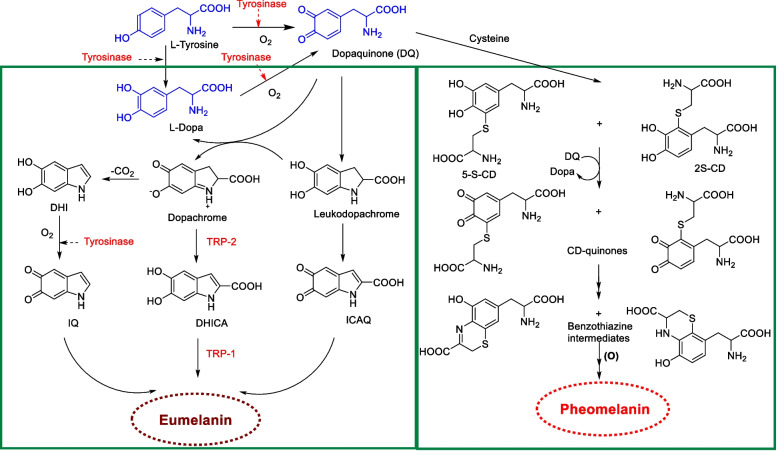
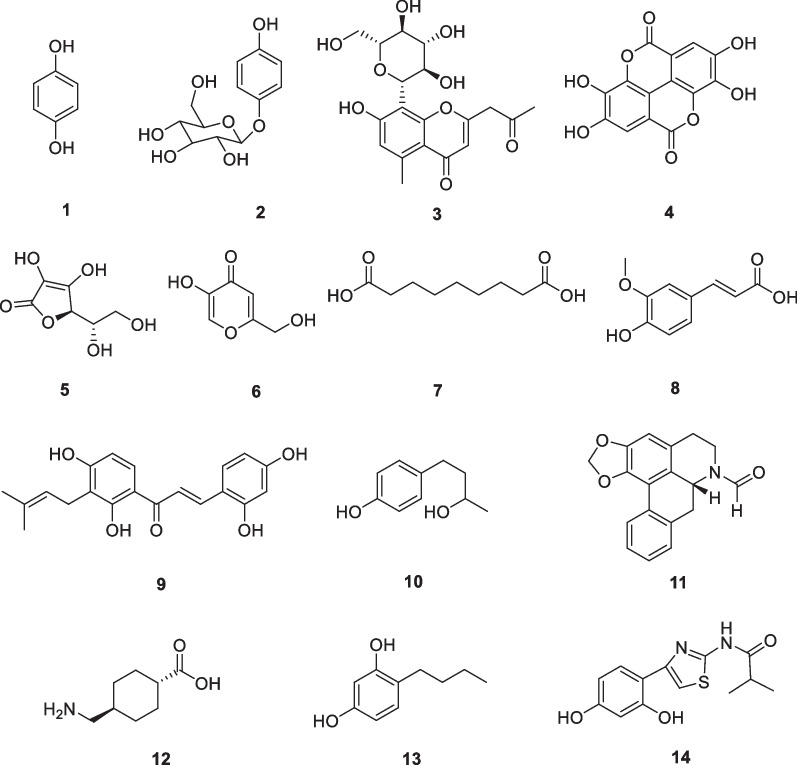
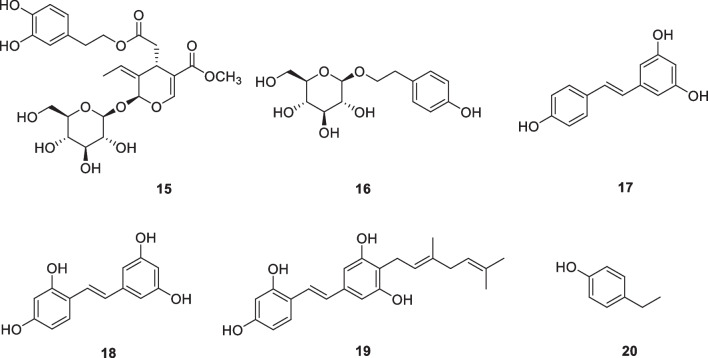
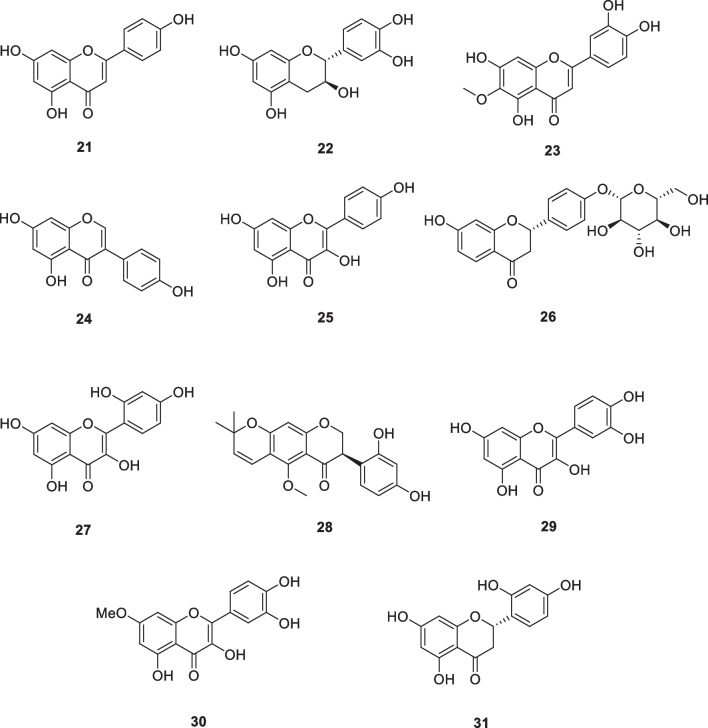
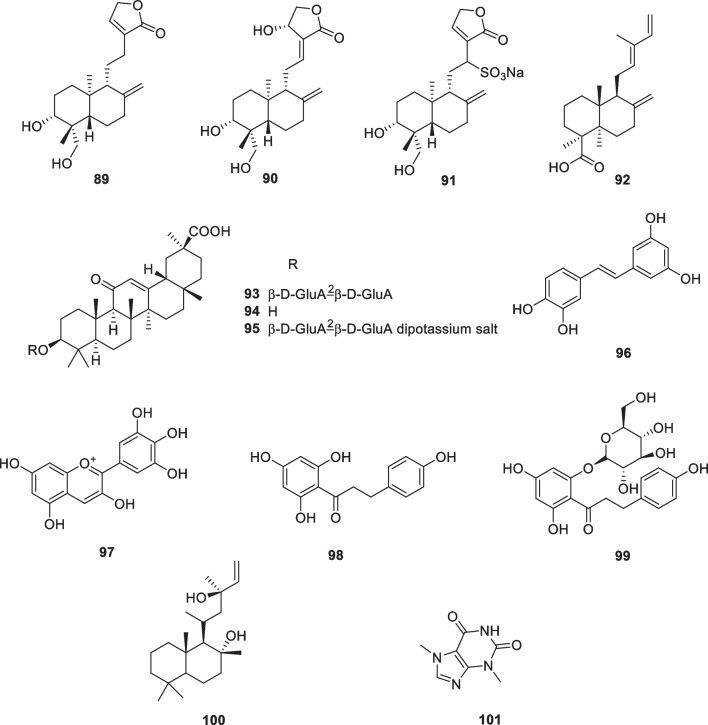
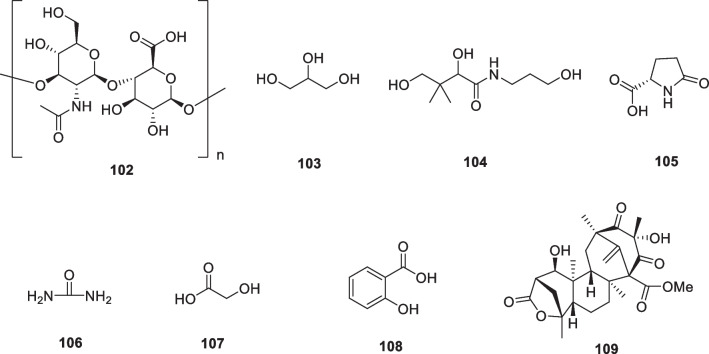
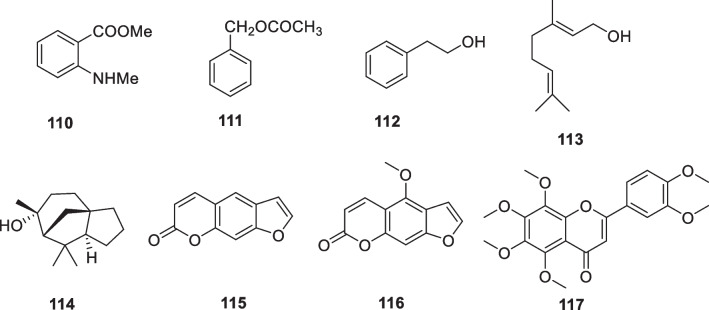
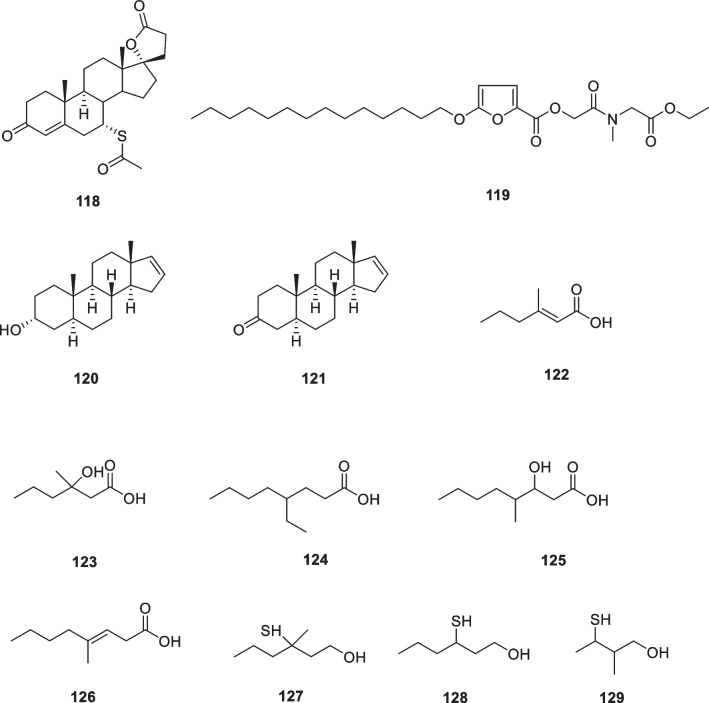
Verification
Claims the paper makes
The claims and statistics of this paper haven’t been checked yet.
Free: it reads the open-access text and checks the first 5 claims that cite a source we can check. Create a free account to check every claim.
Claims other papers make about this one
Each is checked against this paper’s own text: does it say what the citing paper says it does?
The source backs part of the claim, not all of it — or backs it for a different population, condition or comparison.
In the citing paper
“The snail secretion filtrate is the most common raw material in cosmetics [2,32].”
From Chemical Variability and Biological Potential of Cornu aspersum Mucus as a Source for the Development of New Cosmetic and Pharmaceutical Products (2025) · cites this paper as [2]
Experimental — accuracy not yet measuredThe check wasn’t confident either way, so it gives no verdict — never disputed.
In the citing paper
“Since 1 January 2020, it has been illegal in Italy to advertise cosmetic rinse-off products that contain MPs and have an exfoliating or detergent function [11].”
From Microplastics (MPs) in Cosmetics: A Review on Their Presence in Personal-Care, Cosmetic, and Cleaning Products (PCCPs) and Sustainable Alternatives from Biobased and Biodegradable Polymers (2024) · cites this paper as [11]
Experimental — accuracy not yet measured
Self-check
Percentages, sums and reported differences re-computed from the paper’s own numbers.
The self-check needs the paper’s full text.
Citations
Cites
Natural Deep Eutectic Solvents – Solvents for the 21st Century
Paiva, A., Craveiro, R., Aroso, I., Martins, M., Reis, R. L., & Duarte, A. R. C. (2014) · ACS Sustainable Chemistry & Engineering · doi:10.1021/sc500096j · Cited by 2,458
An Updated Review of Tyrosinase Inhibitors
Chang, T.-S. (2009) · International Journal of Molecular Sciences · doi:10.3390/ijms10062440 · Cited by 1,552
Claudin-based tight junctions are crucial for the mammalian epidermal barrier
Furuse, M., Hata, M., Furuse, K., Yoshida, Y., Haratake, A., Sugitani, Y., Noda, T., Kubo, A., & Tsukita, S. (2002) · The Journal of Cell Biology · doi:10.1083/jcb.200110122 · Cited by 1,512
Schweiger, D., Baufeld, C., Drescher, P., Oltrogge, B., Höpfner, S., Mess, A., Lüttke, J., Rippke, F., Filbry, A., & Max, H. (2013) · Skin Pharmacology and Physiology · doi:10.1159/000348473 · Cited by 1,346
Skin whitening agents: medicinal chemistry perspective of tyrosinase inhibitors
Pillaiyar, T., Manickam, M., & Namasivayam, V. (2017) · Journal of Enzyme Inhibition and Medicinal Chemistry · doi:10.1080/14756366.2016.1256882 · Cited by 928
Moisturization and skin barrier function
Rawlings, A. V., & Harding, C. R. (2004) · Dermatologic Therapy · doi:10.1111/j.1396-0296.2004.04s1005.x · Cited by 924 · cited 1×
“Filaggrin is an essential NMF (natural moisturizing factor) that provides the ability to modulate the skin’s moisture barrier [220] and caspase-14, which is responsible for sensitivity to UVB damage and controlling TEWL [221].”
BackgroundAntioxidant Properties of Ferulic Acid and Its Possible Application
Zduńska, K., Dana, A., Kolodziejczak, A., & Rotsztejn, H. (2018) · Skin Pharmacology and Physiology · doi:10.1159/000491755 · Cited by 849
Role of antioxidants in the skin: Anti-aging effects
Masaki, H. (2010) · Journal of Dermatological Science · doi:10.1016/j.jdermsci.2010.03.003 · Cited by 788
Structure and function of aquaporin water channels
Verkman, A. S., & Mitra, A. K. (2000) · American Journal of Physiology-Renal Physiology · doi:10.1152/ajprenal.2000.278.1.f13 · Cited by 750
Essential oils as natural sources of fragrance compounds for cosmetics and cosmeceuticals
Sharmeen, J., Mahomoodally, F., Zengin, G., & Maggi, F. (2021) · Molecules · doi:10.3390/molecules26030666 · Cited by 664
Topical tretinoin for photoaged skin
Kligman, A. M., Grove, G. L., Hirose, R., & Leyden, J. J. (1986) · Journal of the American Academy of Dermatology · doi:10.1016/s0190-9622(86)70242-9 · Cited by 620
Rai, V. K., Mishra, N., Yadav, K. S., & Yadav, N. P. (2018) · Journal of Controlled Release · doi:10.1016/j.jconrel.2017.11.049 · Cited by 619
Skin hydration: A review on its molecular mechanisms
Verdier‐Sévrain, S., & Bonté, F. (2007) · Journal of Cosmetic Dermatology · doi:10.1111/j.1473-2165.2007.00300.x · Cited by 605 · cited 1×
“The hygroscopic components contained within the stratum corneum, collectively known as the NMF (natural moisturizing factor), inhibit TEWL (transepidermal water loss) [185].”
BackgroundGeraniol — A review of a commercially important fragrance material
Chen, W., & Viljoen, A. M. (2010) · South African Journal of Botany · doi:10.1016/j.sajb.2010.05.008 · Cited by 551
Arbutin: mechanism of its depigmenting action in human melanocyte culture
Maeda, K., & Fukuda, M. (1996) · The Journal of Pharmacology and Experimental Therapeutics · doi:10.1016/s0022-3565(25)12357-4 · Cited by 533
Yu, Y.-Q., Yang, X., Wu, X.-F., & Fan, Y.-B. (2021) · Frontiers in Bioengineering and Biotechnology · doi:10.3389/fbioe.2021.646554 · Cited by 441
Kojic acid applications in cosmetic and pharmaceutical preparations
Saeedi, M., Eslamifar, M., & Khezri, K. (2019) · Biomedicine & Pharmacotherapy · doi:10.1016/j.biopha.2018.12.006 · Cited by 419
Topical retinoic acid (tretinoin) for melasma in black patients. A vehicle-controlled clinical trial
Kimbrough-Green, C. K. (1994) · Archives of Dermatology · doi:10.1001/archderm.130.6.727 · Cited by 413
Cosmetics preservation: a review on present strategies
Halla, N., Fernandes, I. P., Heleno, S. A., Costa, P., Boucherit-Otmani, Z., Boucherit, K., Rodrigues, A. E., Ferreira, I. C. F. R., & Barreiro, M. F. (2018) · Molecules · doi:10.3390/molecules23071571 · Cited by 401
Essential Oils and Their Single Compounds in Cosmetics—A Critical Review
Sarkic, A., & Stappen, I. (2018) · Cosmetics · doi:10.3390/cosmetics5010011 · Cited by 400
Draelos, Z. D. (2007) · Dermatologic Therapy · doi:10.1111/j.1529-8019.2007.00144.x · Cited by 390
Advantages of Hyaluronic Acid and Its Combination with Other Bioactive Ingredients in Cosmeceuticals
Juncan, A. M., Moisă, D. G., Santini, A., Morgovan, C., Rus, L.-L., Vonica-Țincu, A. L., & Loghin, F. (2021) · Molecules · doi:10.3390/molecules26154429 · Cited by 353
Main Benefits and Applicability of Plant Extracts in Skin Care Products
Ribeiro, A., Estanqueiro, M., Oliveira, M., & Sousa Lobo, J. (2015) · Cosmetics · doi:10.3390/cosmetics2020048 · Cited by 327
Mechanism of Depigmentation by Hydroquinone
Jimbow, K., Obata, H., Pathak, M. A., & Fitzpatrick, T. B. (1974) · Journal of Investigative Dermatology · doi:10.1111/1523-1747.ep12701679 · Cited by 323
Oxyresveratrol and Hydroxystilbene Compounds
Kim, Y. M., Yun, J., Lee, C.-K., Lee, H., Min, K. R., & Kim, Y. (2002) · Journal of Biological Chemistry · doi:10.1074/jbc.m200678200 · Cited by 323
Zasada, M., & Budzisz, E. (2019) · Advances in Dermatology and Allergology · doi:10.5114/ada.2019.87443 · Cited by 315 · cited 2×
“05% and appears to be more active, better tolerated, and less irritating than tretinoin [141].”
BackgroundPonec, M., Weerheim, A., Kempenaar, J., Mulder, A., Gooris, G. S., Bouwstra, J., & Mieke Mommaas, A. (1997) · Journal of Investigative Dermatology · doi:10.1111/1523-1747.ep12336024 · Cited by 314 · cited 1×
“Ascorbic acid, or vitamin C, is also thought to lead to increased ceramide synthesis and skin barrier formation when applied topically [215].”
BackgroundOlivares, C., & Solano, F. (2009) · Pigment Cell & Melanoma Research · doi:10.1111/j.1755-148x.2009.00636.x · Cited by 312
Flavonols from Heterotheca inuloides: Tyrosinase Inhibitory Activity and Structural Criteria
Kubo, I., Kinst-Hori, I., Chaudhuri, S. K., Kubo, Y., Sánchez, Y., & Ogura, T. (2000) · Bioorganic & Medicinal Chemistry · doi:10.1016/s0968-0896(00)00102-4 · Cited by 308
Beneficial Effects of Marine Algal Compounds in Cosmeceuticals
Thomas, N., & Kim, S.-K. (2013) · Marine Drugs · doi:10.3390/md11010146 · Cited by 302
Supercritical fluid extraction of essential oils
Yousefi, M., Rahimi-Nasrabadi, M., Pourmortazavi, S. M., Wysokowski, M., Jesionowski, T., Ehrlich, H., & Mirsadeghi, S. (2019) · TrAC Trends in Analytical Chemistry · doi:10.1016/j.trac.2019.05.038 · Cited by 295
Shaker, D. S., Ishak, R. A. H., Ghoneim, A., & Elhuoni, M. A. (2019) · Scientia Pharmaceutica · doi:10.3390/scipharm87030017 · Cited by 295
Natural, semisynthetic and synthetic tyrosinase inhibitors
Lee, S. Y., Baek, N., & Nam, T.-G. (2016) · Journal of Enzyme Inhibition and Medicinal Chemistry · doi:10.3109/14756366.2015.1004058 · Cited by 293
Dry skin, moisturization and corneodesmolysis
Harding, Watkinson, Rawlings, & Scott (2000) · International Journal of Cosmetic Science · doi:10.1046/j.1467-2494.2000.00001.x · Cited by 289
Stimuli-Responsive Materials for Tissue Engineering and Drug Delivery
Municoy, S., Álvarez Echazú, M. I., Antezana, P. E., Galdopórpora, J. M., Olivetti, C., Mebert, A. M., Foglia, M. L., Tuttolomondo, M. V., Alvarez, G. S., Hardy, J. G., et al. (2020) · International Journal of Molecular Sciences · doi:10.3390/ijms21134724 · Cited by 289
Molecular Mechanisms of Skin Aging: State of the Art
MAKRANTONAKI, E., & ZOUBOULIS, C. C. (2007) · Annals of the New York Academy of Sciences · doi:10.1196/annals.1404.027 · Cited by 288
Novel cosmetic delivery systems: an application update
Patravale, V. B., & Mandawgade, S. D. (2008) · International Journal of Cosmetic Science · doi:10.1111/j.1468-2494.2008.00416.x · Cited by 280
Natural Melanogenesis Inhibitors Acting Through the Down-Regulation of Tyrosinase Activity
Chang, T.-S. (2012) · Materials · doi:10.3390/ma5091661 · Cited by 275
The Hunt for Natural Skin Whitening Agents
Smit, N., Vicanova, J., & Pavel, S. (2009) · International Journal of Molecular Sciences · doi:10.3390/ijms10125326 · Cited by 274
Analysis of characteristic odors from human male axillae
Zeng, X. N., Leyden, J. J., Lawley, H. J., Sawano, K., Nohara, I., & Preti, G. (1991) · Journal of Chemical Ecology · doi:10.1007/bf00983777 · Cited by 270 · cited 1×
“Then the odorant acid 3-methyl2-hexenoic acid (122, 3M2H) was characterized [293].”
BackgroundTanno, O., Ota, Y., Kitamura, N., Katsube, T., & Inoue, S. (2000) · British Journal of Dermatology · doi:10.1046/j.1365-2133.2000.03705.x · Cited by 263
Afaq, F., Adhami, V. M., & Ahmad, N. (2003) · Toxicology and Applied Pharmacology · doi:10.1016/s0041-008x(02)00014-5 · Cited by 262 · cited 1×
“In vivo experiments of hairless mice, a single application of resveratrol prior to UVB exposure can significantly reduce skin edema, reduce UVB-induced H2O2 production, limit lipid peroxidation, and reduce leukocyte infiltration [69].”
BackgroundMann, T., Gerwat, W., Batzer, J., Eggers, K., Scherner, C., Wenck, H., Stäb, F., Hearing, V. J., Röhm, K.-H., & Kolbe, L. (2018) · Journal of Investigative Dermatology · doi:10.1016/j.jid.2018.01.019 · Cited by 259
Vesicular carriers for dermal drug delivery
Sinico, C., & Fadda, A. M. (2009) · Expert Opinion on Drug Delivery · doi:10.1517/17425240903071029 · Cited by 255
Yu, J.-Y., Ha, J., Kim, K.-M., Jung, Y.-S., Jung, J.-C., & Oh, S. (2015) · Molecules · doi:10.3390/molecules200713041 · Cited by 251
Zebrafish as a new model for phenotype‐based screening of melanogenic regulatory compounds
Choi, T., Kim, J., Ko, D. H., Kim, C., Hwang, J., Ahn, S., Kim, S. Y., Kim, C., Lee, J., & Yoon, T. (2007) · Pigment Cell Research · doi:10.1111/j.1600-0749.2007.00365.x · Cited by 251
Cosmetic benefits of astaxanthin on humans subjects.
Tominaga, K., Hongo, N., Karato, M., & Yamashita, E. (2012) · Acta Biochimica Polonica · doi:10.18388/abp.2012_2168 · Cited by 248
Telang, P. S. (2013) · Indian Dermatology Online Journal · doi:10.4103/2229-5178.110593 · Cited by 244 · cited 1×
“In addition, various drug carriers are being investigated to enhance vitamin C and its delivery efficiencies, such as multilayer emulsions and nanoparticle systems [216].”
BackgroundArbutin as a Skin Depigmenting Agent with Antimelanogenic and Antioxidant Properties
Boo, Y. C. (2021) · Antioxidants · doi:10.3390/antiox10071129 · Cited by 241 · cited 3×
“The reasons for the inconsistent results of these studies are unclear, and it can only be assumed that the experimental process may have been due to the differences in the source and purity of the enzyme, the conformational state of the enzyme, the type and concentration of the substrate, oxygen concentration, pH, tem…”
BackgroundInfluentialInhibition of tyrosinase by green tea components
No, J. K., Soung, D. Y., Kim, Y. J., Shim, K. H., Jun, Y. S., Rhee, S. H., Yokozawa, T., & Chung, H. Y. (1999) · Life Sciences · doi:10.1016/s0024-3205(99)00492-0 · Cited by 236
Chemat, F., Lucchesi, M. E., Smadja, J., Favretto, L., Colnaghi, G., & Visinoni, F. (2006) · Analytica Chimica Acta · doi:10.1016/j.aca.2005.08.071 · Cited by 231
Oxyresveratrol as the Potent Inhibitor on Dopa Oxidase Activity of Mushroom Tyrosinase
Shin, N.-H., Ryu, S. Y., Choi, E. J., Kang, S.-H., Chang, I.-M., Min, K. R., & Kim, Y. (1998) · Biochemical and Biophysical Research Communications · doi:10.1006/bbrc.1998.8169 · Cited by 226
The effect of glycerol and humidity on desmosome degradation in stratum corneum
Rawlings, A., Sabin, R., Harding, C., Watkinson, A., Banks, J., & Ackerman, C. (1995) · Archives of Dermatological Research · doi:10.1007/bf00373429 · Cited by 221
Plant extracts and natural compounds used against UVB-induced photoaging
Cavinato, M., Waltenberger, B., Baraldo, G., Grade, C. V. C., Stuppner, H., & Jansen-Dürr, P. (2017) · Biogerontology · doi:10.1007/s10522-017-9715-7 · Cited by 218
Resveratrol as an active ingredient for cosmetic and dermatological applications: a review
Ratz-Łyko, A., & Arct, J. (2019) · Journal of Cosmetic and Laser Therapy · doi:10.1080/14764172.2018.1469767 · Cited by 216
Anti-aging and Sunscreens: Paradigm Shift in Cosmetics
Shanbhag, S., Nayak, A., Narayan, R., & Nayak, U. Y. (2019) · Advanced Pharmaceutical Bulletin · doi:10.15171/apb.2019.042 · Cited by 210
Functional Expression of AQP3 in Human Skin Epidermis and Reconstructed Epidermis
Sougrat, R., Gobin, R., Verbavatz, J.-M., Morand, M., Gondran, C., Barré, P., Bonté, F., & Dumas, M. (2002) · Journal of Investigative Dermatology · doi:10.1046/j.1523-1747.2002.01710.x · Cited by 209
Modulation of Melanogenesis by Aloesin: A Competitive Inhibitor of Tyrosinase
Jones, K., Hughes, J., Hong, M., Jia, Q., & Orndorff, S. (2002) · Pigment Cell Research · doi:10.1034/j.1600-0749.2002.02014.x · Cited by 209
Chemical Enhancer: A Simplistic Way to Modulate Barrier Function of the Stratum Corneum
Haque, T., & Talukder, M. M. U. (2018) · Advanced Pharmaceutical Bulletin · doi:10.15171/apb.2018.021 · Cited by 207
Stratum corneum pH: Formation and Function of the ‘Acid Mantle’
Fluhr, J. W., & Elias, P. M. (2002) · Exogenous Dermatology · doi:10.1159/000066140 · Cited by 203
Boo, Y. C. (2021) · Antioxidants · doi:10.3390/antiox10081315 · Cited by 199
YOSHIMURA, M., WATANABE, Y., KASAI, K., YAMAKOSHI, J., & KOGA, T. (2005) · Bioscience, Biotechnology, and Biochemistry · doi:10.1271/bbb.69.2368 · Cited by 196
Mulberroside F Isolated from the Leaves of Morus alba Inhibits Melanin Biosynthesis.
Lee, S. H., Choi, S. Y., Kim, H., Hwang, J. S., Lee, B. G., Gao, J. J., & Kim, S. Y. (2002) · Biological and Pharmaceutical Bulletin · doi:10.1248/bpb.25.1045 · Cited by 193
Mushrooms extracts and compounds in cosmetics, cosmeceuticals and nutricosmetics—A review
Taofiq, O., González-Paramás, A. M., Martins, A., Barreiro, M. F., & Ferreira, I. C. F. R. (2016) · Industrial Crops and Products · doi:10.1016/j.indcrop.2016.06.012 · Cited by 193
The science behind skin care: Moisturizers
Draelos, Z. D. (2018) · Journal of Cosmetic Dermatology · doi:10.1111/jocd.12490 · Cited by 192 · cited 1×
“All moisturizers restore skin water content through four basic mechanisms: occlusion, hydration, hydrophilic matrix, and photoprotection [197].”
BackgroundLinoleic acid and α-linolenic acid lightens ultraviolet-induced hyperpigmentation of the skin
Ando, H., Ryu, A., Hashimoto, A., Oka, M., & Ichihashi, M. (1998) · Archives of Dermatological Research · doi:10.1007/s004030050320 · Cited by 191
Fu, B., Li, H., Wang, X., Lee, F. S. C., & Cui, S. (2005) · Journal of Agricultural and Food Chemistry · doi:10.1021/jf051258h · Cited by 191
Dietary antiaging phytochemicals and mechanisms associated with prolonged survival
Si, H., & Liu, D. (2014) · The Journal of Nutritional Biochemistry · doi:10.1016/j.jnutbio.2014.02.001 · Cited by 190
Topical Vitamin C and the Skin: Mechanisms of Action and Clinical Applications.
(2017) · PubMed Central · Cited by 185
Physiological roles of glycerol-transporting aquaporins: the aquaglyceroporins
Hara-Chikuma, M., & Verkman, A. S. (2006) · Cellular and Molecular Life Sciences · doi:10.1007/s00018-006-6028-4 · Cited by 184
A double‐blind randomized trial of 5% ascorbic acid vs. 4% hydroquinone in melasma
Espinal‐Perez, L. E., Moncada, B., & Castanedo‐Cazares, J. P. (2004) · International Journal of Dermatology · doi:10.1111/j.1365-4632.2004.02134.x · Cited by 180
Meckfessel, M. H., & Brandt, S. (2014) · Journal of the American Academy of Dermatology · doi:10.1016/j.jaad.2014.01.891 · Cited by 176
Kolbe, L., Mann, T., Gerwat, W., Batzer, J., Ahlheit, S., Scherner, C., Wenck, H., & Stäb, F. (2013) · Journal of the European Academy of Dermatology and Venereology · doi:10.1111/jdv.12051 · Cited by 173
Yamakoshi, J., Otsuka, F., Sano, A., Tokutake, S., Saito, M., Kikuchi, M., & Kubota, Y. (2003) · Pigment Cell Research · doi:10.1046/j.1600-0749.2003.00093.x · Cited by 172
Mulberry latex rich in antidiabetic sugar-mimic alkaloids forces dieting on caterpillars
Konno, K., Ono, H., Nakamura, M., Tateishi, K., Hirayama, C., Tamura, Y., Hattori, M., Koyama, A., & Kohno, K. (2006) · Proceedings of the National Academy of Sciences · doi:10.1073/pnas.0506944103 · Cited by 170
Prevention and Treatment of Skin Aging
McCULLOUGH, J. L., & KELLY, K. M. (2006) · Annals of the New York Academy of Sciences · doi:10.1196/annals.1354.044 · Cited by 170
A Specific Bacterial Aminoacylase Cleaves Odorant Precursors Secreted in the Human Axilla
Natsch, A., Gfeller, H., Gygax, P., Schmid, J., & Acuna, G. (2003) · Journal of Biological Chemistry · doi:10.1074/jbc.m210142200 · Cited by 169
Marine-Derived Compounds with Potential Use as Cosmeceuticals and Nutricosmetics
Alves, A., Sousa, E., Kijjoa, A., & Pinto, M. (2020) · Molecules · doi:10.3390/molecules25112536 · Cited by 169
Zhang, B., Zeng, M., Li, B., Kan, Y., Wang, S., Cao, B., Huang, Y., Zheng, X., & Feng, W. (2021) · Phytomedicine · doi:10.1016/j.phymed.2021.153466 · Cited by 168
Gupta, R. K., Dwadasi, B. S., Rai, B., & Mitragotri, S. (2019) · Scientific Reports · doi:10.1038/s41598-018-37900-0 · Cited by 166
Fatty Acids Regulate Pigmentation via Proteasomal Degradation of Tyrosinase
Ando, H., Watabe, H., Valencia, J. C., Yasumoto, K.-I., Furumura, M., Funasaka, Y., Oka, M., Ichihashi, M., & Hearing, V. J. (2004) · Journal of Biological Chemistry · doi:10.1074/jbc.m313701200 · Cited by 165
Arrowitz, C., Schoelermann, A. M., Mann, T., Jiang, L. I., Weber, T. M., & Kolbe, L. (2019) · Journal of Investigative Dermatology · doi:10.1016/j.jid.2019.02.013 · Cited by 165
Inhibitory Effects of Some Flavonoids on the Activity of Mushroom Tyrosinase
Xie, L., Chen, Q.-X., Huang, H., Wang, H.-Z., & Zhang, R.-Q. (2003) · Biochemistry (Moscow) · doi:10.1023/a:1023620501702 · Cited by 161
Petrolatum: Barrier repair and antimicrobial responses underlying this “inert” moisturizer
Czarnowicki, T., Malajian, D., Khattri, S., Correa da Rosa, J., Dutt, R., Finney, R., Dhingra, N., Xiangyu, P., Xu, H., Estrada, Y. D., et al. (2016) · Journal of Allergy and Clinical Immunology · doi:10.1016/j.jaci.2015.08.013 · Cited by 161
Orthonasal and Retronasal Odorant Identification Based upon Vapor Phase Input from Common Substances
Pierce, J., & Halpern, B. P. (1996) · Chemical Senses · doi:10.1093/chemse/21.5.529 · Cited by 161
Lim, Y.-J., Lee, E. H., Kang, T. H., Ha, S. K., Oh, M. S., Kim, S. M., Yoon, T.-J., Kang, C., Park, J.-H., & Kim, S. Y. (2009) · Archives of Pharmacal Research · doi:10.1007/s12272-009-1309-8 · Cited by 159
Rosenfield, R. L., Kentsis, A., Deplewski, D., & Ciletti, N. A. (1999) · Journal of Investigative Dermatology · doi:10.1046/j.1523-1747.1999.00487.x · Cited by 159
Mushroom Cosmetics: The Present and Future
Wu, Y., Choi, M.-H., Li, J., Yang, H., & Shin, H.-J. (2016) · Cosmetics · doi:10.3390/cosmetics3030022 · Cited by 157
Dermal and transdermal delivery of pharmaceutically relevant macromolecules
Münch, S., Wohlrab, J., & Neubert, R. H. H. (2017) · European Journal of Pharmaceutics and Biopharmaceutics · doi:10.1016/j.ejpb.2017.06.019 · Cited by 156
DeoxyArbutin: a novel reversible tyrosinase inhibitor with effective in vivo skin lightening potency
Boissy, R. E., Visscher, M., & DeLong, M. A. (2005) · Experimental Dermatology · doi:10.1111/j.0906-6705.2005.00337.x · Cited by 155
Hu, S., Huang, J., Pei, S., Ouyang, Y., Ding, Y., Jiang, L., Lu, J., Kang, L., Huang, L., Xiang, H., et al. (2018) · Journal of Cellular Physiology · doi:10.1002/jcp.27492 · Cited by 154
Effect of Arbutin on Melanogenic Proteins in Human Melanocytes
CHAKRABORTY, A. K., FUNASAKA, Y., KOMOTO, M., & ICHIHASHI, M. (1998) · Pigment Cell Research · doi:10.1111/j.1600-0749.1998.tb00731.x · Cited by 153
Eminence of Microbial Products in Cosmetic Industry
Gupta, P. L., Rajput, M., Oza, T., Trivedi, U., & Sanghvi, G. (2019) · Natural Products and Bioprospecting · doi:10.1007/s13659-019-0215-0 · Cited by 147
Emollients, moisturizers, and keratolytic agents in psoriasis
Fluhr, J. W., Cavallotti, C., & Berardesca, E. (2008) · Clinics in Dermatology · doi:10.1016/j.clindermatol.2008.01.015 · Cited by 145
Topical liquiritin improves melasma
Amer, M., & Metwalli, M. (2000) · International Journal of Dermatology · doi:10.1046/j.1365-4362.2000.00943.x · Cited by 145 · cited 1×
“20% Liquirtin ointment is effective for melasma [88].”
BackgroundZettersten, E., Ghadially, R., Feingold, K. R., Crumrine, D. A., & Elias, P. M. (1997) · Journal of the American Academy of Dermatology · doi:10.1016/s0190-9622(97)70140-3 · Cited by 144
Ando, H., Funasaka, Y., Oka, M., Ohashi, A., Furumura, M., Matsunaga, J., Matsunaga, N., Hearing, V. J., & Ichihashi, M. (1999) · Journal of Lipid Research · doi:10.1016/s0022-2275(20)33493-3 · Cited by 143
Effect of l-ascorbic acid on the monophenolase activity of tyrosinase
Ros, J. R., Rodríguez-López, J. N., & García-Cánovas, F. (1993) · Biochemical Journal · doi:10.1042/bj2950309 · Cited by 142
Rout, S., & Banerjee, R. (2006) · Bioresource Technology · doi:10.1016/j.biortech.2006.10.011 · Cited by 140
Porphyra-334, a potential natural source for UVA protective sunscreens
Torres, A., Enk, C. D., Hochberg, M., & Srebnik, M. (2006) · Photochemical & Photobiological Sciences · doi:10.1039/b517330m · Cited by 136
Agarwood Production - A Multidisciplinary Field to be Explored in Bangladesh
Akter, S., Islam, M. T., Zulkefeli, M., & Khan, S. I. (2013) · International Journal of Pharmaceutical and Life Sciences · doi:10.3329/ijpls.v2i1.15132 · Cited by 135
Clinical Applications of Hyaluronidase
Weber, G. C., Buhren, B. A., Schrumpf, H., Wohlrab, J., & Gerber, P. A. (2019) · Advances in experimental medicine and biology · doi:10.1007/978-981-13-7709-9_12 · Cited by 135
Trends in the Use of Botanicals in Anti-Aging Cosmetics
Ferreira, M., Magalhães, M., Oliveira, R., Sousa-Lobo, J., & Almeida, I. (2021) · Molecules · doi:10.3390/molecules26123584 · Cited by 134
Hyaluronan Exists in the Normal Stratum Corneum
Sakai, S., Yasuda, R., Sayo, T., Inoue, S., & Ishikawa, O. (2000) · Journal of Investigative Dermatology · doi:10.1046/j.1523-1747.2000.00992.x · Cited by 133
Azelaic Acid: Properties and Mode of Action
Sieber, M. A., & Hegel, J. K. E. (2014) · Skin Pharmacology and Physiology · doi:10.1159/000354888 · Cited by 133
Are Natural Ingredients Effective in the Management of Hyperpigmentation? A Systematic Review.
Hollinger, J. C., Angra, K., & Halder, R. M. (2018) · Europe PMC (PubMed Central) · Cited by 133
Improved microwave steam distillation apparatus for isolation of essential oils
Sahraoui, N., Vian, M. A., Bornard, I., Boutekedjiret, C., & Chemat, F. (2008) · Journal of Chromatography A · doi:10.1016/j.chroma.2008.09.078 · Cited by 130
Synthesis and evaluation of 2′,4′,6′-trihydroxychalcones as a new class of tyrosinase inhibitors
Jun, N., Gao, H., & Jun, K. (2007) · Bioorganic & Medicinal Chemistry · doi:10.1016/j.bmc.2007.01.017 · Cited by 129
Aloesin inhibits hyperpigmentation induced by UV radiation
Choi, S., Park, Y.-I., Lee, S.-K., Kim, J.-E., & Chung, M.-H. (2002) · Clinical and Experimental Dermatology · doi:10.1046/j.1365-2230.2002.01120.x · Cited by 128
Glutathione as a skin whitening agent: Facts, myths, evidence and controversies
Sonthalia, S., Daulatabad, D., & Sarkar, R. (2016) · Indian Journal of Dermatology Venereology and Leprology · doi:10.4103/0378-6323.179088 · Cited by 124
Epidermal Permeability Barrier Defects and Barrier Repair Therapy in Atopic Dermatitis
Lee, H.-J., & Lee, S.-H. (2014) · Allergy, Asthma & Immunology Research · doi:10.4168/aair.2014.6.4.276 · Cited by 122
Boo, Y. C. (2019) · Antioxidants · doi:10.3390/antiox8090332 · Cited by 119 · cited 1×
“As an anti-inflammatory and antioxidant active ingredient, resveratrol is often used in cosmetics, sometimes in concentrations of up to 5% pure resveratrol and sometimes in grape extracts containing resveratrol [67, 68].”
BackgroundLodén, M., Andersson, A.-C., Andersson, C., Frödin, T., Öman, H., & Lindberg, M. (2001) · Skin Research and Technology · doi:10.1034/j.1600-0846.2001.070401.x · Cited by 117
Greatens, A., Hakozaki, T., Koshoffer, A., Epstein, H., Schwemberger, S., Babcock, G., Bissett, D., Takiwaki, H., Arase, S., Wickett, R. R., et al. (2005) · Experimental Dermatology · doi:10.1111/j.0906-6705.2005.00309.x · Cited by 115
Production of schizophyllan using Schizophyllum commune NRCM
Kumari, M., Survase, S. A., & Singhal, R. S. (2007) · Bioresource Technology · doi:10.1016/j.biortech.2007.02.029 · Cited by 114
Glutathione as a depigmenting agent: an overview
Villarama, C. D., & Maibach, H. I. (2005) · International Journal of Cosmetic Science · doi:10.1111/j.1467-2494.2005.00235.x · Cited by 112
Wang, H.-M., Chen, C.-Y., & Wen, Z.-H. (2011) · Experimental Dermatology · doi:10.1111/j.1600-0625.2010.01161.x · Cited by 111
Hyun, S. K., Lee, W., Jeong, D. M., Kim, Y. S., & Choi, J. S. (2008) · Biological and Pharmaceutical Bulletin · doi:10.1248/bpb.31.154 · Cited by 111
Garidel, P., Fölting, B., Schaller, I., & Kerth, A. (2010) · Biophysical Chemistry · doi:10.1016/j.bpc.2010.03.008 · Cited by 110
Transdermal delivery of nobiletin using ionic liquids
Hattori, T., Tagawa, H., Inai, M., Kan, T., Kimura, S.-I., Itai, S., Mitragotri, S., & Iwao, Y. (2019) · Scientific Reports · doi:10.1038/s41598-019-56731-1 · Cited by 109
Maruki‐Uchida, H., Kurita, I., Sugiyama, K., Sai, M., Maeda, K., & Ito, T. (2013) · Biological and Pharmaceutical Bulletin · doi:10.1248/bpb.b12-00708 · Cited by 108
Cocoa Bioactive Compounds: Significance and Potential for the Maintenance of Skin Health
Scapagnini, G., Davinelli, S., Di Renzo, L., De Lorenzo, A., Olarte, H., Micali, G., Cicero, A., & Gonzalez, S. (2014) · Nutrients · doi:10.3390/nu6083202 · Cited by 107
Structural criteria for depigmenting mechanism of arbutin
Hori, I., Nihei, K., & Kubo, I. (2004) · Phytotherapy Research · doi:10.1002/ptr.1456 · Cited by 106
The role of androgens in determining acne severity in adult women
Cibula, D., Hill, M., Vohradnikova, O., Kuzel, D., Fanta, M., & Zivny, J. (2000) · British Journal of Dermatology · doi:10.1046/j.1365-2133.2000.03669.x · Cited by 106
Piwowarski, J. P., Kiss, A. K., & Kozłowska−Wojciechowska, M. (2011) · Journal of Ethnopharmacology · doi:10.1016/j.jep.2011.05.039 · Cited by 105
de la Coba, F., Aguilera, J., Korbee, N., de Gálvez, M. V., Herrera-Ceballos, E., Álvarez-Gómez, F., & Figueroa, F. L. (2019) · Marine Drugs · doi:10.3390/md17010055 · Cited by 105
Azhar-ul-Haq, Malik, A. M., Khan, M., Anwar-ul-Haq, Khan, S. B., Ahmad, A., & Choudhary, M. I. (2005) · Phytomedicine · doi:10.1016/j.phymed.2004.09.001 · Cited by 104
Transdermal delivery systems in cosmetics
Kim, B., Cho, H.-E., Moon, S. H., Ahn, H.-J., Bae, S., Cho, H.-D., & An, S. (2020) · Biomedical Dermatology · doi:10.1186/s41702-020-0058-7 · Cited by 104
The Inhibitory Components from Artocarpus incisus on Melanin Biosynthesis
Shimizu, K., Kondo, R., Sakai, K., Lee, S.-H., & Sato, H. (1998) · Planta Medica · doi:10.1055/s-2006-957470 · Cited by 101
Efficiency of ellagic acid and arbutin in melasma: A randomized, prospective, open‐label study
ERTAM, I., MUTLU, B., UNAL, I., ALPER, S., KIVÇAK, B., & OZER, O. (2008) · The Journal of Dermatology · doi:10.1111/j.1346-8138.2008.00522.x · Cited by 101
Skin moisturization mechanisms: New data
Bonté, F. (2011) · Annales Pharmaceutiques Françaises · doi:10.1016/j.pharma.2011.01.004 · Cited by 101
Xia, L., Zouboulis, C. C., Detmar, M. J., Mayer‐da‐Silva, A., Stadler, R., & Orfanos, C. E. (1989) · Journal of Investigative Dermatology · doi:10.1016/0022-202x(89)90050-x · Cited by 100
Farshi, S. (2011) · Journal of Cosmetic Dermatology · doi:10.1111/j.1473-2165.2011.00580.x · Cited by 97
Ko, H., Chiang, Y., Tsai, M.-H., Liang, C., Hsu, L., Li, S.-Y., Wang, M.-C., Yen, F., & Lee, C. (2013) · Journal of Ethnopharmacology · doi:10.1016/j.jep.2013.10.054 · Cited by 96
Elgndi, M. A., Filip, S., Pavlić, B., Vladić, J., Stanojković, T., Žižak, Ž., & Zeković, Z. (2017) · The Journal of Supercritical Fluids · doi:10.1016/j.supflu.2017.05.025 · Cited by 96
Tight Junction Proteins in the Skin
Brandner, J. M., Kief, S., Wladykowski, E., Houdek, P., & Moll, I. (2006) · Skin Pharmacology and Physiology · doi:10.1159/000091973 · Cited by 95
Juturu, V., Bowman, J., & Deshpande, J. (2016) · Clinical Cosmetic and Investigational Dermatology · doi:10.2147/ccid.s115519 · Cited by 95
Fuentes-Tristan, S., Parra‐Saldívar, R., Iqbal, H. M. N., & Carrillo-Nieves, D. (2019) · Journal of Photochemistry and Photobiology B Biology · doi:10.1016/j.jphotobiol.2019.111684 · Cited by 93
Downregulation of Melanin Synthesis by Haginin A and Its Application to In Vivo Lightening Model
Kim, J. H., Baek, S. H., Kim, D. H., Choi, T. Y., Yoon, T. J., Hwang, J. S., Kim, M. R., Kwon, H. J., & Lee, C. H. (2007) · Journal of Investigative Dermatology · doi:10.1038/sj.jid.5701177 · Cited by 92
Kim, J. H., Yun, E., Yu, S., Kim, K. H., & Kang, N. J. (2017) · Marine Drugs · doi:10.3390/md15100321 · Cited by 92
(−)-N-Formylanonaine from Michelia alba as a human tyrosinase inhibitor and antioxidant
Wang, H., Chen, C., Chen, C., Ho, M., Chou, Y., Chang, H.-C., Lee, C., Wang, C.-Z., & Chu, I. (2010) · Bioorganic & Medicinal Chemistry · doi:10.1016/j.bmc.2010.05.045 · Cited by 90
Extraction of Natural Fragrance Ingredients: History Overview and Future Trends
Burger, P., Plainfossé, H., Brochet, X., Chemat, F., & Fernandez, X. (2019) · Chemistry & Biodiversity · doi:10.1002/cbdv.201900424 · Cited by 90
Stratum corneum hydration and skin surface pH in patients with atopic dermatitis.
Knor, T., Meholjić-Fetahović, A., & Mehmedagić, A. (2011) · PubMed · Cited by 87
Wang, Y. N., Wu, W., Chen, H. C., & Fang, H. (2010) · Journal of Dermatological Science · doi:10.1016/j.jdermsci.2010.02.002 · Cited by 86
Tyrosinase Inhibitory Prenylated Flavonoids from Sophora flavescens
Kim, S. J., Son, K. H., Chang, H. W., Kang, S. S., & Kim, H. P. (2003) · Biological and Pharmaceutical Bulletin · doi:10.1248/bpb.26.1348 · Cited by 85
Antimicrobial Activity of Topical Skin Pharmaceuticals – An In vitro Study
Alsterholm, M., Karami, N., & Faergemann, J. (2010) · Acta Dermato Venereologica · doi:10.2340/00015555-0840 · Cited by 85
(2011) · PubMed · Cited by 84
HUMAN IN VIVO AND IN VITRO HYDROQUINONE TOPICAL BIOAVAILABILITY, METABOLISM, AND DISPOSITION
Wester, R. C. (1998) · Journal of Toxicology and Environmental Health · doi:10.1080/009841098158863 · Cited by 83
Wölfle, U., Laszczyk, M. N., Kraus, M., Leuner, K., Kersten, A., Simon-Haarhaus, B., Scheffler, A., Martin, S. F., Müller, W. E., Nashan, D., et al. (2009) · Journal of Investigative Dermatology · doi:10.1038/jid.2009.248 · Cited by 82
Zhan, J. Y.-X., Wang, X.-F., Liu, Y.-H., Zhang, Z.-B., Wang, L., Chen, J.-N., Huang, S., Zeng, H.-F., & Lai, X.-P. (2016) · Mediators of Inflammation · doi:10.1155/2016/3271451 · Cited by 80
Farris, P. K., Yatskayer, M., Chen, N., Krol, Y., & Oresajo, C. O. (2014) · PubMed · Cited by 79
Spironolactone for the treatment of acne in women, a retrospective study of 110 patients
Charny, J. W., Choi, J. K., & James, W. D. (2017) · International Journal of Women’s Dermatology · doi:10.1016/j.ijwd.2016.12.002 · Cited by 79
Nanocosmeceuticals: Facets and Aspects
Dhapte-Pawar, V., Kadam, S., Saptarsi, S., & Kenjale, P. P. (2020) · Future Science OA · doi:10.2144/fsoa-2019-0109 · Cited by 79
Antimicrobials and the Skin Physiological and Pathological Flora
Elsner, P. U. (2006) · KARGER eBooks · doi:10.1159/000093929 · Cited by 78
Park, S. Y., JIN, M. L., Kim, Y. H., Kim, Y., & Lee, S.-J. (2011) · Archives of Dermatological Research · doi:10.1007/s00403-011-1155-7 · Cited by 77
Synthesis and tyrosinase inhibitory properties of some novel derivatives of kojic acid.
Saghaie, L., Pourfarzam, M., Fassihi, A., & Sartippour, B. (2013) · PubMed Central · Cited by 77
Lembo, S., Balato, A., Di Caprio, R., Cirillo, T., Giannini, V., Gasparri, F., & Monfrecola, G. (2014) · BioMed Research International · doi:10.1155/2014/346793 · Cited by 75
Obayashi, K., Kurihara, K., Okano, Y., Masaki, H., & Yarosh, D. B. (2005) · International Journal of Cosmetic Science · doi:10.1111/j.0142-5463.2005.00265_2.x · Cited by 75
Handog, E. B., Galang, D. A. V. F., De Leon‐Godinez, M. A., & Chan, G. P. (2009) · International Journal of Dermatology · doi:10.1111/j.1365-4632.2009.04130.x · Cited by 73
Models for acne: A comprehensive study
Kanwar, I. L., Haider, T., Kumari, A., Dubey, S., Jain, P., & Soni, V. (2018) · Drug Discoveries & Therapeutics · doi:10.5582/ddt.2018.01079 · Cited by 72
Plants and Natural Products for the Treatment of Skin Hyperpigmentation – A Review
Kanlayavattanakul, M., & Lourith, N. (2018) · Planta Medica · doi:10.1055/a-0583-0410 · Cited by 71
Carotenoderma – a review of the current literature
Maharshak, N., Shapiro, J., & Trau, H. (2003) · International Journal of Dermatology · doi:10.1046/j.1365-4362.2003.01657.x · Cited by 70
Intradermal Injection of Propionibacterium acnes: A Model of Inflammation Relevant to Acne
Young, L. M., Young, J. M., Ballaron, S. J., Spires, D. A., & Puhvel, S. M. (1984) · Journal of Investigative Dermatology · doi:10.1111/1523-1747.ep12264715 · Cited by 70
Are Natural Ingredients Effective in the Management of Hyperpigmentation? A Systematic Review.
Hollinger, J. C., Angra, K., & Halder, R. M. (2018) · Europe PMC (PubMed Central) · Cited by 70
Akazawa, H., Akihisa, T., Taguchi, Y., Banno, N., Yoneima, R., & Yasukawa, K. (2006) · Biological and Pharmaceutical Bulletin · doi:10.1248/bpb.29.1970 · Cited by 69
POLNIKORN, N. (2010) · Journal of Cosmetic and Laser Therapy · doi:10.3109/14764172.2010.487910 · Cited by 69
Mechanism of tyrosinase inhibition by deoxyArbutin and its second-generation derivatives
Chawla, S., deLong, M. A., Visscher, M. O., Wickett, R. R., Manga, P., & Boissy, R. E. (2008) · British Journal of Dermatology · doi:10.1111/j.1365-2133.2008.08864.x · Cited by 68
Insight into skin lightening cosmeceuticals for women of color.
Badreshia, S., & Draelos, Z. D. (2007) · PubMed · Cited by 68
Photoprotective activity of Buddleja scordioides
Ávila-Acevedo, J. G., Castañeda, C., Benitez, F. J. C., Durán, D., Barroso, V. R., Martínez, C., Muñoz, L., Martínez, C. A., & de Vivar, A. R. (2005) · Fitoterapia · doi:10.1016/j.fitote.2005.03.009 · Cited by 67
Tyrosinase Inhibitors from the Wood of Artocarpus heterophyllus
Nguyen, N. T., Nguyen, M. H. K., Nguyen, H. X., Bùi, N. K. N., & Nguyen, M. T. T. (2012) · Journal of Natural Products · doi:10.1021/np300576w · Cited by 66
Rosmarinus officinalis Extract Suppresses Propionibacterium acnes –Induced Inflammatory Responses
Tsai, T., Chuang, L., Lien, T.-J., Liing, Y.-R., Chen, W., & Tsai, P. (2013) · Journal of Medicinal Food · doi:10.1089/jmf.2012.2577 · Cited by 66
Yang, H.-L., Lin, C.-P., Vudhya Gowrisankar, Y., Huang, P.-J., Chang, W.-L., Shrestha, S., & Hseu, Y.-C. (2021) · Biochemical Pharmacology · doi:10.1016/j.bcp.2021.114454 · Cited by 66
Moradi, S., Fazlali, A., & Hamedi, H. (2018) · PubMed Central · Cited by 65
Chantereau, G., Sharma, M., Abednejad, A., Vilela, C., Costa, E. M., Veiga, M., Antunes, F., Pintado, M. M., Sèbe, G., Coma, V., et al. (2020) · Journal of Molecular Liquids · doi:10.1016/j.molliq.2020.112547 · Cited by 65
Current Status of Amino Acid-Based Permeation Enhancers in Transdermal Drug Delivery
Pereira, R., Silva, S. G., Pinheiro, M., Reis, S., & Vale, M. L. C. (2021) · Membranes · doi:10.3390/membranes11050343 · Cited by 64
Purification of a fucoidan from kelp polysaccharide and its inhibitory kinetics for tyrosinase
Yu, P., & Sun, H. (2013) · Carbohydrate Polymers · doi:10.1016/j.carbpol.2013.08.033 · Cited by 63
Tan, X., Song, Y. H., Park, C., Lee, K., Kim, J. Y., Kim, D. W., Kim, K. D., Lee, K. W., Long, M. J. C., & Park, K. H. (2015) · Bioorganic & Medicinal Chemistry · doi:10.1016/j.bmc.2015.11.040 · Cited by 63
Guidelines for Formulating Anti-Pollution Products
Mistry, N. (2017) · Cosmetics · doi:10.3390/cosmetics4040057 · Cited by 63
Calendula extract: effects on mechanical parameters of human skin.
Akhtar, N., Zaman, S. U., Khan, B. A., Amir, M. N., & Ebrahimzadeh, M. A. (2011) · PubMed · Cited by 62
Karthikeyan, R., Kanimozhi, G., Prasad, N. R., Balupillai, A., Muthusamy, G., Shanmugham, M., & Gunaseelan, S. (2016) · Journal of Photochemistry and Photobiology B Biology · doi:10.1016/j.jphotobiol.2016.04.027 · Cited by 62
Clinical relevance of positive patch test reactions to the 26 EU‐labelled fragrances
Van Oosten, E. J., Schuttelaar, M. A., & Coenraads, P. J. (2009) · Contact Dermatitis · doi:10.1111/j.1600-0536.2009.01605.x · Cited by 60
Zheng, Z., Tan, H., Chen, J., & Wang, M. (2012) · Fitoterapia · doi:10.1016/j.fitote.2012.12.006 · Cited by 60
Keratinocytes Control the Pheo/Eumelanin Ratio in Cultured Normal Human Melanocytes
Duval, C., Smit, N. P. M., Kolb, A. M., Régnier, M., Pavel, S., & Schmidt, R. (2002) · Pigment Cell Research · doi:10.1034/j.1600-0749.2002.02055.x · Cited by 59
Bae, J. T., Sim, G.-S., Lee, D. H., Lee, B. C., Pyo, H.-B., Choe, T. B., & Yun, J. W. (2005) · FEMS Microbiology Letters · doi:10.1016/j.femsle.2005.08.021 · Cited by 58
The Therapeutic Use of Antioxidants for Melasma
Babbush, K., Babbush, R., & Khachemoune, A. (2020) · Journal of Drugs in Dermatology · doi:10.36849/jdd.2020.5079 · Cited by 58
Salidroside can target both P4HB-mediated inflammation and melanogenesis of the skin
Ding, X., Zhang, Z., Jin, J., Han, J., Wang, Y., Yang, K., Yang, Y., Wang, H.-Q., Dai, X., Yao, C., et al. (2020) · Theranostics · doi:10.7150/thno.47413 · Cited by 58
Structure–activity relationships of the thujaplicins for inhibition of human tyrosinase
Yoshimori, A., Oyama, T., Takahashi, S., Abe, H., Kamiya, T., Abe, T., & Tanuma, S. (2014) · Bioorganic & Medicinal Chemistry · doi:10.1016/j.bmc.2014.08.027 · Cited by 57
Abu-Yousif, A. O., Smith, K. A., Getsios, S., Green, K. J., Van Dross, R. T., & Pelling, J. C. (2008) · Cancer Research · doi:10.1158/0008-5472.can-07-2763 · Cited by 57
Seeking better topical delivery technologies of moisturizing agents for enhanced skin moisturization
Kim, H., Kim, J. T., Barua, S., Yoo, S.-Y., Hong, S.-C., Lee, K. B., & Lee, J. (2018) · Expert Opinion on Drug Delivery · doi:10.1080/17425247.2017.1306054 · Cited by 57 · cited 20×
“An ointment containing an 0.2% aqueous extract of the bark of the plant Simarouba amara reduced TEWL.”
BackgroundInfluentialEFFECT OF FUCOIDAN ON B16 MURINE MELANOMA CELL MELANIN FORMATION AND APOPTOSIS
Wang, Z.-J., Wei, X., Liang, J.-W., Wang, C.-S., & Kang, Y. (2017) · African Journal of Traditional, Complementary and Alternative Medicines · doi:10.21010/ajtcam.v14i4.18 · Cited by 57
Philipp‐Dormston, W. G., Echagüe, A. V., Damonte, S. H. P., Riedel, J., Filbry, A. W., Warnke, K., Lofrano, C., Roggenkamp, D., & Nippel, G. (2020) · International Journal of Cosmetic Science · doi:10.1111/ics.12626 · Cited by 57
Ahmad, V. U., Ullah, F., Hussain, J., Farooq, U., Zubaır, M., Khan, M. T. H., & Choudhary, M. I. (2004) · Chemical and Pharmaceutical Bulletin · doi:10.1248/cpb.52.1458 · Cited by 56
Gębalski, J., Graczyk, F., & Załuski, D. (2022) · Journal of Enzyme Inhibition and Medicinal Chemistry · doi:10.1080/14756366.2022.2061966 · Cited by 56
Britto, S., Shanthakumari, D., Balupillai, A., Radhiga, T., Kanimozhi, G., & Prasad, N. R. (2017) · Mutation Research/Genetic Toxicology and Environmental Mutagenesis · doi:10.1016/j.mrgentox.2017.06.002 · Cited by 54
Tranexamic Acid for Melasma: Evaluating the Various Formulations.
Wang, J. V., Jhawar, N., & Saedi, N. (2019) · PubMed Central · Cited by 53
Kim, S. Y., Go, K. C., Song, Y. S., Jeong, Y. S., KIM, E. J., & Kim, B. J. (2014) · International Journal of Molecular Medicine · doi:10.3892/ijmm.2014.1969 · Cited by 52
Leite e Silva, V. R., Schulman, M. A., Ferelli, C., Gimenis, J. M., Ruas, G. W., Baby, A. R., Velasco, M. V. R., Taqueda, M. E., & Kaneko, T. M. (2009) · Journal of Cosmetic Dermatology · doi:10.1111/j.1473-2165.2009.00421.x · Cited by 51
Formulation of Liposome for topical delivery of arbutin
Wen, A.-H., Choi, M., & Kim, D. (2006) · Archives of Pharmacal Research · doi:10.1007/bf02969312 · Cited by 51
Lv, J., Fu, Y., Cao, Y., Jiang, S., Yang, Y., Song, G., Yun, C., & Gao, R. (2020) · Experimental Dermatology · doi:10.1111/exd.14066 · Cited by 51
Mussard, E., Jousselin, S., Césaro, A., Legrain, B., Lespessailles, É., Estève, É., Raboin, S., & Toumi, H. (2020) · Antioxidants · doi:10.3390/antiox9050432 · Cited by 51
Research works printed but not linked: 8
- Shai A Baran R Maibach HI Cosmetics and cosmetic preparations: basic definitions 2009 London Informa UK Ltd. 1
- King BJ Truswell WH The history and evolution of skin resurfacing Lasers and light peels and abrasions—applications and techniques 2016 New York Thieme Medical Publishers 1
- Hollinger JC Angra K Halder RM Are natural ingredients effective in the management of hyperpigmentation? J Clin Aesthet Dermatol 2018 11 28 29552273 PMC5843359
- Mary Britto S Shanthakumari D Radhiga T Apigenin prevents ultraviolet-B radiation induced oxidative stress and DNA damage Int J Curr Res. 2016 8 32937
- Kerube M Study on mechanisms of anti-inflammatory action of glycyrrhetinic acid J Keio Med Soc 1970 47 331
- Onar HC Yusufoglu A Turker G Yanardag R Elastase: tyrosinase and lipoxygenase inhibition and antioxidant activity of an aqueous extract from Epilobium angustifolium L. leaves J. Med. Plant. Res. 2012 6 716
- Babita S Sellam P Jayoti M Puja R Floral essential oils: importance and uses for mankind HortFlora Res Spectr 2014 3 7
- Kraśniewska K Gniewosz M Kosakowska O Pobiega K Chemical composition and antimicrobial properties of essential oil from lavender (Lavandula angustifolia L.) in commercial available preparation Adv Phytother. 2017 2 113
Cited by
El Hosry, L., Elias, V., Chamoun, V., Halawi, M., Cayot, P., Nehme, A., & Bou-Maroun, E. (2025) · Foods · doi:10.3390/foods14111881 · Cited by 400
Targeting tyrosinase in hyperpigmentation: Current status, limitations and future promises
Zolghadri, S., Beygi, M. H. M., Mohammad, T. F., Alijanianzadeh, M., Pillaiyar, T., García‐Molina, P., García-Cánovas, F., Muñoz-Muñoz, J., & Saboury, A. A. (2023) · Biochemical Pharmacology · doi:10.1016/j.bcp.2023.115574 · Cited by 134
Marine Natural Products as Innovative Cosmetic Ingredients
Fonseca, S., Amaral, M., Reis, C. P., & Custódio, L. M. B. (2023) · Marine Drugs · doi:10.3390/md21030170 · Cited by 123
Wawoczny, A., & Gillner, D. (2023) · Journal of Agricultural and Food Chemistry · doi:10.1021/acs.jafc.3c01656 · Cited by 100
Innovative Approaches to an Eco-Friendly Cosmetic Industry: A Review of Sustainable Ingredients
Sasounian, R., Martinez, R. M., Lopes, A. M., Giarolla, J., Rosado, C., Magalhães, W. V., Velasco, M. V. R., & Baby, A. R. (2024) · Clean Technologies · doi:10.3390/cleantechnol6010011 · Cited by 96
Metadata
- Authors
- Liu, J.-K.
- Affiliations
- South Central Minzu University (CN)
- Corresponding author
- Liu, Ji-Kai
- ORCID
- Liu, Ji-Kai
- Venue
- Natural Products and Bioprospecting
- Published
- 2022-11-28
- Volume
- 12
- Issue
- 1
- Pages
- 40-40
- ISSN
- 2192-2195 (ISSN-L)
- 2192-2209
- PMC
- PMC9702281
- OpenAlex
- W4310266175
- Cited by
- 263
- References
- 288
- Citations by year
- 2026: 59 · 2025: 110 · 2024: 71 · 2023: 23
- FWCI
- 8.81
- Type
- journal article
- Language
- en
- Open access
- diamond
- doi.org
- Licence
- cc-by
- creativecommons.org/licenses/by/4.0 (tdm)
- creativecommons.org/licenses/by/4.0 (vor)
- Locations
- Natural Products and Bioprospecting (publishedVersion, cc-by)
- PubMed Central (publishedVersion, cc-by)
- PubMed (publishedVersion)
- DOAJ (DOAJ: Directory of Open Access Journals) (submittedVersion, cc-by-sa)
- Funders
- the National Natural Science Foundation of China (21961142008, 22177138)
- Topics
- Health Sciences › Medicine › Dermatology › Skin Protection and Aging
- Life Sciences › Agricultural and Biological Sciences › Plant Science › Medicinal Plant Research
- Life Sciences › Pharmacology, Toxicology and Pharmaceutics › Drug Discovery › Bioactive natural compounds
- Keywords
- natural products, cosmetics, skin care, plant-based ingredients, bioactive compounds, UV protection, emollients, fragrance, cosmetic active ingredients, skin rejuvenation
About these checks
Registry, retraction, Cites and statistics results are computed, not judged, with one exception: a printed reference that no index lists is read once by a model before it counts as a citation error. Claims are extracted by a model and kept only when their quote appears verbatim in the text; each cited source is then checked, with a model’s help, for whether it says what the claim relies on. Those verdicts can be wrong — read the claim’s quote and the cited source before relying on one.
Statistics and arithmetic are recomputed, not judged.
Confidence bands are shown only for fields calibrated on our annotated test set. None is calibrated yet, so no band is shown.
What counts as a claim ›How we measure confidence ›How we check this ›
Are you an author, or do you see a problem with this page? Request a review
Data sources
Bibliographic data: Semantic Scholar, OpenAlex, Crossref.
Contains information from the Semantic Scholar Academic Graph Datasets, made available under the ODC Attribution License (ODC-BY 1.0).
Semantic Scholar’s data is described in: Kinney, R., et al. (2023). The Semantic Scholar Open Data Platform. arXiv:2301.10140.
