

The DOI matches its Crossref record; 95 of the 95 references it cites were found in a registry or an index.
Weaning stress and gastrointestinal barrier development: Implications for lifelong gut health in pigs
Open accessAbstract
The gastrointestinal (GI) barrier serves a critical role in survival and overall health of animals and humans. Several layers of barrier defense mechanisms are provided by the epithelial, immune and enteric nervous systems. Together they act in concert to control normal gut functions (e.g., digestion, absorption, secretion, immunity, etc.) whereas at the same time provide a barrier from the hostile conditions in the luminal environment. Breakdown of these critical GI functions is a central pathophysiological mechanism in the most serious GI disorders in pigs. This review will focus on the development and functional properties of the GI barrier in pigs and how common early life production stressors, such as weaning, can alter immediate and long-term barrier function and disease susceptibility. Specific stress-related pathophysiological mechanisms responsible for driving GI barrier dysfunction induced by weaning and the implications to animal health and performance will be discussed.
Overview
The claims and statistics of this paper haven’t been checked yet.
Run the check — free, no account needed. It reads the open-access text and checks the sources it cites.
Integrity signals
Registry
Cites
Statistics
Figures
Verification
Claims the paper makes
The claims and statistics of this paper haven’t been checked yet.
Run the check — free, no account needed. It reads the open-access text and checks the sources it cites.
Claims other papers make about this one
Each is checked against this paper’s own text: does it say what the citing paper says it does?
In the citing paper
“In piglets, early weaning stress impairs intestinal barrier function (271) and increases inflammation (272) and oxidative stress (273).”
From Diet and the Microbiota–Gut–Brain Axis: Sowing the Seeds of Good Mental Health (2021) · cites this paper as [271]
Self-check
Percentages, sums and reported differences re-computed from the paper’s own numbers.
The self-check needs the paper’s full text.
Citations
Cites
Changes of Intestinal Functions in Liver Cirrhosis
Fukui, H., & Wiest, R. (2016) · Inflammatory Intestinal Diseases · doi:10.1159/000444436 · Cited by 6,820
Host-Bacterial Mutualism in the Human Intestine
Bäckhed, F., Ley, R. E., Sonnenburg, J. L., Peterson, D. A., & Gordon, J. I. (2005) · Science · doi:10.1126/science.1104816 · Cited by 5,277
Intestinal mucosal barrier function in health and disease
Turner, J. R. (2009) · Nature reviews. Immunology · doi:10.1038/nri2653 · Cited by 3,952 · cited 2×
“…barrier, which is regulated predominantly by the tight junctions (TJs), which consist of numerous intracellular and apical intercellular membrane proteins (e.g., zonula occludens, occludin, and claudins) (Edelblum and Turner, 2009; Groschwitz and Hogan, 2009; Marchiando et al., 2010; Turner, 2009).”
BackgroundThe microbiota in adaptive immune homeostasis and disease
Honda, K., & Littman, D. R. (2016) · Nature · doi:10.1038/nature18848 · Cited by 1,846 · cited 1×
“…receivedmuch attention as an important defense barrier through several proposed mechanisms, reviewing the body of microbiome studies is beyond the scope of this review, but we direct readers to other excellent reviews on the topic (Backhed et al., 2005; Honda and Littman, 2016; Kelly et al., 2015).”
BackgroundIgE and mast cells in allergic disease
Galli, S. J., & Tsai, M. (2012) · Nature Medicine · doi:10.1038/nm.2755 · Cited by 1,799 · cited 2×
“Mast cells are required for host defense and wound healing; however, excessive activation of mast cells is a central pathophysiologic mechanisms in inflammatory disease such as allergy and asthma and functional stress-related GI disorders including irritable bowel syndrome in humans (Boeckxstaens, 2015; Galli and Tsai…”
BackgroundIntestinal barrier function: molecular regulation and disease pathogenesis
Groschwitz, K. R., & Hogan, S. P. (2009) · Journal of Allergy and Clinical Immunology · doi:10.1016/j.jaci.2009.05.038 · Cited by 1,775 · cited 1×
“…barrier, which is regulated predominantly by the tight junctions (TJs), which consist of numerous intracellular and apical intercellular membrane proteins (e.g., zonula occludens, occludin, and claudins) (Edelblum and Turner, 2009; Groschwitz and Hogan, 2009; Marchiando et al., 2010; Turner, 2009).”
BackgroundBarbara, G., Stanghellini, V., De Giorgio, R., Cremon, C., Cottrell, G. S., Santini, D., Pasquinelli, G., Morselli-Labate, A. M., Grady, E. F., Bunnett, N. W., et al. (2004) · Gastroenterology · doi:10.1053/j.gastro.2003.11.055 · Cited by 1,475 · cited 4×
“Similar to human IBS, Pohl et al. (2017) demonstrated that adult pigs that were previously early weaned (16 d wean age) exhibited enhanced co-localization of intestinal mast cells with enteric nerves, compared with late weaned pigs (weaned at 28 d of age) (Pohl et al., 2017).”
BackgroundInfluentialThe role of gut microbiota in immune homeostasis and autoimmunity
Wu, H.-J., & Wu, E. (2012) · Gut Microbes · doi:10.4161/gmic.19320 · Cited by 1,426 · cited 1×
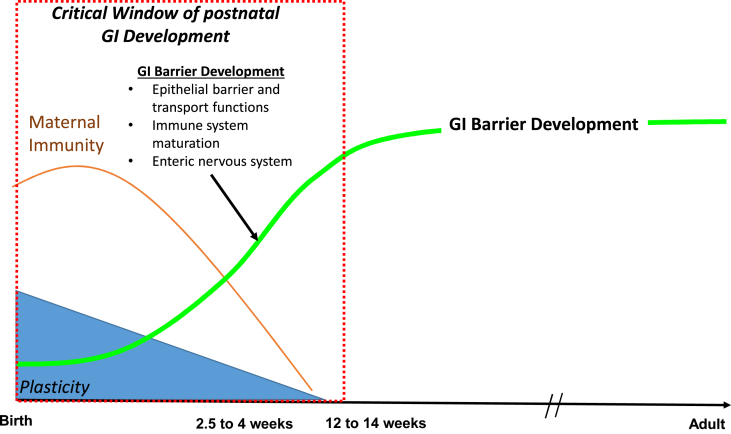
“…complete by 12 to 14 ity and shape the adult phenotype and function of the GI barrier. to a wide variety of antigen including self-antigen and bacteria, help in differentiating between self and non-self-antigen and further facilitate to achieve homeostasis (Martin et al., 2010; Wu and Wu, 2012).”
BackgroundKelly, J. R., Kennedy, P. J., Cryan, J. F., Dinan, T. G., Clarke, G., & Hyland, N. P. (2015) · Frontiers in Cellular Neuroscience · doi:10.3389/fncel.2015.00392 · Cited by 1,110 · cited 2×
“Whereas the microbiome has receivedmuch attention as an important defense barrier through several proposed mechanisms, reviewing the body of microbiome studies is beyond the scope of this review, but we direct readers to other excellent reviews on the topic (Backhed et al., 2005; Honda and Littman, 2016; Kelly et al.,…”
BackgroundThe alarmin IL-33 promotes regulatory T-cell function in the intestine
Schiering, C., Krausgruber, T., Chomka, A., Fröhlich, A., Adelmann, K., Wohlfert, E. A., Pott, J., Griseri, T., Bollrath, J., Hegazy, A. N., et al. (2014) · Nature · doi:10.1038/nature13577 · Cited by 1,007 · cited 2×
“, IL-17A, IL-33, IL-23 and transforming growth factor-b), which have important immunomodulatory properties (Schiering et al., 2014).”
Background
Cited by
Sorted by citations
Wang, X., Tsai, T.-C., Deng, F., Wei, X., Chai, J., Knapp, J., APPLE, J. K., Maxwell, C. V. V., Lee, J. A., Li, Y., et al. (2019) · Microbiome · doi:10.1186/s40168-019-0721-7 · Cited by 528
Diet and the Microbiota–Gut–Brain Axis: Sowing the Seeds of Good Mental Health
Berding, K., Vlckova, K., Marx, W., Schellekens, H., Stanton, C., Clarke, G., Jacka, F., Dinan, T. G., & Cryan, J. F. (2021) · Advances in Nutrition · doi:10.1093/advances/nmaa181 · Cited by 451
Gastrointestinal tract (gut) health in the young pig
Pluske, J. R., Turpin, D. L., & Kim, J.-C. (2018) · Animal nutrition · doi:10.1016/j.aninu.2017.12.004 · Cited by 418
“004 absorptive, barrier and immune functions (e.g., Boudry et al., 2004; Cranwell, 1995; Hampson, 1986a, b; Lall es et al., 2004, 2007a, b; Moeser et al., 2017; Pluske, 2013, 2016; Pluske et al., 1996a, b; 1997, 2003).”
BackgroundInfluentialWeaning stress and intestinal health of piglets: A review
Tang, X., Xiong, K., Fang, R., & Li, M. (2022) · Frontiers in Immunology · doi:10.3389/fimmu.2022.1042778 · Cited by 444
Nutritional Intervention for the Intestinal Development and Health of Weaned Pigs
Xiong, X., Tan, B., Song, M., Ji, P., Kim, K., Yin, Y., & Liu, Y. (2019) · Frontiers in Veterinary Science · doi:10.3389/fvets.2019.00046 · Cited by 217
Beneficial roles of probiotics on the modulation of gut microbiota and immune response in pigs
Shin, D., Chang, S. Y., Bogere, P., Won, K.-H., Choi, J., Choi, Y., Lee, H., Hur, J., Park, B., Kim, Y., et al. (2019) · PLoS ONE · doi:10.1371/journal.pone.0220843 · Cited by 190
Intestinal Health of Pigs Upon Weaning: Challenges and Nutritional Intervention
Zheng, L., Duarte, M. E., Loftus, A. S., & Kim, S. W. (2021) · Frontiers in Veterinary Science · doi:10.3389/fvets.2021.628258 · Cited by 168
Physiological Effects of Dietary Amino Acids on Gut Health and Functions of Swine
Yang, Z., & Liao, S. F. (2019) · Frontiers in Veterinary Science · doi:10.3389/fvets.2019.00169 · Cited by 153
“Nonetheless, to any violation in the barrier function, or in the event of pathogenic, antigenic or allergenic challenge, the gut immune system must rapidly and strongly respond to mobilize its innate and adaptive immunities, which is critical in preventing the systemic spread of infection and inflammation (5, 32).”
BackgroundUnlocking the power of postbiotics: A revolutionary approach to nutrition for humans and animals
Zhao, X., Liu, S., Li, S., Jiang, W., Wang, J., Xiao, J., Chen, T., Ma, J., Khan, M. Z., Wang, W., et al. (2024) · Cell Metabolism · doi:10.1016/j.cmet.2024.03.004 · Cited by 153
Upadhaya, S. D., & Kim, I. H. (2021) · Animals · doi:10.3390/ani11082418 · Cited by 130
“The intestinal mucosa is susceptible to inflammation since it is constantly exposed to the luminal environment including bacteria, toxins, and pathogens [4].”
BackgroundVasquez, R., Oh, J. K., Song, J. H., & Kang, D. (2022) · Journal of Animal Science and Technology · doi:10.5187/jast.2022.e58 · Cited by 131
Antibiotic Resistance: From Pig to Meat
Monger, X. C., Gilbert, A.-A., Saucier, L., & Vincent, A. T. (2021) · Antibiotics · doi:10.3390/antibiotics10101209 · Cited by 123
“At that time, piglets have not acquired all their gastrointestinal barriers, including the epithelial barrier, the immune system, and the enteric nervous system, making it easier for bacteria to implement themselves in the digestive system [44].”
BackgroundKim, K., Song, M., Liu, Y., & Ji, P. (2022) · Frontiers in Immunology · doi:10.3389/fimmu.2022.885253 · Cited by 138
Ikeda-Ohtsubo, W., Brugman, S., Warden, C. H., Rebel, J. M. J., Folkerts, G., & Pieterse, C. M. J. (2018) · Frontiers in Nutrition · doi:10.3389/fnut.2018.00090 · Cited by 115
Liang, J., Kou, S., Chen, C., Raza, S. H. A., Wang, S., Ma, X., Zhang, W., & Nie, C. (2021) · BMC Microbiology · doi:10.1186/s12866-021-02143-z · Cited by 118
“105 (positive mode ionization), and R2X [1]=0.”
BackgroundInfluentialIzuddin, W. I., Loh, T. C., Foo, H. L., Samsudin, A. A., & Humam, A. M. (2019) · Scientific Reports · doi:10.1038/s41598-019-46076-0 · Cited by 117
Baker, J. T., Duarte, M. E., Holanda, D. M., & Kim, S. W. (2021) · Animals · doi:10.3390/ani11030609 · Cited by 115
Resistant starch: Implications of dietary inclusion on gut health and growth in pigs: a review
Tan, F., Beltranena, E., & Zijlstra, R. T. (2021) · Journal of Animal Science and Biotechnology/Journal of animal science and biotechnology · doi:10.1186/s40104-021-00644-5 · Cited by 113
“BCL6: B-cell lymphoma 6; C1S: Complement component 1S; CD4: Cluster of differentiation 4; CR2: Complement receptor type 2; CTSB: Cathepsin B; DEF1B: Defensin beta 1; GLP-1: Glucagon-like peptide 1; ICOS: Inducible T cell co-stimulator; IL: Interleukin; ITGB3: Integrin subunit beta 3; MCP2: Monocyte chemoattractant pro…”
BackgroundInfluentialSu, W., Gong, T., Jiang, Z., Lu, Z., & Wang, Y. (2022) · Frontiers in Cellular and Infection Microbiology · doi:10.3389/fcimb.2022.883107 · Cited by 123
“At approximately 6 weeks of age, piglets have stable numbers of lymphocytes and mature secondary lymphoid organs, such as Peyer’s patches (PPs) in the gut (Moeser et al., 2017).”
BackgroundBergamaschi, M., Maltecca, C., Schillebeeckx, C., McNulty, N. P., Schwab, C. R., Shull, C. M., Fix, J., & Tiezzi, F. (2020) · Scientific Reports · doi:10.1038/s41598-020-66791-3 · Cited by 110
Tao, S., Fan, J., Li, J., Wu, Z., Yao, Y., Wang, Z., Wu, Y., Liu, X., Xiao, Y., & Wei, H. (2024) · Journal of Advanced Research · doi:10.1016/j.jare.2024.03.011 · Cited by 108
“The impact effect of diarrhea on intestinal damage in humans and animals has been extensively studied [46,47].”
Kridtayopas, C., Rakangtong, C., Bunchasak, C., & Loongyai, W. (2019) · Poultry Science · doi:10.3382/ps/pez152 · Cited by 101
Kim, S. W., Holanda, D. M., Gao, X., Park, I., & Yiannikouris, A. (2019) · Toxins · doi:10.3390/toxins11110633 · Cited by 95
“In addition, nursery pigs can be more susceptible to the mycotoxin challenge due to weaning stress [14].”
BackgroundSong, M., Ye, J., Zhang, F., Su, H., Yang, X., He, H., Liu, F., Zhu, X., Wang, L., Gao, P., et al. (2019) · Journal of Agricultural and Food Chemistry · doi:10.1021/acs.jafc.9b03173 · Cited by 103
The Molecular and Physiological Effects of Protein-Derived Polyamines in the Intestine
Bekebrede, A. F., Keijer, J., Gerrits, W. J. J., & de Boer, V. C. J. (2020) · Nutrients · doi:10.3390/nu12010197 · Cited by 93
Biology of heat stress; the nexus between intestinal hyperpermeability and swine reproduction
Mayorga, E. J., Ross, J. W., Keating, A. F., Rhoads, R. P., & Baumgard, L. H. (2020) · Theriogenology · doi:10.1016/j.theriogenology.2020.05.023 · Cited by 100
Predicting Growth and Carcass Traits in Swine Using Microbiome Data and Machine Learning Algorithms
Maltecca, C., Lu, D., Schillebeeckx, C., McNulty, N. P., Schwab, C. R., Shull, C. M., & Tiezzi, F. (2019) · Scientific Reports · doi:10.1038/s41598-019-43031-x · Cited by 94
Duarte, M. E., Tyus, J., & Kim, S. (2020) · Frontiers in Veterinary Science · doi:10.3389/fvets.2020.00573 · Cited by 71
“The fecal score was recorded using a 1–5 scale: (1) very firm stool, (2) normal firm stool, (3) moderately loose stool, (4) loose, watery stool, and (5) very watery stool.”
MethodDietary xylo-oligosaccharide improves intestinal functions in weaned piglets
Yin, J., Li, F., Kong, X., Wen, C., Guo, Q., Zhang, L., Wang, W., Duan, Y., Li, T., Tan, Z., et al. (2019) · Food & Function · doi:10.1039/c8fo02485e · Cited by 87
Mucin O-glycan-microbiota axis orchestrates gut homeostasis in a diarrheal pig model
Xia, B., Zhong, R., Wu, W., Luo, C., Meng, Q., Gao, Q., Zhao, Y. M., Chen, L., Zhang, S., Zhao, X., et al. (2022) · Microbiome · doi:10.1186/s40168-022-01326-8 · Cited by 88
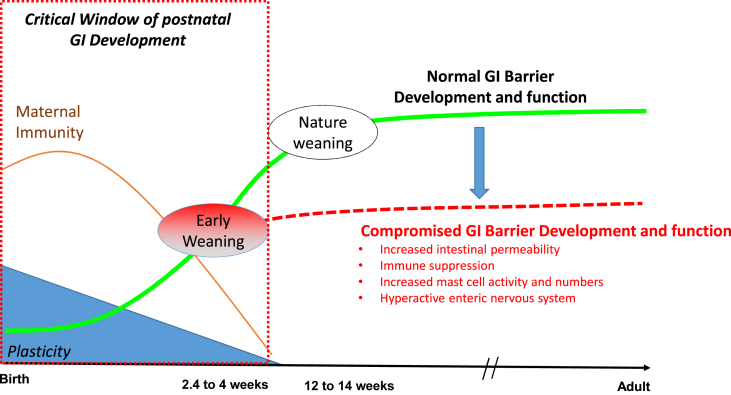
“The practice of early weaning of piglets between 14 and 30 days of age can shorten the slaughter cycle of pigs and improve reproductive performance in sows [26].”
Eriksen, E. Ø., Kudirkienė, E., Christensen, A. E., Agerlin, M. V., Weber, N. R., Nødtvedt, A., Nielsen, J. P., Hartmann, K. T., Skade, L., Larsen, L. E., et al. (2021) · Porcine Health Management · doi:10.1186/s40813-021-00232-z · Cited by 83
Choudhury, R., Middelkoop, A., Boekhorst, J., Gerrits, W. J. J., Kemp, B., Bolhuis, J. E., & Kleerebezem, M. (2021) · Environmental Microbiology · doi:10.1111/1462-2920.15791 · Cited by 87
“However, in modern swine industry practice, piglets are weaned abruptly around 3 – 4 weeks of age, a time period that coincides with the developmental changes of the gastrointestinal system (Moeser et al ., 2017).”
Jang, K. B., & Kim, S. W. (2019) · Journal of Animal Science · doi:10.1093/jas/skz334 · Cited by 81
The Evidence for a Causal Link Between Disease and Damaging Behavior in Pigs
Boyle, L. A., Edwards, S. A., Bolhuis, J. E., Pol, F., Šemrov, M. Z., Schütze, S., Nordgreen, J., Bozakova, N., Sossidou, E. Ν., & Valros, A. (2022) · Frontiers in Veterinary Science · doi:10.3389/fvets.2021.771682 · Cited by 86
Novais, A. K., Deschêne, K., Martel-Kennes, Y., Roy, C. S., Laforest, J.-P., Lessard, M., Matte, J. J., & Lapointe, J. (2021) · PLoS ONE · doi:10.1371/journal.pone.0247188 · Cited by 72
“Weaning is known to induce substantial changes in the morphology of the intestine which are frequently accompanied by intestinal disturbances, inflammation and bacterial infections that could be either transient or long lasting [43, 44].”
Backgroundde Groot, N., Fariñas, F., Cabrera-Gómez, C. G., Pallarés, F. J., & Ramis, G. (2021) · Journal of Animal Science · doi:10.1093/jas/skab065 · Cited by 67
Nutritional Regulation of Gut Barrier Integrity in Weaning Piglets
Modina, S., Polito, U., Rossi, R., Corino, C., & Giancamillo, A. D. (2019) · Animals · doi:10.3390/ani9121045 · Cited by 78
Käser, T. (2021) · Molecular Immunology · doi:10.1016/j.molimm.2021.04.004 · Cited by 62
Gut Health and Influencing Factors in Pigs
Szabó, C., Lugata, J. K., & Ortega, A. D. S. V. (2023) · Animals · doi:10.3390/ani13081350 · Cited by 71
“It is considered mature when piglets reach 6 weeks old as a large number of immune cells are prominent in the gut lymphoid tissue, but in the current intensive production system, piglets are weaned at a very young age (between 14 and 30 days) and are presented with a vast and diverse range of microbial and dietary/env…”
BackgroundOh, H.-J., Park, Y.-J., Cho, J. H., Song, M., Gu, B., Yun, W., Lee, J. H., An, J. S., Kim, Y.-J., Lee, J.-S., et al. (2021) · Animals · doi:10.3390/ani11051356 · Cited by 57
“During the weaning period (2–4 weeks of age), young animals have the maximum number of novel antigens throughout their life [62].”
BackgroundIntestinal morphology and immune profiles are altered in piglets by early-weaning
Cao, S., Hou, L., Sun, L., Gao, J., Gao, K., Yang, X., Jiang, Z., & Wang, L. (2022) · International Immunopharmacology · doi:10.1016/j.intimp.2022.108520 · Cited by 56
Beneficial Impact and Molecular Mechanism of Bacillus coagulans on Piglets’ Intestine
Wu, T., Lyu, Y., Xueni, L., Zhang, L., Shi, Y., Du, L., Yi, D., Chen, H., Guo, S., Wang, L., et al. (2018) · International Journal of Molecular Sciences · doi:10.3390/ijms19072084 · Cited by 56
“Weaning of piglets involves complex events, including environmental and dietary stresses that interfere with gut development and adaptation [2], which is one of the most critical developmental stages of the digestive tract when food is changed from maternal milk to a solid diet [3].”
BackgroundEffects of dietary inactivated probiotics on growth performance and immune responses of weaned pigs
Kang, J., Lee, J. J., Cho, J. H., Choe, J., Kyoung, H., Kim, S. H., Kim, H. B., & Song, M. (2021) · Journal of Animal Science and Technology · doi:10.5187/jast.2021.e44 · Cited by 56
“It is known that live LR decreases cortisol by secreting neurotransmitters [48] and that the EPS produced by Lactobacillus strains shields adhesive surface polymers to prevent pathogens from sticking to intestinal barrier and regulates immune responses to inhibit the releases of pro-inflammatory cytokines.”
BackgroundTrace Mineral Supplementation for the Intestinal Health of Young Monogastric Animals
Shannon, M. C., & Hill, G. M. (2019) · Frontiers in Veterinary Science · doi:10.3389/fvets.2019.00073 · Cited by 55
“(6) reported that weaned pigs at an older age (22– 24 d of age) were less likely to have an exacerbated immune response from an E.”
BackgroundRattigan, R., Sweeney, T., Maher, S., Thornton, K. H., Rajauria, G., & O’Doherty, J. V. (2019) · British Journal Of Nutrition · doi:10.1017/s0007114519002678 · Cited by 56
“The maturation of the gastrointestinal tract (GIT) is still underway during the early post-weaning period, and the optimal functioning of the GIT is a crucial factor affecting pig performance post-weaning (4) .”
Probiotics: Symbiotic Relationship with the Animal Host
Melara, E. G., Avellaneda, M. C., Valdivié, M., García, Y., Ginarte, R. A., & Martínez, Y. (2022) · Animals · doi:10.3390/ani12060719 · Cited by 54
“The layer of cells that make up the epithelial tissue that covers the GIT represents the greatest relationship between the interior and exterior of the host [55].”
BackgroundRapeseed Meal and Its Application in Pig Diet: A Review
Cheng, H., Liu, X., Xiao, Q., Zhang, F., Liu, N., Tang, L., Wang, J., Ma, X., Tan, B., Chen, J., et al. (2022) · Agriculture · doi:10.3390/agriculture12060849 · Cited by 54
van Hees, H. M. J., Davids, M., Maes, D. G. D., Millet, S., Possemiers, S., Hartog, L. A. D., Kempen, T. A. T. G. V., & Janssens, G. P. J. (2019) · Journal of Animal Science and Biotechnology/Journal of animal science and biotechnology · doi:10.1186/s40104-019-0386-x · Cited by 51
Silva-Guillen, Y. V., Arellano, C., Boyd, R. D., Padilla, G. E. M., & van Heugten, E. (2020) · Journal of Animal Science and Biotechnology/Journal of animal science and biotechnology · doi:10.1186/s40104-020-0431-9 · Cited by 49
“The high levels of the majority of cytokines on day 14 compared to day 35 may be due to the early weaning effects on pigs [54].”
BackgroundFaccin, J. E. G., Laskoski, F., Hernig, L. F., Kummer, R., Lima, G. F. R., Orlando, U. A., Gonçalves, M., Mellagi, A. P. G., Ulguim, R. D. R., & Bortolozzo, F. P. (2020) · Journal of Animal Science · doi:10.1093/jas/skaa031 · Cited by 48
Hui, Q., Ammeter, E., Liu, S., Yang, R., Lu, P., Lahaye, L., & Yang, C. (2020) · Journal of Animal Science · doi:10.1093/jas/skaa245 · Cited by 48
Liu, M., Ma, J., Xu, J., Huangfu, W., Zhang, Y., Ali, Q., Liu, B., Li, D., Cui, Y., Wang, Z., et al. (2024) · International Journal of Biological Macromolecules · doi:10.1016/j.ijbiomac.2024.129696 · Cited by 44
Associations between gastrointestinal-tract function and the stress response after weaning in pigs
Pluske, J. R., Miller, D. W., Sterndale, S. O., & Turpin, D. L. (2019) · Animal Production Science · doi:10.1071/an19279 · Cited by 43
Role of vitamins for gastro-intestinal functionality and health of pigs
Lauridsen, C., Matte, J. J., Lessard, M., Celi, P., & Litta, G. (2021) · Animal Feed Science and Technology · doi:10.1016/j.anifeedsci.2021.114823 · Cited by 44
Limbach, J. R., Espinosa, C. D., Pérez-Calvo, E., & Stein, H. H. (2021) · Journal of Animal Science · doi:10.1093/jas/skab166 · Cited by 43
Kerschaver, C. V., Turpin, D. L., Michiels, J., & Pluske, J. R. (2023) · Animals · doi:10.3390/ani13101644 · Cited by 41
Dietary Glutamic Acid Modulates Immune Responses and Gut Health of Weaned Pigs
Kyoung, H., Lee, J. J., Cho, J. H., Choe, J., Kang, J., Lee, H., Liu, Y., Kim, Y., Kim, H. B., & Song, M. (2021) · Animals · doi:10.3390/ani11020504 · Cited by 44
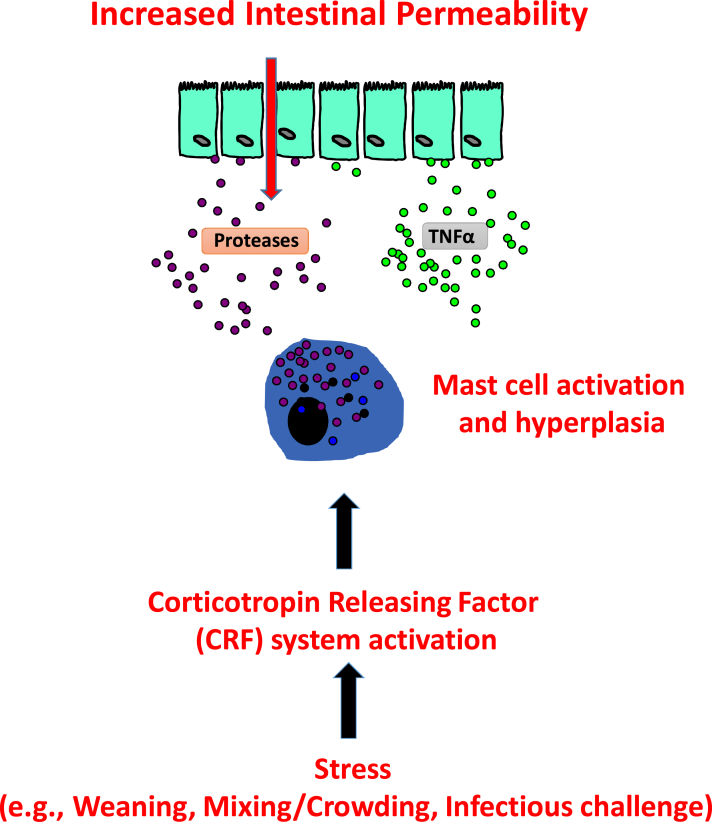
“Weaning stress overreacts the hypothalamic pituitary adrenal axis and corticotropin releasing factor system to release mast cell proteases and TNF-α in the intestine, which increase intestinal epithelium permeability and induce the penetration of external antigens [34].”
BackgroundInfluentialMaintaining continuity of nutrient intake after weaning. II. Review of post-weaning strategies
Wensley, M. R., Tokach, M. D., Woodworth, J. C., Goodband, R. D., Gebhardt, J. T., DeRouchey, J. M., & McKilligan, D. M. (2021) · Translational Animal Science · doi:10.1093/tas/txab022 · Cited by 41
Effect of dietary Bacillus coagulans on the performance and intestinal microbiota of weaned piglets
Sun, T., Miao, H., Zhang, C., Wang, Y., Liu, S., Jiao, P., Li, W., Li, Y., & Huang, Z. (2022) · animal · doi:10.1016/j.animal.2022.100561 · Cited by 40
Impact of Early Weaning on Development of the Swine Gut Microbiome
St‐Pierre, B., Perez-Palencia, J. Y., & Samuel, R. S. (2023) · Microorganisms · doi:10.3390/microorganisms11071753 · Cited by 40
“Because the first two to three months are crucial for the development and maturation of the intestinal barrier in pigs, any disruptions during this period can have a long-term impact on gut health and function [44].”
BackgroundIpema, A. F., Bokkers, E. A. M., Gerrits, W. J. J., Kemp, B., & Bolhuis, J. E. (2021) · Scientific Reports · doi:10.1038/s41598-021-86765-3 · Cited by 40
Ma, J., Long, S., Wang, J., Gao, J., & Piao, X. (2022) · Journal of Animal Science and Biotechnology/Journal of animal science and biotechnology · doi:10.1186/s40104-021-00670-3 · Cited by 40
“For newborn piglets, the weaning period is characterized by impaired growth, increased incidence of diarrhea and other diseases as well as severe morphological alterations of the intestinal tissues [2, 3], which alleviated and improved by antibiotic growth promoters (AGP) consequently.”
BackgroundSudan, S., Zhan, X., & Li, J. (2022) · Microbiology Spectrum · doi:10.1128/spectrum.01257-21 · Cited by 40
Liao, S. F. (2021) · Animals · doi:10.3390/ani11041110 · Cited by 39
Xu, Q., Liu, C., Mo, X.-J., Chen, M., Zhao, X., Liu, M.-Z., Wang, S., Zhou, B., & Zhao, C.-X. (2022) · Antioxidants · doi:10.3390/antiox11050809 · Cited by 46
“However, due to immature digestive organs, insufficient secretion of gastric acid and digestive enzymes, and low immunity of early weaned pigs, they often display early weaning stress syndrome, which is characterized by digestive dysfunction, growth retardation, and diarrhea [3,4].”
BackgroundZhang, K., Xu, Y., Yang, Y., Guo, M., Zhang, T., Zong, B., Huang, S., Suo, L., Ma, B., Wang, X., et al. (2022) · Animal nutrition · doi:10.1016/j.aninu.2022.04.004 · Cited by 39
“In contrast, other studies challenged the persistent effects of early weaning in animals (Li et al., 2018; McCoard et al., 2020; Moeser et al., 2017).”
ResultIntestinal single-cell atlas reveals novel lymphocytes in pigs with similarities to human cells
Wiarda, J. E., Trachsel, J., Sivasankaran, S. K., Tuggle, C. K., & Loving, C. L. (2022) · Life Science Alliance · doi:10.26508/lsa.202201442 · Cited by 42
“Moreover, pigs serve as models for studying the impact of stress, nutrition, and infectious disease on intestinal physiology and immune status (reviewed by Gonzalez et al [2015], Roura et al [2016], Ziegler et al [2016], Moeser et al [2017], Hryhorowicz et al [2020], and K¨aser [2021]).”
Meng, Q., Zhang, Y., Li, J., Shi, B., Ma, Q., & Shan, A. (2022) · Journal of Nutrition · doi:10.1093/jn/nxac208 · Cited by 37
Evaluating nursery pig responses to in-feed sub-therapeutic antibiotics
Helm, E. T., Curry, S. M., Trachsel, J., Schroyen, M., & Gabler, N. K. (2019) · PLoS ONE · doi:10.1371/journal.pone.0216070 · Cited by 40
Alternatives to antibiotics in pig production: looking through the lens of immunophysiology
Liu, H., Zhu, C., Zhu, M., Yuan, L., Li, S., Gu, F., Hu, P., Chen, S., & Cai, D. (2024) · Stress Biology · doi:10.1007/s44154-023-00134-w · Cited by 37
“This would facilitate the passage of toxic substances and pathogens at the mucosal barrier, and stimulate a vigorous immune response (Moeser et al. 2017; Pluske et al. 2018).”
BackgroundMo, K., Li, J., Liu, F., Xu, Y. X., Huang, X., & Ni, H. (2022) · Frontiers in Nutrition · doi:10.3389/fnut.2021.808106 · Cited by 35
“of 48 weaning piglets were randomly allotted to six dietary treatments: (1) basal diet; (2)”
BackgroundMethodLiu, G., Gu, K., Liu, X., Jia, G., Zhao, H. Y., Chen, X., & Wang, J. (2023) · Food Research International · doi:10.1016/j.foodres.2023.112597 · Cited by 36
Moita, V. H. C., Duarte, M. E., da Silva, S. N., & Kim, S. W. (2021) · Animals · doi:10.3390/ani11061591 · Cited by 34
Choi, H., & Kim, S. W. (2023) · Animals · doi:10.3390/ani13132236 · Cited by 33
“After weaning, the mRNA expression of pro-inflammatory cytokines was increased [46], indicating that weaning stress affects cytokine signaling modulation in the small intestine of nursery pigs [47].”
BackgroundNovais, A. K., Martel-Kennes, Y., Roy, C., Deschêne, K., Beaulieu, S., Bergeron, N., Laforest, J.-P., Lessard, M., Matte, J. J., & Lapointe, J. (2019) · animal · doi:10.1017/s1751731119002829 · Cited by 32
Boontiam, W., Bunchasak, C., Kim, Y. Y., Kitipongpysan, S., & Hong, J. (2022) · Animals · doi:10.3390/ani12030350 · Cited by 32
“Newly weaned pigs are usually susceptible to many stressors [30].”
BackgroundLaw, K., Lozinski, B., Torres, I., Davison, S., Hilbrands, A., Nelson, E. V., Parra-Suescún, J., Johnston, L. J., & Gomez, A. M. (2021) · mSphere · doi:10.1128/msphere.00663-21 · Cited by 31
“The increased abundance of Lactobacillus at weaning is interesting because of the physiological stress associated with weaning, where enhancing gut health and the immune system is critical (44).”
BackgroundQiao, L., Dou, X., Song, X., Chang, J., Zeng, X., Zhu, L., Yi, H., & Xu, C. (2023) · Animal nutrition · doi:10.1016/j.aninu.2023.08.003 · Cited by 31
Eriksen, E. Ø., Kudirkienė, E., Barington, K., Goecke, N. B., Blirup-Plum, S. A., Nielsen, J. P., Olsen, J. E., Jensen, H. E., Pankoke, K., Larsen, L. E., et al. (2023) · Porcine Health Management · doi:10.1186/s40813-023-00325-x · Cited by 30
The Role of Polyphenols in Regulation of Heat Shock Proteins and Gut Microbiota in Weaning Stress
Hussain, T., Wang, J., Murtaza, G., Metwally, E., Yang, H., Kalhoro, M. S., Kalhoro, D. H., Rahu, B. A., Tan, B., Sahito, R. G. A., et al. (2021) · Oxidative Medicine and Cellular Longevity · doi:10.1155/2021/6676444 · Cited by 32
“The overwhelming status of ROS interferes with cellular function and subsequently affects TJ proteins resulting in increased gut permeability [67].”
BackgroundRajput, M., Momin, T., Singh, A. K., Banerjee, S. J., Villasenor, A., Sheldon, J., Paudel, P., & Rajput, R. K. S. (2022) · Veterinary and Animal Science · doi:10.1016/j.vas.2022.100279 · Cited by 30
“It contains cells that perform barrier function, digestion, and absorption as well as cells of the nervous and immune systems (Mason et al., 2008; A. J. Moeser et al., 2017).”
BackgroundRen, H., Li, K., Min, Y., Qiu, B., Huang, X., Luo, J., Qi, L., Kang, M., Xia, P., Qiao, H., et al. (2023) · Antioxidants · doi:10.3390/antiox12040914 · Cited by 29
“Farmed pigs constantly face various health challenges, such as weaning stress [1], fungal poisoning [2], and endotoxin stress [3].”
BackgroundLi, Z., Lin, Z., Lu, Z., Feng, Z., Chen, Q., Deng, S.-F., Li, Z., Yan, Y., & Ying, Z. (2019) · AMB Express · doi:10.1186/s13568-019-0828-z · Cited by 29
Impact of viral disease hypophagia on pig jejunal function and integrity
Helm, E. T., Curry, S. M., Mille, C. M. D., Schweer, W., Burrough, E. R., & Gabler, N. K. (2020) · PLoS ONE · doi:10.1371/journal.pone.0227265 · Cited by 28
“Reductions in intestinal integrity and function have been documented under a variety of stressors, including heat stress [3, 4], weaning stress [5, 6], and enteric disease challenges such as with Porcine Epidemic Diarrhea Virus [PEDV; 7, 8, 9].”
BackgroundMaintaining continuity of nutrient intake after weaning. I. Review of pre-weaning strategies
Wensley, M. R., Tokach, M. D., Woodworth, J. C., Goodband, R. D., Gebhardt, J. T., DeRouchey, J. M., & McKilligan, D. M. (2021) · Translational Animal Science · doi:10.1093/tas/txab021 · Cited by 33
Wang, Z., Hu, J. H., Yang, X., Yin, L., Wang, M., Yin, Y., Li, J., Yang, H., & Yin, Y. (2021) · Animal nutrition · doi:10.1016/j.aninu.2021.04.008 · Cited by 28
“Since piglets are susceptible to psychological, nutritional and environmental factors during theweaning stage, the homeostasis of the intestine is easily disrupted (Moeser et al., 2017).”
BackgroundXiang, X.-D., Deng, Z., Wang, Y.-W., Sun, H., Wang, L., Han, Y., Wu, Y., Jian-gao, L., & Sun, L. (2021) · Antioxidants · doi:10.3390/antiox10111665 · Cited by 27
“These outcomes are in agreement with previous studies, which showed organic acids can improve intestinal morphology [39].”
ResultZhao, B.-C., Wang, T., Chen, J., Qiu, B.-H., Xu, Y., Zhang, Q., Li, J., Wang, C.-J., Nie, Q.-F., & Li, J. (2023) · Porcine Health Management · doi:10.1186/s40813-023-00317-x · Cited by 27
Pioneering gut health improvements in piglets with phytogenic feed additives
Yu, S. J., Morris, A., Kayal, A., Milošević, I., Van, T. T. H., Bajagai, Y. S., & Stanley, D. (2024) · Applied Microbiology and Biotechnology · doi:10.1007/s00253-023-12925-2 · Cited by 29
“Enhanced intestinal crypt cell proliferation, which requires ample nucleotide supply for DNA replication, might be one possible mechanism underlying this observation (Moeser et al. 2017).”
BackgroundIntraepithelial T Cells Diverge by Intestinal Location as Pigs Age
Wiarda, J. E., Trachsel, J., Bond, Z. F., Byrne, K. A., Gabler, N. K., & Loving, C. L. (2020) · Frontiers in Immunology · doi:10.3389/fimmu.2020.01139 · Cited by 26
Li, Y., Liu, Y., Wu, J., Chen, Q., Zhou, Q., Wu, F., Zhang, R., Fang, Z., Lin, Y., Xu, S., et al. (2021) · Journal of Animal Science and Biotechnology/Journal of animal science and biotechnology · doi:10.1186/s40104-021-00625-8 · Cited by 26
“For weaning piglets, weaning stress is a vital factor that causing immunological and intestinal impairments [34].”
BackgroundKobuvirus shedding dynamics in a swine production system and their association with diarrhea.
Nantel-Fortier, N., Lachapelle, V., Letellier, A., L'Homme, Y., & Brassard, J. (2019) · Veterinary Microbiology · doi:10.1016/j.vetmic.2019.07.023 · Cited by 22
Relationship between weaning age and antibiotic usage on pig growth performance and mortality
Faccin, J. E. G., Tokach, M. D., Allerson, M. W., Woodworth, J. C., DeRouchey, J. M., Dritz, S. S., Bortolozzo, F. P., & Goodband, R. D. (2020) · Journal of Animal Science · doi:10.1093/jas/skaa363 · Cited by 25
Impact of supplemental liquid feed pre-weaning and piglet weaning age on feed intake post-weaning
Kobek‐Kjeldager, C., Vodolazs'ka, D., Lauridsen, C., Canibe, N., & Pedersen, L. J. (2021) · Livestock Science · doi:10.1016/j.livsci.2021.104680 · Cited by 25
Role of milk carbohydrates in intestinal health of nursery pigs: a review
Jang, K. B., & Kim, S. W. (2022) · Journal of Animal Science and Biotechnology/Journal of animal science and biotechnology · doi:10.1186/s40104-021-00650-7 · Cited by 28
“Thus, the neonates would take up to 6 weeks to develop a stable immunity in nursery pigs [114].”
BackgroundSong, M., Kim, B., Cho, J. H., Kyoung, H., Park, S., Cho, J.-Y., Park, K. I., Kim, H. B., & Lee, J. J. (2022) · Journal of Animal Science and Technology · doi:10.5187/jast.2022.e28 · Cited by 28
“After weaning, piglets suffer from several stresses due to physiological, environmental, and immunological changes [16,17].”
Background4-Phenylbutyric acid accelerates rehabilitation of barrier function in IPEC-J2 cell monolayer model
Jiang, Q., Yin, J., Chen, J., Ma, X., Wu, M., Li, X., Kang, Y., Tan, B., & Yin, Y. (2021) · Animal nutrition · doi:10.1016/j.aninu.2021.02.003 · Cited by 24
“Oxidative dyshomeostasis is involved in weaning stress-induced intestinal barrier damage (Moeser et al., 2017).”
BackgroundUerlings, J., Sureda, E. A., Schroyen, M., Kroeske, K., Tanghe, S., Vos, M. D., Bruggeman, G., Wavreille, J., Bindelle, J., Purcaro, G., et al. (2021) · Frontiers in Nutrition · doi:10.3389/fnut.2021.650211 · Cited by 24
“Moreover, as the mucosal immune system is still immature and a stable commensal microbiota is not yet established (4), this period is often associated with disturbed microbiota and the proliferation of pathogens in the hindgut, resulting in post-weaning diarrhea (5, 6).”
BackgroundLiu, N., Ma, X., & Jiang, X. (2022) · Frontiers in Immunology · doi:10.3389/fimmu.2022.872990 · Cited by 25
Duarte, M. E., Stahl, C. H., & Kim, S. W. (2023) · Antioxidants · doi:10.3390/antiox12051040 · Cited by 26
“The impaired intestinal immune system increases pigs susceptibility to pathogen invasion [3,4].”
Background
Metadata
- Authors
- Moeser, A. J., Pohl, C. S., & Rajput, M.
- Affiliations
- Michigan State University (US)
- Corresponding author
- Moeser, Adam J.
- Venue
- Animal nutrition
- Publisher
- Elsevier BV
- Published
- 2017-12
- Volume
- 3
- Issue
- 4
- Pages
- 313-321
- ISSN
- 2405-6383 (ISSN-L)
- 2405-6545
- PMC
- PMC5941262
- OpenAlex
- W2732972012
- Cited by
- 452
- References
- 95
- Citations by year
- 2026: 54 · 2025: 53 · 2024: 61 · 2023: 63 · 2022: 85 · 2021: 60 · 2020: 38 · 2019: 34 · 2018: 4
- FWCI
- 2.53
- Type
- journal article
- Language
- en
- Open access
- gold
- doi.org
- Licence
- Locations
- Animal nutrition (publishedVersion, cc-by-nc-nd)
- Europe PMC (PubMed Central) (publishedVersion, cc-by-nc-nd)
- PubMed Central (publishedVersion, cc-by-nc-nd)
- PubMed (publishedVersion)
- DOAJ (DOAJ: Directory of Open Access Journals) (submittedVersion, cc-by-sa)
- Funders
- National Institutes of Health (HD072968)
- USDA National Institute of Food and Agriculture (2017-67015-26673)
- Topics
- Life Sciences › Agricultural and Biological Sciences › Animal Science and Zoology › Animal Nutrition and Physiology
- Health Sciences › Veterinary › Small Animals › Veterinary medicine and infectious diseases
- Health Sciences › Medicine › Gastroenterology › Gastrointestinal motility and disorders
- Keywords
- weaning stress, gastrointestinal barrier, pigs, gut health, intestinal epithelium, enteric nervous system, intestinal immunity, disease susceptibility, early life stress, barrier dysfunction
About these checks
Registry, retraction, Cites and statistics results are computed, not judged, with one exception: a printed reference that no index lists is read once by a model before it counts as a citation error. Claims are extracted by a model and kept only when their quote appears verbatim in the text; each cited source is then checked, with a model’s help, for whether it says what the claim relies on. Those verdicts can be wrong — read the claim’s quote and the cited source before relying on one.
Statistics and arithmetic are recomputed, not judged.
Confidence bands are shown only for fields calibrated on our annotated test set. None is calibrated yet, so no band is shown.
What counts as a claim ›How we measure confidence ›How we check this ›
Are you an author, or do you see a problem with this page? Request a review
