

The DOI matches its Crossref record; 233 of the 233 references it cites were found in a registry or an index.
Role of advanced glycation end products in cellular signaling
Open accessAbstract
Improvements in health care and lifestyle have led to an elevated lifespan and increased focus on age-associated diseases, such as neurodegeneration, cardiovascular disease, frailty and arteriosclerosis. In all these chronic diseases protein, lipid or nucleic acid modifications are involved, including cross-linked and non-degradable aggregates, such as advanced glycation end products (AGEs). Formation of endogenous or uptake of dietary AGEs can lead to further protein modifications and activation of several inflammatory signaling pathways. This review will give an overview of the most prominent AGE-mediated signaling cascades, AGE receptor interactions, prevention of AGE formation and the impact of AGEs during pathophysiological processes.
Overview
The claims and statistics of this paper haven’t been checked yet.
Run the check — free, no account needed. It reads the open-access text and checks the sources it cites.
Integrity signals
Registry
Cites
Statistics
Figures
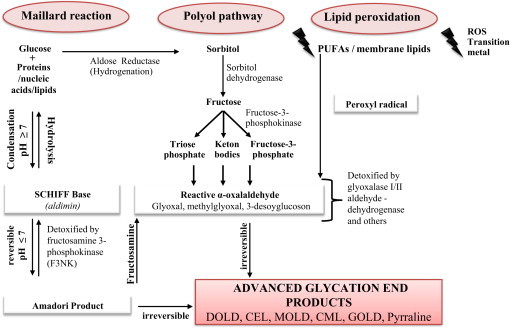
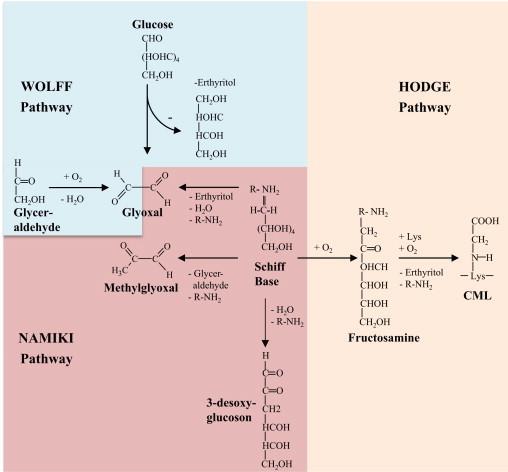
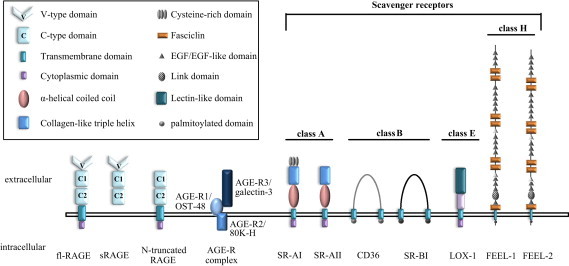
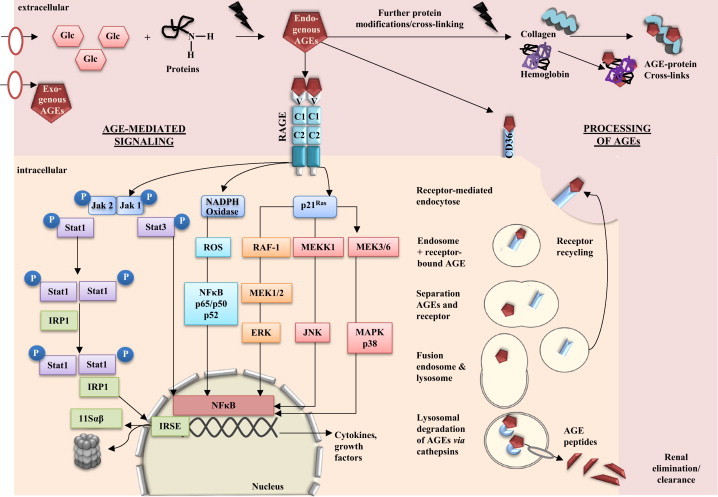
Verification
Claims the paper makes
The claims and statistics of this paper haven’t been checked yet.
Run the check — free, no account needed. It reads the open-access text and checks the sources it cites.
Claims other papers make about this one
Each is checked against this paper’s own text: does it say what the citing paper says it does?
The source backs part of the claim, not all of it — or backs it for a different population, condition or comparison.
In the citing paper
“In addition to lipid peroxide-related protein adducts, recent data suggest that sugar moiety-related protein adduct such as advanced glycation end products (AGEs) can be produced by high fat or excessive alcohol exposure or under pathological states such as diabetes, cardiovascular diseases and Alzheimer's disease, as recently reviewed [190], [191], [192], [193].”
From Mitochondrial dysfunction and tissue injury by alcohol, high fat, nonalcoholic substances and pathological conditions through post-translational protein modifications (2014) · cites this paper as [191]
Experimental — accuracy not yet measuredIn the citing paper
“These AGE cell surface receptors include AGE-R1, AGE-R2, AGE-R3, and scavenger receptors such as macrophage scavenger receptors, scavenger receptor class B type I and II (SR-BI, SR-BII), and cluster of differentiation 36 (CD36).”
From Advanced glycation end products (AGEs) and other adducts in aging-related diseases and alcohol-mediated tissue injury (2021) · cites this paper as [46]
In the citing paper
“The interaction of AGEs with these receptors can enhance their catabolism and clearance by modulating endocytosis and degradation45,46, suggesting a potentially adaptive defensive mechanism in the body to reduce the detrimental effects of increased glycation products.”
From Advanced glycation end products (AGEs) and other adducts in aging-related diseases and alcohol-mediated tissue injury (2021) · cites this paper as [46]
In the citing paper
“Notably, several conditions, including aging, diabetes, renal failure, tobacco smoking, and excessive alcohol consumption that induce AGE accumulation and AGE-RAGE interaction, are risk factors for increased bone fracture and osteoporosis46,85.”
From Advanced glycation end products (AGEs) and other adducts in aging-related diseases and alcohol-mediated tissue injury (2021) · cites this paper as [46]
Self-check
Percentages, sums and reported differences re-computed from the paper’s own numbers.
The self-check needs the paper’s full text.
Citations
Cites
Bundesgesundheitsblatt - Gesundheitsforschung - Gesundheitsschutz
(2013) · Bundesgesundheitsblatt - Gesundheitsforschung - Gesundheitsschutz · doi:10.1007/103.1437-1588 · Cited by 11,769
Pathways towards and Away from Alzheimer’s Disease
Mattson, M. P. (2004) · Nature · doi:10.1038/nature02621 · Cited by 3,052
Broken Limits to Life Expectancy
Oeppen, J., & Vaupel, J. W. (2002) · Science · doi:10.1126/science.1069675 · Cited by 2,819
Advanced glycation end-products: A review
Singh, R., Barden, A., Mori, T., & Beilin, L. (2001) · Diabetologia · doi:10.1007/s001250051591 · Cited by 2,597
Goldstein, J. L., Ho, Y. K., Basu, S. K., & Brown, M. S. (1979) · Proceedings of the National Academy of Sciences · doi:10.1073/pnas.76.1.333 · Cited by 2,447
Advanced Glycation End Products: Sparking the Development of Diabetic Vascular Injury
Goldin, A., Beckman, J. A., Schmidt, A. M., & Creager, M. A. (2006) · Circulation · doi:10.1161/circulationaha.106.621854 · Cited by 2,261
Identification of Scavenger Receptor SR-BI as a High Density Lipoprotein Receptor
Acton, S., Rigotti, A., Landschulz, K. T., Xu, S., Hobbs, H. H., & Krieger, M. (1996) · Science · doi:10.1126/science.271.5248.518 · Cited by 2,026
Understanding the odd science of aging
Kirkwood, T. B. L. (2005) · Cell · doi:10.1016/j.cell.2005.01.027 · Cited by 1,984
RAGE Mediates a Novel Proinflammatory Axis
Hofmann, M. A., Drury, S., Fu, C., Qu, W., Taguchi, A., Lu, Y., Avila, C., Kambham, N., Bierhaus, A., Nawroth, P., et al. (1999) · Cell · doi:10.1016/s0092-8674(00)80801-6 · Cited by 1,864
Steinbrecher, U. P., Parthasarathy, S., Leake, D. S., Witztum, J. L., & Steinberg, D. I. (1984) · Proceedings of the National Academy of Sciences · doi:10.1073/pnas.81.12.3883 · Cited by 1,626
Neeper, M. P., Schmidt, A. M., Brett, J., Yan, S. D., Wang, F., Pan, Y., Elliston, K. O., Stern, D., & SHAW, A. R. (1992) · Journal of Biological Chemistry · doi:10.1016/s0021-9258(18)42138-2 · Cited by 1,545
Low density lipoprotein undergoes oxidative modification in vivo.
Palinski, W., Rosenfeld, M. E., Ylä‐Herttuala, S., Gurtner, G. C., Socher, S. S., Butler, S. W., Parthasarathy, S., Carew, T. E., Steinberg, D. H., & Witztum, J. L. (1989) · Proceedings of the National Academy of Sciences · doi:10.1073/pnas.86.4.1372 · Cited by 1,514
Galectins. Structure and function of a large family of animal lectins.
Barondes, S. H., Cooper, D. N., Gitt, M. A., & Leffler, H. (1994) · Journal of Biological Chemistry · doi:10.1016/s0021-9258(17)31891-4 · Cited by 1,498
RAGE mediates amyloid-β peptide transport across the blood-brain barrier and accumulation in brain
Deane, R., Du Yan, S., Submamaryan, R. K., LaRue, B., Jovanovic, S., Hogg, E., Welch, D., Manness, L., Lin, C., Yu, J., et al. (2003) · Nature Medicine · doi:10.1038/nm890 · Cited by 1,426
An endothelial receptor for oxidized low-density lipoprotein
Sawamura, T., Kume, N., Aoyama, T., Moriwaki, H., Hoshikawa, H., Aiba, Y., Tanaka, T., Miwa, S., Katsura, Y., Kita, T., et al. (1997) · Nature · doi:10.1038/386073a0 · Cited by 1,386
Tian, J., Avalos, A. M., Mao, S.-Y., Chen, B., Senthil, K., Wu, H., Parroche, P., Drabic, S., Golenbock, D., Sirois, C., et al. (2007) · Nature Immunology · doi:10.1038/ni1457 · Cited by 1,372
Mukherjee, S., Ghosh, R. K., & Maxfield, F. R. (1997) · Physiological Reviews · doi:10.1152/physrev.1997.77.3.759 · Cited by 1,338
Understanding RAGE, the receptor for advanced glycation end products
Bierhaus, A., Humpert, P. M., Morcos, M., Wendt, T., Chavakis, T., Arnold, B., Stern, D. M., & Nawroth, P. P. (2005) · Journal of Molecular Medicine · doi:10.1007/s00109-005-0688-7 · Cited by 1,297
Galectins: A family of animal β-galactoside-binding lectins
Barondes, S. H., Castronovo, V., Cooper, D. N. W., Cummings, R. D., Drickamer, K., Felzi, T., Gitt, M. A., Hirabayashi, J., Hughes, C., Kasai, K.-I., et al. (1994) · Cell · doi:10.1016/0092-8674(94)90498-7 · Cited by 1,223
Formation of glyoxal, methylglyoxal and 3-deoxyglucosone in the glycation of proteins by glucose
Thornalley, P. J., LANGBORG, A., & Minhas, H. S. (1999) · Biochemical Journal · doi:10.1042/bj3440109 · Cited by 1,209
The Receptor for Advanced Glycation End Products (RAGE) Is a Cellular Binding Site for Amphoterin
Hori, O., Brett, J., Slattery, T., Cao, R., Zhang, J., Chen, J. X., Nagashima, M., Lundh, E. R., Vijay, S., Nitecki, D., et al. (1995) · Journal of Biological Chemistry · doi:10.1074/jbc.270.43.25752 · Cited by 1,151
INFLAMMATION AND ATHEROSCLEROSIS
Hansson, G. K., Robertson, A.-K. L., & Söderberg‐Nauclér, C. (2006) · Annual Review of Pathology Mechanisms of Disease · doi:10.1146/annurev.pathol.1.110304.100100 · Cited by 1,082
Endocytosis and signalling: intertwining molecular networks
Sorkin, A., & von Zastrow, M. (2009) · Nature Reviews Molecular Cell Biology · doi:10.1038/nrm2748 · Cited by 1,064
Type I macrophage scavenger receptor contains α-helical and collagen-like coiled coils
Kodama, T., Freeman, M. W., Rohrer, L., Zabrecky, J. R., Matsudaira, P. T., & Krieger, M. (1990) · Nature · doi:10.1038/343531a0 · Cited by 1,036
Henriksen, T., Mahoney, E. M., & Steinberg, D. H. (1981) · Proceedings of the National Academy of Sciences · doi:10.1073/pnas.78.10.6499 · Cited by 1,025
Lander, H. M., Tauras, J. M., Ogiste, J. S., Hori, O., Moss, R. A., & Schmidt, A. M. (1997) · Journal of Biological Chemistry · doi:10.1074/jbc.272.28.17810 · Cited by 813
Advanced glycation end products contribute to amyloidosis in Alzheimer disease
Vitek, M. P., Bhattacharya, K., Glendening, J. M., Stopa, E., Vlassara, H., Bucala, R., Manogue, K., & Cerami, A. (1994) · Proceedings of the National Academy of Sciences · doi:10.1073/pnas.91.11.4766 · Cited by 806
Mitochondrial dysfunction accounts for the stochastic heterogeneity in telomere-dependent senescence
Passos, J. F., Saretzki, G., Ahmed, S., Nelson, G., Richter, T., Peters, H., Wappler, I., Birket, M. J., Harold, G., Schaeuble, K., et al. (2007) · PLoS Biology · doi:10.1371/journal.pbio.0050110 · Cited by 796
Brett, J., Schmidt, A. M., Yan, S. D., Zou, Y. S., Weidman, E., Pinsky, D. J., Nowygrod, R., Neeper, M. P., Przysiecki, C. T., & SHAW, A. R. (1993) · PubMed · Cited by 780
Accumulation of Maillard reaction products in skin collagen in diabetes and aging.
Dyer, D. G., Dunn, J. A., Thorpe, S. R., Bailie, K., Lyons, T. J., McCance, D. R., & Baynes, J. (1993) · Journal of Clinical Investigation · doi:10.1172/jci116481 · Cited by 770
Diabetes and advanced glycation endproducts
Vlassara, H., & Palace, M. R. (2002) · Journal of Internal Medicine · doi:10.1046/j.1365-2796.2002.00932.x · Cited by 723
Oxidative DNA damage and senescence of human diploid fibroblast cells.
Chen, Q., Fischer, A., Reagan, J. D., Yan, L. J., & Ames, B. N. (1995) · Proceedings of the National Academy of Sciences · doi:10.1073/pnas.92.10.4337 · Cited by 720
YONEKURA, H., YAMAMOTO, Y., SAKURAI, S., PETROVA, R. G., ABEDIN, M. J., LI, H., YASUI, K., TAKEUCHI, M., MAKITA, Z., TAKASAWA, S., et al. (2003) · Biochemical Journal · doi:10.1042/bj20021371 · Cited by 716
Schleicher, E. D., Wagner, E., & Nerlich, A. G. (1997) · Journal of Clinical Investigation · doi:10.1172/jci119180 · Cited by 714
Khoshnoodi, J., Pedchenko, V., & Hudson, B. G. (2008) · Microscopy Research and Technique · doi:10.1002/jemt.20564 · Cited by 668
Vlassara, H., Cai, W., Crandall, J., Goldberg, T., Oberstein, R., Dardaine, V., Peppa, M., & Rayfield, E. J. (2002) · Proceedings of the National Academy of Sciences · doi:10.1073/pnas.242407999 · Cited by 668
Sparvero, L. J., Asafu-Adjei, D. A., Kang, R., Tang, D., Amin, N., Im, J., Rutledge, R., Lin, B., Amoscato, A. A., Zeh, H. J., et al. (2009) · Journal of Translational Medicine · doi:10.1186/1479-5876-7-17 · Cited by 643
Huttunen, H. J., Fages, C., & Rauvala, H. (1999) · Journal of Biological Chemistry · doi:10.1074/jbc.274.28.19919 · Cited by 634
Advanced glycation end products
Gkogkolou, P., & Böhm, M. (2012) · Dermato-Endocrinology · doi:10.4161/derm.22028 · Cited by 613
Thornalley, P. J. (1996) · General Pharmacology: The Vascular System · doi:10.1016/0306-3623(95)02054-3 · Cited by 591
The Pattern Recognition Receptor (RAGE) Is a Counterreceptor for Leukocyte Integrins
Chavakis, T., Bierhaus, A., Al‐Fakhri, N., Schneider, D., Witte, S., Linn, T., Nagashima, M., Morser, J., Arnold, B., Preissner, K. T., et al. (2003) · The Journal of Experimental Medicine · doi:10.1084/jem.20030800 · Cited by 583
Huttunen, H. J., Kuja‐Panula, J., Sorci, G., Agneletti, A. L., Donato, R., & Rauvala, H. (2000) · Journal of Biological Chemistry · doi:10.1074/jbc.m006993200 · Cited by 578
Glomb, M. A., & Monnier, V. M. (1995) · Journal of Biological Chemistry · doi:10.1074/jbc.270.17.10017 · Cited by 576
Immunoproteasomes Preserve Protein Homeostasis upon Interferon-Induced Oxidative Stress
Seifert, U., Biały, Ł. P., Ebstein, F., Bech‐Otschir, D., Beling, A., Schröter, F., Prozorovski, T., Lange, N., Steffen, J., Rieger, M., et al. (2010) · Cell · doi:10.1016/j.cell.2010.07.036 · Cited by 559
Bierhaus, A. (1998) · Cardiovascular Research · doi:10.1016/s0008-6363(97)00233-2 · Cited by 554
Tobacco smoke is a source of toxic reactive glycation products
Cerami, C., Founds, H., Nicholl, I. D., Mitsuhashi, T., Giordano, D., VanPatten, S., Lee, A., Al‐Abed, Y., Vlassara, H., Bucala, R., et al. (1997) · Proceedings of the National Academy of Sciences · doi:10.1073/pnas.94.25.13915 · Cited by 550
Liliensiek, B., Weigand, M. A., Bierhaus, A., Nicklas, W., Kasper, M. E., Hofer, S., Plachky, J., Gröne, H.-J., Kurschus, F. C., Schmidt, A. M., et al. (2004) · Journal of Clinical Investigation · doi:10.1172/jci18704 · Cited by 530
Dumitriu, I. E., Baruah, P., Valentinis, B., Voll, R. E., Herrmann, M., Nawroth, P. P., Arnold, B., Bianchi, M. E., Manfredi, A. A., & Rovere-Querini, P. (2005) · The Journal of Immunology · doi:10.4049/jimmunol.174.12.7506 · Cited by 503
Nutritional and toxicological aspects of the Maillard browning reaction in foods
O'Brien, J., Morrissey, P. A., & Ames, J. M. (1989) · Critical Reviews in Food Science and Nutrition · doi:10.1080/10408398909527499 · Cited by 477
Liliensiek, B., Weigand, M. A., Bierhaus, A., et al. (2004) · Journal of Clinical Investigation · doi:10.1172/jci200418704 · Cited by 468
ROS production in phagocytes: Why, when, and where?
Dupré-Crochet, S., Erard, M., & Nüβe, O. (2013) · Journal of Leukocyte Biology · doi:10.1189/jlb.1012544 · Cited by 467
Genetic signatures of exceptional longevity in humans
Sebastiani, P., Solovieff, N., DeWan, A. T., Walsh, K. M., Puca, A., Hartley, S. W., Melista, E., Andersen, S., Dworkis, D. A., Wilk, J. B., et al. (2012) · PLoS ONE · doi:10.1371/journal.pone.0029848 · Cited by 464
RAGE regulation and signaling in inflammation and beyond
Kierdorf, K., & Fritz, G. (2013) · Journal of Leukocyte Biology · doi:10.1189/jlb.1012519 · Cited by 451
Parthasarathy, S., Printz, D. J., Boyd, D. K., Joy, L. L., & Steinberg, D. H. (1986) · Arteriosclerosis An Official Journal of the American Heart Association Inc · doi:10.1161/01.atv.6.5.505 · Cited by 443
Uribarri, J., Cai, W., Sandu, O. A., Peppa, Μ., Goldberg, T., & Vlassara, H. (2005) · Annals of the New York Academy of Sciences · doi:10.1196/annals.1333.052 · Cited by 428
Ho, M., & Springer, T. A. (1982) · The Journal of Immunology · doi:10.4049/jimmunol.128.3.1221 · Cited by 426
Vlassara, H., Li, Y. M., Imani, F., Wojciechowicz, D., Yang, Z., Liu, F.-T., & Cerami, A. (1995) · Molecular Medicine · doi:10.1007/bf03401604 · Cited by 421
SParthasarathy, JPrintz, D., DBoyd, LJoy, & DSteinberg (1986) · Arteriosclerosis An Official Journal of the American Heart Association Inc · Cited by 416
Exercise and hormesis: oxidative stress-related adaptation for successful aging
Radak, Z. O., Chung, H. Y., & Goto, S. (2005) · Biogerontology · doi:10.1007/s10522-004-7386-7 · Cited by 413
Jung, T., Catalgol, B., & Grune, T. (2009) · Molecular Aspects of Medicine · doi:10.1016/j.mam.2009.04.001 · Cited by 401
Advanced glycation end-products and the progress of diabetic vascular complications.
Jakuš, V., & Rietbrock, N. (2004) · Physiological Research · doi:10.33549/physiolres.930430 · Cited by 343
Li, Y. M., Mitsuhashi, T., Wojciechowicz, D. C., Shimizu, N., Li, J., Stitt, A. W., He, C., Banerjee, D., & Vlassara, H. (1996) · Proceedings of the National Academy of Sciences · doi:10.1073/pnas.93.20.11047 · Cited by 338
Cai, W., Ramdas, M., Zhu, L., Chen, X., Striker, G. E., & Vlassara, H. (2012) · Proceedings of the National Academy of Sciences · doi:10.1073/pnas.1205847109 · Cited by 337
Ahmed, N., Argirov, O. K., Minhas, H. S., CORDEIRO, C. A., & Thornalley, P. J. (2002) · Biochemical Journal · doi:10.1042/bj3640001 · Cited by 336
Chelating Activity of Advanced Glycation End-product Inhibitors
Price, D. L., Rhett, P. M., Thorpe, S. R., & Baynes, J. (2001) · Journal of Biological Chemistry · doi:10.1074/jbc.m108196200 · Cited by 309
The AGE‐receptor in the pathogenesis of diabetic complications
Vlassara, H. (2001) · Diabetes/Metabolism Research and Reviews · doi:10.1002/dmrr.233 · Cited by 304
Hofmann, S. M., Dong, H. H., Li, Z., Cai, W., Altomonte, J., Thung, S. N., Zeng, F., Fisher, E. A. A., & Vlassara, H. (2002) · Diabetes · doi:10.2337/diabetes.51.7.2082 · Cited by 296
Kume, S., Takeya, M., Mori, T., Araki, N., Suzuki, H., Horiuchi, S., Kodama, T., Miyauchi, Y., & Takahashi, K. (1995) · Europe PMC (PubMed Central) · Cited by 295
Zhang, L., Bukulin, M., Kojro, E., Roth, A., Metz, V. V., Fahrenholz, F., Nawroth, P. P., Bierhaus, A., & Postina, R. (2008) · Journal of Biological Chemistry · doi:10.1074/jbc.m806948200 · Cited by 294
Platta, H. W., & Stenmark, H. (2011) · Current Opinion in Cell Biology · doi:10.1016/j.ceb.2011.03.008 · Cited by 290
Signaling on the endocytic pathway
von Zastrow, M., & Sorkin, A. D. (2007) · Current Opinion in Cell Biology · doi:10.1016/j.ceb.2007.04.021 · Cited by 289
Kelleher, D. J., Kreibich, G., & Gilmore, R. (1992) · Cell · doi:10.1016/0092-8674(92)90118-v · Cited by 286
Kislinger, T., Tanji, N., Wendt, T., Qu, W., Lu, Y., Ferran, L. J., Taguchi, A., Olson, K. E., Bucciarelli, L. G., Goova, M. T., et al. (2001) · Arteriosclerosis Thrombosis and Vascular Biology · doi:10.1161/01.atv.21.6.905 · Cited by 284
The Receptor for Advanced Glycation End Products (RAGE) and the Lung
Buckley, S. T., & Ehrhardt, C. (2010) · BioMed Research International · doi:10.1155/2010/917108 · Cited by 258
Angiogenesis induced by advanced glycation end products and its prevention by cerivastatin
Okamoto, T., Yamagishi, S., Inagaki, Y., Amano, S., Koga, K., Abe, R., Takeuchi, M., Ohno, S., Yoshimura, A., & Makita, Z. (2002) · The FASEB Journal · doi:10.1096/fj.02-0030fje · Cited by 258
Galectin-3 Phosphorylation Is Required for Its Anti-apoptotic Function and Cell Cycle Arrest
Yoshii, T., Fukumori, T., Honjo, Y., Inohara, H., Kim, H.-R. C., & Raz, A. (2002) · Journal of Biological Chemistry · doi:10.1074/jbc.m107668200 · Cited by 254
Demling, N., Ehrhardt, C., Kasper, M. E., Laue, M. M., Knels, L., & Rieber, E. P. (2005) · Cell and Tissue Research · doi:10.1007/s00441-005-0069-0 · Cited by 249
Araki, N., Higashi, T., Mori, T., Shibayama, R., Kawabe, Y., Kodama, T., Takahashi, K., Shichiri, M., & Horiuchi, S. (1995) · European Journal of Biochemistry · doi:10.1111/j.1432-1033.1995.0408h.x · Cited by 249
Formation of glyoxal, methylglyoxal and 3-deoxyglucosone in the glycation of proteins by glucose
Thornalley, P. J., LANGBORG, A., & Minhas, H. S. (1999) · Biochemical Journal · doi:10.1042/0264-6021:3440109 · Cited by 243
Sugaya, K., Fukagawa, T., Matsumoto, K., Mita, K., Takahashi, E., Ando, A., Inoko, H., & Ikemura, T. (1994) · Genomics · doi:10.1006/geno.1994.1517 · Cited by 242
Accumulation of α-oxoaldehydes during oxidative stress: a role in cytotoxicity
Abordo‐Adesida, E., Minhas, H. S., & Thornalley, P. J. (1999) · Biochemical Pharmacology · doi:10.1016/s0006-2952(99)00132-x · Cited by 239
Parthasarathy, S. (1987) · Biochimica et Biophysica Acta (BBA) - Lipids and Lipid Metabolism · doi:10.1016/0005-2760(87)90139-1 · Cited by 236
RAGE is a nucleic acid receptor that promotes inflammatory responses to DNA
Sirois, C. M., Jin, T., Miller, A. L., Bertheloot, D., Nakamura, H., Horvath, G. L., Mian, A., Jiang, J., Schrum, J. E., Bossaller, L., et al. (2013) · The Journal of Experimental Medicine · doi:10.1084/jem.20120201 · Cited by 234
Peiser, L., & Gordon, S. (2001) · Microbes and Infection · doi:10.1016/s1286-4579(00)01362-9 · Cited by 232
Lu, C., He, J. C., Cai, W., Liu, H., Zhu, L., & Vlassara, H. (2004) · Proceedings of the National Academy of Sciences · doi:10.1073/pnas.0401588101 · Cited by 228
Vlassara, H., Cai, W., Goodman, S., Pyzik, R., Yong, A., Chen, X., Zhu, L., Neade, T., Beeri, M. S., Silverman, J. M., et al. (2009) · The Journal of Clinical Endocrinology & Metabolism · doi:10.1210/jc.2009-0089 · Cited by 227
Schmitt, A., Schmitt, J., Münch, G. W., & Gasic‐Milenkovic, J. (2004) · Analytical Biochemistry · doi:10.1016/j.ab.2004.12.003 · Cited by 222
AGEs activate mesangial TGF-β–Smad signaling via an angiotensin II type I receptor interaction
Fukami, K., Ueda, S., Yamagishi, S., Kato, S., Inagaki, Y., Takeuchi, M., Motomiya, Y., Bucala, R., Iida, S., Tamaki, K., et al. (2004) · Kidney International · doi:10.1111/j.1523-1755.2004.66004.x · Cited by 221
Gu, X.-J., Trigatti, B. L., Xu, S., Acton, S. L., Babitt, J. L., & Krieger, M. (1998) · Journal of Biological Chemistry · doi:10.1074/jbc.273.41.26338 · Cited by 220
Freeman, M. W., Ekkel, Y., Rohrer, L., Penman, M., Freedman, N. J., Chisolm, G. M., & Krieger, M. (1991) · Proceedings of the National Academy of Sciences · doi:10.1073/pnas.88.11.4931 · Cited by 208
Receptor for advanced glycation end‐products is a marker of type I lung alveolar cells
Shirasawa, M., Fujiwara, N., Hirabayashi, S., Ohno, H., Iida, J., Makita, K., & Hata, Y. (2004) · Genes to Cells · doi:10.1111/j.1356-9597.2004.00712.x · Cited by 204
Longevity and aging: beneficial effects ofexposure to mild stress
Minois, N. (2000) · Biogerontology · doi:10.1023/a:1010085823990 · Cited by 202
FEEL-1 and FEEL-2 Are Endocytic Receptors for Advanced Glycation End Products
Tamura, Y., Adachi, H., Osuga, J.-I., Ohashi, K., Yahagi, N., Sekiya, M., Okazaki, H., Tomita, S., Iizuka, Y., Shimano, H., et al. (2003) · Journal of Biological Chemistry · doi:10.1074/jbc.m210211200 · Cited by 201
CD36 Is Palmitoylated on Both N- and C-terminal Cytoplasmic Tails
Tao, N., Wagner, S. J., & Lublin, D. M. (1996) · Journal of Biological Chemistry · doi:10.1074/jbc.271.37.22315 · Cited by 198
Uribarri, J., Peppa, Μ., Cai, W., Goldberg, T., Lu, M. M., Baliga, S. K., Vassalotti, J. A., & Vlassara, H. (2003) · American Journal of Kidney Diseases · doi:10.1016/s0272-6386(03)00779-0 · Cited by 197
Dattilo, B. M., Fritz, G., Leclerc, E., Kooi, C. W. V., Heizmann, C. W., & Chazin, W. (2007) · Biochemistry · doi:10.1021/bi7003735 · Cited by 193
Tanikawa, T., Okada, Y., Tanikawa, R., & Tanaka, Y. (2009) · Journal of Vascular Research · doi:10.1159/000226225 · Cited by 191
Yang, Z., Makita, Z., Horii, Y., Brunelle, S., Cerami, A., Sehajpal, P. K., Suthanthiran, M., & Vlassara, H. (1991) · The Journal of Experimental Medicine · doi:10.1084/jem.174.3.515 · Cited by 191
Glycated Proteins Stimulate Reactive Oxygen Species Production in Cardiac Myocytes
Zhang, M., Kho, A. L., Anilkumar, N. P., Chibber, R., Pagano, P. J., Shah, A. M., & Cave, A. C. (2006) · Circulation · doi:10.1161/circulationaha.105.581397 · Cited by 190
Wnt signaling in bone metabolism
Kubota, T., Michigami, T., & Ozono, K. (2009) · Journal of Bone and Mineral Metabolism · doi:10.1007/s00774-009-0064-8 · Cited by 187
Adachi, H., & Tsujimoto, M. (2002) · Journal of Biological Chemistry · doi:10.1074/jbc.m204277200 · Cited by 185
Accelerated diabetic glomerulopathy in galectin‐3/AGE receptor 3 knockout mice
Pugliese, G., Pricci, F., Iacobini, C., Leto, G., Amadio, L., Barsotti, P., Frigeri, L. G., Hsu, D. K., Vlassara, H., Liu, F., et al. (2001) · The FASEB Journal · doi:10.1096/fj.01-0006com · Cited by 185
Advanced glycation end-products (AGEs): involvement in aging and in neurodegenerative diseases
GRILLO, M. A., & Colombatto, S. (2007) · Amino Acids · doi:10.1007/s00726-007-0606-0 · Cited by 184
Studies on Absorption and Elimination of Dietary Maillard Reaction Products
FÖRSTER, A., KÜHNE, Y., & HENLE, T. O. (2005) · Annals of the New York Academy of Sciences · doi:10.1196/annals.1333.054 · Cited by 180
Bread crust melanoidins as potential prebiotic ingredients
Borrelli, R. C., & Fogliano, V. (2005) · Molecular Nutrition & Food Research · doi:10.1002/mnfr.200500011 · Cited by 180
Kelleher, D. J., & Gilmore, R. (1997) · Proceedings of the National Academy of Sciences · doi:10.1073/pnas.94.10.4994 · Cited by 179
Nakata, A., Nakagawa, Y., Nishida, M., Nozaki, S., Miyagawa, J., Nakagawa, T., Tamura, R., Matsumoto, K., Kameda-Takemura, K., Yamashita, S., et al. (1999) · Arteriosclerosis Thrombosis and Vascular Biology · doi:10.1161/01.atv.19.5.1333 · Cited by 179
Regulation of osteoclast function and bone mass by RAGE
Zhou, Z., Immel, D., Xi, C.-X., Bierhaus, A., Feng, X., Mei, L., Nawroth, P., Stern, D. M., & Xiong, W.-C. (2006) · The Journal of Experimental Medicine · doi:10.1084/jem.20051947 · Cited by 178
Scavenger receptors for oxidized and glycated proteins
Horiuchi, S., Sakamoto, Y., & Sakai, M. (2003) · Amino Acids · doi:10.1007/s00726-003-0029-5 · Cited by 178
Valencia, J., Weldon, S. C., Quinn, D. F., Kiers, G. H., DeGroot, J., TeKoppele, J. M., & Hughes, T. E. (2003) · Analytical Biochemistry · doi:10.1016/j.ab.2003.09.013 · Cited by 177
Ohgami, N., Nagai, R., Miyazaki, A., Ikemoto, M., Arai, H., Horiuchi, S., & Nakayama, H. (2001) · Journal of Biological Chemistry · doi:10.1074/jbc.m011613200 · Cited by 176
Cecil, D. L., Johnson, K., Rediske, J. J., Lotz, M., Schmidt, A. M., & Terkeltaub, R. A. (2005) · The Journal of Immunology · doi:10.4049/jimmunol.175.12.8296 · Cited by 176
Badenhorst, D. (2003) · Cardiovascular Research · doi:10.1016/s0008-6363(02)00733-2 · Cited by 166
Cai, W., He, J. C., Zhu, L., Lu, C., & Vlassara, H. (2006) · Proceedings of the National Academy of Sciences · doi:10.1073/pnas.0600362103 · Cited by 163
Alikhani, M., MacLellan, C. M., Raptis, M., Vora, S. R., Trackman, P. C., & Graves, D. T. (2006) · American Journal of Physiology-Cell Physiology · doi:10.1152/ajpcell.00356.2006 · Cited by 162
Advanced glycation end products, diabetes and ageing
Naß, N., Bartling, B., Santos, A. N., Scheubel, R. J., Börgermann, J., Silber, R.-E., & Simm, A. (2007) · Zeitschrift für Gerontologie und Geriatrie · doi:10.1007/s00391-007-0484-9 · Cited by 157
Mueller, M. A., Beutner, F., Teupser, D., Ceglarek, U., & Thiery, J. (2007) · Atherosclerosis · doi:10.1016/j.atherosclerosis.2007.09.019 · Cited by 157
Bartling, B. (2004) · Carcinogenesis · doi:10.1093/carcin/bgh333 · Cited by 157
Aldini, G., Vistoli, G., Štefek, M., Chondrogianni, N., Grune, T., Sereikaitė, J., Sadowska‐Bartosz, I., & Bartosz, G. (2013) · Free Radical Research · doi:10.3109/10715762.2013.792926 · Cited by 154
Protein oxidation and degradation during proliferative senescence of human MRC-5 fibroblasts
Sitte, N., Merker, K., von Zglinicki, T., & Grune, T. (2000) · Free Radical Biology and Medicine · doi:10.1016/s0891-5849(99)00279-8 · Cited by 153
Nicholl, I. D., Stitt, A. W., Moore, J. E., Ritchie, A. J., ARCHER, D. B., & Bucala, R. (1998) · Molecular Medicine · doi:10.1007/bf03401759 · Cited by 152
RAGE Ligation Affects T Cell Activation and Controls T Cell Differentiation
Chen, Y., Akirav, E. M., Chen, W., Henegariu, O., Moser, B., Desai, D. D., Shen, J. M., Webster, J. C., Andrews, R. C., Mjalli, A. M. M., et al. (2008) · The Journal of Immunology · doi:10.4049/jimmunol.181.6.4272 · Cited by 148
Schmeisser, S., Priebe, S., Groth, M., Monajembashi, S., Hemmerich, P. H., Guthke, R., Platzer, M., & Ristow, M. (2013) · Molecular Metabolism · doi:10.1016/j.molmet.2013.02.002 · Cited by 147
Advanced glycation end products accelerate rat vascular calcification through RAGE/oxidative stress
Qin, W. D., Ren, X., Jiang, Y., Jin, H. L., Liu, N., & Li, J. (2013) · BMC Cardiovascular Disorders · doi:10.1186/1471-2261-13-13 · Cited by 142
RAGE and ICAM-1 cooperate in mediating leukocyte recruitment during acute inflammation in vivo
Frommhold, D., Kamphues, A., Hepper, I., Pruenster, M., Lukić, I. K., Socher, I., Zablotskaya, V., Buschmann, K., Lange‐Sperandio, B., Schymeinsky, J., et al. (2010) · Blood · doi:10.1182/blood-2009-09-244293 · Cited by 141
Ding, K.-H., Wang, Z.-Z., Hamrick, M. W., Deng, Z.-B., Zhou, L., Kang, B., Yan, S.-L., She, J., Stern, D. M., Isales, C. M., et al. (2005) · Biochemical and Biophysical Research Communications · doi:10.1016/j.bbrc.2005.12.107 · Cited by 140
CD36, serves as a receptor for advanced glycation endproducts (AGE)
Ohgami, N., Nagai, R., Ikemoto, M., Arai, H., Miyazaki, A., Hakamata, H., Horiuchi, S., & Nakayama, H. (2002) · Journal of Diabetes and its Complications · doi:10.1016/s1056-8727(01)00208-2 · Cited by 140
Denis, U., Lecomte, M., Paget, C., Ruggiero-Lopez, D., Wiernsperger, N. F., & Lagarde, M. (2002) · Free Radical Biology and Medicine · doi:10.1016/s0891-5849(02)00879-1 · Cited by 139
Signal Transduction Pathway of Human Fibroblast Growth Factor Receptor 3
Kanai, M., Göke, M. N., Tsunekawa, S., & Podolsky, D. K. (1997) · Journal of Biological Chemistry · doi:10.1074/jbc.272.10.6621 · Cited by 138
Jono, T., Miyazaki, A., Nagai, R., Sawamura, T., Kitamura, T., & Horiuchi, S. (2002) · FEBS Letters · doi:10.1016/s0014-5793(01)03325-7 · Cited by 137
Rong, L., Yan, S., Wendt, T., Hans, D., Pachydaki, S. I., Bucciarelli, L. G., Adebayo, A., Qu, W., Lu, Y., Kostov, K., et al. (2004) · The FASEB Journal · doi:10.1096/fj.04-1900com · Cited by 136
Structure, organization, and chromosomal mapping of the human macrophage scavenger receptor gene.
Emi, M., Asaoka, H., Matsumoto, A., Itakura, H., Kurihara, Y., Wada, Y., Kanamori, H., Yazaki, Y., Takahashi, E., & Lepert, M. (1993) · Journal of Biological Chemistry · doi:10.1016/s0021-9258(18)53970-3 · Cited by 133
Fehrenbach, H., Kasper, M. E., Tschernig, T., Ms, S., Schuh, D., & Muller, M. (1998) · PubMed · Cited by 133
Identification of Genes Differentially Expressed in Rat Alveolar Type I Cells
Dahlin, K., Mager, E. M., Allen, L., Tigue, Z., Goodglick, L., Wadehra, M., & Dobbs, L. G. (2004) · American Journal of Respiratory Cell and Molecular Biology · doi:10.1165/rcmb.2003-0423oc · Cited by 130
Bulteau, A., Verbeke, P., Petropoulos, I., Chaffotte, A., & Friguet, B. (2001) · Journal of Biological Chemistry · doi:10.1074/jbc.m105374200 · Cited by 128
The galectin-3/RAGE dyad modulates vascular osteogenesis in atherosclerosis
Menini, S., Iacobini, C., Ricci, P. C., Fantauzzi, C. B., Salvi, L., Pesce, C. M., Relucenti, M., Familiari, G., Taurino, M., & Pugliese, G. (2013) · Cardiovascular Research · doi:10.1093/cvr/cvt206 · Cited by 128
The same endothelial receptor controls lymphocyte traffic both in vascular and lymphatic vessels
Irjala, H., Elima, K., Johansson, E., Karikoski, M., Kontula, K., Alanen, K. A., Grenman, R. A., Salmi, M., & Jalkanen, S. (2003) · European Journal of Immunology · doi:10.1002/eji.200323859 · Cited by 127
Hu, P., Lai, D., Lu, P., Gao, J., & He, H. (2012) · International Journal of Molecular Medicine · doi:10.3892/ijmm.2012.891 · Cited by 127
The effect of a model melanoidin mixture on faecal bacterial populations in vitro
Ames, J. M., Wynne, A., Hofmann, A., Plos, S., & Gibson, G. R. (1999) · British Journal Of Nutrition · doi:10.1017/s0007114599001749 · Cited by 125
Advanced glycation endproducts and cigarette smoking.
Nicholl, I. D., & Bucala, R. (1998) · PubMed · Cited by 124
Involvement of RAGE, MAPK and NF‐κB pathways in AGEs‐induced MMP‐9 activation in HaCaT keratinocytes
Zhu, P., Ren, M., Yang, C. H., Hu, Y., Ran, J., & Yan, L. (2011) · Experimental Dermatology · doi:10.1111/j.1600-0625.2011.01408.x · Cited by 120
Evaluation of rage isoforms, ligands, and signaling in the brain
Ding, Q., & Keller, J. N. (2005) · Biochimica et Biophysica Acta (BBA) - Molecular Cell Research · doi:10.1016/j.bbamcr.2005.08.006 · Cited by 120
Wells‐Knecht, K. J., Feather, M. S., & Baynes, J. (1992) · Archives of Biochemistry and Biophysics · doi:10.1016/0003-9861(92)90146-n · Cited by 118
Antagonism of RAGE suppresses peripheral nerve regeneration
Rong, L., Trojaborg, W., Qu, W., Kostov, K., Yan, S. D., Gooch, C. L., Szabolcs, M. J., Hays, A. P., & Schmidt, A. M. (2004) · The FASEB Journal · doi:10.1096/fj.04-1899com · Cited by 113
Scavenger Receptors that Recognize Advanced Glycation End Products
Miyazaki, A. (2002) · Trends in Cardiovascular Medicine · doi:10.1016/s1050-1738(02)00171-8 · Cited by 113
Reynolds, P. R., Kasteler, S. D., Cosío, M. G., Sturrock, A., Huecksteadt, T. P., & Hoidal, J. R. (2008) · American Journal of Physiology-Lung Cellular and Molecular Physiology · doi:10.1152/ajplung.00318.2007 · Cited by 113
Wong, A. O., Dukić-Stefanović, S., Gasic‐Milenkovic, J., Schinzel, R., Wiesinger, H., Riederer, P., & Münch, G. (2001) · European Journal of Neuroscience · doi:10.1046/j.0953-816x.2001.01820.x · Cited by 112
The role of the proteasome activator PA28 in MHC class I antigen processing
Sijts, A. J. A. M., Sun, Y., Janek, K., Kral, S., Paschen, A., Schadendorf, D., & Kloetzel, P. (2002) · Molecular Immunology · doi:10.1016/s0161-5890(02)00099-8 · Cited by 110
Liu, Y., Liang, C., Liu, X., Liao, B., Pan, X., Ren, Y., Fan, M., Li, M., He, Z., Wu, J., et al. (2009) · Atherosclerosis · doi:10.1016/j.atherosclerosis.2009.06.007 · Cited by 110
Huflejt, M. E., Turck, C. W., Lindstedt, R., Barondes, S. H., & Leffler, H. (1993) · Journal of Biological Chemistry · doi:10.1016/s0021-9258(19)74371-3 · Cited by 109
The maillard or browning reaction in diabetes
John, W. G., & Lamb, E. J. (1993) · Eye · doi:10.1038/eye.1993.55 · Cited by 109
Phosphorylation of the β-Galactoside-binding Protein Galectin-3 Modulates Binding to Its Ligands
Mazurek, N., Conklin, J., Byrd, J. C., Raz, A., & Bresalier, R. S. (2000) · Journal of Biological Chemistry · doi:10.1074/jbc.m003831200 · Cited by 108
Cai, W., He, C., Zhu, L., Chen, X., Striker, G. E., & Vlassara, H. (2007) · American Journal of Physiology-Cell Physiology · doi:10.1152/ajpcell.00350.2007 · Cited by 107
Amelioration of oxidant stress by the defensin lysozyme
Liu, H., Zheng, F., Cao, Q., Ren, B., Zhu, L., Striker, G. E., & Vlassara, H. (2005) · American Journal of Physiology-Endocrinology and Metabolism · doi:10.1152/ajpendo.00349.2005 · Cited by 106
RAGE Expression in Human T Cells: A Link between Environmental Factors and Adaptive Immune Responses
Akirav, E. M., Preston‐Hurlburt, P., Garyu, J., Henegariu, O., Clynes, R., Schmidt, A. M., & Herold, K. C. (2012) · PLoS ONE · doi:10.1371/journal.pone.0034698 · Cited by 105
Protein glycation during aging and in cardiovascular disease
Simm, A. (2013) · Journal of Proteomics · doi:10.1016/j.jprot.2013.05.012 · Cited by 105
Role of galectin-3 as a receptor for advanced glycosylation end products
Pricci, F., Leto, G., Amadio, L., Iacobini, C., Romeo, G. R., Cordone, S., Gradini, R., Barsotti, P., Liu, F., Mario, U. D., et al. (2000) · Kidney International · doi:10.1046/j.1523-1755.2000.07706.x · Cited by 104
Nah, S., Choi, I.-Y., Yoo, B., Kim, Y., Moon, H., & Lee, C. (2007) · FEBS Letters · doi:10.1016/j.febslet.2007.03.090 · Cited by 102
Martín, A. S., Foncea, R. E., Laurindo, F. R. M., Ebensperger, R., Griendling, K. K., & Leighton, F. (2007) · Free Radical Biology and Medicine · doi:10.1016/j.freeradbiomed.2007.02.002 · Cited by 102
Nah, S., Choi, I.-Y., Lee, C. K., Oh, J. S., Kim, Y. G., Moon, H., & Yoo, B. (2008) · Lara D. Veeken · doi:10.1093/rheumatology/kem376 · Cited by 102
Moser, B., Desai, D. D., Downie, M. P., Chen, Y., Yan, S. F., Herold, K. C., Schmidt, A. M., & Clynes, R. (2007) · The Journal of Immunology · doi:10.4049/jimmunol.179.12.8051 · Cited by 100
Kuniyasu, A., Ohgami, N., Hayashi, S., Miyazaki, A., Horiuchi, S., & Nakayama, H. (2003) · FEBS Letters · doi:10.1016/s0014-5793(03)00096-6 · Cited by 96
Matsumoto, S., Yoshida, T., Murata, H., Harada, S., Fujita, N., Nakamura, S., Yamamoto, Y., Watanabe, T., Yonekura, H., Yamamoto, H., et al. (2008) · Biochemistry · doi:10.1021/bi800910v · Cited by 89
Grimm, S., Ott, C., Hörlacher, M., Weber, D., Höhn, A., & Grune, T. (2012) · Biochemical Journal · doi:10.1042/bj20120298 · Cited by 87
Self-citationSilberstein, S., Kelleher, D. J., & Gilmore, R. (1992) · Journal of Biological Chemistry · doi:10.1016/s0021-9258(18)35889-7 · Cited by 86
Age-related changes in cells and tissues due to advanced glycation end products (AGEs)
Kasper, M. E., & Funk, R. H. W. (2001) · Archives of Gerontology and Geriatrics · doi:10.1016/s0167-4943(01)00103-0 · Cited by 85
Increased protein glycation in fructosamine 3-kinase-deficient mice
Veiga‐da‐Cunha, M., Jacquemin, P., Delpierre, G., Godfraind, C., Théate, I., Vertommen, D., Clotman, F., Lemaigre, F. P., Devuyst, O., & SCHAFTINGEN, E. V. (2006) · Biochemical Journal · doi:10.1042/bj20060684 · Cited by 84
Atherogenesis and Advanced Glycation: Promotion, Progression, and Preventiona
Stitt, A. W., Bucala, R., & Vlassara, H. (1997) · Annals of the New York Academy of Sciences · doi:10.1111/j.1749-6632.1997.tb51994.x · Cited by 83
sRAGE Induces Human Monocyte Survival and Differentiation
Wang, Y., Wang, H., Piper, M. G., McMaken, S., Mo, X. M., Opalek, J. M., Schmidt, A. M., & Marsh, C. B. (2010) · The Journal of Immunology · doi:10.4049/jimmunol.0903398 · Cited by 82
Chung, E. Y., Kim, B. H., Hong, J. T., Lee, C., Ahn, B., Nam, S.-Y., Han, S., & Kim, Y. (2010) · The Journal of Nutritional Biochemistry · doi:10.1016/j.jnutbio.2010.07.012 · Cited by 80
Roboti, P., & High, S. (2012) · Journal of Cell Science · doi:10.1242/jcs.103952 · Cited by 79
Identification of Fructosamine Residues Deglycated by Fructosamine-3-kinase in Human Hemoglobin
Delpierre, G., Vertommen, D., Communi, D., Rider, M. H., & SCHAFTINGEN, E. V. (2004) · Journal of Biological Chemistry · doi:10.1074/jbc.m402091200 · Cited by 77
Cowles, E. A., Agrwal, N., Anderson, R. L., & Wang, J. L. (1990) · Journal of Biological Chemistry · doi:10.1016/s0021-9258(18)38221-8 · Cited by 76
Yamanaka, S., Zhang, X., Miura, K., Kim, S., & Iwao, H. (1998) · Genomics · doi:10.1006/geno.1998.5561 · Cited by 76
Advanced Glycation End Product Homeostasis
Vlassara, H., Uribarri, J., Cai, W., & Striker, G. E. (2008) · Annals of the New York Academy of Sciences · doi:10.1196/annals.1433.055 · Cited by 76
Huang, C., Lai, K.-Y., Hung, L., Wu, W.-L., Liu, F., & Ho, L. (2011) · Lara D. Veeken · doi:10.1093/rheumatology/ker134 · Cited by 76
Hydrogen peroxide production by mitochondria may be a biomarker of aging
Sohal, R. S. (1991) · Mechanisms of Ageing and Development · doi:10.1016/0047-6374(91)90130-r · Cited by 71
Zheng, F., Cai, W., Mitsuhashi, T., Vlassara, H., & Bucala, R. (2001) · Molecular Medicine · doi:10.1007/bf03401963 · Cited by 70
Zhang, F., Kent, K. C., Yamanouchi, D., Zhang, Y., Kato, K., Tsai, S. X., Nowygrod, R., Schmidt, A. M., & Liu, B. (2009) · Annals of Surgery · doi:10.1097/sla.0b013e3181b41a18 · Cited by 70
Sakai, K., Hirai, M., Minoshima, S., Kudoh, J., Fukuyama, R., & Shimizu, N. (1989) · Genomics · doi:10.1016/0888-7543(89)90063-3 · Cited by 69
Somoza, V., Wenzel, E., Lindenmeier, M., Grothe, D., Erbersdobler, H. F., & Hofmann, T. F. (2005) · Journal of Agricultural and Food Chemistry · doi:10.1021/jf0512611 · Cited by 69
Fujii, E. Y., & Nakayama, M. (2009) · Fertility and Sterility · doi:10.1016/j.fertnstert.2009.03.029 · Cited by 68
Goh, K. C., Lim, Y. P., Ong, S. H., Siak, C. B., Cao, X., Tan, Y. H., & Guy, G. R. (1996) · Journal of Biological Chemistry · doi:10.1074/jbc.271.10.5832 · Cited by 67
Geroldi, D., Falcone, C., Minoretti, P., Emanuele, E., Arra, M., & D’Angelo, A. (2006) · Journal of the American Geriatrics Society · doi:10.1111/j.1532-5415.2006.00776.x · Cited by 66
Simm, A., Caßelmann, C. A., Schubert, A., Hofmann, S., Reimann, A., & Silber, R. (2004) · Experimental Gerontology · doi:10.1016/j.exger.2003.12.006 · Cited by 66
Ohgami, N., Nagai, R., Ikemoto, M., Arai, H., Kuniyasu, A., Horiuchi, S., & NAKAYAMAA, H. (2001) · Annals of the New York Academy of Sciences · doi:10.1111/j.1749-6632.2001.tb03961.x · Cited by 66
Targeting of PCNA to sites of DNA replication in the mammalian cell nucleus*
Somanathan, S., Suchyna, T. M., Siegel, A. J., & Berezney, R. (2001) · Journal of Cellular Biochemistry · doi:10.1002/1097-4644(20010401)81:1 · Cited by 66
Li, G., Xu, J., & Li, Z. (2012) · Biochemical and Biophysical Research Communications · doi:10.1016/j.bbrc.2012.06.015 · Cited by 65
Radoff, S., Vlassara, H., & Cerami, A. (1988) · Archives of Biochemistry and Biophysics · doi:10.1016/0003-9861(88)90654-6 · Cited by 65
Sano, H., Higashi, T., Matsumoto, K., Melkko, J., Jinnouchi, Y., Ikeda, K., Ebina, Y., Makino, H., Smedsrød, B. H., & Horiuchi, S. (1998) · Journal of Biological Chemistry · doi:10.1074/jbc.273.15.8630 · Cited by 62
Geißler, S., Hellwig, M., Zwarg, M., Markwárdt, F., Henle, T., & Brandsch, M. (2010) · Journal of Agricultural and Food Chemistry · doi:10.1021/jf903791u · Cited by 59
Grimm, S., Ernst, L., Grötzinger, N., Höhn, A., Breusing, N., Reinheckel, T., & Grune, T. (2010) · Free Radical Research · doi:10.3109/10715762.2010.495127 · Cited by 59
Peppa, Μ., Goldberg, T., Cai, W., Rayfield, E. J., & Vlassara, H. (2002) · Diabetes Care · doi:10.2337/diacare.25.10.1898 · Cited by 57
Hirai, M., & Shimizu, N. (1990) · Biochemical Journal · doi:10.1042/bj2700583 · Cited by 55
Ferreira, A. E. N., Freire, A. P., & Voit, E. O. (2003) · Biochemical Journal · doi:10.1042/bj20030496 · Cited by 54
Cathepsins D and L reduce the toxicity of advanced glycation end products
Grimm, S., Hörlacher, M., Catalgol, B., Höhn, A., Reinheckel, T., & Grune, T. (2012) · Free Radical Biology and Medicine · doi:10.1016/j.freeradbiomed.2011.12.021 · Cited by 53
Lizotte, P. P., Hanford, L. E., Enghild, J. J., Nozik‐Grayck, E., Giles, B.-L., & Oury, T. D. (2007) · BMC Developmental Biology · doi:10.1186/1471-213x-7-15 · Cited by 52
Konishi, H. (2004) · Human Reproduction · doi:10.1093/humrep/deh389 · Cited by 52
Reynolds, P. R., Stogsdill, J. A., Stogsdill, M. P., & Heimann, N. (2011) · American Journal of Respiratory Cell and Molecular Biology · doi:10.1165/rcmb.2011-0170oc · Cited by 51
Lapolla, A., Fedele, D., Martano, L., Aricò, C. N., Garbeglio, M., Traldi, P., Seraglia, R., & Favretto, D. (2001) · Journal of Mass Spectrometry · doi:10.1002/jms.137 · Cited by 50
Cited by
Sorted by citations
Advanced Glycation End Products and Oxidative Stress in Type 2 Diabetes Mellitus
Nowotny, K., Jung, T., Höhn, A., Weber, D., & Grune, T. (2015) · Biomolecules · doi:10.3390/biom5010194 · Cited by 1,095
Self-citationKang, Q., & Yang, C. (2020) · Redox Biology · doi:10.1016/j.redox.2020.101799 · Cited by 1,134
Advanced Glycation End Products and Diabetes Mellitus: Mechanisms and Perspectives
Khalid, M., Petroianu, G. A., & Adem, A. (2022) · Biomolecules · doi:10.3390/biom12040542 · Cited by 972
Redox regulation of FoxO transcription factors
Klotz, L.-O., Sánchez-Ramos, C., Prieto-Arroyo, I., Urbánek, P., Steinbrenner, H., & Monsalve, M. (2015) · Redox Biology · doi:10.1016/j.redox.2015.06.019 · Cited by 747
Twarda‐Clapa, A., Olczak, A., Białkowska, A. M., & Koziołkiewicz, M. (2022) · Cells · doi:10.3390/cells11081312 · Cited by 829
Metadata
- Authors
- Ott, C., Jacobs, K., Haucke, E., Navarrete Santos, A., Grune, T., & Simm, A.
- Affiliations
- Friedrich Schiller University Jena (DE)
- University Hospital in Halle (DE)
- Martin Luther University Halle-Wittenberg (DE)
- Corresponding author
- Simm, Andreas
- Venue
- Redox Biology
- Publisher
- Elsevier BV
- Published
- 2014
- Volume
- 2
- Pages
- 411-429
- ISSN
- 2213-2317 (ISSN-L)
- PMC
- PMC3949097
- OpenAlex
- W2086327676
- Cited by
- 1,150
- References
- 233
- Citations by year
- 2026: 62 · 2025: 82 · 2024: 105 · 2023: 121 · 2022: 108 · 2021: 131 · 2020: 107 · 2019: 106 · 2018: 86 · 2017: 94 · 2016: 70 · 2015: 52 · 2014: 21
- FWCI
- 10.15
- Type
- journal article
- Language
- en
- Open access
- gold
- doi.org
- Licence
- Locations
- Redox Biology (publishedVersion, cc-by-nc-sa)
- Europe PMC (PubMed Central) (publishedVersion)
- PubMed Central (publishedVersion, cc-by-nc-sa)
- PubMed (publishedVersion)
- DOAJ (DOAJ: Directory of Open Access Journals) (submittedVersion)
- Topics
- Life Sciences › Biochemistry, Genetics and Molecular Biology › Clinical Biochemistry › Advanced Glycation End Products research
- Life Sciences › Agricultural and Biological Sciences › Food Science › Potato Plant Research
- Life Sciences › Biochemistry, Genetics and Molecular Biology › Aging › Genetics, Aging, and Longevity in Model Organisms
- Keywords
- advanced glycation end products, AGE receptor, signal transduction, protein modification, inflammatory signaling, age-related diseases, neurodegeneration, cardiovascular disease, arteriosclerosis, frailty, dietary AGEs
- MeSH terms
- Receptor for Advanced Glycation End Products, Aging, Animals, Bone and Bones, Dietary Proteins, Humans, Hyperglycemia, Immune System, Inflammation, Lung, Models, Biological, Neurons, Polymers, Receptors, Immunologic, Lipid Peroxidation, Signal Transduction, Maillard Reaction, NF-kappa B, Glycation End Products, Advanced, Reactive Oxygen Species, Oxidative Stress, Protein Transport, Reactive Nitrogen Species, Receptors, Scavenger, Protein Aggregates
About these checks
Registry, retraction, Cites and statistics results are computed, not judged, with one exception: a printed reference that no index lists is read once by a model before it counts as a citation error. Claims are extracted by a model and kept only when their quote appears verbatim in the text; each cited source is then checked, with a model’s help, for whether it says what the claim relies on. Those verdicts can be wrong — read the claim’s quote and the cited source before relying on one.
Statistics and arithmetic are recomputed, not judged.
Confidence bands are shown only for fields calibrated on our annotated test set. None is calibrated yet, so no band is shown.
What counts as a claim ›How we measure confidence ›How we check this ›
Are you an author, or do you see a problem with this page? Request a review
