

The DOI matches its Crossref record; 53 of the 53 references it cites were found in a registry or an index.
A single dose of self-transcribing and replicating RNA-based SARS-CoV-2 vaccine produces protective adaptive immunity in mice
Open accessPublished version of a preprint
Abstract
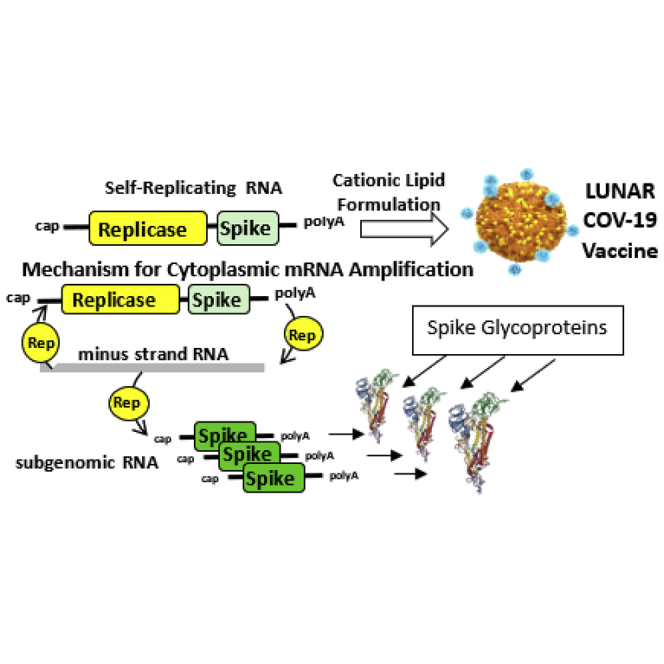
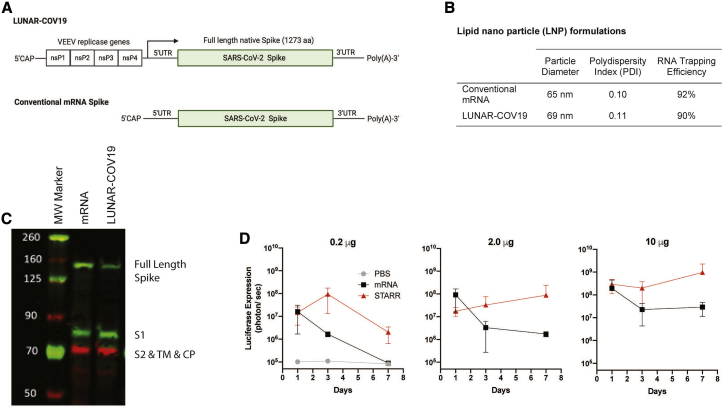
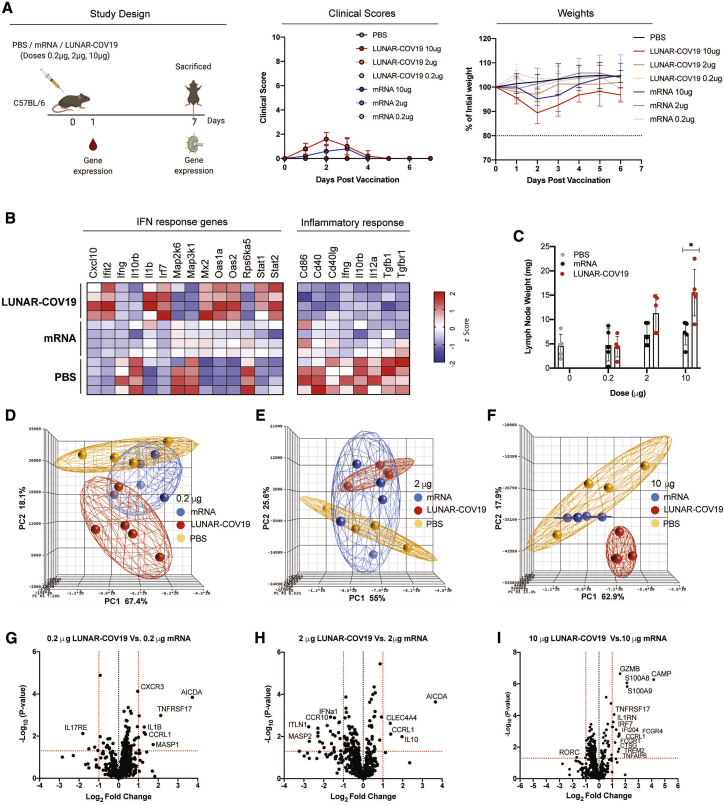
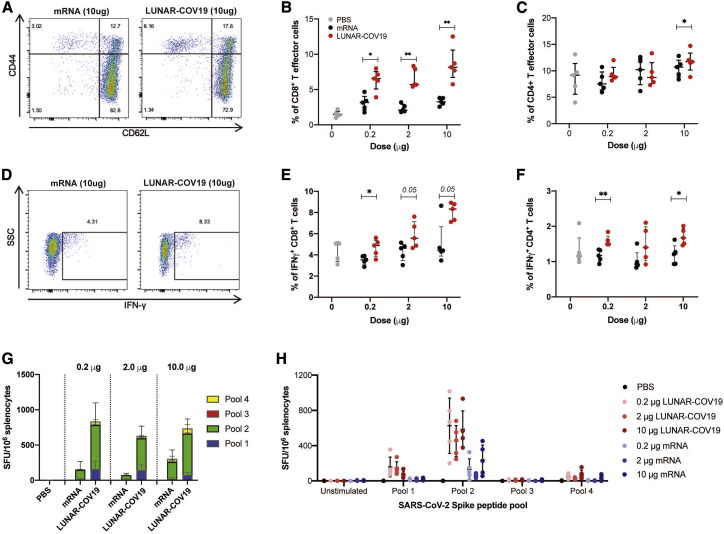
A self-transcribing and replicating RNA (STARR)-based vaccine (LUNAR-COV19) has been developed to prevent SARS-CoV-2 infection. The vaccine encodes an alphavirus-based replicon and the SARS-CoV-2 full-length spike glycoprotein. Translation of the replicon produces a replicase complex that amplifies and prolongs SARS-CoV-2 spike glycoprotein expression. A single prime vaccination in mice led to robust antibody responses, with neutralizing antibody titers increasing up to day 60. Activation of cell-mediated immunity produced a strong viral antigen-specific CD8 + T lymphocyte response. Assaying for intracellular cytokine staining for interferon (IFN)γ and interleukin-4 (IL-4)-positive CD4 + T helper (Th) lymphocytes as well as anti-spike glycoprotein immunoglobulin G (IgG)2a/IgG1 ratios supported a strong Th1-dominant immune response. Finally, single LUNAR-COV19 vaccination at both 2 μg and 10 μg doses completely protected human ACE2 transgenic mice from both mortality and even measurable infection following wild-type SARS-CoV-2 challenge. Our findings collectively suggest the potential of LUNAR-COV19 as a single-dose vaccine.
Overview
The claims and statistics of this paper haven’t been checked yet.
Run the check — free, no account needed. It reads the open-access text and checks the sources it cites.
Integrity signals
Registry
Cites
Statistics
Figures
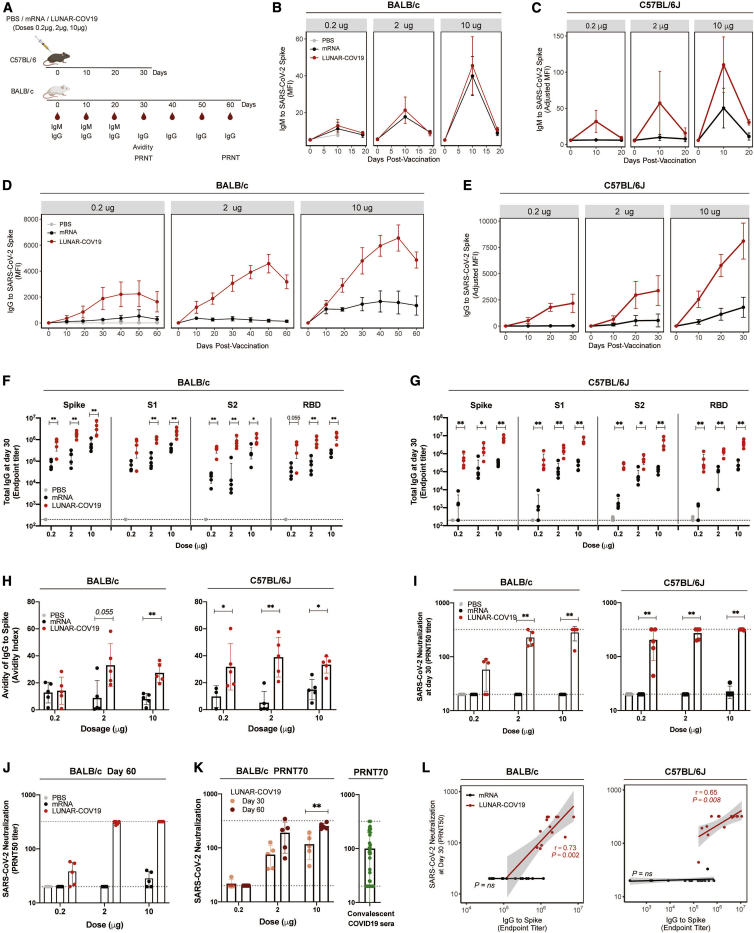
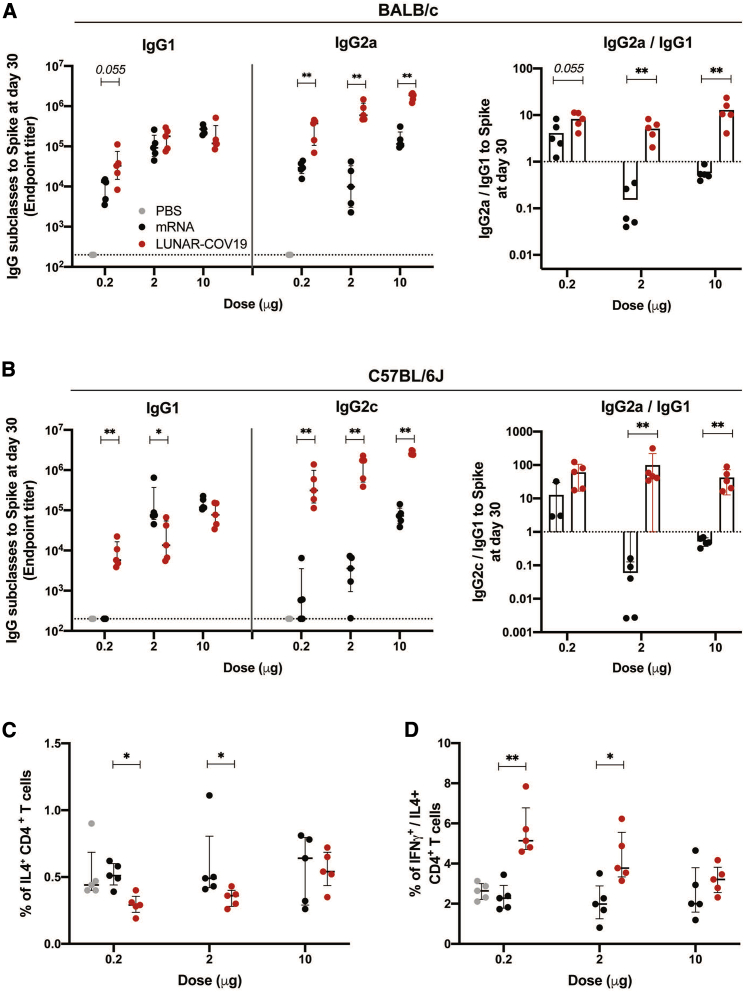
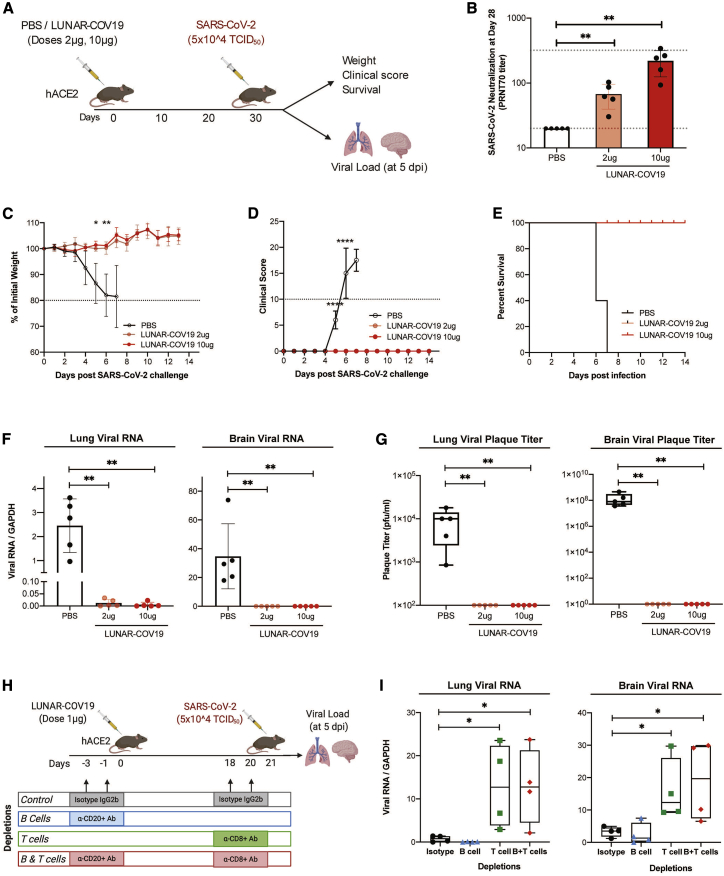
Verification
Claims the paper makes
The claims and statistics of this paper haven’t been checked yet.
Run the check — free, no account needed. It reads the open-access text and checks the sources it cites.
Claims other papers make about this one
Each is checked against this paper’s own text: does it say what the citing paper says it does?
The source backs part of the claim, not all of it — or backs it for a different population, condition or comparison.
In the citing paper
“Depletion of CD8+ T cells following immunization with mRNA vaccine, prior to SARS-CoV-2 challenge, led to different outcomes in a transgenic mouse model, possibly due to the vaccine dose used and variability in nAb concentrations14,35.”
From Efficacy of an unmodified bivalent mRNA vaccine against SARS-CoV-2 variants in female small animal models (2023) · cites this paper as [35]
Experimental — accuracy not yet measuredIn the citing paper
“Recently, two different saRNA vaccines developed independently by Arcturus Therapeutics and Imperial College London have shown favorable immune responses against SARS-CoV-2, and have entered clinical trials.211–213”
From Advances in COVID-19 mRNA vaccine development (2022) · cites this paper as [213]
In the citing paper
“In transgenic mice expressing human angiotensin-converting enzyme 2, doses of 2 µg and 10 µg produced strong T cell responses, high IgG titres and protected mice from SARS-CoV-2 infection137.”
From mRNA vaccines for infectious diseases: principles, delivery and clinical translation (2021) · cites this paper as [137]
Self-check
Percentages, sums and reported differences re-computed from the paper’s own numbers.
The self-check needs the paper’s full text.
Citations
Cites
Safety and Efficacy of the BNT162b2 mRNA Covid-19 Vaccine
Polack, F. P., Thomas, S. J., Kitchin, N., Absalon, J., Gurtman, A., Lockhart, S., Perez, J. L., Pérez Marc, G., Moreira, E. D., Zerbini, C., et al. (2020) · New England Journal of Medicine · doi:10.1056/nejmoa2034577 · Cited by 14,592
Grifoni, A., Weiskopf, D., Ramirez, S. I., Mateus, J., Dan, J. M., Moderbacher, C. R., Rawlings, S. A., Sutherland, A., Premkumar, L., Jadi, R. S., et al. (2020) · Cell · doi:10.1016/j.cell.2020.05.015 · Cited by 3,595
An mRNA Vaccine against SARS-CoV-2 — Preliminary Report
Jackson, L. A., Anderson, E. J., Rouphael, N. G., Roberts, P. C., Makhene, M., Coler, R. N., McCullough, M. P., Chappell, J. D., Denison, M. R., Stevens, L. J., et al. (2020) · New England Journal of Medicine · doi:10.1056/nejmoa2022483 · Cited by 3,237 · cited 1×
“Furthermore, recent results 66 from early phase COVID-19 vaccine trials have suggested that more than one dose would be 67 needed to elicit reasonable levels of adaptive immune memory [7-9].”
RNA-Based COVID-19 Vaccine BNT162b2 Selected for a Pivotal Efficacy Study
Walsh, E. E., Frenck, R., Falsey, A. R., Kitchin, N., Absalon, J., Gurtman, A., Lockhart, S., Neuzil, K., Mulligan, M. J., Bailey, R., et al. (2020) · doi:10.1101/2020.08.17.20176651 · Cited by 2,615
Folegatti, P. M., Ewer, K. J., Aley, P. K., Angus, B., Becker, S., Belij-Rammerstorfer, S., Bellamy, D., Bibi, S., Bittaye, M., Clutterbuck, E. A., et al. (2020) · The Lancet · doi:10.1016/s0140-6736(20)31604-4 · Cited by 2,419
Self-citationThe COVID-19 vaccine development landscape
Le, T. T., Andreadakis, Z., Kumar, A., Román, R. G., Tollefsen, S., Saville, M. K., & Mayhew, S. (2020) · Nature Reviews Drug Discovery · doi:10.1038/d41573-020-00073-5 · Cited by 2,002
SARS-CoV-2-specific T cell immunity in cases of COVID-19 and SARS, and uninfected controls
Le Bert, N., Tan, A. T., Kunasegaran, K., Tham, C. Y. L., Hafezi, M., Chia, A., Chng, M. H. Y., Lin, M., Tan, N., Linster, M., et al. (2020) · Nature · doi:10.1038/s41586-020-2550-z · Cited by 1,887 · cited 2×
“As suggested by 368 recent findings on T cell responses to SARS-CoV-2 and other coronavirus infections [38-40], 369 the development of T cell memory could be important for long-term immunity.”
MethodResultSelf-citationSARS-CoV-2 mRNA Vaccine Design Enabled by Prototype Pathogen Preparedness
Corbett, K. S., Edwards, D. K., Leist, S. R., Abiona, O. M., Boyoglu-Barnum, S., Gillespie, R. A., Himansu, S., Schäfer, A., Ziwawo, C. T., DiPiazza, A. T., et al. (2020) · Nature · doi:10.1038/s41586-020-2622-0 · Cited by 1,615 · cited 1×
“In addition, significant reduction in lung viral RNAwas observed following challenge with amouse-adapted virus (SARS-CoV-2 MA).(37) However, unlike the lethal challenge model in the present study, the virus RNA titers with the mouse-adapted strain peaked at day 2 post-infection and were cleared by day 4 post-infection…”
Developing Covid-19 Vaccines at Pandemic Speed
Lurie, N., Saville, M., Hatchett, R., & Halton, J. (2020) · New England Journal of Medicine · doi:10.1056/nejmp2005630 · Cited by 1,557
Safety and Immunogenicity of SARS-CoV-2 mRNA-1273 Vaccine in Older Adults
Anderson, E. J., Rouphael, N. G., Widge, A. T., Jackson, L. A., Roberts, P. C., Makhene, M., Chappell, J. D., Denison, M. R., Stevens, L. J., Pruijssers, A. J., et al. (2020) · New England Journal of Medicine · doi:10.1056/nejmoa2028436 · Cited by 1,523
Research works printed but not linked: 1
- Walsh, 2020, Safety and Immunogenicity of Two RNA-Based Covid-19 Vaccine Candidates, N. Engl. J. Med., 383, 2439, 10.1056/NEJMoa2027906 · DOI · Paper page
Cited by
Sorted by citations
Lipid nanoparticles for mRNA delivery
Hou, X., Zaks, T., Langer, R., & Dong, Y. (2021) · Nature Reviews Materials · doi:10.1038/s41578-021-00358-0 · Cited by 4,076
mRNA vaccines for infectious diseases: principles, delivery and clinical translation
Chaudhary, N., Weissman, D., & Whitehead, K. A. (2021) · Nature Reviews Drug Discovery · doi:10.1038/s41573-021-00283-5 · Cited by 1,555
mRNA-based therapeutics: powerful and versatile tools to combat diseases
Qin, S., Tang, X., Chen, Y., Chen, K., Fan, N., Xiao, W., Zheng, Q., Li, G., Teng, Y., Wu, M., et al. (2022) · Signal Transduction and Targeted Therapy · doi:10.1038/s41392-022-01007-w · Cited by 852
Lipids and Lipid Derivatives for RNA Delivery
Zhang, Y., Sun, C., Wang, C., Jankovic, K. E., & Dong, Y. (2021) · Chemical Reviews · doi:10.1021/acs.chemrev.1c00244 · Cited by 649
Advances in COVID-19 mRNA vaccine development
Fang, E., Liu, X., Li, M., Zhang, Z., Song, L., Zhu, B., Wu, X., Liu, J., Zhao, D., & Li, Y. (2022) · Signal Transduction and Targeted Therapy · doi:10.1038/s41392-022-00950-y · Cited by 601
Nanomaterial Delivery Systems for mRNA Vaccines
Buschmann, M. D., Carrasco, M. J., Alishetty, S., Paige, M., Alameh, M. G., & Weissman, D. (2021) · Vaccines · doi:10.3390/vaccines9010065 · Cited by 582
“LNP (Arcturus) self-amplifying mouse 2 μg once neutralizing titers and protection [58]”
BackgroundInfluentialKim, J., Eygeris, Y., Gupta, M., & Sahay, G. (2021) · Advanced Drug Delivery Reviews · doi:10.1016/j.addr.2020.12.014 · Cited by 514
The landscape of mRNA nanomedicine
Huang, X., Kong, N., Zhang, X., Cao, Y., Langer, R., & Tao, W. (2022) · Nature Medicine · doi:10.1038/s41591-022-02061-1 · Cited by 511
Nucleic acid delivery for therapeutic applications
Gupta, A., Andresen, J. L., Manan, R. S., & Langer, R. (2021) · Advanced Drug Delivery Reviews · doi:10.1016/j.addr.2021.113834 · Cited by 351
mRNA vaccines for COVID-19: what, why and how
Park, J. W., Lagniton, P. N. P., Liu, Y., & Xu, R.-H. (2021) · International Journal of Biological Sciences · doi:10.7150/ijbs.59233 · Cited by 321
“First, the primary source of the potentially immune-stimulatory molecule is dsRNA, derived from IVT reaction, in which T7 polymerase transcribes the antisense RNA from the promoter-less DNA template, forming dsRNA via base-pairing with the sense strand [100]. dsRNA is recognized by TLR3 in endosomes [101].”
BackgroundInfluentialSuzuki, Y., & Ishihara, H. (2021) · Drug Metabolism and Pharmacokinetics · doi:10.1016/j.dmpk.2021.100424 · Cited by 323
“Following their examples, multiple mRNA vaccines leveraging LNP technology are currently in clinical trials, including CVnCoV by CureVac/BAYER [63,64], ARCT-021 by Arcturus Therapeutics [65], ARCoV by Walvax Biotechnology/Suzhou Abogen Biosciences [66], LNP-nCoVsaRNA by Imperial College London [67], and DS-5670 by Dai…”
An Update on Self-Amplifying mRNA Vaccine Development
Blakney, A. K., Ip, S., & Geall, A. J. (2021) · Vaccines · doi:10.3390/vaccines9020097 · Cited by 288
COVID-19: A review of therapeutic strategies and vaccine candidates
Izda, V., Jeffries, M. A., & Sawalha, A. H. (2020) · Clinical Immunology · doi:10.1016/j.clim.2020.108634 · Cited by 292
Conn, V. M., Chinnaiyan, A. M., & Conn, S. J. (2024) · Nature reviews. Cancer · doi:10.1038/s41568-024-00721-7 · Cited by 300
mRNA Vaccines in the COVID-19 Pandemic and Beyond
Hogan, M. J., & Pardi, N. (2021) · Annual Review of Medicine · doi:10.1146/annurev-med-042420-112725 · Cited by 260
“It induced robust, dose-dependent cellular and humoral immune responses in mice, and a high level of protection was obtained with a single immunization of 2 μg (44).”
BackgroundmRNA vaccines in disease prevention and treatment
Zhang, G., Tang, T., Chen, Y., Huang, X., & Liang, T. (2023) · Signal Transduction and Targeted Therapy · doi:10.1038/s41392-023-01579-1 · Cited by 273
“LUNAR-COV19 is a self-replicating mRNA vaccine encoding an S-2P antigen developed by Arcturus in 2020, with the aim of offering robust immunity with a single low-dose administration.(101) LUNAR-COV19 used in preclinical models induced a robust T-cell response with an expanded CD44CD62L effector/memory subset, enhanced…”
BackgroundMethodSARS-CoV-2 Vaccines Based on the Spike Glycoprotein and Implications of New Viral Variants
Martínez-Flores, D., Zepeda–Cervantes, J., Cruz-Reséndiz, A., Aguirre‐Sampieri, S., Sampieri, A., & Vaca, L. A. (2021) · Frontiers in Immunology · doi:10.3389/fimmu.2021.701501 · Cited by 244
“Similarly, the company Arcturus Therapeutics has used a complete S glycoprotein without modifications, however, they have opted for technologies of a self-replicating mRNA ready for translation (65).”
MethodCOVID-19: Coronavirus Vaccine Development Updates
Zhao, J., Zhao, S., Ou, J., Zhang, J., Lan, W., Guan, W., Wu, X., Yan, Y., Zhao, W., Wu, J., et al. (2020) · Frontiers in Immunology · doi:10.3389/fimmu.2020.602256 · Cited by 228
The Global Epidemic of the SARS-CoV-2 Delta Variant, Key Spike Mutations and Immune Escape
Tian, D., Sun, Y., Zhou, J., & Ye, Q. (2021) · Frontiers in Immunology · doi:10.3389/fimmu.2021.751778 · Cited by 201
“Another study showed that a single prime RNA- vaccine vaccination in mice led to robust neutralizing antibodies and produced a strong viral antigenspecific CD8+ T lymphocyte response (74).”
BackgroundRecent Advancement in mRNA Vaccine Development and Applications
Fayez, N. A., Nassar, M. S., Alshehri, A. A., Alnefaie, M. K., Almughem, F. A., Alshehri, B. Y., Alawad, A. O., & Tawfik, E. A. (2023) · Pharmaceutics · doi:10.3390/pharmaceutics15071972 · Cited by 187
Research Advances on the Stability of mRNA Vaccines
Cheng, F., Wang, Y., Bai, Y., Liang, Z., Mao, Q., Liu, D., Wu, X., & Xu, M. (2023) · Viruses · doi:10.3390/v15030668 · Cited by 177
da Silva, J. R., Rodrigues, K. B., Pelegrin, G. F., Sales, N. S., Muramatsu, H., Silva, M. D. O., Porchia, B. F. M. M., Moreno, A. C. R., Aps, L. R. M. M., Venceslau-Carvalho, A. A., et al. (2023) · Science Translational Medicine · doi:10.1126/scitranslmed.abn3464 · Cited by 155
Chatzikleanthous, D., O’Hagan, D. T., & Adamo, R. (2021) · Molecular Pharmaceutics · doi:10.1021/acs.molpharmaceut.1c00447 · Cited by 152
Engineered tRNAs suppress nonsense mutations in cells and in vivo
Albers, S., Allen, E. C., Bharti, N., Davyt, M., Joshi, D., Pérez‐García, C. G., Santos, L. A., Mukthavaram, R., Delgado-Toscano, M. A., Molina, B., et al. (2023) · Nature · doi:10.1038/s41586-023-06133-1 · Cited by 140
Self-citationCurrent regulatory landscape of nanomaterials and nanomedicines: A global perspective
Ali, F., Neha, K., & Parveen, S. (2022) · Journal of Drug Delivery Science and Technology · doi:10.1016/j.jddst.2022.104118 · Cited by 144
The advent of clinical self-amplifying RNA vaccines
Casmil, I. C., Jin, J., Won, E.-J., Huang, C., Liao, S., Cha‐Molstad, H., & Blakney, A. K. (2025) · Molecular Therapy · doi:10.1016/j.ymthe.2025.03.060 · Cited by 111
“19 This review explores the development of saRNA vaccines for infectious diseases with emphasis on clinical application for SARS-CoV-2 and summarizes the advances, challenges, and promising future of saRNA technology.”
Advances in gene-based vaccine platforms to address the COVID-19 pandemic
Pushparajah, D., Jimenez, S., Wong, S. L., Alattas, H., Nafissi, N., & Slavcev, R. A. (2021) · Advanced Drug Delivery Reviews · doi:10.1016/j.addr.2021.01.003 · Cited by 99
Frameworks for transformational breakthroughs in RNA-based medicines
Androsavich, J. R. (2024) · Nature Reviews Drug Discovery · doi:10.1038/s41573-024-00943-2 · Cited by 100
“Although this could be construct related 114 , it may also be owing to variations in immune responses to RNA between mouse and humans (discussed below in the section ‘Potential roadblocks’).”
Hồ, N. T., Hughes, S. G., Ta, V. T., Lan, P. T., Đỗ, Q., Nguyễn, T. V., Phạm, A. T. V., Đặng, M. T. N., Nguyễn, L. V., Trịnh, Q. V., et al. (2024) · Nature Communications · doi:10.1038/s41467-024-47905-1 · Cited by 93
“…includes the induction of neutralizing antibodies, and the activation of cell-mediated responses including CD4 +T cell interferon-γ and interleukin-4 secretion, antigen-speci fi c CD8 +T cell responses, and an anti-spike protein IgG2: IgG1 ratio indicating a Th1-type dominant response 30 .”
Self-citationA self-amplifying RNA vaccine against COVID-19 with long-term room-temperature stability
Voigt, E. A., Gerhardt, A., Hanson, D., Jennewein, M. F., Battisti, P., Reed, S., Singh, J., Mohamath, R., Bakken, J., Beaver, S., et al. (2022) · npj Vaccines · doi:10.1038/s41541-022-00549-y · Cited by 89
Maruggi, G., Mallett, C. P., Westerbeck, J. W., Chen, T., Lofano, G., Friedrich, K., Qu, L., Sun, J., McAuliffe, J., Kanitkar, A. P., et al. (2022) · Molecular Therapy · doi:10.1016/j.ymthe.2022.01.001 · Cited by 88
“SARS-CoV-2 vaccines based on a self-amplifying RNA platform have been previously shown to be immunogenic in NHPs and efficacious in hACE2 transgenic mice.(10,32,33) However, no information is available on the protective efficacy of self-amplifying mRNA vaccines in an animal model manifesting some of the hallmarks of s…”
McGee, J. E., Kirsch, J. R., Kenney, D., Cerbo, F., Chavez, E. C., Shih, T.-Y., Douam, F., Wong, W. W., & Grinstaff, M. W. (2025) · Nature Biotechnology · doi:10.1038/s41587-024-02306-z · Cited by 87
“The intermediate dose of 100 ng N1mΨ mRNA produces a weak antibody response in previous reports 31 https://doi.org/10.1038/s41587-024-02306-z early IFN response in mice, serum was collected from mice vaccinated with the 1,000-ng dose at 24 h and 48 h. Significantly reduced levels of serum IFNα1 are…”
BackgroundInfluentialIn search of a pan-coronavirus vaccine: next-generation vaccine design and immune mechanisms
Cankat, S., Demael, M. U., & Swadling, L. (2023) · Cellular & Molecular Immunology · doi:10.1038/s41423-023-01116-8 · Cited by 84
Rise of the RNA machines – self-amplification in mRNA vaccine design
Comes, J. D. G., Pijlman, G. P., & Hick, T. A. H. (2023) · Trends in Biotechnology · doi:10.1016/j.tibtech.2023.05.007 · Cited by 87
“humoral and cellular immune responses are triggered, which promises induction of protective immunity with a single low-dose immunization [2,3,10].”
Status Report on COVID-19 Vaccines Development
Kumar, A., Dowling, W. E., Román, R. G., Chaudhari, A. B., Gurry, C., Le, T. T., Tollefson, S., Clark, C. E., Bernasconi, V., & Kristiansen, P. A. (2021) · Current Infectious Disease Reports · doi:10.1007/s11908-021-00752-3 · Cited by 81
Self-Amplifying RNA Vaccine Candidates: Alternative Platforms for mRNA Vaccine Development
Schmidt, C., & Schnierle, B. S. (2023) · Pathogens · doi:10.3390/pathogens12010138 · Cited by 78
Self-Amplifying RNA Approach for Protein Replacement Therapy
Papukashvili, D., Rcheulishvili, N., Liu, C., Ji, Y., He, Y., & Wang, P. G. (2022) · International Journal of Molecular Sciences · doi:10.3390/ijms232112884 · Cited by 76
“These and the number of other preclinical [18,19,87,88] and clinical studies [12,78,89] demonstrate the feasibility and flexibility of LNPs for the saRNA approach [59,78,87,90–97].”
BackgroundInfluentialmRNA vaccines: Past, present, future
Karam, M., & Daoud, G. (2022) · Asian Journal of Pharmaceutical Sciences · doi:10.1016/j.ajps.2022.05.003 · Cited by 76
Nanomaterials for mRNA ‐based therapeutics: Challenges and opportunities
Li, D., Liu, Q., Yang, M., Xu, H., Zhu, M., Zhang, Y., Xu, J., Tian, C., Yao, J., Wang, L., et al. (2023) · Bioengineering & Translational Medicine · doi:10.1002/btm2.10492 · Cited by 74
Perspectives on RNA Vaccine Candidates for COVID-19
Borah, P., Deb, P. K., Al‐Shar’i, N. A., Dahabiyeh, L. A., Venugopala, K. N., Singh, V., Shinu, P., Hussain, S., Deka, S., Chandrasekaran, B., et al. (2021) · Frontiers in Molecular Biosciences · doi:10.3389/fmolb.2021.635245 · Cited by 67
“in partnership with Duke-National University of Singapore (NUS) is developing a potential vaccine named ARCT-021, which consists of Arcturus’ self-replicating RNA within a nanoparticle-based formulation capable of inducing CD8 cell-mediated and Th1/Th2-mediated immunity (Alwis et al., 2020).”
MethodDelivery of mRNA for regulating functions of immune cells
Shi, J. Y., Huang, M., Lu, Z.-D., Du, X., Shen, S., Xu, C., & Wang, J. (2022) · Journal of Controlled Release · doi:10.1016/j.jconrel.2022.03.033 · Cited by 62
Low, J. G., de Alwis, R., Chen, S., Kalimuddin, S., Leong, Y. S., Mah, T. K. L., Yuen, N., Tan, H. C., Zhang, S. L., Sim, J. X. Y., et al. (2022) · npj Vaccines · doi:10.1038/s41541-022-00590-x · Cited by 61
Self-citationSelf-Replicating RNA Viruses for Vaccine Development against Infectious Diseases and Cancer
Lundstrom, K. H. (2021) · Vaccines · doi:10.3390/vaccines9101187 · Cited by 60
“In another study, the VEEV-based self-replicating RNA (STARR)-based vaccine (LUNAR-COV19) expressing the full-length SARS-CoV-2 S protein has been evaluated in BALB/c mice [86].”
BackgroundZhou, W., Jiang, L., Liao, S., Wu, F., Yang, G., Hou, L., Liu, L., Pan, X., Jia, W. W.-G., & Zhang, Y. (2023) · Viruses · doi:10.3390/v15081760 · Cited by 64
Development and applications of mRNA treatment based on lipid nanoparticles
Wang, Z., Ma, W., Fu, X., Qi, Y., Zhao, Y., & Zhang, S. (2023) · Biotechnology Advances · doi:10.1016/j.biotechadv.2023.108130 · Cited by 57
Self-citationSelf-Amplifying RNA: A Second Revolution of mRNA Vaccines against COVID-19
Silva-Pilipich, N., Beloki, U., Salaberry, L., & Smerdou, C. (2024) · Vaccines · doi:10.3390/vaccines12030318 · Cited by 64
Self-amplifying mRNA vaccines: Mode of action, design, development and optimization
Pourseif, M. M., Masoudi‐Sobhanzadeh, Y., Azari, E., Parvizpour, S., Barar, J., Ansari, R. A., & Omidi, Y. (2022) · Drug Discovery Today · doi:10.1016/j.drudis.2022.103341 · Cited by 57
Cafferty, S. M., Haque, A. K. M. A., Vandierendonck, A., Weidensee, B., Plovyt, M., Stuchlíková, M., François, N., Valembois, S., Heyndríckx, L., Míchiels, J., et al. (2022) · Molecular Therapy · doi:10.1016/j.ymthe.2022.04.014 · Cited by 56
“saRNA transcripts can be delivered in one LNP,with no significant differences in themagnitude of humoral immune responses compared to the single-antigen saRNA vaccines, the latter being consistent with the reports for other COVID-19 saRNA vaccines.(16,26,30)”
mRNA vaccines contribute to innate and adaptive immunity to enhance immune response in vivo
Cao, Q., Fang, H., & Tian, H. (2024) · Biomaterials · doi:10.1016/j.biomaterials.2024.122628 · Cited by 56
An Overview of the Stability and Delivery Challenges of Commercial Nucleic Acid Therapeutics
Ingle, R. G., & Fang, W. (2023) · Pharmaceutics · doi:10.3390/pharmaceutics15041158 · Cited by 57
Kimura, T., Leal, J. M., Simpson, A., Warner, N. L., Berube, B. J., Archer, J. F., Park, S., Kurtz, R., Hinkley, T., Nicholes, K., et al. (2023) · Molecular Therapy · doi:10.1016/j.ymthe.2023.06.017 · Cited by 52
The Importance of RNA-Based Vaccines in the Fight against COVID-19: An Overview
Machado, B. A. S., Hodel, K. V. S., Fonseca, L. M. D. S., Mascarenhas, L. A. B., Andrade, L. P. C. D. S., Rocha, V. P. C., Soares, M. B. P., Berglund, P., Duthie, M. S., Reed, S. G., et al. (2021) · Vaccines · doi:10.3390/vaccines9111345 · Cited by 55
Modulating intracellular pathways to improve non-viral delivery of RNA therapeutics
de Vyver, T. V., Smedt, S. C. D., & Raemdonck, K. (2021) · Advanced Drug Delivery Reviews · doi:10.1016/j.addr.2021.114041 · Cited by 51
An Update on mRNA-Based Viral Vaccines
Jeeva, S., Kim, K., Shin, C. H., Wang, B., & Kang, S. (2021) · Vaccines · doi:10.3390/vaccines9090965 · Cited by 49
Comprehensive analysis of lipid nanoparticle formulation and preparation for RNA delivery
Haque, M. A., Shrestha, A., Mikelis, C. M., & Mattheolabakis, G. (2024) · International Journal of Pharmaceutics X · doi:10.1016/j.ijpx.2024.100283 · Cited by 52
Takanashi, A., Pouton, C. W., & Al-Wassiti, H. A. (2023) · Molecular Pharmaceutics · doi:10.1021/acs.molpharmaceut.2c01024 · Cited by 48
Maine, C. J., Miyake-Stoner, S. J., Spasova, D. S., Picarda, G. G. A., Chou, A. C., Brand, E. D., Olesiuk, M. D., Domingo, C. C., Little, H. J., Goodman, T. T., et al. (2025) · Nature Communications · doi:10.1038/s41467-025-55843-9 · Cited by 55
“This increase in the effective dose is suggested to be due to higher and more durable expression of the encoded transgene (or antigen) 28 – 30 Although this version of the VEEV-based vector has been clinically validated and advanced in a recently approved commercial vaccine 31 , no intentional…”
Self-citationProtective efficacy of a SARS-CoV-2 DNA vaccine in wild-type and immunosuppressed Syrian hamsters
Brocato, R. L., Kwilas, S. A., Kim, R. K., Zeng, X., Principe, L. M., Smith, J. M., & Hooper, J. W. (2021) · npj Vaccines · doi:10.1038/s41541-020-00279-z · Cited by 45
Salleh, M. Z., Norazmi, M. N., & Deris, Z. Z. (2022) · PeerJ · doi:10.7717/peerj.13083 · Cited by 45
Palmer, C. D., Scallan, C. D., Kraemer Tardif, L. D., Kachura, M. A., Rappaport, A. R., Koralek, D. O., Uriel, A., Gitlin, L., Klein, J., Davis, M. J., et al. (2023) · Nature Communications · doi:10.1038/s41467-023-39053-9 · Cited by 42
“The most notable differentiator between mRNA and samRNA vaccine platforms is the replication of samRNA within the transduced cells post vaccine administration, driving prolonged antigen expression, increased durability of nAb titers, and offering dose sparing potential in mice 22,23 .”
Syenina, A., Gan, E. S., Toh, J. Z. N., de Alwis, R., Lin, L. Z., Tham, C. Y. L., Yee, J. X., Leong, Y. S., Sam, H., Cheong, C., et al. (2021) · PLoS Biology · doi:10.1371/journal.pbio.3001643 · Cited by 43
“Mouse serum IgG were measured as previously described [41].”
MethodResultInfluentialSelf-citationRahimnejad, M., Rabiee, N., Ahmadi, S., Jahangiri, S., Sajadi, S. M., Akhavan, O., Saeb, M. R., Kwon, W., Kim, M., & Hahn, S. K. (2021) · ACS Applied Bio Materials · doi:10.1021/acsabm.1c00932 · Cited by 44
Recent advances in nanotechnology-based COVID-19 vaccines and therapeutic antibodies
Du, L., Yang, Y., Zhang, X., & Li, F. (2021) · Nanoscale · doi:10.1039/d1nr03831a · Cited by 43
Deyhimfar, R., Izady, M., Shoghi, M., Kazazi, M. H., Ghazvini, Z. F., Nazari, H., Fekrirad, Z., & Arefian, E. (2024) · Heliyon · doi:10.1016/j.heliyon.2024.e26971 · Cited by 42
Rana, M. M. (2021) · Journal of Biomaterials Science Polymer Edition · doi:10.1080/09205063.2021.1909412 · Cited by 38
Langereis, M. A., Albulescu, I. C., Stammen‐Vogelzangs, J., Lambregts, M., Stachura, K., Miller, S., Bosco‐Lauth, A. M., Hartwig, A. E., Porter, S. M., Allen, M. H., et al. (2021) · npj Vaccines · doi:10.1038/s41541-021-00390-9 · Cited by 32
Simnani, F. Z., Singh, D., & Kaur, R. (2021) · 3 Biotech · doi:10.1007/s13205-021-03076-0 · Cited by 35
Elia, U., Rotem, S., Bar‐Haim, E., Ramishetti, S., Naidu, G. S., Gur, D., Aftalion, M., Israeli, M., Bercovich-Kinori, A., Alcalay, R., et al. (2021) · Nano Letters · doi:10.1021/acs.nanolett.1c01284 · Cited by 30
Sankaradoss, A., Jagtap, S., Nazir, J., Moula, S. E., Modak, A., Fialho, J., Iyer, M., Shastri, J. S., Dias, M., Gadepalli, R., et al. (2022) · Molecular Therapy · doi:10.1016/j.ymthe.2022.01.013 · Cited by 31
Nucleic acid-based vaccine platforms against the coronavirus disease 19 (COVID-19)
Baghban, R., Ghasemian, A., & Mahmoodi, S. (2023) · Archives of Microbiology · doi:10.1007/s00203-023-03480-5 · Cited by 35
Renn, M., Bartok, E., Zillinger, T., Hartmann, G., & Behrendt, R. (2021) · Pharmacology & Therapeutics · doi:10.1016/j.pharmthera.2021.107931 · Cited by 28
Advances in saRNA Vaccine Research against Emerging/Re-Emerging Viruses
Liu, Y., Li, Y., & Hu, Q. (2023) · Vaccines · doi:10.3390/vaccines11071142 · Cited by 27
Defining neutralization and allostery by antibodies against COVID-19 variants
Tulsian, N. K., Raghuvamsi, P. V., Qian, X., Gu, Y., Shunmuganathan, B. D. O., Samsudin, F., Wong, Y. H., Lin, J., Purushotorman, K., Kozma, M., et al. (2023) · Nature Communications · doi:10.1038/s41467-023-42408-x · Cited by 27
“To curb the ongoing COVID-19 pandemic, multifaceted strategies such as mRNA based vaccines 10,11 , small-molecule inhibitors 12 – 14 , adenovirus-based vaccines 15 , and antibody-based therapeutics have been deployed 16 – 18 .”
BackgroundFeng, S., Rcheulishvili, N., Jiang, X., Zhu, P., Pan, X., Wei, M., Wang, P. G., Ji, Y., & Papukashvili, D. (2024) · International Journal of Biological Sciences · doi:10.7150/ijbs.87741 · Cited by 27
“Their approach is successfully utilized in the currently available vaccines of acute respiratory syndrome coronavirus 2 (SARS-CoV-2)– BNT162b2 (Pfizer/ BioNTech) and mRNA-1273 (Moderna) (151).”
BackgroundLi, M., Wang, Z., Xie, C., & Xia, X. (2022) · International review of cytology · doi:10.1016/bs.ircmb.2022.04.011 · Cited by 30
Tzeng, T.-T., Chai, K. M., Shen, K., Yu, C.-Y., Yang, S.-J., Huang, W., Liao, H., Chiu, F., Dou, H.-Y., Liao, C., et al. (2022) · npj Vaccines · doi:10.1038/s41541-022-00482-0 · Cited by 24
Pandey, M., Ojha, D., Bansal, S., Rode, A. B., & Chawla, G. (2021) · Molecular Aspects of Medicine · doi:10.1016/j.mam.2021.101003 · Cited by 23
Corleis, B., Hoffmann, D., Rauch, S., Fricke, C., Roth, N., Gergen, J., Kovacikova, K., Schlottau, K., Halwe, N. J., Ulrich, L., et al. (2023) · Nature Communications · doi:10.1038/s41467-023-36110-1 · Cited by 22
mRNA delivery technologies: Toward clinical translation
Gómez-Aguado, I., Rodríguez-Castejón, J., Beraza-Millor, M., Rodríguez‐Gascón, A., del Pozo‐Rodríguez, A., & Solinís, M. Á. (2022) · International review of cytology · doi:10.1016/bs.ircmb.2022.04.010 · Cited by 23
Mahalingam, G., Rachamalla, H. K., Arjunan, P., Karuppusamy, K. V., Periyasami, Y., Mohan, A., Subramaniyam, K., Salma, M., Rajendran, V., Moorthy, M., et al. (2024) · Molecular Therapy · doi:10.1016/j.ymthe.2024.02.028 · Cited by 22
Advances of nanomaterials‐based strategies for fighting against COVID‐19
Zeng, C., Hou, X., Bohmer, M., & Dong, Y. (2021) · Open Research (University of Surrey) · doi:10.1002/viw.20200180 · Cited by 19
Immune gene expression analysis indicates the potential of a self-amplifying Covid-19 mRNA vaccine
Ong, E. Z., Yee, J. X., Ooi, J. S. G., Syenina, A., de Alwis, R., Chen, S., Sim, J. X. Y., Kalimuddin, S., Leong, Y. S., Chan, Y. F. Z., et al. (2022) · npj Vaccines · doi:10.1038/s41541-022-00573-y · Cited by 20
Self-citationAmano, T., Yu, H., Amano, M., Leyder, E. C., Badiola, M., Ray, P., Kim, J., Ko, A. C., Achour, A., Weng, N., et al. (2023) · iScience · doi:10.1016/j.isci.2023.106335 · Cited by 20
“Self-replicating RNA (srRNA), also known as self-amplifying RNA (saRNA or SAM-RNA), has been used as an alternative RNA vaccine technology.(6,7) In contrast to conventional mRNA, srRNA encodes for alphavirus non-structural genes including an RNAdependent RNA polymerase, which provides RNA self-replication in the cytop…”
Elliott, T., Cheeseman, H. M., Evans, A. B., Day, S., McFarlane, L. R., O’Hara, J., Kalyan, M., Amini, F., Cole, T., Winston, A., et al. (2022) · PLoS Pathogens · doi:10.1371/journal.ppat.1010885 · Cited by 21
Low, J. G., de Alwis, R., Chen, S., Kalimuddin, S., Leong, Y. S., Mah, T. K. L., Yuen, N., Tan, H. C., Zhang, S. L., Sim, J. X. Y., et al. (2021) · doi:10.1101/2021.07.01.21259831 · Cited by 19
Self-citationLi, W., Vanluchene, H., Raes, L., Peynshaert, K., Veys, L., Hernández, S. G., Lombaerde, E. D., Geest, B. G. D., Sanders, N. N., Moons, L., et al. (2025) · Journal of Controlled Release · doi:10.1016/j.jconrel.2025.114027 · Cited by 19
Palladino, G., Chang, C. W., Lee, C., Music, N., de Souza, I. P., Nolasco, J., Amoah, S., Suphaphiphat, P., Otten, G. R., Settembre, E. C., et al. (2022) · Molecular Therapy — Methods & Clinical Development · doi:10.1016/j.omtm.2022.03.013 · Cited by 19
“15 16 – 18 In this paper, we report a study of two sa-mRNA SARS-CoV-2 vaccine candidates: sa-mRNA S encoding the prefusion S protein and sa-mRNA S-N co-expressing S protein and N protein.”
Gooch, K. E., Smith, T. R. F., Salguero, F. J., Fotheringham, S. A., Watson, R. J., Dennis, M. J., Handley, A., Humphries, H. E., Longet, S., Tipton, T., et al. (2021) · Vaccine · doi:10.1016/j.vaccine.2021.06.057 · Cited by 18
“Candidates which apply nucleic acid-based technology currently under clinical evaluation include mRNA-1273 [7], BNT162b2 [8], CVnCoV [9], ARCT-021 [10] and INO-4800 [11].”
Physical and chemical advances of synthetic delivery vehicles to enhance mRNA vaccine efficacy
Kim, H. J., Seo, S. K., & Park, H. Y. (2022) · Journal of Controlled Release · doi:10.1016/j.jconrel.2022.03.029 · Cited by 18
COVID-19 Vaccines: Where Did We Stand at the End of 2023?
Lundstrom, K. H. (2024) · Viruses · doi:10.3390/v16020203 · Cited by 22
Bioengineering Strategies for Developing Vaccines against Respiratory Viral Diseases
Iyer, S., Yadav, R. T., Agarwal, S., Tripathi, S., & Agarwal, R. (2021) · Clinical Microbiology Reviews · doi:10.1128/cmr.00123-21 · Cited by 20
Nanoparticles for Coronavirus Control
Kianpour, M., Akbarian, M., & Uversky, V. N. (2022) · Nanomaterials · doi:10.3390/nano12091602 · Cited by 17
“Among the group of nanoparticles that are being studied to oppose the CoV-2 are Moderna [127], Arcturus Therap [128], and CanSino [14].”
BackgroundJennewein, M. F., Schultz, M. D., Beaver, S., Battisti, P., Bakken, J., Hanson, D. J., Akther, J., Zhou, F., Mohamath, R., Singh, J., et al. (2025) · Molecular Therapy · doi:10.1016/j.ymthe.2025.04.007 · Cited by 22
Coatsome-replicon vehicles: Self-replicating RNA vaccines against infectious diseases
Démoulins, T., Schulze, K., Ebensen, T., Techakriengkrai, N., Nedumpun, T., Englezou, P. C., Gerber, M., Hlushchuk, R., Toledo, D., Djonov, V., et al. (2023) · Nanomedicine Nanotechnology Biology and Medicine · doi:10.1016/j.nano.2023.102655 · Cited by 16
Meerasa, S. S., Ahmad, A., Khan, A. A., Haque, S., & Saleem, I. Y. (2025) · International Journal of Pharmaceutics · doi:10.1016/j.ijpharm.2025.126263 · Cited by 14
An mRNA-based vaccine candidate against SARS-CoV-2 elicits stable immuno-response with single dose
Nag, K., Chandra Baray, J., Rahman Khan, M., Mahmud, A., Islam, J., Myti, S., Ali, R., Haq Sarker, E., Kumar, S., Hossain Chowdhury, M., et al. (2021) · Vaccine · doi:10.1016/j.vaccine.2021.05.035 · Cited by 13
Considerations on the Design of Lipid-based mRNA Vaccines Against Cancer
Meulewaeter, S., Zhang, Y., Wadhwa, A., Fox, K., Lentacker, I., Harder, K. W., Cullis, P. R., Smedt, S. C. D., Cheng, M. H. Y., & Verbeke, R. (2023) · Journal of Molecular Biology · doi:10.1016/j.jmb.2023.168385 · Cited by 13
Autoimmune response after SARS-CoV-2 infection and SARS-CoV-2 vaccines
Hromić‐Jahjefendić, A., Lundstrom, K. H., Adilović, M., Aljabali, A. A. A., Tambuwala, M. M., Serrano‐Aroca, Á., & Uversky, V. N. (2023) · Autoimmunity Reviews · doi:10.1016/j.autrev.2023.103508 · Cited by 14
Garcia, D. A., Pierre, A. F., Quirino, L., Acharya, G., Vasudevan, A., Pei, Y., Chung, E., Chang, J. Y. H., Lee, S., Endow, M., et al. (2024) · Molecular Therapy · doi:10.1016/j.ymthe.2024.11.020 · Cited by 13
Self-citationWhat’s Next after Lipid Nanoparticles? A Perspective on Enablers of Nucleic Acid Therapeutics
Das, R., Kanjilal, P., Medeiros, J., & Thayumanavan, S. (2022) · Bioconjugate Chemistry · doi:10.1021/acs.bioconjchem.2c00058 · Cited by 13
Metadata
- Authors
- de Alwis, R., Gan, E. S., Chen, S., Leong, Y. S., Tan, H. C., Zhang, S. L., Yau, C., Low, J. G. H., Kalimuddin, S., Matsuda, D., Allen, E. C., Hartman, P., Park, K.-J. J., Alayyoubi, M., Bhaskaran, H., Dukanovic, A., Bao, Y., Clemente, B., Vega, J., Roberts, S., Gonzalez, J. A., Sablad, M., Yelin, R., Taylor, W., Tachikawa, K., Parker, S., Karmali, P., Davis, J., Sullivan, B. M., Sullivan, S. M., Hughes, S. G., Chivukula, P., & Ooi, E. E.
- Affiliations
- Duke-NUS Medical School (SG)
- SingHealth (SG)
- National University of Singapore (SG)
- Arcturus Therapeutics (United States) (US)
- Corresponding author
- Sullivan, Sean M.
- ORCID
- Venue
- Molecular Therapy
- Publisher
- Elsevier BV
- Published
- 2021-06
- Volume
- 29
- Issue
- 6
- Pages
- 1970-1983
- ISSN
- 1525-0016 (ISSN-L)
- PMC
- PMC8019652
- OpenAlex
- W3139674533
- Cited by
- 191
- References
- 53
- Citations by year
- 2026: 15 · 2025: 24 · 2024: 34 · 2023: 35 · 2022: 36 · 2021: 44
- FWCI
- 11.80
- Type
- journal article
- Language
- en
- Open access
- hybrid
- doi.org
- Licence
- Locations
- Molecular Therapy (publishedVersion, cc-by-nc-nd)
- bioRxiv (Cold Spring Harbor Laboratory) (acceptedVersion)
- PubMed Central (publishedVersion, cc-by-nc-nd)
- PubMed (publishedVersion)
- Funders
- National Medical Research Council
- Economic Development Board - Singapore
- Topics
- Health Sciences › Medicine › Infectious Diseases › SARS-CoV-2 and COVID-19 Research
- Life Sciences › Agricultural and Biological Sciences › Animal Science and Zoology › Animal Virus Infections Studies
- Life Sciences › Immunology and Microbiology › Immunology › Immunotherapy and Immune Responses
- Keywords
- COVID-19 vaccines, alphavirus replicon, spike protein, single-dose vaccination, neutralizing antibodies, CD8+ T cell responses, Th1 response, vaccine protection
- MeSH terms
- Angiotensin-Converting Enzyme 2, COVID-19, SARS-CoV-2, COVID-19 Vaccines, mRNA Vaccines, Alphavirus, Animals, Antibodies, Viral, Female, Humans, Immunity, Cellular, Interferon-gamma, Mice, Transgenic, Replicon, Vaccination, Vaccines, Synthetic, Interleukin-4, Gene Expression, Treatment Outcome, CD8-Positive T-Lymphocytes, Th1 Cells, Transgenes, Mice, Immunity, Humoral, Antibodies, Neutralizing, Spike Glycoprotein, Coronavirus
About these checks
Registry, retraction, Cites and statistics results are computed, not judged, with one exception: a printed reference that no index lists is read once by a model before it counts as a citation error. Claims are extracted by a model and kept only when their quote appears verbatim in the text; each cited source is then checked, with a model’s help, for whether it says what the claim relies on. Those verdicts can be wrong — read the claim’s quote and the cited source before relying on one.
Statistics and arithmetic are recomputed, not judged.
Confidence bands are shown only for fields calibrated on our annotated test set. None is calibrated yet, so no band is shown.
What counts as a claim ›How we measure confidence ›How we check this ›
Are you an author, or do you see a problem with this page? Request a review
