

Whatever next? Predictive brains, situated agents, and the future of cognitive science
Open accessThe DOI matches its Crossref record; 386 of the 397 references it cites were found in a registry or an index, and 1 are not checked yet; 29 of the 152 sources its claims cite were checked for support.
Abstract
Brains, it has recently been argued, are essentially prediction machines. They are bundles of cells that support perception and action by constantly attempting to match incoming sensory inputs with top-down expectations or predictions. This is achieved using a hierarchical generative model that aims to minimize prediction error within a bidirectional cascade of cortical processing. Such accounts offer a unifying model of perception and action, illuminate the functional role of attention, and may neatly capture the special contribution of cortical processing to adaptive success. This target article critically examines this "hierarchical prediction machine" approach, concluding that it offers the best clue yet to the shape of a unified science of mind and action. Sections 1 and 2 lay out the key elements and implications of the approach. Section 3 explores a variety of pitfalls and challenges, spanning the evidential, the methodological, and the more properly conceptual. The paper ends (sections 4 and 5) by asking how such approaches might impact our more general vision of mind, experience, and agency.
Verified 2026-11-25 · 1 reference not checked yet
Overview
CoChat Summary
TL;DR
Clark argues that hierarchical predictive processing—brains as prediction machines minimizing prediction error via bidirectional cortical cascades—offers the best clue yet to a unified science of mind and action. He critically reviews its evidence, conceptual implications, and limits, concluding it is a powerful but incomplete framework that must be paired with embodied, situated, and socio-cultural approaches.
Key findings
- Hierarchical predictive processing treats perception as top-down probabilistic generative modeling that “explains away” sensory input, with forward connections carrying prediction error and backward connections carrying predictions; action-oriented predictive processing extends the same logic to motor action and active inference.
- The framework unifies perception, action, attention, and learning: attention is modeled as precision-weighting or gain on error units, and the perception/cognition distinction becomes one of scale and precision-modulated influence rather than a stable interface.
- Reviewed evidence includes Rao and Ballard’s model trained on image patches from five natural scenes, which learned oriented edges/bars and extra-classical receptive field effects; Hosoya et al.’s finding that within several seconds about 50% of retinal ganglion cells altered behavior with changing image statistics; Egner et al.’s finding that FFA responses to face and house stimuli became indistinguishable under high face expectation, with a best-fit simulation in which error units contributed twice as much to the fMRI signal as representation units; and Melloni et al.’s finding that reportable conscious percept onset varied by around 100 msec with expectations.
- The account is extended speculatively to delusions and hallucinations in schizophrenia via false, highly weighted prediction errors, and to human cognition as shaped by culturally constructed “designer environments” that feed new statistical structures back into prediction-driven learning.
Methods
- Design: theoretical target article and critical review, not an empirical study; it synthesizes computational neuroscience, Bayesian brain approaches, predictive coding, action-oriented predictive processing, and the free-energy principle.
- Data/sample: no new data; it draws on prior computational models and empirical studies, including Rao and Ballard (1999), Hosoya et al. (2005), Hohwy et al. (2008), Friston and colleagues, Egner et al. (2010), and others.
- Main analysis: conceptual and argumentative assessment of the hierarchical prediction machine framework, its neural plausibility, explanatory scope, and challenges across evidential, methodological, and conceptual dimensions.
Limitations
- The paper states that direct neuroscientific testing of hierarchical predictive coding and its action-oriented extension “remains in its infancy,” that the best current evidence is indirect, and that “no single neuron study has systematically pursued the search for sensory prediction error responses” (quoting Summerfield & Egner 2009); direct unambiguous evidence for functionally distinct error and representation subpopulations is still missing.
- The paper states that the framework does not by itself specify the full human cognitive architecture, including how cognitive labor is divided across areas, what aspects of the world are sensorially coded, how to navigate the explore–exploit continuum, and what representational formats are used; it also says the “desert landscape” replacement of goals and rewards by predictions remains unconvincing, and a full assessment of the free-energy principle is beyond its scope.
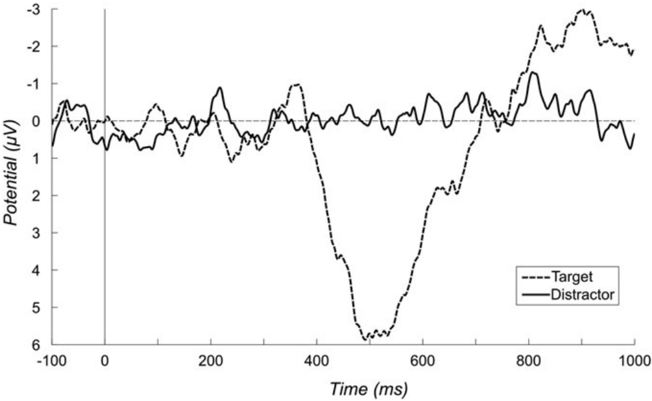
- The text makes evident that many supporting findings are indirect, simulation-based, or compatible with alternative accounts; the included commentaries further highlight unresolved challenges concerning attention, adaptation, anti-predictive ERP patterns, the size–weight illusion, and the “dark room” problem.
Model-written summary of a shortened version of the paper’s full text (it is longer than we read). Check it against the paper before relying on it.
Integrity signals
Registry
Cites
Statistics
Figures
Verification
Claims the paper makes
27 Valid · 5 Not valid · 84 Not checked · 210 Own results and interpretations
The cited sources support only part of this claim — read each source’s verdict below.
In the paper
“Recent work con fi rms and extends this assessment, suggesting that humans act as rational Bayesian estimators, in perception and in action, across a wide variety of domains (Berniker & Körding 2008; Körding et al. 2007; Yu 2007).”
What the sources say
- Supportedcites Berniker & Körding 2008 matched to “Estimating the sources of motor errors for adaptation and generalization” (2008) source
The Discussion describes neural coding, sensorimotor integration, sensory cue combination, and decision making within a Bayesian framework, and says this study extends those ideas to motor adaptation and generalization. The Abstract says the Bayesian model predicts many findings from published motor-adaptation studies, supporting the citing sentence’s hedged assessment. (LLM, conf=0.86)
- Partly supportedcites Körding et al. 2007 matched to “The dynamics of memory as a consequence of optimal adaptation to a changing body” (2007) sourceExperimental — accuracy not yet measured
The Results show that a Bayesian model accounts for animal motor-adaptation behavior and report similar effects in visual-neuron adaptation. The Discussion mentions human saccade adaptation, but does not establish that humans act as rational Bayesian estimators across a wide variety of perceptual and action domains. (LLM, conf=0.85)
- Not matchedcites Yu 2007
This doesn’t read as a citation we can look up.
hedged- Asserted: passes — The authors put it forward as true.
- Checkable: passes — It can be checked against evidence.
- Load-bearing: unclear — It is unclear whether the paper’s conclusions depend on it.
- Based: passes — The paper gives a reason why it holds.
- Supported
The cited sources support only part of this claim — read each source’s verdict below.
In the paper
“The key idea, however implemented, is that understanding the positive symptoms of schizophrenia requires understanding disturbances in the generation and weighting of prediction error.”
What the sources say
- Not matchedcites Corlett et al. 2009a
More than one paper fits this citation.
- Not matchedcites Corlett et al. 2009b
More than one paper fits this citation.
- Supportedcites Fletcher & Frith 2009 matched to “Perceiving is believing: a Bayesian approach to explaining the positive symptoms of schizophrenia” (2009) source
In “A hierarchy of prediction and model building” (page unavailable), the authors propose that positive symptoms begin with false prediction errors propagating through a hierarchy. In “From disrupted neurochemistry to beliefs” (page unavailable), they explain how the precision assigned to prediction errors determines their influence on inference, directly supporting the claim about their generation and weighting. (LLM, conf=0.91)
plainstates a cause- Asserted: passes — The authors put it forward as true.
- Checkable: passes — It can be checked against evidence.
- Load-bearing: passes — The paper’s conclusions depend on it.
- Based: passes — The paper gives a reason why it holds.
- Not matched
Every source the paper cites for this claim was checked and supports it.
In the paper
“Transposed (in ways we are about to explore) to the neural domain, this makes prediction error into a kind of proxy (Feldman & Friston 2010) for sensory information itself.”
What the sources say
- Supportedcites Feldman & Friston 2010 matched to “Attention, uncertainty, and free-energy” (2010) source
The Introduction states that, in predictive coding schemes, sensory data are replaced by prediction error because it carries sensory information not yet explained by predictions. This supports the claim that prediction error acts as a proxy for sensory information in the neural scheme described. (LLM, conf=0.94)
plainstates an association- Asserted: passes — The authors put it forward as true.
- Checkable: passes — It can be checked against evidence.
- Load-bearing: passes — The paper’s conclusions depend on it.
- Based: passes — The paper gives a reason why it holds.
- Supported
The sources with a verdict support this claim; the rest weren’t checked yet, have no full text we could read, or their verdicts aren’t rated yet.
In the paper
“That way (borrowing from work in linear predictive coding -see below) depicts the top-down fl ow as attempting to predict and fully ' explain away ' the driving sensory signal, leaving only any residual ' prediction errors ' to propagate information forward within the system”
What the sources say
- Not checked — no full text of the sourcecites Rao and Ballard (1999) matched to “Predictive coding in the visual cortex: a functional interpretation of some extra-classical receptive-field effects” (1999) source
- Supportedcites Friston (2005) matched to “A theory of cortical responses.” (2005) source
In “Reciprocal connections” (page not available), the paper says backward connections generate predictions of lower-level responses, while forward connections let prediction error drive higher-level units. “Implications for cortical physiology” adds that error is suppressed when bottom-up input accords with top-down predictions. This supports the claim that residual errors, rather than the predicted signal, propagate forward. (LLM, conf=0.94)
plainstates a cause- Asserted: passes — The authors put it forward as true.
- Checkable: passes — It can be checked against evidence.
- Load-bearing: passes — The paper’s conclusions depend on it.
- Based: passes — The paper gives a reason why it holds.
Every source the paper cites for this claim was checked and supports it.
In the paper
“This balancing act between cancelling out and selective enhancement is made possible, it should be stressed, only by positing the existence of ' two functionally distinct subpopulations, encoding the conditional expectations of perceptual causes and the prediction error respectively ' (Friston 2005, p. 829).”
What the sources say
- Supportedcites Friston 2005 matched to “A theory of cortical responses.” (2005) source
In “Shut up or stop gossiping?” (cited p. 829), Friston says the tension between suppressing prediction error and selecting representations is resolved by positing the two functionally distinct subpopulations named in the claim. (LLM, conf=0.95)
plainstates a cause- Asserted: passes — The authors put it forward as true.
- Checkable: passes — It can be checked against evidence.
- Load-bearing: passes — The paper’s conclusions depend on it.
- Based: passes — The paper gives a reason why it holds.
- Supported
176 more claims · 15 with their cited sources checked
Create a free account to see all 326 claims and to verify the 6 references still open.
- Probably not a substantial claim. 87
- It may state two separate claims as one. 77
- The quote only partly states this claim. 2
Claims other papers make about this one
Each is checked against this paper’s own text: does it say what the citing paper says it does?
The source backs part of the claim, not all of it — or backs it for a different population, condition or comparison.
In the citing paper
“The internal model is jointly shaped by the structure of the external environment and the representational capacity of the system itself, which abstracts the experientialist insight into a substrate-independent principle.”
From Understanding large language models demands distinguishing human projection from machine cognition (2026) · cites this paper as [70]
Experimental — accuracy not yet measuredThe source backs part of the claim, not all of it — or backs it for a different population, condition or comparison.
In the citing paper
“The ability to make predictions has been hailed as a general feature of both biological and artificial intelligence, cutting across disparate perspectives on what constitutes intelligence (e.g., Ciria et al., 2021; Clark, 2013; Friston and Kiebel, 2009; Ha and Schmidhuber, 2018; Hawkins and Blakeslee, 2004; Littman and Sutton, 2001; Lotter et al., 2016).”
From Predictive Representations: Building Blocks of Intelligence (2024) · cites this paper as Clark, 2013
Experimental — accuracy not yet measuredThe source backs part of the claim, not all of it — or backs it for a different population, condition or comparison.
In the citing paper
“In either case RPP posits that a localized comparator region of the brain does not (necessarily) carry out the comparison of expected and actual sensory information for a given domain.”
From From cognitivism to autopoiesis: towards a computational framework for the embodied mind (2018) · cites this paper as Clark 2013
Experimental — accuracy not yet measuredThe source backs part of the claim, not all of it — or backs it for a different population, condition or comparison.
In the citing paper
“The recurrent exchange of signals between adjacent hierarchical levels resolves prediction error at each and every level, resulting in a hierarchically deep explanation for sensory inputs.”
From Active interoceptive inference and the emotional brain (2016) · cites this paper as [6]
Experimental — accuracy not yet measuredThe source backs part of the claim, not all of it — or backs it for a different population, condition or comparison.
In the citing paper
“According to theories of predictive processing, the brain maintains hierarchical generative models that forecast sensory inputs; discrepancies (prediction errors) are resolved by updating posterior beliefs or by acting to change sensory inputs, including through autonomic adjustments that regulate the internal milieu (Clark, 2013; Friston, 2010; Sterling, 2012).”
From Listen to your inner body: embodied emotions in predictive neuroscience and traditional East Asian medicine (2026) · cites this paper as Clark, 2013
Experimental — accuracy not yet measured
33 more claims about this paper
Create a free account to see every claim other papers make about this one.
Citations
Cites
Maximum Likelihood from Incomplete Data Via the EM Algorithm
Dempster, A. P., Laird, N. M., & Rubin, D. B. (1977) · Journal of the Royal Statistical Society Series B: Statistical Methodology · doi:10.1111/j.2517-6161.1977.tb01600.x · Cited by 50,444
The Ecological Approach to Visual Perception
Bornstein, M. H., & Gibson, J. J. (1980) · The Journal of Aesthetics and Art Criticism · doi:10.2307/429816 · Cited by 22,935
Reducing the dimensionality of data with neural networks
Hinton, G. E., & Salakhutdinov, R. R. (2006) · Science · doi:10.1126/science.1127647 · Cited by 20,928
A fast learning algorithm for deep belief nets
Hinton, G. E., Osindero, S., & Teh, Y.-W. (2006) · Neural Computation · doi:10.1162/neco.2006.18.7.1527 · Cited by 16,336
Parallel Distributed Processing: Explorations in the Microstructure of Cognition: Foundations
Rumelhart, D. E., McClelland, J. L., & AU (1986) · doi:10.7551/mitpress/5236.001.0001 · Cited by 15,686
Information theory and statistical mechanics
Jaynes, E. T. (1957) · Physical Review · doi:10.1103/physrev.106.620 · Cited by 12,931
Hutchins, E. (1995) · doi:10.7551/mitpress/1881.001.0001 · Cited by 10,801 · cited 2×
“We may also ask what, if anything, the hierarchical predictive processing perspective suggests concerning situated, world-exploiting agency (Clark 1997; 2008; Clark & Chalmers 1998; Haugeland 1998; Hurley 1998; Hutchins 1995; Menary 2007; Noë 2004; 2009; Rowlands 1999; 2006; Thelen & Smith 1994; Wheeler 2005; Wilson 1…”
BackgroundPhilosophical transactions of the Royal Society of London. B
Press, H. (1886) · Cited by 10,081
Posner, M. I. (1980) · Quarterly Journal of Experimental Psychology · doi:10.1080/00335558008248231 · Cited by 9,670
A neural substrate of prediction and reward
Schultz, W., Dayan, P., & Montague, P. R. (1997) · Science · doi:10.1126/science.275.5306.1593 · Cited by 9,388
Research works printed but not linked: 11
- Pribram, 1980, The orienting reflex in humans, 3
- Velleman, 1989, Practical reflection
- Neisser, 1967, Cognitive psychology
- Pfeifer, 2007, Lecture Notes in Computer Science (LNCS), 4850
- Geissler, 1991, Constraints of mental self-organization: The indirect validation approach toward perception, Estratto da Comunicazioni Scientifiche di Psicologia Generale, 5, 47
- Maher, 1988, Delusional beliefs, 15
- Dennett, 1991, Consciousness explained
- Mumford, 1994, Large-scale theories of the cortex, 125
- Linsker, 1989, Advances in neural information processing systems, vol. 1, 86
- Alais, 2005, Binocular rivalry
- Marr, 1982, Vision: A computational approach
Cited by
Items 301–400 of 5,958
Anterior insula coordinates hierarchical processing of tactile mismatch responses
Allen, M., Fardo, F., Dietz, M. J., Hillebrandt, H., Friston, K. J., Rees, G., & Roepstorff, A. (2016) · NeuroImage · doi:10.1016/j.neuroimage.2015.11.030 · Cited by 117
“…London, London WC1N 3BG, United Kingdom c Center of Functionally Integrative Neuroscience, Aarhus University Hospital, Aarhus 8000, Denmark d Harvard University, Cambridge, MA, 02138, United States e Interacting Minds Centre, Aarhus University, DK-8000 Aarhus C, Denmark ⁎ Corresponding…”
BackgroundThe Sense of Commitment: A Minimal Approach
Michael, J., Sebanz, N., & Knoblich, G. (2016) · Frontiers in Psychology · doi:10.3389/fpsyg.2015.01968 · Cited by 161
“In Bayesian terms, one might formulate this by saying that YOU’s identification of the goal raises the probability that G will occur, and leads YOU to go into active inference in order to ensure that G occurs and that prediction error is thereby minimized (cf. Clark, 2013; Hohwy, 2013).”
BackgroundQuestioning the role of sparse coding in the brain
Spanne, A., & Jörntell, H. (2015) · Trends in Neurosciences · doi:10.1016/j.tins.2015.05.005 · Cited by 146
Visualising mental representations: A primer on noise-based reverse correlation in social psychology
Brinkman, L., Todorov, A. T., & Dotsch, R. (2017) · European Review of Social Psychology · doi:10.1080/10463283.2017.1381469 · Cited by 142
“…neuroscience that formalise how perception is instantiated in the brain, formally described in the theoretical framework of “predictive coding” (Clark, 2013; Friston, 2005; Summerfield & De Lange, 2014).3 The premise of this framework is that perception is all about making inferences;…”
BackgroundNieuwland, M. S. (2019) · Neuroscience & Biobehavioral Reviews · doi:10.1016/j.neubiorev.2018.11.019 · Cited by 121
“These results are often cited as strong evidence that predictions propagate all the way down to the lower-level of the processing hierarchy (Clark, 2013; Lupyan, 2015; Pickering and Garrod, 2013).”
Dark control: The default mode network as a reinforcement learning agent
Dohmatob, E., Dumas, G., & Bzdok, D. (2020) · Human Brain Mapping · doi:10.1002/hbm.25019 · Cited by 121
“Predictive coding mechanisms (Clark, 2013; Friston, 2008) are a frequently evoked idea in the context of default mode function (Bar et al., 2007).”
BackgroundModel averaging, optimal inference, and habit formation
FitzGerald, T. H. B., Dolan, R. J., & Friston, K. J. (2014) · Frontiers in Human Neuroscience · doi:10.3389/fnhum.2014.00457 · Cited by 121
Perceiving the World Through Group-Colored Glasses: A Perceptual Model of Intergroup Relations
Xiao, Y. J., Coppin, G., & Van Bavel, J. J. (2016) · Psychological Inquiry · doi:10.1080/1047840x.2016.1199221 · Cited by 121
“…input, selecting the significant from the mundane (Lim, Padmala, & Pessoa, 2008), often determined by emotion (Anderson & Phelps, 2001) and motivation (Egner & Hirsch, 2005), attention and expectations (Summerfield & Egner, 2009), via top-down reentrant processes (Clark, 2013; Gilbert & Li, 2013).”
BackgroundInfluentialIdiopathic Environmental Intolerance: A Comprehensive Model
Van den Bergh, O., Brown, R. J., Petersen, S., & Witthöft, M. (2017) · Clinical Psychological Science · doi:10.1177/2167702617693327 · Cited by 121
Bast, N., Poustka, L., & Freitag, C. M. (2018) · European Journal of Neuroscience · doi:10.1111/ejn.13795 · Cited by 121
Brain Activity in Response to Visual Symmetry
Bertamini, M., & Makin, A. D. J. (2014) · Symmetry · doi:10.3390/sym6040975 · Cited by 137
“between predictions and actual sensory input [70,71].”
Connectivity patterns during music listening: Evidence for action‐based processing in musicians
Alluri, V., Toiviainen, P., Burunat, I., Kliuchko, M., Vuust, P., & Brattico, E. (2017) · Human Brain Mapping · doi:10.1002/hbm.23565 · Cited by 139
The promise of the metaverse in mental health: the new era of MEDverse
Cerasa, A., Gaggioli, A., Marino, F., Riva, G., & Pioggia, G. (2022) · Heliyon · doi:10.1016/j.heliyon.2022.e11762 · Cited by 121
“Predictive coding (Clark, 2013; Hohwy, 2013), a generally accepted idea in neuroscience, states that our brain actively builds an internal model (simulation) of the body and its environment.”
BackgroundPredictions, perception, and a sense of self
Picard, F., & Friston, K. (2014) · Neurology · doi:10.1212/wnl.0000000000000798 · Cited by 118
“Put simply, ascending precision-weighted prediction errors report what is newsworthy in the incoming signal—not the sensory signal per se.(1) The cortex is therefore more of a (salient) error detector than a feature detector.”
BackgroundSherman, M. T., Kanai, R., Seth, A. K., & VanRullen, R. (2016) · Journal of Cognitive Neuroscience · doi:10.1162/jocn_a_00973 · Cited by 126
The Oxford Handbook of Experimental Semantics and Pragmatics
Cummins, C., & Katsos, N. (2019) · Oxford University Press eBooks · doi:10.1093/oxfordhb/9780198791768.001.0001 · Cited by 130
Event Representations and Predictive Processing: The Role of the Midline Default Network Core
Stawarczyk, D., Bezdek, M. A., & Zacks, J. M. (2021) · Topics in Cognitive Science · doi:10.1111/tops.12450 · Cited by 109
“Such claims were initially made to explain the brain’s high energy consumption at rest, suggesting that the brain can be considered as a Bayesian inference engine (e.g., Raichle, 2006; Raichle & Gusnard, 2005; see also Clark, 2013; Hohwy, 2012).”
BackgroundMaking Sense of the World: Infant Learning From a Predictive Processing Perspective
Köster, M., Kayhan, E., Langeloh, M., & Hoehl, S. (2020) · Perspectives on Psychological Science · doi:10.1177/1745691619895071 · Cited by 111
“It is therefore essential for the brain to improve inferences on the basis of sensory inputs and minimizing prediction errors (Clark, 2013; Friston, 2005, 2010; Hohwy, 2007; Kwisthout, Bekkering, & van Rooij, 2017).”
BackgroundInfluentialA mathematical model of embodied consciousness.
Rudrauf, D., Bennequin, D., Granic, I., Landini, G., Friston, K., & Williford, K. (2017) · Journal of Theoretical Biology · doi:10.1016/j.jtbi.2017.05.032 · Cited by 118
“This fits comfortably with the Bayesian brain hypothesis ( Clark, 2013; Knill and Pouget, 20 04; Yuille and Kersten, 20 06 ) and more fundamental arguments such as the Good Regulator Theorem (from early formulations of self-organization) ( Conant and Ross Ashby, 1970; Seth, 2014 ).”
Feeling hangry? When hunger is conceptualized as emotion.
MacCormack, J. K., & Lindquist, K. A. (2019) · Emotion · doi:10.1037/emo0000422 · Cited by 116
Path integrals, particular kinds, and strange things
Friston, K., Da Costa, L., Sakthivadivel, D. A. R., Heins, C., Pavliotis, G. A., Ramstead, M., & Parr, T. (2023) · Physics of Life Reviews · doi:10.1016/j.plrev.2023.08.016 · Cited by 113
A computational analysis of the neural bases of Bayesian inference
Kolossa, A., Kopp, B., & Fingscheidt, T. (2014) · NeuroImage · doi:10.1016/j.neuroimage.2014.11.007 · Cited by 132
Multi-Organ Plant Classification Based on Convolutional and Recurrent Neural Networks
Lee, S. H., Chan, C. S., & Remagnino, P. (2018) · IEEE Transactions on Image Processing · doi:10.1109/tip.2018.2836321 · Cited by 124
Decision-Making From the Animal Perspective: Bridging Ecology and Subjective Cognition
Budaev, S. V., Jørgensen, C., Mangel, M., Eliassen, S., & Giske, J. (2019) · Frontiers in Ecology and Evolution · doi:10.3389/fevo.2019.00164 · Cited by 140
“Such behavior can be based on internal predictive models (Clayton et al., 2003; Suddendorf and Corballis, 2010; Corballis, 2013) involving subjective assessment of the animal’s state (Bubic et al., 2010; McNally et al., 2011; Clark, 2013).”
BackgroundStructural representations: causally relevant and different from detectors
Gładziejewski, P., & Miłkowski, M. (2017) · Biology & Philosophy · doi:10.1007/s10539-017-9562-6 · Cited by 157
“This sort of prediction-error-based cognitive strategy is postulated by recent predictive processing approaches to cognition (Clark 2013; Friston and Stephan 2007; Friston 2010; Hohwy 2013).”
MethodMarking the Perception–Cognition Boundary: The Criterion of Stimulus-Dependence
Beck, J. (2017) · Australasian Journal of Philosophy · doi:10.1080/00048402.2017.1329329 · Cited by 127
“Yet a number of thinkers have recently flirted with eliminativism about the border [Clark 2013; Lupyan 2015; Shea 2015].”
BackgroundLiteracy Advantages Beyond Reading: Prediction of Spoken Language
Huettig, F., & Pickering, M. J. (2019) · Trends in Cognitive Sciences · doi:10.1016/j.tics.2019.03.008 · Cited by 112
“We do not suggest that people always predict (but see [16,17]) but they may predict aspects of language such as meaning or grammar (e.”
Frontal cortex function as derived from hierarchical predictive coding
Alexander, W. H., & Brown, J. W. (2018) · Scientific Reports · doi:10.1038/s41598-018-21407-9 · Cited by 94
Frequency in Language: Memory, Attention and Learning
Divjak, D. (2019) · doi:10.1017/9781316084410 · Cited by 167
Deep active inference as variational policy gradients
Millidge, B. (2020) · Journal of Mathematical Psychology · doi:10.1016/j.jmp.2020.102348 · Cited by 115
“…learning literature also focuses on adding an entropy regularization term to the loss (Haarnoja et al., 2017; Haarnoja, 2018; Ziebart et al., 2008; Rawlik et al., 2010, 2013; Haarnoja et al., 2018) and have shown this to empirically aid performance and exploration on many benchmark tasks.”
BackgroundHaarsma, J., Fletcher, P. C., Griffin, J. D., Taverne, H. J., Ziauddeen, H., Spencer, T. J., Miller, C., Katthagen, T., Goodyer, I., Diederen, K. M. J., et al. (2021) · Molecular Psychiatry · doi:10.1038/s41380-020-0803-8 · Cited by 108
“…(Rao & Ballard, 1999) to reinforcement learning (Mathys et al., 2011), is an emphasis on the critical role in inference played by predictions based on prior knowledge (Rao & Ballard, 1999; Friston, 2009; Bastos et al., 2012; Adams et al., 2013; Mathys et al., 2011; Clark, 2013 & 2015; Hohwy, 2013).”
BackgroundPlay in predictive minds: A cognitive theory of play.
Andersen, M. M., Kiverstein, J., Miller, M., & Roepstorff, A. (2023) · Psychological Review · doi:10.1037/rev0000369 · Cited by 122
‘Ideal learning’ of natural language: Positive results about learning from positive evidence
Chater, N., & Vitányi, P. (2007) · Journal of Mathematical Psychology · doi:10.1016/j.jmp.2006.10.002 · Cited by 113
An integrative, multiscale view on neural theories of consciousness
Storm, J. F., Klink, P. C., Aru, J., Senn, W., Goebel, R., Pigorini, A., Avanzini, P., Vanduffel, W., Roelfsema, P. R., Massimini, M., et al. (2024) · Neuron · doi:10.1016/j.neuron.2024.02.004 · Cited by 114
“Clark, 9 Pennartz, 13 and Carlson 22 Includes iconic memory (for vision), echoic memory (for hearing), haptic memory (for touch stimuli).”
Happily entangled: prediction, emotion, and the embodied mind
Miller, M., & Clark, A. (2018) · Synthese · doi:10.1007/s11229-017-1399-7 · Cited by 114
Self-citationWhere There is Life There is Mind: In Support of a Strong Life-Mind Continuity Thesis
Kirchhoff, M. D., & Froese, T. (2017) · Entropy · doi:10.3390/e19040169 · Cited by 114
“Whereas the FEP takes its starting point in issues to do with self-organization in thermodynamic, non-equilibrium systems, and thus can be shown to apply to a wide range of different phenomena, prediction error minimization schemes have been more directly associated with brain functioning ([6]; see [1] for further ref…”
BackgroundRespiratory rhythms of the predictive mind.
Allen, M., Varga, S., & Heck, D. H. (2023) · Psychological Review · doi:10.1037/rev0000391 · Cited by 114
Expanding the Language Network: Direct Contributions from the Hippocampus
Covington, N. V., & Duff, M. C. (2016) · Trends in Cognitive Sciences · doi:10.1016/j.tics.2016.10.006 · Cited by 116
“The ability to anticipate or predict the future has obvious evolutionary advantages and confers cognitive efficiency [9].”
BackgroundFarennikova, A. (2012) · Philosophical Studies · doi:10.1007/s11098-012-0045-y · Cited by 142
A new conception of visual aesthetic sensitivity
Corradi, G. B., Chuquichambi, E. G., Barrada, J. R., Clemente, A., & Nadal, M. (2019) · British Journal of Psychology · doi:10.1111/bjop.12427 · Cited by 128
Ellis, N. C., O'Donnell, M. B., & Römer, U. (2014) · Cognitive Linguistics · doi:10.1515/cog-2013-0031 · Cited by 113
Dopamine, reward learning, and active inference
FitzGerald, T. H. B., Dolan, R. J., & Friston, K. (2015) · Frontiers in Computational Neuroscience · doi:10.3389/fncom.2015.00136 · Cited by 112
“…salience, learning INTRODUCTION Flexible and adaptive behavior requires, in many situations, that agents use explicit models of their environment to perform inference about the causes of incoming sensory information (Tenenbaum et al., 2006; Friston, 2010; Clark, 2012; Dolan and Dayan, 2013).”
BackgroundInfluentialContent and misrepresentation in hierarchical generative models
Kiefer, A. B., & Hohwy, J. (2017) · Synthese · doi:10.1007/s11229-017-1435-7 · Cited by 149
“The theory that the brain is an organ for prediction error minimization (PEM) has attracted considerable attention in recent cognitive science (for discussion and review, see Clark 2013, 2016; Hohwy 2013).”
BackgroundWhat do predictive coders want?
Klein, C. (2016) · Synthese · doi:10.1007/s11229-016-1250-6 · Cited by 134
Tabor, A., Thacker, M. A., Moseley, G. L., & Körding, K. P. (2017) · PLOS Computational Biology · doi:10.1371/journal.pcbi.1005142 · Cited by 111
“As such, the way we perceive the world is often conceptualized in the perception literature as an act of statistically estimating the most likely properties of the world on the basis of noisy information [7,8].”
BackgroundFrom relief to surprise: Dual control of epistemic curiosity in the human brain
Ligneul, R., Mermillod, M., & Morisseau, T. (2018) · NeuroImage · doi:10.1016/j.neuroimage.2018.07.038 · Cited by 104
“…of predictive coding have thus proposed that individuals might be born with (or develop) second-order expectations regarding the optimal amount of uncertainty that should be experienced when interacting with their environment (Clark, 2013; Friston et al., 2015; Schwartenbeck et al., 2013).”
InfluentialHoemann, K., & Barrett, L. F. (2018) · Cognition & Emotion · doi:10.1080/02699931.2018.1535428 · Cited by 141
“…a common computational framework for how the brain guides action and makes meaning of sensation – to create cognitions, emotions, and perceptions – through the process of predictive coding (e.g. Barrett, 2017a, 2017b; Clark, 2013; Friston, 2010; Hohwy, 2013; Huang & Rao, 2011; Spratling, 2016).”
BackgroundInfluentialEmbodiment and Grounding in Cognitive Neuroscience
Matheson, H. E., & Barsalou, L. W. (2018) · Wiley eBooks · doi:10.1002/9781119170174.epcn310 · Cited by 140
Brown, M., & Kuperberg, G. R. (2015) · Frontiers in Human Neuroscience · doi:10.3389/fnhum.2015.00643 · Cited by 109
The Predictive Processing Paradigm Has Roots in Kant
Swanson, L. R. (2016) · Frontiers in Systems Neuroscience · doi:10.3389/fnsys.2016.00079 · Cited by 141
Alpha and theta band dynamics related to sentential constraint and word expectancy
Rommers, J., Dickson, D. S., Norton, J. J. S., Wlotko, E. W., & Federmeier, K. D. (2017) · Language, Cognition and Neuroscience · doi:10.1080/23273798.2016.1183799 · Cited by 109
“In fact, some have argued that minimizing prediction error (the difference between what is predicted and what is actually presented) is a fundamental principle of brain function that explains action, perception, and learning (Clark, 2013; Friston, 2010).”
Mixed emotions in the predictive brain
Hoemann, K., Gendron, M., & Barrett, L. F. (2017) · Current Opinion in Behavioral Sciences · doi:10.1016/j.cobeha.2017.05.013 · Cited by 107
Organic electrochemical neurons for neuromorphic perception
Harikesh, P. C., Tu, D., & Fabiano, S. (2024) · Nature Electronics · doi:10.1038/s41928-024-01200-5 · Cited by 140
Cooperative thalamocortical circuit mechanism for sensory prediction errors
Furutachi, S., Franklin, A. D., Aldea, A. M., Mrsic‐Flogel, T. D., & Hofer, S. B. (2024) · Nature · doi:10.1038/s41586-024-07851-w · Cited by 130
Dubrez, L., Goldwasser, F., Genne, P., Pommier, Y. G., & Solary, É. (1995) · PubMed · Cited by 117
Active inference as a theory of sentient behavior
Pezzulo, G., Parr, T., & Friston, K. (2024) · Biological Psychology · doi:10.1016/j.biopsycho.2023.108741 · Cited by 109
“Besides this specific topic, there is a vivid debate in philosophy that concerns the most appropriate way to consider active inference, in relation to internalist (Hohwy, 2013), externalist (Clark, 2013) or enactivist theories (Bruineberg et al., 2018).”
BackgroundDistinct processing of ambiguous speech in people with non-clinical auditory verbal hallucinations
Alderson-Day, B., Lima, C. F., Evans, S., Krishnan, S., Shanmugalingam, P., Fernyhough, C., & Scott, S. K. (2017) · Brain · doi:10.1093/brain/awx206 · Cited by 108
“…by University College London user on 20 October 2017 recent ‘predictive processing’ approaches (Clark, 2013), perception is understood as the balanced product of expectation-driven predictions (priors) about the external environment, and…”
Predicting object features across saccades: Evidence from object recognition and visual search.
Herwig, A., & Schneider, W. X. (2014) · Journal of Experimental Psychology General · doi:10.1037/a0036781 · Cited by 117
Why cognitive penetration of our perceptual experience is still the most plausible account
Newen, A., & Vetter, P. (2016) · Consciousness and Cognition · doi:10.1016/j.concog.2016.09.005 · Cited by 125
“We agree that predictive coding (Clark, 2013; Howhy, 2014) is a very plausible framework for explaining brain processing and perception.”
BackgroundExtended active inference: Constructing predictive cognition beyond skulls
Constant, A., Clark, A., Kirchhoff, M. D., & Friston, K. J. (2020) · Mind & Language · doi:10.1111/mila.12330 · Cited by 130
“However, the mechanics of the functional and psychological dimensions of the cognitive niche remain unexplored in the literature on predictive processing approaches to cognitive niche construction (for interesting discussions of related functions see Bruineberg & Rietveld, 2014; Clark, 2013; Fabry, 2017; Ramstead, Vei…”
BackgroundMethodInfluentialSelf-citationVirtual reality in neurorehabilitation: a review of its effects on multiple cognitive domains
Riva, G., Mancuso, V., Cavedoni, S., & Stramba-Badiale, C. (2020) · Expert Review of Medical Devices · doi:10.1080/17434440.2020.1825939 · Cited by 121
Quilty‐Dunn, J. (2019) · Noûs · doi:10.1111/nous.12285 · Cited by 152
Chennu, S., Noreika, V., Gueorguiev, D., Shtyrov, Y., Bekinschtein, T. A., & Henson, R. (2016) · Journal of Neuroscience · doi:10.1523/jneurosci.1125-16.2016 · Cited by 107
Interoception as modeling, allostasis as control
Sennesh, E., Theriault, J., Brooks, D., van de Meent, J.-W., Barrett, L. F., & Quigley, K. S. (2022) · Biological Psychology · doi:10.1016/j.biopsycho.2021.108242 · Cited by 107
Reversing expectations during discourse comprehension
Xiang, M., & Kuperberg, G. R. (2014) · Language Cognition and Neuroscience · doi:10.1080/23273798.2014.995679 · Cited by 137
“…& Qian, 2013; Hale, 2001; Kleinschmidt & Jaeger, in press; Kuperberg, 2014; Levy, 2008; Norris, 2006; Norris & McQueen, 2008) but also many other aspects of perception and cognition (Clark, 2013; Friston, 2005; Griffiths, Kemp, & Tenenbaum, 2008; Jacobs & Kruschke, 2011; Rao & Ballard, 1999).”
Busting Out: Predictive Brains, Embodied Minds, and the Puzzle of the Evidentiary Veil
Clark, A. (2017) · Noûs · doi:10.1111/nous.12140 · Cited by 106
Self-citationGaschler, R., Katsarava, M., & Kubik, V. (2022) · Springer international handbooks of education · doi:10.1007/978-3-030-28745-0_6 · Cited by 107
Predictive Coding: a Theoretical and Experimental Review
Millidge, B., Seth, A., & Buckley, C. L. (2021) · arXiv · doi:10.48550/arxiv.2107.12979 · Cited by 106
“…coding theory is an influential theory in computational and cognitive neuroscience, which proposes a potential unifying theory of cortical function (Clark, 2013; K. Friston, 2003, 2005, 2010; Rao & Ballard, 1999; A. K. Seth, 2014) – namely that the core function of the brain is simply to minimize…”
The first prior: From co-embodiment to co-homeostasis in early life
Ciaunica, A., Constant, A., Preissl, H., & Fotopoulou, K. (2021) · Consciousness and Cognition · doi:10.1016/j.concog.2021.103117 · Cited by 105
Computational psychiatry: a Rosetta Stone linking the brain to mental illness
Corlett, P. R., & Fletcher, P. C. (2014) · The Lancet Psychiatry · doi:10.1016/s2215-0366(14)70298-6 · Cited by 105
Steady‐state visual evoked potentials as a research tool in social affective neuroscience
Wieser, M. J., Miskovic, V., & Keil, A. (2016) · Psychophysiology · doi:10.1111/psyp.12768 · Cited by 114
Huang, J., Segura, L. J., Wang, T., Zhao, G., Sun, H., & Zhou, C. (2020) · Additive manufacturing · doi:10.1016/j.addma.2020.101197 · Cited by 125
What modulates the Mirror Neuron System during action observation?
Kemmerer, D. L. (2021) · Progress in Neurobiology · doi:10.1016/j.pneurobio.2021.102128 · Cited by 142
Children on the autism spectrum update their behaviour in response to a volatile environment
Manning, C., Kilner, J., Neil, L., Karaminis, T., & Pellicano, E. (2017) · Developmental Science · doi:10.1111/desc.12435 · Cited by 103
“Elaborations of this account have used the predictive coding framework, which provides a biologically plausible implementation of Bayesian inference (see Clark, 2013, for review), replacing priors and sensory evidence with predictions and prediction errors, respectively.”
Virtual Reality in Clinical Psychology
Riva, G. (2020) · Elsevier eBooks · doi:10.1016/b978-0-12-818697-8.00006-6 · Cited by 154
“10.06.3.2 The Neuroscience of Presence “Predictive coding” (Friston, 2010, 2012; Clark, 2013) is an increasingly popular hypothesis in neuroscience suggesting that our brains actively create an internal model (simulation) of the body and the space around it.”
InfluentialContextual modulation of primary visual cortex by auditory signals
Petro, L. S., Paton, A. T., & Muckli, L. (2017) · Philosophical Transactions of the Royal Society B: Biological Sciences · doi:10.1098/rstb.2016.0104 · Cited by 101
Decision-making in schizophrenia: A predictive-coding perspective
Sterzer, P., Voss, M., Schlagenhauf, F., & Heinz, A. (2019) · NeuroImage · doi:10.1016/j.neuroimage.2018.05.074 · Cited by 99
“According to predictive coding, prior beliefs are encoded at higher hierarchical levels and are fed back as predictive signals to lower levels (Clark, 2013; den Ouden et al., 2012; Friston, 2005; Lee andMumford, 2003; Rao and Ballard, 1999).”
Siman-Tov, T., Granot, R., Shany, O., Singer, N., Hendler, T., & Gordon, C. R. (2019) · Neuroscience & Biobehavioral Reviews · doi:10.1016/j.neubiorev.2019.08.012 · Cited by 107
The neurobiology of interoception and affect
Feldman, M. J., Bliss-Moreau, E., & Lindquist, K. A. (2024) · Trends in Cognitive Sciences · doi:10.1016/j.tics.2024.01.009 · Cited by 101
“On the basis of ongoing sensory events, this model then generatively predicts what sensory and motor events are most likely or most adaptive, respectively, in the future [21 – 24].”
Inner speech as language process and cognitive tool
Fernyhough, C., & Borghi, A. M. (2023) · Trends in Cognitive Sciences · doi:10.1016/j.tics.2023.08.014 · Cited by 101
“…processing accounts of IS are not yet highly developed, perhaps owing to the greater challenges that such models face in understanding 'of fl ine' cognition (such as internal imagery and mind-wandering) in comparison to processes where perceptual inputs and action outputs are tightly linked [45].”
BackgroundPalmer, C. J., Seth, A. K., & Hohwy, J. (2015) · Consciousness and Cognition · doi:10.1016/j.concog.2015.04.007 · Cited by 101
“To this end, we will briefly introduce the predictive processing framework of brain function (Clark, 2013; Friston, 2005; Hohwy, 2013).”
MethodThe Faces of Predictive Coding
Brodski, A., Paasch, G.-F., Helbling, S., & Wibral, M. (2015) · Journal of Neuroscience · doi:10.1523/jneurosci.1529-14.2015 · Cited by 99
“The view of the brain as a “predictive machine” has gained considerable popularity in the last decade (Hawkins and Blakeslee, 2005; Clark, 2013; Hohwy, 2013).”
BackgroundTemporal phenomenology: phenomenological illusion versus cognitive error
Miller, K., Holcombe, A. O., & Latham, A. J. (2018) · Synthese · doi:10.1007/s11229-018-1730-y · Cited by 127
“A popular framework in recent years for large-scale theories of the mind and the brain are based on hierarchical Bayesian inference (Clark 2013).”
Affective Value in the Predictive Mind
Van De Cruys, S. (2017) · Theoretical Philosophy/MIND Group – JGU Mainz · doi:10.15502/9783958573253 · Cited by 100
“There is some debate about the extent to which such an imperative to maximize prediction error reduction and PEM are one and the same thing (Clark 2013; Froese and Ikegami 2013; Little and Sommer 2013).”
InfluentialThe bilingual brain turns a blind eye to negative statements in the second language
Jończyk, R., Boutonnet, B., Musiał, K., Hoemann, K., & Thierry, G. (2016) · Cognitive Affective & Behavioral Neuroscience · doi:10.3758/s13415-016-0411-x · Cited by 127
Bach, P., & Schenke, K. C. (2017) · Social and Personality Psychology Compass · doi:10.1111/spc3.12312 · Cited by 94
Moving Forward: On the Limits of Motor-Based Forward Models
Dogge, M., Custers, R., & Aarts, H. (2019) · Trends in Cognitive Sciences · doi:10.1016/j.tics.2019.06.008 · Cited by 102
Hilty, D. M., Armstrong, C. M., Edwards‐Stewart, A., Gentry, M. T., Luxton, D. D., & Krupinski, E. A. (2021) · Journal of Technology in Behavioral Science · doi:10.1007/s41347-020-00190-3 · Cited by 141
“This process also facilitates in-time clinical decision-making by adding a cognitive scaffolding and analytic methods that enhance confidence and skills (Clark 2013; Luxton 2016) (e.g., mood and medication management) (Thompson et al.”
BackgroundЧетвериков, А. А., Campana, G., & Kristjansson, A. K. (2016) · Cognition · doi:10.1016/j.cognition.2016.04.018 · Cited by 110
Liu, Q., Cui, H., Li, J., & Dong, D. (2024) · Journal of Psychology in Africa · doi:10.1080/14330237.2024.2371737 · Cited by 98
Navigating the Science of Emotion
Barrett, L. F. (2016) · Elsevier eBooks · doi:10.1016/b978-0-08-100508-8.00002-3 · Cited by 140
“, predicted motor changes produce sensory predictions) so that, in a sense, sensation follows (and is dependent on) action (Barrett, 2017a; Barrett & Simmons, 2015; Chanes & Barrett, 2016; Clark, 2013; Friston, 2010; Hohwy, 2013; Hutchinson & Barrett, 2019; Kleckner et al., 2017; Seth & Friston, 2016).”
BackgroundImplicit stereotypes and the predictive brain: cognition and culture in “biased” person perception
Hinton, P. R. (2017) · Humanities and Social Sciences Communications · doi:10.1057/palcomms.2017.86 · Cited by 124
“This article explores the nature of implicit stereotypes by examining what is meant by “bias” in the psychological literature on stereotyping, and proposes an explanation of how culture influences implicit cognition through the concept of the “predictive brain” (Clark, 2013).”
BackgroundMutual (Mis)understanding: Reframing Autistic Pragmatic “Impairments” Using Relevance Theory
Williams, G., Wharton, T., & Jagoe, C. (2021) · Frontiers in Psychology · doi:10.3389/fpsyg.2021.616664 · Cited by 141
“See, e.g., Gigerenzer and Todd (1999) or Clark (2013).”
BackgroundAuditory perceptual objects as generative models: Setting the stage for communication by sound
Winkler, I., & Schröger, E. (2015) · Brain and Language · doi:10.1016/j.bandl.2015.05.003 · Cited by 99
The passive CNV: carving out the contribution of task-related processes to expectancy
Mento, G. (2013) · Frontiers in Human Neuroscience · doi:10.3389/fnhum.2013.00827 · Cited by 91
“This in turn results in the elicitation of a passive CNV peaking at the expected S2 time point, corresponding to approximately 2000 ms from the onset of the stimulus, that is, S1 (500 ms) + standard ISI (1500 ms).”
Is predictive coding theory articulated enough to be testable?
Kogo, N., & Trengove, C. (2015) · Frontiers in Computational Neuroscience · doi:10.3389/fncom.2015.00111 · Cited by 98
Predictive Coding in Sensory Cortex
Kok, P., & de Lange, F. P. (2015) · An Introduction to Model-Based Cognitive Neuroscience · doi:10.1007/978-1-4939-2236-9_11 · Cited by 98
Beta- and gamma-band activity reflect predictive coding in the processing of causal events
van Pelt, S., Heil, L., Kwisthout, J., Ondobaka, S., van Rooij, I., & Bekkering, H. (2016) · Social Cognitive and Affective Neuroscience · doi:10.1093/scan/nsw017 · Cited by 98
“, 2015b), experimental evidence supporting the notion that it generalizes to abstract, higher-order cognitive domains is scarce (Clark, 2013).”
Language Prediction Is Reflected by Coupling between Frontal Gamma and Posterior Alpha Oscillations
Wang, L., Hagoort, P., & Jensen, O. B. (2017) · Journal of Cognitive Neuroscience · doi:10.1162/jocn_a_01190 · Cited by 105
Discovery of hierarchical representations for efficient planning
Tomov, M. S., Yagati, S., Kumar, A., Yang, W., & Gershman, S. J. (2020) · PLoS Computational Biology · doi:10.1371/journal.pcbi.1007594 · Cited by 117
“Building on the Bayesian brain hypothesis (Dayan et al., 579 1995; Chater et al., 2006; Clark, 2013) and on principles developed in structure learning (Gershman et al.”
Method
Metadata
- Authors
- Clark, A.
- Affiliations
- University of Edinburgh (GB)
- Corresponding author
- Clark, Andy
- ORCID
- Clark, Andy
- Venue
- Behavioral and Brain Sciences
- Publisher
- Cambridge University Press (CUP)
- Published
- 2013-05-10
- Volume
- 36
- Issue
- 3
- Pages
- 181-204
- ISSN
- 0140-525X (ISSN-L)
- 1469-1825
- OpenAlex
- W2153791616
- Semantic Scholar
- 69304ba2c5d2bff09f7059916ab0aa117bdbea41
- Cited by
- 5,924
- References
- 397
- Citations by year
- 2026: 644 · 2025: 603 · 2024: 438 · 2023: 535 · 2022: 506 · 2021: 488 · 2020: 501 · 2019: 577 · 2018: 398 · 2017: 351 · 2016: 284 · 2015: 255 · 2014: 213 · 2013: 95
- FWCI
- 24.16
- Type
- journal article
- Language
- en
- Open access
- bronze
- doi.org
- Locations
- Behavioral and Brain Sciences (publishedVersion)
- PubMed (publishedVersion)
- Funders
- University of Oxford
- University of Edinburgh
- Ruhr-Universität Bochum
- School of Informatics, University of Edinburgh
- Topics
- Life Sciences › Neuroscience › Cognitive Neuroscience › Embodied and Extended Cognition
- Social Sciences › Arts and Humanities › Philosophy › Free Will and Agency
- Social Sciences › Arts and Humanities › Philosophy › Philosophy and Theoretical Science
- Keywords
- predictive processing, top-down prediction, prediction error, generative models, perception-action coupling, attention, cortical processing, situated agents, agency, experience
- MeSH terms
- Attention, Brain, Cognition, Humans, Learning, Models, Neurological, Perception, Cognitive Science
About these checks
Registry, retraction, Cites and statistics results are computed, not judged, with one exception: a printed reference that no index lists is read once by a model before it counts as a citation error. Claims are extracted by a model and kept only when their quote appears verbatim in the text; each cited source is then checked, with a model’s help, for whether it says what the claim relies on. Those verdicts can be wrong — read the claim’s quote and the cited source before relying on one.
The claim verdicts this report counts are experimental: their accuracy is not yet measured.
A language model drew the claims from the paper on 2026-10-10, under version 3 of the claim definition (model deepseek-v4.1-flash, prompt extract-v3).
A second model labelled each claim on 2026-10-10 (model jev-1.13-20260917, definition revision gold-guideline-v0.2).
Cited sources are checked with a language model’s help (gpt-6-sol).
Statistics and arithmetic are recomputed, not judged.
Confidence bands are shown only for fields calibrated on our annotated test set. None is calibrated yet, so no band is shown.
What counts as a claim ›How we measure confidence ›How we check this ›
Are you an author, or do you see a problem with this page? Request a review
Data sources
Bibliographic data: Semantic Scholar, OpenAlex, Crossref.
Contains information from the Semantic Scholar Academic Graph Datasets, made available under the ODC Attribution License (ODC-BY 1.0).
Semantic Scholar’s data is described in: Kinney, R., et al. (2023). The Semantic Scholar Open Data Platform. arXiv:2301.10140.
