

Identification of HSP90 inhibitors as a novel class of senolytics
Open accessThe DOI matches its Crossref record; 77 of the 77 references it cites were found in a registry or an index.
Abstract
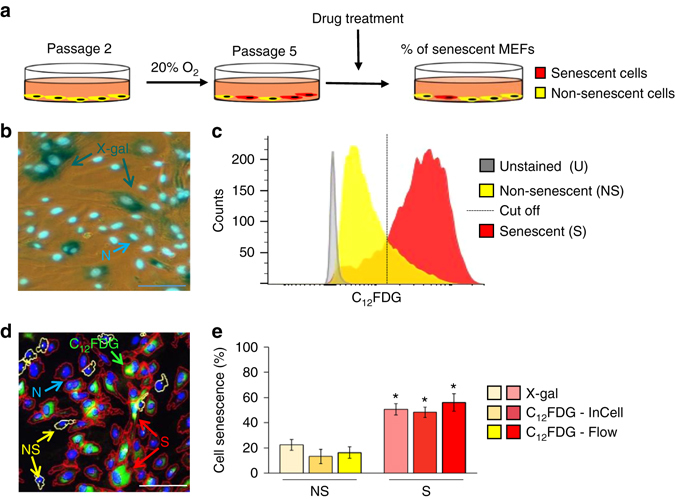
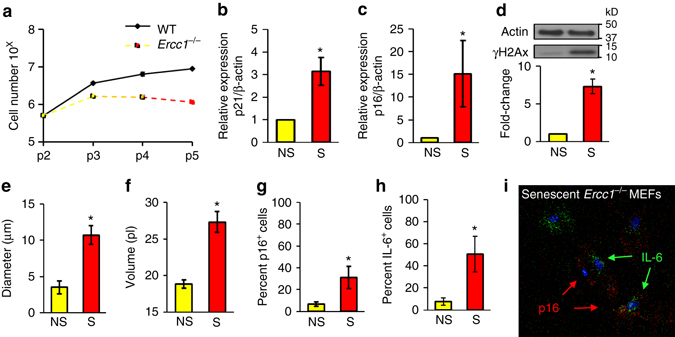
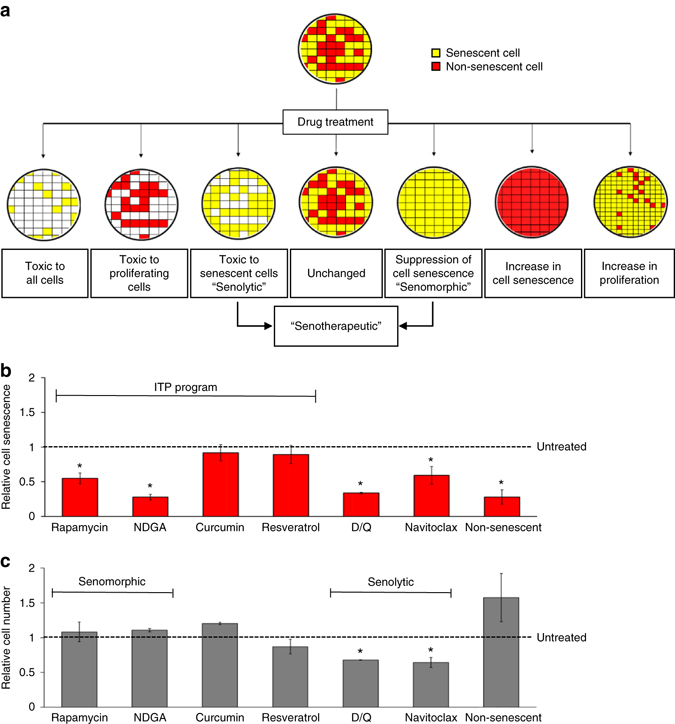
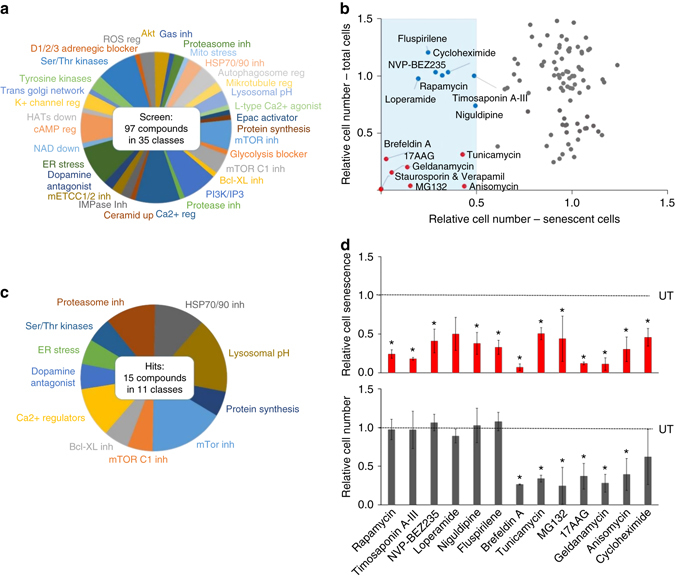
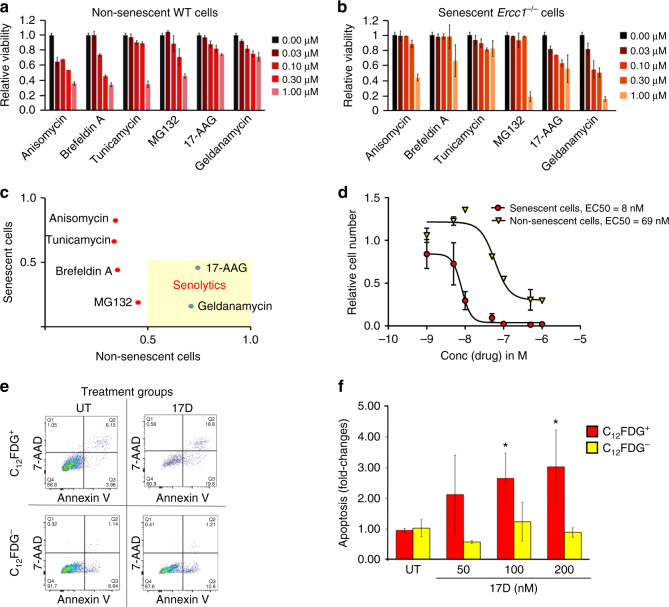
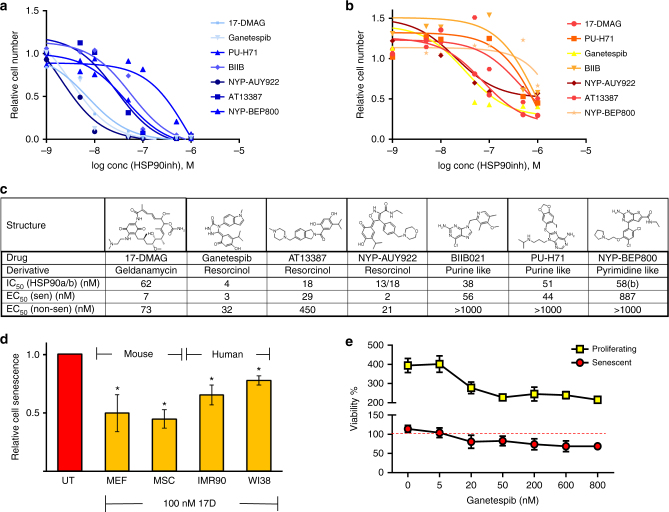
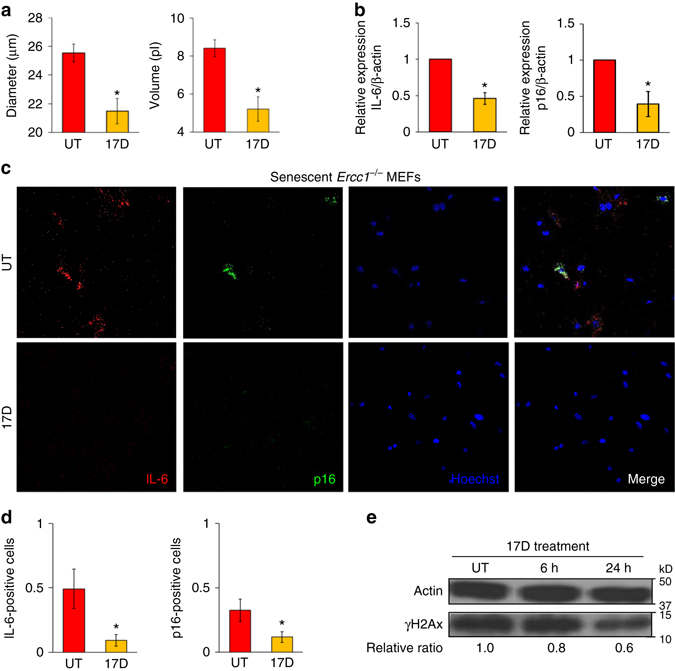
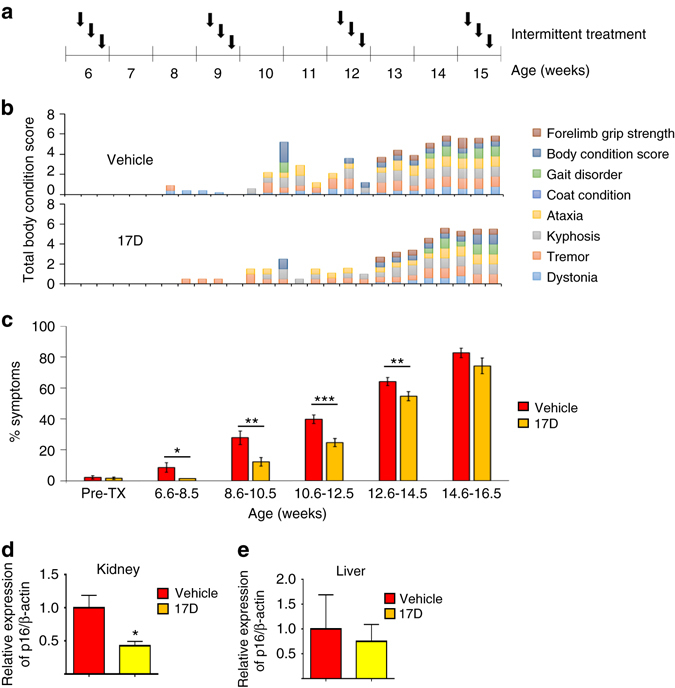
Aging is the main risk factor for many chronic degenerative diseases and cancer. Increased senescent cell burden in various tissues is a major contributor to aging and age-related diseases. Recently, a new class of drugs termed senolytics were demonstrated to extending healthspan, reducing frailty and improving stem cell function in multiple murine models of aging. To identify novel and more optimal senotherapeutic drugs and combinations, we established a senescence associated β-galactosidase assay as a screening platform to rapidly identify drugs that specifically affect senescent cells. We used primary Ercc1 −/− murine embryonic fibroblasts with reduced DNA repair capacity, which senesce rapidly if grown at atmospheric oxygen. This platform was used to screen a small library of compounds that regulate autophagy, identifying two inhibitors of the HSP90 chaperone family as having significant senolytic activity in mouse and human cells. Treatment of Ercc1 −/∆ mice, a mouse model of a human progeroid syndrome, with the HSP90 inhibitor 17-DMAG extended healthspan, delayed the onset of several age-related symptoms and reduced p16 INK4a expression. These results demonstrate the utility of our screening platform to identify senotherapeutic agents as well as identified HSP90 inhibitors as a promising new class of senolytic drugs.
Overview
The claims and statistics of this paper haven’t been checked yet.
Free: it reads the open-access text and checks the first 5 claims that cite a source we can check. Create a free account to check every claim.
Integrity signals
Registry
Cites
Statistics
Figures
Verification
Claims the paper makes
The claims and statistics of this paper haven’t been checked yet.
Free: it reads the open-access text and checks the first 5 claims that cite a source we can check. Create a free account to check every claim.
Claims other papers make about this one
Each is checked against this paper’s own text: does it say what the citing paper says it does?
The source backs part of the claim, not all of it — or backs it for a different population, condition or comparison.
In the citing paper
“Through upregulation of pro-survival and antiapoptotic pathways such as SRC kinases, the PI3K-AKT signaling pathway, heat shock protein (HSP) pathways, serpines, mitochondrial pathways or apoptosis regulator BCL-2-related proteins, those senescent cells with a proapoptotic SASP can survive, despite the cytotoxic microenvironment they create6,7,14,34,35,54–58.”
From Cellular senescence and senolytics: the path to the clinic (2022) · cites this paper as [54]
Experimental — accuracy not yet measuredThe source backs part of the claim, not all of it — or backs it for a different population, condition or comparison.
In the citing paper
“HSP90 prevents proteasomal degradation of AKT, hence inhibiting HSP90 disables pro-survival signaling through this SCAP node and results in elimination of some senescent cell types54.”
From Cellular senescence and senolytics: the path to the clinic (2022) · cites this paper as [54]
Experimental — accuracy not yet measuredThe source backs part of the claim, not all of it — or backs it for a different population, condition or comparison.
In the citing paper
“Senomorphics are aimed largely at suppressing the SASP and thereby inflammation.”
From Senolytic Drugs: Reducing Senescent Cell Viability to Extend Health Span (2021) · cites this paper as [20]
Experimental — accuracy not yet measuredThe source backs part of the claim, not all of it — or backs it for a different population, condition or comparison.
In the citing paper
“Additionally, SASP establishment and the secretion of SASP factors can be modulated by inhibiting HSP90 (REFS214,249).”
From Cellular senescence in ageing: from mechanisms to therapeutic opportunities (2021) · cites this paper as [214]
Experimental — accuracy not yet measuredThe source backs part of the claim, not all of it — or backs it for a different population, condition or comparison.
In the citing paper
“even eliminating only 30% of senescent cells can be sufficient to alleviate dysfunction in preclinical studies [3,5,7,9,23,24,28,[32], [33], [34], [35], [36], [37]]”
From Senolytics decrease senescent cells in humans: Preliminary report from a clinical trial of Dasatinib plus Quercetin in individuals with diabetic kidney disease (2019) · cites this paper as [37]
Experimental — accuracy not yet measured
19 more claims about this paper
Create a free account to see every claim other papers make about this one.
Self-check
Percentages, sums and reported differences re-computed from the paper’s own numbers.
The self-check needs the paper’s full text.
Citations
Cites
Zhang, J.-H., Chung, T. D. Y., & Oldenburg, K. R. (1999) · SLAS Discovery · doi:10.1177/108705719900400206 · Cited by 6,847
Clearance of p16Ink4a-positive senescent cells delays ageing-associated disorders
Baker, D. J., Wijshake, T., Tchkonia, T., LeBrasseur, N. K., Childs, B. G., van de Sluis, B., Kirkland, J. L., & van Deursen, J. M. (2011) · Nature · doi:10.1038/nature10600 · Cited by 3,670
Self-citationNaturally occurring p16Ink4a-positive cells shorten healthy lifespan
Baker, D. J., Childs, B. G., Durik, M., Wijers, M. E., Sieben, C. J., Zhong, J., A. Saltness, R., Jeganathan, K. B., Verzosa, G. C., Pezeshki, A., et al. (2016) · Nature · doi:10.1038/nature16932 · Cited by 2,876
Cellular senescence: from physiology to pathology
Muñoz-Espín, D., & Serrano, M. (2014) · Nature Reviews Molecular Cell Biology · doi:10.1038/nrm3823 · Cited by 2,818
The role of senescent cells in ageing
van Deursen, J. M. (2014) · Nature · doi:10.1038/nature13193 · Cited by 2,623 · cited 1×
“A reduction in the ratio of senescent to non-senescent cells could be achieved by three drug activities: (1) specifically killing senescent cells, termed senolytics29, (2) suppressing cell senescence phenotypes, termed senomorphics, or (3) increasing proliferation of the non-senescent cells.”
BackgroundThe Achilles' heel of senescent cells: from transcriptome to senolytic drugs
Zhu, Y., Tchkonia, T., Pirtskhalava, T., Gower, A. C., Ding, H., Giorgadze, N., Palmer, A. K., Ikeno, Y., Hubbard, G. B., Lenburg, M., et al. (2015) · Aging Cell · doi:10.1111/acel.12344 · Cited by 2,584
Self-citationCellular senescence in aging and age-related disease: from mechanisms to therapy
Childs, B. G., Durik, M., Baker, D. J., & van Deursen, J. M. (2015) · Nature Medicine · doi:10.1038/nm.4000 · Cited by 2,363
Persistent DNA damage signalling triggers senescence-associated inflammatory cytokine secretion
Rodier, F., Coppé, J.-P., Patil, C. K., Hoeijmakers, W. A. M., Muñoz, D. P., Raza, S. R., Freund, A., Campeau, E., Davalos, A. R., & Campisi, J. (2009) · Nature Cell Biology · doi:10.1038/ncb1909 · Cited by 2,232
Clearance of senescent cells by ABT263 rejuvenates aged hematopoietic stem cells in mice
Chang, J., Wang, Y., Shao, L., Laberge, R.-M., Demaria, M., Campisi, J., Janakiraman, K., Sharpless, N. E., Ding, S., Feng, W., et al. (2016) · Nature Medicine · doi:10.1038/nm.4010 · Cited by 1,819
HSP90 at the hub of protein homeostasis: emerging mechanistic insights
Taipale, M., Jarosz, D. F., & Lindquist, S. (2010) · Nature Reviews Molecular Cell Biology · doi:10.1038/nrm2918 · Cited by 1,818
Cited by
Items 501–600 of 745
Systemic aging delay and anti-aging therapy using allogeneic stem cells
Han, S. S. W., & Kim, S. (2025) · Korean Journal of Family Medicine · doi:10.4082/kjfm.25.0080 · Cited by 6
“In combination with UC-MSC therapy, these senolytic drugs may enhance treatment outcomes by addressing both cellular and molecular contributors to aging [71].”
Senolytic Interventions for Type 2 Diabetes: Current Evidence and Future Directions
Sodini, S., & Suárez‐Ortegón, M. F. (2025) · Diabetology · doi:10.3390/diabetology6060048 · Cited by 6
“In accelerated-aging mouse models (Ercc1 − / ∆ ), treatment with 17-DMAG reduced systemic tissue senescence, extended health span, and delayed the onset of age-related symptoms [80].”
Mitochondrial function maintenance and mitochondrial training in ageing and related diseases
Gao, G., Xie, Z., & Huang, H. (2025) · Journal of Holistic Integrative Pharmacy · doi:10.1016/j.jhip.2025.04.001 · Cited by 7
Functional screening to identify senescence regulators in cancer
Lujambio, A., & Banito, A. (2019) · Current Opinion in Genetics & Development · doi:10.1016/j.gde.2019.02.001 · Cited by 6
Targeting CK2 eliminates senescent cells and prolongs lifespan in Zmpste24-deficient mice
Zhang, J., Sun, P., Wu, Z., Wu, J., Jia, J., Zou, H., Mo, Y., Zhou, Z., Liu, B., Ao, Y., et al. (2024) · Cell Death and Disease · doi:10.1038/s41419-024-06760-0 · Cited by 6
Akagi, K., Koizumi, K., Kadowaki, M., Kitajima, I., & Saito, S. (2023) · Cells · doi:10.3390/cells12182297 · Cited by 8
Senolytic drugs: implications for clinical practice
Константиновна, И. А., Matchekhina, L. V., Ткачева, О. Н., Владимировна, Б. А., Melnitskaia, A. A., Churov, A. V., & Strazhesko, I. D. (2023) · Problems of Geroscience · doi:10.37586/2949-4745-1-2023-7-14 · Cited by 6
He, Y., Zheng, G., & Zhou, D. (2020) · Healthy ageing and longevity · doi:10.1007/978-3-030-44903-2_1 · Cited by 7
Franceschi, C., Capri, M., Garagnani, P., Ostan, R., Santoro, A., Monti, D., & Salvioli, S. (2019) · Springer eBooks · doi:10.1007/978-3-319-99375-1_45 · Cited by 8
Senescence as a therapeutic target
Meyer, K. R., Lopez-Dominguez, J. A., Maus, M., Kovatcheva, M., & Serrano, M. (2021) · Elsevier eBooks · doi:10.1016/b978-0-12-822514-1.00014-6 · Cited by 6
A Xanthine Derivative With Novel Heat Shock Protein 90‐Alpha Inhibitory and Senolytic Properties
Atlante, S., Cis, L., Pirolli, D., Zamperla, M. G., Barbi, V., Mai, A., Zwergel, C., Marcozzi, S., Giuliani, M. E., Bigossi, G., et al. (2025) · Aging Cell · doi:10.1111/acel.70047 · Cited by 5
“While Dap expression showed no significant difference between groups, the levels of Upd2 and Upd3 were significantly reduced in the K5-treated flies compared to controls ( p 0.05), suggesting that K5 treatment affects the JAK/STAT signaling pathway, which may influence pathways associated with the inflammatory respons…”
InfluentialPharmacological frontiers in senescence: Transforming senescence with drug repurposing
Shahzadi, A., Özyazgan, S., & Çakatay, U. (2025) · Advances in pharmacology · doi:10.1016/bs.apha.2025.02.010 · Cited by 7
Tissue Fibrosis Decoded via Cellular Senescence: Mechanisms, Treatments, and Emerging Technologies
Cai, W., Zhang, H., Li, Z., Cai, M., Yu, S., Chen, P., & Song, X. (2025) · Aging and Disease · doi:10.14336/ad.2025.0503 · Cited by 10
“Moreover, anti-aging drugs such as HSP90 inhibitors, BCL-XL inhibitors, A1331852 and A1155463 have been tested in different fibrosis models such as pulmonary fibrosis and have initially shown to reduce the development of the disease after anti-aging [204].”
Cellular senescence in colorectal cancer: its occurrence, effect and therapy
Liang, Y., Wang, M., Wang, X., Yang, Z., Wang, S., Li, F., Su, L., & Yang, L. (2025) · Frontiers in Oncology · doi:10.3389/fonc.2025.1580951 · Cited by 7
Non-oncologic to oncologic drug: A systematic review of drug repurposing in cancer
Dhanush, Y., & Ganesh, V. S. (2025) · Cancer Chemotherapy and Pharmacology · doi:10.1007/s00280-025-04822-4 · Cited by 5
“Additionally, HSP90 inhibitors such as 17-AAG and geldanamycin have been identified as senolytics that disrupt double-strand break (DSB) repair [137], highlighting their potential when used alongside genotoxic treatments.”
Jin, C., Xu, X., Yao, N., Zhang, H., Chen, C. F., Zeng, L., Liu, Z., Lei, L., Cui, S., Wen, C., et al. (2025) · Nature Communications · doi:10.1038/s41467-025-67364-6 · Cited by 6
Meng, B., Qu, Y., Yang, B., Fu, C., He, Y., Li, J., Wan, R., Li, X., Xue, Z., Cao, Z., et al. (2026) · Nature Biomedical Engineering · doi:10.1038/s41551-025-01584-5 · Cited by 6
Self-citationBriganti, S., Camera, E., Ciriza, J., Fernández-Carro, E., Krivokuća, M. J., Lamartine, J., Letsiou, S., Nacka-Aleksić, M., Niessen, C. M., Oliva, N., et al. (2026) · Ageing Research Reviews · doi:10.1016/j.arr.2026.103109 · Cited by 5
Guilatco, A. J., Shah, M. V., & Weivoda, M. M. (2024) · Journal of bone oncology · doi:10.1016/j.jbo.2024.100620 · Cited by 5
Nordihydroguaiaretic acid microparticles are effective in the treatment of osteoarthritis
Dhanabalan, K. M., Padhan, B., Dravid, A. A., Agarwal, S., Pancheri, N. M., Lin, A., Willett, N. J., Padmanabhan, A. K., & Agarwal, R. (2024) · Journal of Materials Chemistry B · doi:10.1039/d4tb01342e · Cited by 5
Lissa, D., Joruiz, S. M., Dranchak, P. K., Ungerleider, K., Yamada, L., Horikawa, I., Oliphant, E. N., Manubag, R., von Muhlinen, N., Beck, J. A., et al. (2025) · ACS Pharmacology & Translational Science · doi:10.1021/acsptsci.5c00186 · Cited by 5
Upregulation of TGF-β-induced HSP27 by HSP90 inhibitors in osteoblasts
Kuroyanagi, G., Tokuda, H., Fujita, K., Kawabata, T., Sakai, G., Kim, W. Y., Hioki, T., Tachi, J., Matsushima‐Nishiwaki, R., Otsuka, T., et al. (2022) · BMC Musculoskeletal Disorders · doi:10.1186/s12891-022-05419-1 · Cited by 5
“Also, HSP90 inhibitors have been proposed as a novel class of senolytics to reduce age-related symptoms in vivo [9].”
BackgroundMalachite Green Assay for the Discovery of Heat-Shock Protein 90 Inhibitors
Gupta, S. D., Song, D., Lee, S., Lee, J. W., Park, J., Prodromou, C., & Pan, C. (2023) · Journal of Visualized Experiments · doi:10.3791/64693 · Cited by 5
The potential for senotherapy as a novel approach to extend life quality in veterinary medicine
Williams, Z. J., Chow, L., Dow, S., & Pezzanite, L. M. (2024) · Frontiers in Veterinary Science · doi:10.3389/fvets.2024.1369153 · Cited by 6
Yang, M. G., Li, C., Li, Y., Chen, C., Shi, M., Yin, L., Xue, H., & Liu, Y. (2022) · Journal of Enzyme Inhibition and Medicinal Chemistry · doi:10.1080/14756366.2022.2124407 · Cited by 5
Multiple characteristic alterations and available therapeutic strategies of cellular senescence
Zhao, Y., Li, H., Guo, Q., & Hui, H. (2023) · Journal of Zhejiang University SCIENCE B · doi:10.1631/jzus.b2200178 · Cited by 5
Hautalterung – zelluläre Seneszenz: Wohin geht die Reise?
Scharffetter‐Kochanek, K., Wang, Y., Makrantonaki, E., Crișan, D., Wlaschek, M., Geiger, H., & Maity, P. (2023) · Die Dermatologie · doi:10.1007/s00105-023-05201-x · Cited by 5
Modeling Alzheimer’s disease in progeria mice. An age-related concept
Sharma, K., Darvas, M., Keene, C. D., Niedernhofer, L. J., & Ladiges, W. (2018) · Pathobiology of Aging & Age-related Diseases · doi:10.1080/20010001.2018.1524815 · Cited by 6
“In addition, multiple therapeutic interventions have been demonstrated to extend the health span of Ercc1 mice [14,15], including anti-geronic therapeutics and senolytics [16,17].”
BackgroundSelf-citationProcyanidin C1 is a natural agent with senolytic activity against aging and age-related diseasesPreprint
Xu, Q., Fu, Q., Li, Z., Liu, H., Wang, Y., Lin, X., He, R., Zhang, X., Campisi, J., Kirkland, J. L., et al. (2021) · bioRxiv (Cold Spring Harbor Laboratory) · doi:10.1101/2021.04.14.439765 · Cited by 7
Self-citationSalignon, J., Tsiokou, M., Marqués, P., Rodríguez-Diaz, E., Ang, H. X., Pietrocola, F., & Riedel, C. G. (2026) · Advanced Science · doi:10.1002/advs.76740 · Cited by 5
Mechanisms of aging in the cardiovascular system: challenges and opportunities
Zhao, X., Yang, X., Lin, Y., Lei, R., Ding, W., He, X.-Y., Cao, Y. J., Zhang, D., Liu, P., Liang, M., et al. (2025) · Frontiers in Immunology · doi:10.3389/fimmu.2025.1635736 · Cited by 5
Decoding senescent drivers in Alzheimer's disease: From bench to bedside
Zhou, R., Lin, X., Liao, Z., Lin, J., Zheng, R., Ni, H., Liu, W., Feng, Z., He, Q., Lin, X., et al. (2025) · Ageing Research Reviews · doi:10.1016/j.arr.2025.102978 · Cited by 4
Vardon, A., Haston, S., Hamdi, H., Cooksley, G., Guiho, R., Carvalho, D. M., Carter, R., Boult, J. K. R., Gharai, D., Cloete, I., et al. (2025) · Scientific Reports · doi:10.1038/s41598-025-32676-6 · Cited by 4
“…such as ABT-263 (also known as Navitoclax) and ABT-737 12,13 , a modified FOXO4-p53 interfering peptide 14 , HSP90 inhibitors (e.g., alvespimycin) 15 , piperlongumine 16 , cardiac glycosides 17,18 , N-myristoylation inhibitors 19 and β-galactosidase-activated nanoparticles and pro-drugs 20–22 .”
Chronic Kidney Disease and Cellular Senescence
Morevati, M., Tavenier, J., Scheibye‐Knudsen, M., Houlind, M. B., Hedayati, A., & Hornum, M. (2026) · International Journal of Molecular Sciences · doi:10.3390/ijms27073205 · Cited by 6
Mechanisms and interventions of epigenetic aging
Chu, Q., Li, Y., Wu, Z., Qu, J. T., & Liu, G. (2026) · Cell chemical biology · doi:10.1016/j.chembiol.2026.05.007 · Cited by 6
A Conversation with ChatGPT on Contentious Issues in Senescence and Cancer Research
Elshazly, A. M., Shahin, U., Shboul, S. A., Gewirtz, D. A., & Saleh, T. (2024) · Molecular Pharmacology · doi:10.1124/molpharm.124.000871 · Cited by 4
“Others that have shown modest potential to serve as reliable senolytics to eliminate senescent tumor cells include the HDAC inhibitor panobinostat (Samaraweera et al., 2017) and the HSP90 inhibitor DMAG-17 (Fuhrmann-Stroissnigg et al., 2017).”
BackgroundSenescent cells: a therapeutic target in correction of aging
Kirichenko, T. V., Markina, Y. V., Markin, A. M., Eremin, I. I., & Deev, R. V. (2024) · Восстановительные биотехнологии, профилактическая, цифровая и предиктивная медицина. · doi:10.17116/rbpdpm2024103153 · Cited by 5
Ma, R., Zhou, Y., Huang, W., & Kong, X. (2024) · Journal of Ethnopharmacology · doi:10.1016/j.jep.2024.119287 · Cited by 4
Aging and anti-aging strategies: A review of past and future therapeutics
Wei, Y., Xiong, B., Song, Z., Zhong, S., Zheng, N., Zhang, A., Chen, Y., & Sun, H. (2025) · Bioorganic & Medicinal Chemistry · doi:10.1016/j.bmc.2025.118340 · Cited by 4
Autophagy–Apoptosis Crosstalk in Cancer: Mechanisms, Signaling Pathways, and Therapeutic Targeting
Kakkar, D., Saxena, S., Dhawan, U., Dosi, N., Khanna, C., & Paul, S. (2026) · Cancers · doi:10.3390/cancers18101564 · Cited by 4
Identification of novel inhibitors of the transcriptional coactivator MRTF-A for HCC therapy
Franz, M. J., Wenisch, P., Wohlleben, P., Rupprecht, L., Chubanov, V., Gudermann, T. W., Kyheröinen, S., Vartiainen, M. K., Heinrich, M. R., & Muehlich, S. (2024) · Molecular Therapy Oncology · doi:10.1016/j.omton.2024.200855 · Cited by 5
Senolytic compounds reduce epigenetic age of blood samples in vitro
Tharmapalan, V., Sarvaas, M. D. M., Bleichert, M., Wessiepe, M., & Wagner, W. (2025) · npj Aging · doi:10.1038/s41514-025-00199-z · Cited by 4
Natural Product-Derived Senotherapeutics: Extraction and Biological Evaluation Techniques
Pratsinis, H., Mavrogonatou, E., Zervou, S., Triantis, T. M., Hiskia, A. E., & Kletsas, D. (2025) · Methods in molecular biology · doi:10.1007/978-1-0716-4426-3_19 · Cited by 4
Molecular mechanisms of cellular senescence
Nehme, J., Varela-Eirín, M., & Demaria, M. (2021) · Elsevier eBooks · doi:10.1016/b978-0-12-823318-4.00034-2 · Cited by 4
Is Human Aging a Form of Phenoptosis?
Libertini, G., Corbi, G., Shubernetskaya, O. S., & Ferrara, N. (2022) · Biochemistry (Moscow) · doi:10.1134/s0006297922120033 · Cited by 5
“So, their selective elimination by appropriate drugs or associations of drugs, defined as senolytics, is an important and actual therapeutic goal [110, 111], a topic deepened in [52].”
BackgroundKühnel, H., Pasztorek, M., Kuten-Pella, O., Kramer, K., Bauer, C., Lacza, Z., & Nehrer, S. (2024) · Current Issues in Molecular Biology · doi:10.3390/cimb46030122 · Cited by 4
[The effect of deep branches of cervical nerve on motorial function of trapezius muscle].
Wang, F., Wen, Y., & Li, L. (2003) · 华西口腔医学杂志 · Cited by 4
Targeting proteostasis maintenance and autophagy in senescence
L’Hôte, V., Mann, C., & Thuret, J. (2022) · Aging · doi:10.18632/aging.203941 · Cited by 4
Unraveling senescence in cancer: mechanistic complexities and therapeutic opportunities
Tiwari, P., Shukla, S. K., & Verma, S. R. (2025) · Molecular Biology Reports · doi:10.1007/s11033-025-10630-z · Cited by 5
Identification of miR-106b-5p as a senolytic miRNA
Zhang, T., Nunes, A., O'Kelly, R. D., Angelini, L. A., Masternak, M. M., Suh, Y., Dong, X., Niedernhofer, L. J., & Robbins, P. D. (2025) · EBioMedicine · doi:10.1016/j.ebiom.2025.105810 · Cited by 4
“,11–13 Senomorphic compounds modify the senescent cell phenotype, usually through suppression of the SASP, without inducing cell death.”
Self-citationNguyen, T. Q. N., Nguyen, A.-H., Dao, M. Q., Kim, M. K., Pham, T. T. M., Kim, S., Seo, J. H., Seo, Y. H., & Ha, E. (2025) · Biochemical Pharmacology · doi:10.1016/j.bcp.2025.117336 · Cited by 3
Mukherjee, G., Dutta, N., Ramanathan, M., Bhattacharyya, K., Das, A., Haider, S., Chowdhury, G., & Chakrabarty, A. (2025) · ACS Pharmacology & Translational Science · doi:10.1021/acsptsci.5c00374 · Cited by 4
Wu, Z.-G., Zhao, Q.-Q., Lin, S., Lei, J.-Y., Yang, C.-J., Sun, S., Yang, Z.-Q., Ni, S.-H., Chen, X.-L., & Lu, L. (2026) · npj Aging · doi:10.1038/s41514-026-00433-2 · Cited by 4
Klinaki, E., & Ogrodnik, M. B. (2024) · Mechanisms of Ageing and Development · doi:10.1016/j.mad.2024.111929 · Cited by 3
Mechanisms of Action of HSP110 and Its Cognate Family Members in Carcinogenesis
Guo, R., Wang, R., Zhang, W., Li, Y., Wang, Y., Wang, H., Li, X., & Song, J. (2024) · OncoTargets and Therapy · doi:10.2147/ott.s496403 · Cited by 3
“55,56 It was found that HSP90 stabilizes macrophage migration inhibitory factor (MIF) and thus promotes angiogenesis.”
Self-citationConsequences of senotherapies for tissue repair and reprogramming
van Vliet, T., Kohli, J. S., & Demaria, M. (2019) · Translational Medicine of Aging · doi:10.1016/j.tma.2019.01.003 · Cited by 4
Muscle and Bone Biology – Similarities and Differences
Elphingstone, J. W., & Hamrick, M. W. (2019) · Springer eBooks · doi:10.1007/978-3-030-25890-0_1 · Cited by 3
Gerosuppressive and Senolytic Nutrients
Nehlin, J. O. (2021) · Healthy ageing and longevity · doi:10.1007/978-3-030-83017-5_22 · Cited by 3
Senolytic Phytocompounds in Redox Signaling
Thirumurugan, K. (2021) · Healthy ageing and longevity · doi:10.1007/978-3-030-84965-8_12 · Cited by 3
Wyles, S. P., Vyas, K. S., Wasserburg, J. R., Ansaf, R. B., & Kirkland, J. L. (2024) · Elsevier eBooks · doi:10.1016/b978-0-443-15500-0.00009-8 · Cited by 4
Self-citationGomez, L. S., & Jurk, D. (2024) · Sub-cellular biochemistry/Subcellular biochemistry · doi:10.1007/978-3-031-66768-8_5 · Cited by 4
Senescence and oral cancer: From mechanisms to therapeutic opportunities
Yang, Z. R., Guo, L., & Wang, B. (2025) · Translational dental research. · doi:10.1016/j.tdr.2025.100034 · Cited by 5
Balancing senescence and apoptosis: therapeutic insights into aging and cancer
Jan, N., Sofi, S., Mir, A. A., Masoodi, G., & Mir, M. A. (2025) · Molecular and Cellular Biochemistry · doi:10.1007/s11010-025-05355-3 · Cited by 4
Picallos-Rabina, P., Silva‐Álvarez, S. D., Antelo-Iglesias, L., Triana-Martínez, F., & Collado, M. (2020) · Healthy ageing and longevity · doi:10.1007/978-3-030-44903-2_5 · Cited by 3
Therapeutic strategies targeting somatic stem cells: Chemical approaches
Chen, Y., & Ding, S. (2020) · Bioorganic & Medicinal Chemistry · doi:10.1016/j.bmc.2020.115824 · Cited by 4
Levin, M., & Adams, D. S. (2016) · Institute of Physics eBooks · doi:10.1088/978-0-7503-1326-1ch5 · Cited by 3
Rad, A. N., Sperger, S., Marsh, L. M., Höetzenecker, K., Lämmermann, I., & Grillari, J. (2024) · bioRxiv (Cold Spring Harbor Laboratory) · doi:10.1101/2024.11.16.623933 · Cited by 3
New Horizons in Myotonic Dystrophy Type 1: Cellular Senescence as a Therapeutic Target
Légaré, C., Berglund, J. A., Duchesne, É., & Dumont, N. A. (2024) · BioEssays · doi:10.1002/bies.202400216 · Cited by 2
Yu, K., Yang, S., Song, H., Sun, Z., Wang, K., Zhu, Y., Yang, C., Hao, R., & Cao, Y. (2025) · Biosensors · doi:10.3390/bios15040242 · Cited by 2
Self-citationJia, G., Li, J., Khan, A., Kaushik, A. C., Wu, D., Chen, H., Li, R., Wang, J., Zhang, C., Farooq, A., et al. (2025) · Chemical Biology & Drug Design · doi:10.1111/cbdd.70214 · Cited by 2
β-Galactosidase-Cleavable Polymeric Senotherapeutics for Protein-Binding Photodynamic Senolysis
Ali, N., Huang, W., Tian, J. H., & Zhang, W. (2025) · ACS Macro Letters · doi:10.1021/acsmacrolett.5c00612 · Cited by 3
Cancer therapy-related cardiovascular aging: mechanisms, monitoring, and intervention strategies
Lin, X., Wu, Z., Liu, Y., & Liao, X. (2026) · Frontiers in Cardiovascular Medicine · doi:10.3389/fcvm.2025.1668623 · Cited by 3
Solarska‐Ściuk, K., Kapavarapu, R., Poliszak, Z., Wnuk, M., & Lewińska, A. (2026) · Chemico-Biological Interactions · doi:10.1016/j.cbi.2026.112033 · Cited by 2
Song, H., Chen, F., Lin, S., Gao, H., Zhang, Z., Ge, Y., Ye, T., Wang, Z., Huo, X., Wang, J., et al. (2026) · International Journal of Biological Macromolecules · doi:10.1016/j.ijbiomac.2026.151302 · Cited by 2
Translational Geroscience Strategies for Delaying Multimorbidity
Khanal, P., Chand, J., Patil, V. S., Singh, L., & Bhattacharya, K. (2026) · ACS Pharmacology & Translational Science · doi:10.1021/acsptsci.6c00026 · Cited by 3
Witkowski, W., Słaby, J., Wnuk, M., Stec, P., Piotrowski, P., Żebrowski, M., Cybularczyk‐Cecotka, M., Deręgowska, A., Romanchikova, N., Zayakin, P., et al. (2026) · APOPTOSIS · doi:10.1007/s10495-026-02311-4 · Cited by 2
Ma, C., Ji, X., Huang, W., Guo, S., Wang, L., Wu, X., Zheng, H., & Wang, J. (2026) · ACS Pharmacology & Translational Science · doi:10.1021/acsptsci.6c00005 · Cited by 2
Suppression of ATM kinase signaling accelerates cellular senescence
Ishikawa, K., Shiga, T., Hirose, T., Kuzumaki, N., Miyoshi, S., Yamaguchi, A., Tamune, H., Sarkar, A. K., Nakai, K., Baba, K., et al. (2026) · Stem Cell Reports · doi:10.1016/j.stemcr.2026.102956 · Cited by 2
Wong, J., Qudrat, A., Mosabbir, A. A., & Truong, K. (2018) · Springer eBooks · doi:10.1007/978-981-13-1699-9_5 · Cited by 3
Zhou, G., Zhang, Y.-T. Y., Akbari, A., Wang, X., & Wei, J. (2023) · Natural Product Communications · doi:10.1177/1934578x231166784 · Cited by 2
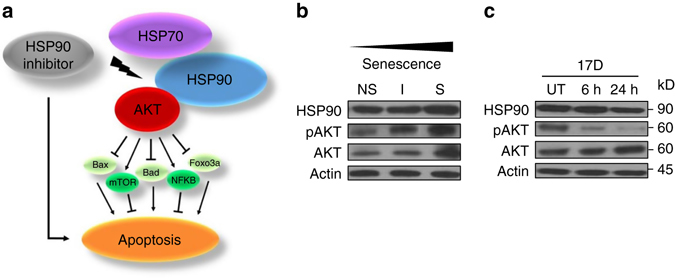
“Inhibition of HSP90 decreases the activity of the phosphoinositide 3-kinases (PI3K)/protein kinase B (AKT) pathway and induces apoptosis in cancer cells by inhibiting the activity of antiapoptotic proteins.(17) On the other hand, the activation of HSP90 inhibits tumor cell”
BackgroundPancreatic adenocarcinoma and aging: understanding the menace for better management
Zhou, T., Yan, J., Hao, J., & Yu, J. Q. (2023) · Journal of Pancreatology · doi:10.1097/jp9.0000000000000133 · Cited by 2
“214] Further studies are warranted to develop novel strategies for the prevention and treatment of PDAC in elderly patients.”
BackgroundBi, J., Zeng, J., Liu, X., Mo, C., Yao, M., Zhang, J., Yuan, P., Jia, B., & Xu, S. (2024) · Saudi Pharmaceutical Journal · doi:10.1016/j.jsps.2024.102209 · Cited by 2
Senotherapy: Implications for Transplantation
Jaros, M., & Melk, A. (2025) · Transplantation · doi:10.1097/tp.0000000000005291 · Cited by 3
Čepelak, I., & Dodig, S. (2019) · Rad Hrvatske akademije znanosti i umjetnosti Medicinske znanosti · doi:10.21857/moxpjhglzm · Cited by 3
Hsp90 and Its Role in Heme-Maturation of Client Proteins: Implications for Human Diseases
Ghosh, A., & Stuehr, D. J. (2019) · Heat shock proteins · doi:10.1007/978-3-030-23158-3_12 · Cited by 2
Senolytics Target Senescent Cells and Improve Aging and Age-Related Diseases
Buffard, T., & Ferbeyre, G. (2020) · Healthy ageing and longevity · doi:10.1007/978-3-030-44903-2_4 · Cited by 4
Mechanisms of cell senescence in aging
von Zglinicki, T. (2021) · Elsevier eBooks · doi:10.1016/b978-0-12-815962-0.00003-2 · Cited by 3
Bases moléculaires du vieillissement rénal
Cohen, C. (2021) · Néphrologie & Thérapeutique · doi:10.1016/j.nephro.2020.02.006 · Cited by 3
Senomorphic, senolytic, and rejuvenation therapies
Zhu, X. Y., & Lerman, L. O. (2021) · Elsevier eBooks · doi:10.1016/b978-0-12-823318-4.00025-1 · Cited by 4
A framework for addressing senescent cell burden in the osteoarthritic knee
Chin, A. F., Han, J., Gray-Gaillard, E. F., Michel, J. H., & Elisseeff, J. H. (2021) · Elsevier eBooks · doi:10.1016/b978-0-12-822514-1.00010-9 · Cited by 3
Perspectives to Modify and Counter Aging in the Frame of Subtelomere–Telomere Theory of Aging
Libertini, G. (2022) · OBM Geriatrics · doi:10.21926/obm.geriatr.2204208 · Cited by 2
DRUGS WITH SENOLYTIC ACTIVITY: PROSPECTS AND POSSIBLE LIMITATIONS
Васильевна, М. Г., & Khokhlov, A. N. (2024) · Vestnik Moskovskogo universiteta Seria 16 Biologia · doi:10.55959/msu0137-0952-16-78-4-3 · Cited by 3
Drugs with Senolytic Activity: Prospects and Possible Limitations
Васильевна, М. Г., & Khokhlov, A. N. (2023) · Moscow University Biological Sciences Bulletin · doi:10.3103/s0096392524600455 · Cited by 2
“The use of the HSP90 inhibitor 17-DMAG (17-dimethylaminoethylamino-17-deme-thoxygeldanamycin) reduces a number of indicators of physical dysfunction and the manifestation of biomarkers of aging in the kidneys of Ercc1 Δ /– mice [47].”
Conti, V., Iannaccone, T., & Filippelli, A. (2019) · Springer eBooks · doi:10.1007/978-3-319-69892-2_55-1 · Cited by 2
Al-Mufti, Y., Cranwell, S., & Samant, R. S. (2022) · Elsevier eBooks · doi:10.1016/b978-0-323-91617-2.00004-3 · Cited by 1
Senolytic Drugs: Implications for Clinical Practice
Константиновна, И. А., Matchekhina, L. V., Tkacheva, O. N., Владимировна, Б. А., Melnitskaia, A. A., Churov, A. V., & Strazhesko, I. D. (2023) · Advances in Gerontology · doi:10.1134/s2079057024600186 · Cited by 1
“In particular, in the work by Heike Fuhrmann-Stroissnigg, alvespimycin reduced the number of senescent human fibroblasts [36].”
Oxidative Stress and Protein Misfolding in Skin Aging
Oak, T., Patel, R., & Kumar, M. S. (2024) · BENTHAM SCIENCE PUBLISHERS eBooks · doi:10.2174/9789815238273124020005 · Cited by 1
Cell-to-Cell Communication in Aging: Mechanisms, Impact and Therapeutic Prospects
Mas‐Bargues, C., Sanz‐Ros, J., Huete-Acevedo, J., & Borrás, C. (2024) · Springer eBooks · doi:10.1007/978-3-031-55022-5_8 · Cited by 2
Bridging Biochemistry and Aging: A Journey Towards Prolonged Health span
Panchal, N. (2024) · Biosciences Biotechnology Research Asia · doi:10.13005/bbra/3226 · Cited by 2
Impacts of Senolytic Phytochemicals on Gut Microbiota: A Comprehensive Review
Kim, H. S., & Jung, C. H. (2024) · Journal of Microbiology and Biotechnology · doi:10.4014/jmb.2408.08032 · Cited by 1
“These targeted pathways include anti-apoptotic pathways involving mitochondrial apoptosis, cell cycle arrest, signal transduction, and stress-response pathways [11-14].”
Metadata
- Authors
- Fuhrmann-Stroissnigg, H., Ling, Y. Y., Zhao, J., McGowan, S. J., Zhu, Y., Brooks, R. W., Grassi, D., Gregg, S. Q., Stripay, J. L., Dorronsoro, A., Corbo, L., Tang, P., Bukata, C., Ring, N., Giacca, M., Li, X., Tchkonia, T., Kirkland, J. L., Niedernhofer, L. J., & Robbins, P. D.
- Affiliations
- Scripps Research Institute (US)
- University of Pittsburgh (US)
- Mayo Clinic (US)
- International Centre for Genetic Engineering and Biotechnology (IT)
- Corresponding author
- Robbins, Paul D.
- ORCID
- Venue
- Nature Communications
- Published
- 2017-09-04
- Volume
- 8
- Issue
- 1
- Pages
- 422-422
- ISSN
- 2041-1723 (ISSN-L)
- PMC
- PMC5583353
- OpenAlex
- W2752676842
- Semantic Scholar
- 75a2484a24067d78ca91ed40dc971ce24f8eafc4
- Cited by
- 701
- References
- 77
- Citations by year
- 2026: 58 · 2025: 70 · 2024: 94 · 2023: 68 · 2022: 102 · 2021: 95 · 2020: 89 · 2019: 68 · 2018: 49 · 2017: 6
- FWCI
- 42.91
- Type
- journal article
- Language
- en
- Open access
- gold
- doi.org
- Licence
- cc-by
- creativecommons.org/licenses/by/4.0 (tdm)
- creativecommons.org/licenses/by/4.0 (vor)
- Locations
- Nature Communications (publishedVersion, cc-by)
- PubMed Central (publishedVersion, cc-by)
- PubMed (publishedVersion)
- ArTS Archivio della ricerca di Trieste (University of Trieste https://www.units.it/) (submittedVersion, cc-by)
- RePEc: Research Papers in Economics (submittedVersion)
- DOAJ (DOAJ: Directory of Open Access Journals) (submittedVersion, cc-by-sa)
- DOAJ (DOAJ: Directory of Open Access Journals) (submittedVersion)
- Funders
- American Federation for Aging Research
- National Institutes of Health (DK-50456, AG043376, AG13925)
- National Institute on Aging (P01AG043376, R01AG013925, R37AG013925)
- National Institute of Diabetes and Digestive and Kidney Diseases (P30DK050456)
- Topics
- Life Sciences › Biochemistry, Genetics and Molecular Biology › Cell Biology › Telomeres, Telomerase, and Senescence
- Life Sciences › Biochemistry, Genetics and Molecular Biology › Aging › Genetics, Aging, and Longevity in Model Organisms
- Life Sciences › Biochemistry, Genetics and Molecular Biology › Molecular Biology › Heat shock proteins research
- Keywords
- Hsp90 inhibitors, senolytics, cellular senescence, senotherapeutics, aging, autophagy, 17-DMAG, healthspan, progeroid syndromes, p16INK4a, drug screening
- MeSH terms
- Aging, Animals, Autophagy, Biological Assay, DNA-Binding Proteins, Drug Evaluation, Preclinical, Endonucleases, Female, Fibroblasts, Humans, Signal Transduction, Biomarkers, Down-Regulation, Benzoquinones, Cellular Senescence, Apoptosis, HSP90 Heat-Shock Proteins, Phosphatidylinositol 3-Kinases, Lactams, Macrocyclic, Proto-Oncogene Proteins c-akt, Mice, Small Molecule Libraries, Human Umbilical Vein Endothelial Cells
About these checks
Registry, retraction, Cites and statistics results are computed, not judged, with one exception: a printed reference that no index lists is read once by a model before it counts as a citation error. Claims are extracted by a model and kept only when their quote appears verbatim in the text; each cited source is then checked, with a model’s help, for whether it says what the claim relies on. Those verdicts can be wrong — read the claim’s quote and the cited source before relying on one.
Statistics and arithmetic are recomputed, not judged.
Confidence bands are shown only for fields calibrated on our annotated test set. None is calibrated yet, so no band is shown.
What counts as a claim ›How we measure confidence ›How we check this ›
Are you an author, or do you see a problem with this page? Request a review
Data sources
Bibliographic data: Semantic Scholar, OpenAlex, Crossref.
Contains information from the Semantic Scholar Academic Graph Datasets, made available under the ODC Attribution License (ODC-BY 1.0).
Semantic Scholar’s data is described in: Kinney, R., et al. (2023). The Semantic Scholar Open Data Platform. arXiv:2301.10140.
