

Identification of HSP90 inhibitors as a novel class of senolytics
Open accessThe DOI matches its Crossref record; 77 of the 77 references it cites were found in a registry or an index.
Abstract
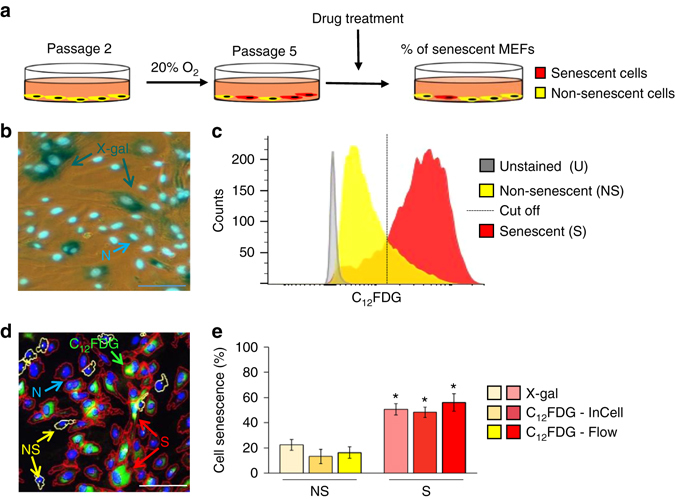
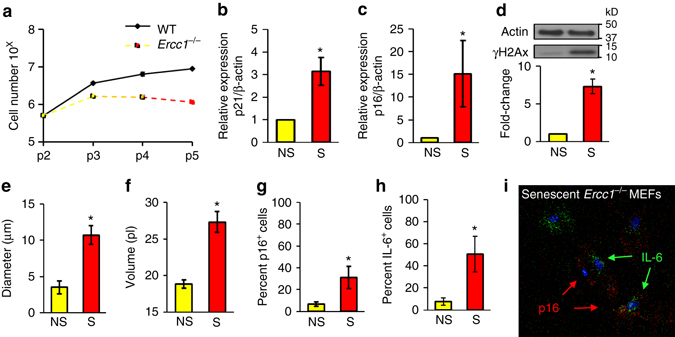
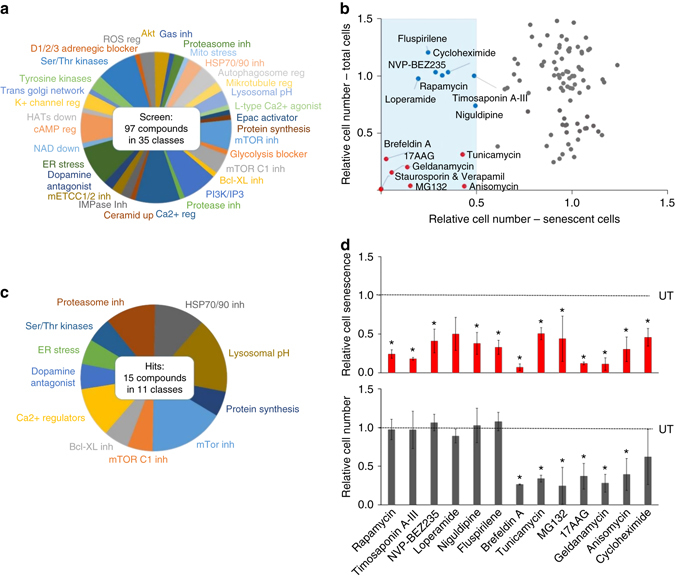
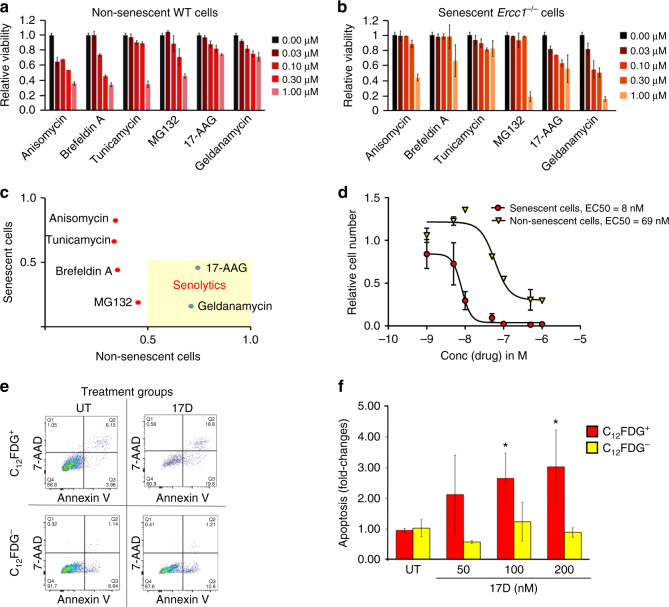
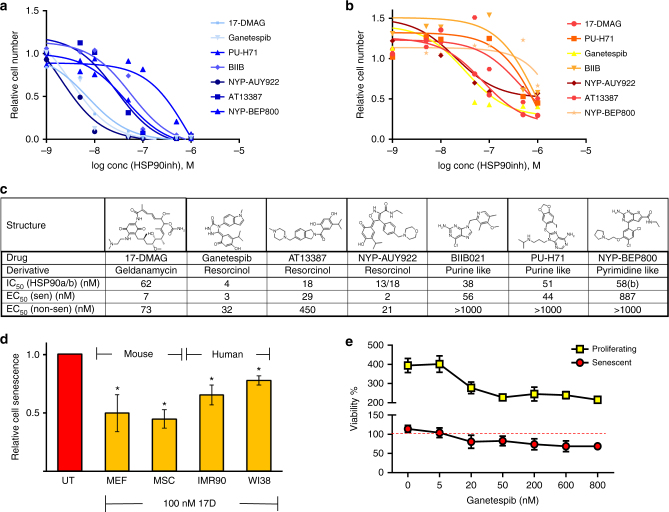
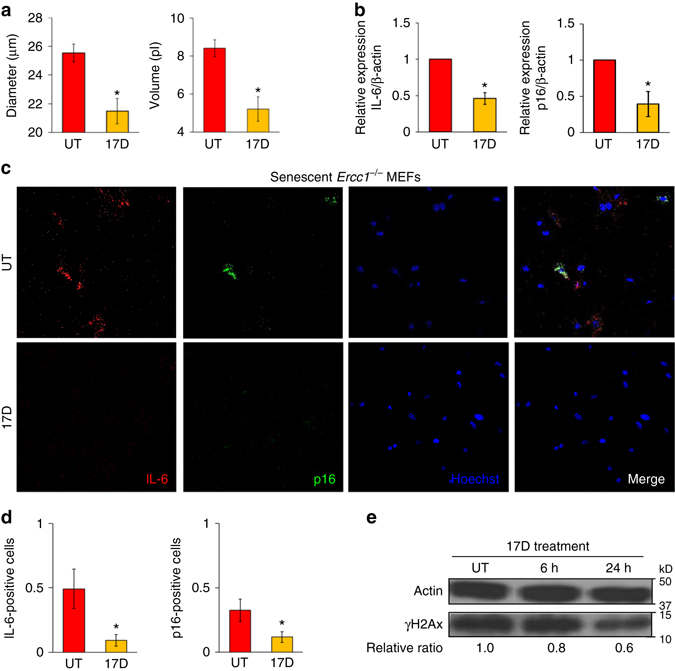
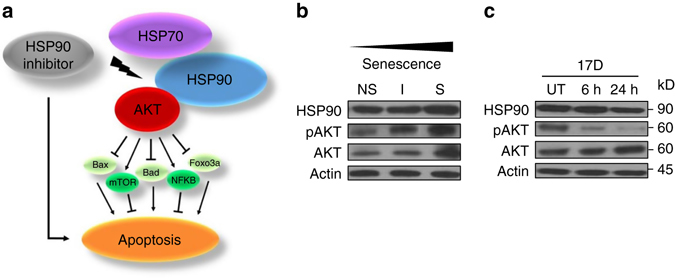
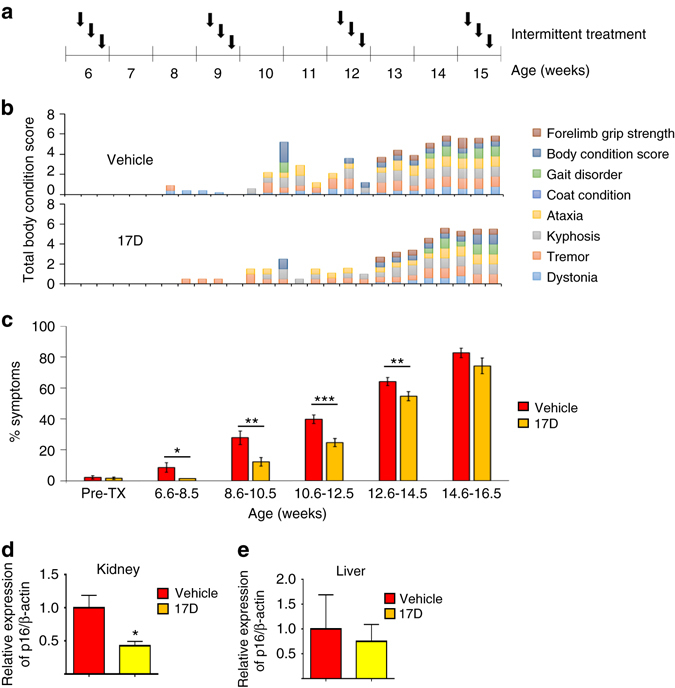
Aging is the main risk factor for many chronic degenerative diseases and cancer. Increased senescent cell burden in various tissues is a major contributor to aging and age-related diseases. Recently, a new class of drugs termed senolytics were demonstrated to extending healthspan, reducing frailty and improving stem cell function in multiple murine models of aging. To identify novel and more optimal senotherapeutic drugs and combinations, we established a senescence associated β-galactosidase assay as a screening platform to rapidly identify drugs that specifically affect senescent cells. We used primary Ercc1 −/− murine embryonic fibroblasts with reduced DNA repair capacity, which senesce rapidly if grown at atmospheric oxygen. This platform was used to screen a small library of compounds that regulate autophagy, identifying two inhibitors of the HSP90 chaperone family as having significant senolytic activity in mouse and human cells. Treatment of Ercc1 −/∆ mice, a mouse model of a human progeroid syndrome, with the HSP90 inhibitor 17-DMAG extended healthspan, delayed the onset of several age-related symptoms and reduced p16 INK4a expression. These results demonstrate the utility of our screening platform to identify senotherapeutic agents as well as identified HSP90 inhibitors as a promising new class of senolytic drugs.
Overview
The claims and statistics of this paper haven’t been checked yet.
Free: it reads the open-access text and checks the first 5 claims that cite a source we can check. Create a free account to check every claim.
Integrity signals
Registry
Cites
Statistics
Figures
Verification
Claims the paper makes
The claims and statistics of this paper haven’t been checked yet.
Free: it reads the open-access text and checks the first 5 claims that cite a source we can check. Create a free account to check every claim.
Claims other papers make about this one
Each is checked against this paper’s own text: does it say what the citing paper says it does?
The source backs part of the claim, not all of it — or backs it for a different population, condition or comparison.
In the citing paper
“Through upregulation of pro-survival and antiapoptotic pathways such as SRC kinases, the PI3K-AKT signaling pathway, heat shock protein (HSP) pathways, serpines, mitochondrial pathways or apoptosis regulator BCL-2-related proteins, those senescent cells with a proapoptotic SASP can survive, despite the cytotoxic microenvironment they create6,7,14,34,35,54–58.”
From Cellular senescence and senolytics: the path to the clinic (2022) · cites this paper as [54]
Experimental — accuracy not yet measuredThe source backs part of the claim, not all of it — or backs it for a different population, condition or comparison.
In the citing paper
“HSP90 prevents proteasomal degradation of AKT, hence inhibiting HSP90 disables pro-survival signaling through this SCAP node and results in elimination of some senescent cell types54.”
From Cellular senescence and senolytics: the path to the clinic (2022) · cites this paper as [54]
Experimental — accuracy not yet measuredThe source backs part of the claim, not all of it — or backs it for a different population, condition or comparison.
In the citing paper
“Senomorphics are aimed largely at suppressing the SASP and thereby inflammation.”
From Senolytic Drugs: Reducing Senescent Cell Viability to Extend Health Span (2021) · cites this paper as [20]
Experimental — accuracy not yet measuredThe source backs part of the claim, not all of it — or backs it for a different population, condition or comparison.
In the citing paper
“Additionally, SASP establishment and the secretion of SASP factors can be modulated by inhibiting HSP90 (REFS214,249).”
From Cellular senescence in ageing: from mechanisms to therapeutic opportunities (2021) · cites this paper as [214]
Experimental — accuracy not yet measuredThe source backs part of the claim, not all of it — or backs it for a different population, condition or comparison.
In the citing paper
“even eliminating only 30% of senescent cells can be sufficient to alleviate dysfunction in preclinical studies [3,5,7,9,23,24,28,[32], [33], [34], [35], [36], [37]]”
From Senolytics decrease senescent cells in humans: Preliminary report from a clinical trial of Dasatinib plus Quercetin in individuals with diabetic kidney disease (2019) · cites this paper as [37]
Experimental — accuracy not yet measured
19 more claims about this paper
Create a free account to see every claim other papers make about this one.
Self-check
Percentages, sums and reported differences re-computed from the paper’s own numbers.
The self-check needs the paper’s full text.
Citations
Cites
Zhang, J.-H., Chung, T. D. Y., & Oldenburg, K. R. (1999) · SLAS Discovery · doi:10.1177/108705719900400206 · Cited by 6,847
Clearance of p16Ink4a-positive senescent cells delays ageing-associated disorders
Baker, D. J., Wijshake, T., Tchkonia, T., LeBrasseur, N. K., Childs, B. G., van de Sluis, B., Kirkland, J. L., & van Deursen, J. M. (2011) · Nature · doi:10.1038/nature10600 · Cited by 3,670
Self-citationNaturally occurring p16Ink4a-positive cells shorten healthy lifespan
Baker, D. J., Childs, B. G., Durik, M., Wijers, M. E., Sieben, C. J., Zhong, J., A. Saltness, R., Jeganathan, K. B., Verzosa, G. C., Pezeshki, A., et al. (2016) · Nature · doi:10.1038/nature16932 · Cited by 2,876
Cellular senescence: from physiology to pathology
Muñoz-Espín, D., & Serrano, M. (2014) · Nature Reviews Molecular Cell Biology · doi:10.1038/nrm3823 · Cited by 2,818
The role of senescent cells in ageing
van Deursen, J. M. (2014) · Nature · doi:10.1038/nature13193 · Cited by 2,623 · cited 1×
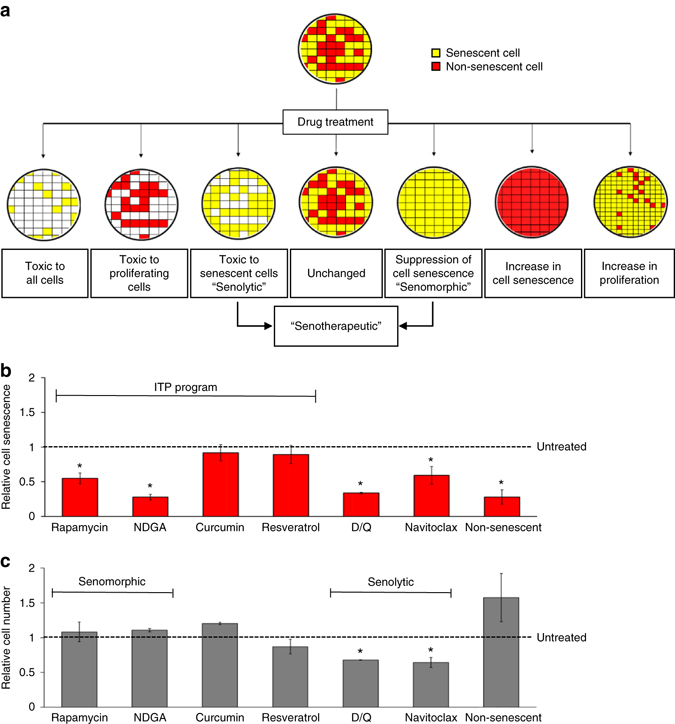
“A reduction in the ratio of senescent to non-senescent cells could be achieved by three drug activities: (1) specifically killing senescent cells, termed senolytics29, (2) suppressing cell senescence phenotypes, termed senomorphics, or (3) increasing proliferation of the non-senescent cells.”
BackgroundThe Achilles' heel of senescent cells: from transcriptome to senolytic drugs
Zhu, Y., Tchkonia, T., Pirtskhalava, T., Gower, A. C., Ding, H., Giorgadze, N., Palmer, A. K., Ikeno, Y., Hubbard, G. B., Lenburg, M., et al. (2015) · Aging Cell · doi:10.1111/acel.12344 · Cited by 2,584
Self-citationCellular senescence in aging and age-related disease: from mechanisms to therapy
Childs, B. G., Durik, M., Baker, D. J., & van Deursen, J. M. (2015) · Nature Medicine · doi:10.1038/nm.4000 · Cited by 2,363
Persistent DNA damage signalling triggers senescence-associated inflammatory cytokine secretion
Rodier, F., Coppé, J.-P., Patil, C. K., Hoeijmakers, W. A. M., Muñoz, D. P., Raza, S. R., Freund, A., Campeau, E., Davalos, A. R., & Campisi, J. (2009) · Nature Cell Biology · doi:10.1038/ncb1909 · Cited by 2,232
Clearance of senescent cells by ABT263 rejuvenates aged hematopoietic stem cells in mice
Chang, J., Wang, Y., Shao, L., Laberge, R.-M., Demaria, M., Campisi, J., Janakiraman, K., Sharpless, N. E., Ding, S., Feng, W., et al. (2016) · Nature Medicine · doi:10.1038/nm.4010 · Cited by 1,819
HSP90 at the hub of protein homeostasis: emerging mechanistic insights
Taipale, M., Jarosz, D. F., & Lindquist, S. (2010) · Nature Reviews Molecular Cell Biology · doi:10.1038/nrm2918 · Cited by 1,818
Cited by
Items 301–400 of 745
Birkisdóttir, M. B., Jaarsma, D., Brandt, R. M. C., Barnhoorn, S., van Vliet, N., Imholz, S., van Oostrom, C. T., Nagarajah, B., Portilla Fernández, E., Roks, A. J. M., et al. (2021) · Aging Cell · doi:10.1111/acel.13302 · Cited by 35
“…in DNA repair-deficient mice have targeted specific pathways underlying mechanisms connected to DR (Alyodawi et al., 2019; Czerwinska et al., 2018; Fuhrmann-Stroissnigg et al., 2017; Kim et al., 2020; La Fata et al., 2017; Lavasani et al., 2012; Milanese et al., 2019; Tilstra et al., 2012; F I G…”
BackgroundZhao, S., Qiao, Z., Pfeifer, R., Pape, H.-C., Mao, K., Tang, H., Meng, B., Chen, S., & Liu, H. (2024) · European Journal of Medical Research · doi:10.1186/s40001-023-01604-7 · Cited by 35
“…and quercetin act by downregulating AKT signaling [108], HSP90 inhibitors also act as senolytics by mediating the downregulation of AKT signaling [109], and the mTOR inhibitor rapamycin acts by affecting NF-κB [110]; Class III seno-lytics can interfere with the intracellular homeostasis of…”
BackgroundContext‐dependent roles of cellular senescence in normal, aged, and disease states
Moiseeva, V., Cisneros, A., Cobos, A. C., Tarrega, A. B., Oñate, C. S., Perdiguero, E., Serrano, A. L., & Muñoz‐Cánoves, P. (2023) · The FEBS Journal · doi:10.1111/febs.16573 · Cited by 34
Samakkarnthai, P., Saul, D., Zhang, L., Aversa, Z., Doolittle, M. L., Sfeir, J. G., Kaur, J., Atkinson, E. J., Edwards, J. R., Russell, G. G., et al. (2023) · Aging · doi:10.18632/aging.204701 · Cited by 34
“Finally, cells were imaged with 6 fields/well using a high content fluorescent image acquisition and analysis platform Cytation 1 (BioTek, Winooski, VT, USA) [37, 38].”
InfluentialSelf-citationWang, Y., Wang, Y., Yang, M., & Ma, X. (2021) · Biomedicine & Pharmacotherapy · doi:10.1016/j.biopha.2020.111191 · Cited by 34
Hypoxia and aging: molecular mechanisms, diseases, and therapeutic targets
Nisar, A., Khan, S., Li, W., Hu, L., Samarawickrama, P. N., Gold, N. M., Zi, M., Mehmood, S. A., Miao, J., & He, Y. (2024) · MedComm · doi:10.1002/mco2.786 · Cited by 38
Alzheimer’s Disease: From Molecular Mechanisms to Promising Therapeutic Strategies
Ivanova, A. V., Kutuzova, A. D., Kuzmichev, I. A., & Abakumov, M. A. (2025) · International Journal of Molecular Sciences · doi:10.3390/ijms26199444 · Cited by 35
Treating age-related multimorbidity: the drug discovery challenge
Ermogenous, C., Green, C., Jackson, T., Ferguson, M. A. J., & Lord, J. M. (2020) · Drug Discovery Today · doi:10.1016/j.drudis.2020.06.016 · Cited by 39
Different responses to DNA damage determine ageing differences between organs
Vougioukalaki, M., Demmers, J. J. P. G., Vermeij, W. P., Baar, M. P., Bruens, S. T., Magaraki, A., Kuijk, E., Jager, M., Merzouk, S., Brandt, R. M. C., et al. (2022) · Aging Cell · doi:10.1111/acel.13562 · Cited by 38
Exploring cellular senescence in the musculoskeletal system: Any insights for biomarkers discovery?
Gerosa, L., Malvandi, A. M., Malavolta, M., Provinciali, M., & Lombardi, G. (2023) · Ageing Research Reviews · doi:10.1016/j.arr.2023.101943 · Cited by 35
(2023) · doi:10.1101/2023.02.23.529777 · Cited by 34
Targeting DNA damage in ageing: towards supercharging DNA repair
Bujarrabal-Dueso, A., Garinis, G. A., Robbins, P. D., Vijg, J., & Schumacher, B. (2025) · Nature Reviews Drug Discovery · doi:10.1038/s41573-025-01212-6 · Cited by 38
“HSP90 inhibition downregulated the PI3K/AKT pathway, which might explain the senolytic effect of these inhibitors 113 .”
Self-citationPromises and challenges of senolytics in skin regeneration, pathology and ageing
Pils, V., Ring, N., Valdivieso, K., Lämmermann, I., Грубер, Ф., Schosserer, M., Grillari, J., & Ogrodnik, M. B. (2021) · Mechanisms of Ageing and Development · doi:10.1016/j.mad.2021.111588 · Cited by 34
Self-citationZhou, L., Zhang, X. K., Dong, Y., Pan, Y. J., Li, J. X., Zang, Y., & Li, X. (2022) · ACS Sensors · doi:10.1021/acssensors.2c00719 · Cited by 33
Self-citationShankland, S. J., Rule, A. D., Kutz, J. N., Pippin, J. W., & Wessely, O. (2023) · Kidney360 · doi:10.34067/kid.0000000000000284 · Cited by 35
“93 Among those, metformin and rapamycin inhibit senescence and SASP by inducing autophagy, thereby reducing the accumulation of damaged organelles.”
BackgroundRoth‐Walter, F., Adcock, I. M., Benito‐Villalvilla, C., Bianchini, R., Bjermer, L. H., Caramori, G., Cari, L., Chung, K. F., Diamant, Z., Eguíluz‐Gracia, I., et al. (2023) · Allergy · doi:10.1111/all.15977 · Cited by 35
Murine models of accelerated aging and musculoskeletal disease
Hambright, W. S., Niedernhofer, L. J., Huard, J., & Robbins, P. D. (2019) · Bone · doi:10.1016/j.bone.2019.03.002 · Cited by 33
Self-citationPhenotypic Screening in C. elegans as a Tool for the Discovery of New Geroprotective Drugs
Bulterijs, S., & Braeckman, B. P. (2020) · Pharmaceuticals · doi:10.3390/ph13080164 · Cited by 33
“Cellular senescence was measured through the detection of senescence-associated β-galactosidase activity with a fluorescent substrate and quantified with the IN Cell Analyzer 6000 leading to the identification of HSP90 inhibitors as a novel class of senolytic drugs [75].”
MethodRevolutionizing Diabetic Foot Ulcer Care: The Senotherapeutic Approach
Zhang, G., Samarawickrama, P. N., Gui, L., Ma, Y., Cao, M., Zhu, H., Li, W., Yang, H., Li, K., Yang, Y., et al. (2024) · Aging and Disease · doi:10.14336/ad.2024.0065 · Cited by 32
The dual role of cellular senescence in human tumor progression and therapy
Ma, L., Yu, J., Fu, Y., He, X., Ge, S., Jia, R., Zhuang, A., Yang, Z. H., & Fan, X. (2024) · MedComm · doi:10.1002/mco2.695 · Cited by 33
Pereira, S. M., Ribeiro, R., & Logarinho, E. (2019) · International Journal of Molecular Sciences · doi:10.3390/ijms20040938 · Cited by 34
Almasabi, S., Ahmed, A. U., Boyd, R. L., & Williams, B. R. G. (2021) · Frontiers in Genetics · doi:10.3389/fgene.2021.638558 · Cited by 34
Ozdemir, S. A., Faizan, M. I., Kaur, G., Shaikh, S. B., Islam, K. U., & Rahman, I. (2025) · International Journal of Molecular Sciences · doi:10.3390/ijms26199687 · Cited by 35
Nanoparticles-based anti-aging treatment of Alzheimer’s disease
Chu, J., Ji, W., Zhuang, J., Gong, B., Chen, X., Cheng, W., Liang, W., Li, G., Gao, J., & Yin, Y. (2022) · Drug Delivery · doi:10.1080/10717544.2022.2094501 · Cited by 31
“Pi3K/AKT pathway Ercc1 −/− murine embryonic fibroblasts in vitro , Ercc1 −/Δ mice in vivo (Fuhrmann-Stroissnigg et al., 2017).”
BackgroundCounteracting Immunosenescence—Which Therapeutic Strategies Are Promising?
Hieber, C., Grabbe, S., & Bros, M. (2023) · Biomolecules · doi:10.3390/biom13071085 · Cited by 30
Ren, X., Zhuang, H., Zhang, Y., & Zhou, P. (2023) · Journal of Nanobiotechnology · doi:10.1186/s12951-023-02125-5 · Cited by 31
“Senescent cells secrete pro-inflammatory factors and proteases to alter the tissue microenvironment, which is collectively termed the senescence-associated secretory phenotype (SASP) [46].”
BackgroundMixing old and young: enhancing rejuvenation and accelerating aging
Lau, A., Kennedy, B. K., Kirkland, J. L., & Tullius, S. G. (2019) · Journal of Clinical Investigation · doi:10.1172/jci123946 · Cited by 29
Self-citationThe interplay between cell death and senescence in cancer
Shimizu, K., Inuzuka, H., & Tokunaga, F. (2024) · Seminars in Cancer Biology · doi:10.1016/j.semcancer.2024.11.001 · Cited by 30
Identification of longevity compounds with minimized probabilities of side effects
Janssens, G. E., & Houtkooper, R. H. (2020) · Biogerontology · doi:10.1007/s10522-020-09887-7 · Cited by 31
“…al. 2020), including mTOR inhibitors (Johnson et al. 2013), HDAC inhibitors (Pasyukova and Vaiserman 2017; McIntyre et al. 2019), HSP90 inhibitors (Fuhrmann-Stroissnigg et al. 2017; Janssens et al. 2019), antibiotics (Houtkooper et al. 2013; Solis et al. 2018; Oxenkrug et al. 2012), and NAD?…”
BackgroundFrom the divergence of senescent cell fates to mechanisms and selectivity of senolytic drugs
L’Hôte, V., Mann, C., & Thuret, J. (2022) · Open Biology · doi:10.1098/rsob.220171 · Cited by 31
“HSP90 inhibitors were identified in the rational screening of a small chemical library of compounds targeting autophagy, of which all senolytic hits were autophagy inducers [30].”
BackgroundInfluentialZhang, Y., Gao, D., Yuan, Y., Zheng, R., Sun, M., Jia, S., & Liu, J. (2023) · International Journal of Molecular Sciences · doi:10.3390/ijms24076554 · Cited by 32
“Among these agents, the main targeting strategies are based on the characteristic SCs resistance to apoptosis that allows SCs survival [9,10].”
BackgroundMethodThe Emerging Field of Senotherapeutic Drugs
Myrianthopoulos, V. (2018) · Future Medicinal Chemistry · doi:10.4155/fmc-2018-0234 · Cited by 28
Repurposing nucleoside reverse transcriptase inhibitors (NRTIs) to slow aging
Brochard, T., McIntyre, R. L., Houtkooper, R. H., Seluanov, A., Gorbunova, V. A., & Janssens, G. E. (2023) · Ageing Research Reviews · doi:10.1016/j.arr.2023.102132 · Cited by 28
Understanding and targeting senescence in kidney disease
Chanvillard, L., Mason, T., & Ferenbach, D. A. (2025) · Clinical Kidney Journal · doi:10.1093/ckj/sfaf190 · Cited by 34
“In preclinical models, HSP90 inhibitors reduced senescent cell burden, fibrosis, and improved kidney function [54 ].”
Prevention of Fibrosis and Pathological Cardiac Remodeling by Salinomycin
Burke, R. M., Dirkx, R. A., Quijada, P. J., Lighthouse, J. K., Mohan, A. M., O’Brien, M., Wojciechowski, W., Woeller, C. F., Phipps, R. P., Alexis, J. D., et al. (2021) · Circulation Research · doi:10.1161/circresaha.120.317791 · Cited by 28
Synergistic effects of brain injury and aging: common mechanisms of proteostatic dysfunction
Saikumar, J., & Bonini, N. M. (2021) · Trends in Neurosciences · doi:10.1016/j.tins.2021.06.003 · Cited by 31
Senescent Cells in Cancer: Wanted or Unwanted Citizens
Niklander, S. E., Lambert, D., & Hunter, K. D. (2021) · Cells · doi:10.3390/cells10123315 · Cited by 28
Senescence and Cancer: Role of Nitric Oxide (NO) in SASP
Mabrouk, N., Ghione, S., Laurens, V., Plenchette, S., Bettaïeb, A., & Paul, C. (2020) · Cancers · doi:10.3390/cancers12051145 · Cited by 31
Senescent Tumor CD8+ T Cells: Mechanisms of Induction and Challenges to Immunotherapy
Liu, W., Stachura, P., Xu, H. C., Bhatia, S., Borkhardt, A., Lang, P. A., & Pandyra, A. A. (2020) · Cancers · doi:10.3390/cancers12102828 · Cited by 27
“HSP90, a member of the chaperone protein family, was identified as a new class of senolytics [90,91].”
BackgroundSenolytics: Targeting Senescent Cells for Age-Associated Diseases
Al‐Naggar, I. M., Kuchel, G. A., & Xu, M. (2020) · Current Molecular Biology Reports · doi:10.1007/s40610-020-00140-1 · Cited by 32
“took advantage of the accelerated senescence of DNA damage repair deficient Mouse Embryonic Fibroblasts (MEFs) from Ercc−/− mice (progeroid mouse model) to establish a screen for senotherapeutics[73, 74].”
BackgroundMolecular Mechanisms to Target Cellular Senescence in Hepatocellular Carcinoma
Mittermeier, C., Konopa, A., & Muehlich, S. (2020) · Cells · doi:10.3390/cells9122540 · Cited by 32
Modulation of Oxidative Stress-Induced Senescence during Non-Alcoholic Fatty Liver Disease
Pedroza-Díaz, J., Arroyave-Ospina, J. C., Salas, S. S., & Moshage, H. J. (2022) · Antioxidants · doi:10.3390/antiox11050975 · Cited by 31
Composition and regulation of the immune microenvironment of salivary gland in Sjögren’s syndrome
Tan, Z., Wang, L., & Li, X. (2022) · Frontiers in Immunology · doi:10.3389/fimmu.2022.967304 · Cited by 28
Self-citationMechanisms of Senescence and Anti-Senescence Strategies in the Skin
Konstantinou, E. K., Longange, E., & Kaya, G. (2024) · Biology · doi:10.3390/biology13090647 · Cited by 35
Ji, X., Dong, X., Li, J., Tai, G., Qiu, S., Wei, W., Silumbwe, C. W., Damdinjav, D., Otieno, J. N., Li, X., et al. (2025) · Phytotherapy Research · doi:10.1002/ptr.8507 · Cited by 26
Self-citationAn Appraisal on the Value of Using Nutraceutical Based Senolytics and Senostatics in Aging
Kaur, A., Macip, S., & Stover, C. M. (2020) · Frontiers in Cell and Developmental Biology · doi:10.3389/fcell.2020.00218 · Cited by 26
Non‐canonical ATM/MRN activities temporally define the senescence secretory program
Malaquin, N., Carrier-Leclerc, A., Martinez, A., Dessureault, M., Ghadaouia, S., Coppé, J., Nadeau, S., Cardin, G., Campisi, J., & Rodier, F. (2020) · EMBO Reports · doi:10.15252/embr.202050718 · Cited by 30
“In senescent cell nuclei, irreparable DSBs generate continuous DDR signaling from persistent DNA damage foci (DDF) or ‘DNA segments with chromatin alterations reinforcing senescence’ (DNA-SCARS) (Rodier et al , 2011; Fumagalli et al , 2012; Hewitt et al , 2012; Fuhrmann-Stroissnigg et al , 2017).”
The interaction between cellular senescence and chronic kidney disease as a therapeutic opportunity
Zhao, J.-L., Qiao, X.-H., Mao, J., Liu, F., & Fu, H. (2022) · Frontiers in Pharmacology · doi:10.3389/fphar.2022.974361 · Cited by 27
“Stabilized p-AKT by HSP90 also contributes to the prolonged survival of senescent cells (Fuhrmann-Stroissnigg et al., 2017).”
BackgroundSelf-citationSenotherapeutics for mesenchymal stem cell senescence and rejuvenation
Wong, P., Murugan, D. D., & Ramasamy, T. S. (2022) · Drug Discovery Today · doi:10.1016/j.drudis.2022.103424 · Cited by 27
Therapeutic strategies targeting cellular senescence for cancer and other diseases
Wang, X., Fukumoto, T., & Noma, K.-I. (2024) · The Journal of Biochemistry · doi:10.1093/jb/mvae015 · Cited by 29
“Treatment with HSP90 inhibitors, including 17-DMAG and ganetespib, has shown senolytic effects on senescent primary cells (95) .”
BackgroundHigh-dimensionality Data Analysis of Pharmacological Systems Associated with Complex Diseases
Hendrickx, J. O., van Gastel, J., Leysen, H., Martin, B., & Maudsley, S. R. (2019) · Pharmacological Reviews · doi:10.1124/pr.119.017921 · Cited by 28
Out with the old, in with the new: senescence in development
Czarkwiani, A., & Yun, M. H. (2018) · Current Opinion in Cell Biology · doi:10.1016/j.ceb.2018.05.014 · Cited by 24
Tesch, G. H., Ma, F. Y., Ozols, E., & Nikolic‐Paterson, D. J. (2024) · Clinical Science · doi:10.1042/cs20231698 · Cited by 25
“Previous research [13] has shown that the dosage regimen of alvespimycin used in this study was able to substantially reduce the Cdkn2a senescence marker in a mouse model of accelerated senescence (Ercc1-/ (cid:2) mice) at 4 days after completion of treat-ment.”
BackgroundMethodInfluentialNavigating the complex role of senescence in liver disease
Li, Q.-J., & Wang, L. (2024) · Chinese Medical Journal · doi:10.1097/cm9.0000000000003439 · Cited by 25
Goel, B., Jaiswal, S., & Tripathi, N. (2025) · Bioorganic Chemistry · doi:10.1016/j.bioorg.2025.108782 · Cited by 25
Balamurli, G., Liew, A. Q. X., Tee, W., & Pervaiz, S. (2024) · Redox Biology · doi:10.1016/j.redox.2024.103441 · Cited by 25
Liu, Y., Suo, X., Peng, H., Yan, W., Li, H., Yang, X., Li, Z., Zhang, J., & Liu, D. (2019) · Advanced Healthcare Materials · doi:10.1002/adhm.201900160 · Cited by 25
The Dynamic Process and Its Dual Effects on Tumors of Therapy-Induced Senescence
Liao, C., Xiao, Y., & Liu, L. (2020) · Cancer Management and Research · doi:10.2147/cmar.s285083 · Cited by 26
“In recent years, another HSP-90 SCAP has been reported.(74) For instance, dasatinib + quercetin (D”
BackgroundZhong, W., Chen, W., Liu, Y., Zhang, J., Lu, Y., Wan, X., Qiao, Y., Huang, H., Zeng, Z., Li, W., et al. (2022) · The FASEB Journal · doi:10.1096/fj.202200406rr · Cited by 23
Zhang, Y., & Zhou, Y. (2024) · Biomedicine & Pharmacotherapy · doi:10.1016/j.biopha.2024.117314 · Cited by 24
Rzeszutek, I., Cybularczyk‐Cecotka, M., Deręgowska, A., Stec, P., Wnuk, M., Kołodziej, O., Kałafut, J., Wawruszak, A., Witkowski, W., Litwinienko, G., et al. (2024) · Journal of Medicinal Chemistry · doi:10.1021/acs.jmedchem.4c01664 · Cited by 25
Modulation of hippocampal neuronal resilience during aging by the Hsp70/Hsp90 co‐chaperone STI1
Lackie, R. E., Razzaq, A. R., Farhan, S. M. K., Qiu, L. R., Moshitzky, G., Beraldo, F. H., Lopes, M. H., Maciejewski, A., Gros, R., Fan, J., et al. (2019) · Journal of Neurochemistry · doi:10.1111/jnc.14882 · Cited by 24
“…a recent study has shown that partial inhibition of the Hsp90 system (which upregulates Hsp70 activity) kill senescent cells that contribute to overall organism inflammation and cellular stress and leads to an increase in the life span of a mouse model of aging (Fuhrmann-Stroissnigg et al. 2017).”
BackgroundDonor and Recipient Age-Mismatches: The Potential of Transferring Senescence
Iske, J., Matsunaga, T., Zhou, H., & Tullius, S. G. (2021) · Frontiers in Immunology · doi:10.3389/fimmu.2021.671479 · Cited by 24
Transcription Blockage by DNA Damage in Nucleotide Excision Repair-Related Neurological Dysfunctions
Kajitani, G. S., Nascimento, L. L. D. S., Neves, M. R. D. C., Leandro, G. D. S., Garcia, C. C. M., & Menck, C. F. M. (2021) · Seminars in Cell & Developmental Biology · doi:10.1016/j.semcdb.2020.10.009 · Cited by 22
Obesity, Senescence, and Senolytics
Chaib, S., Tchkonia, T., & Kirkland, J. L. (2021) · Handbook of Experimental Pharmacology · doi:10.1007/164_2021_555 · Cited by 22
Self-citationAdvances in Nanotherapy for Targeting Senescent Cells
Shi, Y., Zhang, Y., Zhang, Y., Yao, J., Guo, J., Xu, X., & Wang, L. (2024) · International Journal of Nanomedicine · doi:10.2147/ijn.s469110 · Cited by 23
Novel Small Molecule Hsp90/Cdc37 Interface Inhibitors Indirectly Target K-Ras-Signaling
Siddiqui, F. A., Parkkola, H., Vukić, V., Oetken-Lindholm, C., Jaiswal, A., Kiriazis, A., Pavic, K., Aittokallio, T. A., Salminen, T. A., & Abankwa, D. (2021) · Cancers · doi:10.3390/cancers13040927 · Cited by 23
“Another recently-evolving application is the use of Hsp90 inhibitors as a novel class of drugs that selectively eliminate the senescent cells (senolytics) which accumulate in aging mammals, and are thought to drive a systemic inflammatory condition that accelerates aging [68].”
BackgroundResultXu, W., Zhao, T., Chen, H., Huang, N., Gong, H., Zhang, J., Yu, Y., Li, T., Zhang, G., Gong, C., et al. (2022) · Biochemical Pharmacology · doi:10.1016/j.bcp.2022.115045 · Cited by 23
Targeting cellular senescence as a new approach to chronic obstructive pulmonary disease therapy
Barnes, P. J. (2020) · Current Opinion in Pharmacology · doi:10.1016/j.coph.2020.11.004 · Cited by 23
The context-dependent effect of cellular senescence: From embryogenesis and wound healing to aging
Lavarti, R., Alvarez-Diaz, T., Marti, K., Kar, P., & Raju, R. P. (2025) · Ageing Research Reviews · doi:10.1016/j.arr.2025.102760 · Cited by 21
Kurosaki, Y., Imoto, A., Kawakami, F., Ouchi, M., Morita, A., Yokoba, M., Takenaka, T., Ichikawa, T., Katagiri, M., Nielsen, R., et al. (2022) · Molecular and Cellular Biochemistry · doi:10.1007/s11010-021-04295-y · Cited by 21
Senescence in cancer: Hallmarks, paradoxes, and therapeutic promise
Hinterleitner, C., Goldberg, H. V., McHugh, D., Barthet, V. J. A., Filliol, A. A., & Lowe, S. W. (2026) · Cell · doi:10.1016/j.cell.2026.03.005 · Cited by 24
“Collectively, these metabolic and lysosomal changes promote survival under stress while contributing to oxidative imbalance and disrupted proteostasis 80,90-94 .”
Liu, J., Zheng, R., Zhang, Y., Jia, S., He, Y., & Liu, J. (2023) · Cancers · doi:10.3390/cancers15092640 · Cited by 24
Cellular senescence: A novel therapeutic target for central nervous system diseases
Lei, S.-Y., Qu, Y., Yang, Y.-Q., Liu, J., Zhang, Y.-F., Zhou, S., He, Q., Jin, H., Yang, Y., & Guo, Z. (2024) · Biomedicine & Pharmacotherapy · doi:10.1016/j.biopha.2024.117311 · Cited by 23
Venkataraman, A., Kordic, I., Li, J., Zhang, N. Y., Bharadwaj, N. S., Fang, Z., Das, S., & Coskun, A. F. (2024) · npj Aging · doi:10.1038/s41514-024-00178-w · Cited by 23
Yamamoto, M., Sanomachi, T., Suzuki, S., Togashi, K., Sugai, A., Seino, S., Satō, A., Okada, M., & Kitanaka, C. (2021) · Neuro-Oncology Advances · doi:10.1093/noajnl/vdab148 · Cited by 23
Key Molecular Mechanisms of Aging, Biomarkers, and Potential Interventions
Proshkina, E., Solovev, I. A., Shaposhnikov, M. V., & Moskalev, A. (2020) · Molecular Biology · doi:10.1134/s0026893320060096 · Cited by 23
Galkin, F., Naumov, V., Pushkov, S., Sidorenko, D., Urban, A. S., Zagirova, D., Alawi, K. M., Aliper, A., Gumerov, R., Kalashnikov, A., et al. (2024) · bioRxiv (Cold Spring Harbor Laboratory) · doi:10.1101/2024.07.25.605062 · Cited by 25
Wong, A., Kieu, T., & Robbins, P. D. (2020) · Aging · doi:10.18632/aging.202321 · Cited by 20
Self-citationPotential role of cellular senescence in pulmonary arterial hypertension
Liu, L., Wei, Y., Giunta, S., He, Q., & Xia, S. (2022) · Clinical and Experimental Pharmacology and Physiology · doi:10.1111/1440-1681.13696 · Cited by 21
New Trends in Aging Drug Discovery
Benhamú, B., Martín‐Fontecha, M., Vázquez‐Villa, H., López-Rodríguez, M. L., & Ortega‐Gutiérrez, S. (2022) · Biomedicines · doi:10.3390/biomedicines10082006 · Cited by 22
“Several HSP90 inhibitors, such as geldanamycin, tanespimycin (17AAG), and alvespimycin (17-DMAG) (Figure 2B), have been identified as senolytics able to kill a variety of SnCs in mouse and human [27] and the treatment of Erccl−/∆ progeroid mice with 17-DMAG delayed the onset of several age-related phenotypes and disea…”
BackgroundThe ageing immune system as a potential target of senolytics
Du, P. Y., Gandhi, A., Bawa, M., & Gromala, J. (2023) · Oxford Open Immunology · doi:10.1093/oxfimm/iqad004 · Cited by 22
“Although progress with UBX0101 appears to have stalled, other novel senolytics are being investigated, for instance heat shock protein 90 (HSP90) or FOXO4-TP53 inhibitors [46, 47].”
BackgroundLi, Q., Wang, Z., Shi, N., Yang, Q., Yao, W., Yu, J., & Lu, Y. (2023) · Smart Medicine · doi:10.1002/smmd.20230030 · Cited by 20
Sharma, R., & Bala, E. (2024) · Phytomedicine Plus · doi:10.1016/j.phyplu.2024.100579 · Cited by 21
Huang, Z., Xu, P., Hess, D. C., & Zhang, Q. (2024) · Translational Neurodegeneration · doi:10.1186/s40035-024-00457-2 · Cited by 20
Liu, J., Gao, D., Dan, J., Liu, D., Peng, L., Zhou, R., & Luo, Y. (2019) · Journal of Cellular Biochemistry · doi:10.1002/jcb.28587 · Cited by 20
“Subsequently, SA‐β‐gal activity was measured in three independent experiments, as previously described.(18)”
Ключевые молекулярные механизмы старения, биомаркеры и потенциальные интервенции
Proshkina, E., Соловьёв, И. А., Shaposhnikov, M. V., & Moskalev, A. A. (2020) · Molecular Biology · doi:10.31857/s0026898420060099 · Cited by 20
The senotherapeutic potential of phytochemicals for age-related intestinal disease
Costa, C. M., Pedrosa, S. S., Kirkland, J. L., Reis, F., & Madureira, A. R. (2024) · Ageing Research Reviews · doi:10.1016/j.arr.2024.102619 · Cited by 19
Self-citationRaffaele, M., Kovačovicova, K. L., Biagini, T., Re, O. L., Fröhlich, J., Giallongo, S., Nhan, J. D., Giannone, A. G., Cabibi, D., Ivanov, M. N., et al. (2021) · GeroScience · doi:10.1007/s11357-021-00487-y · Cited by 20
“Recently, HTS on commercial chemical libraries led to discover two new families of senolytics, HSP90 inhibitors [16] and BET family protein degraders (BETd) [17], respectively.”
BackgroundScoles, D. R., Gandelman, M., Paul, S., Dexheimer, T. S., Dansithong, W., Figueroa, K. P., Pflieger, L. T., Redlin, S., Kales, S. C., Sun, H., et al. (2022) · Journal of Biological Chemistry · doi:10.1016/j.jbc.2022.102228 · Cited by 19
“A subset of HSP90 inhibitors including 17-DMAG reduce misfolded proteins by inducing autophagy and can also extend overall health benefits, serving as so-called senolytics (45).”
BackgroundHernández‐González, F., Pietrocola, F., Cameli, P., Bargagli, E., Prieto‐González, S., Cruz, T., Mendoza, N., Rojas, M. M., Serrano, M., Agustí, A. G. N., et al. (2024) · International Journal of Molecular Sciences · doi:10.3390/ijms25147554 · Cited by 19
Cellular senescence in the tumor with a bone niche microenvironment: friend or foe?
Alavimanesh, S., Jazi, N. N., Choubani, M., Saeidi, F., Afkhami, H., Yarahmadi, A., Ronaghi, H., Khani, P., & Modarressi, M. H. (2025) · Clinical and Experimental Medicine · doi:10.1007/s10238-025-01564-8 · Cited by 19
Xu, M., Zhao, C., Zhu, B., Wang, L., Zhou, H., Yan, D., Gu, Q., & Xu, J. (2021) · Journal of Medicinal Chemistry · doi:10.1021/acs.jmedchem.0c01521 · Cited by 20
Recent Advances in Strategies for Imaging Detection and Intervention of Cellular Senescence
Li, J., Bi, Z., Wang, L., Xia, Y., Xie, Y., & Liu, Y. (2022) · ChemBioChem · doi:10.1002/cbic.202200364 · Cited by 19
Senotherapy for chronic lung disease
Barnes, P. J. (2025) · Pharmacological Reviews · doi:10.1016/j.pharmr.2025.100069 · Cited by 18
Wang, Y., Tseng, Y., Chen, K., Chen, K., Chen, K., Huang, Z., Mao, Z., & Li, X. (2023) · Investigative Ophthalmology & Visual Science · doi:10.1167/iovs.64.12.39 · Cited by 19
“23,24 To explore the sensitivity of ARPE-19 cells to senolytics, we incubated the ARPE-19 cells with the two senolytics.”
Self-citationNurturing longevity through natural compounds: Where do we stand, and where do we go?
Todorova, M. N., Savova, M. S., Mihaylova, L. V., & Georgiev, M. I. (2024) · Food Frontiers · doi:10.1002/fft2.350 · Cited by 20
(2024) · aging and disease · doi:10.14336/ad.2024.1492 · Cited by 12
“We then evaluated the effect of INS018_055 in parallel with two other senomorphic agents, NDGA and metformin, utilized in replicative senescence models [37, 38].”
Self-citationElimination of Senescent Cells: Prospects According to the Subtelomere-Telomere Theory
Libertini, G., Ferrara, N., Rengo, G., & Corbi, G. (2018) · Biochemistry (Moscow) · doi:10.1134/s0006297918120064 · Cited by 19
Cui, X., Du, C., Wan, S., Wu, D., Yan, L., Zhang, J., Li, J., Li, H., Yang, Z., Zhang, H., et al. (2021) · Biochimica et Biophysica Acta (BBA) - Molecular Basis of Disease · doi:10.1016/j.bbadis.2021.166233 · Cited by 18
Metadata
- Authors
- Fuhrmann-Stroissnigg, H., Ling, Y. Y., Zhao, J., McGowan, S. J., Zhu, Y., Brooks, R. W., Grassi, D., Gregg, S. Q., Stripay, J. L., Dorronsoro, A., Corbo, L., Tang, P., Bukata, C., Ring, N., Giacca, M., Li, X., Tchkonia, T., Kirkland, J. L., Niedernhofer, L. J., & Robbins, P. D.
- Affiliations
- Scripps Research Institute (US)
- University of Pittsburgh (US)
- Mayo Clinic (US)
- International Centre for Genetic Engineering and Biotechnology (IT)
- Corresponding author
- Robbins, Paul D.
- ORCID
- Venue
- Nature Communications
- Published
- 2017-09-04
- Volume
- 8
- Issue
- 1
- Pages
- 422-422
- ISSN
- 2041-1723 (ISSN-L)
- PMC
- PMC5583353
- OpenAlex
- W2752676842
- Semantic Scholar
- 75a2484a24067d78ca91ed40dc971ce24f8eafc4
- Cited by
- 701
- References
- 77
- Citations by year
- 2026: 58 · 2025: 70 · 2024: 94 · 2023: 68 · 2022: 102 · 2021: 95 · 2020: 89 · 2019: 68 · 2018: 49 · 2017: 6
- FWCI
- 42.91
- Type
- journal article
- Language
- en
- Open access
- gold
- doi.org
- Licence
- cc-by
- creativecommons.org/licenses/by/4.0 (tdm)
- creativecommons.org/licenses/by/4.0 (vor)
- Locations
- Nature Communications (publishedVersion, cc-by)
- PubMed Central (publishedVersion, cc-by)
- PubMed (publishedVersion)
- ArTS Archivio della ricerca di Trieste (University of Trieste https://www.units.it/) (submittedVersion, cc-by)
- RePEc: Research Papers in Economics (submittedVersion)
- DOAJ (DOAJ: Directory of Open Access Journals) (submittedVersion, cc-by-sa)
- DOAJ (DOAJ: Directory of Open Access Journals) (submittedVersion)
- Funders
- American Federation for Aging Research
- National Institutes of Health (DK-50456, AG043376, AG13925)
- National Institute on Aging (P01AG043376, R01AG013925, R37AG013925)
- National Institute of Diabetes and Digestive and Kidney Diseases (P30DK050456)
- Topics
- Life Sciences › Biochemistry, Genetics and Molecular Biology › Cell Biology › Telomeres, Telomerase, and Senescence
- Life Sciences › Biochemistry, Genetics and Molecular Biology › Aging › Genetics, Aging, and Longevity in Model Organisms
- Life Sciences › Biochemistry, Genetics and Molecular Biology › Molecular Biology › Heat shock proteins research
- Keywords
- Hsp90 inhibitors, senolytics, cellular senescence, senotherapeutics, aging, autophagy, 17-DMAG, healthspan, progeroid syndromes, p16INK4a, drug screening
- MeSH terms
- Aging, Animals, Autophagy, Biological Assay, DNA-Binding Proteins, Drug Evaluation, Preclinical, Endonucleases, Female, Fibroblasts, Humans, Signal Transduction, Biomarkers, Down-Regulation, Benzoquinones, Cellular Senescence, Apoptosis, HSP90 Heat-Shock Proteins, Phosphatidylinositol 3-Kinases, Lactams, Macrocyclic, Proto-Oncogene Proteins c-akt, Mice, Small Molecule Libraries, Human Umbilical Vein Endothelial Cells
About these checks
Registry, retraction, Cites and statistics results are computed, not judged, with one exception: a printed reference that no index lists is read once by a model before it counts as a citation error. Claims are extracted by a model and kept only when their quote appears verbatim in the text; each cited source is then checked, with a model’s help, for whether it says what the claim relies on. Those verdicts can be wrong — read the claim’s quote and the cited source before relying on one.
Statistics and arithmetic are recomputed, not judged.
Confidence bands are shown only for fields calibrated on our annotated test set. None is calibrated yet, so no band is shown.
What counts as a claim ›How we measure confidence ›How we check this ›
Are you an author, or do you see a problem with this page? Request a review
Data sources
Bibliographic data: Semantic Scholar, OpenAlex, Crossref.
Contains information from the Semantic Scholar Academic Graph Datasets, made available under the ODC Attribution License (ODC-BY 1.0).
Semantic Scholar’s data is described in: Kinney, R., et al. (2023). The Semantic Scholar Open Data Platform. arXiv:2301.10140.
