

Identification of HSP90 inhibitors as a novel class of senolytics
Open accessThe DOI matches its Crossref record; 77 of the 77 references it cites were found in a registry or an index.
Abstract
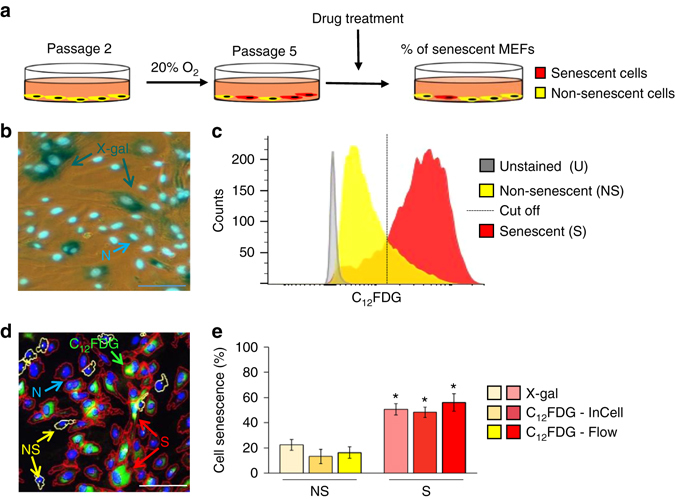
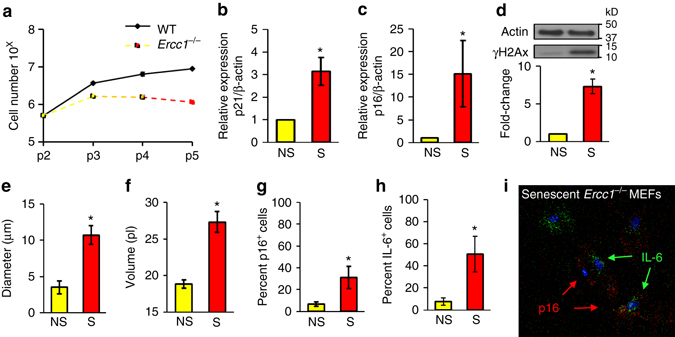
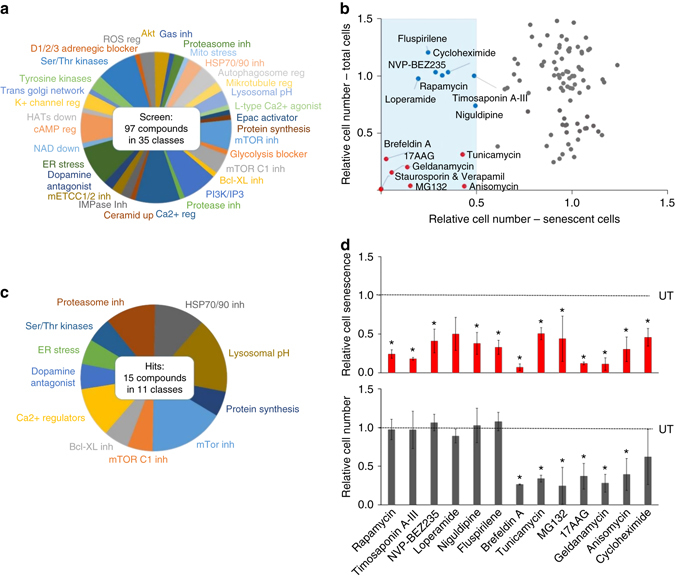
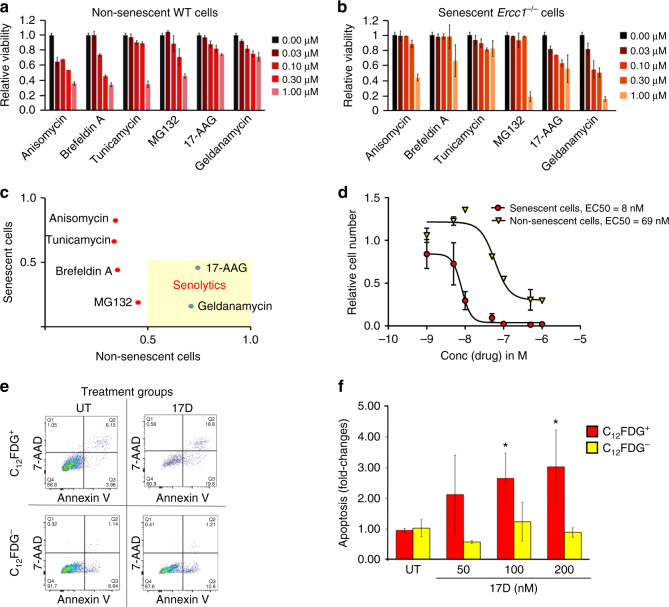
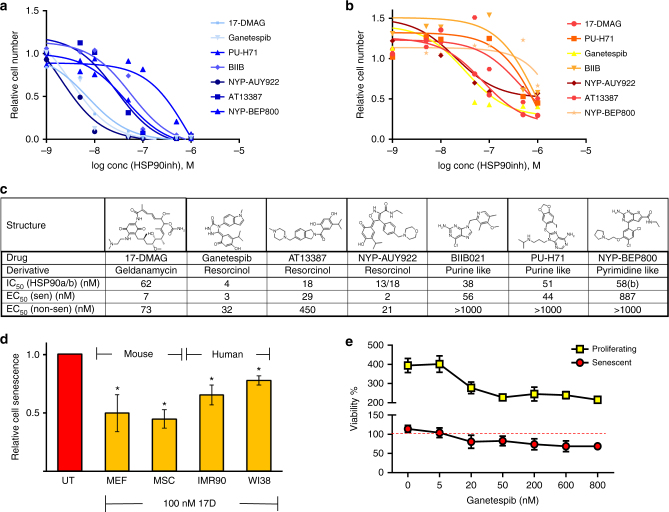
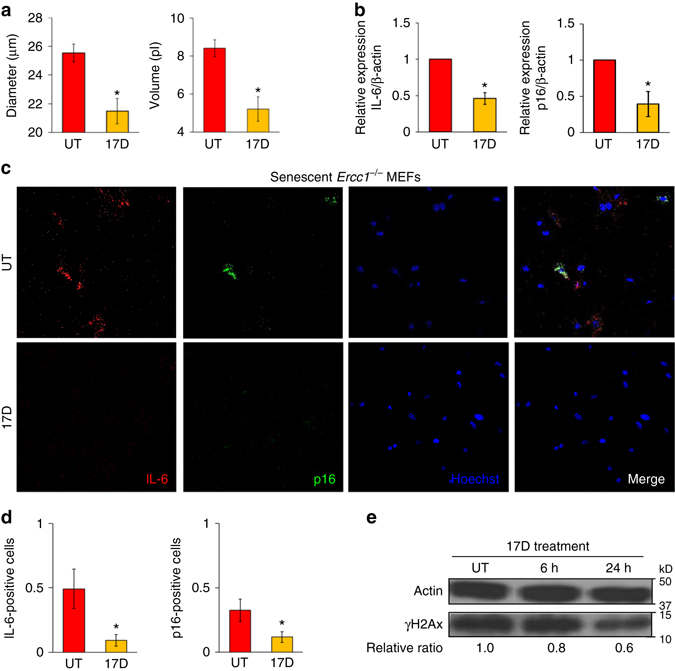
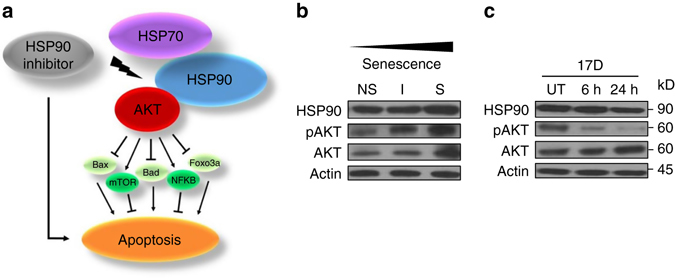
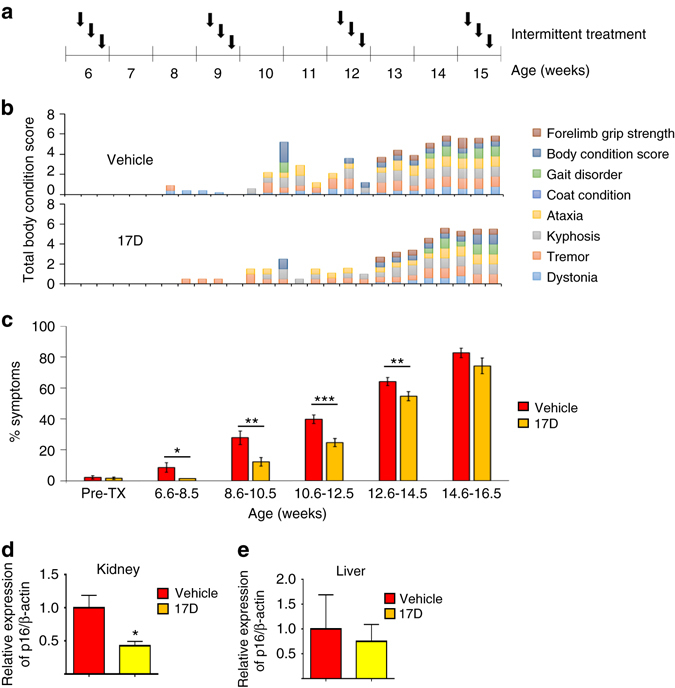
Aging is the main risk factor for many chronic degenerative diseases and cancer. Increased senescent cell burden in various tissues is a major contributor to aging and age-related diseases. Recently, a new class of drugs termed senolytics were demonstrated to extending healthspan, reducing frailty and improving stem cell function in multiple murine models of aging. To identify novel and more optimal senotherapeutic drugs and combinations, we established a senescence associated β-galactosidase assay as a screening platform to rapidly identify drugs that specifically affect senescent cells. We used primary Ercc1 −/− murine embryonic fibroblasts with reduced DNA repair capacity, which senesce rapidly if grown at atmospheric oxygen. This platform was used to screen a small library of compounds that regulate autophagy, identifying two inhibitors of the HSP90 chaperone family as having significant senolytic activity in mouse and human cells. Treatment of Ercc1 −/∆ mice, a mouse model of a human progeroid syndrome, with the HSP90 inhibitor 17-DMAG extended healthspan, delayed the onset of several age-related symptoms and reduced p16 INK4a expression. These results demonstrate the utility of our screening platform to identify senotherapeutic agents as well as identified HSP90 inhibitors as a promising new class of senolytic drugs.
Overview
The claims and statistics of this paper haven’t been checked yet.
Free: it reads the open-access text and checks the first 5 claims that cite a source we can check. Create a free account to check every claim.
Integrity signals
Registry
Cites
Statistics
Figures
Verification
Claims the paper makes
The claims and statistics of this paper haven’t been checked yet.
Free: it reads the open-access text and checks the first 5 claims that cite a source we can check. Create a free account to check every claim.
Claims other papers make about this one
Each is checked against this paper’s own text: does it say what the citing paper says it does?
The source backs part of the claim, not all of it — or backs it for a different population, condition or comparison.
In the citing paper
“Through upregulation of pro-survival and antiapoptotic pathways such as SRC kinases, the PI3K-AKT signaling pathway, heat shock protein (HSP) pathways, serpines, mitochondrial pathways or apoptosis regulator BCL-2-related proteins, those senescent cells with a proapoptotic SASP can survive, despite the cytotoxic microenvironment they create6,7,14,34,35,54–58.”
From Cellular senescence and senolytics: the path to the clinic (2022) · cites this paper as [54]
Experimental — accuracy not yet measuredThe source backs part of the claim, not all of it — or backs it for a different population, condition or comparison.
In the citing paper
“HSP90 prevents proteasomal degradation of AKT, hence inhibiting HSP90 disables pro-survival signaling through this SCAP node and results in elimination of some senescent cell types54.”
From Cellular senescence and senolytics: the path to the clinic (2022) · cites this paper as [54]
Experimental — accuracy not yet measuredThe source backs part of the claim, not all of it — or backs it for a different population, condition or comparison.
In the citing paper
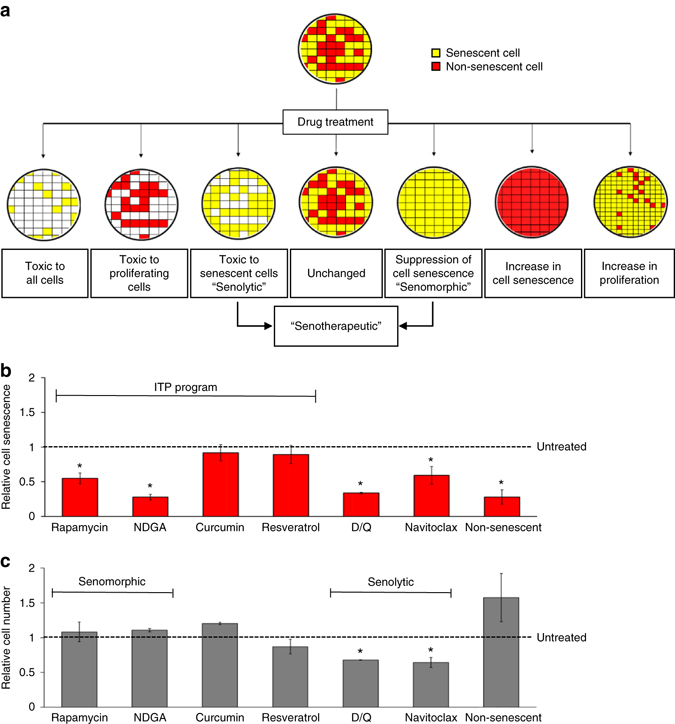
“Senomorphics are aimed largely at suppressing the SASP and thereby inflammation.”
From Senolytic Drugs: Reducing Senescent Cell Viability to Extend Health Span (2021) · cites this paper as [20]
Experimental — accuracy not yet measuredThe source backs part of the claim, not all of it — or backs it for a different population, condition or comparison.
In the citing paper
“Additionally, SASP establishment and the secretion of SASP factors can be modulated by inhibiting HSP90 (REFS214,249).”
From Cellular senescence in ageing: from mechanisms to therapeutic opportunities (2021) · cites this paper as [214]
Experimental — accuracy not yet measuredThe source backs part of the claim, not all of it — or backs it for a different population, condition or comparison.
In the citing paper
“even eliminating only 30% of senescent cells can be sufficient to alleviate dysfunction in preclinical studies [3,5,7,9,23,24,28,[32], [33], [34], [35], [36], [37]]”
From Senolytics decrease senescent cells in humans: Preliminary report from a clinical trial of Dasatinib plus Quercetin in individuals with diabetic kidney disease (2019) · cites this paper as [37]
Experimental — accuracy not yet measured
19 more claims about this paper
Create a free account to see every claim other papers make about this one.
Self-check
Percentages, sums and reported differences re-computed from the paper’s own numbers.
The self-check needs the paper’s full text.
Citations
Cites
Zhang, J.-H., Chung, T. D. Y., & Oldenburg, K. R. (1999) · SLAS Discovery · doi:10.1177/108705719900400206 · Cited by 6,847
Clearance of p16Ink4a-positive senescent cells delays ageing-associated disorders
Baker, D. J., Wijshake, T., Tchkonia, T., LeBrasseur, N. K., Childs, B. G., van de Sluis, B., Kirkland, J. L., & van Deursen, J. M. (2011) · Nature · doi:10.1038/nature10600 · Cited by 3,670
Self-citationNaturally occurring p16Ink4a-positive cells shorten healthy lifespan
Baker, D. J., Childs, B. G., Durik, M., Wijers, M. E., Sieben, C. J., Zhong, J., A. Saltness, R., Jeganathan, K. B., Verzosa, G. C., Pezeshki, A., et al. (2016) · Nature · doi:10.1038/nature16932 · Cited by 2,876
Cellular senescence: from physiology to pathology
Muñoz-Espín, D., & Serrano, M. (2014) · Nature Reviews Molecular Cell Biology · doi:10.1038/nrm3823 · Cited by 2,818
The role of senescent cells in ageing
van Deursen, J. M. (2014) · Nature · doi:10.1038/nature13193 · Cited by 2,623 · cited 1×
“A reduction in the ratio of senescent to non-senescent cells could be achieved by three drug activities: (1) specifically killing senescent cells, termed senolytics29, (2) suppressing cell senescence phenotypes, termed senomorphics, or (3) increasing proliferation of the non-senescent cells.”
BackgroundThe Achilles' heel of senescent cells: from transcriptome to senolytic drugs
Zhu, Y., Tchkonia, T., Pirtskhalava, T., Gower, A. C., Ding, H., Giorgadze, N., Palmer, A. K., Ikeno, Y., Hubbard, G. B., Lenburg, M., et al. (2015) · Aging Cell · doi:10.1111/acel.12344 · Cited by 2,584
Self-citationCellular senescence in aging and age-related disease: from mechanisms to therapy
Childs, B. G., Durik, M., Baker, D. J., & van Deursen, J. M. (2015) · Nature Medicine · doi:10.1038/nm.4000 · Cited by 2,363
Persistent DNA damage signalling triggers senescence-associated inflammatory cytokine secretion
Rodier, F., Coppé, J.-P., Patil, C. K., Hoeijmakers, W. A. M., Muñoz, D. P., Raza, S. R., Freund, A., Campeau, E., Davalos, A. R., & Campisi, J. (2009) · Nature Cell Biology · doi:10.1038/ncb1909 · Cited by 2,232
Clearance of senescent cells by ABT263 rejuvenates aged hematopoietic stem cells in mice
Chang, J., Wang, Y., Shao, L., Laberge, R.-M., Demaria, M., Campisi, J., Janakiraman, K., Sharpless, N. E., Ding, S., Feng, W., et al. (2016) · Nature Medicine · doi:10.1038/nm.4010 · Cited by 1,819
HSP90 at the hub of protein homeostasis: emerging mechanistic insights
Taipale, M., Jarosz, D. F., & Lindquist, S. (2010) · Nature Reviews Molecular Cell Biology · doi:10.1038/nrm2918 · Cited by 1,818
Cited by
Cellular Senescence: Defining a Path Forward
Gorgoulis, V., Adams, P. D., Alimonti, A., Bennett, D. C., Bischof, O., Bishop, C., Campisi, J., Collado, M., Evangelou, K., Ferbeyre, G., et al. (2019) · Cell · doi:10.1016/j.cell.2019.10.005 · Cited by 3,225
“/ D mice with senolytic drugs reduces senescence markers and extends health span (Fuhrmann-Stroissnigg et al., 2017; Yousefzadeh et al., 2018; Zhu et al., 2015).”
BackgroundSelf-citationHallmarks of Cellular Senescence
Hernandez-Segura, A., Nehme, J., & Demaria, M. (2018) · Trends in Cell Biology · doi:10.1016/j.tcb.2018.02.001 · Cited by 2,605
“Finally, HSP90 was shown to be a key protein for the survival of senescent cells via stabilization of P-AKT [88].”
Cellular senescence in ageing: from mechanisms to therapeutic opportunities
Di Micco, R., Krizhanovsky, V., Baker, D., & d’Adda di Fagagna, F. (2021) · Nature Reviews Molecular Cell Biology · doi:10.1038/s41580-020-00314-w · Cited by 2,277
From discoveries in ageing research to therapeutics for healthy ageing
Campisi, J., Kapahi, P., Lithgow, G. J., Melov, S., Newman, J. C., & Verdin, E. (2019) · Nature · doi:10.1038/s41586-019-1365-2 · Cited by 1,389
Hickson, L. J., Langhi Prata, L. G. P., Bobart, S. A., Evans, T. K., Giorgadze, N., Hashmi, S. K., Herrmann, S. M., Jensen, M. D., Jia, Q., Jordan, K. L., et al. (2019) · EBioMedicine · doi:10.1016/j.ebiom.2019.08.069 · Cited by 1,383
Self-citationCellular Senescence: Aging, Cancer, and Injury
Calcinotto, A., Kohli, J., Zagato, E., Pellegrini, L., Demaria, M., & Alimonti, A. (2019) · Physiological Reviews · doi:10.1152/physrev.00020.2018 · Cited by 1,270
“Finally, HSP90 inhibitors have recently be shown to be effective in delaying the onset of aging related symptoms in a mouse model of progeria (129).”
BackgroundSenolytics in idiopathic pulmonary fibrosis: Results from a first-in-human, open-label, pilot study
Justice, J. N., Nambiar, A. M., Tchkonia, T., LeBrasseur, N. K., Pascual, R., Hashmi, S. K., Prata, L., Masternak, M. M., Kritchevsky, S. B., Musi, N., et al. (2019) · EBioMedicine · doi:10.1016/j.ebiom.2018.12.052 · Cited by 1,261
Self-citationSenolytic drugs: from discovery to translation
Kirkland, J. L., & Tchkonia, T. (2020) · Journal of Internal Medicine · doi:10.1111/joim.13141 · Cited by 1,227
Self-citationSenescence and the SASP: many therapeutic avenues
Birch, J., & Gil, J. (2020) · Genes & Development · doi:10.1101/gad.343129.120 · Cited by 1,177
Cellular senescence: the good, the bad and the unknown
Huang, W., Hickson, L. J., Eirin, A., Kirkland, J. L., & Lerman, L. O. (2022) · Nature Reviews Nephrology · doi:10.1038/s41581-022-00601-z · Cited by 1,150
Self-citationCellular senescence and senolytics: the path to the clinic
Chaib, S., Tchkonia, T., & Kirkland, J. L. (2022) · Nature Medicine · doi:10.1038/s41591-022-01923-y · Cited by 1,134
Self-citationRegulatory T (Treg) cells in cancer: Can Treg cells be a new therapeutic target?
Ohue, Y., & Nishikawa, H. (2019) · Cancer Science · doi:10.1111/cas.14069 · Cited by 1,041
Fisetin is a senotherapeutic that extends health and lifespan
Yousefzadeh, M. J., Zhu, Y., McGowan, S. J., Angelini, L., Fuhrmann-Stroissnigg, H., Xu, M., Ling, Y. Y., Melos, K. I., Pirtskhalava, T., Inman, C. L., et al. (2018) · EBioMedicine · doi:10.1016/j.ebiom.2018.09.015 · Cited by 1,032
“To determine if other flavonoidsmight havemore potent senotherapeutic activity than quercetin, a panel of flavonoids was screened for effects on senescence induced by oxidative stress [49].”
BackgroundMethodSelf-citationSenescence and cancer — role and therapeutic opportunities
Schmitt, C. A., Wang, B., & Demaria, M. (2022) · Nature Reviews Clinical Oncology · doi:10.1038/s41571-022-00668-4 · Cited by 794
Epigenetic regulation of aging: implications for interventions of aging and diseases
Wang, K., Liu, H., Hu, Q., Wang, L., Liu, J., Zheng, Z., Zhang, W., Ren, J., Zhu, F., & Liu, G.-H. (2022) · Signal Transduction and Targeted Therapy · doi:10.1038/s41392-022-01211-8 · Cited by 663
Targeting cellular senescence with senotherapeutics: senolytics and senomorphics
Zhang, L., Pitcher, L. E., Prahalad, V., Niedernhofer, L. J., & Robbins, P. D. (2023) · The FEBS Journal · doi:10.1111/febs.16350 · Cited by 621
Self-citationCellular senescence: a key therapeutic target in aging and diseases
Zhang, L., Pitcher, L. E., Yousefzadeh, M. J., Niedernhofer, L. J., Robbins, P. D., & Zhu, Y. (2022) · Journal of Clinical Investigation · doi:10.1172/jci158450 · Cited by 631
Self-citationThe Clinical potential of Senolytic Drugs
Kirkland, J. L., Tchkonia, T., Zhu, Y., Niedernhofer, L. J., & Robbins, P. D. (2017) · Journal of the American Geriatrics Society · doi:10.1111/jgs.14969 · Cited by 539
Self-citationThe role of cellular senescence in ageing and endocrine disease
Khosla, S., Farr, J. N., Tchkonia, T., & Kirkland, J. L. (2020) · Nature Reviews Endocrinology · doi:10.1038/s41574-020-0335-y · Cited by 523
Self-citationCellular senescence in brain aging and neurodegenerative diseases: evidence and perspectives
Baker, D. J., & Petersen, R. C. (2018) · Journal of Clinical Investigation · doi:10.1172/jci95145 · Cited by 514
“…dasatinib (95), quercetin (95), the proprietary compound UBX0101 (31), a FOXO4 peptide that promotes p53-dependent apoptosis (96), and HSP90 inhibitors (97), have also been identified, demonstrating that there are many possible treatment options for senescent cell removal in aging and diseases.”
Strategies for targeting senescent cells in human disease
Gasek, N. S., Kuchel, G. A., Kirkland, J. L., & Xu, M. (2021) · Nature Aging · doi:10.1038/s43587-021-00121-8 · Cited by 501
Self-citationSenescent cell clearance by the immune system: Emerging therapeutic opportunities
Prata, L. G. P. L., Ovsyannikova, I. G., Tchkonia, T., & Kirkland, J. L. (2018) · Seminars in Immunology · doi:10.1016/j.smim.2019.04.003 · Cited by 497
“Senolytic drugs are agents that can induce apoptosis in senescent cells while sparing nonsenescent cells These include dasatinib, quercetin, navitoclax, A1331852, A1155463, fisetin, luteolin, HSP 90 inhibitors, and others being currently developed and tested [10,14,17,21,22,24,50].”
BackgroundSelf-citationThe quest to slow ageing through drug discovery
Partridge, L., Fuentealba, M., & Kennedy, B. K. (2020) · Nature Reviews Drug Discovery · doi:10.1038/s41573-020-0067-7 · Cited by 468
Defined p16High Senescent Cell Types Are Indispensable for Mouse Healthspan
Grosse, L., Wagner, N., Emelyanov, A., Molina, C., Lacas-Gervais, S., Wagner, K.-D., & Bulavin, D. V. (2020) · Cell Metabolism · doi:10.1016/j.cmet.2020.05.002 · Cited by 460
Cai, Y., Song, W., Li, J., Jing, Y., Liang, C., Zhang, L., Zhang, X., Zhang, W., Liu, B., An, Y., et al. (2022) · Science China Life Sciences · doi:10.1007/s11427-022-2161-3 · Cited by 408
Ageing, Cellular Senescence and Neurodegenerative Disease
Kritsilis, M., V. Rizou, S., Koutsoudaki, P. N., Evangelou, K., Gorgoulis, V. G., & Papadopoulos, D. (2018) · International Journal of Molecular Sciences · doi:10.3390/ijms19102937 · Cited by 448
Autophagy and the cell biology of age-related disease
Leidal, A. M., Levine, B., & Debnath, J. (2018) · Nature Cell Biology · doi:10.1038/s41556-018-0235-8 · Cited by 424
Molecular mechanisms of aging and anti-aging strategies
Li, Y., Tian, X., Luo, J., Bao, T., Wang, S., & Wu, X. (2024) · Cell Communication and Signaling · doi:10.1186/s12964-024-01663-1 · Cited by 293
Identification and characterization of Cardiac Glycosides as senolytic compounds
Triana-Martínez, F., Picallos-Rabina, P., Da Silva-Álvarez, S., Pietrocola, F., Llanos, S., Rodilla, V., Soprano, E., Pedrosa, P., Ferreirós, A., Barradas, M., et al. (2019) · Nature Communications · doi:10.1038/s41467-019-12888-x · Cited by 384
Senolytic Drugs: Reducing Senescent Cell Viability to Extend Health Span
Robbins, P. D., Jurk, D., Khosla, S., Kirkland, J. L., LeBrasseur, N. K., Miller, J. D., Passos, J. F., Pignolo, R. J., Tchkonia, T., & Niedernhofer, L. J. (2021) · Annual Review of Pharmacology and Toxicology · doi:10.1146/annurev-pharmtox-050120-105018 · Cited by 360
“Screening a small library of autophagy regulators revealed HSP90 (heat shock protein 90) inhibitors as potent senolytics (20).”
BackgroundSelf-citationSenescent cells and osteoarthritis: a painful connection
Jeon, O. H., David, N., Campisi, J., & Elisseeff, J. H. (2018) · Journal of Clinical Investigation · doi:10.1172/jci95147 · Cited by 356
“HSP90 inhibitors (e.g., geldanamycin and tanespimycin) induced apoptosis of SnCs by multiple mechanisms (129).”
Cardiac glycosides are broad-spectrum senolytics
Guerrero, A., Herranz, N., Sun, B., Wagner, V., Gallage, S., Guiho, R., Wolter, K., Pombo, J., Irvine, E. E., Innes, A. J., et al. (2019) · Nature Metabolism · doi:10.1038/s42255-019-0122-z · Cited by 359
Skin Aging, Cellular Senescence and Natural Polyphenols
Csekes, E., & Račková, L. (2021) · International Journal of Molecular Sciences · doi:10.3390/ijms222312641 · Cited by 320
The integration of inflammaging in age-related diseases
Fulop, T., Witkowski, J. M., Olivieri, F., & Larbi, A. (2018) · Seminars in Immunology · doi:10.1016/j.smim.2018.09.003 · Cited by 348
Therapy-Induced Senescence: Opportunities to Improve Anticancer Therapy
Prasanna, P. G., Citrin, D. E., Hildesheim, J., Ahmed, M. M., Venkatachalam, S., Riscuta, G., Xi, D., Zheng, G., Deursen, J. V., Goronzy, J., et al. (2021) · JNCI: Journal of the National Cancer Institute · doi:10.1093/jnci/djab064 · Cited by 348
Self-citationThe flavonoid procyanidin C1 has senotherapeutic activity and increases lifespan in mice
Xu, Q., Fu, Q., Li, Z., Liu, H., Wang, Y., Lin, X., He, R., Zhang, X., Ju, Z., Campisi, J., et al. (2021) · Nature Metabolism · doi:10.1038/s42255-021-00491-8 · Cited by 341
Self-citationDisease-modifying therapeutic strategies in osteoarthritis: current status and future directions
Cho, Y., Jeong, S., Kim, H., Kang, D., Lee, J., Kang, S.-B., & Kim, J.-H. (2021) · Experimental & Molecular Medicine · doi:10.1038/s12276-021-00710-y · Cited by 296
Aged-senescent cells contribute to impaired heart regeneration
Lewis‐McDougall, F. C., Ruchaya, P. J., Domenjo‐Vila, E., Shin Teoh, T., Prata, L., Cottle, B. J., Clark, J. E., Punjabi, P. P., Awad, W., Torella, D., et al. (2019) · Aging Cell · doi:10.1111/acel.12931 · Cited by 317
Self-citationAged-senescent cells contribute to impaired heart regeneration
(2018) · doi:10.1101/397216 · Cited by 317
Cellular senescence in brain aging
Sikora, E., Bielak-Zmijewska, A., Dudkowska, M., Krzystyniak, A., Mosieniak, G., Wesierska, M., & Wlodarczyk, J. (2021) · Frontiers in Aging Neuroscience · doi:10.3389/fnagi.2021.646924 · Cited by 304
“Treatment of Ercc1–/1 mice with 17-DMAG can significantly lower the incidence of age-related dysfunctions (Fuhrmann-Stroissnigg et al., 2017).”
BackgroundGonzález‐Gualda, E., Pàez‐Ribes, M., Lozano‐Torres, B., Macias, D., Wilson, J. R., González‐López, C., Ou, H., Mirón‐Barroso, S., Zhang, Z., Lérida‐Viso, A., et al. (2020) · Aging Cell · doi:10.1111/acel.13142 · Cited by 303
“…and flavonoids (e.g. dasatinib and quercetin; Zhu et al., 2015); FOXO4-p53 interfering peptides (Baar et al., 2017); HSP90 chaperone inhibitors (Fuhrmann-Stroissnigg et al., 2017); and other compounds such as piperlongumine (Wang et al., 2016) and cardiac glycosides (Guerrero et al., 2019;…”
BackgroundTherapy-Induced Senescence: An “Old” Friend Becomes the Enemy
Saleh, T., Bloukh, S., Carpenter, V. J., Alwohoush, E., Bakeer, J., Darwish, S., Azab, B., & Gewirtz, D. A. (2020) · Cancers · doi:10.3390/cancers12040822 · Cited by 290
Targeting senescent cells in translational medicine
Paez‐Ribes, M., González‐Gualda, E., Doherty, G. J., & Muñoz‐Espín, D. (2019) · EMBO Molecular Medicine · doi:10.15252/emmm.201810234 · Cited by 293
“A screening platform based on SAbgal activity identified HSP90, a ubiquitously expressed chaperone with a role in protein stabilization, as a potential target (Fuhrmann-Stroissnigg et al, 2017).”
BackgroundCuollo, L., Antonangeli, F., Santoni, A., & Soriani, A. (2020) · Biology · doi:10.3390/biology9120485 · Cited by 291
Skeletal Aging and Osteoporosis: Mechanisms and Therapeutics
Chandra, A., & Rajawat, J. (2021) · International Journal of Molecular Sciences · doi:10.3390/ijms22073553 · Cited by 264
He, Y., Zhang, X., Chang, J., Kim, H.-N., Zhang, P., Wang, Y., Khan, S., Liu, X., Zhang, X., Lv, D., et al. (2020) · Nature Communications · doi:10.1038/s41467-020-15838-0 · Cited by 280
Lagoumtzi, S. M., & Chondrogianni, N. (2021) · Free Radical Biology and Medicine · doi:10.1016/j.freeradbiomed.2021.05.003 · Cited by 279
Human trials exploring anti-aging medicines
Guarente, L., Sinclair, D. A., & Kroemer, G. (2024) · Cell Metabolism · doi:10.1016/j.cmet.2023.12.007 · Cited by 244
A Senescence-Centric View of Aging: Implications for Longevity and Disease
Borghesan, M., Hoogaars, W. M. H., Varela-Eirin, M., Talma, N., & Demaria, M. (2020) · Trends in Cell Biology · doi:10.1016/j.tcb.2020.07.002 · Cited by 267
“17-DMAG Senolytic HSP-90 inhibitor Frailty/healthspan [136]”
Connective tissue and fibroblast senescence in skin aging
Wlaschek, M., Maity, P., Makrantonaki, E., & Scharffetter-Kochanek, K. (2021) · Journal of Investigative Dermatology · doi:10.1016/j.jid.2020.11.010 · Cited by 245
Targeting immune dysfunction in aging
Borgoni, S., Kudryashova, K. S., Burka, K., & de Magalhães, J. P. (2021) · Ageing Research Reviews · doi:10.1016/j.arr.2021.101410 · Cited by 223
Senotherapeutics: emerging strategy for healthy aging and age-related disease
Kim, E.-C., & Kim, J.-R. (2019) · BMB Reports · doi:10.5483/bmbrep.2019.52.1.293 · Cited by 208
“autophagy regulators in oxidative stress-induced senescent Ercc1−/− mouse embryonic fibroblasts (MEFs) (38).”
BackgroundSenolytics and senostatics as adjuvant tumour therapy
Short, S., Fielder, E., Miwa, S., & von Zglinicki, T. (2019) · EBioMedicine · doi:10.1016/j.ebiom.2019.01.056 · Cited by 202
Roles of extracellular vesicles in the aging microenvironment and age‐related diseases
Yin, Y., Chen, H., Wang, Y., Zhang, L., & Wang, X. (2021) · Journal of Extracellular Vesicles · doi:10.1002/jev2.12154 · Cited by 196
Cellular senescence: the sought or the unwanted?
Sun, Y., Coppé, J.-P., & Lam, E. W.-F. (2018) · Trends in Molecular Medicine · doi:10.1016/j.molmed.2018.08.002 · Cited by 208
A BET family protein degrader provokes senolysis by targeting NHEJ and autophagy in senescent cells
Wakita, M., Takahashi, A., Sano, O., Loo, T. M., Imai, Y., Narukawa, M., Iwata, H., Matsudaira, T., Kawamoto, S., Ohtani, N., et al. (2020) · Nature Communications · doi:10.1038/s41467-020-15719-6 · Cited by 206
Gonzales, M. M., Garbarino, V. R., Marques Zilli, E., Petersen, R. C., Kirkland, J. L., Tchkonia, T., Musi, N., Seshadri, S., Craft, S., & Orr, M. E. (2022) · The Journal of Prevention of Alzheimer's Disease · doi:10.14283/jpad.2021.62 · Cited by 203
Self-citationStrategies targeting cellular senescence
Ovadya, Y., & Krizhanovsky, V. (2018) · Journal of Clinical Investigation · doi:10.1172/jci95149 · Cited by 200
“Disruption of the HSP90-AKT interaction inhibited the PI3K/ AKT pathway, resulting in a selective killing of senescent cells of different origins (44).”
BackgroundInflammation and Oxidative Stress in Chronic Kidney Disease and Dialysis Patients
Ebert, T., Neytchev, O., Witasp, A., Kublickiene, K., Stenvinkel, P., & Shiels, P. G. (2021) · Antioxidants & Redox Signaling · doi:10.1089/ars.2020.8184 · Cited by 177
Senescence as a therapeutic target in cancer and age-related diseases
McHugh, D., Durán, I., & Gil, J. (2025) · Nature Reviews Drug Discovery · doi:10.1038/s41573-024-01074-4 · Cited by 197
“For example, inhibitors of the HSP90 chaperone, such as 17-DMAG, kill SnCs by indirectly downregulating the anti-apoptotic PI3K–AKT pathway, which results in an improved healthspan of progeroid mice 113 .”
Vascular senescence in cardiovascular and metabolic diseases
Katsuumi, G., Shimizu, I., Yoshida, Y., & Minamino, T. (2018) · Frontiers in Cardiovascular Medicine · doi:10.3389/fcvm.2018.00018 · Cited by 196
Senescent Cells: Emerging Targets for Human Aging and Age-Related Diseases
Song, S., Lam, E. W.-F., Tchkonia, T., Kirkland, J. L., & Sun, Y. (2020) · Trends in Biochemical Sciences · doi:10.1016/j.tibs.2020.03.008 · Cited by 195
“Among these antiapoptotic molecules, Bcl-2 family members are the most studied and considered as promising targets to manipulate senescent cells, although nonsenescent cell types, particularly blood cells, also exhibit upregulation of these antiapoptotic regulators [78].”
BackgroundInfluentialSelf-citationSenescent cells: a therapeutic target for cardiovascular disease
Childs, B. G., Li, H., & van Deursen, J. M. (2018) · Journal of Clinical Investigation · doi:10.1172/jci95146 · Cited by 192
“org Volume 128 Number 4 April 2018 lic retention of p53 and SNC death (165); HDAC inhibitors (166); HSP90 inhibitors (167); piperlongumine (168); and dasatinib and quercetin (169).”
BackgroundCellular senescence in knee osteoarthritis: molecular mechanisms and therapeutic implications
Xie, J., Wang, Y., Lu, L., Liu, L., Yu, X., & Pei, F. (2021) · Ageing Research Reviews · doi:10.1016/j.arr.2021.101413 · Cited by 191
Saleh, T., Carpenter, V. J., Tyutyunyk‐Massey, L., Murray, G., Leverson, J. D., Souers, A. J., Alotaibi, M. R., Faber, A. C., Reed, J., Harada, H., et al. (2020) · Molecular Oncology · doi:10.1002/1878-0261.12761 · Cited by 190
Senotherapeutics for healthy ageing
Niedernhofer, L. J., & Robbins, P. D. (2018) · Nature Reviews Drug Discovery · doi:10.1038/nrd.2018.44 · Cited by 190
Self-citationCellular Senescence: Molecular Targets, Biomarkers, and Senolytic Drugs
Kudlova, N., De Sanctis, J. B., & Hajduch, M. (2022) · International Journal of Molecular Sciences · doi:10.3390/ijms23084168 · Cited by 171
Senescence-induced inflammation: an important player and key therapeutic target in atherosclerosis
Stojanović, S. D., Fiedler, J., Bauersachs, J., Thum, T., & Sedding, D. G. (2020) · European Heart Journal · doi:10.1093/eurheartj/ehz919 · Cited by 188
Paracrine roles of cellular senescence in promoting tumourigenesis
Gonzalez-Meljem, J. M., Apps, J. R., Fraser, H. C., & Martinez-Barbera, J. P. (2018) · British Journal of Cancer · doi:10.1038/s41416-018-0066-1 · Cited by 183
Anti-senescence compounds: A potential nutraceutical approach to healthy aging
Gurău, F., Baldoni, S., Prattichizzo, F., Espinosa, E., Amenta, F., Procopio, A. D., Albertini, M. C., Bonafè, M., & Olivieri, F. (2018) · Ageing Research Reviews · doi:10.1016/j.arr.2018.05.001 · Cited by 179
“Thrombocytopenia is due Bcl-xl inhibition, which results in reduced platelet lifespan (Wilson et al., 2010; Gandhi et al., 2011; Xiong et al., 2014).”
Reducing Senescent Cell Burden in Aging and Disease
Pignolo, R. J., Passos, J. F., Khosla, S., Tchkonia, T., & Kirkland, J. L. (2020) · Trends in Molecular Medicine · doi:10.1016/j.molmed.2020.03.005 · Cited by 177
Self-citationWhy Senescent Cells Are Resistant to Apoptosis: An Insight for Senolytic Development
Hu, L., Li, H., Zi, M., Li, W., Liu, J., Yang, Y., Zhou, D., Kong, Q.-P., Zhang, Y., & He, Y. (2022) · Frontiers in Cell and Developmental Biology · doi:10.3389/fcell.2022.822816 · Cited by 160
“Inhibition of HSP90 by its inhibitors, such as 17-DMAG, can sufficiently reduce the level of phosphorylated AKT and selectively induce apoptosis in SnCs (Fuhrmann-Stroissnigg et al., 2017, 2018).”
BackgroundInfluentialCellular Senescence: From Mechanisms to Current Biomarkers and Senotherapies
Lucas, V., Cavadas, C., & Aveleira, C. A. (2023) · Pharmacological Reviews · doi:10.1124/pharmrev.122.000622 · Cited by 160
Galactose‐modified duocarmycin prodrugs as senolytics
Guerrero, A., Guiho, R., Herranz, N., Uren, A., Withers, D. J., Martínez‐Barbera, J. P., Tietze, L. F., & Gil, J. (2020) · Aging Cell · doi:10.1111/acel.13133 · Cited by 172
“2017), HSP90 inhibitors (Fuhrmann-Stroissnigg et al. 2017) or the Bcl2 family inhibitors ABT-263 (navitoclax) and ABT-737 (Chen et al.”
Turning back time with emerging rejuvenation strategies
Mahmoudi, S., Xu, L., & Brunet, A. (2019) · Nature Cell Biology · doi:10.1038/s41556-018-0206-0 · Cited by 161
Patil, P., Dong, Q., Wang, D., Chang, J., Wiley, C., Demaria, M., Lee, J., Kang, J., Niedernhofer, L. J., Robbins, P. D., et al. (2019) · Aging Cell · doi:10.1111/acel.12927 · Cited by 169
Self-citationGalactose-modified duocarmycin prodrugs as senolytics
(2019) · doi:10.1101/746669 · Cited by 172
Molecular mechanisms of the preventable causes of cancer in the United States
Golemis, E. A., Scheet, P., Beck, T. N., Scolnick, E. M., Hunter, D. J., Hawk, E., & Hopkins, N. (2018) · Genes & Development · doi:10.1101/gad.314849.118 · Cited by 153
Senescence and senotherapeutics: a new field in cancer therapy
Myrianthopoulos, V., Evangelou, K., Vasileiou, P. V. S., Cooks, T., Vassilakopoulos, T. P., Pangalis, G. A., Kouloukoussa, M., Kittas, C., Georgakilas, A. G., & Gorgoulis, V. G. (2019) · Pharmacology & Therapeutics · doi:10.1016/j.pharmthera.2018.08.006 · Cited by 160
Discovery, development, and future application of senolytics: theories and predictions
Wissler Gerdes, E. O., Zhu, Y., Tchkonia, T., & Kirkland, J. L. (2020) · The FEBS Journal · doi:10.1111/febs.15264 · Cited by 160
Self-citationThe multifaceted role of the SASP in atherosclerosis: from mechanisms to therapeutic opportunities
Sun, Y., Wang, X., Liu, T., Zhu, X., & Pan, X. (2022) · Cell & Bioscience · doi:10.1186/s13578-022-00815-5 · Cited by 169
Fibrates as drugs with senolytic and autophagic activity for osteoarthritis therapy
Nogueira-Recalde, U., Lorenzo-Gómez, I., Blanco, F. J., Loza, M. I., Grassi, D., Shirinsky, V., Shirinsky, I., Lotz, M., Robbins, P. D., Domínguez, E., et al. (2019) · EBioMedicine · doi:10.1016/j.ebiom.2019.06.049 · Cited by 155
“Senescence was induced in the T/C28a2 human chondrocyte cell line by IL-6 treatment and the percentage of cells positive for senescence-associated β-galactosidase (SA-β-Gal) activity was quantitated using the C12FDG fluorescence substrate as a reporter [28].”
MethodSelf-citationLi, M., You, L., Xue, J., & Lu, Y. (2018) · Frontiers in Pharmacology · doi:10.3389/fphar.2018.00522 · Cited by 137
“Ercc1−/1 mouse (model of a human progeroid syndrome) Fuhrmann-Stroissnigg et al., 2017 Fisetin, A1331852, A1155463 Fisetin: PI3K/Akt pathway; A1331852 and A1155463: targeting BCL-XL Specifically inducing apoptosis in SNCs. Fisetin: senescent HUVECs.”
BackgroundCOVID-19 and cellular senescence
Schmitt, C. A., Tchkonia, T., Niedernhofer, L. J., Robbins, P. D., Kirkland, J. L., & Lee, S. (2023) · Nature Reviews Immunology · doi:10.1038/s41577-022-00785-2 · Cited by 153
Self-citationDorronsoro, A., Santiago, F. E., Grassi, D., Zhang, T., Lai, R. C., McGowan, S. J., Angelini, L., Lavasani, M., Corbo, L., Lu, A., et al. (2021) · Aging Cell · doi:10.1111/acel.13337 · Cited by 153
Self-citationSenescent cell turnover slows with age providing an explanation for the Gompertz law
Karin, O., Agrawal, A., Porat, Z., Krizhanovsky, V., & Alon, U. (2019) · Nature Communications · doi:10.1038/s41467-019-13192-4 · Cited by 151
Glossmann, H. H., & Lutz, O. M. D. (2019) · Gerontology · doi:10.1159/000502257 · Cited by 149
Emerging Anti-Aging Strategies - Scientific Basis and Efficacy
Shetty, A. K., Kodali, M., Upadhya, R., & Madhu, L. N. (2018) · Aging and Disease · doi:10.14336/ad.2018.1026 · Cited by 157
“[247] Fuhrmann-Stroissnigg H, Ling YY, Zhao J, McGowan SJ, Zhu Y, Brooks RW, et al (2017).”
BackgroundThe role of adipose tissue senescence in obesity- and ageing-related metabolic disorders
Liu, Z., Wu, K. K. L., Jiang, X., Xu, A., & Cheng, K. K. Y. (2020) · Clinical Science · doi:10.1042/cs20190966 · Cited by 137
Stress, epigenetics, and aging: Unraveling the intricate crosstalk
Wu, Z., Qu, J., Zhang, W., & Liu, G.-H. (2024) · Molecular Cell · doi:10.1016/j.molcel.2023.10.006 · Cited by 134
Ness, K. K., Kirkland, J. L., Gramatges, M. M., Wang, Z., Kundu, M., McCastlain, K., Li-Harms, X., Zhang, J., Tchkonia, T., Pluijm, S. M. F., et al. (2018) · Journal of Clinical Oncology · doi:10.1200/jco.2017.76.7467 · Cited by 140
Self-citationMurakami, T., Inagaki, N., & Kondoh, H. (2022) · Frontiers in Endocrinology · doi:10.3389/fendo.2022.869414 · Cited by 153
“HSP90 inhibitors were also effective in improving frailty with senolysis (41).”
BackgroundNew Dawn for Atherosclerosis: Vascular Endothelial Cell Senescence and Death
Bu, L.-L., Yuan, H., Xie, L., Guo, M.-H., Liao, D., & Zheng, X. (2023) · International Journal of Molecular Sciences · doi:10.3390/ijms242015160 · Cited by 146
The costs and benefits of senotherapeutics for human health
Raffaele, M., & Vinciguerra, M. (2022) · The Lancet Healthy Longevity · doi:10.1016/s2666-7568(21)00300-7 · Cited by 140
Lozano-Torres, B., Estepa-Fernández, A., Rovira, M., Orzáez, M., Serrano, M., Martínez-Máñez, R., & Sancenón, F. (2019) · Nature Reviews Chemistry · doi:10.1038/s41570-019-0108-0 · Cited by 140
Discovery of senolytics using machine learning
Smer-Barreto, V., Quintanilla, A., Elliott, R. J. R., Dawson, J. C., Sun, J., Campa, V. M., Lorente-Macías, Á., Unciti-Broceta, A., Carragher, N. O., Acosta, J. C., et al. (2023) · Nature Communications · doi:10.1038/s41467-023-39120-1 · Cited by 139
Poblocka, M., Bassey, A. L., Smith, V. M., Falcicchio, M., Manso, A. S., Althubiti, M., Sheng, X., Kyle, A., Barber, R., Frigerio, M., et al. (2021) · Scientific Reports · doi:10.1038/s41598-021-99852-2 · Cited by 137
Targeting senescent cells: approaches, opportunities, challenges
von Kobbe, C. (2019) · Aging · doi:10.18632/aging.102557 · Cited by 127
Flavonoids—Natural Gifts to Promote Health and Longevity
Fan, X., Fan, Z., Yang, Z., Huang, T., Tong, Y., Yang, D., Mao, X., & Yang, M. (2022) · International Journal of Molecular Sciences · doi:10.3390/ijms23042176 · Cited by 140
“Previous studies have shown that HSP90 inhibitors have senolytic activity [110].”
BackgroundTargeting Senescent Cells for a Healthier Aging: Challenges and Opportunities
Song, S., Tchkonia, T., Jiang, J., Kirkland, J. L., & Sun, Y. (2020) · Advanced Science · doi:10.1002/advs.202002611 · Cited by 129
Self-citation
Metadata
- Authors
- Fuhrmann-Stroissnigg, H., Ling, Y. Y., Zhao, J., McGowan, S. J., Zhu, Y., Brooks, R. W., Grassi, D., Gregg, S. Q., Stripay, J. L., Dorronsoro, A., Corbo, L., Tang, P., Bukata, C., Ring, N., Giacca, M., Li, X., Tchkonia, T., Kirkland, J. L., Niedernhofer, L. J., & Robbins, P. D.
- Affiliations
- Scripps Research Institute (US)
- University of Pittsburgh (US)
- Mayo Clinic (US)
- International Centre for Genetic Engineering and Biotechnology (IT)
- Corresponding author
- Robbins, Paul D.
- ORCID
- Venue
- Nature Communications
- Published
- 2017-09-04
- Volume
- 8
- Issue
- 1
- Pages
- 422-422
- ISSN
- 2041-1723 (ISSN-L)
- PMC
- PMC5583353
- OpenAlex
- W2752676842
- Semantic Scholar
- 75a2484a24067d78ca91ed40dc971ce24f8eafc4
- Cited by
- 701
- References
- 77
- Citations by year
- 2026: 58 · 2025: 70 · 2024: 94 · 2023: 68 · 2022: 102 · 2021: 95 · 2020: 89 · 2019: 68 · 2018: 49 · 2017: 6
- FWCI
- 42.91
- Type
- journal article
- Language
- en
- Open access
- gold
- doi.org
- Licence
- cc-by
- creativecommons.org/licenses/by/4.0 (tdm)
- creativecommons.org/licenses/by/4.0 (vor)
- Locations
- Nature Communications (publishedVersion, cc-by)
- PubMed Central (publishedVersion, cc-by)
- PubMed (publishedVersion)
- ArTS Archivio della ricerca di Trieste (University of Trieste https://www.units.it/) (submittedVersion, cc-by)
- RePEc: Research Papers in Economics (submittedVersion)
- DOAJ (DOAJ: Directory of Open Access Journals) (submittedVersion, cc-by-sa)
- DOAJ (DOAJ: Directory of Open Access Journals) (submittedVersion)
- Funders
- American Federation for Aging Research
- National Institutes of Health (DK-50456, AG043376, AG13925)
- National Institute on Aging (P01AG043376, R01AG013925, R37AG013925)
- National Institute of Diabetes and Digestive and Kidney Diseases (P30DK050456)
- Topics
- Life Sciences › Biochemistry, Genetics and Molecular Biology › Cell Biology › Telomeres, Telomerase, and Senescence
- Life Sciences › Biochemistry, Genetics and Molecular Biology › Aging › Genetics, Aging, and Longevity in Model Organisms
- Life Sciences › Biochemistry, Genetics and Molecular Biology › Molecular Biology › Heat shock proteins research
- Keywords
- Hsp90 inhibitors, senolytics, cellular senescence, senotherapeutics, aging, autophagy, 17-DMAG, healthspan, progeroid syndromes, p16INK4a, drug screening
- MeSH terms
- Aging, Animals, Autophagy, Biological Assay, DNA-Binding Proteins, Drug Evaluation, Preclinical, Endonucleases, Female, Fibroblasts, Humans, Signal Transduction, Biomarkers, Down-Regulation, Benzoquinones, Cellular Senescence, Apoptosis, HSP90 Heat-Shock Proteins, Phosphatidylinositol 3-Kinases, Lactams, Macrocyclic, Proto-Oncogene Proteins c-akt, Mice, Small Molecule Libraries, Human Umbilical Vein Endothelial Cells
About these checks
Registry, retraction, Cites and statistics results are computed, not judged, with one exception: a printed reference that no index lists is read once by a model before it counts as a citation error. Claims are extracted by a model and kept only when their quote appears verbatim in the text; each cited source is then checked, with a model’s help, for whether it says what the claim relies on. Those verdicts can be wrong — read the claim’s quote and the cited source before relying on one.
Statistics and arithmetic are recomputed, not judged.
Confidence bands are shown only for fields calibrated on our annotated test set. None is calibrated yet, so no band is shown.
What counts as a claim ›How we measure confidence ›How we check this ›
Are you an author, or do you see a problem with this page? Request a review
Data sources
Bibliographic data: Semantic Scholar, OpenAlex, Crossref.
Contains information from the Semantic Scholar Academic Graph Datasets, made available under the ODC Attribution License (ODC-BY 1.0).
Semantic Scholar’s data is described in: Kinney, R., et al. (2023). The Semantic Scholar Open Data Platform. arXiv:2301.10140.
