

Late-life targeting of the IGF-1 receptor improves healthspan and lifespan in female mice
Open accessThe DOI matches its Crossref record; 53 of the 53 references it cites were found in a registry or an index.
Abstract
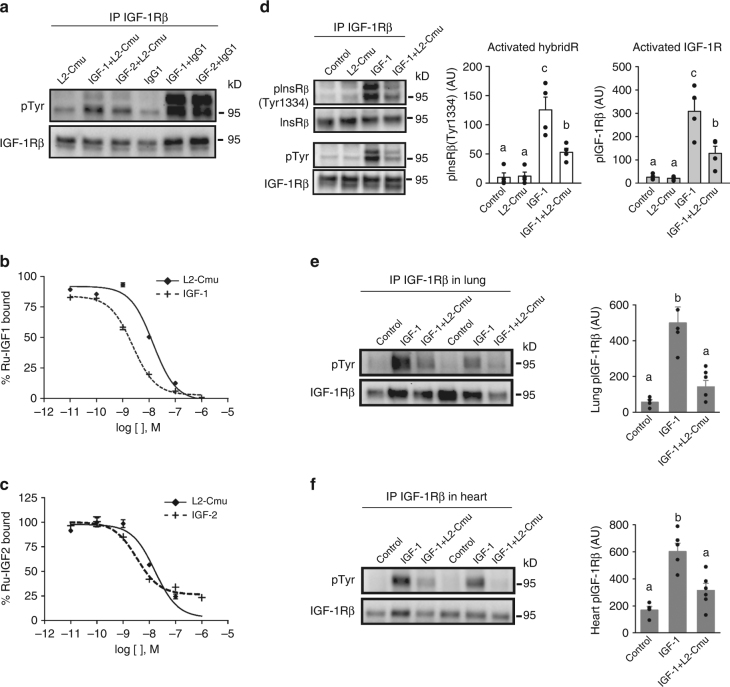
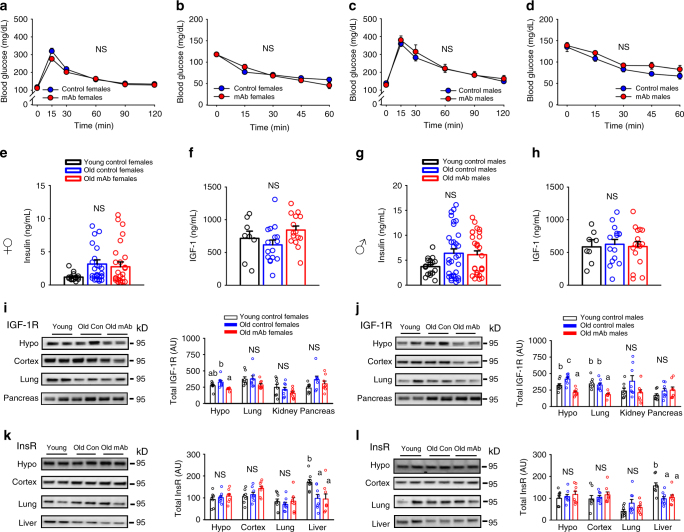
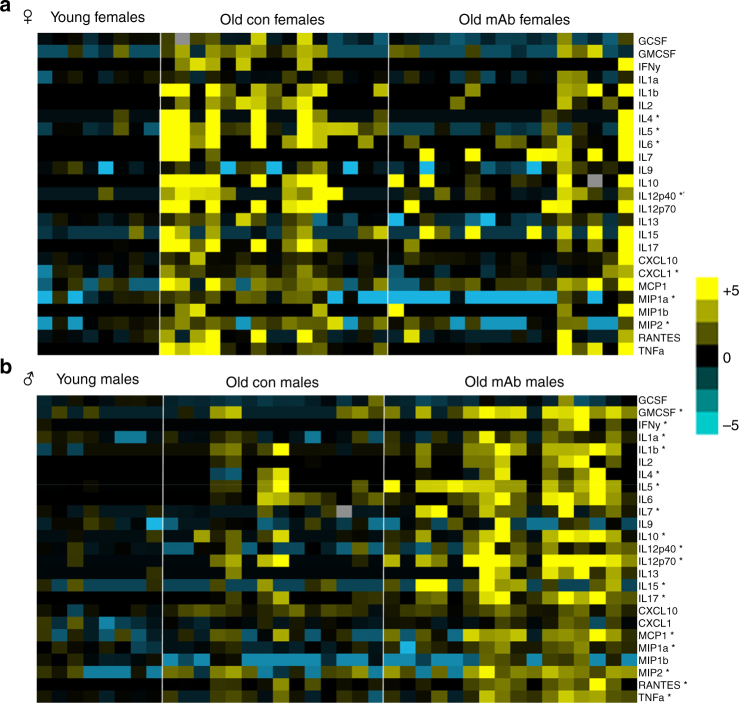
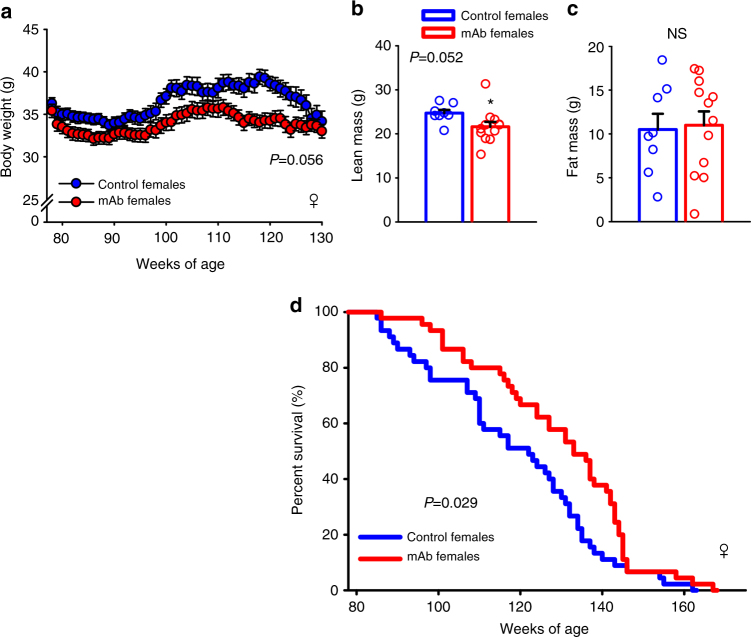
Diminished growth factor signaling improves longevity in laboratory models, while a reduction in the somatotropic axis is favorably linked to human aging and longevity. Given the conserved role of this pathway on lifespan, therapeutic strategies, such as insulin-like growth factor-1 receptor (IGF-1R) monoclonal antibodies (mAb), represent a promising translational tool to target human aging. To this end, we performed a preclinical study in 18-mo-old male and female mice treated with vehicle or an IGF-1R mAb (L2-Cmu, Amgen Inc), and determined effects on aging outcomes. Here we show that L2-Cmu preferentially improves female healthspan and increases median lifespan by 9% (P = 0.03) in females, along with a reduction in neoplasms and inflammation (P ≤ 0.05). Thus, consistent with other models, targeting IGF-1R signaling appears to be most beneficial to females. Importantly, these effects could be achieved at advanced ages, suggesting that IGF-1R mAbs could represent a promising therapeutic candidate to delay aging.
Overview
The claims and statistics of this paper haven’t been checked yet.
Free: it reads the open-access text and checks the first 5 claims that cite a source we can check. Create a free account to check every claim.
Integrity signals
Registry
Cites
Statistics
Figures
Verification
Claims the paper makes
The claims and statistics of this paper haven’t been checked yet.
Free: it reads the open-access text and checks the first 5 claims that cite a source we can check. Create a free account to check every claim.
Claims other papers make about this one
Each is checked against this paper’s own text: does it say what the citing paper says it does?
The source backs part of the claim, not all of it — or backs it for a different population, condition or comparison.
In the citing paper
“An important question for future research is discovering why mTOR inhibitors have sex-specific or sex-biased benefits, as pharmacological treatment with rapamycin or genetic inhibition of insulin-IGF1/PI3K/Akt/mTOR/S6K1 signaling typically (but not always) extends the lifespan of female mice a greater amount than it extends the lifespan of male mice 191–193.”
From Targeting the biology of aging with mTOR inhibitors (2023) · cites this paper as [192]
Experimental — accuracy not yet measuredIn the citing paper
“while long-term administration of an anti-IGF1R antibody increases lifespan and reduces inflammation and cancer development in female mice.218”
From Meta-hallmarks of aging and cancer (2023) · cites this paper as [218]
Self-check
Percentages, sums and reported differences re-computed from the paper’s own numbers.
The self-check needs the paper’s full text.
Citations
Cites
Rapamycin fed late in life extends lifespan in genetically heterogeneous mice
Harrison, D. E., Strong, R., Sharp, Z. D., Nelson, J. F., Astle, C. M., Flurkey, K., Nadon, N. L., Wilkinson, J. E., Frenkel, K., Carter, C. S., et al. (2009) · Nature · doi:10.1038/nature08221 · Cited by 3,766
A C. elegans mutant that lives twice as long as wild type
Kenyon, C., Chang, J., Gensch, E., Rudner, A., & Tabtiang, R. (1993) · Nature · doi:10.1038/366461a0 · Cited by 3,387
IGF-1 receptor regulates lifespan and resistance to oxidative stress in mice
Holzenberger, M., Dupont, J., Ducos, B., Leneuve, P., Géloën, A., Even, P. C., Cervera, P., & Le Bouc, Y. (2003) · Nature · doi:10.1038/nature01298 · Cited by 2,109
Extension of Life-Span by Loss of CHICO, a Drosophila Insulin Receptor Substrate Protein
Clancy, D. J., Gems, D., Harshman, L. G., Oldham, S., Stocker, H., Hafen, E., Leevers, S. J., & Partridge, L. (2001) · Science · doi:10.1126/science.1057991 · Cited by 1,436
Regulation of Longevity and Stress Resistance by Sch9 in Yeast
Fabrizio, P., Pozza, F., Pletcher, S. D., Gendron, C. M., & Longo, V. D. (2001) · Science · doi:10.1126/science.1059497 · Cited by 874
Guevara-Aguirre, J., Balasubramanian, P., Guevara-Aguirre, M., Wei, M., Madia, F., Cheng, C.-W., Hwang, D., Martin-Montalvo, A., Saavedra, J., Ingles, S., et al. (2011) · Science Translational Medicine · doi:10.1126/scitranslmed.3001845 · Cited by 743
Self-citationFunctionally significant insulin-like growth factor I receptor mutations in centenarians
Suh, Y., Atzmon, G., Cho, M.-O., Hwang, D., Liu, B., Leahy, D. J., Barzilai, N., & Cohen, P. (2008) · Proceedings of the National Academy of Sciences · doi:10.1073/pnas.0705467105 · Cited by 703
Self-citationAustad, S. N., & Fischer, K. E. (2016) · Cell Metabolism · doi:10.1016/j.cmet.2016.05.019 · Cited by 593
Interventions to slow aging in humans: are we ready?
Longo, V. D., Antebi, A., Bartke, A., Barzilai, N., Brown‐Borg, H. M., Caruso, C., Curiel, T. J., Cabo, R., Franceschi, C., Gems, D., et al. (2015) · Aging Cell · doi:10.1111/acel.12338 · Cited by 592
Self-citationThe GH/IGF-1 axis in ageing and longevity
Junnila, R. K., List, E. O., Berryman, D. E., Murrey, J. W., & Kopchick, J. J. (2013) · Nature Reviews Endocrinology · doi:10.1038/nrendo.2013.67 · Cited by 574
Cited by
Molecular mechanisms of dietary restriction promoting health and longevity
Green, C. L., Lamming, D. W., & Fontana, L. (2022) · Nature Reviews Molecular Cell Biology · doi:10.1038/s41580-021-00411-4 · Cited by 714
Meta-hallmarks of aging and cancer
López-Otín, C., Pietrocola, F., Roiz-Valle, D., Galluzzi, L., & Kroemer, G. (2023) · Cell Metabolism · doi:10.1016/j.cmet.2022.11.001 · Cited by 529
Targeting the biology of aging with mTOR inhibitors
Mannick, J. B., & Lamming, D. W. (2023) · Nature Aging · doi:10.1038/s43587-023-00416-y · Cited by 372
Justice, J. N., Ferrucci, L., Newman, A. B., Aroda, V. R., Bahnson, J. L., Divers, J., Espeland, M. A., Marcovina, S., Pollak, M. N., Kritchevsky, S. B., et al. (2018) · GeroScience · doi:10.1007/s11357-018-0042-y · Cited by 359
Self-citationHallmarks of cardiovascular ageing
Abdellatif, M., Rainer, P. P., Sedej, S., & Kroemer, G. (2023) · Nature Reviews Cardiology · doi:10.1038/s41569-023-00881-3 · Cited by 274
Richardson, N. E., Konon, E. N., Schuster, H. S., Mitchell, A. T., Boyle, C., Rodgers, A. C., Finke, M., Haider, L. R., Yu, D., Flores, V., et al. (2021) · Nature Aging · doi:10.1038/s43587-020-00006-2 · Cited by 267
Mitochondria in the signaling pathways that control longevity and health span
Akbari, M., Kirkwood, T. B. L., & Bohr, V. A. (2019) · Ageing Research Reviews · doi:10.1016/j.arr.2019.100940 · Cited by 230
“, 2001), and mice (Brown-Borg, 2015; Holzenberger et al., 2003; Mao et al., 2018), indicating that IIS is as an evolutionarily conserved pathway integral to the aging process.”
Reynolds, J. C., Lai, R. W., Woodhead, J. S. T., Joly, J. H., Mitchell, C. J., Cameron-Smith, D., Lu, R., Cohen, P., Graham, N. A., Benayoun, B. A., et al. (2021) · Nature Communications · doi:10.1038/s41467-020-20790-0 · Cited by 199
Self-citationAl-Samerria, S., & Radovick, S. (2021) · Cells · doi:10.3390/cells10102664 · Cited by 184
“Female mice treated with IGF-1 mAb exhibited an increase in median lifespan by 9% with a significant reduction in neoplasm and inflammation markers [93].”
BackgroundVitale, G., Pellegrino, G., Vollery, M., & Hofland, L. J. (2019) · Frontiers in Endocrinology · doi:10.3389/fendo.2019.00027 · Cited by 166
“(44) recently reported that late treatment of 18-months old CB6F1 mice with an anti-IGF-1 receptor monoclonal antibody prolonged lifespan by 9% in females and improved several aspects of healthspan.”
BackgroundMetabolic Syndrome as a Risk Factor for Alzheimer’s Disease: A Focus on Insulin Resistance
Ezkurdia, A., Ramírez, M. J., & Solas, M. (2023) · International Journal of Molecular Sciences · doi:10.3390/ijms24054354 · Cited by 170
Obesity: Pathophysiology, monosodium glutamate-induced model and anti-obesity medicinal plants
Hernández-Bautista, R., Mahmoud, A. M., Königsberg, M., & López‐Díazguerrero, N. E. (2018) · Biomedicine & Pharmacotherapy · doi:10.1016/j.biopha.2018.12.108 · Cited by 171
Therapeutic Targeting of the IGF Axis
Osher, E., & Macaulay, V. M. (2019) · Cells · doi:10.3390/cells8080895 · Cited by 153
Extracellular Matrix Dynamics as an Emerging yet Understudied Hallmark of Aging and Longevity
Statzer, C., Park, J. Y. C., & Ewald, C. Y. (2023) · Aging and Disease · doi:10.14336/ad.2022.1116 · Cited by 114
“Inhibiting IGF-1 receptor function by administering IGF-1 receptor antibody to 19 months old mice was sufficient to increase lifespan [59].”
BackgroundFine-Tuning Cardiac Insulin-Like Growth Factor 1 Receptor Signaling to Promote Health and Longevity
Abdellatif, M., Trummer-Herbst, V., Heberle, A. M., Humnig, A., Pendl, T., Durand, S., Cerrato, G., Hofer, S. J., Islam, M., Voglhuber, J., et al. (2022) · Circulation · doi:10.1161/circulationaha.122.059863 · Cited by 108
Quipildor, G. F., Mao, K., Hu, Z., Novaj, A., Cui, M., Gulinello, M. E., Branch, C. A., Gubbi, S., Patel, K., Moellering, D. R., et al. (2019) · GeroScience · doi:10.1007/s11357-019-00065-3 · Cited by 90
Self-citationZouhal, H., Jayavel, A., Parasuraman, K., Hayes, L. D., Tourny, C., Rhibi, F., Laher, I., Abderrahman, A. B., & Hackney, A. C. (2021) · Sports Medicine · doi:10.1007/s40279-021-01612-9 · Cited by 91
“In addition, ageing reduces target cell hormone receptor number, affinity and signal transduction [20, 21].”
BackgroundAntiaging effects of bioactive molecules isolated from plants and fungi
Martel, J., Ojcius, D. M., Ko, Y., Chang, C., & Young, J. D. (2019) · Medicinal Research Reviews · doi:10.1002/med.21559 · Cited by 81
“Yet, a recent study showed that targeting the IGF‐1 receptor with a monoclonal antibody increased lifespan by 9% in old female mice, in addition to reducing inflammation and tumor formation.(124) It thus remains to be seen whether antiaging interventions that target IGF‐1 may be viable in humans.”
BackgroundSarcosine Is Uniquely Modulated by Aging and Dietary Restriction in Rodents and Humans
Walters, R. O., Arias, E., Diaz, A., Burgos, E. S., Guan, F., Tiano, S., Mao, K., Green, C. L., Qiu, Y., Shah, H., et al. (2018) · Cell Reports · doi:10.1016/j.celrep.2018.09.065 · Cited by 77
Self-citationChung, E. J., Kwon, S., Reedy, J. L., White, A. O., Song, J. S., Hwang, I., Chung, J., Ylaya, K., Hewitt, S. M., & Citrin, D. E. (2020) · International Journal of Radiation Oncology*Biology*Physics · doi:10.1016/j.ijrobp.2020.12.035 · Cited by 66
Zhang, W. B., Aleksic, S., Gao, T., Weiss, E. F., Demetriou, E., Verghese, J., Holtzer, R., Barzilai, N., & Milman, S. (2020) · Cells · doi:10.3390/cells9061368 · Cited by 64
“A monoclonal antibody that targets IGF-1 receptor (IGF-1R) and decreases IGF-1 signaling has already been shown to increase health-span and lifespan in middle-age female mice [96].”
BackgroundSelf-citationGenetics of extreme human longevity to guide drug discovery for healthy ageing
Zhang, Z. D., Milman, S., Lin, J.-R., Wierbowski, S. D., Yu, H., Barzilai, N., Gorbunova, V. A., Ladiges, W., Niedernhofer, L. J., Suh, Y., et al. (2020) · Nature Metabolism · doi:10.1038/s42255-020-0247-0 · Cited by 67
Self-citationAssociation between IGF‐1 levels ranges and all‐cause mortality: A meta‐analysis
Rahmani, J., Montesanto, A., Giovannucci, E. L., Zand, H., Barati, M., Kopchick, J. J., Mirisola, M. G., Lagani, V., Bawadi, H. A., Vardavas, R., et al. (2022) · Aging Cell · doi:10.1111/acel.13540 · Cited by 64
Venz, R., Pekeč, T., Katic, I., Ciosk, R., & Ewald, C. Y. (2021) · eLife · doi:10.7554/elife.71335 · Cited by 64
“In mammals, mid-life administration of IGF-1 receptor monoclonal antibodies to 78 - week-old mice (a time when all mice are still alive and 6 weeks before first mice start to die) is sufficient to increase their lifespan and improve their healthspan ( Mao et al., 2018 ).”
The antagonistic pleiotropy of insulin-like growth factor 1
Zhang, W. B., Ye, K., Barzilai, N., & Milman, S. (2021) · Aging Cell · doi:10.1111/acel.13443 · Cited by 62
“In females, median lifespan was significantly increased, while inflammation and neoplasms were decreased (Mao et al., 2018).”
BackgroundSelf-citationHypothalamic mTORC2 is essential for metabolic health and longevity
Chellappa, K., Brinkman, J. A., Mukherjee, S., Morrison, M., Alotaibi, M. I., Carbajal, K. A., Alhadeff, A. L., Perron, I. J., Yao, R., Purdy, C. S., et al. (2019) · Aging Cell · doi:10.1111/acel.13014 · Cited by 62
Essmann, C. L., Martínez‐Martínez, D., Pryor, R. E., Leung, K., Krishnan, K. B., Lui, P. P., Greene, N. D. E., Brown, A. E., Pawar, V., Srinivasan, M. A., et al. (2020) · Nature Communications · doi:10.1038/s41467-020-14785-0 · Cited by 67
Extending human healthspan and longevity: a symposium report
DeVito, L. M., Barzilai, N., Cuervo, A. M., Niedernhofer, L. J., Milman, S., Levine, M. E., Promislow, D., Ferrucci, L., Kuchel, G. A., Mannick, J. B., et al. (2021) · Annals of the New York Academy of Sciences · doi:10.1111/nyas.14681 · Cited by 61
Self-citationWang, J., Shao, F., Yu, Q., Ye, L., Wusiman, D., Wu, R., Tuo, Z., Wang, Z., Li, D., Cho, W. C. S., et al. (2025) · Research · doi:10.34133/research.0612 · Cited by 72
“Modulating IIS activity through interventions such as inhibition of IGF1R extends lifespan and improves healthspan in animal models, while also enhancing anticancer immunosurveillance [ 2 , 313 , 314 ].”
Duran‐Ortiz, S., List, E. O., Ikeno, Y., Young, J., Basu, R., Bell, S., McHugh, T., Funk, K., Mathes, S., Qian, Y., et al. (2021) · Aging Cell · doi:10.1111/acel.13506 · Cited by 58
Self-citationDevelopmental mechanisms of sex differences: from cells to organisms
Mank, J. E., & Rideout, E. J. (2021) · Development · doi:10.1242/dev.199750 · Cited by 62
IFNγ-Stat1 axis drives aging-associated loss of intestinal tissue homeostasis and regeneration
Omrani, O., Křepelová, A., Rasa, S. M. M., Širvinskas, D., Lu, J. N., Annunziata, F., Garside, G. B., Bajwa, S., Reinhardt, S., Adam, L., et al. (2023) · Nature Communications · doi:10.1038/s41467-023-41683-y · Cited by 66
“2d) 30 – 33 .”
Sutherland, T. C., & Geoffroy, C. G. (2020) · Frontiers in Cell and Developmental Biology · doi:10.3389/fcell.2020.00190 · Cited by 61
Anti-ageing interventions for the treatment of cardiovascular disease
Abdellatif, M., Schmid, S., Fuerlinger, A., & Kroemer, G. (2024) · Cardiovascular Research · doi:10.1093/cvr/cvae177 · Cited by 52
“Of note, certain autophagy targets, like IGF1R, exhibit strong sex-dependent effects, 124 while others have not been sufficiently studied to reveal possible sex differences.”
Mehta, H. H., Xiao, J., Ramirez, R., Miller, B., Kim, S.-J., Cohen, P., & Yen, K. (2019) · Metabolomics · doi:10.1007/s11306-019-1549-7 · Cited by 43
Self-citationYuan, R., Hascup, E. R., Hascup, K. N., & Bartke, A. (2023) · Biochemistry (Moscow) · doi:10.1134/s0006297923110020 · Cited by 48
“However, no significant changes were observed in male mice [76].”
BackgroundYuan, R., Musters, C. J. M., Zhu, Y., Evans, T. R., Sun, Y., Chesler, E. J., Peters, L. L., Harrison, D. E., & Bartke, A. (2020) · Aging Cell · doi:10.1111/acel.13263 · Cited by 36
“Moreover, treatment of 18-month-old mice with a monoclonal antibody to IGF1 receptor extended median lifespan in females only and improved health span preferentially in females (Mao et al., 2018).”
BackgroundConover, C. A., & Oxvig, C. (2024) · Endocrine Reviews · doi:10.1210/endrev/bnae029 · Cited by 39
Pathological Cardiopulmonary Evaluation of Rats Chronically Exposed to Traffic-Related Air Pollution
Edwards, S., Zhao, G., Tran, J., Patten, K. T., Valenzuela, A. E., Wallis, C., Bein, K. J., Wexler, A. S., Lein, P. J., & Rao, X. (2020) · Environmental Health Perspectives · doi:10.1289/ehp7045 · Cited by 38
“A panel of genes were selected for qRT-PCR based on previous publications to examine oxidative stress (including Sod1 , Sod2 , Nrf2 , Nos2 , Ho1 , Gsr , Gpx1 , and G6pd ) (Sawyer 2011; Vatner et al. 2015), in fl ammation ( Tnf , Tlr9 , Tlr4 , Nlrp3 , Mcp1 , Il6 , Il1b , and Ifng ) (Castro-Jorge et al. 2017; Kamo et al.…”
Gene regulatory networks reveal sex difference in lung adenocarcinoma
Saha, E., Guebila, M. B., Fanfani, V., Fischer, J., Shutta, K. H., Mandros, P., DeMeo, D. L., Quackenbush, J. F., & Lopes‐Ramos, C. M. (2024) · Biology of Sex Differences · doi:10.1186/s13293-024-00634-y · Cited by 37
“However, it has been shown in a murine model that drugs targeting IGF1R (Insulin-like Growth Factor-1) improve lifespan with a reduction of neoplasm only in females [37], which aligns with our findings.”
ResultIntrinsic and environmental basis of aging: A narrative review
Navarro, C., Salazar, J. J., Diaz, M. P., Chacín, M., Santeliz, R., Vera, I., D’Marco, L., Parra, H., Bernal, M. C., Castro, A. V., et al. (2023) · Heliyon · doi:10.1016/j.heliyon.2023.e18239 · Cited by 42
Cellular Senescence: A Troy Horse in Pulmonary Fibrosis
Wan, R., Wang, L., Zhu, M., Li, W., Duan, Y., & Yu, G. (2023) · International Journal of Molecular Sciences · doi:10.3390/ijms242216410 · Cited by 36
“The inhibition or loss of the IGF-1 receptor has been shown to extend the lifespan of organisms by preventing cellular and tissue senescence [92,93].”
BackgroundEffects and potential mechanisms of IGF1/IGF1R in the liver fibrosis: A review
Gui, R., Li, W., Li, Z., Wang, H., Wu, Y., Jiao, W., Zhao, G., Shen, Y., Wang, L., Zhang, J., et al. (2023) · International Journal of Biological Macromolecules · doi:10.1016/j.ijbiomac.2023.126263 · Cited by 35
Ki, M., Kim, D. H., Abdelhamid, M. A. A., & Pack, S. P. (2025) · Biosensors · doi:10.3390/bios15110737 · Cited by 35
Untangling Aging Using Dynamic, Organism-Level Phenotypic Networks
Freund, A. (2019) · Cell Systems · doi:10.1016/j.cels.2019.02.005 · Cited by 34
Raj, S., Dsouza, L. A., Singh, S. P., & Kanwal, A. (2020) · Frontiers in Pharmacology · doi:10.3389/fphar.2020.598326 · Cited by 31
Gulej, R., Patai, R., Ungvari, A., Kállai, A., Tarantini, S., Yabluchanskiy, A., Huffman, D. M., Conboy, M. J., Conboy, I. M., Kivimäki, M., et al. (2025) · GeroScience · doi:10.1007/s11357-025-01657-y · Cited by 32
Self-citationExtending lifespan by modulating the growth hormone/insulin-like growth factor-1 axis: coming of age
Duran‐Ortiz, S., List, E. O., Basu, R., & Kopchick, J. J. (2021) · Pituitary · doi:10.1007/s11102-020-01117-0 · Cited by 30
“Interestingly, although female IGF-1R+/– mice had no changes in glucose and insulin tolerance compared to controls; the male IGF-1R+/– mice were short-lived and more glucose intolerant than corresponding controls [65].”
BackgroundResultInfluentialGarratt, M. (2019) · Nutrition and Healthy Aging · doi:10.3233/nha-190067 · Cited by 34
“A sex-specificity in the GH-IGF1 pathway for lifespan responses may also be manifest by manipulations further downstream, since disrupted expression of insulin-receptor substrate 1, which transduces information from IGF1R, extends lifespan in females but not males [36] (although the authors acknowledge this may be a c…”
BackgroundInfluentialTrajectories of cardiovascular ageing—from molecular mechanisms to clinical implementation
Ministrini, S., Wenzl, F. A., Lüscher, T. F., & Camici, G. G. (2024) · Cardiovascular Research · doi:10.1093/cvr/cvae178 · Cited by 30
Cell non-autonomous regulation of cerebrovascular aging processes by the somatotropic axis
Bickel, M. A., Csik, B., Gulej, R., Ungvari, A., Nyul-Toth, A., & Conley, S. M. (2023) · Frontiers in Endocrinology · doi:10.3389/fendo.2023.1087053 · Cited by 29
17α-Estradiol Modulates IGF1 and Hepatic Gene Expression in a Sex-Specific Manner
Sidhom, S., Schneider, A., Fang, Y., McFadden, S., Darcy, J., Sathiaseelan, R., Palmer, A. K., Steyn, F. J., Grillari, J., Kopchick, J. J., et al. (2020) · The Journals of Gerontology Series A · doi:10.1093/gerona/glaa215 · Cited by 28
“In addition, there is also emerging evidence that the age-related detriments of IGF1 signaling may be greater in females, whereas males appear less affected (26).”
BackgroundThe Less We Eat, the Longer We Live: Can Caloric Restriction Help Us Become Centenarians?
Dakic, T. B., Jevdjovic, T. V., Vujovic, P. Z., & Mladenović, A. (2022) · International Journal of Molecular Sciences · doi:10.3390/ijms23126546 · Cited by 31
Min, H., Youn, E., & Shim, Y. (2021) · Nutrients · doi:10.3390/nu13082517 · Cited by 26
MORSHED, S. A., Ma, R., Latif, R., & Davies, T. F. (2022) · Thyroid · doi:10.1089/thy.2021.0176 · Cited by 29
Todorova, M. N., Savova, M. S., Mihaylova, L. V., & Georgiev, M. I. (2023) · International Journal of Molecular Sciences · doi:10.3390/ijms25010352 · Cited by 26
“4 by icariin, along with the activation of its mediator, jnk-1 , aligns with previous studies suggesting their involvement in response to stress conditions, particularly oxidative stress [46,65].”
BackgroundPlasma-Based Strategies for Therapeutic Modulation of Brain Aging
Kheifets, V., & Braithwaite, S. P. (2019) · Neurotherapeutics · doi:10.1007/s13311-019-00746-z · Cited by 27
Bairachnaya, M., Agranyoni, O., Antoch, M. P., Michaelevski, I., & Pinhasov, A. (2019) · Aging · doi:10.18632/aging.102440 · Cited by 27
Remodeling of tumor microenvironment by cellular senescence and immunosenescence in cervical cancer
He, Y., Qiu, Y., Yang, X., Lu, G., & Zhao, S. (2024) · Seminars in Cancer Biology · doi:10.1016/j.semcancer.2024.11.002 · Cited by 25
Monoamine Oxidase-Dependent Pro-Survival Signaling in Diabetic Hearts Is Mediated by miRNAs
Cagnin, S., Brugnaro, M., Millino, C., Pacchioni, B., Troiano, C., Sante, M. D., & Kaludercic, N. (2022) · Cells · doi:10.3390/cells11172697 · Cited by 31
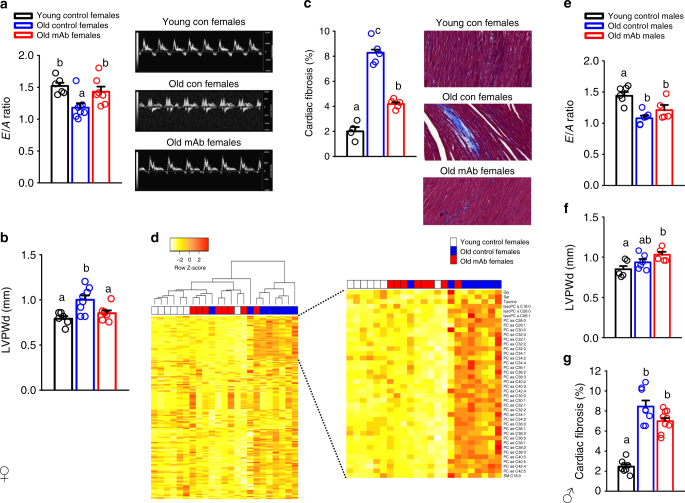
“However, the beneficial role of IGF1R was questioned by more recent studies, showing that reduced IGF1R signaling attenuated adverse cardiac remodeling in aged mice, and treatment with IGF1R monoclonal antibodies improved cardiac function in female mice [63,64].”
BackgroundPattarachotanant, N., Sornkaew, N., Warayanon, W., Rangsinth, P., Sillapachaiyaporn, C., Vongthip, W., Chuchawankul, S., Prasansuklab, A., & Tencomnao, T. (2022) · Nutrients · doi:10.3390/nu14173668 · Cited by 25
“Reducing the GFR and IGF-1 signaling pathway slows the aging process, doubles lifespan, and improves healthspan [56,57].”
BackgroundThe effect of metformin on influenza vaccine responses in nondiabetic older adults: a pilot trial
Martin, D. E., Cadar, A. N., Panier, H. A., Torrance, B. L., Kuchel, G. A., & Bartley, J. M. (2023) · Immunity & Ageing · doi:10.1186/s12979-023-00343-x · Cited by 27
“Additionally, metformin treatment has been shown to reduce insulin-like growth factor-1 (IGF-1) signaling in certain scenarios [22, 64], and reduced IGF-1 has been associated with increased longevity and healthspan in multiple animal models [22, 65].”
BackgroundAnti-Aging Potential of Bioactive Phytoconstituents Found in Edible Medicinal Plants: A Review
Iweala, E., Adurosakin, O. E., Ugochukwu, I., Omonhinmin, C. A., Dania, O. E., & Ugbogu, E. A. (2024) · Sci · doi:10.3390/sci6020036 · Cited by 26
Recent progress regarding the role of autophagy in cardiac disease
Maejima, Y., Titus, A. S., Zablocki, D., & Sadoshima, J. (2025) · Cardiovascular Research · doi:10.1093/cvr/cvaf203 · Cited by 22
Hedges, C. P., Shetty, B., Broome, S. C., MacRae, C. L., Koutsifeli, P., Buckels, E. J., Macindoe, C., Boix, J., Tsiloulis, T., Matthews, B. G., et al. (2023) · Nature Aging · doi:10.1038/s43587-022-00349-y · Cited by 22
Zhu, J., Li, Q., Sun, Y., Zhang, S., Pan, R., Xie, Y., Chen, J., Shi, L., Chen, Y., Sun, Z., et al. (2023) · Journal of the American Heart Association · doi:10.1161/jaha.123.029631 · Cited by 23
“17,50 In this study, our results of Masson and picro sirius red staining exhibit that Ang II induces a severity of myocardial interstitial fibrosis in mice, whereas the deficiency of IGF1R significantly attenuates these alterations (Figure 3).”
Nagaraj, K., Sarfstein, R., Laron, Z., & Werner, H. (2022) · Cells · doi:10.3390/cells11203260 · Cited by 22
“Consistent with the role of IGF1 in aging and longevity [14–17], late-life targeting of the IGF1R has been recently suggested to improve healthspan and lifespan [18].”
BackgroundHDAC1/2 inhibitor therapy improves multiple organ systems in aged mice
Tammaro, A., Daniels, E. G., Hu, I. M., Hart, K. C. ‘., Reid, K., Juni, R. P., Butter, L. M., Vasam, G., Kamble, R., Jongejan, A., et al. (2023) · iScience · doi:10.1016/j.isci.2023.108681 · Cited by 22
Future foods, dietary factors and healthspan
Li, K., Wang, C., Wang, Y., Fu, L., & Zhang, N. (2023) · Journal of Future Foods · doi:10.1016/j.jfutfo.2022.12.001 · Cited by 20
Pabis, K., Barardo, D., Gruber, J., Sirbu, O., Malavolta, M., Selvarajoo, K., Kaeberlein, M. R., & Kennedy, B. K. (2024) · Ageing Research Reviews · doi:10.1016/j.arr.2024.102512 · Cited by 22
Modulation of Glucose Production by Central Insulin Requires IGF-1 Receptors in AgRP Neurons
Quipildor, G. F., Mao, K., Beltran, P. J., Barzilai, N., & Huffman, D. M. (2021) · Diabetes · doi:10.2337/db21-0028 · Cited by 22
“ITTs were performed 1 week later in randomfed mice early in their light cycle ( 0700–0800 h) as previously described (24).”
MethodSelf-citationXie, Q., Chu, Y., Yuan, W., Li, Y., Li, K., Wu, X., Liu, X., Xu, R., Cui, S., & Qu, X. (2023) · Acta Pharmaceutica Sinica B · doi:10.1016/j.apsb.2023.04.001 · Cited by 20
IGF1R is a mediator of sex-specific metabolism in mice: Effects of age and high-fat diet
Pérez‐Matute, P., López, I. P., Íñiguez, M., Recio‐Fernández, E., Torrens, R., Piñeiro‐Hermida, S., Alfaro‐Arnedo, E., Chau, L., Walz, C., Hoeflich, A., et al. (2022) · Frontiers in Endocrinology · doi:10.3389/fendo.2022.1033208 · Cited by 19
“Thus, whereas some authors do not find sex differences (22), others report that compromised IGF1R signaling has effects on aging in a sex dependent manner (20).”
BackgroundSenescence in the ageing skin: a new focus on m TORC 1 and the lysosome
Smith, P., & Carroll, B. (2024) · FEBS Journal · doi:10.1111/febs.17281 · Cited by 21
“Lower circulating IGF-1 levels have been found to correlate with extended lifespan in animal models, and it has also been linked, albeit controversially, to longevity in humans [95-97].”
Mutations Affecting Mammalian Aging: GH and GHR vs IGF-1 and Insulin
Bartke, A., & Brown‐Borg, H. M. (2021) · Frontiers in Genetics · doi:10.3389/fgene.2021.667355 · Cited by 18
Combination of the biomarkers for aging and cancer? - Challenges and current status
Li, D., Ju, F., Wang, H., Fan, C., Jacob, J. C., Gul, S., Zaliani, A., Wartmann, T., Polidori, M. C., Bruns, C. J., et al. (2023) · Translational Oncology · doi:10.1016/j.tranon.2023.101783 · Cited by 18
New Insights into IGF-1 Signaling in the Heart
Lee, W. S., Abel, E. D., & Kim, J. (2024) · Physiology · doi:10.1152/physiol.00003.2024 · Cited by 21
Kritschil, R., Zhang, Z., Lei, C., Zhong, J., Dong, Q. D., Lee, J., Conover, C. A., Sowa, G., Vallejo, A. N., & Vo, N. N. (2020) · JOR Spine · doi:10.1002/jsp2.1112 · Cited by 19
GH and Senescence: A New Understanding of Adult GH Action
Chesnokova, V., & Melmed, S. K. (2021) · Journal of the Endocrine Society · doi:10.1210/jendso/bvab177 · Cited by 19
“Specific roles for IGF1 and IGF1 receptor in human aging and in experimental models have been extensively discussed [35-37], with specific observations describing the role of the IGF1 system in cellular senescence [38-41].”
BackgroundZalesak‐Kravec, S., Huang, W., Jones, J. W., Yu, J., Alloush, J., Defnet, A. E., Moise, A. R., & Kane, M. A. (2022) · The FASEB Journal · doi:10.1096/fj.202100901rrr · Cited by 17
Kvedaras, M., Minderis, P., Krusnauskas, R., & Ratkevičius, A. (2020) · Mechanisms of Ageing and Development · doi:10.1016/j.mad.2020.111320 · Cited by 16
Single-cell transcriptomic profiling of the hypothalamic median eminence during aging
Chen, Z., Li, S., Xu, M., Liu, C. C., Ye, H., Wang, B., & Wu, Q. (2022) · Journal of genetics and genomics/Journal of Genetics and Genomics · doi:10.1016/j.jgg.2022.01.001 · Cited by 17
Slade, L., Etheridge, T., & Szewczyk, N. J. (2024) · Ageing Research Reviews · doi:10.1016/j.arr.2024.102456 · Cited by 14
“Delivery of monoclonal antibodies against the IGF-1 receptor in 78-week-old mice was also sufficient to extend lifespan and healthspan (Mao et al., 2018).”
BackgroundTargeting IGF1 ‐Induced Cellular Senescence to Rejuvenate Hair Follicle Aging
Wang, Y., Yang, J., Luo, Y., Zhao, Z., Yuan, Y., Li, J., Liu, Y., Yi, Y., Xu, X., Lan, Y., et al. (2025) · Aging Cell · doi:10.1111/acel.70053 · Cited by 15
“On the other hand, disrupting IGF-1 signaling has been shown to extend lifespan across various species (Rahmani et al. 2022; Mukama et al. 2023; Vitale et al. 2019; Mao et al. 2018).”
Insights into the therapeutic strategies for aging and aging-associated diseases
Dong, R., Wu, Q., Kan, J., Fu, C., Sorrentino, V., Chow, A., Lei, Y., Wu, D., Xu, Z., Du, J., et al. (2026) · Signal Transduction and Targeted Therapy · doi:10.1038/s41392-026-02662-z · Cited by 17
“129 These fi ndings provide further evidence that the association between the IGF1R pathway and heart health is not linear but rather bidirectional.”
Ageing-associated phenotypes in mice
Xie, K., & Ehninger, D. (2023) · Mechanisms of Ageing and Development · doi:10.1016/j.mad.2023.111852 · Cited by 14
Discovering Biological Mechanisms of Exceptional Human Health Span and Life Span
Milman, S., & Barzilai, N. (2023) · Cold Spring Harbor Perspectives in Medicine · doi:10.1101/cshperspect.a041204 · Cited by 14
Self-citationToo old for healthy aging? Exploring age limits of longevity treatments
Chaudhari, P., & Ermolaeva, M. (2024) · npj Metabolic Health and Disease · doi:10.1038/s44324-024-00040-3 · Cited by 14
Insulin-like growth factor I sensitization rejuvenates sleep patterns in old mice
Zegarra-Valdivia, J. A., Fernandes, J., de Sevilla, M. E. F., Trueba-Sáiz, Á., Pignatelli, J., Suda, K., Martinez‐Rachadell, L., Fernandez, A. M., Esparza, J., Vega, M., et al. (2022) · GeroScience · doi:10.1007/s11357-022-00589-1 · Cited by 14
Fuerlinger, A., Stockner, A., Sedej, S., & Abdellatif, M. (2025) · Cardiovascular Diabetology · doi:10.1186/s12933-024-02566-8 · Cited by 12
IGF-I and the endocrinology of aging
Janssen, J. A. M. J. L. (2018) · Current Opinion in Endocrine and Metabolic Research · doi:10.1016/j.coemr.2018.11.001 · Cited by 14
Wang, S., Zhang, J., Zhang, S., Shi, F., Feng, D., & Feng, X. (2021) · Ecotoxicology and Environmental Safety · doi:10.1016/j.ecoenv.2021.111938 · Cited by 11
Hepatic gene body hypermethylation is a shared epigenetic signature of murine longevity
Hahn, O., Stubbs, T. M., Reik, W., Grönke, S., Beyer, A., & Partridge, L. (2018) · PLoS Genetics · doi:10.1371/journal.pgen.1007766 · Cited by 11
Lee, E. H., & Neppl, R. L. (2021) · Genes · doi:10.3390/genes12050688 · Cited by 13
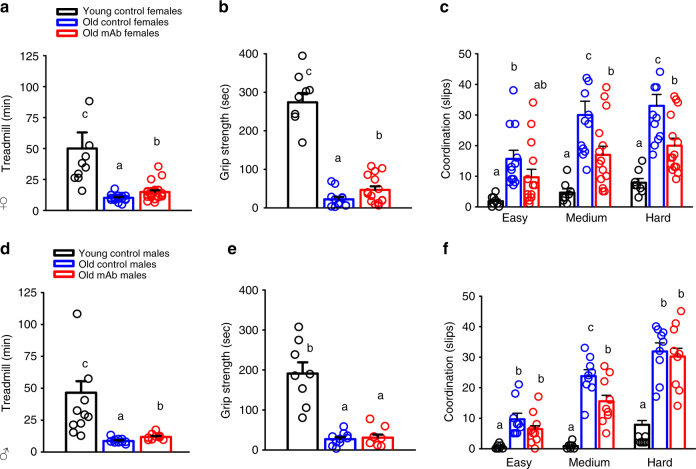
“Consistent with the influence of gender, 18-month-old female mice treated with a selective IGF-1R antagonist for 6 months, but not male mice, showed significant improvements in exercise tolerance, grip strength, and motor coordination [43].”
BackgroundBo, M. D., Gambirasi, M., Vruzhaj, I., Cecchin, E., Pishdadian, A., Toffoli, G., & Safa, A. (2025) · International Journal of Molecular Sciences · doi:10.3390/ijms26114982 · Cited by 10
“Their application in aging is still at the conceptual and preclinical phases; however, the biological reasoning is persuasive [80,87–89].”
The IGF-1 senescence switch: a biphasic model for SASP-driven aging and precision senomodulation
Manni, E., Al‐kuraishy, H. M., Hussain, N. R., Abdelaziz, A. M., & Batiha, G. E. (2026) · Cytokine · doi:10.1016/j.cyto.2026.157143 · Cited by 9
Nutrient-Response Pathways in Healthspan and Lifespan Regulation
Dabrowska, A. F., Kumar, J., & Rallis, C. (2022) · Cells · doi:10.3390/cells11091568 · Cited by 9
“Moreover, an improvement in healthspan was reported, as manifested by reduced inflammation and tumorigenesis [30].”
BackgroundEinstein-Nathan Shock Center: translating the hallmarks of aging to extend human health span
Cuervo, A. M., Huffman, D. M., Vijg, J., Milman, S., Singh, R., & Barzilai, N. (2021) · GeroScience · doi:10.1007/s11357-021-00428-9 · Cited by 8
Self-citationNutraceuticals for Promoting Longevity
Pavlović, I., Khateb, S., Milisav, I., & Mahajna, J. A. (2020) · Current Nutraceuticals · doi:10.2174/2665978601666200213121512 · Cited by 9
Evidence for preserved insulin responsiveness in the aging rat brain
Engel, M. G., Smith, J. L., Mao, K., Quipildor, G. F., Cui, M., Gulinello, M. E., Branch, C. A., Gandy, S., & Huffman, D. M. (2022) · GeroScience · doi:10.1007/s11357-022-00618-z · Cited by 8
“The detection of protein levels was performed by Western blotting as described [10, 50, 51].”
MethodSelf-citation
Metadata
- Authors
- Mao, K., Quipildor, G. F., Tabrizian, T., Novaj, A., Guan, F., Walters, R. O., Delahaye, F., Hubbard, G. B., Ikeno, Y., Ejima, K., Li, P., Allison, D. B., Salimi-Moosavi, H., Beltran, P. J., Cohen, P., Barzilai, N., & Huffman, D. M.
- Affiliations
- Albert Einstein College of Medicine (US)
- The University of Texas at San Antonio Health Science Center (US)
- University of Alabama at Birmingham (US)
- Amgen (United States) (US)
- University of Southern California (US)
- Corresponding author
- Huffman, Derek M.
- ORCID
- Venue
- Nature Communications
- Published
- 2018-06-19
- Volume
- 9
- Issue
- 1
- Pages
- 2394-2394
- ISSN
- 2041-1723 (ISSN-L)
- PMC
- PMC6008442
- OpenAlex
- W2807914406
- Cited by
- 167
- References
- 53
- Citations by year
- 2026: 12 · 2025: 19 · 2024: 21 · 2023: 40 · 2022: 16 · 2021: 25 · 2020: 14 · 2019: 13 · 2018: 7
- FWCI
- 5.80
- Type
- journal article
- Language
- en
- Open access
- gold
- doi.org
- Licence
- cc-by
- creativecommons.org/licenses/by/4.0 (tdm)
- creativecommons.org/licenses/by/4.0 (vor)
- Locations
- Nature Communications (publishedVersion, cc-by)
- Europe PMC (PubMed Central) (publishedVersion, other-oa)
- PubMed Central (publishedVersion, cc-by)
- PubMed (publishedVersion)
- RePEc: Research Papers in Economics (submittedVersion)
- DOAJ (DOAJ: Directory of Open Access Journals) (submittedVersion, cc-by-sa)
- DOAJ (DOAJ: Directory of Open Access Journals) (submittedVersion)
- Funders
- American Federation for Aging Research
- American Institute for Cancer Research
- Prevent Cancer Foundation
- Glenn Foundation for Medical Research
- Amgen
- Fondation pour la Recherche Médicale
- National Institutes of Health
- National Institute on Aging (R56AG052981, P01AG034906, P01AG021654, T32AG23475, P30AG038072, R37AG018381, R00AG037574, P30AG013319, P30AG050886, T32AG023475, P01AG055369)
- National Cancer Institute (P30CA013330)
- National Institute of General Medical Sciences (R01GM090311)
- National Institute of Diabetes and Digestive and Kidney Diseases (P30DK026687, P30DK020541)
- National Institute of Environmental Health Sciences (R01ES020812)
- Topics
- Life Sciences › Biochemistry, Genetics and Molecular Biology › Aging › Genetics, Aging, and Longevity in Model Organisms
- Health Sciences › Medicine › Endocrinology, Diabetes and Metabolism › Growth Hormone and Insulin-like Growth Factors
- Life Sciences › Biochemistry, Genetics and Molecular Biology › Cell Biology › Telomeres, Telomerase, and Senescence
- Keywords
- IGF-1 receptor, aging, healthspan, lifespan, sex differences, somatotropic axis, growth factor signaling, cancer, inflammation, anti-aging therapy
- MeSH terms
- Aging, Animals, Antibodies, Monoclonal, Female, Humans, Longevity, Male, Mice, Inbred C57BL, Motor Activity, Neoplasms, Sex Factors, Signal Transduction, Receptor, IGF Type 1, Tumor Burden
About these checks
Registry, retraction, Cites and statistics results are computed, not judged, with one exception: a printed reference that no index lists is read once by a model before it counts as a citation error. Claims are extracted by a model and kept only when their quote appears verbatim in the text; each cited source is then checked, with a model’s help, for whether it says what the claim relies on. Those verdicts can be wrong — read the claim’s quote and the cited source before relying on one.
Statistics and arithmetic are recomputed, not judged.
Confidence bands are shown only for fields calibrated on our annotated test set. None is calibrated yet, so no band is shown.
What counts as a claim ›How we measure confidence ›How we check this ›
Are you an author, or do you see a problem with this page? Request a review
Data sources
Bibliographic data: Semantic Scholar, OpenAlex, Crossref.
Contains information from the Semantic Scholar Academic Graph Datasets, made available under the ODC Attribution License (ODC-BY 1.0).
Semantic Scholar’s data is described in: Kinney, R., et al. (2023). The Semantic Scholar Open Data Platform. arXiv:2301.10140.
