

Identification of inducible HIV reservoirs in tonsillar, intestinal and cervical tissue models of HIV latency
Open accessPublished version of a preprint
The DOI matches its Crossref record; 139 of the 139 references it cites were found in a registry or an index.
Abstract
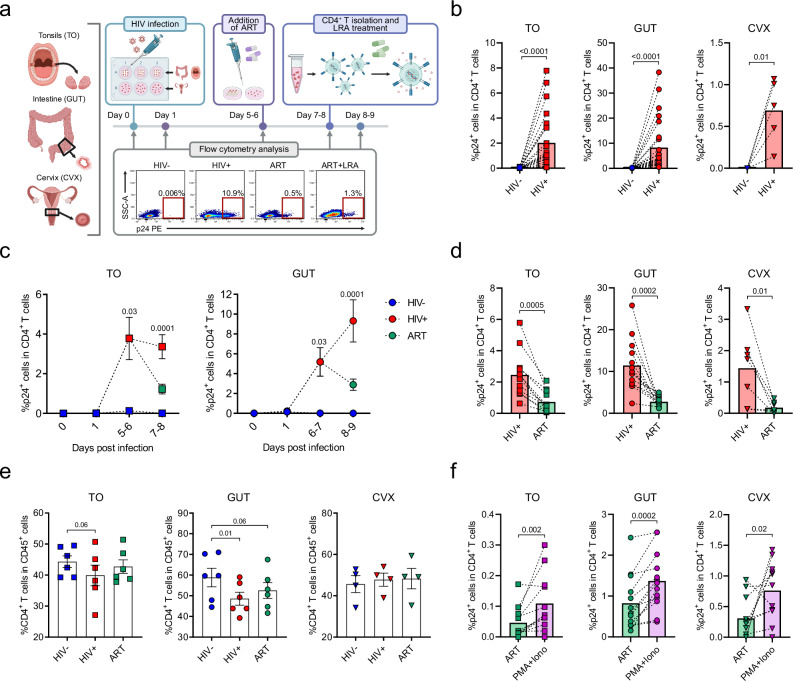
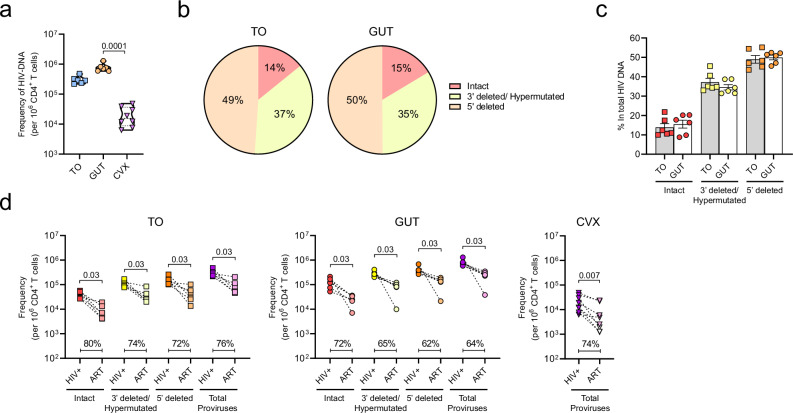
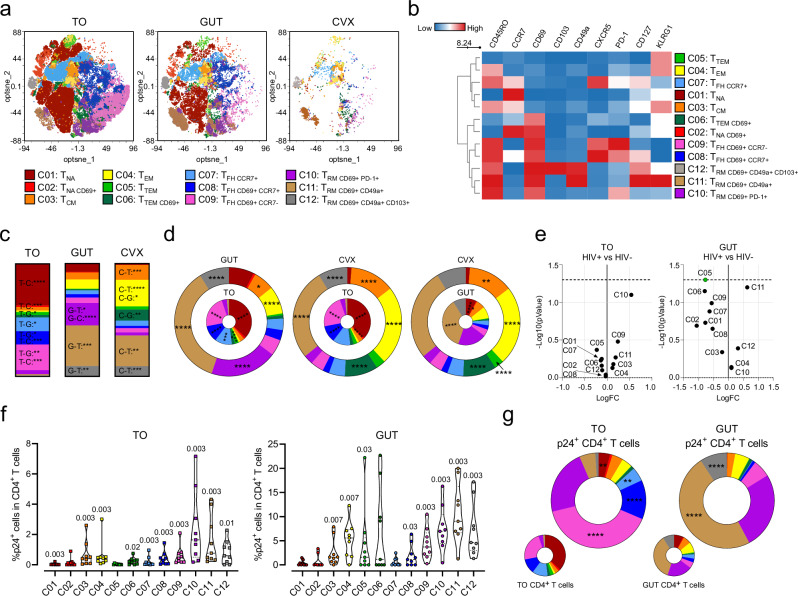
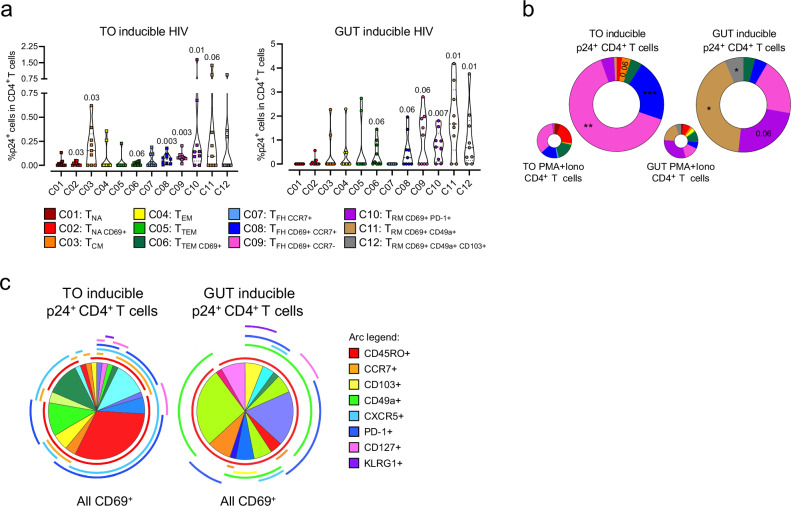
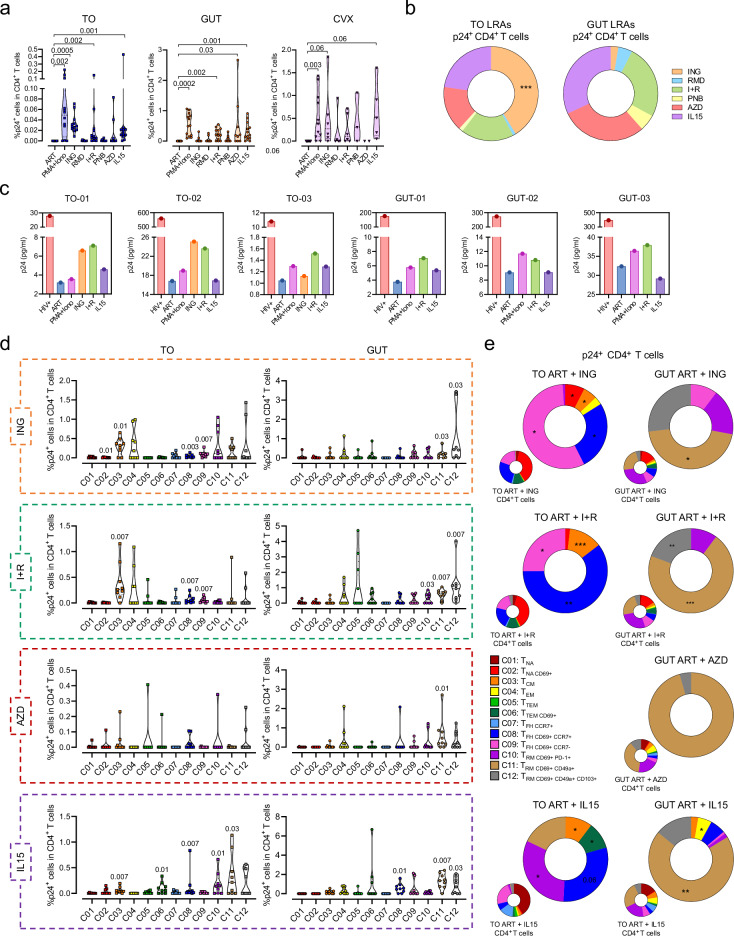
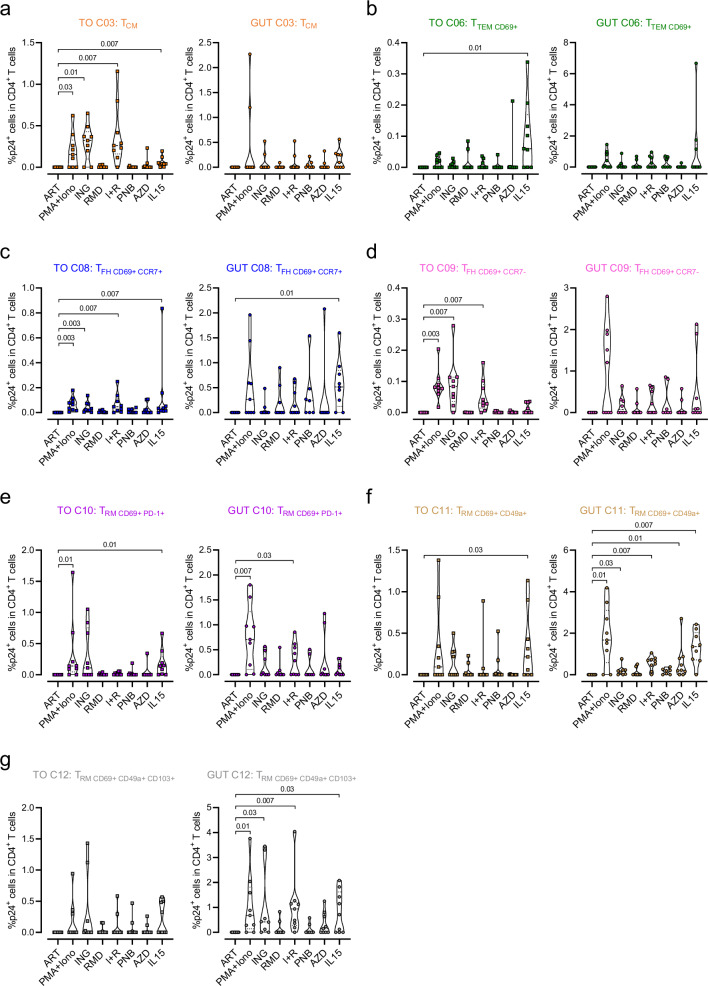
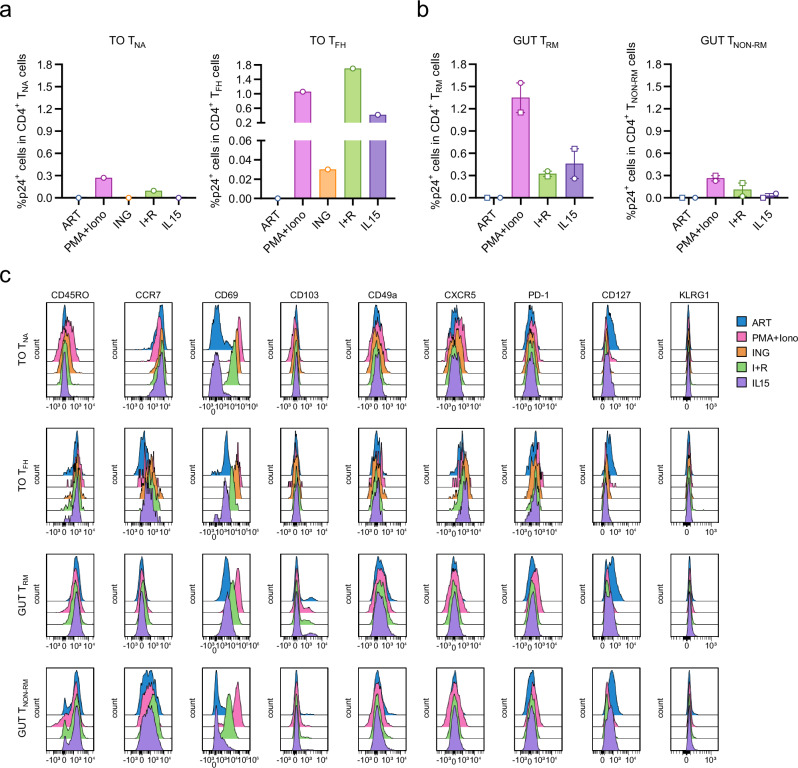
HIV persists in diverse tissues, with distinct cellular reservoirs presenting a major barrier to a cure and requiring targeted therapeutic strategies to address this heterogeneity. Here, we develop tissue models of HIV latency using human tonsillar, intestinal and cervicovaginal tissues. These models reveal differential HIV infection across CD4+ T-cell subpopulations, with ART partially restoring CD4+ T cells and reducing intact HIV DNA. T follicular helper cells (TFH CD69+ CCR7-) are the primary inducible reservoir in tonsils, while tissue-resident memory cells (TRM CD69+ CD49a+) dominate in the intestine. Identification of markers for inducible reservoirs shows that CD69, CD45RO, and PD-1 are shared across tissues, while CXCR5 in tonsils and CD49a in the intestine act as tissue-specific markers. Furthermore, using different latency reversal agents (LRAs) demonstrates that Histone Deacetylase Inhibitors (HDACis) fail to induce HIV in any tissue, the SMAC mimetic AZD5582 is effective only in a resident-memory CD4+ T-cell subpopulation in the intestine, and IL-15 exhibits the broadest reactivation potential across tissues and CD4+ T-cell subsets. These models provide insights into the inducible reservoir’s composition in different tissues and inform strategies for its elimination. HIV’s persistence in diverse tissue reservoirs poses a challenge to cure efforts, necessitating targeted approaches. Here, the authors develop human tissue models of HIV latency and find that inducible reservoirs differ across tissues and CD4⁺ T-cell subsets, highlighting tissue-specific markers and IL-15 as the most effective latency reversal agent.
Overview
The claims and statistics of this paper haven’t been checked yet.
Free: it reads the open-access text and checks the first 5 claims that cite a source we can check. Create a free account to check every claim.
Integrity signals
Registry
Cites
Statistics
Figures
Verification
Claims the paper makes
The claims and statistics of this paper haven’t been checked yet.
Free: it reads the open-access text and checks the first 5 claims that cite a source we can check. Create a free account to check every claim.
Claims other papers make about this one
Each is checked against this paper’s own text: does it say what the citing paper says it does?
The cited source says what the claim attributes to it.
In the citing paper
“These latently infected cells, residing in tissues such as the central nervous system and gut-associated lymphoid tissue, constitute a stable reservoir that is not eliminated by current antiretroviral therapy and is considered the primary barrier to an HIV-1 cure (89–91).”
From Research progress on HIV-1 structural proteins and antiviral therapies (2026) · cites this paper as [91]
Self-check
Percentages, sums and reported differences re-computed from the paper’s own numbers.
The self-check needs the paper’s full text.
Citations
Cites
HIV-1 Dynamics in Vivo: Virion Clearance Rate, Infected Cell Life-Span, and Viral Generation Time
Perelson, A. S., Neumann, A. U., Markowitz, M., Leonard, J. M., & Ho, D. D. (1996) · Science · doi:10.1126/science.271.5255.1582 · Cited by 3,531
Viral dynamics in human immunodeficiency virus type 1 infection
Wei, X., Ghosh, S. K., Taylor, M. E., Johnson, V. A., Emini, E. A., Deutsch, P., Lifson, J. D., Bonhoeffer, S., Nowak, M. A., Hahn, B. H., et al. (1995) · Nature · doi:10.1038/373117a0 · Cited by 3,260
Identification of a reservoir for HIV-1 in patients on highly active antiretroviral therapy
Finzi, D., Hermankova, M., Pierson, T., Carruth, L. M., Buck, C., Chaisson, R. E., Quinn, T. C., Chadwick, K., Margolick, J., Brookmeyer, R., et al. (1997) · Science · doi:10.1126/science.278.5341.1295 · Cited by 3,098
Follicular Helper CD4 T Cells (T FH )
Crotty, S. (2011) · Annual Review of Immunology · doi:10.1146/annurev-immunol-031210-101400 · Cited by 2,738
T follicular helper cell differentiation, function, and roles in disease
Crotty, S. (2014) · Immunity · doi:10.1016/j.immuni.2014.10.004 · Cited by 1,847
HIV-1 Integration in the Human Genome Favors Active Genes and Local Hotspots
Schröder, A. R. W., Shinn, P., Chen, H., Berry, C., Ecker, J. R., & Bushman, F. (2002) · Cell · doi:10.1016/s0092-8674(02)00864-4 · Cited by 1,832 · cited 1×
“Moreover, silencing due to repressive chromatin modi fi cations or transcriptional interference 132 – 134 , as well as integration into heterochromatin 135 , could profoundly impact viral reactivation in speci fi c cell subsets.”
Brenchley, J. M., Schacker, T. W., Ruff, L. E., Price, D. A., Taylor, J. H., Beilman, G. J., Nguyen, P. L., Khoruts, A., Larson, M., Haase, A. T., et al. (2004) · The Journal of Experimental Medicine · doi:10.1084/jem.20040874 · Cited by 1,832
Pantaleo, G., Graziosi, C., Demarest, J. F., Butini, L., Montroni, M., Fox, C. H., Orenstein, J. M., Kotler, D. P., & Fauci, A. S. (1993) · Nature · doi:10.1038/362355a0 · Cited by 1,808
HIV reservoir size and persistence are driven by T cell survival and homeostatic proliferation
Chomont, N., El-Far, M., Ancuta, P., Trautmann, L., Procopio, F. A., Yassine-Diab, B., Boucher, G., Boulassel, M.-R., Ghattas, G., Brenchley, J. M., et al. (2009) · Nature Medicine · doi:10.1038/nm.1972 · Cited by 1,722
Veazey, R. S., DeMaria, M., Chalifoux, L. V., Shvetz, D. E., Pauley, D. R., Knight, H. L., Rosenzweig, M., Johnson, R. P., Desrosiers, R. C., & Lackner, A. A. (1998) · Science · doi:10.1126/science.280.5362.427 · Cited by 1,407
Replication-competent noninduced proviruses in the latent reservoir increase barrier to HIV-1 cure
Ho, Y.-C., Shan, L., Hosmane, N. N., Wang, J., Laskey, S. B., Rosenbloom, D. I. S., Lai, J., Blankson, J. N., Siliciano, J. D., & Siliciano, R. F. (2013) · Cell · doi:10.1016/j.cell.2013.09.020 · Cited by 1,405
CD69 acts downstream of interferon-α/β to inhibit S1P1 and lymphocyte egress from lymphoid organs
Shiow, L. R., Rosen, D. B., Brdičková, N., Xu, Y., An, J., Lanier, L. L., Cyster, J. G., & Matloubian, M. (2006) · Nature · doi:10.1038/nature04606 · Cited by 1,189 · cited 1×
“They are characterized by the expression of CD69, which confers tissue retention properties 47,50 .”
Kumar, B. V., Ma, W., Miron, M., Granot, T., Guyer, R. S., Carpenter, D. J., Senda, T., Sun, X., Ho, S.-H., Lerner, H., et al. (2017) · Cell Reports · doi:10.1016/j.celrep.2017.08.078 · Cited by 1,068
Tissue-Resident Memory T Cells
Schenkel, J. M., & Masopust, D. (2014) · Immunity · doi:10.1016/j.immuni.2014.12.007 · Cited by 1,059 · cited 1×
“T RM can also express the adhesion molecules integrin α E (CD103) and integrin α 1 (CD49a), the immune checkpoint receptor PD-1, and the IL7 receptor-alpha chain (CD127) 47,51,52 .”
Distribution and compartmentalization of human circulating and tissue-resident memory T cell subsets
Sathaliyawala, T., Kubota, M., Yudanin, N., Turner, D., Camp, P., Thome, J. J. C., Bickham, K. L., Lerner, H., Goldstein, M., Sykes, M., et al. (2013) · Immunity · doi:10.1016/j.immuni.2012.09.020 · Cited by 848 · cited 1×
“This prevalence of T RM cells within the human intestinal CD4 + T-cell compartment has been previously documented 54,79 .”
Memory T Cell Subsets, Migration Patterns, and Tissue Residence
Mueller, S. N., Gebhardt, T., Carbone, F. R., & Heath, W. R. (2013) · Annual Review of Immunology · doi:10.1146/annurev-immunol-032712-095954 · Cited by 839
Szabo, P. A., Levitin, H. M., Miron, M., Snyder, M. E., Senda, T., Yuan, J., Cheng, Y. L., Bush, E. C., Dogra, P., Thapa, P., et al. (2019) · Nature Communications · doi:10.1038/s41467-019-12464-3 · Cited by 756
A quantitative approach for measuring the reservoir of latent HIV-1 proviruses
Bruner, K. M., Wang, Z., Simonetti, F. R., Bender, A. M., Kwon, K. J., Sengupta, S., Fray, E. J., Beg, S. A., Antar, A. A. R., Jenike, K. M., et al. (2019) · Nature · doi:10.1038/s41586-019-0898-8 · Cited by 718
Haynes, N. M., Allen, C. D. C., Lesley, R., Ansel, K. M., Killeen, N., & Cyster, J. G. (2007) · The Journal of Immunology · doi:10.4049/jimmunol.179.8.5099 · Cited by 694
Fletcher, C. V., Staskus, K., Wietgrefe, S. W., Rothenberger, M., Reilly, C., Chipman, J. G., Beilman, G. J., Khoruts, A., Thorkelson, A., Schmidt, T. E., et al. (2014) · Proceedings of the National Academy of Sciences · doi:10.1073/pnas.1318249111 · Cited by 664
Low-level viremia persists for at least 7 years in patients on suppressive antiretroviral therapy
Palmer, S., Maldarelli, F., Wiegand, A., Bernstein, B., Hanna, G. J., Brun, S. C., Kempf, D. J., Mellors, J. W., Coffin, J. M., & King, M. S. (2008) · Proceedings of the National Academy of Sciences · doi:10.1073/pnas.0800050105 · Cited by 638
Perreau, M., Savoye, A.-L., De Crignis, E., Corpataux, J.-M., Cubas, R., Haddad, E. K., De Leval, L., Graziosi, C., & Pantaleo, G. (2013) · Journal of Experimental Medicine · doi:10.1084/jem.20121932 · Cited by 630
Rasmussen, T. A., Tolstrup, M., Brinkmann, C. R., Olesen, R., Erikstrup, C., Solomon, A., Winckelmann, A., Palmer, S., Dinarello, C., Buzon, M., et al. (2014) · The Lancet HIV · doi:10.1016/s2352-3018(14)70014-1 · Cited by 628
Spatial map of human T cell compartmentalization and maintenance over decades of life
Thome, J. J. C., Yudanin, N., Ohmura, Y., Kubota, M., Grinshpun, B., Sathaliyawala, T., Kato, T., Lerner, H., Shen, Y., & Farber, D. L. (2014) · Cell · doi:10.1016/j.cell.2014.10.026 · Cited by 587 · cited 1×
“T RM can also express the adhesion molecules integrin α E (CD103) and integrin α 1 (CD49a), the immune checkpoint receptor PD-1, and the IL7 receptor-alpha chain (CD127) 47,51,52 .”
Persistence of HIV in Gut‐Associated Lymphoid Tissue despite Long‐Term Antiretroviral Therapy
Chun, T., Nickle, D. C., Justement, J. S., Meyers, J. H., Roby, G., Hallahan, C. W., Kottilil, S., Moir, S., Mican, J. M., Mullins, J. I., et al. (2008) · The Journal of Infectious Diseases · doi:10.1086/527324 · Cited by 574
Geginat, J., Sallusto, F., & Lanzavecchia, A. (2001) · The Journal of Experimental Medicine · doi:10.1084/jem.194.12.1711 · Cited by 533
The Depsipeptide Romidepsin Reverses HIV-1 Latency In Vivo
Søgaard, O. S., Graversen, M. E., Leth, S., Olesen, R., Brinkmann, C. R., Nissen, S. K., Kjaer, A. S., Schleimann, M. H., Denton, P. W., Hey-Cunningham, W. J., et al. (2015) · PLOS Pathogens · doi:10.1371/journal.ppat.1005142 · Cited by 516
Pathogenesis of HIV infection: what the virus spares is as important as what it destroys
Grossman, Z., Meier-Schellersheim, M., Paul, W. E., & Picker, L. J. (2006) · Nature Medicine · doi:10.1038/nm1380 · Cited by 509
Elliott, J. H., Wightman, F., Solomon, A., Ghneim, K., Ahlers, J., Cameron, M. J., Smith, M. Z., Spelman, T., McMahon, J., Velayudham, P., et al. (2014) · PLoS Pathogens · doi:10.1371/journal.ppat.1004473 · Cited by 504
Lymphoid organs function as major reservoirs for human immunodeficiency virus.
Pantaleo, G., Graziosi, C., Butini, L., Pizzo, P. A., Schnittman, S. M., Kotler, D. P., & Fauci, A. S. (1991) · Proceedings of the National Academy of Sciences · doi:10.1073/pnas.88.21.9838 · Cited by 498
Bullen, C. K., Laird, G. M., Durand, C. M., Siliciano, J. D., & Siliciano, R. F. (2014) · Nature Medicine · doi:10.1038/nm.3489 · Cited by 488
Huster, K. M., Busch, V., Schiemann, M., Linkemann, K., Kerksiek, K. M., Wagner, H., & Busch, D. H. (2004) · Proceedings of the National Academy of Sciences · doi:10.1073/pnas.0308054101 · Cited by 482
Fukazawa, Y., Lum, R., Okoye, A. A., Park, H., Matsuda, K., Bae, J. Y., Hagen, S. I., Shoemaker, R., Deleage, C., Lucero, C., et al. (2015) · Nature Medicine · doi:10.1038/nm.3781 · Cited by 477
Banga, R., Procopio, F. A., Noto, A., Pollakis, G., Cavassini, M., Ohmiti, K., Corpataux, J.-M., de Leval, L., Pantaleo, G., & Perreau, M. (2016) · Nature Medicine · doi:10.1038/nm.4113 · Cited by 471
PD-1 Controls Follicular T Helper Cell Positioning and Function
Shi, J., Hou, S., Fang, Q., Liu, X., Liu, X., & Qi, H. (2018) · Immunity · doi:10.1016/j.immuni.2018.06.012 · Cited by 449
CD4+ T Cells Expressing PD-1, TIGIT and LAG-3 Contribute to HIV Persistence during ART
Fromentin, R., Bakeman, W., Lawani, M. B., Khoury, G., Hartogensis, W., DaFonseca, S., Killian, M., Epling, L., Hoh, R., Sinclair, E., et al. (2016) · PLOS Pathogens · doi:10.1371/journal.ppat.1005761 · Cited by 422
HIV-1 persistence in CD4+ T cells with stem cell–like properties
Buzon, M. J., Sun, H., Li, C., Shaw, A., Seiss, K., Ouyang, Z., Martin-Gayo, E., Leng, J., Henrich, T. J., Li, J. Z., et al. (2014) · Nature Medicine · doi:10.1038/nm.3445 · Cited by 414
Self-citationGetting the “Kill” into “Shock and Kill”: Strategies to Eliminate Latent HIV
Kim, Y., Anderson, J. L., & Lewin, S. R. (2018) · Cell Host & Microbe · doi:10.1016/j.chom.2017.12.004 · Cited by 414
Ex vivo analysis identifies effective HIV-1 latency–reversing drug combinations
Laird, G. M., Bullen, C. K., Rosenbloom, D. I. S., Martin, A. R., Hill, A. L., Durand, C. M., Siliciano, J. D., & Siliciano, R. F. (2015) · Journal of Clinical Investigation · doi:10.1172/jci80142 · Cited by 391
Hiener, B., Horsburgh, B. A., Eden, J.-S., Barton, K., Schlub, T. E., Lee, E., von Stockenstrom, S., Odevall, L., Milush, J. M., Liegler, T., et al. (2017) · Cell Reports · doi:10.1016/j.celrep.2017.09.081 · Cited by 370
Enhanced CD4+ T-Cell Recovery with Earlier HIV-1 Antiretroviral Therapy
Le, T., Wright, E. J., Smith, D. M., He, W., Catano, G., Okulicz, J. F., Young, J. A., Clark, R. A., Richman, D. D., Little, S. J., et al. (2013) · New England Journal of Medicine · doi:10.1056/nejmoa1110187 · Cited by 355
Voehringer, D., Koschella, M., & Pircher, H. (2002) · Blood · doi:10.1182/blood-2002-02-0657 · Cited by 352 · cited 1×
“Additionally, we assessed the expression of KLRG1, a marker associated with a more differentiated CD4 + T-cell pro fi le 71,72 which has also been identi fi ed as an immune inhibitory checkpoint receptor 73 .”
Park, S. L., Zaid, A., Hor, J. L., Christo, S. N., Prier, J. E., Davies, B., Alexandre, Y. O., Gregory, J. L., Russell, T. A., Gebhardt, T., et al. (2018) · Nature Immunology · doi:10.1038/s41590-017-0027-5 · Cited by 326
The Role of PD-1 in Acute and Chronic Infection
Jubel, J. M., Barbati, Z. R., Burger, C., Wirtz, D. C., & Schildberg, F. A. (2020) · Frontiers in Immunology · doi:10.3389/fimmu.2020.00487 · Cited by 307
Systemic HIV and SIV latency reversal via non-canonical NF-κB signalling in vivo
Nixon, C. C., Mavigner, M., Sampey, G. C., Brooks, A. D., Spagnuolo, R. A., Irlbeck, D. M., Mattingly, C., Ho, P. T., Schoof, N., Cammon, C. G., et al. (2020) · Nature · doi:10.1038/s41586-020-1951-3 · Cited by 299
Hardtke, S., Ohl, L., & Förster, R. (2005) · Blood · doi:10.1182/blood-2004-11-4494 · Cited by 297
Pearson, R., Kim, Y. K., Hokello, J., Lassen, K., Friedman, J., Tyagi, M., & Karn, J. (2008) · Journal of Virology · doi:10.1128/jvi.01383-08 · Cited by 297
Yukl, S. A., Gianella, S., Sinclair, E., Epling, L., Li, Q., Duan, L., Choi, A. L. M., Girling, V., Ho, T., Li, P., et al. (2010) · The Journal of Infectious Diseases · doi:10.1086/656722 · Cited by 296
Understanding HIV-1 latency provides clues for the eradication of long-term reservoirs
Coiras, M., López-Huertas, M. R., Pérez-Olmeda, M., & Alcamí, J. (2009) · Nature Reviews Microbiology · doi:10.1038/nrmicro2223 · Cited by 288
Wei, D. G., Chiang, V., Fyne, E., Balakrishnan, M., Barnes, T., Graupe, M., Hesselgesser, J., Irrinki, A., Murry, J. P., Stepan, G., et al. (2014) · PLoS Pathogens · doi:10.1371/journal.ppat.1004071 · Cited by 273
Schuetz, A., Deleage, C., Sereti, I., Rerknimitr, R., Phanuphak, N., Phuang-Ngern, Y., Estes, J. D., Sandler, N. G., Sukhumvittaya, S., Marovich, M., et al. (2014) · PLoS Pathogens · doi:10.1371/journal.ppat.1004543 · Cited by 262
HIV persists throughout deep tissues with repopulation from multiple anatomical sources
Chaillon, A., Gianella, S., Dellicour, S., Rawlings, S. A., Schlub, T. E., De Oliveira, M. F., Ignacio, C., Porrachia, M., Vrancken, B., & Smith, D. M. (2020) · Journal of Clinical Investigation · doi:10.1172/jci134815 · Cited by 250 · cited 1×
“HIV has been detected in most tissues throughout the human body, including critical sanctuary sites such as lymphoid tissues (LT), the gastrointestinal tract, the central nervous system, and the reproductive tract 17,27,28 .”
Morphology and immunology of the human palatine tonsil
Nave, H., Gebert, A., & Pabst, R. (2001) · Anatomy and Embryology · doi:10.1007/s004290100210 · Cited by 248
Transcriptional Interference Antagonizes Proviral Gene Expression to Promote HIV Latency
Lenasi, T., Contreras, X., & Peterlin, B. M. (2008) · Cell Host & Microbe · doi:10.1016/j.chom.2008.05.016 · Cited by 245
Wong, M. T., Ong, D. E. H., Lim, F. S. H., Teng, K. W. W., McGovern, N., Narayanan, S., Ho, W. Q., Cerny, D., Tan, H. K. K., Anicete, R., et al. (2016) · Immunity · doi:10.1016/j.immuni.2016.07.007 · Cited by 241
Wong, J. K., Günthard, H. F., Havlir, D. V., Zhang, Z.-Q., Haase, A. T., Ignacio, C. C., Kwok, S., Emini, E., & Richman, D. D. (1997) · Proceedings of the National Academy of Sciences · doi:10.1073/pnas.94.23.12574 · Cited by 238
Peluso, M. J., Bacchetti, P., Ritter, K. D., Beg, S., Lai, J., Martin, J. N., Hunt, P. W., Henrich, T. J., Siliciano, J. D., Siliciano, R. F., et al. (2020) · JCI Insight · doi:10.1172/jci.insight.132997 · Cited by 230
Pardons, M., Baxter, A. E., Massanella, M., Pagliuzza, A., Fromentin, R., Dufour, C., Leyre, L., Routy, J.-P., Kaufmann, D. E., & Chomont, N. (2019) · PLOS Pathogens · doi:10.1371/journal.ppat.1007619 · Cited by 227
Wong, J. K., & Yukl, S. A. (2016) · Current Opinion in HIV and AIDS · doi:10.1097/coh.0000000000000293 · Cited by 224
Han, Y., Lin, Y. B., An, W., Xu, J., Yang, H.-C., O'Connell, K., Dordai, D., Boeke, J. D., Siliciano, J. D., & Siliciano, R. F. (2008) · Cell Host & Microbe · doi:10.1016/j.chom.2008.06.008 · Cited by 215
T follicular helper cell heterogeneity: Time, space, and function
Song, W., & Craft, J. (2019) · Immunological Reviews · doi:10.1111/imr.12740 · Cited by 203
Abrahams, M.-R., Joseph, S. B., Garrett, N., Tyers, L., Moeser, M., Archin, N., Council, O. D., Matten, D., Zhou, S., Doolabh, D., et al. (2019) · Science Translational Medicine · doi:10.1126/scitranslmed.aaw5589 · Cited by 196
Use of human tissue explants to study human infectious agents
Grivel, J.-C., & Margolis, L. (2009) · Nature Protocols · doi:10.1038/nprot.2008.245 · Cited by 190
Single-Cell Characterization of Viral Translation-Competent Reservoirs in HIV-Infected Individuals
Baxter, A. E., Niessl, J., Fromentin, R., Richard, J., Porichis, F., Charlebois, R., Massanella, M., Brassard, N., Alsahafi, N., Delgado, G.-G., et al. (2016) · Cell Host & Microbe · doi:10.1016/j.chom.2016.07.015 · Cited by 187
Robust and persistent reactivation of SIV and HIV by N-803 and depletion of CD8+ cells
McBrien, J. B., Mavigner, M., Franchitti, L., Smith, S. A., White, E., Tharp, G. K., Walum, H., Busman-Sahay, K., Aguilera-Sandoval, C. R., Thayer, W. O., et al. (2020) · Nature · doi:10.1038/s41586-020-1946-0 · Cited by 187
Yukl, S. A., Shergill, A. K., Ho, T., Killian, M., Girling, V., Epling, L., Li, P., Wong, L. K., Crouch, P., Deeks, S. G., et al. (2013) · The Journal of Infectious Diseases · doi:10.1093/infdis/jit308 · Cited by 184
Phenotypic signatures of immune selection in HIV-1 reservoir cells
Sun, W., Gao, C., Hartana, C. A., Osborn, M. R., Einkauf, K. B., Lian, X., Bone, B., Bonheur, N., Chun, T.-W., Rosenberg, E. S., et al. (2023) · Nature · doi:10.1038/s41586-022-05538-8 · Cited by 180
IL-15–Independent Maintenance of Tissue-Resident and Boosted Effector Memory CD8 T Cells
Schenkel, J. M., Fraser, K. A., Casey, K. A., Beura, L. K., Pauken, K. E., Vezys, V., & Masopust, D. (2016) · The Journal of Immunology · doi:10.4049/jimmunol.1502337 · Cited by 178
Lamers, S. L., Rose, R., Maidji, E., Agsalda‐Garcia, M., Nolan, D. J., Fogel, G. B., Salemi, M., Garcia, D. L., Bracci, P. M., Yong, W. H., et al. (2016) · Journal of Virology · doi:10.1128/jvi.00674-16 · Cited by 172
Matheson, N. J., Sumner, J., Wals, K., Rapiteanu, R., Weekes, M. P., Vigan, R., Weinelt, J., Schindler, M., Antrobus, R., Costa, A. S. H., et al. (2015) · Cell Host & Microbe · doi:10.1016/j.chom.2015.09.003 · Cited by 168
Chen, J., Zhou, T., Zhang, Y., Luo, S., Chen, H., Chen, D., Li, C., & Li, W. (2022) · Frontiers in Cellular and Infection Microbiology · doi:10.3389/fcimb.2022.945956 · Cited by 166
De Scheerder, M.-A., Vrancken, B., Dellicour, S., Schlub, T., Lee, E., Shao, W., Rutsaert, S., Verhofstede, C., Kerre, T., Malfait, T., et al. (2019) · Cell Host & Microbe · doi:10.1016/j.chom.2019.08.003 · Cited by 165
Jones, R. B., Mueller, S., O’Connor, R., Rimpel, K., Sloan, D. D., Karel, D., Wong, H. C., Jeng, E. K., Thomas, A. S., Whitney, J. B., et al. (2016) · PLOS Pathogens · doi:10.1371/journal.ppat.1005545 · Cited by 160
Barriers for HIV Cure: The Latent Reservoir
Castro‐Gonzalez, S., Colomer-Lluch, M., & Serra-Moreno, R. (2018) · AIDS Research and Human Retroviruses · doi:10.1089/aid.2018.0118 · Cited by 158
Tissue adaptation and clonal segregation of human memory T cells in barrier sites
Poon, M. M. L., Caron, D. P., Wang, Z., Wells, S. B., Chen, D., Meng, W., Szabo, P. A., Lam, N., Kubota, M., Matsumoto, R., et al. (2023) · Nature Immunology · doi:10.1038/s41590-022-01395-9 · Cited by 158
Grau-Expósito, J., Luque-Ballesteros, L., Navarro, J., Curran, A., Burgos, J., Ribera, E., Torrella, A., Planas, B., Royes, R. B., Martín-Castillo, M., et al. (2019) · PLoS Pathogens · doi:10.1371/journal.ppat.1007991 · Cited by 156
Self-citationPoles, M. A., Boscardin, W. J., Elliott, J. E., Taing, P., Fuerst, M. M. P., McGowan, I., Brown, S., & Anton, P. A. (2006) · JAIDS Journal of Acquired Immune Deficiency Syndromes · doi:10.1097/01.qai.0000230524.71717.14 · Cited by 139
Selective Decay of Intact HIV-1 Proviral DNA on Antiretroviral Therapy
Gandhi, R. T., Cyktor, J. C., Bosch, R. J., Mar, H., Laird, G. M., Martin, A., Collier, A. C., Riddler, S. A., Macatangay, B. J., Rinaldo, C. R., et al. (2021) · The Journal of Infectious Diseases · doi:10.1093/infdis/jiaa532 · Cited by 137
Clonal CD4+ T cells in the HIV-1 latent reservoir display a distinct gene profile upon reactivation
Cohn, L. B., da Silva, I. T., Valieris, R., Huang, A. S., Lorenzi, J. C. C., Cohen, Y. Z., Pai, J. A., Butler, A. L., Caskey, M., Jankovic, M., et al. (2018) · Nature Medicine · doi:10.1038/s41591-018-0017-7 · Cited by 136
IL-15 enhances immune functions during HIV infection
Chehimi, J., Marshall, J. D., Salvucci, O., Frank, I., Chehimi, S., Kawecki, S., Bacheller, D., Rifat, S., & Chouaib, S. (1997) · The Journal of Immunology · doi:10.4049/jimmunol.158.12.5978 · Cited by 128
Reilly, E. C., Lambert Emo, K., Buckley, P. M., Reilly, N. S., Smith, I., Chaves, F. A., Yang, H., Oakes, P. W., & Topham, D. J. (2020) · Proceedings of the National Academy of Sciences · doi:10.1073/pnas.1915681117 · Cited by 126
Garrido, C., Abad-Fernández, M., Tuyishime, M., Pollara, J., Ferrari, G., Soriano-Sarabia, N., & Margolis, D. M. (2018) · Journal of Virology · doi:10.1128/jvi.00235-18 · Cited by 125
HIV-1 in lymph nodes is maintained by cellular proliferation during antiretroviral therapy
McManus, W. R., Bale, M. J., Spindler, J., Wiegand, A. P., Musick, A., Patro, S. C., Sobolewski, M. D., Musick, V. K., Anderson, E. M., Cyktor, J. C., et al. (2019) · Journal of Clinical Investigation · doi:10.1172/jci126714 · Cited by 125
Miller, J. S., Davis, Z., Helgeson, E. S., Reilly, C., Thorkelson, A., Anderson, J. L., Lima, N. S., Jorstad, S., Hart, G. T., Lee, J. H., et al. (2022) · Nature Medicine · doi:10.1038/s41591-021-01651-9 · Cited by 118
Grau-Expósito, J., Serra‐Peinado, C., Miguel, L., Navarro, J., Curran, A., Burgos, J., Ocaña, I., Ribera, E., Torrella, A., Planas, B., et al. (2017) · mBio · doi:10.1128/mbio.00876-17 · Cited by 112
Self-citationPalmer, S., Josefsson, L., & Coffin, J. M. (2011) · Journal of Internal Medicine · doi:10.1111/j.1365-2796.2011.02457.x · Cited by 111
Resident memory T cells are a cellular reservoir for HIV in the cervical mucosa
Cantero-Pérez, J., Grau-Expósito, J., Serra-Peinado, C., Rosero, D. A., Luque-Ballesteros, L., Astorga-Gamaza, A., Castellví, J., Sanhueza, T., Tapia, G., Lloveras, B., et al. (2019) · Nature Communications · doi:10.1038/s41467-019-12732-2 · Cited by 111
Self-citationTelwatte, S., Lee, S., Somsouk, M., Hatano, H., Baker, C., Kaiser, P., Kim, P., Chen, T.-H., Milush, J., Hunt, P. W., et al. (2018) · PLOS Pathogens · doi:10.1371/journal.ppat.1007357 · Cited by 109
Engaging innate immunity in HIV-1 cure strategies
Nathan L. Board, Moskovljevic, M., Wu, F., Siliciano, R. F., & Siliciano, J. D. (2021) · Nature reviews. Immunology · doi:10.1038/s41577-021-00649-1 · Cited by 107
Studies of HIV-1 latency in an ex vivo model that uses primary central memory T cells
Bosque, A., & Planelles, V. (2010) · Methods · doi:10.1016/j.ymeth.2010.10.002 · Cited by 104
Are T cells the only HIV-1 reservoir?
Kandathil, A. J., Sugawara, S., & Balagopal, A. (2016) · Retrovirology · doi:10.1186/s12977-016-0323-4 · Cited by 103
HIV rapidly targets a diverse pool of CD4+ T cells to establish productive and latent infections
Gantner, P., Buranapraditkun, S., Pagliuzza, A., Dufour, C., Pardons, M., Mitchell, J. L., Kroon, E. D. M. B., Sacdalan, C., Tulmethakaan, N., Pinyakorn, S., et al. (2023) · Immunity · doi:10.1016/j.immuni.2023.01.030 · Cited by 101
Identification of a unique subset of tissue-resident memory CD4 + T cells in Crohn’s disease
Yokoi, T., Murakami, M., Kihara, T., Seno, S., Arase, M., Wing, J. B., Søndergaard, J. N., Kuwahara, R., Minagawa, T., Oguro-Igashira, E., et al. (2022) · Proceedings of the National Academy of Sciences · doi:10.1073/pnas.2204269120 · Cited by 86
Differential Regulation of Killer Cell Lectin-Like Receptor G1 Expression on T Cells
Robbins, S. H., Terrizzi, S. C., Sydora, B. C., Mikayama, T., & Brossay, L. (2003) · The Journal of Immunology · doi:10.4049/jimmunol.170.12.5876 · Cited by 85
Differentiation into an Effector Memory Phenotype Potentiates HIV-1 Latency Reversal in CD4+T Cells
Kulpa, D. A., Talla, A., Brehm, J. H., Ribeiro, S. P., Yuan, S., Bebin-Blackwell, A.-G., Miller, M., Barnard, R., Deeks, S. G., Hazuda, D., et al. (2019) · Journal of Virology · doi:10.1128/jvi.00969-19 · Cited by 82
Phenotypic analysis of the unstimulated in vivo HIV CD4 T cell reservoir
Neidleman, J. A., Luo, X., Frouard, J., Xie, G., Hsiao, F., Ma, T., Morcilla, V., Lee, A., Telwatte, S., Thomas, R., et al. (2020) · eLife · doi:10.7554/elife.60933 · Cited by 82
Jenabian, M.-A., Costiniuk, C. T., Mehraj, V., Ghazawi, F. M., Fromentin, R., Brousseau, J., Brassard, P., Bélanger, M., Ancuța, P., Bendayan, R., et al. (2016) · AIDS · doi:10.1097/qad.0000000000001282 · Cited by 76
Mass Cytometric Analysis of HIV Entry, Replication, and Remodeling in Tissue CD4+ T Cells
Cavrois, M., Banerjee, T., Mukherjee, G., Raman, N., Hussien, R., Rodriguez, B. A., Vasquez, J., Spitzer, M. H., Lazarus, N. H., Jones, J. J., et al. (2017) · Cell Reports · doi:10.1016/j.celrep.2017.06.087 · Cited by 75
The intestinal mucosa as a reservoir of HIV-1 infection after successful HAART
Belmonte, L., Olmos, M. A., Fanín, A., Parodi, C. M., Baré, P., Concetti, H., Pérez, H., de Bracco, M. M. E., & Cahn, P. E. (2007) · AIDS · doi:10.1097/qad.0b013e3282efb74b · Cited by 74
Interconnected subsets of memory follicular helper T cells have different effector functions
Asrir, A., Aloulou, M., Gador, M., Pérals, C., & Fazilleau, N. (2017) · Nature Communications · doi:10.1038/s41467-017-00843-7 · Cited by 73
Dufour, C., Ruiz, M. J., Pagliuzza, A., Richard, C., Shahid, A., Fromentin, R., Ponte, R., Cattin, A., Salinas, T. R. W., Salahuddin, S., et al. (2023) · Cell Reports · doi:10.1016/j.celrep.2023.113053 · Cited by 73
Tsai, P., Wu, G., Baker, C., Thayer, W. O., Spagnuolo, R. A., Sánchez, R. I., Barrett, S. E., Howell, B. J., Margolis, D. M., Hazuda, D. J., et al. (2016) · Retrovirology · doi:10.1186/s12977-016-0268-7 · Cited by 73
Immune privilege and HIV‐1 persistence in the CNS
Persidsky, Y., & Poluektova, L. Y. (2006) · Immunological Reviews · doi:10.1111/j.1600-065x.2006.00440.x · Cited by 70
Th17 CD4+ T-Cell as a Preferential Target for HIV Reservoirs
Renault, C., Veyrenche, N., Mennechet, F. J. D., Bedin, A., Routy, J., de Perre, P. V., Reynes, J., & Tuaillon, É. (2022) · Frontiers in Immunology · doi:10.3389/fimmu.2022.822576 · Cited by 69
T FH in HIV Latency and as Sources of Replication-Competent Virus
Miles, B., & Connick, E. (2016) · Trends in Microbiology · doi:10.1016/j.tim.2016.02.006 · Cited by 67
Pardons, M., Fromentin, R., Pagliuzza, A., Routy, J., & Chomont, N. (2019) · Cell Reports · doi:10.1016/j.celrep.2019.10.101 · Cited by 67
Persistence of an intact HIV reservoir in phenotypically naive T cells
Rullo, E. V., Pinzone, M. R., Cannon, L., Weissman, S., Ceccarelli, M., Zurakowski, R., Nunnari, G., & O’Doherty, U. (2020) · JCI Insight · doi:10.1172/jci.insight.133157 · Cited by 64
Ruffin, N., Brezar, V., Ayinde, D., Lefebvre, C., Wiesch, J. S. Z., van Lunzen, J., Bockhorn, M., Schwartz, O., Hocini, H., Lelièvre, J., et al. (2015) · AIDS · doi:10.1097/qad.0000000000000594 · Cited by 61
IL-15 regulates susceptibility of CD4 + T cells to HIV infection
Manganaro, L., Hong, P. W.-P., Hernandez, M. M., Argyle, D., Mulder, L. C. F., Potla, U., Diaz‐Griffero, F., Lee, B., Fernández-Sesma, A., & Simon, V. R. (2018) · Proceedings of the National Academy of Sciences · doi:10.1073/pnas.1806695115 · Cited by 61
Age-dependent altered proportions in subpopulations of tonsillar lymphocytes
BERGLER, W., ADAM, S., GROSS, H.-J., HÖRMANN, K., & SCHWARTZ-ALBIEZ, R. (2001) · Clinical and Experimental Immunology · doi:10.1046/j.1365-2249.1999.00850.x · Cited by 59
Saluzzo, S., Pandey, R. V., Gail, L. M., Dingelmaier‐Hovorka, R., Kleißl, L., Shaw, L. E., Reininger, B., Atzmüller, D., Strobl, J., Touzeau‐Römer, V., et al. (2021) · Immunity · doi:10.1016/j.immuni.2021.10.021 · Cited by 49
Hsiao, F., Frouard, J., Gramatica, A., Xie, G., Telwatte, S., Lee, G. Q., Roychoudhury, P., Schwarzer, R., Luo, X., Yukl, S. A., et al. (2020) · PLoS Pathogens · doi:10.1371/journal.ppat.1008450 · Cited by 48
Expression of CD20 after viral reactivation renders HIV-reservoir cells susceptible to Rituximab
Serra‐Peinado, C., Grau-Expósito, J., Luque-Ballesteros, L., Astorga-Gamaza, A., Navarro, J., Gallego-Rodriguez, J., Martín-Castillo, M., Curran, A., Burgos, J., Ribera, E., et al. (2019) · Nature Communications · doi:10.1038/s41467-019-11556-4 · Cited by 47
Self-citationAn ordeal that does not heal: understanding barriers to a cure for HIV-1 infection
Lichterfeld, M. D., Gao, C., & Yu, X. G. (2022) · Trends in Immunology · doi:10.1016/j.it.2022.06.002 · Cited by 45
Bui, J. K., Halvas, E. K., Fyne, E., Sobolewski, M. D., Koontz, D., Shao, W., Luke, B., Hong, F. F., Kearney, M. F., & Mellors, J. W. (2017) · PLOS Pathogens · doi:10.1371/journal.ppat.1006230 · Cited by 44
Thornhill, J. P., Fidler, S. J., Klenerman, P., Frater, J., & Phetsouphanh, C. (2017) · Frontiers in Immunology · doi:10.3389/fimmu.2017.00046 · Cited by 42
Gálvez, C., Grau-Expósito, J., Urrea, V., Clotet, B., Falcó, V., Buzón, M. J., & Martínez‐Picado, J. (2021) · mBio · doi:10.1128/mbio.03078-21 · Cited by 41
Self-citationAstorga-Gamaza, A., Perea, D., Sánchez-Gaona, N., Calvet‐Mirabent, M., Gallego-Cortés, A., Grau-Expósito, J., Sánchez‐Cerrillo, I., Rey, J., Castellví, J., Curran, A., et al. (2023) · Cell Reports Medicine · doi:10.1016/j.xcrm.2023.101202 · Cited by 40
Self-citationThe human memory T cell compartment changes across tissues of the female reproductive tract
Davis, A. S. W., Vick, S. C., Pattacini, L., Voillet, V., Hughes, S. M., Lentz, G. M., Kirby, A. C., Fialkow, M. F., Gottardo, R., Hladik, F., et al. (2021) · Mucosal Immunology · doi:10.1038/s41385-021-00406-6 · Cited by 39
Reuschl, A., Mesner, D., Shivkumar, M., Whelan, M. V. X., Pallett, L. J., Guerra‐Assunção, J. A., Madansein, R., Dullabh, K. J., Sigal, A., Thornhill, J. P., et al. (2022) · Cell Reports · doi:10.1016/j.celrep.2022.110650 · Cited by 36
Antonucci, J. M., Kim, S., Gelais, C. S., Bonifati, S., Li, T.-W., Buzovetsky, O., Knecht, K. M., Duchon, A. A., Xiong, Y., Musier‐Forsyth, K., et al. (2018) · Journal of Virology · doi:10.1128/jvi.00292-18 · Cited by 32
Mavigner, M., Liao, L. E., Brooks, A. D., Ke, R., Mattingly, C., Schoof, N., McBrien, J. B., Carnathan, D. G., Liang, S., Vanderford, T. H., et al. (2021) · Journal of Virology · doi:10.1128/jvi.01429-20 · Cited by 32
Banga, R., Procopio, F. A., Cavassini, M. L., & Perreau, M. (2015) · Journal of Virology · doi:10.1128/jvi.02359-15 · Cited by 31
Wang, X., Xu, H., Alvarez, X. A., Pahar, B., Moroney‐Rasmussen, T., Lackner, A. A., & Veazey, R. S. (2011) · PLoS ONE · doi:10.1371/journal.pone.0027207 · Cited by 30
Martin, A. R., Bender, A. M., Hackman, J., Kwon, K. J., Lynch, B. A., Bruno, D. P., Martens, C., Beg, S. A., Florman, S. S., Desai, N. M., et al. (2020) · The Journal of Infectious Diseases · doi:10.1093/infdis/jiaa736 · Cited by 27
Antiretroviral drug exposure in lymph nodes is heterogeneous and drug dependent
Rosen, E. P., Deléage, C., White, N., Sykes, C., Brands, C., Adamson, L., Luciw, P. A., Estes, J. D., & Kashuba, A. D. M. (2022) · Journal of the International AIDS Society · doi:10.1002/jia2.25895 · Cited by 25
Assessment of HIV-1 integration in tissues and subsets across infection stages
Wu, V. H., Nobles, C. L., Kuri-Cervantes, L., McCormick, K., Everett, J. K., Nguyen, S., Estrada, P. M. D. R., González-Navarro, M., Torres-Ruiz, F., Ávila‐Ríos, S., et al. (2020) · JCI Insight · doi:10.1172/jci.insight.139783 · Cited by 24
Asowata, O. E., Singh, A., Ngoepe, A., Herbert, N. G., Fardoos, R., Reddy, K., Zungu, Y., Nene, F., Mthabela, N., Ramjit, D., et al. (2021) · JCI Insight · doi:10.1172/jci.insight.146162 · Cited by 22
Astorga-Gamaza, A., Grau-Expósito, J., Burgos, J., Navarro, J., Curran, A., Raventós, B., Torrella, A., Planas, B., Suanzes, P., Falcó, V., et al. (2022) · eLife · doi:10.7554/elife.78294 · Cited by 22
Self-citationPardons, M., Lambrechts, L., Noppe, Y., Termote, L., Braekeleer, S. D., Vega, J. B., Gulck, E. R. V., Gerlo, S., & Vandekerckhove, L. (2025) · Nature Communications · doi:10.1038/s41467-025-57332-5 · Cited by 22
Covino, D. A., Desimio, M. G., & Doria, M. (2022) · Scientific Reports · doi:10.1038/s41598-022-23010-5 · Cited by 21
Xie, G., Luo, X., Ma, T., Frouard, J., Neidleman, J. A., Hoh, R., Deeks, S. G., Greene, W. C., & Roan, N. R. (2021) · Cell Reports · doi:10.1016/j.celrep.2021.109038 · Cited by 18
Shen, Z., Steeg, L. G. V., Patel, M. V., Rodríguez‐García, M., & Wira, C. R. (2024) · Frontiers in Immunology · doi:10.3389/fimmu.2024.1465124 · Cited by 16
Suanzes, P., Navarro, J., Rando‐Segura, A., Álvarez‐López, P., Garcia, J. N., Descalzo, V., Monforte, A., Arando, M., Rodríguez, L., Planas, B., et al. (2023) · International Journal of Infectious Diseases · doi:10.1016/j.ijid.2023.09.009 · Cited by 15
Self-citationIL-15 enhances HIV-1 infection by promoting survival and proliferation of CCR5+CD4+ T cells
Li, Y., Gao, H., Clark, K. M., & Shan, L. (2023) · JCI Insight · doi:10.1172/jci.insight.166292 · Cited by 14
Targeting HIV persistence in the tissue
Pieren, D. K. J., Benítez-Martínez, A., & Genescà, M. (2024) · Current Opinion in HIV and AIDS · doi:10.1097/coh.0000000000000836 · Cited by 14
Self-citationDefining T Cell Subsets in Human Tonsils Using ChipCytometry
Hagel, J., Bennett, K., Buffa, F. M., Klenerman, P., Willberg, C. B., & Powell, K. (2021) · The Journal of Immunology · doi:10.4049/jimmunol.2100063 · Cited by 12
Maximizing the immunological output of the cervicovaginal explant model
Cantero-Pérez, J., & Genescà, M. (2018) · Journal of Immunological Methods · doi:10.1016/j.jim.2018.06.005 · Cited by 7
Self-citationTokarev, A., Machmach, K., Creegan, M., Kim, D., Eller, M. A., & Bolton, D. L. (2022) · Microbiology Spectrum · doi:10.1128/spectrum.00604-22 · Cited by 7
Cited by
Tissue Reservoirs of HIV: The Hidden Protective Role of Lymphoid and Myeloid Cells
He, S., Zubair, A., & Al-Emam, A. (2026) · Reviews in Medical Virology · doi:10.1002/rmv.70159 · Cited by 5
HIV Reservoirs Across Multiple Tissues: From Heterogeneous Mechanisms to Therapeutic Targeting
Wu, Y., Lan, G.-W., Jiang, L.-Y., & Chen, X. (2026) · Microorganisms · doi:10.3390/microorganisms14040844 · Cited by 4
Advancements in development of novel class of HIV protease inhibitors
Gu, W.-G., Yin, G.-Z., & Zhang, Y. (2026) · Annals of Medicine · doi:10.1080/07853890.2026.2617730 · Cited by 3
Resident CD49a + CD103 + NKG2C + NK cells restrict HIV infection in human lymphoid tissue explants
Perea, D., Gonzalez, A., Gallego-Cortés, A., Sánchez-Gaona, N., Pumarola, F., Ortiz, N., Llano, I., Lorente, J., Falcó, V., Genescà, M., et al. (2026) · Science Advances · doi:10.1126/sciadv.adz1565 · Cited by 3
Self-citationMetformin: Historical Origins, Mechanisms of Action, and Emerging Clinical Applications
Hu, Y., Zhang, X., Yang, C., Wu, X., Ye, X., Yu, J. K., & Yang, Y. (2026) · Diabetes/Metabolism Research and Reviews · doi:10.1002/dmrr.70171 · Cited by 3
Metadata
- Authors
- Gallego-Cortés, A., Sánchez-Gaona, N., Mancebo-Pérez, C., Ruiz-Isant, O., Benítez-Martínez, A., Landolfi, S., Castellví, J., Pumarola, F., Ortiz, N., Llano, I., Lorente, J., Mañalich-Barrachina, L., Prado, J., Martín-Gayo, E., Falcó, V., Genescà, M., & Buzon, M.
- Affiliations
- Universitat Autònoma de Barcelona (ES)
- Vall d'Hebron Hospital Universitari (ES)
- ORCID
- Venue
- Nature Communications
- Published
- 2025-11-24
- Volume
- 16
- Issue
- 1
- Pages
- 10353-10353
- ISSN
- 2041-1723 (ISSN-L)
- PMC
- PMC12645015
- OpenAlex
- W4416690738
- Cited by
- 12
- References
- 139
- Citations by year
- 2026: 12
- FWCI
- 6.01
- Type
- journal article
- Language
- en
- Open access
- gold
- doi.org
- Licence
- cc-by-nc-nd
- creativecommons.org/licenses/by-nc-nd/4.0 (tdm)
- creativecommons.org/licenses/by-nc-nd/4.0 (vor)
- Locations
- Nature Communications (publishedVersion, cc-by-nc-nd)
- bioRxiv (Cold Spring Harbor Laboratory) (acceptedVersion, cc-by)
- PubMed (publishedVersion)
- DIGITAL.CSIC (Spanish National Research Council (CSIC)) (submittedVersion, other-oa)
- DOAJ (DOAJ: Directory of Open Access Journals) (submittedVersion, cc-by-sa)
- Funders
- "la Caixa" Foundation (LCF/PR/HR20/00218)
- Ministry of Economy and Competitiveness | Instituto de Salud Carlos III (CPII22/00005, PI20/00160)
- Topics
- Life Sciences › Immunology and Microbiology › Virology › HIV Research and Treatment
- Life Sciences › Biochemistry, Genetics and Molecular Biology › Genetics › Virus-based gene therapy research
- Health Sciences › Medicine › Infectious Diseases › HIV/AIDS drug development and treatment
- Keywords
- HIV reservoir, HIV latency, tonsillar tissue, intestinal tissue, tissue models, CD4+ T cell subsets, tissue-resident memory T cells, T follicular helper cells, CD69, CD45RO, PD-1, CXCR5, CD49a, latency reversal agents, histone deacetylase inhibitors, IL-15, HIV cure
- MeSH terms
- Cervix Uteri, Disease Reservoirs, Female, Humans, Intestinal Mucosa, Intestines, Palatine Tonsil, CD4-Positive T-Lymphocytes, HIV-1, HIV Infections, Antigens, CD, Virus Latency
About these checks
Registry, retraction, Cites and statistics results are computed, not judged, with one exception: a printed reference that no index lists is read once by a model before it counts as a citation error. Claims are extracted by a model and kept only when their quote appears verbatim in the text; each cited source is then checked, with a model’s help, for whether it says what the claim relies on. Those verdicts can be wrong — read the claim’s quote and the cited source before relying on one.
Statistics and arithmetic are recomputed, not judged.
Confidence bands are shown only for fields calibrated on our annotated test set. None is calibrated yet, so no band is shown.
What counts as a claim ›How we measure confidence ›How we check this ›
Are you an author, or do you see a problem with this page? Request a review
Data sources
Bibliographic data: Semantic Scholar, OpenAlex, Crossref.
Contains information from the Semantic Scholar Academic Graph Datasets, made available under the ODC Attribution License (ODC-BY 1.0).
Semantic Scholar’s data is described in: Kinney, R., et al. (2023). The Semantic Scholar Open Data Platform. arXiv:2301.10140.
