

Cholangiocarcinoma 2020: the next horizon in mechanisms and management
Open accessThe DOI matches its Crossref record; 410 of the 410 references it cites were found in a registry or an index.
Abstract
Cholangiocarcinoma (CCA) includes a cluster of highly heterogeneous biliary malignant tumours that can arise at any point of the biliary tree. Their incidence is increasing globally, currently accounting for ~15% of all primary liver cancers and ~3% of gastrointestinal malignancies. The silent presentation of these tumours combined with their highly aggressive nature and refractoriness to chemotherapy contribute to their alarming mortality, representing ~2% of all cancer-related deaths worldwide yearly. The current diagnosis of CCA by non-invasive approaches is not accurate enough, and histological confirmation is necessary. Furthermore, the high heterogeneity of CCAs at the genomic, epigenetic and molecular levels severely compromises the efficacy of the available therapies. In the past decade, increasing efforts have been made to understand the complexity of these tumours and to develop new diagnostic tools and therapies that might help to improve patient outcomes. In this expert Consensus Statement, which is endorsed by the European Network for the Study of Cholangiocarcinoma, we aim to summarize and critically discuss the latest advances in CCA, mostly focusing on classification, cells of origin, genetic and epigenetic abnormalities, molecular alterations, biomarker discovery and treatments. Furthermore, the horizon of CCA for the next decade from 2020 onwards is highlighted.
Overview
The claims and statistics of this paper haven’t been checked yet.
Free: it reads the open-access text and checks the first 5 claims that cite a source we can check. Create a free account to check every claim.
Integrity signals
Registry
Cites
Statistics
Figures
Verification
Claims the paper makes
The claims and statistics of this paper haven’t been checked yet.
Free: it reads the open-access text and checks the first 5 claims that cite a source we can check. Create a free account to check every claim.
Claims other papers make about this one
Each is checked against this paper’s own text: does it say what the citing paper says it does?
The source backs part of the claim, not all of it — or backs it for a different population, condition or comparison.
In the citing paper
“It is thought that the majority of ICCs are derived from BECs [210], but mouse and human hepatocytes also represent potential sources for ICCs [212, 213].”
From Inflammation and immunity in liver homeostasis and disease: a nexus of hepatocytes, nonparenchymal cells and immune cells (2025) · doi:10.1038/s41423-025-01313-7 · cites this paper as [210]
Experimental — accuracy not yet measuredThe source backs part of the claim, not all of it — or backs it for a different population, condition or comparison.
In the citing paper
“Several studies suggest that cholangiocarcinoma and other biliary tract malignancies are frequently associated with overactivation of the Notch and Hedgehog signaling pathways[61].”
From Liver regeneration after partial hepatectomy: Triggers and mechanisms (2025) · cites this paper as [61]
Experimental — accuracy not yet measuredIn the citing paper
“Intrahepatic cholangiocarcinoma (ICC) is a biliary tree neoplasia that arises in noncirrhotic and cirrhotic livers and has a rising incidence [210, 211].”
From Inflammation and immunity in liver homeostasis and disease: a nexus of hepatocytes, nonparenchymal cells and immune cells (2025) · doi:10.1038/s41423-025-01313-7 · cites this paper as [210]
Self-check
Percentages, sums and reported differences re-computed from the paper’s own numbers.
The self-check needs the paper’s full text.
Citations
Cites
The National Comprehensive Cancer Network: Present and future directions
McGivney, W. T. (1998) · Cancer · doi:10.1002/(sici)1097-0142(19980515)82:10+<2057::aid-cncr14>3.0.co;2-a · Cited by 16,766 · cited 1×
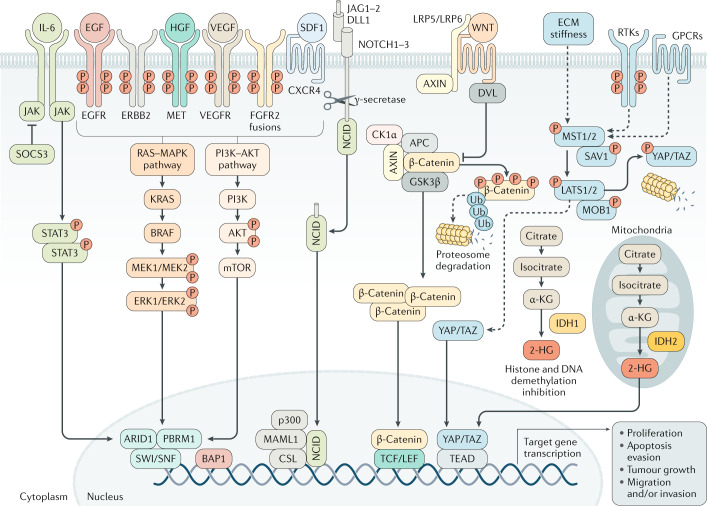
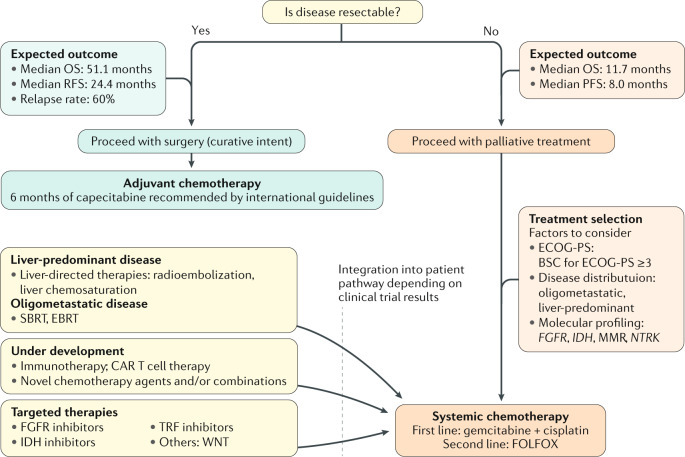
“Patients diagnosed with iCCA in liver-predominant disease might be considered for liver-directed therapies 345,346 .”
BackgroundEpithelial-Mesenchymal Transitions in Development and Disease
Thiery, J. P., Acloque, H., Huang, R. Y. J., & Nieto, M. A. (2009) · Cell · doi:10.1016/j.cell.2009.11.007 · Cited by 9,931 · cited 1×
“EMT is a cell plasticity-promoting phenomenon initially reported to occur during embryogenesis, but that also takes place in cancer, enabling epithelial cancer cells to acquire mesenchymal features with invasive properties that lead to metastatic colonization 174 .”
BackgroundPD-1 Blockade in Tumors with Mismatch-Repair Deficiency
Le, D. T., Uram, J. N., Wang, H., Bartlett, B. R., Kemberling, H., Eyring, A. D., Skora, A. D., Luber, B. S., Azad, N. S., Laheru, D., et al. (2015) · New England Journal of Medicine · doi:10.1056/nejmoa1500596 · Cited by 9,377
Mismatch repair deficiency predicts response of solid tumors to PD-1 blockade
Le, D. T., Durham, J. N., Smith, K. N., Wang, H., Bartlett, B. R., Aulakh, L. K., Lu, S., Kemberling, H., Wilt, C., Luber, B. S., et al. (2017) · Science · doi:10.1126/science.aan6733 · Cited by 6,645 · cited 2×
“In a cohort of 86 patients with MMR-deficient tumours, including four patients with CCA, immune checkpoint blockade with the anti-PDL1 monoclonal antibody pembrolizumab resulted in a complete response in one of the patients with CCA and stabilization of disease in the other three 232 .”
Understanding the tumor immune microenvironment (TIME) for effective therapy
Binnewies, M., Roberts, E. W., Kersten, K., Chan, V., Fearon, D. F., Merad, M., Coussens, L. M., Gabrilovich, D. I., Ostrand-Rosenberg, S., Hedrick, C. C., et al. (2018) · Nature Medicine · doi:10.1038/s41591-018-0014-x · Cited by 6,145 · cited 2×
“…of T cell-infiltrated TMEs, characterized by infiltration of CD8 + T cells, chemo-kines and molecules responsible for T cell priming and immune infiltration, is associated with higher response to immune checkpoint blockade, whereas non-T cell-infiltrated TMEs have poorer responses 214,215 .”
Role of YAP/TAZ in mechanotransduction
Dupont, S., Morsut, L., Aragona, M., Enzo, E., Giulitti, S., Cordenonsi, M., Zanconato, F., Le Digabel, J., Forcato, M., Bicciato, S., et al. (2011) · Nature · doi:10.1038/nature10137 · Cited by 5,979
Mutational heterogeneity in cancer and the search for new cancer-associated genes
Lawrence, M. S., Stojanov, P., Polak, P., Kryukov, G. V., Cibulskis, K., Sivachenko, A., Carter, S. L., Stewart, C., Mermel, C. H., Roberts, S. A., et al. (2013) · Nature · doi:10.1038/nature12213 · Cited by 5,461 · cited 1×
“Regarding genomic alterations, CCA falls midway in the mutational spectrum of cancers 111 , with an approximately equal content of genomic alterations in iCCA (median 39 non-synonymous mutations per tumour) and eCCA (median 35 non-synonymous mutations per tumour) 56 .”
Cisplatin plus Gemcitabine versus Gemcitabine for Biliary Tract Cancer
Valle, J., Wasan, H., Palmer, D. H., Cunningham, D., Anthoney, A., Maraveyas, A., Madhusudan, S., Iveson, T., Hughes, S., Pereira, S. P., et al. (2010) · New England Journal of Medicine · doi:10.1056/nejmoa0908721 · Cited by 4,406 · cited 2×
“The ABC-02 trial randomly assigned 410 patients with ECOG-PS ≤2 to systemic chemotherapy with gemcitabine alone or cisplatin–gemcitabine 336 ; the study showed an OS benefit in favour of cisplatin– gemcitabine (HR 0.64), a benefit confirmed in the Japanese randomized phase II BT22 study 337 .”
InfluentialSelf-citationThe biology and function of fibroblasts in cancer
Kalluri, R. (2016) · Nature Reviews Cancer · doi:10.1038/nrc.2016.73 · Cited by 4,366 · cited 1×
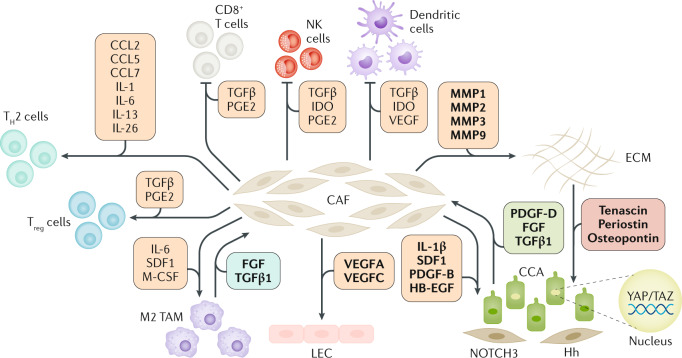
“CAFs are a heterogeneous population of spindle-shaped cells with mesenchymal origin that contribute to tumour progression in many human cancers 199 .”
New insights into the mechanisms of epithelial–mesenchymal transition and implications for cancer
Dongre, A., & Weinberg, R. A. (2019) · Nature Reviews Molecular Cell Biology · doi:10.1038/s41580-018-0080-4 · Cited by 3,876
Research works printed but not linked: 3
- Bosman, F. T., Carneiro, F., Hruban, R. & Theise N. WHO Classification of Tumours: Digestive System Tumours 5th edn Vol. 1 (IARC, 2019).
- Hamilton, S. R. A. et al. WHO Classification of Tumours: Pathology and Genetics of Tumours of the Digestive System 3rd edn Vol. 2 (IARC, 2000).
- Amin, M. B. et al. AJCC Cancer Staging Manual (Springer, 2017).
Cited by
Items 901–1,000 of 1,002
Chen, T.-I., Chen, M., Yin, S., Lin, C.-J., Lam, T. K., Huang, C.-W., Chen, Y., Liu, X.-R., Gao, Y.-Z., Hsu, W., et al. (2025) · Hepatology · doi:10.1097/hep.0000000000001312 · Cited by 13
“[1] Its aggressive nature, nonspecific symptoms, and late-stage diagnosis pose significant clinical challenges, underscoring the need for effective prevention strategies.”
Nivolumab: an investigational agent for the treatment of biliary tract cancer
Federico, A. D., Rizzo, A., Ricci, A. D., Frega, G., Palloni, A., Tavolari, S., & Brandi, G. (2020) · Expert Opinion on Investigational Drugs · doi:10.1080/13543784.2021.1863946 · Cited by 9
“Biliary tract cancers (BTCs) include four uncommon primary biliary malignancies: intrahepatic cholangiocarcinoma (iCCA), extrahepatic (eCCA), gallbladder cancer (GBC), and ampulla of Vater cancer (AVC) [1,2].”
BackgroundCurrent challenges to underpinning the genetic basis for cholangiocarcinoma
Cigliano, A., Chen, X., & Calvisi, D. F. (2021) · Expert Review of Gastroenterology & Hepatology · doi:10.1080/17474124.2021.1915128 · Cited by 9
“%), SMAD4 (14.3%), GNAS (11.4%), PBRM1 (11.4%), ELF3 (8.6%), KMT2C (8.6%), NF1 (8.6%), PIK3CA (8.6%), ARID1A (5.7%), ARID2 (5.7%), BAP1 (5.7%), BRAF (5.7%), EPHA6 (5.7%), ERBB2 (5.7%), ERBB3 (5.7%), KMT2D (5.7%), and RNF43 (5.7%).”
BackgroundSelf-citationWang, Q., Xu, Y., Wang, S., Hu, A., Pan, Y., & Zhang, S. (2021) · Annals of Diagnostic Pathology · doi:10.1016/j.anndiagpath.2021.151828 · Cited by 9
Marcus, R. K., Borgogno, S. F., Hosein, A. N., Foo, W. C., Ghosh, B., Zhao, J., Rajapakshe, K., Brugarolas, J., Maitra, A., & Gupta, S. (2021) · Cancers · doi:10.3390/cancers13225709 · Cited by 10
Gruttadauria, S., Barbera, F., Pagano, D., Liotta, R., Miraglia, R., Barbàra, M., Bavetta, M. G., Cammà, C., Petridis, I., Carlo, D. D., et al. (2021) · Cancers · doi:10.3390/cancers13236049 · Cited by 9
“From a pathogenic point of view, the large heterogeneity and the rare occurrence of iCCA, together with reduced knowledge of its molecular mechanisms, are features contributing to the difficulties in finding an appropriate cure [6,20].”
BackgroundNovel and emerging targets for cholangiocarcinoma progression: therapeutic implications
Fonkoua, L. A. K., Usón, P. L. S., Mody, K., Mahipal, A., Borad, M. J., & Roberts, L. R. (2022) · Expert Opinion on Therapeutic Targets · doi:10.1080/14728222.2022.2029412 · Cited by 9
“While the incidence of eCCA has remained relatively stable, the incidence and mortality of iCCA have been increasing over the past few decades, making it the second most common primary liver cancer after hepatocellular carcinoma (HCC)[1].”
BackgroundInfluentialSelf-citationHoresh, N., Bomze, D., Lim, C., Markel, G., Meirson, T., & Azoulay, D. (2022) · HepatoBiliary Surgery and Nutrition · doi:10.21037/hbsn-21-118 · Cited by 9
“Surgery is the only potential curative option for cholangiocarcinoma (CC) but is indicated in only ~25% of patients (1), whereas most patients are diagnosed at a deemed unresectable stage and candidates for palliative treatment only.”
BackgroundQuan, B., Li, M., Lu, S., Li, J., Liu, W., Zhang, F., Chen, R., Ren, Z., & Yin, X. (2022) · Frontiers in Oncology · doi:10.3389/fonc.2022.824541 · Cited by 9
Wang, S., Yadav, A. K., Han, J., Ahn, K. S., & Jang, B. (2022) · International Journal of Molecular Sciences · doi:10.3390/ijms23116353 · Cited by 9
“Cholangiocarcinoma (CCA), which forms in the bile ducts, currently accounts for ~15% of hepatobiliary cancers and ~3% of gastrointestinal malignancies [1,2], and men have a slightly higher incidence of CCA and mortality from cancer than women [3].”
BackgroundZhang, X., He, Y., Ren, P., Chen, L., Han, Z., Qi, L., Chen, L., Luo, Y., Zhang, N., Lu, W., et al. (2022) · Frontiers in Oncology · doi:10.3389/fonc.2022.927298 · Cited by 9
Brandi, G., Straíf, K., Mandrioli, D., Curti, S., Mattioli, S., & Tavolari, S. (2022) · Annals of Global Health · doi:10.5334/aogh.3660 · Cited by 9
Rizzo, A., Carloni, R., Frega, G., Palloni, A., Federico, A. D., Ricci, A. D., Luca, R. D., Tavolari, S., & Brandi, G. (2022) · Current Oncology · doi:10.3390/curroncol29070402 · Cited by 9
“Overall, these malignancies account for approximately 10–15% of primary liver cancers [3]; unfortunately, potentially curative surgical resection is possible in only around 25% of BTC patients at diagnosis, and even following radical surgery, relapse rates remain high [4,5].”
Influentialda Fonseca, L. G., Hashizume, P. H. S., de Oliveira, I. S., Izquierdo‐Sánchez, L., Saud, L. R. D. C., Xerfan, M. P., Alves, V. A. F., de Mello, E. S., Herman, P., Bañales, J. M., et al. (2022) · Cancers · doi:10.3390/cancers14143483 · Cited by 11
“It is increasingly evident that intra- and extrahepatic CCAs are associated with distinct mutational profile, [1], while both were associated with high prevalence of metabolic factors in the present cohort.”
BackgroundInvestigating VEGF. miR-145-3p, and miR-101-3p Expression in Patients with Cholangiocarcinoma
Calastri, M. C. J., Fernandes-Ferreira, R., Tenani, G. D., Spinola, L., Vieira, G., Botelho, M. R. R., Abrantes, A. M., Tralhão, J. G., de Brito, A. F., da Silva, R. F., et al. (2022) · Asian Pacific Journal of Cancer Prevention · doi:10.31557/apjcp.2022.23.7.2233 · Cited by 9
“CCA is a silent disease in the early stages and often is diagnosed in advanced stages, , resulting in a worse prognosis and low survival rate (Banales et al., 2020).”
BackgroundStereotactic radiotherapy for intrahepatic cholangiocarcinoma
Borakati, A., Froghi, F., Bhogal, R. H., & Mavroeidis, V. K. (2022) · World Journal of Gastrointestinal Oncology · doi:10.4251/wjgo.v14.i8.1478 · Cited by 9
Current and emerging anti-angiogenic therapies in gastrointestinal and hepatobiliary cancers
Gonzalez, N. S., Castet, F., Élez, E., Macarulla, T. M., & Tabernero, J. M. (2022) · Frontiers in Oncology · doi:10.3389/fonc.2022.1021772 · Cited by 10
Wang, J., Shi, Y., Chen, J., Liu, J., Zhao, X., Pang, J., Sun, X., Tian, Y., Ou, Q., Xia, F., et al. (2023) · Cancer Biology & Therapy · doi:10.1080/15384047.2023.2223375 · Cited by 10
“0 months, respectively, for CCA patients receiving palliative systemic chemotherapy due to unresectable disease.(8) The influence of patient age on CCA prognosis is incon-”
BackgroundExtracellular Vesicles in Liver Transplantation: Current Evidence and Future Challenges
Stefano, N. D., Calleri, A., Faini, A. C., Navarro‐Tableros, V., Martini, S., Deaglio, S., Patrono, D., & Romagnoli, R. (2023) · International Journal of Molecular Sciences · doi:10.3390/ijms241713547 · Cited by 10
“Cholangiocarcinoma (CCA) is the second most frequent primary liver malignancy often associated with cholestatic diseases like primary sclerosing cholangitis (PSC) [45].”
BackgroundInfluentialUpdate on the Screening, Diagnosis, and Management of Cholangiocarcinoma.
Kodali, S., Connor, A. A., Brombosz, E. W., & Ghobrial, R. M. (2024) · PubMed Central · Cited by 11
Histopathological growth pattern and vessel co-option in intrahepatic cholangiocarcinoma
Li, Z., Canh, H. N., Takahashi, K., Thanh, D. L., Thi, Q. N., Yang, R., Yoshimura, K., Sato, Y., Thi, K. N., Nakata, H., et al. (2024) · Medical Molecular Morphology · doi:10.1007/s00795-024-00392-1 · Cited by 9
“It is the second most common primary liver malignancy after hepatocellular carcinoma (HCC), accounting for about 5–15% of all primary hepatic tumors [2, 3, 5–7].”
BackgroundPanayotova, G. G., Guerra, J. J., Guarrera, J. V., & Lunsford, K. E. (2021) · Journal of Clinical Medicine · doi:10.3390/jcm10112428 · Cited by 8
“Diagnosis of localized iCCA requires a combination of imaging, tumor markers, and histological confirmation [1,8].”
BackgroundMethodInfluentialBourien, H., Lamarca, Á., McNamara, M. G., Hubner, R. A., Valle, J. W., & Edeline, J. (2021) · Expert Opinion on Investigational Drugs · doi:10.1080/13543784.2021.1964470 · Cited by 9
“Intra-hepatic CCA carcinogenesis seems to be driven by genetic alterations such as IDH1/2, PBRM1, ARID1A, and BAP1 mutations; these subgroups also had epigenetic aberrations such as hypermethylation of histones [6,63].”
BackgroundSelf-citationThe gut-liver axis in cholangiopathies: focus on bile acid based pharmacological treatment.
Cariello, M., Gadaleta, R. M., & Moschetta, A. (2022) · PubMed Central · doi:10.1097/mog.0000000000000807 · Cited by 4
Translational Value of Tumor-Associated Lymphangiogenesis in Cholangiocarcinoma
Cadamuro, M., Romanzi, A., Guido, M., Sarcognato, S., Cillo, U., Gringeri, E., Zanus, G., Strazzabosco, M., Simioni, P., Villa, E., et al. (2022) · Journal of Personalized Medicine · doi:10.3390/jpm12071086 · Cited by 9
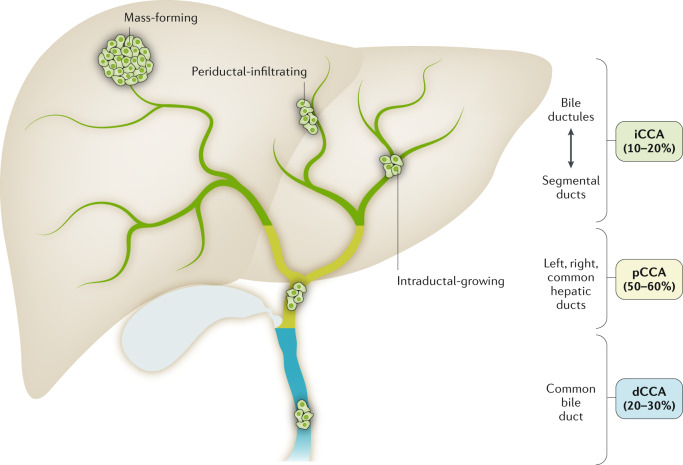
“Cholangiocarcinoma is the primary liver cancer with the highest lethality, independent of the anatomical subtype, which is currently classified into intrahepatic (iCCA), perihilar (pCCA), and distal (dCCA) [1].”
BackgroundSelf-citationHowell, T. C., Rhodin, K. E., Shaw, B. I., Bao, J., Kanu, E. N., Masoud, S. J., Bartholomew, A. J., Gao, Q., Anwar, I. J., Ladowski, J. M., et al. (2024) · Journal of Gastrointestinal Surgery · doi:10.1016/j.gassur.2024.02.029 · Cited by 8
Li, X., Liu, A., Mu, X., Wang, Z., Xiao, J., Qu, Y., Huang, Z., Ye, Z., & Xu, Y. (2024) · Journal of Translational Internal Medicine · doi:10.1515/jtim-2024-0033 · Cited by 9
“5,8-14] Statistics on CHOL reveal that in 2017, there were 210,878 new cases and 173,974 deaths worldwide.”
Carpino, G., Overi, D., Macías, R. I. R., Cardinale, V., Izquierdo‐Sánchez, L., Acedo, P., Rengo, M., Doukas, M., Kendall, T. J., Caldéraro, J., et al. (2025) · Hepatology · doi:10.1097/hep.0000000000001425 · Cited by 11
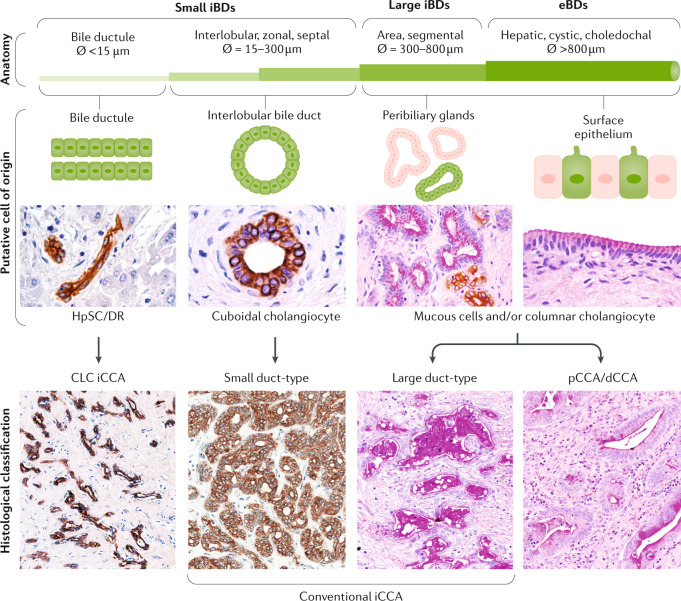
“[6] Mucin-containing and secreting cells are present in extrahepatic and large intrahepatic bile ducts, mainly in associated peribiliary glands.”
Self-citationStenzinger, A., Normanno, N., Lamarca, Á., Rimassa, L., Bibeau, F., Tanière, P., Vogel, A., & Hollebecque, A. (2025) · Expert Review of Molecular Diagnostics · doi:10.1080/14737159.2025.2521538 · Cited by 8
Zhang, B., Lu, S., Xiao, X., Xu, Y., Zhang, S., Chen, L., & Zhou, W. (2025) · Cell Death and Disease · doi:10.1038/s41419-025-07804-9 · Cited by 8
Advances in Biliary Disease Organoid Research: From Model Construction to Clinical Applications
Peng, B., Huang, M., Zhang, J., & Xiang, Y. (2025) · Advanced Healthcare Materials · doi:10.1002/adhm.202501776 · Cited by 8
le Brun, I. C., Grapinet, E., Aurillac, V., Hollebecque, A., Parent, P., Girot, P., Tougeron, D., Gendreau, M., Chanez, B., Assénat, E., et al. (2025) · European Journal of Cancer · doi:10.1016/j.ejca.2025.115670 · Cited by 8
Clinical Utility and Prognostic Implications of Circulating Cell-Free DNA in Biliary Tract Cancer
Cowzer, D., Darmofal, M., Seier, K. P., Thummalapalli, R., Walch, H. S., Dika, I. E., Khalil, D. N., Park, W., Dhyani, A., Yaqubie, A., et al. (2025) · JCO Precision Oncology · doi:10.1200/po-25-00355 · Cited by 10
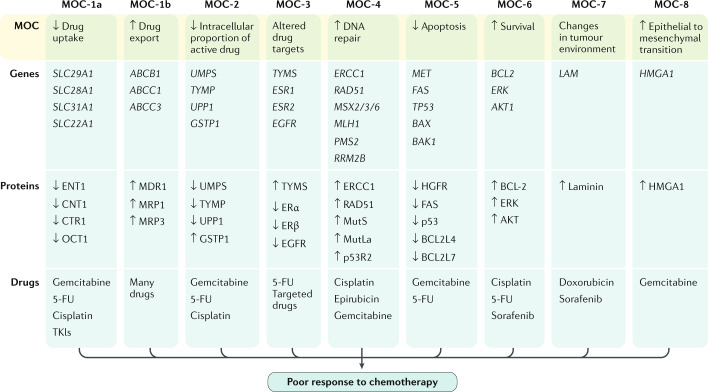
Molecular Mechanisms of Gemcitabine Resistance in Cholangiocarcinoma
Kidoikhammouan, S., Saengboonmee, C., Wongkham, S., & Seubwai, W. (2025) · Oncology Research Featuring Preclinical and Clinical Cancer Therapeutics · doi:10.32604/or.2025.069027 · Cited by 9
“It is a nucleoside analog that acts as a prodrug.”
Theragnostics in primary and secondary liver tumors: the need for a personalized approach
Filippi, L., & Braat, A. J. A. T. (2021) · The Quarterly Journal of Nuclear Medicine and Molecular Imaging · doi:10.23736/s1824-4785.21.03407-5 · Cited by 12
Current Perspectives in Liver Transplantation for Perihilar Cholangiocarcinoma
Giovinazzo, F., Pascale, M. M., Cardella, F., Picarelli, M., Molica, S., Zotta, F., Martullo, A., Clarke, G., Frongillo, F., Grieco, A., et al. (2023) · Current Oncology · doi:10.3390/curroncol30030225 · Cited by 8
“Similarly, a consensus statement from the International Cholangiocarcinoma Consensus Group emphasised the importance of a multidisciplinary approach, including collaboration between surgeons, medical oncologists, and radiation oncologists, in the management of perihilar cholangiocarcinoma [53].”
BackgroundCadamuro, M., Sarcognato, S., Camerotto, R., Girardi, N., Lasagni, A., Zanus, G., Cillo, U., Gringeri, E., Morana, G., Strazzabosco, M., et al. (2023) · International Journal of Molecular Sciences · doi:10.3390/ijms24054748 · Cited by 8
“Anatomically, CCAs are classified as intrahepatic (iCCA), peri-hilar (pCCA), and distal (dCCA) [1].”
BackgroundSelf-citationLucarini, V., Nardozi, D., Angiolini, V., Benvenuto, M., Focaccetti, C., Carrano, R., Besharat, Z. M., Bei, R., & Masuelli, L. (2023) · Biomedicines · doi:10.3390/biomedicines11061761 · Cited by 8
“CCA includes a heterogeneous group of malignancies arising along the biliary tree epithelium and represents an estimated 3–5% of all GI system malignancies [18,19].”
BackgroundZhou, Y., Liu, Z., Cheng, Y., Li, J., & Fu, W. (2024) · Journal of Gastrointestinal Surgery · doi:10.1016/j.gassur.2024.01.023 · Cited by 8
Liu, Q., Zhu, J., Huang, Z., Bian, Y., Liu, X., Zhang, J., Zheng, L., Gu, Y., Chen, Y., Xu, D., et al. (2024) · Technology in Cancer Research & Treatment · doi:10.1177/15330338241239139 · Cited by 8
“8 NK cells are currently widely targeted in immunotherapy for cancer patients without major histocompatibility complex (MHC) class I. 59 When the MHC I expression level is downregulated or silenced in cancer cells, NK cells are activated to remove tumor cells.”
BackgroundMeng, X., Zhou, Y., Xu, L., Hu, L., Wang, C., Tian, X., Zhang, X., Hao, Y., Cheng, B., Ma, J., et al. (2024) · ACS Central Science · doi:10.1021/acscentsci.4c00163 · Cited by 8
Madzikatire, T. B., Heng, S., Gu, H., Shan, Y., Lin, E.-H., Banda, J., Debora, A., Madziva, B. A., Bowa, M. J., Mudhuri, M. G., et al. (2024) · Frontiers in Immunology · doi:10.3389/fimmu.2024.1390887 · Cited by 9
“Speci fi cally, programmed cell death protein 1 (PD-1) inhibitors have been tested in advanced and unresectable CCA (2).”
BackgroundPressiani, T., Balsano, R., Giordano, L., Milella, M., Bergamo, F., Bozzarelli, S., Noventa, S., Ferrrari, D., Scartozzi, M., Parra, H. J. S., et al. (2024) · European Journal of Cancer · doi:10.1016/j.ejca.2024.114196 · Cited by 8
Mantas, A., Otto, C. C., Olthof, P. B., Heise, D., Hoyer, D. P., Bruners, P., Dewulf, M., Lang, S. A., Ulmer, T. F., Neumann, U. P., et al. (2024) · PLoS ONE · doi:10.1371/journal.pone.0304838 · Cited by 8
“Moreover, for patients with pCCA, a 90-day mortality of up to 15% after surgical treatment has been reported [6–8].”
BackgroundYin, L., Duan, A., Zhang, W., Li, B., Zhao, T., Xu, X., Yang, L., Nian, B., Lu, K., Chen, S., et al. (2024) · Genomics · doi:10.1016/j.ygeno.2024.110916 · Cited by 8
New perspectives in biliary tract cancers
Goetze, T. O., Roderburg, C., Friedrich, F. W., & Trojan, J. (2024) · ESMO Gastrointestinal Oncology · doi:10.1016/j.esmogo.2024.100092 · Cited by 9
“22 23-25 FGFR2 is a protein that constitutes the cell surface tyrosine kinase receptor for fi broblast growth factor.”
Zhang, W., Dong, C., Li, Z., Shi, H., Xu, Y., & Zhu, M. (2024) · Journal of Pharmaceutical and Biomedical Analysis · doi:10.1016/j.jpba.2024.116457 · Cited by 8
Ziegler, J., Dobsch, P., Rozema, M., Zuber-Jerger, I., Weigand, K., Reuther, S., Müller, M., & Kandulski, A. (2024) · Gastrointestinal Endoscopy · doi:10.1016/j.gie.2024.09.001 · Cited by 9
Exploiting acquired vulnerability to develop novel treatments for cholangiocarcinoma
Areewong, S., Suppramote, O., Prasopporn, S., & Jirawatnotai, S. (2024) · Cancer Cell International · doi:10.1186/s12935-024-03548-2 · Cited by 8
Mi, S., Qiu, G., Zhang, Z., Jin, Z., Xie, Q., Hou, Z., Ji, J. F., & Huang, J. (2024) · BioScience Trends · doi:10.5582/bst.2024.01282 · Cited by 8
Lerksuthirat, T., Prasopporn, S., Wikiniyadhanee, R., Chitphuk, S., Stitchantrakul, W., Own‐eium, P., Jirawatnotai, S., & Dejsuphong, D. (2025) · Oncology Letters · doi:10.3892/ol.2025.14874 · Cited by 8
“If the tumor is considered to be resectable, surgical resection is typically the initial approach, followed by adjuvant chemotherapy to reduce the risk of recurrence (2).”
Park, W. S., Lee, S. K., Gwack, J., Lee, S. Y., Cho, Y. G., Kang, S., & Park, J. (2025) · International Journal of Molecular Sciences · doi:10.3390/ijms26041577 · Cited by 8
“Cholangiocarcinoma (CCA), a malignant tumor of the biliary system, is the second most common primary hepatobiliary cancer, comprising approximately 15% of cases in this category [1,2].”
Lee, J., Morshidi, N. A. A. B., Lee, J., Sim, W., & Kim, J.-H. (2025) · Biochemical and Biophysical Research Communications · doi:10.1016/j.bbrc.2025.151515 · Cited by 8
Sitthirak, S., Wangwiwatsin, A., Jusakul, A., Namwat, N., Klanrit, P., Dokduang, H., Sa-Ngiamwibool, P., Titapun, A., Jareanrat, A., Thanasukarn, V., et al. (2025) · Scientific Reports · doi:10.1038/s41598-025-95142-3 · Cited by 8
Self-citationRestoring FXR expression as a novel treatment strategy in liver cancer and other liver disorders
Girisa, S., Aswani, B. S., Manickasamy, M. K., Hegde, M., Alqahtani, M. S., Abbas, M., Sethi, G., & Kunnumakkara, A. B. (2025) · Expert Opinion on Therapeutic Targets · doi:10.1080/14728222.2025.2487465 · Cited by 8
“CCA, represents the second most common hepatic malignancy after HCC, and could arise from any portion of the biliary tree [229].”
Navigating the Paradox of IL‐22: Friend or Foe in Hepatic Health?
Qin, J., Zhu, W., & Zhou, W. (2025) · Journal of Gastroenterology and Hepatology · doi:10.1111/jgh.16991 · Cited by 9
Prognostic Role of MTAP Loss in Cholangiocarcinoma
Lyon, J., Osataphan, S. A., Birda, V., Russell, B. M., Edmiston, C., Paredes, R., Rattani, A., & Peters, M. L. B. (2025) · JCO Precision Oncology · doi:10.1200/po-24-00842 · Cited by 11
Cadamuro, M., Lasagni, A., Lamarca, Á., Fouassier, L., Guido, M., Sarcognato, S., Gringeri, E., Cillo, U., Strazzabosco, M., Marín, J. J. G., et al. (2021) · Expert Opinion on Investigational Drugs · doi:10.1080/13543784.2021.1880564 · Cited by 8
“with this goal have been less informative in eCCA than in iCCA [4].”
BackgroundInfluentialSelf-citationCholangiocarcinoma: early detection and screening in high-risk population
Muñoz, S., Rimola, J., Londoño, M., Cárdenas, A., & Forner, A. (2022) · Hepatoma Research · doi:10.20517/2394-5079.2022.22 · Cited by 8
Self-citationBile detection of squamous cell carcinoma antigen (SCCA) in extrahepatic cholangiocarcinoma
Gringeri, E., Biasiolo, A., Giunta, M. D., Mescoli, C., Guzzardo, V., Sartori, A., Cirillo, G., Nieddu, E., D’Amico, F. E., Pontisso, P., et al. (2022) · Digestive and Liver Disease · doi:10.1016/j.dld.2022.10.010 · Cited by 8
Acetaldehyde Dehydrogenases in Liver Zonation and Liver Cancer
Jin-Smith, B., Jn‐Simon, N., Basha, S., Sun, C., Wu, S., Barkin, J., & Pi, L. (2023) · Gene Expression · doi:10.14218/ge.2022.00022 · Cited by 11
Gunchick, V., McDevitt, R. L., Choi, E., Winslow, K., Zalupski, M. M., & Sahai, V. (2023) · The Oncologist · doi:10.1093/oncolo/oyad063 · Cited by 8
Ahmed, F. A., Khan, S. A., Hafeez, M. S., Jehan, F., & Aziz, H. (2023) · Journal of Surgical Oncology · doi:10.1002/jso.27369 · Cited by 8
“Many factors may be associated with this relationship, which includes an increase in comorbidities commonly seen in the elderly, diabetes mellitus, alcoholic liver disease, and nonalcoholic fatty liver disease.(3) This presents a unique challenge for providers aiming to choose a therapeutic regimen for elderly patient…”
BackgroundSelf-citationRole of Percutaneous Ablation in the Management of Intrahepatic Cholangiocarcinoma
Charalampopoulos, G., Iezzi, R., Tsitskari, M., Mazioti, A., Papakonstantinou, O., Kelekis, A., Kelekis, N., & Filippiadis, D. K. (2023) · Medicina · doi:10.3390/medicina59071186 · Cited by 9
“Cholangiocarcinoma (CCA) is an aggressive primary malignancy arising from the epithelial cells of the biliary tract and is the second most common primary liver cancer after hepatocellular carcinoma (HCC) [1].”
BackgroundMa, M., Zeng, G., Tan, B., Zhao, G., Su, Q., Zhang, W., Song, Y., Liang, J., Xu, B., Wang, Z., et al. (2023) · American Journal of Physiology-Gastrointestinal and Liver Physiology · doi:10.1152/ajpgi.00243.2022 · Cited by 8
Möhring, C., Khan, O., Zhou, T., Sadeghlar, F., Mahn, R., Kaczmarek, D. J., Dold, L., Toma, M. I., Marinova, M., Glowka, T. R., et al. (2023) · Frontiers in Oncology · doi:10.3389/fonc.2023.1227036 · Cited by 8
Promising Outcomes of Modified ALPPS for Staged Hepatectomy in Cholangiocarcinoma
Mehrabi, A., Golriz, M., Ramouz, A., Khajeh, E., Hammad, A., Hackert, T., Müller-Stich, B. P., Strobel, O., Ali‐Hasan‐Al‐Saegh, S., Ghamarnejad, O., et al. (2023) · Cancers · doi:10.3390/cancers15235613 · Cited by 8
“Patients with cholangiocarcinoma who underwent conventional liver resection were reported to have the median RFS and OS of 24.4 and 51.1 months, respectively [62].”
BackgroundResultInfluentialYin, Z., Liu, Q., Gao, Y., Wang, R., Qi, Y., Wang, D., Chen, L., Yin, X., He, M., & Li, W. (2024) · Molecular Carcinogenesis · doi:10.1002/mc.23697 · Cited by 9
“21,22 Surgical resection is the primary clinical intervention for patients with early ‐ stage CCA.”
BackgroundPerioperative and palliative systemic treatments for biliary tract cancer
Taghizadeh, H., Dong, Y., Gruenberger, T., & Prager, G. W. (2024) · Therapeutic Advances in Medical Oncology · doi:10.1177/17588359241230756 · Cited by 10
“38 In the neoadjuvant setting, it is of utmost importance to preserve liver function in cirrhotic patients, while achieving optimal anti-tumor effect of the systemic therapy.”
BackgroundBabaodan overcomes cisplatin resistance in cholangiocarcinoma via inhibiting YAP1
Li, J., Ma, X., Xu, F., Yan, Y., & Chen, W. (2024) · Pharmaceutical Biology · doi:10.1080/13880209.2024.2331060 · Cited by 9
“As a result, CCA is the second most prevalent primary liver cancer, trailing only hepato-cellular carcinoma (Banales et al. 2020).”
BackgroundSaeheng, T., Karbwang, J., & Na‐Bangchang, K. (2024) · Biomedicines · doi:10.3390/biomedicines12040844 · Cited by 8
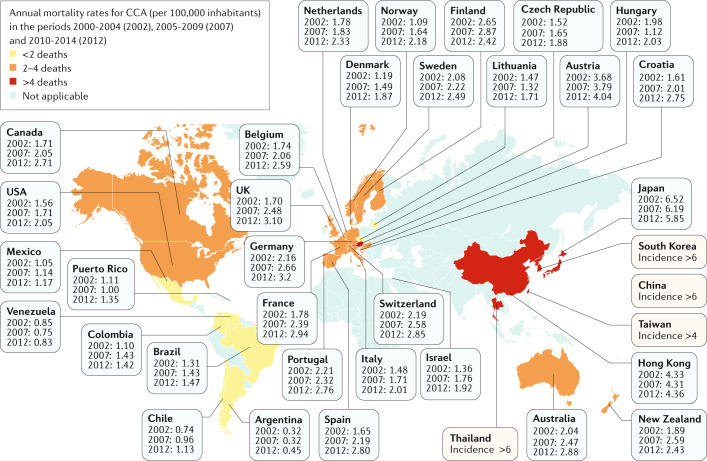
“High incidence is reported in Thailand, Korea, Japan, and China [1].”
BackgroundInfluentialMarušić, M., Paić, M., Knobloch, M., & Vodanović, M. (2021) · Diagnostics · doi:10.3390/diagnostics11111944 · Cited by 8
“CCAs are usually asymptomatic in early stages and therefore, often diagnosed when the disease is already in advanced stages [4].”
BackgroundAllen, M. J., & Knox, J. J. (2021) · Hepatoma Research · doi:10.20517/2394-5079.2021.98 · Cited by 8
Lee, Y.-T., Singal, A. G., Luu, M., Nissen, N., Gores, G. J., & Yang, J. D. (2022) · Gastro Hep Advances · doi:10.1016/j.gastha.2021.10.010 · Cited by 8
Self-citationSilibinin Therapy Improves Cholangiocarcinoma Outcomes by Regulating ERK/Mitochondrial Pathway
Bai, Y., Chen, J., Hu, W., Wang, L., Wu, Y., & Yu, S. (2022) · Frontiers in Pharmacology · doi:10.3389/fphar.2022.847905 · Cited by 8
“It is the second most common hepatobiliary pancreatic tumor in the world, accounting for 3% of all gastrointestinal malignancies (Banales et al., 2020).”
BackgroundPan, Y., Wu, C., Huang, W., Chen, M., Lan, K.-H., & Yeh, C. (2022) · Frontiers in Immunology · doi:10.3389/fimmu.2022.982196 · Cited by 8
Rizzo, A., Salati, M., Frega, G., Merz, V., Caputo, F., Federico, A. D., Palloni, A., Carloni, R., Ricci, A. D., Gadaleta‐Caldarola, G., et al. (2022) · Medicina · doi:10.3390/medicina58111543 · Cited by 8
“Unfortunately, potentially curative surgical resection is possible only in a small proportion of BTCs at diagnosis since most patients present with locally advanced unresectable or metastatic disease [4,5].”
BackgroundLiver transplantation and intrahepatic cholangiocarcinoma: time to go forward again?
Kodali, S., Saharia, A., & Ghobrial, R. M. (2022) · Current Opinion in Organ Transplantation · doi:10.1097/mot.0000000000000983 · Cited by 8
“The most commonly found mutations in iCCA are in isocitrate dehydrogenase 1/2 (IDH1/2), FGFR2 fusions, BAP1, B-raf (BRAF), AT-rich interaction domain 1A (ARID1A), KRAS, tumor protein 53 (P53) and Smad family member 4 (SMAD4) genes [47].”
BackgroundWang, D., Pan, B., Huang, J., Chen, Q., Cui, S., Lang, R., & Lyu, S. (2023) · Frontiers in Oncology · doi:10.3389/fonc.2023.1106029 · Cited by 8
“The silent and asymptomatic nature of dCCA, particularly in its early stages, in combination with its high aggressiveness, intra- and inter-tumor heterogeneity, and chemoresistance, significantly compromises the efficacy of current therapeutic options, contributing to a dismal prognosis (22).”
BackgroundChemotherapy and targeted therapy for advanced biliary tract cancers: an umbrella review
Wang, Y., Wen, N., Wang, S., Nie, G., Tian, Y., Lu, J., & Li, B. (2023) · BMC Cancer · doi:10.1186/s12885-023-10679-8 · Cited by 8
“About 70% of patients with cholangiocarcinoma were already in advanced stage when diagnosed, and about half of patients with gallbladder cancer were accidentally discovered during or after cholecystectomy [2].”
BackgroundSinniah, R., Shapses, M. A., Ahmed, M. U., Babiker, H. M., & Chandana, S. R. (2021) · Expert Opinion on Investigational Drugs · doi:10.1080/13543784.2021.1985461 · Cited by 8
“base) and modest resectability rates (outside early-stage dCCA) [2,69,70].”
TRK inhibition in cholangiocarcinoma: Trying to teach an old dog new tricks
Rizzo, A., & Brandi, G. (2021) · Cancer Treatment and Research Communications · doi:10.1016/j.ctarc.2021.100351 · Cited by 9
Immunotherapy in biliary tract cancer: The race has begun!
Mauro, E., & Forner, A. (2023) · Liver International · doi:10.1111/liv.15651 · Cited by 8
Self-citationMundada, K., Pellerito, J. S., Srivastava, B., & Revzin, M. V. (2024) · Radiologic Clinics of North America · doi:10.1016/j.rcl.2024.07.010 · Cited by 7
Xu, R., Zhou, J., Yang, J., Yu, Y., Wang, H., Zhang, Z., Yang, J., Zhang, G., & Liao, R. (2024) · BioScience Trends · doi:10.5582/bst.2024.01376 · Cited by 7
An, W., Zhang, K., Li, G., Zheng, S., Cao, Y., & Liu, J. (2024) · Translational Oncology · doi:10.1016/j.tranon.2024.102234 · Cited by 9
Diagnosis of Cholangiocarcinoma: The New Biological and Technological Horizons
Selvaggi, F., Lopetuso, L. R., Pizzi, A. D., Melchiorre, E., Murgiano, M., Taraschi, A. L., Cotellese, R., Diana, M., Vivarelli, M., Mocchegiani, F., et al. (2025) · Diagnostics · doi:10.3390/diagnostics15081011 · Cited by 7
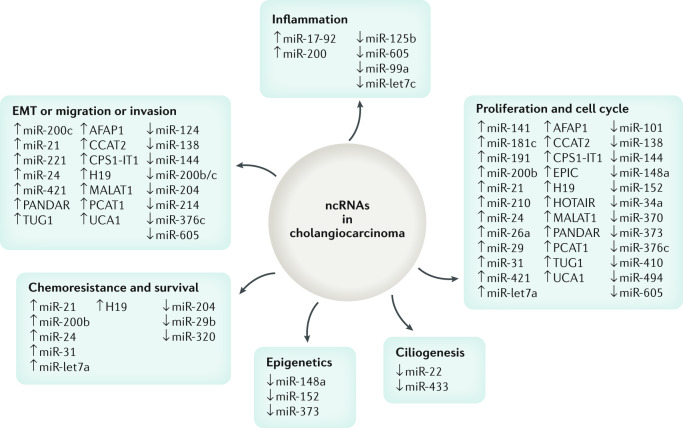
“In particular, dysregulation of non-coding RNAs has been implicated in controlling the expression of genes that regulate cell survival, proliferation and chemoresistance in CCA [32,50].”
Best practices in sample management and molecular profiling of cholangiocarcinoma: a practical guide
Castet, F., Salcedo, M. T., Nuciforo, P. G., Aguilar, S., & Vivancos, A. P. (2025) · Expert Review of Molecular Diagnostics · doi:10.1080/14737159.2025.2518145 · Cited by 7
Biliary tract cancers: advances in diagnostic and management
Gutmans, J., & Mechahougui, H. (2025) · Exploration of Targeted Anti-tumor Therapy · doi:10.37349/etat.2025.1002328 · Cited by 8
The Evolving Landscape of microRNAs in Cholangiocarcinoma and Pancreatic Cancer
Schneider, A. O., Bîrsan, S., Anderco, P., Ichim, C., Todor, S. B., Dura, H., Fleacă, R. S., & Boicean, A. (2025) · Diagnostics · doi:10.3390/diagnostics15182285 · Cited by 8
“Rare variants, such as adenosquamous, mucinous, or clear-cell carcinomas, have been described but remain exceedingly uncommon and lack specific therapeutic implications [4].”
Pan, Y., Zhang, N., Fu, X., Wang, X., Ma, Y., Chen, Q., Zhou, Y., Liu, H., Zhu, Y., Xu, L., et al. (2025) · Journal of Experimental & Clinical Cancer Research · doi:10.1186/s13046-025-03564-8 · Cited by 9
“Anatomical complexity, insidious onset, and profound chemoresistance contribute to its characteristically poor prognosis [2, 3].”
Anatomic subsets of cholangiocarcinoma: More different than alike
Dong, Y., Stumpf, H. E., Smoot, R. L., Starlinger, P. P., Yarchoan, M. M., Gores, G. J., & Ilyas, S. I. (2026) · Hepatology · doi:10.1097/hep.0000000000001672 · Cited by 8
Self-citationMolecular Testing for Intrahepatic Cholangiocarcinoma: What, When, How?
Barsch, M., Dopfer, E.-P., Schultheis, A. M., & Quante, M. (2026) · Journal of Gastrointestinal Cancer · doi:10.1007/s12029-026-01397-y · Cited by 8
“1 ) [ 3].”
Abou‐Alfa, G. K., Borbath, I., Roychowdhury, S., Goyal, L., Lamarca, Á., Macarulla, T. M., Shroff, R. T., Oh, D.-Y., Tamaş, C., Savastano, D. M., et al. (2026) · ESMO Open · doi:10.1016/j.esmoop.2026.106306 · Cited by 8
Can repeated surgical resection offer a chance of cure for recurrent cholangiocarcinoma?
Laurenzi, A., Brandi, G., Greco, F., Prosperi, E., Palloni, A., Serenari, M., Frega, G., Ravaioli, M., Rizzo, A., & Cescon, M. (2023) · Langenbeck s Archives of Surgery · doi:10.1007/s00423-023-02839-y · Cited by 7
“The incidence of cholangiocarcinomas (CCA), as well as the related mortality rate, has progressively increased over the last decades, representing a global health problem [1].”
Ouabain at nanomolar concentrations is cytotoxic for biliary tract cancer cells
Mayr, C., Kiesslich, T., Bekric, D., Beyreis, M., Kittl, M., Ablinger, C., Neureiter, E., Pichler, M., Prinz, F., Ritter, M., et al. (2023) · PLoS ONE · doi:10.1371/journal.pone.0287769 · Cited by 7
“On a molecular level, BTCs harbor a complex landscape of genetic aberrations which affects, among others, cell cycle regulation, signal transduction and apoptosis response [2].”
BackgroundGao, X., Yu, S., Liu, S., Zhang, S., Sha, X., Sun, D., & Jiang, X. (2023) · Environmental Toxicology · doi:10.1002/tox.23898 · Cited by 7
“However, the development of targeted medical strategies for BTC was limited by its abundant genetic heterogeneity, highly desmoplastic nature and intricate tumor microenvironment.(6,7) Fortunately, the advent of nextgeneration sequencing broke the deadlock and made the discovery of feasible molecular alterations of BT…”
BackgroundBiliary Tract Cancer: Molecular Biology of Precursor Lesions
Manzano‐Núñez, F., Aguilar, L. P. T., Sempoux, C. L., & Lemaigre, F. P. (2023) · Seminars in Liver Disease · doi:10.1055/a-2207-9834 · Cited by 8
Immunogenomics of cholangiocarcinoma
Gehl, V., O’Rourke, C. J., & Andersen, J. B. (2023) · Hepatology · doi:10.1097/hep.0000000000000688 · Cited by 8
Self-citationCohort study to assess geographical variation in cholangiocarcinoma treatment in England
José, S., Zalin‐Miller, A., Knott, C. S., Paley, L., Tataru, D., Morement, H., Toledano, M. B., & Khan, S. A. (2023) · World Journal of Gastrointestinal Oncology · doi:10.4251/wjgo.v15.i12.2077 · Cited by 8
Self-citation
Metadata
- Authors
- Banales, J. M., Marin, J. J. G., Lamarca, A., Rodrigues, P. M., Khan, S. A., Roberts, L. R., Cardinale, V., Carpino, G., Andersen, J. B., Braconi, C., Calvisi, D. F., Perugorria, M. J., Fabris, L., Boulter, L., Macias, R. I. R., Gaudio, E., Alvaro, D., Gradilone, S. A., Strazzabosco, M., Marzioni, M., Coulouarn, C., Fouassier, L., Raggi, C., Invernizzi, P., Mertens, J. C., Moncsek, A., Ilyas, S. I., Heimbach, J., Koerkamp, B. G., Bruix, J., Forner, A., Bridgewater, J., Valle, J. W., & Gores, G. J.
- Affiliations
- University of the Basque Country (ES)
- Hammersmith Hospital (GB)
- Mayo Clinic (US)
- Sapienza University of Rome (IT)
- Foro Italico University of Rome (IT)
- University of Copenhagen (DK)
- University of Glasgow (GB)
- University of Regensburg (DE)
- University of Padua (IT)
- Institute of Genetics and Cancer (GB)
- University of Minnesota (US)
- Marche Polytechnic University (IT)
- Inserm (FR)
- University of Florence (IT)
- University of Milano-Bicocca (IT)
- University of Zurich (CH)
- Erasmus MC (NL)
- Instituto de Salud Carlos III (ES)
- University College London (GB)
- National Health Service (GB)
- ORCID
- Banales, Jesus M.
- Marin, Jose J. G.
- Lamarca, Angela
- Rodrigues, Pedro M.
- Khan, Shahid A.
- Roberts, Lewis R.
- Cardinale, Vincenzo
- Carpino, Guido
- Andersen, Jesper B.
- Braconi, Chiara
- Calvisi, Diego F.
- Perugorria, Maria J.
- Fabris, Luca
- Boulter, Luke
- Macias, Rocio I. R.
- Gaudio, Eugenio
- Alvaro, Domenico
- Gradilone, Sergio A.
- Strazzabosco, Mario
- Marzioni, Marco
- Coulouarn, Cédric
- Fouassier, Laura
- Raggi, Chiara
- Invernizzi, Pietro
- Mertens, Joachim C.
- Moncsek, Anja
- Ilyas, Sumera I.
- Heimbach, Julie
- Koerkamp, Bas Groot
- Bruix, Jordi
- Forner, Alejandro
- Bridgewater, John
- Valle, Juan W.
- Gores, Gregory J.
- Venue
- Nature Reviews Gastroenterology & Hepatology
- Published
- 2020-06-30
- Volume
- 17
- Issue
- 9
- Pages
- 557-588
- ISSN
- 1759-5045 (ISSN-L)
- 1759-5053
- PMC
- PMC7447603
- OpenAlex
- W3039360174
- Semantic Scholar
- 18f2779f042888382d9adc72b2c1546bbf440cf9
- Cited by
- 2,411
- References
- 410
- Citations by year
- 2026: 259 · 2025: 482 · 2024: 461 · 2023: 434 · 2022: 455 · 2021: 271 · 2020: 39
- FWCI
- 68.28
- Type
- journal article
- Language
- en
- Open access
- hybrid
- doi.org
- Licence
- cc-by
- creativecommons.org/licenses/by/4.0 (tdm)
- creativecommons.org/licenses/by/4.0 (vor)
- Locations
- Nature Reviews Gastroenterology & Hepatology (publishedVersion, cc-by)
- PubMed Central (publishedVersion, cc-by)
- PubMed (publishedVersion)
- Hispana (publishedVersion, other-oa)
- EUR Research Repository (Erasmus University Rotterdam) (publishedVersion, other-oa)
- Florence Research (University of Florence) (submittedVersion, other-oa)
- Università Politecnica delle Marche (Università Politecnica delle Marche) (submittedVersion, cc-by)
- Padua Research Archive (University of Padova) (submittedVersion, cc-by)
- EUR Research Repository (Erasmus University Rotterdam) (submittedVersion, other-oa)
- RePub (Erasmus University Rotterdam) (submittedVersion, other-oa)
- HAL (submittedVersion, other-oa)
- Communities in ADDI (University of the Basque Country) (submittedVersion, cc-by)
- BOA (University of Milano-Bicocca) (submittedVersion, cc-by)
- LA Referencia (Red Federada de Repositorios Institucionales de Publicaciones Científicas) (submittedVersion, cc-by)
- UCL Discovery (University College London) (submittedVersion)
- University of Regensburg Publication Server (University of Regensburg) (submittedVersion)
- Gredos (University of Salamanca) (submittedVersion, other-oa)
- IRIS Research product catalog (Sapienza University of Rome) (submittedVersion, cc-by)
- Funders
- Cholangiocarcinoma Foundation
- Novo Nordisk Fonden (NNF19OC0058419, NNF15OC0014040)
- National Institutes of Health (UL1TR001863)
- National Cancer Institute (K08CA236874, P50CA210964)
- National Institute of Diabetes and Digestive and Kidney Diseases (P30DK034989)
- National Center for Advancing Translational Sciences
- Topics
- Health Sciences › Medicine › Surgery › Cholangiocarcinoma and Gallbladder Cancer Studies
- Health Sciences › Medicine › Surgery › Pediatric Hepatobiliary Diseases and Treatments
- Health Sciences › Medicine › Hepatology › Liver Diseases and Immunity
- Keywords
- cholangiocarcinoma, biliary tract cancer, tumor heterogeneity, cell of origin, genetic alterations, epigenetic modifications, molecular alterations, biomarker discovery, diagnosis, treatment, prognosis, tumor classification
- MeSH terms
- Bile Duct Neoplasms, Humans, Cholangiocarcinoma
About these checks
Registry, retraction, Cites and statistics results are computed, not judged, with one exception: a printed reference that no index lists is read once by a model before it counts as a citation error. Claims are extracted by a model and kept only when their quote appears verbatim in the text; each cited source is then checked, with a model’s help, for whether it says what the claim relies on. Those verdicts can be wrong — read the claim’s quote and the cited source before relying on one.
Statistics and arithmetic are recomputed, not judged.
Confidence bands are shown only for fields calibrated on our annotated test set. None is calibrated yet, so no band is shown.
What counts as a claim ›How we measure confidence ›How we check this ›
Are you an author, or do you see a problem with this page? Request a review
Data sources
Bibliographic data: Semantic Scholar, OpenAlex, Crossref.
Contains information from the Semantic Scholar Academic Graph Datasets, made available under the ODC Attribution License (ODC-BY 1.0).
Semantic Scholar’s data is described in: Kinney, R., et al. (2023). The Semantic Scholar Open Data Platform. arXiv:2301.10140.
