

Cholangiocarcinoma 2020: the next horizon in mechanisms and management
Open accessThe DOI matches its Crossref record; 410 of the 410 references it cites were found in a registry or an index.
Abstract
Cholangiocarcinoma (CCA) includes a cluster of highly heterogeneous biliary malignant tumours that can arise at any point of the biliary tree. Their incidence is increasing globally, currently accounting for ~15% of all primary liver cancers and ~3% of gastrointestinal malignancies. The silent presentation of these tumours combined with their highly aggressive nature and refractoriness to chemotherapy contribute to their alarming mortality, representing ~2% of all cancer-related deaths worldwide yearly. The current diagnosis of CCA by non-invasive approaches is not accurate enough, and histological confirmation is necessary. Furthermore, the high heterogeneity of CCAs at the genomic, epigenetic and molecular levels severely compromises the efficacy of the available therapies. In the past decade, increasing efforts have been made to understand the complexity of these tumours and to develop new diagnostic tools and therapies that might help to improve patient outcomes. In this expert Consensus Statement, which is endorsed by the European Network for the Study of Cholangiocarcinoma, we aim to summarize and critically discuss the latest advances in CCA, mostly focusing on classification, cells of origin, genetic and epigenetic abnormalities, molecular alterations, biomarker discovery and treatments. Furthermore, the horizon of CCA for the next decade from 2020 onwards is highlighted.
Overview
The claims and statistics of this paper haven’t been checked yet.
Free: it reads the open-access text and checks the first 5 claims that cite a source we can check. Create a free account to check every claim.
Integrity signals
Registry
Cites
Statistics
Figures
Verification
Claims the paper makes
The claims and statistics of this paper haven’t been checked yet.
Free: it reads the open-access text and checks the first 5 claims that cite a source we can check. Create a free account to check every claim.
Claims other papers make about this one
Each is checked against this paper’s own text: does it say what the citing paper says it does?
The source backs part of the claim, not all of it — or backs it for a different population, condition or comparison.
In the citing paper
“It is thought that the majority of ICCs are derived from BECs [210], but mouse and human hepatocytes also represent potential sources for ICCs [212, 213].”
From Inflammation and immunity in liver homeostasis and disease: a nexus of hepatocytes, nonparenchymal cells and immune cells (2025) · doi:10.1038/s41423-025-01313-7 · cites this paper as [210]
Experimental — accuracy not yet measuredThe source backs part of the claim, not all of it — or backs it for a different population, condition or comparison.
In the citing paper
“Several studies suggest that cholangiocarcinoma and other biliary tract malignancies are frequently associated with overactivation of the Notch and Hedgehog signaling pathways[61].”
From Liver regeneration after partial hepatectomy: Triggers and mechanisms (2025) · cites this paper as [61]
Experimental — accuracy not yet measuredIn the citing paper
“Intrahepatic cholangiocarcinoma (ICC) is a biliary tree neoplasia that arises in noncirrhotic and cirrhotic livers and has a rising incidence [210, 211].”
From Inflammation and immunity in liver homeostasis and disease: a nexus of hepatocytes, nonparenchymal cells and immune cells (2025) · doi:10.1038/s41423-025-01313-7 · cites this paper as [210]
Self-check
Percentages, sums and reported differences re-computed from the paper’s own numbers.
The self-check needs the paper’s full text.
Citations
Cites
The National Comprehensive Cancer Network: Present and future directions
McGivney, W. T. (1998) · Cancer · doi:10.1002/(sici)1097-0142(19980515)82:10+<2057::aid-cncr14>3.0.co;2-a · Cited by 16,766 · cited 1×
“Patients diagnosed with iCCA in liver-predominant disease might be considered for liver-directed therapies 345,346 .”
BackgroundEpithelial-Mesenchymal Transitions in Development and Disease
Thiery, J. P., Acloque, H., Huang, R. Y. J., & Nieto, M. A. (2009) · Cell · doi:10.1016/j.cell.2009.11.007 · Cited by 9,931 · cited 1×
“EMT is a cell plasticity-promoting phenomenon initially reported to occur during embryogenesis, but that also takes place in cancer, enabling epithelial cancer cells to acquire mesenchymal features with invasive properties that lead to metastatic colonization 174 .”
BackgroundPD-1 Blockade in Tumors with Mismatch-Repair Deficiency
Le, D. T., Uram, J. N., Wang, H., Bartlett, B. R., Kemberling, H., Eyring, A. D., Skora, A. D., Luber, B. S., Azad, N. S., Laheru, D., et al. (2015) · New England Journal of Medicine · doi:10.1056/nejmoa1500596 · Cited by 9,377
Mismatch repair deficiency predicts response of solid tumors to PD-1 blockade
Le, D. T., Durham, J. N., Smith, K. N., Wang, H., Bartlett, B. R., Aulakh, L. K., Lu, S., Kemberling, H., Wilt, C., Luber, B. S., et al. (2017) · Science · doi:10.1126/science.aan6733 · Cited by 6,645 · cited 2×
“In a cohort of 86 patients with MMR-deficient tumours, including four patients with CCA, immune checkpoint blockade with the anti-PDL1 monoclonal antibody pembrolizumab resulted in a complete response in one of the patients with CCA and stabilization of disease in the other three 232 .”
Understanding the tumor immune microenvironment (TIME) for effective therapy
Binnewies, M., Roberts, E. W., Kersten, K., Chan, V., Fearon, D. F., Merad, M., Coussens, L. M., Gabrilovich, D. I., Ostrand-Rosenberg, S., Hedrick, C. C., et al. (2018) · Nature Medicine · doi:10.1038/s41591-018-0014-x · Cited by 6,145 · cited 2×
“…of T cell-infiltrated TMEs, characterized by infiltration of CD8 + T cells, chemo-kines and molecules responsible for T cell priming and immune infiltration, is associated with higher response to immune checkpoint blockade, whereas non-T cell-infiltrated TMEs have poorer responses 214,215 .”
Role of YAP/TAZ in mechanotransduction
Dupont, S., Morsut, L., Aragona, M., Enzo, E., Giulitti, S., Cordenonsi, M., Zanconato, F., Le Digabel, J., Forcato, M., Bicciato, S., et al. (2011) · Nature · doi:10.1038/nature10137 · Cited by 5,979
Mutational heterogeneity in cancer and the search for new cancer-associated genes
Lawrence, M. S., Stojanov, P., Polak, P., Kryukov, G. V., Cibulskis, K., Sivachenko, A., Carter, S. L., Stewart, C., Mermel, C. H., Roberts, S. A., et al. (2013) · Nature · doi:10.1038/nature12213 · Cited by 5,461 · cited 1×
“Regarding genomic alterations, CCA falls midway in the mutational spectrum of cancers 111 , with an approximately equal content of genomic alterations in iCCA (median 39 non-synonymous mutations per tumour) and eCCA (median 35 non-synonymous mutations per tumour) 56 .”
Cisplatin plus Gemcitabine versus Gemcitabine for Biliary Tract Cancer
Valle, J., Wasan, H., Palmer, D. H., Cunningham, D., Anthoney, A., Maraveyas, A., Madhusudan, S., Iveson, T., Hughes, S., Pereira, S. P., et al. (2010) · New England Journal of Medicine · doi:10.1056/nejmoa0908721 · Cited by 4,406 · cited 2×
“The ABC-02 trial randomly assigned 410 patients with ECOG-PS ≤2 to systemic chemotherapy with gemcitabine alone or cisplatin–gemcitabine 336 ; the study showed an OS benefit in favour of cisplatin– gemcitabine (HR 0.64), a benefit confirmed in the Japanese randomized phase II BT22 study 337 .”
InfluentialSelf-citationThe biology and function of fibroblasts in cancer
Kalluri, R. (2016) · Nature Reviews Cancer · doi:10.1038/nrc.2016.73 · Cited by 4,366 · cited 1×
“CAFs are a heterogeneous population of spindle-shaped cells with mesenchymal origin that contribute to tumour progression in many human cancers 199 .”
New insights into the mechanisms of epithelial–mesenchymal transition and implications for cancer
Dongre, A., & Weinberg, R. A. (2019) · Nature Reviews Molecular Cell Biology · doi:10.1038/s41580-018-0080-4 · Cited by 3,876
Research works printed but not linked: 3
- Bosman, F. T., Carneiro, F., Hruban, R. & Theise N. WHO Classification of Tumours: Digestive System Tumours 5th edn Vol. 1 (IARC, 2019).
- Hamilton, S. R. A. et al. WHO Classification of Tumours: Pathology and Genetics of Tumours of the Digestive System 3rd edn Vol. 2 (IARC, 2000).
- Amin, M. B. et al. AJCC Cancer Staging Manual (Springer, 2017).
Cited by
Items 801–900 of 1,002
Liu, S., Jiang, J., Qian, J., Liu, Y., Huang, Z., Chen, Y., Fang, C., Tang, Z., Wang, L., Li, D., et al. (2025) · BioScience Trends · doi:10.5582/bst.2025.01233 · Cited by 11
Lu, X., Xu, S., Deng, Z., Wang, M., & Chen, F. (2025) · Precision Clinical Medicine · doi:10.1093/pcmedi/pbaf021 · Cited by 10
“Genetic mutations have been identified in CCA, with driver gene alterations varying by anatomical subtype, ethnicity, and underlying causes [ 31 , 32 ].”
Leveraging Multimodal Foundation Models in Biliary Tract Cancer Research
Singh, Y., Andersen, J. B., Hathaway, Q. A., Vera-Garcia, D. V., Keishing, V., Venkatesh, S. K., Salehi, S., Povero, D., Wallace, M. B., Gores, G. J., et al. (2025) · Tomography · doi:10.3390/tomography11090096 · Cited by 12
“While 5-year survival rates for breast cancer have improved from 75% to 91% over the past three decades, and melanoma mortality has decreased by 7% annually following immunotherapy introduction, BTC survival remains stagnant below 20% across all subtypes [1–3].”
InfluentialSelf-citationLiu, C. X., & Wong, C. C.-L. (2025) · Clinical and Molecular Hepatology · doi:10.3350/cmh.2025.0889 · Cited by 15
Xue, J., Zhang, L., Zhang, K., Wu, Y., Zhou, K., & Lü, X. (2025) · Frontiers in Immunology · doi:10.3389/fimmu.2025.1697056 · Cited by 12
Singh, Y., Hathaway, Q. A., Vera-Garcia, D. V., Povero, D., Salehi, S., Wei, Y., Horvat, N., Chaudhary, A., Kh, A. M., Keishing, V., et al. (2025) · npj gut and liver. · doi:10.1038/s44355-025-00049-5 · Cited by 11
“…liver disease (MASLD), steatohe-patitis (MASH), alcohol-related liver disease (ALD), metabolic-ALD (met-ALD), primary sclerosing cholangitis (PSC), primary biliary cholangitis (PBC), and their malignant transformations including hepatocellular carcinoma (HCC) and cholangiocarcinoma (CCA) 1 .”
InfluentialSelf-citationCurrent Advances in Basic and Translational Research of Cholangiocarcinoma
Sato, K., Baiocchi, L., Kennedy, L. L., Zhang, W., Ekser, B., Glaser, S. S., Francis, H., & Alpini, G. D. (2021) · Cancers · doi:10.3390/cancers13133307 · Cited by 11
“EVs isolated from serum samples of patients with CCA contained elevated levels of proteins, including pantetheinase and C-reactive protein, compared to EVs isolated from healthy individuals r patients with PSC or HCC [73].”
BackgroundInfluentialPatterns of Whole Exome Sequencing in Resected Cholangiocarcinoma
Thornblade, L. W., Wong, P., Li, D., Warner, S. G., Chang, S., Raoof, M., Kessler, J., Amini, A., Lin, J. L., Chung, V. M., et al. (2021) · Cancers · doi:10.3390/cancers13164062 · Cited by 10
“Isocitrate dehydrogenase mutations (IDH1/2) are common in intrahepatic cholangiocarcinoma (13%) [23,24].”
BackgroundRizzo, A., Cusmai, A., Giovannelli, F., Acquafredda, S., Rinaldi, L., Misino, A., & Palmiotti, G. (2022) · Expert Review of Gastroenterology & Hepatology · doi:10.1080/17474124.2022.2047651 · Cited by 10
“langiocarcinoma (dCCA) – intrahepatic cholangiocarcinoma (iCCA), gallbladder carcinoma (GBC), and ampulla of Vater cancer (AVC) [1,2].”
BackgroundWu, L., Yang, J., Ke, R., Liu, Y., Guo, P., Feng, L., & Li, Z. (2022) · Clinics and Research in Hepatology and Gastroenterology · doi:10.1016/j.clinre.2022.101999 · Cited by 10
Sun, H., & Qi, X. (2022) · Discover Oncology · doi:10.1007/s12672-022-00536-8 · Cited by 11
“3-6 per 100,000 inhabitants per year) [58, 59].”
He, Q., Yin, Y., Pan, X., Wu, Y., & Li, X. (2022) · Toxicology and Applied Pharmacology · doi:10.1016/j.taap.2022.116214 · Cited by 10
Naradun, N., Talabnin, K., Ayuttha, K. I. N., & Talabnin, C. (2022) · Naunyn-Schmiedeberg s Archives of Pharmacology · doi:10.1007/s00210-022-02305-4 · Cited by 10
Healey, M. J., Seal, B. S., Princic, N., Black, D. A., Malangone-Monaco, E., Azad, N. S., & Smoot, R. L. (2022) · Advances in Therapy · doi:10.1007/s12325-022-02342-8 · Cited by 10
“Biliary tract cancers (BTCs) form in the gall bladder, intrahepatic, or extrahepatic bile ducts, with an average age at diagnosis of *70 years [1, 5].”
BackgroundZhang, X., Tang, H., Fan, J., Wang, R., Han, Y., Su, S., Gan, Y., Peng, F., Rao, M., Zhang, J., et al. (2022) · Frontiers in Immunology · doi:10.3389/fimmu.2022.1051130 · Cited by 10
Emerging Indications for Interventional Oncology: Expert Discussion on New Locoregional Treatments
Iezzi, R., Gangi, A., Posa, A., Pua, U., Liang, P., Santos, E., Kurup, A. N., Tanzilli, A., Tenore, L., Leoni, D. D., et al. (2023) · Cancers · doi:10.3390/cancers15010308 · Cited by 10
Preclinical and clinical studies of immunotherapy for the treatment of cholangiocarcinoma
Lu, X., Green, B. L., Xie, C., Liu, C., & Chen, X. (2023) · JHEP Reports · doi:10.1016/j.jhepr.2023.100723 · Cited by 11
Chen, Y., Liu, X., Huang, L., Chen, L., & Wang, B. (2023) · Expert Review of Molecular Diagnostics · doi:10.1080/14737159.2023.2205588 · Cited by 11
“Intrahepatic cholangiocarcinoma (ICC) is a heterogeneous malignant neoplasm of morphology that originates in the epithelium of the bile duct above the confluence of the left and right liver ducts and represents approximately 5–15% of primary liver carcinoma [1,2].”
BackgroundMohamadnejad, M., Mirzaie, V., Sotoudeh, M., Nikmanesh, A., Hosseini, R., & Muthusamy, R. (2023) · Gastrointestinal Endoscopy · doi:10.1016/j.gie.2023.04.2070 · Cited by 10
Regional variation in routes to diagnosis of cholangiocarcinoma in England from 2006 to 2017
Zalin‐Miller, A., José, S., Knott, C. S., Paley, L., Tataru, D., Morement, H., Toledano, M. B., & Khan, S. A. (2023) · World Journal of Gastroenterology · doi:10.3748/wjg.v29.i24.3825 · Cited by 10
Self-citationClinical characteristics and prognosis of early-onset cholangiocarcinoma: a population-based study
Gao, F., Xu, X., & Sun, Y. (2023) · Scandinavian Journal of Gastroenterology · doi:10.1080/00365521.2023.2277663 · Cited by 10
“Notable risk factors include primary sclerosing cholangitis, choledocholithiasis, cholangioadenomas, viral hepatitis, cirrhosis, and infections with liver flukes or Schistosoma oryzae, all of which can lead to chronic inflammation of the bile ducts and cholestasis [17].”
Jeon, S. K., Lee, J. M., Yoo, J., Park, S., Joo, I., Yoon, J. H., & Lee, K. B. (2023) · European Radiology · doi:10.1007/s00330-023-10491-9 · Cited by 10
“From a clinical point of view, detecting multiplicity on preoperative imaging is vital for determining surgical types and surgical extent and predicting the prognosis [30, 31].”
Intrahepatic cholangiocarcinoma: histological diversity and the role of the pathologist
Komuta, M. (2024) · Journal of Liver Cancer · doi:10.17998/jlc.2023.12.11 · Cited by 10
Gao, Y., Yu, M., Liu, Z., Liu, Y., Kong, Z., Zhu, C., Qin, X., Li, Y., & Tang, L. (2024) · Translational Oncology · doi:10.1016/j.tranon.2023.101858 · Cited by 10
“Intrahepatic cholangiocarcinoma (ICC), which arises from the endothelial cells of the intrahepatic bile ducts, is the second most common primary hepatobiliary malignant neoplasm [1].”
BackgroundApplications of artificial intelligence in biliary tract cancers
Gupta, P. C., Basu, S., & Arora, C. (2024) · Indian Journal of Gastroenterology · doi:10.1007/s12664-024-01518-0 · Cited by 10
Malik, A. K., Davidson, B. R., & Manas, D. (2024) · European Journal of Surgical Oncology · doi:10.1016/j.ejso.2024.108248 · Cited by 10
Öztürk, N. B., & Jamil, L. H. (2024) · European Journal of Gastroenterology & Hepatology · doi:10.1097/meg.0000000000002761 · Cited by 10
“Intrahepatic CCA (iCCA) is the second most common primary liver cancer with increasing rates of incidence and mortality and comprises approximately 10% of all CCA cases [1,2,4].”
BackgroundAmhis, N., Carignan, J., & Tai, L. (2024) · Molecular Therapy Oncology · doi:10.1016/j.omton.2024.200825 · Cited by 11
“7 The management of CCA is contingent on the anatomical location of the disease.”
BackgroundBernatz, S., Schulze, F., Bein, J., Bankov, K., Mahmoudi, S., Grünewald, L. D., Koch, V., Stehle, A., Schnitzbauer, A. A., Walter, D. H., et al. (2024) · Journal of Cancer Research and Clinical Oncology · doi:10.1007/s00432-024-05888-y · Cited by 10
“…et al. 2023), immunotherapeutic approaches in the management of iCCA patients remain challenging as the immunosuppressive tumor microenvironment (TME) plays a pivotal role in iCCA progression and, thereby, potential response to immunother-apeutic agents (Greten et al. 2023; Banales et al. 2020).”
Kerdkumthong, K., Roytrakul, S., Songsurin, K., Pratummanee, K., Runsaeng, P., & Obchoei, S. (2024) · Biomolecules · doi:10.3390/biom14080969 · Cited by 11
“However, its prevalence and mortality rates are notably elevated in specific Asian regions, with the highest occurrences observed in Northeast Thailand [1].”
BackgroundLymphotoxin beta‐activated LTBR/NIK/RELB axis drives proliferation in cholangiocarcinoma
Xu, K., Kessler, A., Nichetti, F., Hoffmeister‐Wittmann, P., Scherr, A., Nader, L., Kelmendi, E., Schmitt, N., Schwab, M., Beccaria, M. G., et al. (2024) · Liver International · doi:10.1111/liv.16069 · Cited by 10
HSF1 is a prognostic determinant and therapeutic target in intrahepatic cholangiocarcinoma
Cigliano, A., Gigante, I., Serra, M., Vidili, G., Simile, M. M., Steinmann, S. M., Urigo, F., Cossu, E., Pes, G. M., Dore, M. P., et al. (2024) · Journal of Experimental & Clinical Cancer Research · doi:10.1186/s13046-024-03177-7 · Cited by 11
Self-citationKawashima, J., Endo, Y., Woldesenbet, S., Khalil, M., Akabane, M., Cauchy, F., Shen, F., Maithel, S. K., Popescu, I., Kitago, M., et al. (2025) · Annals of Surgical Oncology · doi:10.1245/s10434-025-17013-5 · Cited by 10
Self-citationEvaluation and Management of Malignant Biliary Obstruction
Guardado, N. V., Llorente, K., & Blondeau, B. (2021) · Surgical Oncology Clinics of North America · doi:10.1016/j.soc.2021.03.001 · Cited by 12
Titapun, A., Luvira, V., Srisuk, T., Jareanrat, A., Thanasukarn, V., Thanee, M., Sa-Ngiamwibool, P., Padthaisong, S., Duangkumpha, K., Suksawat, M., et al. (2021) · International Journal of General Medicine · doi:10.2147/ijgm.s306339 · Cited by 10
Gile, J. J., Ou, F., Mahipal, A., Larson, J. J., Mody, K., Jin, Z., Hubbard, J. M., Halfdanarson, T. R., Alberts, S. R., Jatoi, A., et al. (2021) · JCO Precision Oncology · doi:10.1200/po.21.00064 · Cited by 11
Self-citationBoottanun, P., Ino, Y., Shimada, K., Hiraoka, N., Angata, K., & Narimatsu, H. (2021) · Oncology Letters · doi:10.3892/ol.2021.13021 · Cited by 11
Han, S. Y., Park, S. H., Ko, H. S., Jang, A., Seo, H. I., Lee, S. J., Kim, G. H., & Kim, D. U. (2021) · Journal of Clinical Medicine · doi:10.3390/jcm10194435 · Cited by 10
Louis, C., & Coulouarn, C. (2021) · Journal of Hepatology · doi:10.1016/j.jhep.2021.10.002 · Cited by 10
Self-citationLaphanuwat, P., Kongpetch, S., Senggunprai, L., Prawan, A., & Kukongviriyapan, V. (2022) · Asian Pacific Journal of Cancer Prevention · doi:10.31557/apjcp.2022.23.1.115 · Cited by 10
“Each one has prominent pathways that are prerequisite for cancer initiation and survival (Banales et al., 2020).”
BackgroundKhiaowichit, J., Talabnin, C., Dechsukhum, C., Silsirivanit, A., & Talabnin, K. (2022) · Life · doi:10.3390/life12020174 · Cited by 11
“The Thailand Research Fund (RSA6180017) for Krajang Talabnin and the Kittibandit Scholarship for Juthamas Khiaowichit.”
BackgroundInfluentialSangsuwannukul, T., Supimon, K., Chieochansin, T., Choomee, K., Sujjitjoon, J., Junking, M., & Yenchitsomanus, P. (2022) · PLoS ONE · doi:10.1371/journal.pone.0265773 · Cited by 10
Zeng, T., Pan, Y., Yuan, Z., Chen, D., Song, Y.-J., & Gao, Y. (2022) · Frontiers in Immunology · doi:10.3389/fimmu.2022.943066 · Cited by 10
Silvestri, M., Vu, T. N., Nichetti, F., Niger, M., Cosimo, S. D., de Braud, F., Pruneri, G., Pawitan, Y., Calza, S., & Cappelletti, V. (2023) · Cancer Medicine · doi:10.1002/cam4.5719 · Cited by 12
Quinn, L. M., Haldenby, S. T., Antzcak, P., Fowler, A., Bullock, K., Kenny, J. G., Gilbert, T. M., Andrews, T., Díaz-Nieto, R., Fenwick, S. W., et al. (2023) · Scientific Reports · doi:10.1038/s41598-023-33096-0 · Cited by 10
Gao, C., Li, J., Zeng, F., Wang, L., Chen, K., Chen, D., Hong, J., & Qu, C. (2023) · Carcinogenesis · doi:10.1093/carcin/bgad023 · Cited by 10
Tao, L., Wang, Y., Shen, Z., Cai, J., Zheng, J., Xia, S., Lin, Z., Wan, Z., Qi, H., Jin, R., et al. (2023) · Hepatology International · doi:10.1007/s12072-023-10552-7 · Cited by 10
Chen, Z.-R., Chueh, C., Chiang, N.-J., & Tsai, Y. (2023) · Cost Effectiveness and Resource Allocation · doi:10.1186/s12962-023-00473-5 · Cited by 10
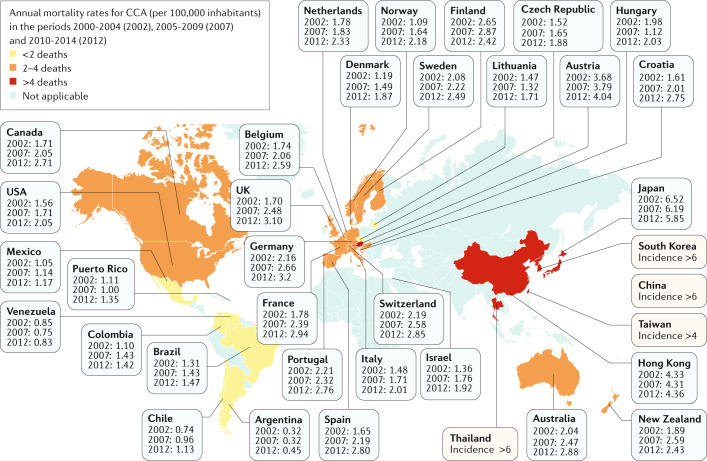
“Intrahepatic cholangiocarcinoma (ICC) is subtype of cholangiocarcinoma (CCA) and a rare cancer with an incidence of fewer than 6/100,000 people in most countries [1, 2].”
BackgroundSanchon-Sanchez, P., Briz, Ó., Macías, R. I. R., Abad, M., Sánchez-Martín, A., Marín, J. J. G., & Lozano, E. (2023) · Biomedicine & Pharmacotherapy · doi:10.1016/j.biopha.2023.115658 · Cited by 10
Nagao, M. (2022) · Institutional Repositories DataBase (IRDB) · doi:10.14989/doctor.k24283 · Cited by 10
Zhu, Y., Zhang, D., Shukla, P., Jung, Y., Malgulwar, P. B., Chagani, S., Colic, M., Benjamin, S., Copland, J. A., Tan, L., et al. (2023) · JCI Insight · doi:10.1172/jci.insight.174220 · Cited by 10
“For early CCA, surgical resection or liver transplantation with chemotherapy or radiotherapy can be potentially curative, but postoperative complications are severe and fewer than 10% of patients are eligible (7, 8).”
BackgroundNotch-Driven Cholangiocarcinogenesis Involves the Hippo Pathway Effector TAZ via METTL3-m6A-YTHDF1
Ma, W., Zhang, J., Chen, W., Liu, N., & Wu, T. (2024) · Cellular and Molecular Gastroenterology and Hepatology · doi:10.1016/j.jcmgh.2024.101417 · Cited by 9
Branchi, V., Hosni, R., Kiwitz, L., Ng, S. S., van der Voort, G., Bambi, N., Kleinfelder, E., Esser, L. K., Dold, L., Langhans, B., et al. (2024) · Human Pathology · doi:10.1016/j.humpath.2024.105670 · Cited by 10
Soulier, M., Lekbaby, B., Houari, I., Decauchy, H., Pavy, A., Coumes, A., Morichon, R., Dufour, T., & Fouassier, L. (2024) · Scientific Reports · doi:10.1038/s41598-024-81664-9 · Cited by 9
Self-citationClassification of intrahepatic cholangiocarcinoma
Homsi, M. E., Alkhasawneh, A., Arif‐Tiwari, H., Czeyda‐Pommersheim, F., Khasawneh, H., Kierans, A. S., Paspulati, R. M., & Singh, C. (2024) · Abdominal Radiology · doi:10.1007/s00261-024-04732-8 · Cited by 9
Gupta, A. N., Serhal, M., Gordon, A. C., Gabr, A., Kalyan, A., Kulik, L., Sato, K. T., Riaz, A., Hohlastos, E. S., Salem, R., et al. (2024) · Journal of Vascular and Interventional Radiology · doi:10.1016/j.jvir.2024.12.016 · Cited by 9
The Immune Landscape and Its Potential for Immunotherapy in Advanced Biliary Tract Cancer
Santoso, A., Levink, I. J. M., Pihlak, R., & Chau, I. (2024) · Current Oncology · doi:10.3390/curroncol32010024 · Cited by 10
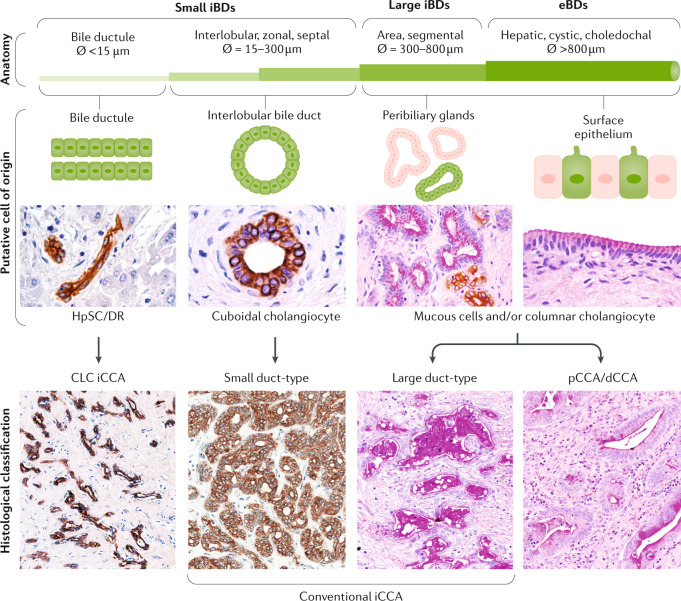
“BTCs arise from cholangiocytes, hepatocytes, hepatic stem cells and the peribiliary glands located in the lining of bile ducts [4].”
Cholangioblastic Cholangiocarcinoma (NIPBL::NACC1 Cholangiocarcinoma)
Argani, P., Oshima, K., Anders, R. A., González, R. S., Yilmaz, O. H., Bal, M. M., Rooper, L. M., Hicks, J. L., Marzo, A. M. D., Gagan, J., et al. (2025) · The American Journal of Surgical Pathology · doi:10.1097/pas.0000000000002365 · Cited by 9
Hepatobiliary organoid research: the progress and applications
Zou, R.-Q., Dai, Y.-S., Liu, F., Yang, S., Hu, H., & Li, F. (2025) · Frontiers in Pharmacology · doi:10.3389/fphar.2025.1473863 · Cited by 9
Epidemiology and genomic features of biliary tract cancer and its unique features in Korea
Woo, S., Kim, Y., Hwang, S., & Chon, H. J. (2025) · Journal of Liver Cancer · doi:10.17998/jlc.2025.02.27 · Cited by 9
Sahat, O., Bilheem, S., Lim, A., Kamsa‐ard, S., Suwannatrai, A. T., Uadrang, S., Leklob, A., Chansaard, W., Sriket, N., Santong, C., et al. (2025) · The Lancet Regional Health - Southeast Asia · doi:10.1016/j.lansea.2025.100569 · Cited by 9
Gerhardt, F., Müller, C., Venerito, M., Chater, J., Mohr, R. U., Egerer, M., Lindig, U., Schindler, A., Ebel, S., Fischer, J., et al. (2025) · Journal of Cancer Research and Clinical Oncology · doi:10.1007/s00432-025-06239-1 · Cited by 10
“BTCs are often diagnosed in advanced stages, and the prognosis is poor (Banales et al. 2020).”
Mii, S., Kato, H., Takahara, T., Kojima, M., Kato, Y., Morise, Z., Horiguchi, A., & Suda, K. (2025) · World Journal of Surgical Oncology · doi:10.1186/s12957-025-03834-x · Cited by 9
“However, this treat-ment option is only limited to some patients [11–14].”
Wang, X., Luo, C., & Zhang, D. (2025) · Frontiers in Immunology · doi:10.3389/fimmu.2025.1621521 · Cited by 14
“Lactate-secreting CAFs (marked by MCT4 overexpression) fuel OS cell glycolysis, while lipid-rich CAFs promote chemoresistance by transferring fatty acids to tumor cells via direct contact or exosomes (61).”
Wang, L., Qiao, W., Zhen, X., Zhang, Y., & Dong, Z. (2025) · Frontiers in Oncology · doi:10.3389/fonc.2025.1646897 · Cited by 12
Macarulla, T. M., Neuzillet, C., Prager, G. W., Rimassa, L., & Bridgewater, J. A. (2025) · Oncology and Therapy · doi:10.1007/s40487-025-00370-2 · Cited by 12
Self-citationExpanding Horizons in Cholangiocarcinoma: Emerging Targets Beyond FGFR2 and IDH1
Darman, L., Kaurich, Q., Hassan, S., von Holzen, U. W., & Awasthi, N. (2025) · International Journal of Molecular Sciences · doi:10.3390/ijms262110755 · Cited by 11
Astore, M., Fabbri, L., Monte, A., Deiana, C., Rizzo, A., Tavolari, S., Deserti, M., Brandi, G., Palloni, A., & Frega, G. (2025) · International Journal of Molecular Sciences · doi:10.3390/ijms262411961 · Cited by 9
“Furthermore, high levels of EGFR, MUC1, MUC4, and fascin expression are associated with poor prognosis [18].”
Wu, G., Xu, X., Zhang, H., Li, P., & Liu, C. (2025) · Frontiers in Oncology · doi:10.3389/fonc.2025.1705162 · Cited by 9
“Consequently, most patients present with metastatic or locally advanced disease, rendering them ineligible for resection; only about 25% are candidates for curative surgery at diagnosis (6).”
The Role of Conventional and Stereotactic Microwave Ablation for Intrahepatic Cholangiocarcinoma
Kim‐Fuchs, C., Candinas, D., & Lachenmayer, A. (2021) · Journal of Clinical Medicine · doi:10.3390/jcm10132963 · Cited by 9
“Intrahepatic cholangiocarcinomas (ICCA) arise distal to the second-order bile ducts and can be clearly distinguished from perhilar and hilar cholangiocarcinomas [3].”
BackgroundPrasopdee, S., Yingchutrakul, Y., Roytrakul, S., Pholhelm, M., Phanaksri, T., Kunjantarachot, A., Kulsantiwong, J., Butthongkomvong, K., Tesana, S., Sathavornmanee, T., et al. (2021) · Parasitology · doi:10.1017/s0031182021001694 · Cited by 9
Liu, Y.-J., & Yeh, M. M. (2022) · Human Pathology · doi:10.1016/j.humpath.2022.06.012 · Cited by 10
Genistein Sensitizes Human Cholangiocarcinoma Cell Lines to Be Susceptible to Natural Killer Cells
Chiawpanit, C., Panwong, S., Sawasdee, N., Yenchitsomanus, P., & Panya, A. (2022) · Biology · doi:10.3390/biology11081098 · Cited by 12
Xie, P., Guo, L., Zhang, B., Xu, Y., Song, Q., Shi, H., Ye, Q., Li, H., & Xiao, Y. (2022) · Frontiers in Oncology · doi:10.3389/fonc.2022.911202 · Cited by 9
Outcomes following FGFR Inhibitor Therapy in Patients with Cholangiocarcinoma
Gile, J. J., Wookey, V., Zemla, T., Shi, Q., Jin, Z., Alberts, S. R., McWilliams, R. R., Ma, W. W., Borad, M. J., Bekaii‐Saab, T., et al. (2022) · Targeted Oncology · doi:10.1007/s11523-022-00914-w · Cited by 9
Wu, X., Qin, F., Zhang, Q., Qiao, J., Qi, Y., & Liu, B. (2022) · Frontiers in Oncology · doi:10.3389/fonc.2022.914591 · Cited by 9
Gao, X., Zhang, W., Jia, Y., Xu, H., Zhu, Y., & Xiong, P. (2022) · Scientific Reports · doi:10.1038/s41598-022-20362-w · Cited by 9
Li, Y., Shi, X., Yang, L., Pu, C., Tan, Q., Yang, Z., & Huang, H. B. (2022) · Biomedical Optics Express · doi:10.1364/boe.472106 · Cited by 9
Prasopdee, S., Yingchutrakul, Y., Krobthong, S., Pholhelm, M., Wongtrakoongate, P., Butthongkomvong, K., Kulsantiwong, J., Phanaksri, T., Kunjantarachot, A., Sathavornmanee, T., et al. (2022) · Heliyon · doi:10.1016/j.heliyon.2022.e10965 · Cited by 10
“Cholangiocarcinoma (CHCA), a bile duct cancer, is a nefarious disease due to its initial asymptomatic nature, resulting in a high mortality rate (Banales et al., 2020).”
BackgroundWang, Y., Huang, A., Guo, D., Wang, J., Chen, F., Sun, H., Qiu, S., Zhang, S., Cao, Y., Yang, X., et al. (2023) · Journal of Cancer · doi:10.7150/jca.74275 · Cited by 9
“Intrahepatic cholangiocarcinoma (ICC) is the second most common primary liver cancer [1].”
BackgroundBae, J., Shin, D. W., Cho, K. B., Ahn, K. S., Kim, T., Kim, Y., & Kang, K. J. (2023) · Langenbeck s Archives of Surgery · doi:10.1007/s00423-023-02965-7 · Cited by 9
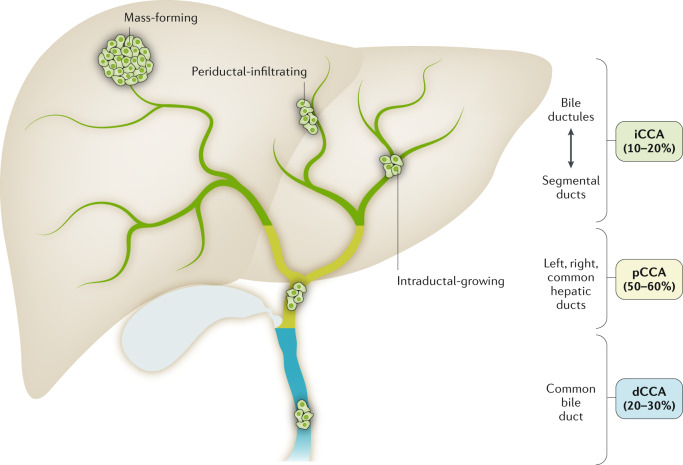
“[1, 2] CCA can be further divided into perihilar (50~60%), intrahepatic (10~20%), and distal (20~30%) according to the location.[3, 4] Perihilar cholangiocarcinoma (PHC) is divided into four subtypes according to the Bismuth classification, and Bismuth type IV refers to tumor invasion up to the secondary confluence of…”
Relevance of Bile Acids in Cholangiocarcinoma Pathogenesis: Critical Revision and Future Directions
Cossiga, V., Guarino, M., Capasso, M., & Morisco, F. (2023) · Cells · doi:10.3390/cells12121576 · Cited by 9
“Cholangiocarcinogenesis is coordinated by a complex interaction of extracellular ligands present in the tumor microenvironment (such as bile acids, growth factors, and pro-inflammatory cytokines) and augmented expression or defective activation of intracellular signaling pathways, causing cell proliferation and geneti…”
BackgroundInfluentialKerdkumthong, K., Chanket, W., Runsaeng, P., Nanarong, S., Songsurin, K., Tantimetta, P., Angsuthanasombat, C., Aroonkesorn, A., & Obchoei, S. (2023) · Probiotics and Antimicrobial Proteins · doi:10.1007/s12602-023-10096-0 · Cited by 10
Challenges in Diagnosing and Reporting Cholangiocarcinoma
Jabbour, T. E., Molnar, A., & Lagana, S. M. (2023) · Surgical pathology clinics · doi:10.1016/j.path.2023.04.012 · Cited by 9
The Role of the Bile Microbiome in Common Bile Duct Stone Development
Lee, J., Jeong, H. J., Kim, H., & Park, J. (2023) · Biomedicines · doi:10.3390/biomedicines11082124 · Cited by 9
“Thus, in view of the potential impacts of bile metabolites on hepatobiliary health, it is essential that their roles in CBD stone development and the possible interconnections between the biliary microbiome and bile metabolites be understood [9,18].”
BackgroundNanjundappa, R. H., Christen, U., & Umeshappa, C. S. (2023) · Hepatology Communications · doi:10.1097/hc9.0000000000000218 · Cited by 9
“Here, we propose several potential mechanisms (Figure 1) contributing to these differences in the CCA susceptibility: (1) nature of autoimmunity, cross-reactivity, and helper T cell responses; (2) concomitant IBDs in PSC; (3) sex difference in PBC versus PSC; and (4) presence of ductopenia, resulting in loss of cholan…”
BackgroundInfluentialLAMC2 is a potential prognostic biomarker for cholangiocarcinoma
Ong, K. H., Hsieh, Y., Lai, H.-Y., Sun, D., Chen, T., Huang, S. K., Tian, Y., Chou, C.-L., Shiue, Y., Wu, H., et al. (2023) · Oncology Letters · doi:10.3892/ol.2023.14120 · Cited by 9
“Cholangiocarcinoma is a malignant tumor located in the bile duct epithelium and is the second most common primary hepatobiliary malignancy after hepatocellular carcinoma (1).”
BackgroundLightweight neural network for smart diagnosis of cholangiocarcinoma using histopathological images
Chakrabarti, S., & Rao, U. S. (2023) · Scientific Reports · doi:10.1038/s41598-023-46152-6 · Cited by 11
Classification of Intrahepatic Cholangiocarcinoma into Perihilar Versus Peripheral Subtype
Wei, T., Lü, J., Xiao, X., Weiss, M. J., Popescu, I., Marques, H. P., Aldrighetti, L. A., Maithel, S. K., Pulitanò, C., Bauer, T. W., et al. (2023) · Annals of Surgical Oncology · doi:10.1245/s10434-023-14502-3 · Cited by 9
Self-citationPanya, A., Thepmalee, C., Sawasdee, N., Saengmuang, S., Luangwattananun, P., & Yenchitsomanus, P. (2023) · Biomedicine & Pharmacotherapy · doi:10.1016/j.biopha.2023.115827 · Cited by 10
The role of extracellular vesicles in cholangiocarcinoma tumor microenvironment
Zhang, N., Shu, L., Liu, Z., Shi, A., Zhao, L., Huang, S., Sheng, G., Yan, Z., Song, Y. Y., Huang, F., et al. (2024) · Frontiers in Pharmacology · doi:10.3389/fphar.2023.1336685 · Cited by 11
Pemigatinib: A Review in Advanced Cholangiocarcinoma
Frampton, J. E. (2024) · Targeted Oncology · doi:10.1007/s11523-023-01024-x · Cited by 9
“CCAs, respectively [1, 2].”
Therapeutic Implications of Ceritinib in Cholangiocarcinoma beyond ALK Expression and Mutation
Myint, K. Z., Balasubramanian, B., Venkatraman, S., Phimsen, S., Sripramote, S., Jantra, J., Choeiphuk, C., Mingphruedhi, S., Muangkaew, P., Rungsakulkij, N., et al. (2024) · Pharmaceuticals · doi:10.3390/ph17020197 · Cited by 9
Mao, S., Shan, Y., Yu, X., Yang, Y., Wu, S., & Lu, C. (2024) · BMC Cancer · doi:10.1186/s12885-024-12068-1 · Cited by 9
“…Perihilar cholangiocarcinoma (pCCA) is a highly malignant and metastatic disease that represents approximately 50–60% of cholangiocarcinomas (CCAs) [1], and its incidence has increased dramatically worldwide in recent years. pCCA arises between the second-order bile ducts and the insertion of the…”
BackgroundEmerging targeted therapies and strategies to overcome resistance in biliary tract cancers
Demir, T., Moloney, C., & Mahalingam, D. (2024) · Critical Reviews in Oncology/Hematology · doi:10.1016/j.critrevonc.2024.104388 · Cited by 10
The role of living donor liver transplantation in treating intrahepatic cholangiocarcinoma
Andraus, W., Ochoa, G., de Martino, R. B., Pinheiro, R. S. N., Rocha‐Santos, V., Ducatti, L., Arantes, R. M., Waisberg, D. R., Santana, A. C., Tustumi, F., et al. (2024) · Frontiers in Oncology · doi:10.3389/fonc.2024.1404683 · Cited by 9
“This nuanced distinction holds promise for re fi ning the selection of cases based on their biological behavior and, eventually, enabling the identi fi cation of candidates for LT in the context of unresectable tumors, with the ultimate goal of achieving curative outcomes (22 – 24).”
BackgroundMaphanao, P., Phothikul, Y., Choodet, C., Puangmali, T., Katewongsa, K. P., Pinlaor, S., Thanan, R., Yordpratum, U., & Sakonsinsiri, C. (2024) · RSC Advances · doi:10.1039/d4ra03637a · Cited by 9
Exploring the impact of durvalumab on biliary tract cancer: insights from real-world clinical data
Reimann, P., Mavroeidi, I. A., Burghofer, J., Taghizadeh, H., Webersinke, G., Kasper, S., Schreil, G., Morariu, D., Reichinger, A., Baba, H. A., et al. (2024) · Cancer Immunology Immunotherapy · doi:10.1007/s00262-024-03842-y · Cited by 10
“CCAs can be further divided into three subtypes: intrahepatic (iCCA), perihilar (pCCA) and distal (dCCA), depending on their exact anatomical origin [1, 2].”
BackgroundIdentification of molecular subtypes based on bile acid metabolism in cholangiocarcinoma
Deng, M., Liu, J., Zhang, L., Lou, Y., & Qiu, Y. (2024) · BMC Cancer · doi:10.1186/s12885-024-13081-0 · Cited by 9
“5-year survival rate of CCA is about 7–20%, and both its morbidity and mortality have been rising globally [6].”
BackgroundLiu, C., Du, S., Liu, X., Wang, N., Song, K., & Yu, J. (2025) · Journal of Gastrointestinal Surgery · doi:10.1016/j.gassur.2025.101968 · Cited by 10
Metadata
- Authors
- Banales, J. M., Marin, J. J. G., Lamarca, A., Rodrigues, P. M., Khan, S. A., Roberts, L. R., Cardinale, V., Carpino, G., Andersen, J. B., Braconi, C., Calvisi, D. F., Perugorria, M. J., Fabris, L., Boulter, L., Macias, R. I. R., Gaudio, E., Alvaro, D., Gradilone, S. A., Strazzabosco, M., Marzioni, M., Coulouarn, C., Fouassier, L., Raggi, C., Invernizzi, P., Mertens, J. C., Moncsek, A., Ilyas, S. I., Heimbach, J., Koerkamp, B. G., Bruix, J., Forner, A., Bridgewater, J., Valle, J. W., & Gores, G. J.
- Affiliations
- University of the Basque Country (ES)
- Hammersmith Hospital (GB)
- Mayo Clinic (US)
- Sapienza University of Rome (IT)
- Foro Italico University of Rome (IT)
- University of Copenhagen (DK)
- University of Glasgow (GB)
- University of Regensburg (DE)
- University of Padua (IT)
- Institute of Genetics and Cancer (GB)
- University of Minnesota (US)
- Marche Polytechnic University (IT)
- Inserm (FR)
- University of Florence (IT)
- University of Milano-Bicocca (IT)
- University of Zurich (CH)
- Erasmus MC (NL)
- Instituto de Salud Carlos III (ES)
- University College London (GB)
- National Health Service (GB)
- ORCID
- Banales, Jesus M.
- Marin, Jose J. G.
- Lamarca, Angela
- Rodrigues, Pedro M.
- Khan, Shahid A.
- Roberts, Lewis R.
- Cardinale, Vincenzo
- Carpino, Guido
- Andersen, Jesper B.
- Braconi, Chiara
- Calvisi, Diego F.
- Perugorria, Maria J.
- Fabris, Luca
- Boulter, Luke
- Macias, Rocio I. R.
- Gaudio, Eugenio
- Alvaro, Domenico
- Gradilone, Sergio A.
- Strazzabosco, Mario
- Marzioni, Marco
- Coulouarn, Cédric
- Fouassier, Laura
- Raggi, Chiara
- Invernizzi, Pietro
- Mertens, Joachim C.
- Moncsek, Anja
- Ilyas, Sumera I.
- Heimbach, Julie
- Koerkamp, Bas Groot
- Bruix, Jordi
- Forner, Alejandro
- Bridgewater, John
- Valle, Juan W.
- Gores, Gregory J.
- Venue
- Nature Reviews Gastroenterology & Hepatology
- Published
- 2020-06-30
- Volume
- 17
- Issue
- 9
- Pages
- 557-588
- ISSN
- 1759-5045 (ISSN-L)
- 1759-5053
- PMC
- PMC7447603
- OpenAlex
- W3039360174
- Semantic Scholar
- 18f2779f042888382d9adc72b2c1546bbf440cf9
- Cited by
- 2,411
- References
- 410
- Citations by year
- 2026: 259 · 2025: 482 · 2024: 461 · 2023: 434 · 2022: 455 · 2021: 271 · 2020: 39
- FWCI
- 68.28
- Type
- journal article
- Language
- en
- Open access
- hybrid
- doi.org
- Licence
- cc-by
- creativecommons.org/licenses/by/4.0 (tdm)
- creativecommons.org/licenses/by/4.0 (vor)
- Locations
- Nature Reviews Gastroenterology & Hepatology (publishedVersion, cc-by)
- PubMed Central (publishedVersion, cc-by)
- PubMed (publishedVersion)
- Hispana (publishedVersion, other-oa)
- EUR Research Repository (Erasmus University Rotterdam) (publishedVersion, other-oa)
- Florence Research (University of Florence) (submittedVersion, other-oa)
- Università Politecnica delle Marche (Università Politecnica delle Marche) (submittedVersion, cc-by)
- Padua Research Archive (University of Padova) (submittedVersion, cc-by)
- EUR Research Repository (Erasmus University Rotterdam) (submittedVersion, other-oa)
- RePub (Erasmus University Rotterdam) (submittedVersion, other-oa)
- HAL (submittedVersion, other-oa)
- Communities in ADDI (University of the Basque Country) (submittedVersion, cc-by)
- BOA (University of Milano-Bicocca) (submittedVersion, cc-by)
- LA Referencia (Red Federada de Repositorios Institucionales de Publicaciones Científicas) (submittedVersion, cc-by)
- UCL Discovery (University College London) (submittedVersion)
- University of Regensburg Publication Server (University of Regensburg) (submittedVersion)
- Gredos (University of Salamanca) (submittedVersion, other-oa)
- IRIS Research product catalog (Sapienza University of Rome) (submittedVersion, cc-by)
- Funders
- Cholangiocarcinoma Foundation
- Novo Nordisk Fonden (NNF19OC0058419, NNF15OC0014040)
- National Institutes of Health (UL1TR001863)
- National Cancer Institute (K08CA236874, P50CA210964)
- National Institute of Diabetes and Digestive and Kidney Diseases (P30DK034989)
- National Center for Advancing Translational Sciences
- Topics
- Health Sciences › Medicine › Surgery › Cholangiocarcinoma and Gallbladder Cancer Studies
- Health Sciences › Medicine › Surgery › Pediatric Hepatobiliary Diseases and Treatments
- Health Sciences › Medicine › Hepatology › Liver Diseases and Immunity
- Keywords
- cholangiocarcinoma, biliary tract cancer, tumor heterogeneity, cell of origin, genetic alterations, epigenetic modifications, molecular alterations, biomarker discovery, diagnosis, treatment, prognosis, tumor classification
- MeSH terms
- Bile Duct Neoplasms, Humans, Cholangiocarcinoma
About these checks
Registry, retraction, Cites and statistics results are computed, not judged, with one exception: a printed reference that no index lists is read once by a model before it counts as a citation error. Claims are extracted by a model and kept only when their quote appears verbatim in the text; each cited source is then checked, with a model’s help, for whether it says what the claim relies on. Those verdicts can be wrong — read the claim’s quote and the cited source before relying on one.
Statistics and arithmetic are recomputed, not judged.
Confidence bands are shown only for fields calibrated on our annotated test set. None is calibrated yet, so no band is shown.
What counts as a claim ›How we measure confidence ›How we check this ›
Are you an author, or do you see a problem with this page? Request a review
Data sources
Bibliographic data: Semantic Scholar, OpenAlex, Crossref.
Contains information from the Semantic Scholar Academic Graph Datasets, made available under the ODC Attribution License (ODC-BY 1.0).
Semantic Scholar’s data is described in: Kinney, R., et al. (2023). The Semantic Scholar Open Data Platform. arXiv:2301.10140.
