

Cholangiocarcinoma 2020: the next horizon in mechanisms and management
Open accessThe DOI matches its Crossref record; 410 of the 410 references it cites were found in a registry or an index.
Abstract
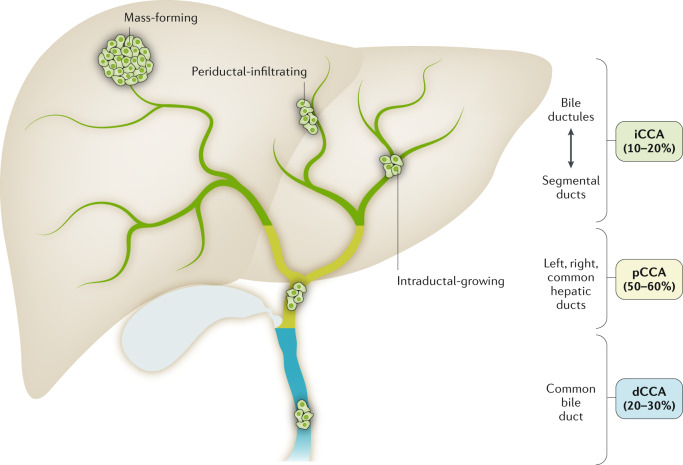
Cholangiocarcinoma (CCA) includes a cluster of highly heterogeneous biliary malignant tumours that can arise at any point of the biliary tree. Their incidence is increasing globally, currently accounting for ~15% of all primary liver cancers and ~3% of gastrointestinal malignancies. The silent presentation of these tumours combined with their highly aggressive nature and refractoriness to chemotherapy contribute to their alarming mortality, representing ~2% of all cancer-related deaths worldwide yearly. The current diagnosis of CCA by non-invasive approaches is not accurate enough, and histological confirmation is necessary. Furthermore, the high heterogeneity of CCAs at the genomic, epigenetic and molecular levels severely compromises the efficacy of the available therapies. In the past decade, increasing efforts have been made to understand the complexity of these tumours and to develop new diagnostic tools and therapies that might help to improve patient outcomes. In this expert Consensus Statement, which is endorsed by the European Network for the Study of Cholangiocarcinoma, we aim to summarize and critically discuss the latest advances in CCA, mostly focusing on classification, cells of origin, genetic and epigenetic abnormalities, molecular alterations, biomarker discovery and treatments. Furthermore, the horizon of CCA for the next decade from 2020 onwards is highlighted.
Overview
The claims and statistics of this paper haven’t been checked yet.
Free: it reads the open-access text and checks the first 5 claims that cite a source we can check. Create a free account to check every claim.
Integrity signals
Registry
Cites
Statistics
Figures
Verification
Claims the paper makes
The claims and statistics of this paper haven’t been checked yet.
Free: it reads the open-access text and checks the first 5 claims that cite a source we can check. Create a free account to check every claim.
Claims other papers make about this one
Each is checked against this paper’s own text: does it say what the citing paper says it does?
The source backs part of the claim, not all of it — or backs it for a different population, condition or comparison.
In the citing paper
“It is thought that the majority of ICCs are derived from BECs [210], but mouse and human hepatocytes also represent potential sources for ICCs [212, 213].”
From Inflammation and immunity in liver homeostasis and disease: a nexus of hepatocytes, nonparenchymal cells and immune cells (2025) · doi:10.1038/s41423-025-01313-7 · cites this paper as [210]
Experimental — accuracy not yet measuredThe source backs part of the claim, not all of it — or backs it for a different population, condition or comparison.
In the citing paper
“Several studies suggest that cholangiocarcinoma and other biliary tract malignancies are frequently associated with overactivation of the Notch and Hedgehog signaling pathways[61].”
From Liver regeneration after partial hepatectomy: Triggers and mechanisms (2025) · cites this paper as [61]
Experimental — accuracy not yet measuredIn the citing paper
“Intrahepatic cholangiocarcinoma (ICC) is a biliary tree neoplasia that arises in noncirrhotic and cirrhotic livers and has a rising incidence [210, 211].”
From Inflammation and immunity in liver homeostasis and disease: a nexus of hepatocytes, nonparenchymal cells and immune cells (2025) · doi:10.1038/s41423-025-01313-7 · cites this paper as [210]
Self-check
Percentages, sums and reported differences re-computed from the paper’s own numbers.
The self-check needs the paper’s full text.
Citations
Cites
The National Comprehensive Cancer Network: Present and future directions
McGivney, W. T. (1998) · Cancer · doi:10.1002/(sici)1097-0142(19980515)82:10+<2057::aid-cncr14>3.0.co;2-a · Cited by 16,766 · cited 1×
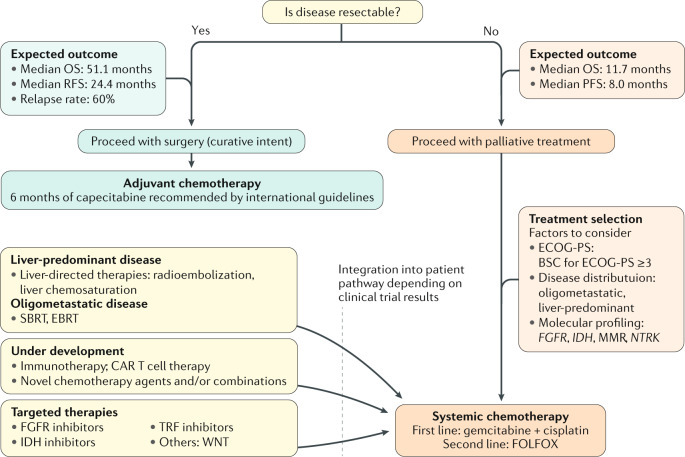
“Patients diagnosed with iCCA in liver-predominant disease might be considered for liver-directed therapies 345,346 .”
BackgroundEpithelial-Mesenchymal Transitions in Development and Disease
Thiery, J. P., Acloque, H., Huang, R. Y. J., & Nieto, M. A. (2009) · Cell · doi:10.1016/j.cell.2009.11.007 · Cited by 9,931 · cited 1×
“EMT is a cell plasticity-promoting phenomenon initially reported to occur during embryogenesis, but that also takes place in cancer, enabling epithelial cancer cells to acquire mesenchymal features with invasive properties that lead to metastatic colonization 174 .”
BackgroundPD-1 Blockade in Tumors with Mismatch-Repair Deficiency
Le, D. T., Uram, J. N., Wang, H., Bartlett, B. R., Kemberling, H., Eyring, A. D., Skora, A. D., Luber, B. S., Azad, N. S., Laheru, D., et al. (2015) · New England Journal of Medicine · doi:10.1056/nejmoa1500596 · Cited by 9,377
Mismatch repair deficiency predicts response of solid tumors to PD-1 blockade
Le, D. T., Durham, J. N., Smith, K. N., Wang, H., Bartlett, B. R., Aulakh, L. K., Lu, S., Kemberling, H., Wilt, C., Luber, B. S., et al. (2017) · Science · doi:10.1126/science.aan6733 · Cited by 6,645 · cited 2×
“In a cohort of 86 patients with MMR-deficient tumours, including four patients with CCA, immune checkpoint blockade with the anti-PDL1 monoclonal antibody pembrolizumab resulted in a complete response in one of the patients with CCA and stabilization of disease in the other three 232 .”
Understanding the tumor immune microenvironment (TIME) for effective therapy
Binnewies, M., Roberts, E. W., Kersten, K., Chan, V., Fearon, D. F., Merad, M., Coussens, L. M., Gabrilovich, D. I., Ostrand-Rosenberg, S., Hedrick, C. C., et al. (2018) · Nature Medicine · doi:10.1038/s41591-018-0014-x · Cited by 6,145 · cited 2×
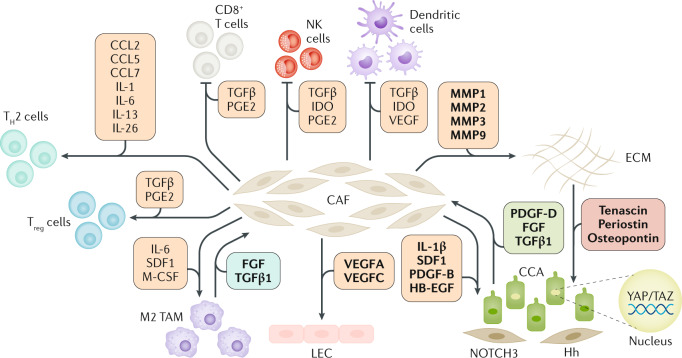
“…of T cell-infiltrated TMEs, characterized by infiltration of CD8 + T cells, chemo-kines and molecules responsible for T cell priming and immune infiltration, is associated with higher response to immune checkpoint blockade, whereas non-T cell-infiltrated TMEs have poorer responses 214,215 .”
Role of YAP/TAZ in mechanotransduction
Dupont, S., Morsut, L., Aragona, M., Enzo, E., Giulitti, S., Cordenonsi, M., Zanconato, F., Le Digabel, J., Forcato, M., Bicciato, S., et al. (2011) · Nature · doi:10.1038/nature10137 · Cited by 5,979
Mutational heterogeneity in cancer and the search for new cancer-associated genes
Lawrence, M. S., Stojanov, P., Polak, P., Kryukov, G. V., Cibulskis, K., Sivachenko, A., Carter, S. L., Stewart, C., Mermel, C. H., Roberts, S. A., et al. (2013) · Nature · doi:10.1038/nature12213 · Cited by 5,461 · cited 1×
“Regarding genomic alterations, CCA falls midway in the mutational spectrum of cancers 111 , with an approximately equal content of genomic alterations in iCCA (median 39 non-synonymous mutations per tumour) and eCCA (median 35 non-synonymous mutations per tumour) 56 .”
Cisplatin plus Gemcitabine versus Gemcitabine for Biliary Tract Cancer
Valle, J., Wasan, H., Palmer, D. H., Cunningham, D., Anthoney, A., Maraveyas, A., Madhusudan, S., Iveson, T., Hughes, S., Pereira, S. P., et al. (2010) · New England Journal of Medicine · doi:10.1056/nejmoa0908721 · Cited by 4,406 · cited 2×
“The ABC-02 trial randomly assigned 410 patients with ECOG-PS ≤2 to systemic chemotherapy with gemcitabine alone or cisplatin–gemcitabine 336 ; the study showed an OS benefit in favour of cisplatin– gemcitabine (HR 0.64), a benefit confirmed in the Japanese randomized phase II BT22 study 337 .”
InfluentialSelf-citationThe biology and function of fibroblasts in cancer
Kalluri, R. (2016) · Nature Reviews Cancer · doi:10.1038/nrc.2016.73 · Cited by 4,366 · cited 1×
“CAFs are a heterogeneous population of spindle-shaped cells with mesenchymal origin that contribute to tumour progression in many human cancers 199 .”
New insights into the mechanisms of epithelial–mesenchymal transition and implications for cancer
Dongre, A., & Weinberg, R. A. (2019) · Nature Reviews Molecular Cell Biology · doi:10.1038/s41580-018-0080-4 · Cited by 3,876
Research works printed but not linked: 3
- Bosman, F. T., Carneiro, F., Hruban, R. & Theise N. WHO Classification of Tumours: Digestive System Tumours 5th edn Vol. 1 (IARC, 2019).
- Hamilton, S. R. A. et al. WHO Classification of Tumours: Pathology and Genetics of Tumours of the Digestive System 3rd edn Vol. 2 (IARC, 2000).
- Amin, M. B. et al. AJCC Cancer Staging Manual (Springer, 2017).
Cited by
Items 301–400 of 1,002
A Perspective on Cell Therapy and Cancer Vaccine in Biliary Tract Cancers (BTCs)
Han, S., Lee, S. Y., Wang, W.-W., Tan, Y. B., Sim, R. H. Z., Cheong, R., Tan, C., Hopkins, R., Connolly, J., Shuen, T. W. H., et al. (2020) · Cancers · doi:10.3390/cancers12113404 · Cited by 31
The Emerging Role of Immunotherapy in Intrahepatic Cholangiocarcinoma
Fiste, O., Ntanasis‐Stathopoulos, I., Gavriatopoulou, M., Liontos, M., Koutsoukos, K., Dimopoulos, M. A., & Zagouri, F. (2021) · Vaccines · doi:10.3390/vaccines9050422 · Cited by 29
“Given that the cross-talk between tumor cells and TME, along with genetic and epigenetic alterations, dictate cholangiocarcinoma’s phenotype [49], it is of paramount importance to facilitate an in-depth knowledge of iCC’s immune contexture in order to unravel potential pathophysiological mechanisms behind these contro…”
BackgroundPylypchuk, I. V., Suo, H., Chucheepchuenkamol, C., Jedicke, N., Lindén, P. A., Lindström, M. E., Manns, M. P., Sevastyanova, O., & Yevsa, T. (2022) · Frontiers in Bioengineering and Biotechnology · doi:10.3389/fbioe.2021.817768 · Cited by 27
“CCA is the second most common primary hepatic malignancy after HCC (Nakeeb et al., 1996; DeOliveira et al., 2007; Banales et al., 2016; Banales et al., 2020) and includes a cluster of highly heterogeneous biliary malignant tumors, arising at any point of the biliary tree (Banales et al.”
BackgroundMicroRNA-27a-3p targets FoxO signalling to induce tumour-like phenotypes in bile duct cells
Duwe, L., Muñoz-Garrido, P., Lewińska, M., Lafuente-Barquero, J. F., Satriano, L., Høgdall, D., Taranta, A., Nielsen, B. S., Ghazal, A., Matter, M. S., et al. (2022) · Journal of Hepatology · doi:10.1016/j.jhep.2022.10.012 · Cited by 27
Self-citationZhou, S., Yang, K., Chen, S., Lian, G., Huang, Y., Yao, H., Zhao, Y., Huang, K., Yin, D., Lin, H., et al. (2023) · Journal of Translational Medicine · doi:10.1186/s12967-023-03897-y · Cited by 27
“As the second most common primary liver cancer, ICC accounts for about 3% of all gastrointestinal malignancies, and recent years have seen a rapid increase in ICCrelated morbidity and mortality [3, 4].”
BackgroundAliseda, D., Martí‐Cruchaga, P., Zozaya, G., Rodríguez‐Fraile, M., Bilbao, J. I., Benito, A., Martínez-Cuesta, A., Lopez-Olaondo, L., Hidalgo, F., Ponz‐Sarvisé, M., et al. (2023) · Cancers · doi:10.3390/cancers15030733 · Cited by 28
Colacci, A., Corvi, R., Ohmori, K., Paparella, M., Serra, S., Carrico, I. D. R., Vasseur, P., & Jacobs, M. N. (2023) · International Journal of Molecular Sciences · doi:10.3390/ijms24065659 · Cited by 31
Cholangiocarcinoma-on-a-chip: A human 3D platform for personalised medicine
Polidoro, M. A., Ferrari, E., Soldani, C., Franceschini, B., Saladino, G., Rosina, A., Mainardi, A., D’Autilia, F., Pugliese, N., Costa, G., et al. (2023) · JHEP Reports · doi:10.1016/j.jhepr.2023.100910 · Cited by 32
“The diffusion coefficient of dextran molecules within the hydrogel was estimated through the mean square displacement (MSD) method, as previously described by Lusi et al [1].”
MethodLiang, Y., Bu, Q., You, W., Zhang, R., Xu, Z., Gan, X., Zhou, J., Qiao, L., Huang, T., & Lü, L. (2024) · Biochimica et Biophysica Acta (BBA) - Molecular Basis of Disease · doi:10.1016/j.bbadis.2024.167276 · Cited by 30
Mun, D., Bhat, F. A., Joshi, N. S., Sandoval, L., Ding, H., Jain, A., Peterson, J. A., Kang, T., Pujari, G. P., Tomlinson, J. L., et al. (2024) · Communications Biology · doi:10.1038/s42003-024-06579-7 · Cited by 28
“…indicates the feasibility of applying single-cell proteomics as a platform for potential cancer diagnostics and elucidation of cellular heterogeneity in which single-cell RNA sequencing is currently actively used to understand inherent cellular heterogeneity of cholangiocarcinoma 33 – 35 .”
Furuse, J., Ikeda, M., Ueno, M., Furukawa, M., Morizane, C., Takehara, T., Nishina, T., Todaka, A., Okano, N., Hara, K., et al. (2024) · Clinical Cancer Research · doi:10.1158/1078-0432.ccr-24-0461 · Cited by 36
Pan, Y., Zhou, Y. J., Shen, Y., Xu, L., Liu, H., Zhang, N., Huang, T., Meng, K., Liu, Y., Wang, L., et al. (2024) · Cancer Research · doi:10.1158/0008-5472.can-24-0088 · Cited by 26
Weng, J., Ju, F., Lyu, Z., Fan, N., Smit, D. J., Xu, W., Wu, X., Becker, P., Xu, Y., Schweiger, M. R., et al. (2025) · Journal of Experimental & Clinical Cancer Research · doi:10.1186/s13046-025-03567-5 · Cited by 29
Kawasaki, K., Kuboki, S., Furukawa, K., Takayashiki, T., Takano, S., & Ohtsuka, M. (2020) · Liver International · doi:10.1111/liv.14747 · Cited by 26
Canh, H. N., Takahashi, K., Yamamura, M., Li, Z., Sato, Y., Yoshimura, K., Kozaka, K., Tanaka, M., Nakanuma, Y., & Harada, K. (2021) · Histopathology · doi:10.1111/his.14417 · Cited by 26
Massani, M., Bonariol, L., & Stecca, T. (2021) · Journal of Clinical Medicine · doi:10.3390/jcm10122552 · Cited by 29
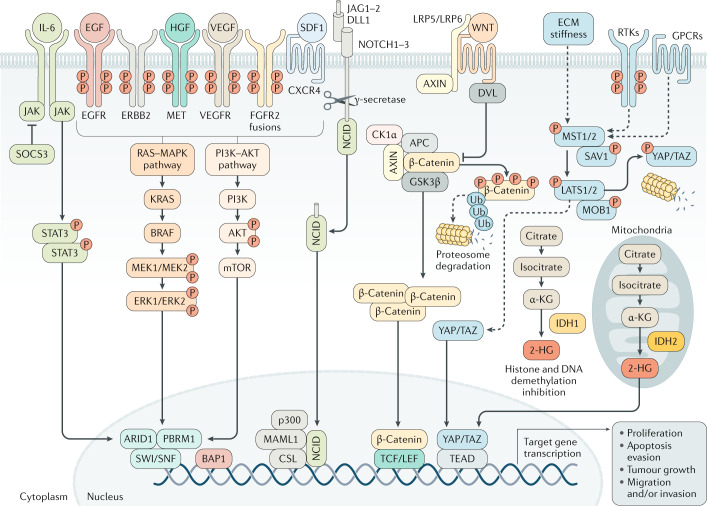
“Targeted therapies such as inhibitors of isocitrate dehydrogenase 1 (IDH1) [19,20], fibroblast growth factor receptor (FGFR) [21–25] and tropomyosin receptor kinases (TRK) [26,27] or WNT [28] pathway alterations are currently being tested in patients with iCCA [16].”
BackgroundBiliary Strictures and Cholangiocarcinoma – Untangling a Diagnostic Conundrum
Ney, A., García-Sampedro, A., Goodchild, G., Acedo, P., Fusai, G., & Pereira, S. P. (2021) · Frontiers in Oncology · doi:10.3389/fonc.2021.699401 · Cited by 30
Shiode, Y., Kodama, T., Shigeno, S., Murai, K., Tanaka, S., Newberg, J. Y., Kondo, J., Kobayashi, S., Yamada, R., Hikita, H., et al. (2022) · Hepatology · doi:10.1002/hep.32317 · Cited by 28
“[1] Because approximately half of ICCs arise de novo, without identifiable risk factors, and there is no established screening program for this cancer type,[2] ICC is often found in advanced stages and has a poor prognosis.”
BackgroundRhee, H., Choi, S. H., Park, J. H., Cho, E., Yeom, S. K., Park, S., Han, K., Lee, S. S., & Park, M. (2022) · Liver International · doi:10.1111/liv.15196 · Cited by 27
Ploeger, C., Schreck, J., Huth, T., Fraas, A., Albrecht, T., Charbel, A., Ji, J., Singer, S., Breuhahn, K., Pusch, S., et al. (2022) · Cancers · doi:10.3390/cancers14051154 · Cited by 26
“Hepatocellular carcinoma (HCC) is the most common type of liver cancer, followed by cholangiocarcinoma (CCA), which accounts for 10–15% of liver cancers [2,3].”
BackgroundSuppramote, O., Prasopporn, S., Aroonpruksakul, S., Ponvilawan, B., Makjaroen, J., Suntiparpluacha, M., Korphaisarn, K., Charngkaew, K., Chanwat, R., Pisitkun, T., et al. (2022) · Frontiers in Oncology · doi:10.3389/fonc.2022.877194 · Cited by 26
Zulfiqar, M., Chatterjee, D., Yoneda, N., Hoegger, M. J., Ronot, M., Hecht, E. M., Bastati, N., Ba‐Ssalamah, A., Bashir, M. R., & Fowler, K. J. (2022) · Radiographics · doi:10.1148/rg.210194 · Cited by 26
Immunobiology of the biliary tract system
Björkström, N. K. (2022) · Journal of Hepatology · doi:10.1016/j.jhep.2022.08.018 · Cited by 28
“6 9 Microscopically, the liver is a highly strati fi ed organ with liver lobules constituting the functional units.”
BackgroundSerra-Camprubí, Q., Verdaguer, H., Oliveros, W., Lupión-Garcia, N., Llop‐Guevara, A., Molina, C., Vila-Casadesús, M., Turpin, A., Neuzillet, C., Frigola, J., et al. (2022) · Clinical Cancer Research · doi:10.1158/1078-0432.ccr-22-2551 · Cited by 26
“Given their prevalence in CCA, among other types of malignancy, these mutations ( IDH1/2 mut , ARID1A/B mut , BAP1 mut , and BRCA1/2 mut ) are becoming promising targets for developing new therapeutic strategies (1).”
InfluentialAhmed, O. S., Yu, Q., Patel, M. V., Hwang, G. L., Pillai, A. A., Liao, C., Fung, J. J., & Baker, T. (2022) · Journal of Vascular and Interventional Radiology · doi:10.1016/j.jvir.2022.12.017 · Cited by 26
Njei, B. M., Kanmounye, U. S., Seto, N., McCarty, T. R., Mohan, B. P., Fozo, L., & Navaneethan, U. (2023) · Journal of Gastroenterology and Hepatology · doi:10.1111/jgh.16180 · Cited by 27
Zheng, J., Wang, Y., Tao, L., Cai, J., Shen, Z., Liu, Y., Pan, H., Li, S., Ruan, Y., Chen, T., et al. (2023) · Journal of Experimental & Clinical Cancer Research · doi:10.1186/s13046-023-02813-y · Cited by 26
“Hepatocellular carcinoma (HCC) is the most common type of primary liver cancer followed by ICC, which accounts for 10% to 15% of all primary liver cancers [1, 2].”
BackgroundIslam, K., Balasubramanian, B., Venkatraman, S., Thummarati, P., Tunganuntarat, J., Phueakphud, N., Kanjanasirirat, P., Khumpanied, T., Kongpracha, P., Kittirat, Y., et al. (2023) · Scientific Reports · doi:10.1038/s41598-023-48798-8 · Cited by 27
Corbella, E., Fara, C., Covarelli, F., Porreca, V., Palmisano, B., Mignogna, G., Corsi, A., Riminucci, M., Maras, B., & Mancone, C. (2024) · International Journal of Molecular Sciences · doi:10.3390/ijms25031782 · Cited by 26
“Increased attention has been focused on soluble mediators (growth factors, matricellular proteins, cytokines, and morphogens) released in the iCCA TME by non-cancerous cells able to enhance the malignant phenotype of the iCCA cells [1,6–9].”
BackgroundSpahn, S., Kleinhenz, F., Shevchenko, E., Stahl, A., Rasen, Y., Geisler, C., Ruhm, K., Klaumuenzer, M., Kronenberger, T., Laufer, S., et al. (2024) · Nature Communications · doi:10.1038/s41467-024-45247-6 · Cited by 28
Function of mast cell and bile-cholangiocarcinoma interplay in cholangiocarcinoma microenvironment
Shi, A., Liu, Z., Fan, Z., Li, K., Liu, X., Tang, Y., Hu, J., Li, X., Shu, L., Zhao, L., et al. (2024) · Gut · doi:10.1136/gutjnl-2023-331715 · Cited by 28
Zhao, R. (2024) · American Journal of Cancer Research · doi:10.62347/hvof5644 · Cited by 26
Sae-Fung, A., Vinayavekhin, N., Fadeel, B., & Jitkaew, S. (2024) · npj Precision Oncology · doi:10.1038/s41698-024-00783-8 · Cited by 25
Targeting secretory autophagy in solid cancers: mechanisms, immune regulation and clinical insights
Li, X., & Zhao, H. (2025) · Experimental Hematology and Oncology · doi:10.1186/s40164-025-00603-0 · Cited by 26
“The incidence of CCA has remained persistently high over the past decades [208, 209].”
Bednarsch, J., Kather, J. N., Tan, X., Sivakumar, S., Cacchi, C., Wiltberger, G. J., Czigány, Z., Ulmer, T. F., Neumann, U. P., & Heij, L. R. (2021) · Liver Cancer · doi:10.1159/000515303 · Cited by 25
Molecular Subtypes and Precision Oncology in Intrahepatic Cholangiocarcinoma
Czauderna, C., Kirstein, M. M., Tews, H. C., Vogel, A., & Marquardt, J. U. (2021) · Journal of Clinical Medicine · doi:10.3390/jcm10132803 · Cited by 27
“FGFR2 fusions frequently result from chromosomal events that lead to an in-frame fusion between the 5′ end of the FGFR2 gene and a partner gene, including the most prevalent BICC1, PPHLN1, TACC3, and MGEA5, leading to constitutive activation of the pathways [16,23].”
BackgroundLurje, I., Czigány, Z., Bednarsch, J., Gaisa, N. T., Dahl, E., Knüchel, R., Miller, H., Ulmer, T. F., Strnad, P., Trautwein, C., et al. (2022) · Liver Cancer · doi:10.1159/000521613 · Cited by 25
Katabathina, V. S., Khanna, L., Surabhi, V. R., Minervini, M. I., Shanbhogue, K., Dasyam, A. K., & Prasad, S. R. (2022) · Radiographics · doi:10.1148/rg.210206 · Cited by 25
Decauchy, H., Pavy, A., Camus, M., Fouassier, L., & Dufour, T. (2022) · Journal of Physics D Applied Physics · doi:10.1088/1361-6463/ac8c4d · Cited by 26
Self-citationAdvanced endoscopy meets molecular diagnosis of cholangiocarcinoma
Cadamuro, M., Al-Taee, A., & Gonda, T. A. (2023) · Journal of Hepatology · doi:10.1016/j.jhep.2023.01.027 · Cited by 29
Proteome Landscapes of Human Hepatocellular Carcinoma and Intrahepatic Cholangiocarcinoma
Yi, X., Zhu, J., Liu, W., Peng, L., Lu, C., Sun, P., Huang, L., Nie, X., Huang, S., Guo, T., et al. (2023) · Molecular & Cellular Proteomics · doi:10.1016/j.mcpro.2023.100604 · Cited by 25
Obata, T., Tsutsumi, K., Ueta, E., Oda, T., Kikuchi, T., Ako, S., Fujii, Y., Yamazaki, T., Uchida, D., Matsumoto, K., et al. (2023) · Molecular Therapy — Nucleic Acids · doi:10.1016/j.omtn.2023.102054 · Cited by 26
Trakoonsenathong, R., Kunprom, W., Aphivatanasiri, C., Yueangchantuek, P., Pimkeeree, P., Sorin, S., Khawkhiaw, K., Chiu, C., Okada, S., Wongkham, S., et al. (2024) · Scientific Reports · doi:10.1038/s41598-024-64774-2 · Cited by 26
Exosomes in the tumor microenvironment of cholangiocarcinoma: current status and future perspectives
Zhao, K., Li, X., Shi, Y., Lü, Y., Peng, Q., Deng, Z., Yao, W., & Wang, J. (2022) · Journal of Translational Medicine · doi:10.1186/s12967-022-03294-x · Cited by 26
“Globally, the proportion of CCA is second only to hepatocellular carcinoma (HCC) among all primary liver tumors, accounting for roughly 15%, and accounts for 3% of all gastrointestinal malignant tumors [1, 2].”
BackgroundChung, S., Yeh, Y., Huang, C.-J., Chiang, N.-J., Hsu, D. S., Chan, M., Lu, M.-L., Hsu, T.-S., Hung, Y.-P., Yeh, C., et al. (2025) · Journal for ImmunoTherapy of Cancer · doi:10.1136/jitc-2024-010173 · Cited by 25
Kawashima, J., Akabane, M., Woldesenbet, S., Tsilimigras, D. I., Endo, Y., Sahara, K., Cauchy, F., Aucejo, F., Marques, H. P., Lopes, R., et al. (2025) · Annals of Surgical Oncology · doi:10.1245/s10434-025-17776-x · Cited by 24
“3 26 Notably, in the modified AJCC 8th edition staging system proposed by the European Network for the Study of Cholangiocarcinoma group, patients with multinodular disease were classified as stage IVa; patients with multi-nodular disease had survival outcomes markedly worse than individuals with…”
Self-citationKhorsandi, S. E., Dokal, A. D., Rajeeve, V., Britton, D. J., Illingworth, M. S., Heaton, N. D., & Cutillas, P. R. (2021) · Cancer Research · doi:10.1158/0008-5472.can-21-0955 · Cited by 26
“Global incidences and mortality rates are growing annually with prognosisremainingpoor;mostpatientsdiewithinayearofdiagnosis, irrespectiveoftreatmentmodality(2).”
BackgroundInfluentialOverexpression of HMGA1 confers radioresistance by transactivating RAD51 in cholangiocarcinoma
Song, J., Cui, D., Wang, J., Qin, J., Wang, S., Wang, Z., Zhai, X., Ma, H., Ma, D., Liu, Y., et al. (2021) · Cell Death Discovery · doi:10.1038/s41420-021-00721-8 · Cited by 24
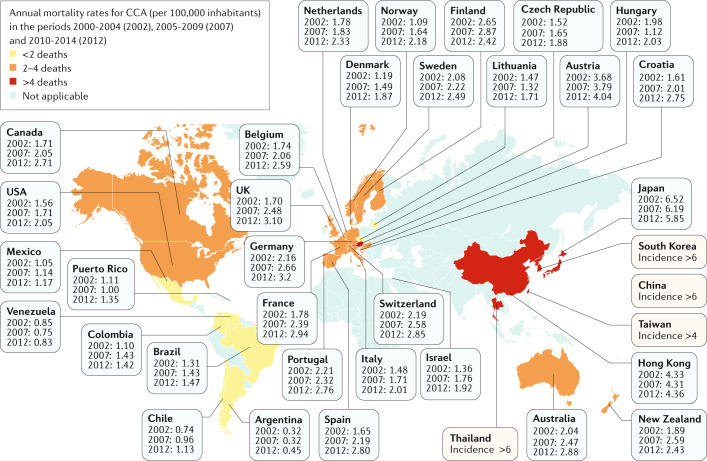
“China is one of the regions with the highest incidence of CCA with an incidence >6 per 100,000 habitants per year [2].”
BackgroundRoberts, H. J., & Wo, J. Y.-L. (2021) · Cancer · doi:10.1002/cncr.34033 · Cited by 25
“Like HCC, surgery is the mainstay of curative therapy for ICC; however, up to 75% present with unresectable disease.(62) For those with unresectable disease, current National Comprehensive Cancer Network guidelines recommend systemic therapy, a clinical trial, or best supportive care with consideration of locoregional…”
BackgroundTanaka, M. H., Kunita, A., Yamagishi, M., Katoh, H., Ishikawa, S., Yamamoto, H., Abe, J., Arita, J., Hasegawa, K., Shibata, T., et al. (2022) · Liver International · doi:10.1111/liv.15366 · Cited by 24
Mancarella, S., Gigante, I., Serino, G., Pizzuto, E., Dituri, F., Valentini, M. F., Wang, J., Chen, X., Armentano, R., Calvisi, D. F., et al. (2022) · Journal of Experimental & Clinical Cancer Research · doi:10.1186/s13046-022-02536-6 · Cited by 25
“Although still considered a rare tumor entity, over the past 20 years, the iCCA incidence and mortality rates have considerably increased in most locations worldwide [1], likely because of the association with HBV- and/or HCV-related liver diseases and, more recently, with metabolic liver disorders [2, 3].”
BackgroundSelf-citationZhang, X., Cai, Y., Xiong, X., Liu, A., Zhou, R., You, Z., Li, F., & Cheng, N. (2022) · Intractable & Rare Diseases Research · doi:10.5582/irdr.2022.01109 · Cited by 24
Surgery and hepatic artery infusion therapy for intrahepatic cholangiocarcinoma
Scott, A., Wong, P., & Melstrom, L. G. (2023) · Surgery · doi:10.1016/j.surg.2023.01.019 · Cited by 24
Hepatitis B virus-related intrahepatic cholangiocarcinoma originates from hepatocytes
Song, Z., Lin, S., Wu, X., Ren, X., Wu, Y., Wen, H., Qian, B., Lin, H., Huang, Y., Zhao, C., et al. (2023) · Hepatology International · doi:10.1007/s12072-023-10556-3 · Cited by 25
“Extended author information available on the last page of the article [6].”
BackgroundZhou, Y., Gu, Q., Zhu, L., Zhang, S., Wu, H., Pu, X., Jiang, C., & Chen, J. (2023) · Cell Proliferation · doi:10.1111/cpr.13513 · Cited by 25
Robotic approach for perihilar cholangiocarcinoma: from Bismuth 1 to vascular resection
Magistri, P., Pang, N. Q., Guidetti, C., Caracciolo, D., Odorizzi, R., Catellani, B., Guerrini, G. P., Sandro, S. D., & Benedetto, F. D. (2023) · European Journal of Surgical Oncology · doi:10.1016/j.ejso.2023.107002 · Cited by 24
Nutritional Support for Liver Diseases
Jamioł-Milc, D., Gudan, A., Kaźmierczak-Siedlecka, K., Hołowko, J., Maciejewska, D., Janda, K., & Stachowska, E. (2023) · Nutrients · doi:10.3390/nu15163640 · Cited by 26
“Cholangiocarcinoma is a known group of malignant cancers found in the biliary tree [8].”
BackgroundCui, J., Ding, R., Liu, H., Ma, M., Zuo, R., & Liu, X. (2024) · BMC Public Health · doi:10.1186/s12889-023-17571-x · Cited by 25
“In addition to the effects of chronic inflammation and hepatitis virus infection, obesity and poor lifestyle habits, including smoking, alcohol consumption, and an unhealthy diet, have significantly contributed to the increased incidence of hepatobiliary and pancreatic tumours [43–45].”
BackgroundSaffioti, F., & Mavroeidis, V. K. (2021) · World Journal of Gastrointestinal Oncology · doi:10.4251/wjgo.v13.i10.1336 · Cited by 25
Depciuch, J., Parlińska‐Wojtan, M., Serin, K. R., Bulut, H., Ulukaya, E., Tarhan, N., & Güleken, Z. (2022) · Spectrochimica Acta Part A Molecular and Biomolecular Spectroscopy · doi:10.1016/j.saa.2022.121006 · Cited by 24
Lv, G., Mu, W., Cao, Y., Sun, X.-D., Feng, W. Q., Chai, K., Huang, B., Zhou, J., Wang, C., Li, M., et al. (2025) · Journal of Hepatology · doi:10.1016/j.jhep.2025.03.028 · Cited by 26
Circulating tumor DNA in cholangiocarcinoma: current clinical applications and future perspectives
Wang, J., Li, Y., Liang, Z., Zhang, Y., Li, T., Tian, C., Zhao, J., Jin, B., Cao, J., & Lin, Y. (2025) · Frontiers in Cell and Developmental Biology · doi:10.3389/fcell.2025.1616064 · Cited by 25
New targets and new drugs for hepatobiliary cancers
Chan, S. L., Lamarca, Á., Hsu, C., Moreno, V., Chan, L. L., & Keenan, B. P. (2025) · Journal of Hepatology · doi:10.1016/j.jhep.2025.08.018 · Cited by 28
Nikas, I. P., Mountzios, G., Sydney, G. I., Ioakim, K. J., Won, J., & Papageorgis, P. (2022) · Cancers · doi:10.3390/cancers14020397 · Cited by 23
“Additionally, chemotherapy is often ineffective with short median survival [4,5,7,16].”
BackgroundLenvatinib Beyond First-Line Therapy in Patients With Advanced Biliary Tract Carcinoma
Wang, Y., Yang, X., Wang, D., Xu, Y., Wang, Y., Long, J., Zhou, J., Lu, Z., Mao, Y., Sang, X., et al. (2022) · Frontiers in Oncology · doi:10.3389/fonc.2022.785535 · Cited by 23
Ravichandra, A., Bhattacharjee, S., & Affò, S. (2022) · Advances in cancer research · doi:10.1016/bs.acr.2022.01.009 · Cited by 25
Song, S., Jin, H., Cheng, Q., Gong, S., Lv, K., Lei, T., Tian, H., Li, X., Lei, C., Yang, W., et al. (2022) · Surgical Endoscopy · doi:10.1007/s00464-022-09181-2 · Cited by 23
“However, due to lack of specific symptoms and signs, most patients with MBO were diagnosed at an advanced stage [1, 3].”
BackgroundMutational signatures and processes in hepatobiliary cancers
Zhuravleva, E., O’Rourke, C. J., & Andersen, J. B. (2022) · Nature Reviews Gastroenterology & Hepatology · doi:10.1038/s41575-022-00587-w · Cited by 26
Self-citationAdvances in the systemic treatment of therapeutic approaches in biliary tract cancer
Mirallas, O., López-Valbuena, D., García-Illescas, D., Fabregat-Franco, C., Verdaguer, H., Tabernero, J. M., & Macarulla, T. M. (2022) · ESMO Open · doi:10.1016/j.esmoop.2022.100503 · Cited by 25
“CCA represents w15% of primary intrahepatic tumors, and after hepatocellular carcinoma, is the most frequent diagnosis of primary liver cancer.(2) CCAs are typically adenocarcinomas, more frequent in males, and multiple risk factors explain the variable incidence of CCAs, such as alcohol consumption, tobacco smoking,…”
BackgroundThe focus clinical research in intrahepatic cholangiocarcinoma
Song, Y., Cai, M., Li, Y., & Liu, S. (2022) · European journal of medical research · doi:10.1186/s40001-022-00741-9 · Cited by 24
“over the decades, great progress has been made in the diagnosis and treatment of ICC, which promote the update of guidelines and consensus [9, 10].”
BackgroundResearch progress of bile biomarkers and their immunoregulatory role in biliary tract cancers
Li, Y., Li, K.-S., Liu, Z., Tang, Y., Hu, X., Li, X.-Y., Shi, A., Zhao, L., Shu, L., Lian, S., et al. (2022) · Frontiers in Immunology · doi:10.3389/fimmu.2022.1049812 · Cited by 25
“features, management, and outcomes (5).”
BackgroundMethodMunir, M. M., Woldesenbet, S., Endo, Y., Lima, H. A., Alaimo, L., Moazzam, Z., Shaikh, C. F., Cloyd, J. M., Ejaz, A. M., Azap, R. A., et al. (2023) · Annals of Surgical Oncology · doi:10.1245/s10434-023-13122-1 · Cited by 26
“Cholangiocarcinoma (CCA) represents a heterogeneous group of malignancies originating from the biliary tract.(1)”
BackgroundNjei, B. M., McCarty, T. R., Mohan, B. P., Fozo, L., & Navaneethan, U. (2023) · Annals of Gastroenterology · doi:10.20524/aog.2023.0779 · Cited by 28
“However, the prognosis of CCA remains extremely poor, with 5-year survival rates after surgery rarely exceeding 35% [6,8].”
BackgroundGao, C., Chu, Z.-Z., Zhang, D., Xiao, Y., Zhou, X.-Y., Wu, J., Yuan, H., Jiang, Y., Chen, D., Zhang, J., et al. (2023) · Oncogene · doi:10.1038/s41388-023-02651-4 · Cited by 25
“In the past decade, there has been an increasing incidence (mainly of the intrahepatic subgroup) worldwide [5].”
BackgroundRole of the Gut–Liver Axis in the Pathobiology of Cholangiopathies: Basic and Clinical Evidence
Bragazzi, M. C., Venere, R., Vignone, A., Alvaro, D., & Cardinale, V. (2023) · International Journal of Molecular Sciences · doi:10.3390/ijms24076660 · Cited by 24
“It accounts for 3% of gastrointestinal cancers, although it is considered a rare tumor [82].”
BackgroundSelf-citationFeng, M., Wang, F., Liu, X., Hao, T., Zhang, N., Deng, M., Pan, Y., & Kong, R. (2023) · Cancer Biology and Medicine · doi:10.20892/j.issn.2095-3941.2023.0019 · Cited by 30
Berardi, G., Lucarini, A., Colasanti, M., Mariano, G., Ferretti, S., Meniconi, R. L., Guglielmo, N., Angrisani, M., Usai, S., Borcea, M. C., et al. (2023) · Cancers · doi:10.3390/cancers15113048 · Cited by 23
“Twenty-five percent of patients present with a disease that is amenable to resection [1].”
BackgroundCerrito, L., Ainora, M. E., Borriello, R., Piccirilli, G., Garcovich, M., Riccardi, L., Pompili, M., Gasbarrini, A., & Zocco, M. A. (2023) · Cancers · doi:10.3390/cancers15133393 · Cited by 25
“However, in most cases, the diagnosis occurs when the disease is already unsuitable for surgical treatment due to vascular or lymphatic invasion, contiguous abdominal structure involvement, multifocal disease, or metastatic spread [4,11,12].”
BackgroundExpert Consensus on Pathological Diagnosis of Intrahepatic Cholangiocarcinoma (2022 version)
Wang, H., Chen, J., Zhang, X., Sheng, X., Chang, X., Chen, J., Chen, M., Dong, H. F., Duan, G., Hu, H.-P., et al. (2023) · Journal of Clinical and Translational Hepatology · doi:10.14218/jcth.2023.00118 · Cited by 25
“24,29,30 Sampling of iCCA Gross Specimens 1.”
BackgroundInfluentialHuang, Y.-P., Wang, Y., Zhou, H., Liu, Z.-T., Zhang, Z., Xiong, L., Zou, H., & Wen, Y. (2024) · Frontiers in Pharmacology · doi:10.3389/fphar.2024.1288255 · Cited by 29
“Moreover, CCA is not sensitive to conventional radiotherapy and chemotherapy, and targeted therapy and immunotherapy have not achieved satisfactory therapeutic effect at present, with the 5-year overall survival rate less than 20% (Banales et al., 2020).”
BackgroundZhao, R., Zhou, J., Miao, Z., Xiong, X., Wei, W., Li, S., & Guo, R. (2024) · Frontiers in Immunology · doi:10.3389/fimmu.2024.1397827 · Cited by 24
“Surgical resection is the only curative treatment; however, most patients are diagnosed with advanced disease when clinical symptoms appear hence lose the opportunity for surgery (3).”
BackgroundHua, S., Gu, X., Jin, H., Zhang, X., Liu, Q., & Yang, J. (2024) · Biomedicine & Pharmacotherapy · doi:10.1016/j.biopha.2024.117080 · Cited by 24
Luo, X., Campbell, N. A., He, L., O’Brien, D. R., Singer, M. S., Lemjabbar‐Alaoui, H., Ahn, K. S., Smoot, R. L., Torbenson, M. S., Rosen, S. D., et al. (2021) · Hepatology · doi:10.1002/hep.31817 · Cited by 24
“1413 is the expression of SULF2 in CCA? (2) What is the effect of SULF2 on CCA growth? (3) Is there a mechanistic role for SULF2 in CCA? (4) Does antiSULF2 antibody 5D5 suppress CCA tumor growth in vivo? (5) Does inhibition of SULF2 using the monoclonal antibody 5D5 abrogate signaling pathways mediating CCA progressio…”
BackgroundResultInfluentialSelf-citationTsilimigras, D. I., Dalmacy, D. M., Hyer, J. M., Díaz, A., Abbas, A., & Pawlik, T. M. (2021) · Annals of Surgical Oncology · doi:10.1245/s10434-021-10202-y · Cited by 22
“While surgical resection is the only chance for long-term survival, adjuvant chemotherapy and/or chemoradiation have been recommended by NCCN for a subset of patients with high-risk features in an effort to improve outcomes.(1,2,11) The rates of compliance with NCCN guidelines in the treatment of CCA at institutions t…”
BackgroundInfluentialSekine, K., Yasuda, I., Doi, S., Kuniyoshi, N., Tsujikawa, T., Takano, Y., Mabuchi, M., Takahashi, K., Kawamoto, M., Takahashi, M., et al. (2022) · Journal of Clinical Medicine · doi:10.3390/jcm11020289 · Cited by 22
“Therefore, there is an urgent need to collect sufficient tissue samples for the accurate diagnosis and molecular profiling of these tumors [1,2].”
BackgroundBai, Z., Guo, Z., Liu, J., Chen, Y.-A., Lü, Q., Zhang, P., Hong, L., Wang, Y., & Dong, J. (2022) · Frontiers in Oncology · doi:10.3389/fonc.2022.860339 · Cited by 23
“Because most patients with early stage CCA are asymptomatic and often only diagnosed at advanced stages, this results in an overall dismal prognosis (2, 3).”
BackgroundOncostatin M: From Intracellular Signaling to Therapeutic Targets in Liver Cancer
Caligiuri, A., Gitto, S., Lori, G., Marra, F., Parola, M., Cannito, S., & Gentilini, A. (2022) · Cancers · doi:10.3390/cancers14174211 · Cited by 24
“CCA, the second-most-common primary liver cancer, is a very aggressive cancer acncounting for 2% of all cancer-associated deaths worldwide yearly [10,11] and includes a heterogeneous group of malignancies occurring at any point of the biliary tree.”
BackgroundShi, G., Huang, X., Wen, T., Song, T.-Q., Kuang, M., Mou, H., Bao, L., Zhao, H., Zhao, H., Feng, X., et al. (2022) · Cancer Medicine · doi:10.1002/cam4.5273 · Cited by 22
Zhang, J., Chen, W., Ma, W., Han, C., Song, K., Kwon, H., & Wu, T. (2022) · American Journal Of Pathology · doi:10.1016/j.ajpath.2022.08.008 · Cited by 22
An overview of extrahepatic cholangiocarcinoma: from here to where?
Yang, Y., & Zhang, X. (2023) · Frontiers in Oncology · doi:10.3389/fonc.2023.1171098 · Cited by 25
Tang, Z., Yang, Y., Chen, W., & Liang, T. (2023) · Hepatology Communications · doi:10.1097/hc9.0000000000000204 · Cited by 23
“[5,15,16,18] However, the underlying mechanism for the interaction between EGFR/ AKT and Wnt/ β -catenin signaling pathways remains unknown in iCCA.”
InfluentialFan, Z., Zou, X., Wang, G., Liu, Y., Jiang, Y., Wang, H., Zhang, P., Feng, W. Q., Du, X., Wang, M., et al. (2024) · Nature Communications · doi:10.1038/s41467-024-44748-8 · Cited by 23
Ma, D., Wei, P., Liu, H., Hao, J., Chen, Z., Chu, Y., Li, Z., Shi, W., Yuan, Z., Cheng, Q., et al. (2024) · Journal of Translational Medicine · doi:10.1186/s12967-024-05854-9 · Cited by 22
“It is a member of the GTPase family involved in various adenocarcinomas, including ICC, through critical signaling pathways [56–58].”
Liver regeneration after partial hepatectomy: Triggers and mechanisms
Korchilava, B., Khachidze, T., Megrelishvili, N., Svanadze, L., Kakabadze, M., Tsomaia, K., Jintcharadze, M., & Kordzaia, D. (2025) · World Journal of Hepatology · doi:10.4254/wjh.v17.i7.107378 · Cited by 24
“Several studies suggest that cholangiocarcinoma and other biliary tract malignancies are frequently associated with overactivation of the Notch and Hedgehog signaling pathways[61].”
Genetic Screens Identify a Context-Specific PI3K/p27Kip1 Node Driving Extrahepatic Biliary Cancer
Falcomatà, C., Bärthel, S., Ulrich, A., Diersch, S., Veltkamp, C., Rad, L., Boniolo, F., Solar, M., Steiger, K., Seidler, B., et al. (2021) · Cancer Discovery · doi:10.1158/2159-8290.cd-21-0209 · Cited by 21
“This represents a major bottleneck, which is rate limiting for preclinical research and explains in part the poor molecular understanding of this devastating disease (1, 12, 19).”
InfluentialPant, K., Richard, S., & Gradilone, S. A. (2022) · Frontiers in Cell and Developmental Biology · doi:10.3389/fcell.2021.809382 · Cited by 21
“CCA is one of the deadly forms of cancer that progresses without symptoms until advanced stages and leaves patients with inadequate therapeutic choices (Banales et al., 2020).”
BackgroundSelf-citationChemoresistance and resistance to targeted therapies in biliary tract cancer: what have we learned?
Mayr, C., Kiesslich, T., Modest, D. P., Stintzing, S., Ocker, M., & Neureiter, D. (2022) · Expert Opinion on Investigational Drugs · doi:10.1080/13543784.2022.2034785 · Cited by 22
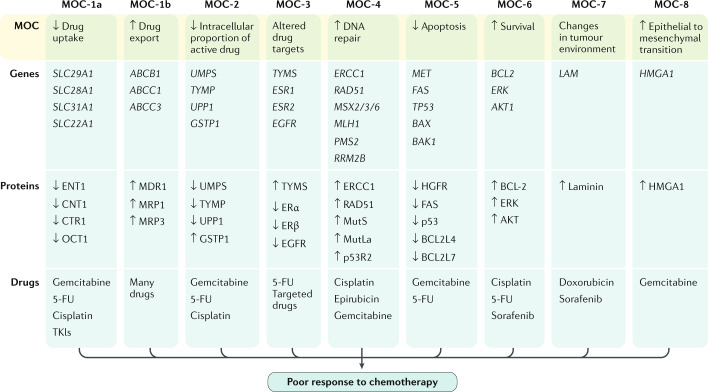
“(A) Overview on the general mechanisms of pharmacoresistance (MPR, based on [5,26,28,61]).”
BackgroundActivated TAZ induces liver cancer in collaboration with EGFR/HER2 signaling pathways
Moon, H., Park, H., Chae, M. J., Choi, H. J., Kim, D. Y., & Ro, S. W. (2022) · BMC Cancer · doi:10.1186/s12885-022-09516-1 · Cited by 24
“Of note, Wang et al. recently reported that genetic ablation of Notch2 suppressed development of CC phenotypes in murine livers expressing activated forms of AKT and YAP, while deletion of Notch1 did not affect CC development induced by AKT and YAP, signifying the role of Notch2 in hepatocyte-derived CC formation in m…”
BackgroundInfluentialSupradit, K., Boonsri, B., Duangdara, J., Thitiphatphuvanon, T., Suriyonplengsaeng, C., Kangsamaksin, T., Janvilisri, T., Tohtong, R., Yacqub‐Usman, K., Grabowska, A. M., et al. (2022) · Toxicology in Vitro · doi:10.1016/j.tiv.2022.105385 · Cited by 21
Hamura, R., Haruki, K., Shirai, Y., Tanji, Y., Taniai, T., Okui, N., Furukawa, K., Shiozaki, H., Onda, S., & Ikegami, T. (2022) · Surgical Oncology · doi:10.1016/j.suronc.2022.101825 · Cited by 21
Metadata
- Authors
- Banales, J. M., Marin, J. J. G., Lamarca, A., Rodrigues, P. M., Khan, S. A., Roberts, L. R., Cardinale, V., Carpino, G., Andersen, J. B., Braconi, C., Calvisi, D. F., Perugorria, M. J., Fabris, L., Boulter, L., Macias, R. I. R., Gaudio, E., Alvaro, D., Gradilone, S. A., Strazzabosco, M., Marzioni, M., Coulouarn, C., Fouassier, L., Raggi, C., Invernizzi, P., Mertens, J. C., Moncsek, A., Ilyas, S. I., Heimbach, J., Koerkamp, B. G., Bruix, J., Forner, A., Bridgewater, J., Valle, J. W., & Gores, G. J.
- Affiliations
- University of the Basque Country (ES)
- Hammersmith Hospital (GB)
- Mayo Clinic (US)
- Sapienza University of Rome (IT)
- Foro Italico University of Rome (IT)
- University of Copenhagen (DK)
- University of Glasgow (GB)
- University of Regensburg (DE)
- University of Padua (IT)
- Institute of Genetics and Cancer (GB)
- University of Minnesota (US)
- Marche Polytechnic University (IT)
- Inserm (FR)
- University of Florence (IT)
- University of Milano-Bicocca (IT)
- University of Zurich (CH)
- Erasmus MC (NL)
- Instituto de Salud Carlos III (ES)
- University College London (GB)
- National Health Service (GB)
- ORCID
- Banales, Jesus M.
- Marin, Jose J. G.
- Lamarca, Angela
- Rodrigues, Pedro M.
- Khan, Shahid A.
- Roberts, Lewis R.
- Cardinale, Vincenzo
- Carpino, Guido
- Andersen, Jesper B.
- Braconi, Chiara
- Calvisi, Diego F.
- Perugorria, Maria J.
- Fabris, Luca
- Boulter, Luke
- Macias, Rocio I. R.
- Gaudio, Eugenio
- Alvaro, Domenico
- Gradilone, Sergio A.
- Strazzabosco, Mario
- Marzioni, Marco
- Coulouarn, Cédric
- Fouassier, Laura
- Raggi, Chiara
- Invernizzi, Pietro
- Mertens, Joachim C.
- Moncsek, Anja
- Ilyas, Sumera I.
- Heimbach, Julie
- Koerkamp, Bas Groot
- Bruix, Jordi
- Forner, Alejandro
- Bridgewater, John
- Valle, Juan W.
- Gores, Gregory J.
- Venue
- Nature Reviews Gastroenterology & Hepatology
- Published
- 2020-06-30
- Volume
- 17
- Issue
- 9
- Pages
- 557-588
- ISSN
- 1759-5045 (ISSN-L)
- 1759-5053
- PMC
- PMC7447603
- OpenAlex
- W3039360174
- Semantic Scholar
- 18f2779f042888382d9adc72b2c1546bbf440cf9
- Cited by
- 2,411
- References
- 410
- Citations by year
- 2026: 259 · 2025: 482 · 2024: 461 · 2023: 434 · 2022: 455 · 2021: 271 · 2020: 39
- FWCI
- 68.28
- Type
- journal article
- Language
- en
- Open access
- hybrid
- doi.org
- Licence
- cc-by
- creativecommons.org/licenses/by/4.0 (tdm)
- creativecommons.org/licenses/by/4.0 (vor)
- Locations
- Nature Reviews Gastroenterology & Hepatology (publishedVersion, cc-by)
- PubMed Central (publishedVersion, cc-by)
- PubMed (publishedVersion)
- Hispana (publishedVersion, other-oa)
- EUR Research Repository (Erasmus University Rotterdam) (publishedVersion, other-oa)
- Florence Research (University of Florence) (submittedVersion, other-oa)
- Università Politecnica delle Marche (Università Politecnica delle Marche) (submittedVersion, cc-by)
- Padua Research Archive (University of Padova) (submittedVersion, cc-by)
- EUR Research Repository (Erasmus University Rotterdam) (submittedVersion, other-oa)
- RePub (Erasmus University Rotterdam) (submittedVersion, other-oa)
- HAL (submittedVersion, other-oa)
- Communities in ADDI (University of the Basque Country) (submittedVersion, cc-by)
- BOA (University of Milano-Bicocca) (submittedVersion, cc-by)
- LA Referencia (Red Federada de Repositorios Institucionales de Publicaciones Científicas) (submittedVersion, cc-by)
- UCL Discovery (University College London) (submittedVersion)
- University of Regensburg Publication Server (University of Regensburg) (submittedVersion)
- Gredos (University of Salamanca) (submittedVersion, other-oa)
- IRIS Research product catalog (Sapienza University of Rome) (submittedVersion, cc-by)
- Funders
- Cholangiocarcinoma Foundation
- Novo Nordisk Fonden (NNF19OC0058419, NNF15OC0014040)
- National Institutes of Health (UL1TR001863)
- National Cancer Institute (K08CA236874, P50CA210964)
- National Institute of Diabetes and Digestive and Kidney Diseases (P30DK034989)
- National Center for Advancing Translational Sciences
- Topics
- Health Sciences › Medicine › Surgery › Cholangiocarcinoma and Gallbladder Cancer Studies
- Health Sciences › Medicine › Surgery › Pediatric Hepatobiliary Diseases and Treatments
- Health Sciences › Medicine › Hepatology › Liver Diseases and Immunity
- Keywords
- cholangiocarcinoma, biliary tract cancer, tumor heterogeneity, cell of origin, genetic alterations, epigenetic modifications, molecular alterations, biomarker discovery, diagnosis, treatment, prognosis, tumor classification
- MeSH terms
- Bile Duct Neoplasms, Humans, Cholangiocarcinoma
About these checks
Registry, retraction, Cites and statistics results are computed, not judged, with one exception: a printed reference that no index lists is read once by a model before it counts as a citation error. Claims are extracted by a model and kept only when their quote appears verbatim in the text; each cited source is then checked, with a model’s help, for whether it says what the claim relies on. Those verdicts can be wrong — read the claim’s quote and the cited source before relying on one.
Statistics and arithmetic are recomputed, not judged.
Confidence bands are shown only for fields calibrated on our annotated test set. None is calibrated yet, so no band is shown.
What counts as a claim ›How we measure confidence ›How we check this ›
Are you an author, or do you see a problem with this page? Request a review
Data sources
Bibliographic data: Semantic Scholar, OpenAlex, Crossref.
Contains information from the Semantic Scholar Academic Graph Datasets, made available under the ODC Attribution License (ODC-BY 1.0).
Semantic Scholar’s data is described in: Kinney, R., et al. (2023). The Semantic Scholar Open Data Platform. arXiv:2301.10140.
