

Cholangiocarcinoma 2020: the next horizon in mechanisms and management
Open accessThe DOI matches its Crossref record; 410 of the 410 references it cites were found in a registry or an index.
Abstract
Cholangiocarcinoma (CCA) includes a cluster of highly heterogeneous biliary malignant tumours that can arise at any point of the biliary tree. Their incidence is increasing globally, currently accounting for ~15% of all primary liver cancers and ~3% of gastrointestinal malignancies. The silent presentation of these tumours combined with their highly aggressive nature and refractoriness to chemotherapy contribute to their alarming mortality, representing ~2% of all cancer-related deaths worldwide yearly. The current diagnosis of CCA by non-invasive approaches is not accurate enough, and histological confirmation is necessary. Furthermore, the high heterogeneity of CCAs at the genomic, epigenetic and molecular levels severely compromises the efficacy of the available therapies. In the past decade, increasing efforts have been made to understand the complexity of these tumours and to develop new diagnostic tools and therapies that might help to improve patient outcomes. In this expert Consensus Statement, which is endorsed by the European Network for the Study of Cholangiocarcinoma, we aim to summarize and critically discuss the latest advances in CCA, mostly focusing on classification, cells of origin, genetic and epigenetic abnormalities, molecular alterations, biomarker discovery and treatments. Furthermore, the horizon of CCA for the next decade from 2020 onwards is highlighted.
Overview
The claims and statistics of this paper haven’t been checked yet.
Free: it reads the open-access text and checks the first 5 claims that cite a source we can check. Create a free account to check every claim.
Integrity signals
Registry
Cites
Statistics
Figures
Verification
Claims the paper makes
The claims and statistics of this paper haven’t been checked yet.
Free: it reads the open-access text and checks the first 5 claims that cite a source we can check. Create a free account to check every claim.
Claims other papers make about this one
Each is checked against this paper’s own text: does it say what the citing paper says it does?
The source backs part of the claim, not all of it — or backs it for a different population, condition or comparison.
In the citing paper
“It is thought that the majority of ICCs are derived from BECs [210], but mouse and human hepatocytes also represent potential sources for ICCs [212, 213].”
From Inflammation and immunity in liver homeostasis and disease: a nexus of hepatocytes, nonparenchymal cells and immune cells (2025) · doi:10.1038/s41423-025-01313-7 · cites this paper as [210]
Experimental — accuracy not yet measuredThe source backs part of the claim, not all of it — or backs it for a different population, condition or comparison.
In the citing paper
“Several studies suggest that cholangiocarcinoma and other biliary tract malignancies are frequently associated with overactivation of the Notch and Hedgehog signaling pathways[61].”
From Liver regeneration after partial hepatectomy: Triggers and mechanisms (2025) · cites this paper as [61]
Experimental — accuracy not yet measuredIn the citing paper
“Intrahepatic cholangiocarcinoma (ICC) is a biliary tree neoplasia that arises in noncirrhotic and cirrhotic livers and has a rising incidence [210, 211].”
From Inflammation and immunity in liver homeostasis and disease: a nexus of hepatocytes, nonparenchymal cells and immune cells (2025) · doi:10.1038/s41423-025-01313-7 · cites this paper as [210]
Self-check
Percentages, sums and reported differences re-computed from the paper’s own numbers.
The self-check needs the paper’s full text.
Citations
Cites
The National Comprehensive Cancer Network: Present and future directions
McGivney, W. T. (1998) · Cancer · doi:10.1002/(sici)1097-0142(19980515)82:10+<2057::aid-cncr14>3.0.co;2-a · Cited by 16,766 · cited 1×
“Patients diagnosed with iCCA in liver-predominant disease might be considered for liver-directed therapies 345,346 .”
BackgroundEpithelial-Mesenchymal Transitions in Development and Disease
Thiery, J. P., Acloque, H., Huang, R. Y. J., & Nieto, M. A. (2009) · Cell · doi:10.1016/j.cell.2009.11.007 · Cited by 9,931 · cited 1×
“EMT is a cell plasticity-promoting phenomenon initially reported to occur during embryogenesis, but that also takes place in cancer, enabling epithelial cancer cells to acquire mesenchymal features with invasive properties that lead to metastatic colonization 174 .”
BackgroundPD-1 Blockade in Tumors with Mismatch-Repair Deficiency
Le, D. T., Uram, J. N., Wang, H., Bartlett, B. R., Kemberling, H., Eyring, A. D., Skora, A. D., Luber, B. S., Azad, N. S., Laheru, D., et al. (2015) · New England Journal of Medicine · doi:10.1056/nejmoa1500596 · Cited by 9,377
Mismatch repair deficiency predicts response of solid tumors to PD-1 blockade
Le, D. T., Durham, J. N., Smith, K. N., Wang, H., Bartlett, B. R., Aulakh, L. K., Lu, S., Kemberling, H., Wilt, C., Luber, B. S., et al. (2017) · Science · doi:10.1126/science.aan6733 · Cited by 6,645 · cited 2×
“In a cohort of 86 patients with MMR-deficient tumours, including four patients with CCA, immune checkpoint blockade with the anti-PDL1 monoclonal antibody pembrolizumab resulted in a complete response in one of the patients with CCA and stabilization of disease in the other three 232 .”
Understanding the tumor immune microenvironment (TIME) for effective therapy
Binnewies, M., Roberts, E. W., Kersten, K., Chan, V., Fearon, D. F., Merad, M., Coussens, L. M., Gabrilovich, D. I., Ostrand-Rosenberg, S., Hedrick, C. C., et al. (2018) · Nature Medicine · doi:10.1038/s41591-018-0014-x · Cited by 6,145 · cited 2×
“…of T cell-infiltrated TMEs, characterized by infiltration of CD8 + T cells, chemo-kines and molecules responsible for T cell priming and immune infiltration, is associated with higher response to immune checkpoint blockade, whereas non-T cell-infiltrated TMEs have poorer responses 214,215 .”
Role of YAP/TAZ in mechanotransduction
Dupont, S., Morsut, L., Aragona, M., Enzo, E., Giulitti, S., Cordenonsi, M., Zanconato, F., Le Digabel, J., Forcato, M., Bicciato, S., et al. (2011) · Nature · doi:10.1038/nature10137 · Cited by 5,979
Mutational heterogeneity in cancer and the search for new cancer-associated genes
Lawrence, M. S., Stojanov, P., Polak, P., Kryukov, G. V., Cibulskis, K., Sivachenko, A., Carter, S. L., Stewart, C., Mermel, C. H., Roberts, S. A., et al. (2013) · Nature · doi:10.1038/nature12213 · Cited by 5,461 · cited 1×
“Regarding genomic alterations, CCA falls midway in the mutational spectrum of cancers 111 , with an approximately equal content of genomic alterations in iCCA (median 39 non-synonymous mutations per tumour) and eCCA (median 35 non-synonymous mutations per tumour) 56 .”
Cisplatin plus Gemcitabine versus Gemcitabine for Biliary Tract Cancer
Valle, J., Wasan, H., Palmer, D. H., Cunningham, D., Anthoney, A., Maraveyas, A., Madhusudan, S., Iveson, T., Hughes, S., Pereira, S. P., et al. (2010) · New England Journal of Medicine · doi:10.1056/nejmoa0908721 · Cited by 4,406 · cited 2×
“The ABC-02 trial randomly assigned 410 patients with ECOG-PS ≤2 to systemic chemotherapy with gemcitabine alone or cisplatin–gemcitabine 336 ; the study showed an OS benefit in favour of cisplatin– gemcitabine (HR 0.64), a benefit confirmed in the Japanese randomized phase II BT22 study 337 .”
InfluentialSelf-citationThe biology and function of fibroblasts in cancer
Kalluri, R. (2016) · Nature Reviews Cancer · doi:10.1038/nrc.2016.73 · Cited by 4,366 · cited 1×
“CAFs are a heterogeneous population of spindle-shaped cells with mesenchymal origin that contribute to tumour progression in many human cancers 199 .”
New insights into the mechanisms of epithelial–mesenchymal transition and implications for cancer
Dongre, A., & Weinberg, R. A. (2019) · Nature Reviews Molecular Cell Biology · doi:10.1038/s41580-018-0080-4 · Cited by 3,876
Research works printed but not linked: 3
- Bosman, F. T., Carneiro, F., Hruban, R. & Theise N. WHO Classification of Tumours: Digestive System Tumours 5th edn Vol. 1 (IARC, 2019).
- Hamilton, S. R. A. et al. WHO Classification of Tumours: Pathology and Genetics of Tumours of the Digestive System 3rd edn Vol. 2 (IARC, 2000).
- Amin, M. B. et al. AJCC Cancer Staging Manual (Springer, 2017).
Cited by
Items 101–200 of 1,002
Impact of aging on primary liver cancer: epidemiology, pathogenesis and therapeutics
Macías, R. I. R., Monte, M. J., Serrano, M. A., Santiago, J. M. G., Martin-Arribas, I., Simão, A. L., Castro, R. E., González‐Gallego, J., Mauriz, J. L., & Marín, J. J. G. (2021) · Aging · doi:10.18632/aging.203620 · Cited by 71
“Besides, intrahepatic cholangiocarcinoma (iCCA) accounts for 10-15% of all primary liver cancers, and the number of newly diagnosed cases per year is also rising [3], although its incidence rate has important geographical variations, reflecting local differences in risk factors [4].”
BackgroundHeterogeneity, crosstalk, and targeting of cancer-associated fibroblasts in cholangiocarcinoma
Vilà, P. C., Ravichandra, A., Lizaso, A. A., Perugorria, M. J., & Affò, S. (2023) · Hepatology · doi:10.1097/hep.0000000000000206 · Cited by 72
Self-citationAn overview of the pharmacological activities of scopoletin against different chronic diseases
Parama, D., Girisa, S., Khatoon, E., Kumar, A., Alqahtani, M. S., Abbas, M. A. E., Sethi, G., & Kunnumakkara, A. B. (2022) · Pharmacological Research · doi:10.1016/j.phrs.2022.106202 · Cited by 67
Fujii‐Lau, L. L., Thosani, N. C., Al‐Haddad, M., Acoba, J. D., Wray, C. J., Zvavanjanja, R. C., Amateau, S. K., Buxbaum, J. L., Calderwood, A. H., Chalhoub, J. M., et al. (2023) · Gastrointestinal Endoscopy · doi:10.1016/j.gie.2023.06.005 · Cited by 61
Huang, F., Liu, Z., Song, Y., Wang, G., Shi, A., Chen, T., Huang, S., Lian, S., Li, K., Tang, Y., et al. (2025) · Cancer Cell · doi:10.1016/j.ccell.2025.05.017 · Cited by 67
Giraldo, N. A., Drill, E. N., Satravada, B. A., Dika, I. E., Brannon, A. R., Dermawan, J. K. T. K., Mohanty, A. S., Özcan, K., Chakravarty, D., Benayed, R., et al. (2022) · Clinical Cancer Research · doi:10.1158/1078-0432.ccr-22-1954 · Cited by 68
Sirica, A. E., Strazzabosco, M., & Cadamuro, M. (2020) · Advances in cancer research · doi:10.1016/bs.acr.2020.10.005 · Cited by 62
“0% all gastrointestinal malignancies (Khan et al., 2019; Banales et al., 2020) and comprising around 10– 20% hepatobiliary cancers (Blechacz, 2017; Gupta & Dixson, et al.”
BackgroundInfluentialSelf-citationPark, H. J., Park, B., Park, S. Y., Choi, S. H., Rhee, H., Park, J. H., Cho, E., Yeom, S. K., Park, S., Park, M., et al. (2021) · European Radiology · doi:10.1007/s00330-021-07926-6 · Cited by 62
HMGA1 augments palbociclib efficacy via PI3K/mTOR signaling in intrahepatic cholangiocarcinoma
Li, Z., Zhou, H., Xia, Z., Xia, T., Du, G., Franziska, S. D., Li, X., Zhai, X., & Jin, B. (2023) · Biomarker Research · doi:10.1186/s40364-023-00473-w · Cited by 66
“…Zhou 1,2 , Zhijia Xia 3 , Tong Xia 4 , Gang Du 4 , Strohmer Dorothee Franziska 3 , Xiaoming Li 1* , Xiangyu Zhai 1* and Bin Jin 1,4* Background Cholangiocarcinoma (CCA) is a highly aggressive cancer that arises from the biliary epithelial cells and is the second most common primary liver [1].”
BackgroundVogel, A., Saborowski, A. L., Wenzel, P., Wege, H., Folprecht, G., Kretzschmar, A., Schütt, P., Jacobasch, L., Ziegenhagen, N., Boeck, S. H., et al. (2024) · The Lancet. Gastroenterology & hepatology · doi:10.1016/s2468-1253(24)00119-5 · Cited by 69
Xue, W., Dong, B., Zhao, Y., Wang, Y., Yang, C., Xie, Y., Niu, Z., & Zhu, C. (2021) · Cellular Oncology · doi:10.1007/s13402-021-00642-9 · Cited by 61
Combined Hepatocellular-Cholangiocarcinoma: Biology, Diagnosis, and Management
Ye, L., Schneider, J. S., Khaled, N. B., Schirmacher, P., Seifert, C., Frey, L., He, Y., Geier, A., Toni, E. N. D., Zhang, C., et al. (2023) · Liver Cancer · doi:10.1159/000530700 · Cited by 61
Liquid biopsy in cholangiocarcinoma: Current status and future perspectives
Rompianesi, G., Martino, M. D., Gordon-Weeks, A. N., Montalti, R., & TROISI, R. I. (2021) · World Journal of Gastrointestinal Oncology · doi:10.4251/wjgo.v13.i5.332 · Cited by 59
Intrahepatic cholangiocarcinoma: Tumour heterogeneity and its clinical relevance
Komuta, M. (2022) · Clinical and Molecular Hepatology · doi:10.3350/cmh.2021.0287 · Cited by 57
Cousin, S., Cantarel, C., Guégan, J., Mazard, T., Gomez‐Roca, C., Metges, J., Bellera, C. A., Adenis, A., Korakis, I., Poureau, P.-G., et al. (2022) · European Journal of Cancer · doi:10.1016/j.ejca.2021.11.012 · Cited by 60
[18F]FAPI PET/CT in the evaluation of focal liver lesions with [18F]FDG non-avidity
Zhang, J., He, Q., Jiang, S., Li, M., Xue, H., Zhang, D., Li, S., Peng, H., Liang, J., Liu, Z., et al. (2022) · European Journal of Nuclear Medicine and Molecular Imaging · doi:10.1007/s00259-022-06022-1 · Cited by 59
“Intrahepatic cholangiocarcinoma (ICC), the second-most common primary liver malignancy, comprises 10% of all primary liver cancers [2].”
BackgroundAlpha5 nicotine acetylcholine receptor subunit promotes intrahepatic cholangiocarcinoma metastasis
Fu, Y., Shen, K., Wang, H., Wang, S., Wang, X., Zhu, L., Zheng, Y., Zou, T., Ci, H., Dong, Q., et al. (2024) · Signal Transduction and Targeted Therapy · doi:10.1038/s41392-024-01761-z · Cited by 58
Yoo, C., Jeong, H., Jeong, J. H., Kim, K., Lee, S., Ryoo, B., Hwang, D. W., Lee, J. H., Moon, D.-B., Kim, K., et al. (2024) · Journal of Hepatology · doi:10.1016/j.jhep.2024.10.043 · Cited by 60
Lu, J., Wu, L., Sun, Y., Huang, X., Gao, C., Guo, X.-J., Zeng, H., Qu, X.-D., Chen, Y., Wu, D., et al. (2024) · Nature Communications · doi:10.1038/s41467-024-44795-1 · Cited by 58
Wang, T., Xu, C., Zhang, Z., Wu, H. J., Li, X., Zhang, Y., Deng, N., Dang, N., Tang, G., Yang, X., et al. (2022) · Hepatology · doi:10.1002/hep.32483 · Cited by 57
“Intrahepatic cholangiocarcinoma (ICC) is the second most common liver malignancy, with increasing incidences and mortality rate.[1] Many driver genes and critical signaling molecules involved in ICC development have been identified using genomic and genetic studies.”
BackgroundMethodLei, S., Cao, W., Zeng, Z., Zhang, Z., Jin, B., Tian, Q., Wu, Y., Zhang, T., Li, D., Hu, C., et al. (2022) · Cell Death and Disease · doi:10.1038/s41419-022-05412-5 · Cited by 58
“INTRODUCTION Cholangiocarcinoma (CCA) is responsible for the fourth-highest number of tumor-related deaths worldwide [1].”
BackgroundZaki, M. B., Abulsoud, A. I., Elshaer, S. S., Fathi, D., Abdelmaksoud, N. M., El‐Mahdy, H. A., Ismail, A., Elsakka, E. G. E., Sallam, A.-A. M., & Doghish, A. S. (2023) · Pathology - Research and Practice · doi:10.1016/j.prp.2023.154437 · Cited by 54
Zuyin, L., Zhao, L., Qian, C., Changkun, Z., Ma, D., Jialing, H., Zhuomiaoyu, C., Li, Y.-Z., Jiaxi, Z., Jie, G., et al. (2024) · Advanced Science · doi:10.1002/advs.202412740 · Cited by 63
Autophagy Regulation on Cancer Stem Cell Maintenance, Metastasis, and Therapy Resistance
Wang, X., Lee, J., & Xie, C. (2022) · Cancers · doi:10.3390/cancers14020381 · Cited by 53
“epithelial-mesenchymal transitions (EMT), where the cancer cells lose epithelial characteristics and develop mesenchymal features that allow for invasion into the local vascular network and migration to distant locations with more optimal conditions for tumor growth [10].”
BackgroundZhang, Y., Xu, H., Cui, G., Liang, B.-Y., Chen, X., Ko, S., Affò, S., Song, X., Liao, Y., Feng, J., et al. (2022) · Gastroenterology · doi:10.1053/j.gastro.2022.04.028 · Cited by 53
Self-citationImmunotherapy in Biliary Tract Cancers: Current Standard-of-Care and Emerging Strategies
Lo, J. H.-J., Agarwal, R., Goff, L. W., & Heumann, T. R. (2023) · Cancers · doi:10.3390/cancers15133312 · Cited by 58
“The CAFs in BTCs are thought to originate from hepatic stellate cells (for iCCAs), portal fibroblasts, and/or circulating mesenchymal cells [3].”
BackgroundVallejo, A., Erice, O., Entrialgo‐Cadierno, R., Feliu, I., Guruceaga, E., Perugorria, M. J., Olaizola, P., Muggli, A., Macaya, I., O’Dell, M. R., et al. (2021) · Journal of Hepatology · doi:10.1016/j.jhep.2021.03.028 · Cited by 53
Self-citationCholangiocarcinoma progression depends on the uptake and metabolization of extracellular lipids
de Gauna, M. R., Biancaniello, F., González‐Romero, F., Rodrigues, P. M., Lapitz, A., Gómez‐Santos, B., Olaizola, P., Matteo, S. D., Aurrekoetxea, I., Labiano, I., et al. (2022) · Hepatology · doi:10.1002/hep.32344 · Cited by 54
“However, the high heterogeneity of CCAs extremely compromises the finding of common and effective treatments for all patients but opens a door to precision- targeted therapies.[2] CCA subclasses differ not only on their anatomical location but also on their histological features,[3,4] risk factors,[5] putative cell of…”
BackgroundSelf-citationIntegrating cytotoxic, targeted and immune therapies for cholangiocarcinoma
Mertens, J. C., & Lamarca, Á. (2022) · Journal of Hepatology · doi:10.1016/j.jhep.2022.11.005 · Cited by 55
Self-citationNext-Generation Biomarkers for Cholangiocarcinoma
Rodrigues, P. M., Vogel, A., Arrese, M. A., Balderramo, D. C., Valle, J. W., & Bañales, J. M. (2021) · Cancers · doi:10.3390/cancers13133222 · Cited by 56
“In the case of liver cancer, chronic cholestasis and inflammation, leading to oxidative stress and lipid peroxidation, contribute to these changes along with genetic and epigenetic changes occurring during carcinogenesis [1].”
BackgroundInfluentialSelf-citationMancarella, S., Serino, G., Gigante, I., Cigliano, A., Ribback, S., Sanese, P., Grossi, V., Simone, C., Armentano, R., Evert, M., et al. (2022) · Journal of Experimental & Clinical Cancer Research · doi:10.1186/s13046-022-02283-8 · Cited by 51
“Background Intrahepatic cholangiocarcinoma (iCCA) is a highly aggressive tumor developing in the biliary tract and the second most common primary hepatic cancer after hepatocellular carcinoma (HCC) [1].”
BackgroundInfluentialSelf-citationCriteria for preclinical models of cholangiocarcinoma: scientific and medical relevance
Calvisi, D. F., Boulter, L., Vaquero, J., Saborowski, A. L., Fabris, L., Rodrigues, P. M., Coulouarn, C., Castro, R. E., Segatto, O., Raggi, C., et al. (2023) · Nature Reviews Gastroenterology & Hepatology · doi:10.1038/s41575-022-00739-y · Cited by 54
Self-citationDai, Z., Zhu, W., Hou, Y., Zhang, X., Ren, X., Lei, K., Liao, J., Liu, H., Chen, Z., Peng, S., et al. (2023) · Molecular Therapy · doi:10.1016/j.ymthe.2023.09.014 · Cited by 52
Chen, X., Qin, S., Gu, S., Ren, Z., Chen, Z., Xiong, J., Liu, Y., Meng, Z., Zhang, X., Wang, L., et al. (2021) · International Journal of Cancer · doi:10.1002/ijc.33751 · Cited by 53
Chen, Z., Li, H., Li, Z., Chen, S., Huang, X., Zheng, Z., Qian, X., Zhang, L., Long, G., Xie, J., et al. (2022) · Pharmacological Research · doi:10.1016/j.phrs.2022.106564 · Cited by 54
Gao, J., Fang, Y., Chen, J., Tang, Z., Tian, M., Jiang, X., Tao, C., Huang, R., Zhu, G., Qu, W., et al. (2023) · Oncogene · doi:10.1038/s41388-023-02760-0 · Cited by 53
“INTRODUCTION Intrahepatic cholangiocarcinoma (ICC), a type of primary hepatocellular carcinoma, is the second-most common malignant tumor originating from the epithelial cells of the bile ducts or hepatic ducts [1], accounting for 5–10% of primary liver cancer cases [2].”
BackgroundHack, S. P., Verret, W. J., Mulla, S. M., Liu, B., Wang, Y., Macarulla, T. M., Ren, Z., El-Khoueiry, A. B., & Zhu, A. X. (2021) · Therapeutic Advances in Medical Oncology · doi:10.1177/17588359211036544 · Cited by 51
Molecular and radiopathologic spectrum between HCC and intrahepatic cholangiocarcinoma
Jeon, Y., Kwon, S. M., Rhee, H., Yoo, J. E., Chung, T., Woo, H. G., & Park, Y. N. (2022) · Hepatology · doi:10.1002/hep.32397 · Cited by 53
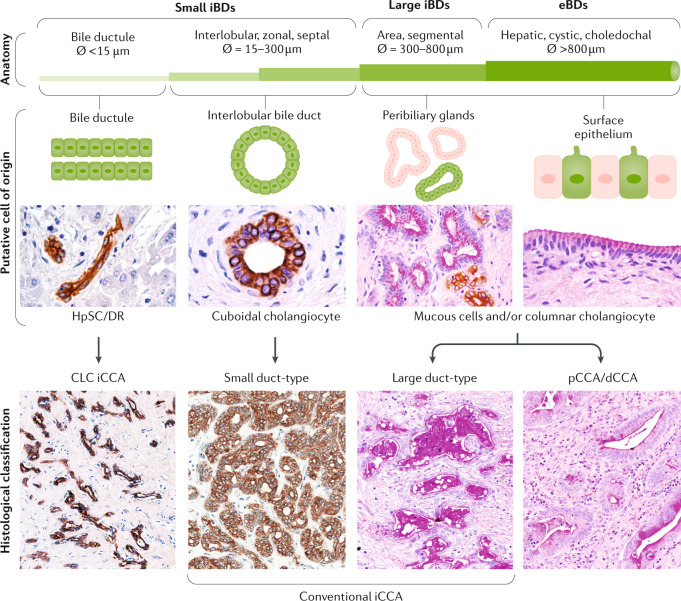
“[11,12] Pathologically, iCCAs can be classified into the small duct (SD) and the large duct (LD) types.[13] SD‐iCCA is similar to HCC, showing associations with HCC‐related etiologic factors such as viral hepatitis and metabolic syndrome, whereas LD‐iCCA is similar to extrahepatic bile duct cancers.”
BackgroundHolster, J. J., Hassnaoui, M. E., Franssen, S., IJzermans, J. N. M., de Jonge, J., Mostert, B., Polak, W. G., de Wilde, R. F., Homs, M. Y. V., & Koerkamp, B. G. (2022) · Annals of Surgical Oncology · doi:10.1245/s10434-022-11439-x · Cited by 50
“apy are emerging and seem to prove effective, with up to 50% of cholangiocarcinomas containing druggable mutations, amplifications, or fusions.(47) In the current umbrella trial SAFIR ABC-10, molecular subtyping is used for precision treatment in patients with advanced cholangiocarcinoma.”
BackgroundSelf-citationFibroblasts in liver cancer: functions and therapeutic translation
Affo, S., Filliol, A., Gores, G. J., & Schwabe, R. F. (2023) · The Lancet Gastroenterology & Hepatology · doi:10.1016/s2468-1253(23)00111-5 · Cited by 49
Self-citationArima, Y., Matsueda, S., & Saya, H. (2023) · Cancers · doi:10.3390/cancers15092536 · Cited by 49
“Cholangiocarcinoma is also highly aggressive, is heterogeneous at both intertumoral and intratumoral levels, and has a poor prognosis [23].”
BackgroundDeubiquitinase JOSD2 stabilizes YAP/TAZ to promote cholangiocarcinoma progression
Qian, M., Yan, F., Wang, W., Du, J., Yuan, T., Wu, R., Zhao, C., Wang, J., Lu, J., Zhang, B., et al. (2021) · Acta Pharmaceutica Sinica B · doi:10.1016/j.apsb.2021.04.003 · Cited by 49
Wen, N., Peng, D., Xiong, X., Liu, G., Nie, G., Wang, Y., Xu, J., Wang, S., Yang, S., Tian, Y., et al. (2024) · Signal Transduction and Targeted Therapy · doi:10.1038/s41392-024-01814-3 · Cited by 50
Park, S., Lee, Y.-E., Kim, H., Yu, M. H., Lee, E. S., Yoon, J. H., Joo, I., & Lee, J. M. (2022) · Liver Cancer · doi:10.1159/000521747 · Cited by 47
Ji, G., Jiao, C., Xu, Z., Li, X., Wang, X., & Wang, X. (2022) · BMC Cancer · doi:10.1186/s12885-022-09352-3 · Cited by 50
Emerging roles of circular RNAs in liver cancer
Louis, C., Leclerc, D., & Coulouarn, C. (2021) · JHEP Reports · doi:10.1016/j.jhepr.2021.100413 · Cited by 60
“Both are associated with limited therapeutic options as they are frequently diagnosed late.(53,54) Although our understanding of liver carcinogenesis has improved, notably through functional genomic studies, effective long-term targeted therapies are still lacking.”
BackgroundSelf-citationChen, Y., Xu, X., Wang, Y., Zhang, Y., Zhou, T., Jiang, W., Wang, Z., Chang, J., Liu, S., Chen, R., et al. (2023) · Journal of Experimental & Clinical Cancer Research · doi:10.1186/s13046-023-02842-7 · Cited by 49
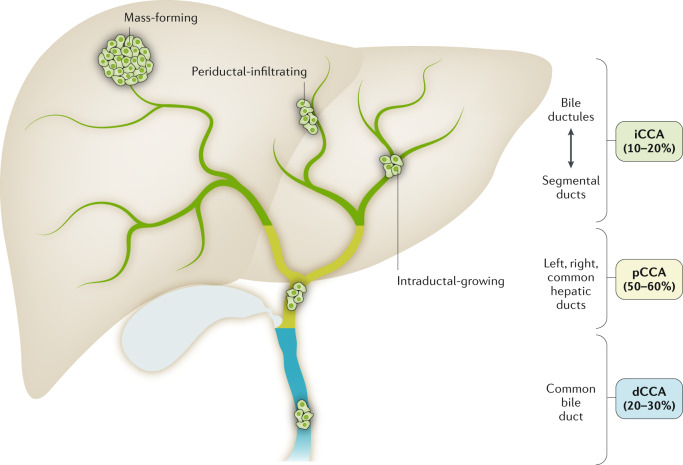
“CCA can be classified as intrahepatic (ICC), perihilar (pCCA), and distal (dCCA) CCA according to the location of the tumour in the biliary tree [1].”
BackgroundWu, B., Zhang, Y., Yu, Y., Zhong, C., Lang, Q., Liang, Z., Lv, C., Xu, F., & Tian, Y. (2021) · Frontiers in Cell and Developmental Biology · doi:10.3389/fcell.2021.796740 · Cited by 48
Wang, Y., Li, K., Zhao, W., Liu, Z., Liu, J., Shi, A., Chen, T., Mu, W., Xu, Y., Pan, C., et al. (2021) · Cell Death and Disease · doi:10.1038/s41419-021-04451-8 · Cited by 46
“INTRODUCTION Cholangiocarcinoma (CCA) is a cancer type arising from the biliary duct which is associated with poor prognosis [1].”
BackgroundOlaizola, P., Lee, P. Y., Fernández‐Barrena, M. G., Alvarez, L., Cadamuro, M., Azkargorta, M., O’Rourke, C. J., Caballero-Camino, F. J., Olaizola, I., Macías, R. I. R., et al. (2022) · Journal of Hepatology · doi:10.1016/j.jhep.2022.02.007 · Cited by 47
Self-citationRole of molecular genetics in the clinical management of cholangiocarcinoma
Normanno, N., Martinelli, E., Melisi, D., Pinto, C., Rimassa, L., Santini, D., & Scarpa, A. (2022) · ESMO Open · doi:10.1016/j.esmoop.2022.100505 · Cited by 46
“The lethality of CCA may be because it is often asymptomatic in its early stages, such that w70% of patients have advanced or metastatic disease at diagnosis.(2) For these patients, prognosis is poor (median survival of 2.”
BackgroundInfluentialPathology of Cholangiocarcinomas
Guedj, N. (2022) · Current Oncology · doi:10.3390/curroncol30010030 · Cited by 47
“Conversely, small duct type iCCA harbors mutation of IDH1/2 (10–30%) as well as fusions of FGFR2 (10–25%), BRCA (1)2 (4%) and BAP1 (9–25%) [1,3,18].”
BackgroundInfluentialZhu, C., Wang, Y., Zhu, R., Wang, S., Xue, J., Zhang, D., Lan, Z., Zhang, C., Liang, Y., Zhang, N., et al. (2024) · Biomarker Research · doi:10.1186/s40364-024-00607-8 · Cited by 49
“Biliary tract cancers (BTCs) are rare aggressive tumors [1].”
BackgroundBiliary Tract Cancers: Molecular Heterogeneity and New Treatment Options
Personeni, N., Lleò, A., Pressiani, T., Colapietro, F., Openshaw, M. R., Stavraka, C., Pouptsis, A., Pinato, D. J., & Rimassa, L. (2020) · Cancers · doi:10.3390/cancers12113370 · Cited by 45
“Given the substantial gap between current knowledge on genetic alterations that affect BTC [49], unfavorable clinical outcomes, and subsets of tumors harboring significantly different transcriptomic profiles [24], the attention is currently turning on epigenetic alterations that serve as potential pro-oncogenic lesion…”
BackgroundPreneoplastic lesions in the liver: Molecular insights and relevance for clinical practice
Desjonqueres, E., Campani, C., Marra, F., Zucman‐Rossi, J., & Nault, J. (2022) · Liver International · doi:10.1111/liv.15152 · Cited by 50
Circular RNAs in cholangiocarcinoma
Liao, W., Feng, Q., Liu, H., Du, J., Chen, X., & Zeng, Y. (2022) · Cancer Letters · doi:10.1016/j.canlet.2022.215980 · Cited by 47
Valéry, M., Vasseur, D., Fachinetti, F., Boilève, A., Smolenschi, C., Tarabay, A., Antoun, L., Perret, A., Fuerea, A. C., Pudlarz, T., et al. (2023) · Cancers · doi:10.3390/cancers15184446 · Cited by 49
Liu, J., Ren, G., Li, K., Liu, Z., Wang, Y., Chen, T., Mu, W., Yang, X., Li, X., Shi, A., et al. (2021) · Cell Death and Differentiation · doi:10.1038/s41418-021-00897-7 · Cited by 45
“35 cases per 100,000 to 2 per 100,000 annually [3].”
Prognostic and Predictive Molecular Markers in Cholangiocarcinoma
Pavicevic, S., Reichelt, S., Uluk, D., Lurje, I., Engelmann, C., Modest, D. P., Pelzer, U., Krenzien, F., Raschzok, N., Benzing, C., et al. (2022) · Cancers · doi:10.3390/cancers14041026 · Cited by 46
“IDH mutations contribute to accumulation of oncometabolite intracellular 2-hydroxyglutarate (2-HG), which in turn disrupts several regulatory cellular pathways that are relevant for epigenetic remodeling and DNA repair [30,149,150].”
BackgroundKoustas, E., Trifylli, E.-M., Sarantis, P., Papadopoulos, N., Karapedi, E., Aloizos, G., Damaskos, C., Garmpis, N., Garmpi, A., Papavassiliou, K. A., et al. (2022) · International Journal of Molecular Sciences · doi:10.3390/ijms23126664 · Cited by 46
Kawano, T., Inokuchi, J., Eto, M., Murata, M., & Kang, J. (2022) · Cancers · doi:10.3390/cancers14215425 · Cited by 48
Head-to-Head Comparison of FDG and Radiolabeled FAPI PET: A Systematic Review of the Literature
Guglielmo, P., Alongi, P., Baratto, L., Abenavoli, E. M., Buschiazzo, A., Celesti, G., Conte, M., Filice, R., Gorica, J., Jonghi-Lavarini, L., et al. (2023) · Life · doi:10.3390/life13091821 · Cited by 43
“Intrahepatic cholangiocarcinoma (ICC), the second-most common primary liver malignancy, comprises 10% of all primary liver cancers [90].”
BackgroundMacarulla, T. M., Ren, Z., Chon, H. J., Park, J. O., Kim, J. W., Pressiani, T., Li, D., Zhukova, L., Zhu, A. X., Chen, M., et al. (2024) · Journal of Clinical Oncology · doi:10.1200/jco.24.00337 · Cited by 60
Komuta, M. (2021) · Cancers · doi:10.3390/cancers13122871 · Cited by 43
“Note that the IG type is not defined as an iCCA growth pattern by the AJCC/UICC classification [29].”
MethodHong, L., Mei, J., Sun, X., Wu, Y., Dong, Z., Jin, Y., Gao, L., Cheng, J., Tian, W., Liu, C., et al. (2026) · Hepatology · doi:10.1097/hep.0000000000001283 · Cited by 42
Liu, D., Heij, L. R., Czigány, Z., Dahl, E., den Dulk, M., Lang, S. A., Ulmer, T. F., Neumann, U. P., & Bednarsch, J. (2022) · Scientific Reports · doi:10.1038/s41598-022-16727-w · Cited by 44
Pathologies of Precursor Lesions of Biliary Tract Carcinoma
Nakanuma, Y., Kakuda, Y., Sugino, T., Sato, Y., & Fukumura, Y. (2022) · Cancers · doi:10.3390/cancers14215358 · Cited by 46
Postoperative tumor treatment strategies: From basic research to clinical therapy
Xiao, M., Wang, L., Tang, Q., Yang, Q., Yang, X., Zhu, G., Lei, L., & Li, S. (2024) · Open Research (University of Surrey) · doi:10.1002/viw.20230117 · Cited by 42
Argani, P., Palsgrove, D. N., Anders, R. A., Smith, S. C., Saoud, C., Kwon, R., Voltaggio, L., Assarzadegan, N., Oshima, K., Rooper, L. M., et al. (2021) · The American Journal of Surgical Pathology · doi:10.1097/pas.0000000000001729 · Cited by 42
Autoimmunity affecting the biliary tract fuels the immunosurveillance of cholangiocarcinoma
Paillet, J., Plantureux, C., Lévesque, S., Le Naour, J., Stoll, G., Sauvat, A., Caudana, P., Tosello Boari, J., Bloy, N., Lachkar, S., et al. (2021) · Journal of Experimental Medicine · doi:10.1084/jem.20200853 · Cited by 41
Self-citationCorrenti, M., Cappon, A., Pastore, M., Piombanti, B., Lori, G., Oliveira, D. V., Muñoz-Garrido, P., Lewińska, M., Andersen, J. B., Coulouarn, C., et al. (2021) · Liver International · doi:10.1111/liv.15049 · Cited by 41
Self-citationCo-expression of YAP and TAZ associates with chromosomal instability in human cholangiocarcinoma
Tóth, M., Wehling, L., Thiess, L., Rose, F., Schmitt, J., Weiler, S. M. E., Sticht, C., Torre, C. D. L., Rausch, M., Albrecht, T., et al. (2021) · BMC Cancer · doi:10.1186/s12885-021-08794-5 · Cited by 41
Self-citationNestin as a diagnostic and prognostic marker for combined hepatocellular-cholangiocarcinoma
Caldéraro, J., Tommaso, L. D., Maillé, P., Bèaufrere, A., Nguyễn, C. T., Heij, L. R., Gnemmi, V., Graham, R. P., Charlotte, F., Chartier, S., et al. (2022) · Journal of Hepatology · doi:10.1016/j.jhep.2022.07.019 · Cited by 44
Self-citationLee, H. S., Han, D. H., Cho, K., Park, S. B., Kim, C., Leem, G., Jung, D., Kwon, S. S., Kim, C. H., Jo, J. H., et al. (2023) · Nature Communications · doi:10.1038/s41467-023-35896-4 · Cited by 41
Su, J., Liang, Y., & He, X. (2024) · Frontiers in Medicine · doi:10.3389/fmed.2024.1384314 · Cited by 46
“However, YLLs have shown a more rapid decrease than YLDs (Supplementary Tables S5, S6), indicating advancements in awareness, early screening, diagnostics, and therapies (23, 24).”
BackgroundNear infrared photoimmunotherapy of cancer; possible clinical applications
Wakiyama, H., Kato, T., Furusawa, A., Choyke, P. L., & Kobayashi, H. (2021) · Nanophotonics · doi:10.1515/nanoph-2021-0119 · Cited by 45
“Cholangiocarcinoma (CCA) is the secondmost common liver cancer after HCC accounting for ∼15% of all primary liver cancers and ∼3% of all gastrointestinal cancersworldwide [146].”
Kim, Y., Yeom, S. K., Shin, H. J., Choi, S. H., Rhee, H., Park, J. H., Cho, E., Park, S., Lee, S. S., & Park, M. (2021) · Hepatology Communications · doi:10.1002/hep4.1774 · Cited by 41
Arid1a mutation suppresses TGF-β signaling and induces cholangiocarcinoma
Guo, B., Friedland, S. C., Alexander, W. B., Myers, J., Wang, W., O’Dell, M. R., Getman, M. R., Whitney‐Miller, C. L., Agostini‐Vulaj, D., Huber, A. R., et al. (2022) · Cell Reports · doi:10.1016/j.celrep.2022.111253 · Cited by 43
“To induce liver inflammation, mice of different genotypes, including Alb-Cre (Alb), Alb-Cre;Arid1aL/L (AA), Alb-Cre;KrasLSL-G12D (AK), and AlbCre; KrasLSL-G12D;Arid1aL/L (AKA), were fed 3,5-diethoxycarbonyl-1,4-dihydrocollidine (DDC) diet (Figure 1B), a non-carcinogenic liver injury model that causes ductular reaction…”
BackgroundMethodYan, J., Xiao, G., Yang, C., Liu, Q., Lv, C., Yu, X., Zhou, Z., Lin, S., Bai, Z., Lin, H., et al. (2023) · Aging and Disease · doi:10.14336/ad.2023.0420 · Cited by 44
“Cholangiocarcinoma (CCA) is a highly lethal malignant tumor with limited treatment options [1].”
BackgroundTargeting Lymphangiogenesis and Lymph Node Metastasis in Liver Cancer
Roy, S., Banerjee, P., Ekser, B., Bayless, K. J., Zawieja, D. C., Alpini, G. D., Glaser, S. S., & Chakraborty, S. (2021) · American Journal Of Pathology · doi:10.1016/j.ajpath.2021.08.011 · Cited by 41
“Almost all of these risk factors for HCC contribute to the development of an inflammatory microenvironment in the liver, which augments CCA growth and metastasis.(43) As a result, the CCA tumor microenvironment (TME) is proinflammatory, desmoplastic, and has a dense stroma involving a large number of cell types, such…”
BackgroundMetastatic disease to the liver: Locoregional therapy strategies and outcomes
Zane, K. E., Cloyd, J. M., Mumtaz, K., Wadhwa, V., & Makary, M. S. (2021) · World Journal of Clinical Oncology · doi:10.5306/wjco.v12.i9.725 · Cited by 44
Zimmer, C. L., Filipovic, I., Cornillet, M., O’Rourke, C. J., Berglin, L., Jansson, H., Sun, D., Strauss, O., Hertwig, L., Johansson, H., et al. (2021) · Hepatology · doi:10.1002/hep.32222 · Cited by 41
“[2] The three subtypes represent distinct entities with specific risk factors, clinical presentation, management, and prognosis.[2] In general, chronic inflammation is an established risk factor given that various inflammatory diseases associate with the development of CCA.”
BackgroundSelf-citationGao, Z., Chen, J., Li, X.-G., Shi, Y., Tang, Z., Liu, W.-R., Zhang, X., Huang, A., Luo, X., Gao, Q., et al. (2022) · Cancer Cell International · doi:10.1186/s12935-022-02550-w · Cited by 41
“Introduction Cholangiocarcinoma (CCA) is the second most common primary liver malignancy that accounts for approximately 15% of cases of liver cancers and ~ 3% of all gastro-intestinal malignancies [1, 2].”
BackgroundCurrent Perspectives on the Surgical Management of Perihilar Cholangiocarcinoma
Hewitt, D. B., Brown, Z. J., & Pawlik, T. M. (2022) · Cancers · doi:10.3390/cancers14092208 · Cited by 41
“Unfortunately, the role of immunotherapy and targeted therapy for CCA has lagged behind many other cancers [1].”
BackgroundSurgical Treatment of Distal Cholangiocarcinoma
Gorji, L., & Beal, E. W. (2022) · Current Oncology · doi:10.3390/curroncol29090524 · Cited by 40
“Approximately 30% of CCA manifest as dCCA [8].”
BackgroundA Real-Time Interpretable Ai Model for the Cholangioscopic Diagnosis of Malignant Biliary Stricture
Zhang, X., Tang, D., Zhou, J., Ni, M., Yan, P., Zhang, Z., Yu, T., Zhan, Q., Shen, Y., Zhou, L., et al. (2022) · Gastrointestinal Endoscopy · doi:10.1016/j.gie.2023.02.026 · Cited by 39
Cholangiocarcinoma: Pathologic and Molecular Classification in the Era of Precision Medicine
Gopal, P., Robert, M. E., & Zhang, X. (2023) · Archives of Pathology & Laboratory Medicine · doi:10.5858/arpa.2022-0537-ra · Cited by 41
Intrahepatic cholangiocarcinoma: Evolving strategies in management and treatment
Bragazzi, M. C., Venere, R., Ribichini, E., Covotta, F., Cardinale, V., & Alvaro, D. (2023) · Digestive and Liver Disease · doi:10.1016/j.dld.2023.08.052 · Cited by 43
Self-citationThe microbiome and rise of early-onset cancers: knowledge gaps and research opportunities
Mima, K., Hamada, T., Inamura, K., Baba, H., Ugai, T., & Ogino, S. (2023) · Gut Microbes · doi:10.1080/19490976.2023.2269623 · Cited by 43
“94 Primary sclerosing cholangitis, inflammatory bowel diseases, gallstones, liver fluke infections, biliary malformations, hepatolithiasis, hepatitis C, and liver cirrhosis have been associated with increased incidence of biliary tract cancer.”
BackgroundS100A6 drives lymphatic metastasis of liver cancer via activation of the RAGE/NF-kB/VEGF-D pathway
Chen, T., Ruan, Y., Ji, L., Cai, J., Tong, M., Xue, Y., Zhao, H., Cai, X., & Xu, J. (2024) · Cancer Letters · doi:10.1016/j.canlet.2024.216709 · Cited by 42
Diagnostic and Prognostic Value of Circulating Cell-Free DNA for Cholangiocarcinoma
Wintachai, P., Lim, J. Q., Techasen, A., Lert-itthiporn, W., Kongpetch, S., Loilome, W., Chindaprasirt, J., Titapun, A., Namwat, N., Khuntikeo, N., et al. (2021) · Diagnostics · doi:10.3390/diagnostics11060999 · Cited by 42
“Several risk factors, mainly associated with chronic gallbladder, biliary tract inflammation and liver fluke infection, have been identified [1,2], of which, Opistorchis viverrini (Ov) is the dominant”
BackgroundSong, Y., Zhou, G., Zhou, Y., Xu, Y., Zhang, J., Zhang, K., He, P., Chen, M., Liu, Y., Sun, J., et al. (2023) · Hepatology International · doi:10.1007/s12072-023-10487-z · Cited by 43
“Patients were followed up postoperatively at each center per the guideline recommendations [19–22].”
MethodThe Functional Roles of Immune Cells in Primary Liver Cancer
Pham, L., Kyritsi, K., Zhou, T., Ceci, L., Baiocchi, L., Kennedy, L. L., Chakraborty, S., Glaser, S. S., Francis, H., Alpini, G. D., et al. (2022) · American Journal Of Pathology · doi:10.1016/j.ajpath.2022.02.004 · Cited by 40
“For instance, CAFs cross talk with CCA cells and secrete not only extracellular matrix components, but also growth factors such as epidermal growth factorelike growth factor, leading to CCA growth and progression.2 Angiogenesis in endothelial cells influences the liver microenvironment and is mediated by vascular endo…”
BackgroundInfluentialLiu, Z., Hu, C., Zheng, L., Liu, J., Li, K., Li, X., Wang, Y., Mu, W., Chen, T., Shi, A., et al. (2022) · Cellular and Molecular Life Sciences · doi:10.1007/s00018-022-04500-1 · Cited by 40
“Cholangiocarcinoma (CCA) is a highly malignant tumor with an extremely poor prognosis [1, 2], and its etiology and pathogenesis remain largely unclear [3].”
BackgroundBorad, M. J., Bai, L., Richards, D., Mody, K., Hubbard, J. M., Rha, S. Y., Soong, J., McCormick, D., Tse, E., O’Brien, D. R., et al. (2022) · Hepatology · doi:10.1002/hep.32804 · Cited by 41
“[7–9] Surgery or liver transplantation after neoadjuvant chemoradiotherapy are potentially curative treatment options for patients with early‐stage disease.[3,5] For advanced cholangiocarcinoma and other biliary tract cancers, the standard first‐line treatment is gemcitabine plus cisplatin (G+C) combination chemothera…”
BackgroundMinini, M., & Fouassier, L. (2023) · Current Oncology · doi:10.3390/curroncol30040319 · Cited by 40
“Indeed, a considerable fraction of patients under systemic chemotherapy for advanced unresectable CCA fails to respond to treatment [2], leading to a poor prognosis with a five-year overall survival rate of less than 30% [3,4].”
BackgroundSelf-citationLewińska, M., Zhuravleva, E., Satriano, L., Martinez, M. B., Bhatt, D. K., Oliveira, D. V. N. P., Antoku, Y., Keggenhoff, F. L., Castven, D., Marquardt, J. U., et al. (2023) · Gastroenterology · doi:10.1053/j.gastro.2023.11.302 · Cited by 43
Self-citationZhen, Y., Liu, K., Shi, L., Shah, S., Xu, Q., Ellis, H., Balasooriya, E. R., Kreuzer, J., Morris, R. T., Baldwin, A. S., et al. (2024) · Nature Communications · doi:10.1038/s41467-024-47514-y · Cited by 41
“Formulations for each drug were as follows: in fi gratinib (PEG300/ D5W [2:1, v/v]), pemigatinib (5% DMAC in 0.5% methylcellulose aqueous solution), futibatinib (hydroxypropyl methyl cellulose solution), ONC212(70%PBS,10%DMSO,and20%KolliphorEL),andIACS-010759 (0.5% methylcellulose aqueous solution).”
InfluentialMapping the landscape of biliary tract cancer in Europe: challenges and controversies
Rimassa, L., Khan, S. A., Koerkamp, B. G., Roessler, S. K., Andersen, J. B., Raggi, C., Lleò, A., Nault, J., Caldéraro, J., Gabbi, C., et al. (2025) · The Lancet Regional Health - Europe · doi:10.1016/j.lanepe.2024.101171 · Cited by 49
“1,50 Complete (R0) resection signi fi cantly improves patient outcome and differences in prognosis among BTC subtypes can be partially explained by surgical opportunities.”
Self-citationTargeting the tumor microenvironment in cholangiocarcinoma: implications for therapy
Wang, J., & Ilyas, S. I. (2020) · Expert Opinion on Investigational Drugs · doi:10.1080/13543784.2021.1865308 · Cited by 39
“CCAs are classified as intrahepatic (iCCA), perihilar (pCCA), or distal (dCCA) based on their anatomic location within the biliary tree [1,2].”
BackgroundSelf-citation
Metadata
- Authors
- Banales, J. M., Marin, J. J. G., Lamarca, A., Rodrigues, P. M., Khan, S. A., Roberts, L. R., Cardinale, V., Carpino, G., Andersen, J. B., Braconi, C., Calvisi, D. F., Perugorria, M. J., Fabris, L., Boulter, L., Macias, R. I. R., Gaudio, E., Alvaro, D., Gradilone, S. A., Strazzabosco, M., Marzioni, M., Coulouarn, C., Fouassier, L., Raggi, C., Invernizzi, P., Mertens, J. C., Moncsek, A., Ilyas, S. I., Heimbach, J., Koerkamp, B. G., Bruix, J., Forner, A., Bridgewater, J., Valle, J. W., & Gores, G. J.
- Affiliations
- University of the Basque Country (ES)
- Hammersmith Hospital (GB)
- Mayo Clinic (US)
- Sapienza University of Rome (IT)
- Foro Italico University of Rome (IT)
- University of Copenhagen (DK)
- University of Glasgow (GB)
- University of Regensburg (DE)
- University of Padua (IT)
- Institute of Genetics and Cancer (GB)
- University of Minnesota (US)
- Marche Polytechnic University (IT)
- Inserm (FR)
- University of Florence (IT)
- University of Milano-Bicocca (IT)
- University of Zurich (CH)
- Erasmus MC (NL)
- Instituto de Salud Carlos III (ES)
- University College London (GB)
- National Health Service (GB)
- ORCID
- Banales, Jesus M.
- Marin, Jose J. G.
- Lamarca, Angela
- Rodrigues, Pedro M.
- Khan, Shahid A.
- Roberts, Lewis R.
- Cardinale, Vincenzo
- Carpino, Guido
- Andersen, Jesper B.
- Braconi, Chiara
- Calvisi, Diego F.
- Perugorria, Maria J.
- Fabris, Luca
- Boulter, Luke
- Macias, Rocio I. R.
- Gaudio, Eugenio
- Alvaro, Domenico
- Gradilone, Sergio A.
- Strazzabosco, Mario
- Marzioni, Marco
- Coulouarn, Cédric
- Fouassier, Laura
- Raggi, Chiara
- Invernizzi, Pietro
- Mertens, Joachim C.
- Moncsek, Anja
- Ilyas, Sumera I.
- Heimbach, Julie
- Koerkamp, Bas Groot
- Bruix, Jordi
- Forner, Alejandro
- Bridgewater, John
- Valle, Juan W.
- Gores, Gregory J.
- Venue
- Nature Reviews Gastroenterology & Hepatology
- Published
- 2020-06-30
- Volume
- 17
- Issue
- 9
- Pages
- 557-588
- ISSN
- 1759-5045 (ISSN-L)
- 1759-5053
- PMC
- PMC7447603
- OpenAlex
- W3039360174
- Cited by
- 2,411
- References
- 410
- Citations by year
- 2026: 259 · 2025: 482 · 2024: 461 · 2023: 434 · 2022: 455 · 2021: 271 · 2020: 39
- FWCI
- 68.28
- Type
- journal article
- Language
- en
- Open access
- hybrid
- doi.org
- Licence
- cc-by
- creativecommons.org/licenses/by/4.0 (tdm)
- creativecommons.org/licenses/by/4.0 (vor)
- Locations
- Nature Reviews Gastroenterology & Hepatology (publishedVersion, cc-by)
- PubMed Central (publishedVersion, cc-by)
- PubMed (publishedVersion)
- Hispana (publishedVersion, other-oa)
- EUR Research Repository (Erasmus University Rotterdam) (publishedVersion, other-oa)
- Florence Research (University of Florence) (submittedVersion, other-oa)
- Università Politecnica delle Marche (Università Politecnica delle Marche) (submittedVersion, cc-by)
- Padua Research Archive (University of Padova) (submittedVersion, cc-by)
- EUR Research Repository (Erasmus University Rotterdam) (submittedVersion, other-oa)
- RePub (Erasmus University Rotterdam) (submittedVersion, other-oa)
- HAL (submittedVersion, other-oa)
- Communities in ADDI (University of the Basque Country) (submittedVersion, cc-by)
- BOA (University of Milano-Bicocca) (submittedVersion, cc-by)
- LA Referencia (Red Federada de Repositorios Institucionales de Publicaciones Científicas) (submittedVersion, cc-by)
- UCL Discovery (University College London) (submittedVersion)
- University of Regensburg Publication Server (University of Regensburg) (submittedVersion)
- Gredos (University of Salamanca) (submittedVersion, other-oa)
- IRIS Research product catalog (Sapienza University of Rome) (submittedVersion, cc-by)
- Funders
- Cholangiocarcinoma Foundation
- Novo Nordisk Fonden (NNF19OC0058419, NNF15OC0014040)
- National Institutes of Health (UL1TR001863)
- National Cancer Institute (K08CA236874, P50CA210964)
- National Institute of Diabetes and Digestive and Kidney Diseases (P30DK034989)
- National Center for Advancing Translational Sciences
- Topics
- Health Sciences › Medicine › Surgery › Cholangiocarcinoma and Gallbladder Cancer Studies
- Health Sciences › Medicine › Surgery › Pediatric Hepatobiliary Diseases and Treatments
- Health Sciences › Medicine › Hepatology › Liver Diseases and Immunity
- Keywords
- cholangiocarcinoma, biliary tract cancer, tumor heterogeneity, cell of origin, genetic alterations, epigenetic modifications, molecular alterations, biomarker discovery, diagnosis, treatment, prognosis, tumor classification
- MeSH terms
- Bile Duct Neoplasms, Humans, Cholangiocarcinoma
About these checks
Registry, retraction, Cites and statistics results are computed, not judged, with one exception: a printed reference that no index lists is read once by a model before it counts as a citation error. Claims are extracted by a model and kept only when their quote appears verbatim in the text; each cited source is then checked, with a model’s help, for whether it says what the claim relies on. Those verdicts can be wrong — read the claim’s quote and the cited source before relying on one.
Statistics and arithmetic are recomputed, not judged.
Confidence bands are shown only for fields calibrated on our annotated test set. None is calibrated yet, so no band is shown.
What counts as a claim ›How we measure confidence ›How we check this ›
Are you an author, or do you see a problem with this page? Request a review
Data sources
Bibliographic data: Semantic Scholar, OpenAlex, Crossref.
Contains information from the Semantic Scholar Academic Graph Datasets, made available under the ODC Attribution License (ODC-BY 1.0).
Semantic Scholar’s data is described in: Kinney, R., et al. (2023). The Semantic Scholar Open Data Platform. arXiv:2301.10140.
