

Cholangiocarcinoma 2020: the next horizon in mechanisms and management
Open accessThe DOI matches its Crossref record; 410 of the 410 references it cites were found in a registry or an index.
Abstract
Cholangiocarcinoma (CCA) includes a cluster of highly heterogeneous biliary malignant tumours that can arise at any point of the biliary tree. Their incidence is increasing globally, currently accounting for ~15% of all primary liver cancers and ~3% of gastrointestinal malignancies. The silent presentation of these tumours combined with their highly aggressive nature and refractoriness to chemotherapy contribute to their alarming mortality, representing ~2% of all cancer-related deaths worldwide yearly. The current diagnosis of CCA by non-invasive approaches is not accurate enough, and histological confirmation is necessary. Furthermore, the high heterogeneity of CCAs at the genomic, epigenetic and molecular levels severely compromises the efficacy of the available therapies. In the past decade, increasing efforts have been made to understand the complexity of these tumours and to develop new diagnostic tools and therapies that might help to improve patient outcomes. In this expert Consensus Statement, which is endorsed by the European Network for the Study of Cholangiocarcinoma, we aim to summarize and critically discuss the latest advances in CCA, mostly focusing on classification, cells of origin, genetic and epigenetic abnormalities, molecular alterations, biomarker discovery and treatments. Furthermore, the horizon of CCA for the next decade from 2020 onwards is highlighted.
Overview
The claims and statistics of this paper haven’t been checked yet.
Free: it reads the open-access text and checks the first 5 claims that cite a source we can check. Create a free account to check every claim.
Integrity signals
Registry
Cites
Statistics
Figures
Verification
Claims the paper makes
The claims and statistics of this paper haven’t been checked yet.
Free: it reads the open-access text and checks the first 5 claims that cite a source we can check. Create a free account to check every claim.
Claims other papers make about this one
Each is checked against this paper’s own text: does it say what the citing paper says it does?
The source backs part of the claim, not all of it — or backs it for a different population, condition or comparison.
In the citing paper
“It is thought that the majority of ICCs are derived from BECs [210], but mouse and human hepatocytes also represent potential sources for ICCs [212, 213].”
From Inflammation and immunity in liver homeostasis and disease: a nexus of hepatocytes, nonparenchymal cells and immune cells (2025) · doi:10.1038/s41423-025-01313-7 · cites this paper as [210]
Experimental — accuracy not yet measuredThe source backs part of the claim, not all of it — or backs it for a different population, condition or comparison.
In the citing paper
“Several studies suggest that cholangiocarcinoma and other biliary tract malignancies are frequently associated with overactivation of the Notch and Hedgehog signaling pathways[61].”
From Liver regeneration after partial hepatectomy: Triggers and mechanisms (2025) · cites this paper as [61]
Experimental — accuracy not yet measuredIn the citing paper
“Intrahepatic cholangiocarcinoma (ICC) is a biliary tree neoplasia that arises in noncirrhotic and cirrhotic livers and has a rising incidence [210, 211].”
From Inflammation and immunity in liver homeostasis and disease: a nexus of hepatocytes, nonparenchymal cells and immune cells (2025) · doi:10.1038/s41423-025-01313-7 · cites this paper as [210]
Self-check
Percentages, sums and reported differences re-computed from the paper’s own numbers.
The self-check needs the paper’s full text.
Citations
Cites
The National Comprehensive Cancer Network: Present and future directions
McGivney, W. T. (1998) · Cancer · doi:10.1002/(sici)1097-0142(19980515)82:10+<2057::aid-cncr14>3.0.co;2-a · Cited by 16,766 · cited 1×
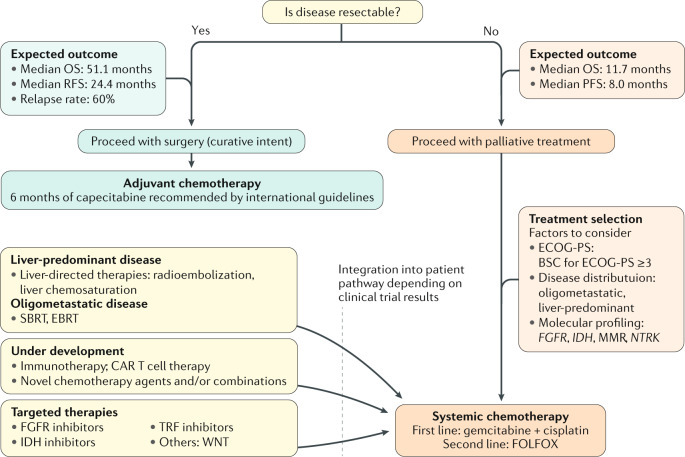
“Patients diagnosed with iCCA in liver-predominant disease might be considered for liver-directed therapies 345,346 .”
BackgroundEpithelial-Mesenchymal Transitions in Development and Disease
Thiery, J. P., Acloque, H., Huang, R. Y. J., & Nieto, M. A. (2009) · Cell · doi:10.1016/j.cell.2009.11.007 · Cited by 9,931 · cited 1×
“EMT is a cell plasticity-promoting phenomenon initially reported to occur during embryogenesis, but that also takes place in cancer, enabling epithelial cancer cells to acquire mesenchymal features with invasive properties that lead to metastatic colonization 174 .”
BackgroundPD-1 Blockade in Tumors with Mismatch-Repair Deficiency
Le, D. T., Uram, J. N., Wang, H., Bartlett, B. R., Kemberling, H., Eyring, A. D., Skora, A. D., Luber, B. S., Azad, N. S., Laheru, D., et al. (2015) · New England Journal of Medicine · doi:10.1056/nejmoa1500596 · Cited by 9,377
Mismatch repair deficiency predicts response of solid tumors to PD-1 blockade
Le, D. T., Durham, J. N., Smith, K. N., Wang, H., Bartlett, B. R., Aulakh, L. K., Lu, S., Kemberling, H., Wilt, C., Luber, B. S., et al. (2017) · Science · doi:10.1126/science.aan6733 · Cited by 6,645 · cited 2×
“In a cohort of 86 patients with MMR-deficient tumours, including four patients with CCA, immune checkpoint blockade with the anti-PDL1 monoclonal antibody pembrolizumab resulted in a complete response in one of the patients with CCA and stabilization of disease in the other three 232 .”
Understanding the tumor immune microenvironment (TIME) for effective therapy
Binnewies, M., Roberts, E. W., Kersten, K., Chan, V., Fearon, D. F., Merad, M., Coussens, L. M., Gabrilovich, D. I., Ostrand-Rosenberg, S., Hedrick, C. C., et al. (2018) · Nature Medicine · doi:10.1038/s41591-018-0014-x · Cited by 6,145 · cited 2×
“…of T cell-infiltrated TMEs, characterized by infiltration of CD8 + T cells, chemo-kines and molecules responsible for T cell priming and immune infiltration, is associated with higher response to immune checkpoint blockade, whereas non-T cell-infiltrated TMEs have poorer responses 214,215 .”
Role of YAP/TAZ in mechanotransduction
Dupont, S., Morsut, L., Aragona, M., Enzo, E., Giulitti, S., Cordenonsi, M., Zanconato, F., Le Digabel, J., Forcato, M., Bicciato, S., et al. (2011) · Nature · doi:10.1038/nature10137 · Cited by 5,979
Mutational heterogeneity in cancer and the search for new cancer-associated genes
Lawrence, M. S., Stojanov, P., Polak, P., Kryukov, G. V., Cibulskis, K., Sivachenko, A., Carter, S. L., Stewart, C., Mermel, C. H., Roberts, S. A., et al. (2013) · Nature · doi:10.1038/nature12213 · Cited by 5,461 · cited 1×
“Regarding genomic alterations, CCA falls midway in the mutational spectrum of cancers 111 , with an approximately equal content of genomic alterations in iCCA (median 39 non-synonymous mutations per tumour) and eCCA (median 35 non-synonymous mutations per tumour) 56 .”
Cisplatin plus Gemcitabine versus Gemcitabine for Biliary Tract Cancer
Valle, J., Wasan, H., Palmer, D. H., Cunningham, D., Anthoney, A., Maraveyas, A., Madhusudan, S., Iveson, T., Hughes, S., Pereira, S. P., et al. (2010) · New England Journal of Medicine · doi:10.1056/nejmoa0908721 · Cited by 4,406 · cited 2×
“The ABC-02 trial randomly assigned 410 patients with ECOG-PS ≤2 to systemic chemotherapy with gemcitabine alone or cisplatin–gemcitabine 336 ; the study showed an OS benefit in favour of cisplatin– gemcitabine (HR 0.64), a benefit confirmed in the Japanese randomized phase II BT22 study 337 .”
InfluentialSelf-citationThe biology and function of fibroblasts in cancer
Kalluri, R. (2016) · Nature Reviews Cancer · doi:10.1038/nrc.2016.73 · Cited by 4,366 · cited 1×
“CAFs are a heterogeneous population of spindle-shaped cells with mesenchymal origin that contribute to tumour progression in many human cancers 199 .”
New insights into the mechanisms of epithelial–mesenchymal transition and implications for cancer
Dongre, A., & Weinberg, R. A. (2019) · Nature Reviews Molecular Cell Biology · doi:10.1038/s41580-018-0080-4 · Cited by 3,876
Research works printed but not linked: 3
- Bosman, F. T., Carneiro, F., Hruban, R. & Theise N. WHO Classification of Tumours: Digestive System Tumours 5th edn Vol. 1 (IARC, 2019).
- Hamilton, S. R. A. et al. WHO Classification of Tumours: Pathology and Genetics of Tumours of the Digestive System 3rd edn Vol. 2 (IARC, 2000).
- Amin, M. B. et al. AJCC Cancer Staging Manual (Springer, 2017).
Cited by
Items 501–600 of 1,002
van Tienderen, G. S., Willemse, J., van Loo, B., van Hengel, E. V. A., de Jonge, J., van der Laan, L. J. W., Leijten, J., & Verstegen, M. M. A. (2022) · Cells · doi:10.3390/cells11223657 · Cited by 17
“Gemcitabine and cisplatin combinational chemotherapy is the gold standard for the palliative treatment of CCA patients [43]; thus, we incubated encapsulated CCAO for 72 h with these drugs.”
MethodImaging cholangiocarcinoma: CT and MRI techniques
Kierans, A. S., Costello, J. R., Qayyum, A., Taouli, B. A., Venkatesh, S. K., Yoon, J. H., Bali, M. A., Bolan, C. W., Lee, J. M., Marks, R. M., et al. (2024) · Abdominal Radiology · doi:10.1007/s00261-024-04216-9 · Cited by 17
Tumor microenvironment and immunology of cholangiocarcinoma
Cadamuro, M., Fabris, L., Zhang, X., & Strazzabosco, M. (2022) · Hepatoma Research · doi:10.20517/2394-5079.2021.140 · Cited by 22
“%) with high post-surgical recurrence rates [3] .”
BackgroundInfluentialSelf-citationRattanasinchai, C., Navasumrit, P., & Ruchirawat, M. (2022) · Scientific Reports · doi:10.1038/s41598-022-26747-1 · Cited by 20
Definitive Liver Radiotherapy for Intrahepatic Cholangiocarcinoma with Extrahepatic Metastases
De, B. S., Upadhyay, R., Liao, K.-P. E., Kumala, T., Shi, C., Dodoo, G. N., Jaoude, J. A., Corrigan, K. L., Manzar, G. S., Marqueen, K. E., et al. (2023) · Liver Cancer · doi:10.1159/000530134 · Cited by 17
Feng, Y., Zhao, M., Wang, L., Li, L., Lei, J. H., Zhou, J., Chen, J., Wu, Y., Miao, K., & Deng, C. (2024) · Cell Death and Disease · doi:10.1038/s41419-023-06406-7 · Cited by 19
“In summary, transcriptome analysis demonstrated that although all these gene mutations promoted ICC, the mechanisms of tumor formation and progression were diverse (Supplementary Table S3).”
BackgroundLiu, J., & Shu, J. (2024) · Critical Reviews in Oncology/Hematology · doi:10.1016/j.critrevonc.2023.104235 · Cited by 19
Albrecht, T., Rossberg, A., Rose, F., Breuhahn, K., Baumann, E.-M., Tóth, M., Brinkmann, F., Charbel, A., Vogel, M. N., Köhler, B. C., et al. (2024) · Journal of Clinical Pathology · doi:10.1136/jcp-2024-209429 · Cited by 17
“5 24 Last but not least, subtype-specific differences may have also been impacted by the usage of different antibodies, RNA probes or general assay design.”
Gut Microbiome and Bile Acid Interactions
Wu, N., Bayatpour, S., Hylemon, P. B., Aseem, S. O., Brindley, P. J., & Zhou, H. (2024) · American Journal Of Pathology · doi:10.1016/j.ajpath.2024.11.004 · Cited by 17
Deep immune profiling of intrahepatic cholangiocarcinoma with CODEX multiplexed imaging
Baretti, M., Shekhar, S., Sahai, V., Shu, D. H., Howe, K., Gunchick, V., Assarzadegan, N., Kartalia, E., Zhu, Q., Hallab, E., et al. (2025) · Hepatology Communications · doi:10.1097/hc9.0000000000000632 · Cited by 17
“[1] The median overall survival (OS) for patients with advanced CCA is approximately 12 months.”
Patil, P. A., Taddei, T. H., Jain, D., & Zhang, X. (2021) · Archives of Pathology & Laboratory Medicine · doi:10.5858/arpa.2020-0725-oa · Cited by 17
Understanding Patient Experience in Biliary Tract Cancer: A Qualitative Patient Interview Study
Patel, N., Lie, X., Gwaltney, C. J., Rokutanda, N., Barzi, A., Melisi, D., Macarulla, T. M., Ueno, M., Kim, S. T., Meyers, O. I., et al. (2021) · Oncology and Therapy · doi:10.1007/s40487-021-00159-z · Cited by 17
“Patient Interviews A total of 23 patients from the USA who had BTC were interviewed (78% women; median age: 54 years [range 27–80]).”
BackgroundInfluentialBednarsch, J., Tan, X., Czigány, Z., Liu, D., Lang, S. A., Sivakumar, S., Kather, J. N., Appinger, S., Rosin, M., Boroojerdi, S., et al. (2021) · Cancers · doi:10.3390/cancers13153661 · Cited by 17
“Based on the anatomical localization of the primary tumor, cholangiocellular carcinomas (CCA) can be devided into intrahepatic CCA (iCCA), perihilar CCA (pCCA) and distal CCA (dCCA) [1].”
BackgroundResultInfluentialThe Role of the Hedgehog Pathway in Cholangiocarcinoma
Anichini, G., Carrassa, L., Stecca, B. A., Marra, F., & Raggi, C. (2021) · Cancers · doi:10.3390/cancers13194774 · Cited by 17
Self-citationA2M is a potential core gene in intrahepatic cholangiocarcinoma
Zhang, G., Liu, X., Sun, Z., Feng, X., Wang, H., Hao, J., & Zhang, X. (2022) · BMC Cancer · doi:10.1186/s12885-021-09070-2 · Cited by 17
“ICC is the second most familiar primary liver cancer with increasing incidence [4, 5].”
BackgroundThe Emerging Roles of LINC00665 in Human Cancers
Zhu, J., Zhang, Y., Chen, X., Bian, Y., Li, J., & Wang, K. (2022) · Frontiers in Cell and Developmental Biology · doi:10.3389/fcell.2022.839177 · Cited by 20
Trifylli, E.-M., Koustas, E., Papadopoulos, N., Sarantis, P., Aloizos, G., Damaskos, C., Garmpis, N., Garmpi, A., & Karamouzis, M. V. (2022) · Life · doi:10.3390/life12050665 · Cited by 17
“The most common type of primary liver cancer is considered Hepatocellular carcinoma, followed by intrahepatic cholangiocarcinoma (iCA) [3].”
BackgroundSa-Ngiamwibool, P., Aphivatanasiri, C., Sangkhamanon, S., Intarawichian, P., Kunprom, W., Thanee, M., Prajumwongs, P., Loilome, W., Khuntikeo, N., Titapun, A., et al. (2022) · HPB · doi:10.1016/j.hpb.2022.06.004 · Cited by 17
Guo, Y., Li, Q., Ren, W., Wu, H., Wang, C., Li, X., Xue, B., Qiu, Y., Zhang, J., Chen, J., et al. (2022) · Journal of Proteome Research · doi:10.1021/acs.jproteome.2c00472 · Cited by 17
Locoregional Approaches in Cholangiocarcinoma Treatment
Hare, A. E., & Makary, M. S. (2022) · Cancers · doi:10.3390/cancers14235853 · Cited by 17
“This is contrasted with the significantly more common hepatocellular carcinoma (HCC), a cancer of hepatocytes, and located in the same region [3].”
ResultPrasopporn, S., Suppramote, O., Ponvilawan, B., Jamyuang, C., Chanthercrob, J., Chaiboonchoe, A., More-Krong, P., Kongsri, K., Suntiparpluacha, M., Chanwat, R., et al. (2022) · Frontiers in Oncology · doi:10.3389/fonc.2022.1021632 · Cited by 17
Precision Oncology Targets in Biliary Tract Cancer
Farha, N., Dima, D., Ullah, F., & Kamath, S. D. (2023) · Cancers · doi:10.3390/cancers15072105 · Cited by 19
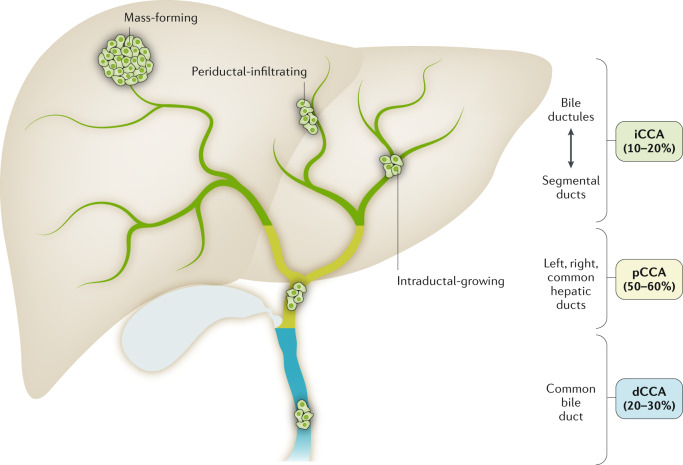
“Globally, iCCA accounts for 10–20% of BTC, eCCA represents 20–30%, and GBC makes up the bulk of BTC at 50–60% [1,2].”
BackgroundA Practical Guide for the Systemic Treatment of Biliary Tract Cancer in Canada
Ramjeesingh, R., Chaudhury, P. K., Tam, V. C., Roberge, D., Lim, H. J., Knox, J. J., Asselah, J., Doucette, S., Chhiber, N., & Goodwin, R. A. (2023) · Current Oncology · doi:10.3390/curroncol30080517 · Cited by 18
“Extrahepatic CCA can be further divided into perihilar and distal disease; the former is located between the insertion of the cystic duct and the second-order bile ducts, and the latter originates in the common bile duct [1].”
BackgroundWei, Z., Wang, Y., Wu, B., Liu, Y., Wang, Y., Ren, Z., Yang, X., Chen, Q., & Zhang, Y. (2023) · Frontiers in Immunology · doi:10.3389/fimmu.2023.1235724 · Cited by 18
Hepatic Stellate Cells Functional Heterogeneity in Liver Cancer
Sererols-Viñas, L., Garcia‐Vicién, G., Ruiz-Blázquez, P., Lee, T., Lee, Y. A., Gonzalez‐Sanchez, E., Vaquero, J., Moles, A., Filliol, A. A., & Affò, S. (2025) · Seminars in Liver Disease · doi:10.1055/a-2551-0724 · Cited by 18
Minini, M., Avveduto, G., Becharef, S., Meunier--Thaens, M., Lekbaby, B., Pérez-Lanzón, M., Machado, A., Guilbert, T., Lesieur, J., Renault, G., et al. (2025) · Hepatology · doi:10.1097/hep.0000000000001545 · Cited by 19
Self-citationJavle, M. M., Fountzilas, C. K., Liao, C., Pelster, M. S., Li, D., Deming, D. A., Sahai, V., Fonkoua, L. A. K., Cohn, A. L., Mantry, P., et al. (2025) · The Lancet. Gastroenterology & hepatology · doi:10.1016/s2468-1253(25)00230-4 · Cited by 23
Byrling, J., Hilmersson, K. S., Ansari, D., Andersson, R. E., & Andersson, B. (2021) · Clinical & Translational Oncology · doi:10.1007/s12094-021-02685-8 · Cited by 16
“Many patients currently present with advanced disease and are unamenable to curative resection [2].”
BackgroundLee, D. H., Kim, B., Lee, J. M., Lee, E. S., Choi, M. H., & Kim, H. (2022) · Radiology · doi:10.1148/radiol.212132 · Cited by 17
Liddell, S. S., Chakrabarti, S., Wintheiser, G. A., Zemla, T., Shi, Q., Tella, S. H., Jin, Z., Wookey, V., Hassan, H., Tran, N. H., et al. (2022) · JCO Precision Oncology · doi:10.1200/po.22.00003 · Cited by 16
Outcomes After Liver Transplantation With Incidental Cholangiocarcinoma
Safdar, N. Z., Hakeem, A. R., Faulkes, R., James, F. R., Mason, L., Masson, S., Powell, J. J., Rowe, I. A. C., Shetty, S. R., Jones, R., et al. (2022) · Transplant International · doi:10.3389/ti.2022.10802 · Cited by 16
Primary Liver Cancers: Connecting the Dots of Cellular Studies and Epidemiology with Metabolomics
Berkemeyer, S. (2023) · International Journal of Molecular Sciences · doi:10.3390/ijms24032409 · Cited by 22
Gui, X., Zhang, X., Xin, Y., Liu, Q., Wang, Y., Zhang, Y. L., Xu, Y., Liu, Z., Liu, W., Schiöth, H. B., et al. (2023) · Clinica Chimica Acta · doi:10.1016/j.cca.2023.117235 · Cited by 16
“Most patients are being diagnosed at advanced stages when undergoing radical resection, and the prognosis after conventional treatment remains poor, with a 5-year survival rate of only 7 – 20% for patients, and malignant recurrence is common in primary patients after operation [6,7].”
BackgroundMilardi, G., & Lleò, A. (2023) · Cancers · doi:10.3390/cancers15072182 · Cited by 18
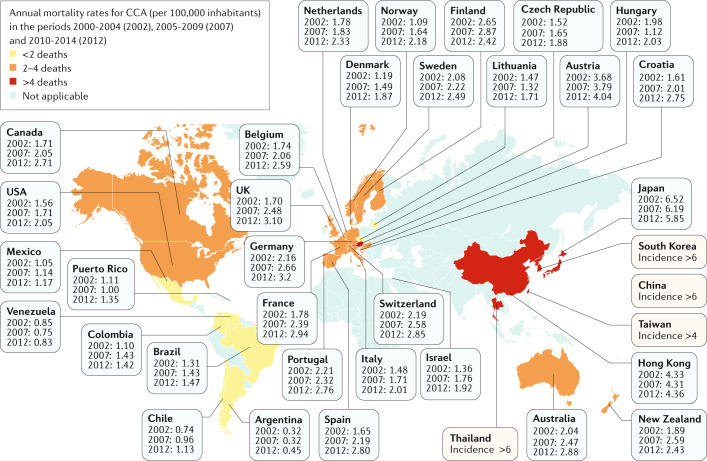
“Its incidence and mortality rate have been significantly increasing in Europe and North America over the past decades, due to the aggressive evolution of the disease and the lack of efficient diagnostic and therapeutic treatments [3,116].”
BackgroundToshida, K., Itoh, S., Nakayama, Y., Tsutsui, Y., Kosai‐Fujimoto, Y., Tomino, T., Yoshiya, S., Nagao, Y., Harada, N., Kohashi, K., et al. (2023) · International Journal of Clinical Oncology · doi:10.1007/s10147-023-02358-2 · Cited by 18
“Intrahepatic cholangiocarcinoma (ICC) is the second most common primary hepatic malignancy after hepatocellular carcinoma, with a high rate of advanced disease at initial presentation, and the number of cases is increasing worldwide [1].”
BackgroundLurje, I., Uluk, D., Pavicevic, S., Phan, M. D., Eurich, D., Fehrenbach, U., Geisel, D., Auer, T. A., Pelzer, U., Modest, D. P., et al. (2023) · Cancer Medicine · doi:10.1002/cam4.6374 · Cited by 18
Resistance mechanism to fibroblast growth factor receptor (FGFR) inhibitors in cholangiocarcinoma
Lamarca, Á., Ostios, L., McNamara, M. G., Garzón, C., Gleeson, J. P., Edeline, J., Herrero, A., Hubner, R. A., Moreno, V., & Valle, J. W. (2023) · Cancer Treatment Reviews · doi:10.1016/j.ctrv.2023.102627 · Cited by 19
Self-citationNon-coding RNA and Drug resistance in cholangiocarcinoma
Wu, Z., Jiang, S., & Chen, Y. (2023) · Non-coding RNA Research · doi:10.1016/j.ncrna.2023.11.003 · Cited by 17
“This trend has been observed in various regions across the globe [2].”
BackgroundEmerging Therapies in Management of Cholangiocarcinoma
Speckart, J., Rasmusen, V., Talib, Z. M., Gnanadev, D. A., & Rahnemai‐Azar, A. A. (2024) · Cancers · doi:10.3390/cancers16030613 · Cited by 16
“Historically considered as a rare malignancy, both the incidence and mortality of CCA have risen globally, and CCA now accounts for 3% of gastrointestinal malignancies and 2% of all cancer-related mortalities [2,3].”
BackgroundRPL35A promotes the progression of cholangiocarcinoma by mediating HSPA8 ubiquitination
Zhang, C., Wang, Y., Wu, G., Sun, N., Bai, H., Li, X., Han, S., Zhou, H., Qi, R., & Zhang, J. (2024) · Biology Direct · doi:10.1186/s13062-024-00453-6 · Cited by 16
“Mortality accounts for approximately 2% of all cancer-related deaths worldwide each year, with overall CCA mortality higher in older patients than in younger patients, higher in men than in women, and higher in Asia than in Western regions [4, 5].”
BackgroundQiu, C., Xiang, Y., Da, X.-B., Zhang, H., Kong, X.-Y., Hou, N., Zhang, C., Tian, F., & Yang, Y. (2024) · World Journal of Gastrointestinal Surgery · doi:10.4240/wjgs.v16.i2.289 · Cited by 16
Cholangiocarcinoma imaging: from diagnosis to response assessment
Cao, J., Rao, S. S., Mroueh, N., Anand, R., Kongboonvijit, S., Sertic, M., Shenoy‐Bhangle, A. S., & Kambadakone, A. R. (2024) · Abdominal Radiology · doi:10.1007/s00261-024-04267-y · Cited by 16
Prajumwongs, P., Titapun, A., Thanasukarn, V., Jareanrat, A., Khuntikeo, N., Namwat, N., Klanrit, P., Wangwiwatsin, A., Chindaprasirt, J., Koonmee, S., et al. (2025) · Scientific Reports · doi:10.1038/s41598-025-97641-9 · Cited by 16
Phanthaphol, N., Somboonpatarakun, C., Suwanchiwasiri, K., Yuti, P., Sujjitjoon, J., Augsornworawat, P., Baillie, G. S., Junking, M., & Yenchitsomanus, P. (2025) · Journal of Translational Medicine · doi:10.1186/s12967-025-06453-y · Cited by 16
Lomphithak, T., Choksi, S., Mutirangura, A., Tohtong, R., Tencomnao, T., Usubuchi, H., Unno, M., Sasano, H., & Jitkaew, S. (2020) · Cell Communication and Signaling · doi:10.1186/s12964-020-00661-3 · Cited by 16
“CCA has relatively high mortality with 5year survival (7–20%) and recurrence/metastasis rates and subsequently poor prognosis [1].”
BackgroundRizzo, A., & Brandi, G. (2021) · Cancer Treatment and Research Communications · doi:10.1016/j.ctarc.2021.100334 · Cited by 17
Yoo, C., Shin, S. H., Park, J.-O., Kim, K., Jeong, J. H., Ryoo, B., Lee, W., Song, K. B., Hwang, D. W., Park, J., et al. (2021) · Cancers · doi:10.3390/cancers13071647 · Cited by 17
“BTC has a particularly high incidence in some countries, including South Korea, Thailand, China, and Chile [1], but it”
BackgroundInfluentialTherapeutic targeting of ARID1A and PI3K/AKT pathway alterations in cholangiocarcinoma
Tessiri, S., Techasen, A., Kongpetch, S., Namjan, A., Loilome, W., Chan-on, W., Thanan, R., & Jusakul, A. (2022) · PeerJ · doi:10.7717/peerj.12750 · Cited by 17
Nagao, M., Fukuda, A., Omatsu, M., Namikawa, M., Sono, M., Fukunaga, Y., Masuda, T., Araki, O., Yoshikawa, T., Ogawa, S., et al. (2022) · Cancer Research · doi:10.1158/0008-5472.can-21-2176 · Cited by 16
“Most of the currently available chemotherapies for biliary cancer are not sufficiently effective, and the 5-year survival rate of biliary cancer is only 5% to 15% (5, 6).”
BackgroundMolecular Mechanisms Linking Risk Factors to Cholangiocarcinoma Development
Ceci, L., Zhou, T., Lenci, I., Meadows, V., Kennedy, L. L., Li, P., Ekser, B., Milana, M., Zhang, W., Wu, C., et al. (2022) · Cancers · doi:10.3390/cancers14061442 · Cited by 16
“000/year, tumor burden may vary according to the geographical distribution of specific risk or genetic factors [2].”
BackgroundHan, S. Y., Kim, D. U., Nam, H. S., Kang, D. H., Jang, S. I., Lee, D. K., Shin, D. W., Cho, K. B., Yang, M. J., Hwang, J. C., et al. (2022) · Journal of Clinical Medicine · doi:10.3390/jcm11071985 · Cited by 16
“Each CCA has a different epidemiology, physiology, prognosis, and treatment strategy [1].”
BackgroundSong, Y., Zhang, Y., Zhen, Z., & Huang, Z. (2022) · World Journal of Surgical Oncology · doi:10.1186/s12957-022-02692-1 · Cited by 18
“Introduction Cholangiocarcinoma ranks the second most common primary liver cancer, while Klatskin tumor (also known as perihilar cholangiocarcinoma or hilar cholangiocarcinoma) accounts for 50–60% of cholangiocarcinoma [1].”
BackgroundChen, F., Li, Y., Aye, L., Wu, Y. C., Dong, L., Yang, Z., Gao, Q., & Zhang, S. (2022) · Cellular Oncology · doi:10.1007/s13402-022-00736-y · Cited by 17
Li, L., Zhou, Y., Zhang, Y., Hu, H., Mao, H., & Selaru, F. M. (2023) · iScience · doi:10.1016/j.isci.2023.106095 · Cited by 16
“CCA has a dismal prognosis with a 5-year overall survival (OS) rate of 10%, and a median OS of 24 months.(1,2) Surgical resection or liver transplantation are the only potentially curative approaches, but are feasible only in a minority of patients who are diagnosed early in their disease course.”
BackgroundPhukhum, P., Phetcharaburanin, J., Chaleekarn, K., Kittirat, Y., Kulthawatsiri, T., Namwat, N., Loilome, W., Khuntikeo, N., Titapun, A., Wangwiwatsin, A., et al. (2023) · Scientific Reports · doi:10.1038/s41598-023-30204-y · Cited by 17
Paluschinski, M., Loosen, S. H., Kordes, C., Keitel, V., Kuebart, A., Brandenburger, T., Schöler, D., Wammers, M., Neumann, U. P., Luedde, T., et al. (2023) · International Journal of Molecular Sciences · doi:10.3390/ijms24119631 · Cited by 16
“CCA has recently shown increasing mortality rates [26].”
BackgroundRuff, S. M., Cloyd, J. M., & Pawlik, T. M. (2023) · Annals of Surgical Oncology · doi:10.1245/s10434-023-14255-z · Cited by 17
“34,67,76 Based on the OPTN guidelines, patients with unresectable hilar CCA, must undergo neoadjuvant therapy as well as operative staging to identify patients with regional hepatic lymph node metastases, intrahepatic metastases, or extrahepatic disease.”
BackgroundMethodThongchot, S., Ferraresi, A., Vidoni, C., Salwa, A., Vallino, L., Kittirat, Y., Loilome, W., Namwat, N., & Isidoro, C. (2023) · Cancer Letters · doi:10.1016/j.canlet.2023.216589 · Cited by 16
Klufah, F., Mobaraki, G., Chteinberg, E., Alharbi, R., Winnepenninckx, V. J. L., Speel, E. M., Rennspiess, D., Damink, S. W. M. O., Neumann, U. P., Kurz, A. K., et al. (2020) · Microorganisms · doi:10.3390/microorganisms8081125 · Cited by 16
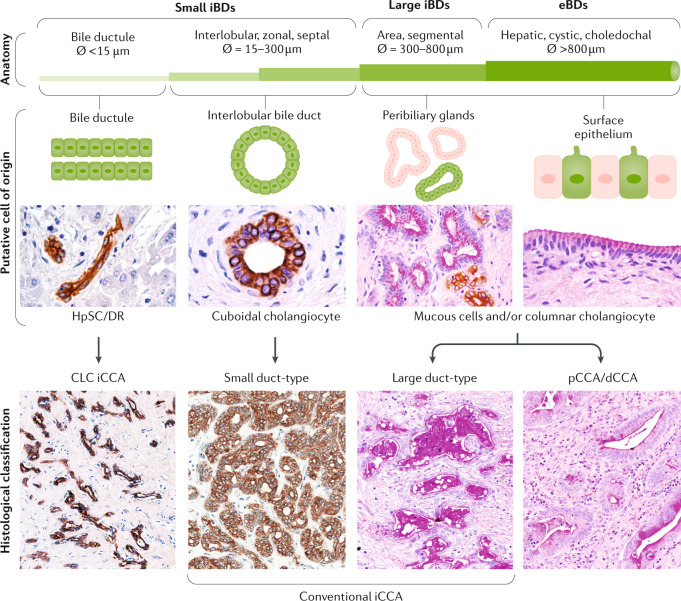
“Finding less expression in CCA tumor cases might be explained by the fact that CCA can be derived from different cellular origins, including mature hepatocytes [34,35].”
BackgroundFabris, L., Andersen, J. B., & Fouassier, L. (2020) · Journal of Hepatology · doi:10.1016/j.jhep.2020.07.017 · Cited by 21
Self-citationAmengual, J., Gonzalez‐Sanchez, E., Yáñez-Bartolomé, M., Sererols-Viñas, L., Ravichandra, A., Guiton, C., Fusté, N. P., Alay, A., Hijazo‐Pechero, S., Martín‐Mur, B., et al. (2025) · Signal Transduction and Targeted Therapy · doi:10.1038/s41392-025-02347-z · Cited by 16
“1,2 3 – 5 Although the use of immunotherapy represents the fi rst improvement in patient care in many years, this combination still shows limited ef fi cacy in a signi fi cant number of patients.”
Self-citationRadiomics of Biliary Tumors: A Systematic Review of Current Evidence
Fiz, F., Arachchige, V. S. J., Gionso, M., Pecorella, I., Selvam, A., Wheeler, D. R., Sollini, M., & Viganò, L. (2022) · Diagnostics · doi:10.3390/diagnostics12040826 · Cited by 19
“The capability of radiomics to predict tumor behavior is clinically relevant because biliary tumors are aggressive diseases with few non-invasive biomarkers [1,2].”
BackgroundRole of genetic testing in hepatic, pancreatic, and biliary cancers
Hewitt, D. B., Aziz, H., Brown, Z. J., & Pawlik, T. M. (2022) · Surgical Oncology · doi:10.1016/j.suronc.2022.101844 · Cited by 15
Molecular diagnostics and biomarkers in cholangiocarcinoma
Brown, Z. J., Patwardhan, S., Bean, J., & Pawlik, T. M. (2022) · Surgical Oncology · doi:10.1016/j.suronc.2022.101851 · Cited by 15
Yang, S. M., Kim, J.-E., Lee, J.-Y., Lee, J., & Lee, J. M. (2023) · BMB Reports · doi:10.5483/bmbrep.2023-0029 · Cited by 16
Zhao, L., Liu, J., Li, K., Zhang, C., Chen, T., Liu, Z., Tang, Y., Hu, X., Shi, A., Shu, L., et al. (2023) · Hepatology · doi:10.1097/hep.0000000000000552 · Cited by 16
“[2] CCA can be further classified into 3 types based on its anatomical location: intra-hepatic cholangiocarcinoma (iCCA), perihilar cholangiocarcinoma (pCCA), and distal cholangiocarcinoma (dCCA).”
BackgroundTang, R. S. Y. (2023) · Digestive Endoscopy · doi:10.1111/den.14733 · Cited by 15
“17,18 Recently, the use of NGS to identify genomic mutations in malignancy of the biliary system using standard ERCP-guided brush cytology or intraductal biopsy specimens has been reported.”
TGFβ-induced long non-coding RNA LINC00313 activates Wnt signaling and promotes cholangiocarcinoma
Papoutsoglou, P., Pineau, R., Leroux, R., Louis, C., L’Haridon, A., Foretek, D., Morillon, A., Bañales, J. M., Gilot, D., Aubry, M., et al. (2024) · EMBO Reports · doi:10.1038/s44319-024-00075-z · Cited by 16
“Notably, enhanced secretion of TGF β 2 in the stroma of iCCAs correlates with poor patient ’ s prognosis (Sulpice et al, 2013).”
BackgroundSelf-citationToledo, B., Deiana, C., Scianò, F., Brandi, G., Marchal, J. A., Perán, M., & Giovannetti, E. (2024) · Expert Review of Clinical Pharmacology · doi:10.1080/17512433.2024.2319340 · Cited by 18
The role of kinesin family members in hepatobiliary carcinomas: from bench to bedside
Zhao, K., Li, X., Feng, Y., Wang, J. M., & Yao, W. (2024) · Biomarker Research · doi:10.1186/s40364-024-00559-z · Cited by 15
“Ranking behind HCC in primary liver cancers, CCA occupies ~ 3% of total gastrointestinal malignancies, and inferior to HCC, despite advancements in cognization, diagnosis, and management of CCA, the overall prognosis remains unsatisfactory with a five-year survival rate of about 7–20% [3].”
BackgroundZhang, Q.-W., Zhu, M., Liu, W., Rui, W., Chen, Y., Ding, X., Jiang, Y., Wu, Z., & Liu, B. (2024) · Translational Oncology · doi:10.1016/j.tranon.2024.101954 · Cited by 16
“The global incidence of iCCA is increasing during the past few decades [2], while treatment strategies are still limited.”
BackgroundNeoadjuvant therapy leads to objective response in intrahepatic cholangiocarcinoma
Treeck, B. J. V., Olave, M. C., Watkins, R. D., Lu, H., Moreira, R. K., Mounajjed, T., Johnson, M., Smith, C. Y., Ilyas, S. I., Tran, N. H., et al. (2024) · HPB · doi:10.1016/j.hpb.2024.04.003 · Cited by 15
Self-citationIntegrative analysis reveals different feature of intrahepatic cholangiocarcinoma subtypes
Chen, Z., Gao, J., Li, Z., Ma, D., Wang, Y., Cheng, Q., Zhu, J., & Zhao, L. (2024) · Liver International · doi:10.1111/liv.16015 · Cited by 17
Burchard, P. R., Ruffolo, L. I., Ullman, N. A., Dale, B. S., Dave, Y. A., Chu, B. K. H., Ye, J., Georger, M. A., Jewell, R., Miller, C., et al. (2024) · Hepatology Communications · doi:10.1097/hc9.0000000000000502 · Cited by 15
“[46] In particular, subtypes of CCA with predominant myeloid infiltrates portend worse prognosis than those with elevated CD8 and helper T-cell lineages.”
BackgroundTHONGYOO, P., Chindaprasirt, J., Aphivatanasiri, C., Intarawichian, P., Kunprom, W., Kongpetch, S., Techasen, A., Loilome, W., Namwat, N., Titapun, A., et al. (2024) · Cancer Genomics & Proteomics · doi:10.21873/cgp.20492 · Cited by 16
Functional mechanisms and potential therapeutic strategies for lactylation in liver diseases
Xu, R., Hao, Y., Liu, Y., Ji, B., Tian, W., & Zhang, W. (2025) · Life Sciences · doi:10.1016/j.lfs.2025.123395 · Cited by 16
Olaizola, P., Olaizola, I., de Ara, M. F., Lapitz, A., Val, B., Izquierdo‐Sánchez, L., Fernández‐Barrena, M. G., Alvarez, L., O’Rourke, C. J., Lee, P. Y., et al. (2025) · Hepatology · doi:10.1097/hep.0000000000001259 · Cited by 15
“[ 1 ] This delayed diagnosis, coupled with generally limited benefit from systemic therapies, contributes to unfavorable patient outcomes.”
InfluentialSelf-citationOlaizola, I., Odriozola‐Gimeno, M., Olaizola, P., Caballero-Camino, F. J., Toyos, N. P. D. L., Tena‐Garitaonaindia, M., Lapitz, A., Val, B., Guimarães, A. R., Asensio, M., et al. (2025) · Journal of Hepatology · doi:10.1016/j.jhep.2025.04.034 · Cited by 15
“The 2-pyridyl and imidazo-[1,2-a ]pyridine groups, represented in orange and pink, respectively, induce an additional intercalation step that promotes a severe distortion of the double helix with base-pair eversion.”
Self-citationExtrahepatic cholangiocarcinoma: Current status of endoscopic approach and additional therapies
Tanțău, A. I., Mândruţiu, A., Pop, A., Zaharie, R. D., Crișan, D., Preda, C. M., Tantau, M. V., & Mercea, V. (2021) · World Journal of Hepatology · doi:10.4254/wjh.v13.i2.166 · Cited by 15
Gao, Y., Zhou, R., Huang, J., Hu, B., Cheng, J., Huang, X., Wang, P., Peng, H.-X., Guo, W., Zhou, J., et al. (2021) · Frontiers in Oncology · doi:10.3389/fonc.2021.704042 · Cited by 15
“Surgical resection remains the only potentially curative option for patients with ICC, but less than 25% of patients with ICC are eligible for resection (5).”
BackgroundInfluentialLiu, H., Lianku, L., Lin, Z., Chen, Y., Huang, Q., Ding, L., Lou, J., Zheng, S., Bi, X., Wang, J., et al. (2021) · BMC Cancer · doi:10.1186/s12885-021-08560-7 · Cited by 15
“Background Cholangiocarcinoma (CCA) is a heterogeneous group of malignancies, which derived from any part of the biliary epithelium [1, 2].”
BackgroundWu, R. T., Zhang, Y., Cheng, Q., Wu, J., Zhu, Y., Shi, X., Qiu, X., Yang, S., Wang, S., Zheng, B. J., et al. (2021) · Liver International · doi:10.1111/liv.15047 · Cited by 16
Ding, Y., Han, X., Sun, Z., Tang, J., Wu, Y., & Wang, W. (2021) · Frontiers in Oncology · doi:10.3389/fonc.2021.691380 · Cited by 16
Downregulation of MCM8 expression restrains the malignant progression of cholangiocarcinoma
Hao, J., Deng, H., Yuan, Y., Chen, L., Wu, Q., Yao, P., Li, J., Li, B., Jin, X., Wang, H., et al. (2021) · Oncology Reports · doi:10.3892/or.2021.8186 · Cited by 16
“These factors have a detrimental impact on the effectiveness of existing treatments which leads to high rates of mortality (4).”
BackgroundRole of autophagy in cholangiocarcinoma: An autophagy-based treatment strategy
Koustas, E., Trifylli, E.-M., Sarantis, P., Papavassiliou, A. G., & Karamouzis, M. V. (2021) · World Journal of Gastrointestinal Oncology · doi:10.4251/wjgo.v13.i10.1229 · Cited by 16
Zou, W., Wang, Z., Zhang, X., Xu, S., Wang, F., Li, L., Deng, Z., Wang, J., Pan, K., Ge, X., et al. (2021) · Cancer Cell International · doi:10.1186/s12935-021-02310-2 · Cited by 16
“Background Intrahepatic cholangiocarcinoma (ICC) is a fatal hepatobiliary malignancy derived from the bile ducts, and has a difficult diagnosis, poor prognosis, and very high chance of mortality [1, 2].”
BackgroundIn Vivo Modeling of Patient Genetic Heterogeneity Identifies New Ways to Target Cholangiocarcinoma
Younger, N. T., Wilson, M. L., Lyons, A. M., Jarman, E. J., Meynert, A. M., Grimes, G. R., Gournopanos, K., Waddell, S. H., Tennant, P. A., Wilson, D. H., et al. (2022) · Cancer Research · doi:10.1158/0008-5472.can-21-2556 · Cited by 15
“Although a recurring set of mutations in canonical genes has been identified (1), many infrequent mutations have also been detected.”
BackgroundSelf-citationTan, X., Rosin, M., Appinger, S., Bednarsch, J., Liu, D., Wiltberger, G. J., García-Vallejo, J. J., Lang, S. A., Czigány, Z., Boroojerdi, S., et al. (2022) · Cancers · doi:10.3390/cancers14092190 · Cited by 16
Self-citationCharacterization of Morreton virus as an oncolytic virotherapy platform for liver cancers
Nagalo, B. M., Zhou, Y., Loeuillard, E. J., Dumbauld, C., Barro, O., Elliott, N. M., Baker, A. T., Arora, M., Bogenberger, J. M., Meurice, N., et al. (2022) · Hepatology · doi:10.1002/hep.32769 · Cited by 16
“Cholangiocarcinoma (CCA) is the second most common primary liver tumor, and it also has high morbidity and mortality.[4] Approaches for advanced disease include cytotoxic therapies, targeted therapies, and immune checkpoint inhibitors.”
BackgroundSelf-citationRare histotypes of epithelial biliary tract tumors: A literature review
Sapuppo, E., Brunetti, O., Tessitore, D., Brandi, G., Giovanni, N. D., Fadda, G., Luchini, C., Martini, M., Quaresmini, D., Russo, A. D., et al. (2022) · Critical Reviews in Oncology/Hematology · doi:10.1016/j.critrevonc.2022.103892 · Cited by 15
The Role of Single-Nucleotide Polymorphisms in Cholangiocarcinoma: A Systematic Review
Wang, G., Heij, L. R., Liu, D., Dahl, E., Lang, S. A., Ulmer, T. F., Luedde, T., Neumann, U. P., & Bednarsch, J. (2022) · Cancers · doi:10.3390/cancers14235969 · Cited by 15
“Cholangiocarcinoma (CCA) is an aggressive and fatal malignancy originating from bile duct epithelial cells which is commonly associated with the requirement of complex clinical treatment and impaired oncological outcome [1,2].”
BackgroundInfluentialZhang, F.-P., Zhu, K., Zhu, T., Liu, C., HONG-HUA, Z., Xu, L.-B., Xiao, G., & Liu, C. (2022) · Cancers · doi:10.3390/cancers14246107 · Cited by 17
State of the Art: ctDNA in Upper Gastrointestinal Malignancies
Labiano, I., Huerta, A. E., Arrazubi, V., Hernández-García, I., Mata, E., Gómez, D., Arasanz, H., Vera, R., & Alsina, M. (2023) · Cancers · doi:10.3390/cancers15051379 · Cited by 15
“Patients with intrahepatic CCA bear genetic alterations in FGFR2 and IDH1 mutations and benefit from matched targeted therapy [94], while in patients with extrahepatic CCA and GBC ERBB2 amplifications are more commonly identified [95].”
Huang, J., Tan, X., Liu, Y., Jiang, K., & Luo, J. (2023) · Molecular Carcinogenesis · doi:10.1002/mc.23518 · Cited by 17
Brandi, G., Deiana, C., Galvani, L., Palloni, A., Ricci, A. D., Rizzo, A., & Tavolari, S. (2023) · Frontiers in Oncology · doi:10.3389/fonc.2023.1137510 · Cited by 16
Papadakos, S. P., Stergiou, I. Ε., Gkolemi, N., Arvanitakis, K., & Theocharis, S. E. (2023) · Cancers · doi:10.3390/cancers15133434 · Cited by 16
“Understanding the interactions between cancer cells, cancer stem cells, and the tumor microenvironment is essential for developing innovative treatment options, including immunotherapies [132] and ECMoriented treatments [131].”
BackgroundHu, J., Wang, Y., Song, D., Tan, J.-P., Cao, Y., Fan, J., Wang, Z., & Zhou, J. (2021) · Diagnostics · doi:10.3390/diagnostics11040610 · Cited by 15
“Most iCCA patients occur in the absence of known risk factors, thus the only opportunity for early diagnosis is by cross-sectional imaging carried for other reasons [1,6].”
BackgroundLi, X., Yang, Z., Cai, W., Deng, Y., Chen, L., & Tan, S. (2021) · Journal of Cancer · doi:10.7150/jca.61311 · Cited by 15
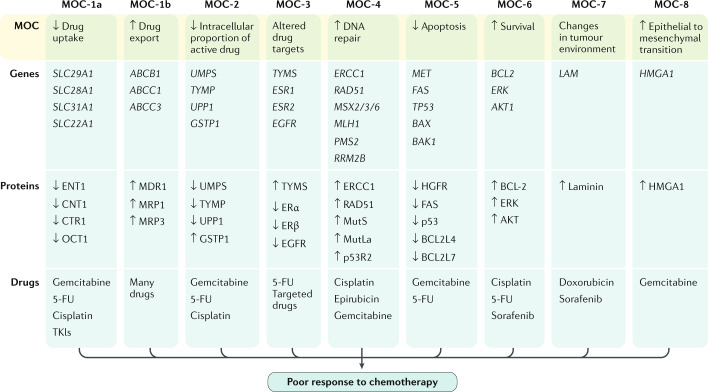
“Besides a lot of side effects, the major limitation of chemotherapy in the management of patients with advanced CCA is the marked multi-drug resistance phenotype of CCA [2].”
BackgroundInfluentialLiu, D., Wang, J., Ma, Z., Zhang, N., Zhao, Y., Yang, X., Wen, Z., & Xie, H. (2022) · CardioVascular and Interventional Radiology · doi:10.1007/s00270-022-03108-z · Cited by 16
“ICC accounts for approximately 15% of primary liver cancers and 3% of gastrointestinal malignancies [2, 3].”
Inflammatory pathways and cholangiocarcinoma risk mechanisms and prevention
Cadamuro, M., & Strazzabosco, M. (2022) · Advances in cancer research · doi:10.1016/bs.acr.2022.02.001 · Cited by 15
Self-citation
Metadata
- Authors
- Banales, J. M., Marin, J. J. G., Lamarca, A., Rodrigues, P. M., Khan, S. A., Roberts, L. R., Cardinale, V., Carpino, G., Andersen, J. B., Braconi, C., Calvisi, D. F., Perugorria, M. J., Fabris, L., Boulter, L., Macias, R. I. R., Gaudio, E., Alvaro, D., Gradilone, S. A., Strazzabosco, M., Marzioni, M., Coulouarn, C., Fouassier, L., Raggi, C., Invernizzi, P., Mertens, J. C., Moncsek, A., Ilyas, S. I., Heimbach, J., Koerkamp, B. G., Bruix, J., Forner, A., Bridgewater, J., Valle, J. W., & Gores, G. J.
- Affiliations
- University of the Basque Country (ES)
- Hammersmith Hospital (GB)
- Mayo Clinic (US)
- Sapienza University of Rome (IT)
- Foro Italico University of Rome (IT)
- University of Copenhagen (DK)
- University of Glasgow (GB)
- University of Regensburg (DE)
- University of Padua (IT)
- Institute of Genetics and Cancer (GB)
- University of Minnesota (US)
- Marche Polytechnic University (IT)
- Inserm (FR)
- University of Florence (IT)
- University of Milano-Bicocca (IT)
- University of Zurich (CH)
- Erasmus MC (NL)
- Instituto de Salud Carlos III (ES)
- University College London (GB)
- National Health Service (GB)
- ORCID
- Banales, Jesus M.
- Marin, Jose J. G.
- Lamarca, Angela
- Rodrigues, Pedro M.
- Khan, Shahid A.
- Roberts, Lewis R.
- Cardinale, Vincenzo
- Carpino, Guido
- Andersen, Jesper B.
- Braconi, Chiara
- Calvisi, Diego F.
- Perugorria, Maria J.
- Fabris, Luca
- Boulter, Luke
- Macias, Rocio I. R.
- Gaudio, Eugenio
- Alvaro, Domenico
- Gradilone, Sergio A.
- Strazzabosco, Mario
- Marzioni, Marco
- Coulouarn, Cédric
- Fouassier, Laura
- Raggi, Chiara
- Invernizzi, Pietro
- Mertens, Joachim C.
- Moncsek, Anja
- Ilyas, Sumera I.
- Heimbach, Julie
- Koerkamp, Bas Groot
- Bruix, Jordi
- Forner, Alejandro
- Bridgewater, John
- Valle, Juan W.
- Gores, Gregory J.
- Venue
- Nature Reviews Gastroenterology & Hepatology
- Published
- 2020-06-30
- Volume
- 17
- Issue
- 9
- Pages
- 557-588
- ISSN
- 1759-5045 (ISSN-L)
- 1759-5053
- PMC
- PMC7447603
- OpenAlex
- W3039360174
- Semantic Scholar
- 18f2779f042888382d9adc72b2c1546bbf440cf9
- Cited by
- 2,411
- References
- 410
- Citations by year
- 2026: 259 · 2025: 482 · 2024: 461 · 2023: 434 · 2022: 455 · 2021: 271 · 2020: 39
- FWCI
- 68.28
- Type
- journal article
- Language
- en
- Open access
- hybrid
- doi.org
- Licence
- cc-by
- creativecommons.org/licenses/by/4.0 (tdm)
- creativecommons.org/licenses/by/4.0 (vor)
- Locations
- Nature Reviews Gastroenterology & Hepatology (publishedVersion, cc-by)
- PubMed Central (publishedVersion, cc-by)
- PubMed (publishedVersion)
- Hispana (publishedVersion, other-oa)
- EUR Research Repository (Erasmus University Rotterdam) (publishedVersion, other-oa)
- Florence Research (University of Florence) (submittedVersion, other-oa)
- Università Politecnica delle Marche (Università Politecnica delle Marche) (submittedVersion, cc-by)
- Padua Research Archive (University of Padova) (submittedVersion, cc-by)
- EUR Research Repository (Erasmus University Rotterdam) (submittedVersion, other-oa)
- RePub (Erasmus University Rotterdam) (submittedVersion, other-oa)
- HAL (submittedVersion, other-oa)
- Communities in ADDI (University of the Basque Country) (submittedVersion, cc-by)
- BOA (University of Milano-Bicocca) (submittedVersion, cc-by)
- LA Referencia (Red Federada de Repositorios Institucionales de Publicaciones Científicas) (submittedVersion, cc-by)
- UCL Discovery (University College London) (submittedVersion)
- University of Regensburg Publication Server (University of Regensburg) (submittedVersion)
- Gredos (University of Salamanca) (submittedVersion, other-oa)
- IRIS Research product catalog (Sapienza University of Rome) (submittedVersion, cc-by)
- Funders
- Cholangiocarcinoma Foundation
- Novo Nordisk Fonden (NNF19OC0058419, NNF15OC0014040)
- National Institutes of Health (UL1TR001863)
- National Cancer Institute (K08CA236874, P50CA210964)
- National Institute of Diabetes and Digestive and Kidney Diseases (P30DK034989)
- National Center for Advancing Translational Sciences
- Topics
- Health Sciences › Medicine › Surgery › Cholangiocarcinoma and Gallbladder Cancer Studies
- Health Sciences › Medicine › Surgery › Pediatric Hepatobiliary Diseases and Treatments
- Health Sciences › Medicine › Hepatology › Liver Diseases and Immunity
- Keywords
- cholangiocarcinoma, biliary tract cancer, tumor heterogeneity, cell of origin, genetic alterations, epigenetic modifications, molecular alterations, biomarker discovery, diagnosis, treatment, prognosis, tumor classification
- MeSH terms
- Bile Duct Neoplasms, Humans, Cholangiocarcinoma
About these checks
Registry, retraction, Cites and statistics results are computed, not judged, with one exception: a printed reference that no index lists is read once by a model before it counts as a citation error. Claims are extracted by a model and kept only when their quote appears verbatim in the text; each cited source is then checked, with a model’s help, for whether it says what the claim relies on. Those verdicts can be wrong — read the claim’s quote and the cited source before relying on one.
Statistics and arithmetic are recomputed, not judged.
Confidence bands are shown only for fields calibrated on our annotated test set. None is calibrated yet, so no band is shown.
What counts as a claim ›How we measure confidence ›How we check this ›
Are you an author, or do you see a problem with this page? Request a review
Data sources
Bibliographic data: Semantic Scholar, OpenAlex, Crossref.
Contains information from the Semantic Scholar Academic Graph Datasets, made available under the ODC Attribution License (ODC-BY 1.0).
Semantic Scholar’s data is described in: Kinney, R., et al. (2023). The Semantic Scholar Open Data Platform. arXiv:2301.10140.
