

Cholangiocarcinoma 2020: the next horizon in mechanisms and management
Open accessThe DOI matches its Crossref record; 410 of the 410 references it cites were found in a registry or an index.
Abstract
Cholangiocarcinoma (CCA) includes a cluster of highly heterogeneous biliary malignant tumours that can arise at any point of the biliary tree. Their incidence is increasing globally, currently accounting for ~15% of all primary liver cancers and ~3% of gastrointestinal malignancies. The silent presentation of these tumours combined with their highly aggressive nature and refractoriness to chemotherapy contribute to their alarming mortality, representing ~2% of all cancer-related deaths worldwide yearly. The current diagnosis of CCA by non-invasive approaches is not accurate enough, and histological confirmation is necessary. Furthermore, the high heterogeneity of CCAs at the genomic, epigenetic and molecular levels severely compromises the efficacy of the available therapies. In the past decade, increasing efforts have been made to understand the complexity of these tumours and to develop new diagnostic tools and therapies that might help to improve patient outcomes. In this expert Consensus Statement, which is endorsed by the European Network for the Study of Cholangiocarcinoma, we aim to summarize and critically discuss the latest advances in CCA, mostly focusing on classification, cells of origin, genetic and epigenetic abnormalities, molecular alterations, biomarker discovery and treatments. Furthermore, the horizon of CCA for the next decade from 2020 onwards is highlighted.
Overview
The claims and statistics of this paper haven’t been checked yet.
Free: it reads the open-access text and checks the first 5 claims that cite a source we can check. Create a free account to check every claim.
Integrity signals
Registry
Cites
Statistics
Figures
Verification
Claims the paper makes
The claims and statistics of this paper haven’t been checked yet.
Free: it reads the open-access text and checks the first 5 claims that cite a source we can check. Create a free account to check every claim.
Claims other papers make about this one
Each is checked against this paper’s own text: does it say what the citing paper says it does?
The source backs part of the claim, not all of it — or backs it for a different population, condition or comparison.
In the citing paper
“It is thought that the majority of ICCs are derived from BECs [210], but mouse and human hepatocytes also represent potential sources for ICCs [212, 213].”
From Inflammation and immunity in liver homeostasis and disease: a nexus of hepatocytes, nonparenchymal cells and immune cells (2025) · doi:10.1038/s41423-025-01313-7 · cites this paper as [210]
Experimental — accuracy not yet measuredThe source backs part of the claim, not all of it — or backs it for a different population, condition or comparison.
In the citing paper
“Several studies suggest that cholangiocarcinoma and other biliary tract malignancies are frequently associated with overactivation of the Notch and Hedgehog signaling pathways[61].”
From Liver regeneration after partial hepatectomy: Triggers and mechanisms (2025) · cites this paper as [61]
Experimental — accuracy not yet measuredIn the citing paper
“Intrahepatic cholangiocarcinoma (ICC) is a biliary tree neoplasia that arises in noncirrhotic and cirrhotic livers and has a rising incidence [210, 211].”
From Inflammation and immunity in liver homeostasis and disease: a nexus of hepatocytes, nonparenchymal cells and immune cells (2025) · doi:10.1038/s41423-025-01313-7 · cites this paper as [210]
Self-check
Percentages, sums and reported differences re-computed from the paper’s own numbers.
The self-check needs the paper’s full text.
Citations
Cites
The National Comprehensive Cancer Network: Present and future directions
McGivney, W. T. (1998) · Cancer · doi:10.1002/(sici)1097-0142(19980515)82:10+<2057::aid-cncr14>3.0.co;2-a · Cited by 16,766 · cited 1×
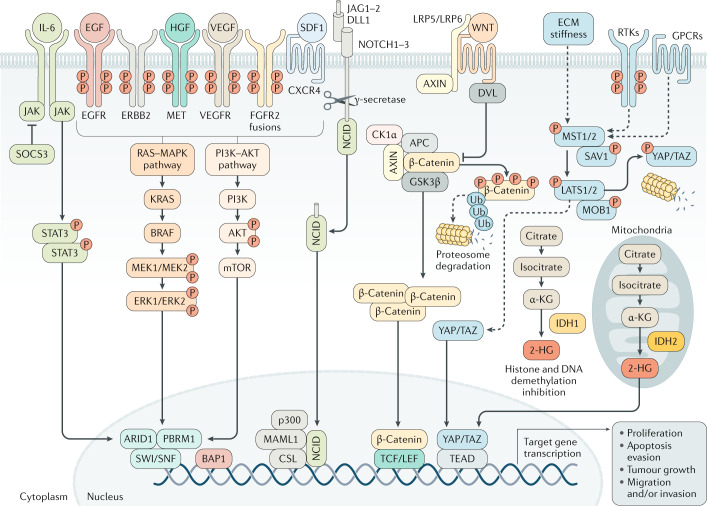
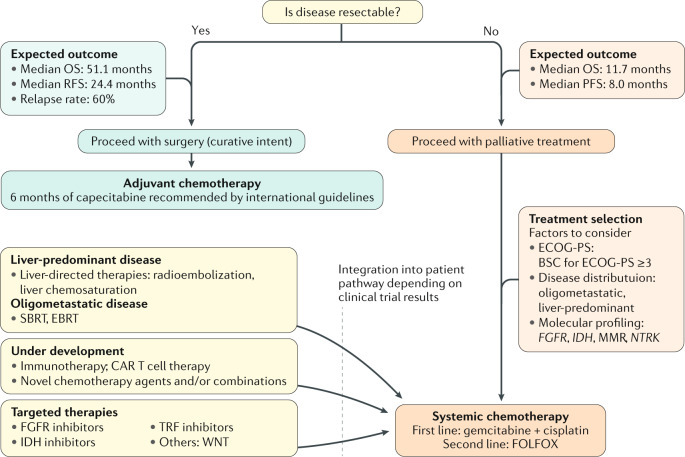
“Patients diagnosed with iCCA in liver-predominant disease might be considered for liver-directed therapies 345,346 .”
BackgroundEpithelial-Mesenchymal Transitions in Development and Disease
Thiery, J. P., Acloque, H., Huang, R. Y. J., & Nieto, M. A. (2009) · Cell · doi:10.1016/j.cell.2009.11.007 · Cited by 9,931 · cited 1×
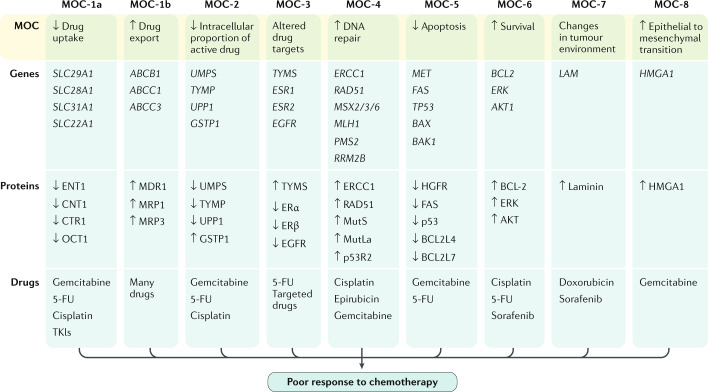
“EMT is a cell plasticity-promoting phenomenon initially reported to occur during embryogenesis, but that also takes place in cancer, enabling epithelial cancer cells to acquire mesenchymal features with invasive properties that lead to metastatic colonization 174 .”
BackgroundPD-1 Blockade in Tumors with Mismatch-Repair Deficiency
Le, D. T., Uram, J. N., Wang, H., Bartlett, B. R., Kemberling, H., Eyring, A. D., Skora, A. D., Luber, B. S., Azad, N. S., Laheru, D., et al. (2015) · New England Journal of Medicine · doi:10.1056/nejmoa1500596 · Cited by 9,377
Mismatch repair deficiency predicts response of solid tumors to PD-1 blockade
Le, D. T., Durham, J. N., Smith, K. N., Wang, H., Bartlett, B. R., Aulakh, L. K., Lu, S., Kemberling, H., Wilt, C., Luber, B. S., et al. (2017) · Science · doi:10.1126/science.aan6733 · Cited by 6,645 · cited 2×
“In a cohort of 86 patients with MMR-deficient tumours, including four patients with CCA, immune checkpoint blockade with the anti-PDL1 monoclonal antibody pembrolizumab resulted in a complete response in one of the patients with CCA and stabilization of disease in the other three 232 .”
Understanding the tumor immune microenvironment (TIME) for effective therapy
Binnewies, M., Roberts, E. W., Kersten, K., Chan, V., Fearon, D. F., Merad, M., Coussens, L. M., Gabrilovich, D. I., Ostrand-Rosenberg, S., Hedrick, C. C., et al. (2018) · Nature Medicine · doi:10.1038/s41591-018-0014-x · Cited by 6,145 · cited 2×
“…of T cell-infiltrated TMEs, characterized by infiltration of CD8 + T cells, chemo-kines and molecules responsible for T cell priming and immune infiltration, is associated with higher response to immune checkpoint blockade, whereas non-T cell-infiltrated TMEs have poorer responses 214,215 .”
Role of YAP/TAZ in mechanotransduction
Dupont, S., Morsut, L., Aragona, M., Enzo, E., Giulitti, S., Cordenonsi, M., Zanconato, F., Le Digabel, J., Forcato, M., Bicciato, S., et al. (2011) · Nature · doi:10.1038/nature10137 · Cited by 5,979
Mutational heterogeneity in cancer and the search for new cancer-associated genes
Lawrence, M. S., Stojanov, P., Polak, P., Kryukov, G. V., Cibulskis, K., Sivachenko, A., Carter, S. L., Stewart, C., Mermel, C. H., Roberts, S. A., et al. (2013) · Nature · doi:10.1038/nature12213 · Cited by 5,461 · cited 1×
“Regarding genomic alterations, CCA falls midway in the mutational spectrum of cancers 111 , with an approximately equal content of genomic alterations in iCCA (median 39 non-synonymous mutations per tumour) and eCCA (median 35 non-synonymous mutations per tumour) 56 .”
Cisplatin plus Gemcitabine versus Gemcitabine for Biliary Tract Cancer
Valle, J., Wasan, H., Palmer, D. H., Cunningham, D., Anthoney, A., Maraveyas, A., Madhusudan, S., Iveson, T., Hughes, S., Pereira, S. P., et al. (2010) · New England Journal of Medicine · doi:10.1056/nejmoa0908721 · Cited by 4,406 · cited 2×
“The ABC-02 trial randomly assigned 410 patients with ECOG-PS ≤2 to systemic chemotherapy with gemcitabine alone or cisplatin–gemcitabine 336 ; the study showed an OS benefit in favour of cisplatin– gemcitabine (HR 0.64), a benefit confirmed in the Japanese randomized phase II BT22 study 337 .”
InfluentialSelf-citationThe biology and function of fibroblasts in cancer
Kalluri, R. (2016) · Nature Reviews Cancer · doi:10.1038/nrc.2016.73 · Cited by 4,366 · cited 1×
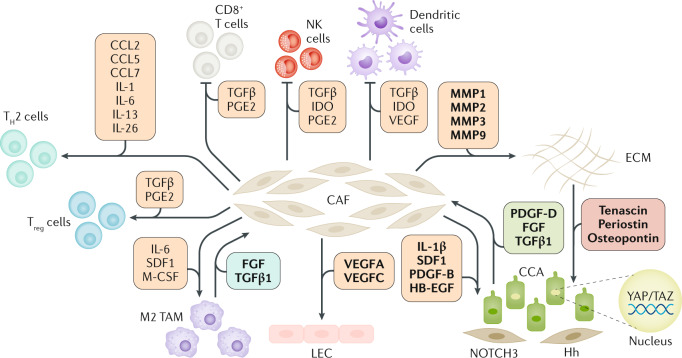
“CAFs are a heterogeneous population of spindle-shaped cells with mesenchymal origin that contribute to tumour progression in many human cancers 199 .”
New insights into the mechanisms of epithelial–mesenchymal transition and implications for cancer
Dongre, A., & Weinberg, R. A. (2019) · Nature Reviews Molecular Cell Biology · doi:10.1038/s41580-018-0080-4 · Cited by 3,876
Research works printed but not linked: 3
- Bosman, F. T., Carneiro, F., Hruban, R. & Theise N. WHO Classification of Tumours: Digestive System Tumours 5th edn Vol. 1 (IARC, 2019).
- Hamilton, S. R. A. et al. WHO Classification of Tumours: Pathology and Genetics of Tumours of the Digestive System 3rd edn Vol. 2 (IARC, 2000).
- Amin, M. B. et al. AJCC Cancer Staging Manual (Springer, 2017).
Cited by
Items 201–300 of 1,002
Wang, H., Song, X., Liao, H., Wang, P., Zhang, Y., Che, L., Zhang, J., Zhou, Y., Cigliano, A., Ament, C. E., et al. (2021) · Hepatology · doi:10.1002/hep.31692 · Cited by 41
“(5) The overall 5year survival rate for HCC and iCCA is low, at ~20%(6) and 7%~20%,(7) respectively.”
BackgroundSelf-citationThe Role of microRNAs in Cholangiocarcinoma
Shi, T., Morishita, A., Kobara, H., & Masaki, T. (2021) · International Journal of Molecular Sciences · doi:10.3390/ijms22147627 · Cited by 41
Wathikthinnakon, M., Luangwattananun, P., Sawasdee, N., Chiawpanit, C., Lee, V. S., Nimmanpipug, P., Tragoolpua, Y., Rotarayanont, S., Sangsuwannukul, T., Phanthaphol, N., et al. (2022) · Scientific Reports · doi:10.1038/s41598-022-09964-6 · Cited by 40
“Combination gemcitabine and cisplatin is the first-line systemic chemotherapy for those with unresectable advanced CCA disease 4 .”
Colyn, L., Álvarez‐Sola, G., Latasa, M. U., Uriarte, I., Herranz, J. M., Arechederra, M., Vlachogiannis, G., Rae, C. J., Pineda‐Lucena, A., Gardini, A. C., et al. (2022) · Journal of Experimental & Clinical Cancer Research · doi:10.1186/s13046-022-02386-2 · Cited by 39
“However, in spite of recent improvements in cholangioscopy and biopsy acquisition, early and accurate diagnosis of CCA remains a challenge [2, 9, 11].”
BackgroundSelf-citationCigliano, A., Zhang, S., Ribback, S., Steinmann, S. M., Sini, M., Ament, C. E., Utpatel, K., Song, X., Wang, J., Pilo, M. G., et al. (2022) · Journal of Experimental & Clinical Cancer Research · doi:10.1186/s13046-022-02394-2 · Cited by 39
“Nonetheless, the incidence of iCCA has been rapidly increasing in the United States and Europe in the past decades, mainly for unknown reasons [1, 2].”
BackgroundSelf-citationAny Role for Microbiota in Cholangiocarcinoma? A Comprehensive Review
Elvevi, A., Laffusa, A., Gallo, C., Invernizzi, P., & Massironi, S. (2023) · Cells · doi:10.3390/cells12030370 · Cited by 43
“All these risk factors indistinctly lead to chronic inflammation of the biliary epithelium and biliary stasis, which represent common features that thus play a fundamental role in the pathogenesis of CCA [5].”
BackgroundInfluentialSelf-citationHeterogeneity of Cholangiocarcinoma Immune Biology
Vita, F., Olaizola, I., Amato, F., Rae, C. J., Marco, S., Bañales, J. M., & Braconi, C. (2023) · Cells · doi:10.3390/cells12060846 · Cited by 41
“Late diagnosis, together with the high chemoresistant nature of these tumors, compromises the possible curative therapeutic options and contributes to their dismal prognosis [2,3].”
BackgroundSelf-citationLiao, W., Du, J., Li, L., Wu, X. Y., Chen, X., Feng, Q., Xu, L., Chen, X., Liao, M., Huang, J., et al. (2023) · Journal of Experimental & Clinical Cancer Research · doi:10.1186/s13046-023-02699-w · Cited by 41
“The incidence of iCCA has been steadily increasing globally over the past 30 years [3–5].”
BackgroundKittirat, Y., Suksawat, M., Thongchot, S., Padthaisong, S., Phetcharaburanin, J., Wangwiwatsin, A., Klanrit, P., Sangkhamanon, S., Titapun, A., Loilome, W., et al. (2022) · Frontiers in Pharmacology · doi:10.3389/fphar.2022.897368 · Cited by 37
Role of sex in liver tumor occurrence and clinical outcomes: A comprehensive review
Toniutto, P., Shalaby, S., Mameli, L., Morisco, F., Gambato, M., Cossiga, V., Guarino, M., Marra, F., Brunetto, M. R., Burra, P., et al. (2023) · Hepatology · doi:10.1097/hep.0000000000000277 · Cited by 41
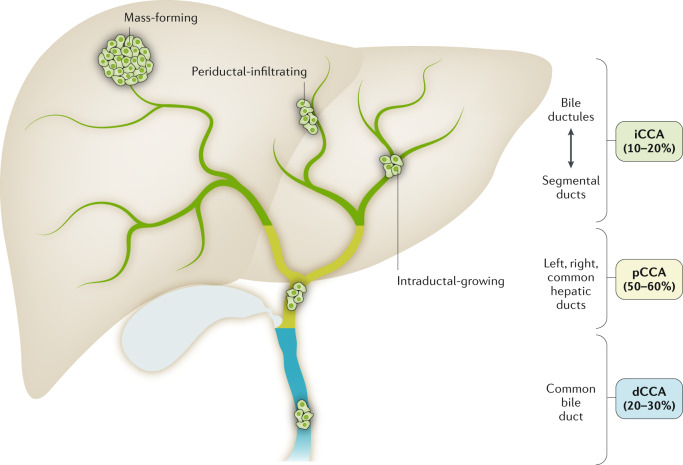
“[118] According to the anatomical site of origin, CCA is classified as intrahepatic, perihilar, and distal. iCCA arises above the second-order bile ducts, and the point of distinction between perihilar CCA and distal CCA is the insertion of the cystic duct.”
BackgroundHozaka, Y., Seki, N., Tanaka, T., Asai, S., Moriya, S., Idichi, T., Wada, M., Tanoue, K., Kawasaki, Y., Mataki, Y., et al. (2021) · Cancers · doi:10.3390/cancers13112804 · Cited by 37
“Unfortunately, there is no effective treatment for inoperable cases [1,2].”
BackgroundMontori, M., Scorzoni, C., Argenziano, M. E., Balducci, D., BLASIO, F. D., Martini, F., Buono, T., Benedetti, A., Marzioni, M., & Maroni, L. (2022) · Journal of Clinical Medicine · doi:10.3390/jcm11216498 · Cited by 40
Self-citationChmiel, P., Gęca, K., Rawicz‐Pruszyński, K., Polkowski, W. P., & Skórzewska, M. (2022) · Cells · doi:10.3390/cells11233929 · Cited by 39
“and defining specific genetic aberrations [12,38].”
BackgroundRole of Machine Learning in Precision Oncology: Applications in Gastrointestinal Cancers
Tabari, A., Chan, S. M., Omar, O. M., Iqbal, S. I., Gee, M. S., & Daye, D. (2022) · Cancers · doi:10.3390/cancers15010063 · Cited by 42
Xin, H., Sun, R., Zou, J., Wang, P., Wang, J., Ye, Y.-H., Liu, K., Hu, Z., Zhou, Z., Fan, J., et al. (2023) · JAMA Network Open · doi:10.1001/jamanetworkopen.2023.1476 · Cited by 38
Marzioni, M., Crinò, S. F., Lisotti, A., Fuccio, L., Vanella, G., Amato, A., Bertani, H., Binda, C., Coluccio, C., Forti, E., et al. (2024) · Surgical Endoscopy · doi:10.1007/s00464-024-11245-4 · Cited by 38
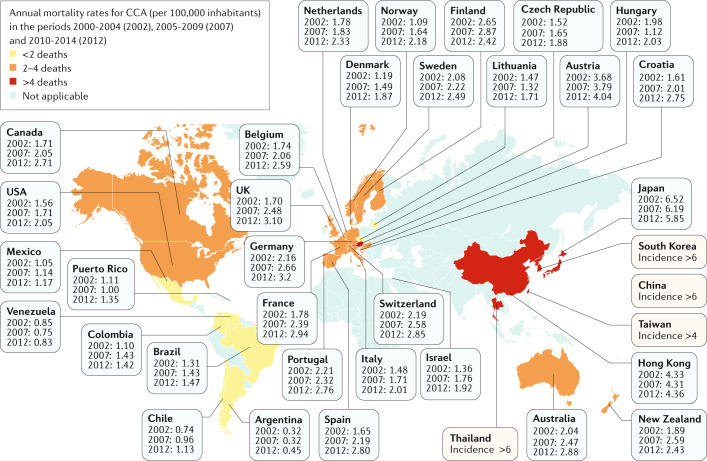
“Cholangiocarcinoma is a rare and heterogeneous disease; its incidence and mortality rates have increased globally (0.3–6 cases per 100,000 inhabitants yearly in Western countries, and > 6 cases in some East Asian regions) over the past 20 years [2].”
BackgroundInfluentialSelf-citationGenomic alterations in cholangiocarcinoma: clinical significance and relevance to therapy
Carotenuto, M., Sacco, A., Forgione, L., & Normanno, N. (2022) · Exploration of Targeted Anti-tumor Therapy · doi:10.37349/etat.2022.00079 · Cited by 39
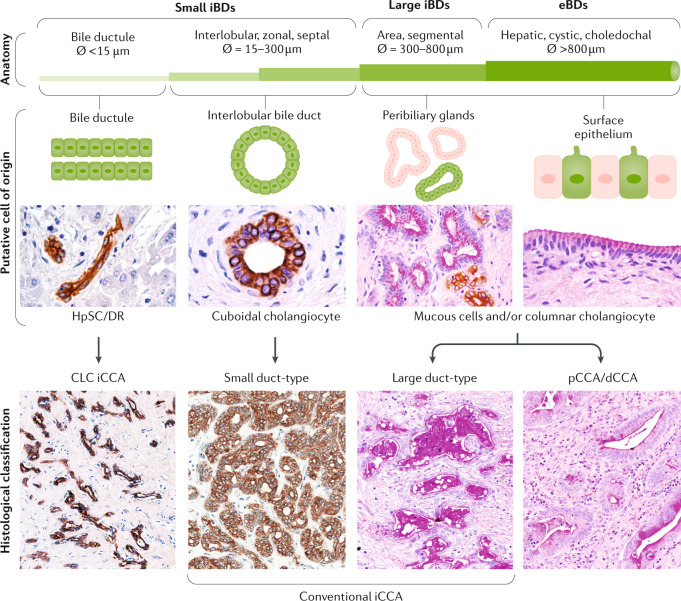
“The two eCCA subtypes (pCCA and dCCA) arise from mucosal columnar cholangiocytes or peribiliary glands, which are also implicated in the origin of precursor lesions [7].”
BackgroundInfluentialMesenchymal stem cell‑derived exosomes loaded with 5‑Fu against cholangiocarcinoma in vitro
Chen, M., Li, Y., Ma, N., & Zang, J. (2022) · Molecular Medicine Reports · doi:10.3892/mmr.2022.12729 · Cited by 36
“Moreover, even after surgery, the tumour recurrence rate is quite high (12). as a result, chemotherapy remains the treatment of choice for the vast majority of cca patients.”
Mauro, E., Ferrer, J., Saurí, T., Soler, A., Cobo, A., Burrel, M., Iserte, G., & Forner, A. (2023) · Cancers · doi:10.3390/cancers15041244 · Cited by 41
“These cancers are heterogeneous and are best classified according to the primary anatomic origin as intrahepatic CCA (iCCA), when located proximally to the second-order bile ducts within the liver parenchyma, perihilar CCA (pCCA), arising between the second-order bile ducts and the insertion of the cystic duct into th…”
BackgroundInfluentialSelf-citationImmunotherapy and Microbiota for Targeting of Liver Tumor-Initiating Stem-like Cells
Machida, K., & Tahara, S. M. (2022) · Cancers · doi:10.3390/cancers14102381 · Cited by 35
“Therapy Target OR (HR) Prevalence in iCCA Note Clinical Phases [49] Ramucirumab VEGFR2 0.710 (0·531–0·949) AFP > 400 ng/mL,2nd line, REACH-2 NCT01140347 [76] Pemigatinib FGFR2 fusion (EGFR G179A. exon18) 11–15% FIGHT-302, Comparator(Gemcitabine + cisplatin) NCT03656536 [75] Fisogatinib (BLU-554), Ivosidenib IDH1 mutat…”
BackgroundInfluentialZhang, D., Zhu, Y. Y., Wu, Q., Ma, S., Ma, Y., Shen, Z. C., Wang, Z., Sun, W., Zhou, Y. C., Wang, D., et al. (2023) · Cell Death and Disease · doi:10.1038/s41419-023-06172-6 · Cited by 35
“Currently, there are no effective therapies for patients with advanced-stage CCA, resulting in a dismal 5-year survival rate of only 7 – 20% [1, 2].”
Xu, X. L., Chen, Y., Shao, S., Wang, J., Shan, J., Wang, Y., Wang, Y., Chang, J., Zhou, T., Chen, R., et al. (2024) · International Journal of Biological Sciences · doi:10.7150/ijbs.90774 · Cited by 40
“The global mortality for CCA increased worldwide during the past 20 years, and the incidence and mortality of CCA in Asian countries/regions are higher than those in Western countries/regions[2, 3].”
BackgroundRecent Advances in Pathology of Intrahepatic Cholangiocarcinoma
Choi, J. H., & Thung, S. N. (2024) · Cancers · doi:10.3390/cancers16081537 · Cited by 36
“Imaging methods—including ultrasonography, computed tomography (CT), and magnetic resonance imaging (MRI)—are essential tools for managing ICCA, as they are useful in diagnosis, the determination of tumor stage, monitoring progress, and evaluating the effectiveness of treatment [33].”
Targeting BRAF-Mutant Biliary Tract Cancer: Recent Advances and Future Challenges
Rizzo, A., Federico, A. D., Ricci, A. D., Frega, G., Palloni, A., Pagani, R., Tavolari, S., Marco, M. D., & Brandi, G. (2020) · Cancer Control · doi:10.1177/1073274820983013 · Cited by 36
“Moreover, recurrence rates remain high even after radical surgery, with 5-year overall survival (OS) rate of less than 10% for all patients.(12,13) Recent controversial results of the randomized phase III BILCAP trial support the use of adjuvant capecitabine, on the basis of an OS benefit in the experimental arm compa…”
BackgroundLobe, C., Vallette, M., Arbelaiz, A., Gonzalez‐Sanchez, E., Izquierdo‐Sánchez, L., Pellat, A., Guedj, N., Louis, C., Paradis, V., Bañales, J. M., et al. (2021) · Hepatology · doi:10.1002/hep.32069 · Cited by 35
Self-citationRoth, G. S., Verlingue, L., Sarabi, M., Blanc, J., Boleslawski, E., Boudjéma, K., Bretagne-Bignon, A.-L., Camus, M., Coriat, R., Créhange, G., et al. (2024) · European Journal of Cancer · doi:10.1016/j.ejca.2024.114000 · Cited by 36
Mondal, A., Banerjee, S., Terang, W., Bishayee, A., Zhang, J., Ren, L., Silva, M., & Bishayee, A. (2024) · Phytotherapy Research · doi:10.1002/ptr.8107 · Cited by 36
“There are three anatomical regions: intra-hepatic, extrahepatic (specifically perihilar), and distal extrahepatic (Banales et al., 2020).”
BackgroundGonzález‐Medina, A., Vila-Casadesús, M., Gómez-Rey, M., Fabregat-Franco, C., Sierra, A., Tian, T. V., Castet, F., Castillo, G., Matito, J., Martínez, P., et al. (2024) · Clinical Cancer Research · doi:10.1158/1078-0432.ccr-23-3780 · Cited by 34
“Cholangiocarcinomas (CCA) comprise a heterogeneous group of tumors arising from the biliary tract, categorized according to their anatomical location as intrahepatic CCA (iCCA), perihilar CCA, or distal CCA (1). iCCA accounts for 3% of all gastrointestinal tumors and 10% to 20% of CCAs (2).”
Yang, J. D., Ghoz, H. M., Aboelsoud, M. M., Taylor, W. R., Yab, T. C., Berger, C. K., Cao, X., Foote, P. H., Giama, N. H., Fritcher, E. G. B., et al. (2021) · Hepatology Communications · doi:10.1002/hep4.1730 · Cited by 37
“These were classified into eCCA, including both pCCA and dCCA, and iCCA.(26) DNA was extracted from microdissected tissues, yielding at least 300 ng of DNA per sample using the Qiagen Blood and Tissue Mini and FFPE Tissue Mini kits (Valencia, CA).”
MethodSelf-citationEpidemiology and aetiology of hepatocellular carcinoma in Sub-Saharan Africa
Mak, D., & Kramvis, A. (2021) · Hepatoma Research · doi:10.20517/2394-5079.2021.15 · Cited by 50
Mayr, C., Kiesslich, T., Erber, S., Bekric, D., Dobias, H., Beyreis, M., Ritter, M., Jäger, T., Neumayer, B., Winkelmann, P., et al. (2021) · Cancers · doi:10.3390/cancers13153862 · Cited by 34
“Common risk factors for the development of BTC include chronic hepatitis B and C, cholelithiasis, liver fluke infestation, type 2 diabetes mellitus, obesity, alcohol consumption, and smoking [2].”
BackgroundInfluentialLi, H., Qu, L., Yang, Y., Zhang, H., Li, X., & Zhang, X. (2022) · Cellular and Molecular Gastroenterology and Hepatology · doi:10.1016/j.jcmgh.2022.02.014 · Cited by 36
“Based on the anatomical locations, CCAs are commonly classified into intrahepatic cholangiocarcinoma (iCCA), perihilar cholangiocarcinoma, and distal cholangiocarcinoma (dCCA); the latter one refers to a subtype emerging in the area between the origin of the cystic duct and ampulla of Vater.(1,2) dCCA remains a highly…”
BackgroundEvolving Role of Immunotherapy in Advanced Biliary Tract Cancers
Kang, S., El‐Rayes, B. F., & Akce, M. (2022) · Cancers · doi:10.3390/cancers14071748 · Cited by 36
“However, the use of locoregional therapy in advanced BTC has not yet been established in prospective randomized control trials [6].”
Ivosidenib in IDH1-mutated cholangiocarcinoma: Clinical evaluation and future directions
Lavacchi, D., Caliman, E., Rossi, G., Buttitta, E., Botteri, C., Fancelli, S., Pellegrini, E., Roviello, G., Pillozzi, S., & Antonuzzo, L. (2022) · Pharmacology & Therapeutics · doi:10.1016/j.pharmthera.2022.108170 · Cited by 34
The SLIT/ROBO Pathway in Liver Fibrosis and Cancer
Basha, S., Jin-Smith, B., Sun, C., & Pi, L. (2023) · Biomolecules · doi:10.3390/biom13050785 · Cited by 37
“CCA is a type of cancer arising from the biliary duct, an origin associated with poor prognosis [77], accounting for 10–15% of all primary liver malignancies.”
BackgroundLiu, N., Zhang, J., Chen, W., Ma, W., & Wu, T. (2023) · Journal of Experimental & Clinical Cancer Research · doi:10.1186/s13046-023-02844-5 · Cited by 35
“Cholangiocarcinoma (CCA) is a highly malignant cancer of the biliary system with a poor prognosis [1–5].”
BackgroundParente, A., Kamarajah, S. K., Baia, M., Tirotta, F., Manzia, T. M., Hilal, M. A., Pawlik, T. M., White, S. A., & Dahdaleh, F. S. (2023) · Journal of Gastrointestinal Surgery · doi:10.1007/s11605-023-05606-y · Cited by 35
Ductular Reactions in Liver Injury, Regeneration, and Disease Progression—An Overview
Mavila, N., Eshwaraiah, M. S., & Kennedy, J. (2024) · Cells · doi:10.3390/cells13070579 · Cited by 36
“These discoveries will direct future research efforts to develop novel cell-type targeted therapies to manage liver fibrosis and other chronic liver diseases associated with a pathological DR.”
BackgroundMatsuda, T., Umeda, Y., Matsuda, T., Endo, Y., Sato, D., Kojima, T., Sui, K., Inagaki, M., Ota, T., Hioki, M., et al. (2021) · BMC Cancer · doi:10.1186/s12885-021-08424-0 · Cited by 37
“ICC has an estimated 5-year survival rate of 30% [3, 4], and represents an aggressive cancer type that can be curatively treated by complete surgical resection.”
BackgroundNeoadjuvant and Adjuvant Therapy in Intrahepatic Cholangiocarcinoma
Chen, X., Du, J., Huang, J., Zeng, Y., & Yuan, K. (2022) · Journal of Clinical and Translational Hepatology · doi:10.14218/jcth.2021.00250 · Cited by 38
Gao, Z., Wang, J., Shen, S., Bo, X., Suo, T., Ni, X., Liu, H., Wang, Y., Lihong, H., & Liu, H. (2022) · World Journal of Surgical Oncology · doi:10.1186/s12957-021-02476-z · Cited by 33
“Biliary obstruction is commonly the first presentation in several cancers affecting the region from the perihilar bile duct to the pancreatic head, including perihilar cholangiocarcinoma (pCCA), distal cholangiocarcinoma (dCCA), ampullary carcinoma, and pancreatic ductal adenocarcinoma (PDAC) [1, 2].”
BackgroundInfluentialMiyabe, K., Chandrasekhara, V., Wongjarupong, N., Chen, J., Yang, L., Johnson, S. P., Chia, N., Walther-Antonio, M. R. S., Yao, J. Z., Harrington, S. C., et al. (2022) · Cancers · doi:10.3390/cancers14092120 · Cited by 33
“CCA is a lethal biliary tract cancer with suboptimal treatment outcomes [4,5].”
BackgroundSelf-citationLiver organoids: an in vitro 3D model for liver cancer study
Dong, R., Zhang, B., & Zhang, X. (2022) · Cell & Bioscience · doi:10.1186/s13578-022-00890-8 · Cited by 34
“However, more researches are needed to investigate the cell origin of HCC and iCCA [2, 4].”
BackgroundFeng, X., Cai, W., Zheng, R., Tang, L., Zhou, J., Wang, H., Liao, J., Luo, B., Cheng, W., An, W., et al. (2022) · Engineering Applications of Artificial Intelligence · doi:10.1016/j.engappai.2022.105635 · Cited by 35
Liver transplantation in the management of cholangiocarcinoma: Evolution and contemporary advances
Borakati, A., Froghi, F., Bhogal, R. H., & Mavroeidis, V. K. (2023) · World Journal of Gastroenterology · doi:10.3748/wjg.v29.i13.1969 · Cited by 35
Spencer, K. R., Pappas, L., Baiev, I., Maurer, J. R., Bocobo, A. G., Zhang, K., Jain, A., Armas, A. D. D., Reyes, S., Le, T. M., et al. (2023) · JNCI Journal of the National Cancer Institute · doi:10.1093/jnci/djad046 · Cited by 37
“This disparity persisted on multivariate analysis when controlling for differences in utilization of potentially lifeprolonging palliative therapy, however, unknown factors such as recurrent jaundice and cholangitic sepsis due to biliary obstruction may have contributed as main causes of morbidity and mortality in pat…”
BackgroundSelf-citationDeep Learning–Enabled Diagnosis of Liver Adenocarcinoma
Albrecht, T., Rossberg, A., Albrecht, J. D., Nicolay, J. P., Straub, B. K., Gerber, T. S., Albrecht, M., Brinkmann, F., Charbel, A., Schwab, C., et al. (2023) · Gastroenterology · doi:10.1053/j.gastro.2023.07.026 · Cited by 35
Pleiotropic roles of FXR in liver and colorectal cancers
Huang, X., Fan, M., & Huang, W. (2022) · Molecular and Cellular Endocrinology · doi:10.1016/j.mce.2021.111543 · Cited by 33
IDH Inhibitors and Immunotherapy for Biliary Tract Cancer: A Marriage of Convenience?
Brandi, G., & Rizzo, A. (2022) · International Journal of Molecular Sciences · doi:10.3390/ijms231810869 · Cited by 34
“When surgically feasible and when diagnosed at an early stage, radical surgery is the standard-of-care treatment for BTC [4]; however, potentially curative surgery is possible only in a minority of BTCs, since most patients present with unresectable metastatic disease, where systemic chemotherapy is the standard thera…”
BackgroundLi, J., Xu, X., Xu, K., Zhou, X., Wu, K., Yao, Y., Liu, Z., Chen, C., Wang, L., Sun, Z., et al. (2024) · Journal of Experimental & Clinical Cancer Research · doi:10.1186/s13046-024-03006-x · Cited by 34
“ICC were heterogeneous malignancies that are known for being difficult to diagnose and treat [1].”
BackgroundPadthaisong, S., Phetcharaburanin, J., Klanrit, P., Li, J. V., Namwat, N., Khuntikeo, N., Titapun, A., Jarearnrat, A., Wangwiwatsin, A., Mahalapbutr, P., et al. (2021) · Cancer & Metabolism · doi:10.1186/s40170-021-00266-5 · Cited by 34
Relevance of Membrane Contact Sites in Cancer Progression
Gil-Hernández, A., Arroyo-Campuzano, M., Nieves, A. S., Zazueta, C., Gómez-Quiroz, L. E., & Silva‐Palacios, A. (2021) · Frontiers in Cell and Developmental Biology · doi:10.3389/fcell.2020.622215 · Cited by 34
“The genomic findings regarding this gene in TCGA data point to it as a noteworthy target for future research, particularly in CHOL, which is the second liver primary tumor with higher mortality (Banales et al., 2020).”
BackgroundLocoregional Treatments in Cholangiocarcinoma and Combined Hepatocellular Cholangiocarcinoma
Renzulli, M., Ramai, D., Singh, J. K., Sinha, S., Brandi, N., Ierardi, A. M., Albertini, E., Sacco, R., Facciorusso, A., & Golfieri, R. (2021) · Cancers · doi:10.3390/cancers13133336 · Cited by 36
“The HCC component is distinguished by the appearance of bile-producing cells (and canaliculi) with a granular eosinophilic cytoplasm and often contains intracytoplasmic fibrinogen, Mallory–Denk bodies, alpha1 antitrypsin, and fat globules [1].”
BackgroundInfluentialChung, T., Rhee, H., Shim, H. S., Yoo, J. E., Choi, G. H., Kim, H., & Park, Y. N. (2021) · Gut and Liver · doi:10.5009/gnl210174 · Cited by 32
“KRAS and TP53 mutations were reported to be associated with large (bile) duct type,(11) and IDH1/2 mutations and FGFR fusions were more frequently found in small duct type than in other histological iCCA types.(10,12,13) Herein, the genetic profile of iCCA with DPM pattern evaluated by NGS is presented along with a cl…”
BackgroundMethodKonishi, D., Umeda, Y., Yoshida, K., Shigeyasu, K., Yano, S., Toji, T., Takeda, S., Yoshida, R., Yasui, K., Fuji, T., et al. (2022) · British Journal of Cancer · doi:10.1038/s41416-022-01838-y · Cited by 36
“BACKGROUND The incidence of intrahepatic cholangiocarcinoma (ICC), which accounts for 10–20% of all primary liver cancers, is increasing worldwide [1, 2].”
BackgroundTimeline of FDA-Approved Targeted Therapy for Cholangiocarcinoma
Cho, S. M., Esmail, A., Raza, A., Dacha, S., & Abdelrahim, M. (2022) · Cancers · doi:10.3390/cancers14112641 · Cited by 32
“Immunotherapy, despite not specifically targeting the cancer cells, has emerged as a viable therapy option due to its ability to spare healthy cells; however, options for its utilization in the United States (US) for the treatment of CCA remains currently limited with further research required [30,31,33,34].”
BackgroundThe multidisciplinary management of cholangiocarcinoma
Ohaegbulam, K. C., Koethe, Y., Fung, A., Mayo, S. C., Grossberg, A. J., Chen, E. Y.-S., Sharzehi, K., Kardosh, A., Farsad, K., Rocha, F. G., et al. (2022) · Cancer · doi:10.1002/cncr.34541 · Cited by 35
“the small duct type iCCAs, whereas columnar mucous cholangiocytes, or peribiliary glands, define the large duct iCCAs.(46)”
BackgroundOlkus, A., Tomczak, A., Berger, A. K., Rauber, C., Puchas, P., Wehling, C., Longerich, T., Mehrabi, A., Chang, D., Liermann, J., et al. (2024) · Targeted Oncology · doi:10.1007/s11523-024-01044-1 · Cited by 33
“Most patients are diagnosed with advanced disease, and the only curative treatment, which requires surgical resection, can only be offered to up to a quarter of patients [4].”
Matteo, S. D., Nevi, L., Overi, D., Landolina, N., Faccioli, J., Giulitti, F., Napoletano, C., Oddi, A., Marziani, A. M., Costantini, D., et al. (2021) · Scientific Reports · doi:10.1038/s41598-021-81172-0 · Cited by 36
Self-citationYin, L., Zhao, S., Zhu, H., Ji, G., & Zhang, X. (2021) · Scientific Reports · doi:10.1038/s41598-021-91823-x · Cited by 31
Casadio, M., Cardinale, V., Klümpen, H., Morement, H., Lacasta, A., Koerkamp, B. G., Bañales, J. M., Alvaro, D., Valle, J. W., & Lamarca, Á. (2022) · ESMO Open · doi:10.1016/j.esmoop.2021.100377 · Cited by 33
“A steady increase in the number of deaths associated to this condition has been observed over the past 20 years.(4,5) Today, surgery is considered the only potential curative treatment.”
BackgroundSelf-citationOliviero, B., Varchetta, S., Mele, D., Pessino, G., Maiello, R., Falleni, M., Tosi, D., Donadon, M., Soldani, C., Franceschini, B., et al. (2022) · OncoImmunology · doi:10.1080/2162402x.2022.2035919 · Cited by 33
Gupta, A. N., Gordon, A. C., Gabr, A., Kalyan, A., Kircher, S. M., Mahalingam, D., Mulcahy, M. F., Merkow, R. P., Yang, A. D., Bentrem, D. J., et al. (2022) · CardioVascular and Interventional Radiology · doi:10.1007/s00270-022-03183-2 · Cited by 31
“Surgical resection is considered curative with 5-year survival rates between 11 and 40% [1; 2].”
Caputo, V., Falco, V. D., Ventriglia, A., Famiglietti, V., Martinelli, E., Morgillo, F., Martini, G., Corte, C. M. D., Ciardiello, D., Poliero, L., et al. (2022) · Therapeutic Advances in Medical Oncology · doi:10.1177/17588359221096878 · Cited by 32
Biomarkers for response to immunotherapy in hepatobiliary malignancies
Lin, Z., Qin, L., & Chen, J. (2022) · Hepatobiliary & pancreatic diseases international · doi:10.1016/j.hbpd.2022.08.002 · Cited by 32
Shi, X., Li, Z., Yao, R.-Q., Cheng, Q., Li, W., Wu, R. T., Xie, Z., Zhu, Y., Qiu, X., Yang, S., et al. (2022) · npj Precision Oncology · doi:10.1038/s41698-022-00300-9 · Cited by 32
3D-bioprinted cholangiocarcinoma-on-a-chip model for evaluating drug responses
Liu, Q., Mille, L. S., Villalobos, C., Anaya, I., Vostatek, M., Yi, S., Li, W., Liao, J., Wu, H., Song, Y., et al. (2023) · Bio-Design and Manufacturing · doi:10.1007/s42242-022-00229-9 · Cited by 33
“With a medium optimized for tri-culture, the CCA cells were observed to display hyperproliferation in a 3D thickeningmanner, expectantly analogous to the in vivomalignant biliary stenosis [27], which demonstrated a close representation of the realistic anatomical condition of CCA, allowing for a complex interplay of s…”
BackgroundInfluentialCatanzaro, E., Gringeri, E., Burra, P., & Gambato, M. (2023) · Cancers · doi:10.3390/cancers15204947 · Cited by 34
Recent Advances in Systemic Therapy for Advanced Intrahepatic Cholangiocarcinoma
Yoo, C., Hyung, J., & Chan, S. L. (2023) · Liver Cancer · doi:10.1159/000531458 · Cited by 32
Wang, K., Wang, S., Qin, X., Chen, Y., Chen, Y., Wang, J., Zhang, Y., Guo, Q., Zhou, C., & Zou, D. (2024) · Frontiers in Cellular and Infection Microbiology · doi:10.3389/fcimb.2024.1308742 · Cited by 36
Management of Intrahepatic Cholangiocarcinoma
Kodali, S., Shetty, A., Shekhar, S., Victor, D. W., & Ghobrial, R. M. (2021) · Journal of Clinical Medicine · doi:10.3390/jcm10112368 · Cited by 30
The State of Immunotherapy in Hepatobiliary Cancers
Ilyas, F. Z., Beane, J. D., & Pawlik, T. M. (2021) · Cells · doi:10.3390/cells10082096 · Cited by 31
“Given recent successes using immunotherapy for patients with solid tumors that have historically been considered “immune-cold”, there has been increasing interest in the medical community to test immunotherapy in patients with biliary tract cancers [4,84].”
BackgroundInfluentialEpidemiology of cholangiocarcinoma
Turati, F., Bertuccio, P., Negri, E., & Vecchia, C. L. (2022) · Hepatoma Research · doi:10.20517/2394-5079.2021.130 · Cited by 34
Chaiyadet, S., Tangkawattana, S., Smout, M. J., Ittiprasert, W., Mann, V. H., Deenonpoe, R., Arunsan, P., Loukas, A. C., Brindley, P. J., & Laha, T. (2022) · PLoS Pathogens · doi:10.1371/journal.ppat.1010839 · Cited by 31
“CCA accounts for ~15% of all primary liver cancers globally and its incidence is increasing [35].”
BackgroundConboy, C. B., Yonkus, J. A., Buckarma, E. H., Mun, D., Werneburg, N. W., Watkins, R. D., Alva‐Ruiz, R., Tomlinson, J. L., Guo, Y. C., Wang, J., et al. (2022) · Journal of Hepatology · doi:10.1016/j.jhep.2022.09.014 · Cited by 33
Self-citationAliseda, D., Sapisochín, G., Martí‐Cruchaga, P., Zozaya, G., Blanco, N., Goh, B. K. P., & Rotellar, F. (2023) · Annals of Surgical Oncology · doi:10.1245/s10434-023-13498-0 · Cited by 30
Unresectable biliary tract cancer: Current and future systemic therapy
Zhang, D., Dorman, K., Westphalen, C. B., Haas, M., Ormanns, S., Neumann, J. H. L., Seidensticker, M., Ricke, J., Toni, E. N. D., Klauschen, F., et al. (2024) · European Journal of Cancer · doi:10.1016/j.ejca.2024.114046 · Cited by 32
“Further, lifestyle and metabolic-related factors like consumption of alcohol, smoking, diabetes and obesity can increase the risk of developing BTC [3 – 5].”
Tataru, D., Khan, S. A., Hill, R., Morement, H., Wong, K. F., Paley, L., & Toledano, M. B. (2023) · JHEP Reports · doi:10.1016/j.jhepr.2023.100983 · Cited by 29
“Given that the overall prognosis for all CCA is relatively poor, with a 5-year overall survival rate of less than 10%, 1,2,8 it is important to monitor and investigate these trends in detail.”
BackgroundSelf-citationManagement of Intrahepatic Cholangiocarcinoma: A Narrative Review
Tsung, C., Quinn, P. L., & Ejaz, A. M. (2024) · Cancers · doi:10.3390/cancers16040739 · Cited by 30
“The incidence within the United States and globally is rising with cholangiocarcinoma currently estimated to account for 3% of all gastrointestinal malignancies and 15% of all primary liver cancers [1,2].”
BackgroundHu, Y., Wang, K., Chen, Y., Jin, Y., Guo, Q., & Tang, H. (2024) · Frontiers in Immunology · doi:10.3389/fimmu.2024.1430551 · Cited by 30
“Due to its asymptomatic presentation, highly invasive nature, and chemotherapy resistance, the mortality rate of patients with bile duct cancer is concerning, accounting for 2% of all cancer-related deaths globally (5).”
BackgroundLiu, C., Zhang, C., Wu, H., Zhao, Z.-B., Wang, Z., Zhang, X., Yang, J., Yu, W., Lian, Z., Gao, M., et al. (2024) · Cell Death and Differentiation · doi:10.1038/s41418-024-01407-1 · Cited by 32
Lee, J., Lee, J., Sim, W., & Kim, J.-H. (2022) · Cellular Oncology · doi:10.1007/s13402-022-00668-7 · Cited by 31
Høgdall, D., O’Rourke, C. J., Larsen, F. O., Zarforoushan, S., Christensen, T. D., Ghazal, A., Boisen, M. K., Muñoz-Garrido, P., Johansen, J. S., & Andersen, J. B. (2022) · Journal of Hepatology · doi:10.1016/j.jhep.2022.05.036 · Cited by 29
Self-citationLeem, G., Jang, S. I., Cho, J. H., Jo, J. H., Lee, H. S., Chung, M. J., Park, J. Y., Bang, S., Yoo, D.-K., Cheon, H.-C., et al. (2022) · Cancers · doi:10.3390/cancers14174229 · Cited by 29
“As biliary tract cancers are usually asymptomatic during the early stages, more than 50% of patients with these cancers are diagnosed in the advanced stages [2,3].”
BackgroundRecent Advances in Image-Guided Locoregional Therapies for Primary Liver Tumors
Criss, C. R., & Makary, M. S. (2023) · Biology · doi:10.3390/biology12070999 · Cited by 32
“Furthermore, due to the highly aggressive and heterogeneous nature of ICCA, many patients with ICCA are not surgical candidates because advanced disease is common at the time of presentation [28].”
BackgroundZhang, R., Li, Q., Fu, J., Jin, Z., Su, J., Zhang, J., Chen, C., Geng, Z., & Zhang, D. (2021) · BMC Cancer · doi:10.1186/s12885-021-07788-7 · Cited by 29
Harrison, J. M., & Visser, B. C. (2024) · Surgical Clinics of North America · doi:10.1016/j.suc.2024.04.003 · Cited by 28
Organoids and spheroids: advanced in vitro models for liver cancer research
Pastore, M., Giachi, A., Spínola-Lasso, E., Marra, F., & Raggi, C. (2025) · Frontiers in Cell and Developmental Biology · doi:10.3389/fcell.2024.1536854 · Cited by 30
Self-citationAdvances in Precision Oncology: From Molecular Profiling to Regulatory-Approved Targeted Therapies
Brlek, P., Škaro, V., Hrvatin, N., Bulić, L., Petrović, A., Projić, P., Smolić, M., Shah, P., & Primorac, D. (2025) · Cancers · doi:10.3390/cancers17213500 · Cited by 33
“Primary liver cancers, most commonly hepatocellular carcinoma (HCC), and bile duct cancers (cholangiocarcinomas) are aggressive malignancies often diagnosed at advanced stages [127].”
Dysbiosis in the Human Microbiome of Cholangiocarcinoma
Rao, B., Ren, T., Wang, X., Wang, H., Zou, Y., Sun, Y., Liu, S., Ren, Z., & Yu, Z. (2021) · Frontiers in Physiology · doi:10.3389/fphys.2021.715536 · Cited by 30
Hu Antigen R (HuR) Protein Structure, Function and Regulation in Hepatobiliary Tumors
Lachiondo‐Ortega, S., Delgado, T. C., Baños‐Jaime, B., Velázquez‐Cruz, A., Díaz‐Moreno, I., & Martínez‐Chantar, M. L. (2022) · Cancers · doi:10.3390/cancers14112666 · Cited by 30
“In the past few years, druggable alterations such as fibroblast growth factor receptor 2 (FGFR2) gene fusions and rearrangements, or isocitrate dehydrogenase-1 (IDH-1) and BRAF mutations, have been widely described in CCA patients, further indicating the important differences between iCCA and PCC/DCC, as thoroughly re…”
BackgroundTargeting tumor microenvironment for cholangiocarcinoma: Opportunities for precision medicine
Carloni, R., Rizzo, A., Ricci, A. D., Federico, A. D., Luca, R. D., Güven, D. C., Yalçın, Ş., & Brandi, G. (2022) · Translational Oncology · doi:10.1016/j.tranon.2022.101514 · Cited by 29
Immunomodulatory effects of regorafenib: Enhancing the efficacy of anti-PD-1/PD-L1 therapy
Liu, J., Tao, H., Yuan, T., Li, J., Li, J., Liang, H., Huang, Z., & Zhang, E. (2022) · Frontiers in Immunology · doi:10.3389/fimmu.2022.992611 · Cited by 32
Liu, S., Fan, S., Wang, Y., Chen, R., Wang, Z., Zhang, Y., Jiang, W., Chen, Y., Xu, X., Yu, Y., et al. (2023) · BMC Cancer · doi:10.1186/s12885-023-10903-5 · Cited by 29
“The current non-invasive diagnosis of CHOL is not accurate enough [2].”
BackgroundThe good and the bad about separation anxiety: roles of IL-22 and IL-22BP in liver pathologies
Lücke, J., Sabihi, M., Zhang, T., Bauditz, L. F., Shiri, A. M., Giannou, A. D., & Huber, S. (2021) · Seminars in Immunopathology · doi:10.1007/s00281-021-00854-z · Cited by 33
Kohlhepp, M. S., Liu, H., Tacke, F., & Guillot, A. (2023) · Frontiers in Molecular Biosciences · doi:10.3389/fmolb.2023.1129831 · Cited by 27
“(Banales et al., 2020) NAFLD encompasses a large range of chronic liver disease conditions, notably characterized by varying degrees of steatosis (i.”
BackgroundCzekay, R., Higgins, C. E., Aydin, H. B., Samarakoon, R., Subasi, N. B., Higgins, S. P., Lee, H., & Higgins, P. J. (2024) · Cells · doi:10.3390/cells13100796 · Cited by 30
“Two in particular, the inflammatory (iCAFs) and the myofibroblastic (myCAFs) variants, are prominent among the six subtypes of CAFs evident in CCA [17,34,39].”
BackgroundQichang, Z., Zou, T., Wang, W., Zhang, C., Hu, S., Cheng, X., Liu, R., Wang, G., Sun, P., Zhou, X., et al. (2024) · Advanced Science · doi:10.1002/advs.202309203 · Cited by 37
Li, Z., Aliseda, D., Jones, O., Rajendran, L., Magyar, C. T. J., Grant, R., O'Kane, G. M., Saborowski, A. L., Sapisochín, G., & Vogel, A. (2024) · JHEP Reports · doi:10.1016/j.jhepr.2024.101290 · Cited by 28
Claudin 18.2: a promising actionable target in biliary tract cancers
Angerilli, V., Sacchi, D., Rizzato, M. D., Gasparello, J., Ceccon, C., Sabbadin, M., Niero, M., Bergamo, F., Cillo, U., Franzina, C., et al. (2025) · ESMO Open · doi:10.1016/j.esmoop.2025.105049 · Cited by 27
Metadata
- Authors
- Banales, J. M., Marin, J. J. G., Lamarca, A., Rodrigues, P. M., Khan, S. A., Roberts, L. R., Cardinale, V., Carpino, G., Andersen, J. B., Braconi, C., Calvisi, D. F., Perugorria, M. J., Fabris, L., Boulter, L., Macias, R. I. R., Gaudio, E., Alvaro, D., Gradilone, S. A., Strazzabosco, M., Marzioni, M., Coulouarn, C., Fouassier, L., Raggi, C., Invernizzi, P., Mertens, J. C., Moncsek, A., Ilyas, S. I., Heimbach, J., Koerkamp, B. G., Bruix, J., Forner, A., Bridgewater, J., Valle, J. W., & Gores, G. J.
- Affiliations
- University of the Basque Country (ES)
- Hammersmith Hospital (GB)
- Mayo Clinic (US)
- Sapienza University of Rome (IT)
- Foro Italico University of Rome (IT)
- University of Copenhagen (DK)
- University of Glasgow (GB)
- University of Regensburg (DE)
- University of Padua (IT)
- Institute of Genetics and Cancer (GB)
- University of Minnesota (US)
- Marche Polytechnic University (IT)
- Inserm (FR)
- University of Florence (IT)
- University of Milano-Bicocca (IT)
- University of Zurich (CH)
- Erasmus MC (NL)
- Instituto de Salud Carlos III (ES)
- University College London (GB)
- National Health Service (GB)
- ORCID
- Banales, Jesus M.
- Marin, Jose J. G.
- Lamarca, Angela
- Rodrigues, Pedro M.
- Khan, Shahid A.
- Roberts, Lewis R.
- Cardinale, Vincenzo
- Carpino, Guido
- Andersen, Jesper B.
- Braconi, Chiara
- Calvisi, Diego F.
- Perugorria, Maria J.
- Fabris, Luca
- Boulter, Luke
- Macias, Rocio I. R.
- Gaudio, Eugenio
- Alvaro, Domenico
- Gradilone, Sergio A.
- Strazzabosco, Mario
- Marzioni, Marco
- Coulouarn, Cédric
- Fouassier, Laura
- Raggi, Chiara
- Invernizzi, Pietro
- Mertens, Joachim C.
- Moncsek, Anja
- Ilyas, Sumera I.
- Heimbach, Julie
- Koerkamp, Bas Groot
- Bruix, Jordi
- Forner, Alejandro
- Bridgewater, John
- Valle, Juan W.
- Gores, Gregory J.
- Venue
- Nature Reviews Gastroenterology & Hepatology
- Published
- 2020-06-30
- Volume
- 17
- Issue
- 9
- Pages
- 557-588
- ISSN
- 1759-5045 (ISSN-L)
- 1759-5053
- PMC
- PMC7447603
- OpenAlex
- W3039360174
- Semantic Scholar
- 18f2779f042888382d9adc72b2c1546bbf440cf9
- Cited by
- 2,411
- References
- 410
- Citations by year
- 2026: 259 · 2025: 482 · 2024: 461 · 2023: 434 · 2022: 455 · 2021: 271 · 2020: 39
- FWCI
- 68.28
- Type
- journal article
- Language
- en
- Open access
- hybrid
- doi.org
- Licence
- cc-by
- creativecommons.org/licenses/by/4.0 (tdm)
- creativecommons.org/licenses/by/4.0 (vor)
- Locations
- Nature Reviews Gastroenterology & Hepatology (publishedVersion, cc-by)
- PubMed Central (publishedVersion, cc-by)
- PubMed (publishedVersion)
- Hispana (publishedVersion, other-oa)
- EUR Research Repository (Erasmus University Rotterdam) (publishedVersion, other-oa)
- Florence Research (University of Florence) (submittedVersion, other-oa)
- Università Politecnica delle Marche (Università Politecnica delle Marche) (submittedVersion, cc-by)
- Padua Research Archive (University of Padova) (submittedVersion, cc-by)
- EUR Research Repository (Erasmus University Rotterdam) (submittedVersion, other-oa)
- RePub (Erasmus University Rotterdam) (submittedVersion, other-oa)
- HAL (submittedVersion, other-oa)
- Communities in ADDI (University of the Basque Country) (submittedVersion, cc-by)
- BOA (University of Milano-Bicocca) (submittedVersion, cc-by)
- LA Referencia (Red Federada de Repositorios Institucionales de Publicaciones Científicas) (submittedVersion, cc-by)
- UCL Discovery (University College London) (submittedVersion)
- University of Regensburg Publication Server (University of Regensburg) (submittedVersion)
- Gredos (University of Salamanca) (submittedVersion, other-oa)
- IRIS Research product catalog (Sapienza University of Rome) (submittedVersion, cc-by)
- Funders
- Cholangiocarcinoma Foundation
- Novo Nordisk Fonden (NNF19OC0058419, NNF15OC0014040)
- National Institutes of Health (UL1TR001863)
- National Cancer Institute (K08CA236874, P50CA210964)
- National Institute of Diabetes and Digestive and Kidney Diseases (P30DK034989)
- National Center for Advancing Translational Sciences
- Topics
- Health Sciences › Medicine › Surgery › Cholangiocarcinoma and Gallbladder Cancer Studies
- Health Sciences › Medicine › Surgery › Pediatric Hepatobiliary Diseases and Treatments
- Health Sciences › Medicine › Hepatology › Liver Diseases and Immunity
- Keywords
- cholangiocarcinoma, biliary tract cancer, tumor heterogeneity, cell of origin, genetic alterations, epigenetic modifications, molecular alterations, biomarker discovery, diagnosis, treatment, prognosis, tumor classification
- MeSH terms
- Bile Duct Neoplasms, Humans, Cholangiocarcinoma
About these checks
Registry, retraction, Cites and statistics results are computed, not judged, with one exception: a printed reference that no index lists is read once by a model before it counts as a citation error. Claims are extracted by a model and kept only when their quote appears verbatim in the text; each cited source is then checked, with a model’s help, for whether it says what the claim relies on. Those verdicts can be wrong — read the claim’s quote and the cited source before relying on one.
Statistics and arithmetic are recomputed, not judged.
Confidence bands are shown only for fields calibrated on our annotated test set. None is calibrated yet, so no band is shown.
What counts as a claim ›How we measure confidence ›How we check this ›
Are you an author, or do you see a problem with this page? Request a review
Data sources
Bibliographic data: Semantic Scholar, OpenAlex, Crossref.
Contains information from the Semantic Scholar Academic Graph Datasets, made available under the ODC Attribution License (ODC-BY 1.0).
Semantic Scholar’s data is described in: Kinney, R., et al. (2023). The Semantic Scholar Open Data Platform. arXiv:2301.10140.
