

Cholangiocarcinoma 2020: the next horizon in mechanisms and management
Open accessThe DOI matches its Crossref record; 410 of the 410 references it cites were found in a registry or an index.
Abstract
Cholangiocarcinoma (CCA) includes a cluster of highly heterogeneous biliary malignant tumours that can arise at any point of the biliary tree. Their incidence is increasing globally, currently accounting for ~15% of all primary liver cancers and ~3% of gastrointestinal malignancies. The silent presentation of these tumours combined with their highly aggressive nature and refractoriness to chemotherapy contribute to their alarming mortality, representing ~2% of all cancer-related deaths worldwide yearly. The current diagnosis of CCA by non-invasive approaches is not accurate enough, and histological confirmation is necessary. Furthermore, the high heterogeneity of CCAs at the genomic, epigenetic and molecular levels severely compromises the efficacy of the available therapies. In the past decade, increasing efforts have been made to understand the complexity of these tumours and to develop new diagnostic tools and therapies that might help to improve patient outcomes. In this expert Consensus Statement, which is endorsed by the European Network for the Study of Cholangiocarcinoma, we aim to summarize and critically discuss the latest advances in CCA, mostly focusing on classification, cells of origin, genetic and epigenetic abnormalities, molecular alterations, biomarker discovery and treatments. Furthermore, the horizon of CCA for the next decade from 2020 onwards is highlighted.
Overview
The claims and statistics of this paper haven’t been checked yet.
Free: it reads the open-access text and checks the first 5 claims that cite a source we can check. Create a free account to check every claim.
Integrity signals
Registry
Cites
Statistics
Figures
Verification
Claims the paper makes
The claims and statistics of this paper haven’t been checked yet.
Free: it reads the open-access text and checks the first 5 claims that cite a source we can check. Create a free account to check every claim.
Claims other papers make about this one
Each is checked against this paper’s own text: does it say what the citing paper says it does?
The source backs part of the claim, not all of it — or backs it for a different population, condition or comparison.
In the citing paper
“It is thought that the majority of ICCs are derived from BECs [210], but mouse and human hepatocytes also represent potential sources for ICCs [212, 213].”
From Inflammation and immunity in liver homeostasis and disease: a nexus of hepatocytes, nonparenchymal cells and immune cells (2025) · doi:10.1038/s41423-025-01313-7 · cites this paper as [210]
Experimental — accuracy not yet measuredThe source backs part of the claim, not all of it — or backs it for a different population, condition or comparison.
In the citing paper
“Several studies suggest that cholangiocarcinoma and other biliary tract malignancies are frequently associated with overactivation of the Notch and Hedgehog signaling pathways[61].”
From Liver regeneration after partial hepatectomy: Triggers and mechanisms (2025) · cites this paper as [61]
Experimental — accuracy not yet measuredIn the citing paper
“Intrahepatic cholangiocarcinoma (ICC) is a biliary tree neoplasia that arises in noncirrhotic and cirrhotic livers and has a rising incidence [210, 211].”
From Inflammation and immunity in liver homeostasis and disease: a nexus of hepatocytes, nonparenchymal cells and immune cells (2025) · doi:10.1038/s41423-025-01313-7 · cites this paper as [210]
Self-check
Percentages, sums and reported differences re-computed from the paper’s own numbers.
The self-check needs the paper’s full text.
Citations
Cites
The National Comprehensive Cancer Network: Present and future directions
McGivney, W. T. (1998) · Cancer · doi:10.1002/(sici)1097-0142(19980515)82:10+<2057::aid-cncr14>3.0.co;2-a · Cited by 16,766 · cited 1×
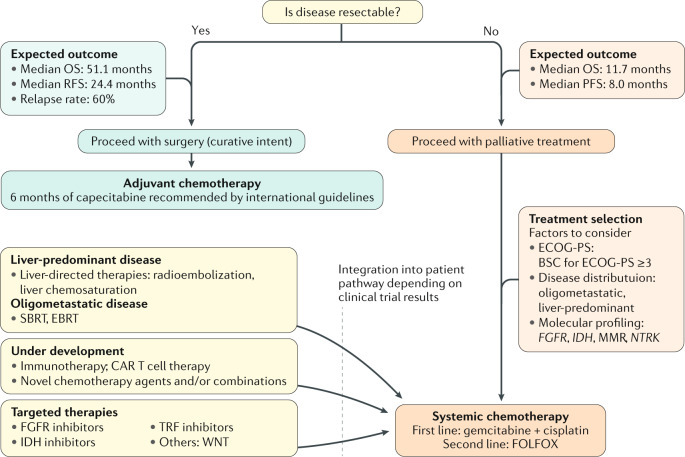
“Patients diagnosed with iCCA in liver-predominant disease might be considered for liver-directed therapies 345,346 .”
BackgroundEpithelial-Mesenchymal Transitions in Development and Disease
Thiery, J. P., Acloque, H., Huang, R. Y. J., & Nieto, M. A. (2009) · Cell · doi:10.1016/j.cell.2009.11.007 · Cited by 9,931 · cited 1×
“EMT is a cell plasticity-promoting phenomenon initially reported to occur during embryogenesis, but that also takes place in cancer, enabling epithelial cancer cells to acquire mesenchymal features with invasive properties that lead to metastatic colonization 174 .”
BackgroundPD-1 Blockade in Tumors with Mismatch-Repair Deficiency
Le, D. T., Uram, J. N., Wang, H., Bartlett, B. R., Kemberling, H., Eyring, A. D., Skora, A. D., Luber, B. S., Azad, N. S., Laheru, D., et al. (2015) · New England Journal of Medicine · doi:10.1056/nejmoa1500596 · Cited by 9,377
Mismatch repair deficiency predicts response of solid tumors to PD-1 blockade
Le, D. T., Durham, J. N., Smith, K. N., Wang, H., Bartlett, B. R., Aulakh, L. K., Lu, S., Kemberling, H., Wilt, C., Luber, B. S., et al. (2017) · Science · doi:10.1126/science.aan6733 · Cited by 6,645 · cited 2×
“In a cohort of 86 patients with MMR-deficient tumours, including four patients with CCA, immune checkpoint blockade with the anti-PDL1 monoclonal antibody pembrolizumab resulted in a complete response in one of the patients with CCA and stabilization of disease in the other three 232 .”
Understanding the tumor immune microenvironment (TIME) for effective therapy
Binnewies, M., Roberts, E. W., Kersten, K., Chan, V., Fearon, D. F., Merad, M., Coussens, L. M., Gabrilovich, D. I., Ostrand-Rosenberg, S., Hedrick, C. C., et al. (2018) · Nature Medicine · doi:10.1038/s41591-018-0014-x · Cited by 6,145 · cited 2×
“…of T cell-infiltrated TMEs, characterized by infiltration of CD8 + T cells, chemo-kines and molecules responsible for T cell priming and immune infiltration, is associated with higher response to immune checkpoint blockade, whereas non-T cell-infiltrated TMEs have poorer responses 214,215 .”
Role of YAP/TAZ in mechanotransduction
Dupont, S., Morsut, L., Aragona, M., Enzo, E., Giulitti, S., Cordenonsi, M., Zanconato, F., Le Digabel, J., Forcato, M., Bicciato, S., et al. (2011) · Nature · doi:10.1038/nature10137 · Cited by 5,979
Mutational heterogeneity in cancer and the search for new cancer-associated genes
Lawrence, M. S., Stojanov, P., Polak, P., Kryukov, G. V., Cibulskis, K., Sivachenko, A., Carter, S. L., Stewart, C., Mermel, C. H., Roberts, S. A., et al. (2013) · Nature · doi:10.1038/nature12213 · Cited by 5,461 · cited 1×
“Regarding genomic alterations, CCA falls midway in the mutational spectrum of cancers 111 , with an approximately equal content of genomic alterations in iCCA (median 39 non-synonymous mutations per tumour) and eCCA (median 35 non-synonymous mutations per tumour) 56 .”
Cisplatin plus Gemcitabine versus Gemcitabine for Biliary Tract Cancer
Valle, J., Wasan, H., Palmer, D. H., Cunningham, D., Anthoney, A., Maraveyas, A., Madhusudan, S., Iveson, T., Hughes, S., Pereira, S. P., et al. (2010) · New England Journal of Medicine · doi:10.1056/nejmoa0908721 · Cited by 4,406 · cited 2×
“The ABC-02 trial randomly assigned 410 patients with ECOG-PS ≤2 to systemic chemotherapy with gemcitabine alone or cisplatin–gemcitabine 336 ; the study showed an OS benefit in favour of cisplatin– gemcitabine (HR 0.64), a benefit confirmed in the Japanese randomized phase II BT22 study 337 .”
InfluentialSelf-citationThe biology and function of fibroblasts in cancer
Kalluri, R. (2016) · Nature Reviews Cancer · doi:10.1038/nrc.2016.73 · Cited by 4,366 · cited 1×
“CAFs are a heterogeneous population of spindle-shaped cells with mesenchymal origin that contribute to tumour progression in many human cancers 199 .”
New insights into the mechanisms of epithelial–mesenchymal transition and implications for cancer
Dongre, A., & Weinberg, R. A. (2019) · Nature Reviews Molecular Cell Biology · doi:10.1038/s41580-018-0080-4 · Cited by 3,876
Research works printed but not linked: 3
- Bosman, F. T., Carneiro, F., Hruban, R. & Theise N. WHO Classification of Tumours: Digestive System Tumours 5th edn Vol. 1 (IARC, 2019).
- Hamilton, S. R. A. et al. WHO Classification of Tumours: Pathology and Genetics of Tumours of the Digestive System 3rd edn Vol. 2 (IARC, 2000).
- Amin, M. B. et al. AJCC Cancer Staging Manual (Springer, 2017).
Cited by
Items 401–500 of 1,002
Jarman, E. J., Horcas‐Lopez, M., Waddell, S. H., MacMaster, S., Gournopanos, K., Soong, D. Y. H., Musialik, K. I., Tsokkou, P., Ng, M.-E., Cambridge, W. A., et al. (2022) · Liver International · doi:10.1111/liv.15383 · Cited by 22
Self-citationCurrent and emerging immunotherapeutic approaches for biliary tract cancers
Yuan, Z., Zeng, T., & Tao, C. (2022) · Hepatobiliary & pancreatic diseases international · doi:10.1016/j.hbpd.2022.08.015 · Cited by 21
Pan-cancer analysis of Chromobox (CBX) genes for prognostic significance and cancer classification
Naqvi, A. A. T., Rizvi, S. A. M., & Hassan, M. I. (2022) · Biochimica et Biophysica Acta (BBA) - Molecular Basis of Disease · doi:10.1016/j.bbadis.2022.166561 · Cited by 21
Supimon, K., Sangsuwannukul, T., Sujjitjoon, J., Chieochansin, T., Junking, M., & Yenchitsomanus, P. (2022) · Cytotherapy · doi:10.1016/j.jcyt.2022.10.006 · Cited by 21
Ament, C. E., Steinmann, S. M., Evert, K., Pes, G. M., Ribback, S., Gigante, I., Pizzuto, E., Bañales, J. M., Rodrigues, P. M., Olaizola, P., et al. (2023) · Hepatology · doi:10.1097/hep.0000000000000322 · Cited by 21
“[1,2] The recent characterization of the iCCA genomic landscape has allowed the development of targeted therapies against this tumor type, such as inhibitors of FGF receptor and isocitrate dehydrogenase to treat FGFR-dependent and isocitrate dehydrogenase-dependent iCCAs.”
BackgroundSelf-citationShan, J., Jiang, W., Chang, J., Zhou, T. Y., Chen, Y., Zhang, Y., Wang, J., Wang, Y., Wang, Y., Xu, X. L., et al. (2023) · International Journal of Biological Sciences · doi:10.7150/ijbs.80737 · Cited by 22
“Cholangiocarcinoma (CCA) is a heterogeneous group of malignancies arising from varying locations within the biliary tree, which is associated with poor prognosis [1].”
BackgroundMa, W., Li, Z.-H., Wu, Z., Liu, F., Wang, J.-K., Shi, Y., Jin, Y., & Li, F. (2023) · Neoplasia · doi:10.1016/j.neo.2023.100920 · Cited by 23
Role of SPRY4 in health and disease
Pan, H., Xu, R., & Zhang, Y. (2024) · Frontiers in Oncology · doi:10.3389/fonc.2024.1376873 · Cited by 21
“PHCC is the most common subtype of CCA and has the poorest prognosis (87).”
Pongking, T., Intuyod, K., Thongpon, P., Thanan, R., Sitthirach, C., Chaidee, A., Kongsintaweesuk, S., Klungsaeng, S., Hongsrichan, N., Sakonsinsiri, C., et al. (2024) · Journal of Traditional and Complementary Medicine · doi:10.1016/j.jtcme.2024.04.007 · Cited by 22
“45 Consistent with our observations, the induction of cellular senescence in HepG2 cells using the plant derivative 1,8-cineole increased ROS production, inhibited AKT phosphorylation, and altered mitochondrial membrane potential and induced cellular senescence 46 in a manner similar to CBD.…”
Yan, X., Li, Z., Chen, H., Fu, Y., Qing, T., & Zhang, Y. (2024) · Photodiagnosis and Photodynamic Therapy · doi:10.1016/j.pdpdt.2024.104104 · Cited by 21
Macrophages Orchestrate the Liver Tumor Microenvironment
Quaranta, V., Ballarò, C., & Giannelli, G. (2024) · Cancers · doi:10.3390/cancers16091772 · Cited by 25
“Some other risk factors are more specific to the cancer type or region [2].”
BackgroundVijay, V., Karisani, N., Shi, L., Hung, Y.-H., Vu, P., Kattel, P., Kenney, L., Merritt, J., Adil, R., Wu, Q., et al. (2025) · Cancer Discovery · doi:10.1158/2159-8290.cd-24-1383 · Cited by 23
Deng, M., Li, S., Wang, Q., Zhao, R., Zou, J., Lin, W., Mei, J., Wei, W., & Guo, R. (2022) · Annals of Medicine · doi:10.1080/07853890.2022.2048416 · Cited by 21
“Existing studies have shown that the prognosis of these types of cholangiocarcinomas and the effectiveness of treatments are different, especially for systematic treatment [36,37].”
BackgroundLiver Surgery: Important Considerations for Pre- and Postoperative Imaging
de Faria, L. L., Darce, G. F. B., Bordini, A. L., Herman, P., Jeismann, V. B., de Oliveira, I. S., Ortega, C. D., & Rocha, M. D. S. (2022) · Radiographics · doi:10.1148/rg.210124 · Cited by 23
Yang, X., Sun, Y.-Y., Li, D., Xu, G., & Huang, X. (2022) · Frontiers in Immunology · doi:10.3389/fimmu.2022.940009 · Cited by 21
“The major clinical symptoms are abdominal pain, jaundice, and weight loss (3).”
BackgroundMethodWu, H. Y., Wei, Y., Jian, M., Lu, H., Song, Q., Hao, L., & Yue, Y. (2021) · OncoTargets and Therapy · doi:10.2147/ott.s288982 · Cited by 21
The Emerging Role of Circ-SHPRH in Cancer
Ju, X., Tang, Y., Qu, R., & Hao, S. (2021) · OncoTargets and Therapy · doi:10.2147/ott.s317403 · Cited by 21
Fragkou, N., Sideras, L., Panas, P., Emmanouilides, C. E., & Sinakos, E. (2021) · World Journal of Gastroenterology · doi:10.3748/wjg.v27.i27.4252 · Cited by 20
Wang, C., Ciren, P., Danzeng, A., Li, Y., Zeng, C., Zhang, Z., Huang, Z., Chen, Y., Zhang, W., Zhang, B., et al. (2022) · Journal of Oncology · doi:10.1155/2022/4446243 · Cited by 20
Fründt, T., von Felden, J., Krause, J., Heumann, A., Li, J., Riethdorf, S., Pantel, K., Huber, S., Lohse, A. W., Wege, H., et al. (2022) · Frontiers in Oncology · doi:10.3389/fonc.2022.941660 · Cited by 21
Xiao, Y., Zhou, C., Ni, X., Huang, P., Wu, F., Yang, C., & Zeng, M. (2023) · Cancer Imaging · doi:10.1186/s40644-023-00533-2 · Cited by 20
Promising Highly Targeted Therapies for Cholangiocarcinoma: A Review and Future Perspectives
Kuwatani, M., & Sakamoto, N. (2023) · Cancers · doi:10.3390/cancers15143686 · Cited by 20
New systemic treatment options for advanced cholangiocarcinoma
Zanuso, V., Tesini, G., Valenzi, E., & Rimassa, L. (2024) · Journal of Liver Cancer · doi:10.17998/jlc.2024.08.07 · Cited by 21
Genetic, Epigenetic, and Microenvironmental Drivers of Cholangiocarcinoma
Putatunda, V., Jusakul, A., Roberts, L. R., & Wang, X. W. (2024) · American Journal Of Pathology · doi:10.1016/j.ajpath.2024.10.013 · Cited by 20
Self-citationTargeting the tumor microenvironment in cholangiocarcinoma: implications for therapy
Louis, C., Edeline, J., & Coulouarn, C. (2021) · Expert Opinion on Therapeutic Targets · doi:10.1080/14728222.2021.1882998 · Cited by 21
“heterogeneity to clinical aspects related to the silent nature of the disease [1].”
BackgroundSelf-citationObesity and cholangiocarcinoma: A review of epidemiological and molecular associations
Osataphan, S. A., Mahankasuwan, T., & Saengboonmee, C. (2021) · Journal of Hepato-Biliary-Pancreatic Sciences · doi:10.1002/jhbp.1001 · Cited by 21
Metabolic disorders and the risk of cholangiocarcinoma
Ghidini, M., Ramai, D., Facciorusso, A., Singh, J. K., Tai, W., Rijavec, E., Galassi, B., Grossi, F., & Indini, A. (2021) · Expert Review of Gastroenterology & Hepatology · doi:10.1080/17474124.2021.1946393 · Cited by 21
Klinhom-on, N., Seubwai, W., Sawanyawisuth, K., Obchoei, S., Mahalapbutr, P., & Wongkham, S. (2021) · Life Sciences · doi:10.1016/j.lfs.2021.120072 · Cited by 20
Cho, M. T., Gholami, S., Gui, D., Tejaswi, S., Fananapazir, G., Abi‐Jaoudeh, N., Jutric, Z., Samarasena, J., Li, X., Valerin, J. B., et al. (2022) · Cancers · doi:10.3390/cancers14020392 · Cited by 20
“CCA has a poor prognosis with conventional therapies, with a 5-year survival rate between 7 and 20% [1].”
BackgroundInfluentialLefler, D. S., Tierno, M. B., & Bashir, B. (2022) · Cancer Biology & Therapy · doi:10.1080/15384047.2022.2029128 · Cited by 22
“CCAs are also highly heterogeneous, often resulting in chemoresistance and poor prognosis.(2)”
BackgroundSpatially-resolved transcriptomics analyses of invasive fronts in solid tumorsPreprint
Wu, L. L., Yan, J., Bai, Y., Chen, F., Xu, J., Zou, X., Huang, A., Hou, L., Zhong, Y., Jing, Z., et al. (2021) · bioRxiv (Cold Spring Harbor Laboratory) · doi:10.1101/2021.10.21.465135 · Cited by 24
Changphasuk, P., Inpad, C., Horpaopan, S., Khunchai, S., Phimsen, S., Surangkul, D., Janvilisri, T., Silsirivanit, A., & Kaewkong, W. (2024) · Frontiers in Bioscience-Scholar · doi:10.31083/j.fbs1603017 · Cited by 19
The present and the future of immunotherapy in hepatocellular carcinoma and biliary tract cancers
Cabibbo, G., Rimassa, L., Lamarca, Á., Masi, G., Daniele, B., Pinato, D. J., & Gardini, A. C. (2025) · Cancer Treatment Reviews · doi:10.1016/j.ctrv.2025.102955 · Cited by 24
Hallmarks of liver cancer: Therapeutic implications
Llovet, J. M., Pinyol, R., Affò, S., Yarchoan, M. M., Gores, G. J., Kelley, R. K., Lowe, S. W., Sia, D., & Villanueva, A. (2026) · Cell · doi:10.1016/j.cell.2026.03.001 · Cited by 23
“117 While TMB is mostly unremarkable, several broad DNA copy-number gains in iCCA have been described, involving chromosomes 1q and 7p (~25%), as well as several broad losses.”
Self-citationImmunotherapy for Cholangiocarcinoma: a 2021 Update
Charalampakis, N., Papageorgiou, G., Tsakatikas, S. A., Fioretzaki, R., Kole, C., Kykalos, S., Tolia, M., & Schizas, D. (2021) · Immunotherapy · doi:10.2217/imt-2021-0126 · Cited by 20
Advances in the management of cholangiocarcinoma
Zori, A. G., Yang, D. J., Draganov, P. V., & Cabrera, R. (2021) · World Journal of Hepatology · doi:10.4254/wjh.v13.i9.1003 · Cited by 21
Non-surgical treatment of hilar cholangiocarcinoma
Inchingolo, R., Acquafredda, F., Ferraro, V., Laera, L., Surico, G., Surgo, A., Fiorentino, A., Marini, S., de’Angelis, N., Memeo, R., et al. (2021) · World Journal of Gastrointestinal Oncology · doi:10.4251/wjgo.v13.i11.1696 · Cited by 19
Chakrabarti, S., Finnes, H. D., & Mahipal, A. (2022) · Expert Opinion on Drug Metabolism & Toxicology · doi:10.1080/17425255.2022.2039118 · Cited by 20
“Cholangiocarcinoma (CCA) includes a biologically heterogeneous group of malignancies originating from the epithelial lining of the bile ducts and is broadly categorized as intrahepatic (iCCA) and extrahepatic (eCCA) CCAs based on the anatomical location [1].”
BackgroundKinzler, M. N., Schulze, F., Bankov, K., Gretser, S., Becker, N., Leichner, R., Stehle, A., Abedin, N., Trojan, J., Zeuzem, S., et al. (2022) · Pathology - Research and Practice · doi:10.1016/j.prp.2022.154126 · Cited by 19
Sae-Fung, A., Mutirangura, A., & Jitkaew, S. (2023) · Frontiers in Immunology · doi:10.3389/fimmu.2022.1051273 · Cited by 19
“Its incidence rate has significantly increased worldwide, with higher prevalence in Asian countries over the past few years (1).”
BackgroundMehmood, A., Nawab, S., Jin, Y., Kaushik, A. C., & Wei, D. (2023) · ACS Omega · doi:10.1021/acsomega.2c04871 · Cited by 19
A preoperative scoring system to predict lymph node metastasis in intrahepatic cholangiocarcinoma
Rhee, H., Lim, H. J., Han, K., Yeom, S. K., Choi, S. H., Park, J. H., Cho, E., Park, S., Lee, M., Choi, G. H., et al. (2023) · Hepatology International · doi:10.1007/s12072-022-10477-7 · Cited by 19
Γκουντάκος, Α., Martelli, F. M., Silvestris, N., Bevere, M., Bellis, M. D., Alaimo, L., Sapuppo, E., Masetto, F., Mombello, A., Simbolo, M., et al. (2023) · Cancers · doi:10.3390/cancers15051454 · Cited by 20
The NAMPT Inhibitor FK866 in Combination with Cisplatin Reduces Cholangiocarcinoma Cells Growth
Pant, K., Richard, S., Peixoto, E., Yin, J., Seelig, D. M., Carotenuto, P., Salati, M., Franco, B., Roberts, L. R., & Gradilone, S. A. (2023) · Cells · doi:10.3390/cells12050775 · Cited by 20
“Due to the poor prognosis and resistance to chemotherapies, treating patients with Cholangiocarcinoma (CCA) is difficult [1,2].”
BackgroundSelf-citationHrncir, H. R., Hantelys, F., & Gracz, A. D. (2023) · American Journal Of Pathology · doi:10.1016/j.ajpath.2023.02.012 · Cited by 21
“PSC is a major risk factor for iCCA, and 10% to 20% of patients with PSC develop tumors.(55) Although BECs are thought to be the primary source of iCCA, experimental evidence in animal models has shown that tumors can also arise from hepatocytes.”
Cholangiocarcinoma: Molecular Abnormalities and Cells of Origin
Testa, U., Pelosi, E., & Castelli, G. (2023) · Technology in Cancer Research & Treatment · doi:10.1177/15330338221128689 · Cited by 19
Impact of Aberrant β-Catenin Pathway on Cholangiocarcinoma Heterogeneity
Lozano, E., Sanchon-Sanchez, P., Morente-Carrasco, A., Chinchilla-Tábora, L. M., Mauriz, J. L., Fernández‐Palanca, P., Marín, J. J. G., & Macías, R. I. R. (2023) · Cells · doi:10.3390/cells12081141 · Cited by 20
“, the epithelial cells that line the bile ducts [1].”
BackgroundXin, H., Zou, J., Sun, R., Hu, Z., Chen, Z., Luo, C., Zhou, Z., Wang, P., Li, J., Yu, S., et al. (2024) · Journal of Gastroenterology · doi:10.1007/s00535-024-02090-2 · Cited by 19
“Several risk factors have been linked to ICC, such as malformation and lithiasis of the biliary tract, primary sclerosing cholangitis, chronic pancreatitis, and nonalcoholic fatty liver disease [1].”
68Ga-FAPI-04 PET/CT for the Evaluation of Cholangiocarcinoma
Zhang, Z., Cheng, C., Jiang, H., Pan, G., Yu, Y., Jin, G., & Zuo, C. (2024) · Clinical Nuclear Medicine · doi:10.1097/rlu.0000000000005112 · Cited by 19
Niger, M., Nichetti, F., Fornaro, L., Pircher, C. C., Morano, F., Palermo, F., Rimassa, L., Pressiani, T., Berardi, R., Gardini, A. C., et al. (2024) · BMC Cancer · doi:10.1186/s12885-024-12225-6 · Cited by 25
GLUT5-overexpression-related tumorigenic implications
Hadzi‐Petrushev, N., Stojchevski, R., Jakimovska, A., Stamenkovska, M., Josifovska, S., Stamatoski, A., Sazdova, I., Sopi, R., Kamkin, A. G., Gagov, H., et al. (2024) · Molecular Medicine · doi:10.1186/s10020-024-00879-8 · Cited by 19
“It is a silent and aggressive type of cancer with increasing incidence and mortality (Banales et al. 2020; Kirstein and Vogel 2016).”
BackgroundTumor-derived CCL2 drives tumor growth and immunosuppression in IDH1-mutant cholangiocarcinoma
Zabransky, D. J., Kartalia, E., Lee, J. W., Leatherman, J. M., Charmsaz, S., Young, S. E., Chhabra, Y., Franch‐Expósito, S., Kang, M., Maru, S. Y., et al. (2024) · Hepatology · doi:10.1097/hep.0000000000001185 · Cited by 21
Tang, T., Wang, W., Gan, L., Bai, J., Tan, D., Jiang, Y., Zheng, P., Zhang, W., He, Y., Zuo, Q., et al. (2025) · Cell Death and Disease · doi:10.1038/s41419-025-07388-4 · Cited by 20
Prognostic biomarkers for cholangiocarcinoma (CCA): state of the art
Lang, S. A., Bednarsch, J., Joechle, K., Amygdalos, I., Czigány, Z., Heij, L. R., Ulmer, T. F., & Neumann, U. P. (2021) · Expert Review of Gastroenterology & Hepatology · doi:10.1080/17474124.2021.1912591 · Cited by 19
“So far, upfront surgery with the aim of complete tumor resection is the only curative therapy option [5].”
BackgroundZou, W., Wang, Z., Wang, F., Li, L., Liu, R., & Hu, M. (2021) · BMC Cancer · doi:10.1186/s12885-021-08322-5 · Cited by 19
“Discussion Like most malignant tumours, the diagnosis and prognosis of patients with intrahepatic cholangiocarcinoma remain relatively poor, even though various treatments have been gradually improved and optimally applied [1].”
BackgroundVascular Involvements in Cholangiocarcinoma: Tips and Tricks
Angelico, R., Sensi, B., Parente, A., Siragusa, L., Gazia, C., Tisone, G., & Manzia, T. M. (2021) · Cancers · doi:10.3390/cancers13153735 · Cited by 20
“Since this challenging surgery is the only option for these patients, the current guidelines of the American Hepato-Pancreato-Biliary Association (AHPBA) and the European Network for the Study of CCA recommend surgery for patients with preoperatively diagnosed macrovascular invasion [2,3].”
BackgroundMethodInfluentialEvaluation of nodal status in intrahepatic cholangiocarcinoma: a population-based study
Chen, X., Rong, D., Zhang, L., Ni, C., Han, G., Lu, Y., Chen, X., Gao, Y., & Wang, X. (2021) · Annals of Translational Medicine · doi:10.21037/atm-21-2785 · Cited by 19
“In the past few decades, the morbidity and mortality of ICC have increased worldwide, especially in Eastern Asia (1-4).”
BackgroundPangestu, N., Chueakwon, P., Talabnin, K., Khiaowichit, J., & Talabnin, C. (2021) · Oncology Letters · doi:10.3892/ol.2021.13107 · Cited by 22
Wang, J., Loeuillard, E. J., Gores, G. J., & Ilyas, S. I. (2021) · Expert Opinion on Therapeutic Targets · doi:10.1080/14728222.2021.2010046 · Cited by 20
Self-citationDana, P., Kariya, R., Lert-itthiporn, W., Seubwai, W., Saisomboon, S., Wongkham, C., Okada, S., Wongkham, S., & Vaeteewoottacharn, K. (2021) · International Journal of Molecular Sciences · doi:10.3390/ijms222413496 · Cited by 19
“Silent progression, lack of pathognomonic signs and symptoms, and no accurate diagnostic tools lead to delayed diagnosis and metastatic progression [2].”
BackgroundYang, Y., Zou, X., Zhou, W., Yuan, G., Hu, D., Kuang, D., Shen, Y., Xie, Q., Zhang, Q., Hu, X., et al. (2022) · Journal of Magnetic Resonance Imaging · doi:10.1002/jmri.28071 · Cited by 20
“This may be different from HBV non-endemic areas, the utility of the radiomic signature remains to be validated in other populations.(1)”
BackgroundMethodInfluentialPrecision Medicine in Cholangiocarcinoma: Past, Present, and Future
Cheng, C.-Y., Chen, C., & Wu, C. (2022) · Life · doi:10.3390/life12060829 · Cited by 20
“TME can directly interact with the CCA epithelium to support tumor growth and proliferation by the interplay of extracellular ligands in TME [75]; therefore, targeting TME such as cancer-associated fibroblasts, endothelial cells, and extracellular matrix may be a potential therapeutic strategy for cancer treatment [76…”
BackgroundChoi, W. J., Ivanics, T., Gravely, A., Gallinger, S., Sapisochín, G., & O'Kane, G. M. (2023) · Annals of Surgical Oncology · doi:10.1245/s10434-023-13126-x · Cited by 19
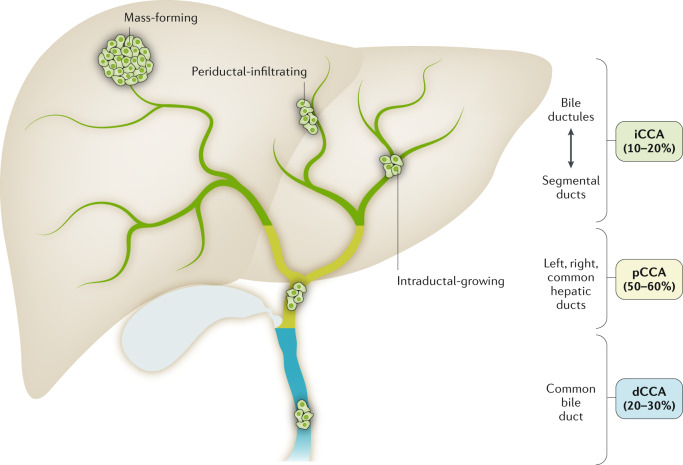
“Mutational Profiles of CCA Cholangiocarcinomas (CCAs) are often classified by their anatomical subtypes: intrahepatic (iCCAs), perihilar (pCCAs) and distal cholangiocarcinomas (dCCAs).(38) It can be difficult to differentiate CCAs from other liver cancers or metastases based on the radiology imaging or histopathology.”
BackgroundGuest, R. V., Goeppert, B. F., Nault, J., & Sia, D. (2024) · American Journal Of Pathology · doi:10.1016/j.ajpath.2024.08.014 · Cited by 20
Kinzler, M. N., Gretser, S., Schulze, F., Bankov, K., Abedin, N., Bechstein, W. O., Finkelmeier, F., Zeuzem, S., Reis, H., Wild, P. J., et al. (2024) · Histopathology · doi:10.1111/his.15407 · Cited by 19
Artificial Intelligence and Radiomics in Cholangiocarcinoma: A Comprehensive Review
Zerunian, M., Polidori, T., Palmeri, F., Nardacci, S., Gaudio, A. D., Masci, B., Tremamunno, G., Polici, M., Santis, D. D., Pucciarelli, F., et al. (2025) · Diagnostics · doi:10.3390/diagnostics15020148 · Cited by 20
“The first line of palliative care treatment involves the use of a chemotherapy regimen based on cisplatin and gemcitabine [10], with confirmed benefits in terms of survival [9].”
The Value of FAPI PET/CT in Cholangiocarcinoma and Pancreatic Cancer: An Update
Pabst, K. M., Fendler, W. P., Jochheim, L. S., & Herrmann, K. (2025) · Seminars in Nuclear Medicine · doi:10.1053/j.semnuclmed.2025.06.011 · Cited by 19
Local Tumor Control of Liver Tumors After Histotripsy: A Preliminary National Multicenter Study
Wehrle, C. J., Burns, K., Mabud, T. S., Ahmed, A. F. S., Alassas, M., Juarez, T., Ton, J., Kim, J., Aucejo, F., Berber, E., et al. (2025) · JCO Oncology Practice · doi:10.1200/op-25-00550 · Cited by 18
Rare cancer, rare alteration: the case of NTRK fusions in biliary tract cancers
Boilève, A., Verlingue, L., Hollebecque, A., Boige, V., Ducreux, M. P., & Malka, D. (2021) · Expert Opinion on Investigational Drugs · doi:10.1080/13543784.2021.1896703 · Cited by 20
Arora, M., Bogenberger, J. M., Abdelrahman, A. M., Yonkus, J. A., Alva‐Ruiz, R., Leiting, J. L., Chen, X., Usón, P. L. S., Dumbauld, C., Baker, A. T., et al. (2021) · Hepatology · doi:10.1002/hep.32102 · Cited by 19
“Because BTCs represent a genomically heterogeneous tumor, targeted therapies that can be either applied ubiquitously or to more- specific subsets of patients are imminently needed.[5,6] Multiple genetic alterations have been found to converge on the cyclin D1 (CCND1)/cyclin- dependent kinase (CDK)4/6/CDK inhibitor 2a…”
BackgroundResultSelf-citationIoffe, D., Phull, P. M., & Dotan, E. (2021) · Cancer Management and Research · doi:10.2147/cmar.s276104 · Cited by 18
Gerber, T. S., Müller, L., Bartsch, F., Gröger, L.-K., Schindeldecker, M., Ridder, D. A., Goeppert, B. F., Möhler, M., Dueber, C., Lang, H., et al. (2022) · Cancers · doi:10.3390/cancers14133156 · Cited by 18
“For these reasons, one of the central goals of the European Cholangiocarcinoma Network is to determine factors important for subtyping [26].”
BackgroundFernández‐Palanca, P., Payo‐Serafín, T., Fondevila, F., Méndez‐Blanco, C., San‐Miguel, B., Romero, M. R., Tuñón, M. J., Marín, J. J. G., González‐Gallego, J., & Mauriz, J. L. (2022) · Cancers · doi:10.3390/cancers14143455 · Cited by 18
“Likewise, even when early diagnosis and selection of curative therapeutic options are possible, the recurrence rates in liver and colorectal tumors remain elevated, being 50–70% and 50%, respectively [2,5,9].”
BackgroundYoshida, M., Yukawa, H., Hayashi, K., Naitoh, I., Miyabe, K., Hori, Y., Natsume, M., Jinno, N., Kato, A., Kachi, K., et al. (2022) · Cancer Science · doi:10.1111/cas.15597 · Cited by 18
Chueh, C., Tsai, Y., Chen, Z.-R., Shiu, M., Wen, Y., & Chiang, N.-J. (2022) · PharmacoEconomics · doi:10.1007/s40273-022-01227-6 · Cited by 19
“Seventy percent of patients with CCA are diagnosed when the disease is already in advanced stages because of the lack of specific symptoms in the early stages, which greatly compromises therapeutic options, leading to a poor prognosis (with a survival of 7–20% over 5 years) [1].”
BackgroundConticchio, M., Maggialetti, N., Rescigno, M., Brunese, M. C., Vaschetti, R., Inchingolo, R., Calbi, R., Ferraro, V., Tedeschi, M., Fantozzi, M. R., et al. (2023) · Journal of Clinical Medicine · doi:10.3390/jcm12020423 · Cited by 18
“CCAs may include cholestasis (such as primary sclerosing cholangitis, hepatolithiasis, or bile duct cysts) and chronic inflammation pathway (such as biliary parasitosis, viral hepatitis, or Non-Alcoholic SteatoHepatitis (NASH)) [20].”
BackgroundCai, W., Ying, M., Zheng, R., Liao, J., Luo, B., Tang, L., Cheng, W., Yang, H., An, W., Yang, Y., et al. (2023) · Liver Cancer · doi:10.1159/000527498 · Cited by 18
Muraki, R., Morita, Y., Ida, S., Kitajima, R., Furuhashi, S., Takeda, M., Kikuchi, H., Hiramatsu, Y., Takanashi, Y., Hamaya, Y., et al. (2023) · Cancer Medicine · doi:10.1002/cam4.5973 · Cited by 22
New techniques: a roadmap for the development of HCC immunotherapy
Jiang, D., Ma, X., Zhang, X., Cheng, B., Wang, R., Liu, Y., & Zhang, X. (2023) · Frontiers in Immunology · doi:10.3389/fimmu.2023.1121162 · Cited by 18
“Immunotherapy has gained attention in the medical community considering its recent success in treating solid tumours, which have traditionally been considered immune-cold (8).”
BackgroundPeng, J., Fang, S., Li, M., Liu, Y., Liang, X., Li, Z., Chen, G., Peng, L., Chen, N., Liu, L., et al. (2023) · Open Life Sciences · doi:10.1515/biol-2022-0652 · Cited by 23
“Additionally, in the past decade, the OS of ICCA has not improved signi fi cantly [1,2,8]; the median overall survival (OS) of the ICCA patients was 13 months, and 5-year OS rates were 13.79% [7], and tumor recurrence rates after resection are still disappointed [9].”
InfluentialGao, L., Lin, Y., Yue, P., Li, S., Zhang, Y., Mi, N., Bai, M., Fu, W., Xia, Z., Jiang, N., et al. (2023) · BMC Medicine · doi:10.1186/s12916-023-02990-9 · Cited by 18
“%) and high fatality rate (accounting for about 2% of the global annual cancer-related deaths), all of which boils down to its difficulty in early diagnosis [2, 3].”
BackgroundJiang, W., Shi, X., Sun, L., Zhang, Y., Kong, X., Yang, X., Yin, Y., Li, C., & Li, X. (2023) · International Journal of Biological Sciences · doi:10.7150/ijbs.83170 · Cited by 20
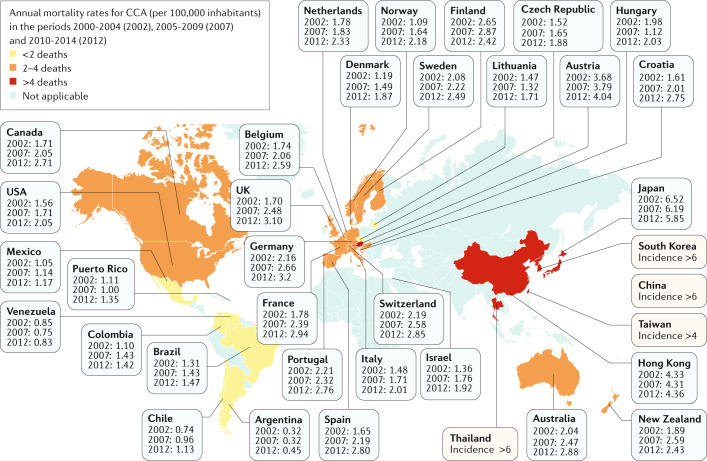
“mortality in recent decades, with an evident increase in specific regions such as China, South Korea and Thailand [1].”
BackgroundInfluentialClocchiatti, L., Marino, R., Ratti, F., Pedica, F., Gardini, A. C., Lorenzin, D., & Aldrighetti, L. A. (2023) · International Journal of Surgery · doi:10.1097/js9.0000000000000793 · Cited by 20
“Perihilar cholangiocarcinoma (PHC) is a malignant tumour arising in the biliary tree between the insertion of the cystic duct into the common bile duct and the second-order bile ducts, and accounts for ~60 – 70% of all cholangiocarcinoma [1,2] .”
BackgroundLiu, X., Zhang, Y., Yang, X., Zhang, Y., Liu, Y., Wang, L., Yi, T., Yuan, J., Wu, W., & Jian, Y. (2023) · Tissue and Cell · doi:10.1016/j.tice.2023.102243 · Cited by 18
Trifylli, E.-M., Kriebardis, A. G., Koustas, E., Papadopoulos, N., Vasileiadi, S., Fortis, S. P., Tzounakas, V. L., Anastasiadi, A. T., Sarantis, P., Papageorgiou, E. G., et al. (2023) · International Journal of Molecular Sciences · doi:10.3390/ijms242115563 · Cited by 18
“The third form is (iii) distal CCA (dCCA), the second most common form of CCA (20–30% of CCA cases), while the two extrahepatic CCA types commonly present a different molecular background than iCCA, including PRKACA-PRKACB fusions and mutations of ELF3 and ERBBE genes [4,5].”
BackgroundHuang, Y., Du, Z., Kan, A., He, M., Li, H., Lai, Z., Wen, D., Huang, L., Li, Q., Xu, L., et al. (2024) · Frontiers in Immunology · doi:10.3389/fimmu.2024.1260191 · Cited by 18
“However, treatment options and ef fi cacy remain limited by chemo-refractory, while studies on potential systemic treatments are less well described and of limited effectiveness (8, 9).”
BackgroundZeimpekis, K., Mercolli, L., Conti, M., Sari, H., Rominger, A., & Rathke, H. G. (2024) · European Journal of Nuclear Medicine and Molecular Imaging · doi:10.1007/s00259-024-06650-9 · Cited by 18
“In addition to HCC, intrahepatic cholangiocarcinoma (CCC) is the second most common cause of primary liver cancer and has an even higher mortality than HCC, although it has a significantly lower incidence rate [10, 11] and can also be treated with SIRT.”
BackgroundErdafitinib in Asian patients with advanced solid tumors: an open-label, single-arm, phase IIa trial
Park, J. O., Feng, Y., Su, W., Oh, D., Keam, B., Shen, L., Kim, S.-W., Liu, X., Liao, H., Qing, M., et al. (2024) · BMC Cancer · doi:10.1186/s12885-024-12584-0 · Cited by 18
“Mortality rate of cholangiocarcinoma appears to be higher in Asia than in Europe or North America [8].”
BackgroundPongking, T., Thongpon, P., Intuyod, K., Klungsaeng, S., Thanan, R., Chaidee, A., Charoenram, N., Kongsintaweesuk, S., Sakonsinsiri, C., Vaeteewoottacharn, K., et al. (2024) · BMC Complementary Medicine and Therapies · doi:10.1186/s12906-024-04610-2 · Cited by 18
“Cholangiocarcinoma (CCA) is one of the most common malignancies in northeastern Thailand with an incidence rate of 96 cases per 100,000 in men and 38 cases per 100,000 in women, being the highest rate worldwide [1].”
BackgroundExperimental HER2- targeted therapies for biliary tract cancer
Rizzo, A., Ricci, A. D., Bonucci, C., Tober, N., Palloni, A., Frega, G., & Brandi, G. (2020) · Expert Opinion on Investigational Drugs · doi:10.1080/13543784.2021.1854724 · Cited by 19
“Moreover, an important number of subjects that is firstly deemed resectable at diagnosis, is found to be unresectable during exploratory laparotomy [9], and lastly, recurrence rates are high even after potentially curative surgical resection with negative tumor margins and no lymph nodes metastases [8,9].”
BackgroundBaiocchi, L., Sato, K., Ekser, B., Kennedy, L. L., Francis, H., Ceci, L., Lenci, I., Alvaro, D., Franchitto, A., Onori, P., et al. (2020) · Expert Opinion on Investigational Drugs · doi:10.1080/13543784.2021.1854725 · Cited by 18
“low in clinical settings, accounting for 7–20% in a 5-year period [5].”
BackgroundSelf-citationYao, Y., Dechao, J., Liu, Z., Chen, J., Zhou, X., Li, Z., Li, J., & Han, X. (2020) · BioMed Research International · doi:10.1155/2020/5976127 · Cited by 18
“Their incidence is increasing globally, currently accounting for 15% of all primary liver cancers and 3% of gastrointestinal malignancies [24].”
BackgroundKimawaha, P., Jusakul, A., Junsawang, P., Thanan, R., Titapun, A., Khuntikeo, N., & Techasen, A. (2021) · Diagnostics · doi:10.3390/diagnostics11040589 · Cited by 21
“Blood samples were collected from CCA (n = 40), and non-CCA patients (n = 40) including, hepatocellular carcinoma (HCC) (n = 23), CA gallbladder (n = 7), CA pancreas (n = 5) and liver metastasis (n = 5), from Srinagarind hospital and specimens were kept in the biobank of Cholangiocarcinoma Research Institute (CARI), K…”
BackgroundInfluentialNovel Pharmacological Options in the Treatment of Cholangiocarcinoma: Mechanisms of Resistance
Marín, J. J. G., Sanchon-Sanchez, P., Cives-Losada, C., del Carmen, S., Santiago, J. M. G., Monte, M. J., & Macías, R. I. R. (2021) · Cancers · doi:10.3390/cancers13102358 · Cited by 20
“CCAs are characterized by a silent evolution that determines that only 30% of patients present localized disease at diagnosis and are therefore candidates for surgical resection; nevertheless, they frequently (42–70% of cases) relapse after surgery, even when patients have received adjuvant chemotherapy [2].”
BackgroundHistone Deacetylase Sirtuin 1 Promotes Loss of Primary Cilia in Cholangiocarcinoma
Pant, K., Peixoto, E., Richard, S., Biswas, A. S., O’Sullivan, M. G., Giama, N. H., Ha, Y., Yin, J., Carotenuto, P., Salati, M., et al. (2021) · Hepatology · doi:10.1002/hep.32080 · Cited by 20
Self-citationMartino, M. D., Koh, Y. X., Syn, N. L. X., Chin, K. M., Burdío, F., Sánchez‐Velázquez, P., Manzoni, A., Cacciaguerra, A. B., Prieto, M., Lancellotti, F., et al. (2022) · European Journal of Surgical Oncology · doi:10.1016/j.ejso.2022.02.008 · Cited by 18
Zhou, T., Mahn, R., Möhring, C., Sadeghlar, F., Meyer, C. H., Toma, M. I., Kreppel, B., Essler, M., Glowka, T. R., Matthaei, H., et al. (2022) · Frontiers in Oncology · doi:10.3389/fonc.2022.933943 · Cited by 20
Diagnosis Biomarkers of Cholangiocarcinoma in Human Bile: An Evidence-Based Study
Bao, F., Liu, J., Chen, H., Miao, L., Xu, Z., & Zhang, G. (2022) · Cancers · doi:10.3390/cancers14163921 · Cited by 19
“Extrahepatic CCA refers to pCCA and dCCA, which are also known as extrahepatic CCA (eCCA) in epidemiology [2].”
BackgroundKodali, S., Connor, A. A., Thabet, S. A., Brombosz, E. W., & Ghobrial, R. M. (2023) · Hepatobiliary & pancreatic diseases international · doi:10.1016/j.hbpd.2023.07.007 · Cited by 19
Marín, J. J. G., & Macías, R. I. R. (2021) · Expert Opinion on Investigational Drugs · doi:10.1080/13543784.2021.1916912 · Cited by 18
“There are relevant differences among them regarding molecular alterations, clinicopathological features, and patient outcomes [1].”
Background
Metadata
- Authors
- Banales, J. M., Marin, J. J. G., Lamarca, A., Rodrigues, P. M., Khan, S. A., Roberts, L. R., Cardinale, V., Carpino, G., Andersen, J. B., Braconi, C., Calvisi, D. F., Perugorria, M. J., Fabris, L., Boulter, L., Macias, R. I. R., Gaudio, E., Alvaro, D., Gradilone, S. A., Strazzabosco, M., Marzioni, M., Coulouarn, C., Fouassier, L., Raggi, C., Invernizzi, P., Mertens, J. C., Moncsek, A., Ilyas, S. I., Heimbach, J., Koerkamp, B. G., Bruix, J., Forner, A., Bridgewater, J., Valle, J. W., & Gores, G. J.
- Affiliations
- University of the Basque Country (ES)
- Hammersmith Hospital (GB)
- Mayo Clinic (US)
- Sapienza University of Rome (IT)
- Foro Italico University of Rome (IT)
- University of Copenhagen (DK)
- University of Glasgow (GB)
- University of Regensburg (DE)
- University of Padua (IT)
- Institute of Genetics and Cancer (GB)
- University of Minnesota (US)
- Marche Polytechnic University (IT)
- Inserm (FR)
- University of Florence (IT)
- University of Milano-Bicocca (IT)
- University of Zurich (CH)
- Erasmus MC (NL)
- Instituto de Salud Carlos III (ES)
- University College London (GB)
- National Health Service (GB)
- ORCID
- Banales, Jesus M.
- Marin, Jose J. G.
- Lamarca, Angela
- Rodrigues, Pedro M.
- Khan, Shahid A.
- Roberts, Lewis R.
- Cardinale, Vincenzo
- Carpino, Guido
- Andersen, Jesper B.
- Braconi, Chiara
- Calvisi, Diego F.
- Perugorria, Maria J.
- Fabris, Luca
- Boulter, Luke
- Macias, Rocio I. R.
- Gaudio, Eugenio
- Alvaro, Domenico
- Gradilone, Sergio A.
- Strazzabosco, Mario
- Marzioni, Marco
- Coulouarn, Cédric
- Fouassier, Laura
- Raggi, Chiara
- Invernizzi, Pietro
- Mertens, Joachim C.
- Moncsek, Anja
- Ilyas, Sumera I.
- Heimbach, Julie
- Koerkamp, Bas Groot
- Bruix, Jordi
- Forner, Alejandro
- Bridgewater, John
- Valle, Juan W.
- Gores, Gregory J.
- Venue
- Nature Reviews Gastroenterology & Hepatology
- Published
- 2020-06-30
- Volume
- 17
- Issue
- 9
- Pages
- 557-588
- ISSN
- 1759-5045 (ISSN-L)
- 1759-5053
- PMC
- PMC7447603
- OpenAlex
- W3039360174
- Semantic Scholar
- 18f2779f042888382d9adc72b2c1546bbf440cf9
- Cited by
- 2,411
- References
- 410
- Citations by year
- 2026: 259 · 2025: 482 · 2024: 461 · 2023: 434 · 2022: 455 · 2021: 271 · 2020: 39
- FWCI
- 68.28
- Type
- journal article
- Language
- en
- Open access
- hybrid
- doi.org
- Licence
- cc-by
- creativecommons.org/licenses/by/4.0 (tdm)
- creativecommons.org/licenses/by/4.0 (vor)
- Locations
- Nature Reviews Gastroenterology & Hepatology (publishedVersion, cc-by)
- PubMed Central (publishedVersion, cc-by)
- PubMed (publishedVersion)
- Hispana (publishedVersion, other-oa)
- EUR Research Repository (Erasmus University Rotterdam) (publishedVersion, other-oa)
- Florence Research (University of Florence) (submittedVersion, other-oa)
- Università Politecnica delle Marche (Università Politecnica delle Marche) (submittedVersion, cc-by)
- Padua Research Archive (University of Padova) (submittedVersion, cc-by)
- EUR Research Repository (Erasmus University Rotterdam) (submittedVersion, other-oa)
- RePub (Erasmus University Rotterdam) (submittedVersion, other-oa)
- HAL (submittedVersion, other-oa)
- Communities in ADDI (University of the Basque Country) (submittedVersion, cc-by)
- BOA (University of Milano-Bicocca) (submittedVersion, cc-by)
- LA Referencia (Red Federada de Repositorios Institucionales de Publicaciones Científicas) (submittedVersion, cc-by)
- UCL Discovery (University College London) (submittedVersion)
- University of Regensburg Publication Server (University of Regensburg) (submittedVersion)
- Gredos (University of Salamanca) (submittedVersion, other-oa)
- IRIS Research product catalog (Sapienza University of Rome) (submittedVersion, cc-by)
- Funders
- Cholangiocarcinoma Foundation
- Novo Nordisk Fonden (NNF19OC0058419, NNF15OC0014040)
- National Institutes of Health (UL1TR001863)
- National Cancer Institute (K08CA236874, P50CA210964)
- National Institute of Diabetes and Digestive and Kidney Diseases (P30DK034989)
- National Center for Advancing Translational Sciences
- Topics
- Health Sciences › Medicine › Surgery › Cholangiocarcinoma and Gallbladder Cancer Studies
- Health Sciences › Medicine › Surgery › Pediatric Hepatobiliary Diseases and Treatments
- Health Sciences › Medicine › Hepatology › Liver Diseases and Immunity
- Keywords
- cholangiocarcinoma, biliary tract cancer, tumor heterogeneity, cell of origin, genetic alterations, epigenetic modifications, molecular alterations, biomarker discovery, diagnosis, treatment, prognosis, tumor classification
- MeSH terms
- Bile Duct Neoplasms, Humans, Cholangiocarcinoma
About these checks
Registry, retraction, Cites and statistics results are computed, not judged, with one exception: a printed reference that no index lists is read once by a model before it counts as a citation error. Claims are extracted by a model and kept only when their quote appears verbatim in the text; each cited source is then checked, with a model’s help, for whether it says what the claim relies on. Those verdicts can be wrong — read the claim’s quote and the cited source before relying on one.
Statistics and arithmetic are recomputed, not judged.
Confidence bands are shown only for fields calibrated on our annotated test set. None is calibrated yet, so no band is shown.
What counts as a claim ›How we measure confidence ›How we check this ›
Are you an author, or do you see a problem with this page? Request a review
Data sources
Bibliographic data: Semantic Scholar, OpenAlex, Crossref.
Contains information from the Semantic Scholar Academic Graph Datasets, made available under the ODC Attribution License (ODC-BY 1.0).
Semantic Scholar’s data is described in: Kinney, R., et al. (2023). The Semantic Scholar Open Data Platform. arXiv:2301.10140.
