

Cholangiocarcinoma 2020: the next horizon in mechanisms and management
Open accessThe DOI matches its Crossref record; 410 of the 410 references it cites were found in a registry or an index.
Abstract
Cholangiocarcinoma (CCA) includes a cluster of highly heterogeneous biliary malignant tumours that can arise at any point of the biliary tree. Their incidence is increasing globally, currently accounting for ~15% of all primary liver cancers and ~3% of gastrointestinal malignancies. The silent presentation of these tumours combined with their highly aggressive nature and refractoriness to chemotherapy contribute to their alarming mortality, representing ~2% of all cancer-related deaths worldwide yearly. The current diagnosis of CCA by non-invasive approaches is not accurate enough, and histological confirmation is necessary. Furthermore, the high heterogeneity of CCAs at the genomic, epigenetic and molecular levels severely compromises the efficacy of the available therapies. In the past decade, increasing efforts have been made to understand the complexity of these tumours and to develop new diagnostic tools and therapies that might help to improve patient outcomes. In this expert Consensus Statement, which is endorsed by the European Network for the Study of Cholangiocarcinoma, we aim to summarize and critically discuss the latest advances in CCA, mostly focusing on classification, cells of origin, genetic and epigenetic abnormalities, molecular alterations, biomarker discovery and treatments. Furthermore, the horizon of CCA for the next decade from 2020 onwards is highlighted.
Overview
The claims and statistics of this paper haven’t been checked yet.
Free: it reads the open-access text and checks the first 5 claims that cite a source we can check. Create a free account to check every claim.
Integrity signals
Registry
Cites
Statistics
Figures
Verification
Claims the paper makes
The claims and statistics of this paper haven’t been checked yet.
Free: it reads the open-access text and checks the first 5 claims that cite a source we can check. Create a free account to check every claim.
Claims other papers make about this one
Each is checked against this paper’s own text: does it say what the citing paper says it does?
The source backs part of the claim, not all of it — or backs it for a different population, condition or comparison.
In the citing paper
“It is thought that the majority of ICCs are derived from BECs [210], but mouse and human hepatocytes also represent potential sources for ICCs [212, 213].”
From Inflammation and immunity in liver homeostasis and disease: a nexus of hepatocytes, nonparenchymal cells and immune cells (2025) · doi:10.1038/s41423-025-01313-7 · cites this paper as [210]
Experimental — accuracy not yet measuredThe source backs part of the claim, not all of it — or backs it for a different population, condition or comparison.
In the citing paper
“Several studies suggest that cholangiocarcinoma and other biliary tract malignancies are frequently associated with overactivation of the Notch and Hedgehog signaling pathways[61].”
From Liver regeneration after partial hepatectomy: Triggers and mechanisms (2025) · cites this paper as [61]
Experimental — accuracy not yet measuredIn the citing paper
“Intrahepatic cholangiocarcinoma (ICC) is a biliary tree neoplasia that arises in noncirrhotic and cirrhotic livers and has a rising incidence [210, 211].”
From Inflammation and immunity in liver homeostasis and disease: a nexus of hepatocytes, nonparenchymal cells and immune cells (2025) · doi:10.1038/s41423-025-01313-7 · cites this paper as [210]
Self-check
Percentages, sums and reported differences re-computed from the paper’s own numbers.
The self-check needs the paper’s full text.
Citations
Cites
The National Comprehensive Cancer Network: Present and future directions
McGivney, W. T. (1998) · Cancer · doi:10.1002/(sici)1097-0142(19980515)82:10+<2057::aid-cncr14>3.0.co;2-a · Cited by 16,766 · cited 1×
“Patients diagnosed with iCCA in liver-predominant disease might be considered for liver-directed therapies 345,346 .”
BackgroundEpithelial-Mesenchymal Transitions in Development and Disease
Thiery, J. P., Acloque, H., Huang, R. Y. J., & Nieto, M. A. (2009) · Cell · doi:10.1016/j.cell.2009.11.007 · Cited by 9,931 · cited 1×
“EMT is a cell plasticity-promoting phenomenon initially reported to occur during embryogenesis, but that also takes place in cancer, enabling epithelial cancer cells to acquire mesenchymal features with invasive properties that lead to metastatic colonization 174 .”
BackgroundPD-1 Blockade in Tumors with Mismatch-Repair Deficiency
Le, D. T., Uram, J. N., Wang, H., Bartlett, B. R., Kemberling, H., Eyring, A. D., Skora, A. D., Luber, B. S., Azad, N. S., Laheru, D., et al. (2015) · New England Journal of Medicine · doi:10.1056/nejmoa1500596 · Cited by 9,377
Mismatch repair deficiency predicts response of solid tumors to PD-1 blockade
Le, D. T., Durham, J. N., Smith, K. N., Wang, H., Bartlett, B. R., Aulakh, L. K., Lu, S., Kemberling, H., Wilt, C., Luber, B. S., et al. (2017) · Science · doi:10.1126/science.aan6733 · Cited by 6,645 · cited 2×
“In a cohort of 86 patients with MMR-deficient tumours, including four patients with CCA, immune checkpoint blockade with the anti-PDL1 monoclonal antibody pembrolizumab resulted in a complete response in one of the patients with CCA and stabilization of disease in the other three 232 .”
Understanding the tumor immune microenvironment (TIME) for effective therapy
Binnewies, M., Roberts, E. W., Kersten, K., Chan, V., Fearon, D. F., Merad, M., Coussens, L. M., Gabrilovich, D. I., Ostrand-Rosenberg, S., Hedrick, C. C., et al. (2018) · Nature Medicine · doi:10.1038/s41591-018-0014-x · Cited by 6,145 · cited 2×
“…of T cell-infiltrated TMEs, characterized by infiltration of CD8 + T cells, chemo-kines and molecules responsible for T cell priming and immune infiltration, is associated with higher response to immune checkpoint blockade, whereas non-T cell-infiltrated TMEs have poorer responses 214,215 .”
Role of YAP/TAZ in mechanotransduction
Dupont, S., Morsut, L., Aragona, M., Enzo, E., Giulitti, S., Cordenonsi, M., Zanconato, F., Le Digabel, J., Forcato, M., Bicciato, S., et al. (2011) · Nature · doi:10.1038/nature10137 · Cited by 5,979
Mutational heterogeneity in cancer and the search for new cancer-associated genes
Lawrence, M. S., Stojanov, P., Polak, P., Kryukov, G. V., Cibulskis, K., Sivachenko, A., Carter, S. L., Stewart, C., Mermel, C. H., Roberts, S. A., et al. (2013) · Nature · doi:10.1038/nature12213 · Cited by 5,461 · cited 1×
“Regarding genomic alterations, CCA falls midway in the mutational spectrum of cancers 111 , with an approximately equal content of genomic alterations in iCCA (median 39 non-synonymous mutations per tumour) and eCCA (median 35 non-synonymous mutations per tumour) 56 .”
Cisplatin plus Gemcitabine versus Gemcitabine for Biliary Tract Cancer
Valle, J., Wasan, H., Palmer, D. H., Cunningham, D., Anthoney, A., Maraveyas, A., Madhusudan, S., Iveson, T., Hughes, S., Pereira, S. P., et al. (2010) · New England Journal of Medicine · doi:10.1056/nejmoa0908721 · Cited by 4,406 · cited 2×
“The ABC-02 trial randomly assigned 410 patients with ECOG-PS ≤2 to systemic chemotherapy with gemcitabine alone or cisplatin–gemcitabine 336 ; the study showed an OS benefit in favour of cisplatin– gemcitabine (HR 0.64), a benefit confirmed in the Japanese randomized phase II BT22 study 337 .”
InfluentialSelf-citationThe biology and function of fibroblasts in cancer
Kalluri, R. (2016) · Nature Reviews Cancer · doi:10.1038/nrc.2016.73 · Cited by 4,366 · cited 1×
“CAFs are a heterogeneous population of spindle-shaped cells with mesenchymal origin that contribute to tumour progression in many human cancers 199 .”
New insights into the mechanisms of epithelial–mesenchymal transition and implications for cancer
Dongre, A., & Weinberg, R. A. (2019) · Nature Reviews Molecular Cell Biology · doi:10.1038/s41580-018-0080-4 · Cited by 3,876
Research works printed but not linked: 3
- Bosman, F. T., Carneiro, F., Hruban, R. & Theise N. WHO Classification of Tumours: Digestive System Tumours 5th edn Vol. 1 (IARC, 2019).
- Hamilton, S. R. A. et al. WHO Classification of Tumours: Pathology and Genetics of Tumours of the Digestive System 3rd edn Vol. 2 (IARC, 2000).
- Amin, M. B. et al. AJCC Cancer Staging Manual (Springer, 2017).
Cited by
Items 601–700 of 1,002
Yao, X., Chen, B., Wang, M., Zhang, S., He, B., Shi, Z., Deng, T., Bao, W., Wang, Y., Chen, G., et al. (2022) · Acta Biochimica et Biophysica Sinica · doi:10.3724/abbs.2022125 · Cited by 14
“Introduction Intrahepatic cholangiocarcinoma (ICC) is a rare malignancy originated from the bile duct [1].”
BackgroundXu, L., Yan, M., Long, J., liu, M., Yang, H., & Li, W. (2022) · Frontiers in Oncology · doi:10.3389/fonc.2022.967982 · Cited by 14
Danese, M. D., Mody, K., Thota, R., Lindsey, S. C., Bachini, M., Abdel‐Wahab, R., Audhuy, F., Duryea, J. L., & Bobiak, S. N. (2023) · Gastro Hep Advances · doi:10.1016/j.gastha.2023.01.009 · Cited by 14
Xia, M., Qin, W., & Hu, B. (2023) · Digestive Endoscopy · doi:10.1111/den.14542 · Cited by 14
Galectin-9 in Gastroenterological Cancer
Morishita, A., Oura, K., Tadokoro, T., Shi, T., Fujita, K., Tani, J., Atsukawa, M., & Masaki, T. (2023) · International Journal of Molecular Sciences · doi:10.3390/ijms24076174 · Cited by 14
Programmed Cell Death Pathways in Cholangiocarcinoma: Opportunities for Targeted Therapy
Scimeca, M., Rovella, V., Palumbo, V., Scioli, M. P., Bonfiglio, R., Melino, G., Piacentini, M., Frati, L., Agostini, M., Candi, E., et al. (2023) · Cancers · doi:10.3390/cancers15143638 · Cited by 14
Wu, C., Yu, S., Wang, Y., Gao, Y., Xie, X., & Zhang, J. (2023) · Frontiers in Pharmacology · doi:10.3389/fphar.2023.1212420 · Cited by 15
“Previous studies of the metastatic process have highlighted the concept of three major CAF subsets that can be dissected by their myofibroblast, inflammatory and/or immunomodulatory, and antigen-presenting activities (Banales et al., 2020; Xing et al., 2021).”
BackgroundPrognostic models in end stage liver disease
Ferrarese, A., Bucci, M., Zanetto, A., Senzolo, M., Germani, G., Gambato, M., Russo, F. P., & Burra, P. (2023) · Best Practice & Research Clinical Gastroenterology · doi:10.1016/j.bpg.2023.101866 · Cited by 14
Louis, C., Ferlier, T., Leroux, R., Pineau, R., Desoteux, M., Papoutsoglou, P., Leclerc, D., Angenard, G., Vaquero, J., Macías, R. I. R., et al. (2023) · JHEP Reports · doi:10.1016/j.jhepr.2023.100900 · Cited by 14
Self-citationHarnessing the supremacy of MEG3 LncRNA to defeat gastrointestinal malignancies
Rashwan, H. H., Taher, A. M., Hassan, H. A., Awaji, A. A., Kiriacos, C. J., Assal, R. A., & Youness, R. A. (2024) · Pathology - Research and Practice · doi:10.1016/j.prp.2024.155223 · Cited by 16
Ma, W., Zhang, J., Chen, W., Liu, N., & Wu, T. (2024) · Journal of Experimental & Clinical Cancer Research · doi:10.1186/s13046-024-03036-5 · Cited by 16
“Cholangiocarcinoma (CCA) is a highly malignant cancer of the biliary system with poor prognosis [1–3].”
BackgroundSong, Y., Boerner, T., Drill, E. N., Shin, P., Kumar, S., Sigel, C., Cercek, A., Kemeny, N. E., Abou‐Alfa, G. K., Iacobuzio–Donahue, C. A., et al. (2024) · Clinical Cancer Research · doi:10.1158/1078-0432.ccr-24-0657 · Cited by 14
Self-citationUtility of methylated DNA markers for the diagnosis of malignant biliary strictures
Cooley, M. A., Schneider, A. R., Fritcher, E. G. B., Milosevic, D., Levy, M. J., Bridgeman, A. R., Martin, J. A., Petersen, B. T., Dayyeh, B. K. A., Storm, A. C., et al. (2024) · Hepatology · doi:10.1097/hep.0000000000000970 · Cited by 14
Self-citationLiu, S., Weng, J., Cao, M., Zhou, Q., Xu, M., Xu, W., Hu, Z., Xu, M., Dong, Q., Sheng, X., et al. (2024) · The Oncologist · doi:10.1093/oncolo/oyae170 · Cited by 14
Macías, R. I. R., Kanzaki, H., Berasain, C., Avila, M. A., Marín, J. J. G., & Hoshida, Y. (2024) · American Journal Of Pathology · doi:10.1016/j.ajpath.2024.06.013 · Cited by 16
Chinese national clinical practice guideline on diagnosis and treatment of biliary tract cancers
Wang, X. A., Bai, Y., Chai, N., Li, Y., Linghu, E., Wang, L., & Liu, Y. (2024) · Chinese Medical Journal · doi:10.1097/cm9.0000000000003258 · Cited by 15
“[25] The incidence of cholangiocarcinoma is low in high-income countries (from 0.35 cases per 100,000 to 2 per 100,000 annually); however, in the endemic regions of Thailand, Korea, and China, the incidence is up to 40 times higher.”
BackgroundInfluentialRamirez, D. E. R., Knøfler, L. A., Kirkegård, J., Fristrup, C. W., Stender, M. T., Nielsen, S. D., Markussen, A., Larsen, P. N., Akdag, D., Al-Saffar, H. A., et al. (2024) · Cancer Epidemiology · doi:10.1016/j.canep.2024.102688 · Cited by 14
Sarkhampee, P., Ouransatien, W., Lertsawatvicha, N., Chansitthichok, S., & Wattanarath, P. (2024) · World Journal of Surgical Oncology · doi:10.1186/s12957-024-03596-y · Cited by 14
Vu, Q. T., Nishimura, Y., Harada, K., Ito, H., Higashionna, T., Maruo, A., Harada, K., Takeda, T., Hamano, H., Zamami, Y., et al. (2024) · Hepatology · doi:10.1097/hep.0000000000001200 · Cited by 15
Cholangiocarcinoma: The era of liquid biopsy
Kotsifa, E., Saffioti, F., & Mavroeidis, V. K. (2025) · World Journal of Gastroenterology · doi:10.3748/wjg.v31.i11.104170 · Cited by 16
Shan, J., Chen, Z., Chen, M., Wu, Z., Zhu, H., Jin, X., Wang, Y., Wu, Y., Ding, Z., Xiang, Z., et al. (2025) · Cancer Letters · doi:10.1016/j.canlet.2025.217770 · Cited by 14
Long Noncoding RNAs in Cholangiocarcinoma
Merdrignac, A., Papoutsoglou, P., & Coulouarn, C. (2021) · Hepatology · doi:10.1002/hep.31534 · Cited by 14
Self-citationCurrent and Future Systemic Therapies in Biliary Tract Cancer
Vogel, A., & Saborowski, A. L. (2021) · Visceral Medicine · doi:10.1159/000513969 · Cited by 15
Noguchi, D., Kuriyama, N., Nakagawa, Y., Maeda, K., Shinkai, T., Gyoten, K., Hayasaki, A., Fujii, T., Iizawa, Y., Tanemura, A., et al. (2021) · PLoS ONE · doi:10.1371/journal.pone.0245946 · Cited by 15
Outcomes in patients receiving palliative chemotherapy for advanced biliary tract cancer
Thol, F., Gairing, S. J., Czauderna, C., Thomaidis, T., Gamstätter, T., Huber, Y., Vollmar, J., Lorenz, J., Michel, M. S., Bartsch, F., et al. (2021) · JHEP Reports · doi:10.1016/j.jhepr.2021.100417 · Cited by 20
“Targeted therapies will become an integral part of the standard of care for patients with ABTC. https://doi.org/10.1016/j.jhepr.2021.100417 Real-world data depicting the outcome of patients with advanced biliary tract cancer outside the framework of controlled trials remain rare despite being extremely important for c…”
BackgroundMethodInfluentialImaging mimickers of cholangiocarcinoma: a pictorial review
Chiow, S. M., Khoo, H. W., Low, J. K., Tan, C. H., & Low, H. M. (2022) · Abdominal Radiology · doi:10.1007/s00261-021-03399-9 · Cited by 14
“1 3 iCCA with invasion of surrounding liver parenchyma when it is large [4, 5].”
BackgroundSarantis, P., Dikoglou-Tzanetatou, E., Ioakeimidou, E., Vallilas, C., Ανδρουτσάκος, Θ., Damaskos, C., Garmpis, N., Garmpi, A., Papavassiliou, A. G., & Karamouzis, M. V. (2021) · PubMed Central · Cited by 16
Immunotherapy for hepatobiliary cancers: Emerging targets and translational advances
Li, D., Lin, S., Hong, J., & Ho, M. (2022) · Advances in cancer research · doi:10.1016/bs.acr.2022.01.013 · Cited by 14
Park, H., Park, H., Baek, J., Moon, H., & Ro, S. W. (2022) · Biology · doi:10.3390/biology11040585 · Cited by 14
“Hepatocellular carcinoma (HCC) is the most common type of primary liver cancer, making up about 80% of the cases [2,3].”
BackgroundXu, L., Yang, W., Che, J., Li, D., Wang, H., Li, Y., & Zhou, W. (2022) · Cell Death and Disease · doi:10.1038/s41419-022-04571-9 · Cited by 14
“INTRODUCTION Cholangiocarcinoma (CC) has an increasing incidence globally, which occupies approximately 15% of primary malignancies in liver and 3% in gastrointestinal system [1].”
BackgroundDe, B. S., Cao, H. S. T., Vauthey, J., Manzar, G. S., Corrigan, K. L., Raghav, K. P. S., Lee, S. S., Tzeng, C.-W. D., Minsky, B. D., Smith, G. L., et al. (2022) · Cancer · doi:10.1002/cncr.34223 · Cited by 15
“Unresectable ICC confers a poor prognosis, with a reported median overall survival (OS) of 3 to 12 months.(9,10) Approximately 70% of patients with unresectable ICC die of tumorrelated liver failure, which is related to inadequate control of lesions, leading to obstruction or invasion of adjacent biliary or vascular s…”
BackgroundLiu, X., Jiang, Y., Sun, X., Zhao, J.-J., Zhang, L., & Jing, X. (2022) · Frontiers in Oncology · doi:10.3389/fonc.2022.938549 · Cited by 14
Madoff, D. C., Abi‐Jaoudeh, N., Braxton, D. R., Goyal, L., Jain, D., Odisio, B. C., Salem, R., Schattner, M. A., Sheth, R. A., & Li, D. (2022) · The Oncologist · doi:10.1093/oncolo/oyac139 · Cited by 14
Lee, Y., Singal, A. G., Lauzon, M., Agopian, V. G., Luu, M., Noureddin, M., Todo, T., Kim, I. K., Friedman, M. L., Kosari, K., et al. (2022) · Cancer · doi:10.1002/cncr.34436 · Cited by 15
“Milan criteria) and the lack of a surveillance program for iCCA.(3) Wider implementation of liver cancer surveillance among patients with cirrhosis or chronic hepatitis B infection(18) and advances in imaging techniques for iCCA diagnosis(19) may in part explain some of the observed increases in early stage iCCA detec…”
BackgroundSelf-citationMarcus, R. K., Christopher, W. O., Keller, J. K., Nassoiy, S. P., Chang, S., Goldfarb, M. R., Wolf, R., & Jutric, Z. (2022) · Cancers · doi:10.3390/cancers14174320 · Cited by 14
“Surgical resection represents the only potential curative treatment for ICC; however, the majority of patients present with advanced disease at diagnosis [6,7].”
BackgroundImmune Microenvironment and Immunotherapeutic Management in Virus-Associated Digestive System Tumors
Sarantis, P., Trifylli, E.-M., Koustas, E., Papavassiliou, K. A., Karamouzis, M. V., & Papavassiliou, A. G. (2022) · International Journal of Molecular Sciences · doi:10.3390/ijms232113612 · Cited by 14
“There are several studies that demonstrate the interplay between HCV and CCA, including the intra- and extra-hepatic types [95,96].”
BackgroundNeuzillet, C., Artru, P., Assénat, E., Edeline, J., Adhoute, X., Sabourin, J., Turpin, A., Coriat, R., & Malka, D. (2023) · Targeted Oncology · doi:10.1007/s11523-022-00942-6 · Cited by 15
“BTC is a rare cancer, but its incidence overall has generally tended to increase in recent decades [4].”
BackgroundInfluentialBile metabolites as diagnostic biomarkers for perihilar cholangiocarcinoma
Zhang, D., Zhao, G., Sun, W., Wang, D., Zhou, S., Liu, Z., & Lü, Z. (2023) · Scientific Reports · doi:10.1038/s41598-023-27603-6 · Cited by 14
Auer, T. A., Collettini, F., Segger, L., Pelzer, U., Mohr, R. U., Krenzien, F., Gebauer, B., Geisel, D., Hosse, C., Schöning, W., et al. (2023) · Cancers · doi:10.3390/cancers15092655 · Cited by 14
“CCA is the second most common primary liver tumor while iCCA accounts for 10–20% of all CCAs, which has a dismal prognosis while early surgery remains the only curative treatment option [4,5,7–9].”
InfluentialCellular Senescence in Liver Cancer: How Dying Cells Become “Zombie” Enemies
Gazzillo, A., Volponi, C., Soldani, C., Polidoro, M. A., Franceschini, B., Lleò, A., Bonavita, E., & Donadon, M. (2023) · Biomedicines · doi:10.3390/biomedicines12010026 · Cited by 15
Co-Clinical Trials: An Innovative Drug Development Platform for Cholangiocarcinoma
Balasubramanian, B., Venkatraman, S., Myint, K. Z., Janvilisri, T., Wongprasert, K., Kumkate, S., Bates, D. O., & Tohtong, R. (2021) · Pharmaceuticals · doi:10.3390/ph14010051 · Cited by 16
Schmelzle, M., Benzing, C., Fischer, L., Herden, U., Sterneck, M. R., Settmacher, U., Bauschke, A., Neumann, U. P., Pelzer, U., Müller, T., et al. (2022) · Frontiers in Oncology · doi:10.3389/fonc.2022.910871 · Cited by 15
In Vivo Models for Cholangiocarcinoma—What Can We Learn for Human Disease?
Mohr, R. U., Özdirik, B., Knorr, J., Wree, A., Demir, M., Tacke, F., & Roderburg, C. (2020) · International Journal of Molecular Sciences · doi:10.3390/ijms21144993 · Cited by 14
Detecting and targeting NTRK gene fusions in cholangiocarcinoma: news and perspectives
Rizzo, A., Ricci, A. D., & Brandi, G. (2021) · Expert Review of Precision Medicine and Drug Development · doi:10.1080/23808993.2021.1910023 · Cited by 14
“Cholangiocarcinomas (CCAs) are rare and aggressive tumors accounting for less than 1% of all malignancies worldwide and approximately the 10–15% of all primary liver cancers [1].”
BackgroundCholangiocyte organoids to study drug-induced injury
Wang, Z., Xing, C., van der Laan, L. J. W., Verstegen, M. M. A., Spee, B., & Masereeuw, R. (2024) · Stem Cell Research & Therapy · doi:10.1186/s13287-024-03692-6 · Cited by 13
“Tumor-derived cell lines play an important role in studying cholangiocarcinoma biology and anti-cancer therapeutics [35]; however, without a defined function [36] they are not suitable to study drug toxicity.”
BackgroundWu, G., Chen, X., Luo, R., Koh, Y. X., Lim, T. K. H., Chew, V., Zhou, J., Fan, J., Gao, Q., Zhu, K., et al. (2025) · The American Journal of Surgical Pathology · doi:10.1097/pas.0000000000002359 · Cited by 14
Leelawat, S., Leelawat, K., Yimsoo, T., Wunnakup, T., Monton, C., Khamthong, N., Madaka, F., Maha, A., & Songsak, T. (2022) · Evidence-based Complementary and Alternative Medicine · doi:10.1155/2022/6477132 · Cited by 14
Ivosidenib: A Review in Advanced Cholangiocarcinoma
Frampton, J. E. (2023) · Targeted Oncology · doi:10.1007/s11523-023-01002-3 · Cited by 13
“…or cancer of the biliary tract, is the second most common primary liver cancer after hepatocellular carcinoma, although it is rare overall (e.g. age-standardized incidence rate of 0.3–3.5 cases per 100,000 population in the EU, USA and Australasia), accounting for 1% of human cancers [1, 2].”
BackgroundInfluentialMulti-Disciplinary Care of Hilar Cholangiocarcinoma: Review of Guidelines and Recent Advancements
Padmanaban, V., Ruff, S. M., & Pawlik, T. M. (2023) · Cancers · doi:10.3390/cancers16010030 · Cited by 14
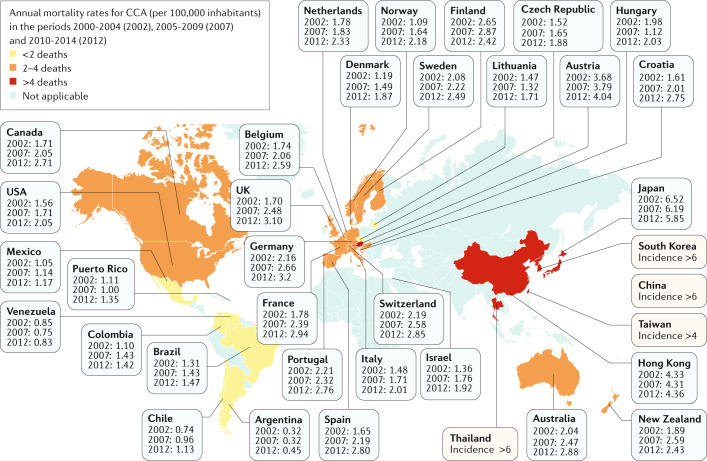
“The incidence of CCAs (0.3–6 per 100,000) and mortality have been rising worldwide, particularly in South Asian countries including South Korea, China, and Thailand [1,13,14].”
BackgroundMethodInfluentialMunir, M. M., Dillhoff, M. E., Tsai, S., & Pawlik, T. M. (2024) · HPB · doi:10.1016/j.hpb.2024.05.010 · Cited by 13
Ma, Z., Sun, J. T., Li, Z., Huang, S., & Li, B. (2024) · Cell Death and Differentiation · doi:10.1038/s41418-024-01361-y · Cited by 16
Wu, X., Chen, D., Li, M., Liang, G., & Ye, H. (2024) · Cell Death Discovery · doi:10.1038/s41420-024-02140-x · Cited by 16
“Unlike hepatocellular carcinoma (HCC), most iCCA developed in non-cirrhotic livers and no risk factors have been identi fi ed, making it hard to diagnose [2, 3, 5, 6].”
BackgroundPorreca, V., Barbagallo, C., Corbella, E., Peres, M., Stella, M., Mignogna, G., Maras, B., Ragusa, M., & Mancone, C. (2024) · Cancers · doi:10.3390/cancers16162889 · Cited by 15
“However, in recent years, this hepatobiliary cancer has revealed interest and concern due to its increased incidence in several areas of the world [14,16].”
BackgroundSun, X.-H., Liu, J., Zhang, W., Wang, Y., Jiang, Y., Wang, L., Zou, Y., Xiao, Y., Xiang, Y., Li, M., et al. (2024) · Chinese Medical Journal · doi:10.1097/cm9.0000000000003395 · Cited by 16
“[10,11] Considering the relatively lower overall incidence and regional variability of BTC, intergroup and geographic analyses based on up-to-date large-scale data are still lacking.”
Tumor-initiating cells escape tumor immunity via CCL8 from tumor-associated macrophages in mice
Chen, S., Huang, C., Li, K., Cheng, M., Zhang, C., Xiong, J., Tian, G., Zhou, R., Ling, R., Wang, X., et al. (2025) · Journal of Clinical Investigation · doi:10.1172/jci180893 · Cited by 13
“%) are already at advanced stages at the time of diagnosis and cannot be surgically treated due to locally advanced or metastatic disease (1, 2).”
Unveiling the intratumor microbiome in liver cancer: Current insights and prospective applications
Ke, X., Jiang, S., Wei, Q., Sun, M., Sun, H., Pang, M., Liu, M., Sun, L., Yang, H., & Mao, Y. (2025) · Clinical and Molecular Hepatology · doi:10.3350/cmh.2024.1039 · Cited by 14
Conversion treatment for advanced intrahepatic cholangiocarcinoma: Opportunities and challenges
Liu, J.-J., Zhou, M., Yuan, T., Huang, Z., & Zhang, Z.-Y. (2025) · World Journal of Gastroenterology · doi:10.3748/wjg.v31.i15.104901 · Cited by 14
“Mutations in the BAP1 and neurotropic tyrosine kinase receptor ( NTRK ) genes are commonly observed in ICC, whereas ECC typically shows abnormalities in the ELF3 and ARID1B genes, along with fusions of PRKACA and PRKACB[60-62].”
Farhat, J., Alzyoud, L., Alwahsh, M., Acharjee, A., & Al‐Omari, B. (2025) · Cancer Medicine · doi:10.1002/cam4.70853 · Cited by 20
LncRNA TUG1 Promotes Growth and Metastasis of Cholangiocarcinoma Cells by Inhibiting miR-29a
Hao, W., Guo, L., Luo, J., Shao, G. L., & Zheng, J. (2020) · Cancer Management and Research · doi:10.2147/cmar.s270515 · Cited by 13
“Introduction As a highly heterogeneous malignant tumor of the biliary tract, cholangiocarcinoma appears anywhere in the biliary tree and its global incidence has been rising in recent years, so it is a great threat to human life and health.(1,2) At present, surgical treatment is still the most effective method for tre…”
BackgroundRole of adjuvant and neoadjuvant therapy for resectable biliary tract cancer
Nara, S., Esaki, M., Ban, D., Takamoto, T., Mizui, T., & Shimada, K. (2021) · Expert Review of Gastroenterology & Hepatology · doi:10.1080/17474124.2021.1911645 · Cited by 15
“circulating DNA (ctDNA) will become new markers for diagnosis and treatment [53,54].”
BackgroundSilva, M., Maddalo, M., Leoni, E., Giuliotti, S., Milanese, G., Ghetti, C., Biasini, E., Filippo, M. D., Missale, G., & Sverzellati, N. (2021) · Abdominal Radiology · doi:10.1007/s00261-021-03183-9 · Cited by 13
Li, Q., Che, F., Wei, Y., Jiang, H., Zhang, Y., & Song, B. (2021) · Expert Review of Gastroenterology & Hepatology · doi:10.1080/17474124.2021.1974294 · Cited by 15
“At the molecular level, small bile duct ICC are featured with isocitrate dehydrogenase (IDH1, IDH2) mutations or fibroblast growth factor receptor 2 (FGFR2) fusions [42,43], while a high mutation frequency of KRAS (15–30%)”
BackgroundGonçalves, J. P. L., Bollwein, C., Schlitter, A. M., Martin, B., Märkl, B., Utpatel, K., Weichert, W., & Schwamborn, K. (2021) · Metabolites · doi:10.3390/metabo11110752 · Cited by 13
“CCC, a tumor that exhibits an aggressive growth and low rate of recovery, being therefore one of the most lethal cancer types [11,12], was also evaluated by itself, by comparing tumor tissue with healthy tissue (Table 3).”
BackgroundZhang, J., Chen, W., Ma, W., Song, K., Lee, S. B., Han, C., & Wu, T. (2021) · Molecular Cancer Research · doi:10.1158/1541-7786.mcr-21-0536 · Cited by 13
Selecting an Appropriate Experimental Animal Model for Cholangiocarcinoma Research
Li, M., Zhou, X., Wang, W., Ji, B., Shao, Y., Du, Q., Yao, J., & Yang, Y. F. (2022) · Journal of Clinical and Translational Hepatology · doi:10.14218/jcth.2021.00374 · Cited by 13
Xiao, F., Xu, F., Zhang, H., & Shuai, X. (2022) · Biochemical and Biophysical Research Communications · doi:10.1016/j.bbrc.2022.02.073 · Cited by 13
Molecularly Guided Drug Repurposing for Cholangiocarcinoma: An Integrative Bioinformatic Approach
Venkatraman, S., Balasubramanian, B., Pongchaikul, P., Tohtong, R., & Chutipongtanate, S. (2022) · Genes · doi:10.3390/genes13020271 · Cited by 13
Troncone, E., Gadaleta, F., Paoluzi, O. A., Gesuale, C., Formica, V., Morelli, C., Roselli, M., Savino, L., Palmieri, G., Monteleone, G., et al. (2022) · Cancers · doi:10.3390/cancers14071730 · Cited by 13
“CT scan and MRI with magnetic resonance cholangiopancreatography performed before biliary drainage are considered the standard imaging methods for the preoperative assessment of CCA worldwide, as they provide a comprehensive evaluation of the primary tumor, the relationship with adjacent structures, and potential ches…”
MethodO'Hagan, K. (2022) · Journal of the Advanced Practitioner in Oncology · doi:10.6004/jadpro.2022.13.3.28 · Cited by 13
“Cholangiocarcinoma is also associated with socioeconomic and racial disparities, said Ms. O’Hagan, who noted that receipt of surgery is influenced by socioeconomic status and race, with African Americans, Hispanics, Asians, and Medicaid patients being less likely to have surgery (Ransome et al., 2019).”
BackgroundInfluentialZhang, T., Yang, X., Yang, X., Zheng, K., Wang, Y., Wang, Y., Sang, X., Lu, X., Xu, Y., Wang, X., et al. (2022) · PubMed · Cited by 15
Prinz, C., Frese, R., Grams, M., & Fehring, L. (2022) · Genes · doi:10.3390/genes13081479 · Cited by 13
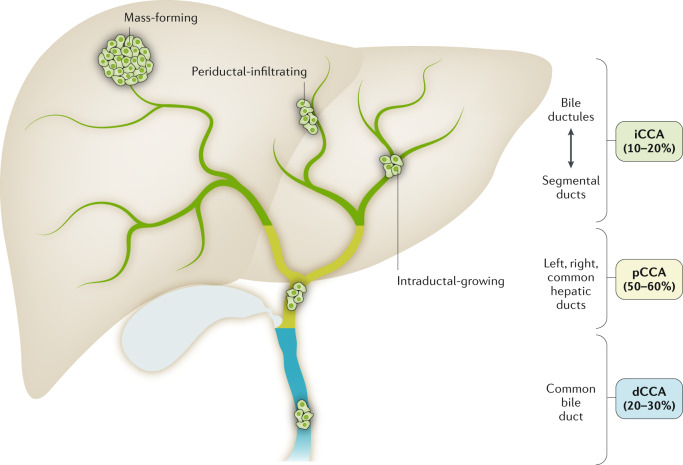
“Based on the anatomical origin, CCAs can be classified as intrahepatic (iCCAs), perihilar (pCCAs), or distal (dCCAs) [1].”
BackgroundElshami, M., Hue, J. J., Ahmed, F. A., Kakish, H. H., Hoehn, R. S., Rothermel, L. D., Hardacre, J. M., Ammori, J. B., Winter, J. M., & Ocuin, L. M. (2022) · Journal of Gastrointestinal Surgery · doi:10.1007/s11605-022-05465-z · Cited by 13
Development of extrahepatic bile ducts and mechanisms of tumorigenesis: Lessons from mouse models
Tomita, H., & Hara, A. (2022) · Pathology International · doi:10.1111/pin.13287 · Cited by 13
“Understanding the histopathological classification of the various human CCAs is important for the future development and analysis of animal models, and that of human CCA from the progression of lesions from premalignant to malignant states is rapidly evolving.(12,13,15,23,78,79) In particular, the role of GEMMs in the…”
BackgroundThe role of neo-adjuvant therapy in cholangiocarcinoma: A systematic review
Cremen, S., Kelly, M. E., & Gallagher, T. K. (2022) · Frontiers in Oncology · doi:10.3389/fonc.2022.975136 · Cited by 15
Surgical Aspects of Intrahepatic Cholangiocarcinoma
Kupietzky, A., & Ariche, A. (2022) · Cancers · doi:10.3390/cancers14246265 · Cited by 13
“All guidelines seem to agree that patients with a extrahepatic disease, distant lymph node metastases, or intrahepatic metastatic disease (multiple bi-lobar or multicentric tumors), will not benefit from surgical resection and are contraindicated to surgery [20,30,35,36].”
BackgroundToshida, K., Itoh, S., Yugawa, K., Kosai‐Fujimoto, Y., Tomino, T., Yoshiya, S., Nagao, Y., Kayashima, H., Harada, N., Kohashi, K., et al. (2022) · Hepatology Research · doi:10.1111/hepr.13875 · Cited by 13
Sabeti, S., Ternifi, R., Larson, N. B., Olson, M. C., Atwell, T. D., Fatemi, M., & Alizad, A. (2023) · Frontiers in Oncology · doi:10.3389/fonc.2023.1121664 · Cited by 13
Girolamo, E. D., Belli, A., Ottaiano, A., Granata, V., Borzillo, V., Tarotto, L., Tatangelo, F., Palaia, R., Civiletti, C., Piccirillo, M., et al. (2023) · Frontiers in Oncology · doi:10.3389/fonc.2023.1077794 · Cited by 13
Namikawa, M., Fukuda, A., Mizukoshi, K., Iwane, K., Kawai, M., Yamakawa, G., Omatsu, M., Sono, M., Masuda, T., Araki, O., et al. (2023) · The Journal of Pathology · doi:10.1002/path.6139 · Cited by 13
“Despite increasing efforts, our understanding of the underlying pathogenesis of BTCs is far from satisfactory, and treatment options are still sparse.”
BackgroundInfluentialRole of homeobox d10 gene targeted signaling pathways in cancers
Surendran, H., Palaniyandi, T., Natarajan, S., Hari, R., Viwanathan, S., Baskar, G., Wahab, M. R. A., Ravi, M., & Rajendran, B. K. (2023) · Pathology - Research and Practice · doi:10.1016/j.prp.2023.154643 · Cited by 14
Yuwei, X., Dong, B., Zhaowei, S., Feng, Y., Wei, Z., Li, K., Liu, K., Cao, J., & Zhu, C. (2023) · Digestive and Liver Disease · doi:10.1016/j.dld.2023.08.050 · Cited by 13
Systematic Review of Preoperative Prognostic Biomarkers in Perihilar Cholangiocarcinoma
Pawaskar, R., Huang, K. Z., Pham, H., Nagrial, A. M., Wong, M. K., O’Neill, S., Pleass, H. C. C., Yuen, L., Lam, V. W. T., Richardson, A. J., et al. (2024) · Cancers · doi:10.3390/cancers16040698 · Cited by 13
“Various studies have evaluated a range of prognostic biomarkers for CCA in tissue and serum; however, the results are inconsistent and/or not specific for pCCA [1,3,7,8].”
BackgroundMethodInfluentialThe Recent Trends of Systemic Treatments and Locoregional Therapies for Cholangiocarcinoma
Esmail, A., Badheeb, M. A., Alnahar, B. W., Almiqlash, B. A., Sakr, Y., Al-Najjar, E., Awas, A., Alsayed, M. A., Khasawneh, B., Alkhulaifawi, M., et al. (2024) · Pharmaceuticals · doi:10.3390/ph17070910 · Cited by 15
“CCA incidence shows a considerable geographic variation; for instance, the reported incidence is 0.3–2/100,000 cases per annum in rich countries, whereas a higher incidence is reported in Asian countries (e.g., REVIEW 4 of China and Thailand), reaching up to 6–7/100,000 cases annually [4–6].”
BackgroundInfluentialExtrahepatic Cholangiocarcinoma: Genomic Variables Associated With Anatomic Location and Outcome
Preston, W. A., Drill, E. N., Boerner, T., Gelfer, R., Harding, J. J., O'Reilly, E. M., Cercek, A., Abou‐Alfa, G. K., Park, W., Balachandran, V. P., et al. (2024) · JCO Precision Oncology · doi:10.1200/po.24.00206 · Cited by 14
Klinhom-on, N., Seubwai, W., Sawanyawisuth, K., Lert-itthiporn, W., Waraasawapati, S., Detarya, M., & Wongkham, S. (2021) · Heliyon · doi:10.1016/j.heliyon.2021.e06846 · Cited by 13
“The incidence of CCA is high in northeastern Thailand and is now increasing worldwide [1].”
BackgroundCompelling Long-Term Results for Liver Resection in Early Cholangiocarcinoma
Bednarsch, J., Czigány, Z., Heij, L. R., Liu, D., den Dulk, M., Wiltberger, G. J., Bruners, P., Ulmer, T. F., Neumann, U. P., & Lang, S. A. (2021) · Journal of Clinical Medicine · doi:10.3390/jcm10132959 · Cited by 14
“Cholangiocellular carcinoma (CCA) is subclassified into intrahepatic CCA (iCCA), perihilar CCA (pCCA), and distal CCA (dCCA) with pCCA being the most frequent followed by dCCA and iCCA [1].”
BackgroundEmerging Therapies for Advanced Cholangiocarcinoma: An Updated Literature Review
Vignone, A., Biancaniello, F., Casadio, M., Pesci, L., Cardinale, V., Ridola, L., & Alvaro, D. (2021) · Journal of Clinical Medicine · doi:10.3390/jcm10214901 · Cited by 13
Self-citationLi, H., Liu, R., Li, J., Li, J., Wu, H. M., Wang, G., Li, Z., & Li, D. (2022) · Journal of Cellular and Molecular Medicine · doi:10.1111/jcmm.17321 · Cited by 16
“Inclusion and exclusion criteria were as follows: (1) ICC was confirmed by histopathology after hepatectomy; (2) no other tumours or metastasis; (3) no preoperative anti- cancer treatments, chemotherapy or radiotherapy; (4) no history of decompensation due to the liver cirrhosis; (5) no gastrointestinal disorder with…”
MethodLieshout, R., Faria, A. V. D. S., Peppelenbosch, M. P., van der Laan, L. J. W., Verstegen, M. M. A., & Fuhler, G. M. (2022) · Molecular Medicine · doi:10.1186/s10020-022-00498-1 · Cited by 13
“CCA is characterized by extensive genomic heterogeneity, so it is not unexpected that this heterogeneity is also reflected in kinase activity profiles (Banales et al. 2020).”
BackgroundExamination on the risk factors of cholangiocarcinoma: A Mendelian randomization study
Chen, L., Fan, Z., Sun, X., Qiu, W., Mu, W., Chai, K., Cao, Y., Wang, G., & Lv, G. (2022) · Frontiers in Pharmacology · doi:10.3389/fphar.2022.900424 · Cited by 15
“Recently, the consensus statement of CCA summarized its potential risk factors (Banales et al., 2020), and the majority of them are derived from a meta-analysis that systematically scrutinized 13 risk factors of CCA (Clements et al.”
BackgroundInfluentialLü, Y., Li, X., Zhao, K., Shi, Y., Deng, Z., Yao, W., & Wang, J. (2022) · Cells · doi:10.3390/cells11193088 · Cited by 13
“Cholangiocarcinoma (CCA), accounting for about 15% of primary liver cancer, is the second most prevalent cancer after hepatocellular carcinoma (HCC) [1].”
BackgroundInfluentialPan, Y., Wu, C., Jung, S.-M., Huang, S., Lin, S., Chou, W., Chang, Y., Chen, M., Hung, T., Yu, A. L.-T., et al. (2023) · International Journal of Biological Sciences · doi:10.7150/ijbs.79126 · Cited by 15
“CCA is a malignant tumor from cholangiocytes in bile duct branches and is divided into three subtypes: intrahepatic CCA (iCCA), perihilar CCA (pCCA), and distal CCA (dCCA) [1-3].”
BackgroundYogo, A., Masui, T., Takaishi, S., Masuo, K., Chen, R., Kasai, Y., Nagai, K., Anazawa, T., Watanabe, S., Sakamoto, S., et al. (2022) · Cancer Science · doi:10.1111/cas.15676 · Cited by 12
“Three kinds of cells were found: (1) B1 and B2 with bile duct- like signatures, (2) H with hepatocytelike signatures, and (3) INT1 and INT2 with intermediate signatures of the two.”
BackgroundChen, W., Xu, D., Liu, Q., Wu, Y., Wang, Y., & Yang, J. (2023) · Biomedicine & Pharmacotherapy · doi:10.1016/j.biopha.2023.114697 · Cited by 12
Lurje, I., Gaisa, N. T., Dahl, E., Knüchel, R., Strnad, P., Trautwein, C., Tacke, F., Neumann, U. P., Czigány, Z., & Lurje, G. (2023) · Scientific Reports · doi:10.1038/s41598-023-39487-7 · Cited by 12
Germline Genetic Associations for Hepatobiliary Cancers
Chotiprasidhi, P., Sato-Espinoza, A. K., & Wangensteen, K. J. (2023) · Cellular and Molecular Gastroenterology and Hepatology · doi:10.1016/j.jcmgh.2023.12.010 · Cited by 12
Xu, B., Zhu, J., Wang, R., Pang, X., Wang, X., Lian, J., & Lu, H. (2024) · Journal of Inflammation Research · doi:10.2147/jir.s446735 · Cited by 12
Reimer, P., Vilgrain, V., Arnold, D., Ballı, T., Golfieri, R., Loffroy, R., Mosconi, C., Ronot, M., Sengel, C., Schaefer, N. G., et al. (2024) · CardioVascular and Interventional Radiology · doi:10.1007/s00270-023-03657-x · Cited by 12
“Complete surgical resection represents the only curative intent therapy [5–7]; however, 70% to 85% of ICC patients present with advanced disease where resection is no longer a treatment option [8–11].”
BackgroundYoshizawa, T., Uehara, T., Iwaya, M., Nakajima, T., Shimizu, A., Kubota, K., Notake, T., Kitagawa, N., Masuo, H., Sakai, H., et al. (2024) · The American Journal of Surgical Pathology · doi:10.1097/pas.0000000000002224 · Cited by 12
“16 Despite these differences, however, there are currently no simple and useful subclassi fi cation criteria for distinguishing between the 2 subtypes.”
BackgroundUmino, R., Nara, S., Mizui, T., Takamoto, T., Ban, D., Esaki, M., Hiraoka, N., & Shimada, K. (2024) · Annals of Surgical Oncology · doi:10.1245/s10434-024-15313-w · Cited by 13
“Distal cholangiocarcinoma (DCC), which accounts for 20–30% of all cholangio-carcinomas, 1 is characterized by originating in the extrahepatic bile duct distal to its confluence with the cystic duct.”
Metadata
- Authors
- Banales, J. M., Marin, J. J. G., Lamarca, A., Rodrigues, P. M., Khan, S. A., Roberts, L. R., Cardinale, V., Carpino, G., Andersen, J. B., Braconi, C., Calvisi, D. F., Perugorria, M. J., Fabris, L., Boulter, L., Macias, R. I. R., Gaudio, E., Alvaro, D., Gradilone, S. A., Strazzabosco, M., Marzioni, M., Coulouarn, C., Fouassier, L., Raggi, C., Invernizzi, P., Mertens, J. C., Moncsek, A., Ilyas, S. I., Heimbach, J., Koerkamp, B. G., Bruix, J., Forner, A., Bridgewater, J., Valle, J. W., & Gores, G. J.
- Affiliations
- University of the Basque Country (ES)
- Hammersmith Hospital (GB)
- Mayo Clinic (US)
- Sapienza University of Rome (IT)
- Foro Italico University of Rome (IT)
- University of Copenhagen (DK)
- University of Glasgow (GB)
- University of Regensburg (DE)
- University of Padua (IT)
- Institute of Genetics and Cancer (GB)
- University of Minnesota (US)
- Marche Polytechnic University (IT)
- Inserm (FR)
- University of Florence (IT)
- University of Milano-Bicocca (IT)
- University of Zurich (CH)
- Erasmus MC (NL)
- Instituto de Salud Carlos III (ES)
- University College London (GB)
- National Health Service (GB)
- ORCID
- Banales, Jesus M.
- Marin, Jose J. G.
- Lamarca, Angela
- Rodrigues, Pedro M.
- Khan, Shahid A.
- Roberts, Lewis R.
- Cardinale, Vincenzo
- Carpino, Guido
- Andersen, Jesper B.
- Braconi, Chiara
- Calvisi, Diego F.
- Perugorria, Maria J.
- Fabris, Luca
- Boulter, Luke
- Macias, Rocio I. R.
- Gaudio, Eugenio
- Alvaro, Domenico
- Gradilone, Sergio A.
- Strazzabosco, Mario
- Marzioni, Marco
- Coulouarn, Cédric
- Fouassier, Laura
- Raggi, Chiara
- Invernizzi, Pietro
- Mertens, Joachim C.
- Moncsek, Anja
- Ilyas, Sumera I.
- Heimbach, Julie
- Koerkamp, Bas Groot
- Bruix, Jordi
- Forner, Alejandro
- Bridgewater, John
- Valle, Juan W.
- Gores, Gregory J.
- Venue
- Nature Reviews Gastroenterology & Hepatology
- Published
- 2020-06-30
- Volume
- 17
- Issue
- 9
- Pages
- 557-588
- ISSN
- 1759-5045 (ISSN-L)
- 1759-5053
- PMC
- PMC7447603
- OpenAlex
- W3039360174
- Semantic Scholar
- 18f2779f042888382d9adc72b2c1546bbf440cf9
- Cited by
- 2,411
- References
- 410
- Citations by year
- 2026: 259 · 2025: 482 · 2024: 461 · 2023: 434 · 2022: 455 · 2021: 271 · 2020: 39
- FWCI
- 68.28
- Type
- journal article
- Language
- en
- Open access
- hybrid
- doi.org
- Licence
- cc-by
- creativecommons.org/licenses/by/4.0 (tdm)
- creativecommons.org/licenses/by/4.0 (vor)
- Locations
- Nature Reviews Gastroenterology & Hepatology (publishedVersion, cc-by)
- PubMed Central (publishedVersion, cc-by)
- PubMed (publishedVersion)
- Hispana (publishedVersion, other-oa)
- EUR Research Repository (Erasmus University Rotterdam) (publishedVersion, other-oa)
- Florence Research (University of Florence) (submittedVersion, other-oa)
- Università Politecnica delle Marche (Università Politecnica delle Marche) (submittedVersion, cc-by)
- Padua Research Archive (University of Padova) (submittedVersion, cc-by)
- EUR Research Repository (Erasmus University Rotterdam) (submittedVersion, other-oa)
- RePub (Erasmus University Rotterdam) (submittedVersion, other-oa)
- HAL (submittedVersion, other-oa)
- Communities in ADDI (University of the Basque Country) (submittedVersion, cc-by)
- BOA (University of Milano-Bicocca) (submittedVersion, cc-by)
- LA Referencia (Red Federada de Repositorios Institucionales de Publicaciones Científicas) (submittedVersion, cc-by)
- UCL Discovery (University College London) (submittedVersion)
- University of Regensburg Publication Server (University of Regensburg) (submittedVersion)
- Gredos (University of Salamanca) (submittedVersion, other-oa)
- IRIS Research product catalog (Sapienza University of Rome) (submittedVersion, cc-by)
- Funders
- Cholangiocarcinoma Foundation
- Novo Nordisk Fonden (NNF19OC0058419, NNF15OC0014040)
- National Institutes of Health (UL1TR001863)
- National Cancer Institute (K08CA236874, P50CA210964)
- National Institute of Diabetes and Digestive and Kidney Diseases (P30DK034989)
- National Center for Advancing Translational Sciences
- Topics
- Health Sciences › Medicine › Surgery › Cholangiocarcinoma and Gallbladder Cancer Studies
- Health Sciences › Medicine › Surgery › Pediatric Hepatobiliary Diseases and Treatments
- Health Sciences › Medicine › Hepatology › Liver Diseases and Immunity
- Keywords
- cholangiocarcinoma, biliary tract cancer, tumor heterogeneity, cell of origin, genetic alterations, epigenetic modifications, molecular alterations, biomarker discovery, diagnosis, treatment, prognosis, tumor classification
- MeSH terms
- Bile Duct Neoplasms, Humans, Cholangiocarcinoma
About these checks
Registry, retraction, Cites and statistics results are computed, not judged, with one exception: a printed reference that no index lists is read once by a model before it counts as a citation error. Claims are extracted by a model and kept only when their quote appears verbatim in the text; each cited source is then checked, with a model’s help, for whether it says what the claim relies on. Those verdicts can be wrong — read the claim’s quote and the cited source before relying on one.
Statistics and arithmetic are recomputed, not judged.
Confidence bands are shown only for fields calibrated on our annotated test set. None is calibrated yet, so no band is shown.
What counts as a claim ›How we measure confidence ›How we check this ›
Are you an author, or do you see a problem with this page? Request a review
Data sources
Bibliographic data: Semantic Scholar, OpenAlex, Crossref.
Contains information from the Semantic Scholar Academic Graph Datasets, made available under the ODC Attribution License (ODC-BY 1.0).
Semantic Scholar’s data is described in: Kinney, R., et al. (2023). The Semantic Scholar Open Data Platform. arXiv:2301.10140.
