

Cholangiocarcinoma 2020: the next horizon in mechanisms and management
Open accessThe DOI matches its Crossref record; 410 of the 410 references it cites were found in a registry or an index.
Abstract
Cholangiocarcinoma (CCA) includes a cluster of highly heterogeneous biliary malignant tumours that can arise at any point of the biliary tree. Their incidence is increasing globally, currently accounting for ~15% of all primary liver cancers and ~3% of gastrointestinal malignancies. The silent presentation of these tumours combined with their highly aggressive nature and refractoriness to chemotherapy contribute to their alarming mortality, representing ~2% of all cancer-related deaths worldwide yearly. The current diagnosis of CCA by non-invasive approaches is not accurate enough, and histological confirmation is necessary. Furthermore, the high heterogeneity of CCAs at the genomic, epigenetic and molecular levels severely compromises the efficacy of the available therapies. In the past decade, increasing efforts have been made to understand the complexity of these tumours and to develop new diagnostic tools and therapies that might help to improve patient outcomes. In this expert Consensus Statement, which is endorsed by the European Network for the Study of Cholangiocarcinoma, we aim to summarize and critically discuss the latest advances in CCA, mostly focusing on classification, cells of origin, genetic and epigenetic abnormalities, molecular alterations, biomarker discovery and treatments. Furthermore, the horizon of CCA for the next decade from 2020 onwards is highlighted.
Overview
The claims and statistics of this paper haven’t been checked yet.
Free: it reads the open-access text and checks the first 5 claims that cite a source we can check. Create a free account to check every claim.
Integrity signals
Registry
Cites
Statistics
Figures
Verification
Claims the paper makes
The claims and statistics of this paper haven’t been checked yet.
Free: it reads the open-access text and checks the first 5 claims that cite a source we can check. Create a free account to check every claim.
Claims other papers make about this one
Each is checked against this paper’s own text: does it say what the citing paper says it does?
The source backs part of the claim, not all of it — or backs it for a different population, condition or comparison.
In the citing paper
“It is thought that the majority of ICCs are derived from BECs [210], but mouse and human hepatocytes also represent potential sources for ICCs [212, 213].”
From Inflammation and immunity in liver homeostasis and disease: a nexus of hepatocytes, nonparenchymal cells and immune cells (2025) · doi:10.1038/s41423-025-01313-7 · cites this paper as [210]
Experimental — accuracy not yet measuredThe source backs part of the claim, not all of it — or backs it for a different population, condition or comparison.
In the citing paper
“Several studies suggest that cholangiocarcinoma and other biliary tract malignancies are frequently associated with overactivation of the Notch and Hedgehog signaling pathways[61].”
From Liver regeneration after partial hepatectomy: Triggers and mechanisms (2025) · cites this paper as [61]
Experimental — accuracy not yet measuredIn the citing paper
“Intrahepatic cholangiocarcinoma (ICC) is a biliary tree neoplasia that arises in noncirrhotic and cirrhotic livers and has a rising incidence [210, 211].”
From Inflammation and immunity in liver homeostasis and disease: a nexus of hepatocytes, nonparenchymal cells and immune cells (2025) · doi:10.1038/s41423-025-01313-7 · cites this paper as [210]
Self-check
Percentages, sums and reported differences re-computed from the paper’s own numbers.
The self-check needs the paper’s full text.
Citations
Cites
The National Comprehensive Cancer Network: Present and future directions
McGivney, W. T. (1998) · Cancer · doi:10.1002/(sici)1097-0142(19980515)82:10+<2057::aid-cncr14>3.0.co;2-a · Cited by 16,766 · cited 1×
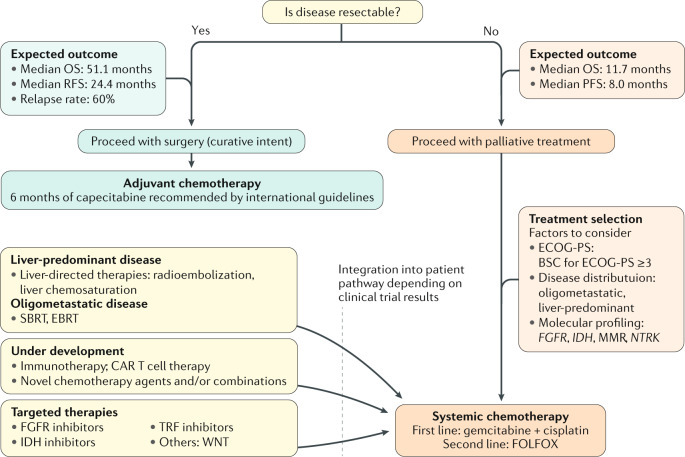
“Patients diagnosed with iCCA in liver-predominant disease might be considered for liver-directed therapies 345,346 .”
BackgroundEpithelial-Mesenchymal Transitions in Development and Disease
Thiery, J. P., Acloque, H., Huang, R. Y. J., & Nieto, M. A. (2009) · Cell · doi:10.1016/j.cell.2009.11.007 · Cited by 9,931 · cited 1×
“EMT is a cell plasticity-promoting phenomenon initially reported to occur during embryogenesis, but that also takes place in cancer, enabling epithelial cancer cells to acquire mesenchymal features with invasive properties that lead to metastatic colonization 174 .”
BackgroundPD-1 Blockade in Tumors with Mismatch-Repair Deficiency
Le, D. T., Uram, J. N., Wang, H., Bartlett, B. R., Kemberling, H., Eyring, A. D., Skora, A. D., Luber, B. S., Azad, N. S., Laheru, D., et al. (2015) · New England Journal of Medicine · doi:10.1056/nejmoa1500596 · Cited by 9,377
Mismatch repair deficiency predicts response of solid tumors to PD-1 blockade
Le, D. T., Durham, J. N., Smith, K. N., Wang, H., Bartlett, B. R., Aulakh, L. K., Lu, S., Kemberling, H., Wilt, C., Luber, B. S., et al. (2017) · Science · doi:10.1126/science.aan6733 · Cited by 6,645 · cited 2×
“In a cohort of 86 patients with MMR-deficient tumours, including four patients with CCA, immune checkpoint blockade with the anti-PDL1 monoclonal antibody pembrolizumab resulted in a complete response in one of the patients with CCA and stabilization of disease in the other three 232 .”
Understanding the tumor immune microenvironment (TIME) for effective therapy
Binnewies, M., Roberts, E. W., Kersten, K., Chan, V., Fearon, D. F., Merad, M., Coussens, L. M., Gabrilovich, D. I., Ostrand-Rosenberg, S., Hedrick, C. C., et al. (2018) · Nature Medicine · doi:10.1038/s41591-018-0014-x · Cited by 6,145 · cited 2×
“…of T cell-infiltrated TMEs, characterized by infiltration of CD8 + T cells, chemo-kines and molecules responsible for T cell priming and immune infiltration, is associated with higher response to immune checkpoint blockade, whereas non-T cell-infiltrated TMEs have poorer responses 214,215 .”
Role of YAP/TAZ in mechanotransduction
Dupont, S., Morsut, L., Aragona, M., Enzo, E., Giulitti, S., Cordenonsi, M., Zanconato, F., Le Digabel, J., Forcato, M., Bicciato, S., et al. (2011) · Nature · doi:10.1038/nature10137 · Cited by 5,979
Mutational heterogeneity in cancer and the search for new cancer-associated genes
Lawrence, M. S., Stojanov, P., Polak, P., Kryukov, G. V., Cibulskis, K., Sivachenko, A., Carter, S. L., Stewart, C., Mermel, C. H., Roberts, S. A., et al. (2013) · Nature · doi:10.1038/nature12213 · Cited by 5,461 · cited 1×
“Regarding genomic alterations, CCA falls midway in the mutational spectrum of cancers 111 , with an approximately equal content of genomic alterations in iCCA (median 39 non-synonymous mutations per tumour) and eCCA (median 35 non-synonymous mutations per tumour) 56 .”
Cisplatin plus Gemcitabine versus Gemcitabine for Biliary Tract Cancer
Valle, J., Wasan, H., Palmer, D. H., Cunningham, D., Anthoney, A., Maraveyas, A., Madhusudan, S., Iveson, T., Hughes, S., Pereira, S. P., et al. (2010) · New England Journal of Medicine · doi:10.1056/nejmoa0908721 · Cited by 4,406 · cited 2×
“The ABC-02 trial randomly assigned 410 patients with ECOG-PS ≤2 to systemic chemotherapy with gemcitabine alone or cisplatin–gemcitabine 336 ; the study showed an OS benefit in favour of cisplatin– gemcitabine (HR 0.64), a benefit confirmed in the Japanese randomized phase II BT22 study 337 .”
InfluentialSelf-citationThe biology and function of fibroblasts in cancer
Kalluri, R. (2016) · Nature Reviews Cancer · doi:10.1038/nrc.2016.73 · Cited by 4,366 · cited 1×
“CAFs are a heterogeneous population of spindle-shaped cells with mesenchymal origin that contribute to tumour progression in many human cancers 199 .”
New insights into the mechanisms of epithelial–mesenchymal transition and implications for cancer
Dongre, A., & Weinberg, R. A. (2019) · Nature Reviews Molecular Cell Biology · doi:10.1038/s41580-018-0080-4 · Cited by 3,876
Research works printed but not linked: 3
- Bosman, F. T., Carneiro, F., Hruban, R. & Theise N. WHO Classification of Tumours: Digestive System Tumours 5th edn Vol. 1 (IARC, 2019).
- Hamilton, S. R. A. et al. WHO Classification of Tumours: Pathology and Genetics of Tumours of the Digestive System 3rd edn Vol. 2 (IARC, 2000).
- Amin, M. B. et al. AJCC Cancer Staging Manual (Springer, 2017).
Cited by
Items 701–800 of 1,002
The Diagnostic and Prognostic Potentials of Non-Coding RNA in Cholangiocarcinoma
Andrade, R. S., Ribeiro, I. P., Carreira, I. M., & Tralhão, J. G. (2024) · International Journal of Molecular Sciences · doi:10.3390/ijms25116002 · Cited by 12
“Additionally, exosomes, which are small extracellular vesicles, carry molecular cargoes such as proteins, lipids, and RNAs that reflect the physiological state of their cells of origin [5].”
BackgroundInfluentialKeggenhoff, F. L., Castven, D., Becker, D., Stojković, S. R., Castven, J., Zimpel, C., Straub, B. K., Gerber, T. S., Langer, H. F., Hähnel, P. S., et al. (2024) · Gut · doi:10.1136/gutjnl-2023-331237 · Cited by 14
Self-citationLiang, J., Jiang, S., Song, J., Chen, D., Weng, S., Li, S., Peng, H., Liu, Z., Zhang, J., Chen, Y., et al. (2024) · EJNMMI Research · doi:10.1186/s13550-024-01145-y · Cited by 13
“Intrahepatic cholangiocarcinoma (ICC) and extrahepatic cholangiocarcinoma are collectively the second most common types of primary liver cancer, ICC arises from the epithelial cells of the intrahepatic bile ducts and accounting for only 3% of gastrointestinal malignancies [1].”
BackgroundLin, Z., Zou, X., Hu, X., Huang, D., Chen, Y., Lin, J., Li, X., & Zhang, J. (2024) · Scientific Reports · doi:10.1038/s41598-024-75102-z · Cited by 13
Mancarella, S., Gigante, I., Pizzuto, E., Serino, G., Terzi, A., Dituri, F., Maiorano, E., Vincenti, L., Bellis, M. D., Ardito, F., et al. (2024) · Journal of Experimental & Clinical Cancer Research · doi:10.1186/s13046-024-03210-9 · Cited by 12
“…diagnostic skills, therapies and clinical management, responsible for prognosis and survival, have not significantly improved, and only approximately 20–30% of patients with iCCA are eligible for surgery [2], while most cases relapse, and best overall 5-year survival is not superior to 20% [3].”
BackgroundSelf-citationBody composition as a prognostic factor in cholangiocarcinoma: a meta-analysis
Zhang, L., Wang, K., Liu, R., Kuang, T., Chen, C., Feng, Y., & Wang, W. (2024) · Nutrition Journal · doi:10.1186/s12937-024-01037-w · Cited by 13
The Immune–Genomics of Cholangiocarcinoma: A Biological Footprint to Develop Novel Immunotherapies
Cammarota, A., Balsano, R., Pressiani, T., Bozzarelli, S., Rimassa, L., & Lleò, A. (2025) · Cancers · doi:10.3390/cancers17020272 · Cited by 14
“Cholangiocarcinoma (CCA) accounts for approximately 3% of all gastrointestinal cancers and belongs to a heterogeneous group of aggressive cancers arising from the epithelial component of the biliary tree system [1].”
Kawashima, J., Akabane, M., Khalil, M., Woldesenbet, S., Endo, Y., Sahara, K., Cauchy, F., Aucejo, F., Marques, H. P., Lopes, R., et al. (2025) · British journal of surgery · doi:10.1093/bjs/znaf050 · Cited by 12
Self-citationEpithelial–Mesenchymal Transition in Liver Fluke-Induced Cholangiocarcinoma
Sawanyawisuth, K., Sashida, G., & Sheng, G. (2021) · Cancers · doi:10.3390/cancers13040791 · Cited by 12
“The involvement of EMT-like processes in CCAs has been proposed previously [1,24,25], supported by evidence of disruption in epithelial cell–cell junctions and promotion of mesenchymal characteristics.”
Janthamala, S., Jusakul, A., Kongpetch, S., Kimawaha, P., Klanrit, P., Loilome, W., Namwat, N., & Techasen, A. (2021) · Naunyn-Schmiedeberg s Archives of Pharmacology · doi:10.1007/s00210-021-02123-0 · Cited by 12
Li, H., Qu, L., Zhang, H., Liu, J., & Zhang, X. (2021) · Scientific Reports · doi:10.1038/s41598-021-93250-4 · Cited by 12
Cholangiocarcinoma and liver transplantation: What we know so far?
Safarpour, A. R., Askari, H., Ejtehadi, F., Azarnezhad, A., Raeis-Abdollahi, E., Tajbakhsh, A., Abazari, M. F., Tarkesh, F., Shamsaeefar, A., Niknam, R., et al. (2021) · World Journal of Gastrointestinal Pathophysiology · doi:10.4291/wjgp.v12.i5.84 · Cited by 13
The Implications of Treatment Delays in Adjuvant Therapy for Resected Cholangiocarcinoma Patients
Parsons, M., Lloyd, S. A. J., Johnson, S. B., Scaife, C. L., Soares, H. P., Kim, R., Kim, R. D., Garrido‐Laguna, I., & Tao, R. (2022) · Journal of Gastrointestinal Cancer · doi:10.1007/s12029-022-00820-4 · Cited by 12
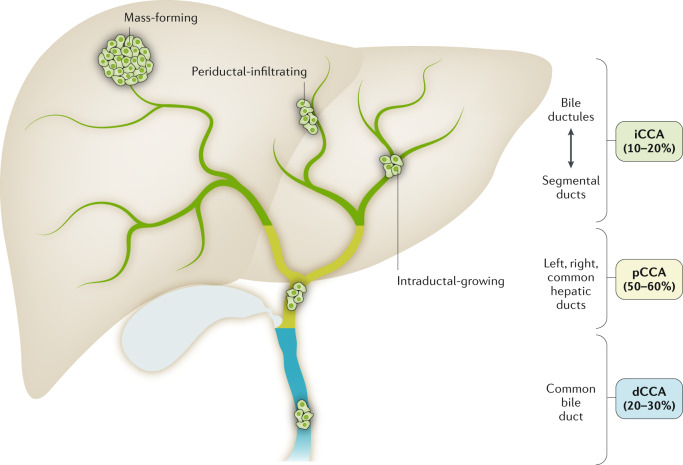
“These tumors are subdivided based on anatomical location as intrahepatic (iCCA), perihilar (pCCA), or extrahepatic/distal (dCCA) [3, 5].”
BackgroundShen, N., Zhu, B., Zhang, W., Nian, B., Xu, X., Yu, L., Ruan, X., Chen, S., Liu, Y., Cao, X., et al. (2022) · Frontiers in Oncology · doi:10.3389/fonc.2022.891917 · Cited by 12
Utilizing Gut Microbiota to Improve Hepatobiliary Tumor Treatments: Recent Advances
Qin, H., Yuan, B., Huang, W., & Wang, Y. (2022) · Frontiers in Oncology · doi:10.3389/fonc.2022.924696 · Cited by 13
Bcl‐xL as prognostic marker and potential therapeutic target in cholangiocarcinoma
Hoffmeister‐Wittmann, P., Möck, A., Nichetti, F., Korell, F., Heilig, C. E., Scherr, A., Günther, M., Albrecht, T., Kelmendi, E., Xu, K., et al. (2022) · Liver International · doi:10.1111/liv.15392 · Cited by 14
Huang, P., Huang, X., Zhou, Y., Yang, G., Sun, Q., Shi, G., & Chen, Y. (2022) · Canadian Journal of Gastroenterology and Hepatology · doi:10.1155/2022/9680933 · Cited by 13
“Surgery is the only potentially curative treatment for CCA; however, only 25% of patients are candidates for surgical resection [3].”
BackgroundMunir, M. M., Ruff, S. M., Endo, Y., Lima, H. A., Alaimo, L., Moazzam, Z., Shaikh, C. F., & Pawlik, T. M. (2022) · Journal of Gastrointestinal Surgery · doi:10.1007/s11605-022-05558-9 · Cited by 12
Tang, Z., Yang, Y., Zhang, Q., & Liang, T. (2023) · Clinical Epigenetics · doi:10.1186/s13148-022-01413-5 · Cited by 13
“EMT program plays a pivotal role in the growth and metastasis of cancers including iCCA [5, 19].”
BackgroundNarrative review: current management and novel targeted therapies in intrahepatic cholangiocarcinoma
Bath, N. M., & Pawlik, T. M. (2023) · Chinese Clinical Oncology · doi:10.21037/cco-22-109 · Cited by 12
Bone Metastases from Intrahepatic Cholangiocarcinoma Confer Worse Prognosis
Garajová, I., Gelsomino, F., Salati, M., Leonardi, F., Lorenzo, S. D., Granito, A., & Tovoli, F. (2023) · Current Oncology · doi:10.3390/curroncol30030199 · Cited by 12
Zhang, Z., Wang, G., Du, L., Zhao, J., Pan, L., Zhang, G., Wang, F., & Liu, R. (2023) · Frontiers in Immunology · doi:10.3389/fimmu.2023.1124482 · Cited by 15
NOTCH signalling – a core regulator of bile duct disease?
Lyons, A. M., & Boulter, L. (2023) · Disease Models & Mechanisms · doi:10.1242/dmm.050231 · Cited by 12
Self-citationToshida, K., Itoh, S., Iseda, N., Izumi, T., Yoshiya, S., Toshima, T., Ninomiya, M., Iwasaki, T., Oda, Y., & Yoshizumi, T. (2023) · Cancer Science · doi:10.1111/cas.15981 · Cited by 12
Doi, N., Ino, Y., Fuse, M., Esaki, M., Shimada, K., & Hiraoka, N. (2023) · Modern Pathology · doi:10.1016/j.modpat.2023.100401 · Cited by 12
Ortiz-Rivero, S., Peleteiro‐Vigil, A., Abete, L., Lozano, E., Hammer, H., Giacomo, S. D., Abad, M., Boix, L., Forner, A., Reig, M., et al. (2023) · Biomedicine & Pharmacotherapy · doi:10.1016/j.biopha.2023.116038 · Cited by 12
Self-citationMonge, C., Xie, C., Myojin, Y., Coffman, K., Hrones, D. M., Brar, G. S., Wang, S., Budhu, A., Figg, W. D., Cam, M., et al. (2024) · Cancer Medicine · doi:10.1002/cam4.6912 · Cited by 13
Techniques and status of hepatic arterial infusion chemotherapy for primary hepatobiliary cancers
Zheng, K., & Wang, X. (2024) · Therapeutic Advances in Medical Oncology · doi:10.1177/17588359231225040 · Cited by 12
Jackson, L. E., Tomlinson, J. L., Alva‐Ruiz, R., Gregory, L. A., Byeon, S. K., Abdelrahman, A. M., Mun, D., Grant, C. W., Fogarty, Z. C., Wang, C., et al. (2024) · JHEP Reports · doi:10.1016/j.jhepr.2024.101068 · Cited by 14
Self-citationPromotion of perineural invasion of cholangiocarcinoma by Schwann cells via nerve growth factor
Qian, X., Liu, E., Zhang, C., Feng, R., Tran, N. H., Zhai, W., Wang, F., & Qin, Z. (2024) · Journal of Gastrointestinal Oncology · doi:10.21037/jgo-24-309 · Cited by 12
“Due to its insidious onset and atypical early clinical symptoms, the overall prognosis is poor and the 5-year survival rate is less than 10% (2).”
BackgroundRetractedCancer-Associated Fibroblasts in Intrahepatic Cholangiocarcinoma
Affò, S., Sererols-Viñas, L., Garcia‐Vicién, G., Cadamuro, M., Chakraborty, S., & Sirica, A. E. (2024) · American Journal Of Pathology · doi:10.1016/j.ajpath.2024.07.009 · Cited by 12
Cholangiocyte ciliary defects induce sustained epidermal growth factor receptor signaling
Pant, K., Richard, S., Peixoto, E., Baral, S., Yang, R., Ren, Y., Masyuk, T. V., LaRusso, N. F., & Gradilone, S. A. (2024) · Hepatology · doi:10.1097/hep.0000000000001055 · Cited by 12
Self-citationLleò, A., Colapietro, F., Maisonneuve, P., Aloise, M., Craviotto, V., Ceriani, R., Rimassa, L., Badalamenti, S., Donadon, M., Pedicini, V., et al. (2021) · Cancers · doi:10.3390/cancers13092070 · Cited by 12
“Cholangiocarcinomas (CCAs) are a heterogeneous group of tumors that arise from the biliary tract, and account for nearly 3% of all gastrointestinal tumors [1,2].”
BackgroundCasadio, M., Biancaniello, F., Overi, D., Venere, R., Carpino, G., Gaudio, E., Alvaro, D., & Cardinale, V. (2021) · International Journal of Molecular Sciences · doi:10.3390/ijms22115613 · Cited by 12
“ERRB2 aberrations are observed frequently in p/dCCA, but anti-HER2 is not yet recommended in this setting of patients [6].”
BackgroundInfluentialSelf-citationWang, Y., Chen, T., Li, K., Mu, W., Liu, Z., Shi, A., Liu, J., Zhao, W. G., Lian, S., Huang, S., et al. (2021) · Frontiers in Oncology · doi:10.3389/fonc.2021.777617 · Cited by 12
De, B. S., Abu-Gheida, I. H., Patel, A., Ng, S. S. W., Zaid, M., Thunshelle, C. P., Elganainy, D., Corrigan, K. L., Rooney, M. K., Javle, M. M., et al. (2021) · Journal of Personalized Medicine · doi:10.3390/jpm11121270 · Cited by 12
Khankhel, Z., Goring, S. M., Bobiak, S. N., Lamy, F.-X., Nayak, D., Garside, J., Reese, E. S., & Schoenherr, N. (2022) · Future Oncology · doi:10.2217/fon-2021-1302 · Cited by 12
Rizzo, A., Carloni, R., Ricci, A. D., Federico, A. D., Güven, D. C., Yalçın, Ş., & Brandi, G. (2022) · Journal of Personalized Medicine · doi:10.3390/jpm12081247 · Cited by 13
“Surgical resection represents the only potentially curative treatment option for BTC, but even following radical surgery with curative intent, 5-year overall survival (OS) is only 20–35% [6].”
BackgroundInfluentialChen, X., Sun, B., Chen, Y., Xiao, Y., Song, Y., Liu, S., & Peng, C. (2024) · Translational Oncology · doi:10.1016/j.tranon.2024.101905 · Cited by 10
“Due to silent presentation, highly aggressive nature and refractoriness to chemotherapy, the mortality of cholangiocarcinoma alarming, ranking for 2% of all cancer-related deaths globally [2].”
BackgroundImmunotherapy for hepatobiliary malignancies: Progress and prospective
Qin, L. (2022) · Hepatobiliary & pancreatic diseases international · doi:10.1016/j.hbpd.2022.09.002 · Cited by 14
Spatiotemporal analysis of tumour-infiltrating immune cells in biliary carcinogenesis
Charbel, A., Tavernar, L., Albrecht, T., Brinkmann, F., Verheij, J., Roos, E., Vogel, M. N., Köhler, B., Springfeld, C., Brobeil, A., et al. (2022) · British Journal of Cancer · doi:10.1038/s41416-022-01933-0 · Cited by 11
“A comprehensive understanding of BTC pathogenesis is therefore needed for guiding new therapeutic modalities [3, 13].”
BackgroundThe Role of Herbal Medicine in Cholangiocarcinoma Control: A Systematic Review
Na‐Bangchang, K., Plengsuriyakarn, T., & Karbwang, J. (2022) · Planta Medica · doi:10.1055/a-1676-9678 · Cited by 11
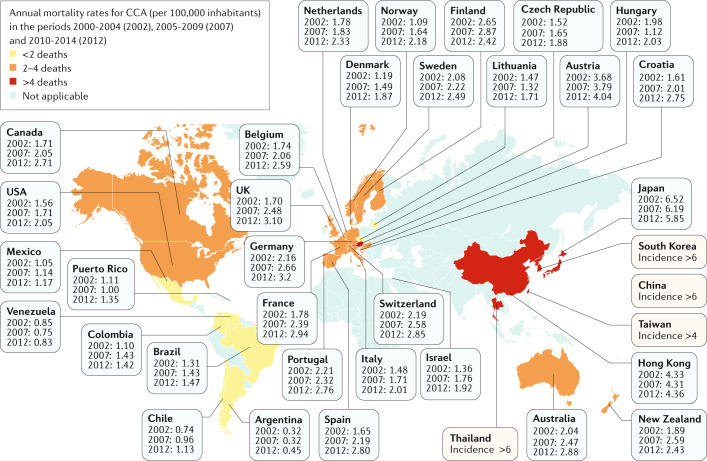
“Increasing incidence and mortality from CCA have been reported globally [1].”
BackgroundCorrelation analysis of MR elastography and Ki-67 expression in intrahepatic cholangiocarcinoma
Gao, S., Sun, W., Zhang, Y., Wang, F., Jin, K., Qian, X., Han, J., Wang, X., Dai, Y., Sheng, R., et al. (2023) · Insights into Imaging · doi:10.1186/s13244-023-01559-7 · Cited by 11
Advances in research and application of photodynamic therapy in cholangiocarcinoma (Review)
Li, Y., Li, Y., Song, Y., & Liu, S. (2024) · Oncology Reports · doi:10.3892/or.2024.8712 · Cited by 11
Holzner, M. L., Mazzaferro, V., Busset, M. D. D., Aldrighetti, L. A., Ratti, F., Hasegawa, K., Arita, J., Sapisochín, G., Abreu, P., Schöning, W., et al. (2024) · Annals of Surgical Oncology · doi:10.1245/s10434-024-14975-w · Cited by 11
Makino, K., Ishii, T., Takeda, H., Saito, Y., Fujiwara, Y., Fujimoto, M., Ito, T., Wakama, S., Kumagai, K., Munekage, F., et al. (2024) · The Journal of Pathology · doi:10.1002/path.6257 · Cited by 11
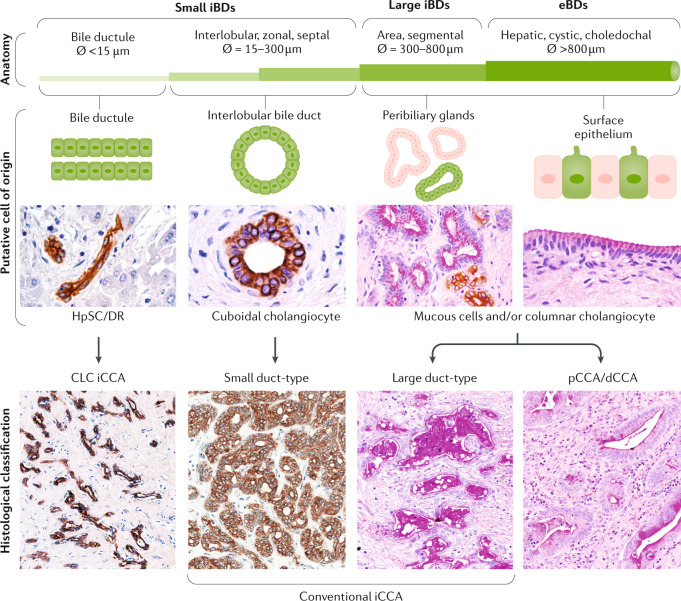
“In particular, IDH1 , which is a known driver gene for small duct-type iCCA [2,31], was mutated in several CLC cases in this study.”
BackgroundInfluentialFacts and Hopes in the Systemic Therapy of Biliary Tract Carcinomas
Lamarca, Á., & Macarulla, T. M. (2024) · Clinical Cancer Research · doi:10.1158/1078-0432.ccr-22-2438 · Cited by 12
Liang, Z., Ge, Y., Li, J., Bai, Y., Xiao, Z., Yan, R., An, G., & Zhang, D. (2024) · Journal of Cancer Research and Clinical Oncology · doi:10.1007/s00432-024-05875-3 · Cited by 11
“Despite a stable incidence, CCA remains highly lethal, ranking in the top 10 for cancer mortality, with a 5-year survival rate of only 10% (Siegel, et al. 2023; Banales et al. 2020; Vithayathil and Khan 2022).”
BackgroundBerardi, G., Risi, L., Muttillo, E. M., Aliseda, D., Colasanti, M., Ettorre, G. M., & Viganò, L. (2024) · Annals of Surgical Oncology · doi:10.1245/s10434-024-16121-y · Cited by 11
“1,47,48 Arising from the intrahepatic biliary tree, ICC could also exhibit early dissemination into the portal venous system through sinusoidal invasion, similar to HCC.”
Thongpon, P., Intuyod, K., Pongking, T., Priprem, A., Chomwong, S., Tanasuka, P., Mahalapbutr, P., Suriya, U., Vaeteewoottacharn, K., Pinlaor, P., et al. (2025) · ACS Applied Bio Materials · doi:10.1021/acsabm.4c01832 · Cited by 12
Thanasukarn, V., Prajumwongs, P., Muangritdech, N., Loilome, W., Namwat, N., Klanrit, P., Wangwiwatsin, A., Charoenlappanit, S., Jaresitthikunchai, J., Roytrakul, S., et al. (2025) · Scientific Reports · doi:10.1038/s41598-025-87124-2 · Cited by 11
Peng, Y., Meng, G., Sheng, X., & Gao, H. (2021) · Journal of Cellular and Molecular Medicine · doi:10.1111/jcmm.16615 · Cited by 11
Rodrigues, M. Â., Gomes, D. A., Cosme, A. L., Sanches, M. D., Resende, V., & Cassali, G. D. (2021) · Biomedicine & Pharmacotherapy · doi:10.1016/j.biopha.2021.112403 · Cited by 11
Jinhuan, Y., Wang, Y., Yuanwen, Z., Ma, D., Xiaotian, C., Wang, Y., Deng, L., Yu, H., Wu, L., Deng, T., et al. (2022) · Frontiers in Oncology · doi:10.3389/fonc.2021.742544 · Cited by 11
Systemic Treatment for Metastatic Biliary Tract Cancer: State of the Art and a Glimpse to the Future
Rizzo, A., Ricci, A. D., Cusmai, A., Acquafredda, S., Palma, G. D., Brandi, G., & Palmiotti, G. (2022) · Current Oncology · doi:10.3390/curroncol29020050 · Cited by 11
Targeted Therapies for Perihilar Cholangiocarcinoma
Gray, S., Lamarca, Á., Edeline, J., Klümpen, H., Hubner, R. A., McNamara, M. G., & Valle, J. W. (2022) · Cancers · doi:10.3390/cancers14071789 · Cited by 11
“Although liquid biopsy techniques may alter this paradigm in the future, they are some way from being utilised in routine clinical practice; future classifications of CCA should aim to account for radiological, histological and molecular features of the disease [2].”
BackgroundMethodInfluentialSelf-citationAung, T. M., Ciin, M. N., Silsirivanit, A., Jusakul, A., Lert-itthiporn, W., Proungvitaya, T., Roytrakul, S., & Proungvitaya, S. (2022) · Frontiers in Public Health · doi:10.3389/fpubh.2022.836985 · Cited by 11
Long Non-Coding RNAs as Molecular Biomarkers in Cholangiocarcinoma
Wu, Y., Khizar, H., Hu, Y., & Yang, J. (2022) · Frontiers in Cell and Developmental Biology · doi:10.3389/fcell.2022.890605 · Cited by 12
Keilson, J. M., Lindsey, S. C., Bachini, M., Medin, C. R., Berk, A. R., Cornew, S., & Maithel, S. K. (2022) · Journal of Surgical Oncology · doi:10.1002/jso.27012 · Cited by 11
“84 No insurance 3 (2) 2 (1) 1 (2) Private insurance 120 (59) 94 (59) 26 (61)”
Endo, Y., Moazzam, Z., Alaimo, L., Lima, H. A., Munir, M. M., Shaikh, C. F., Guglielmi, A., Aldrighetti, L. A., Weiss, M. J., Bauer, T. W., et al. (2022) · HPB · doi:10.1016/j.hpb.2022.10.011 · Cited by 11
Self-citationImmune Checkpoint Inhibitors and Combinations with Other Agents in Cholangiocarcinoma
Skouteris, N., Papageorgiou, G., Fioretzaki, R., Schizas, D., Kykalos, S., Tolia, M., & Charalampakis, N. (2023) · Immunotherapy · doi:10.2217/imt-2022-0225 · Cited by 12
Multidisciplinary management in the treatment of intrahepatic cholangiocarcinoma
Ruff, S. M., Diaz, D. A., Pitter, K. L., Hartwell, B., & Pawlik, T. M. (2023) · CA A Cancer Journal for Clinicians · doi:10.3322/caac.21779 · Cited by 14
“Therefore, further studies are needed to validate and standardize the use of ctDNA.(17)”
BackgroundRattanakanlaya, K., Vuttanon, N., Noppakun, L., Sangwattanarat, W., Boonyu, N., & Iamruksa, S. (2023) · Heliyon · doi:10.1016/j.heliyon.2023.e15341 · Cited by 11
Qu, X., He, B., Li, Z., Jiang, X., Liu, X., Chen, X., Chen, X., Liang, X. H., Jiang, Z., & Wu, J. (2023) · Journal of Proteome Research · doi:10.1021/acs.jproteome.2c00846 · Cited by 11
Ye, Z., Zhang, Y., Chen, J., Wang, X., Hong, Y., & Zhao, Q. D. (2023) · International Immunopharmacology · doi:10.1016/j.intimp.2023.110344 · Cited by 11
Xu, H., Lin, X., Li, Z., He, X., Li, Y., Qiu, L., Lu, L., Liu, B., Zhan, M., & He, K. (2023) · Journal of Gastroenterology · doi:10.1007/s00535-023-02015-5 · Cited by 11
“Cholangiocarcinoma (CCA) is a common primary liver malignant tumor, second only to hepatocellular carcinoma (HCC).”
BackgroundInfluentialBoyd, L. N. C., Nooijen, L. E., Ali, M., Puik, J. R., Moustaquim, J., Rodrigues, S. M. F., Broos, R., Belkouz, A., Meijer, L. L., Large, T. Y. S. L., et al. (2023) · Frontiers in Pharmacology · doi:10.3389/fphar.2023.1274692 · Cited by 11
Body composition is associated with postoperative complications in perihilar cholangiocarcinoma
Wang, G., Mantas, A., Heij, L. R., Al‐Masri, T. M., Liu, D., Heise, D., Schmitz, S. M., Damink, S. W. M. O., Luedde, T., Lang, S. A., et al. (2024) · Cancer Medicine · doi:10.1002/cam4.6878 · Cited by 11
Altered fatty acid metabolism rewires cholangiocarcinoma stemness features
Lori, G., Pastore, M., Navari, N., Piombanti, B., Booijink, R. S., Rovida, E., Tusa, I., Lewińska, M., Andersen, J. B., Lottini, T., et al. (2024) · JHEP Reports · doi:10.1016/j.jhepr.2024.101182 · Cited by 11
Self-citationLederer, A., Görrissen, N., Nguyen, T. T., Kreutz, C., Rasel, H., Bartsch, F., Lang, H., & Endres, K. (2025) · Journal of Translational Medicine · doi:10.1186/s12967-024-06012-x · Cited by 12
Prevention of liver cancer in the era of next-generation antivirals and obesity epidemic
Suzuki, H., Fujiwara, N., Singal, A. G., Baumert, T. F., Chung, R. T., Kawaguchi, T., & Hoshida, Y. (2025) · Hepatology · doi:10.1097/hep.0000000000001227 · Cited by 18
Advancements in Locoregional Therapies for Unresectable Intrahepatic Cholangiocarcinoma
O'Donnell, C., Majeed, U., Rutenberg, M. S., Croome, K. P., Poruk, K. E., Toskich, B. B., & Jin, Z. (2025) · Current Oncology · doi:10.3390/curroncol32020082 · Cited by 12
Omics-Based Platforms: Current Status and Potential Use for Cholangiocarcinoma
Chang, Y., Chen, M., Yeh, C., & Hsiao, M. (2020) · Biomolecules · doi:10.3390/biom10101377 · Cited by 11
“The incidence of CCA has been increasing worldwide, especially in Asia [5].”
BackgroundIntuyod, K., Chomwong, S., Thongpon, P., Vaeteewoottacharn, K., Pairojkul, C., Pinlaor, P., & Pinlaor, S. (2020) · Anticancer Research · doi:10.21873/anticanres.14713 · Cited by 13
Jiang, Q., Huang, J., Zhang, B., Li, X., Chen, X., Cui, B., Li, S., & Guo, G. (2022) · Frontiers in Immunology · doi:10.3389/fimmu.2022.801909 · Cited by 11
Zhou, Y., Xu, L., Wang, Z., Liu, H., Zhang, X., Shu, C., Zhang, M., Wang, T., Xu, X., Pu, X., et al. (2022) · Theranostics · doi:10.7150/thno.70557 · Cited by 12
“However, with the insight of the tumor microenvironment for tumorigenesis, the interaction between stroma and tumor cells was recognized as the pivotal contributor to the insufficient antitumor therapy, high recurrence and metastasis[3, 4].”
BackgroundHaag, F., Manikkam, A., Kraft, D., Bär, C., Wilke, V., Nowak, A. J., Bertrand, J., Omari, J., Pech, M., Gylstorff, S., et al. (2022) · Cells · doi:10.3390/cells11152309 · Cited by 12
“Du to the advanced stage, only a out one third of CCAs are resectable at diagnosis [2].”
BackgroundInfluentialSuo, H., Hochnadel, I., Petriv, N., Franke, R., Schmidt, J., Ліманська, Н. В., Tugai, A., Jedicke, N., Bröenstrup, M., Manns, M. P., et al. (2022) · Frontiers in Pharmacology · doi:10.3389/fphar.2022.906468 · Cited by 13
“CCA arises at bile or hepatic ducts or their junctions, and such types of malignancies often emerge in the non-cirrhotic liver (Banales et al., 2020) (Lee and Lee, 2017).”
BackgroundSchirizzi, A., Leonardis, G. D., Lorusso, V., Donghia, R., Rizzo, A., Vallarelli, S., Ostuni, C., Troiani, L., Lolli, I. R., Giannelli, G., et al. (2023) · Cancers · doi:10.3390/cancers15082376 · Cited by 12
“BTCs are rare cancers, with an estimated incidence of <6 cases per 100,000 inhabitants, although the incidence is rising, mainly in parallel with the increased incidence of iCCA [3,4].”
BackgroundOliviero, B., Dei, M., Zulueta, A., Maiello, R., Villa, A. M., Martinelli, C., Favero, E. D., Falleni, M., Montavoci, L., Varchetta, S., et al. (2023) · Scientific Reports · doi:10.1038/s41598-023-34676-w · Cited by 11
“…include a variety of conditions which result in inflammation and cholestasis, such as parasitic infections, primary sclerosing cholangitis, biliary duct cysts, cholelithiasis, toxins (including alcohol and tobacco smoking), HCV or HBV infection, cirrhosis, diabetes, obesity and genetic factors.”
Filamin A is involved in human intrahepatic cholangiocarcinoma aggressiveness and progression
Vitali, E., Franceschini, B., Milana, F., Soldani, C., Polidoro, M. A., Carriero, R., Kunderfranco, P., Trivellin, G., Costa, G., Milardi, G., et al. (2023) · Liver International · doi:10.1111/liv.15800 · Cited by 11
“1,2 Even though some risk factors have been identified, diagnosis is incidental in the majority of the patients and no screening program is available.”
BackgroundMedical therapies for intra-hepatic cholangiocarcinoma
Vithayathil, M. K., Bridegwater, J., & Khan, S. A. (2021) · Journal of Hepatology · doi:10.1016/j.jhep.2021.04.004 · Cited by 11
“Intrahepatic CCA (iCCA) arise from biliary ducts within the hepatic parenchyma, anatomically above second-order bile ducts[1], and have been increasing in global incidence over the last few decades.”
BackgroundSelf-citationThe impact of molecular profiling on cholangiocarcinoma clinical trials and experimental drugs
Sipra, Q. U. A. R., & Shroff, R. T. (2020) · Expert Opinion on Investigational Drugs · doi:10.1080/13543784.2021.1849139 · Cited by 11
“splits into perihilar (pCCA) and distal (dCCA) CCA [1].”
BackgroundKey challenges for drugs in clinical development for cholangiocarcinoma
Keenan, B. P., & Kelley, R. K. (2021) · Expert Opinion on Investigational Drugs · doi:10.1080/13543784.2021.1880565 · Cited by 11
“Cholangiocarcinoma biology is heterogeneous between individuals and within individual tumors, and differences in disease biology can be associated with anatomic subsite, etiology, and prognosis [3,23].”
BackgroundInfluentialHuman Hepatocytes Can Give Rise to Intrahepatic Cholangiocarcinomas
Hsu, B. Y., Driscoll, J., Ishida, Y., Pino, C., Kim, E., Zhang, K., Tateno, C., Mattis, A. N., Kelley, R. K., & Willenbring, H. (2024) · Gastroenterology · doi:10.1053/j.gastro.2024.05.033 · Cited by 10
Bibeau, K. B., Jackson, T., Bachini, M., Lindley, A., Blanco, F., LaFiura, C., Ren, H., & Lindsey, S. C. (2023) · Future Oncology · doi:10.2217/fon-2023-0151 · Cited by 12
CT-based radiogenomics of intrahepatic cholangiocarcinoma
Viganò, L., Zanuso, V., Fiz, F., Cerri, L., Laino, M. E., Ammirabile, A., Ragaini, E. M., Viganò, S., Terracciano, L., Francone, M., et al. (2024) · Digestive and Liver Disease · doi:10.1016/j.dld.2024.06.033 · Cited by 12
Huang, P., Wei, G., Kirkpatrick, J. D., Lin, Y., Tan, L., Matta, H., Nasser, I. A., Huang, M., Chen, L., Petitjean, M. M., et al. (2024) · Journal of Hepatology · doi:10.1016/j.jhep.2024.07.016 · Cited by 10
Self-citationJayakrishnan, T., Baca, Y., Xiu, J., Patel, M. H., Weinberg, B. A., Lou, E., Datta, J., Khushman, M. M., Gulhati, P., Goel, S., et al. (2024) · JCO Precision Oncology · doi:10.1200/po.24.00138 · Cited by 13
Zhang, W., Wang, Y.-J., Liu, J.-M., Sun, X.-H., Jiang, Y., Shen, F., Shen, L., Xiang, J., Zhang, J., Yang, L., et al. (2024) · 中国科学通报:英文版 · doi:10.1016/j.scib.2024.09.026 · Cited by 10
Tao, B.-F., Zhu, H., Qi, L., Zhong, J., Mai, R., & Ma, L. (2024) · BMC Cancer · doi:10.1186/s12885-024-12929-9 · Cited by 13
“However, the effectiveness of this method is not ideal due to high recurrence rates [1, 3–6].”
BackgroundThanasukarn, V., Srisuk, T., Luvira, V., Tipwaratorn, T., Jareanrat, A., Rattanarak, K., Kraphunpongsakul, K., Khuntikeo, N., Chindaprasirt, J., Sanlung, T., et al. (2024) · World Journal of Surgical Oncology · doi:10.1186/s12957-024-03573-5 · Cited by 10
“Cholangiocarcinoma (CCA) is an insidious primary bile duct cancer characterized by a relatively rare disease with an incidence of 0.3 to 6 per 100,000 inhabitants per year worldwide [1, 2].”
BackgroundInfluentialKRAS Variants Are Associated With Survival Outcomes and Genomic Alterations in Biliary Tract Cancers
Gelfer, R., Gulla, A., Kalvin, H. L., Song, Y., Harding, J. J., Abou‐Alfa, G. K., O'Reilly, E. M., Park, W., Chandwani, R., Wei, A. C.-C., et al. (2024) · JCO Precision Oncology · doi:10.1200/po.24.00263 · Cited by 13
Luo, M., Yang, J., Zhang, K., Sun, J., Lu, Z., Wang, Z., Hu, Y., Zhai, J., Xie, P., Siqin, T., et al. (2024) · International Journal of Surgery · doi:10.1097/js9.0000000000002206 · Cited by 10
Menapree, P., Duangthim, N., Sae-Fung, A., Sonkaew, S., & Jitkaew, S. (2025) · Scientific Reports · doi:10.1038/s41598-025-90997-y · Cited by 10
Li, S., Yu, G., Wang, M., Feng, S., Wang, S., Piao, M., Li, C., Zhou, Z., Xun, Z., Sun, B., et al. (2025) · Cancer Immunology Immunotherapy · doi:10.1007/s00262-025-04085-1 · Cited by 10
“First, the sample size remains relatively limited, potentially attributable to the inherent rarity of ICC which constitutes less than 1% of all human malignancies [46].”
Ramesh, D., Manickavel, P., Ghosh, S., & Bhat, M. (2025) · Journal of Clinical and Experimental Hepatology · doi:10.1016/j.jceh.2025.102611 · Cited by 11
Lim, D. H., Noh, Y., Son, B. K., Kim, D., Min, K., Chae, S. W., Kim, H., Kwon, M. J., Pyo, J., & Byun, Y. (2025) · Scientific Reports · doi:10.1038/s41598-025-05645-2 · Cited by 10
Marya, N. B., Powers, P. D., AbiMansour, J. P., Marcello, M., Thiruvengadam, N. R., Nasser‐Ghodsi, N., Rau, P., Zivny, J., Mehta, S., Marshall, C., et al. (2025) · Endoscopy · doi:10.1055/a-2650-0789 · Cited by 17
Perri, G., Engstrand, J., Wright, R. D., Bronzwaer, S. F. C., Kroese, T. E., Huang, B., Acidi, B., Vitale, A., Cao, H. S. T., van Hillegersberg, R., et al. (2025) · BJS Open · doi:10.1093/bjsopen/zraf070 · Cited by 10
“Current therapeutic strategies for CCA emphasize a comprehensive multidisciplinary approach, integrating surgical intervention, oncological therapies, and advances in targeted therapy and immunotherapy 222 .”
Metadata
- Authors
- Banales, J. M., Marin, J. J. G., Lamarca, A., Rodrigues, P. M., Khan, S. A., Roberts, L. R., Cardinale, V., Carpino, G., Andersen, J. B., Braconi, C., Calvisi, D. F., Perugorria, M. J., Fabris, L., Boulter, L., Macias, R. I. R., Gaudio, E., Alvaro, D., Gradilone, S. A., Strazzabosco, M., Marzioni, M., Coulouarn, C., Fouassier, L., Raggi, C., Invernizzi, P., Mertens, J. C., Moncsek, A., Ilyas, S. I., Heimbach, J., Koerkamp, B. G., Bruix, J., Forner, A., Bridgewater, J., Valle, J. W., & Gores, G. J.
- Affiliations
- University of the Basque Country (ES)
- Hammersmith Hospital (GB)
- Mayo Clinic (US)
- Sapienza University of Rome (IT)
- Foro Italico University of Rome (IT)
- University of Copenhagen (DK)
- University of Glasgow (GB)
- University of Regensburg (DE)
- University of Padua (IT)
- Institute of Genetics and Cancer (GB)
- University of Minnesota (US)
- Marche Polytechnic University (IT)
- Inserm (FR)
- University of Florence (IT)
- University of Milano-Bicocca (IT)
- University of Zurich (CH)
- Erasmus MC (NL)
- Instituto de Salud Carlos III (ES)
- University College London (GB)
- National Health Service (GB)
- ORCID
- Banales, Jesus M.
- Marin, Jose J. G.
- Lamarca, Angela
- Rodrigues, Pedro M.
- Khan, Shahid A.
- Roberts, Lewis R.
- Cardinale, Vincenzo
- Carpino, Guido
- Andersen, Jesper B.
- Braconi, Chiara
- Calvisi, Diego F.
- Perugorria, Maria J.
- Fabris, Luca
- Boulter, Luke
- Macias, Rocio I. R.
- Gaudio, Eugenio
- Alvaro, Domenico
- Gradilone, Sergio A.
- Strazzabosco, Mario
- Marzioni, Marco
- Coulouarn, Cédric
- Fouassier, Laura
- Raggi, Chiara
- Invernizzi, Pietro
- Mertens, Joachim C.
- Moncsek, Anja
- Ilyas, Sumera I.
- Heimbach, Julie
- Koerkamp, Bas Groot
- Bruix, Jordi
- Forner, Alejandro
- Bridgewater, John
- Valle, Juan W.
- Gores, Gregory J.
- Venue
- Nature Reviews Gastroenterology & Hepatology
- Published
- 2020-06-30
- Volume
- 17
- Issue
- 9
- Pages
- 557-588
- ISSN
- 1759-5045 (ISSN-L)
- 1759-5053
- PMC
- PMC7447603
- OpenAlex
- W3039360174
- Semantic Scholar
- 18f2779f042888382d9adc72b2c1546bbf440cf9
- Cited by
- 2,411
- References
- 410
- Citations by year
- 2026: 259 · 2025: 482 · 2024: 461 · 2023: 434 · 2022: 455 · 2021: 271 · 2020: 39
- FWCI
- 68.28
- Type
- journal article
- Language
- en
- Open access
- hybrid
- doi.org
- Licence
- cc-by
- creativecommons.org/licenses/by/4.0 (tdm)
- creativecommons.org/licenses/by/4.0 (vor)
- Locations
- Nature Reviews Gastroenterology & Hepatology (publishedVersion, cc-by)
- PubMed Central (publishedVersion, cc-by)
- PubMed (publishedVersion)
- Hispana (publishedVersion, other-oa)
- EUR Research Repository (Erasmus University Rotterdam) (publishedVersion, other-oa)
- Florence Research (University of Florence) (submittedVersion, other-oa)
- Università Politecnica delle Marche (Università Politecnica delle Marche) (submittedVersion, cc-by)
- Padua Research Archive (University of Padova) (submittedVersion, cc-by)
- EUR Research Repository (Erasmus University Rotterdam) (submittedVersion, other-oa)
- RePub (Erasmus University Rotterdam) (submittedVersion, other-oa)
- HAL (submittedVersion, other-oa)
- Communities in ADDI (University of the Basque Country) (submittedVersion, cc-by)
- BOA (University of Milano-Bicocca) (submittedVersion, cc-by)
- LA Referencia (Red Federada de Repositorios Institucionales de Publicaciones Científicas) (submittedVersion, cc-by)
- UCL Discovery (University College London) (submittedVersion)
- University of Regensburg Publication Server (University of Regensburg) (submittedVersion)
- Gredos (University of Salamanca) (submittedVersion, other-oa)
- IRIS Research product catalog (Sapienza University of Rome) (submittedVersion, cc-by)
- Funders
- Cholangiocarcinoma Foundation
- Novo Nordisk Fonden (NNF19OC0058419, NNF15OC0014040)
- National Institutes of Health (UL1TR001863)
- National Cancer Institute (K08CA236874, P50CA210964)
- National Institute of Diabetes and Digestive and Kidney Diseases (P30DK034989)
- National Center for Advancing Translational Sciences
- Topics
- Health Sciences › Medicine › Surgery › Cholangiocarcinoma and Gallbladder Cancer Studies
- Health Sciences › Medicine › Surgery › Pediatric Hepatobiliary Diseases and Treatments
- Health Sciences › Medicine › Hepatology › Liver Diseases and Immunity
- Keywords
- cholangiocarcinoma, biliary tract cancer, tumor heterogeneity, cell of origin, genetic alterations, epigenetic modifications, molecular alterations, biomarker discovery, diagnosis, treatment, prognosis, tumor classification
- MeSH terms
- Bile Duct Neoplasms, Humans, Cholangiocarcinoma
About these checks
Registry, retraction, Cites and statistics results are computed, not judged, with one exception: a printed reference that no index lists is read once by a model before it counts as a citation error. Claims are extracted by a model and kept only when their quote appears verbatim in the text; each cited source is then checked, with a model’s help, for whether it says what the claim relies on. Those verdicts can be wrong — read the claim’s quote and the cited source before relying on one.
Statistics and arithmetic are recomputed, not judged.
Confidence bands are shown only for fields calibrated on our annotated test set. None is calibrated yet, so no band is shown.
What counts as a claim ›How we measure confidence ›How we check this ›
Are you an author, or do you see a problem with this page? Request a review
Data sources
Bibliographic data: Semantic Scholar, OpenAlex, Crossref.
Contains information from the Semantic Scholar Academic Graph Datasets, made available under the ODC Attribution License (ODC-BY 1.0).
Semantic Scholar’s data is described in: Kinney, R., et al. (2023). The Semantic Scholar Open Data Platform. arXiv:2301.10140.
