

The UK Biobank resource with deep phenotyping and genomic data
Open accessThe DOI matches its Crossref record; 39 of the 41 references it cites were found in a registry or an index.
Abstract
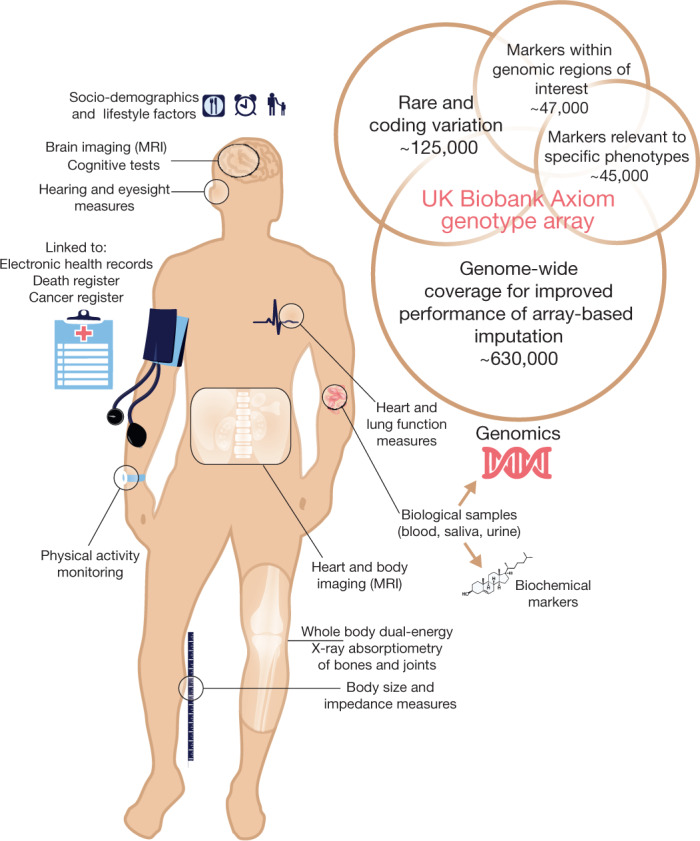
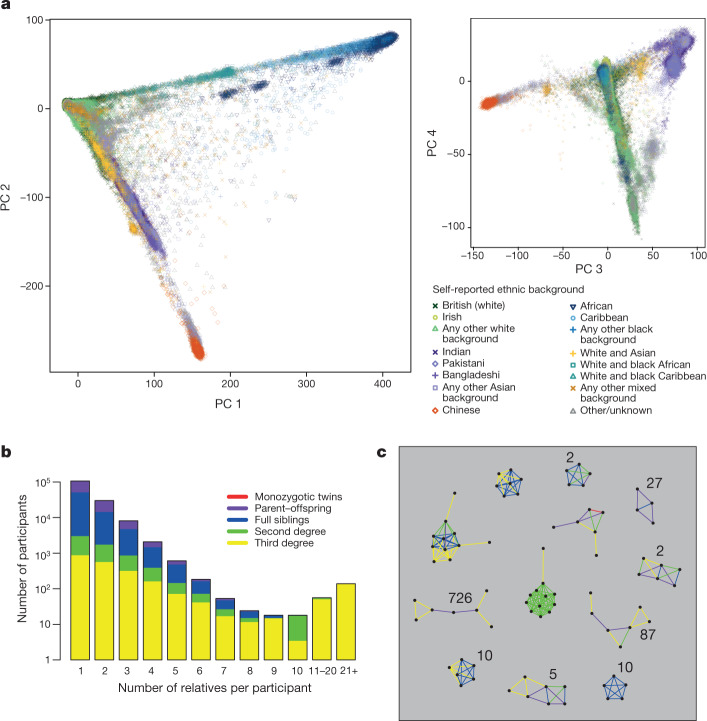
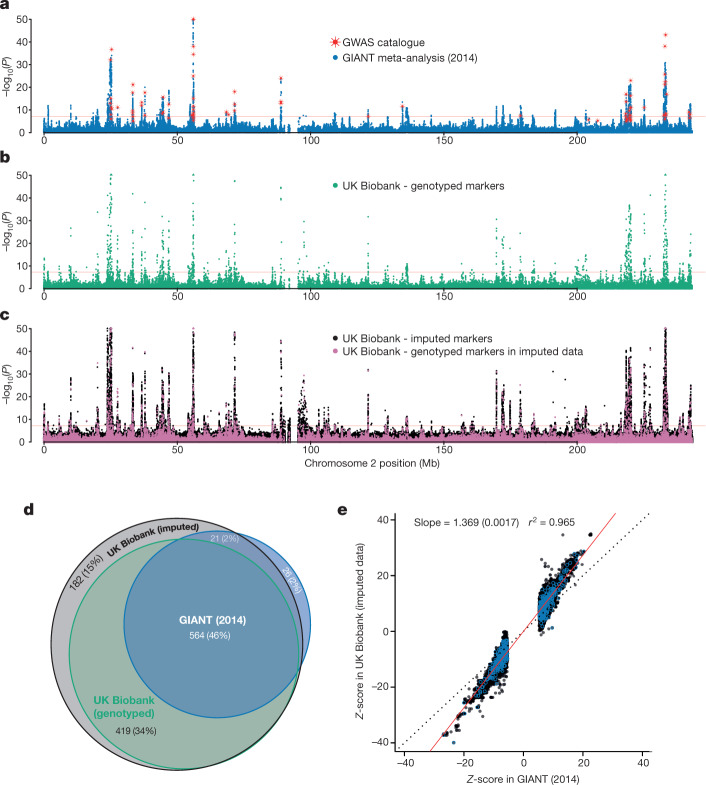
The UK Biobank project is a prospective cohort study with deep genetic and phenotypic data collected on approximately 500,000 individuals from across the United Kingdom, aged between 40 and 69 at recruitment. The open resource is unique in its size and scope. A rich variety of phenotypic and health-related information is available on each participant, including biological measurements, lifestyle indicators, biomarkers in blood and urine, and imaging of the body and brain. Follow-up information is provided by linking health and medical records. Genome-wide genotype data have been collected on all participants, providing many opportunities for the discovery of new genetic associations and the genetic bases of complex traits. Here we describe the centralized analysis of the genetic data, including genotype quality, properties of population structure and relatedness of the genetic data, and efficient phasing and genotype imputation that increases the number of testable variants to around 96 million. Classical allelic variation at 11 human leukocyte antigen genes was imputed, resulting in the recovery of signals with known associations between human leukocyte antigen alleles and many diseases.
Overview
The claims and statistics of this paper haven’t been checked yet.
Free: it reads the open-access text and checks the first 5 claims that cite a source we can check. Create a free account to check every claim.
Integrity signals
Registry
Cites
Statistics
Figures
Verification
Claims the paper makes
The claims and statistics of this paper haven’t been checked yet.
Free: it reads the open-access text and checks the first 5 claims that cite a source we can check. Create a free account to check every claim.
Claims other papers make about this one
Each is checked against this paper’s own text: does it say what the citing paper says it does?
The source backs part of the claim, not all of it — or backs it for a different population, condition or comparison.
In the citing paper
“The UKBB dataset provides information regarding more than 7000 phenotypes assessed in up to 500,000 participants from six ancestry groups [32].”
From Denisovan and Neanderthal archaic introgression differentially impacted the genetics of complex traits in modern populations (2022) · cites this paper as [32]
Experimental — accuracy not yet measuredThe source backs part of the claim, not all of it — or backs it for a different population, condition or comparison.
In the citing paper
“In the UK, the UK Biobank initiated enrollment in 2006, reaching a final participant count of over 500,000, and plans to follow participants for at least 30 years after enrollment 81 .”
From Multimodal biomedical AI (2022) · cites this paper as [81]
Experimental — accuracy not yet measuredThe source backs part of the claim, not all of it — or backs it for a different population, condition or comparison.
In the citing paper
“Approximately 9.2 million people living 25 miles (40 km) from one of 22 assessment centers across England, Wales and Scotland were invited to participate, with 5.5% participating in the baseline studies.”
From Plasma proteomic associations with genetics and health in the UK Biobank (2023) · cites this paper as Bycroft et al (Nature, 2018)
Experimental — accuracy not yet measuredThe cited source says what the claim attributes to it.
In the citing paper
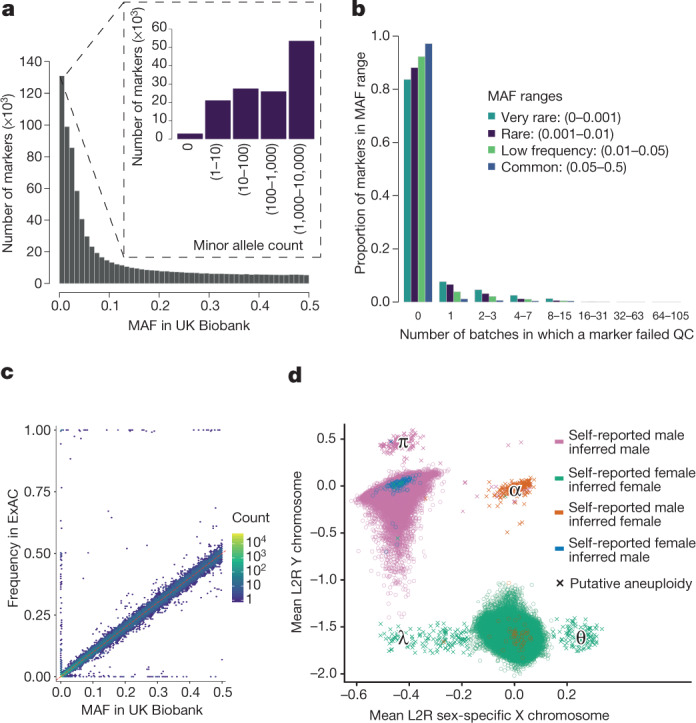
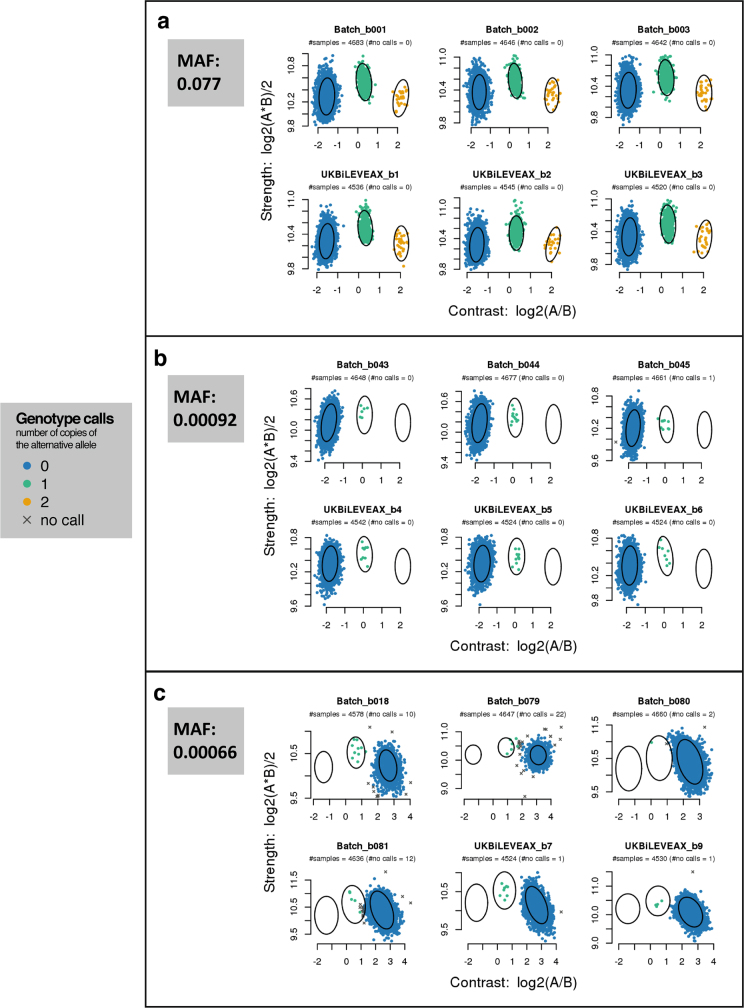
“Amongst the genetics community, it is generally well recognised that SNP-chips perform poorly for genotyping rare genetic variants [9-11] due to their reliance upon data clustering (Figure 1).”
From Assessing the analytical validity of SNP-chips for detecting very rare pathogenic variants: implications for direct-to-consumer genetic testing (2019) · cites this paper as [10]
The cited source says what the claim attributes to it.
In the citing paper
“The genetics community generally recognises that SNP chips perform poorly for genotyping rare genetic variants owing to their reliance on data clustering (fig 1).9 10 11”
From Use of SNP chips to detect rare pathogenic variants: retrospective, population based diagnostic evaluation (2021) · cites this paper as [10]
6 more claims about this paper
Create a free account to see every claim other papers make about this one.
Self-check
Percentages, sums and reported differences re-computed from the paper’s own numbers.
The self-check needs the paper’s full text.
Citations
Cites
A global reference for human genetic variation
The 1000 Genomes Project Consortium, authors, C., Auton, A., Abecasis, G. R., Steering committee, Altshuler, D. M., Durbin, R. M., Abecasis, G. R., Bentley, D. R., Chakravarti, A., et al. (2015) · Nature · doi:10.1038/nature15393 · Cited by 18,247
Self-citationSudlow, C., Gallacher, J., Allen, N., Beral, V., Burton, P., Danesh, J., Downey, P., Elliott, P., Green, J., Landray, M., et al. (2015) · PLOS Medicine · doi:10.1371/journal.pmed.1001779 · Cited by 12,728
Self-citationAnalysis of protein-coding genetic variation in 60,706 humans
Exome Aggregation Consortium, Lek, M., Karczewski, K. J., Minikel, E. V., Samocha, K. E., Banks, E., Fennell, T., O’Donnell-Luria, A. H., Ware, J. S., Hill, A. J., et al. (2016) · Nature · doi:10.1038/nature19057 · Cited by 9,587
A haplotype map of the human genome
The International HapMap Consortium (2005) · Nature · doi:10.1038/nature04226 · Cited by 5,858
Robust relationship inference in genome-wide association studies
Manichaikul, A., Mychaleckyj, J. C., Rich, S. S., Daly, K., Sale, M., & Chen, W.-M. (2010) · Bioinformatics · doi:10.1093/bioinformatics/btq559 · Cited by 3,541
A reference panel of 64,976 haplotypes for genotype imputation
the Haplotype Reference Consortium (2016) · Nature Genetics · doi:10.1038/ng.3643 · Cited by 2,836
Self-citationThe NHGRI GWAS Catalog, a curated resource of SNP-trait associations
Welter, D., MacArthur, J., Morales, J., Burdett, T., Hall, P., Junkins, H., Klemm, A., Flicek, P., Manolio, T., Hindorff, L., et al. (2014) · Nucleic Acids Research · doi:10.1093/nar/gkt1229 · Cited by 2,707
Genetic risk and a primary role for cell-mediated immune mechanisms in multiple sclerosis
The International Multiple Sclerosis Genetics Consortium & The Wellcome Trust Case Control Consortium 2 (2011) · Nature · doi:10.1038/nature10251 · Cited by 2,697
Self-citationMultimodal population brain imaging in the UK Biobank prospective epidemiological study
Miller, K. L., Alfaro-Almagro, F., Bangerter, N. K., Thomas, D. L., Yacoub, E., Xu, J., Bartsch, A. J., Jbabdi, S., Sotiropoulos, S. N., Andersson, J. L. R., et al. (2016) · Nature Neuroscience · doi:10.1038/nn.4393 · Cited by 2,020
The Electronic Medical Records and Genomics (eMERGE) Consortium, Wood, A. R., The MIGen Consortium, The PAGE Consortium, Study, T. L. C., Esko, T., Yang, J., Vedantam, S., Pers, T. H., Gustafsson, S., et al. (2014) · Nature Genetics · doi:10.1038/ng.3097 · Cited by 1,853
Self-citation
Cited by
Items 201–300 of 1,161
Ultra-processed food consumption and type 2 diabetes incidence: A prospective cohort study
Levy, R. B., Rauber, F., Chang, K., Louzada, M. L. D. C., Monteiro, C. A., Millett, C., & Vamos, E. P. (2021) · Clinical Nutrition · doi:10.1016/j.clnu.2020.12.018 · Cited by 223
Sohrabi, C., Mathew, G., Franchi, T., Kerwan, A., Griffin, M., Soleil C Del Mundo, J., Ali, S. A., Agha, M., & Agha, R. (2021) · International Journal of Surgery · doi:10.1016/j.ijsu.2020.12.008 · Cited by 239
Nievergelt, C. M., Maihofer, A. X., Atkinson, E. G., Chen, C.-Y., Choi, K. W., Coleman, J. R. I., Daskalakis, N. P., Duncan, L. E., Polimanti, R., Aaronson, C., et al. (2024) · Nature Genetics · doi:10.1038/s41588-024-01707-9 · Cited by 199
“Briefly, Pan-UKB genome-wide association statistics were generated using the SAIGE and included a kinship matrix as a random effect and covariates as fixed effects.”
InfluentialAssociation analyses identify 31 new risk loci for colorectal cancer susceptibility
Law, P. J., Timofeeva, M., Fernandez-Rozadilla, C., Broderick, P., Studd, J., Fernandez-Tajes, J., Farrington, S., Svinti, V., Palles, C., Orlando, G., et al. (2019) · Nature Communications · doi:10.1038/s41467-019-09775-w · Cited by 251
Ray, D., & Chatterjee, N. (2020) · PLOS Genetics · doi:10.1371/journal.pgen.1009218 · Cited by 235
Keaton, J. M., Kamali, Z., Xie, T., Vaez, A., Williams, A., Goleva, S. B., Ani, A., Evangelou, E., Hellwege, J. N., Yengo, L., et al. (2024) · Nature Genetics · doi:10.1038/s41588-024-01714-w · Cited by 227
Trinder, M., Francis, G. A., & Brunham, L. R. (2020) · JAMA Cardiology · doi:10.1001/jamacardio.2019.5954 · Cited by 236
Association of Telomere Length With Risk of Disease and Mortality
Schneider, C. V., Schneider, K. M., Teumer, A., Rudolph, K. L., Hartmann, D., Rader, D. J., & Strnad, P. (2022) · JAMA Internal Medicine · doi:10.1001/jamainternmed.2021.7804 · Cited by 243
Zheng, Z., Liu, S., Sidorenko, J., Wang, Y., Lin, T., Yengo, L., Turley, P., Ani, A., Wang, R., Nolte, I. M., et al. (2024) · Nature Genetics · doi:10.1038/s41588-024-01704-y · Cited by 212
“The UK Biobank (UKB) is a large volunteer cohort with sample size of more than 500,000 individuals from the United Kingdom 57 .”
Host genetics and infectious disease: new tools, insights and translational opportunities
Kwok, A. J., Mentzer, A., & Knight, J. C. (2021) · Nature Reviews Genetics · doi:10.1038/s41576-020-00297-6 · Cited by 246
Standardized and reproducible measurement of decision-making in mice
Laboratory, T. I. B., Aguillon-Rodriguez, V., Angelaki, D., Bayer, H., Bonacchi, N., Carandini, M., Cazettes, F., Chapuis, G., Churchland, A. K., Dan, Y., et al. (2021) · eLife · doi:10.7554/elife.63711 · Cited by 189
Genetic analyses identify widespread sex-differential participation bias
Pirastu, N., Cordioli, M., Nandakumar, P., Mignogna, G., Abdellaoui, A., Hollis, B., Kanai, M., Rajagopal, V. M., Parolo, P. D. B., Baya, N., et al. (2021) · Nature Genetics · doi:10.1038/s41588-021-00846-7 · Cited by 251
Self-citationWatanabe, K., Jansen, P. R., Savage, J. E., Nandakumar, P., Wang, X., 23andMe Research Team, Agee, M., Aslibekyan, S., Auton, A., Bell, R. K., et al. (2022) · Nature Genetics · doi:10.1038/s41588-022-01124-w · Cited by 234
Self-citationLiu, C., Dhindsa, D., Almuwaqqat, Z., Ko, Y.-A., Mehta, A., Alkhoder, A. A., Alras, Z., Desai, S. R., Patel, K. J., Hooda, A., et al. (2022) · JAMA Cardiology · doi:10.1001/jamacardio.2022.0912 · Cited by 250
Wang, H., Lane, J. M., Jones, S. E., Dashti, H. S., Ollila, H. M., Wood, A. R., van Hees, V. T., Brumpton, B., Winsvold, B. S., Kantojärvi, K., et al. (2019) · Nature Communications · doi:10.1038/s41467-019-11456-7 · Cited by 237
Ghodsian, N., Abner, E., Emdin, C. A., Gobeil, É., Taba, N., Haas, M. E., Perrot, N., Manikpurage, H. D., Gagnon, É., Bourgault, J., et al. (2021) · Cell Reports Medicine · doi:10.1016/j.xcrm.2021.100437 · Cited by 229
Codd, V., Denniff, M., Swinfield, C., Warner, S. C., Papakonstantinou, M., Sheth, S., Nanus, D. E., Budgeon, C. A., Musicha, C., Bountziouka, V., et al. (2022) · Nature Aging · doi:10.1038/s43587-021-00166-9 · Cited by 247
How genome-wide association studies (GWAS) made traditional candidate gene studies obsolete
Duncan, L. E., Ostacher, M., & Ballon, J. (2019) · Neuropsychopharmacology · doi:10.1038/s41386-019-0389-5 · Cited by 220
Virtual clinical trials in medical imaging: a review
Abadi, E., Segars, W. P., Tsui, B. M. W., Kinahan, P. E., Bottenus, N., Frangi, A. F., Maidment, A., Lo, J., & Samei, E. (2020) · Journal of Medical Imaging · doi:10.1117/1.jmi.7.4.042805 · Cited by 224
Rabe, K. F., Celli, B. R., Wechsler, M. E., Abdulai, R. M., Luo, X., Boomsma, M. M., Staudinger, H., Horowitz, J. E., Baras, A., Ferreira, M. A., et al. (2021) · The Lancet Respiratory Medicine · doi:10.1016/s2213-2600(21)00167-3 · Cited by 232
Wu, L., Yang, Y., Guo, X., Shu, X.-O., Cai, Q., Shu, X., Li, B., Tao, R., Wu, C., Nikas, J. B., et al. (2020) · Nature Communications · doi:10.1038/s41467-020-17673-9 · Cited by 244
Genome-wide association study of medication-use and associated disease in the UK Biobank
Wu, Y., Byrne, E. M., Zheng, Z., Kemper, K. E., Yengo, L., Mallett, A. J., Yang, J., Visscher, P. M., & Wray, N. R. (2019) · Nature Communications · doi:10.1038/s41467-019-09572-5 · Cited by 243
Heart-brain connections: Phenotypic and genetic insights from magnetic resonance images
Zhao, B., Li, T., Fan, Z., Yang, Y., Shu, J., Yang, X., Wang, X., Luo, T., Tang, J., Xiong, D., et al. (2023) · Science · doi:10.1126/science.abn6598 · Cited by 240
Blauwendraat, C., Reed, X., Krohn, L., Heilbron, K., Bandres-Ciga, S., Tan, M., Gibbs, J. R., Hernandez, D. G., Kumaran, R., Langston, R., et al. (2020) · Brain · doi:10.1093/brain/awz350 · Cited by 236
INVENT Consortium, Klarin, D., Program, V. A. M. V., Busenkell, E., Judy, R., Lynch, J., Levin, M., Haessler, J., Aragam, K., Chaffin, M., et al. (2019) · Nature Genetics · doi:10.1038/s41588-019-0519-3 · Cited by 243
Exploring and visualizing large-scale genetic associations by using PheWeb
Gagliano Taliun, S. A., VandeHaar, P., Boughton, A. P., Welch, R. P., Taliun, D., Schmidt, E. M., Zhou, W., Nielsen, J. B., Willer, C. J., Lee, S., et al. (2020) · Nature Genetics · doi:10.1038/s41588-020-0622-5 · Cited by 239
Machine learning applications in drug development
Réda, C., Kaufmann, E., & Delahaye-Duriez, A. (2020) · Computational and Structural Biotechnology Journal · doi:10.1016/j.csbj.2019.12.006 · Cited by 228
Association of clonal hematopoiesis with chronic obstructive pulmonary disease
Miller, P. G., Qiao, D., Rojas-Quintero, J., Honigberg, M. C., Sperling, A. S., Gibson, C. J., Bick, A. G., Niroula, A., McConkey, M. E., Sandoval, B., et al. (2022) · Blood · doi:10.1182/blood.2021013531 · Cited by 235
Coassin, S., & Kronenberg, F. (2022) · Atherosclerosis · doi:10.1016/j.atherosclerosis.2022.04.003 · Cited by 219
“In Mukamel et al. [24], this iKIV-2 explains 61% of Lp(a) variance in the UK Biobank [135], which is remarkably close to the upper bound of variance explained by isoforms measured directly by Western blotting (30 – 70% [1]).”
Synergistic insights into human health from aptamer- and antibody-based proteomic profiling
Pietzner, M., Wheeler, E., Carrasco-Zanini, J., Kerrison, N. D., Oerton, E., Koprulu, M., Luan, J., Hingorani, A. D., Williams, S. A., Wareham, N. J., et al. (2021) · Nature Communications · doi:10.1038/s41467-021-27164-0 · Cited by 234
Downes, K., Megy, K., Duarte, D., Vries, M., Gebhart, J., Hofer, S., Shamardina, O., Deevi, S. V. V., Stephens, J., Mapeta, R., et al. (2019) · Blood · doi:10.1182/blood.2018891192 · Cited by 222
Genome-wide Association Study for Vitamin D Levels Reveals 69 Independent Loci
Manousaki, D., Mitchell, R., Dudding, T., Haworth, S., Harroud, A., Forgetta, V., Shah, R. L., Luan, J., Langenberg, C., Timpson, N. J., et al. (2020) · The American Journal of Human Genetics · doi:10.1016/j.ajhg.2020.01.017 · Cited by 234
“Between 2006 and 2010 approximately half a million British adults were recruited by UK Biobank.(47) Participants provided biological samples, physical measurements, and answered questionnaires relating to general health and lifestyle.”
BackgroundInfluentialGenomic Research Through an Indigenous Lens: Understanding the Expectations
Garrison, N. A., Hudson, M., Ballantyne, L. L., Garba, I., Martinez, A., Taualii, M., Arbour, L., Caron, N. R., & Rainie, S. C. (2019) · Annual Review of Genomics and Human Genetics · doi:10.1146/annurev-genom-083118-015434 · Cited by 220
Harmonizing Genetic Ancestry and Self-identified Race/Ethnicity in Genome-wide Association Studies
Fang, H., Hui, Q., Lynch, J., Honerlaw, J., Assimes, T. L., Huang, J., Vujkovic, M., Damrauer, S. M., Pyarajan, S., Gaziano, J. M., et al. (2019) · The American Journal of Human Genetics · doi:10.1016/j.ajhg.2019.08.012 · Cited by 245
“002, all loci were replicated by the UK Biobank (UKB).(26,29) It was more challenging to validate the remaining two loci that were only significant in MVP non-Hispanic black and not in the mega-analysis due to the unavailability of large-scale minority cohorts.”
BackgroundZhou, W., Zhao, Z., Nielsen, J. B., Fritsche, L. G., LeFaive, J., Gagliano Taliun, S. A., Bi, W., Gabrielsen, M. E., Daly, M. J., Neale, B. M., et al. (2020) · Nature Genetics · doi:10.1038/s41588-020-0621-6 · Cited by 227
“We also applied SAIGE-GENE to analyze 15,342 genes for 53 quantitative traits in 408,910 UK Biobank participants with White British ancestry 2 .”
MethodWang, N., Sun, Y., Zhang, H., Wang, B., Chen, C., Wang, Y., Chen, J., Tan, X., Zhang, J., Xia, F., et al. (2021) · European Heart Journal · doi:10.1093/eurheartj/ehab505 · Cited by 218
Common genetic variation influencing human white matter microstructure
Zhao, B., Li, T., Yang, Y., Wang, X., Luo, T., Shan, Y., Zhu, Z., Xiong, D., Hauberg, M. E., Bendl, J., et al. (2021) · Science · doi:10.1126/science.abf3736 · Cited by 231
Novel loci for childhood body mass index and shared heritability with adult cardiometabolic traits
Vogelezang, S., Bradfield, J. P., Ahluwalia, T. S., Curtin, J. A., Lakka, T. A., Grarup, N., Scholz, M., van der Most, P. J., Monnereau, C., Stergiakouli, E., et al. (2020) · PLOS Genetics · doi:10.1371/journal.pgen.1008718 · Cited by 217
Monogenic and polygenic inheritance become instruments for clonal selection
Loh, P.-R., Genovese, G., & McCarroll, S. A. (2020) · Nature · doi:10.1038/s41586-020-2430-6 · Cited by 228
“We restricted our analyses to 487,409 individuals passing previous genotyping QC and previously imputed to ∼93 million autosomal variants [12]; we re-phased these individuals using Eagle2 [14] to improve phasing accuracy and imputed them to the union of the BiLEVE and Biobank arrays using Minimac3 [37] (Supplementary…”
InfluentialFasolino, M., Schwartz, G. W., Patil, A. R., Mongia, A., Golson, M. L., Wang, Y. J., Morgan, A., Liu, C., Schug, J., Liu, J., et al. (2022) · Nature Metabolism · doi:10.1038/s42255-022-00531-x · Cited by 210
Gong, W., Guo, P., Li, Y., Liu, L., Yan, R., Liu, S., Wang, S., Xue, F., Zhou, X., & Yuan, Z. (2023) · JAMA Psychiatry · doi:10.1001/jamapsychiatry.2022.4974 · Cited by 225
Han, Y., Jia, Q., Jahani, P. S., Hurrell, B. P., Pan, C., Huang, P., Gukasyan, J., Woodward, N. C., Eskin, E., Gilliland, F. D., et al. (2020) · Nature Communications · doi:10.1038/s41467-020-15649-3 · Cited by 222
Tribulations and future opportunities for artificial intelligence in precision medicine
Carini, C., & Seyhan, A. A. (2024) · Journal of Translational Medicine · doi:10.1186/s12967-024-05067-0 · Cited by 173
“…enabling the use of PM by establishing data repositories is not restricted to the United States; examples from Biobanks in many countries, such as the UK Biobank, [36], BioBank Japan, [37], and Australian Genomics Health Alliance [38] demonstrate the power of changing attitudes toward PM globally.”
BackgroundFrom target discovery to clinical drug development with human genetics
Trajanoska, K., Bhérer, C., Taliun, D., Zhou, S., Richards, J. B., & Mooser, V. (2023) · Nature · doi:10.1038/s41586-023-06388-8 · Cited by 220
“Most of these initiatives are public–private partnerships, including the 100,000 Genomes Project and the UK Biobank in the UK 101–105 , All of Us in the USA 106 , deCODE in Iceland 107 , BioBank Japan 108,109 , the Estonian Biobank 110 and FinnGen in Finland 77,111,112 .”
BackgroundWu, Y., Murray, G. K., Byrne, E. M., Sidorenko, J., Visscher, P. M., & Wray, N. R. (2021) · Nature Communications · doi:10.1038/s41467-021-21280-7 · Cited by 212
Genetic analysis of over half a million people characterises C-reactive protein loci
Said, S., Pazoki, R., Karhunen, V., Võsa, U., Ligthart, S., Bodinier, B., Koskeridis, F., Welsh, P., Alizadeh, B. Z., Chasman, D. I., et al. (2022) · Nature Communications · doi:10.1038/s41467-022-29650-5 · Cited by 215
The single-cell eQTLGen consortium
van der Wijst, M., de Vries, D., Groot, H., Trynka, G., Hon, C., Bonder, M., Stegle, O., Nawijn, M., Idaghdour, Y., van der Harst, P., et al. (2020) · eLife · doi:10.7554/elife.52155 · Cited by 218
Patel, A. P., Wang, M., Kartoun, U., Ng, K., & Khera, A. V. (2021) · Circulation · doi:10.1161/circulationaha.120.052430 · Cited by 205
Liu, H., Doke, T., Guo, D., Sheng, X., Ma, Z., Park, J., Vy, H. M. T., Nadkarni, G. N., Abedini, A., Miao, Z., et al. (2022) · Nature Genetics · doi:10.1038/s41588-022-01097-w · Cited by 209
Kiryluk, K., Sanchez-Rodriguez, E., Zhou, X.-J., Zanoni, F., Liu, L., Mladkova, N., Khan, A., Marasa, M., Zhang, J. Y., Balderes, O., et al. (2023) · Nature Genetics · doi:10.1038/s41588-023-01422-x · Cited by 191
Raverdy, V., Tavaglione, F., Chatelain, E., Lassailly, G., De Vincentis, A., Vespasiani-Gentilucci, U., Qadri, S. F., Caiazzo, R., Verkindt, H., Saponaro, C., et al. (2024) · Nature Medicine · doi:10.1038/s41591-024-03283-1 · Cited by 169
“In the UK Biobank, genotyping was available for approximately 490,000 individuals and was performed using two similar genotyping arrays (that is Affymetrix UK BiLEVE and UK Biobank Axiom arrays) as described elsewhere 60 .”
Genomic findings in schizophrenia and their implications
Owen, M. J., Legge, S. E., Rees, E., Walters, J. T. R., & O’Donovan, M. C. (2023) · Molecular Psychiatry · doi:10.1038/s41380-023-02293-8 · Cited by 180
Surendran, P., Feofanova, E. V., Lahrouchi, N., Ntalla, I., Karthikeyan, S., Cook, J., Chen, L., Mifsud, B., Yao, C., Kraja, A. T., et al. (2020) · Nature Genetics · doi:10.1038/s41588-020-00713-x · Cited by 210
Obesity and risk of female reproductive conditions: A Mendelian randomisation study
Venkatesh, S. S., Ferreira, T., Benonisdottir, S., Rahmioglu, N., Becker, C. M., Granne, I., Zondervan, K. T., Holmes, M. V., Lindgren, C. M., & Wittemans, L. B. L. (2022) · PLOS Medicine · doi:10.1371/journal.pmed.1003679 · Cited by 196
“For non-linear MR analyses, we selected female UKBB participants of white British ancestry with no second-degree or closer relatives in the study, as identified by the UKBB team [55], to avoid violation of the MR assumption of random assignment of genetic variants; 207,705 women were retained following this selection.”
MethodIntegrating the environmental and genetic architectures of aging and mortality
Argentieri, M. A., Amin, N., Nevado-Holgado, A. J., Sproviero, W., Collister, J. A., Keestra, S. M., Kuilman, M. M., Ginos, B. N. R., Ghanbari, M., Doherty, A., et al. (2025) · Nature Medicine · doi:10.1038/s41591-024-03483-9 · Cited by 211
“The UKB is a prospective cohort study with extensive genetic and phenotype data available for 502,505 individuals resident in the UK 36 .”
Rare-variant collapsing analyses for complex traits: guidelines and applications
Povysil, G., Petrovski, S., Hostyk, J., Aggarwal, V., Allen, A. S., & Goldstein, D. B. (2019) · Nature Reviews Genetics · doi:10.1038/s41576-019-0177-4 · Cited by 215
Making the Most of Clumping and Thresholding for Polygenic Scores
Privé, F., Vilhjálmsson, B. J., Aschard, H., & Blum, M. G. B. (2019) · The American Journal of Human Genetics · doi:10.1016/j.ajhg.2019.11.001 · Cited by 203
Genome-wide association study of MRI markers of cerebral small vessel disease in 42,310 participants
Persyn, E., Hanscombe, K. B., Howson, J. M. M., Lewis, C. M., Traylor, M., & Markus, H. S. (2020) · Nature Communications · doi:10.1038/s41467-020-15932-3 · Cited by 213
Deep learning enables genetic analysis of the human thoracic aorta
Pirruccello, J. P., Chaffin, M. D., Chou, E. L., Fleming, S. J., Lin, H., Nekoui, M., Khurshid, S., Friedman, S. F., Bick, A. G., Arduini, A., et al. (2022) · Nature Genetics · doi:10.1038/s41588-021-00962-4 · Cited by 210
“As detailed previously, UK Biobank samples were genotyped on either the UK BiLEVE or UK Biobank Axiom arrays, then centrally imputed into the Haplotype Reference Consortium panel and the UK10K + 1000 Genomes panel 66 .”
InfluentialCausal relationships between obesity and the leading causes of death in women and men
Censin, J. C., Peters, S. A. E., Bovijn, J., Ferreira, T., Pulit, S. L., Mägi, R., Mahajan, A., Holmes, M. V., & Lindgren, C. M. (2019) · PLOS Genetics · doi:10.1371/journal.pgen.1008405 · Cited by 203
“Briefly, the UK Biobank samples were genotyped using one of two different arrays, the UK biobank BiLEVE array or the UK biobank array [23].”
MethodHematopoietic mosaic chromosomal alterations increase the risk for diverse types of infection
Zekavat, S. M., Lin, S.-H., Bick, A. G., Liu, A., Paruchuri, K., Wang, C., Uddin, M. M., Ye, Y., Yu, Z., Liu, X., et al. (2021) · Nature Medicine · doi:10.1038/s41591-021-01371-0 · Cited by 198
Genomic insights into population history and biological adaptation in Oceania
Choin, J., Mendoza-Revilla, J., Arauna, L. R., Cuadros-Espinoza, S., Cassar, O., Larena, M., Ko, A. M.-S., Harmant, C., Laurent, R., Verdu, P., et al. (2021) · Nature · doi:10.1038/s41586-021-03236-5 · Cited by 208
Coleman, J. R. I., Peyrot, W. J., Purves, K. L., Davis, K. A. S., Rayner, C., Choi, S. W., Hübel, C., Gaspar, H. A., Kan, C., Van der Auwera, S., et al. (2020) · Molecular Psychiatry · doi:10.1038/s41380-019-0546-6 · Cited by 194
Self-citationGenotyping Array Design and Data Quality Control in the Million Veteran Program
Hunter-Zinck, H., Shi, Y., Li, M., Gorman, B. R., Ji, S.-G., Sun, N., Webster, T., Liem, A., Hsieh, P., Devineni, P., et al. (2020) · The American Journal of Human Genetics · doi:10.1016/j.ajhg.2020.03.004 · Cited by 198
“About 53% of these markers were also present in the UK Biobank.”
InfluentialGenotype imputation using the Positional Burrows Wheeler Transform
Rubinacci, S., Delaneau, O., & Marchini, J. (2020) · PLOS Genetics · doi:10.1371/journal.pgen.1009049 · Cited by 205
“We compared IMPUTE5 to IMPUTE4, MINIMAC4 (v.1.0.0) 18 and BEAGLE5 (v.16May19.”
BackgroundMethodInfluentialSelf-citationCalculating Polygenic Risk Scores (PRS) in UK Biobank: A Practical Guide for Epidemiologists
Collister, J. A., Liu, X., & Clifton, L. (2022) · Frontiers in Genetics · doi:10.3389/fgene.2022.818574 · Cited by 191
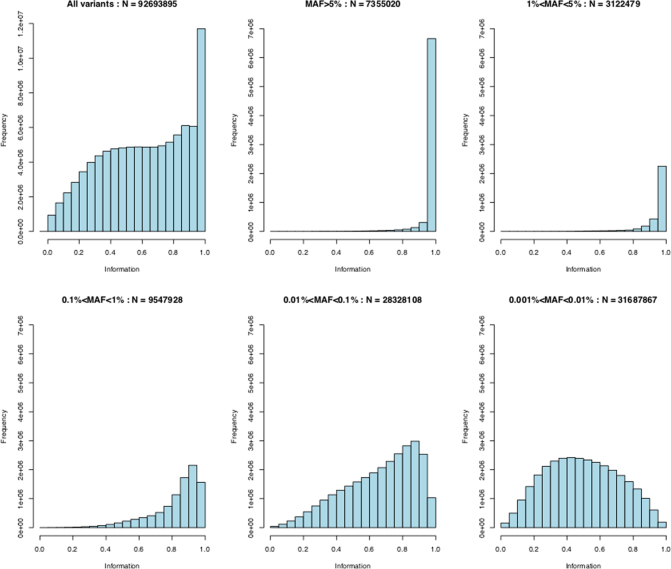
“…that the amount of data at the imputed marker is approximately equivalent to a set of perfectly observed genotype data in a sample size of αM” and note that an information measure of 0.3 should yield good power to detect association given the large sample size of UKB (Bycroft et al., 2018).”
BackgroundMethodInfluentialCell subtype-specific effects of genetic variation in the Alzheimer’s disease brain
Fujita, M., Gao, Z., Zeng, L., McCabe, C., White, C. C., Ng, B., Green, G. S., Rozenblatt-Rosen, O., Phillips, D., Amir-Zilberstein, L., et al. (2024) · Nature Genetics · doi:10.1038/s41588-024-01685-y · Cited by 173
Population-scale tissue transcriptomics maps long non-coding RNAs to complex disease
de Goede, O. M., Nachun, D. C., Ferraro, N. M., Gloudemans, M. J., Rao, A. S., Smail, C., Eulalio, T. Y., Aguet, F., Ng, B., Xu, J., et al. (2021) · Cell · doi:10.1016/j.cell.2021.03.050 · Cited by 193
The schizophrenia syndrome, circa 2024: What we know and how that informs its nature
Tandon, R., Nasrallah, H., Akbarian, S., Carpenter, W. T., DeLisi, L. E., Gaebel, W., Green, M. F., Gur, R. E., Heckers, S., Kane, J. M., et al. (2024) · Schizophrenia Research · doi:10.1016/j.schres.2023.11.015 · Cited by 179
Fan, Y., Bian, X., Meng, X., Li, L., Fu, L., Zhang, Y., Wang, L., Zhang, Y., Gao, D., Guo, X., et al. (2024) · Annals of the Rheumatic Diseases · doi:10.1136/ard-2023-224420 · Cited by 169
Steinthorsdottir, V., McGinnis, R., Williams, N. O., Stefansdottir, L., Thorleifsson, G., Shooter, S., Fadista, J., Sigurdsson, J. K., Auro, K. M., Berezina, G., et al. (2020) · Nature Communications · doi:10.1038/s41467-020-19733-6 · Cited by 188
Sun, J., Zhao, J., Jiang, F., Wang, L., Xiao, Q., Han, F., Chen, J., Yuan, S., Wei, J., Larsson, S. C., et al. (2023) · Genome Medicine · doi:10.1186/s13073-023-01229-9 · Cited by 181
“Two GWAS summary data included CRC cases and controls of European ancestry from independent FinnGen (4957 CRC cases and 304,197 controls) [24] and UK Biobank (UKBB) (9276 cases and 477,069 controls) [25] datasets were employed in the replication proteome-wide MR.”
MethodHorowitz, J. E., Kosmicki, J. A., Damask, A., Sharma, D., Roberts, G. H. L., Justice, A. E., Banerjee, N., Coignet, M. V., Yadav, A., Leader, J. B., et al. (2022) · Nature Genetics · doi:10.1038/s41588-021-01006-7 · Cited by 202
Self-citationGenetic mapping of etiologic brain cell types for obesity
Timshel, P. N., Thompson, J. J., & Pers, T. H. (2020) · eLife · doi:10.7554/elife.55851 · Cited by 186
“For our primary analysis we obtained BMI GWAS summary statistics performed in UK Biobank participants (Nmax = 457,824) (Loh et al., 2018).”
BackgroundMethodInfluentialKachuri, L., Graff, R. E., Smith-Byrne, K., Meyers, T. J., Rashkin, S. R., Ziv, E., Witte, J. S., & Johansson, M. (2020) · Nature Communications · doi:10.1038/s41467-020-19600-4 · Cited by 189
Dand, N., Mahil, S., Capon, F., Smith, C., Simpson, M., & Barker, J. (2020) · Acta Dermato Venereologica · doi:10.2340/00015555-3384 · Cited by 178
“Theme issue: Psoriasis data (such as UK Biobank (73)) now offers the opportunity to study gene-environment interactions in a more systematic manner, and this is an active area of research in the field.”
BackgroundSazonovs, A., Stevens, C. R., Venkataraman, G. R., Yuan, K., Avila, B., Abreu, M. T., Ahmad, T., Allez, M., Ananthakrishnan, A. N., Atzmon, G., et al. (2022) · Nature Genetics · doi:10.1038/s41588-022-01156-2 · Cited by 194
Imputation of low-coverage sequencing data from 150,119 UK Biobank genomes
Rubinacci, S., Hofmeister, R. J., Sousa da Mota, B., & Delaneau, O. (2023) · Nature Genetics · doi:10.1038/s41588-023-01438-3 · Cited by 183
Self-citationWearable movement-tracking data identify Parkinson’s disease years before clinical diagnosis
Schalkamp, A.-K., Peall, K. J., Harrison, N. A., & Sandor, C. (2023) · Nature Medicine · doi:10.1038/s41591-023-02440-2 · Cited by 168
“Since 2006, data has been collected for >500,000 individuals aged 40-69 years with ongoing passive follow-up of clinical status 16 .”
Cardiovascular care with digital twin technology in the era of generative artificial intelligence
Thangaraj, P. M., Benson, S. H., Oikonomou, E. K., Asselbergs, F. W., & Khera, R. (2024) · European Heart Journal · doi:10.1093/eurheartj/ehae619 · Cited by 171
“74 In addition, ‘omics’ data are not commonly acquired in hospitals or clinics, limiting their generalizability across digital twins.”
Ritchie, S. C., Surendran, P., Karthikeyan, S., Lambert, S. A., Bolton, T., Pennells, L., Danesh, J., Di Angelantonio, E., Butterworth, A. S., & Inouye, M. (2023) · Scientific Data · doi:10.1038/s41597-023-01949-y · Cited by 193
A unified genealogy of modern and ancient genomes
Wohns, A. W., Wong, Y., Jeffery, B., Akbari, A., Mallick, S., Pinhasi, R., Patterson, N., Reich, D., Kelleher, J., & McVean, G. (2022) · Science · doi:10.1126/science.abi8264 · Cited by 179
“O ur ability to determine relationships among individuals, populations, and species is being transformed by populationscale biobanks of medical samples (1, 2), collections of thousands of ancient genomes (3), and efforts to sequence millions of eukaryotic species for comparative genomic analyses (4).”
BackgroundSelf-citationRichardson, T. G., Harrison, S., Hemani, G., & Davey Smith, G. (2019) · eLife · doi:10.7554/elife.43657 · Cited by 198
“In this study, we have constructed 162 different PRS (based on p<5 10 ) using findings from large-scale GWAS and evaluated their association with 551 traits in up to 334,398 individuals enrolled in the UK Biobank study (Bycroft et al., 2018; Sudlow et al., 2015).”
BackgroundMethodNetwork Medicine in the Age of Biomedical Big Data
Sonawane, A. R., Weiss, S. T., Glass, K., & Sharma, A. (2019) · Frontiers in Genetics · doi:10.3389/fgene.2019.00294 · Cited by 186
“On the disease-gene discovery side, projects like the UK biobank prospective cohort study, which includes in-depth genetic and phenotypic data, will enhance knowledge regarding the missing disease genes (Bycroft et al., 2018).”
BackgroundZhu, M., Ma, Z., Zhang, X., Hang, D., Yin, R., Feng, J., Xu, L., & Shen, H. (2022) · BMC Medicine · doi:10.1186/s12916-022-02506-x · Cited by 187
“Imputation was performed with SHAPEIT3 and IMPUTE3 based on merged UK10K and 1000 Genomes phase3 panels [22].”
MethodStroke genetics: discovery, biology, and clinical applications
Dichgans, M., Pulit, S. L., & Rosand, J. (2019) · The Lancet Neurology · doi:10.1016/s1474-4422(19)30043-2 · Cited by 187
“The last five years have seen dramatic advances in genomic technologies, sequencing costs, biobanking, and data sharing, which collectively have accelerated genetic discovery.(2,8,9) Genetic studies in stroke are now interrogating both common and rare genetic variation for a causal role in disease.”
BackgroundGiannakopoulou, O., Lin, K., Meng, X., Su, M.-H., Kuo, P.-H., Peterson, R. E., Awasthi, S., Moscati, A., Coleman, J. R. I., Bass, N., et al. (2021) · JAMA Psychiatry · doi:10.1001/jamapsychiatry.2021.2099 · Cited by 193
Abraham, G., Malik, R., Yonova-Doing, E., Salim, A., Wang, T., Danesh, J., Butterworth, A. S., Howson, J. M. M., Inouye, M., & Dichgans, M. (2019) · Nature Communications · doi:10.1038/s41467-019-13848-1 · Cited by 189
Inhibiting membrane rupture with NINJ1 antibodies limits tissue injury
Kayagaki, N., Stowe, I. B., Alegre, K., Deshpande, I., Wu, S., Lin, Z., Kornfeld, O. S., Lee, B. L., Zhang, J., Liu, J., et al. (2023) · Nature · doi:10.1038/s41586-023-06191-5 · Cited by 174
Wang, H., Zhang, F., Zeng, J., Wu, Y., Kemper, K. E., Xue, A., Zhang, M., Powell, J. E., Goddard, M. E., Wray, N. R., et al. (2019) · Science Advances · doi:10.1126/sciadv.aaw3538 · Cited by 202
Rare variant associations with plasma protein levels in the UK Biobank
Dhindsa, R. S., Burren, O. S., Sun, B. B., Prins, B. P., Matelska, D., Wheeler, E., Mitchell, J., Oerton, E., Hristova, V. A., Smith, K. R., et al. (2023) · Nature · doi:10.1038/s41586-023-06547-x · Cited by 193
“Through a series of vignettes, they highlight how these findings can support new insights into aetiology, biomarker discovery, and target validation.”
BackgroundClift, A. K., von Ende, A., Tan, P. S., Sallis, H. M., Lindson, N., Coupland, C. A. C., Munafò, M. R., Aveyard, P., Hippisley-Cox, J., & Hopewell, J. C. (2022) · Thorax · doi:10.1136/thoraxjnl-2021-217080 · Cited by 186
Cole, J. B., Florez, J. C., & Hirschhorn, J. N. (2020) · Nature Communications · doi:10.1038/s41467-020-15193-0 · Cited by 191
Zhou, A., Selvanayagam, J. B., & Hyppönen, E. (2022) · European Heart Journal · doi:10.1093/eurheartj/ehab809 · Cited by 181
RetractedThe road ahead in genetics and genomics
McGuire, A. L., Gabriel, S., Tishkoff, S. A., Wonkam, A., Chakravarti, A., Furlong, E. E. M., Treutlein, B., Meissner, A., Chang, H. Y., López-Bigas, N., et al. (2020) · Nature Reviews Genetics · doi:10.1038/s41576-020-0272-6 · Cited by 188
Use of Multi-Modal Data and Machine Learning to Improve Cardiovascular Disease Care
Amal, S., Safarnejad, L., Omiye, J. A., Ghanzouri, I., Cabot, J. H., & Ross, E. G. (2022) · Frontiers in Cardiovascular Medicine · doi:10.3389/fcvm.2022.840262 · Cited by 172
“For example, data from large biobanks such as the UK biobank, the Million Veterans Program, and the National Institutes of Health All of Us initiative contain patient-specific genomic data, imaging studies, and phenotypic data from EMR and questionnaires (10–12).”
MethodLi, Y., Sahakian, B. J., Kang, J., Langley, C., Zhang, W., Xie, C., Xiang, S., Yu, J., Cheng, W., & Feng, J. (2022) · Nature Aging · doi:10.1038/s43587-022-00210-2 · Cited by 178
A genetic map of the mouse dorsal vagal complex and its role in obesity
Ludwig, M. Q., Cheng, W., Gordian, D., Lee, J., Paulsen, S. J., Hansen, S. N., Egerod, K. L., Barkholt, P., Rhodes, C. J., Secher, A., et al. (2021) · Nature Metabolism · doi:10.1038/s42255-021-00363-1 · Cited by 186
Genome-wide analysis identifies molecular systems and 149 genetic loci associated with income
Hill, W. D., Davies, N. M., Ritchie, S. J., Skene, N. G., Bryois, J., Bell, S., Di Angelantonio, E., Roberts, D. J., Xueyi, S., Davies, G., et al. (2019) · Nature Communications · doi:10.1038/s41467-019-13585-5 · Cited by 185
Data Integration Challenges for Machine Learning in Precision Medicine
Martínez-García, M., & Hernández-Lemus, E. (2022) · Frontiers in Medicine · doi:10.3389/fmed.2021.784455 · Cited by 185
“…(24) and moving unto efforts like the UK Biobank that combines large scale clinic and phenotypic data with ultra-high-throughput genomic testing (25–28) that for the last 15 years has been generating massive data corpora used for their own means but also encouraging and feeding other…”
Background
Metadata
- Authors
- Bycroft, C., Freeman, C., Petkova, D., Band, G., Elliott, L. T., Sharp, K., Motyer, A., Vukcevic, D., Delaneau, O., O’Connell, J., Cortes, A., Welsh, S., Young, A., Effingham, M., McVean, G., Leslie, S., Allen, N., Donnelly, P., & Marchini, J.
- Affiliations
- Centre for Human Genetics (GB)
- University of Oxford (GB)
- The University of Melbourne (AU)
- University of Geneva (CH)
- Illumina (United Kingdom) (GB)
- UK Biobank (GB)
- Corresponding author
- Marchini, Jonathan
- ORCID
- Venue
- Nature
- Published
- 2018-10-10
- Volume
- 562
- Issue
- 7726
- Pages
- 203-209
- ISSN
- 0028-0836 (ISSN-L)
- 1476-4687
- PMC
- PMC6786975
- OpenAlex
- W2895486342
- Semantic Scholar
- a9cc79a5df0f7802145401b464e4bb30c23b8efa
- Cited by
- 8,876
- References
- 41
- Citations by year
- 2026: 1242 · 2025: 1612 · 2024: 1546 · 2023: 1331 · 2022: 1185 · 2021: 928 · 2020: 643 · 2019: 336 · 2018: 40
- FWCI
- 299.77
- Type
- journal article
- Language
- en
- Open access
- hybrid
- doi.org
- Licence
- cc-by
- creativecommons.org/licenses/by/4.0 (tdm)
- creativecommons.org/licenses/by/4.0 (vor)
- Locations
- Nature (publishedVersion, cc-by)
- PubMed Central (publishedVersion, cc-by)
- PubMed (publishedVersion)
- RePEc: Research Papers in Economics (submittedVersion)
- IRIS (submittedVersion, cc-by)
- Minerva Access (University of Melbourne) (submittedVersion, cc-by)
- SERVAL (Université de Lausanne) (submittedVersion, cc-by)
- Funders
- Wellcome Trust (095552/Z/11/Z, 203141/Z/16/Z, 10956/Z/13Z, 100308/Z/12/Z, 090532/Z/09/Z, 100956/Z/13/Z)
- National Institute for Health and Care Research
- British Heart Foundation
- Medical Research Council
- National Health and Medical Research Council (1053756)
- FP7 Ideas: European Research Council (617306)
- Topics
- Life Sciences › Biochemistry, Genetics and Molecular Biology › Genetics › Genetic Associations and Epidemiology
- Life Sciences › Biochemistry, Genetics and Molecular Biology › Genetics › Genetic and phenotypic traits in livestock
- Life Sciences › Biochemistry, Genetics and Molecular Biology › Genetics › Forensic and Genetic Research
- Keywords
- UK Biobank, prospective cohort, deep phenotyping, complex traits, population structure, relatedness, genotype phasing, genotype imputation, biomarkers
- MeSH terms
- Adult, Aged, Alleles, Body Height, Brain, Family, Female, United Kingdom, Haplotypes, Humans, Life Style, Major Histocompatibility Complex, Male, Middle Aged, Phenotype, Quality Control, Cohort Studies, Biomarkers, Databases, Factual, Genomics, Databases, Genetic, Racial Groups, Genome-Wide Association Study, Electronic Health Records
About these checks
Registry, retraction, Cites and statistics results are computed, not judged, with one exception: a printed reference that no index lists is read once by a model before it counts as a citation error. Claims are extracted by a model and kept only when their quote appears verbatim in the text; each cited source is then checked, with a model’s help, for whether it says what the claim relies on. Those verdicts can be wrong — read the claim’s quote and the cited source before relying on one.
Statistics and arithmetic are recomputed, not judged.
Confidence bands are shown only for fields calibrated on our annotated test set. None is calibrated yet, so no band is shown.
What counts as a claim ›How we measure confidence ›How we check this ›
Are you an author, or do you see a problem with this page? Request a review
Data sources
Bibliographic data: Semantic Scholar, OpenAlex, Crossref.
Contains information from the Semantic Scholar Academic Graph Datasets, made available under the ODC Attribution License (ODC-BY 1.0).
Semantic Scholar’s data is described in: Kinney, R., et al. (2023). The Semantic Scholar Open Data Platform. arXiv:2301.10140.
